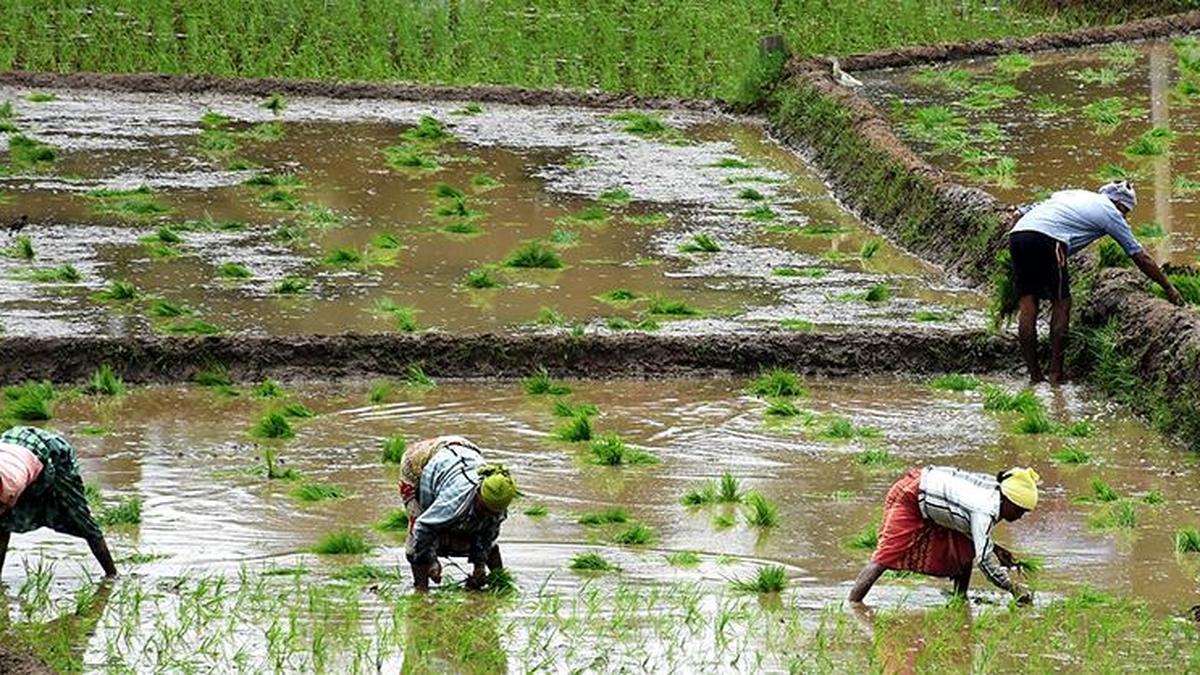
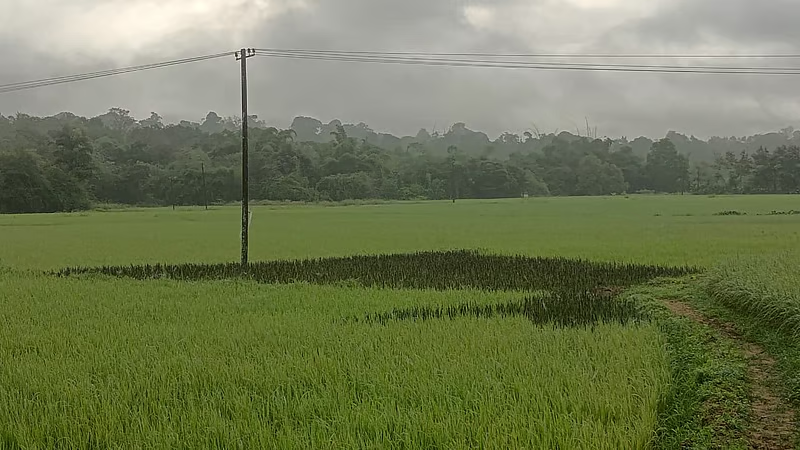
Sowing in Mysuru district | Photo Credit: File photo
A sharp deficit in pre-monsoon rainfall across southern Karnataka has raised concerns ahead of the onset of the southwest monsoon, with key districts in the Mysuru region, particularly Kodagu and Mysuru, recording significant shortfalls that could affect preparation for kharif sowing.
Data released by the Karnataka State Natural Disaster Monitoring Centre (KSNDMC) as of May 27 shows that South Interior Karnataka received 106 mm of rainfall against the normal 125 mm during the pre-monsoon period from March 1 to May 27, registering a deficit of 16 per cent.
Among the districts in the Mysuru region, the data said, Kodagu recorded the steepest decline, receiving only 106 mm rainfall against the normal 220 mm – a deficit of 52 per cent. Mysuru followed with 89 mm against the normal 184 mm, recording a 51 per cent shortage. Mandya received 96 mm against the normal 146 mm, registering a shortfall of 34 per cent, while Chamarajanagar received 140 mm against the expected 181 mm, reflecting a 22 per cent deficit.
The shortfall was more noticeable in April. Mysuru district received only 10 mm rainfall against the normal 66 mm, recording an 85 per cent deficit. Kodagu registered a 76 per cent shortfall, followed by Chamarajanagar at 75 per cent and Mandya at 59 per cent.
Although rainfall activity improved marginally in May, it remained insufficient to offset the earlier deficit. Between May 1 and 27, Mysuru received 65 mm rainfall against the normal 103 mm, registering a 37 per cent shortfall, while Kodagu received 64 mm against 114 mm, a deficit of 44 per cent. Mandya and Chamarajanagar fared relatively better, receiving 62 mm and 105 mm respectively.
The data also showed significant rainfall deficits in Hassan and Dakshina Kannada districts.
source: http://www.thehindu.com / The Hindu / Home > News> India> Karnataka / by The Hindu Bureau / May 27th, 2026
The tragedy raises urgent questions about the continued use of captive elephants for tourism, festivals, and processions in the name of tradition, even as shrinking habitats, broken elephant corridors, and rising human interference intensify conflict between humans and wildlife.
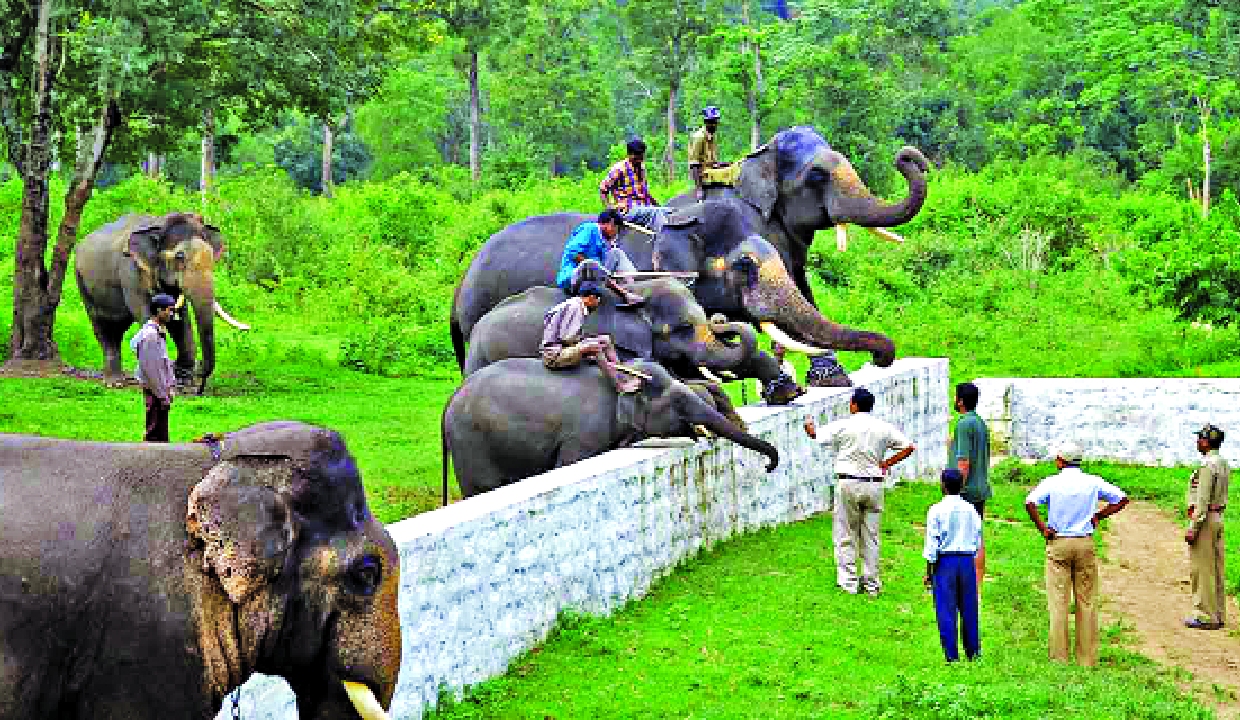
This week’s tragedy at Dubare elephant camp in Kodagu district, deep inside Karnataka’s Western Ghats, questions the decision of the authorities to permit tourists to bathe captive elephants in the flowing waters of the Cauvery River. This camp is located deep within forests dominated by the movement of wild elephants. All captive elephants in this camp were not born in captivity; many were captured from the wild and later tamed in such camps. It is not fair to conclude that tamed elephants have shed all their wild characteristics and fully obey the command and control of their masters – mahouts and kavadis. There have been instances in the past where elephants have killed their masters – mahouts and kavadis. There have also been instances where elephants did not obey the commands of the mahout and ran amok, inflicting casualties and death among crowds.
Captive elephants are often subjected to torture by mahouts using iron ankushes, which can cause bleeding and septicaemia. The footpads of elephants are frequently injured from walking on paved roads. Though camps have treatment facilities under the supervision of veterinary doctors, bleeding from earlobes and footpads is often neglected, and the elephants continue to suffer.
Let me examine in this piece how far we are justified in taking elephants for processions during special occasions and marriages where large crowds gather, and how far we are justified in continuing age-old traditions where tourists are permitted to pour water and rub the elephants’ bodies while standing beside them. On several occasions, I have personally failed to convince the Karnataka government not to use captive elephants during Mysuru Dussehra. The argument advanced was: why discontinue traditions?
Captive elephants were extensively used in dragging timber logs across hilly terrain in forestry operations in the past. The Forest Department maintained elephant camps for such operations. However, maintaining these camps was always costly, which restricted their expansion. As forestry operations have now been scaled down and tree felling in hilly terrains prohibited in the interest of conservation, these camps have largely lost their relevance.
Now, bureaucrats and politicians see these camps as permanent centres for training wild elephants that stray out of forests, damage crops and property, and threaten human lives. Earlier, the Karnataka Forest Department carried out khedda operations to capture only a few elephants needed for logging operations. However, with the advent of safer tranquillising techniques, more and more wild elephants are being captured. The department often comes under public pressure to capture elephants straying into villages. The argument advanced is that the elephant population in the wild is increasing due to conservation, and the excess population must therefore be brought into captivity. Wild elephants involved in conflicts, when translocated several hundred kilometres away into another elephant habitat, have often returned to their original homes within weeks, strengthening the argument for bringing such elephants into captivity.
In an era when elephant habitats are continuously fragmenting and shrinking owing to the expansion and widening of linear infrastructure, diversion of forests for mining, industries and development projects, and unauthorised encroachment on forest land, wild animals — especially elephants — are left with little option but to migrate in search of food, shelter, and water, thereby straying into human settlements.
The spread of invasive species and forest fires has also degraded elephant habitats. Palatable plant species and bamboo forests have suffered extensive damage, forcing elephants to move out of forests regularly. Elephant corridors that once provided migratory routes have been occupied by humans. Human settlements and cultivation inside forest pockets have expanded, to the detriment of conservation.
Captive elephant camps like Dubare are themselves islands of human activity within forests. As part of their daily routine, camp elephants are released into forests during the daytime, where they interact with wild elephants. Fights between captive and wild elephants are reported regularly. There have even been instances where captive elephants were killed by wild tuskers. Aggression is a natural part of elephant behaviour and cannot always be controlled by a mahout’s ankush. Sometimes, the animals can surprise us.
About a decade ago in Karnataka’s Kalaburagi district, an elephant in a procession kicked its mahout in full public view. The kick was mild and the mahout survived the scare. Feeling insulted, the mahout attempted to attack the elephant with an ankush. The elephant became even angrier and kicked him with such force that he fell nearly 20 feet away and died. Elephants killing their mahouts is not uncommon, and such incidents have been reported from across the country.
Within a herd, stronger elephants are also known to target weaker members. This is what happened at Dubare earlier this week. A tusker attacked a makhna (another male elephant without tusks) while tourists were permitted to bathe the herd. The hostility had likely built up over time, and on that fateful day, the tusker chose to attack the makhna in full view of tourists. The makhna collapsed onto a female tourist bathing it, crushing her to death. The tusker continued attacking the makhna until the mahout managed to calm it down. Despite the best treatment provided at the camp, the makhna died the following day.
Dubare camp also has tourist lodges run by the state-owned Jungle Lodges and Resorts (JLR). One of the activities offered to tourists is bathing the camp elephants, while another is jeep safaris through nearby forests to view wild animals. It has also been found that the entire camp and JLR premises lie within a corridor historically used by wild elephants. Blocking this corridor has disrupted elephant movement and intensified human-elephant conflict.
There are other forest pockets in Kodagu that have been granted for coffee estates. These estates too obstruct elephant corridors. More than 10,000 acres of coffee estate owned by Tata lie within this corridor. The entire estate is fenced, diverting elephants into human settlements and aggravating conflict. Sometimes elephants break through the fencing and enter the estates, threatening workers’ lives. Even the narrow roads inside coffee estates are covered by drooping coffee branches on both sides, limiting visibility. Estate management must ensure better visibility and safer movement.
This is a vicious cycle. As wild elephant movement is obstructed, incidents of conflict increase, and every human death places additional pressure on the Forest Department to capture the elephants involved and bring them into captivity. The continued operation of such elephant camps and JLR facilities is not in the interest of conservation.
Such elephant camps should be downsized in a phased manner, and corridors must be restored by removing fencing in Tata Coffee estates and around JLR properties. Tourists should not be allowed near camp elephants, and under no circumstances should close interactions be permitted. Tourist viewing areas should instead be cordoned off, allowing visitors only to observe elephants bathing in the river from a safe distance.
Dubare camp also has tourist lodges run by the state-owned Jungle Lodges and Resorts (JLR). One of the activities offered to tourists is bathing the camp elephants, while another is jeep safaris through nearby forests to view wild animals. It has also been found that the entire camp and JLR premises lie within a corridor historically used by wild elephants.
The writer is a retired Head of Forest Force, Karnataka, and teaches Economics at the Karnataka Forest Academy; Views presented are personal.
source: http://www.dailypioneer.com / The Pioneer / Home / by B K Singh / May 28th,2026
A new climate analysis finds India’s coffee farms absorbed 30 extra days of harmful heat annually because of carbon pollution. Researchers are racing to find alternatives before Arabica and Robusta run out of room.
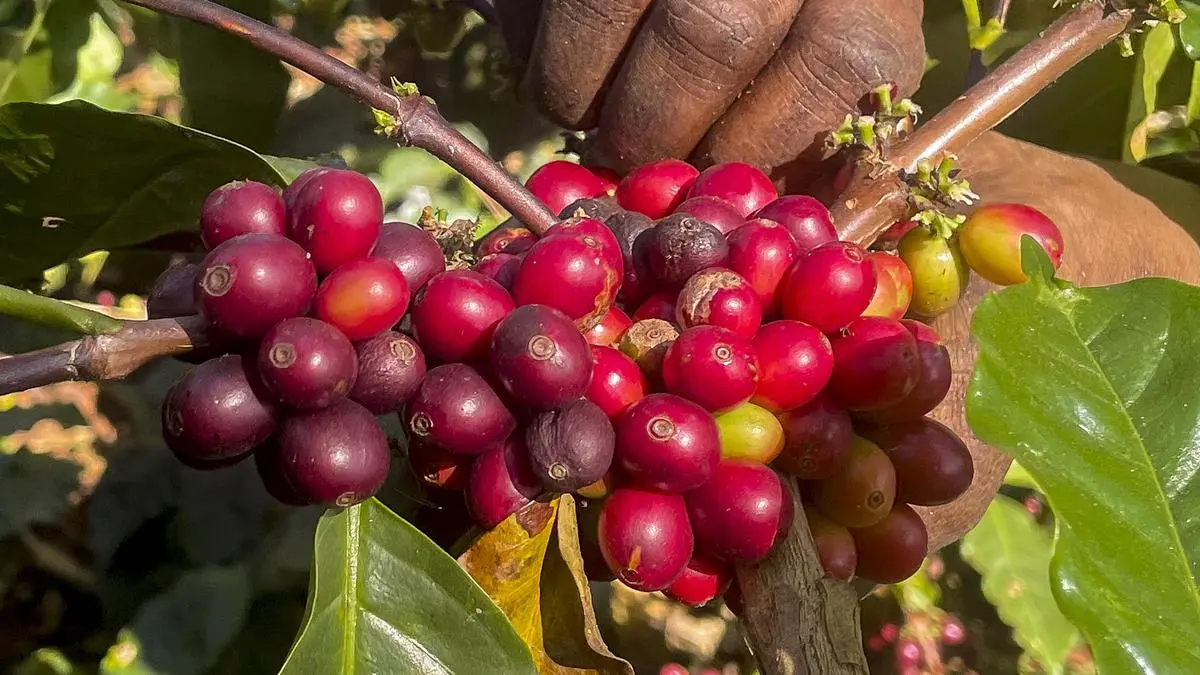
A worker picks ripe coffee cherries at Kelachandra Coffee Estate, in Chikkamagaluru district, Karnataka, on January 10, 2026. | Photo Credit: Laxmi Devi Aere/PTI
More than two billion cups of coffee are consumed every day, and for several years now, surging prices and falling production have marked the global coffee trade. Farmers in the world’s top five coffee-producing countries have faced mounting losses because of a warming planet, and India’s coffee sector is not immune. A new analysis by Climate Central, an independent group of scientists and communicators who research the changing climate, finds that 25 coffee-growing countries together accounting for about 97 per cent of global production all experienced more coffee-harming heat over the past five years.
Kristina Dahl, Climate Central’s Vice President for Science, explained to Frontline in an email interview why coffee was chosen as the subject. “Coffee is one of the most popular beverages in the world and a daily staple for billions of people,” she said. “It also provides a very direct and tangible link between climate change and everyday life. Any climate-driven disruption to coffee production has global ripple effects—from farmers in the ‘bean belt’ to consumers worldwide.”
Coffee plants are highly sensitive to temperature. When maximum temperatures regularly exceed 30°C, the quality and quantity of bean harvests decline. Reduced harvests and lower-quality beans tighten global supplies, contributing to price volatility—as seen in December 2024 and again in February 2025, when global coffee prices reached record highs, Dahl said. For farmers, many of them smallholders, lower yields, crop losses, and the cost of adapting to new conditions strain already thin profit margins.
The analysis, which examined daily temperatures between 2021 and 2025 across 25 major producing countries, is the first to directly attribute the increase in coffee-harming heat days—defined as days when maximum temperatures exceeded 30°C—to climate change using attribution science, she said. Climate Central drew on its Climate Shift Index, which compares observed temperatures to modelled estimates of temperatures in a hypothetical world without carbon pollution. Last year, the organisation conducted a similar attribution analysis on cocoa, another climate-sensitive crop.
Heat is already impacting harvests
The top five coffee-growing countries—Brazil (roughly 37 per cent of global production), Vietnam (17 per cent), Colombia (8 per cent), and Ethiopia and Indonesia (6 per cent each)—together are responsible for 75 per cent of world’s supply, experienced an average of 57 extra coffee-harming heat days per year because of climate change. Brazil averaged 70 additional harmful heat days annually; Indonesia 73; Vietnam 59; Colombia 48; and Ethiopia 34.
The situation is particularly acute in Asia, Dahl pointed out. Thailand recorded an average of about 75 additional harmful heat days a year. India, which contributes approximately 3.5 per cent of global coffee production, experienced an average of 118 coffee-harming heat days per year between 2021 and 2025, of which 30 were attributable to climate change. In a world without carbon pollution, India would have had roughly 88 such days instead of 118. Kerala recorded 65 additional heat days linked to climate change annually; Tamil Nadu 43; and Karnataka, India’s largest coffee-producing State, 32.
These impacts are not theoretical. “In practical terms, rising heat is already affecting harvests in major coffee-producing countries, threatening both quantity and quality,” Dahl said. She pointed out that while earlier studies had linked rising temperatures, drought, and shifting rainfall to reduced yields and shrinking suitable growing areas, the Climate Central analysis adds a new dimension: it quantifies precisely how many additional harmful heat days can be attributed to carbon pollution.
Beyond heat, the analysis notes that climate impacts are worse for Arabica plants, which account for about 60–70 per cent of global supply, since they are more sensitive than Robusta varieties to temperatures above 30°C. Pests and diseases—coffee leaf rust and the coffee berry borer in particular—also intensify with climate change. Without significant reductions in carbon emissions, suitable land for coffee farming could decline by up to 50 per cent by 2050, according to earlier research cited by Dahl. “Adaptation and resilience can only take farmers so far,” she said.
Wild species and the search for alternatives
India is the world’s fifth-largest Robusta producer, and about 80 per cent of its coffee is grown by smallholders, according to World Coffee Research. The country’s coffee exports earned approximately $1.28 billion in fiscal year 2023–24, making it a significant agricultural earner.
Akshay Dashrath, co-founder of the South India Coffee Company (SICC), which he set up in 2017 with his wife Komal Sable as a sourcing and logistics platform, has been researching Excelsa (Coffea dewevrei) since 2019. He found a market initially difficult to reach, but publications by the Royal Botanic Gardens, Kew, on Excelsa and related species accelerated demand. He has been working with Kew for three to four years on climate-resilient coffee species, running trials of Excelsa, Stenophylla, and four coffee species native to India—Coffea bengalensis (found from Chikmagalur to Thailand), Coffea travancorensis, neobridsoniae, and wightiana—on his family’s Mooleh Manay Estate in North Coorg, Karnataka. For the past two years, he has also been breeding Excelsa for better cup quality and commercial viability.
“A hotter environment means coffee is under stress: production per plant reduces, cup quality drops, and the plant weakens. It is happening in specific blocks—those with less shade are more susceptible to disease, and once the plant is weak, it becomes prone to fungal infection,” Dashrath said. He described a severe leaf rust outbreak on his farm: the heavily shaded plants survived, but those under direct sunlight lost their foliage.
Rising heat is not the only problem. He pointed out that for Robusta—and for Arabica—dry air matters as much as temperature. “Heat with dry air is more damaging to certain species,” he said. Excelsa, native to Central Africa, tolerates heat, dry air, and drier soils better than Arabica or Robusta because its root system goes considerably deeper, giving it access to soil moisture that shallower-rooted varieties cannot reach. Dashrath puts Excelsa’s root depth at 4.5 to possibly 7–8 feet, compared with Robusta at 2.5 feet and pure Arabica at around 3 feet.
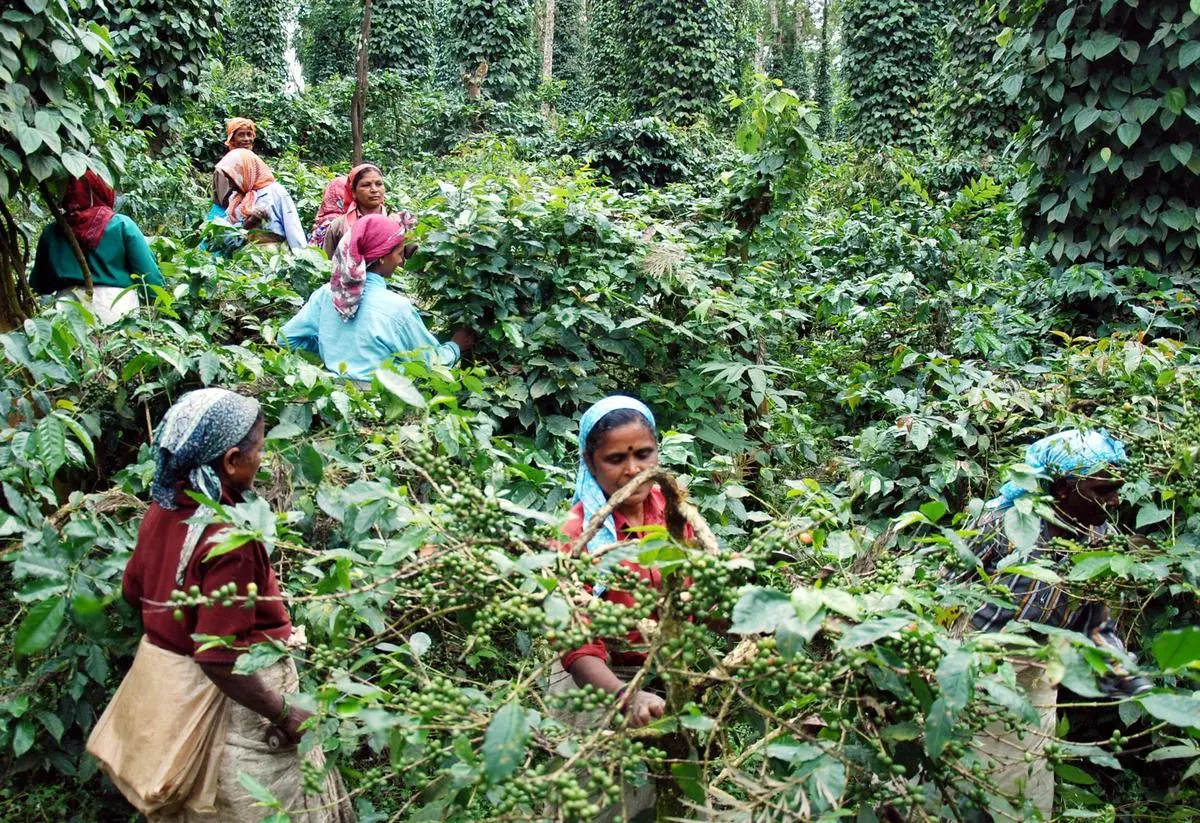
Coffee plants are highly sensitive to temperature. When maximum temperatures regularly exceed 30°C, the quality and quantity of bean harvests decline. | Photo Credit: Prakash Hassan
Indian coffee has been grown under shade since the 1850s, making canopy management central to the crop’s culture. However, Dashrath notes that many growing belts are now thinning their canopy to increase yields by admitting more sunlight, and supplementing Robusta with external irrigation—a trend that could leave farms more exposed to heat and moisture stress.
India also carries a legacy of genetic limitations. “Historically, we had access to diverse germplasm, including hybrids of Arabica, Liberica, and Excelsa,” Dashrath said. “But in the 1940s, the research focus shifted towards developing Arabica–Robusta hybrids for leaf rust tolerance.” The result is that the country’s commercial varieties remain concentrated in two species highly sensitive to warming. The Central Coffee Research Institute, founded in 1925, is conducting research on climate-resilient coffee, though its director did not respond to a request for comment.
The case for Excelsa as a climate buffer became clearer to Dashrath in July 2024, when 33 inches of rain fell on his farm in a single month—far more than the typical annual average of 58 inches. Arabica and Robusta could not withstand the waterlogging, but Excelsa’s deeper root system held. “When we talk of climate-resilient coffee, we need species that can handle not only heat but also climate variability,” he said.
Stenophylla (Coffea stenophylla), a wild species from West Africa, offers another avenue. Rediscovered in Sierra Leone in 2018 after not being seen in the wild since 1954, Stenophylla has been found to tolerate temperatures significantly higher than Arabica while producing a comparable flavour profile, according to research published in Nature Plants in 2021 by scientists from the Royal Botanic Gardens, Kew, the University of Greenwich, CIRAD, and researchers in Sierra Leone. It is currently on the IUCN Red List as “Vulnerable.”
Excelsa currently accounts for about 1 per cent of the global coffee market and is grown commercially in small quantities in Chikmagalur and Coorg. SICC received a grant from Coffee Circle last year to grow Excelsa on trial plots across six different sites; the data from those trials has been shared with Kew, which is mapping climate conditions from Uganda to India and parts of South-East Asia. The trials are informing a broader picture of which plant material performs under changing conditions.
Still, Dashrath is candid about the timeline. Arabica has been bred for around 600 years; Robusta for 150. Excelsa is a wild species with considerable variation from plant to plant, and no consistency in yields. Getting it to a standard where it can compete in commodity markets is a 20–25-year project, he said. “The market is there, but it needs more breeding, standardised seeds, and testing before it can be deployed at scale. Currently it is a niche product, priced rather high.”
There are over 120 recognised coffee species, according to Kew researchers, though most are either inedible or commercially unviable. Coffea racemosa, from Mozambique, has also attracted attention for its claimed heat tolerance, though published data on its upper temperature threshold remain limited. Dashrath is blunt about the bottom line: “If the world gets warmer, coffee-growing areas may shift, or alternatives like Excelsa may need to move to centre stage. To sustain coffee, we need to start looking outside the realm of Arabica and Robusta.”
Concerns about Arabica’s future are felt most acutely in Ethiopia, the crop’s birthplace. Dejene Dadi, General Manager of the Oromia Coffee Farmers Cooperatives Union (OCFCU), one of Ethiopia’s largest smallholder coffee cooperatives and exporters, put the stakes plainly: “Coffee farmers in Ethiopia are already seeing the impact of extreme heat. Ethiopian Arabica is particularly sensitive to direct sunlight. Without sufficient shade, coffee trees produce fewer beans and become more vulnerable to disease.” He called for governments to act on climate change and invest in smallholder organisations capable of scaling up adaptation. “Coffee farming is part of our cultural heritage, and coffee trees are symbols of continuity and pride,” he added. “Ethiopia is the birthplace of coffee, and Ethiopian coffee farmers are key to safeguarding its future.”
Research at the Royal Botanic Gardens, Kew—through a project focused on Excelsa and Liberica coffee and related species, with field and farm trials across Africa and Asia—offers some grounds for cautious optimism. The work is designed to identify which species combinations can sustain coffee cultivation in warming conditions and provide farmers with alternatives to the two varieties that currently dominate.
For India’s approximately 3.6 lakh coffee farmers, most of them dependent on Robusta for their livelihoods, and for the country’s coffee export sector—worth close to $1.3 billion in FY2023–24 and significantly more since—the challenge from climate change is not distant. It is measured, now, in 30 extra days of harmful heat each year, and rising.
Meena Menon is a freelance journalist and visiting postdoctoral fellow at Leeds Arts and Humanities Research Institute, University of Leeds.
____________
Summary
A Climate Central analysis reveals that 25 major coffee-producing countries, including India, are experiencing increased ‘coffee-harming heat’ due to climate change, impacting global production and prices. India faces an average of 118 such days annually, with 30 directly attributable to climate change. This heat stress reduces yields and quality, particularly for sensitive Arabica plants. Researchers are exploring climate-resilient coffee species like Excelsa and Stenophylla, which exhibit better tolerance to heat and variable weather conditions. While these alternatives offer hope, their widespread commercial adoption requires significant research and development, highlighting the urgent need for climate action and adaptation strategies to safeguard the future of coffee.
Key Questions & Insights(AIⓘ)
What is the primary finding of Climate Central’s analysis regarding global coffee production?
Why was coffee chosen as the subject for Climate Central’s analysis?
How does high temperature affect coffee plants and global coffee prices?
What is ‘coffee-harming heat’ as defined by Climate Central?
How many additional coffee-harming heat days did India experience annually due to climate change between 2021 and 2025?
Which Indian states were most affected by climate change-linked heat days for coffee production?
Why are Arabica plants more vulnerable to climate change than Robusta varieties?
What is the potential impact of climate change on suitable land for coffee farming by 2050?
What is the significance of Excelsa coffee in the context of climate change?
What is the current status of Excelsa in the global coffee market?
What is Stenophylla and why is it considered a promising alternative coffee species?
What is the main challenge for India’s coffee sector due to climate change?
_____________
source: http://www.frontline.thehindu.com / Frontline / Home> India> Environment> Digital Exclusive / by Meena Menon / February 25th, 2026
Dhanyata M Poovaiah writes about Kodagu’s paddy varieties, festivals linked to the agrarian calendar and traditional rice dishes.
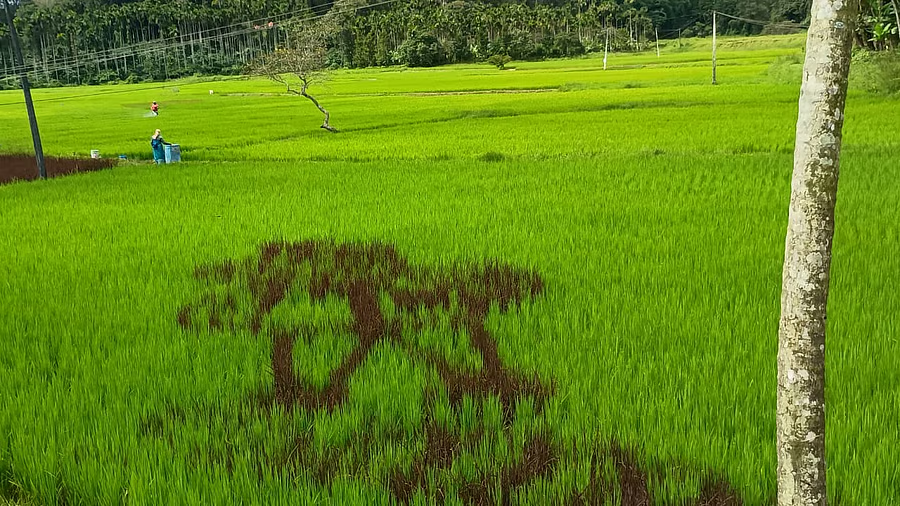
Vasudha and Krishna (in purple) varieties of paddy being cultivated near Ponnampet in Kodagu. Photo by Ravi Shankar
Kodagu today is synonymous with its lush, aromatic coffee plantations. But long before coffee arrived with the British, the region’s identity was rooted in paddy cultivation.
Kodagu transitioned from paddy to coffee only in the late 20th century, as coffee plantations turned to be more profitable and less labour-intensive. In recent years, real estate development has resulted in the conversion of paddy fields into non-agricultural land.
Yet, rice continues to be the staple diet in Kodagu and remains an important crop, cultivated in around 14,000 hectares in the district. Consequently, the cultural life of the region is intertwined with the various phases of paddy cultivation.
The Kodava New Year, Edmyar Ondh, celebrated in Mid-April, marks the beginning of the paddy cycle. The year is ushered in with ploughing of the paddy fields. During Kodava Kakkada, the peak monsoon month from mid-July to mid-August, paddy saplings are transplanted. On the 18th day of Kakkada, known as Kakkada Padhinett, maddh payasa, a special dessert is prepared from a plant locally called maddh thoppu (medicinal plant). This plant (Justicia wynaadensis) is known to have several medicinal properties which helps boost immunity.
The Kailpodh festival, celebrated on September 3 every year, marks the completion of transplantation and offers a period to relax after the hard labour.
Puthari, celebrated in the Birchiyar month between November and December, marks the harvest of paddy.
“Since Kodagu is blessed with abundant rainfall, paddy cultivation is entirely rainfed and cultivated as a single-season Kharif crop in the lowlands,” says Dr Prashantha C, Assistant Professor of Entomology and Head of the Agricultural and Horticultural Research Station, Ponnampet.
“From December to March, the focus shifts to coffee harvesting and processing,” he adds.
Local paddy varieties, known for their flavour and aroma, are largely grown for self-consumption. “High-yielding varieties meant for commercial use are declining due to reduced returns,” adds Dr Prashantha.
Labour shortages and increasing human-animal conflict have also discouraged farmers from continuing paddy cultivation.
However, Kodagu is still home to several varieties of paddy. Among the indigenous varieties are Jeerige Sanna, BKB – developed by agriculturist Baduvanda K Belliappa, Biliya, Rajamudi, Doddi and Boliya, while popular high-yielding varieties include Tunga, KPR-1, Athira, BR-2655, MTU 1001 and IR 64.
“Indigenous varieties such as BKB and Doddi grow up to 3.5 feet in height and are a good source of fodder for the cattle. However, they are low-yielding and require 150 days to mature. High-yielding hybrid varieties such as Athira grow 2 to 2.5 ft and have less straw. These varieties mature at 120 days and usually require mechanical harvesters,” says Koniyanda Sanju Somaiah, an agriculturist.
Varietal conservation
According to seed conservationist Ravi Shankar B P, paddy varieties from any part of the country can be grown in Kodagu. Only the yield may vary. He has conserved over 100 varieties of paddy from across the world including the Kala Namak (Buddha rice) from Uttar Pradesh and Magic rice (Komal Saul) from Assam, and wishes to preserve several other unique rice varieties.
“With proper techniques, yields of paddy can be increased fivefold. This involves proper water management and in-situ green manuring. Under this method of manuring, short duration leguminous crops such as cowpea are grown in the field and are incorporated into the soil after sufficient growth, before the paddy saplings are transplanted. This improves soil fertility and its physical, chemical and biological properties, while reducing the need for external manure,” says Ravi Shankar.
Local varieties yield around 10–15 quintals per acre, while high-yielding varieties can produce 25–33 quintals per acre.
Paddy cultivation plays a vital ecological role as well. Waterlogged fields can help recharge groundwater, depending on soil and local conditions.
“The rise in the water table ensures that lakes, ponds and streams do not go dry even during summer” says Dr Veerendra K V, Scientist (Plant Protection) at Krishi Vigyan Kendra, Gonikoppal.
“Government schemes currently support farmers through subsidies on machinery, paddy seeds, pesticides, bio-fertilisers and green manuring crop seeds. However, increasing the minimum support price and offering other monetary benefits for cultivators will ensure increased paddy cultivation in the region,” he adds.
At present, procurement delays and storage challenges continue to deter farmers. While harvesting takes place in November–December, procurement happens only in February–March.
On the table
According to chef Naren Thimmaiah, Kodavas traditionally consumed pukkalakki (boiled rice) as their staple. Jeerige Sanna was used to prepare pulav and ghee rice on special occasions. However, since the mid-20th century, the white BKB variety has been widely adopted in the region. BKB and Jeerige Sanna varieties are also used to prepare otti, noolputt, kadambutt, paputt and thaliyaputt and payasa.
“In Kodava cuisine, pairing the right curry with the main rice-based dish is essential,” adds Naren.
Naada mann, naada kool’ (my soil, my rice) is a popular saying in Kodagu, reflecting the belief that instead of abandoning rice cultivation, each family should maintain at least a small patch. “For this, government support is crucial,” notes Ravi Shankar.
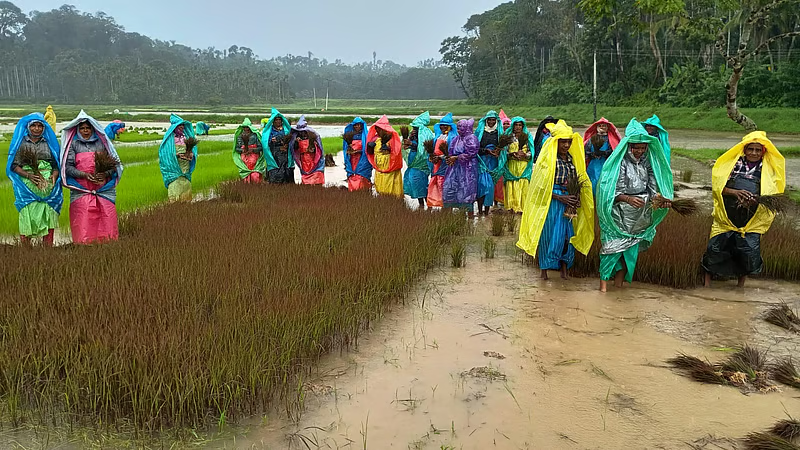
Women workers bundle paddy seedlings for transplantation in a field near Ponnampet in Kodagu. Photos by Ravi Shankar
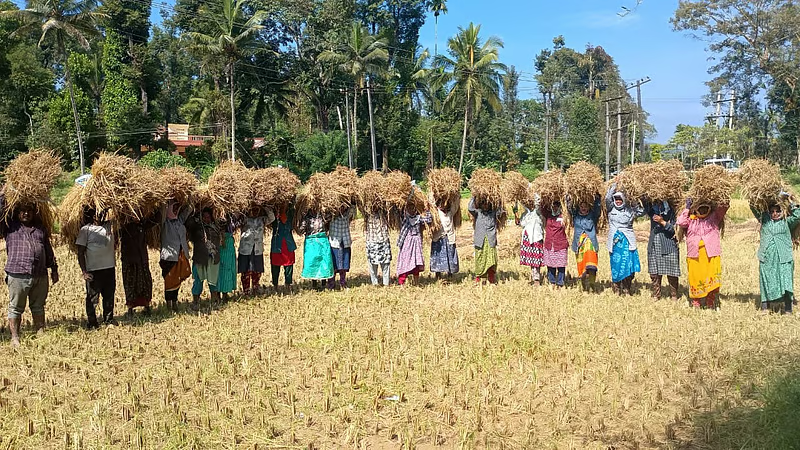
Workers with harvested paddy. Photo by Ravi Shankar
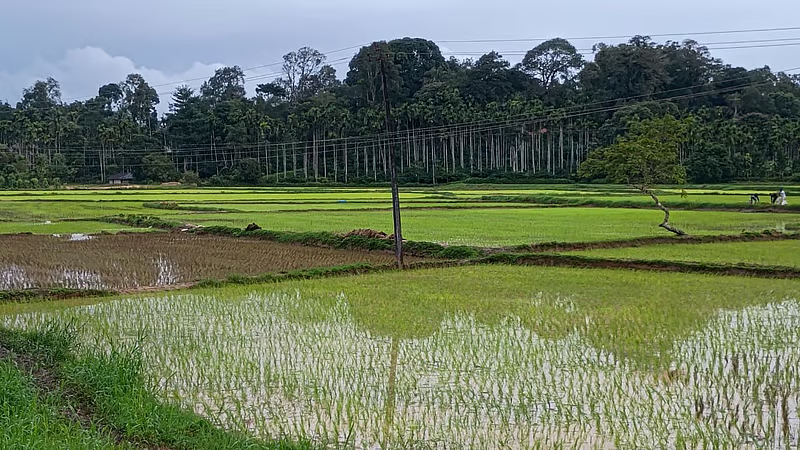
A paddy field near Ponnampet. Photo by Ravi Shankar
A paddy field near Ponnampet. Photo by Ravi Shankar
source: www.deccanherald.com / Deccan Herald / Home> India>Karnataka / by Dhanyata M Poovaiah / April 09th, 2026
Forest Minister Eshwar B Khandre said the SOP has been issued to ensure trekkers’ safety.
A rainforest trail through the Western Ghats in Kudremukh, Karnataka. (File Photo)
Following a series of recent safety incidents in forested trekking routes, the Karnataka government recently introduced a comprehensive Standard Operating Procedure (SOP) mandating that no individual can trek on notified forest trails without a certified nature guide. Trekking in forest areas will now be fully regulated and allowed only with a permit.
Forest Minister Eshwar B Khandre said the SOP has been issued to ensure trekkers’ safety, improve monitoring, and enable faster emergency response in case of accidents or missing persons. The directive comes close on the heels of a Kerala woman surviving three days after losing her way during a trek to Tadiyandamol in Kodagu.
Under the new framework, trekking without a guide will not be permitted under any circumstances. Each group will be accompanied by a certified nature guide, with a fixed ratio of one guide for every 10 trekkers. Authorities have also capped the number of trekkers at 150 per trail per day, while making prior online registration compulsory. The minister clarified that even if a single person registers for a trek on a given day, a guide will be assigned, but solo trekking will not be allowed.
Technology-based monitoring and safety measures
Trekkers will be required to install a temporary mobile tracking application for real-time location monitoring by forest officials. Guides will be equipped with GPS-enabled walkie-talkies and instructed to maintain regular communication with base camps.
Guides will be responsible for keeping the group together, ensuring no trekker moves ahead or falls behind. Mandatory headcounts will be conducted at checkpoints and rest points, while base camp staff will follow up in case of communication delays.
In case of emergencies, a forest officer said, “The group will immediately halt, and a headcount will be taken. The guide will alert the base camp with the exact location and situation report, following which rescue teams will be mobilised.” The Range Forest Officer (RFO) will then coordinate with district administration and the police, deploying drones, thermal cameras, and additional manpower if required.
Officials said all trekking routes will now be clearly marked with colour-coded signs, while hazardous stretches such as cliffs, steep slopes, and water crossings will be marked in red. Route maps, including details of mobile network dead zones, will also be made available online and through a mobile application. Trekkers will additionally be provided with designated rest points along clearly marked trails.
Minors will require parental consent, while senior citizens must submit fitness certificates before undertaking treks. All approved trekking routes under the Forest Department will be integrated into a central online booking platform to streamline access and regulate visitor flow. Group insurance for trekkers is also being considered, along with mandatory first-aid kits for guides.
The SOP also prohibits carrying loud devices, weapons, sharp objects, and single-use plastics. Campfires and flash photography will not be allowed, and trekkers must carry back all waste for disposal at base camps.
source: http://www.indianexpress.com / The Indian Express / Home> News> Cities> Bangalore / by Express News Service / April 18th, 2026
The three-day tour will begin on April 27, starting from Bengaluru at 12.30 pm. The team will visit Dubare, Nisargadhama, and Kushalnagar before reaching Madikeri by 6 pm.
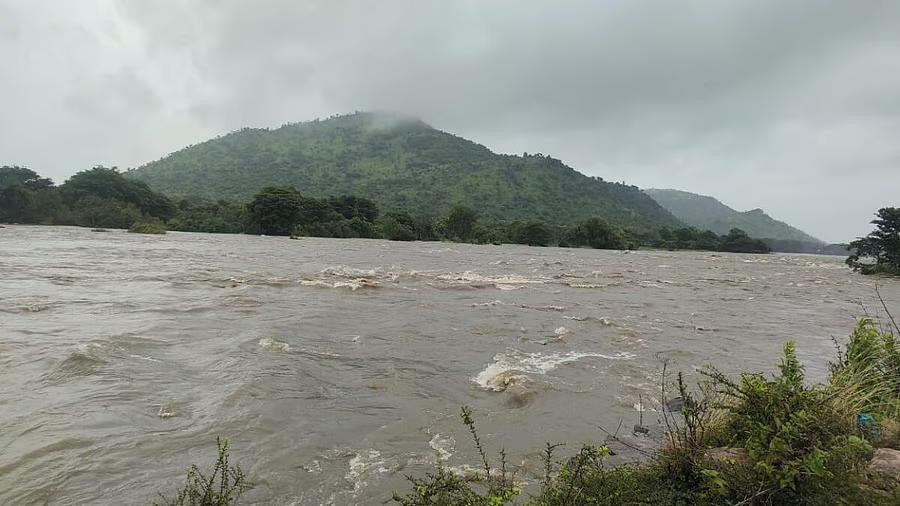
A view of Cauvery river / Credit: DH Photo
Mysuru:
Stating that Karnataka has been facing continuous injustice regarding the sharing of Cauvery River water, the Cauvery River Protection Committee will undertake a study tour of the river basin from April 27 to 29. The tour aims to collect ground-level data and evidence, to support a writ petition the committee plans to file before the Supreme Court in May.
Addressing a press conference, in Mysuru, on Wednesday, committee president H K Ramu said that the study will be conducted under the leadership of retired Supreme Court judge N Gopalagowda.
Study tour
“The committee will visit various reservoirs and agricultural lands in the Cauvery River basin to interact with farmers, labourers, and members of various farmer organisations. We will collect information, photographs, and video evidence of the current situation, which will be submitted to the Supreme Court during the filing of the writ petition,” Ramu said.
Itinerary
The three-day tour will begin on April 27, starting from Bengaluru at 12.30 pm. The team will visit Dubare, Nisargadhama, and Kushalnagar before reaching Madikeri by 6 pm.
On April 28, the team will offer prayers at Talakaveri at 8 am, followed by a public meeting in Kushalnagar or Harangi. In the afternoon, the committee members will inspect the Hemavathi Dam in Gorur and meet farmer leaders. The day will conclude with a visit to the Krishnaraja Sagar (KRS) dam in Srirangapatna taluk of Mandya district and a meeting at the Jaladarshini Guest House, in Mysuru city.
On April 29, the team will visit the Kabini Dam at 9.30 am and interact with local farmers, elected representatives, and workers. The tour will continue through Nanjangud, T Narsipur, and Shimsha, concluding at Mekedatu in Kanakapura taluk, Bengaluru South district, before returning to Bengaluru city.
Committee office-bearers M Chandrashekar, H L Yamuna, K C Madesh, Gangadhara Gowda, Brijesh Kariyappa, Prakash, and former corporator K V Mallesh were present at the press meet.
source: http://www.deccanherald.com / Deccan Herald / Home> India> Karnataka> Mysuru / by T R Satish Kumar / April 23rd, 2026
Tamara Leisure Experiences has, since inception, embedded Responsible Hospitality into its core, guided by a clear vision of people, planet, and profit thriving in tandem. Across its portfolio of nine properties, from luxury resorts in Coorg and Kodaikanal to upscale O by Tamara hotels in Coimbatore and Trivandrum, mid-scale Lilac hotels, and its flagship wellness offering Amal Tamara, a NABH-accredited Ayurveda hospital, this philosophy translates into an elevated form of eco-conscious hospitality where design, service, and setting come together to deliver immersive, low-impact luxury. The flagship property, The Tamara Coorg, holds the Global Sustainable Tourism Council certification, underscoring its alignment with global sustainability standards, with a clear roadmap to extend this benchmark across all Tamara properties.
Samir MC, CEO, Tamara Leisure Experiences, said, “Our nine property portfolio is aligned to GSTC principles. And I want to be honest about what that distinction means, because the certification is the outcome, but the real value is in the discipline the journey instills across your entire organisation. This is not a badge. It is a framework to make your circular systems auditable, measurable, and accountable. Our goal is to make that the portfolio standard, not a novelty at one property.”
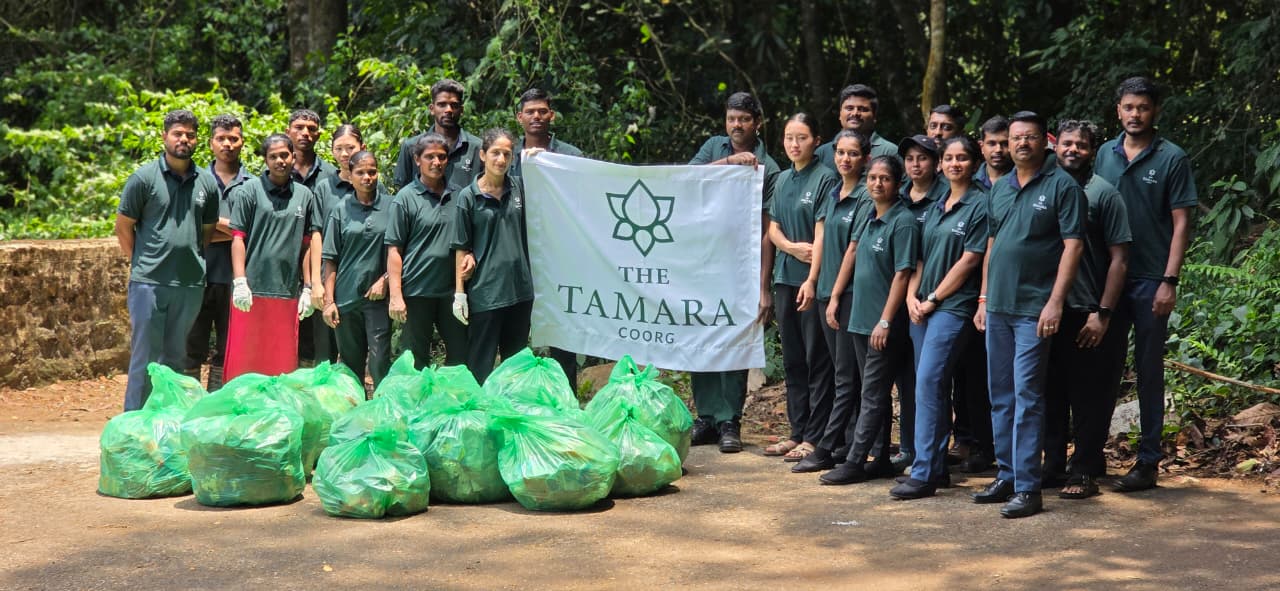
“Earth Day serves as a timely reminder of shared responsibility towards the planet, and at TamaraLeisureExperiences, this is reflected through on-ground actions across its properties, from farm to table experiences and community clean-up drives to sustainability-led engagements. These efforts extend into Earth Week (22–28 April) through nature-led activities, conscious dining, and community participation, where sustainability is not an add-on but the experience itself. At Tamara, responsiblehospitality is foundational, shaping every stage from design and conceptualization to operations and guest experience. For us, sustainability is not a seasonal campaign, but a part of our daily operating philosophy.”
Here’s how this philosophy comes to life across key pillars:
Sustainability in Design
Each Tamara property is planned with the local environment in mind, designed to retain and work with its natural surroundings, allowing the ecosystem to shape how the space is built and experienced. For example, At The Tamara Coorg, sustainability is a design decision guided by a clear ethos, build less to preserve more. Set across 28 acres of largely untouched landscape, the resort was developed with minimal ecological disruption, felling just 17 trees and consciously scaling down from 60 to 56 cottages to protect even more. Elevated on stilts, each structure sits lightly on the land, allowing the forest to remain undisturbed, where trees are not cleared but seamlessly woven into the architecture and experience.
Rooted in Community care, designed for continuity
At Tamara, sustainability extends to the people who shape the experience, expressed through local immersion, farm to table practices, and menus rooted in regional flavours and wellness, from Kodava cuisine in Coorg to place-led dining across properties. This continues at Verandah, the in-house boutique, where locally inspired crafts, natural wellness products, and plantation-grown spices offer a tangible extension of the region’s heritage.
Guided by community and circular thinking, nearly half the workforce is locally hired and close to 40% of procurement is regional, strengthening livelihoods while keeping operations rooted. This comes through most tangibly in the organic minibar, where every product is local, organic, and traceable, and in the kitchen, where menus are shaped by what is locally and seasonally available, ensuring procurement drives the plate. Ongoing support for education and local institutions reinforces a long-term commitment to community development.
Zero Waste Living
Across Tamara properties, 15-40 tonnes of waste is reimagined as a resource through a closed loop system where nothing is discarded and everything is repurposed. 100% food waste is recycled in house through low impact processes like Bio Manthan, plastic is replaced with glass bottles, stainless steel dispensers and refillable amenities, while circular practices extend to repurposed linen, reused bottles, kitchen gardens, greenhouses and seed saving, with food waste reduced to 0.54 kg per head. With zero significant chemical spills in FY 2024-25, this carries into the guest experience, with leaf coasters, bamboo alternatives, towel reuse, alternate linen changes, and sapling takeaways ensuring the philosophy is both visible and lived.
Mindful use of every resource
Resource conservation is deliberate and deeply local. Natural waterfalls and stream water are left untouched to preserve community sources. While rainwater harvesting systems and tap aerators reduce consumption, LED lighting, heat pumps, lithium battery buggies, key tag controls, EV infrastructure, solar panels and emission management ensure energy optimisation. Behind the scenes, efficiency is engineered into every system, smart laundry and advanced STP and ETP plants enable reuse, while continuous monitoring of water, energy, and carbon, along with thoughtful material reuse, keeps operations tightly optimised and low impact.
Quiet design and conscious tech
Throughout properties, impact is reduced through thoughtful restraint. The absence of DJ music and harsh lighting limits noise and light pollution, while low lux pathways, timers, and sensors minimize ecological disturbance. A seamless tech enabled journey with digital check ins, e-bills, and paperless feedback reduces waste, supported by in-house water systems over plastic. From horn free EV buggies to reusable linen elements and locally rooted touches, every detail is intentional and quietly conscious
At Tamara, responsiblehospitality shapes how we think, design, and operate across the portfolio. It brings sourcing, consumption, and recovery into careful alignment, ensuring that sustainability is quietly built into everyday operations
source: http://www.businessnewsthisweek.com/ Business News This Week / Home> Business / by Neel Achary / April 22nd, 2026
A study by researchers of the French Institute of Pondicherry at the Uppangala forest in Kodagu, Karnataka, showed how lianas, or creeper vines, hold key to framing green legislation. | Photo Credit: Special Arrangement
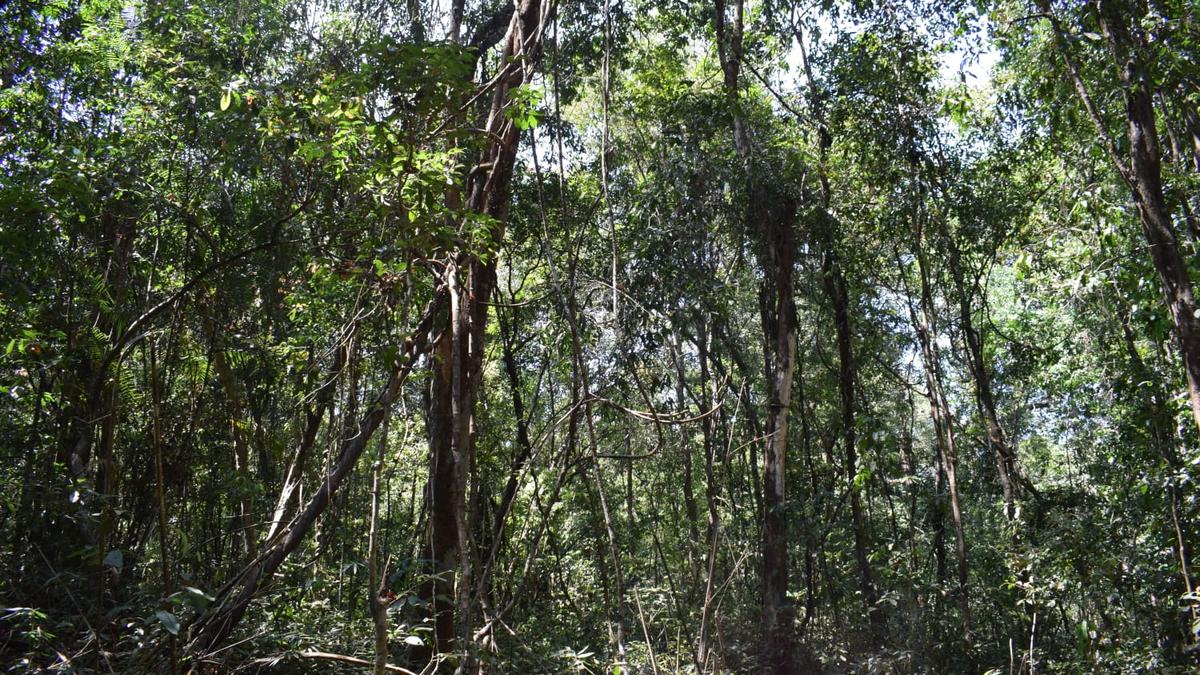
With their knack for piggybacking towering trees in evergreen forest ecosystems to access sunlight and nutrients, the lianas, a type of creeper vines, may appear to have patented a survival guide to grow and thrive inside the deep jungles.
Research at the French Institute of Pondicherry (IFP) offers new insights on the “intelligence” of this flora species and the dynamics at play in the liana–host interaction networks that could be crucial determinants of conservation strategies and for robust green legislation.
The study, set in the Uppangala evergreen forest in central Western Ghats of Kodagu district, Karnataka, led by Vincy K. Wilson, IFP associate researcher and researcher N. Ayyappan, delved into the survival traits and adaptive tricks of lianas, from minimalist sustenance to extroversion in networking with other tree species.
According to the researchers, despite the increasing number of liana studies in India, few have examined the distribution and association of hosts with lianas, or liana–host interaction networks to determine their functional significance and conservational value.
“Our objective was to fill the knowledge gap about the diversity, abundance, and network structure of liana–host interactions in response to logging disturbance in a typical wet evergreen forest”, said Ms. Wilson.
The study focused on lianas spread in an area demarcated into six one ha plots — four plots that had been selectively logged and two unlogged compartments. Before the 1988 ban on logging, specifically in the 1974-83 period, the site was subjected to extensive manual logging of trees, predominantly the dipterocarpus species.
Presenting a comparative investigation of the biodiversity variation of regeneration in the logged and unlogged sites in the Western Ghats, the IFP research found that the total regeneration density was 1,860 individuals, and species richness was 98 species representing 31 families. Logged sites had higher Shannon and Simpson diversity indices. Five species, namely Humboldtia brunonis, Vateria indica, Knema attenuata, Dipterocarpus indicus, and Psychotria nigra, collectively accounted for 36% of the overall density and exhibited a greater important value index.
While approximately 40% of the adult tree species at the logged site and 46% of the unlogged site were not represented in the regenerating species, the occurrence of ten species that are considered rare in unlogged plots was found to be more prevalent in logged sites.
Liana-tree interactions are a good indicator of nestedness (high frequency of interactions) and a sign of a robust system that allows species replacement. On the contrary, anti-nestedness points to fragility, where the removal of a single element in the network can potentially lead to a system collapse.
A striking aspect of the lianas is how they achieved the goal of height, instead of breadth, by willingly sacrificing supporting tissue, said Ms. Wilson, who had a few months ago, shared some research findings at a presentation, “Green Genius: Nature’s Amazing Tricks to Survive and Thrive”, at the Alliance Francaise.
“Their aim is to reach the canopy where they will get light… so they do not invest in lateral branches unlike trees”, she noted.
A significant takeaway from the IFP study was that a higher density and diversity in the logged sites may only signify robustness at a superficial level, as a deeper probing of modularity and nestedness, showed that logged systems exhibited anti-nestedness, low connectors, high modularity, high specificity — all clear signs of a fragile system.
“This understanding is important for implementing good laws. We need to continuously monitor the system to know the forest dynamics and the network properties in order to evolve appropriate and robust conservation laws and interventions”, said Ms. Wilson.
source: http://www.thehindu.com / The Hindu / Home> News> Cities> Puducherry / by Dinesh Varma / March 30th, 2026
Deviah Memorial Preparatory (DMP) School is one of the few schools in Karnataka to teach garbology, the study of a community or culture by analysing its waste.
Our waste, our responsibility: A Kodagu school is teaching its students garbology
Multiple hands shoot up in the air, almost instinctively, when the teacher asks the question, “What are the ten categories of waste?”
Subaiah, a scrawny Class 4 student, begins answering the question even before he is prompted. “Paper waste, plastic waste, glass waste, metal waste, construction waste, mixed waste, recyclable waste…”
At this point, Shavari, a Class 5 student standing next to him, cuts in to add, “Hazardous waste, organic waste and e-waste,” to the dismay of the boy.
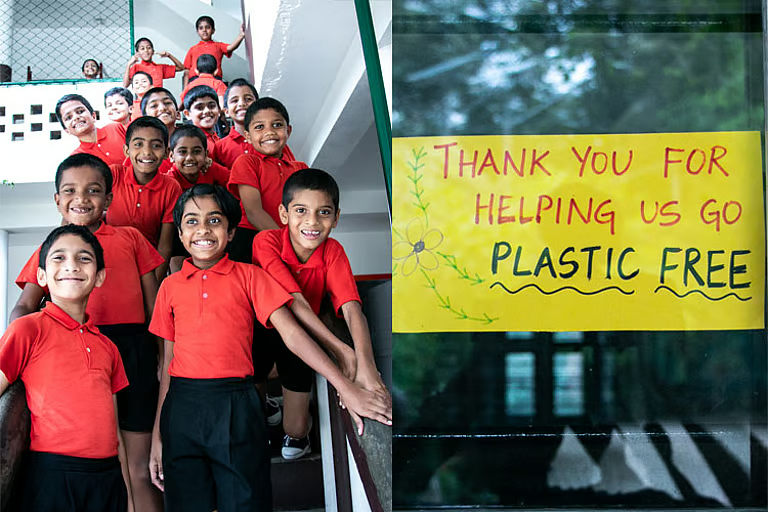
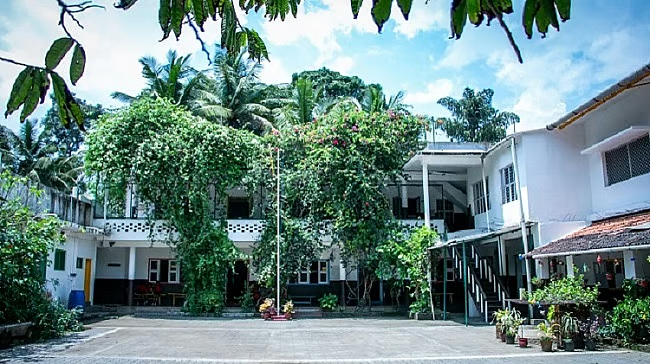
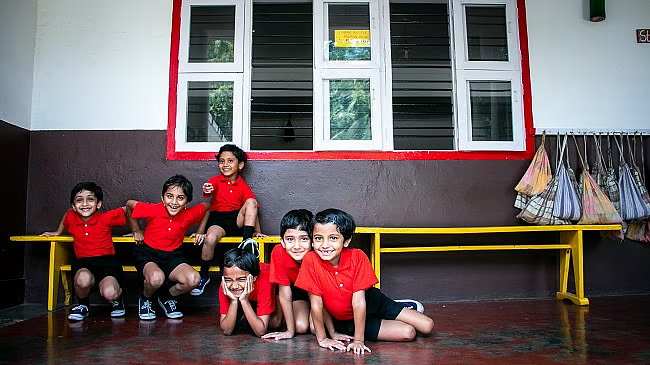
Inside the Deviah Memorial Preparatory (DMP) School in Kodagu district of Karnataka, this is now a routine after the school introduced Garbology lessons for the students of classes four and five in 2017.
Tucked away just off the Mysuru-Virajpet road in Bittangala village, DMP is one of the few schools in Karnataka to teach garbology – the study of a community or culture by analysing its waste.
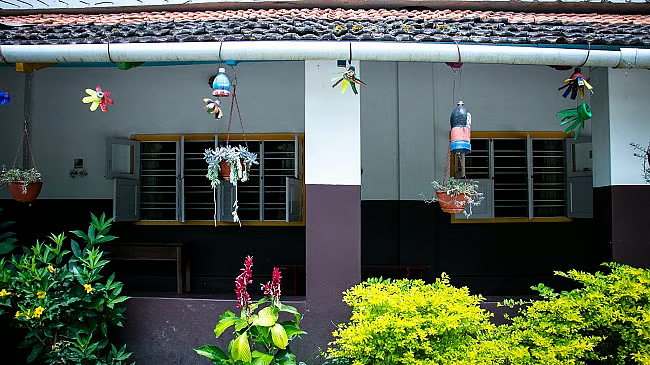
Crafts made out of recycled materials hanging in the school premises
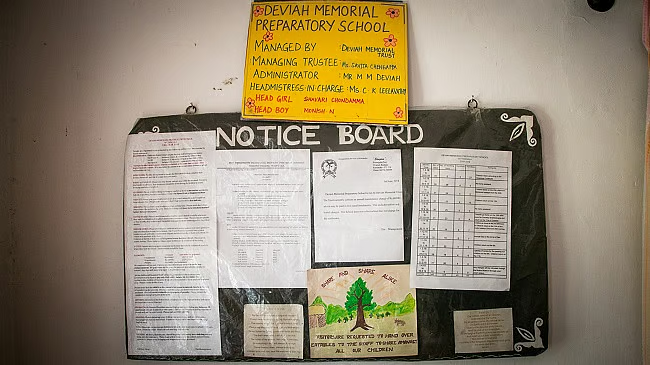
The school was founded by Mundachadira Gangu Deviah in 1981 and is one of the oldest residential schools in Kodagu district. According to MM Deviah, the administrator of the school, the staff has always placed importance on protecting the environment. In the school, there is an almost zero-tolerance policy towards plastic.
“We don’t even allow parents to send items to their children in plastic covers. There have been times when we have returned parcels sent to the school which contain chocolates wrapped in plastic,” Deviah says.
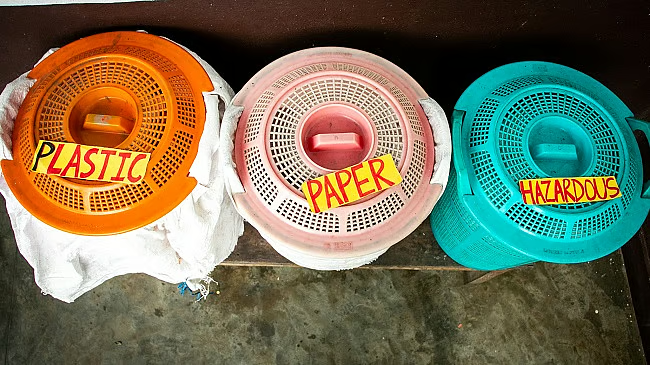
Separate dustbins at the school
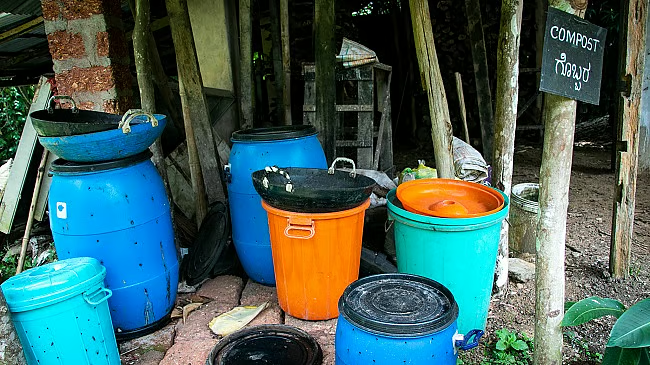
The school hopes to set an example to its students by managing the waste created in its own premises effectively. The school building is filled crafts made out of upcycled and recycled plastic. The school maintains separate dustbins for plastic, paper and hazardous waste. The students and teachers grow fruits and vegetables in a field close to the school which is used to cook most of the food prepared by the school. A soapnut liquid is used in place of handwash while natural loofahs are used to scrub the body instead of plastic ones. Kitchen waste generated in the school is also turned into compost and the school is planning to make invitations for their annual day programme using recycled newspaper.
“Even before we began garbology lessons, students were introduced to the idea of reducing and managing waste,” explains Nina Chengappa, a teacher at the school.
Deviah Memorial Preparatory School, Kodagu
In 2017, garbology was introduced in the class 4 and 5 syllabus. The classes for the subject are held every Tuesday and they are based on material provided by Wasteless, non-profit social enterprise that focuses on innovative education for sustainable waste management. Students are taught about waste management, the different grades of plastic, how much waste is generated in the production of paper, among other topics.
Composting at the school
“We conduct the sessions in such a way that the theory and practical classes go hand in hand. For instance, we teach the students about a land dump and then we take them to a land dump the following week so that they can actually see it. It is not enough that the students visualise it, they need to experience it. But, they are not asked to handle the waste, of course,” says Pavan Aiyappa, the garbology teacher at the school.
According to Pavan, the lessons are designed to create a sense of responsibility among students about managing waste. “The idea is that if the students understand the harmful effects of not managing waste, they will understand it is their responsibility to manage it. We want to teach them that garbage is their own responsibility,” says Pavan.
The lessons are not only changing the attitude of students towards waste but it is also giving the teachers plenty to think about. “One of the students suggested to us that the school should stop serving biscuits wrapped in plastic during tea break and instead give fresh fruits since it creates less waste. We realised then that the message is reaching the students,” says Nina.
The students in the school are also changing the attitudes of their family members. They have also enacted plays and recited songs in other schools in the district about managing waste responsibly. “The students are telling their family members not to litter, people listen when children tell them something and that becomes a habit over time and this leads to right choices. The students also perform plays in other schools to spread the word of reducing waste. They have performed in six government schools so far reaching an audience of around 800 students,” adds Pavan.
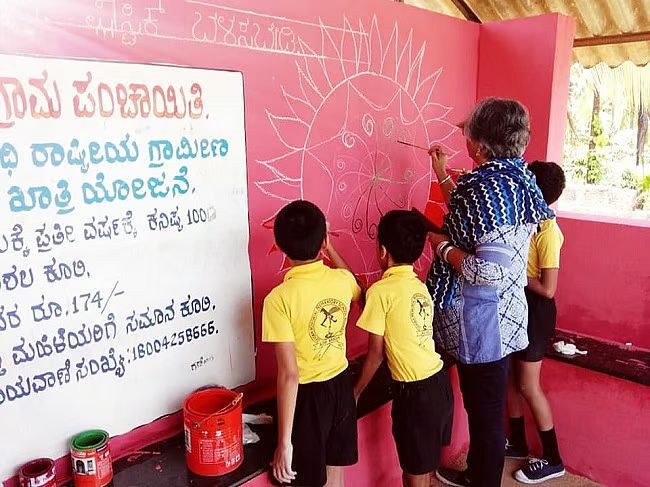
The students cleaned and re-painted a bus-stand on the main road in Bittangala on September 15, World Clean-up Day. They hope to lead by example and spread the message of taking responsibility for the waste created.
“We want to tell students that the waste we create is our responsibility,” says Deviah, before adding, “Even before we started garbology lessons, we used to teach the students here to love nature because we don’t destroy what we love.”
Photographs by: Dhruv Khanna
source: http://www.thenewsminute.com / The NEWS Minute / Home> Karnataka / by Prajwal Bhat / Photos by Dhruv Khanna / October 05th, 2018
The Taj Madikeri Resort & Spa, nestled in the lush landscapes of Coorg, is a pioneering example of sustainable luxury. Developed by Indian Hotels Company Limited (IHCL)under its ESG+ framework, the resort is a perfect blend of environmental conservation, community development, and responsible operations. Built within a sprawling 180-acre rainforest, the resort stands as a testament to IHCL’s commitment to long-term ecological stewardship.
Eco-Conscious Construction Practices
One of the standout features of Taj Madikeri Resort & Spa is its eco-conscious construction. The development process took seven years, with a firm commitment to preserving the natural surroundings. Remarkably, not a single tree was cut down during construction. The resort was built on just 30 acres of land, with careful attention to maintaining the land’s natural contours. Pathways were created without leveling the terrain, and excavated soil was repurposed to form a freshwater lake. This lake now serves multiple purposes, from supporting aquatic life to attracting migratory birds and aiding in rainwater harvesting.
The resort also employed innovative construction techniques to reduce environmental impact. Compressed stabilised earth blocks were produced on-site from displaced soil, which were then sun-dried rather than baked, significantly lowering emissions and leaving a minimal construction footprint.
Thriving Biodiversity and Environmental Integrity
The resort’s commitment to environmental integrity is evident in its thriving biodiversity. Taj Madikeri Resort & Spa is home to 310 species of birds, 68 species of butterflies, 79 species of mammals, and 32 species of frogs. The resort boasts an impressive Air Quality Index consistently below 3, ensuring a clean and healthy environment for both guests and wildlife. Additionally, the property has maintained a plastic-free environment, reinforcing its dedication to sustainable practices.
A unique feature of the resort is its Batracharium, which was established after identifying frog species found on the property. Guests can learn about the region’s ecological richness through guided tours with in-house naturalists. The resort also offers a Biodiversity Photography Club, where both associates and guests are encouraged to capture and appreciate the natural heritage of the resort.
Immersive Nature Experiences for Guests
Taj Madikeri Resort & Spa offers its guests a unique opportunity to engage deeply with nature. Guided forest walks, led by in-house naturalists, provide guests with a chance to explore the rich flora and fauna of the surrounding rainforest. A Butterfly Park, honey cultivation with 32 active bee colonies , and pottery sessions using natural materials all encourage a deeper connection with the environment.
The resort also highlights the Kodava culture through its heritage conservatory, which celebrates the region’s traditions while connecting cultural preservation with ecological sustainability.
Sustainable Operations and Resource Efficiency
Taj Madikeri Resort & Spa’s commitment to sustainability extends to its daily operations. Public spaces within the resort are naturally ventilated, reducing the reliance on air-conditioning and lowering energy consumption. Natural lighting is maximized, while LED lights and low-wattage outdoor illumination are used to minimize energy use and protect nocturnal species in the area.
The resort goes a step further by treating and reusing all of its wastewater for irrigation and flushing. Over the past two years, more than 84% of the resort’s electricity has been sourced from wind energy. This energy-efficient approach aligns with the resort’s commitment to reducing its carbon footprint and supporting renewable energy initiatives.
Electric Mobility: A Step Towards Zero Emissions
Continuing its sustainability efforts, the resort has recently introduced electric mobility on its estate. After extensive trials to adapt the vehicles to the resort’s challenging terrain, the resort replaced its petrol-driven gypsies with Tata Punch electric vehicles (EVs). These zero-emission vehicles not only reduce the environmental impact but also minimize noise and disturbance to the wildlife. The resort’s focus on safety has led to the installation of reinforced bars, non-slip flooring, transparent rain covers, and weather-resistant interiors, ensuring accessibility for all guests, particularly the elderly.
Community Engagement and Local Development
Taj Madikeri Resort & Spa’s impact extends beyond environmental conservation to community development. More than 31% of the resort’s associates come from neighbouring villages, supporting local employment and skill development. The resort also works closely with artisans and regional producers, ensuring that economic benefits flow into the surrounding community.
The resort’s commitment to community engagement is an integral part of its business model, helping to uplift local communities while promoting responsible tourism practices.
Global Recognition for Sustainable Tourism
Taj Madikeri Resort & Spa’s dedication to environmental and community stewardship has earned it global recognition. The resort has been awarded the EarthCheck Gold Certification, a testament to its leadership in responsible tourism and its commitment to sustainable practices. This prestigious certification highlights the resort’s ongoing efforts to minimize its environmental impact while providing a luxury experience rooted in nature.
Conclusion: A Model for Eco-Friendly Luxury Tourism
Taj Madikeri Resort & Spa, Coorg, sets a new standard for eco-friendly luxury tourism. With its focus on sustainable construction, thriving biodiversity, resource efficiency, and community development, the resort offers an unparalleled experience for guests seeking to connect with nature while enjoying the comforts of luxury. Recognized globally for its commitment to responsible tourism, the resort remains a beacon of sustainability in the hospitality industry.
source: http://www.travelandtourworld.com / TTW / Home> Hotels and Resorts> India / February 17th, 2026
WELCOME. If you like what you see "SUBSCRIBE via EMAIL" to receive FREE regular UPDATES.
Read More »