The Annual Kail-Poldh Festival-2026 get-together will be held on Sept. 6 (Sunday) at 9.30 am at Kodava Samaja premises in Vijayanagar 1st Stage here.
Devanira Preeth Ganapathy, Additional Commissioner of Income Tax, Bengaluru, Chiriapanda S. Suresh Nanjappa, President of Kodava Samaja, Bengaluru and Ajjinikanda Mahesh Nachaiah, Chairman of Karnataka Kodava Sahitya Academy, will be the chief guests.
Samaja President Ponjanda A. Ganapathy will preside.
The event comprises Ayudha Puja, Sports and Games, Lucky Dip, honouring eminent Kodavas and distribution of scholarship to Kodava students under the following category — Class 10: CBSE, State, ICSE; PUC: CBSE, State, ICSE; Degree: Arts, Science, Commerce, Law, MBBS, Nursing, Home Science/ Hotel Management & Engineering; Post Graduation in the above category, Civil Services; Doctorate degrees from the Government recognised Universities and Sports: Represented State, National and International level.
source: http://www.starofmysore.com / Star of Mysore / Home> News / August 31st, 2026
Several key issues in the district concerning the forest department have been highlighted by the various organisations.
Madikeri:
Ramalinga Reddy, Minister of Forest, Ecology and Environment, said the state government will hold a special meeting on Monday to find a resolution to the proposed Kasturirangan Report.
The minister, who heard the grievances related to wildlife conflict in Kodagu from the various communities and organisations in the district, assured to hold meetings with the revenue minister and the Chief Minister to find a permanent solution.
Speaking to the media after heading the grievance meeting, he said that several key issues in the district concerning the forest department have been highlighted by the various organisations.
“The wild elephant and tiger conflict, Kasturirangan Report, the need to establish an elephant corridor, request for increase in wildlife compensation, section 4 issue and the revenue land issue near Harangi have been highlighted by the various groups in the district,” the minister said adding that a meeting with the revenue minister and the Chief Minister will be held to find solution to the problems.
He assured that a special meeting will be called to discuss the issues, including the Kasturirangan Report.
Meanwhile, hundreds of residents arrived at the Deputy Commissioner’s Office in Madikeri to highlight their grievances with the minister.
Representatives from the Kudiyara community, Communist Party of India (CPI), Bharatiya Janata Party (BJP), Coorg Planters’ Association (CPA), Estate Workers’ Union, Labour Union and several other residents and growers living in wildlife conflict zones met the minister and submitted memorandums of their demands.
Initially, former BJP MLA KG Bopaiah spoke and gave suggestions to the state to fight the wildlife conflict. He requested the department to cancel the elephant chasing missions in the district to prevent further damages to estates of growers. He requested the state to hold a meeting and find a scientific solution to the Kasturirangan Report.
Various other issues, including the Section 4, C and D land and the need to revive Elephant Trenches, were highlighted by Bopaiah.
The minister later met the farmers and received memorandums from them. MLAs AS Ponnanna, Dr Mantar Gowda, PCCF (Wildlife) Kumar Pushkar, PCCF Meenakshi Negi, Kodagu CCF Sonal Vrishni, Deputy Commissioner Somashekar S.J and other officials were present during the meeting.
source: http://www.newindianexpress.com / The New Indian Express / Home> Karnataka / by Express News Service / August 28th, 2026
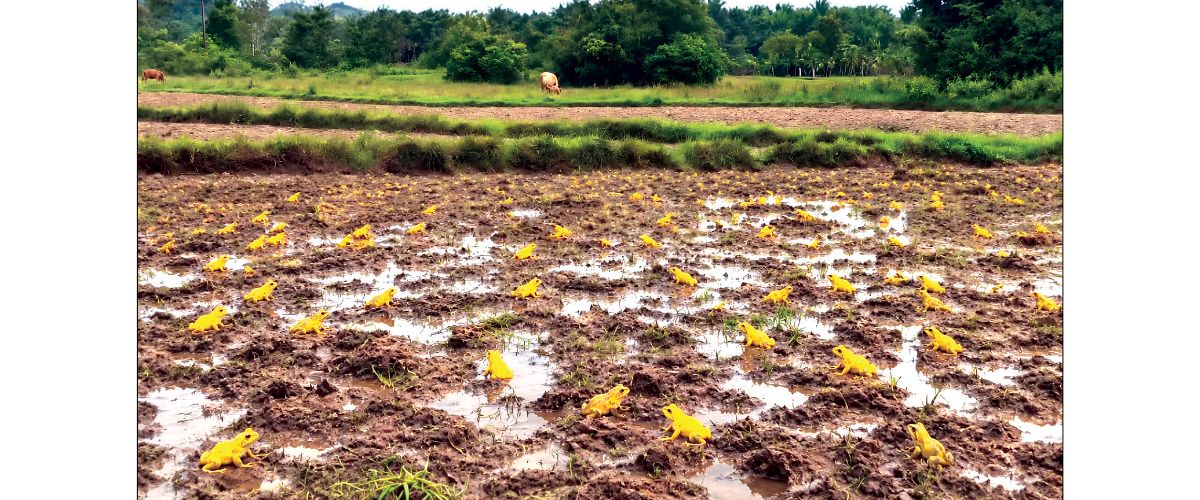
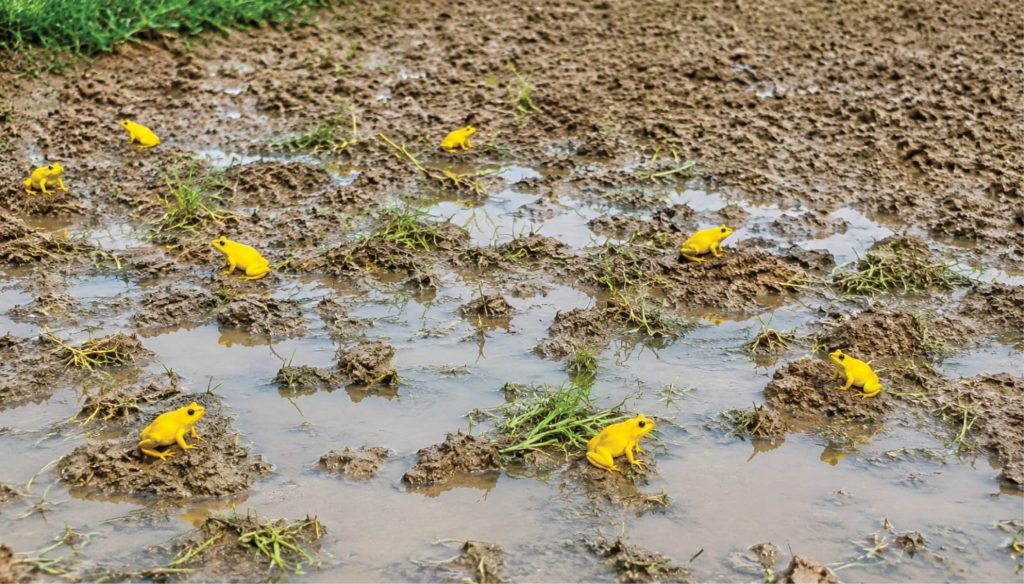
Farmers in B. Shettigeri village of Ponnampet taluk in Kodagu are witnessing an unusual natural spectacle, with hundreds of bright yellow bullfrogs appearing in paddy fields over the past week, leaving residents both fascinated and curious.
The unusual congregation has drawn the attention of residents, many of whom say they have never witnessed such a large number of brightly coloured bullfrogs in the area before.
They are believed to be Indian Bullfrog (Hoplobatrachus tigerinus), one of the largest frog species found in India. Native to South and Southeast Asia, the semi-aquatic species is known for its robust build and undergoes a striking colour change during breeding season.
Male Indian bullfrogs turn bright yellow and develop distinctive blue vocal sacs on either side of the throat during the monsoon to attract females. This vibrant breeding colour is visible only for a few weeks each year.
K.P. Girish, a farmer from B. Shettigeri, said that the frogs have been appearing in large numbers in paddy fields where sowing is yet to begin.
“We have been seeing these yellow frogs for the last eight days. More than 200 of them are hopping around the fields. This is the first time we have witnessed so many bullfrogs together. It looks beautiful, but at the same time it is a little frightening because we have never seen anything like this before,” he said.
source: http://www.starofmysore.com / Star of Mysore / Home> News / July 07th, 2026
Molecular biologist Sujata Goel on the importance of “weeds”, modern approaches in science communication & India’s organic farming policies.
Nearly 30 years ago, molecular biologists Sujata Goel and her partner Anurag left Delhi to build a life closer to nature in Karnataka’s Kodagu district. Over the years, they began working closely with local farmers to understand how agroecological plantations could be developed at scale, combining their expertise in academic biology with generations of local ecological knowledge to co-create natural solutions for coffee and spice plantations. Communication techniques that closed language and knowledge gaps were essential in this confluence of modern scientific understanding with centuries-old local wisdom.
The couple has been actively researching natural alternatives to chemical pesticides, starting with a makeshift laboratory on a wooden table on their 25-acre ecologically sustaining plantation to test how certain plant species that are considered “weeds” have properties to turn away pests and provide other benefits to cultivated plants. Since then, Sujata has taken their research to public platforms and official channels to advocate for bans on use of agri chemicals in Coorg’s coffee and spice plantations. Coorg is home to Talakaveri, the source of River Kaveri — the lifeline of multiple South Indian states. The chemicals sold to and used by planters, seep into the soil and contaminate this vital waterbody.
Today, Sujata works with a small team of farmers, naturalists and conservationists to bring awareness about the lethal impacts of weedicides that has gradually crept into the agricultural practices in and around plantations in this area.
She has also taken these ideas to the international stage through the Organic Farming Association of India, serving as its president and helping organise a global symposium in 2017. In the conversation with Down To Earth, she discusses the methods and importance of such dialogue, the evolving approaches of communicating science with local communities and what she has learnt about organic farming in India as a practitioner.
Preetha Banerjee: How has science communication changed over the years and what channels and techniques do you use to raise awareness among local farmers? What has been the impact of the Internet?
Sujata Goel: Most people across villages including farmers use the internet comprehensively. Several village Panchayats, Planters and Farmers have created Whatsapp groups to exchange and share information regarding everything related to cultivation, from weather forecasts to agricultural practices, government schemes and subsidies available, and other related matters. We are using such platforms in collaborations with scientists to spread awareness about the carcinogenic and lethal effects of many of the agrichemicals which are rampantly being used in the fields now. It is important to remember that these lands constitute a catchment area being the primary recipients of the South-west monsoons, providing water for much of peninsular India. Spraying pesticides and weedicides around paddy fields have contaminated wetlands, which is extremely dangerous since these wetlands are the life source of all flowing water. These wetlands are also precious because they recharge ground water and must be protected from such thoughtless destruction at all costs.
PB: Over three decades of working with farmers, how have you seen science communication evolve?
SG: Whatsapp groups and Instagram seem to be the most accessible to farmers. Since multiple language use is now possible, these are popular, especially in rural areas. Several workshops are also held remotely, and farmers are able to attend them from their own places of residence and work. This helps cut costs of holding such study programs and enables organisations such as Organic Farming Association of India (OFAI) to invite scientists to such platforms without disrupting their work schedules.
PB: Modern agricultural science promotes a negative association with “weeds”. Is there another way to look at weeds? What have you learnt from traditional wisdom and your own research?
SG: Words like “pest” and “weed” have evolved through western agricultural practices. They tend to designate some species desirable and others not. Many native plants which we call weeds were consumed as food not long ago and continue to do so. Many species which we eliminate under the garb of “weeds” play an essential role not only in the overall ecosystem, but also in producing our own food. They not only create habitats for local biodiversity but also offer pollinators necessary grounds for foraging and survival. Rethinking our language biases would enable us to look more holistically at the philosophy behind our practices.
This brings us to the issue of weedicides, which have slowly infiltrated Kodagu’s coffee plantations in the past ten years. We now notice deformities and dead bodies of animals in the once-lively streams that are the arteries of this landscape. The poisoning of freshwater species is just an indicator of the impact these chemicals have on human health.
This year, in February 2026, the multinational company, Bayers, announced that it will pay $7.25 billion to settle thousands of US lawsuits alleging that its Roundup weedkiller has caused a vast number of individual cases of cancer. That these family of carcinogenic agri-chemicals were lethal to all life forms was substantiated by rigorous scientific research decades ago and has been available in the public domain, and yet their marketing continues unabated. Are these the substances which international companies promote and enforce on the planet and escape all forms of control? Who becomes accountable for such acts of deliberate genocide?
PB: Why is it important to think about biodiversity as an entire ecosystem rather than as individual species? What does this mean for agricultural productivity?
SG: Sustenance of the ecology of a farm depends upon the richness of its biological diversity. Plants and insects, fungi and soil microorganisms have all co-evolved for millions of years. Good farming practices aim to understand the importance of biodiversity and try to mimic nature by providing niches for diverse plants, animals, insects, bacteria and fungi. The ‘ecosystem services’ provided by this biodiversity are invaluable, not just for farmers, but for all of life surrounding us. These range from encouraging populations of pollinators, soil recharge and nutrient cycling, disease regulation, water harnessing, and carbon sequestration among others.
On organic farms such as ours that have no trace of chemicals around, parasitic and predatory insects colonise native plant species and play significant roles in maintaining disease-free crops. Integration of fallow areas, leaving riparian stretches rich with local weeds, and generous mulching has allowed a rich buildup of biodiversity in the fields. As a result, we now have excellent populations of spiders, wasps, dragonflies, frogs, lizards, snakes and a wide range of birds, all of which contribute towards building up of a diverse and healthy agri-ecosystem.
Birds are amazing for their ability feed on insects and caterpillars; spiders are indiscriminate trappers of a whole range of insects. Wasps lay their eggs on larvae, which hatch and being carnivorous, start feeding on the grubs which would otherwise damage the crops. Bats, frogs, skinks, lizards, shrews, mantids, are insect feeders and form an intricate link in the food web of the forest ecosystem.
Beneficial microorganisms contribute to a rise in detritus activity of the soil, increased nitrogen fixation, and increase in nutrient cycles. Areas where grasslands are encouraged become sponges for harnessing rainwater to replenish water tables and aquifers. It is these who are the true regenerators of our soils and agri-ecosystems.
PB: How has India’s approach to organic farming changed over the past three decades?
SG: Across our agricultural landscapes, farmers are beginning to feel the “bite” of 60 years of aftermath of the green revolution. Widespread losses due to climate extremes being experienced in different parts of the world now are adding to the need to desperately regenerate degraded lands. This is possible only through farming practices which totally exclude use of agri-chemicals, and at the same time, enabling viable practices to revive our soils.
There is no half measure. The governing bodies of our country must make up their minds that when they announce policies and projects to support organic farming, whether that is their true intent and how such projects can be implemented in light of subsidies and other supportive mechanisms offered for purchases of the very agri-chemicals which are responsible for the damage. Through field-based education and changes in policies to ensure that farmers are economically protected, it is possible to scale up on organic practices to feed our populations. This has been amply demonstrated by the truly progressive farmers across the world.
source: http://www.downtoearth.org.in / Down To Earth / Home> Environment / by Preetha Banerjee / August 22nd, 2026
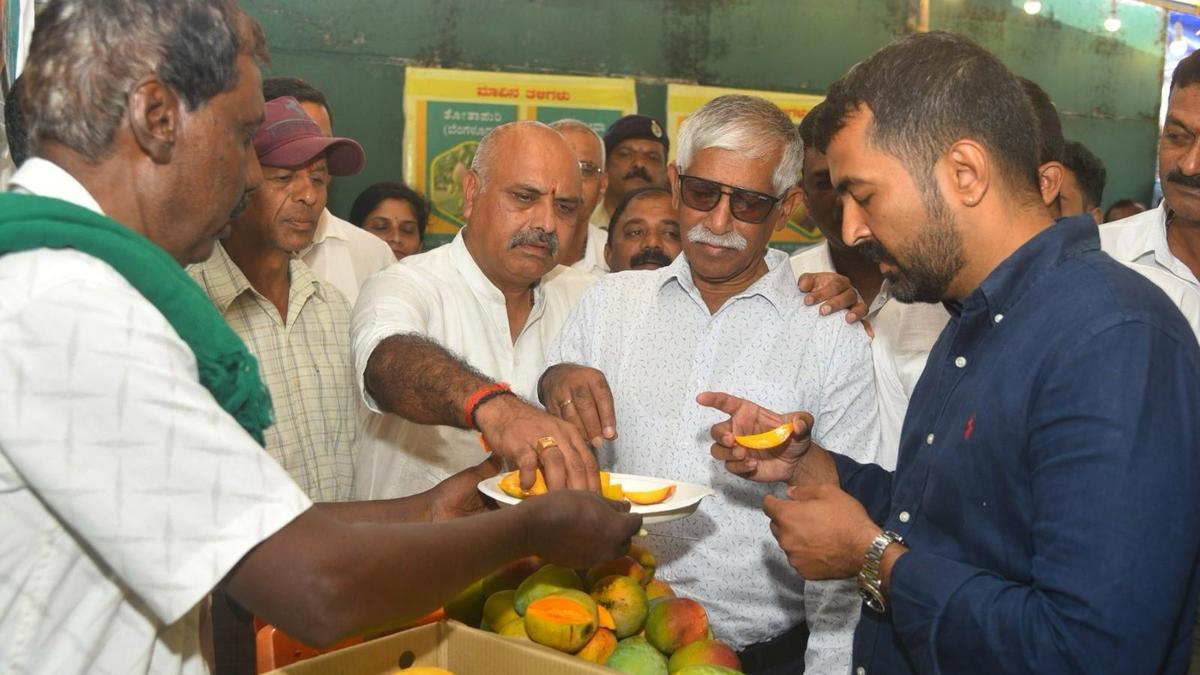
Mantar Gowda, Madikeri MLA, and others after inaugurating the three-day mango mela in Madikeri on Friday. | Photo Credit: SPECIAL ARRANGEMENT
A three-day Mango and Jackfruit Mela got off to a start in Madikeri on Friday, drawing visitors with over 20 mango stalls, exotic fruit varieties and direct sales from growers.
The sixth edition of the mela, organised by the district administration, Zilla Panchayat, Department of Horticulture and Kodagu HOPCOMS at the HOPCOMS premises in Madikeri, was inaugurated by Madikeri MLA Mantar Gowda, who launched the event by tasting mangoes and interacting with growers.
The mela features around 20 mango stalls, two jackfruit stalls and several outlets displaying fruit saplings, vegetable seeds and flowering plants. Farmers directly marketing produce from their orchards emerged as an attraction.
Mantar Gowda inspected various mango varieties, including Badami, Imam Pasand, Alphonso, Kesar, Dasheri, Mallika, Malgova, Sindhoora, Raspuri, Totapuri, Kalapadi, Sakkaregutti and Rumani. He also visited stalls displaying jackfruit varieties and exotic fruits such as mangosteen and rambutan.
Speaking to reporters, the MLA stressed the need to promote horticulture crops and organise training programmes for farmers in Kodagu.
He said the district, known for crops such as coffee, cardamom and pepper, was also witnessing cultivation of arecanut, butter fruit and wild mango, and suggested that farmers should increasingly focus on alternative crops in view of the region’s high rainfall.
Mr. Gowda also proposed leasing nearly 100 acres of land under the Horticulture Department at Madapura to farmers to improve utilisation and generate higher income.
He also announced plans to hold training programmes for mango growers to encourage mango and jackfruit cultivation in the district.
Several mango varieties are available at the mela, with prices ranging from ₹40 per kg for Totapuri to ₹200 per kg for premium varieties such as Imam Pasand, Kesar, Malgova and Sakkaregutti. Alphonso is priced at ₹150 per kg, while Badami and Raspuri are selling at ₹100 per kg.
Representatives of HOPCOMS, officials from the Horticulture Department, elected representatives and local officials were present at the inaugural event.
source: http://www.thehindu.com / The Hindu/ Home> News> India> Karnataka / by The Hindu Bureau / May 22nd, 2026
Sowing in Mysuru district | Photo Credit: File photo
A sharp deficit in pre-monsoon rainfall across southern Karnataka has raised concerns ahead of the onset of the southwest monsoon, with key districts in the Mysuru region, particularly Kodagu and Mysuru, recording significant shortfalls that could affect preparation for kharif sowing.
Data released by the Karnataka State Natural Disaster Monitoring Centre (KSNDMC) as of May 27 shows that South Interior Karnataka received 106 mm of rainfall against the normal 125 mm during the pre-monsoon period from March 1 to May 27, registering a deficit of 16 per cent.
Among the districts in the Mysuru region, the data said, Kodagu recorded the steepest decline, receiving only 106 mm rainfall against the normal 220 mm – a deficit of 52 per cent. Mysuru followed with 89 mm against the normal 184 mm, recording a 51 per cent shortage. Mandya received 96 mm against the normal 146 mm, registering a shortfall of 34 per cent, while Chamarajanagar received 140 mm against the expected 181 mm, reflecting a 22 per cent deficit.
The shortfall was more noticeable in April. Mysuru district received only 10 mm rainfall against the normal 66 mm, recording an 85 per cent deficit. Kodagu registered a 76 per cent shortfall, followed by Chamarajanagar at 75 per cent and Mandya at 59 per cent.
Although rainfall activity improved marginally in May, it remained insufficient to offset the earlier deficit. Between May 1 and 27, Mysuru received 65 mm rainfall against the normal 103 mm, registering a 37 per cent shortfall, while Kodagu received 64 mm against 114 mm, a deficit of 44 per cent. Mandya and Chamarajanagar fared relatively better, receiving 62 mm and 105 mm respectively.
The data also showed significant rainfall deficits in Hassan and Dakshina Kannada districts.
source: http://www.thehindu.com / The Hindu / Home > News> India> Karnataka / by The Hindu Bureau / May 27th, 2026
Over 2,000 coffee plants, 250 pepper vines cut down at Kalakooru village
Madikeri:
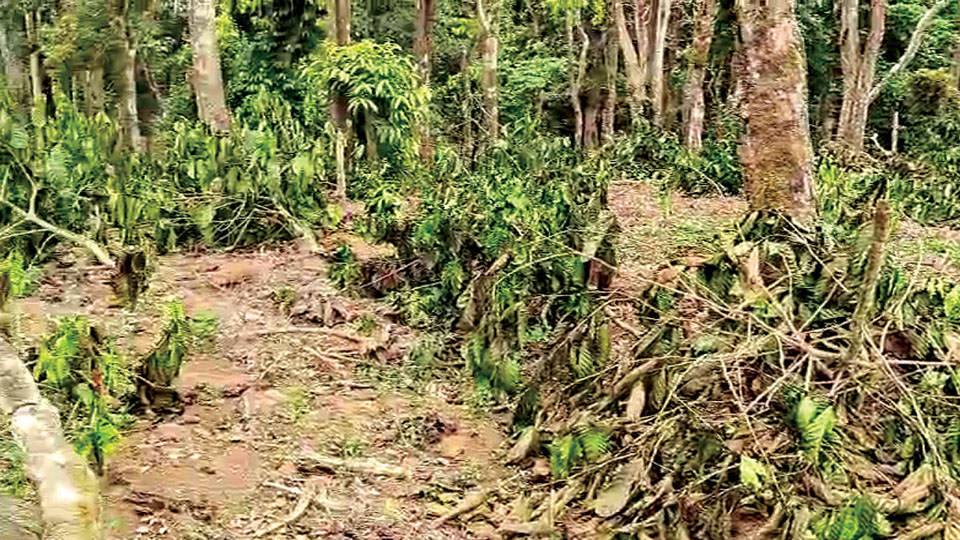
In a shocking incident of large-scale vandalism, unidentified miscreants entered a coffee plantation at Kalakooru village near Birunani in Ponnampet taluk of Kodagu district and destroyed more than 2,000 coffee plants and 250 pepper vines, causing losses estimated to run into several lakhs of rupees.
The plantation belongs to Kuppanamada Gautham, who had carefully developed the four-acre estate over the years with seven-year-old coffee plants and pepper vines. The estate was equipped with modern surveillance measures, including CCTV cameras installed at strategic locations.
The incident took place while Gautam and his family were away in Mysuru to attend a wedding ceremony. Taking advantage of their absence, miscreants trespassed into the plantation and carried out widespread destruction.
In addition to cutting down the crops, the perpetrators disconnected and took away the CCTV cameras in an attempt to erase evidence.
The destruction was extensive, with coffee plants and pepper vines cut at ground level, leaving no scope for regrowth. Gautham now faces the difficult and expensive task of re-establishing the plantation from scratch.
Villagers described the act as deliberate and well-planned. They pointed out that the scale of destruction indicated the involvement of at least eight to ten persons.
The incident triggered outrage among villagers and members of the local farming community, who strongly condemned the destruction of crops and demanded immediate action against those responsible.
Hudikeri Revenue Inspector Santhosh visited the spot and inspected the damaged estate. Srimangala Police Station Inspector A.S. Ravindra, along with his team, also visited the plantation. Police deployed a dog squad to gather clues.
source: http://www.starofmysore.com / Star of Mysore / Home> News / May 08th, 2026
The Minister said the mandate for production, development, research and domestic marketing of spices other than cardamom is vested with Ministry of Agriculture & Farmer’s Welfare.
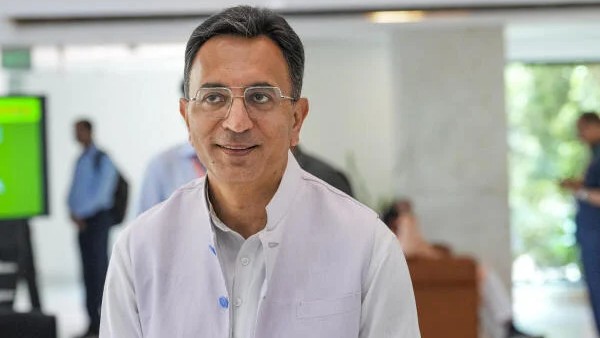
Union Minister for Commerce and Industry Jitin Prasada /Credit: X/@JitinPrasada
New Delhi:
Union Minister of State for Commerce and Industry Jitin Prasada on Tuesday said that black pepper production in Kodagu may increase by about 16 per cent in 2025-26 compared to 2024-25.
Replying Yaduveer Wadiyar question, the Minister said the mandate for production, development, research and domestic marketing of spices other than cardamom is vested with Ministry of Agriculture & Farmer’s Welfare. The Ministry informed that it has conducted a quick pre-harvest survey in Kodagu district which indicates that black pepper production in Kodagu may increase by about 16 per cent in 2025-26 compared to 2024-25, he said.
Spices Board under the “Sustainability in Spice Sector through Progressive, Innovative and Collaborative Interventions for Export Development (SPICED)” scheme provides assistance to the growers of spices, including pepper growers of Kodagu district for post-harvest improvement by providing pepper thresher, graders /cleaners etc, conducting capacity building programmes and undertaking market linkage initiatives organizes buyer seller meets, he said.
He further said at present the import policy for pepper is ‘Prohibited, with a provision permitting import only if the Cost Insurance & Freight (CIF) value is Rs. 500. per kg or above. The said MIP of Rs. 500/kg continues to remain in force and is not applicable to imports under Advance Authorization Scheme for export production, imports by 100% Export Oriented Units (EOU) and units in Special Economic Zones (SEZ) and imports for extraction of oleoresin for re-export by manufacturer-exporters, subject to applicable policy conditions, he said.
source: http://www.deccanherald.com / Deccan Herald / Home> India> Karnataka / by Ajith Athrady / March 11th, 2026
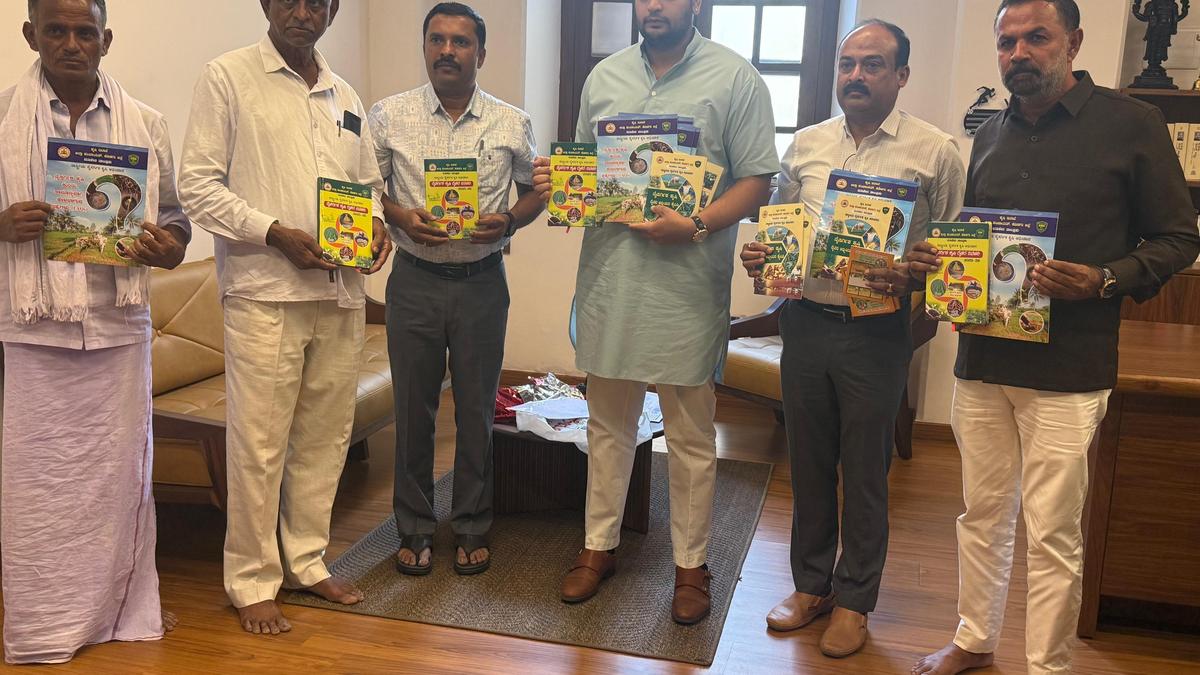
MP for Mysuru Yaduveer Krishnadatta Chamaraja Wadiyar releasing a set of booklets on natural farming, in Mysuru on Tuesday. | Photo Credit: SPECIAL ARRANGEMENT
MP for Mysuru Yaduveer Krishnadatta Chamaraja Wadiyar released a set of booklets under the National Mission on Natural Farming (NMNF) aimed at benefiting farmers in Kodagu district.
The booklets, which include a farmers’ study handbook, natural farming diary, Frequently Asked Questions (FAQs) booklet on natural farming, and information material on schemes available through the Agriculture Department, were released at the MP’s Mysuru office. The books will be distributed to 3,125 farmers in Kodagu district.
The department said that the NMNF scheme was being implemented in Kodagu district with 60% financial assistance from the Centre and 40% contribution from the State government.
Under the programme, 50 Cluster Resource Persons (one for every two gram panchayats) and 17 Block Resource Persons will guide and train farmers practising natural farming across the district.
Joint Director of Agriculture, Kodagu district, B.S. Chandrashekhar, and Deputy Director of Agriculture D.S. Somashekhar were present.
source: thehindu.com / The Hindu / Home> News> India> Karnataka / by The Hindu Bureau / March 03rd, 2026
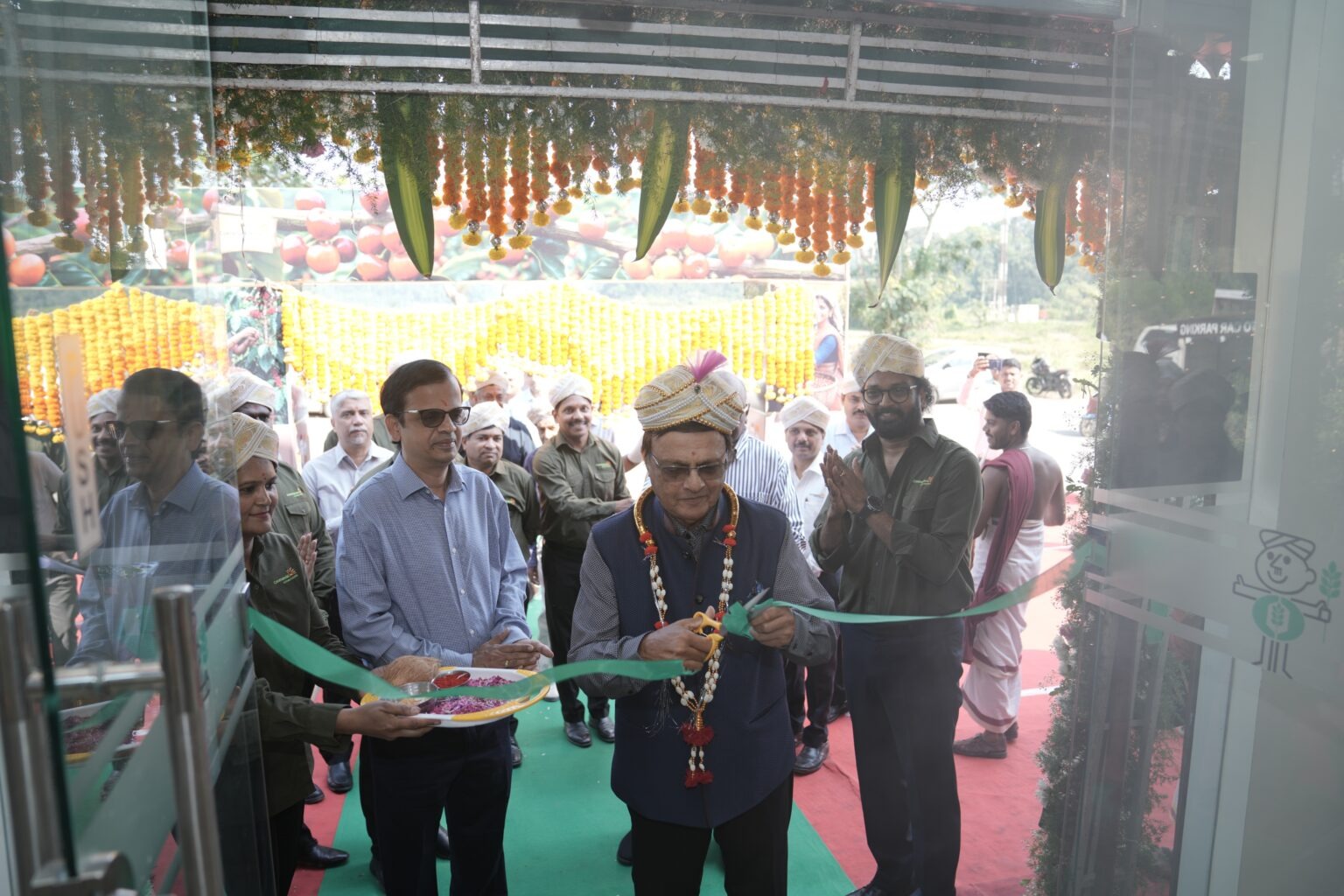
Coromandel International Limited, one of India’s leading agri-solutions providers, announced the inauguration of its 1200th Gromor retail store at Arji Village in Virajpet Taluk, Coorg, Karnataka. Branded as ‘Namma Gromor’, the store marks a significant milestone in the company’s journey of strengthening its last-mile connect with the farming community.
The event was inaugurated by Mr. IK Anil, Founder – Kuttappa Coffee, Co-founder, Indian Vanilla Initiative and Editor-in-Chief – Coffeeland News, in presence of Mr. S. Sankarasubramanian, Managing Director & CEO, Coromandel International Limited, along with senior leadership team.
Launched as a coffee specialty store, the outlet is strategically located to serve key coffee-growing belts across Virajpet Taluk, including Arji and surrounding villages, as well as prominent estate clusters across the Coorg region. The store aims to engage closely with progressive farmers, estate owners and grower communities, creating a strong localized impact across 20–25 villages.
“The launch of our 1200th Gromor store is a proud milestone in Coromandel’s journey of empowering farmers through integrated agri-solutions. With the Coorg region being a key hub for coffee cultivation, this specialty store reflects our commitment to deliver localized, crop-specific expertise. Our focus remains on strengthening farmer connect, improving productivity and enabling sustainable livelihoods through a combination of physical and digital interventions.”, said Mr. S. Sankarasubramanian, Managing Director & CEO, Coromandel International Limited.
Mr. IK Anil, Founder – Kuttappa Coffee, Co-founder, Indian Vanilla Initiative and Editor-in-Chief – Coffeeland News said, “My association with the Murugappa Group spans generations, as a third-generation coffee planter, my bond with this group transcends business and is rooted in mutual respect and shared values. What has always distinguished Murugappa Group is its unwavering commitment to quality and integrity, sustained across decades without compromise. That steadfastness has earned the trust of generations like mine. As the Namma Gromor Centre now expands into the plantation segment for the first time in Coorg, I sincerely hope it will bring forward new technologies and meaningful advancements that empower planters in Coorg, helping them navigate evolving agricultural challenges with confidence, built on the same fair, genuine, and dependable values that have long strengthened Coromandel Retail’s bond with the farming community.“
Since its foray into rural retail in 2007 under the ‘My Gromor’ brand, Coromandel has built one of India’s largest agri-retail networks. With the launch of the 1200th store, the company now operates a robust, company-owned and company-operated network across five states—850 Mana Gromor stores in Andhra Pradesh and Telangana, 270 Namma Gromor stores in Karnataka, 31 Namadu Gromor stores in Tamil Nadu, and 49 Apla Gromor stores in Maharashtra—serving over 5 million farmers.
Backed by a dedicated workforce of over 4,500 employees, the Gromor network plays a pivotal role in delivering extension services, agronomic support and quality agri-inputs, helping farmers enhance productivity and improve farm outcomes.
Each ‘My Gromor’ centre functions as a comprehensive agri-solutions hub, offering a wide range of products including fertilizers, crop protection solutions, biologicals, cattle feed and farm implements. In addition, farmers benefit from value-added services such as soil and carbon testing, drone spraying, agronomy advisory, and access to farmer-focused insurance solutions.
The retail ecosystem is further strengthened by the MyGromor mobile app, which provides farm-specific advisory, real-time pricing, and AI-powered pest and disease detection. With over 1 million downloads, the platform is enhancing both accessibility and transparency for farmers.
About Coromandel
Coromandel International Limited is amongst India’s pioneers and leading Agri solutions provider, offering diverse products and services across the farming value chain. It operates in two major segments: Nutrient and other allied businesses and Crop Protection. These include Fertilisers, Crop Protection, Bio Products, Specialty Nutrients and Organic businesses. The Company is 2nd largest manufacturer and marketer of Phosphatic fertilisers in India. The Company’s Crop Protection products are marketed in India as well as in international geographies, offering a wide range of technical and formulation products. The Specialty Nutrients business of the Company focuses on water soluble fertilisers, secondary & micronutrients and Nano fertilisers products. The Company is a leading marketer of Organic fertilisers in India. The Bio Products business of the company focusses on plant extractions for various applications. It also operates a network of 1200 rural retail outlets across Andhra Pradesh, Telangana, Karnataka, Tamil Nadu and Maharashtra. Through these Retail outlets, the Company offers agri inputs and farming services including crop advisory, soil testing and farm mechanization to around 3 million farmers. The Company currently has 8 R&D centers and a strong Regulatory setup, supporting the businesses in process development and new product introduction. The Company currently has 21 manufacturing facilities, spread widely across India, producing a wide range of Nutrient and Crop Protection products, which are marketed through an extensive network of dealers and its own retail centers.
The Company clocked a turnover of Rs. 24,444 Crores during FY24-25. Its efforts towards environment have been well recognized by international organizations like UNDP and has also been voted as one of the ten greenest companies in India by TERI. Coromandel is a part of the Murugappa Group with a turnover of INR 90,178 crore.
A 125-year-old conglomerate with presence across India and the world, the INR 902 billion (90,178 crore) Murugappa Group has diverse businesses in agriculture, engineering, financial services and more.
The Group has 10 listed companies: Carborundum Universal Limited, CG Power & Industrial Solutions Limited, Cholamandalam Financial Holdings Limited, Cholamandalam Investment & Finance Company Limited, Coromandel International Limited, E.I.D.-Parry (India) Limited, NACL Industries Limited, Shanthi Gears Limited, Tube Investments of India Limited, and Wendt (India) Limited. Other major companies include Cholamandalam MS General Insurance Company Limited and Parry Agro Industries Limited. Brands such as Ajax, Hercules, BSA, Montra, Montra Electric, Mach City, Chola, Chola MS, CG Power, Shanthi Gears, CUMI, Gromor, Paramfos, Parry’s are part of the Group’s illustrious stable.
Abrasives, technical ceramics, electrominerals, electric vehicles, auto components, fans, transformers, signalling equipment for railways, bicycles, fertilisers, sugar, tea and several other products make up the Group’s business interests.
Guided by the Five lights — integrity, passion, quality, respect and responsibility — and a culture of professionalism, the Group has a workforce of 94,041 employees.