Largely from Adivasi communities, many neither remember their earlier place of enrolment nor possess documents to establish it .
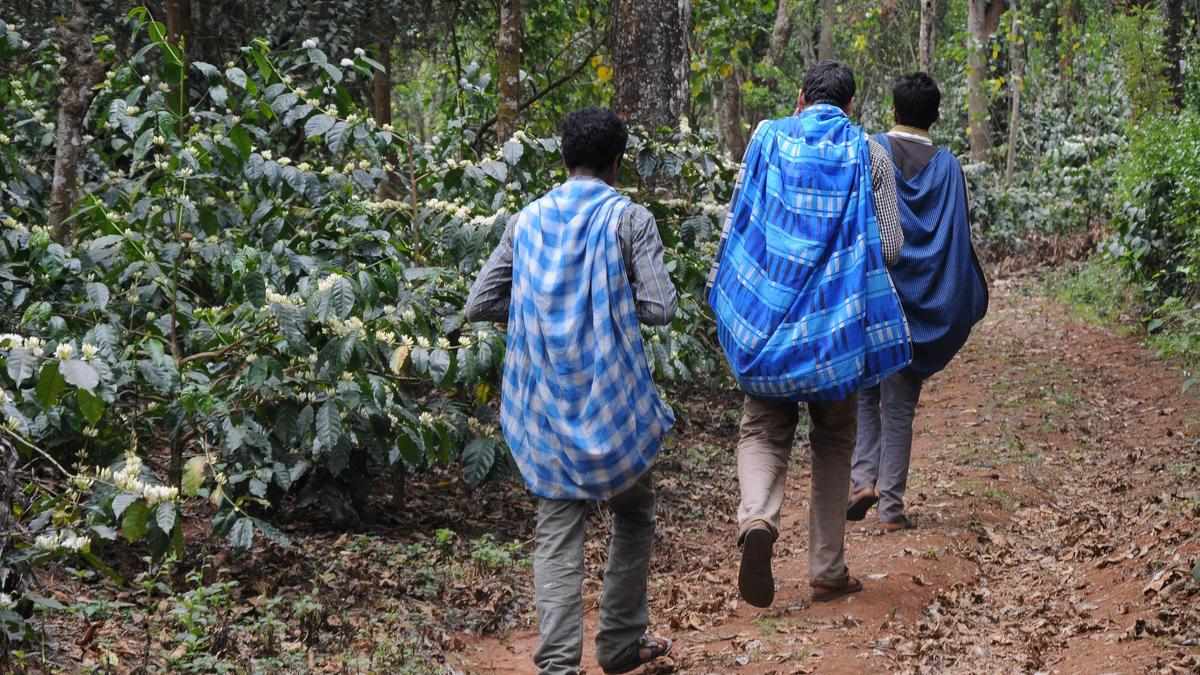
Residents have, over the years, moved across more than 20 plantation belts in the region. | Photo Credit: File photo
In Kedamulur, a village in Virajpet taluk of Kodagu district, Booth Level Officers (BLOs) have not been able to map even a single resident to the 2002 electoral rolls, a key requirement ahead of the Special Intensive Revision (SIR) expected to begin in Karnataka in April.
This is because residents here have, over the years, moved across more than 20 plantation belts in the region. Largely from Adivasi communities such as the Paniya Yerava, Jenu Kuruba, and Yerava, people told The Hindu that they neither remember their earlier place of enrolment nor possess documents to establish it.
Most families said they have worked across plantations in areas such as Kutta, Ponnampet, Kaarekadu and Ammatti, among others, shifting every few years depending on work. With no records of earlier addresses, they are unable to show where they were living in 2002. In many cases, even recalling details needed to locate their names or those of their parents or grandparents in the electoral rolls has been difficult.
“No one in Kedamulur could be matched during the mapping exercise,” a BLO associated with the Tomara Booth said, adding that similar conditions exist across plantation areas in Virajpet and Ponnampet taluks, apart from parts of Chikkamagaluru and Sakleshpur.
Under the SIR process, if a person cannot be linked to the 2002 electoral rolls during the enumeration phase, their name is likely to be left out of the draft rolls that follow. It is only after this stage that individuals are issued notices asking them to submit one of 11 specified documents as proof.
No proof of address
For many families here, accessing those documents itself is a challenge. Gauri, from Adivasi Sangharsh Morcha, said it is common for workers’ documents such as voter ID cards and ration cards to be held by employers, and not returned when they leave plantations. With families shifting every few years, most also do not have proof of permanent residence. Even Aadhaar, which is accepted only as proof of identity and not citizenship for SIR, is not possessed by many in these settlements.
The SIR guidelines also require people to produce documents based on their age. Those born before 1987 must submit their own documents, those born between 1987 and 2004 must provide documents for themselves and one parent, and those born after 2004 must provide documents for both parents. In communities where older generations themselves lack documents, this requirement, Ms. Gauri argued, is impossible to meet.
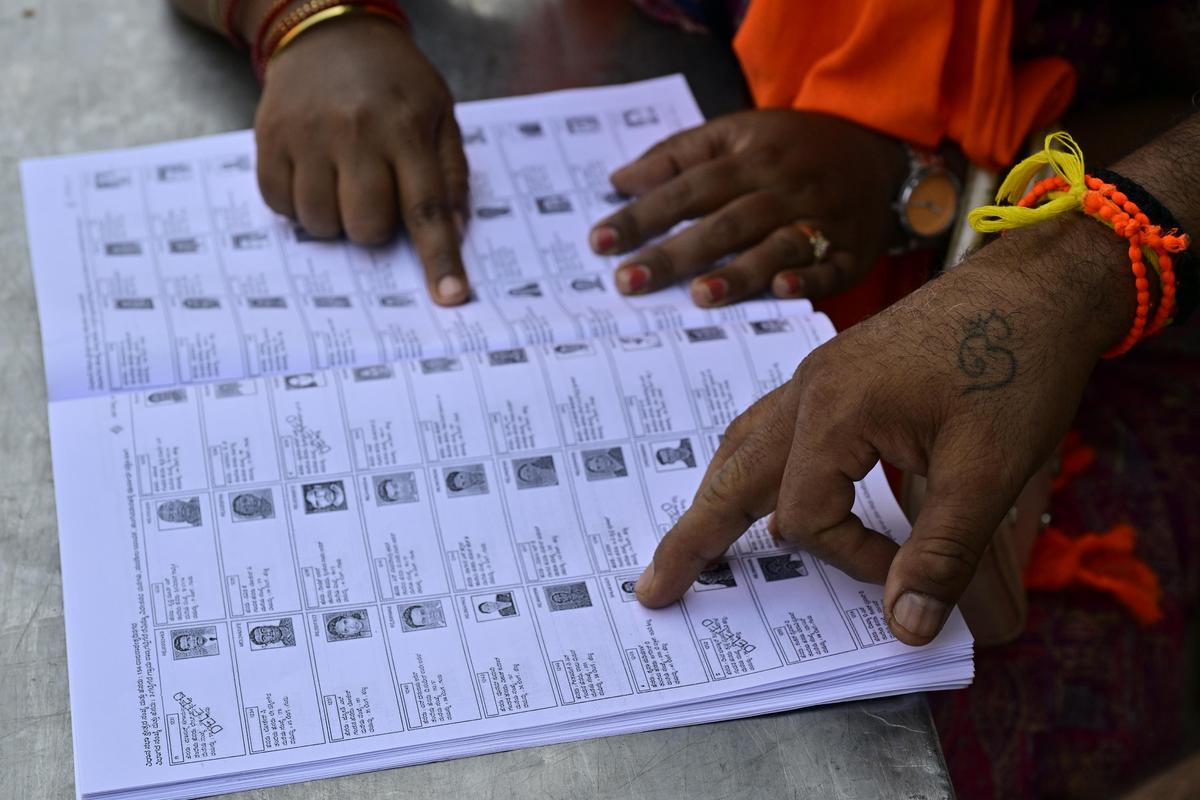
Under the SIR process, if a person cannot be linked to the 2002 electoral rolls during the enumeration phase, their name is likely to be left out of the draft rolls that follow. | Photo Credit: File photo
Discrepancies galore
Even among those who do have documents, discrepancies are common, with differences in spelling, variations in names, and inconsistencies across records. In several cases, it was common that two documents of the same person had different names. BLOs explained that this can happen for multiple reasons — sometimes, names are changed by employers or recorded along with the name of the community, and in other instances, spellings differ across languages or records.
In one case, a person’s Aadhaar card carried the name “Manju”, while the voter ID recorded it as “Paniya Yerava Manju”. In another, the same individual’s name appeared as “Chubba” in one document and “Subba” in another. BLOs acknowledged that such variations are required to be proven during the SIR and will only make it difficult to establish identity under the SIR, even for those who possess documents.
Adivasi Sangharsh Morcha has called for a survey in Adivasi settlements to identify gaps in documentation and address discrepancies in names across records.
BLOs struggle to reach
For BLOs, the exercise itself has been difficult to carry out. These settlements are located inside plantations with no bus connectivity, requiring them to walk long distances. Even then, workers and their families were always away in estates during the day. Officials said there is little awareness among residents about the exercise, even as they are expected to complete the work within deadlines and adapt to new rules.
source: http://www.thehindu.com / The Hindu / Home> News> Cities> Bengaluru / by Rishita Khanna / April 01st, 2026

