Prose gone by…
In India’s coffee-growing belt, climate change has added at least 30 days of dangerously warm days
Rashmika Mandanna’s Virajpet Home Glows with Lights Ahead of Wedding to Vijay Deverakonda (Photos)
The Kodava Hockey Festival – Experience The Thrill Of Heritage In Sport
Special lecture on Kodagu’s ‘Devara Kadugalu’ in Mysuru on Friday
Rashmika Mandanna-Vijay Deverakonda Wedding: What Is Bride Wearing For Her Coorg Wedding? EXCLUSIVE
Rashmika Mandanna to wear Kodava style saree for her evening wedding- Exclusive
From Karnataka’s Coffee Hills to Nordic Royalty in Gulmarg: Bhavani Nanjunda Reigns at KIWG 2026
Amid coffee estates, Pollibetta’s colonial legacy lingers
Priyan R Naik explores the history and architecture of British-era bungalows, clubs and churches in a small town in Kodagu.
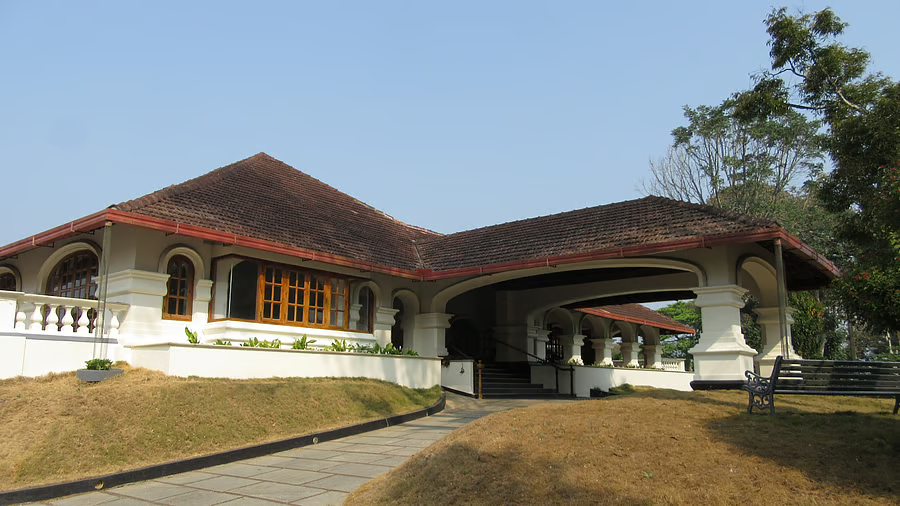
A view of the Bamboo Club at Pollibetta in Kodagu; the Pollibetta Bungalow. / Credit: Priyan R Naik
Pollibetta, a town in the heart of Kodagu district, still echoes the region’s plantation past. Its bungalows, British-era clubs and churches tell stories of a bygone era, blending colonial architecture with restored heritage elements. Amid tiered coffee terraces and pepper vines, the town stands as a living record of history, architecture and cultural adaptation.
Scattered across coffee estates, the region’s colonial bungalows remain the most visible markers of Pollibetta’s architectural heritage. Designed for both climate and lifestyle, these buildings blend practical planning with aesthetic restraint. Continuous verandahs encircle many houses, keeping the interiors dry while allowing cool breeze, especially during the monsoon. Tall, shuttered windows and high ceilings enable cross ventilation. Traditional Mangaluru-tiled roofs, steeply pitched to withstand heavy rain, harmonise with the surrounding greenery.
Most bungalows here were built on elevations so that British planters could oversee their estates, amid a life supported by butlers, cooks and gardeners.
If one patriarch shaped Pollibetta’s modern coffee culture, it was Ivor Bull, a British officer who moved to India and purchased Consolidated Coffee Estates Ltd, an early integrated coffee companies in Coorg. The ripening Robusta coffee cherries on century-old estates trace their lineage to pioneers like him. He encouraged a pooling system that brought planters together to market their coffee.
As the president of the Bamboo Club (a European social club) for several years, Ivor made coffee the engine that brought architecture, infrastructure and social institutions to this once forested land.
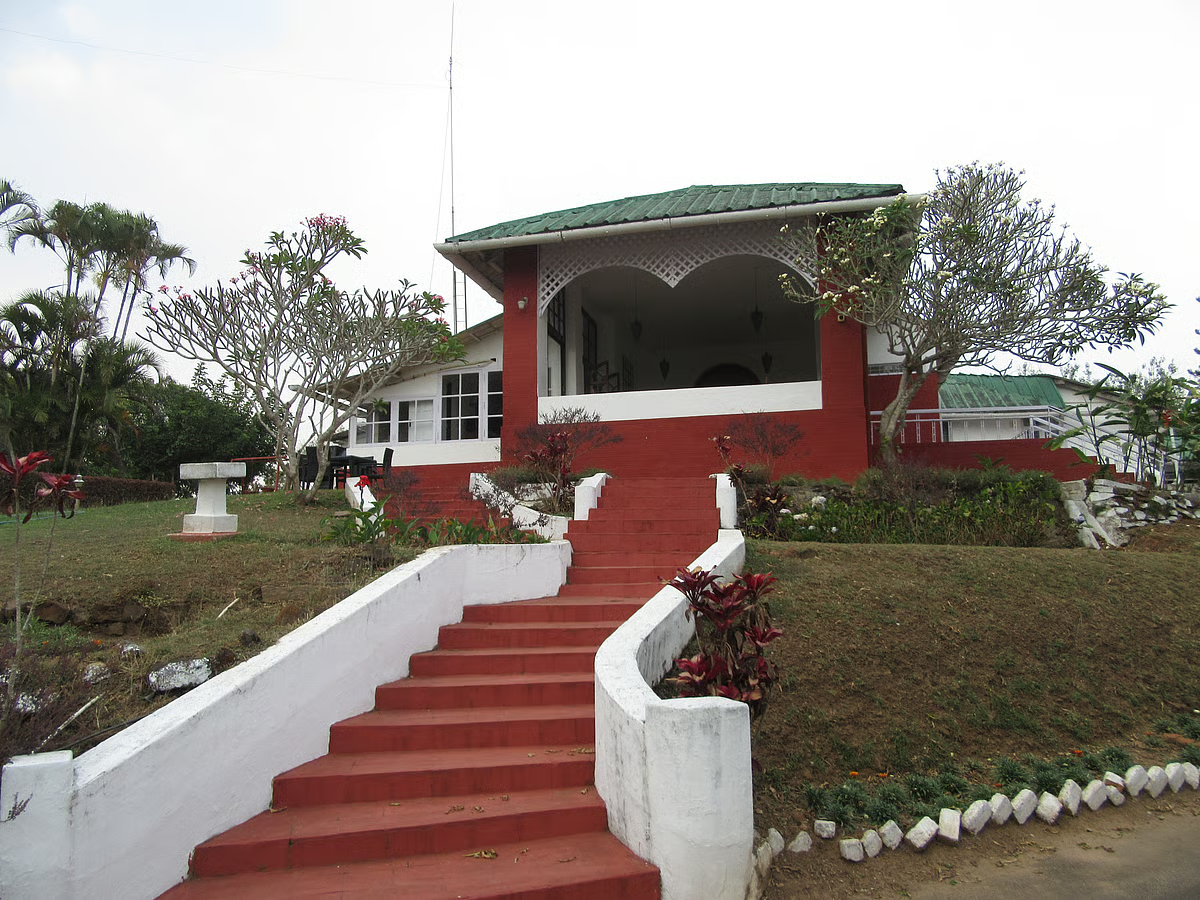
The Pollibetta Bungalow. Photo by author
The historic Pollibetta Bungalow, dating to the 1880s, was once Ivor Bull’s residence. With its wrap-around verandah and sloping Mangaluru-tiled roof, it stands above coffee terraces. Hardwood floors, latticed windows and rosewood panels define the interiors. Large rooms furnished with Victorian furniture and wooden shutters are a marvel to behold.
Little England
Pollibetta’s social infrastructure during the colonial era evolved alongside its architecture. Established in 1886, the Bamboo Club’s timber halls once hosted billiards, ballroom evenings and plantation politics. The club became a ‘Little England’ where coffee planters could meet, play games, dance and party to overcome their nostalgia for home. It was established in keeping with the British tradition of establishing a club wherever they resided. Its classic colonial club architecture — wood-framed lounges, high ceilings and expansive halls — was designed to accommodate large gatherings. Today, the clubhouse serves the planter community’s recreational and social needs. Across the club is the CSI Christ Church. Modest compared to a cathedral, its pointed arches, lancet windows and modest steeple reflect a restrained Gothic style adapted to a plantation setting.

The Woshully bungalow at Pollibetta. Photo by author
The Bamboo Club was first established at the Woshully bungalow where the European planters met. Built in the 1880s, it functioned as the clubhouse before a dedicated building was constructed. Perhaps one of Kodagu’s oldest heritage bungalows, it stands amid orderly rows of coffee and silver oak trees, built of stone and timber and crowned with tiled roofs. Even today, it remains a vantage point to observe the surrounding hills while sipping a cup of coffee.
The Thaneerhulla bungalow, around 130 years old, derives its name from a nearby pond. With antique wooden floors and a cosy fireplace, the bungalow exudes an old-world charm. It has an expansive patio which once saw bullock and horse carts dropping guests for parties.
The Cottabetta Bungalow, built in 1888, is another residence from the colonial era, with simple colonnades, manicured lawns and views opening from its verandah — Kerala to the south, and Kushalnagar with Madikeri Hills overlooking it, to the north.
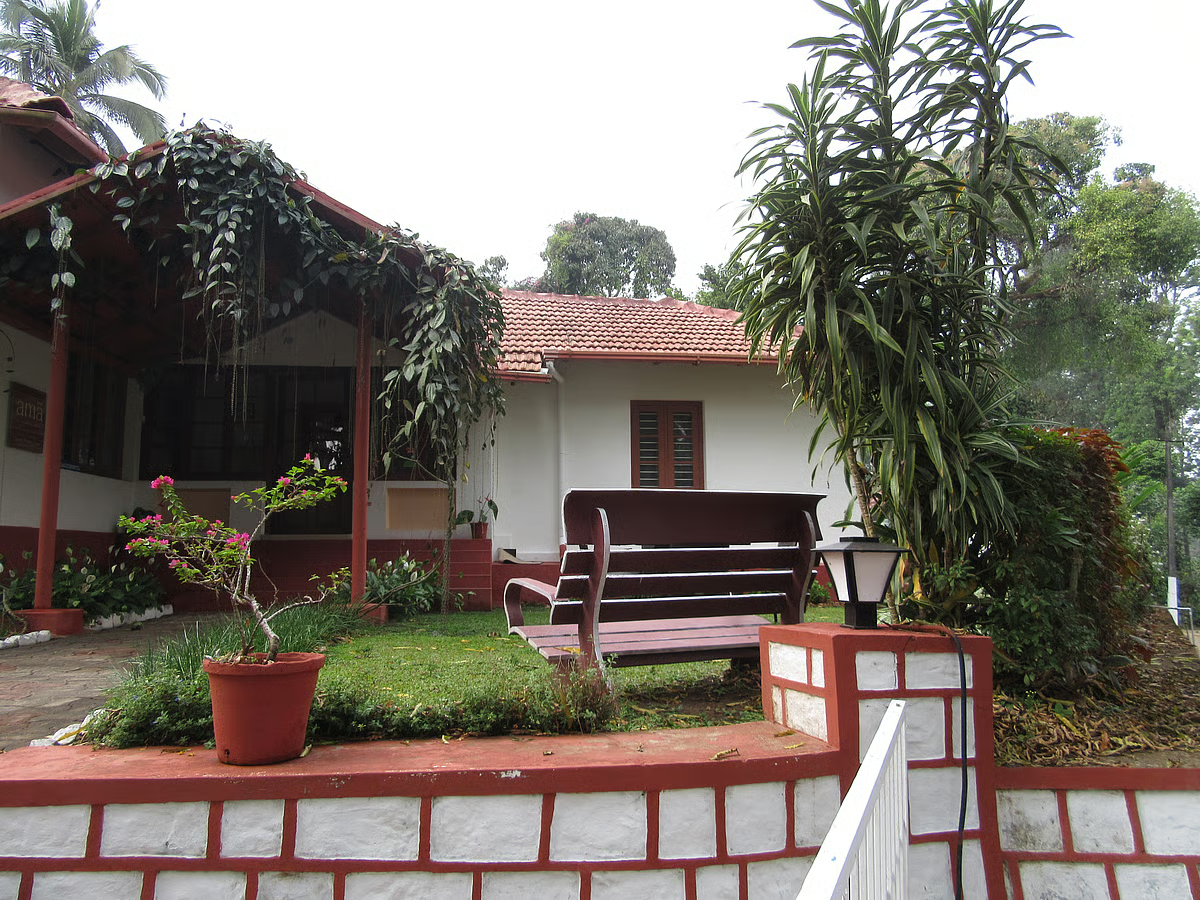
The Surgi Bungalow at Pollibetta. Photo by author
The Surgi bungalow is yet another charming property with rosewood beams, panelled doors and a colonial-style fireplace. Today, its original floor plans, outdoor fireplaces, timber elements and courtyards that once hosted planter gatherings, have been restored.
Today, Pollibetta represents an architectural continuum. Verandahs remain, though fireplaces are now largely ornamental. Restored plantation homes welcome travellers with modern comforts while preserving the heritage timber and tile with memories. Sustaining this legacy depends as much on sensitive restoration as on responsible visitors who value its past.
source: http://www.deccanherald.com / Deccan Herald / Home> India> Karnataka / by Priyan R Naik / February 26th, 2026

