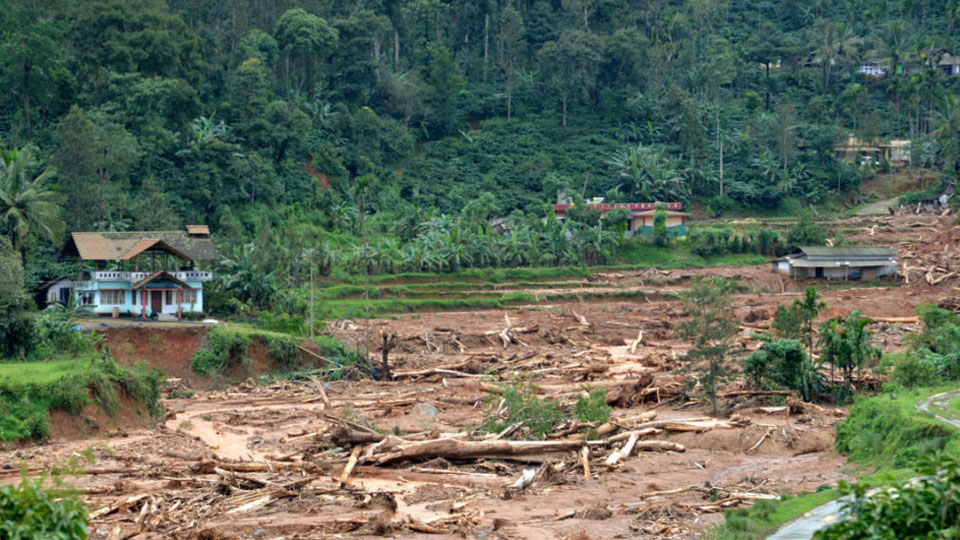
With Kodagu devastated by floods and landslides, the Mysuru Kodagu Gowda Samaja will be celebrating ‘Kail Muhurtha’ get-together in a simple manner at the Samaja premises in Vijayanagar II Stage at 9.30 am on Sept.30.
There will be no sports meet and cultural programmes this year.
However, meritorious children of the Samaja members who have scored high marks in SSLC and PUC (2017-18) will be presented pratibha puraskar on the occasion.
Eligible students may applying by Sept.25, according to a press release from Samaja Hon. Secretary Kuntikana S. Ganapathy.
source: http://www.starofmysore.com / Star of Mysore / Home> News / September 24th, 2018
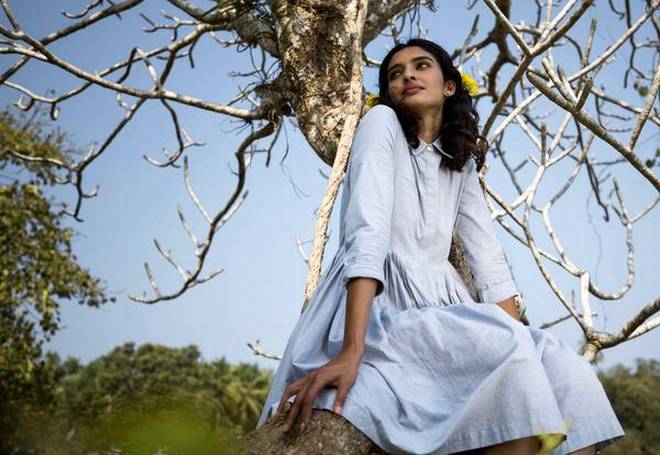
When you’ve successfully built a modelling career, what do you do when you get a call from Mani Ratnam’s production house?
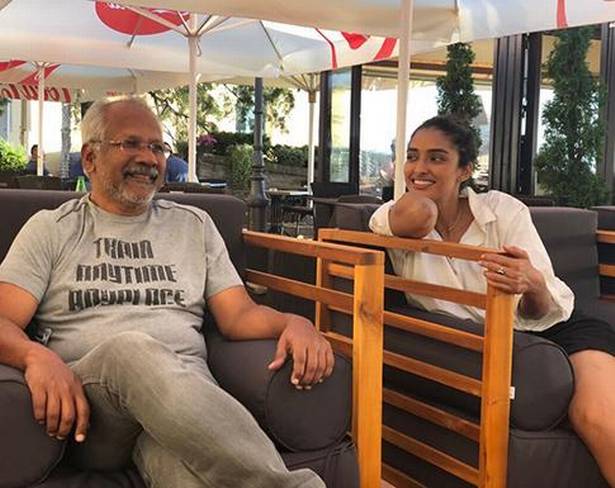
When you’ve successfully built a modelling career, walking for the biggest designers and working with international brands, what do you do when you get a call from Mani Ratnam’s production house? “I thought I was being pranked! I really didn’t think it was real,” says Dayana Erappa, one of the leading ladies in Mani Ratnam’s multi-starrer Chekka Chivantha Vaanam. But it really was Madras Talkies reaching out to her, asking if she knew Tamil and Telugu.
Dayana, who’s from Coorg, said she was fluent in Tamil and Kannada, and sent over her portfolio and forgot all about it. Two months later, she was called for an audition in Mumbai, for a project with Mani Ratnam. When it was time for her to meet the man himself, Dayana had no idea what to expect. Describing the meeting, her voice still has a starstruck quiver, “On the entire flight to Chennai, I was thinking about what I would do when I finally faced him. I grew up watching and falling in love with his movies, how could I be anything but excited?”
The meeting went well. A chat, a script reading with him, and a few weeks later, she got the call confirming her part. “I knew nothing about the role or the character, but I had zero worries. Women have been depicted beautifully in all of Mani sir’s movies, so I knew I was in good hands.” In fact, she says she had no idea she was one of the leading ladies in the movie until the film’s cast poster was released.
With no previous training or experience in acting, Dayana attended a few acting workshops to prepare herself. “When I found out I’d be acting opposite Simbu, I was quite nervous because I’d heard how talented he is. I’d also seen his movies and I wasn’t sure if I could match up to him.” And the first day on set she told Simbu exactly that. But he was supportive, telling her not to worry even if she needed 10 takes to get it right. “Sometimes it did take 10 takes,” she says laughing, but it was the encouragement she received on set that gave her the confidence to pull through. “From the actors to the ADs and stylists, it felt as though the entire crew was rooting for me.”
The transition from a successful model to an actor could not have been easy, but she says, “Even modelling is not something that you learn in a day or two; you work at it every day. So I was prepared to put in the hard work necessary to act from the get-go.” It also helped that she was surrounded by veteran actors. “I got to learn from just being around all that experience. Everyone was easy to talk to. No one treated me like a newcomer.”
Get her talking about her director and she switches to fangirl mode, “Mani sir is a patient craftsman and definitely a man with a vision. He works with you in a way that puts you at ease; so he gets the best performance out of his actors. His movies like Kannathil Muthamittaal and Thalapathi are my favourites. Now I see where the magic comes from.”
Ask her about Chaaya, the character she’s playing, and she won’t say anything more than that she’s a fun and adventurous girl, quite like herself. With a dream début in her hands, Dayana says she will continue modelling while she works on her acting skills, in case an interesting script comes knocking.
source: http://www.thehindu.com / The Hindu / Home> Entertainment> Movies / by Anugraha Sundaravelu / September 24th, 2018
With donors from across the state contributing to CM’s Relief Fund, exclusively released to Kodagu district, over Rs 62 crore has been collected as on September 20.
Madikeri :
Following the natural disaster in Kodagu district, the numerous families that had lost houses and other properties were handed over Rs 3,800 – Rs 1,800 for clothing and Rs 2,000 for utensils and other household goods (per family)- under SDRF/NDRF guidelines.
Since the damage has been severe and the process of permanent rehabilitation will take some more time, the district administration including Deputy Commissioner Sreevidya P I and Kodagu District Minister Sa Ra Mahesh had proposed a request to the State government to increase the amount from meagre Rs 3,800/- per family to Rs 50,000, in a letter dated 28 August.
While the State and National Disaster Fund guidelines do not allow any changes to be made to the gratuitous funds, the state revenue department had stepped into people’s aid and had forwarded the proposal of releasing Rs 50,000/- each for the distressed families from the Karnataka Chief Minister Relief Fund-Natural Calamity 2018. The proposal, which was forwarded to CM H D Kumaraswamy was later forwarded to the Cabinet Committee for approval, which has now been sanctioned.
With donors from across the state contributing to CM’s Relief Fund, exclusively released to Kodagu district, over Rs 62 crore has been collected as on September 20. As many as 1,156 families have been directly affected by natural disaster and 186 houses have been damaged completely, 530 houses have been damaged severely and 404 houses have undergone partial damage.
While Rs 320 crore has been allotted to Karnataka under SDRF, an additional state fund of Rs 400 crore is provided to the state.
source: http://www.newindianexpress.com / The New Indian Express / Home> States> Karnataka / by Express News Service / September 22nd, 2018
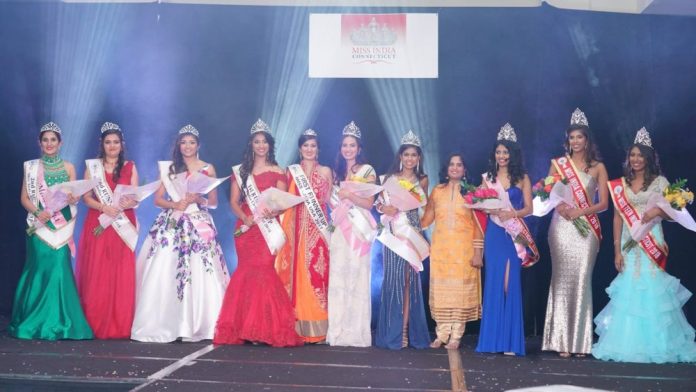
Rekha Gopal – Mrs. India Connecticut 2018 (Left), Alka Marala – Miss India Connecticut 2018 (Middle), Nikitha Kikanamada – Miss Teen India Connecticut 2018 (Right)
Cromwell, Conn.(USA):
Alka Marala has been crowned as Miss India Connecticut 2018. Other winners in the state pageant, which was held last week and directed by Sumathi Narayanan, were: Nikitha Kikanamada, Miss Teen IndiaConnecticut; and Rekha Gopal, Mrs. India Connecticut.
The winners will go on to compete at the national level pageant hosted by Dharmatma Saran, Chairman of IFC, for the title of Miss, Teen, and Mrs. India USA.
Sumathi Narayanan
“We are so proud of the beautiful, talented, and successful women of Connecticut, and we’re excited to see how they further their causes and missions in this upcoming year by using the platform given to them,” said Narayanan, president of Sumathi Narayanan Realty, owner of Swaagat Collections in Shrewsbury, MA, and State Director of Miss India Connecticut Pageant. “We also encourage all women to continue to pursue their dreams and seize these opportunities.”
Miss Marala is a student at University at Buffalo and is currently finishing up her second major. She was elected as vice president of Finance for The Women in Management organization at her university. She is a part of UB Zeal, an inter-college competitive dance team. She is also a Kuchipudi dancer, and is fortunate to have her mother as her guru. She loves to travel the world, try different foods and learn about different cultures.
The Connecticut pageant, which was held on Saturday in Cromwell, CT, was directed by Ms. Narayanan, featuring three categories: Miss, Teen, and Mrs. A total of 23 contestants participated in the pageant and confidently portrayed Indian culture, unique talents, and American pride with grace and elegance.
“The pageant was not just about outer beauty, but also valued inner beauty, intelligence, and ambition of the young women of Connecticut,” Ms. Narayanan said in statement.
State Director Sumathi Narayanan along with all 2018 Winners and 2017 Winner Prachi Shah.
Miss India Connecticut is associated and part of IFC, a pioneer in organizing Indian pageants and fashion shows in USA, and aptly called the ‘Mother of all Indian Pageants in USA.’
The Connecticut pageant event started with an opening dance choreographed by P&P Dance Crew of Connecticut, in which all the contestants performed energetic and graceful introductory dances alongside the reigning Miss India CT 2017 and 1stRunner Up of Miss India USA 2017: Prachi Shah.
The opening dance was then followed by the ethnic wear round, where each contestant proudly displayed their Indian culture. Next was the talent round, in which contestants displayed their talent through dance and musical performances, acting, martial arts, crafts, and even magic shows. The contestants then gave their introduction in the evening gown round. Lastly, the finalists amazed everyone with their wits in the question and answer round.
The judges of the pageant were accomplished patrons of the arts from the New England area. The judges’ panel included: Tirthankar Das, a filmmaker and music composer from New Jersey; Sankar Gangaikondan, a singer and musician; Shaila Verma, Artistic Director of Shaila School of Dance in Massachusetts; Dr. Kavita Pattani, Mrs India USA 2017; and Namita Dodwadkar, Mrs India USA 2014 and Mrs India Worldwide 2016.
The crowned winners of each category are:
Miss India Connecticut – Alka Marala
Miss Teen India Connecticut – Nikitha Kikanamada
Mrs. India Connecticut – Rekha Gopal
1stRunner Ups:
Miss India Connecticut 1stRunner Up – Daman Brar
Miss Teen India Connecticut 1stRunner Up – Archita Mundrathi
Mrs. India Connecticut 1stRunner Up – Vidhi Dave
2ndRunner Ups:
Miss India Connecticut 2ndRunner Up – Radhika Rathore
Miss Teen India Connecticut 2ndRunner Up – Athulya Narayanan
Mrs. India Connecticut 2ndRunner Up – Mamatha Puttaswamy.
Here are some other subtitles given in each category, including Miss/Teen/Mrs. Social Media – Radhika Rathore, Athulya Narayanan, Debashree Rupalin. Miss/Teen/Mrs. Congeniality – Radhika Rathore, Nikitha Kikanamada, Mamatha Puttaswamy. Miss/Teen. Talent – Alka Marala, Athulya Narayanan. Miss/Teen/Mrs. Photogenic – Alka Marala, Dhruvi Patel, Nidhi Sinha and Miss/Teen/Mrs. Viewer’s Choice – Alka Marala, Archita Mundrathi, Mamatha Puttaswamy.
source: http://www.indianewengland.com / India New England News / Home> Lifestyle / by The New England News / September 18th, 2018
Taking note of the geographical factors typical of hilly Kodagu also known for its origin of the river Cauvery, Sreevidya began vacating people the next day from danger-prone areas.
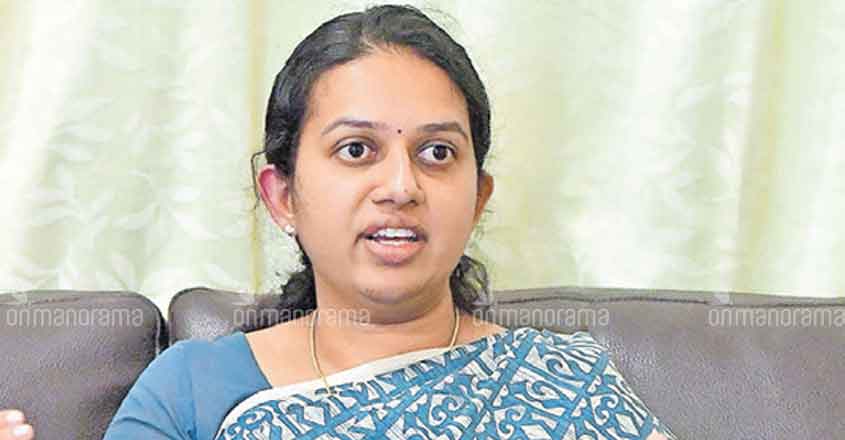
When the whole of Kerala reeled under floods last month amid rain-triggered landslides along its eastern mountains, just east of upstate Malabar, Kodagu too was hit by the calamity. Yet, if the people of southern Karnataka’s scenic district largely escaped the effects of the monsoon fury, a share of the credit goes to a Malayali bureaucrat’s prompt administrative initiatives.
A native of Kollam district in Kerala, P I Sreevidya was only eight months old with her capacity as the deputy commissioner of Kodagu when her office got information last month that the district along the Western Ghats was set to receive “very heavy and unusual rains.” Far from laughing off the alert received on August 12 through various agencies, the 2009-batch IAS officer swung into action.
Taking note of the geographical factors typical of hilly Kodagu also known for its origin of the river Cauvery, Sreevidya began vacating people the next day from danger-prone areas. Relief camps came up within hours.
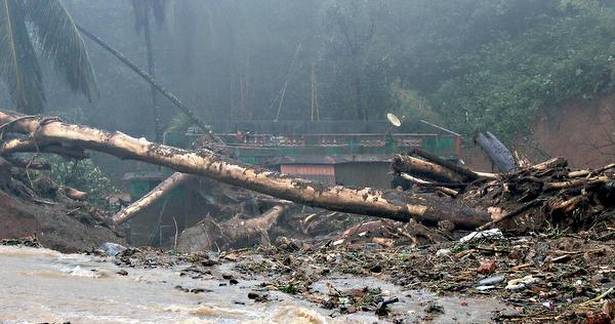
As it rained cats and dogs on August 15 and 16, Kodagu lost 2,500 houses while crops perished in acres of farmlands. Roads developed cracks, some simply vanished.
Sreevidya, who had earlier served as Kodagu zilla panchayat chief executive officer for six months from mid-November 2013, opened a control room this time by her office, coordinating rescue and relief operations. She ensured that the district got aid from all the three arms of the service, besides the IAF’s special Garud commando service and the state police, fire force as well as the National Disaster Response Force under the Centre.
Joining her in the efforts were zilla panchayat CEO Prashanth Kumar Mishra, police chief Suman D Pennekar, MLAs Appachu Ranjan (Madikeri) and K G Bopaiah (Virajpet) along with other people’s representatives and social workers. The office of Chief Minister H D Kumaraswamy would enquire about the developments on an hourly basis. There were opportune interventions from state chief secretary T M Vijay Bhaskar.
“All these ensured that we could minimise the loss to property and the impact on public life,” says Sreevidya, who belongs to Chakkuvarakkal near Kottarakara and had secured 14th rank in her civil service exams. “I couldn’t even call home those two days.”
The bureaucrat’s four-year-old son Madhav, sensing the gravity of the situation, threw no tantrums and stayed quietly with his grandparents in the camp house.
As for Sreevidya’s husband, he is also a top officer. T Narayanan, who is Pathanamthitta district police chief, was that time busy in a similar rescue operation in his area. There, in south-central Kerala, the Pamba had swollen dangerously, invading places along both its banks, much to the trauma of their residents. “Believe me, I didn’t know his place was that badly affected. Neither did he know anything about the Kodagu floods,” says Sreevidya. “We were both cut off that time.”
Today, Kodagu people are all praise for their deputy commissioner. Social media posts, especially on Facebook, speak of Sreevidya’s administrative efforts that assuaged their misery.
source: http://www.english.manoramaonline.com / Home> Women / by Malayalam Manorama Correspondent / September 17th, 2018
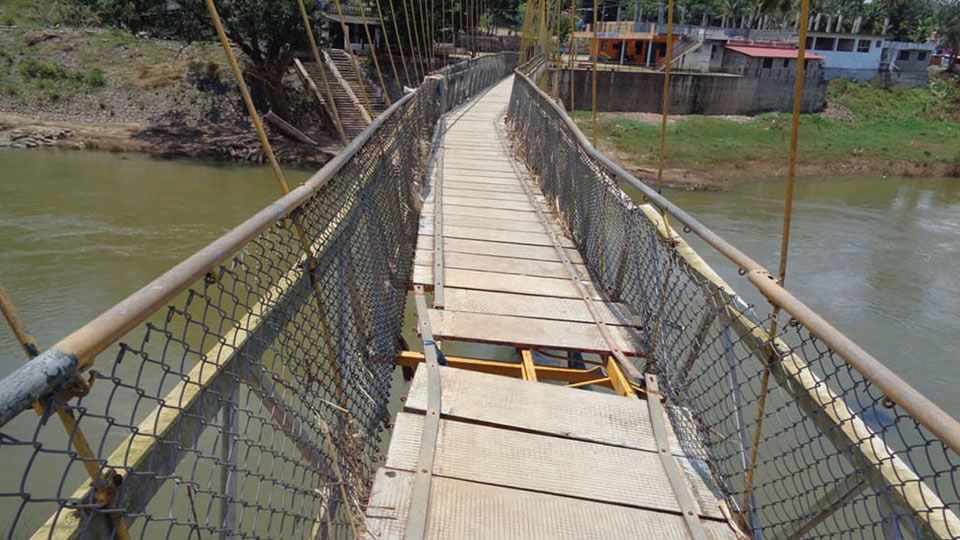
The hanging bride built across Cauvery River near Sri Ramalingeshwara Temple at Kanive close to Kushalnagar in Somwarpet taluk of Kodagu District has been severely damaged by recent floods that devastated Kodagu.
The hanging bridge connects villages along the border between Kodagu and Mysuru Districts. It also acted as a bond between villagers. The bridge with its unique nature, also attracted thousands of tourists. But heavy rains resulting in the flooding of Cauvery and Harangi Rivers, has caused huge damages to the bridge, which is on the verge of collapsing.
The Steel-Suspension Bridge supported by piers on both the banks of the river, has been so devastated by floods, that even pedestrians too are scared to walk on this bridge.
The steel rods that hold the bridge have broken and the wooden planks meant for pedestrian commute, have come apart. Thousands of people who depended on this bridge for their daily commute to work, are now scared about their future, with the bridge no longer safe for commuting.
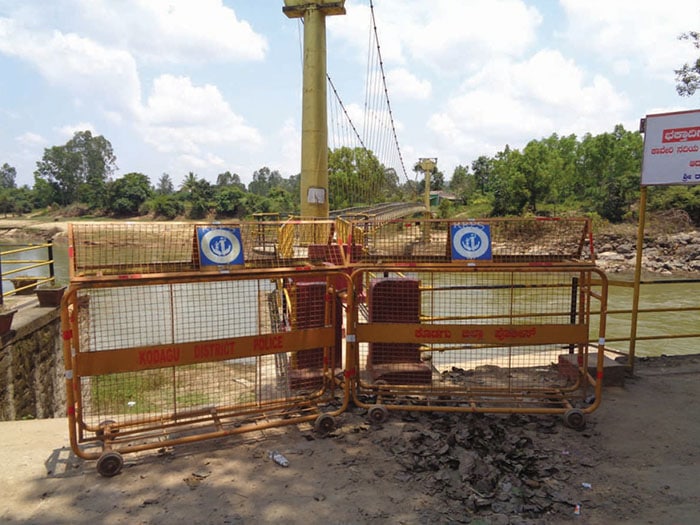
Entry to the bridge has been banned by the Police.
This hanging bridge was built eight years ago at a cost of Rs. 45 lakh, funded by Malnad Area Development Board (MADB), Shivamogga. Sullai’s renowned suspension bridge expert Girish and his team constructed the bridge using the latest technology. The bridge had been the dream of thousands of people living in villages along Kodagu’s border with Mysuru District. The bridge connects many villages of Periyapatna taluk in Mysuru District, including Dodda Kammanahalli, Shanubhoganahalli, Dindigadu, Muttina Mulluroge, Kanagalu, Hanumanthapura and Karadi Lakkanakere with Kodagu villages such as Kanive, Bhuvanagiri, Huluse, Hakke, Kudige, Mararu and Hebbale. Before the construction of this hanging bridges, the villagers had to cross the river on boats and on the dangerous bridge along the aqueduct built at a height of over 50ft. This dangerous and risky bridge was a bane to hundreds of students and labourers who used to commute daily. The authorities taking note of the daily hardship of the people, built this bridge at Kanive.
As flooding waters submerged this bridge and caused considerable damage to it, pedestrian movement on the bridge has been banned. The Police have erected barricades across the bridge. With the closure of his hanging bridge, villagers along the border are forced to take a detour of about 20kms via Avarti to reach Kushalnagar and other places.
With the recent floods weakening the bridge, the villagers have urged the Kodagu District Administration to repair this bridge at the earliest and throw it open once again for the benefit of villagers, who consider this bridge as a very important part of their life.
Unfortunately, for the people who depended on the bridge, the District Administration has not yet announced any funds to repair the bridge.
The bridge is crucial for the devotees to go to the historic Ramalingeshwara Temple and as the bridge is unsafe now, many people are robbed off the opportunity to go to the temple, said Bharadhwaj K. Anandatheertha, a writer from Kanive.
source: http://www.starofmysore.com / Star of Mysore / Home> News /
September 16th, 2018
With a view to empower and encourage young women achievers, St Agnes College (autonomous) organized a felicitation programme for Poovamma, an Indian spinster who hails from the district.
The programme was held on September 14 at St Agnes College.
Sr Dr M Jeswina AC principal St Agnes College, Sr Dr Venisssa AC, vice principal St Agnes College, Malavika, dean administration and Vasudha, physical education directress were present for the programme.
Vasudha, the physical education directress of the college welcomed the gathering.
Ladleen Monteiro introduced Poovamma to the gathering who was then felicitated by the dignitaries on the dais. Poovamma addressed the gathering and said that with hard work and determination, one can surely achieve great heights.
This was followed by a short message by the principal Sr Dr M Jeswina AC wherein she encouraged the students to take inspiration from Poovamma’s life.
Vijayashree, the sports secretary proposed the vote of thanks.
The programme concluded by singing the college anthem.
source: http://www.daijiworld.com / DaijiWorld.com / Home> CampusBeat / by Media Release / Mangaluru – September 18th, 2018
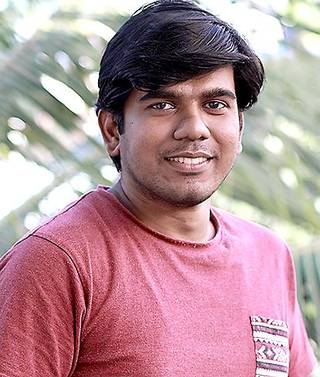
Raj Bhagat Palanichamy of WRI India is preparing open source free online tools and maps to deal with floods.
As Bengaluru and Chennai stare into a future which is likely to be dotted with more floods, Raj Bhagat Palanichamy is busy working on a defence strategy. He is preparing an online tool and maps for Chennai and Bengaluru. Raj works as a GIS and remote sensing analyst with WRI Ross Cities program at WRI (World Resources Institute) India. A not-for-profit global research organisation, WRI works on ideas to create sustainable cities.
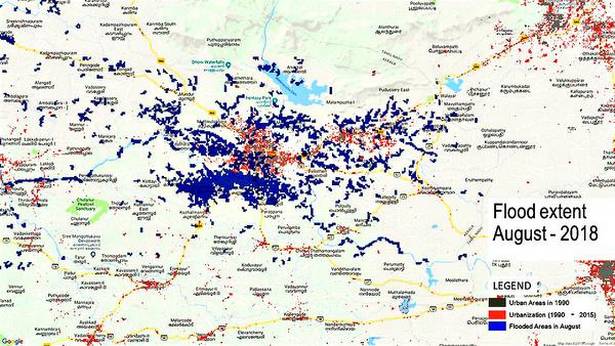
During the recent floods, he had released maps of Kodagu and Kerala that aimed at helping authorities and people involved in rescue work by sharing information. On whether his maps could achieve their objective, the young researcher says, “I got an SOS call from the disaster management wing of the Revenue Department of Karnataka, one morning asking for these maps. I shared with them an interactive website which gave them access to these maps. I think drone surveys were commissioned in Kodagu after consulting our maps. With Kerala, there was no direct channel of communication between us and its government. Also, the authorities in Kerala were right in the thick of action so we couldn’t really interact. The idea was to tell the governments that there are ways to seek information. Social media was interested. My tweets had 40,000 impressions.”
With high possibilities of flooding occurring in Bengaluru and Chennai in the coming months, Raj is now working on maps for both the cities and plans to release it five days before the meteorological department predict heavy downpours. Raj reveals that one can extract more accurate data closer to the date. An hour of observation is needed to generate maps. “Our mandate was never to deal with a crisis on a short-term basis. The 2015 Chennai floods made us realise that there is a need to have a structure for a short-term solution to save lives. We are now working on an open source online tool that will predict the areas to be most affected and also monitor those areas. The online tool will be ready sometime in 2019 as it is stuck right now due to paucity of funds but the maps will be there soon, though.”
Raj feels the conversations should be on handling the climate change. “Like how to diversify our cities so they don’t get overburdened. While the government looks at flooding with an engineering perspective — building and clearing canals, the main thing is rainwater harvesting. We could use parks to hold rainfall and avoid constructions on flood plains.”
He says the flood tool can send out a warning. The findings can be integrated into the planning to identify critical areas and avoid construction there. The tool will help in identifying critical buildings such as hospitals and schools to come up with a proper defence mechanism against floods.
Raj feels too much dependence on dams is not recommended. “Traditional ways of water conservation and improvement of water efficiency and productivity need to be the focus. The government shouldn’t focus on mega projects.” He also feels that the gap between analytics and planning should be bridged. “There are 100 of research projects about the flooding in Mahanadi river but these have not been integrated into planning because researchers probably don’t know how to reach out and publicise their work. The Amaravati floods very often not just because of the infrastructure but also due to lack of planning.”
source: http://www.thehindu.com / The Hindu / Home> Society / by Shailaja Tripathi / September 18th, 2018
The rich and distinct culture of Kodagu, the land of dense hill jungles, is reflected in the clothing and food habits of its inhabitants. Historically, paddy is the major crop in the region. Though paddy fields are gradually disappearing in these fertile valleys owing to many reasons, rice is still the staple food in Kodagu and comes on the platter in various forms.
The traditional staples like kanji (Conjee or ‘rice gruel’) and koolu (boiled rice) are served along with salt and pickle. Other rice dishes like paputt (steamed rice cake, cooked with coconut gratings), noolputt (rice noodles), kadampoott (rice dumplings, also called kadamboott), etc are served along with a curry. Votti (akki roti) with pajji, a mild spicy chutney is a popular breakfast item. Sannakki — fine, small rice grains with a sweet fragrance — is commonly used in these preparations. While some rice dishes have just ceremonial significance now, many find a place among popular recipes.
Curried variations
Curry is a word with Dravidian origins for the Indian spicy sauce preparation of vegetables or meat. A number of South Indian languages, including the Kodava language, use the word karri (curry) while in Kannada it is called sambhar. Grated coconut and seasoning are the inescapable features of a quintessential Kodava curry. While kooth (mixed vegetable curry) is a common vegetarian dish here, any sort of rasam, sambhar or dal curry is called kanni.
Pepper is grown in Kodagu and is one of the common spices used. Parangi malu, a small but fiery chilly, is grown in the kitchen gardens. This ‘chot-mensin-kayi’ spice is used in several preparations.
A majority of Kodagu people consume non-vegetarian food as well. Koli (chicken) curry, meen (fish) curry, kuri yerchi (mutton) curry or pandi (pork) curry are prepared from small cut pieces of meat which are well-seasoned and curried. While the gravy meats are called curry, the fried variants are called barthad. There is one vegetarian variant made of brinjal called the baine barthad.
For dessert, there is thambutt (a sweet dish prepared from bananas and grated coconut), kuvaleputtu (a sweet dish made of jackfruit, steam cooked and served in banana leaves), baale puttu (another sweet dish prepared from bananas), akki payasa (a sweet pudding made from rice) and others. Akki payasa is a traditional dish made for almost all the festivals.
There are a few other sweets that double up as snacks in Kodagu, which are however not native to the region. Some of them are the round chiroti, the crescent-shaped kajjayya and the doughnut-shaped badava kajjayya.
Festival food
Thambutt (also called thambittu) is popularly made during Puttari, the harvest festival which occurs in the month of November or December. During the wedding feasts, and especially during the annual feasts of Kail Polud (a martial festival) and Putthari, meat is permitted. Pandi curry is prepared for both these festivals.
But on Kaveri Changrandi, the feast of the river goddess, meat and alcohol are strictly prohibited. Neer dose (which is of Tulu origin and is a crepe made of unfermented rice batter) and kumbala (pumpkin) curry is made during the festival.
Certain fruits and vegetables are generally cooked in the months when they are readily available. Baimbale (bamboo) curry, kaad mange (wild mango) curry, kemb(colocasia) curry, therme thoppu (fern) curry, kummu (mushroom) curry and pineapple curry are some of the seasonal vegetarian delicacies.
There are seasonal chutneys such as mange (mango) pajji, chekke (jackfruit) pajji and kaipulli (lime) pajji as well. Kuvaleputtu is usually prepared around May, in the season of jackfruit. Some dishes are prepared from chekke kurru (jackfruit seeds) as well.
Chana Kande (elephant yam), tapioca and Puttari Kalnji are also grown in Kodagu. Puttari Kalnji is a kind of yam plant which grows as a creeper. Its fruit is cooked during the Puttari festival, hence the plant gets its name.
Kakkada (Karkataka or ‘of the crab’) is a month in the Kodava calendar which is similar to the Aashada month in the Kannada calendar. On the eighteenth day of this month (called Kakkada Padnett), a certain herb called the kurunji thoppu (Justicia wynaadensis), also referred to as maddu thoppu (medicinal leaf) or aatisoppu (Aashadha leaf), is plucked and an aromatic, purple juice is obtained from it. This juice is believed to have various medicinal benefits and is hence consumed on that day. A dish called madd-putt and a sweet porridge, called madd-payasa, are prepared with this juice. A fattened chicken, labelled as kakkada koli, is cooked on this day and eaten.
A kind of vinegar called puli neer is prepared and used in several dishes. A special native kind of vinegar called kachampuli (Coorg vinegar) is peculiar to Kodava meat dishes. This vinegar is made from a Garcinia gummi-gutta, a wild fruit. Kachampuli gives the pandi curry its unique taste.
Orange, butter fruit, guava, papaya and other fruits are also widely grown and consumed in Kodagu. But they have not gained the culinary popularity of the traditional three: banana, jackfruit and mango. Any visitor to a home in Kodagu gets a welcome coffee drink. Of late, Kodagu has become famous for homemade wine, prepared from different fruits, and chocolates.
Chef Naren Thimmaiah says, “Awareness about regional Kodava cuisine is high since it is distinct. The classic combinations — noolputtu and koli curry, kadambuttu and pandi curry, paputtu and erachi curry never fail to please. Crab and fish curries are usually eaten with akki rottis or rice. We take these pairings for granted, but they owe everything to uncounted generations of gifted women.”
The people of Kodagu have developed their cuisine from what was readily available in Kodagu and in the best way possible. Various curries and other dishes are prepared from the fruits, vegetables, plants and meats found in the region. While some of the food items of the region have evolved locally, some have been inspired by the food culture of the neighbouring regions.
source: http://www.deccanherald.com / Deccan Herald / Home> Spectrum / by Mookonda Kushalappa / September 16th, 2018
The board has launched on pilot basis a number of tech measures to help the 3.66 lakh coffee growers in the country.
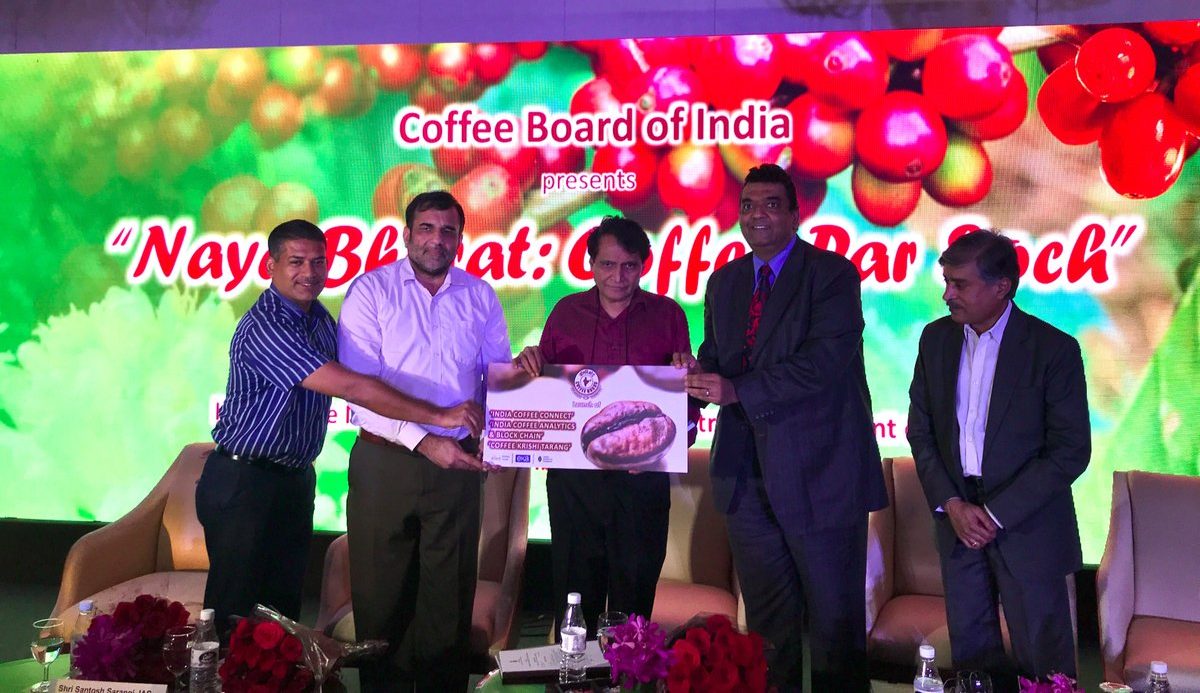
Suresh Prabhu (C) at the Naya Bharat event | @CoffeeboardI/Twitter
New Delhi:
Drones, geo-tagging and a number of mobile apps are among the technological measures the government-run Coffee Board is set to introduce to improve productivity and revenue.
The board, which is under the commerce ministry, set the process in motion last week, when Suresh Prabhu, the Commerce and Industries Minister, formally launched the ‘Coffee Connect’ app.
The app will collect data from coffee plantations in the country through inbuilt geo-tagging which will help generate information about plantation location, plant material and age.
“For the first time in the 75 years of India’s Coffee Act, 1942, we are trying to infuse new technologies that will enhance productivity and yield for farmers,” said Coffee Board Secretary and CEO, Srivasta Krishna.
Krishna emphasised on the need to grow “smart coffee”, using concepts such precision agriculture and smart agriculture to maximise yields from the existing coffee growing regions.
The board hopes that these technological measures will help increase profits of farmers, particularly in the export markets.
‘Way to hike profits’
According to Krishna, a cup of Indian coffee sells for $3 to $4 in the US, of which an Indian farmer gets only 5 cents. With technology, he said, this could rise to 10 cents.
The move comes amid fears that the next season could see the coffee output drop to its lowest in two decades due to the unprecedented rains in the two top crop producing regions in the country – Kodagu in Karnataka and Wayanad in Kerala.
According to a Bloomberg report, output in the year starting October 1 may be about 25 per cent lower than the 3,16,000 metric tons estimated by the Coffee Board for 2017-18.
Coffee is cultivated by 3.66 lakh coffee farmers in the country, 98 per cent of whom are small farmers. Typically, a small farmer is one who owns less than 25 acres.
Apps galore and a call centre
The ‘Coffee Connect’ app is among a number of apps that the board has already launched on a pilot basis.
The app allows users to get in touch with the coffee board’s extension officers, who provide services to coffee farmers.
At present, there are 170 Coffee Board extension personnel — or one extension officer per 2,153 farmers.
The app, officials hope, will enable better information exchange between Coffee Board personnel and those on the ground.
The board has also launched, on a pilot basis, a suite of apps to provide solutions to challenges in rainfall, pests and diseases.
Some of the app features are hyper-local weather forecasting, early detection of coffee crop pests such as the White Stem Borer and predicting the probability of Leaf Rust disease.
This app also has a blockchain-based market-place that allows coffee growers and farmers to directly deal with customers, including multinational firms.
“These are all wonderful efforts. These tech solutions, however, need more effort, and push from all stakeholders to make them really effective,” said Mohan Alwares, a coffee grower from Mudigere in Karnataka.
Alwares lauded the blockchain-based market but urged the board to increase awareness of it.
Rajeev Chaudhary, general manager and the chief risk officer, Agriculture Insurance Company of India, said such measures will hold the board in good stead.
“The Coffee Board’s various tech implementations including the pilot blockchain-based marketplace would make it a frontrunner among the other boards for crops in India. Other boards, however, will most likely follow suit”.
Drones Used
Another proposal that the board is exploring promoting is the use of drones in agriculture.
At the board’s event last Tuesday, several drone start-ups presented proposals, arguing that their use will improve the efficiency of pesticide use and spray.
“A farmer might take 2-3 hours to spray an acre with pesticide; a drone will do this in less than 10 minutes,” said Rahat Kulshreshtha, the CEO of the drone start-up Quidich Innovation Labs. “Using drones we found that 30 per cent less pesticide can be used and since it can be done remotely, farmers are saved from the harmful effects of direct contact with pesticides”.
Alwares, however, isn’t sure that drones will help in coffee plantations in India. “Unlike in Brazil where coffee is grown in open cultivation, in India coffee is largely a crop grown in shade,” he said. “If a coffee plant is 5 feet tall, there are trees as tall as 50 to 100 feet growing over it to provide shade. So I’m not entirely sure how drones can be used.”
Chaudhary of the Agriculture Insurance India foresees drones being increasingly used in other crops. He says drones for aerial surveillance will be especially helpful in monitoring high-value and high-risk crops such as cotton, groundnut, soybean and plantation crops like tea. Agri insurance companies will likely make more drone purchases he said, adding that Maharashtra leads the pack in this sector.
source: http://www.theprint.in / The Print / Home> Governance / by Regina Nihindukulasuriya / September 13th, 2018
WELCOME. If you like what you see "SUBSCRIBE via EMAIL" to receive FREE regular UPDATES.
Read More »