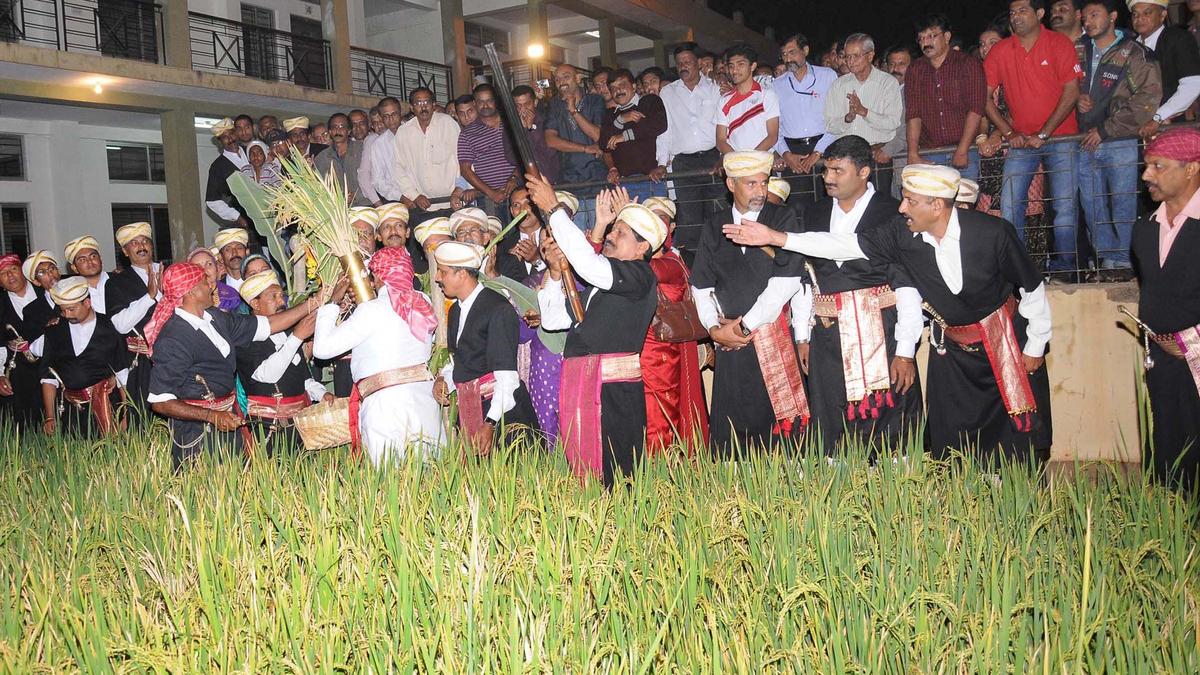
Puthari, which means “new rice” in Kodava language, is a thanksgiving festival that celebrates the rice harvest, symbolising abundance and prosperity.
The Kodava community will celebrate Puthari, the harvest festival that holds cultural and spiritual significance for the community, on Saturday, December 14. Those in Bengaluru who cannot make it to their hometowns mark the occasion by gathering in homes, community halls, and at the Kodava Samaja in Vasanth Nagar to honour their traditions.
Puthari, which means “new rice” in Kodava language, is a thanksgiving festival that celebrates the rice harvest, symbolising abundance and prosperity. The festival involves elaborate rituals, folk arts, and traditional feasts.
At the Kodava Samaja in Vasanth Nagar, members gather every year to symbolically harvest paddy grown on a small plot within the premises. This paddy is distributed to participants, replicating the traditional ritual observed in Kodagu. “Since we stay in Bengaluru, every year on Puthari, we make it a point to go to the Bengaluru Kodava Samaja, which we regard as our ainmane (ancestral home) in the city. There, we symbolically harvest some paddy crop and bring back home the paddy sheaves,” said Mohan Devaiah, a member of Kodava Samaja in Bengaluru.
Elsewhere, smaller groups of Kodavas celebrated in homes and community halls. “Puthari is a time for us to reconnect with our roots and fellow Kodavas,” said M.T. Poovaiah, a resident of New Thippasandra. “It’s like bringing a slice of Kodagu to Bengaluru since we cannot go to our home in Kodagu every year,” he added.
Reviving forgotten traditions
Ajjinikanda Mahesh Nachaiah, President of the Karnataka Kodava Sahithya Academy, said, “Kodavas have always been an agrarian community, and rice was their staple crop before coffee cultivation became prevalent in Kodagu. Puthari celebrates the new crop of rice. It is one of the three most important festivals for the community, alongside Cauvery Changrandi (worship of River Cauvery) and Kail Poldh (traditional festival of arms),” he told The Hindu.
He lamented the declining practice of traditional folk arts integral to Puthari celebrations. “Earlier, week-long festivities included ‘Mane Paado’—folk singers going house to house with traditional dudi drums, singing songs of gratitude. Villagers would gather in the mand (village greens or ground) to perform ‘Kolatta’ (a stick dance) and traditional war games like ‘Pariya Kali’ were performed. Unfortunately, these practices are fading. We must teach these traditions to the younger generation,” he said.
A culinary feast
The festival’s menu reflects the Kodavas’ agrarian heritage. Special desserts like thambutt, made from roasted rice flour and mashed bananas, and rice payasam, prepared with freshly harvested rice, are staples of the Puthari feast. Families also prepare savoury delicacies such as pork curry, Kadumbuttu (rice ball), and akki roti (rice bread) to complement the festive spread.
While the festival was traditionally marked by week-long celebrations in Kodagu, most urban Kodavas today celebrate it over a day or two.
source: http://www.thehindu.com / The Hindu / Home> News> India> Karnataka / by Darshan Devaiah B P / December 14th, 2024
Issues such as alcohol abuse that are threatening to overwhelm the ‘Phani Yerava’ tribals in Karnataka need to be on the policy radar.
A vice that may have been picked up from the city | Photo Credit: SPECIAL ARRANGEMENT
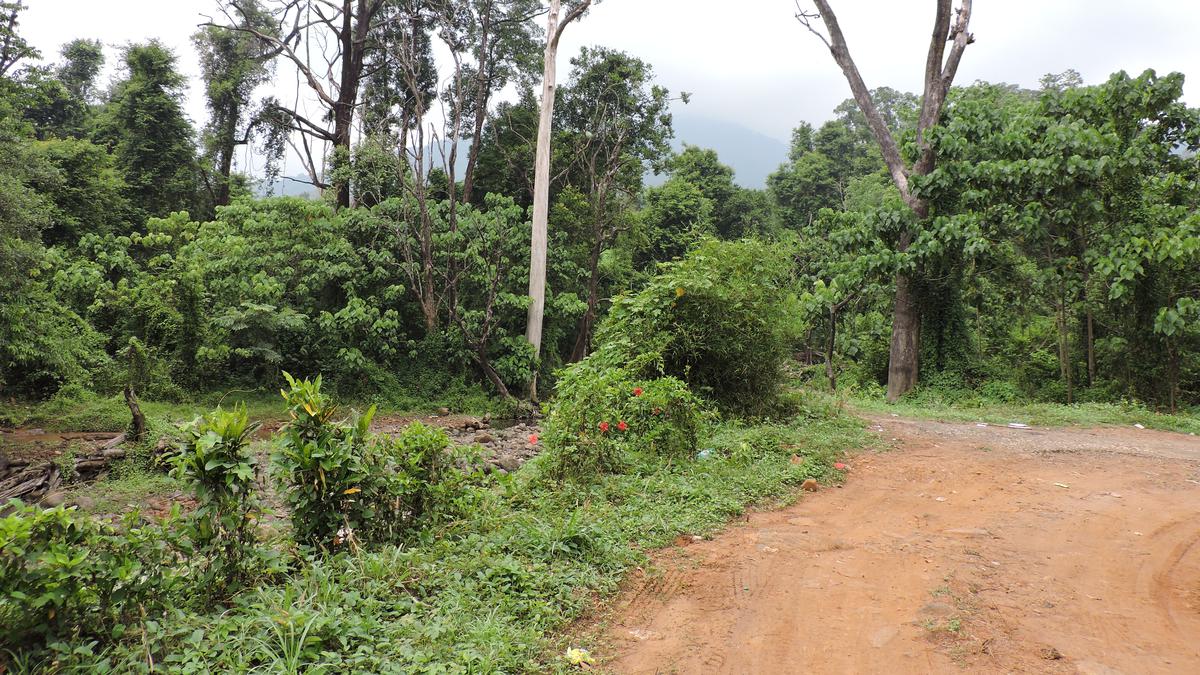
In Karnataka’s section of the Western Ghats, lies Makuta village, under Betoli gram panchayat of Virajpet taluka in Kodagu district. More specifically, the village falls under the Makuta Aranya Valaya which is in the vicinity of the Kerti reserved forest. This area is in the Talacauvery sub-cluster, identified as one of the 10 World Heritage Sites in Karnataka and is a region of dense tropical evergreen forests that have remained undisturbed to a large extent.
The village has a Girijan colony inhabited by the ‘Phani Yerava’ tribe. In 2021, with the help of two local people including a Muslim gram panchayat member, all the 19 Yerava households here were able to successfully claim their ‘land’ in the forest, under the Forest Rights Act. In a joint survey conducted by the Forest, Revenue and Social Welfare Departments, officials found that the Yeravas reside on 135 acres of forest land, right from the time of their ancestors.
When asked about the importance of acquiring forest rights, the tribals did not appear to be very enthusiastic because their dependence on the forest exclusively for their livelihood has been reducing over some time.
The reason they gave was that they found going into the forest to collect minor forest produce to be a tiresome job. Besides, selling the produce was no longer lucrative given the volatile market and also rampant exploitation by middlemen. This bitter experience led them to believe that for the same effort, they would get better wages if they worked as labour. Hence, working as daily labour (casual or agriculture) is now the primary occupation of these forest dwellers. The majority of them prefer to go to Kasaragod in Kerala State which is less than 10 kilometres from their habitation, as they are comfortable speaking Malayalam.
Nevertheless, along with fuelwood and honey, the other minor forest produce they collect includes dhoopa (Vateria indica)/incense, and shekakai (soap pod). The quantity collected depends on the availability of the produce in the forest as well as the need to procure them. However, most of those who gather forest produce said that the amount they collected was most often for their own consumption. There is no stockpiling.
The scourge of addiction
However, there is an issue that is a cause for worry. When this writer-researcher visited them to understand their socio-economic status after the implementation of the Forest Rights Act, almost the entire community was found to be in an intoxicated state due to alcohol abuse. According to non-tribal locals and others in the area, they picked the habit in the city seeing other labourers doing the same in the evenings after returning home to unwind after the pain from the day’s hard work. Not surprisingly, the tribals in the village were not in a position to recall how they got into this. Even adolescent children have taken to this vice. This has affected children’s attendance in schools too. Intoxication has slowly turned the community’s life into one of a miserable existence. As a result, the community is found to be uninformed about happenings in the external world around them. Given this development, important documents such as ration cards, Aadhar cards, voter identity cards, or even government documents such as rights given under the Forest Rights Act have to be kept in the safe custody of trustworthy non-tribal members.
Officials from the Department of Social Welfare working in this area have also been concerned about this issue because they find the state of the habitants to be ‘disheartening’. A case worker, who expressed deep empathy for them, said that efforts are being made to conduct a de-addiction drive. In another habitation in Nerugalale gram panchayat in Somwarpet taluka in the same district, a headman of the ‘Yarava’ tribe expressed sadness that a number of his relatives had lost their lives due to addiction. He cited this as the cause behind the population in his hamlet reducing to half. He hoped that good sense would prevail and that the tribals would lead a vice-free life.
It was the same story, but with varying degrees, in every tribal village that this writer-researcher visited in the Western Ghats region in Karnataka during the study (this article is drawn from a larger research study titled “Tribals, Forest Rights and Heritage Conservation: A Study of Western Ghats in Karnataka”, sponsored by the Indian Council of Social Science Research, New Delhi).
Non-government organisation activists and government officials working in the jurisdiction of the villages have said that such issues do not get enough attention in the policy matters in the State — a view also expressed by the leaders of some local tribal communities such as the Hasalaru, Gowdalu, and Jenu Kurubas. According to them, only a few communities which are numerically dominant among the Scheduled Tribes have been gaining benefits over recent years, in every walk of life. They expressed the wish that the government should consider these kinds of social issues seriously and take steps that are in the best interest of those groups. It is only then, they believe, that existential concerns such as addictions haunting forest dwellers can be addressed effectively.
Madhusudan Bandi is a faculty member with the Gujarat Institute of Development Research, Ahmedabad, Gujarat
source: http://www.thehindu.com / The Hindu / Home> Opinion> Comment / by Madhusudhan Bandi / March 12th, 2024
Tourism Department plans to develop these places as options to Hampi, Bengaluru, Madikeri and Kushalnagar.
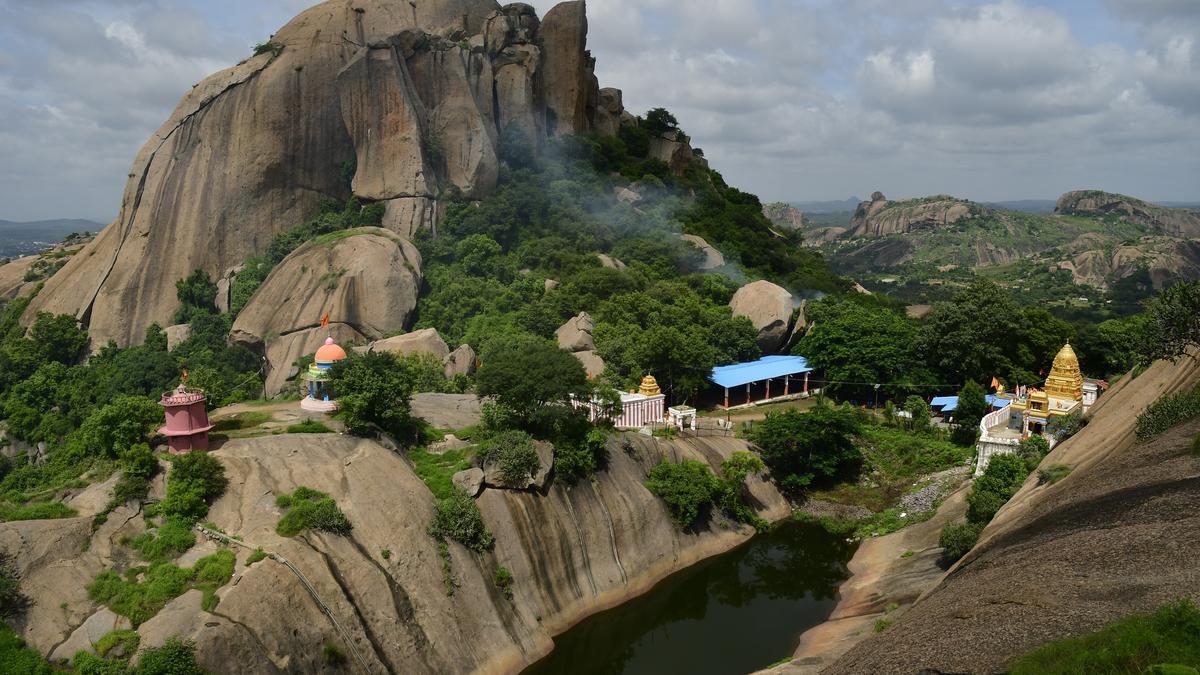
Ramadevara Betta Hill in Ramanagara district. | Photo Credit: K. MURALI KUMAR
With the number of tourists visiting Karnataka increasing rapidly after the lull caused by the COVID-19 pandemic, popular destinations have become overcrowded. In response, the Tourism Department has identified alternative sites in the same clusters to redirect visitor traffic.
Anegundi in Koppal district has been identified as a potential alternative to Hampi in Vijayanagara district. Similarly, in Kodagu district, Virajapet has been suggested as an alternative to Madikeri and Kushalnagara, while Ramanagara is being considered as an option for Bengaluru.
“We have identified these alternative destinations based on directives from the Government of India. We observed that certain destinations have exceeded their carrying capacities, so we selected nearby locations that can offer similar experiences. This will also serve as an opportunity to promote lesser-known destinations,” said Salma Fahim, Principal Secretary of the Tourism Department, in an interview with The Hindu.
Rural tourism
Officials said Anegundi, while offering a heritage and cultural experience similar to Hampi, can also introduce visitors to community-led rural tourism. Virajapet, with its scenic beauty, coffee plantations, hills, and natural landscapes, has room for development, as it is less developed compared to Madikeri. Ramanagara, they noted, has the potential to attract adventure tourism with opportunities for rock climbing and more resorts and homestays.
“Madikeri is overcrowded, and we can provide a similar experience in Virajapet. Ramanagara also has a lot to offer, such as rock climbing and beautiful landscapes. Moreover, Bengaluru’s traffic makes it difficult for tourists to travel, but that won’t be an issue in Ramanagara,” Ms. Fahim added.
Infra development
While experts commend the initiative, they stress the importance of infrastructure development and ecological conservation before officially promoting these alternative sites as tourist destinations.
“It’s a good idea overall, as places like Chikkamagaluru and Kodagu are overwhelmed with tourists. Infrastructure development should be a priority. For example, even in Hampi, which is a UNESCO World Heritage site, it took a long time to establish basic infrastructure like toilets,” said Sanjar Imam, President of the Karnataka Tourism Forum. “Development should be done ethically, keeping the ecology in mind. With newer destinations, new accommodation options may also emerge, leaving older ones vacant and creating pressure elsewhere. All stakeholders should be consulted,” he said.
The Department is also focused on developing these sites once they are approved. Plans include building infrastructure, increasing capacity, and improving connectivity. “Once these aspects are in place and our agents begin promoting the alternative destinations, tourists will naturally start visiting them,” Ms. Fahim stated.
source: http://www.thehindu.com / The Hindu / Home> News> Cities / by Jahnavi T R / September 15th, 2024
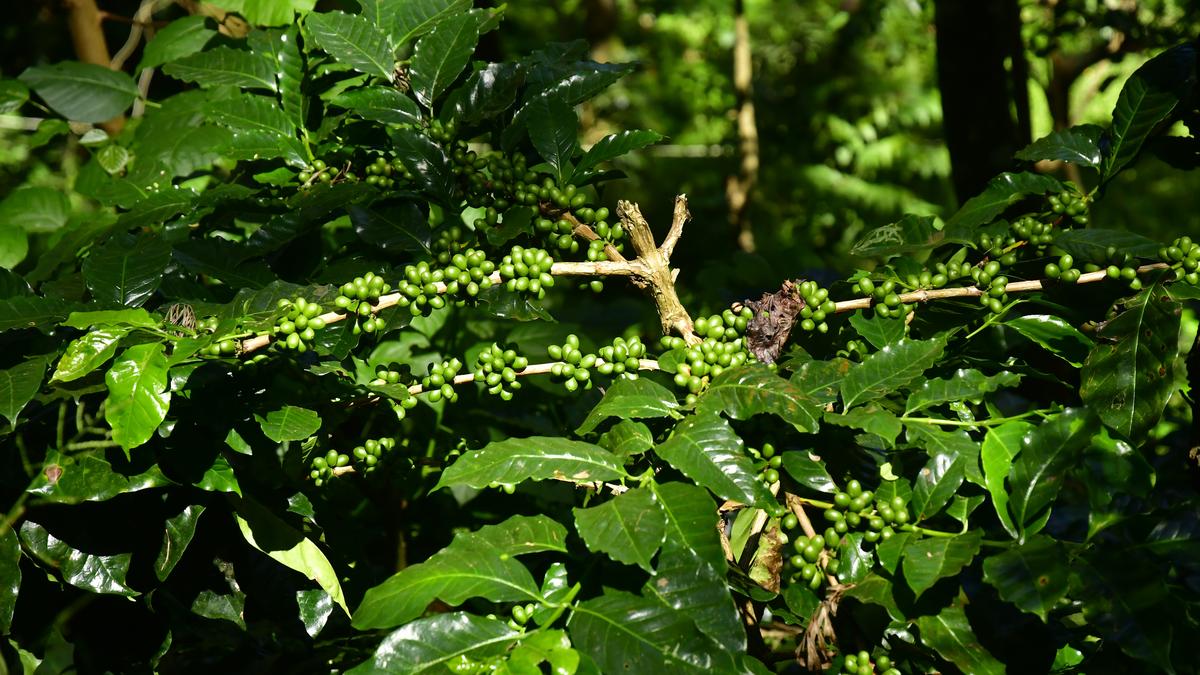
Coffee cherry at a coffee plantation in Chikkamagaluru district in Karnataka.
Various coffee planters’ associations in Karnataka on Thursday urged all banking institutions in the country to heed the parliamentary clarification and refrain from invoking the SARFAESI Act on coffee plantation lands for loan recoveries.
During the parliamentary session on Tuesday (December 3), Kota Srinivas Poojary, MP for Udupi-Chikkamagaluru, raised a question regarding the applicability of the SARFAESI Act (Securitisation and Reconstruction of Financial Assets and Enforcement of Security Interest) to coffee plantations.
“The government’s response unequivocally clarified that coffee crops were not within the scope of this Act, providing legal protection for our growers,” said office bearers of Karnataka Growers Federation and Kodagu Planters Association.
A. Nanda Belliappa, Chairman, Coorg Planters Association, said, “Since 2018, banks have increasingly relied on the SARFAESI Act for loan recoveries, bypassing the Debt Recovery Tribunal (DRT).”
This practice has burdened the plantation sector, already struggling with severe natural disasters, continuous crop failures, and low commodity prices. Under this stringent legislation, the use of the SARFAESI has resulted in the loss of properties of many growers, he said.
Vishwanath K.K, vice-president, Karnataka Growers Federation, said, “The government’s clarification, though delayed, was crucial for the welfare of the plantation community.”
We urge all banking institutions to refrain from invoking the SARFAESI on coffee plantation lands for loan recoveries. And it is essential for maintaining the financial stability of coffee growers and the overall health of the coffee sector, he added.
source: http://www.thehindu.com / The Hindu / Home> News> India> Karnataka / by the Hindu Bureau / December 06th, 2024
Coffee is a beloved beverage throughout the world. Some enjoy it as black coffee, others prefer it with milk. For many, it’s not just a beverage but a way of life. This aromatic drink is made from the roasted beans of a tropical plant and has a rich cultural significance.
South India has long been the epicentre of coffee culture in India. Coorg, nestled in Karnataka, is one of the top coffee-producing regions in the country. Known as the ‘Coffee Land of India’, Coorg is renowned for its lush green landscapes, hilly slopes and extensive coffee plantations. Because of its natural beauty, Coorg is nicknamed the ‘Scotland of India’.
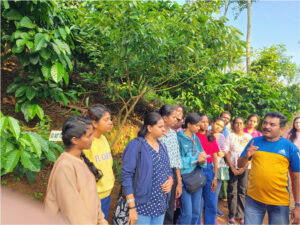
In mid-November, the Department of Botany, JNRM organized a three-day educational tour to Coorg for its M.Sc. final-year students. I was excited to be part of the group of 11 students, accompanied by our HOD and a lady staff member. We reached Coorg, also known as Madikeri, on 18th of November.
We travelled to Coorg from Mysore by road. As we climbed the hilly terrain, I saw the change in vegetation. On the way, we stopped at Nisargadhama, a beautiful delta formed by the river Kaveri. We explored the area and felt the cool water of the river. It was very refreshing. As we approached Coorg, the lush green forests and distant mountains started appearing. These are the biodiversity-rich forests of the Western Ghats, which we studied in our theory classes. Seeing these rich natural forests was a mesmerizing experience for me. The sight of coffee plantations on the steep slopes was equally breathtaking!
There is an interesting folklore story of how coffee was introduced in Coorg. In the 17th century, Sufi Saint Baba Budan smuggled seven coffee seeds from Yemen and planted them on the slopes of the Western Ghats. However, large-scale cultivation only began during British colonial rule in the 19th century. This transformed Coorg into one of the primary coffee-growing regions of India.
On 19th November, our group toured a coffee plantation named Mountain View Coffee Plantation. As we walked along the narrow lanes of the hilly slopes, I inhaled the fresh aroma of the coffee bushes. These bushes were neatly trimmed and maintained at a uniform height. This gave the landscape an even appearance. Little clusters of green and burgundy coffee cherries hung from the branches. The sight was stunning.
Our guide explained that two coffee varieties are grown in Coorg: Arabica and Robusta. Arabica is known for its smooth, aromatic flavour and has oval-shaped beans with lower caffeine content. It constitutes about 60–70% of the world’s coffee production. Robusta, on the other hand, is strongly flavoured with a higher caffeine content and has smaller, rounded beans. It is ideal for espresso blends and traditional South Indian filter coffee.
I learned that coffee in India is grown under shades of tall trees like rosewood, wild fig and jackfruit. This practice imparts a unique aroma and flavour to coffee as well as supports biodiversity. Intercropping is also a common practice with spices like pepper grown alongside coffee plants. This is a sustainable agricultural practice and also boosts productivity.
The guide also explained to us about blending Robusta coffee with Chicory in an 80:20 ratio. Chicory imparts unique flavour and enhances the taste of the brew. This blend is called ‘Kaapi’, a South Indian filter coffee which is famous for its strong and bubbly froth.
During the visit, we learned about the famous Civet Coffee, also known as Kopi Luwak. It is one of the world’s most exotic and expensive coffees. It is extracted from coffee beans that have been digested and excreted by the Asian palm civet. Our HOD had the privilege of tasting it and described it as strong and intense in flavour!
The guide helped us understand the journey of coffee beans from farm to cup. We witnessed the various steps and enjoyed the final product: a hot cup of the brew. I also learned new terms like Monocot, Dicot and Green Coffee. Usually, most coffee berries contain two beans and are referred to as dicot beans. Monocot beans, which consist of a single bean per berry, are considered A-grade coffee due to their smoother texture. On the other hand, Green coffee beans are unroasted, rich in antioxidants and have many health benefits.
Before this visit, I was not a coffee enthusiast. However, our visit to the coffee plantations of Coorg has changed my perspective. As I learned the journey of coffee from bean to brew, my appreciation for this beverage has grown a lot. This experience of walking through the lush coffee plantations of Coorg will stay with me for a lifetime!
(B Laxhmi is pursuing her master’s in Botany at Jawaharlal Nehru Rajkeeya Mahavidyalaya, Sri Vijaya Puram, A & N Islands)
source: http://www.andamansheekha.com / Andaman Sheekha / Home / by B Laxmi / December 02nd, 2024
I was back in Kodagu, my hometown. The monsoon rains fell heavy, with a constant drumbeat. My cousins and I watched the downpour and discussed how Kodagu should be included in the AI revolution. Kodagu is just five hours from Bangalore, India’s Silicon Valley. Yet, we remain forgotten by the tech wave, except for the steady flow of Bangaloreans seeking respite and our fragile flora and fauna have taken a beating! We brainstormed the possibilities, and from that conversation, this article was born.
The rapid advancement of artificial intelligence (AI) has been transformative across various industries, including agriculture and coffee production. As AI continues to revolutionize farming practices globally, small coffee growers in regions like Kodagu and Chikmagalur in India’s Western Ghats face both opportunities and challenges. Ensuring these smallholders are not overshadowed by larger economies leveraging AI is crucial for equitable growth and sustainability.
AI in Coffee Production: A Global Perspective
AI technologies, such as smart greenhouses, intelligent spraying systems, and predictive analytics for crop yields and market prices, are reshaping the landscape of coffee production. According to a detailed analysis by Coffee Intelligence, these tools promise increased efficiency, enhanced quality control, and better resource management. However, the benefits of AI are not uniformly distributed, with larger producers in developed economies standing to gain the most from these advancements.
For instance, Brazil and Colombia have seen significant improvements in yield prediction and pest control through AI. In Brazil, AI-driven solutions have enabled precise water management and optimized harvesting schedules, leading to higher productivity and better-quality coffee beans. Similarly, Colombia’s implementation of AI-powered pest detection systems has significantly reduced crop losses and improved overall farm management.
Challenges for Small Growers in the Western Ghats
Kodagu and Chikmagalur, renowned for their high-quality coffee, face unique challenges. Small growers here often lack the capital and infrastructure to adopt cutting-edge AI technologies. The risk is that AI-driven advancements could exacerbate existing inequalities, making it harder for these growers to compete on a global scale. The dominance of AI by large, transnational corporations could impose Western agricultural models that do not align with the local practices and needs of Indian smallholders.
The Need for Inclusive AI
To ensure small growers in Kodagu and Chikmagalur benefit from AI, a conscious effort must be made to adapt these technologies to local contexts. Inclusive AI focuses on creating solutions that are accessible, affordable, and effective for small-scale farmers, addressing their specific needs and challenges.
1. Localized Data and Custom Solutions:
AI technologies must be developed using localized data to ensure they are relevant to the unique environmental and agricultural conditions of Kodagu and Chikmagalur. This involves creating custom algorithms that take into account local weather patterns, soil types, and crop varieties. In Rwanda, the government collaborated with tech companies to develop AI tools tailored to local agricultural conditions. These tools use data from local farms to provide personalized recommendations, significantly improving crop yields.
2. Affordable and Scalable Technologies:
Developing cost-effective AI solutions is essential for small growers. This can be achieved by creating scalable technologies that can be easily adopted by smallholders with limited financial resources. The “e-Granary” platform in Kenya offers an affordable AI-driven service that provides small farmers with market information, weather forecasts, and farming tips via SMS, improving their productivity and income.
3. Capacity Building and Training:
– Providing training programs and capacity-building initiatives can help farmers understand and effectively use AI technologies. This includes hands-on training sessions, workshops, and the development of user-friendly interfaces.
4. Collaborative Ecosystems:
Creating a collaborative ecosystem that involves stakeholders such as local governments, tech companies, NGOs, and farmer cooperatives can ensure the successful implementation of AI solutions. This ecosystem can provide the necessary support, resources, and infrastructure for small growers. In Ethiopia, a collaborative project involving the government, NGOs, and private sector developed an AI-based soil health monitoring system. This system provides real-time data to farmers, helping them make informed decisions about fertilization and crop rotation.
5. Open-Source Platforms:
Promoting open-source AI platforms can democratize access to advanced technologies, allowing small growers to benefit from cutting-edge innovations without the burden of high costs. The “PlantVillage” platform, an open-source AI initiative, helps farmers diagnose crop diseases using a smartphone app. This tool is freely available and has been widely adopted by small farmers in several African countries.
How Small Coffee Growers Can Improve Their Yield with AI
Small coffee growers in India’s Western Ghats can leverage several AI tools and applications to improve their yields:
1. Soil Analysis AI:
AI-powered soil analysis tools like the one developed by Brunel University can use sensors to collect data on soil composition, nutrient levels, moisture, and other factors. This allows growers to make more informed decisions about planting, fertilization, and irrigation to optimize growing conditions.
2. Disease Detection AI:
Researchers in Brazil are training AI-powered computer vision systems to detect coffee leaf rust and other diseases in coffee plants. This can help growers identify and treat affected plants early before the disease spreads.
3. Yield Prediction AI:
The study on using Extreme Learning Machine (ELM) models to predict Robusta coffee yields based on soil fertility data shows how AI can help growers forecast and plan for their harvests .
4. Weather Prediction AI
AI can analyze weather patterns and forecast changes to help growers prepare for erratic weather that can impact yields. This was highlighted as a key benefit of AI for small growers in the Western Ghats.
5. Precision Farming AI
AI-powered precision farming tools like the “magic bean” solution from Brunel University can provide localized, data-driven insights to help small growers optimize their resource allocation and farming practices.
The key is ensuring these AI tools are designed to be affordable and accessible for small coffee growers, with their unique needs and challenges in mind. Partnerships, subsidies, and inclusive development processes will be crucial to empowering small growers in India’s Western Ghats to leverage the benefits of AI.
Policy and Support Mechanisms
Governments and policymakers play a crucial role in ensuring the equitable adoption of AI in agriculture. Providing subsidies and financial incentives for small growers to adopt AI technologies can help level the playing field. Additionally, investing in infrastructure, such as broadband connectivity and training programs, is essential to equip farmers with the skills needed to leverage AI effectively.
In Vietnam, government initiatives have supported small coffee farmers in adopting AI for crop monitoring and yield prediction. These efforts have included training programs and subsidies for purchasing AI-enabled equipment, resulting in increased productivity and better market access for smallholders.
Case Studies and Success Stories
Highlighting successful examples of AI adoption by small growers can inspire and inform others. For instance, in Costa Rica, the implementation of AI-powered irrigation systems has allowed small coffee farmers to manage water resources more efficiently, resulting in higher yields and improved coffee quality. This success has been achieved through collaboration between local cooperatives, government bodies, and tech companies.
Similarly, in Ethiopia, a pilot project utilizing AI for soil health monitoring has shown promising results. By providing small farmers with real-time data on soil conditions, the project has enabled better-informed decisions regarding fertilization and crop rotation, leading to healthier plants and higher yields.
Conclusion
The potential of AI in transforming coffee production is immense, but it must be harnessed in a way that benefits all growers, especially smallholders in regions like Kodagu and Chikmagalur. By ensuring inclusive and context-sensitive AI solutions, leveraging local knowledge, and providing necessary support, we can create a more equitable and sustainable coffee industry. The goal is not just technological advancement, but the upliftment of communities that have cultivated coffee for generations. By addressing these factors, we can ensure that the adoption of AI in coffee production is a boon for all, fostering growth, sustainability, and fairness in the global coffee industry.
source: http:// www.medium.com / Medium.com / Home / by Poonacha Machaiah / June 29th, 2024
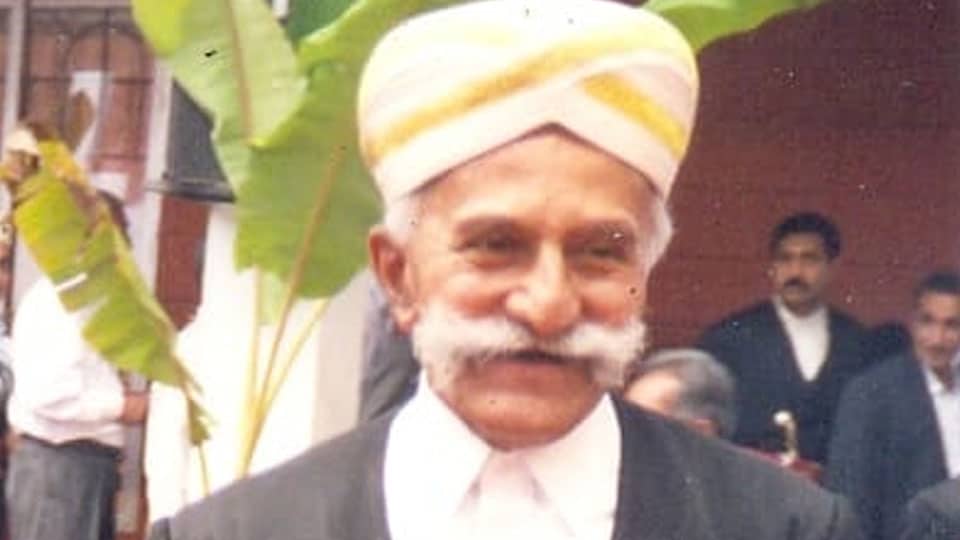
Lieutenant General (retd) Codanda Somanna passed away at his residence at Panjaraparte in Virajpet last evening. He was 94. He was down by age related ailments.
He is survived by his wife Renu Somanna, son and daughter. His son Nived Nanjappa is serving as a doctor in the US.
Somanna led the ‘blue star’ operation in Punjab with success. The last rites will be performed after 12 noon today at his farmhouse with military honours. Senior officers of the Army paid their last respects to the decorated soldier.
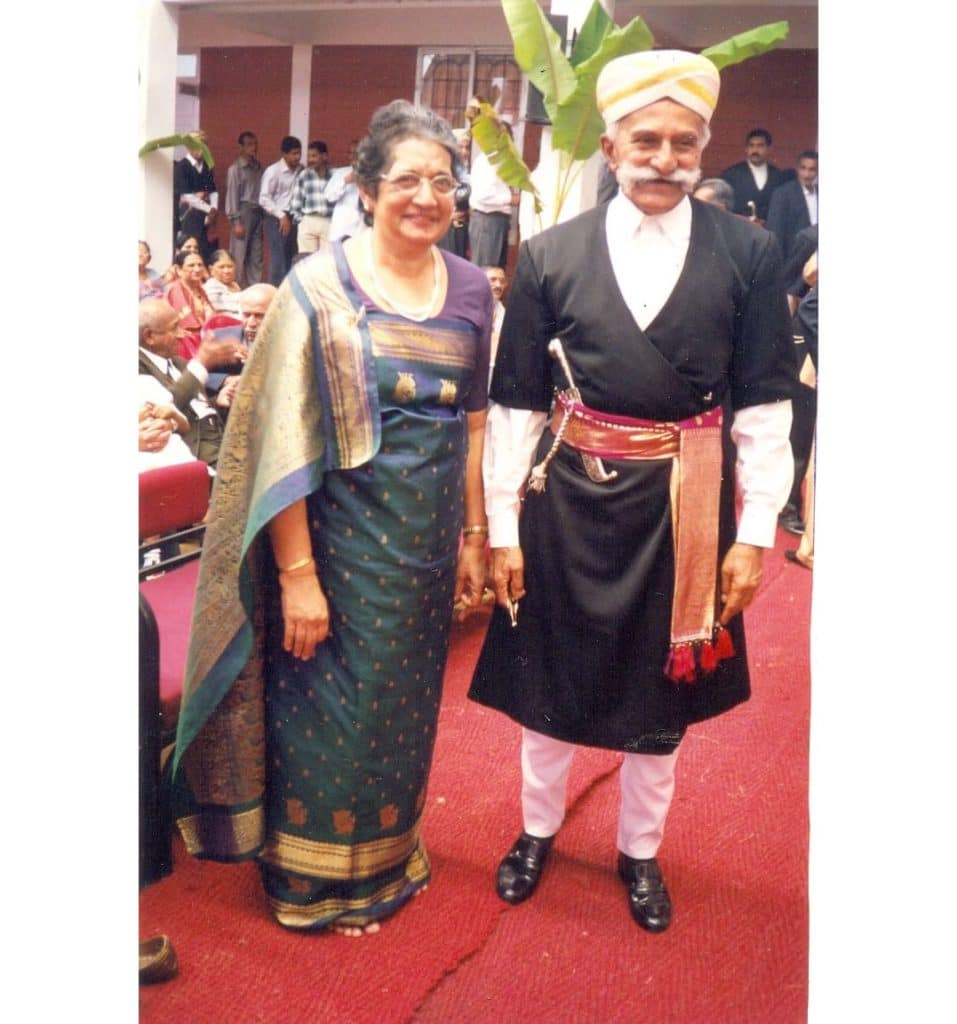
Lt. Gen. Codanda Somanna with wife Renu Somanna.
The last rites should have been held with full military honours. But, due to the Covid-19 crisis, symbolic military honours were accorded to the departed soul. Somanna had played a pivotal role in Operation Blue Star at Amritsar. He was serving as the chief patron of the Field Marshal Cariappa-General Thimayya Forum.
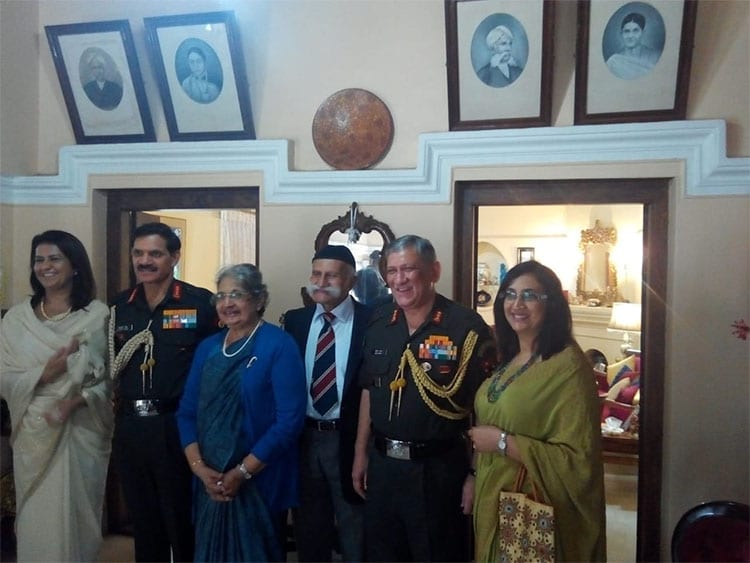
General Dalbir Singh Suhag, the then Indian Army chief, along with General Bipin Rawat (present Chief of Defence Staff of India) had, in 2016, visited the house of Somanna during their trip to Kodagu. Field Marshal Cariappa-General Thimayya Forum president Col (retd) K.C. Subbaiah paid tributes to Somanna, saying he was known for his discipline.
General Dalbir Singh Suhag, the then Indian Army chief, along with General Bipin Rawat (present Chief of Defence Staff of India) had, in 2016, visited the house of Lt. Gen. Somanna.
Reaching out to a veteran general
On Aug. 8 2016, the Facebook page of ADGPI-Indian Army has a post:
“A mega veterans rally was held at Madikeri on 6 Aug 2016 which was attended by General Dalbir Singh, the Chief of Army Staff (COAS) and over 1800 Veterans and Veer Naris from Kodagu District. The COAS while attending the rally realised that the senior most veteran of the area, Lt Gen C.N. Somanna (Param Vishisht Seva Medal), 90 years old was not present. Gen. C.N. Somanna was commissioned into 3/11 GR, but went on to command 4 Guards. He was the Vice Chief of Army Staff in 1984-1985. On enquiry he was informed about the ill health of Lt Gen Somanna. The COAS immediately modified the programme and travelled over 40 kms to meet the General at his home in Virajpet.”
source: http://www.starofmysore.com / Star of Mysore / Home> News / June 14th, 2020
A group of about 80 veterans from the Indian Armed Forces, including personnel from the Army, Navy and Air Force, will be visiting Mysuru from Nov. 12 to 15, accompanied by their spouses.
The Army Officers in this group were commissioned just 20 days before the Indo-Pak War of 1971 and played a crucial role as some of the youngest officers sent into battle during the conflict.
During their visit, the veterans will explore several historic sites in Mysuru and Srirangapatna. A key highlight of the trip will be an interaction with Mysuru-Kodagu MP Yaduveer Krishnadatta Chamaraja Wadiyar.
This will offer the veterans a unique opportunity to engage with the region’s cultural and political heritage. After their stay in Mysuru, many veterans will extend their trip with an additional three-day visit to Kodagu.
While in the district, they will tour a coffee estate near Suntikoppa and also meet Air Marshal (Retd.) Nanda Cariappa, among other scheduled programmes.
source: http://www.starofmysore.com / Star of Mysore / Home> News / November 08th, 2024
Capt. Brijesh Chowta, Dakshina Kannada MP, has appealed to Union Minister for Commerce and Industries Piyush Goyal to instruct the Coffee Board of India to extend its support and facilities to farmers of Dakshina Kannada to cultivate coffee.
In his October 25 letter, a copy of which was released to the media on Thursday, Capt. Chowta said that arecanut growers in the district are facing challenges owing to declining yield.
“…Arecanut, a vital commercial crop, has been severely impacted by extreme weather conditions, diseases, and pests leading to significant yield loss. To mitigate these risks and diversify their agricultural practices, many farmers in Dakshina Kannada are keen to explore coffee cultivation, given its suitability to the climate of the district…”
He said despite the potential benefits of coffee cultivation, the district lacked the facilities and support provided by the board and the Central Coffee Research Institute, which are readily available to farmers in the neighboring districts (like Chikkamagaluru and Kodagu).
Capt. Chowta said that the board could play a crucial role in promoting coffee cultivation in Dakshina Kannada through training programmes, technical assistance, and market access initiatives. Given the proximity of Dakshina Kannada to traditional coffee growing districts, it is feasible for the board to extend its support and services to the farmers of Dakshina Kannada.
The MP said that while traditional coffee growing regions and neighbouring districts like Chikkamagaluru and Kodagu already benefit from the facilities and support provided by the board, Dakshina Kannada remained underserved, despite being geographically close to the traditional coffee growing districts.
“…I urge you to take steps to ensure that the farmers of Dakshina Kannada have access to the same level of support and resources as their counterparts in neighbouring regions…”
Meanwhile, Capt. Chowta said in his release on Thursday that farmers in Sullia, Puttur, and Belthangady taluks should be encouraged and supported to explore coffee cultivation.
The MP said that he will pursue the matter further during the coming winter session and try to meet officials concerned, the Board chairman, and the Union Minister too at the earliest.
source: http://www.thehindu.com / The Hindu / Home> News> Cities> Mangaluru / by The Hindu Bureau / November 08th, 2024
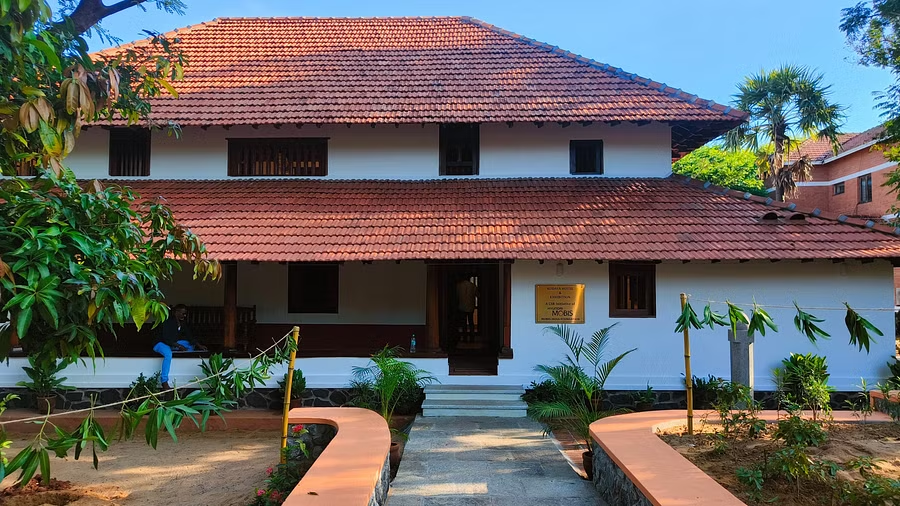
Mookonda Kushalappa details the rich symbolism of the Kodava house, a replica dedicated to the homes and traditions of Kodagu
A view of the Kodava house; a window at the entrance of the house. Photos by author
On the way to Mahabalipuram from Chennai, lies a dedication to the heritage of south Indian architecture. This includes three traditional houses from Karnataka.
WELCOME. If you like what you see "SUBSCRIBE via EMAIL" to receive FREE regular UPDATES.
Read More »