Category Archives: Uncategorized

From Coorg to Command: KM Cariappa’s record ascent

By the end of WWII, 20 Indian Army officers emerged as prominent figures. Most came from elite backgrounds, but KM Cariappa, from humble beginnings in Coorg, stood out. Rising through the ranks, he became the first Indian Commander-in-Chief in 1949, leading with distinction during the Jammu and Kashmir conflict and earning widespread respect.
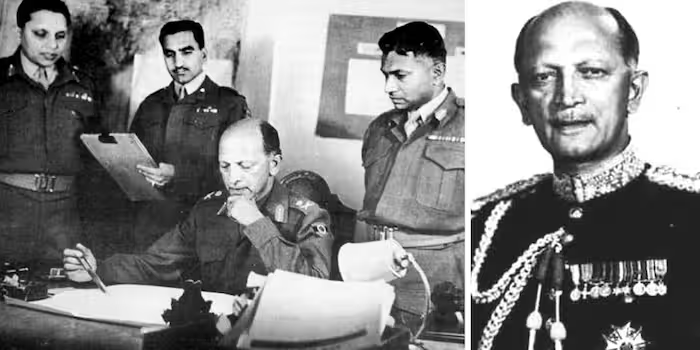
By the end of World War II, around 20 Indian Army officers in their forties had emerged as prominent military faces. Most of these officers had bravely led infantry battalions—large groups of foot soldiers who fight on the ground, typically organized into units of several hundred troops. A few had commanded tank squadrons—military units consisting of several tanks and their crew, organized to operate together in combat and designed for armoured, or protected, warfare and ground assaults—across various battlefields in Europe, Africa, the Middle East, South Asia and South-East Asia.

All but one came from elite feudal backgrounds or royal lineage and received the King’s Commission— officially appointed as officers in the military after completing their education at the Royal Military College—after graduating from the Royal Military College, Sandhurst, or the Royal Military Academy, Woolwich in southeast London.

However, the one remarkable exception was a person destined for greatness. Born into a humble, yet proud, family in the former Coorg state (now Kodagu), he never left India until he was called to serve in World War II, writes Lt-Gen (retd) Baljit Singh in the Tribune.

On the night he was born (January 28, 1899), his maternal grandmother had a dream where she heard the thunder of horses’ footsteps and drumbeats. She believed this meant the newborn would become a great military leader. This child, KM Cariappa, was born and raised in Mercara village, in Coorg, and later attended Presidency College in Madras.

Shortly after, in 1918, he qualified for the first group of teenagers to attend the Temporary School for Indian Cadets at Daly College in Indore. Upon being commissioned as a 2nd Lieutenant in the Indian Army on December 1, 1919, he spent the next two decades gaining combat experience along the turbulent North-West Frontier.

At the same time, he worked hard to become the first Indian to graduate from the Defence Service Staff College in Quetta, located in Pakistan. By April 1942, he was promoted to Lt-Colonel rank and took command of the 17 Rajput Battalion, once again becoming the first Indian to achieve this milestone.

During World War II, he worked in logistics. He started at the headquarters of the 10th Indian Infantry Division in Iraq and Syria and later, moved to the headquarters of the 26th Indian Infantry Division in Burma, part of General Slim’s 14th Army. In this role, he embraced the 14th Army’s motto: ‘We’ll handle the impossible right away, the difficult will wait’.

For his outstanding service, Lt-Col Cariappa was ‘mentioned in dispatches’, meaning that he was officially recognized in military reports for exceptional bravery or outstanding service, three times and was awarded the Order of the British Empire on April 5, 1945.

In the period before Independence in 1946, it was decided to send one army officer and three bureaucrats to the Imperial Defence College in London to improve their understanding of both political and military strategies. Brigadier Cariappa was selected as the army officer for this opportunity. He soon put that knowledge to use when another brutal war over Jammu and Kashmir broke out in October 1947.

Since Pakistan acted first, the Indian Army’s initial response was not enough to meet the challenge and it looked like Ladakh might soon fall. In January 1948, Maj.-Gen. Cariappa, who was leading the Army Reorganization Committee, was promoted to command the newly formed Western Command. He became the first Indian to hold this position and was tasked with leading the war in Jammu and Kashmir.

True to his usual style, the very next day, the General was in Srinagar, offering inspiring leadership and firmly declaring, “We will not let Gen. Tariq capture Leh. We must stop this, and we will stop it… We’ve decided to move tanks up the Zoji Pass, something that’s never been done before.” The rest is history, says Lt-Gen. (retd) Baljit Singh.

The J&K war ended on January 5, 1949, creating the perfect opportunity for the army to appoint an Indian Commander-in-Chief, as Gen. FR Roy Bucher’s term was coming to an end. The choice was clear: Out of about 20 distinguished candidates, Lt-Gen. Cariappa stood out.

However, two other names were also suggested: Lt-Gen. Maharaj Rajendrasinhji of the Cavalry, who was the brother of the Jam Sahib of Nawanagar and Lt-Gen. Thakur Nathu Singh of Dungarpur. Despite this, both officers agreed that the honour of becoming India’s first Commander-in-Chief should go to Lt-Gen. Cariappa, known as ‘Kipper’, because he was the seniormost Indian officer. This was noted by Air Marshal (retd) KC Cariappa in his father’s biography.

Remembering Field Marshal Cariappa, the legend

The Indian government showed great respect, as seen in Sardar Patel’s letter: “Your impressive achievements give us confidence in your ability to lead during this crucial time in our country’s history. We assure you of our full support and cooperation.”

On January 15, 1949, a very upright man, accompanied by a young boy and a seven-year-old girl, visited the Gandhi Samadhi early in the morning. After taking his children home, Gen. KM Cariappa went to his new high office without any ceremony or Guard of Honour.

(The author of this article is a Defence, Aerospace & Political Analyst based in Bengaluru. He is also the Director of ADD Engineering Components, India, Pvt. Ltd, a subsidiary of ADD Engineering GmbH, Germany. You can reach him at: girishlinganna@gmail.com.

source: http://www.newsable.asianetnews.com / Asianet Newsable / Home> English News> India News> Defence / by Girish Linganna / July 29th, 2024

The Ultimate Guide to Luxury Spa Resorts in Madikeri

Madikeri, nestled in the heart of Coorg, Karnataka, is renowned for its lush green landscapes, aromatic coffee plantations, and serene environment. It’s a destination that promises both adventure and relaxation, but for those seeking the pinnacle of opulence and rejuvenation, luxury spa resorts in Madikeri offer an unparalleled experience. These resorts combine breathtaking natural beauty with top-tier wellness services, providing a sanctuary for anyone looking to unwind and indulge. Here’s a comprehensive guide to the luxury spa resorts in Madikeri that stand out for their exceptional offerings.

1. Old Kent Estates and Spa

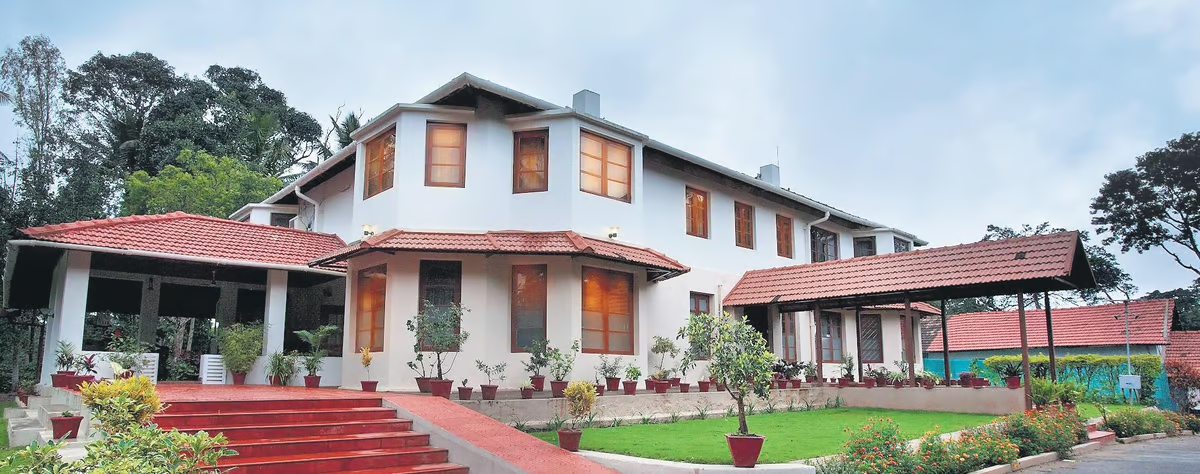
Old Kent Estates and Spa is an epitome of luxury nestled amidst the verdant hills of Madikeri. This heritage resort, built in a colonial style, offers a unique blend of traditional charm and modern luxury. luxury spa resorts in madikeri is renowned for its comprehensive wellness programs that include Ayurvedic\ treatments, aromatherapy, and rejuvenating massages.

The spa’s signature experience, the “Coorgi Coffee Ritual,” utilizes locally sourced coffee beans in exfoliating treatments that leave the skin feeling refreshed and revitalized. Guests can enjoy the tranquil ambiance of the spa’s private rooms, which overlook the lush estates, making every treatment a soothing escape into nature.

2. The Tamara Coorg

The Tamara Coorg is a luxury resort that seamlessly integrates with the natural environment of Coorg. It offers an exceptional spa experience at its ‘SwaSwara’ wellness center, which focuses on holistic well-being. The spa at The Tamara Coorg emphasizes Ayurveda and offers personalized treatments designed to balance the mind, body, and spirit.

Guests can choose from a range of therapies, including the “Ayurvedic Bliss,” which combines ancient techniques with natural ingredients to promote relaxation and detoxification. The spa’s tranquil setting, surrounded by the estate’s coffee plantations and verdant greenery, enhances the overall rejuvenating experience.

3. Evolve Back Coorg

Evolve Back Coorg is a luxurious retreat that offers a unique blend of traditional and contemporary wellness practices. The resort’s spa, named ‘The Viraat Spa,’ is designed to provide a holistic experience with a focus on ancient Indian therapies. The spa’s architecture, inspired by traditional Kodava homes, adds to the authenticity of the experience.

One of the standout treatments is the “Panchakarma Detox,” a therapeutic regimen rooted in Ayurvedic medicine that aims to cleanse and rejuvenate the body. The spa also offers various massages, facials, and wellness rituals tailored to individual needs, ensuring a personalized and effective approach to relaxation.

4. Serene Woods

Serene Woods is a boutique luxury resort that offers an intimate and personalized spa experience. The spa at Serene Woods focuses on creating a serene environment where guests can escape from everyday stress. With treatments that include Swedish massages, deep tissue therapies, and reflexology, the spa caters to a variety of wellness needs.

The “Serene Signature Ritual” is a highlight, combining traditional techniques with modern practices to offer a unique and rejuvenating experience. The spa’s emphasis on using organic and locally sourced products ensures that each treatment is both effective and environmentally friendly.

5. Orange County Coorg

Orange County Coorg is a premium resort known for its luxurious accommodations and world-class spa services. The resort’s spa, ‘The Spa at Orange County,’ offers a range of treatments designed to promote relaxation and well-being. The spa’s ambiance, with its natural decor and soothing music, creates a perfect setting for relaxation.

Guests can indulge in the “Kodava Massage,” a traditional therapy that uses herbal oils and techniques passed down through generations. The spa also offers a variety of other treatments, including hot stone massages and rejuvenating facials, all designed to enhance overall wellness.

6. The Lotus Hotel & Spa

The Lotus Hotel & Spa offers a luxury retreat with a focus on personalized wellness experiences. The spa at The Lotus is renowned for its extensive menu of treatments that cater to both physical and mental well-being. With a range of services from deep tissue massages to holistic therapies, the spa is designed to meet the diverse needs of its guests.

The “Lotus Serenity Package” is particularly popular, featuring a combination of massage therapies, body scrubs, and facials designed to provide deep relaxation and revitalization. The spa’s tranquil environment, coupled with its expert therapists, ensures a memorable and rejuvenating experience.

Conclusion

Madikeri’s luxury spa resorts offer an exceptional blend of natural beauty, luxurious amenities, and holistic wellness treatments. Whether you’re looking to escape the hustle and bustle of daily life or seeking a rejuvenating retreat, these resorts provide a perfect sanctuary. From the colonial charm of Old Kent Estates and Spa to the holistic approaches of The Tamara Coorg and Evolve Back Coorg, each resort offers a unique experience tailored to enhance your well-being.

A stay at one of these luxury spa resorts promises not just a getaway but a journey into relaxation and rejuvenation. The combination of stunning natural surroundings, top-notch spa services, and luxurious accommodations ensures that every moment spent in Madikeri is truly unforgettable.

source: http://www.foxinterviewer.com / Fox Interviewer / Home. / by Mohsin Beg / July 30th, 2024

Rashmika Mandanna shares a reel and explains her mother tongue: ‘How beautiful it sounds’

Rashmika Mandanna recently shared a reel talking in her native language. When it left fans confused, she explained all about it to fans.

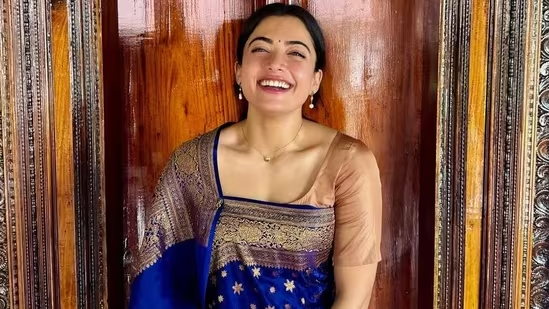
Rashmika Mandanna wore her saree in traditional Kodava style while attending a friend’s wedding recently.

Actor Rashmika Mandanna shared her roots with her fans in a recent video. She took to Instagram to share a reel, speaking in her mother tongue, kodava takk from Karnataka. “To all the kodavas out there..this is for you! Always grateful,” she wrote, sharing the video.

‘Kodagu is where I was brought up’

While some fans could recognise what language she was speaking in, some also sharing their love for the Coorgi language, most couldn’t understand what she was saying.

Sharing the reel on her Instagram stories, Rashmika explained further and wrote, “For all those who are asking what I am saying here or what language am I speaking..this is my mother tongue – it’s called Kodava Takk..Kodagu is where I was born and brought up in. I’ve been speaking kodava takk all my life…and this is how beautiful it sounds..And so as to what I am saying..you’ll only know if you know the language or if you have a Kodava friend.”

A week ago Rashmika attended a childhood friend’s wedding and shared pictures of her dressed in traditional Kogadu style. She wrote, “Kodagu is where my heart and my history is at…Me and my girls who I grew up with. @yathra_dechamma .. it’s your wedding and we didn’t get a picture with you as you were busy but here’s me wishing you a lifetime of happiness and good health with your partner..God!! How I miss home!”

Upcoming work

Rashmika currently has 6 announced projects that are yet to be released. She will reprise her role as Srivalli in Sukumar’s Pushpa 2: The Rule with Allu Arjun playing Pushpa Raj and Fahadh Faasil playing Bhanwar Singh Shekawat. She is also starring in Sekhar Kammula’s bi-lingual film Kubera with Dhanush and Nagarjuna.

Apart from that, Rashmika will also star in projects titled Rainbow and The Girlfriend. In Hindi, Rashmika will star with Vicky Kaushal in Chaava and Salman Khan in Sikandar. She debuted in Hindi with the 2022 film Goodbye with Amitabh Bachchan and was last seen in the 2023 Sandeep Reddy Vanga-directorial Animal with Ranbir Kapoor.

source: http://www.hindustantimes.com / Hindustan Times / Home> HT Entertainment Desk / edited by Neeshita Nyaypati / July 02nd, 2024

A whole HOST of fair play

Television shows tend to choose female anchors to host shows. We explore this trend…

Swetha Chengappa

With numerous television shows launching regularly, audiences are spoilt for choice. While the content needs to be appealing, it is the beautiful anchor that steers the show, with an idea of holding and keeping the audience’s attention. In rare cases, a smart and handsome male also does the trick but it is mostly female anchors/hosts who have been at the fore in this particular area. Be it singing, dancing, or any other form of reality-based programmes, their presence has become a must and at times, it even decides the popularity of a show.

Bengaluru Chronicle reports on this trend while getting popular TV anchor and noted serial actor Swetha Chengappa to delve into her experience anchoring a kid’s dance reality show — Dance Dance Juniors second season.

“My first venture as a TV anchor/host started with a dance reality show which was followed by a female-oriented reality game show Yariguntu Yarigilla, which lasted three seasons. Then I got busy with Bigg Boss and Maja Talkies. Though I kept getting several offers, I could not pursue them thanks to Maja Talkies. I have finally managed to get back to hosting. This time, it has been even more special as it involves talented children,” says Swetha Chengappa.

“The audience tends to forget a popular film star after a film starts failing. But anchor/hosts enjoy popularity for a long time because they share a special bond with the audience regularly. Earlier, anchors would only present the show but these days anchors play a major role overall. Their lively presence and witty remarks keep the show running. This is why most of the popular shows retain female anchors/hosts. There are even cases wherein the poor performance of a host has led to sudden replacements,” says Suresh, a TV serial director.

Swetha has been in the TV industry for over 12 years, right from her debut serial — Sumathi, thereafter Kadambari, Sukanya, Arundathi, Sangeetha and Soundarya, playing the title roles, most of which crossed at least 1,000 episodes. Apart from being a finalist in the second season of Bigg Boss, she had even played the female lead in Kodava film, Naa Puttna Mann which won the State Film Award in 2010-11. About being an anchor/host, she feels that there is stiff competition. “I started as an actor, and then graduated to anchoring popular shows. I had to work very hard and prove myself. These days, success comes instantly and there is more stress on promotions for new shows. I am glad that I took up Dance Dance Juniors, Season 2, which has been a memorable journey so far. The exposure young talents are getting on TV is a phenomenon. They bring energy, and their hardwork amazes me,” Swetha adds.

She feels that anchors/hosts shoulder a huge responsibility — to keep the shows lively and attractive. Known as Karnatakada Sose, for playing more than half-a-dozen characters relentlessly as the daughter-in-law, Swetha recollects how she missed many film offers. “It is mostly due to my commitments and popularity that kept me away from films. When I look back, I sometimes feel the pinch. Many a times, producers of shows would request me to not quit shows as it would mean a loss in popularity. The 13 year journey has been wonderful and I still get appreciation and love and that keeps me satisfied,” shares Swetha Chengappa, who has bagged at least 28 awards for her TV ventures, both as a TV anchor and artiste.

source: http://www.deccanchronicle.com / Deccan Chronicle / Home> Entertainment / by DC Correspondent / August 03rd, 2017

Of bungalows and brews!

Coffee country visits just got more exciting as we discover the Ama Trails & Stays experience in Pollibetta, Coorg…

Taneerhulla Bungalow

Coffee was the mood that reigned in the last few weeks — what with the World Coffee Conference & Expo 2023 that just concluded in Bengaluru and World Coffee Day or International Coffee Day observed on October 1 — the cuppa was everywhere and we coffee-holics weren’t complaining one bit! This was also the perfect time for us to head to Coorg or Kodagu — the hill-station where the commercial story of coffee in India began.

Know-it-alls will now feel the need to correct us and say coffee was first cultivated in the nearby Chikkamagaluru district and how Baba Budan Giri was where it all began and we will fully agree; Coorg, however, was where commercial plantations began and that is why even today, South Indian coffee is synonymous with this district — that is the proud homeland of the Kodava or Coorgi people.

Now, most trips to this cool, elevated coffee country would take the preferred route through the capital, Madikeri or Mercara, and would involve a mandatory visit to a coffee plantation, a processing plant and maybe, some shopping along the way. We, however, decided to go deeper into this verdant paradise — to the Polibetta area — home to several of the Tata-owned coffee plantations in Karnataka.

We were there for a curated experience at the estates and also to check out the plethora of offerings from Tata Consumer Products’ wide coffee portfolio. Puneet Das (president, Packaged Beverages, India & South Asia, TCPL) introduced us to several of the new formats, including the delectable chukku coffee decoction variants that we are sure will take over the market very soon.

Our stay, however, was organised at one of the many bungalows strewn across these estates that are now a part of the Ama Plantation Trails. One of the newest product offerings from Indian Hotels Company Ltd (IHCL).

We were assigned the Surgi Bungalow, a 40-year-old property in its current avatar, but probably around 150-years old, that is just across the road from Tata Coffee’s picturesque nine-hole golf course in Pollibetta. The bungalow’s three bedrooms can occupy two individuals each, thus making it a comfortable stay for a family or group of six.

Food is cooked in the bungalow and is catered to by IHCL, so expect high quality and standards, as well as a menu that can be altered for even the fussiest of eaters. We were welcomed that evening with hot cups of jaggery coffee, aloo bondas and an assortment of bajjis and pakodas — perfect eats for the now dropping mercury as the evening chill set in. Dinner was served almost immediately after and was a surprisingly large spread.

It didn’t take much of an effort to head to bed early that night. Cold weather and full tummies make the best combination for peaceful sleep and the next thing we remember was it was 6 am and our alarms had gone off simultaneously — quite the cacophony to be honest.

We chugged down mug-fulls of coffee and headed out for an estate walk that lasted for over two hours. Picking ripe avocados and smelling a gazillion flowers along the way, this is the perfect time to discover plantations and estates on foot. The air still has a chill and the humidity of the afternoon is far away. There’s also a sense of childlike amusement with the symphony of bird-calls and animal chitterings that give you quite the jocund company throughout the walk.

Building up quite the appetite, breakfast was an elaborate affair and thankfully so. Post breakfast, we advise you to do what we did — relax in the well-kempt gardens, read a book or take a quick snooze. Checkout is only at noon and so you have quite a few hours to make the most of this romantic bungalow experience.

The Ama Trails & Stays offer several other bungalow stay options here, including but not limited to Taneerhulla Bungalow & Cottage, Woshully Bungalow, Cottabetta Bungalow and Polibetta Bungalow.

₹28,000 onwards.
Nearest railhead and airhead: Mysuru. Five hour drive from Bengaluru and three hour drive from Mysuru.

source: http://www.newindianexpress.com / The New Indian Express / Home> Xplore / by Romal Laisram / October 05th, 2023

Savor The Rich Culinary Heritage of Coorg With Chef Smitha Kuttayya Boppanda At The Sheraton Hyderabad Hotel

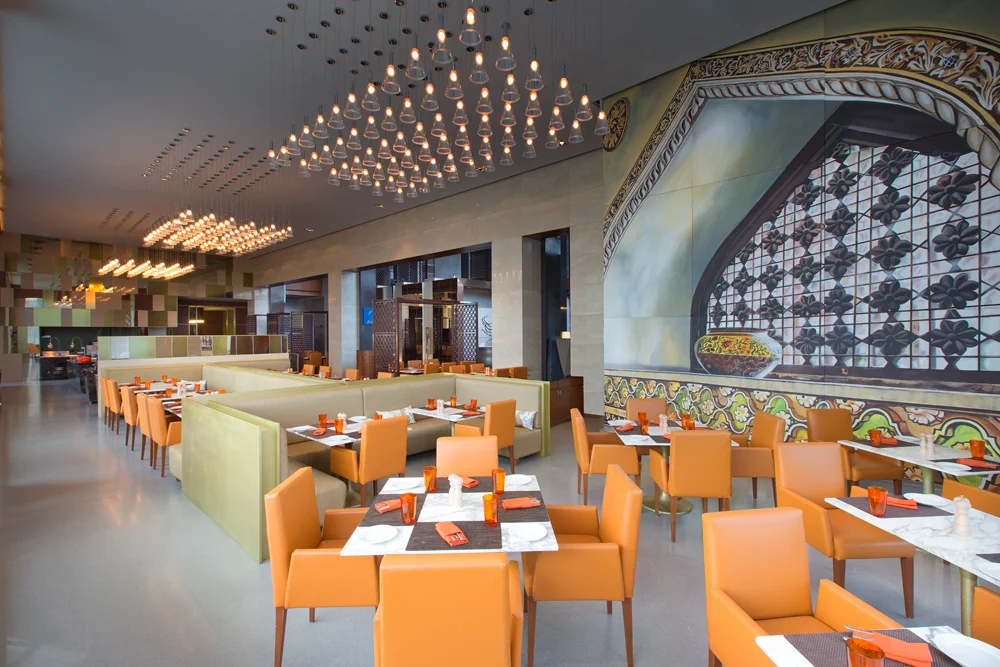
Immerse yourself in the vibrant traditions of Coorg cuisine at Sheraton Hyderabad Hotel’s five-day food festival, “Flavors of Coorg.”

This exclusive pop-up event, featuring renowned Chef Smitha Kuttayya Boppanda in collaboration with Chef Pin, will take place from July 25th to 29th at the hotel’s all-day dining outlet, Feast.

The culinary event will offer guests an opportunity to savor a delectable array of traditional dishes such as Pandi Curry (Coorg Pork Curry), Akki Roti (Rice Roti), Bamboo Shoot Curry, and more.

With profound knowledge and passion for authentic Coorg cooking, Chef Smitha brings to the table an array of recipes that have been cherished and handed down over generations. From the rich, aromatic flavors of Koli Curry (Chicken Curry) to the refreshing taste of traditional Kodava Coffee, every dish is a celebration of Coorg’s lush landscapes and vibrant cultural history.

Guests can look forward to an immersive dining experience filled with tantalizing aromas, vibrant flavors, and warm hospitality. Don’t miss this opportunity to embark on a culinary journey by Chef Pin, only at Feast, Sheraton Hyderabad Hotel.


Location: Feast, Sheraton Hyderabad Hotel
Dates: 25th July to 29th July 2024
Timings: Lunch from 12:30 PM to 03:00 PM and Dinner from 07:00 PM to 11:00 PM
Reservations: +91 7337358581 

source: http://www.hospibuz.com / HospiBuzz.com / Home> Buzzing News> Hotel News / July 2024

The ‘Ass Festival’ Against the Upper Caste

Men and boys celebrate Kunde Habbe, Devarapura, Kodagu, May 2024. Photo: Deepa Bhasthi

The subversive Kunde Habba in rural Kodagu, India bears disturbing signs of the carnivalesque-grotesque

Monsoon in the Western Ghats in South India is a force, perhaps the single most important event in the economic and political calendar of a still largely agrarian country. The big wet winds usually make landfall in Kodagu district (where I live) by early June. Just before this, thousands of Indigenous peoples, or tribals, gather in villages in the interior of the region to hurl the choicest of abuses at their god and fellow community members. It is an act of subversive irreverence that, every summer, disrupts the mainstream Brahminical diktat of fear- and hierarchy-based worship of deities confined to temple monuments or stuck within shimmering photo frames. Unlike mainstream Hindu festivals, whose dates, decided by astrological charts, are wildly different each year, Kunde Habba (literally, ‘ass festival’) is observed on the fourth Thursday in May. It is also a perfect example of Mikhail Bakhtin’s carnivalesque-grotesque theory. According to Bakhtin, the carnival is a moment between the reality of life and art when displays of grotesqueness, excess, perhaps even violence, are not just permissible, but expected. In the Indian context, carnivalesque grotesque helps in the understanding of caste, power and the institutionalised oppression of some the poorest, most vulnerable communities in this coffee-growing region.

There are about two dozen different Indigenous peoples living in the southern parts of the district (and sharing community, gods and belief systems with tribes in the High Range region of neighbouring north Kerala). Legend is that Ayyappa, a forest deity of the Kurubas (the mountain-dwelling Betta-Kurubas, who harvest produce from the forest for a living, and Jenu Kurubas, honey gatherers, being two of the prominent subtribes), was on a mission in the forest with many tribespeople in tow when he became distracted by Bhagavathi, a forest goddess. His subsequent abandonment of the ancestors is remembered by the tribals when they curse him each year. The scolding as prayer is a dialogue with the god, for demands unmet, for negotiations and confessions, for letting off steam, no holds barred. It must help, too, to be able to vent frustrations and let loose on family, friends, neighbours and employers – these last nearly always wealthy coffee-plantation owners on whose lands the Indigenous peoples work for a daily wage, sometimes effectively as bonded labour – for one day of the year.

Kunde Habbe, Devarapura, Kodagu, May 2024. Photos: Deepa Bhasthi

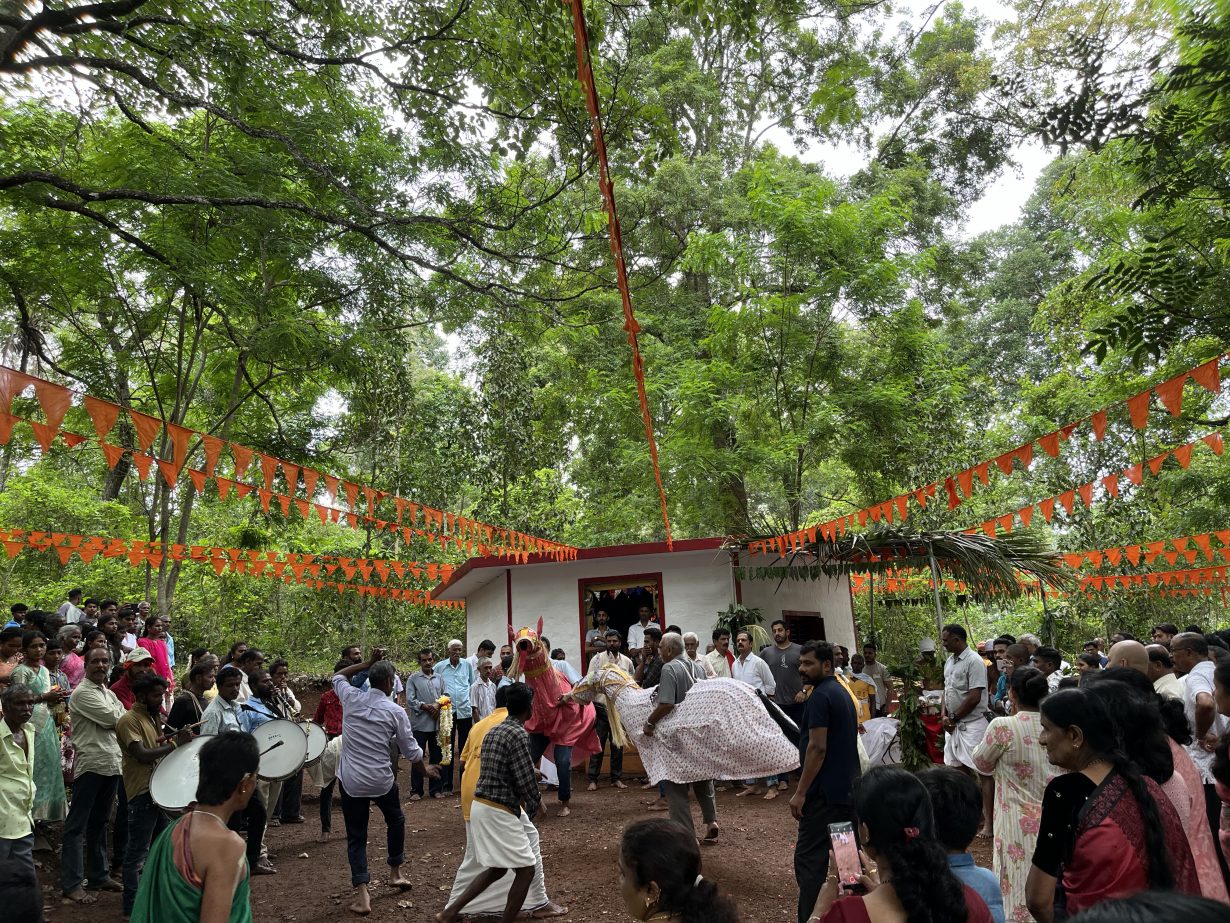
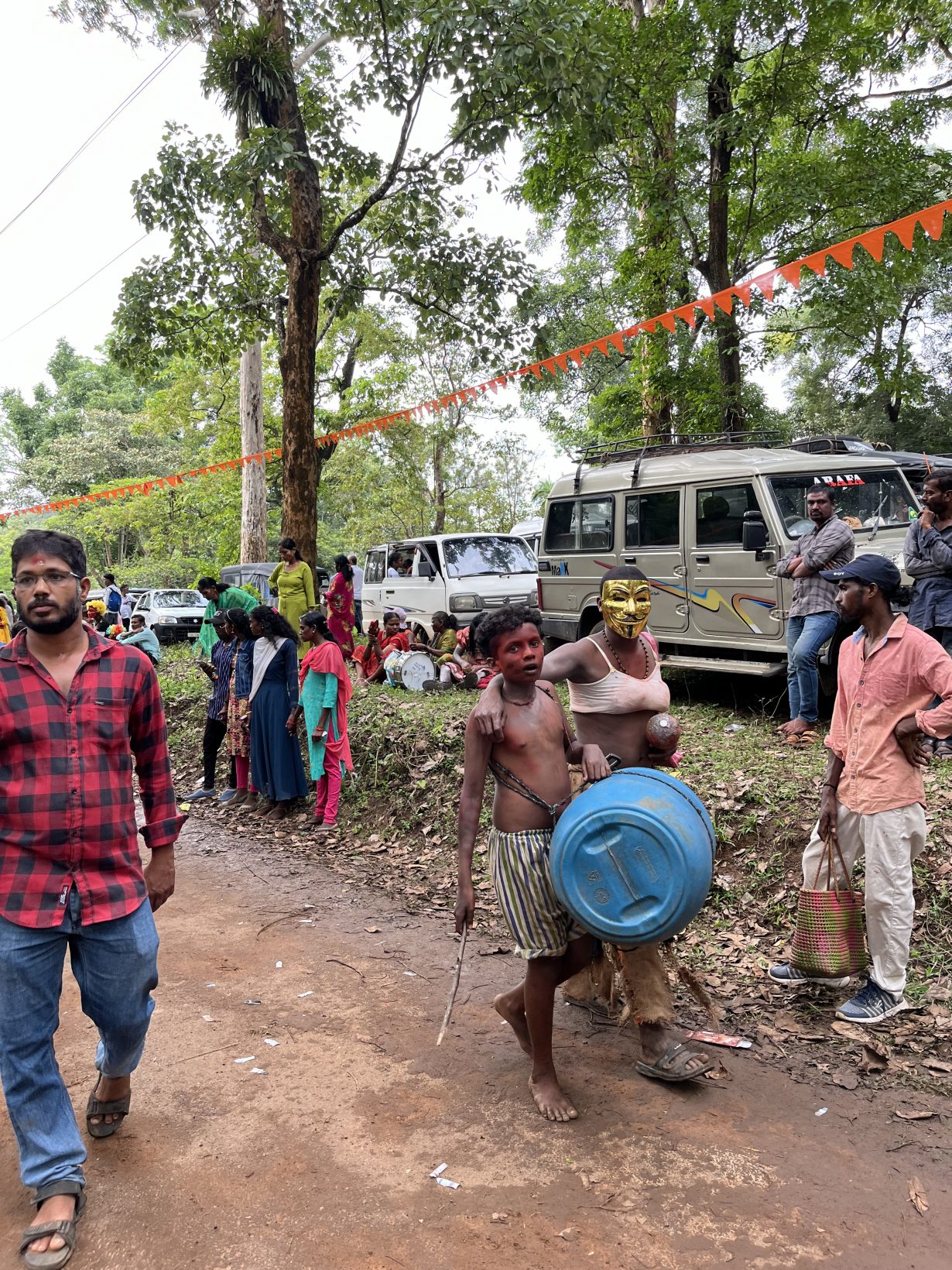
On the day of the festival, boys and men dress in drag and dance to bawdy lyrics that feature the refrain “kunde, kunde”, engaging in a mostly friendly exchange of abuses and rude gestures with other groups. Drums are made out of old tin-boxes or cut from broken blue storage-barrels. Silver-painted bodies are dressed in ingeniously repurposed gunny sacks or umbrella cloth, or in miniskirts, bralettes and long dresses borrowed from wives, sisters and daughters. Flowers are affixed to underwear; people wear bright face paint, slapdash makeup, a party wig, a Money Heist mask. In this transgression of the self, men, under a vow to the forest goddess, dress like women for a few hours. At Devarapura, a tiny village where celebrants congregate after collecting money from shopkeepers and passersby in nearby towns, the atmosphere is that of a carnival. The music is loud, the dancing is risqué and stunned chickens are sporadically thrown into the air as sacrifice. In the background, some elders fulfil the more ritualistic aspects of the festival, including a horse dance and mainstream acts of prayer with flowers, bells and chants. Elsewhere in the district smaller versions of the same festival are celebrated in prayer under trees, or to stones in shrines deep in the forest. Here in Devarapura there is a large, well-kept temple for Bhagavathi. As in any village fair, there are ice cream trucks, snack shops, cheap clothes for sale and plastic and soft toys for the children. Women participate as the audience. The performance of the festival is an all-male revelry.

By dismantling the unequal power equations between themselves and their gods, and between themselves and their employers, and by speaking across this divide in words and tones otherwise disallowed, the tribals access, however momentarily, a state of utopian freedom and social equality. The alternative world summoned by this pageantry is a humorous, creative and annually rejuvenating critique of the staid religious practices that mainstream Hindutva-forward systems prescribe, where god must be approached with fear, not friendship.

Kunde Habbe, Devarapura, Kodagu, May 2024. Photo: Deepa Bhasthi

Bakhtin points out that while the carnivalesque is able to temporarily weaken feudalism and caste-based oppression, it does not have the political heft to overthrow such age-old practices. In fact, in contemporary India there are signs that Kunde Habba’s performance of subversive protest is being subsumed into dominant religious cultures. This was my first visit to the festival in nine years, and saffron buntings now fill the village (colour is intensely politicised in India: saffron for a radical version of Hindu, blue for the Dalits, green for Muslims). Local families of Kodavas, an Indigenous community that prefers to side with mainstream Hinduism while shying away from acknowledging the tribal nature of its cultural practices, seem to have a more visible role in the management of the festival and temple in Devarapura than in past years. Murmurs of complaint can be heard regarding the ‘unnecessary vulgarity’ of throwing abuses; the festival’s name has been sanitised as ‘Bedu Habba’, meaning ‘prayer, or asking festival’, in the media. Now, alongside the irreverence, hundreds of tribals pay to line up and offer special prayers at the temple; a priest as middleman presides.

In the story of Kunde Habba as it has come to be told today, Shiva and Parvati, prominent members of the Hindu mythological pantheon, have been made protagonists. This isn’t necessarily wrong: myths are not set locations in history, and must change constantly if they are to survive. However, considering that Indigenous peoples are routinely oppressed by policy, social conditioning and systemic violence in India and elsewhere, any such overt departure from a tribe-led festival for something more palatable, more commercial even, calls for scrutiny and critique.

Whether a new restraint in the grotesqueness of folk humour during the festival is the result of a country hurtling towards forced homogeneity in sociocultural practices or simply a natural progression of time that, thanks to political intervention, dilutes the purported problem of alterity and encourages assimilation, I cannot quite tell. Nonetheless, it is always a good idea to leave carnivals like Kunde Habba alone. They are among the last cultural sites that offer a strong counter to the upper caste and class that gatekeep religious and social relationships. A necessary reminder, in these years of majoritarianism, that alternatives are not just possible, but also available for proliferation.

Deepa Bhasthi is a writer based in Kodagu

source: http://www.artreview.com / Art Review / Home> Opinion> Art Review Asia / by Deepa Bhasthi / July 25th, 2024