Category Archives: Records, All

Kodava Samaja turns 100

The Kodavas hail from Kodagu district, which was merged with Karnataka in 1956.

kodavasamajakf23nov2016

Till then, Kodagu was a ‘C’ category State, and was administrated by the Central government.

Later, as Kodavas migrated to urban centres such as Bangalore, they formed an association to preserve their culture and traditions, which are unique.

The Bangalore Kodava Samaja is one such organisation, formed to safeguard Kodava identity. The Samaja is all set to celebrate its centenary year, come November 11.

The Samaja has its roots in an organisation called ‘Kodagu Sangha’ which was formed in 1911 with 30 members, part of eight Kodava families in the City. The Sangha was rechristened Kodava Samaja in 1962.

Mysore King Jayachamarajendra Wodeyar is said to have gifted an acre of land at Vasanthnagar, near Palace Grounds to the country’s first Field Marshal K M Cariappa in 1960. The Field Marshal donated the land to Kodagu Sangha which was headed by the IGP of the then Mysore State, Rao Bahadur Pemmanda K Monnappa.

A small ‘Samudaya Bhavan’ was constructed between 1962 and 1966. It was in 1975 that a commercial complex was built in the premises. In 1986, a sports and recreation club was constructed. Much later, in 1993-95, the old Samudaya Bhavan was demolished and a new auditorium was constructed at a cost of Rs one crore.

Today’s Kodava Samaja has a Field Marshal K M Cariappa Bhavan, a General K S Thimmayya Bhavan, Haridasa Appaccha Kavi auditorium, Cauvery Hall and a roof garden.

The Kodava Samaja celebrated its platinum jubilee in 1986. In 2007, the Samaja celebrated the silver jubilee of Cauvery school. The sports and recreation club organised a State-level hockey tournament. The Samaja also organised many Kodava festivals.

Contribution to education

In 1981, the Cauvery school was established in Indiranagar in the land donated to the Samaja by the then chief minister R Gundu Rao. In 1996, Pre-University and undergraduate courses were also introduced.

A management college was also established in HAL II Stage. Bangalore has over 40,000 Kodavas. As many as 12,000 of them are members of Kodava Samaja. The centenary celebrations will be held at Palace Grounds between November 11 and 13. Scion of the Wodeyar family, Srikantadatta Wodeyar, will be the chief guest on November 12.

source: http://www.deccanherald.com / Deccan Herald / Home> Supplements> Spectrum / by K M Ashok Kumar / November 07th, 2011

Brave boy regrets his failure to save one more life

nithinkf15nov2016

Fourteen-year-old Nithin H A from Arameri village in Kodagu who received the Hoysala Bravery award for rescuing his friend, Sufiyan, from drowning has only one regret. “I could not save Salahuddin who had also fallen in.”

The two boys had accidentally fallen into the pond when Nithin acted swiftly, extending his umbrella and pulling Sufiyan in. Unfortunately, his umbrella broke and he could not rescue Salahuddin.

Nithin was presented the award at a ceremony organised by the Department of Women and Child Development in Jawahar Bal Bhavan, where children from across the state were felicitated for their achievements.

Four other children- Sukanya K S from Bagepalli, Chiranth D R from Shikaripur, Shreyas N Rao and Shashikumar G M from Mysuru- were conferred with the Hoysala and Keladi Chennamma awards for their presence of mind to save the lives of others. They each received a cash prize of Rs 10,000, a memento, citation and a medal.

Exceptional talent in the fields of art, sports, music, culture, innovation and scholastics was recognised through the Exceptional Achievement Award presented to 17 children, who had been recommended by the state government for the National Award.

Seema Ningappa Shettar from Indiranagar, Bengaluru, realised that rural schools lacked funds for lab equipment like microscopes. “In the regular microscope, only one person can view the specimen at a time. So I made a digital microscope which uses a mobile camera and a convex lens. It is much cheaper than other microscopes.” she explained. The Class 9 student’s innovation won her the fifth-place at ‘Innovation in Science Pursuit for Inspired Research (INSPIRE)’, organised by Ministry of Science and Technology.

The Department also conferred ‘Child Welfare Awards’ on four individuals and four institutions for their commendable service in the field of child welfare.

Akshara Foundation, Bengaluru; Anthyodaya Social Service Society, Bagalkot; Margadarshi Society, Kalaburagi and Parents Association of Deaf Children received the award which carried a cash prize of Rs 1 lakh, a memento and a citation. Srirama Reddy from Byrapalli, Kolar, Sridhara Hande from Udupi, Nagarathna Sunila from Belagavi and Santhosh Bapu from Bidar received the award for their work in education, arts and healthcare for children. They received cash prize of Rs 25,000 each.

source: http://www.deccanherald.com / Deccan Herald / Home> City / DHNS – Bengaluru – November 15th, 2016

In peace the warriors rest

biddandabopannakf09nov2016

In the northern part of the Mahadevpet quarter of Madikeri town lies a royal graveyard, unbeknownst to many. Gaddige is a set of three regal mausoleums built in the Indo-Saracenic style and enclosed within a compound. Upon each of these rectangular structures is a large dome and four turrets. Two kings of Kodagu (Dodda Vira Rajendra and Linga Rajendra) and their queens lay buried in the two larger identical structures and a third smaller one has the remains of the chief preceptor (Rudrappa) of the kings.

Beside these three tombs, at a little distance away but within the same enclosure, are the tombs of a father-son duo Biddanda Bopanna (Bopu) (1769-1807) and Biddanda Somayya (1800-1879). They had served Kodagu and its kings as sarva-karyakaras, or army generals. While Bopu was the general under Dodda Vira Rajendra (1789-1809), Somayya was the general under Chikka Vira Rajendra (1820-1834). Both tombs have the statue of a Nandi upon it.

Under the Kodagu kings, jamma ryots (farmers by inheritance) held their farmlands by military tenure. The word jamma came from the Sanskrit word for birth, janma. Every able-bodied male jamma ryot had to compulsorily serve in the king’s army. Known as chaudigaras, they worked for 15 days at a time. Around 10 to 100 soldiers served under an army chieftain called the jamedar and a number of jamedars served under an army officer called karyakara. The karyakaras worked under a sarva-karyakaras, or the general. The karyakaras and the sarva-karyakara wore a kombu toppi, a gold zari-bordered red turban with a kombu (horned emblem) in front.

A Kannada inscription states that Biddanda Bopu of Bavali village entered the Raja’s service through palace duties on the fifth day of the new moon of Magha month in the Keelaka year (1788). He worked for 19 years until the year Prabhava, bravely risking his life while fighting wars against Tipu Sultan of Mysore and hunting elephants, tigers and other wild animals, to ultimately become a sarva-karyakara. The Biddanda family originated in Kokeri village in Kodagu nearly three centuries ago. In this Kokeri house lived brothers Medappa and Poonacha. Medappa was a member of the local village panchayat and he married Chaniyapanda Subbavva in 1768. They had a son Bopu, who was born in 1769 on what was deemed to be an inauspicious day by the panchayat members. It was decreed that the son’s face was not to be seen by the father and that the mother was not to be allowed into the house. Hence, the mother and the son lived with the maternal family in Podavada village.

Chronicles of the pastUnfortunately, after some time, both Medappa and Subbavva passed away. The orphaned boy was then brought to the Kokeri Biddanda house by his uncle Poonacha. In 1788, at the age of 19, Bopu joined the king’s army. He worked hard and rose through the ranks to become a karyakara. Poonacha and his wife passed away and their two daughters were married into other families. In 1795, the king transferred Poonacha’s property, which was called ‘Mookanda Bane’ (pasture), to Bopu and his paternal relatives for the military services they had rendered.

Bopu moved from Kokeri to Bavali where he built a ‘Nalkett Mundmane’ — a traditional country house (mane) with four blocks (nalkett) built around an open central courtyard (mund). This became the ‘Biddanda Ainmane’, or ancestral home, in Bavali. One can find description of many events pertaining to Karyakara Biddanda Bopu in Reverend Hermann Moegling’s Coorg Memoirs.

In 1799, the Fourth Anglo-Mysore War broke out between Tipu Sultan and the British. When the British laid siege upon Srirangapatna, the erstwhile capital of Mysore kingdom, Dodda Vira Rajendra sent his treasurer Karnika Subbayya and his officer Karyakara Bopu to invade the Tulu region, which was then a part of the Mysore State. Bopu led the Kodagu army and defeated Sadri Behari and Mir Mohammed who held the Kodial (Mangalore) district. Soon, Kodagu occupied Mangalore, Barkur, Bantwal, Bellare, Viragamba, Udiavara and other regions. Karnika Subbayya came to hold and govern Kodial at that time.

Eventually, news came from Srirangapatna that Tipu Sultan was killed and that Mysore was taken over by the British. Later, Kodagu was made to evacuate the Tulu region and return it to Mysore. Karyakara Bopu was later made the sarva-karyakara of Kodagu. Biddanda Somayya was born in the year Roudri (1800) to Bopu and his wife Mayavva. Bopu died in 1807 at the young age of 38 years. In commemoration of his remarkable army tenure, the king of Kodagu ordered that Bopu be entombed near the royal tombs of Gaddige.

Somayya joined the Raja’s army in 1821. Like his father, he rose through the ranks to become a sarva-karyakara. In 1834, Kodagu got into a conflict with the British. Under him, the Kodagu army was able to inflict damage upon the British army initially. But Chikka Vira Rajendra, the last king of Kodagu, chose to surrender to the British. He was then exiled and the British took over Kodagu.

In those days, the British decreed that all the native officers would be retained in service. But Sarva-karyakara Somayya refused to be in the service of the new government and thus, retired early instead. After his retirement, Somayya lived in the Bavali Biddanda Ainmane and got involved in farming. But he did have one last wish. After his death, he wanted to be buried beside his father and before the rajas of Kodagu. The British allowed this and refused to have anybody else, including any surviving relatives of the rajas, to be buried in the Gaddige area. Somayya died on August 16, 1879. His tomb was erected in Gaddige with the permission of the Chief Commissioner of Coorg. There is a separate graveyard for other members of the Biddanda family in Bavali as well. While the tombs lie neglected today, their history and significance continue to throw light on the history of our people.

source: http://www.deccanherald.com / Deccan Herald / Home> Supplements> Spectrum / By Mookanda Kushalappa / November 08th, 2016

The no-nonsense town

In the hills of Coorg in Karnataka lies Madikeri, the town that gives a military feel & charms with its orderliness

Where order prevails: View from the Raja’s Seat garden; The church in the Fort, now an ASI Museum; Two of the Royal Tombs; The Sri Omkaresvara Siva Temple Photos by the writers

Hugh and Colleen Gantzer

At first glance, Madikeri looks as precise and orderly as a cantonment. In a way, that’s what it is. According to a coffee-planter, “If you throw a stone in Madikeri, you’ll hit a General. If you throw two stones, you’ll probably get a brace of Colonels, bristly moustaches and all!” This could account for the military look of this cottage-dotted town in the hills of Coorg in Karnataka. Madikeri’s narrow, winding roads were meant for brisk walkers and horses. We felt this when we drove through the town to the Palace Fort.

It certainly is a Fort, with thick walls and deep gates. At the far end of its grounds, next to two enormous effigies of elephants is a board that proclaims:

“Mercara was founded by Prince Mudduraja of the Haleri dynasty in 1681 and named after him as Muddurajanakeri. This later became Madikeri by the locals. The British called it Mercara.”

At one corner is a steepled building, now a museum with hero-stones standing erect in the yard. We walked across this former Anglican Church. The light streaming in through its beautiful stained glass windows added to its meditative ambience, ideal for a museum. And, in a fitting tribute to India’s revered Field Marshal Cariappa, the former little vestry had been dedicated to the memory of this unforgettable army chief. He was a Coorgi, a Kodava.

From such shrines to the past, we drove down into town and parked at the gate of a living shrine: the impressive Sri Omkaresvara Temple.
Officially this is a Siva temple of the Lingayats but there are distinctly Islamic idioms in its eclectic architecture. It has a central dome with minarets at the four corners, surmounted by their own, smaller, domes. It is possible that the influence of Tipu Sultan had a lasting impact on the architects of this temple. It was built by Lingaraja II in 1820, just 21 years after Tipu Sultan died in Srirangapatna. We saw the Islamic influence even in other Lingayat monuments crowning a green hill referred to as Gaddige. A plaque installed at the foot of one of the plinths read ‘Royal Tombs’. Built in the Indo-Sarcenic (sic!) style, these monuments with domes and minarets, hold the mortal remains of Kodava Royalty and court dignitaries.

The central tomb is of Dodaveerarajendra and his queen. To the right is the tomb of Lingarajendra built by his son Chikkaveerarajendra in AD 1820. To the left is the tomb of the royal priest Rudrappa, built in 1834.

Nearby are buried two royal officials, Biddanda Bopu, who died fighting Tipu Sultan, and his son Biddanda Somaieh. Clearly these warrior people opposed anyone who tried to cub their freedom to decide their own future.

Our immediate future, however, was constrained by the weather. We looked up at the roiling clouds above us. These were threatening but it hadn’t rained. We decided to rush down to Abbi Falls before a storm boxed us in.

Abbi was spectacular. Even though the water was not gushing in its roaring monsoon fury. it foamed and cascaded over rocks, frothing and surging before pouring into a large pool, and then flowing under a suspension bridge. The falls are well worth visiting but do treat that forest path with a great deal of respect.

It was almost sunset when we reached Raja’s Seat, a popular public garden with horizon-stretching views of the plains. Had the ancestors of the Coorgis battled across those lowlands? We began to think about the origin of the Kodavas.

Their traditional masculine dress of a turban, long coat, sash and curved dagger points strongly to a Middle Eastern connection. The Kodavas have no temples or pujaris, they conduct all their religious or social ceremonies themselves, and revere their ancestors. The Kurds of the Zagros and Taurus mountains of Turkey, Iran and Iraq are also known for their proud and independent nature. Were they the ancestors of the Kodavas? ‘Kurd’ and ‘Kodava’ have a certain similar ring. A popular theory claims that they are the descendants of people who were part of the army of Alexander the Great.

That could explain the very no-nonsense character of their mountain home, Madikeri.

source: http://www.tribuneindia.com / The Tribune / Home> Spectrum> Travel / October 23rd, 2016

Kodagu’s Cauvery – A River In Trouble

Kodagu, in Karnataka, is the main catchment area of the river Cauvery – and the environmental health of this district has a direct impact on the river itself. As the battle between states continues over the sharing of Cauvery waters, we visit the source of the river to see the ecological challenges at the birthplace of this precious river.

Kodagu’s Cauvery – A River In Trouble
PUBLISHED ON: OCTOBER 6, 2016 | DURATION: 18 MIN, 49 SEC
04:12 / 18:48

source: http://www.youtube.com

http://www.ndtv.com/video/shows/ndtv-special-ndtv-24×7/kodagu-s-cauvery-a-river-in-trouble-434019

Watch Star Suvarna Mahotsava on Sunday at 6pm

Star Suvarna channel will air Suvarna Mahotsava on Sunday at 6pm.

starsuvarnakf14oct2016

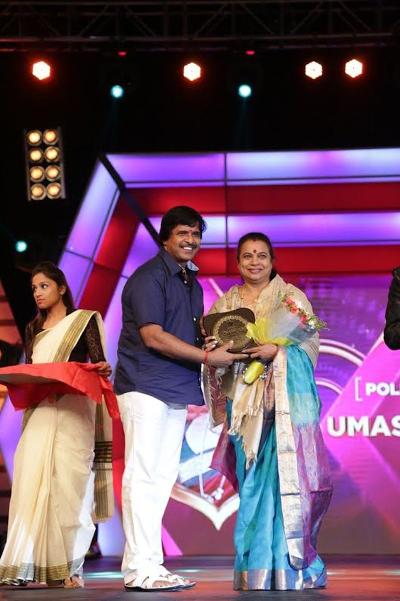
On the occasion, the channel has honoured women achievers like Ashwini Ponnappa, B Sarojadevi, Saalu Marada Thimakka, Umashree, Manjula Gururaj, Padmini Prakash, Mayuri Upadhya, Amulya and Hema Chaudhary.

The event is hosted by Niranjan Deshpande, who is currently in the Bigg Boss house .

Small screen actors who have acted in the serials aired by Star Suvarna have performed in the glittering evening.

Sandalwood director S Narayan, actor and director Prakash Raj and singer Raghu Dixit have graced the occasion.

source: http://www.timesofindia.indiatimes.com / The Times of India / News Home> TV> News / Kannada / TNN / October 13th, 2016

Sharjah: Multitalented Ganesh Rai to be honoured with ‘Global Man Award’

Dubai :

Multitalented former president of Karnataka Sangha Sharjah, B K Ganesh Rai is being bestowed with the ‘Global Man Award 2015’ for his contributions to Kannada language, literature, art, folk and social service both globally and in India and is the only one chosen from the UAE for this award. The award will be presented to him during the 12th Vishwa Kannada Samskruthi Sammelana and 13th anniversary of Karnataka Sangha Sharjah celebrations to be held on November 19 and 20 at Al Boom Tourist Village, Sharjah, UAE.

Ganesh Rai is the name that flashes in the minds of every Kannadiga specially in the UAE when it comes to matters of creativity. Multitalented, one can call him “Sakala Kala Vallaban”, be it different forms of painting, from miniatures to wall size, various forms of sculptures, from paper pulp to plaster or parry’s, large stage settings, tableaux, palatial sets, photography, videography, brochures, digital banners, souvenirs, models… you name it and you will find the skills in this great man, Ganesh Rai. He will simply smile and says yes without any hesitation, as for him work is worship and so he does it with ease. He is a good speaker too, a recepient of “Karnataka State Best Teacher Award” in the year 1993.

Hailing from Madikeri, Coorg, Ganesh Rai was born to Thulasiamma and Krishnappa Rai who themselves sound ‘Krishna Tulasi’, close to the Lords. Madikeri has gifted to the world this unique personality called Ganesh Rai who always keep saying “Elladaru iru, yenthadaru iru, yendendhigu nee Kannada vaagiru. (Live wherever you want to, be whatever you want to be, but remain a Kannadiga forever).”

Professor of art, B K Ganesh Rai needs no introduction in this part of the world. He is a person who rises above boundaries of colour, caste, creed, religion and language. Be it a request for art, stage setting, designing, printing, executing brochures, logos, invitations, souvenirs, sculpture, decorating stage from any corner of people, any corner of UAE, at any point of time, you will find only one person who creates with a smile and executes in spite of his busy schedule. ‘Sirigannadam Gelge, Sirigannadam Baalge’ – he never forgets to say that when completing his speech in any of the respected podiums he addresses.

Ganesh Rai’s Work – Service without Boundaries

* Turnkey project management for almost all social organisations without linguistic barriers
* Conceptualization, designing, printing and distribution of invitations
* Creation of giant size banners, stage backdrops, stage settings, cut-outs, posters etc.
* Creative journalism writing to various web media flashing timely news around the world
* Publication of high profile visit reports of specially invited artistes and guests from India
* Master of ceremony (MC) par excellence with easy flow of language and literature
* Conceptualization of ‘Certificate of Honour’ for dignitaries, high profile guests, artistes etc.
* Concept, design and execution of various souvenirs to almost all the existing Associations in UAE
* Creating sculptures especially Ganesha idol every year, Narayan Guru idol and many more
* Paintings of deities, brush arts, pencil art, charcoal art and various naturalistic creations
* Assumed and discharged active role as president of Karnataka Sangha Sharjah in 2004
* Conducted first blood donation camp for Karnataka Sangha Sharjah in association with MOH
* Attends all blood donation camps organised by various associations and spreads awareness
by creating banners, role-ups and notices for blood donation camps and providing media news
* Compiled, created and released brochure of all Karnataka-based organisations’ blood donations. Brochure released by M K Lokesh, Ambassador of India
* Record of Indian blood donors presented to governments of India, UAE and Karnataka
* Helping the unfortunate deceased Indians in formalities of sending the mortal remains to India
* Enlightening and spreading the essence of Kannada as a soldier of Karnataka to Kannadigas
* Attained appreciations and accolades from almost all Karnataka based associations, and from Tamil, Malayalam and other Indian associations
* Won accolades from NMC Group where he is serving as creative art director
* Supported people of Bangladesh during the flood and natural disasters and helped those affected by the calamities.

Rai, a BCom graduate of Government College, Madikeri, a fine arts diploma holder of Chamarajendra Academy of Visual Art6s, an art master certificate holder from Kalanikethan School of Arts, Mysore and Mahalasa School of Arts, Mangaluru, is very well supported by his charming wife Manjula Rai, beautiful daughter Aishwarya Rai and handsome son Monish Rai.

Below are some of the creations for which he has been applauded:

Rai’s creations in India

Sculpture / Statues: Created Pushpanjali, Elephants, Lion and Carving Designs in the year 1974 at Govt Junior College Madikeri – Courtesy P P Ayyanna, principal, and unveiled by Field Marshal K M Cariappa

Ganapathy Statues: From 1979 onwards he has created more than 350 statues (2ft – 12 ft) for Karnataka Electricity Board Madikeri 1979-1995, Archana Ganapathy Festival, Virajpet, Angala Parameshwari Temple, Virajpet, Sri Rama Mandir Dechoor Madikeri, Hindu Yuva Shakti New Extn, G T Circle, Madikeri.

Paper Pulp Statues: Created paper moulding statues 8ft-12ft of different styles at Madikeri Dasara Festival, Gonikoppal Dasara Festival, viz, Ganapathy, Natya Ganapathy, Durga Parameshwari, Lakshmi, Saraswaty, Cauvery, Subramanya, Veera Hanumaan, Soorya Bhagavan with Seven Horses, Shanmuka Tarakasura vadhe, Vishnu Bhagavan, Narada, Thumbura, Shiva Linga, Lions, Tigers, Swamy Ayyappa, Maha Kali and many more. Also at Kanchi Kamakshi Temple Gouli street Madikeri, Kote Mariyamma Temple new Extn. Madikeri, Dechoor Sri Rama Mandir Madikeri, Kote Ganapathy Temple Madikeri, Kundurumotte Chamundeshwari Temple Madikeri Uma Maheshwari Temple Gonikoppal, Sree Hanuman Garadi, Beltangadi, South Canara, Bhuvaneshwari Statue – Kannada Rajyotsava celebration – Virajpet etc.

Concrete Moulding Statues: Created 9 ft Cauvery Statue both front and back faced double dimension in front of Cauvery Kalakshetra Madikeri, St Michael Statue (9 ft) at St Michael’s Church Madikeri, St Mary Statue at Kedamalloor Church – Virajpet, Nandi Basava – Arameri Kalancheri Mata statues, Raghavendra Swamy Statue at Raghavendra Temple – Mantralaya, AP, Karu Mariyamma / Nandi / Shiva Linga statues at Karu Mariyamma Temple Madikeri, Swamy Vivekananda 12 ft statue at Cauvery Krupa Madikeri and Prabhavali at Ganapathy Temple Virajpet

Wax Statues: Created Ganapathy, Lakshmi, Sarswathy, Cauvery statues at Madikeri.

Oil Colour/Water Colour Paintings: Created Birth Place of Cauvery oil color canvas painting for Tamil Nadu Tourism Development Board, Chennai. Also created Field Marshal K M Cariappa lifesize oil colour painting, Gopala Krishna Gokale lifesize oil colour painting for Govt Junior College Auditorium Madikeri, Coorg landscape paintings in oil colour for Public Library Virajpet, Jayaprakash Narayan oil colour portrait for A B Vajpayee, former Prime Minister of India, Omkareshwara Temple by night oil colour painting for Lalitha Kala Academy Bengaluru and many painting collections in Delhi, USA, Australia, France, Dubai etc.

Besides, he has participated in a number of art exhibitions in several places right from 1977.

Souvenir Cover Page Design and Logos

Created souvenir pages for 54th Kannada Sahitya Sammelana, Madikeri, Madikeri Kodava Samaj Amruta Mahotsava (80 Years), Karnataka Police Centenary Celebration, St Anne’s Church 200 years Celebration, Kodagu Dist Honey & Wax Co-op Society Virajpet.

Created logos for Kodagu District Co-op Central Bank, Kodava Sahitya Academy, Kodagu Zilla Parishat, 54th Kannada Sahitya Sammelana, Taranga Virajpet, St Anne’s High School Virajpet, Many more commercial company

He was responsible for multi-coloured picture, offset printing at Shivakasi which was the first time a multi-coloured picture was published in Kodagu (1980)

Birth Place of River Cauvery – Released by Field Marshal K M Cariappa.
Tala Cauvery – Poster released by A Ramaswamy, former deputy commissioner, Kodagu
Tala Cauvery – Triveni Sangama, Theerta Kundike – Picture cards released by M K Poovaiah
Tala Cauvery – Raja Seat Madikeri, Abbi Falls Madikeri – Greetings cards released by R Gundu Rao, the then chief minister of Karnataka
Cauvery – Amar Chitra Katha (pictorial book) Kannada, English, Kodava language released by M C Nanaiah, the then law minister of Karnataka government.
Aishwaraiswara Kubera Lakshmi, Framing picture – Released by Shekar Shetty of Arab Udupi Group of Hotels UAE

Organisations Served

President –Kodagu Kala Parishat / Kodagu Art Masters Association
Secretary –Bharat Scouts and Guides Taluk Association
Secretary –Kodagu District Bunts Association
Founder Member – ‘Taranga’ Cultural Association Virajpet
Technical Advisor – Field Marshal K M Cariappa Statue Committee, Madikeri

Rai’s activities in United Arab Emirates from 1996 onwards

Served as creative art director at Mirrage Advertising, Winning Communivations, Modern Graphics and now currently serving as creative director in Gulf Public Relations Advertising – Signage Division, NMC Group

Public Service

President – Karnataka Sangaha Sharjah 2004 – 2006
Entertainment Secretary – Karnataka Sangha Dubai 2000-2002
Art Director – UAE Tulu Koota Dubai, Sangama Kalavidaru UAE
Organising Committee Member – UAE Bunts -2000-2001
Blood Donation Camp, 2006 – Karnataka Sangha Sharjah and Gulf Medical College Hospital, Ajman and Ministry of Health, Sharjah

Art works created in UAE: Digital banners created with the concept of Karnataka art and culture and Indian traditional art for Karnataka Sangha Dubai, UAE Tulu Koota, Karnataka Sangha Sharjah, UAE Bunts, Mogaveers UAE, Billawas Dubai & Northers Emirates, Billawas Dubai, Gulf Billawa Sangha, Daiji Rang Mandir, Symphony Music Institute – Ajman/Sharjah, Sangama Kalavidaru UAE, Nama Tuluveru UAE, Vishwakarma Seva Samiti UAE, Devaadiga Sangha UAE.

Logos created in UAE for Karnataka Sangah Sharjah, UAE Tulu Koota (decennial), UAE Bunts, Abu Dhabi Karnataka Sangha, Al Ain Kannada Sangha, Dhvani Pratistana UAE (silver jubilee), Mogaveers UAE, Sangama Kalavidaru UAE, Gulf Kannadiga Forum, Devadiga Sangha UAE, UAE Tamil Sangam, Mangalore Konkans (20 years), Daiijiword website, Kannadadhvani website

Stage settings and gateway creations in UAE with the concept of Karnataka art and culture and Indian traditional art for Karnataka Sangah Dubai – Vidhana Soudha, Bangalore setting in 2001, Mysore Palace setting in 2002 (Karnatakotsava – Vishnuvardhan Kannada cine star), UAE Tulu Koota – Tulunadu setting.

Tableaux, gateways and souvenirs designed

* UAE Bunts Souvenir Cover page design – 1999
* Karnataka Sangha Dubai Souvenir – “Gaana Vaibhava”2001 , “Chandana” 2010
* Karnataka Sangha Sharjah – “Saadhane” – 2006
* Abu Dhabi Karnataka Sangha “Rajata Rashmi” – 2006
* Mangalore Konkans Dubai 2003 – 2010
* Billawas Dubai & Northern Emirates “Suvarna Kedage”- 2007
* UAE Tulukoota – “Sangama” 2000
* St Mary’s Church Dubai – 2005
* St Francis Assisi Jebal Ali – 2007
* St Michael’s Church Sharjah
* SMC Malayalee Catholics
* Tamil Sangam Ras Al Khaimah
* SMC Fr Daniel’s Hon Souvenir
* Dhvani Pratistaana UAE – “Kannada Naadu Nudi Rakshane” Cover
* Karnataka Sangha Sharjah -” Suvarna Karnataka Picture Card”

Besides, he has written and conceptualised a book titled ‘Footprints – A fascinating journey’ to Padmashri Dr B R Shetty.

Awards

Honoured at Govt Junior College Madikeri 1974 at Field Marshal K M Cariappa unveiling ceremony of sculptured art work, Main Gate GJC Madikeri
Karnataka State Best Teacher Award – 1993 by Karnataka Teachers Benefit Fund Bangalore
Karnataka Rajyotsava District Award -1987 by R Gundu Rao, the then chief minister of Karnataka
Gold Medal -1987 at Lakshadeepotsava Dharmasthala by Dr Veerendra Heggade
State Level Honouring – 1993 – at Gokrananatheshwara Temple Mangaluru, by Sri Pejawar Swamiji
Dr Shivaram Karanth Shilpa Kala Rathna Award – 1983 at Karnataka Electricity Board – Madikeri, by K A Somanna, state commissioner, Bharat Scouts – Karnataka
Kala Praveena Award – 1984 Ganapathy Utsava Samiti Gandhi Nagara Virajpet by Sri Shanthamalla Swamiji, Arameri Mata
Kala Kirana Award – 1990 at Angala Parameshwari Temple Virajpet, by M K Poovaiah, president, town muncipal council, Virajpet
Honoured at 100 years Karnataka Police Celebration – 1984 by P S Ramanujam, DIG Mysore
Honoured at Lalitha Kala Academy, Bangalore -1991 by P R Thippeswamy, president, Lalitha Kala Academy Bangalore
Honoured at Madikeri Dasara – Navaratri festival by M C Nanaiah, the then law minister Karnataka
Honourred at Sarva Dharma Sammelana – Arameri Math, by Shiva Kumara Swamiji of Siddaganga Math,Tumakuru and Shantha Malla Swamiji Kalncheri Arameri Math
Honoured at Madikeri Dasara Utasav Temples by Kanchi Kaamkshi Temple, Kote Mariyamma Temple
Honoured by Kodagu Bunts Association 1993 at Rotary Hall Madikeri
Honoured at Vishwa Bunts Convention -1993 at Art Exhibition – Chitra Kala Parishat Bangalore by Dr Shivarama Karanth and Jeevaraj Alva, the then minister of Kannada and culture, Karnataka

Awards in UAE

Was honoured with ‘Mayura Award’ by Karnataka Sangha Sharjah in 2009
Received ‘Prathiba Puraskar Award’ at Vishwa Kannada Cultural Convention in 2009
Honoured at Nama Tuluveru ‘Tuluvere Parba 2012’
Honoured at Kuvempu Utsava 2012 at Abu Dhabi Karnataka Sangha
Honoured at UAE Bunts Satyanarayana Pooja by Dr. B.R. Shetty in 2015
Honoured at UAE Tulukoota Silver Jubilee Celebration in 2015
Honoured at Devadigas Dubai Celebration in 2015
Honoured at Ramakshatriya Sangha in 2015
Honoured by Shri. Veerendra Hegde at Abu Dhabi Karnataka Sanga Rajyotsava Celebration 2015

Other than the above there are innumerable events Ganesh Rai has contributed selflessly to in one or the other way which was noticed and appreciated by the concerned on various occasions.

In my view, Ganesh Rai should be considered as a great asset to the Kannadigas in the UAE and India as well, for his contribution so far. With his sheer enthusiasm and commitment towards Kannada and Tulu language, he is promoting community spirit from so many years in this part of the world. He deserves all accolades and appreciation from the government of Karnataka which should recognize his service towards Kannada/Tulu language, art, folk and literature packed with a unique blend of artistry, social awareness, commitment of service to humanity and honour him soon.

Wishing him more success in his future endeavor.

source: http://www.daijiworld.com / Daijiworld.com / Home> Top Stories / by Shodhan Prasad / Dubai – November 19th, 2015
Couple returns from Canada, seeks to preserve Kodava culture

AinmaneKF30aug2016

Bengaluru :

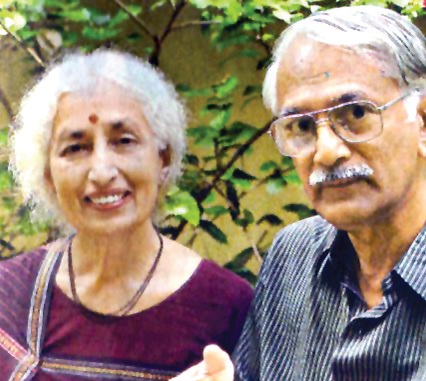
An 81-year-old statistician in the city, along with her husband, is on a mission to preserve, protect and promote the Kodava culture. The Kodavas are an ethno-lingual community from Kodagu.

“As we went around Kodagu, we noticed many homes in a dilapidated situation and thought why not document this important element of our tradition to help preserve them,” says Nanjamma Chinnappa, who travels with her husband Boverianda Chinnappa, 82, for the project.

NanjammaCoupleKF30aug2016

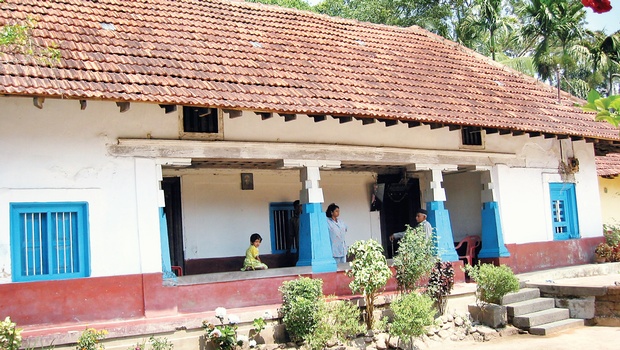
This extensive field work saw them cover around 434 ainmanes (traditional houses) of the Kodavas besides around 250 of 15 other communities like the Goudas, Heggades and Gollas, which account for about 40% of the ainmanes that once stood.

Ainmanes are the ancestral homes of the native communities in Kodagu, with unique architectural styles.

“Our criteria in considering a house as an ainmane was that it should have a traditional structure and be functional. Functional in the sense that it should be where the family members continue to come together for festivals like annual offerings to ancestors, ‘Puthari’, ‘Kail Poldu’ and ‘Kaveri Changrandi,'” the Coorg Person of the Year – 2006 explains.

Nanjamma has a Masters degree in Statistics from the Madras University and a post-graduate degree in Statistics from the Indian Statistical Institute, Kolkata. She was a visiting fellow at the University of Cambridge, England.

After 20 years of service in the Canadian Federal Department of Statistics, she retired in 1995 as the Senior Statistical Advisor.

Her husband, a mechanical engineer, was working as a consultant in Canada.

Nanjamma and Chinnappa moved to their native Kodagu after retirement and translated their grandfather Nadikerianda Chinnappa’s book, Pattole Palame into English. Pattole Palame includes the customs, traditions and folk songs of the Kodavas. Their translation was published in 2003.

“Our grandfather in the 1920’s sensed the impact of English would lead to Kodavas forgetting our traditional folk songs. So, he decided to translate them into English for the benefit of the coming generations,” says Nanjamma.

Nadikerianda passed away before he could finish the translation work, which is when the couple took over the project.

Their translation, was the fruit of nearly eight years of work, consulting elders and singers of folk-songs in many parts of Kodagu.

It was this field experience that prompted Nanjamma and Chinnappa to work on their second book Ainmanes of Kodagu.

The publishing of the book also led the Kodava duo to moot the idea of starting a website – www.ainmanes.com.

The objective of the website is to document the current status of the traditional ainmanés of all the communities in Kodagu and thereby contribute to the archival records of the heritage and oral history of the people.

“We realised that it is extremely difficult to document information and the photographs of all the ainmanes in a book. We wanted this work to be available to the people in our lifetime,” adds the 81 year-old statistician.

The Chinnappas have had a great response to their efforts on the website. “At least 40-50 people have personally written to us appreciating our work,” say the researcher-couple.

source: http://www.newindianexpress.com / The New Indian Express / Home> Cities> Bengaluru / by Jijo Jose / August 30th, 2016

WSF World Doubles: Saurav Ghosal and Dipika Pallikal settle for silver in mixed doubles

This is the first time that India clinched three medals from this event.

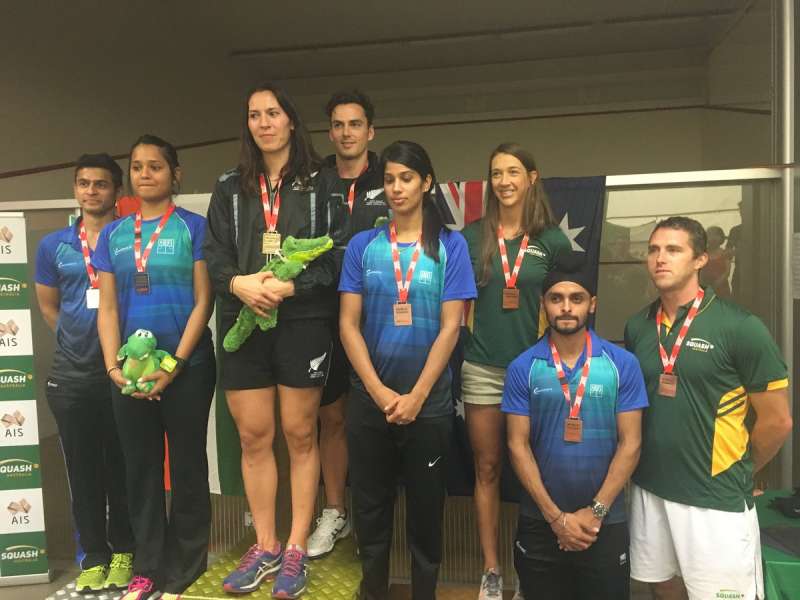
The Indian players on the podium during the mixed doubles medal ceremony (image courtesy: WSF World Doubles Twitter)

India finished a historic campaign at the WSF World International Doubles at Marrara, Darwin in Australia on Thursday with three medals for the first time in the history of the championships. The second-seeded mixed doubles pair of Saurav Ghosal and Dipika Pallikal had to settle for silver in the summit clash where they lost to the third seeds Paul Coll and Joelle King of New Zealand, 8-11, 8-11 in 34 minutes.

Besides that, the second Indian mixed doubles pair of Harinderpal Sandhu and Joshna Chinappa as well as the top-seeded women’s doubles team of Chinappa and Pallikal both captured the bronze after losing their respective semi-finals.

Pallikal and Ghosal had prevailed over the Kiwi mixed doubles pair in a tight match a day earlier in their final group assignment and were thus considered the favourites. But King and Coll put up a determined show that took the game out of the Indians’ hands.

By constantly varying their pace and returns, they never allowed the Indians to build a rhythm. The Kiwi pair’s dropshots and their strategy of keeping the ball in the middle paid rich dividends.

The Indians had more chances in the second game which was neck and neck. But Coll and King applied just the right amount of pressure in the end, to seal the win in straight games.

The performance of all the Indian players at the World Doubles earned praise from the national coach Cyrus Poncha who called it a ‘fabulous show’.“Whichever way one viewed it, this has been a fabulous show overall by the Indians.

Returning with three medals is something to be proud of and the players surely need a pat on their backs for this,” said Poncha, who was with the squad in Darwin.

The Indians will now be turning their attention to the season’s first World Series event – the Hong Kong Open that starts on August 23.

source: http://www.sportskeeda.com / SportsKeeda / Homepage> Squash> News / by Sudeshna Banerjee @Sudsports / August 18th, 2016

Kodagu’s megalithic link unearthed

3000-yr-old site discovered during temple renovation.

The megalithic site was discovered by chance during the renovation of the Sri Manjunatha Temple at Siddalingapura-Arasinakuppe.

Mangaluru:

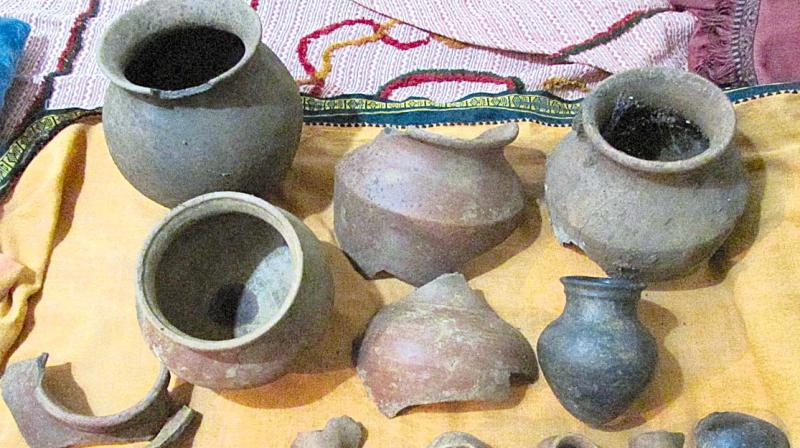
A megalithic burial site comprising a Menhir, and a complex of dolmens with unique pottery, possibly dating back to around 3,000 years, has been discovered near the Cauvery river at Siddalingapura- Arasinakuppe in Kodagu.

While a dolmen is a square stone structure with primary or secondary bone remains and pottery covered by a mega capstone, a Menhir is a large upright undressed stone standing on or near the burial site.

The megalithic site was discovered by chance during the renovation of the Sri Manjunatha Temple at Siddalingapura-Arasinakuppe, while land was being levelled behind it. A more detailed inspection was carried out by a team from the Department of Ancient History and Archaeology, MSRS College, headed by department head, T Murugeshi.

“We found a complex of dolmens buried in the soil with each having its own stone circle. There could be hundreds of dolmens. One has been damaged and is being used as a dumpyard,” Prof Murugeshi told Deccan Chronicle. The Menhir, which is 3.15 meters tall and one meter wide, is reportedly the tallest found in the region.

“This is clearly a megalithic site. But more excavation is needed to clearly understand the things found here. The pyriform black jar found here is a rare one. Such jars were used to bury the remains of the head of a community, a priest or some important person at the time,” the professor explained.

The department of Ancient History and Archaeology at the college intends to excavate the site.

source: http://www.deccanchronicle.com / Deccan Chronicle / Home> Nation- In other news / by Gururaj A Paniyadi / August 17th, 2016