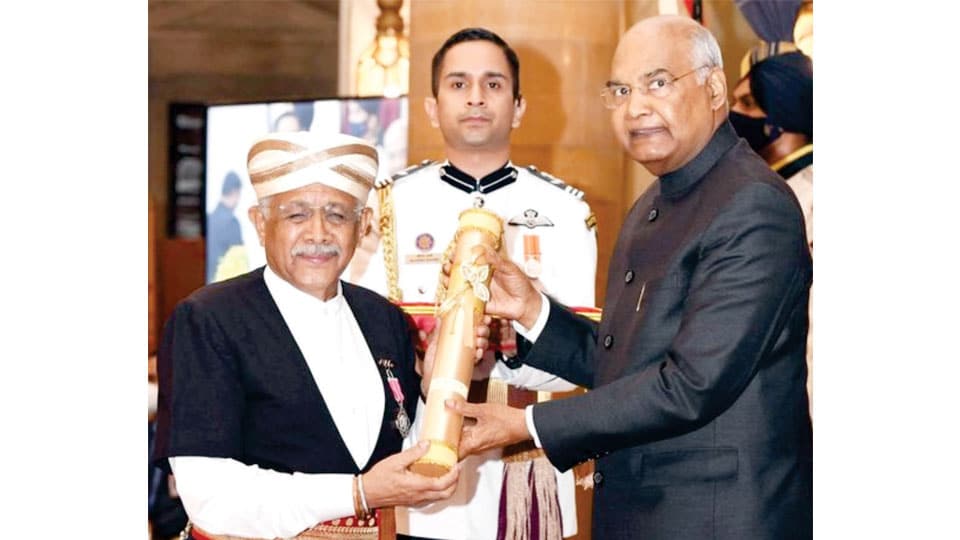
Olympian M.P. Ganesh, who captained the Indian hockey team and was honoured with the Padma Shri by President Ram Nath Kovind, is Coorg Person of the Year-2021.
Mollera Poovaiah Ganesh, hailing from Suntikoppa in Kodagu district, was selected ‘Coorg Person of the Year’ in a poll conducted by www.coorgtourisminfo.com, Kodagu’s first news portal, promoted by journalist and author P.T. Bopanna.
There may not be many such extraordinary instances of a person running away from home to join the Army ending up at the Rashtrapati Bhavan to receive the coveted Padma Shri. Ganesh was also conferred the Arjuna award in 1973.
Ganesh, born on July 8, 1946, was an achiever both on and off the field. Though he ran away from home without informing his parents to join the Army after writing his matriculation examination, Ganesh managed to complete his MA in English, diploma in sports coaching from the National Institute of Sports, Patiala and Ph.D in Physical Education.
Although Ganesh joined the Army to fulfil his childhood dream of becoming a football player, he failed to make it to the football team. Then he went for the hockey selection where he was successful. This goes to prove the adage that “hockey is in the blood of the Kodavas.”
Ganesh represented the Services (Defence Services) in the National Hockey Championships from 1966 to 1973.
After he found a place in the Indian hockey team in 1970, Ganesh played for India at the 1972 Olympic Games in Munich, finishing third. He was one of the coaches of the Indian team that won a gold medal at the 1980 Olympic Games in Moscow.
Ganesh, a right winger, twice represented the country in the Asian Games, first in 1970 in Bangkok and then in 1974 in Tehran. He was in the Indian team that won Bronze at the first World Cup in Barcelona in 1971 and captained the team that won Silver at the next World Cup in Amsterdam in 1973. He also played for World XI in 1972. Ganesh last played for India in 1974, as his career was cut short following a knee injury.
His most disappointing moment probably was during the finals of the World Cup in Amsterdam when India lost to Netherlands in the finals, after missing a penalty stroke.
Ganesh had a long reign as a sports administrator. He served as Director of Sports Authority of India (South) and in 2017 took charge as the High Performance Director and CEO of the National Hockey Academy in Delhi.
He is married to Keethiyanda Prema and their only son Ayyappa passed away when he was 20 years old due to a rare medical condition.
P. Shrividya Somanna, who helped Ganesh to put together his autobiography ‘Living The Dream: My Autobiography’ told this reporter that Ganesh’s wife Prema was instrumental in motivating him to pursue his higher education.
source: http://www.starofmysore.com / Star of Mysore / Home> News / January 01st, 2022
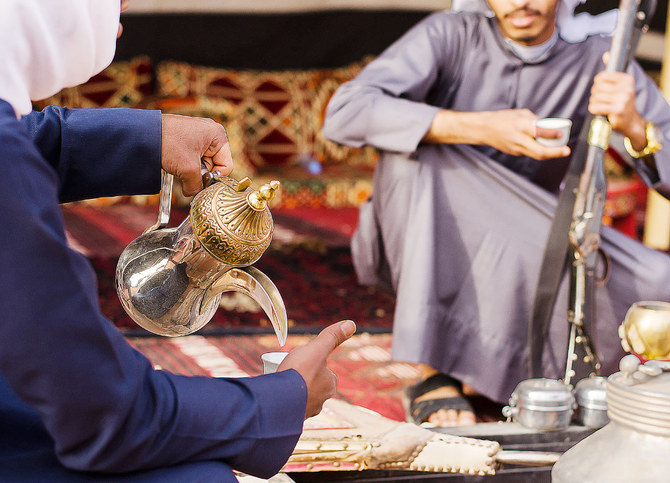
The traditional Arabic coffee has always been associated with generosity and the unique Saudi hospitality. (Shutterstock)
A wide range of programs, events and competitions will be held throughout 2022
The ministry was inspired by the traditional Arabic coffee cup for the logo, which has always been associated with generosity and the unique Saudi hospitality.
The ministry started working on the “Year of Saudi Coffee” when Minister of Culture Prince Badr bin Abdullah bin Farhan announced the initiative and allocated an electronic platform for the celebrations:
The ministry also provided a detailed description of the initiative and its objectives and set guidelines for using the visual identity. At the end of January 2022, the platform will provide a space to receive the ideas of individuals and all parties wishing to implement joint projects that serve the initiative and promote its objectives.
The initiative is part of the Quality of Life Program, one of the Kingdom’s Vision 2030 realization programs, through which the Ministry of Culture seeks to celebrate the cultural value of Saudi coffee and its close connection with the customs and traditions of the Kingdom.
______________
HIGHLIGHT
At the end of January 2022, the platform will provide a space to receive the ideas of individuals and all parties wishing to implement joint projects that serve the initiative and promote its objectives.
______________
The ministry, in cooperation with the Culinary Arts Commission, plans to hold a wide range of programs, events and competitions under the initiative’s umbrella throughout 2022, with government and semi-governmental agencies, private sector institutions, restaurants, hotels, cafes and individuals involved in this field.
Through this initiative, the ministry seeks to celebrate Saudi coffee as a distinctive cultural product of the Kingdom and contribute to its marketing locally and internationally, in addition to encouraging related products and activities.
It further aims to highlight the Khawlani coffee produced in southern Saudi Arabia and underline how coffee is prepared in different ways in each of the 13 Saudi regions. It also details how coffee is served to guests in various ways, which gives the Kingdom’s coffee a unique cultural depth.
source: http://www.arabnews.com / Arab News / Home> News> Saudi Arabia / January 01st, 2022
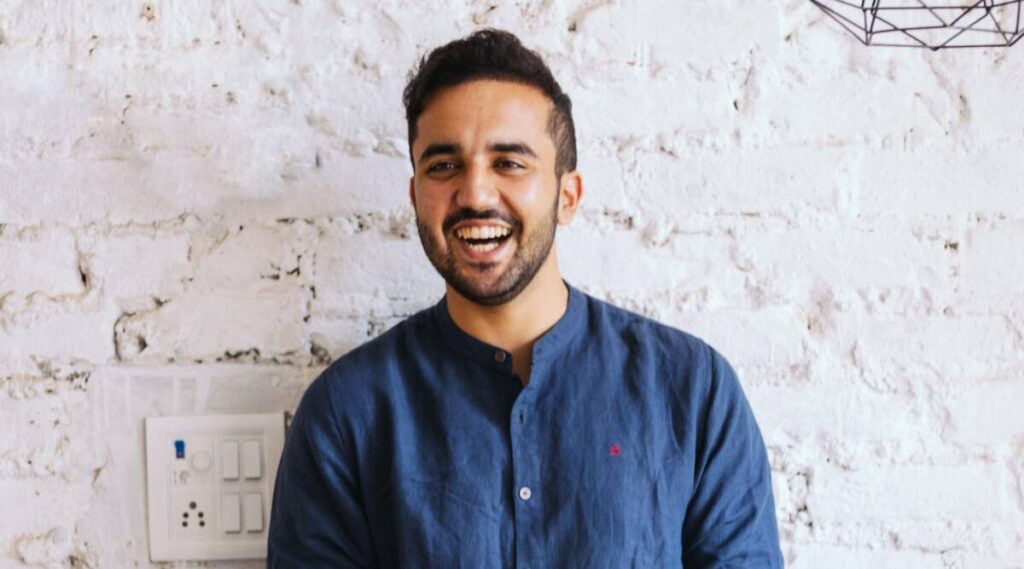
Why Ajai Thandi quit a Wall Street job to start a homegrown coffee brand in India with his best buddies – more on the journey of Sleepy Owl Coffee, its Forbes 30 Under 30 founders and ‘brew-ginnings’ from a small kitchen to raising a whopping $6.5million in funding.
After schooling at YPS Mohali, Sanawar and Woodstock Mussoorie, Ajay Thandi went on to pursue Economics at the University of California.
The cool climes, mountain breeze carrying a refreshing hint of fresh pinecones, sun bathed slopes and a frothy glass of cold coffee. Sundays at The Lawrence School, Sanawar were special.
“The taste of that cold coffee still lingers on as a cherished memory,” says Ajai Thandi. Today, this co-founder of the very quirkily named homegrown coffee brand, Sleepy Owl, is in the business, er, correction please – mission of creating memories, conversations and more over a freshly brewed, ready to drink gourmet cup of coffee.
Best pals, Armaan Sood, Ashwajeet Singh and Thandi love a good coffee – “but could never find a great cup when needed.” So they decided to brew their own and box it in a to-go. Founded in 2016, Sleepy Owl is active across the country, and boasts of a 75 product portfolio including cold brew packs, hot brew bags, ready-to-drink cold brew bottles, ground coffee, brew boxes and merchandise.
“We don’t consider ourselves in the business of making and selling coffee, but on a mission to make consumers blissfully happy, and transform India into a country of coffee drinkers,” says Thandi. Now, that’s a serious dare to the champions of chai, but going by this start up’s increasing popularity, national traction and the latest $ 6.5 million raised in funding, the Sleepy Owl boys are perched on the top of their game.
Something’s Brewin’
Days jam-packed with meetings, interviews, innovation and strategies round the clock – it was really not an easy task to catch 28-year-old Thandi. But when one’s a tea drinker (steaming cups of kadakadrak chai), it became all the more imperative to check out the first movers of a very niche segment – the coffee drinkers, and the space it occupies in the Indian teacup, growing beyond good ol’ Nescafe.
After schooling at YPS Mohali, Sanawar and Woodstock Mussoorie, Thandi went on to pursue Economics at the University of California. An investment banker at JP Morgan, New York, he was living the dream, except that deep inside, he always had this urge to do something on his own. Talent and brilliant ideas, he feels, were never the problem, it was the lack of opportunities and monopolistic hold of giants corporations in India with their muscle and money that limited the possibility of a middle class person to start a business on their own.
“There was hardly anything beyond IIT or IIM for a non-business family person,” says Thandi. It was in the USA that he experienced a disruption of new age companies, online platforms like Shopify (first started out of Canada), that cut down barriers, and provided an all-in-one democratised commerce platform to start, run, and grow a business independently.
Post 2010, Amazon and Flipkart proved to be the game-changers in India. Inspired and motivated, Thandi moved back home in 2014, touched base with his best pals, lawyers Sood and Singh, and brainstormed. Always in search of good coffee, Singh was into brewing his own, while Thandi came home with stories of a stimulating New York coffee culture. Their shared passion for coffee and the experiences it offers literally became the conversation starter of their business idea.
They also saw a potential in the country’s untapped market for freshly brewed coffee. “Indian kitchens, for years, have only known one or two coffee brands. We wanted to change that, give people a product that is easy to use, of great quality and value, and educate them on what a freshly brewed cup of coffee can offer.”
With Rs 15 lakh pooled in from their savings, the brewing began from a small kitchen in Dwarka, New Delhi with Singh as the in-house brewmaster, experimenting relentlessly in search of the perfect brew. Research and recce were undertaken. The best Arabica coffee beans were sourced from Chikmagalur, Karnataka. A category creating product, consumer awareness and feedback was paramount, so to suit the Indian palette, their coffee was fine-tuned to be less bitter, less acidic, and taste better. Their cold brew (freshly pressed coffee that can be brewed at home) had been perfected, and in 2016, Sleepy Owl took the first flight.
“The name is a fun play of words really. One doesn’t mind a caffeinated boost to shake off the sluggishness, and owls, well, they are nocturnals, aren’t they?”
The Coffee Tales
People don’t just drink coffee. Although Sleepy Owl are the first movers in this now rapidly-growing category, their ground rule has always been to create a great product, package it well, accentuate ease of use and educate the consumer, aggressively using social and digital media to reach their target audience.
“We curated events, tastings, visited offices, delivered door-to-door, entertained anyone who invited us with a captive audience, all three of us would be there with Sleepy Owl,” says Thandi, who manages the financial aspect of the start up.
Expansion, sustainability, awareness, innovation are the key areas of focus. “We three are innovators by nature, driven by our curiosity.” Their risk paid off when the trio, after two years of testing and trying, introduced coffee bags in the market. “There are tea bags, so why not some good coffee bags too?” he says.
When they arrived, it was just “Nescafe, Bru and us.” Today, the market is brewing with new players, and Thandi is bracing for a competitive 2023. “Challenges are part of life. As entrepreneurs we navigate it on a daily basis.”
It’s this attitude, planned and disciplined use of their funds that helped Sleepy Owl raise USD 6.5 million (about Rs 48.3 crore) in funding, led by existing investor Rukam Capital, recently. The company has raised $8.5 million in total.
The Highs & the Lows
By all means, the biggest high is ‘when employees are happy, when customers love our product, and when you walk into someone’s home and find Sleepy Owl on their shelf, or on in some shop in a random market place’. Being featured in the coveted ‘Forbes 30 under 30 India’ for the year 2020 was a bravo moment.
The biggest low was the pandemic and the early days of national lockdown. A dip in sales, transportation stalled, markets shut – the co-founders were facing crisis, and an inventory with limited shelf life. It was time to think fast and act faster – “we got special passes made, loaded our inventory and went door to door to sell our cold brew direct to consumer”.
Post ready-to-drink bottles and cold brew, Sleepy Owl needed another shot of caffeine and it came in the form of hot brew bags—coffee in a tea bag—which the startup rolled out during the winter of 2019.
In this uncertainty, the team went into survival mode by opting for zero budgeting – growth, slow and steady, but not at all cost. This rigorous fiscal discipline and their coffee bags bagged them their funding. “It was great validation for our mission. Our vision is being backed,” says Thandi.
The Secret Brew
Thandi gets his entrepreneurial spirit from his father. Retired from the Army, his father’s only regret in life is risk not taken. “The craziest thing I’ve ever done is to quit my job on Wall Street to start a company in India. Once an entrepreneur, always an entrepreneur,” he says, conditioned to take risks, be independent and walk the path less taken thanks to the Army life and boarding school. Curiosity, innovative spirit and resilience – “true grit in the face of massive uncertainty and defeat,” is what keeps Thandi driven.
The Tricity traction
Thandi is passionate about helping people, especially youngsters, make their life easier by mentoring and guiding them. “I love the city, but would definitely like a better start up ecosystem, more opportunity and infrastructure for new businesses and ideas to germinate here – see Chandigarh turn into a model base city for start ups and innovation.”
source: http://www.indianexpress.com / The Indian Express / Home> Cities> Chandigarh / by Jaskiran Kapoor, Chandigarh / December 17th, 2021
CNC pays floral tributes to Kodava warriors killed by Tipu
HIGHLIGHTS
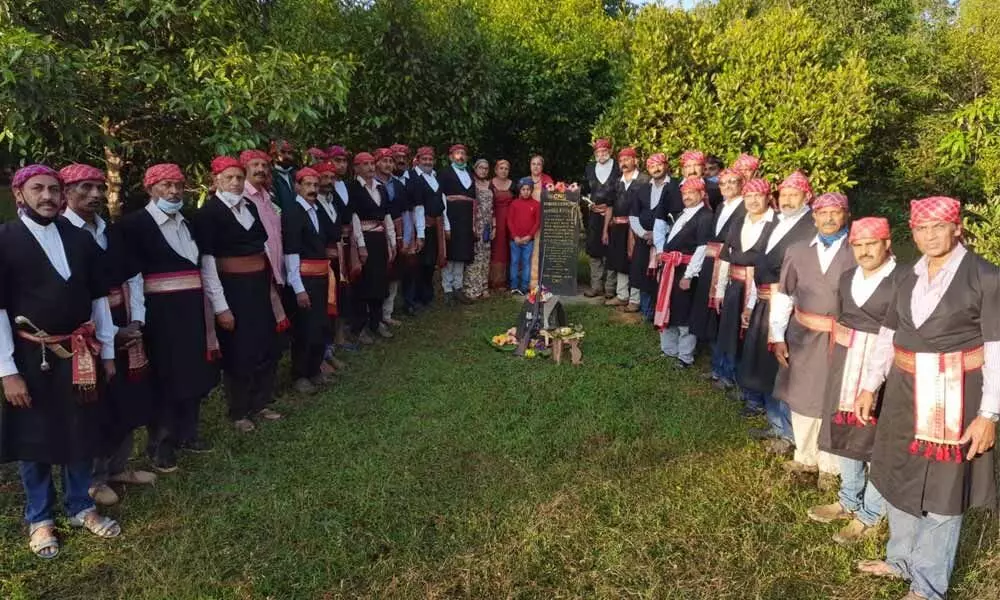
The Codava National Council (CNC) on Sunday paid floral tributes to the Kodava martyrs who were massacred by Tipu Sultan army in Devatparamb, near Vhagamandala.
Madikeri:
The Codava National Council (CNC) on Sunday paid floral tributes to the Kodava martyrs who were massacred by Tipu Sultan army in Devatparamb, near Vhagamandala.
Addressing the gathering, CNC president N U Nachappa said that on 12 December 1785 Codava Tribal warriors laid down their lives while trying to defend Kodagu from the aggression of the Tipu Sultan. Tipu and his father Hyder Ali made 32 failed attempts to wrest the Kodagu kingdom because of the valiant efforts of the tribal warriors though the Mysore army at that time was one of the strongest military forces in the world and was even more powerful than those in Europe. Such a mighty army could not defeat Codava warrior race. Nachappa said Tipu after failing to win Kodagu invited Kodavas for compromise at Devatparamb.
When all Kodavas, including women and children came unarmed Tipu and French army surrounded them and massacred them. He said these Devaattparamb tragedy and political assassinations of Codava tribal race at Naalnaad Aramane and Madikeri Fort in a palace conspiracy are unforgettable traumatic chapter in the history of Kodavas.
Following resolutions were passed by CNC on this occasion.
1. Demand for International Codava Genocide Memorial at Devaattparamb.
2. UNO and Govt of India should jointly condemn the Devaattparamb tragedy and political assassinations of Codava tribal race at Madikeri Fort and Naalnaad Aramane in the palace conspiracy for nearly 201 years.
3. Demand for inclusion of both tragedies in the International Holocaust remembrance list of UNO.
4. Present French Govt and custodians of Keladhi Royals and Hyder & Tippu should ask for forgiveness from Codava tribal race.
source: http://www.thehansindia.com / The Hans India / Home> News> State> Karnataka / by Hans News Service / December 13th, 2021
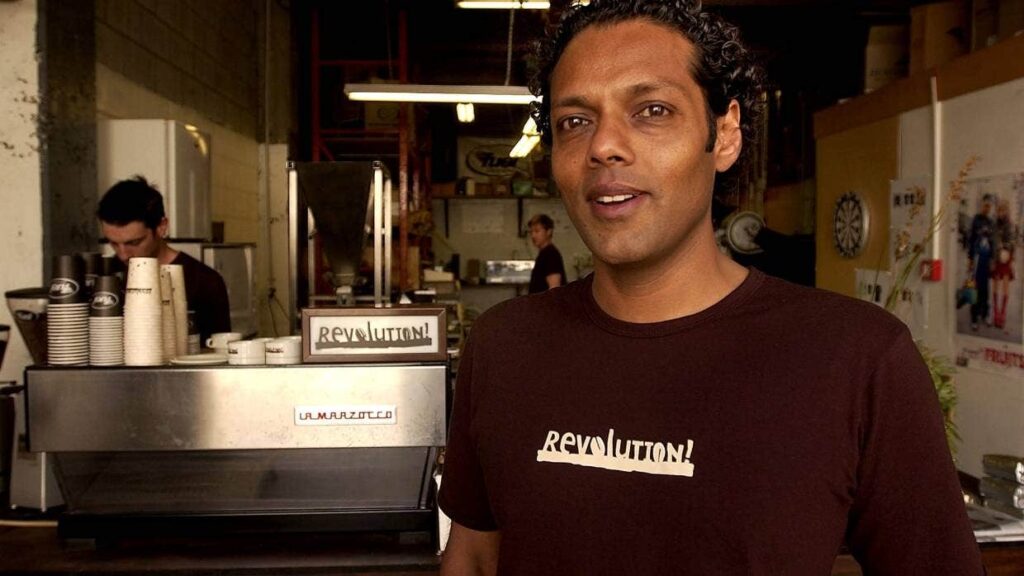
Sanjay Ponnapa at the opening of the first Fuel Espresso takeaway cart, on The Terrace, Wellington, in 1996.
Sanjay Ponnapa: businessman; b January 10, 1964; d November 26, 2021
Sanjay Ponnapa, who has died aged 56 in Hong Kong, was one of the founders of Wellington’s coffee industry, going on to build a highly successful coffee empire in Wellington and Asia.
He was born in Tamil Nadu, near to his family’s homeland of Kodagu. The Kodagu (formerly known as Coorg) is a small, sparsely populated region nestled in the rich coffee-growing hills of the Western Ghats, about halfway down India’s western side.
His family were coffee farmers and soldiers; his uncles included Field Marshal Kodendera Madappa Cariappa, the first Indian commander-in-chief of the Indian Army, and General Kodendera Subayya Thimayya.
Sanjay Ponnapa in 2004, at the launch of Fuel Espresso’s Revolution brand. He roasted and created his own coffee blends, including specialty arabica beans from his family’s plantations in Coorg, western India.
Coming from India to the gastronomically bleak New Zealand of the 1960s must have been a shock, but Ponu’s brother sent over bags of Coorg coffee, which Leela would roast in the family kitchen.
Sanjay went to school at Viard College in Porirua and then St Patrick’s College (Silverstream). He grew up into a tall, strongly built, strikingly good-looking man, with a love of fine clothes, whiskey and late 50s jazz. He attended Victoria University and the University of Canterbury, but left without a degree.
He worked in the fashion industry, then travelled to New York, supporting himself by cocktail bartending. Those playboy years were not wasted, as seeds were being planted that were to bear fruit later; attention to detail, a love of quality and customer service. One seed in particular was to grow into a plant that would build an empire.
Around 1995 he returned to Wellington and took a job with a young business called Coffee Supreme. It was the first years of what was to become the city’s cafe boom. Supreme founder Chris Dillon remembers Ponnapa as “very entrepreneurial”.
“He was always picking your brains. We had a lot of conversations about what he wanted to do next, and the potential he could see for takeaway carts, like he had seen in the US.”
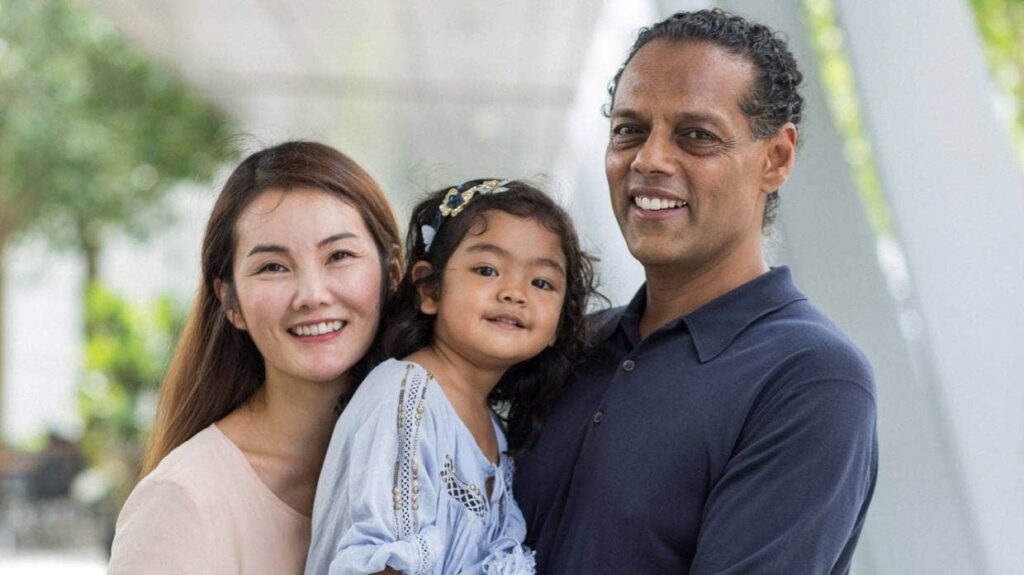
Yeonhee and Sanjay Ponnapa with daughter Leela in 2015. Fuel now has seven sites in Hong Kong and two in Shanghai, in addition to three in Wellington.
Ponnapa wanted to do something different. He still wasn’t sure how. Then, in 1996, things came together. He designed and built his first coffee cart.
Anyone who was in Wellington then will remember it: based on the 1950s design icon, the Airstream Caravan, in silver, black and red, with the sounds of Miles Davis and Sonny Rollins wafting through aromas of the finest arabica coffee served in branded cups. It was an instant hit with Wellingtonians. Fuel Espresso Ltd was born.
“He wanted to elevate takeaway,” says Dillon. “Many thought it was second-best. He wanted to show it could be beautiful. He paid a lot of attention to branding, to how staff deported themselves, to make sure it would be a very coherent presentation. I’m pretty sure staff didn’t get to play fast and loose with the music playlist.”
That year Ponnapa also met his first wife, Alexandra Tylee. They were married the same year. For the first five years, they worked side by side developing Fuel.
The first cart, on The Terrace, showed them that the concept worked; the next challenge was getting more sites. Ponnapa persuaded sceptical bureaucrats to allow coffee carts at the hospital and airport.
“It hadn’t been done. We had to convince them it was a good thing to do,” Tylee says. “Back then lots of people hadn’t had proper espresso coffee. He was really charming, determined and tenacious, and didn’t give up.”
Fuel soon expanded to seven carts and sites around Wellington. Unhappy with the wholesale imported beans most cafes used, they travelled to Trieste, Italy, and created their own blend with coffee maestro Vincenzo Sandalji. They then set up their own roastery in Holland St.
“We practised the roasting for about a year before he was happy with it. He wanted to get it right. He was a perfectionist,” says Tylee.
Ponnapa was very proud of his blend, a closely guarded mix of Italian and specialty arabica beans from his family plantations in Coorg. He believed passionately that good coffee, like good wine, needed close attention to blending and even ageing. He decided to age his coffee, contrary to what he called the “global industry’s obsession with the ‘fresh is best’ dogma”.
Tylee says his talent as a leader helped the business grow. “Everyone at Fuel was really like a family. He loved being able to integrate his passion for his music, and his family. He had a vision and saw it through.”
Unfortunately, family life was not so smooth. The couple’s son Zeus was born in late 1999. He died only a few months later, from Sudden Infant Death Syndrome, and his parents eventually parted ways.
By 2005, Fuel Espresso was well-established in the Wellington coffee scene, and Ponnapa was looking for the next step. He saw it in Hong Kong. He had a vision for a chain of high-end cafes nestled amongst the Guccis, the Versaces and other luxury shops of Hong Kong’s plazas.
Over the next decade he built it. Fuel now has seven sites in Hong Kong and two in Shanghai, in addition to three in Wellington. It has been stunningly successful; a tribute to the boy from Porirua who exported the taste and aroma of his secret blend to Asia.
Hong Kong became his home; he met his second wife, Yeonhee Kim, who worked in the financial sector. They married in 2012. Their daughter, Leela, was born the next year.
On Friday, November 26, Ponnapa mentioned to his wife that he was feeling unwell. He attended a staff dinner that evening, but left early. While entering an escalator, he is believed to have suffered a medical event that caused him to fall. He died at the scene.
Dillon says Ponnapa made a significant contribution to the development of Wellington’s cafe culture. “Fuel was the first high-end New Zealand takeaway coffee chain. He would say the only one. No-one had made good-quality takeaway coffee with that level of attention to detail and quality and presentation.”
Tylee says it’s hard to believe he’s gone. “He was so full of life, he had so many interests and so much he wanted to do.
“He was really warm, and a caring person.”
Chris Brown, of Sputnik PR, worked closely with Ponnapa to build his brand, but says his business achievements were ultimately not what gave him most satisfaction.
“He was very excited about celebrating their [his and Yeonhee’s] 10th anniversary. After all he’d been through, he thought his little family was his greatest success.”
Sources: Mythi Ponnapa, Chris Brown, Chris Dillon, Alexandra Tylee
source: http://www.stuff.co.nz / Stuff / Home> Life & Style> Food & Drink / by Patrick Piercy / December 11th, 2021
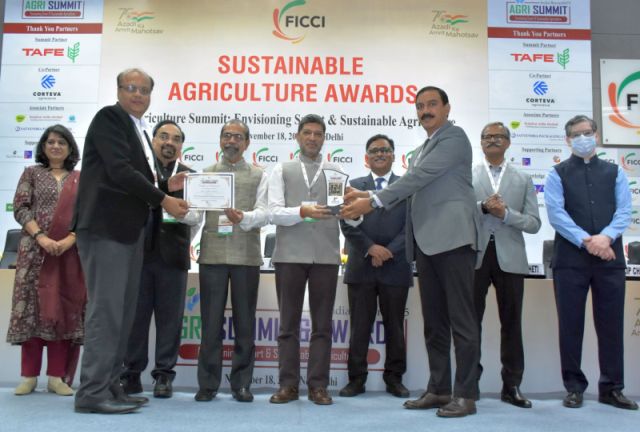
Kiran Ganapathy, Head of Plantations – Operations & Samir Palsule, Head – Business Excellence, Tata Coffee Limited receiving the FICCI award
Tata Coffee Limited (TCL) recently won the ‘Sustainable Agriculture Award’ at the Federation of Indian Chamber of Commerce and Industry (FICCI) Agriculture Summit and Awards 2021. The company was recognized for its Soil and Water Conservation initiatives undertaken at its plantations and instant coffee plants.
Kiran Ganapathy (Head of Plantations – Operations) and Samir Palsule (Head – Business Excellence) received the award on behalf of the company from members of the FICCI Agriculture Committee. The award was granted under the ‘Large Corporate’ category and TCL was conferred the award for significant on-ground interventions in sustainable agriculture development.
The entries were shortlisted and evaluated based on the agricultural challenges faced, the CSR initiatives to mitigate such challenges, the outcome and impact of the practices, its scalability and ways to extend the program to benefit small farmers.
The Agri summit brought key stakeholders and policymakers on a common platform to ideate an implementable strategy for smart and sustainable agriculture. It was attended by CEOs and business heads of the agri and food industry, policymakers, multilateral and bilateral institutions, NGOs, academicians, researchers, embassies, financial institutions, development organisations etc. who discussed and recommended practical pathways for the promotion and adoption of best sustainable agriculture practises on a large scale.
Chacko Thomas, Managing Director & CEO, Tata Coffee speaking on receiving the award said, “Tata Coffee is honoured to be recognized for its commitment to sustainable agricultural practices, and soil and water conservation are a key part of our sustainability strategy. We have adopted scientific ways to conserve water to store excess run-off from the rainwater, in healthy catchment areas. As a result, we now have 274 tanks with a storage capacity of 3.4 Mn cubic meters. This model has ensured that our irrigation is 95% self-reliant and no groundwater is ever exploited. Over the last few years, we have also successfully enhanced the soil fertility in the estates, through regular application of organic compost into the soil. Few other initiatives undertaken towards soil conservation include – contour planting, intercropping, planting of new trees and cover crops. We have also carried out several interventions in terms of training programmes and CSR awareness campaigns towards adopting improved technologies in all operations.”
source: http://www.thecsrjournal.in / The CSR Journal / Home> Categories> Agricultural & Rural Development / by The CSR Journal / December 09th, 2021
A lad from Virajpet taluk succeeded in gaining entry into India Book of Records by performing tough karate feats.
Madikeri:
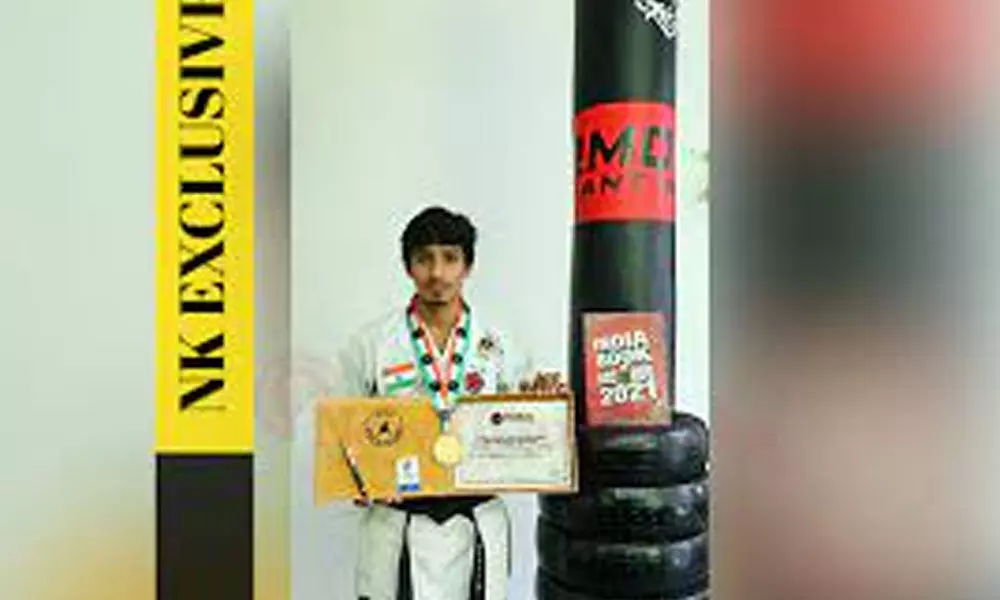
A lad from Virajpet taluk succeeded in gaining entry into India Book of Records by performing tough karate feats.
K Rahul, 20, delivered 262 punches and kicks in 60 seconds to gain entry into the history book.
Rahul, a student of Uechiryo Karate school in Virajpet, strove many years to gain entry into the record book. The India Book of Records has issued an identity card, certificate and medal to Rahul.
Rahul was trained by karate expert H R Shivappa.
He also won hundreds of medals in district and State level competitions. Last month he won a gold medal in international online karate championship competition organised by World Union of Martial Arts Federation, World Karate Alliance in September 2021.
Rahul now aims to gain entry into Asia Book of Records.
He said karate is not merely a martial art for self defense, but offers a lot to sportspersons to achieve.
Kodagu, the smallest district in the State, has contributed hundreds of sports talents to the country. Many talented sportspersons have proved their mettle in international and national level sports competitions.
source: http://www.thehansindia.com / The Hans India / Home> News> State> Karnataka / by Hans News Service / December 06th, 2021
Shot in Kodagu, this short film that is winning several international awards, throws light on the fight against sexual abuse.
Bengaluru :
Three characters, 15 minutes and one message…that’s One Right Kick, a Kannada short film that has won 12 international awards in the category of Best Film on Women. Directed by Balachander Muthappa, the short film features Simhika PV, daughter of PV Shashikanth, former Karnataka Ranji cricket team head coach, as one of the lead roles, along with artistes Ramesh Patil and Mohan Kumar.
The film is based on the awakening of the power of self-defence within women who are victims of sexual abuse. Shot in Kodagu’s Somwarpet, the short film is based on the first spark of fear faced by any woman or girl across the globe. According to the director, the film narrates a story of a young innocent carefree girl who is subject to bad touch. Following an untoward incident which she is unable to express to her family or friends, there is a ‘simple survival technique’ that is choreographed to overcome fear and instill courage.
So far, One Right Kick has bagged awards at the Singapore International Short Film Festival, Indo-French International Film Festival, International Motion Picture Festival of India, Turkey Golden Wolf Film Festival, among others. According to director Muthappa, One Right Kick is the only Kannada film presented this year that will be screened at Pinewood Studio in the UK till December 13.
Simhika, who is a trained actor from Anupam Kher’s Actor Prepares, says, “Every parent is concerned when their girl child travels in public transport. When they experience any untoward incident, a girl cannot open up to society for help. This film breaks away from that and shows how a girl can muster the courage to fight back against such anti-social elements.”
She adds that essaying the role of a victim of sexual abuse was challenging. “Throughout the film, I had to express disappointment and fear and my expressions had to overpower dialogues,” says Simhika, who will be going to the US to pursue film studies at the New York Film Academy.
The film also carries very little scope for dialogues and deals with body movements and expressions. The “uneasy silence” throughout the film also symbolises how society still stays quiet on issues of sexual abuse, claims the director.
“We want this message to transcend borders. This film gives a different dimension on how to deal with sexual abuse in a public place using an unusual defence technique that target’s the criminal’s sensitive organ (sic),” says Muthappa, who also adds the film also deals with, fear, courage and survival. One Right Kick is expected to stream on an OTT platform for the first time in December.
source: http://www.newindianexpress.com / The New Indian Express / Home> Cities> Bengaluru / by Express News Service / November 28th, 2021
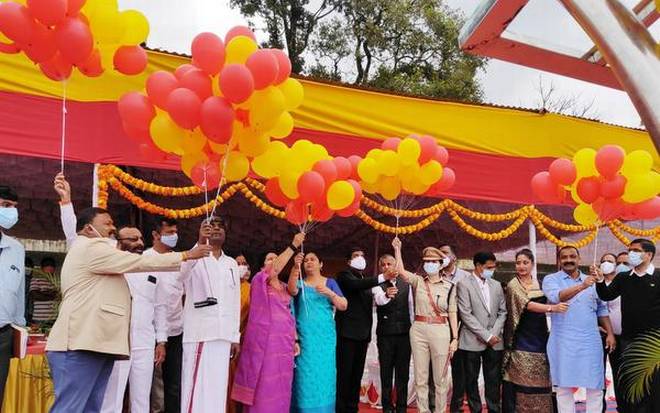
Minister in charge of Kodagu district Kota Srinivas Poojary and others at the Kannada Rajyothsava celebrations in Madikeri on Monday. | Photo Credit: Special Arrangement
Labs, libraries for 15 govt. schools: Minister
Minister in charge of Kodagu district Kota Srinivas Poojary on Monday said each household in the limits of 12 gram panchayats in Kodagu will be getting drinking water, 100 per cent segregation and collection of solid wastes, scientific handling of sewage generated daily besides the installation of solar projects and setting up of digital libraries in the respective villages.
All these works will be done as part of ‘Amrith’ Grama Panchayat programme which has been announced in the State identifying 750 GPs as part of platinum jubilee celebrations of Independence. The 12 GPs in Kodagu are Peraje, Kunchila-Kakkabbe, Maragodu, Kedamullur, Karmad, Nalkeri, Thithimathi, Koodumangaluru, Shirangala, Igooru, Haradooru and Dundalli, the Minister said in his speech during the Kannada Rajyotsava celebrations in Madikeri.
As part of the 75th independence daycelebrations, the State government has announced 13 special programmes and they include Amrith gram panchayat, Amrith rural housing scheme, Amrith farmer producer organisations, Amrith Nirmala Nagara, Amrith anganwadi centres, Amrith self-help micro enterprises, Amrith community development programme, Amrith health infrastructure upgrade programme, Amrith skill training programme, Amrith startup programme, and Amrith sports adoption programme.
As part of Amrith Rural Housing scheme which is being implemented in the district, housing will be provided to the homeless persons who will be identified in the 12 GPs in the coming days.
The Minister said farmers, fishermen and weavers will get financial support as the government has launched Amrith farmer producer organisations. Each organisation will get a sum of ₹30 lakh in a span of three years. Amrith Nirmala Nagar scheme has also been launched in the district where programmes will be taken up for maintaining hygiene in the limits of local bodies.
Amrith school scheme entails funding of ₹10 lakh to each identified school for developing buildings, labs, libraries, toilets and other facilities. The 15 schools identified in Kodagu are at Hodawada, Sampaje, Kadanga, Madapura, Kodlipet, Walnoor, Thagattur, Hebbale, Suntikoppa, Heggala, Pollibetta, B. Shettigeri, Thithimathi, Gonikoppa and Kutta.
In Kodagu, 25 anganwadi centres will be upgraded with each one of them getting a sum of ₹1 lakh under Amrith Anganawadi scheme.
The Minister said the government is committed to protecting Kannada and the culture of the land and expressed happiness that the use of Kannada language in digital mediums has been on the rise. Karnataka is rich in culture and tradition, he said, calling upon the youth to be part of the overall development of Karnataka.
He also called upon the people to adopt Kannada in their lives, showing interest in the language, literature, culture and art of the land, and become successors of the rich tradition of the land.
source: http://www.thehindu.com / The Hindu / Home> News> States> Karnataka / by Special Correpondent / Mysuru – November 01st, 2021
Government intervention sought to check cartels, say trade sources
With only a few weeks remaining for the coffee harvest to begin, a disparity in the prices of Robusta coffee in the international market and India has become a major cause for concern among growers in South India.
Though the price of coffee in India is usually based on international markets, especially the London market, a proportionate increase in the price of the produce overseas is yet to get reflected in the local market, according to trade sources.
While the price of Robusta coffee rose by about $70 a ton in the international market, the Indian market was yet to reflect the increase. According to Coffee Board data, the price of the produce (AB grade) in the international market was ₹165 a kg on October 29 but the growers here were getting only ₹140 a kg.
The trade sources contended that the likely reason for the disparity was ‘price cartelisation’ by some international buyers. Also, the number of buyers had been relatively low in India as the harvesting season here would begin only by the end of December, they added.
According to the board’s final estimates, the total coffee production in India during 2020-2021 stood at 3. 69 lakh tons, including 2.35 lakh tons of Robusta. Of this, a little more than 1.64 lakh tons were exported.
Recently, the Centre extended RoDTEP (Refund of Duties and Taxes on Exported Products) scheme to the coffee sector to boost exports. But the growers were not enthused, the sources added. Alleging that some international players were likely trying to enhance profits by not increasing the prices, the trade sources sought the Union Commerce Ministry’s intervention to stop such exploitation.
source: http://www.thehindu.com / The Hindu / Home> Business / by Staff Reporter / Kalpetta – October 30th, 2021
WELCOME. If you like what you see "SUBSCRIBE via EMAIL" to receive FREE regular UPDATES.
Read More »