Category Archives: World Opinion

‘Mixed feelings’ as Bopanna flies to USA to return to Tour

The doubles world No. 37 is the only Indian who will play the ATP 1000 Cincinnati Open, which marks the return of the men’s ATP Tour after a five-month break.

Rohan Bopanna will fly around 8,000 miles from India to the US before covering half of that distance next month to go from the US to Europe, touching down on three countries in a span of a month-and-a-half during a pandemic. All this to play just four tournaments.

It’s an unusual itinerary, for professional tennis players normally club together a bunch of tournaments in one continent in a season. But in the current scenario, Bopanna, India’s highest-ranked tennis pro, will partner Canadian rising star Denis Shapovalov to play the ATP Cincinnati Open (from August 22) and the US Open (August 31) in New York, the Rome Masters (September 14) and the French Open (September 27) in Paris before returning home.

The doubles world No. 37 is the only Indian who will play the ATP 1000 Cincinnati Open, which marks the return of the men’s ATP Tour after a five-month break while also acting as a curtain-raiser to the hard-court Grand Slam at the same venue.

“Mixed feelings about being back (on the Tour),” Bopanna said over phone before taking his flight from Bengaluru to New York early Saturday morning. “I have a daughter who is now going to be 15 months old, so it was special spending time with her and being with her at home.

“I love competing and am really happy to be back. Having said that, the tournaments will feel different with no people watching. There are so many restrictions with the US Open in terms of the (halved) doubles draw and no singles qualifying. So, yes, it’s a Grand Slam, but it’s kind of a closed Grand Slam. So I’m not really sure what to expect,” he added.

For a long time, the 40-year-old also wasn’t sure if he would make the journey to New York, with different travel and quarantine restrictions in place. But once India started limited flights to USA and the participating players at the US Open were promised a waiver of the quarantine period, Bopanna decided to give it a shot despite the reservations.

“Initially nobody was sure because we don’t have any firsthand information about how things are planned there. We are only reading and receiving information. But once they put in place the protocols and logistics of how everything was going to be carried out, it made it a little easier to make the decision to travel. The main thing was the flights had to open up in India,” he said.

Bopanna took a Covid-19 test on Wednesday – which returned negative – before his flight. He will be tested again once he checks into the designated hotel in Queens and enters the bio bubble before a range of regulations and restrictions kick in. “I’m going with an open mind. Once we get there I think we’ll have a better idea of how things are. But there will be no access to Manhattan or any restaurants or anything else. It’s just tennis courts and back. So I’ll kind of be in another lockdown, only this time in New York!” Bopanna said.

The US Open might be on but it will lack in flavor. A number of top-100 players, including the men’s and women’s singles defending champions, have pulled out while both the tournaments in New York will be played behind closed doors.

“Not at all surprised that some players have decided not to go,” the 2017 French Open mixed doubles champion said. “It’s a purely personal decision; I don’t think anybody can be held for that. Everyone has different thoughts on the situation. But that’s the beauty of our sport—you can make your own call.”

Bopanna was the first tennis pro to resume training in India, hitting the courts in Bengaluru in June before recurrences of the lockdown in the state disrupted his continuity. He feels his preparation after a long break has been adequate but is going to take it one game at a time.

“Physically I’m feeling great. I’ve been doing a lot of Iyengar Yoga, which has enhanced my physical strength. I’ve been practising in my academy for the past three weeks, both on clay and hard courts. So in terms of hitting the ball, I feel fine. Clearly, no one will be match-sharp. We just have to take things, literally and absolutely, one match at a time. There’s no point thinking too far ahead,” he said.

There sure isn’t. Tournaments continue to get cancelled and there is no certainty about how the Tour will shape up after the French Open ends in October. Bopanna thus wants to treat this two-month phase like the start of a fresh season wherein players play a tournament or two before heading straight into the year’s first Grand Slam, the Australian Open.

“It’s the same scenario here. It’s very difficult to say how it’s going to be and there’s no point pre-guessing it. All I know for a fact now is that once I leave, I won’t be coming back immediately. I’ll play all the four tournaments, return to India and get quarantined,” he said.

source: http://www.hindustantimes.com / Hindustan Times / Home> Tennis / by Rutvick Mehta, Mumbai / August 16th, 2020
Inspiring a generation: Gandhi’s Kodagu visit

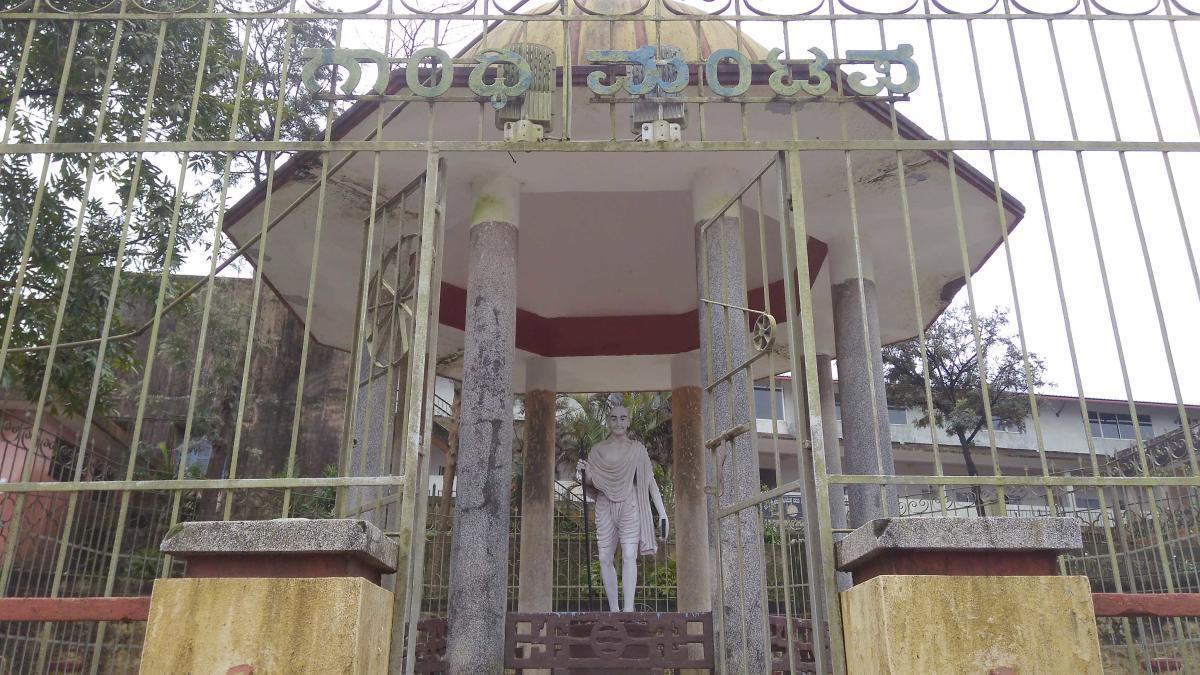
Gandhi Mantapa in Madikeri was built to commemorate Mahatma Gandhi’s visit to Kodagu in 1934. DH file photo

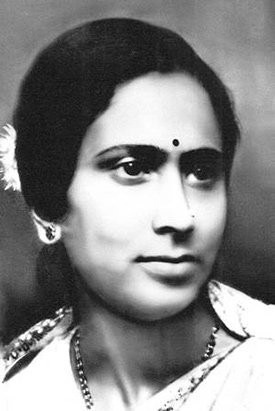
It was a cold February morning in 1934, when a young Seethamma, around 10 years old, woke up with excitement. After all, it was an important day and all she wanted was to catch a glimpse of Mahatma Gandhi, who happened to be in Kodagu.

Gandhi was set to address a gathering at Kakotuparambu grounds in Virajpet that day and Seethamma had to cover several miles on foot to reach the venue.

Her parents and cousins were already waiting outside and they all set out towards the venue immediately, only stopping to wash their faces in a small stream on the way. When they reached the ground, a large crowd had gathered and they saw the Mahatma from a distance.

“Gandhiji was sitting on the stage with his legs crossed to one side,” Seethamma would often tell her children and grandchildren, recalling that historic day. Just a glimpse of the great man was her most treasured memory.

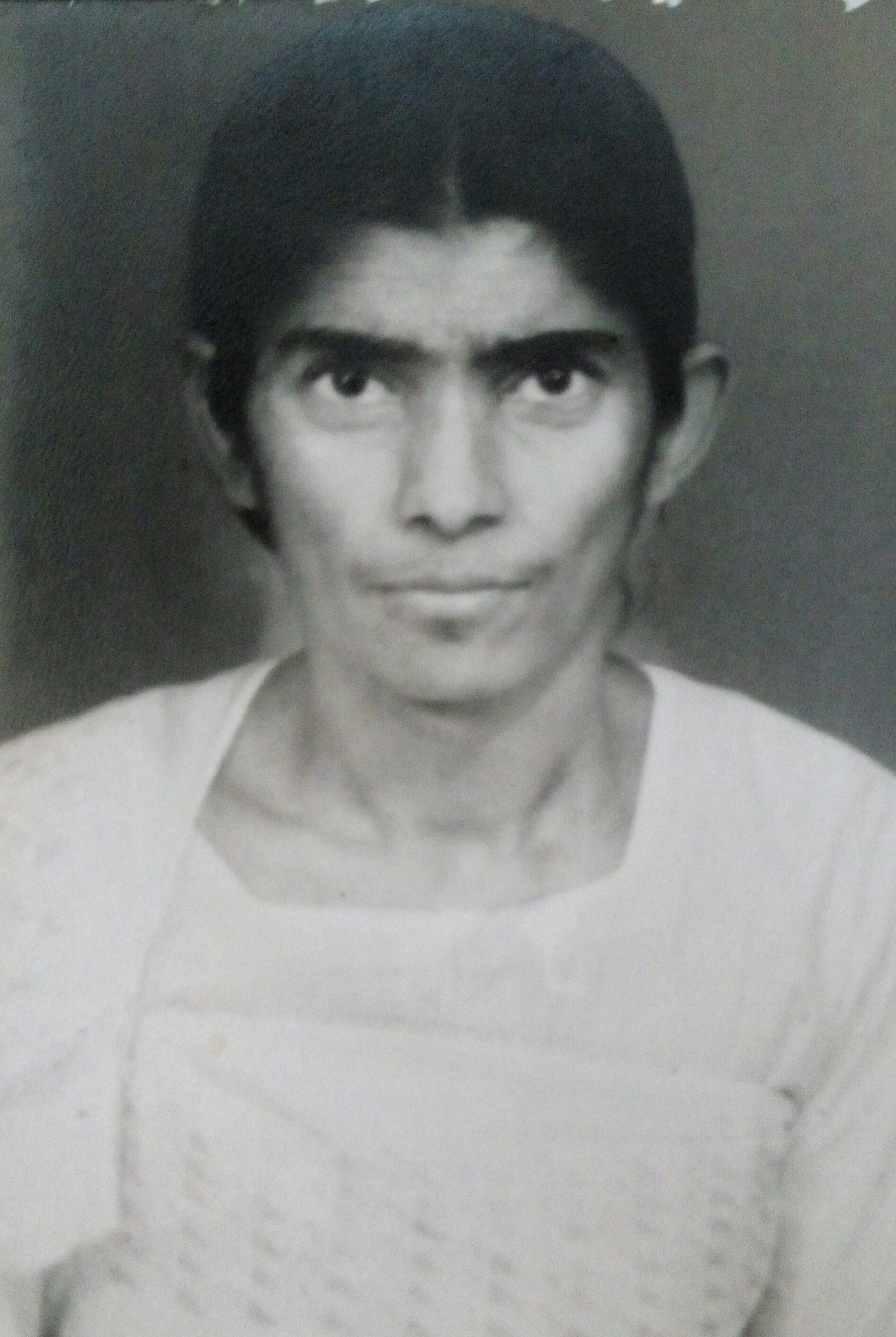
A middle-aged Seethamma

The Mahatma, who was touring Tamil Nadu to mobilise funds for the upliftment of ‘Harijans’, was invited to Kodagu by Pandyanda I Belliappa and other freedom fighters of the district, which was then a Chief Commissioner’s Province.

On arriving at Kodagu, the Mahatma and his entourage first visited a Harijan colony in Gonicoppa, following which he addressed a meeting mostly attended by women. Though on a short visit, Gandhi also addressed gatherings at Ponnampet, Somwarpet and Madikeri among other places. He appealed to the people to donate generously to help the victims of an earthquake that had hit Bihar in January that year and also requested them to contribute to the Harijan Welfare Fund.

He asked the women to donate their gold jewellery and ornaments for the cause, while stating that, “The amount is not important to me because it is a token of tangible sympathy to the suffering. Thus, even a copper coin is valuable.”

Moved by the appeal, writer Kodagina Gowramma, who was around 22 years at the time, famously donated all her gold ornaments to the Harijan Welfare Fund.

Kodagina Gowramma. Courtesy: Wikipedia

Seethamma and Gowramma, and several others like them knowingly or unknowingly became part of the national movement – which was as much about uniting the very diverse people of India as it was about fighting a foreign rule.

Such was Gandhi’s charisma that he inspired people, young and old; women and men; poor and rich. This made the freedom movement a mass movement.

source: http://www.deccanherald.com / Deccan Herald / Home> Spectrum > Spectrum Statescan / by Dhanyata M Poovaiah / August 15th, 2020

The Tamara Coorg ranked No.1 Romantic Hotel in India

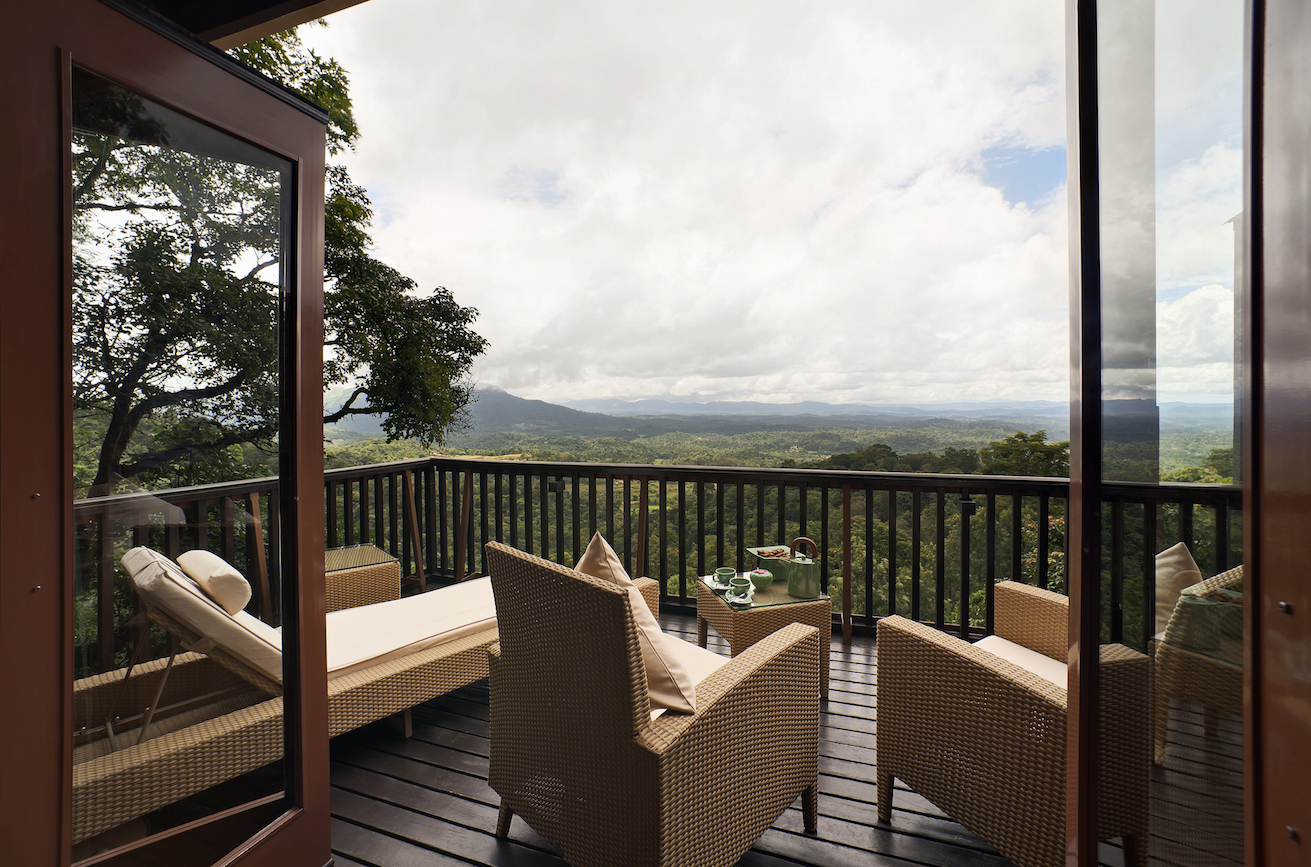
TamaraCoorgKF08aug2020

The Tamara Coorg has once again been ranked #1 on Tripadvisor Travelers’ Choice Awards List of Top 10 Romantic Hotels in India for the year 2020.

Tripadvisor is the world’s largest travel platform and the Travelers’ Choice Awards is considered one amongst the most prestigious in the travel industry as it is rated by the travelers themselves. This coveted award program celebrates travelers’ favorite hotels, restaurants and airlines around the world, honoring unique businesses every year. The Tamara Coorg has also been ranked #16 on the list of Top 25 luxury hotels in India while The Tamara Kodai launched in 2018 has also made it to the list and has been ranked #20 amongst the Top 25 luxury hotels in India.

The Tamara Coorg is a luxury experience nestled in the heart of the hills, where you can rediscover the joy of being in nature; where your quest for serenity ends. The Tamara Coorg spans 180 acres where you will experience nature and luxury at its best as you wake up to the breathtaking view and the calming silence of the hills, disturbed only by the chirping birds and the rustle of leaves. The unique nature based experiences at The Tamara Coorg includes Forest Therapy, Trekking, Plantation Tours, Blossom to Brew, Bird Watching amongst others.

The exquisite cottages at The Tamara Coorg are designed to provide guests with a rustic, luxurious space to unwind, and enjoy an unmatched view of the hills in the distance, while suspended in nature. Relaxation gets even better at the award-winning spa and wellness centre, The Elevation Spa. It offers signature spa treatments, while the fitness centre includes a steam & sauna, a state-of-the-art fitness center, and a Yoga Temple

Ms. Shruti Shibulal, CEO and Director, Tamara Leisure Experiences Pvt. Ltd, said “We are very proud that The Tamara Coorg has been voted #1 in the Best Romantic Hotels in India category for the year 2020. To have the public recognize us for our commitment to providing unforgettable experiences is very meaningful. This recognition is dedicated to our team who are our biggest asset and who have worked passionately to ensure our guests receive warm, personalized and memorable service”.

Travelers’ Choice Best of the Best and Travelers’ Choice winners are calculated based on the millions of reviews and opinions collected in 2019 from travelers and diners around the world on Tripadvisor. The awards take into account the quality and quantity of traveler reviews and ratings specific to each award category. The hallmark of winners continues to be remarkable service and quality experiences for travelers and diners.

Winners are calculated based on the quality and quantity of the millions of reviews, opinions and ratings collected on Tripadvisor in 2019, prior to the pandemic. With over 8.7 million businesses listed on Tripadvisor, these awards are a testament to the service and quality that winners consistently provide to their guests.

source: http://www.voyagersworld.in / Voyager’s World / Home> Hospitality / by Voyager’s World Bureau / August 07th, 2020

Trouble brewing: India losing Italian coffee market to Uganda

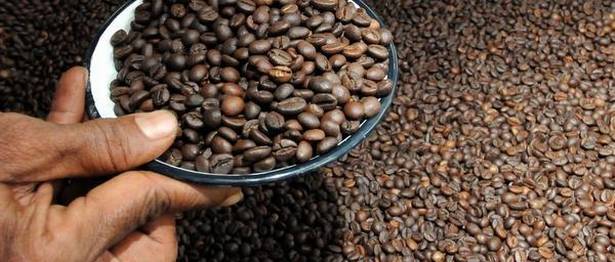
CoffeeBeansKF05aug2020

There’s more trouble brewing for Indian coffee exporters, who are not just facing a slump in overall demand due to the Covid-19 pandemic, but also staring at a loss of share in Italy, their largest export market, to exporters from Uganda.

Indian coffees are facing stiff competition from low-cost producer Uganda in the Italian market, which they have been dominating for over past three decades now. Italy accounts for about a fifth of India’s coffee exports.

Indian coffees in Italy are largely sold in the premium segment, such as in cafes and coffee bars. Brazil, the largest coffee producer, dominates the Italian market with half the market share, followed by India, which has a share of around 20 per cent, and other major producers such as Vietnam and Uganda.

“The Ugandans are trying to get as much as possible in the Italian market in the current scenario and that’s a big worry for us,” said Ramesh Rajah, President of the Coffee Exporters Association.

The Ugandan robustas, which are comparable to the Indian variety in terms or quality, are priced cheaper by at least $200 per tonne or about 20 per cent, which is attracting buyers’ interest in Italy, he said.

“During normal circumstances, consumers want quality and are willing to pay more. As the Italian economy is facing a tough times due to the pandemic, consumers are starting to look for better-value coffee. They now see Uganda, which is 20 per cent cheaper than India, as a good value proposition. Vietnam is even cheaper but because of taste and other factors, it is mainly sold commercial packaged coffee segment and not in the premium segment of Italy. The premium segment got more affected during the pandemic than the commercial coffees and is hitting us the most,” Rajah said.

Shipments drop 27%
Coffee shipments to Italy in the first half of calendar 2020 have dropped 27 per cent at 36,547 tonnes, compared to 50,513 tonnes in the same period last year. The arabica shipment to Italy was 14 per cent lower at 4,774 tonnes (5,577 tonnes), while robusta exports took a major beating as shipments were lower by 27 per cent at 31,134 tonnes (42,658 tonnes). During the same period, total coffee exports from India were down 16 per cent in volume terms and value at 1.78 lakh tonnes (2.11 l t) and $404 million ($482 m) respectively.

“For the unwashed robustas, India is facing competition from lower-priced origins like Uganda. Although the Indian quality is sought after, importers do consider more price-efficient coffees. This is more evident under the current Covid-19 circumstances, where more competitively priced coffees are likely to find favour with buyers,” said Anil Ravindran, Partner at RV Commodities, an exporter in Bengaluru.

In fact, the Ugandans are trying to regain their market share in Italy from the India exporters, to whom they had lost market share about three decades earlier. “We took the market 30 years ago, and they are trying to come back now,” Rajah said.

Logistical challenges
Indian exporters had displaced the Ugandans in Italy as the land-locked African producer had faced logistical challenges in shipping out its coffees then. “We never tried to undercut others when we gained the market in Italy. Our selling proposition was reasonable price and reliable supplies throughout the year and our coffees are better prepared and have less imperfections. We gave better products and started getting premiums. As the customers started getting used to our coffees, the premiums started going up,” Rajah said.

So, it is these premiums that are proving to be a challenge for the exporters in retaining their markets. Though the quantum of premium has come down, the Indian robustas still attract a higher price over the London terminal (LIFFE). At present, the Indian robusta cherry is attracting a premium of $500-$600 per tonne over the LIFFE, while a buyer in Italy can get Ugandan coffee at $250-300 above the terminal price. “We are seen as unreliable now as our premiums are too high. Losing the market to Ugandans will have a long-term impact,” Rajah said.

Further, Indian exporters are finding it difficult to match Ugandan prices as that would mean having to source cheap and reduce the prices, which would hurt the growers’ realisations at the back-end. This, when growers are already reeling under the impact of multi-year low prices.

Rajah said the Government should step in and immediately support the exporters to defend their markets, either by increasing the incentive under the Merchandise Exports from India Scheme (MEIS) to 5 per cent, or implementing the Remission of Duties and Taxes on Exported Products (RoDTEP) scheme at the earliest, while ensuring credit facility at reduced interest rates.

source: http://www.thehindubusinessline.com / Business Line / Home> Agri-Business / by Vishwanath Kulkarni / July 09th, 2020

India to see good coffee output this year: planters

Rainfall to be the deciding factor

If rains do not play spoilsport, India’s coffee production this year will be in the range of 3,20,000 tonnes to 340,000 tonnes, according to planters.

This is far better than the last two flood-hit years, when production was way below 3,00,000 tonnes.

As of now, coffee plantations have received only 30% of the rain, including the blossom showers in March and the showers in the following months. Rainfall during August and September will be the deciding factor as excessive rains can lead to floods, landslides, wet-footing (coffee plants standing in water and decaying) and berry-shedding.

“This year’s crop is expected to be much better than last two years,” said Bose Mandanna, a major planter in Kodagu and a former Coffee Board member.

“We have received some rain at the time of spike formation and flowering. Another 50-60% of well-distributed rains are needed for best berry development, spring cultivation and recharging of water tables. If all goes well we will have a bigger crop this year.’’

Ramesh Rajah, President, Coffee Exporters Association said, “The next two to three months will decide the future. We can’t afford to face another year of huge losses.’’

Due to excessive rains, flooding and water logging, the country’s coffee production was below the annual average of 300,000 tonnes in 2018 and 2019. In the current crop year, the planters expect a 40% increase in coffee production, with Robusta at 2,40,000 tonnes and Arabica at around 100,000 tonnes. The Coffee Board’s crop estimate will come out in September/post-monsoon.

Meanwhile, the labour shortage has become even more acute as a large population of workers returned home in the wake of the pandemic.

“We need to have more workers returning by harvest time in December. Labour situation has always been bad and Covid-19 has made it worse. Due to shortage of labour a lot of our operations are on hold,’’ said KPA chairman Shirish Vijayendra.

Harvesting of Arabica will commence in December, while Robusta harvest will be spread across January and February.

source: http://www.thehindu.com / The Hindu / Home> Business / by Mini Tejaswi / August 01st, 2020

Arebase: A dialect rooted in cultural harmony

Karnataka teems with different versions of Kannada. There are more than 30 dialects of the language, which contribute to the linguistic richness of present-day Karnataka.

Kavirajamarga, the earliest available work on rhetoric, grammar and poetics in Kannada, from the 9th century CE, speaks of the two major dialectic divisions of Kannada: Dakshina and Uttara. Sri Vijaya, the author of Kavirajamarga alludes to many varieties of Kannada, hinted at by the use of the phrase “Kannadangal”.

Today, traditional linguists broadly classify Kannada into four geographical regions: Mysuru, Mangaluru, Dharwad and Kalaburagi Kannada. In these regions, various communities use a specific dialect as their mother tongue, whether it is Halakki Kannada, Havyaka Kannada, Kota Kannada, Rama Kshatriya Kannada, Badaga Kannada (spoken by the Badaga community in the Nilgiri region in Tamil Nadu) or even Arebase.

Arebase is a dialect of Kannada spoken by the Gowda community in the Kodagu and Sullia regions of Dakshina Kannada, and also in the eastern parts of Kerala’s Kasaragod district.

Arebase is also known as ‘‘Gowda Kannada”, a term first coined by the late Prof Mariappa Bhat, a renowned Kannada scholar.

In 15th century CE, the Gowdas from the ‘Aiguru Seeme’ of Hassan district migrated and settled down in different regions of Dakshina Kannada and Kodagu. However, over the centuries, those who settled amidst the Tulu-speaking communities in Puttur, Belthangady, Karkala, Vitla of Dakshina Kannada adopted the culture of Tulu Nadu, picking up the local language and worshipping deities in the tradition of ‘Daivaradhana’ of coastal Karnataka. In Kodagu, they picked up aspects of Kodava culture.

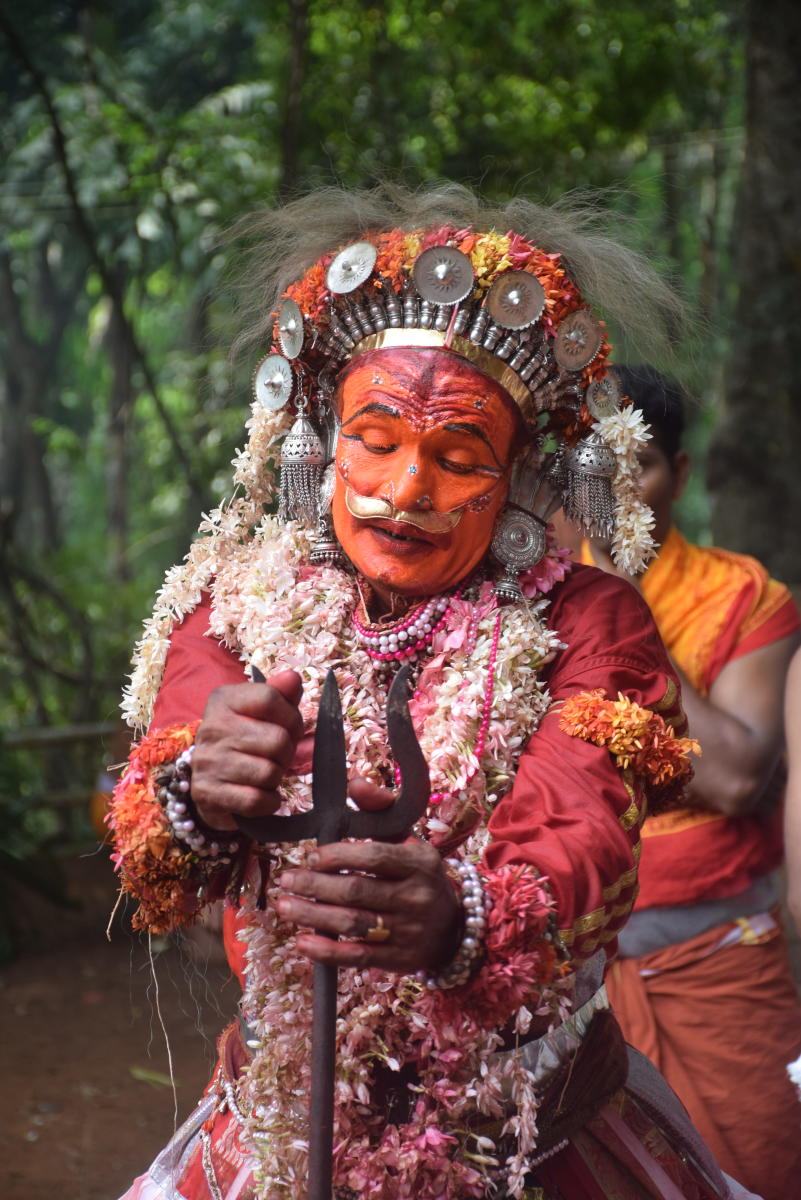
Purusha bhootha, the Kannada speaking deity of Arebase communities. Photos by Lokesha Kunchadka

However, the community also developed its own distinct identity, preserved through its language. For instance, the community worships the daivas (spirits) in Arebase.

Arebase shows differences in phonetics, syntax and morphology when compared with standard Kannada. Some of the vowels not present in the Kannada alphabet are considered phonetic in Arebase. The meaning of a word also changes with a change in pronunciation, an aspect of Arebase that is difficult to capture using standard Kannada font.

There are three major variations within Arebase: Subrahmanya, Peraje/Sampaje and Madikeri/Bhagamandala Arebase.

In literature and theatre

Today, there are earnest efforts to ensure the representation of this dialect in literature and theatre. Prof Kodi Kushalappa Gowda, who was a Kannada professor in Madras University, has written Ramayana in Arebase called Manasa Ramayana. Academician K R Gangadhar had prepared a lexicon for Arebase. Then there are Dr Purushothama Bilimale — who has studied the Gowda community, Dr Vishvanatha Badikana — who studied the folk tales of the language, Dr Poovappa Kaniyuru, A K Himakara, Sanjeeva Kudpaje, Kaveramma and Vidyadhara Baddadka who are prominent writers, poets and scholars in Arebase.

Lokesh Urubailu is a young theatre artist who directs Arebase dramas like Mayaka. ‘Mudupu’ is a popular monthly magazine in Arebase run by Vinod Mudugadde.

“Most of the minor languages like Arebase have been restricted to specific communities or caste. These languages should come out of that frame. All the minor languages in India which have been listed in 2011 census should be empowered. India should develop a proper language policy for that,” says Dr Purushothama Bilimale, Professor of Kannada and Kannada Language Chair at Jawaharlal Nehru University, New Delhi.

However, it would be a mistake to limit this dialect to a particular caste; in Sullia, for instance, almost all the merchants communicate in Arebase.

The best example of this exchange of cultures, perhaps comes from a Yakshagana Prasanga written in Arebase by Kepu Ajala, who is a non-Gowda.

The World Arebase Literary Meet (virtual) scheduled on August 3 is expected to give a push to language enhancement and cultural exchange.

source: http://www.deccanherald.com / Deccan Herald / Home> Spectrum> Spectrum Top Stories / by DHNS / August 01st, 2020

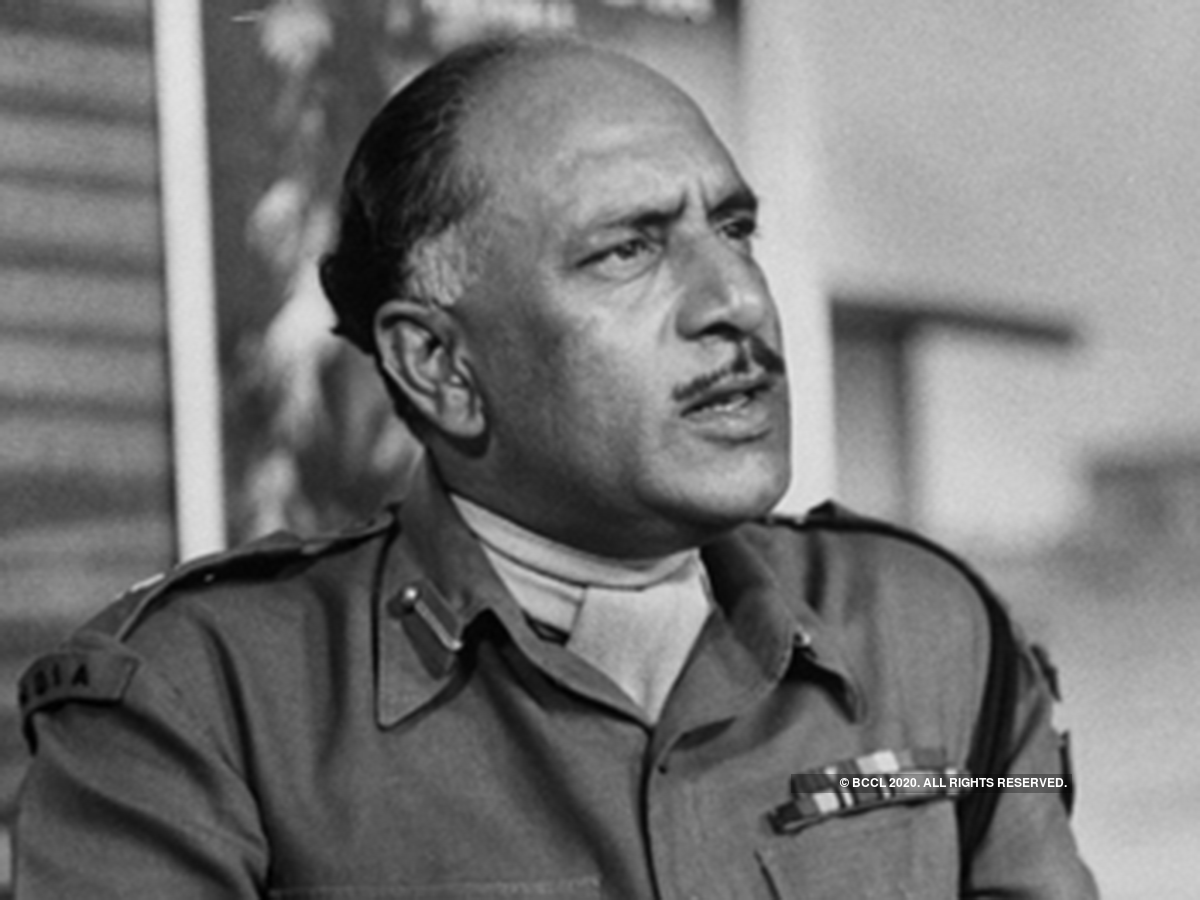
Forgotten tales of valour and courage: NNRC in Korea and General KS Thimayya

Synopsis

In Nov 1948, Thimayya moved Stuart tanks in utmost secrecy by dismantling their turrets and used them in direct firing role that led to the capture of Zoji-la which had evaded capture on previous instances. It was because Zoji-la was in our hands that liberation of Kargil was possible in 1999.

General KS Thimayya
General KS Thimayya

There were three elements to India’s largely unknown role in the Korean War 1950-1953. This is the second in a continuing series on that conflict. For the earlier story on the 60th Para, click here (https://bit.ly/2DW0PHS)

India became a member of the United Nations when the organization was founded on October 24th, 1945. Established to ensure world peace—among other goals— after a ruinous World War, the UN has had a mixed track record. One of its successes, however, was the bringing of the Korean War to a close. India played a unique role in bringing the conflict to a speedy conclusion by advocating against a policy being debated at the UN which could have led to the war’s prolongation or escalation. That war was also the first commitment to a UN assignment by an independent India and the Indian Army. This contribution and the men who made it a success are still celebrated as heroes for their commitment and courage.

The Korean War began on 25th June 1950 and would rage for three long years between the Western alliance—led by the USA under a UN resolution called the UN Command—and a Socialist alliance of North Korea and China (known as the Korean People’s Army (KPA) and the Chinese People’s Volunteers (CPV)) supported by the Soviet Union. The two sides reached a military stalemate by the middle of 1953 and had agreed on the terms of a ceasefire. In truth, the war would have come to an end in 1952 if the peace talks held at Panmunjom on October 25, 1951 could have reached a decision on the question of prisoner swaps. This was a contentious topic, and one where India finally found the solution—a solution accepted nearly unanimously by the UN, allowing for the signing of the Korean Armistice Agreement on July 27, 1953. India’s efforts to find a compromise failed more often than not, increasing tensions between India and the United States, and even South Korea. The US had reasons to suspect Indian neutrality as we were among the first countries to recognize China diplomatically, even advocating for their seat at the UN in 1950.

A major issue that defied agreement was how to deal with a large number of Korean and Chinese prisoners—about two hundred thousand of them—held by the UN Command. Many prisoners refused to return to their original countries. There were also a few similar UN prisoners, mostly Americans, held by the Korean People’s Army (KPA) and the Chinese People’s Volunteers (CPV))

The Armistice agreement stipulated that a Neutral Nations Repatriation Commission (the NNRC) would be established with two countries from each bloc, and headed by India—underscoring our nation’s reputation as a neutral country. Thus the NNRC had Czechoslovakia and Poland from the Eastern Bloc, and Sweden and Switzerland from the West. India was also tasked with providing a brigade of soldiers to provide security for the prisoner exchange.

The NNRC decided the fate of the remaining 20,000 POWs —and their repatriation—also called the Big Switch. It followed Operation Little Switch in April-May of 1952, which saw the exchange of wounded and sick soldiers held by both sides. The solution included handing over these prisoners to the NNRC headed by India. A full Indian contingent of nearly 6000 called Custodian Force of India (CFI) were to take over physical custody of these prisoners; this was our nation’s initiation into peacemaking and conflict resolution.

Led by General Thimayya as Chairman, and Ambassador B.N. Chakravarty, IFS, as the Alternate Chairman, the Neutral Nations Repatriation Commission (NNRC) was a task that many did not think Indians would be able to handle or deliver, because of its layered complexities and intrigue.

The Indian government had made sure to send their best medical unit 6oth Para Field Ambulance earlier ( https://bit.ly/2CrHWfn) and now, in sending General KS Thimayya—later to be the COAS— they displayed the same intent.

The force behind the NNRC

Kodandera Subayya Thimayya was one of three brothers born to a rich coffee planter of Cheppudira clan in Madikeri in the district of Kodagu. He joined Bishop Cotton School in Bangalore before enrolling at the Prince of Wales Royal Indian Military College (RIMC) in Dehradun; he was one of six Indian cadets later chosen to attend the Royal Military Academy at Sandhurst along with Gen PN Thapar who would later succeed him as the Chief in 1961 and be made a scapegoat for failures in 1962. Gen Thimayya’s brothers too joined the Army and his elder brother Ponnappa later joined the INA inspired by Subhas Chandra Bose and his younger brother died in the first war in Kashmir.

Thimayya graduated from Sandhurst in 1926 and received a commission into the British Indian Army, going on to become the first Indian to command an Infantry brigade: the 268th Indian Infantry Brigade—part of the post-World War II British Commonwealth Occupation Force in Japan. He received the British Distinguished Service Order for his service for the British military during World War II.

General Thimayya was also chosen to lead the counter offensive in Kashmir and headed the Jammu Kashmir force from April 1948 . The J&K force was split as Srinagar and Jammu Division, Gen Thimayya headed the Srinagar Div in May 1948 . Immediately he set about recapturing territories lost to the marauders with his daring and dynamic brigade commanders – Brig LP Sen of 161 brigade in Uri Sector, Brig Atal of Para Brigade tasked to recapture Zojila and Harbaksh Singh in command of 163 in Handwara – Kupwara . They were on a recapturing spree when Nehru decided to unilaterally declare suspension of operations as the case was referred to the UN much to the protestations of the army brass. Fortunately Pakistan didn’t comply with the UN resolution allowing the re – commencement of operations. This window of opportunity saw the consolidation of Ladakh with the capture of Zojila Dras and Kargil. Leh a weakly held garrison was saved by the sheer audacity and courage of Thimayya and Air Cmde Mehar Singh who landed in a Dakota together for the first time in Leh paving the way for beefing up troops that saved Leh from enemy hands . In another audacious move for capture of Zojila tanks of 7 Cavalry was used in a direct firing role which completely destroyed the enemy morale leading to its capture . Thus Ladakh was saved in the nick of time by November 1948 before winter set in . Seeing the change in pace and tempo of operations Pakistan quickly agreed to the terms of the UN resolution calling for a ceasefire before it lost all other territories held by them. The rest is history but what stood out is the sheer character and audacity which made him a national hero for saving Kashmir .

Another anecdote that revolves around him is the detention of a senior politician’s son after he and some goons passed lewd remarks and even tried to molest the wife of an Army officer of 5 JAT in Amritsar in 1959 . With the personal involvement of none less than that of the CM Of Punjab the ripples of this action went up to Parliament. General Thimayya was summoned for an explanation and his response that silenced the opposition was “If we cannot defend the honour of our women, how can you expect us to defend the honour of our country?”

His ability to project India’s honor was on full display during his handling of the NNRC in Korea.

The NNRC through CFI was responsible for gathering non-repatriated prisoners into camps; that included nearly 170,000 prisoners held by UN forces who didn’t want to return to either China or North Korea.

In the face of Chinese demands for the forceful repatriation of their soldiers, the UN and the CFI worked hard to explain to each prisoner their rights and privileges; they could then choose to go home or remain with the side that captured them.

This called for compassion, fairness, and neutrality on the part of the Indian Custodian Force, who rendered yeoman service during the entire span of their mission from September 1953 to March 1954. On several occasions, intricate situations were resolved only because of the patience and tact of General KS Thimayya and Major General SPP Thorat. They proved their mettle, earning well-deserved praise for their command and for India.

It was an unenviable task; in the end only less than 100 who wished not be repatriated to either country came back to India once the NNRC and CFO concluded their operations. A few Koreans chose to resettle in India, while others were repatriated to Brazil.

General Thimayya is not only an Indian military hero he is also a hero of the Korean War . It has been 66 years since the end of the Korean war but even till day he is remembered by Koreans with gratitude and affection. He was awarded a Padma Bhushan in 1954 for his service in Korea.

General Thimayya went on to become the COAS from 1957-1961. After his retirement the UN again requested for his service in 1964 to command UN troops operating on Cyprus in keeping with his reputation of impartiality displayed in Korea . He would however die of a massive heart attack on December 18, 1965 at the age of 59.

————–

Col ( Dr) Divakaran Padma Kumar Pillay, Shaurya Chakra, PhD is a Research Fellow, with the Manohar Parrikar Institute for Defence Studies and Analyses. His twitter id is @dpkpillay12.

—————
source: http://www.economictimes.indiatimes.com / The Economic Times / Home> National> Business News> News> Defence / by ET Contributor – Col.(Dr)Divakaran Padma Kumar Pillay / July 21st, 2020

It’s very hard because of the uncertainty: Joshna

India's ace squash player Joshna Chinappa (left) recently broke into the top-10 of the women's world ranking. FILE PHOTO
India’s ace squash player Joshna Chinappa (left) recently broke into the top-10 of the women’s world ranking. FILE PHOTO

Joshna Chinappa has experienced a hankering to return to the squash court once before. It was when she tore her ACL (anterior crucial ligament) in 2012. She was out of action for 10 months then.

This time, by admission, the 18-time national champion is at her fittest – reflective in her jump to No.10 in the latest issue of world rankings – and yet, all she can do is attach therapeutic significance to household chores while hoping for the Covid-19 pandemic to subside.

“Initially, it was fine because as an athlete you console yourself, saying it’s the break you deserve, and that it’s all going to return to normal soon,” Joshna tells DH. “…but after the first few weeks, it became very hard because of all the uncertainity.Trying to stay fit in a small space isn’t easy. More importantly, you don’t even know what you’re training for. Usually, you have a tournament, a goal you’re working towards. This time, there isn’t one, but you do it because you don’t want to start from scratch when the sport returns.”

Going by Professional Squash Association’s announcement from a few of weeks ago, the tour should restart mid-August. By that, Joshna, who last played in Egypt in March before hurrying back to India upon news of the virus outbreak, will have not have played in five months. She, however, reckoned it’s going to be a lot longer before resumption.

“It will take some time to get back, especially a sport like squash because there is quite a bit of contact with the opponent. There are so many guidelines which need to be followed if we’re back to competing again,” says the 33-year-old.

“I don’t see us returning to the court till October or November, and even then it will be vastly different from what it used to be.” she adds.

While the PSA has remained tight-lipped about its SOPs, Joshna offered glimpses, saying the tour is likely to enforce stringent testing measures and play without crowds.

“I also think they will host several tournaments in one location. What that does is keep all the players and support staff in one area. This way we can be monitored better,” she says. “Even then there will be a fear among athletes to compete. It’s going to be difficult to break away from that but I think we should just get on with it.

“I don’t think we’re properly safe until they come up with a vaccine, but we can’t endlessly wait for that to start living once again,” she opined.

source: http://www.deccanherald.com / Deccan Herald / Home> Sports> Other Sports / by Roshan Thyagarajan, DHNS-Bengaluru / July 13th, 2020

Rangayana To Adapt Dr. S.L. Bhyrappa’s ‘Parva’ As A Play; Details Worked Out

RanganayanaKF12jul2020

Theatre personality Prakash Belawadi to direct the play based on acclaimed author’s popular novel

Mysore/Mysuru:

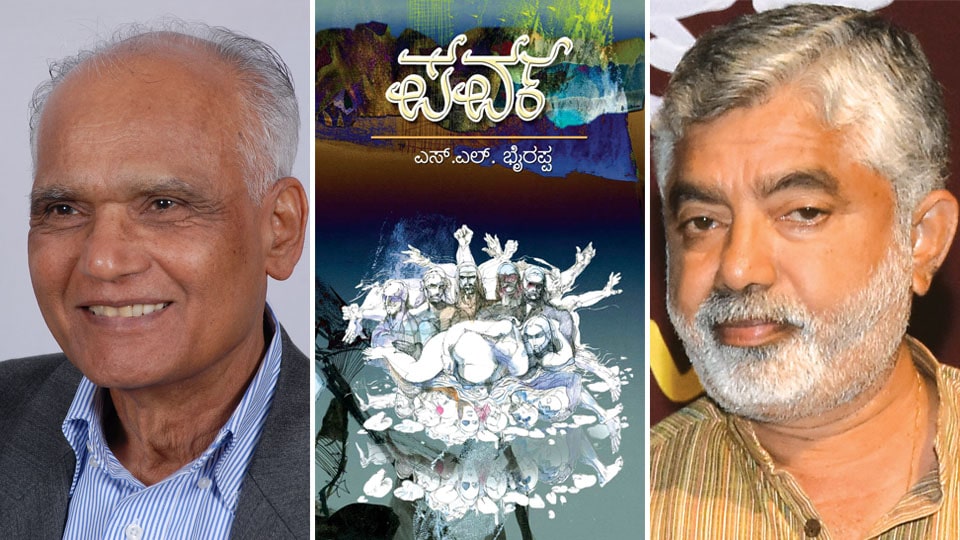
Saraswathi Samman recipient and acclaimed Kannada novelist Dr. S.L. Bhyrappa will soon catch the imagination of theatre lovers as his novels will be adapted into plays at theatre repertoire Rangayana.

Though the novelist’s works have been translated into English and many regional languages, Rangayana had not so far experimented on them as there was a prejudice that Bhyrappa is a right-wing writer. Though art and literature transcends the boundaries of caste, creed, sex, personal prejudices and religion and one cannot brand a writer as right wing, left wing or neutral, Dr. Bhyrappa was an anathema to many theatre activists, artistes and people who were in the forefront of theatre in Mysuru.

Dr. Bhyrappa hails from Mysuru and despite this, Mysuru’s Rangayana never thought of adapting his novels as plays to reach the mass audience. Now with Addanda C. Cariappa as the Rangayana Director, things are moving in the right direction without any bias, vested interests or prejudice. Bhyrappa’s novel ‘Parva’ will be adapted into a play and work has begun in this regard.

Rangayana has the distinction of bringing Kuvempu’s ‘Sri Ramayana Darshanam’ and ‘Malegalalli Madumagalu’ into theatre and both the plays received tremendous response. Rangayana artistes said that this ‘Parva’ adaptation is an ambitious project and the nitty-gritty of the project has begun with the artistes examining the finer details in the novel.

After the first show at Rangayana, ‘Parva’ will be staged across the State including places like Shivamogga, Dharwad, Kalaburagi, Chikkamagalur, Hubballi, Udupi, Chitradurga, Davanagere and other places.

Considering Dr. Bhyrappa’s popularity and a wide reach – thanks to the universal appeal of his novels – artistes are sure that the ‘Parva’ play will be well-received.

Actor Prakash Belawadi, a multi-faceted personality who has created a niche in theatre, will direct the play. If COVID pandemic eases, the play will be ready to be staged during Navaratri. “It is an ambitious project and as promised to the audience during last Bahuroopi, we will adapt Bhyrappa’s novel into a play. We will meet Bhyrappa and Prakash Belawadi soon and discuss the plans, chapters to be adapted, theme, overarching message and finer details,” Rangayana Director Cariappa told Star of Mysore.

Dr. Bhyrappa’s ‘Parva’ was written in 1979 and has entered 41st year. It has seen many reprints and is among the popular works of the acclaimed novelist. Recently, Kannada and Culture Minister C.T. Ravi had discussed about adapting ‘Parva’ into a play at a meeting of Ranga Samajas.

Booker Prize Winner Aravind Adiga on ‘Parva’ plot

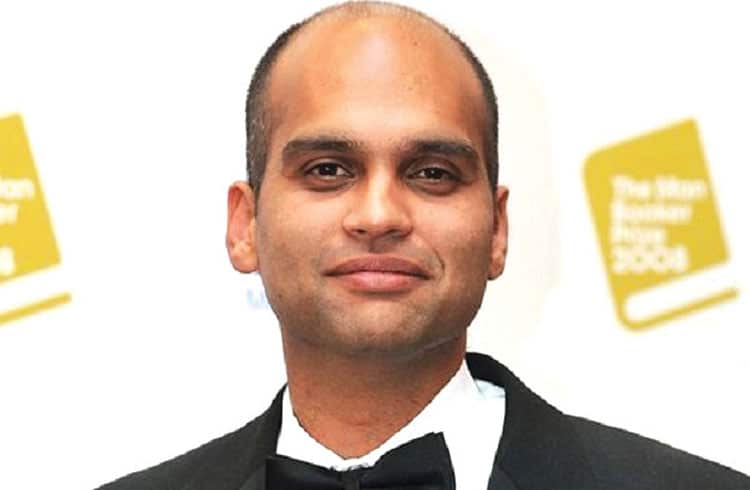
Aravind Adiga, an Indo-Australian writer and journalist whose debut novel, ‘The White Tiger’, won the 2008 Man Booker Prize, describes ‘Parva’ in the following words:

ArvindKF12jul2020

“By the mid-1970s, the novelist’s genius for detail — the smell of sandalwood soap on a lover’s body, the toothache that distracts the hero, the tiger’s skin against which the scholar rests to study the Vedas — and his ability to create memorable voices, especially for his women, were strengthened by a new interest in formal experimentation. In 1979, after having won the Sahitya Akademi award for ‘Daatu’, his novel about caste, Bhyrappa published the work that defines him for many readers: Parva.”

“On the surface, it is an anthropological retelling of the Mahabharata, in which the Kurukshetra war is freed from mythology and magic and presented as an actual historical event, the novel is really a study of human character under extreme stress. Innovative in structure, ‘Parva’ is built around long interior monologues that are like arias; one by one, Bhyrappa enters into the minds of the major players, Pandava and Kaurava alike, to create complex, almost Cubist, character portraits,” Adiga says.

“First we see Karna being stupid and lustful, goading the Kauravas on to rape Draupadi; then, we see him about to bathe in the Ganga, thoughtful and insecure, having just discovered that he is the illegitimate son of Kunti; now we see him in battle, a cold-blooded killer; and finally, as a man torn between his loyalties, who lets himself be killed rather than betray either side. Melancholic in tone — the world of the Mahabharata is coming to an end in every page — ‘Parva’ reads like a Hindu Gotterdammerung. Though Bhyrappa’s characteristic failings are present here — repetitiousness and occasional verbosity — it is one of the most breathtaking of 20th-century Indian novels,” Adiga adds.

source: http://www.starofmysore.com / Star of Mysore / Home> News / July 10th, 2020

English dictionary on Soliga language

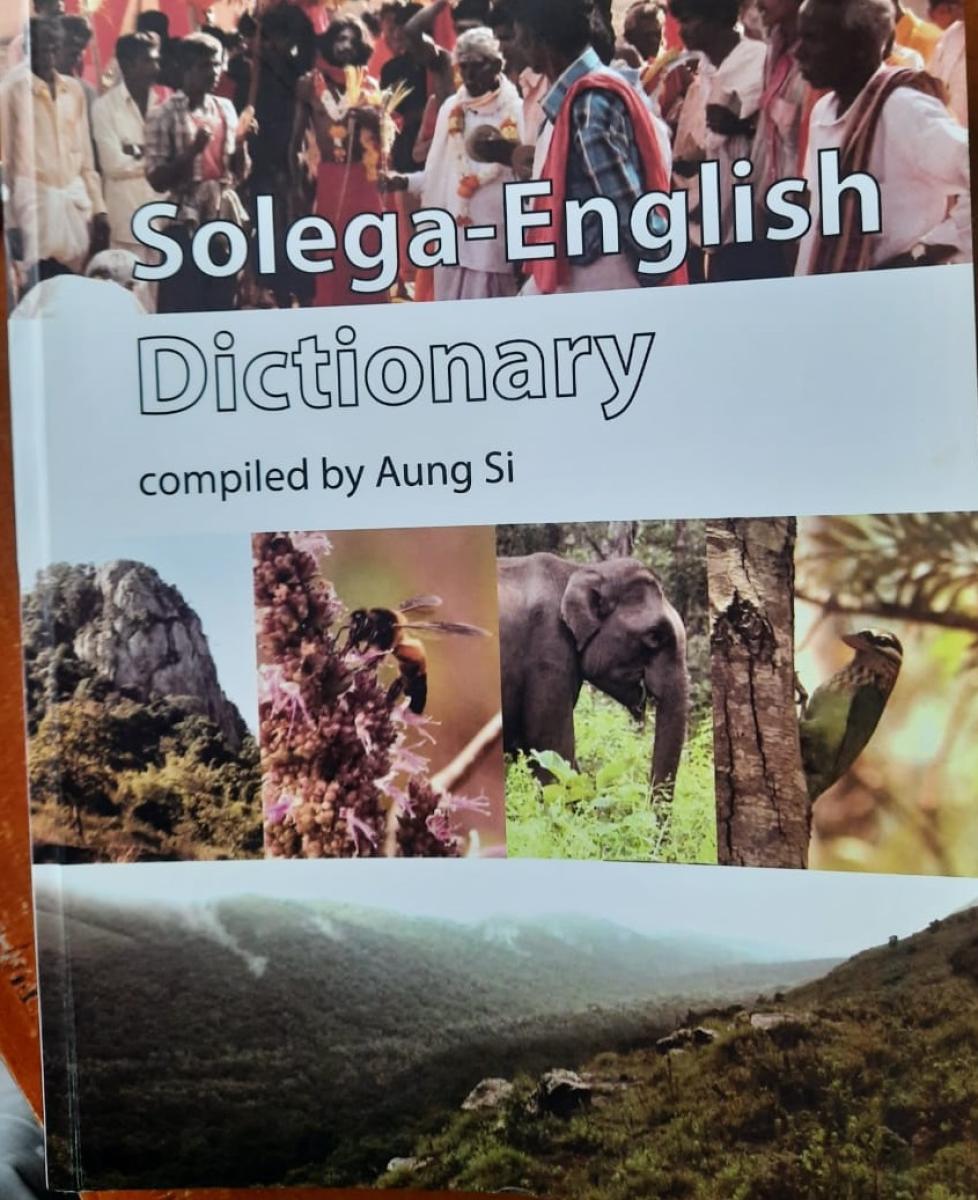
The cover page of the Soliga-English dictionary.

A researcher from Myanmar has compiled an English dictionary on the words used by the people of Soliga tribe, living in and around Biligiri Ranga Hill in Chamarajangar district.

Aung Si has compiled the words used only by the six Soligas tribes, living in the tribal hamlets. The 445-page dictionary has more than 1,500 words, used by Soligas. The words have been written in Kannada script and the explanation and meaning is in English. The book has pictures of rare trees, plants and animals found in BR Hills.

Aung Si has printed around 150 copies, priced Rs 1,500 each. He has handed over the responsibility of the book sales to the Soliga leaders, asking them to utilise the money earned for the development of the tribals.

Aung Si has earned a PhD from the Australian National University, conducting a research on the lifestyle of Soligas in 2012. He has been working hard for around 12 years, from 2008. He has interacted with the tribe of Soligas, learning about their languages.

He has sought the help of Ashoka Trust for Ecology and Environment in BR Hills, to compile the dictionary. He has also taken the help of Soliga leaders and other research persons for his work.

Scientist C Madegowda of Ashoka Trust told DH that there are 148 Soliga tribal hamlets in the district. Only six particular tribes of Soligas in 55 hamlets of BR Hills, still use the words and language, which are on the verge of extinction. Others speak Kannada and have adapted to the new lifestyles. Youngsters are not well versed in Soliga language and culture. This dictionary may be useful for them in future. It will also help those involved in further research on the language, he said.

source: http://www.deccanherald.com / Deccan Herald / Home> State> Karnataka Districts / by Gayathri G R, Chamrajnagar / July 06th. 2020