Category Archives: World Opinion

Californians to take their coffee with a cancer warning

A Los Angeles judge has determined that coffee companies must carry an ominous cancer warning label because of a chemical produced in the roasting process.

Superior Court Judge Elihu Berle said Wednesday that Starbucks and other companies failed to show that benefits from drinking coffee outweighed any risks. He ruled in an earlier phase of trial that companies hadn’t shown the threat from the chemical was insignificant.

The Council for Education and Research on Toxics, a nonprofit group, sued Starbucks and 90 other companies under a state law that requires warnings on a wide range of chemicals that can cause cancer. One is acrylamide, a carcinogen present in coffee.

“Defendants failed to satisfy their burden of proving … that consumption of coffee confers a benefit to human health,” Berle wrote in his proposed ruling.

The coffee industry had claimed the chemical was present at harmless levels and should be exempt from the law because it results naturally from the cooking process that makes beans flavorful. It also argued coffee was good for the body.

The ruling came despite eased concerns in recent years about the possible dangers of coffee, with some studies finding health benefits. In 2016, the International Agency for Research on Cancer — the cancer agency of the World Health Organization — moved coffee off its “possible carcinogen” list.

The lawsuit was brought under the Safe Drinking Water and Toxic Enforcement Act, passed by voters in 1986. It allows private citizens, advocacy groups and attorneys to sue on behalf of the state and collect a portion of civil penalties.

The law has been credited with reducing chemicals that cause cancer and birth defects, such as lead in hair dyes, mercury in nasal sprays and arsenic in bottled water. But it’s also been widely criticized for abuses by lawyers shaking down businesses for quick settlements.

“Coffee has been shown, over and over again, to be a healthy beverage,” said William Murray, president and CEO of the National Coffee Association, in reaction to the decision. He argued the lawsuit “does nothing to improve public health.”

The lawsuit has been brewing for eight years and is still not over. A third phase of trial will determine civil penalties of up to $2,500 per person exposed each day over eight years, an astronomical figure in a state of 40 million that appears unlikely to be imposed.

Attorney Raphael Metzger, who brought the lawsuit and drinks a few cups of coffee daily, wants the industry to remove the chemical from its process. Coffee companies have said that’s not feasible.

“Getting it out is better for public health than leaving it in and warning people,” he said.

Metzger’s client brought a similar case later taken up by the state attorney general that resulted in potato-chip makers agreeing in 2008 to pay $3 million and remove acrylamide from their products.

The chip-makers opted to do that rather than post cancer warnings like those that are found, and largely ignored, throughout California.

Parking garages have signs warning of chemical dangers that can cause cancer, birth defects and other reproductive harm. They note carbon monoxide and gas and diesel exhaust is present and that people should not to linger longer than necessary.

Many coffee companies have already posted warnings saying acrylamide is found in coffee. However, many are posted in places not easily visible like below counters where cream and sugar are available.

The judge has given the defense a couple weeks to file objections to the proposed ruling before he makes it final. California judges can reverse their tentative rulings, but rarely do.

About a dozen of the defendants in the case have previously settled and agreed to post warnings, Metzger said. With some defendants dismissed or affiliated with larger companies about 50 defendants remain.

Among the latest to settle was 7-Eleven, which agreed to pay $900,000. BP West Coast Products, which operates gas station convenience stores, agreed to pay $675,000.

Even at Starbucks shops where the labels are posted, many coffee drinkers are unaware of them.

Afternoon coffee drinkers at one shop in Los Angeles said they might look into the warning or give drinking coffee a second thought, but the cup of joe was likely to win out.

“I just don’t think it would stop me,” said Jen Bitterman, a digital marketing technologist. “I love the taste, I love the ritual, I love the high, the energy, and I think I’m addicted to it.”

Darlington Ibekwe, a lawyer in Los Angeles, said a cancer warning would be annoying but wouldn’t stop him from treating himself to three lattes a week.

“It’s like cigarettes. Like, damn, now I’ve got to see this?” he said. “Dude, I’m enjoying my coffee.”

———

Associated Press writer Amanda Lee Myers in Los Angeles and AP Chief Medical Writer Marilynn Marchione in Milwaukee contributed to this story.

source: http://www.abcnews.go.com / abc News / Home / by Brian Melley, Associated Press / Los Angeles – March 29th, 2018


Alliance for Coffee Excellence elects new board members

ACEkf28mar2018

The Alliance For Coffee Excellence (ACE) announced on 27 March the election of four new board members: Keita Matsumoto, Cory Bush, Yuko Itoi and Aleco Chigounis.

This election, voted in by ACE’s members, country partners and head judges, brings the number of formal board members to eleven.

Keita Matsumoto, the Deputy General Manager Sales Dept. of Wataru & Co., Ltd is based in Japan. He has over 18 years of coffee experience in both the marketplace and at origin and has served on multiple Cup of Excellence juries. Wataru is one of the largest buyers of Cup of Excellence coffees at the auction.

Cory Bush will join the board from Antwerp, Belguim where he is the incoming Managing Director of a European specialty coffee importer. His experience includes work with Technoserve in East Africa and as Senior Trader for Falcon Coffee in the United Kingdom.

Yuko Itoi is the owner of Times Club, a small influential coffee roaster in Japan. She will receive a golden spoon award at the upcoming SCA conference in Seattle having served on 45 Cup of Excellence international juries and has purchased more than 100 Cup of Excellence lots including multiple first place winners.

Aleco Chigounis is Co-Founder and President of Red Fox Coffee Merchants in Berkeley, CA. USA & Red Fox Sourcing Company in Lima, Peru. Aleco has extensive experience developing coffee quality & supply chains for a diverse set of companies including The Neumann Kaffe Gruppe’s San Jose office and Stumptown. He has served on close to a dozen COE juries.

“This is such a crucial time for ACE and the Cup of Excellence,” said Will Young, ACE’s Board Chairman, in a statement.” We need to make the right choices and engage our members more than ever as we strengthen the program and shape it for the future. This is the board that can succeed at doing just that.”

The new members join the present board made up of Chairman Will Young, from Australia, Past- Chairman Geoff Watts from the USA, Yun Son Lee from Korea, Joe Hsu from Taiwan, Tim Taylor from the USA, Augustin Manirakiza from Burundi and Noelia Villalobos from Costa Rica.

The Alliance for Coffee Excellence is a non-profit global membership organisation dedicated to advancing excellence in coffee. Cup of Excellence gives out prestigious awards in coffee, helping lift the prices through an online auction system following the competition.

source: http://www.gcrmag.com / Global Coffee Report / March 26th, 2018

Joshna Chinappa and Velavan Senthilkumar figure in ASF Awards

JoshnaKF20mar2018

Chennai:

Leading lady of Indian squash Joshana Chinappa and a former junior star Velavan Senthilkumar figure in the Asian Squash Federation’s list of performance awards for the year 2017.

Another Indian to get noticed is Deepak Mishra, a former player who has become a coach at the Indian Squash Academy. Deepak is to be presented with the Certificate of Recognition by the ASF.

Joshna’s best moments last year came in the Asian Individual championship which was held in April here at the Express Avenue mall where she made history by becoming the first Indian to win the coveted championship honours. For her stupendous show the Asian body chose her for the Dato Alex Lee award (outstanding performance of the year – Senior). The award for the best male player in this category went to Max Lee of Hong Kong.

Velavan had the distinction of winning the British Junior Open U-19 title for the Drysdale Cup in January in what was an historic occasion for the country with three Indians taking the first three positions. Velavan won the gold, Abhay Singh the silver and Aditya Raghavan the bronze. Velavan also featured in the title-win over Malaysia in the Asian junior team championship held in Colombo in February. For his overall show of excellence, the ASF chose him for the Hassan Musa Award ( outstanding performance of the Year- junior). The award for the female player went to Satomi Watanabe of Japan.

In all there were seven categories of awards, including for Coaches. There were 12 nominations from four countries for the Performance awards and nine nominations from six countries for the Coaches awards. The awards are to be presented at the Asian Team Championships to be held this year in Cheongju in Korea.

source: http://www.timesofindia.indiatimes.com / The Times of India / News> Sports News> Others / by Damayanti Dasgupta / TNN / March 20th, 2018

Robin Uthappa mentor and brand ambassador of Tayyarah.com 10PL team

RobinUthappaKF14mar2018

Robin Uthappa will be seen in a new avatar at the upcoming Tayyarah.com 10 PL. The veteran Indian cricketer has been signed as the brand ambassador and mentor for Tayyarah.com’s side in the Ten Premier League (10PL). The league is slated between March 19 and 23 at the Sharjah Cricket Stadium. In all 16 teams will be participating in what is the world’s biggest tennis ball cricket tournament.

Uthappa will be present in Sharjah on 21 March to cheer and support his team during the team’s two matches on the day, news agency PTI has reported.

“It will be interesting to see cricket in a new form. I am fortunate that I can bring in some of experience to cheer my squad, albeit from the sidelines. All of us have played tennis ball cricket at sometime in our lives in India. So it would be great to relive that experience,’’ said Uthappa.

Pakistan paceman Mohammed Asif, Sri Lanka’s Thilan Thushara and Chamara Silva are also likely to play in the tournament. From India a number of players who have played Ranji Trophy are listed in squads, alongside former Rajasthan Royals paceman Kamran Khan.

Former Pakistan captain Wasim Akram, also the brand ambassador for the tournament, has earlier unveiled the jersey, anthem and the trophy of the tournament. The launch event, held at the Intercontinental Hotel in Dubai Festival City, was attended by the teams along with several other stakeholders including sponsors and other commercial partners.

This new and exciting format of cricket is the brainchild of UAE-based leading Sports Management Company Petromann Events, headed by Mr. Abdul Latif Khan. The tournament boasts the highest prize money for tennis ball cricket anywhere in the world and is valued at a total of 250,000 Dirhams (USD $68K).

The schedule of the tournament, under the aegis of the Sharjah Cricket Council, was announced in January 2018.

source: http://www.insidesport.co / IndiaSport / Home> Sport> Cricket / by InsideSport Desk / March 12th, 2018

Kodagu’s encounter with the missionaries

OldKodaguKF07mar2018

When East India Company annexed Kodagu in 1834, there were no schools in the erstwhile kingdom, and none of the locals had any formal education. Lt Col James Fraser, a political agent of the company decided to open vernacular schools in Madikeri, Virajpet and Kushalnagar. Kodagu now has one of the highest literacy rates in Karnataka.

People of Kodagu took to education enthusiastically and encouraged both boys and girls to study. The British, in their policy of ‘enlightened self-interest’, supported education and introduced English along with Kannada. By 1850s, there were a number of educated locals taking up jobs in the government especially in the police, forest and revenue departments, and later in the armed forces.

However, in Kodagu, the credit for furthering education goes to two German missionaries from the Basel Mission. They were Rev Hermann Moegling and Rev Georg Richter. Moegling came to Kodagu in 1853. He first came to Mangalore in 1836 and established a seminary and a school. He not only mastered Kannada but also started the first Kannada newspaper Mangaluru Samachara in 1843.

Lt Col Mark Cubbon was the chief commissioner of Kodagu at the time, and he encouraged Moegling to establish the first Protestant church and a school in Madikeri in 1855. Georg Richter arrived at Kannur in 1855 with a group of Basel missionaries. Within days, he was sent to Mangalore where he started teaching in the Basel Mission English School started by Moegling. He was an exceptionally good teacher and was soon popular amongst the locals and the Europeans. Before coming to India, Richter spent time in London to improve his English and learn the latest teaching methods.

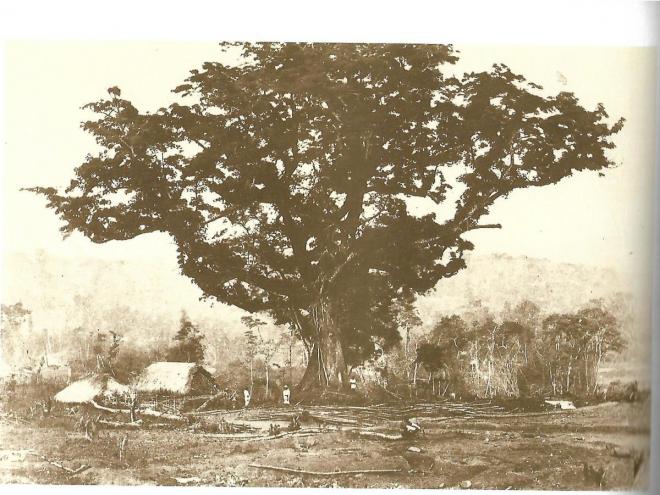
The book by Albrecht Frenz, Georg Richter: His Work in Kodagu on the Basis of Official Reports, provides insights into Richter’s journey to India, his journey from Mangalore to Kodagu and his work in Kodagu. During his time in Kodagu, Richter plunged himself into serious work, teaching as well as helping Moegling in setting up a settlement for Christian converts in Anandapur, where a coffee estate was being developed. In 1858, Richter married Armella, the daughter of Bernhard Schmid, who worked in Tirunelveli and Ooty. When Moegling returned to Germany in 1860, Richter took his place. The book also gives details of Richter’s work in the field of education in his capacity as principal of Government Central School, Madikeri, which he helped establish in 1869.

He later took over as inspector of schools in Kodagu. His wife helped him in his work and she focussed on encouraging girl students. One of the skills she taught them was needlework. Richter took an interest in learning about locals and their history. His book, Gazetteer of Coorg, published in 1870, is a comprehensive recording of social, cultural, historical and geographical aspects of Kodagu.

He was an avid photographer and the book by Albrecht Frenz has compiled the photographs taken by Richter during the 1860s in Kodagu, Nilgiris, and in parts of Tamil Nadu and Kerala. Richter and Armella returned to Germany in 1896. Richter has left an indelible mark on Kodagu by his quintessential work in the field of education, and the seminal recordings about Kodagu in the Gazetteer of Coorg.

source: http://www.deccanherald.com / Deccan Herald / Home> Supplements> Spectrum / by C.P. Belliappa / March 05th, 2018

Indian Coffee Farmers May Have Found A Way To Make Efficient Growing More Sustainable

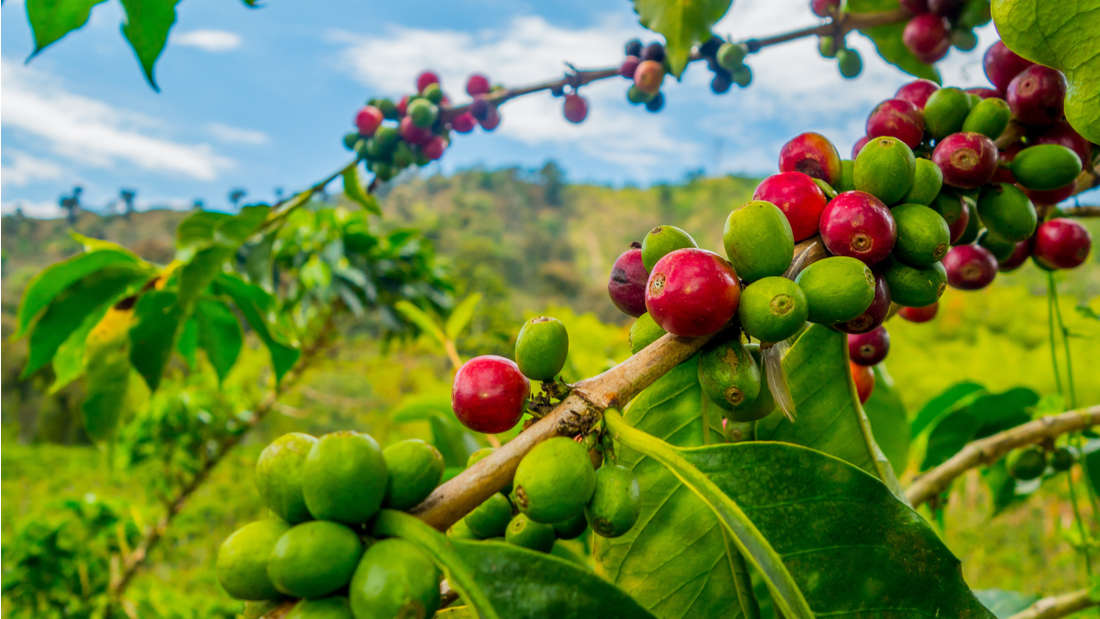
Coffee berries that contain the life-giving bean (seed) inside / Foto 5533 - Shutterstock
Coffee berries that contain the life-giving bean (seed) inside / Foto 5533 – Shutterstock

Any truly environmentally conscious coffee drinker has fretted over the massive commercial agriculture systems required for each lovely cup to appear in their waiting hands. The land-use impacts are especially hard to swallow because the bean-producing shrub grows best in tropical ecosystems – beautiful regions home to some of nature’s most fascinating creatures.

Most well-meaning connoisseurs thus exclusively consume coffee produced by the arabica variety, a shade-tolerant species that happily grow within an existing forest environment, over the other main variety, robusta, the cultivation of which usually involves clearing native trees and understory plants in order to give the coffee bushes the bright Sun and open space they desire. Given that arabica beans can be farmed using sustainable methods and they taste better than robusta, one would think that the case is closed. Unfortunately for wildlife, however, robusta dominates the worldwide coffee market because it is both cheaper and easier to grow.

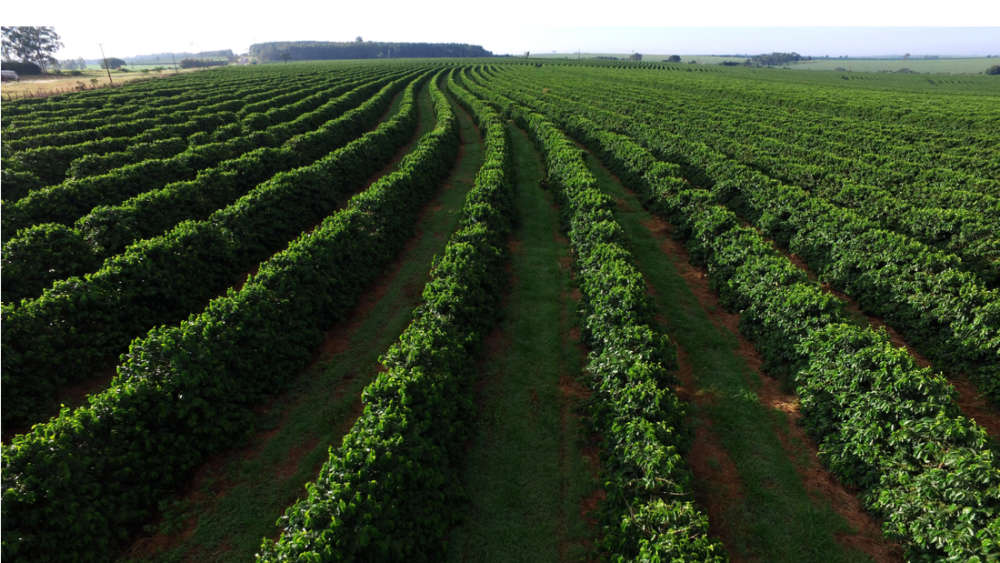
According to research led by the Wildlife Conservation Society, the rising demand for coffee since 1990 has led to a 150 percent increase in coffee farmlands in India. The majority of these new farms are located within the Western Ghats (one of the Earth’s top eight biodiversity hotspots), and the growers are overwhelmingly choosing robusta.

The team’s paper, published in Scientific Reports, set out to determine how the area’s tropical forests are responding by surveying the bird species present at 344 family-owned coffee plantations. Because birds are known to be a reliable indicator of overall ecosystem vitality, the researchers expected to find that arabica farms host far more birds and a richer variety of species.

Surprisingly, they found instead that robusta plantations are actually home to a higher density of forest-specialist flocking birds, including many fruit-eating species that plants and trees rely on to disperse their seeds. The distribution of threatened species also appeared equal between the two farm types.

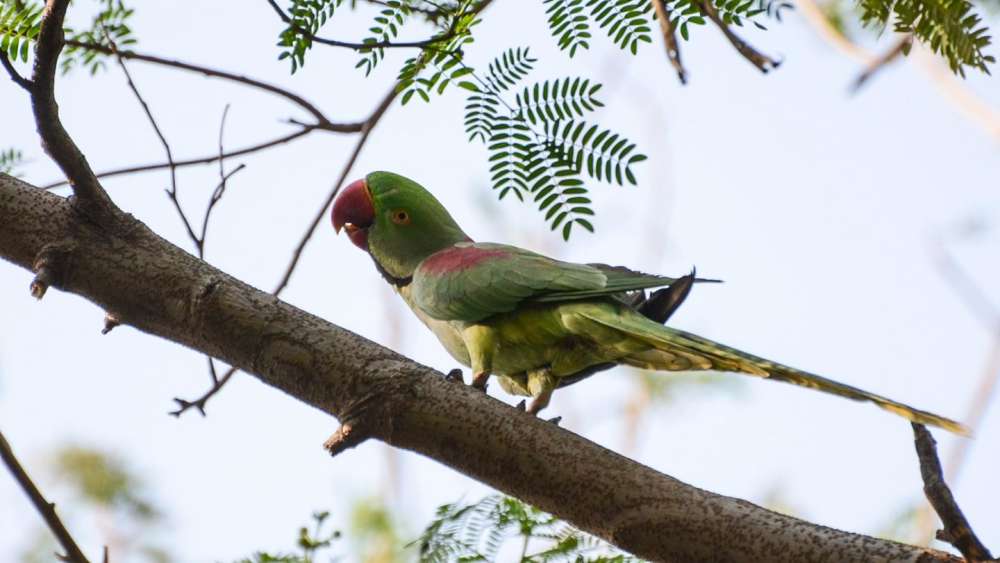
The threatened Alexandrine parakeet was found on both types of coffee farm. Photo credit Manish Kumar

On the other hand, arabica farms did have greater numbers and varieties of forest-dwelling individual birds that are only found in the Western Ghats area. Several of these species are known to be the first to disappear when a habitat is modified, suggesting that although robusta farms are not necessarily as bad as we thought, arabica growing conditions remain more favorable.

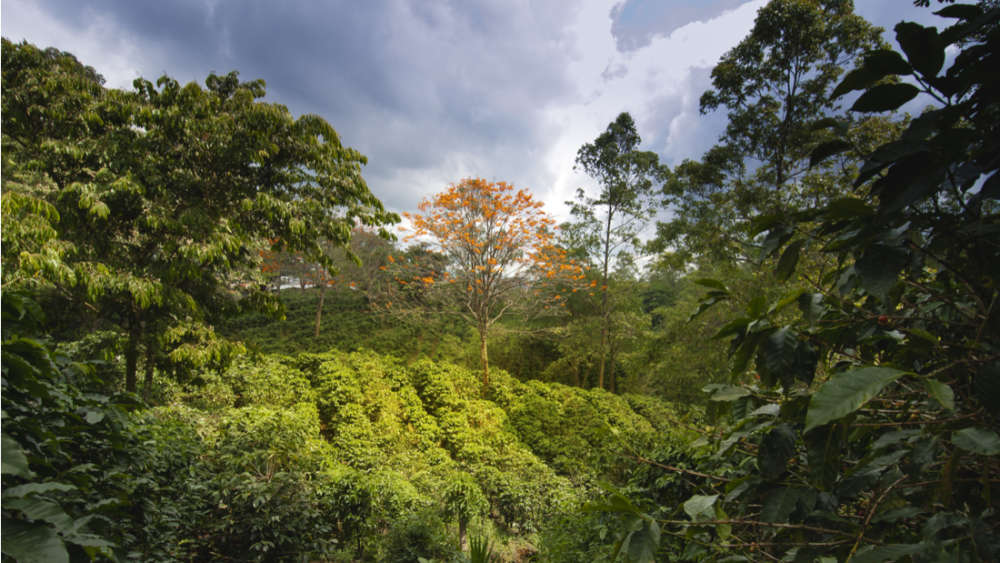
A shaded arabica farm in Costa Rica. Erkki & Hanna/Shutterstock

Few previous studies have directly compared the ecosystem impacts of arabica vs robusta, but just glancing at photographs of each type of farm leads one to believe that there’s no way that the average robusta growing operation has anything to do with the word “sustainable”.

A robusta farm in Brazil. Paulo Vilela/Shutterstock

So, what are the Indian farmers doing differently than the rest of the world?

The authors observed that though most farmers in Western Ghats used conventional (non-organic) fertilizer, only 19 percent of robusta growers also used pesticides compared with 75 percent of arabica farmers – likely due to the fact that the robusta variety is naturally hardier against attack from insects and mold.

In addition, these robusta growers kept way more native trees than growers in other areas.

“In fact, the surveyed robusta agroforests possessed canopy and forest cover three times higher than shade-grown coffee farms in Indonesia,” the authors wrote.

They conclude that the results are not just good news for the birds. Several types of once-lowbrow robusta now fetch market prices that are close to those of arabica, and the farms studied suggest that competitive crop yields are possible without relying on intensive farming methods. Adding this together means that the Western Ghats farming model could provide a sweet spot for the coffee industry: Efficient, profitable, and sustainable.

source: http://www.iflscience.com / IFL Science / by Aliyeh Kovner / February 19th, 2018

India International Coffee Festival 2018 concludes on a high note

CoffeeFestivalKF28feb2018

The theme for the event was ‘Express Yourself with Coffee’.

It highlighted the merits of coffee tourism for the coffee industry and the small farmers associated with it.

The India Coffee Trust and Coffee Board of India jointly hosted the 7th edition of India International Coffee Festival 2018 in Bengaluru for the first time. Hosted from 16- 19 January at The Lalit Ashok, the four day event included workshops, fireside chats, keynote address by various speakers representing different industry sectors and a coffee exhibition.

The event was attended by trade visitors like roasters, retailer’s distributors, café owners, policy makers, industry captains, exporters,manufacturers and host of other luminaries associated with the coffee industry.

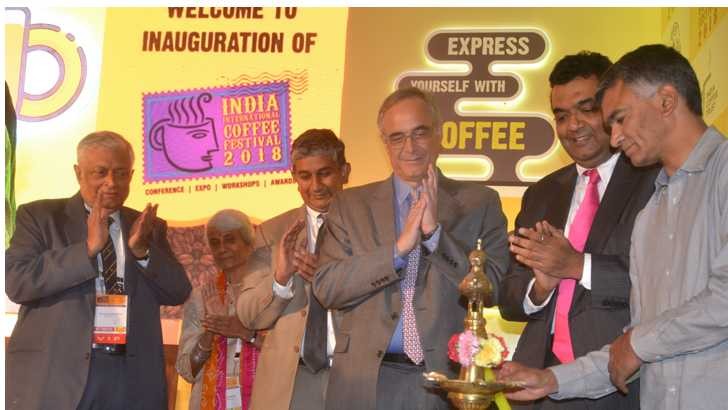
It was inaugurated by Krishna Byre Gowda, Minister for Agriculture, Government of Karnataka, along with Sudhir Sitapati, Executive Director – Refreshments, Hindustan Unilever Limited, Anil Kumar Bhandari, President, India Coffee Trust. Jose Dauster Sette, Executive Director, International Coffee Organisation, Srivatsa Krishna, IAS, Chief Executive Officer and Secretary, Coffee Board of India, Sunalini Menon, CEO, Coffee Lab Limited Trustee, India Coffee Trust.

The theme for the event focused on the lines of ‘Express Yourself with Coffee’. It highlighted coffee tourism as not just benefiting the coffee industry and the small farmers associated with it, but also to bring in the much needed growth to the tourism in the state.

Anil Kumar Bhandari said, “With this 7th edition of IICF, we are optimistic about the great ideas shared by industry experts and eminent speakers. Some exciting initiatives were also discussed during the event and we will take them up to make World Coffee Congress in 2020, a grand success.”

Srivatsa Krishna said, “Bangalore being the coffee capital of India, we are seeing this as a preparatory event leading us to the World Coffee Congress in 2020. For coffee tourism, we are also in talks with few startups for creating coffee trails which will soon be in process.”

source: http://www.voyagersworld.in / Voyager’s World / Home / by Irene Susan Eapen / February 12th, 2018

He’s one of the world’s best saxophone players, and he’s finally coming to Kentucky

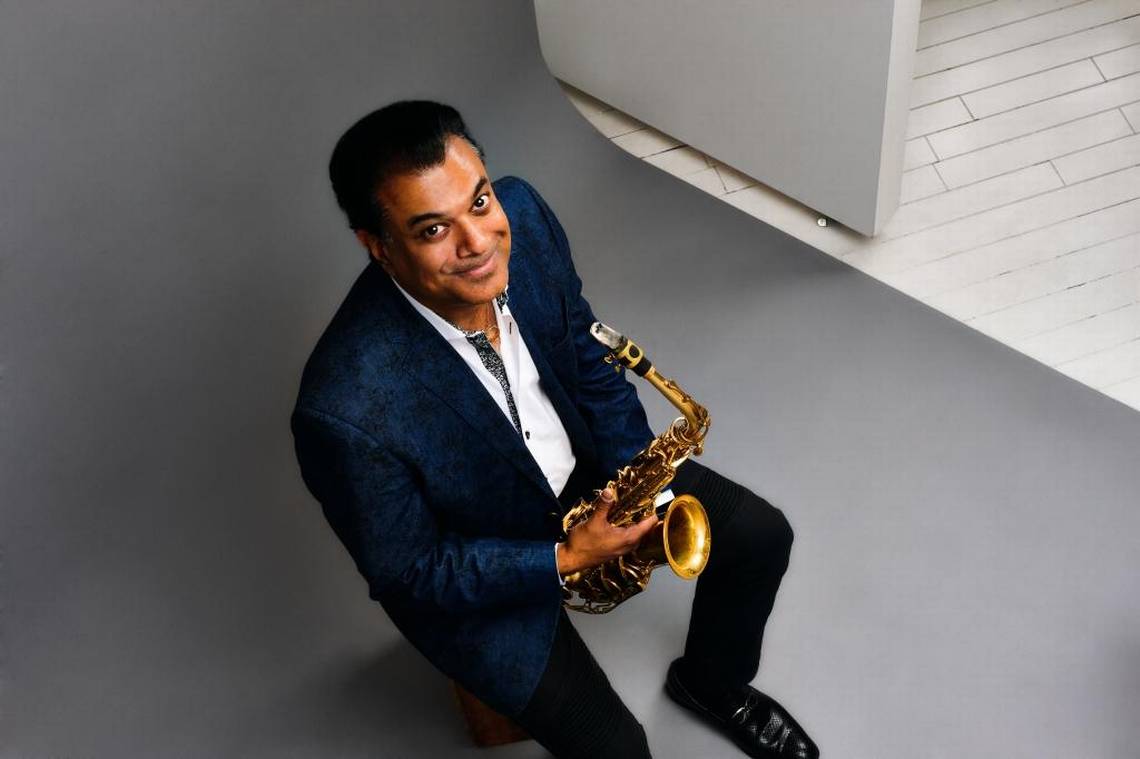
Rudresh Mahanthappa has been named alto saxophonist of the year six out of the last seven years by Downbeat magazine. Ethan Levitas

Rudresh Mahanthappa

Opening: Osland/Dailey Jazztet. 7:30 p.m. Feb. 10. Singletary Center for the Arts Recital Hall, 405 Rose St. $13 public, free in advance to University of Kentucky students. 859-257-4929. Singletarycenter.com, Rudreshm.com.

With each recording he cuts and each band he takes the stage with, Rudresh Mahanthappa reveals different views of a musical persona that can best be described as globally expansive.

In 2015, the composer, educator and bandleader — as well as Alto Saxophonist of the Year, as voted on by Downbeat Magazine’s International Critic’s Poll six out of the last seven years — channeled, dissected and re-assimilated the music of Charlie Parker into an audacious album called “Bird Calls.” Last fall, Mahanthappa followed with “Agrima,” a stylistic turnaround that meshed jazz, Indian classical music and electronics. As he prepares for his Kentucky debut on Saturday, Mahanthappa discussed plans for a future project that involves a straight ahead jazz trio of sax, bass and drums fashioned after Sonny Rollins’s classic 1958 album, “A Night at the Village Vanguard.”

“Look at my discography, and you will see every album is different,” Mahanthappa said. “Almost every album has a completely different band, so I’m always trying to shake things up for myself and change the vehicle as much as I can. My musical personality stays the same, I guess, but different scenarios bring different things out of me.”

I KNEW EVERY TRACK WITH A SAXOPHONE SOLO THAT WAS BEING PLAYED ON TOP 40 RADIO, WHETHER IT WAS MEN AT WORK OR SUPERTRAMP OR THE SAX SOLOS ON SPRINGSTEEN RECORDS.

Mahanthappa’s personal history is as culturally rich and varied as his music. Born in Italy to Indian parents, he grew up in Boulder, Colorado, initially absorbing the pop sounds of Grover Washington Jr. and David Sanborn on the radio before cutting his teeth in area jazz and even Dixieland bands.

“I knew every track with a saxophone solo that was being played on Top 40 radio, whether it was Men at Work or Supertramp or the sax solos on (Bruce) Springsteen records. I learned them all. That was my first kind of ear training, trying to learn by holding my mono tape recorder up to the radio so I could learn the saxophone solos.

“The players in the Boulder bands were all twice my age, but they took me in. I was butchering Charlie Parker solos, but people gave me a chance. Those experiences were really important. It was the welcoming aspect that really mattered. I felt like I belonged someplace. Not that I didn’t belong in my family. It was just a way to really be a musician with other musicians.”

Curiously, Mahanthappa’s exploration of his Indian heritage came much later in his decidedly American upbringing.

“The elements of Indian music came from a place of trying to engage my ancestry in a way that was really meaningful. I don’t speak my parents’ language. I didn’t grow up around any other Indian families. Beyond the limits of my immediate household, I was figuring out how to create an Indian-American culture on my own and with my brothers. For me, in particular, music was the most effective way of describing that, defining that and communicating that. I feel a lot of the music I play is a by-product of me getting to know myself.”

IT’S NICE TO GO TO THESE PLACES I’VE NEVER BEEN BEFORE AND PLAY WITH THE LOCALS WHO HAVE DEVELOPED A REAL SCENE IN THEIR PART OF THE COUNTRY.

Today, Mahanthappa’s heralded career is balanced with duties as the head of jazz studies at Princeton University. That ties in to his performance on Saturday at the Singletary Center, where he will team with University of Kentucky jazz pros Miles Osland and Raleigh Dailey in their Jazztet.

“It’s nice to go to these places I’ve never been before and play with the locals who have developed a real scene in their part of the country. I think it’s very important to the relevance of this music to engage as many of the communities as possible and not just show up to do the gig and take off. There’s a lot more to it than that.”

source: http://www.kentucky.com / Lexgo – Kentucky.com – Lexington Herald Leader / Home> Music News & Reviews / by Walter Tunis, Contributing Music Critic / February 07th, 2018

1837: When the rebel flag fluttered high

In 1837, this anger turned to action for freedom and the British suffered a temporary defeat, says N.S. Deviprasad Sampaje, Writer.

The Jangama Kalyanaswamy's flag used during the Sullia rebellion was hoisted by Guddera (Guddemane) Appaiah against the British in 1837 was later adopted as the Kodagu Gowda coat of arms. They are also called Arebhashe Gowdas
The Jangama Kalyanaswamy’s flag used during the Sullia rebellion was hoisted by Guddera (Guddemane) Appaiah against the British in 1837 was later adopted as the Kodagu Gowda coat of arms. They are also called Arebhashe Gowdas

Mangaluru:

It was the first armed uprising against the British, which took place 20 years before the First War of Indian Independence in 1857. The men who laid down their lives in this uprising of 1837 in Mangaluru are not forgotten.

The Tulunadu Rakshana Vedike and several others organisations marked the 179th anniversary of the uprising on Tuesday at Bavutagudda, where the rebels hoisted the Indian flag to mark their victory over the British on April 5, 1837.

“The people of Kodagu and Canara (coastal Karnataka) were unhappy with the British for various reasons. In 1837 this anger turned to action for freedom and the British suffered a temporary defeat,” recalls writer, N.S. Deviprasad Sampaje.

Mr Sampage , who wrote the book ‘Amara Sulliyada Swatantrya Sangrama,’ detailing this early struggle for freedom, says it was a mass movement and not restricted to some villages or caste.

“It received unprecedented support from the people of Dakshina Kannada. However there were efforts to tone it down by labelling it ‘Kalyanappa na Katakayi, or ‘loot of Kalyanappa’.

But in reality it was a major movement for freedom in the region, which scared the British. The reports of the then Collector of Dakshina Kannada, Leven, reveals this,” he says.

The rebellion was led in Kodagu by leaders such as Aparampara, Kalyanappa and Putta Basappa and continued in Sullia, Puttur before culminating in Mangaluru, the seat of the British Collector.

It is said the rebels held control of the city for 13 days before British reinforcements arrived in Mangaluru and recaptured it.

But it took two months more for the British to arrest the rebels and hang them in public to silence the movement.

“The government must do a proper study of the entire movement so people get to know its importance,” emphasises Mr Sampaje.

source: http://www.deccanchronicle.com / Deccan Chronicle / Home> Nation>Current Affairs / by Gururaj A. Paniyadi, Deccan Chronicle / April 06th, 2016

7th India International Coffee Festival 2018 reflects on experiential tourism in Karnataka

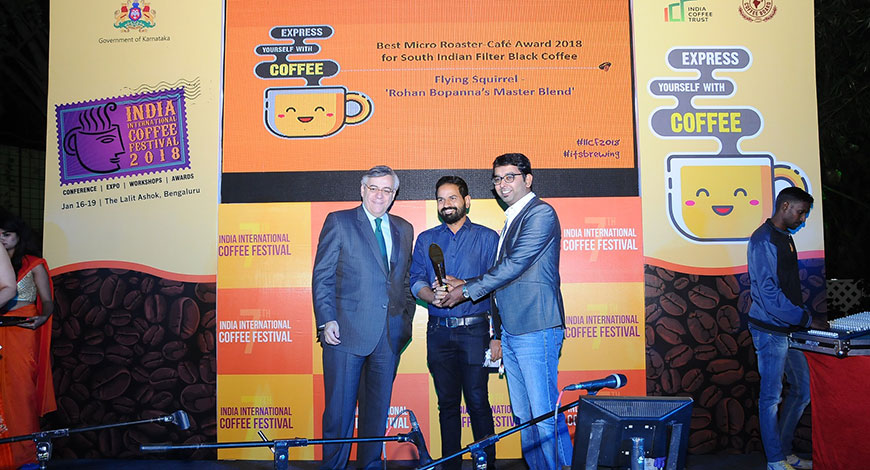
7th edition of India International Coffee Festival 2018 hosted at The Lalit Ashok, Bengaluru saw a host of activities including the coffee workshops, exhibition, keynote sessions, Fireside chat with Shri Priyank Kharge, Hon’ble Minister for IT, BT and Tourism, Government of Karnataka, Coffee Quiz Competition for Coffee enthusiasts ending the day with Café Awards ceremony.

IndiaCoffeeExbn31jan2018

The day started with workshops on ‘Role of sustainability in Post-Harvest Processing Equipment to secure the right quality, type and quantity of coffee.’ The session was led by Carlos Brando and Joao Alberto Peres Brando from Pea Marketing Ltd.

Shri Priyank Kharge, Hon’ble Minister for IT, BT and Tourism, Government of Karnatakagraced the occasion and attended a fireside chat session along with Mr. Anil Kumar Bhandari, President, India Coffee Trust where he emphasized on experiential tourism.“Today people want to experience and learn from their outings, hence experiential tourism is leading to a lot of buzz around homestays. We have offline and online strategies in place and are ready to build infrastructure and jointly manage it with associations. We have opened up 11 new eco-trails that will benefit the homestays and provide exhilarating experience to travelers,” said Shri Priyank Kharge while addressing the gathering.

He further said that, “I am privileged to have a unique opportunity to bring together information technology and biotech to further tourism in the state. I urge the startup fraternity and innovators to come forward with solutions that will help us build a sustainable tourism ecosystem in Karnataka.”

Commenting on this occasion, Anil Kumar Bhandari, President, India Coffee Trust said,“This year the festival focused on skill-building workshops, showcase of products and services, key sessions by delegates on Global Coffee Outlook and Future of Indian Coffee Sector.”

“The Indian coffee sector is growing at a rapid pace. And to sustain this growth, the dependence on government subsidies needs to come to an end,” said Shri Srivatsa Krishna, IAS, Chief Executive Officer and Secretary, Coffee Board of India.

Also, addressing a keynote session here, Jose Dauster Sette, Executive Director, International Coffee Organization said, “India is the sixth place in internal coffee consumption. In future by 2050, the production of world coffee might further decrease due to factors such as climate change that facilitates spread of pests and diseases. Both Arabica and Robusta are also negatively affected by the climate change.”

source: http://www.everythingexperiential.in / Everything Experiential – Business World / Home / by EE News Desk / January 24th, 2018