Category Archives: World Opinion

Drinking coffee reduces risk for death

Among people of various ethnicities and cultures, higher coffee consumption — whether caffeinated or decaffeinated — was associated with all-cause and cause-specific mortality benefits, according to two new studies published in Annals of Internal Medicine.

“Coffee is one of the most widely consumed beverages in the world and in the U.S. population,” Song-Yi Park, PhD, from the University of Hawai’i Cancer Center, and colleagues wrote. “Therefore, even a small health-promoting effect of coffee could have a substantial impact on public health.”

Researchers for both studies noted that although recent studies have found that higher coffee consumption was associated with lower risk for all-cause death, the relationship between consumption and mortality in nonwhites and diverse European populations is unknown.

The first study, focusing on nonwhite populations in the United States, included 185,855 blacks (17%), Native Hawaiians (7%), Japanese Americans (29%), Latinos (22%) and whites (25%) who were aged between 45 and 75 years at the time of recruitment from 1993 to 1996. Park and colleagues evaluated coffee consumption via a validated food-frequency questionnaire, which was updated approximately every 5 years. A total of 16% of participants reported not drinking coffee, 31% drank one cup a day, 25% drank two to three cups a day, 7% drank four or more cups a day and 21% had irregular coffee drinking habits. Participants were followed until 2012.

During an average follow-up of 16.2 years, 58,397 deaths occurred. After adjusting for smoking and other potential confounders, the researchers identified an association between coffee intake and lower total mortality among those who drank one cup per day (HR = 0.88; 95% CI, 0.85-0.91); two to three cups per day (HR = 0.82; 95% CI, 0.79-0.86); or four or more cups per day (HR = 0.82; 95% CI, 0.78-0.87]). Participants who drank one cup of coffee per day and two to three cups of coffee per day had a 12% and 18%, reduced risk of death, respectively. Both caffeinated and decaffeinated coffee produced similar trends, according to the researchers.

The inverse association between coffee consumption and mortality was significant for all ethnic groups studied except Native Hawaiians. Furthermore, never-smokers, participants younger than 55 years and those without chronic disease also demonstrated an inverse relationship. Intake of coffee consumption lowered the risk for death due to heart disease, cancer, chronic lower respiratory disease, stroke, diabetes and kidney disease.

“Our findings support the recent dietary guidelines from the U.S. Department of Agriculture, which indicate that moderate coffee consumption can be integrated into a healthy diet and lifestyle, by confirming an inverse association with mortality and suggesting that association’s generalizability to different racial/ethnic groups,” Park and colleagues concluded.

These results can be applied to other ethnic groups without safety concerns because the association was observed in four different ethnicities, Veronica W. Setiawan, PhD, lead author from the Keck School of Medicine of the University of Southern California, said in a press release.

“This study is the largest of its kind and includes minorities who have very different lifestyles,” Setiawan said. “Seeing a similar pattern across different populations gives stronger biological backing to the argument that coffee is good for you whether you are white, African-American, Latino or Asian.”

“Coffee contains a lot of antioxidants and phenolic compounds that play an important role in cancer prevention,” she continued. “Although this study does not show causation or point to what chemicals in coffee may have this ‘elixir effect,’ it is clear that coffee can be incorporated into a healthy diet and lifestyle.”

“We cannot say drinking coffee will prolong your life, but we see an association,” she added. “If you like to drink coffee, drink up! If you’re not a coffee drinker, then you need to consider if you should start.”

The second study, led by Marc J. Gunter, PhD, from the International Agency for Research on Cancer in Lyon, France, focused on coffee intake and mortality risk in European populations, and included 521,330 participants mainly aged 35 years or older from Denmark, France, Germany, Greece, Italy, the Netherlands, Norway, Spain, Sweden and the United Kingdom. Gunter and colleagues recruited these participants between 1992 and 2000.

According to the data, 41,693 participants died during a mean follow-up of 16.4 years. The researchers observed a statistically significant lower all-cause mortality for participants in the highest quartile of coffee intake compared with those who did not drink coffee, among men (HR = 0.88; 95% CI, 0.82-0.95) and women (HR = 0.93; 95% CI, 0.87-0.98). In addition, death due to digestive disease was lower in relation to coffee consumption for both men (HR = 0.41; 95% CI, 0.32-0.54) and women (HR = 0.6; 95% CI, 0.46-0.78). The researchers found a statistically significant inverse relationship between coffee intake and with circulatory disease mortality (HR = 0.78; 95% CI, 0.68-0.9) and cerebrovascular disease mortality (HR = 0.7; 95% CI, 0.55-0.9) among women, as well as a positive association with ovarian cancer mortality (HR = 1.31; 95% CI, 1.07-1.61).

Gunter and colleagues also evaluated whether coffee consumption was associated with serum biomarkers of liver function, inflammation and metabolic health in a subcohort of 14,800 participants. They found that higher intake of coffee was linked to lower serum alkaline phosphatase, alanine aminotransferase, aspartate aminotransferase, gamma-glutamyltransferase, as well as C-reactive protein, lipoprotein(a) and glycated hemoglobin levels in women.

“We found that higher coffee consumption was associated with a lower risk of death from any cause, and specifically for circulatory diseases, and digestive diseases,” Gunter said in a press release. “Importantly, these results were similar across all of the 10 European countries, with variable coffee drinking habits and customs. Our study also offers important insights into the possible mechanisms for the beneficial health effects of coffee.”

“Due to the limitations of observational research, we are not at the stage of recommending people to drink more or less coffee,” he added. “That said, our results suggest that moderate coffee drinking — up to around three cups per day — is not detrimental to your health, and that incorporating coffee into your diet could have health benefits.”

The researchers emphasized that more studies are necessary to determine which compound in coffee may be responsible for benefiting health and to explore the effect of coffee consumption on health outcomes.

“These findings add to a growing body of evidence which indicates that drinking coffee not only is safe, but it may actually have a protective health effect for people,” Elio Riboli, MD, ScM, coauthor of the study from the School of Public Health at Imperial College London, said in the release. “While further research is needed, we can be confident that the results from a large European study confirm previous findings seen around the world.”

In an accompanying editorial, Eliseo Guallar, MD, DrPH, from Johns Hopkins University Bloomberg School of Public Health, and colleagues note that the relationship between coffee consumption and mortality “was modest and sensitive to confounding.”

“Recommending coffee intake to reduce mortality or prevent chronic disease would be premature,” they wrote. “However, it is increasingly evident that moderate coffee intake up to three to five cups per day or caffeine intake up to 400 mg/d is not associated with adverse health effects in adults and can be incorporated into a healthy diet.” – by Alaina Tedesco

References:

Guallar E, et al. Ann Intern Med. 2017;doi:10.7326/M17-1503.

Gunter MJ, et al. Ann Intern Med. 2017;doi:10.7326/M16-2945.

Park SY, et al. Ann Intern Med. 2017;doi:10.7326/M16-2472.

Disclosure: Park and colleagues report funding from the National Cancer Institute. Gunter and colleagues report funding from the European Commission Directorate-General for Health and Consumers and the International Agency for Research on Cancer. Guallar and colleague report no relevant financial disclosures.

source: http://www.healio.com / Healio / Home> Internal Medicine> Nutritional Fitness> In the Journals / July 10th, 2017
Dubai: Koddagu Dakshina Kannada Gowda Samaja concludes blood donation campaign

Dubai :

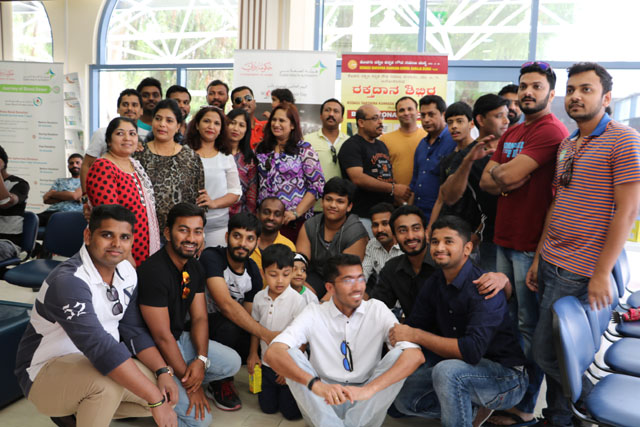
Kodagu Dakshina Kannada Gowda Samaja successfully concluded their annual ‘Blood Donation Campaign’ on Friday June 30 from 10 am to 3 pm at Sheikha Latifa Hospital, Dubai participated by very many members of the Sangha and friends.

As the requirement of blood is very much essential during Ramadan, the active members of the Sangha from Ajman, Sharjah, Dubai& Abu Dhabi voluntarily came forward in large numbers and donated blood for a good cause.

KodaguGowdaKF11jul2017

Founder President Ashok Uluvarna, Past President Ganesh Achhandira, Harish Kodi, Vice President Sunil Mottemane, General Secretary Kanneriyan Sunil Kumar, and TreasurerDilipUluvaru, were present during the campaign supporting the donors. Also present were Navin Gowda of Vokkalikgara Sangha, Dr. Nanda Kishore & Dr. Rashmi Nandakishore of Riva Laser Beauty and Spa & Dr. TrilokChandrashekar of Medi Clinic Hospital, Abu Dhabi who all participated in the blood donation campaign.

Rahul Bidappa, Ashish Kodi, AyushKodi, Meena Harish Kodi&JagadishKushalappa ably volunteered the campaign helping the donors in registering and completing the formalities. All those participated in the campaign were served with light refreshments, tea, coffee, fruits & juices by KusumadaraKodi, Ashok Ullvarana, ChandrakantKudwaje, Suresh Kumpala, SubramanyaKadikadka, Yathish Gowda, DilipUluvaru, SamarthaBantwal& Vinod Ramachandra who also sponsored the event.

Roshan Kampala& Praveen Kalagadge were responsible for the campaign while BalaSalian took charge of the programme.

source: http://www.daijiworld.com / DaijiWorld.com / Home> Middle East / by Shodhan Prasad / Wednesday – July 05th, 2017

Feature: Vietnam’s coffee queen has visions of global empire

Ho Chi Minh City, (Xinhua):

“We are striving to make King Coffee one of world’s top five coffee brands and to make Vietnam a global coffee powerhouse,” the wife of Vietnam’s coffee king told Xinhua.

Le Hoang Diep Thao is the chief executive officer of Ho Chi Minh City-based Trung Nguyen International Corporation (TNI), part of the Trung Nguyen Group (TNG).

Her husband, Dang Le Nguyen Vu, who has been recognized as Vietnam’s coffee king by Forbes Asia and National Geographic Traveler, is the co-founder and co-owner of TNG, a leading coffee firm in Vietnam, specializing in instant coffee, roasted and ground coffee, cafe trading and coffee export.

After the couple successfully brought the G7 coffee brand to more than 60 countries in the world, Thao launched TNI King Coffee and is aiming to conquer the hearts of coffee lovers all over the world, including over 1.3 billion Chinese consumers who are used to drinking tea.

“In the last 20 years, we have focused on the coffee business only. We provide full services, from coffee bean plantation to blending and roasting,” Thao said.

“TNI’s coffee beans are finely chosen from the best coffee beans in Buon Ma Thuot (the capital city of Dak Lak central highland province, Vietnam’s coffee kingdom).

Combined with advanced technology, production equipment imported from Europe, and the secret recipe from Trung Nguyen, TNI coffee is distinctive,” the graceful woman, wearing a long, red traditional dress explained.

In late April, Thao put into operation a big TNI King Coffee factory, with an initial capacity of churning out 9,000 tons of roasted coffee beans and 19,800 tons of instant coffee a year, in the southern province of Binh Duong.

King Coffee has been exported to many countries in the world, including the United States, Australia, Russia, China, India, South Korea and Singapore, and is expected to be available in 129 other markets in the future.

“King Coffee for the king market,” Thao said, implying that China is world’s biggest coffee consumer. In China, King Coffee has advanced to become one of the four best-selling brands on T-Mall Supermarket, one of three key e-commerce websites of online trade platform Alibaba.

In March, at the 96th China Food and Drink Fair held in the Chinese city of Chengdu, Thao announced that TNI will strive to meet its sales target of 1 billion U.S. dollars from the Chinese market in the next few years.

“More and more Chinese young people like to drink coffee and regard it as a casual lifestyle,” Thao stated.

Peter Tsang, Trung Nguyen’s general manager in charge of the Chinese mainland, echoed Thao’s statement, saying the Chinese market’s potentiality is huge and cafes are mushrooming there and becoming indispensable for Chinese youths.

“Most of China’s population is used to drinking tea, but many Chinese people, especially youngsters, like to drink coffee,” he said, adding that Vietnamese coffee exported to China enjoys preferential treatment, including tax incentives.

There are three key factors leading to the success of Trung Nguyen coffee in China, namely Vietnam’s fine coffee beans, the firm’s know-how, and the use of European machines and technologies, Tsang stated.
“We hope that we will attain the sales target of 1 billion U.S dollars in the Chinese market by 2020,” he said.

Now, over 1,000 Trung Nguyen cafés are set up home and abroad.

However, two decades ago, Vu, born in 1971, was a medical student with poor parents. Motivated by the aspiration to make a fortune for himself and his country by selling processed coffee, Vu, in 1996, opened a coffee roasting facility in Dak Lak, with a total workforce of only four, including himself and three of his friends.

Having practically no money or experience, Vu struggled to make his business survive while still having to attend classes. Time went by, and so did the money Vu invested in his small production base. His parents had to sell their own house to contribute capital to the base.

According to local media, Vu, burdened with financial difficulties but wanting to realize his dream, met Thao, a 20-year-old lady, who was born with a silver spoon in her mouth (her father is a gold jewelry tycoon in Buon Ma Thuot), and agreed to marry.

Vietnam, the world’s second biggest coffee exporter after Brazil, shipped 467,000 tons of coffee worth nearly 1.1 billion U.S. dollars overseas in the first quarter of this year, according to the Ministry of Agriculture and Rural Development.

Thao expressed her strong belief that TNI King Coffee will be a huge success, especially in international markets, like the previous brand G7.

“My greatest vision is expanding the Vietnamese brand all over the world, and for it to be able to compete with multinational companies in the coffee industry,” she said.

source: http://www.news.xinhuanet.com / Xinhuanet.com / Home / source: Xinhua / by Tao Jun, Dong Hua / April 28th, 2017

CFO of audiology practice named business woman of the year

Albuquerque, NM :

The Professional Business Women-Albuquerque chapter has selected an executive of a hearing care practice as “Albuquerque Business Woman of the Year.” Honored was Naina Ballachanda, chief financial officer of Premier Hearing Center, which serves thousands of patients with hearing loss from five locations New Mexico, Arizona, and Texas.

In the award citation, Ballachanda was described as a “strong female leader [who] leaves an outstanding impression on people.”

The honoree is married to Bopanna Ballachanda, PhD, CEO and director of audiology at Premier Hearing Center, who was formerly on the faculty at Purdue University and the University of New Mexico.

source: http://www.hearinghealthmatters.org / Hearing Health & Technology Matters / by David Kirkwood / November 12th, 2011

Feature: Coffee injects new vitality into Brazilian tourism city

Sao Lourenco, Brazil,(Xinhua) :

A small Brazilian city, once famous for its mineral water springs, is now welcoming tourists with new attractions — a specialty coffee with unique taste and quality.

Besides enjoying the natural beauty of Sao Sourenco, a city located in Brazil’s southeastern state of Minas Gerais, tourists from around the world are also flocking to a coffee shop at the city center to take a sip of the local coffee, which has a history of over 100 years.

The coffee sold in Junior’s shop was grown at a farm located in the mountainous region of southern Minas Gerais, the soil and climatic conditions of which are favorable to coffee growth.

Meanwhile, Sao Lorenco is famous throughout Brazil for its natural spring water, which also helps to explain why the region produces much of the best coffee in the country.

“The coffee here has acidity and sweetness, and does not need sugar,” said Helcio Junior, director and the fourth generation coffee farmer running the coffee shop Unique Cafes.

The good quality of local coffee has greatly boosted the development of tourism in the region, said Junior, who dedicated himself after graduating from university to transforming his family business from a coffee bean exporter to a specialty coffee producer.

In 2005, a coffee sample from the farm won the first place in the “Cup of Excellence,” an annual competition held in several countries to identify the highest quality coffee produced, with a world record of 95.85 points on a scale of 0 to 100.

Brazil is the world’s largest producer and exporter of coffee. Coffee plantations are mainly located in the southeastern states of Minas Gerais, Sao Paulo and Parana.

According to the Brazilian Association for the Coffee Industry, every single major coffee brand uses Brazilian coffee in its blend.

However, Brazil has, for decades, oriented its export of coffee as a commodity instead of a specialty product, therefore it has lost the marketing game when it comes to promoting its own brand.

“I started to roast our own coffee in 2005, when I entered our family business,” Junior said.

“Before that, our company had only planted and produced green coffee beans, and starting to roast coffee means that our own coffee product enters the domestic market,” Junior said.

According to Junior, his family has been exporting coffee beans to Japan, Norway, Finland, Denmark, Canada, Australia and the United States.

“We have entered the Chinese market in recent four to five years, and we have opened a coffee shop in Shanghai,” he said.

Junior believes that his specialty coffee has a promising prospect in the Chinese market.

source: http://www.news.xinhuanet.com / Xinhuanet / Home / source: Xinhua / Editor: Zhou Xin / June 24th, 2017

I am playing my best tennis, I have matured now: Bopanna

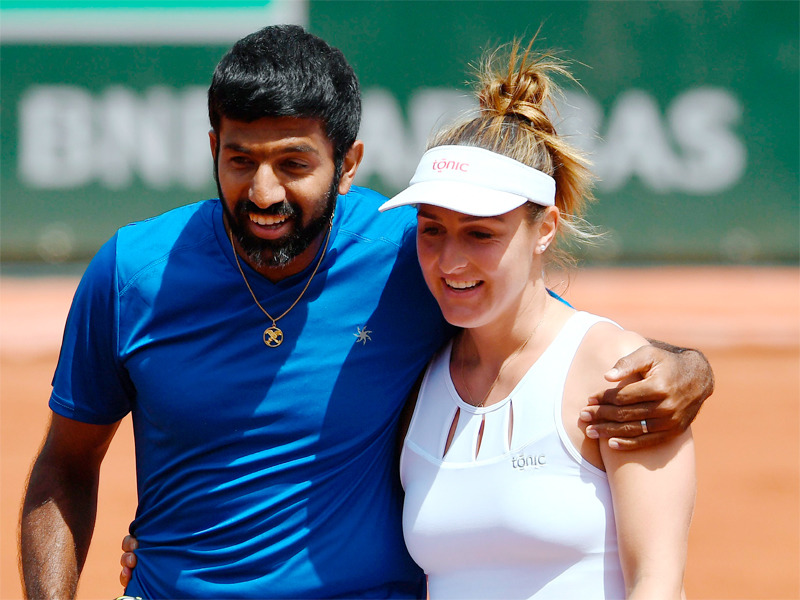
Rohan Bopanna and Gabriela Dabrowski (AFP Photo)

New Delhi :

Rohan Bopanna says he is playing the “best tennis” of his career after he achieved a personal goal of winning a Grand Slam title. The Indian asserted that he has matured as a player who knows how to negotiate pressure situations.

“There is a huge difference what I used to be as a player. I have played close played close matches over the years. I was not so nervous today as compared to 2010 (US Open final). Over the years it has helped me to adapt (quickly) to surfaces. Last two years I have been enjoying a lot playing on clay,” Bopanna said.

“I have started to control the points better. I am playing my best tennis. I have matured over the years. I know how to handle those situations better. I have lost close matches, the Wimbledon semis, played the Masters series consistently. There were no nerves and that was a big difference,” he said.

Bopanna won his first ever Major title with Gabriela Dabrowski, who became the first Canadian woman to win a Grand Slam trophy.

The last time the Coorgy came close to a Major title was in 2010 when he played the US Open final but had lost to Bryan brothers with Aisam-ul-haq Qureshi.

Bopanna and his partner today saved two match points in the Match tie-breaker.

It took Bopanna 14 years to realise his dream of winning a Grand Slam trophy after turning a Pro and he said it will take some time to realise what he has done.

“I had fantastic past two weeks. It’s still sinking in. Maybe when I will be in flight tomorrow, it will sink in.”

Asked if this win erases all regrets over getting close to Grand Slam title twice but not winning and also not winning an Olympic medal in Rio, where he and Sania Mirza were a set away from the bronze.

“There was never ever any regret. Past is past, it can’t be changed. The only way to look is look forward and present,” he said.

Bopanna said he made adjustments to his game and altered his style to get success on clay, the most demanding surface of all.

“I have been working hard, doing the right things. On clay, I changed the way I play. I was serving and staying back and not just doing serve and volley.

Practicing with Pablo Cuevas also helped me get better,” the 37-year-old said.

Recalling the crunch moments of the match when they were down by two match points, he said, “I kept telling my partner that we have to keep it in play and she came up with unbelievable return off Robert.

“It’s a big bog moment for us, more than special. It was a personal goal for me to win a Grand Slam. It’s proud moment more than relief.”

source: http://www.timesofindia.indiatimes.com / The Times of India / News> Sports News> Tennis News / PTI / June 08th, 2017

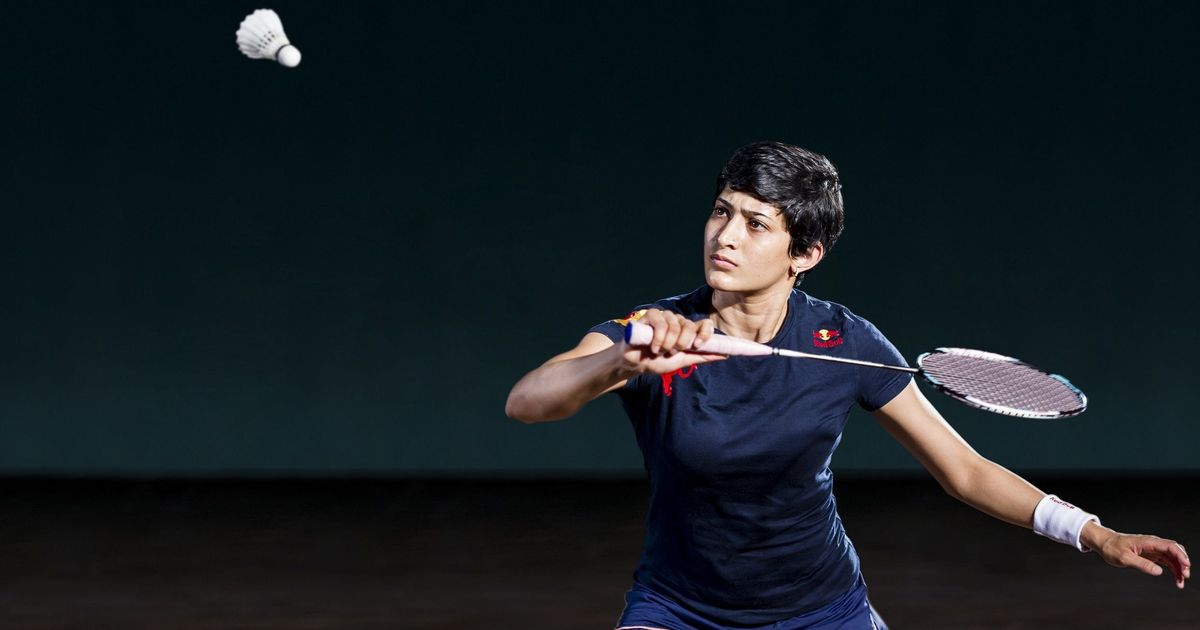
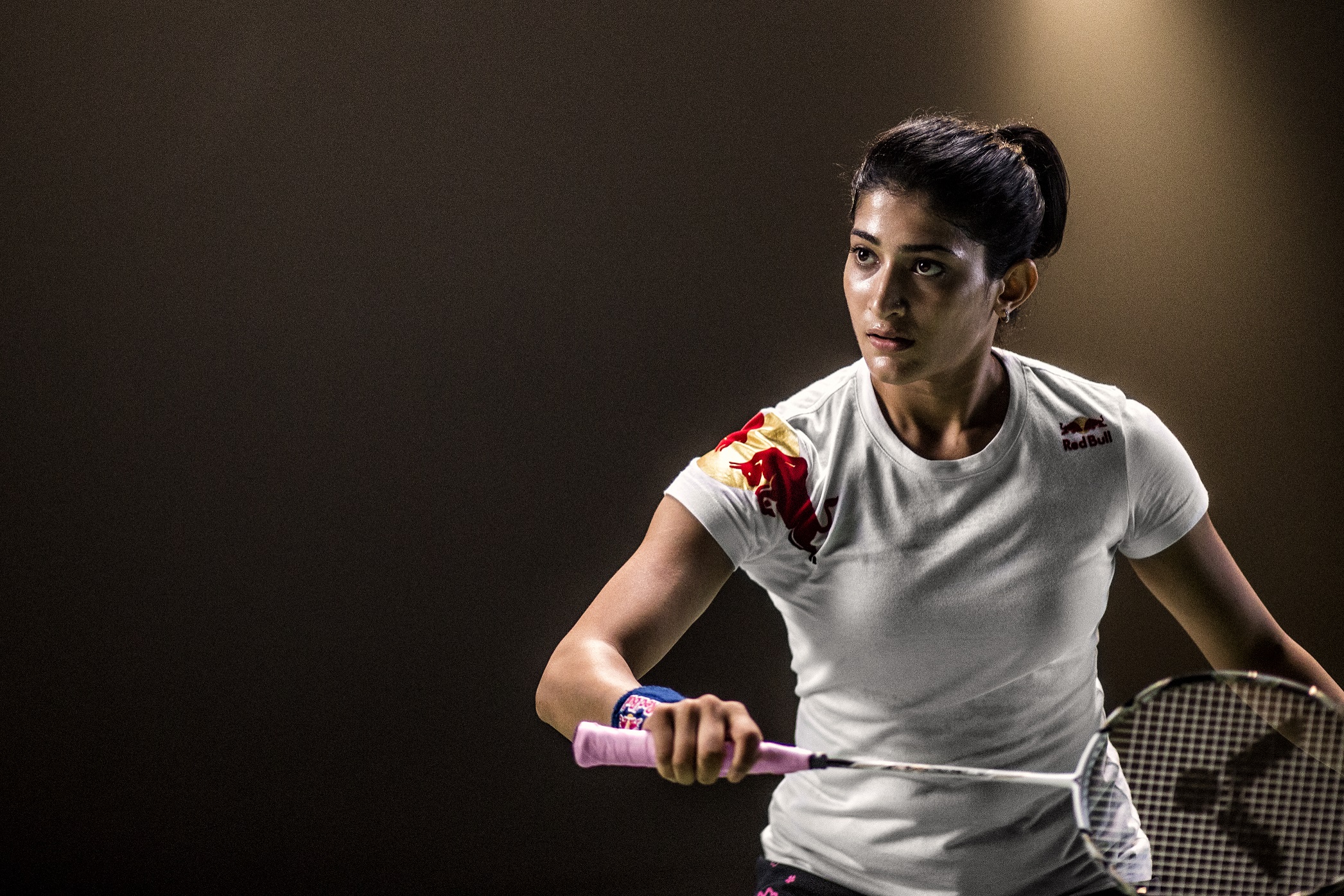
Life after Jwala: ‘Open-minded’ Ashwini Ponnappa reaping the benefits of experimentation

The 27-year-old says she has left the decision making about her partners to the coach and that has helped her performance in doubles and mixed

Photo: Red Bull
Photo: Red Bull

2016 was a milestone year for Ashwini Ponnappa. But it wasn’t memorable.

After recovering from a bout of dengue, she went to the Rio Olympics with longtime doubles partner Jwala Gutta hoping to better their performance from London 2012. Unfortunately, they ended up losing all their matches in the group stage. It was the last time India’s most successful doubles pairing played together.

A partnership lasted for nearly seven years and saw them win a bronze medal at the 2011 World Championship, a gold and a silver medal in the 2010 and 2014 Commonwealth Games respectively.

Ponnappa, in her own words, is a fiercely loyal person who did not like changing partners. She had struggled to find her mojo when Gutta had taken a break after the 2012 London Olympics and played with Pradnya Gadre for a while.

Now, physically and mentally, she was facing a challenge. Fast forward to June 2017, physically and mentally, she is at a good space.

“Life has changed a lot,” says a relaxed Ponnappa, in an interaction with Scroll.in at the Red Bull office in Mumbai. Her words carry an air of unmistakable satisfaction – the tone of an athlete who has endured a tough time and managed to break out of it. There is no hint of exaggeration and she speaks uninterrupted for a good few minutes, articulating the ups and downs of the past few months.

Photo courtesy: Red Bull
s, “Now the coaches decide and if there is a need to switch partners, we switch. It’s about how we are playing together, how the partnership is developing and if there is scope to develop. Now I am open to a lot of things that in the past I was closed to. I am open to suggestions that have helped me grow even more than I have grown in the last couple of years.”

“I have accepted that if things don’t work out in a particular partnership, it’s time to change. I am open to a lot of things now, not really narrow-minded in my approach towards the game,” she adds.

While Ponnappa’s current doubles partner, N Sikki Reddy, has been a constant, she has played with three different mixed doubles partners – K Nandagopal, B Sumeeth Reddy and Satwiksairaj.

Her partnership with Sikki has been constantly improving. The pair started playing in November last year and began 2017, ranked 110th in the world. Halfway through the season, the duo had breached the top 30 and are currently ranked 28th. A title has proved elusive, but they came close at Syed Modi GPG with a runner-up performance. Ponnappa’s excitement about her new partnership is evident.

“From having a set combination with Jwala, where I understood exactly what my role was, to playing with Sikki where I was not exactly sure about where I move, what I need to do, [it was a bit difficult initially],” says Ponnappa. “Sikki is an excellent mover. I came to realise she is essentially a back-court player too, like me. And both of us being good at the back helps us rotate, we can move in, we can mix it up. That’s helped a lot. We are finding out areas which are our strong points. With every tournament we are getting more confident with the rotation. That’s been important for me, it tells me we are in the right direction.”

Ponnappa, over the years, had developed the reputation of being the quieter one with Gutta known to be more vocal. Even their on-court chemistry gave the impression that Gutta was the dominant half of the pair, and Ponnappa was, for want of a better word, a follower. Mention that to her and she chuckles and says ‘Jwala used to listen to me as well!’ with a sheepish smile. But now, Ponnappa is the senior-most doubles player in the country and that comes with the responsibility of being a mentor – a role she is enjoying. And without any senior-junior segregation.

“It’s just a lot of fun,” she says. “I just like figuring out things – like how to play an opponent, watch videos. That helps me guide my partners. It doesn’t mean I am the senior partner and I should be the only one making calls. If they tell me, ‘Ashwini, you could move to the net here’, I am all ears. There is no such thing as I am the senior partner and the other is a junior partner. Once we are on court, we are one unit. My experience does help a bit, I can help them relax and calm their nerves in certain situations.”

While women’s doubles was always Ponnappa’s focus, she has found a new-found vigour to succeed in mixed doubles. While she has played mixed doubles often, she admits, until now, she never gave it her complete attention. If it was 100% focus on women’s doubles and about half of that for mixed earlier, now both are equal in her eyes.

She says venturing into mixed doubles seriously has added new facets to her game. Her agility has increased, she moves with ease and is starting to hold her own at the net as well.

So how difficult was it for her to adopt to this new system?

“It wasn’t easy,” she says. “That three-month break [after Olympics] was important, because physically I was not fit at all. I had dengue just before Olympics and that shattered my body. Even when I started training again, my body was not responding. In my head I knew I had no injury but my body did not listen. I kept asking ‘Why am I struggling to play? Why am I struggling to smash?’”

What followed was introspection as Ponnappa spent time on regaining, and more-importantly, redefining her physical fitness along with opening her mind to learning new things about her game. After a tough period in Indian doubles badminton, Ponnappa is excited about finding out where this new phase is headed.

“With this sort of mindset, I am enjoying doubles, enjoying mixed doubles, enjoying playing with Sikki, enjoying the rotation, enjoying the communication, enjoying moving to the net. It’s just been a whole lot of fun. There is never an end to learning, never an end to growing, if you are really excited about the game.”

We welcome your comments at letters@scroll.in.

source: http://www.thefield.scroll.in / Scroll.in / Home> The Field> Badminton / by Vinayak Mohanarangan / June 14th, 2017

Vijay Goel meets Rohan Bopanna, discusses ‘promotion of tennis’

Ace Indian tennis player Rohan Bopanna, who recently became the fourth Indian to win a grand slam after clinching the mixed doubles title at the French Open, on Wednesday, met Union Minister of Sports Vijay Goel to discuss the promotion of tennis among youth in the country.

Bopanna, playing alongside Canada’s Gabriela Dabrowski, clinched his maiden Grand Slam title at the Roland Garros last Thursday.

The seventh-seeded Indo-Canadian pair staged a comeback after losing the opening set and defeated Lena Groenefeld and Farah 6-2, 2-6, 12-10 in a summit clash that lasted for one hour and six minutes at Court Philippe Chatrier.

The Sports Minister shared the pictures of him meeting the 37-year-old tennis star on his official Twitter handle.

?Delighted to meet #FrenchOpen Mixed Doubles ’17 winner @rohanbopanna; discussed promotion of #tennis among #youth. Keep inspiring all Rohan!? wrote Goel.

Speaking to reporters after the meet, Goel said, ?I discussed about the promotion of tennis with Bopanna. He told me about his academy and I am happy that already there are around 70 students there? The government always encourages such private academies.?

?I wish he open his academies in the other parts of the country as well,? he added.

Meanwhile, Bopanna thanked Goel for taking out his time and said, ?It was really nice that he took out some time to meet me?I am really happy that he is encouraging sports a lot.?

?I think this is what is required in India for every aspect in our field, no matter what sport it is,? he added.

Bopanna became only the fourth Indian to win a Grand Slam title after Leander Paes, Mahesh Bhupathi and Sania Mirza.

The All India Tennis Association has also declared that they will recommend the tennis player from Bangalore for this year?s Arjuna Award.

Speaking about the same, Bopanna told ANI, ?We will know in a few months if I receive the award or not, if I do, I would be very grateful and very honoured.?

(This article has not been edited by DNA’s editorial team and is auto-generated from an agency feed.)

source: http://www.dnaindia.com / DNA / Home> India> News> Sports News / ANI / Wednesday – June 14th, 2017

Rohan Bopanna wins French Open mixed doubles title to clinch maiden Grand Slam

Rohan Bopanna clinched his maiden Grand Slam title when he won the French Open mixed doubles final with Canada’s Gabriela Dabrowski in Paris on Thursday.

Canada's Gabriela Dabrowski and India's Rohan Bopanna hold aloft the trophy after winning the French Open mixed doubles title in Paris on Thursday. The pair defeated Germany’s Anna-Lena Groenefeld and Colombian Robert Farah 2-6, 6-2 (12-10). (AP)
Canada’s Gabriela Dabrowski and India’s Rohan Bopanna hold aloft the trophy after winning the French Open mixed doubles title in Paris on Thursday. The pair defeated Germany’s Anna-Lena Groenefeld and Colombian Robert Farah 2-6, 6-2 (12-10). (AP)

Indian tennis ace Rohan Bopanna and Canadian partner Gabriela Dabrowski produced a fighting performance to beat their German-Colombian opponents Anna-Lena Groenefeld and Robert Farah in the final to clinch their maiden French Open mixed doubles title in Paris on Thursday.

Seeded seventh, Bopanna and Dabrowski took an hour and six minutes to win, saving two match points, as they overcame the unseeded Groenefeld and Farah 2-6, 6-2, 12-10 on Philippe-Chatrier Court.

Bopanna has become only the fourth Indian to win a Grand Slam crown, after Leander Paes, Mahesh Bhupathi and Sania Mirza. Indians have accounted for 20 Grand Slam mixed doubles titles. Two of those victories belong solely to India with Sania Mirza partnering Mahesh Bhupathi.

Bopanna entered the final of a Grand Slam tournament after a gap of seven years. He had also qualified for a Major final in 2010 when he and Pakistan partner Aisam-ul-haq Qureshi entered the title clash of the US Open.

The 16th seeds had then lost to American twins Bob and Mike Bryan in the final.

Bopanna is the also the fourth Indian to win a mixed doubles crown at the world’s premier clay court tournament. Bhupathi won India’s first Grand Slam title in 1997 when he partnered Japan’s Rika Hiraki to claim the French Open.

Bhupathi again won in 2012, this time with compatriot Sania Mirza.

Paes too had savoured glory on the red clay when he won in 2016 with Martina Hingis.

Bopanna and Dabrowski did not start well, losing the first set 2-6. The seventh seeds gave away as many as four breakpoint chances and Groenefeld and Farah converted two to take the lead in the match.

However, the Indian-Canadian combine fought back well to clinch the second set with the same scoreline.

Though they were broken once, Bopanna and Dabrowski converted three of the five breakpoint opportunities they got to push the match into a match tie-break (earlier known as Super Tie-Break).

The German-Colombian pair led throughout the tie-break, and held two match points at 9-7. However, Bopanna and Dabrowski somehow managed to save both.

Bopanna and Dabrowski had their first chance when they took the lead at 10-9. They lost the opportunity as scores were levelled at 10-all but the pair grabbed the next two points to seal victory at Roland Garros.

source: http://www.hindustantimes.com / Hindustan Times / Home> Tennis / HT Correspondent, Hindustan Times / June 08th, 2017

How wildlife-friendly is your brew?

WildKaapi01KF03jun2017 Wild Kaapi, your morning coffee comes from certified estates that support gaurs, elephants and monkeys, along with Arabica beans

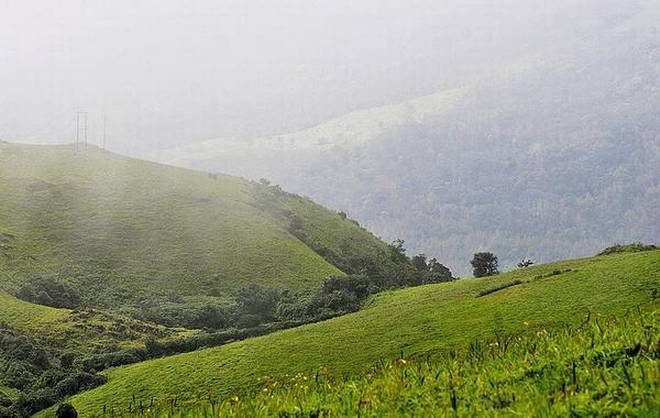
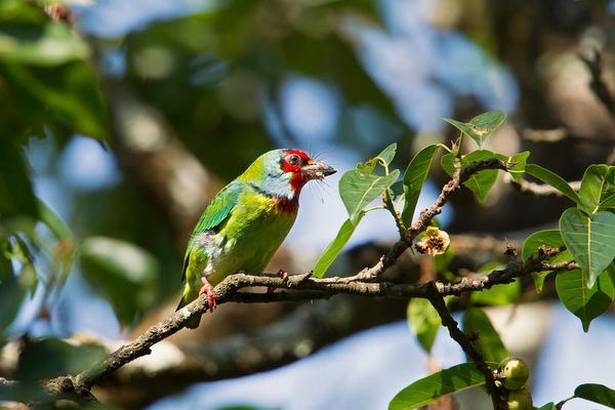
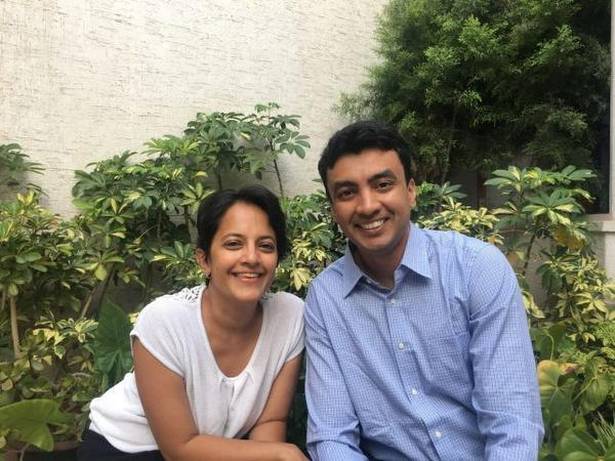
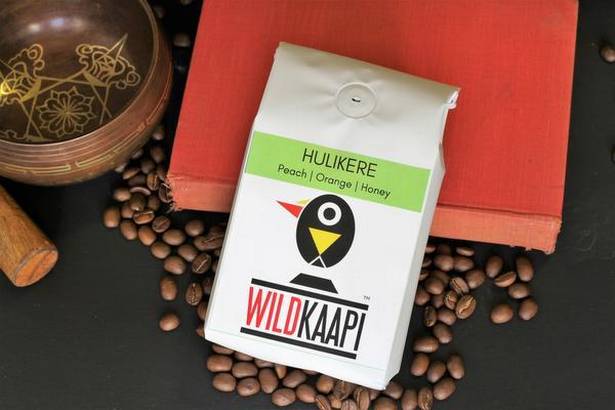
Under the cool canopy of native trees in the Western Ghats, coffee bushes spread out, gleaming with red berries. In the early morning hours, if you are lucky, you may spot rare species like the Malabar grey hornbill, water snow flat butterfly or the Asian fairy bluebird among these shade-loving plants. And now, thanks to the efforts of Wild Kaapi — the world’s first ‘certified wildlife-friendly’ coffee brand — you can ensure your morning brew comes from plantations that foster fauna on their lands. Started by wildlife conservationist, Krithi K Karanth — who has has been working in the Western Ghats, a biodiversity hotspot, for the last 19 years — and her husband, Avinash Sosale, the coffee brand got its certification this April and opened its doors to buyers last month.

(photo credit: Ramki Sreenivasan)

Live and let live

Wild Kaapi started as an offshoot of a three-year research project (part of a grant by the National Science Foundation to study coffee, areca and rubber plantations in the Western Ghats). Karanth, of the Centre for Wildlife Studies — with Paul Robbins of the University of Wisconsin-Madison and Dr Ashwini Chhatre of University of Illinois — measured biodiversity, and studied labour practices and market dynamics of the farming areas.

During the project, she interacted with over 1,000 planters in the three coffee growing areas of Karnataka — Kodagu, Chikmagalur, and Hassan — and realised how frustrated they were “because they weren’t getting value for their coffee due to the middlemen involved”. That’s when the idea for Wild Kaapi originated, and the duo is now exploring new ways to get a premium price for products that support wildlife. “This includes social enterprises that can contribute to conservation action. (After all) traditional wildlife conservation relies heavily on donors,” says Sosale, who quit a career in automotive business to be a part of the venture. “At this stage we have two commitments: we have told coffee growers we will pay them the highest price, and, with the profit we generate, we will build a conservation fund to award grants to young conservationists,” he adds.

WildKaapi03KF03jun2017

Animal tales

Millennials are more discerning towards coffee, observes Sosale. “Today’s consumer is informed. Ethical and conscious consumption is what we want to tap into.” To qualify for certification, the coffee not only had to have a good cupping (tasting) score, but the plantation had to support a vast biodiversity. Of the more than 187 farms they audited (recording the species of birds, butterflies, mammals, amphibians and trees), only four made the cut: Agora (with 124 species), Bindiga (137), Hulikere (119) and Cornerstone (120). Wild Kaapi has named their single-origin Arabicas after the plantations they are sourced from.

WildKaapi04KF03jun2017

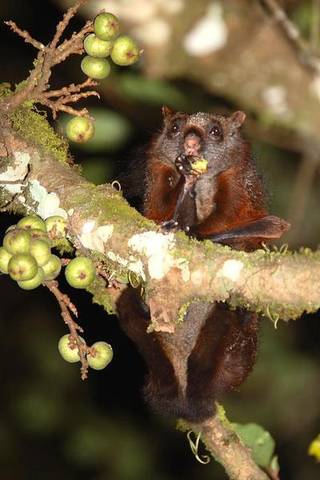
Shreedev Hulikere, a third-generation coffee grower with 60 acres in Chikmagalur, who is partnering with Wild Kaapi, says he wasn’t aware of the numerous wildlife species on their estate till now. “While my ancestors traditionally hunted, I’m a conservationist. I tell my labourers not to destroy any bird nests. I know that barbets nest here and they eat the borer worms that destroy coffee. Similarly, I’m not going to chase away the monkeys and civets that eat my coffee because I’m being compensated elsewhere. Just because a porcupine destroys a pepper creeper, I’m not going to hunt it down,” he says.

Love thy neighbour

The audit also revealed a few surprises. “We found frogs listed as endangered or threatened in the IUCN Red List (the world’s most comprehensive inventory of global conservation status) at these plantations,” says Karanth. The certification not only places their coffee in a premium space, but also paves the way for a new movement. “If you have wildlife-friendly practices, you can promote sustainable agriculture. We are trying to establish a new model — a profitable enterprise that also enables better livelihoods. This hasn’t been tried before; it’s a new way of thinking,” says Karanth.

(photo credit: Ramki Sreenivasan)

While their immediate goal is to prove that such a model is sustainable, Sosale is also mulling introducing coffee scrubs, soaps, candles and flavourings — all huge product lines in the international space. Moving into pepper and cardamom, which grow hand-in-hand with coffee, also holds much promise.

Prices start at ₹390 for 250 gms.

To know more, and buy the coffee, check out wildkaapi.com.

source: http://www.thehindu.com / The Hindu / Home> Life & Style> Homes and Gardens / by Bhumika K / June 02nd, 2017