Category Archives: World Opinion

306 teams vie for top honours in Kodava family hockey festival

As many as 306 teams have enrolled for the prestigious Kodava family hockey tournament scheduled to begin here on Monday. With Biddatanda family hosting this edition of the annual tournament, the event is named Biddatanda Hockey Namme-2017.

The hockey festival, in its 21st year, promises to a treat for hockey buffs with a record number of teams are vying for the top prize. The tournament has produced fine talents over the years some of whom have made the cut into state and national teams. The matches will be played at three grounds – two at Gen Thimayya Stadium at Cheriyaparambu, and at Govt PU College ground.

Grounds Committee chairman B B Belyappa said, “Final touches are being given to the grounds to make them match-ready at a cost of Rs 16 lakh. The 27-day tournament is being organised at a cost of Rs 1.6 crore.”

Thunder showers, in the recent past, in the run up to the competition have delayed the preparations. With rain taking a break on Saturday, the groundsmen took up the last-minute preparations to make the grounds ready for the matches, starting on Monday.

For the first time in the history of the tournament, a metal gallery has been erected for the benefit of the spectators. The organisers have also made necessary arrangements like mats, sound system, lighting, media gallery at a cost of Rs 33.50 lakh.

As many as waterproof make-shift food stalls have been set up at the grounds. Safety measures are also in place with shade nets covering the banks of Cauvery river to prevent people from venturing into water and contaminating the same.

Mysuru-Kodagu MP Pratap Simha had promised Rs 30 lakh from his MPLAD funds for the tournament but released only Rs 20 lakh. Zilla Panchayat is also expected to chip in with Rs 4 lakh for building a check wall.

MLC Shantheyanda Veena Achaiah has sanctioned Rs 5 lakh. Legislators K G Bopaiah and MLC Suneel Subramani too have promised funds.

Hockey India, Hockey Karnataka, Hockey Kodagu and Umpire Association have extended their support to the event. President of Umpire Association Katumaniyanda Umesh has taken over the mantle of supervising the matches.

According to technical director of Biddatanda Hockey Namme B S Thammaiah, seating facilities have been made for 20,000 people. It includes 4,000 seats for VIPs. Parking facilities have been made on 15 acres of land.

Hockey Olympian Anjaparavanda B Subbaiah will inaugurate the tournament on April 17 at 10.30 am. Founder of Hockey Namme, Pandanda M Kuttappa, will be the chief guest, while Prof B C Ponnappa of Biddatanda clan will preside over the inaugural function.

Revenue Minister Kagodu Thimmappa, Forest Minister B Ramanath Rai, former minister M C Nanaiah, MP Prathap Simha, MLAs K G Bopaiah and Appachu Ranjan, MLCs Shantheyanda Veena Achaiah and Suneel Subramani, SP P Rajendra Prasad, president of Kodagu Hockey Association Pykera Kalaiah and Muliya Prasad from Muliya Foundation are also expected to attend the inaugural session.

source: http://www.deccanherald.com / Deccan Herald / Home> District / DH News Service / Napoklu – April 16th, 2017


Coffee’s humble roots in India – Planting of the very first seeds

CoffeeKF30mar2017

Famous for its coffee plantations, South India didn’t grow the crop naturally. Now a major producer with several hill tracts growing unique flavours of coffee, it is where the story begins… well, not exactly.

The southern Indian state of Karnataka is strewn with coffee plantations. The state is, in fact, one of the major producers of coffee in India. ‘Arabica’ and ‘Robusta’ are the kinds of coffee that are grown here under methods which are unique to this part of the country, rather, to the world.

The coffee here is grown under the shade of tress and is often inter-cropped with spices like cardamom, cinnamon, nutmeg and clove, giving it a unique flavour and aroma.

Interestingly, growth of coffee here is so dense that it might come across as shocking when someone tells you that it all started with the seeding of mere seven coffee beans, which were smuggled to the hills of Karnataka.

The story that goes around in the coffee plantations down south is that an Indian saint, named Baba Budan, once went on a pilgrimage to Mecca and from there to Mocha – a port city in Yemen and a major coffee hub.

It was here, in the 18th century, that Baba Budan first discovered coffee, when he tasted it in form of a dark and sweet liquid called Qahwa. It is said that he found the drink so refreshing that despite it being a protected Arabic beverage and industry, he sneaked out seven coffee beans by strapping them to his chest and brought them to India.

The Baba Budan Hills in Karnataka

These seven beans, Baba Budan planted in the courtyard of his home, in Chikmagalur, Karnataka – the place now synonymous to the origins of coffee in India. It is from this small patch of land that coffee began to spread over an entire hill – now called the Baba Budan hill – and then gradually to rest of Karnataka and South India.

Coffee cultivation further boosted in India under various colonies. First, the Dutch began to grow coffee in the Malabar region of south India and then the British steered its movement all over the peninsula, where they found the conditions to be apt for the growth of the crop.

In fact, coffee plantations in India were made commercial under the management of JH Jolly of Parry & Co, a trading company. Jolly saw the potential of coffee beans growing in the plantations of Chandragiri in Andhra Pradesh and had a petition sent to the Mysore government in the adjoining state of Karnataka, for 40 acres of land to grow coffee.

This not just boosted the growth of coffee but, post this, the plantations flourished with their production turning into the sole business of many from the region and coffee becoming a major commercial product. Eventually, a coffee board was also set up, which took care of the marketing of Indian coffee. It is this board that we know as the Coffee Board of India, the Indian government’s body taking care of coffee commerce in India.

Today, the coffee industry in India continues to be a flourishing one with the hill tracts of South Indian states dominating its production and the states of Kerala and Tamil Nadu following Karnataka in the list of traditional coffee growing regions. Coffee routes have further elongated to non-traditional areas, including Andhra Pradesh and Odisha on the eastern coast of the country and Assam, Manipur, Meghalaya, Mizoram, Tripura, Nagaland and Arunachal Pradesh of North-Eastern India.

The production of the crop that started on an ambiguous note has prospered into a full fledged industry, supporting the livelihood of many, especially, in the remote hilly areas of South India.

source: http://www.mediaindia.eu / Media India Group (MIG) / Home / posted in Freestyle / by Surbhi Kapila / New Delhi – March 30th, 2017

Coorg brews a winner

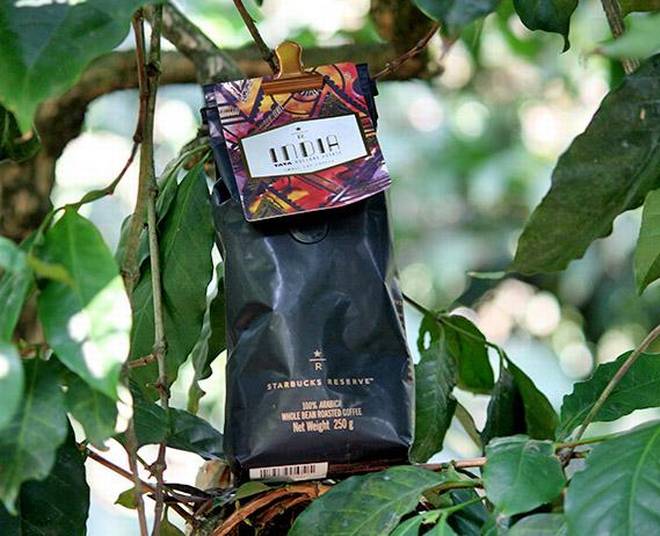
StarbucksReserveKF30mar2017


Coffee grown in the hills of Karnataka is making its way to the Starbucks Reserve store in Seattle

Coffee is undergoing something of a transformation in India. Local beans, grown in the country, are finally making it onto store shelves, where provenance and growing techniques are emphasised. Meanwhile, a certain section of savvy consumers trawls the Internet, searching for new ways to brew their daily cuppa using a range of different home-grown beans, each of which comes packaged with tasting notes that emphasise subtle flavours.

Meanwhile, an ocean away, India’s coffee prowess was given a different stamp of approval, when last October, Starbucks sold Indian coffee for the first time at its flagship Starbucks Reserve store in Seattle, the city in which the brand was founded. The coffee came from Tata’s Nullore estate in Kodagu, Karnataka, and was the company’s first microlot coffee. While Tata has 19 plantations in Kodagu (spread over 7,300 hectares), this was the first time that the company’s arabica beans made it to international shelves.

Microlot coffee refers to beans that are generally the best of the estate, and are those that imbibe flavours of the terroir. Arabica is one of two types of coffee beans, and is prized for its flavour, lower caffeine content and almost twice the concentration of sugar than is found in robusta. As a result, arabica is more expensive, and harder to grow.

Place of origin

Walking around the Nullore plantation’s block 19 (where the beans grew), what strikes you is the sense of calm that comes with standing in the midst of a 505-acre estate.

The microlot that was ultimately produced got its flavours from plants and trees that fruit bats propagate, while they make their homes in the silver oak trees above that provide shade to the arabica plants below. This two-tier system allows the coffee to grow under a canopy of trees, which includes jackfruit, pepper vines and fruits such as orange and lychee. On a tour of the block, Mandana, plantation manager, says, “We collected the coffee berries separately from eight hectares of this [block], where the fruit bat population is high.”

Changing trends

The story of the coffee though, goes beyond its growth, and rather is the story of how Tata Coffee is responding to changing customer demands, especially at the high-end, where international coffee drinkers are willing to spend between $10-30 to buy beans with unique tasting notes. Sunalini Menon, a well-known coffee cupper, who is also an independent member of the Tata Coffee board, has been instrumental in galvanising the plantation managers to experiment with microlot coffee. Chacko Thomas, the deputy CEO and executive director, says, “As a result of Nullore, we have 150 [microlot] experiments in progress.” Processing aside, the recognition has showed employees, that the beans grown in Kodagu can be cupped alongside the best in the world.

source: http://www.thehindu.com / The Hindu / Home> Life & Style> Food / by Aatish Nath / March 30th, 2017

Melbourne International Coffee Expo ready to launch

MICEcoffeeKF30mar2017

The attention of the coffee world will be focused on the Melbourne International Coffee Expo (MICE), which is being held at the Melbourne Showgrounds from 30 March to 1 April.

All of the Australian Coffee Championships will be back at MICE for 2017

With the Australia Barista Championship, PURA Latte Art Championship, Cup Tasters Championship and Coffee in Good Spirits all taking place on the ASCA Main Stage, and Brewers Cup being held in the all-new Brewing Lounge, there truly is something for everyone over all three days at MICE2017.

All winners will be announced in a ceremony on Saturday 1 April.
And for the first time ever, MICE2017 will feature a brand new Brewing Lounge that will showcase the ASCA Australian Brewers Cup, where visitors will get the chance to taste all the competition coffee.

A range of SCAE (SCA) certified courses are also being offered to coffee aficionados and beginners alike throughout MICE2017. In partnership with MICE, reduced course fees are being offered to MICE attendees.

The show is part of a wider schedule of events that make up Melbourne Coffee Week.

On Thursday, 30 March, Ona Coffee and Dr Morse Bar and Eatery are invite coffee and beer lovers alike to join them for a BrewParty – a celebration of filter coffees, beer and good times. Special guests will include WBC 2015 Sasa Sestic and current Australian Barista Champion, Hugh Kelly.

And on Saturday, 1 April, Axil Coffee Roasters will host the MICE2017 and ASCA after party.

source: http://www.gcrmag.com / Global Coffee Report / Tuesday – March 28th, 2017

Award-Winning History Exhibit Opens March 27

Kona Historical Society (KHS) will open the award-winning exhibit “The Kona coffee Story: Along the Hawaiʻi Belt Road,” on Monday, March 27 at H.N. Greenwell Store Museum.

KHS Board Member Alfreida Fujita gets a sneak peak at the KHS exhibit on March 23, 2017. Photo courtesy of Kona Historical Society.

This journey back in time to 20th century coffee farm life features never-before-seen photos and artifacts from the organization’s collection and archives. They have travelled to museums worldwide.

This Kona Coffee Story will be open Mondays, Tuesdays, Thursdays and the first Saturday of every month from 10 a.m. to 2 p.m. Admission is $5 and free to students of all ages, KHS members and active and retired military persons with identification.

The coffee industry emerged in Kona in 1828, and like any other industry, it experienced its highs and lows. Personal written accounts in the exhibit reveal the voices of hard working farmers and community leaders. Black and white photos preserve family portraits and images of the industry farm lands, in addition to a miniature model of a coffee mill.

KHS hosted a special preview of the exhibit to a limited audience on Thursday, March 23, featuring refreshed content. Attendees included descendants of Kona’s coffee industry pioneers who shared their memories of life on the farm, reflected in the exhibit’s photos, artifacts and written accounts.

The exhibit will be on display through the end of 2017.

source: http://www.bigislandnow.com / BigIslandNow.com / Home / by Big Island Now Staff / Hawaii – March 27th, 2017

Emergence Of Indian Coffee Industry

As the divisions of Coffee Day – the B2C service Cafe Coffee Day, in B2B the Coffee Day Beverages, Coffee Day Exports and Coffee Beans is sold to customers

CoffeeBizKF30mar2017

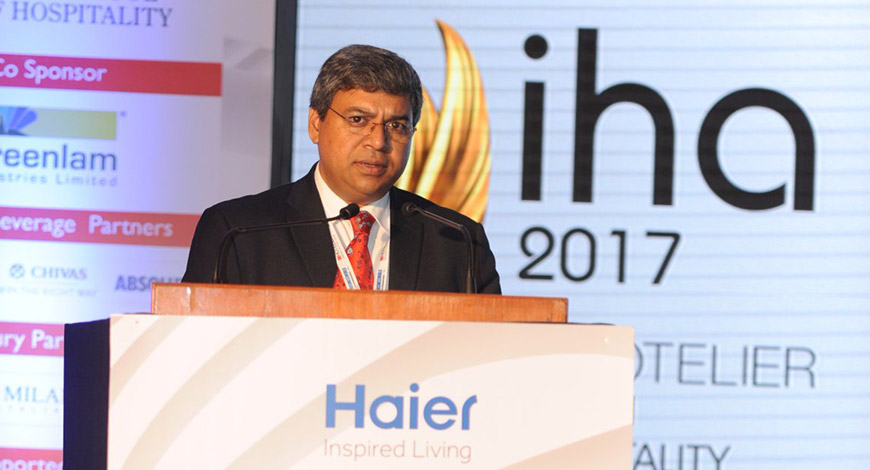
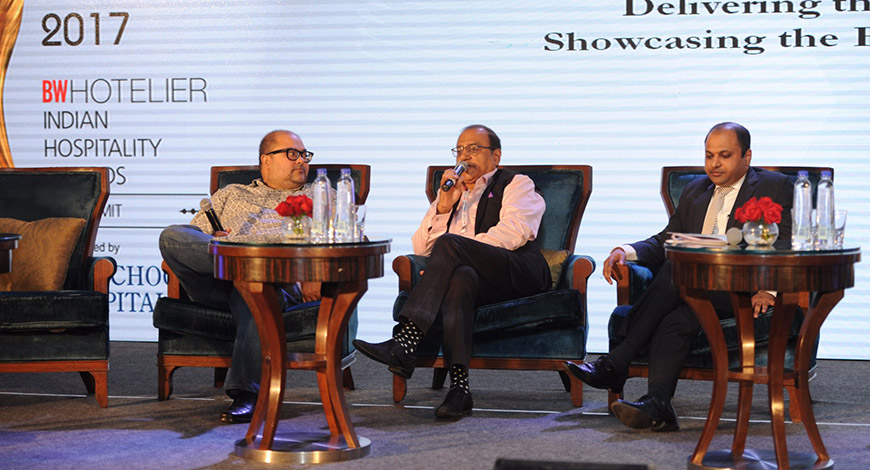
The caffeine buzz has caught up in all cities in India closing the generation gap which once drank tea and coffee. At the BW Hotelier Indian Hospitality Awards & Summit 2017 at The Leela Ambience Hotel, Gurugram, a session on “Showcasing the Best of Indian Coffee” moderated by Bikramjit Ray, Executive Editor of BW Hotelier, the panelists spoke about the growing importance of coffee in the contemporary times.

The session was opened by Abhrajyoti Chatterjee, from Coffee Day who mentioned how their brand intends to serve coffee with passion. Coffee Day is a brand which exports coffee to Europe, Middle East, EU and many other places. They even have 1500+ acres of area for the production of coffee.

CoffeeBiz02KF30mar2017

As the divisions of Coffee Day – the B2C service Cafe Coffee Day, in B2B the Coffee Day Beverages, Coffee Day Exports and Coffee Beans is sold to customers. Their brand has 41000 coffee machines in India with presence in over 1000 cities. Every year Coffee Day expands in nearly 100 cities. The machines like BMF, Indus, Sienna, Orion are the several machines which produce coffee. It also has divisions such as Coffee Day Lounges and Express Outlets in India.

The national coffee brand has a presence in 28 states, 127 cities and 665 technicians. Their huge setup which is only a backup and then we have our various outlets across India. The variations of coffee are like morning java, classic roast, filta fresh, arabica and robusta blend.

During the session it was discussed how the idea of coffee and tea could be interchanged in the earlier days. However, India is the fifth largest producer of coffee in the present times.

The session covered by Vishrut Gupta, Director Food & Beverages, Pullman New Delhi Aerocity Delhi and Sanjiv Mediratta, Group Advisor, F&B Soution and New Business Strategy, Coffee Day discussed how they are bringing a new experience for millennial in coffee. The idea of an expresso was mixing coffee with chocolate powder. More people are educated about coffee at present.

The QSR has had an impact on the purchase of coffee on people. The taste for coffee being lighter or stronger is understood by people. People liking to click more pictures with coffee is also gaining more customers for this beverage. The automatic machines also gives people the right experience of coffee.

Innovation was always present in food; but was lesser for beverages. Whether expresso, americano or latte, the youth being more exposed to the world is aware of the global trends of coffee.

source: http://www.businessworld.com . BW – Business World / Home / by Anisha Aditya / March 24th, 2017

VIDEO: Coffee museum in Saudi Arabia presents history of the beverage

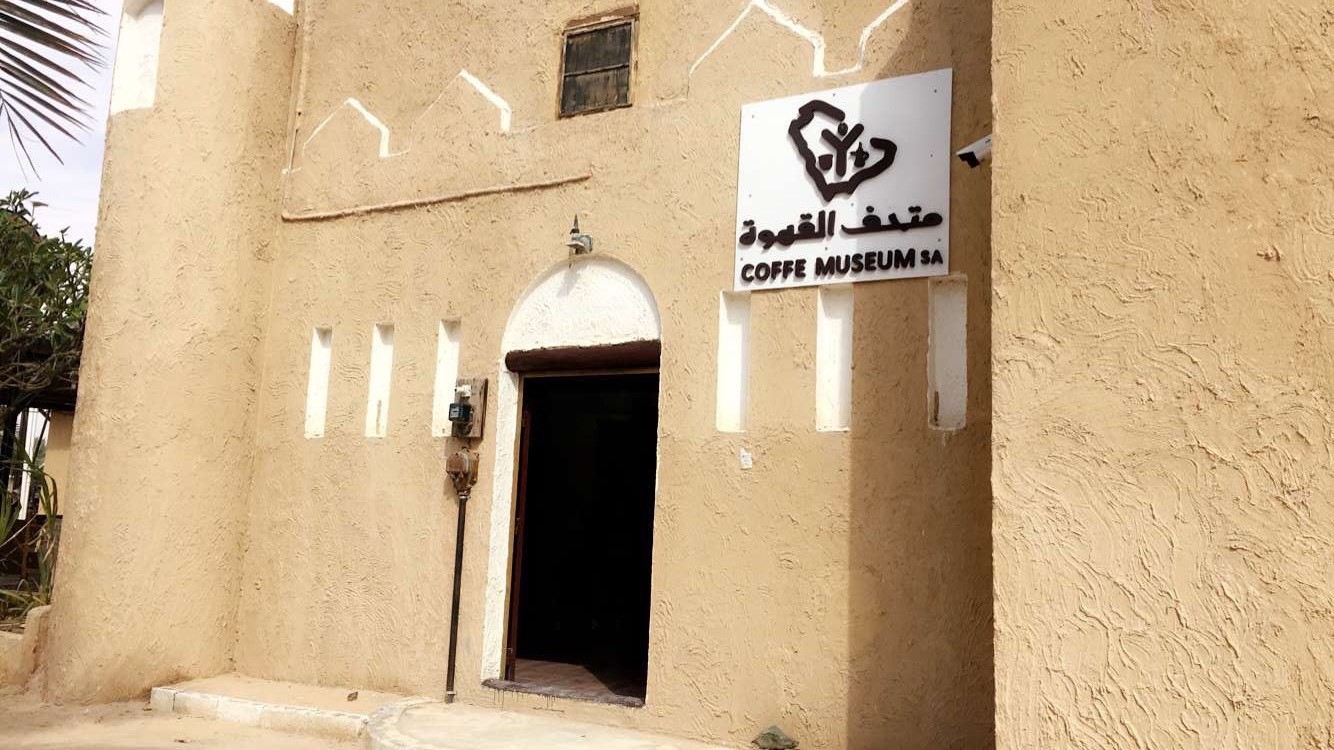
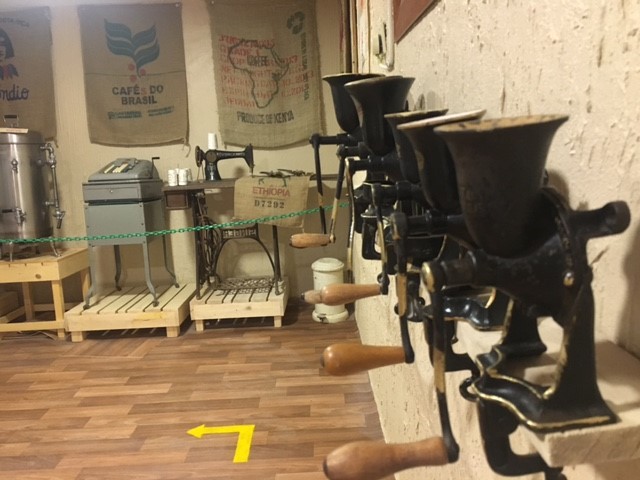
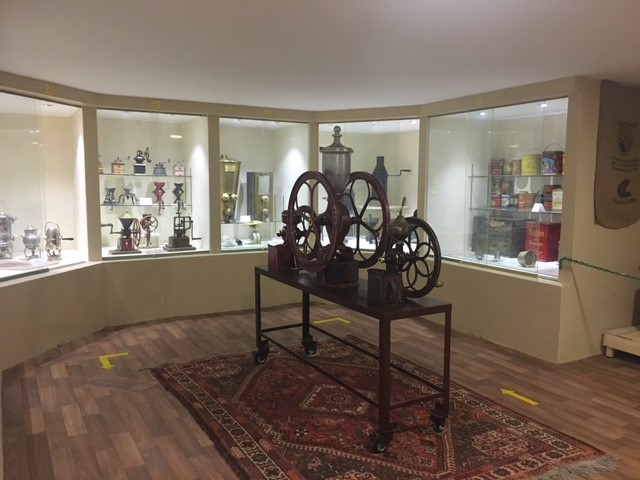
At a museum in Al-Ahsa, in eastern Saudi Arabia, researcher Abdullah Al-Hijris told Al Arabiya about the history of the bean that originated in the fifth-century, explaining the secret methods of roasting and grinding one of the world’s most favorite drinks.

CoffeeSaudi01KF30mar2017

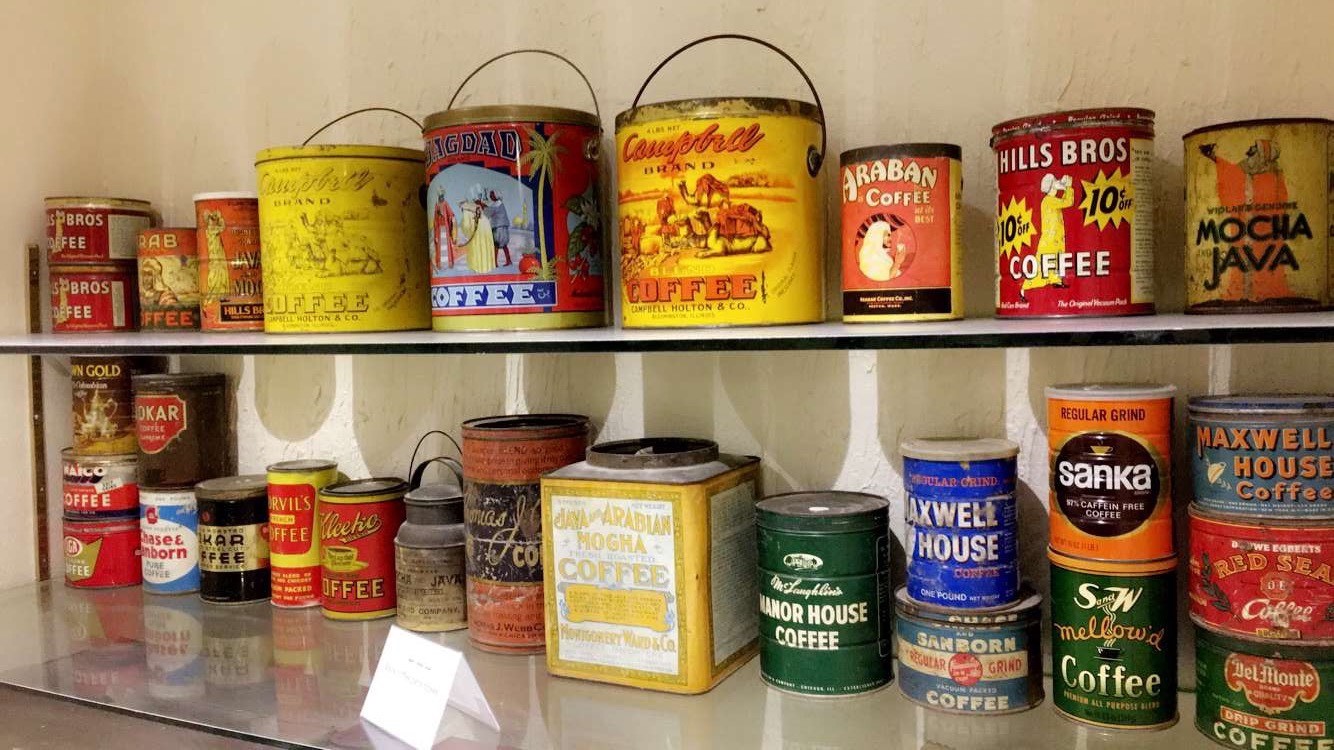
Al-Hijris said that the coffee museum, which was adopted by the National Authority for Tourism and National Heritage (CNTA) and is in line with the Kingdom’s 2030 vision, includes a collection of historical coffee items and tools up to more than 100 years old.

The researcher explained that the museum includes a laboratory to conduct scientific research on all types of coffee.

CoffeeSaudi02KF30mar2017

The museum also has an external building used to host visitors and offer them Arabic coffee.

CoffeeSaudi03KF30mar2017

CoffeeSaudi04KF30mar2017

source: http://www.english.alarabiya.net / Al Arabiya / Home> Lifestyle> Art & Culture / by Staff Writer, Al Arabiya Net / Sunday – March 26th, 2017
Video: source: http://www.youtube.com

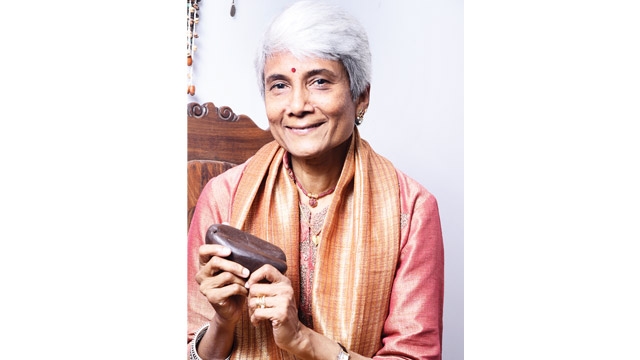
Bean there, done that: Meet Asia’s first female coffee expert, Sunalini Menon

Sunalini Menon started out as an assistant cup taster for the Coffee Board of India in 1971

The journey of Asia’s first female coffee expert, Sunalini Menon, is one of beating the odds while consuming copious amounts of coffee, says Phorum Dalal

“But she is a woman, and will be married off soon,” a panel argued.

The year was 1971, and the dilemma was whether to give the candidate a job of an assistant cup taster on the Coffee Board of India.

She had topped the written examination and oral tests, competing with PhDs and coffee experts, but the hesitation was due to her gender.

The person in question was Sunalini Menon, who spent the next 25 years, sipping, slurping and spitting coffee, identifying flavour notes, and determining the quality of the drink for coffee growers in India.

“The slurping is to expose the sip to oxygen and open its flavours, and spitting is to avoid consuming so much coffee,” the tiny figured lady explains with a broad smile when we meet her in Coorg.

Her melodious voice has us in rapt attention, as she excitedly spoke of Block no. 19, Tata Coffee’s micro lot from the Nullore estate, selected last year by Starbucks for sale under the Reserve Brand in USA.

Menon, who consults several traditional coffee growers, has carved a niche for herself. She closely worked on the micro lot (cream of the crop with artisanal properties, usually sold in small quantities for a higher price) that put Indian coffee on the global map.

The seed was sown in childhood. “In the summers, we would go to Polachi in Coimbatore and visit the tea plantation my uncle was posted at. Labourers picked tea and put it through steaming, drying and rolling processes. During tastings, the tea master would use a penny to weigh the tea. Tasters would slurp, sip and spit out the liquid,” says Menon.

Imitating them, the kids would take the leftover tea “gargle and make horrendous noises,” laughs Menon.

After a degree in dietetics, while applying for scholarships in New York Institute of Dietetics, Menon saw Coffee Board of India’s job ad for an assistant cup taster, and “memories of sipping, slurping and spitting came flooding back.” As no woman had ever held the post, she was sure she wouldn’t make it, but soon she completed the board’s two-member team.

The board sent her to Witnerthone near Zurich for a year-long intensive course in coffee tasting in 1976, followed by a six-month review training in 1982.

“My hosts exposed me to a lot of international coffees from Peru and Costa Rica, and also sent me to Germany. This was an eye opener, and palate too, because at the time, India didn’t have such exotic coffees. I learnt to identify characters and use my palate to decipher coffee”. When she returned, her boss had retired and she took over to become India’s first cup taster.

Friends and family would tease her, “Your job is to take coffee breaks. What fun’.

The sensorial method, though, involved a lot: focusing on fragrance, aroma, flavour, aftertaste, acidity, mouthful, sweetness, balance, uniformity, overall taste and cleanliness of the cup to determine the coffee’s quality.

“One that secures 80 or above is considered a speciality coffee,” explains Menon, adding that the science and chemistry behind the cup can also be evaluated individually to provide accurate results. “But so far, a holistic scientific value hasn’t been arrived at to conclude on the cup rating. Till it does, I guess we tasters will have a job,” says Menon.

After the market liberalised in 1996 and growers could sell their own coffee, the board shifted focus to research and training. Menon moved to Japan, where her husband was posted, but coffee growers coaxed her to return and continue independent quality checks and research on their plantation.

“Coffee has come a long way in India, primarily a tea growing country. The British introduced the coffee plant from Ethiopia. A drink for the elderly and usually consumed at home, it didn’t have a special aura. But the vision of grandmothers using the dabba filter to brew their cup has become a fad after Café Coffee Day (CCD) launched in Bengaluru in 1996,” recalls Menon.

That’s why, Block No 19 is special. Indian coffee being selected for a limited edition sale by an international company will encourage more plantations to work on micro lots. This milestone has opened a door to make artisanal Indian coffee a stand out,” says the woman who has paved way for women tasters in India. As for her poison, it’s “a blend of robusta and Arabica beans. Black please,” she signs off.

source: http://www.dnaindia.com / DNA India / Home> Lifestyle / DNA Sunday Team / Sunday – March 05th, 2017

Andhra Pradesh student wins Pemanda scholarship

The scholarship is open only to meritorious students from South India.

Susmita Gunda
Susmita Gunda

Susmita Gunda, an engineering student from Andhra Pradesh has been selected for this year Pemanda Monappa Commonwealth Scholarship. A meritorious student from the Jawaharlal Nehru Technological University, she completed her B.Tech in Electronics and Communication there.

Susmita has secured admission at Cambridge University. “Am happy that I have been selected for this scholarship. I came to know of this scholarship in the Cambridge University website. It is a prestigious one and the aid I receive will cover 60 per cent of my educational expenses,” Ms. Gunda says. She will pursue her MPhil in Industrial Systems, manufacturing and management Department of Engineering at the Newnham College, Cambridge University. “It is a project intensive course and I will be working in four live projects as part of my course,” she says.

This scholarship is open only for South Indian students with outstanding academic achievements and, who have secured admission for post graduation study at the Cambridge Univeristy.

For details, contact phone: 044 – 28253241. Weblink: www.cambridge trusts.org and search for Pemanda Monappa Scholarship.

source: http://www.thehindu.com / The Hindu / Home> Features> Education Plus / by Chitradeepa A / September 12th, 2012

African Fine Coffee event kicks off in Ethiopia’s capital

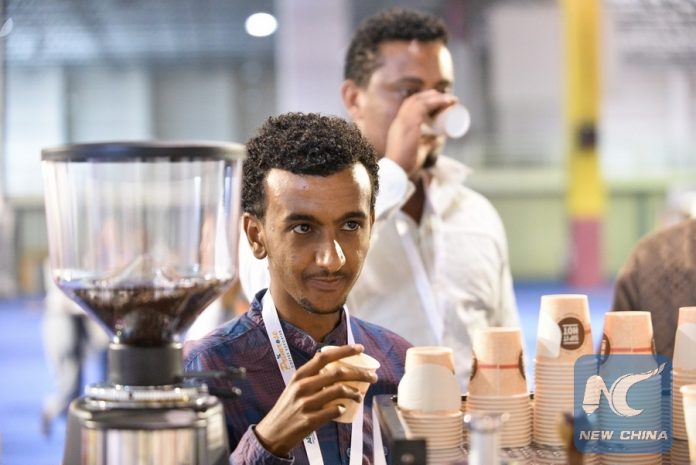
Participants taste coffee during the 15th edition of African Fine Coffee Conference and Exhibition in Addis Ababa, capital of Ethiopia, Feb. 15, 2017 (Xinhua/Michael Tewelde)

Addis Ababa, (Xinhua) :

Attracting regional and international coffee roasters, traders, producers, professionals and connoisseurs, the 15th edition of African Fine Coffee Conference and Exhibition kicked off in Ethiopia’s capital Addis Ababa on Wednesday.

With the objective of reshaping African coffee industry, the three-day event from Feb. 15 to 17 is expected to have intensive discussions on policy and trade development across the African coffee value chain.

The African Fine Coffee Association (AFCA) and the Ethiopian Coffee and Tea Development and Marketing Authority, have co-hosted the event under the theme, “Reshaping African Coffee Industry for Productivity and Investment.”

The participants are also expected to discuss ways of boosting coffee production on the African continent, and the exhibitors from across the world showcase their coffee products, machinery and packaging facilities, among others.

The conference is a buyer-oriented event which brings together buyers from all over the world to build key trading relationships and discuss issues impacting on production, trading environment and policy interventions necessary to grow the coffee industry worldwide, according to the organizers.

The event is also expected to provide an opportunity for business-to-business engagements and for buyers to taste best coffee from Ethiopia and the rest of Africa.

Officially opening the event, Ethiopian President Mulatu Teshome reiterated that his government attaches great importance to the coffee industry as it is backbone of the country’s commodities export.

“Around 20 million people are directly or indirectly deriving their livelihoods from coffee. Hence, as major agricultural export product, it generates about 26 percent of Ethiopia’s total export earnings. Ethiopia is the largest producer of coffee in Africa and the fifth largest coffee producer in the world, next to Brazil, Vietnam, Colombia, and Indonesia, contributing from 7 to 10 percent of total world coffee production,” noted the president.

It has been recognized that new markets have been identified in order to benefit coffee farmers and also to encourage all stakeholders in coffee industry, according to the president.

“In this regard, China, Russia, Middle East, and the Far East economies, Australia, and consuming African countries of Algeria, Tunisia, and Sudan among others offer a lucrative option and price incentives to the Ethiopian coffee,” he said.

Bagersh Abdullah, Board Chairman of African Fine Coffee Association (AFCA), stated that African Fine Coffee Conference and Exhibition has become one of the top events in the world.

“This conference has a lot of value because we are at the beginning of the coffee season and I am hoping that by being here the delegates the buyers, many, many buyers are here will have the chance to see, believe and taste the coffees and we are going to ship first class coffee out of Ethiopia this year,” he said.

Eyasu Abraha, Ethiopian Minister of Agriculture and Natural Resources, said on his part that the government has been taking various measures to tap Ethiopia’s huge potential in the sector and boost coffee productivity in the country.

“Ethiopia has a huge potential to increase coffee due to processing, suitable climate, soil, indigenous planting material, and sufficient rainfalls in coffee growing belts of the country. To this end, government is committed to more than ever before to tap the huge potential that exists to increase coffee productivity through undertaking research and development interventions.”

African Fine Coffees Association (AFCA) is an association with coffee sectors in 11 member countries, namely Burundi, DR Congo, Ethiopia, Kenya, Malawi, Rwanda, South Africa, Tanzania, Uganda, Zambia and Zimbabwe.

Over 100 exhibitors participate in the exhibition showcasing their coffee products, machinery, and packaging among others, according to the organizers.

source: http://www.nazret.com / Nazret.com / Home> Business> News / February 16th, 2017