Argentina’s world No. 60 Roman Burruchaga, representing the Kolkata Thunder Blades, will be the highest-ranked singles player in the league.
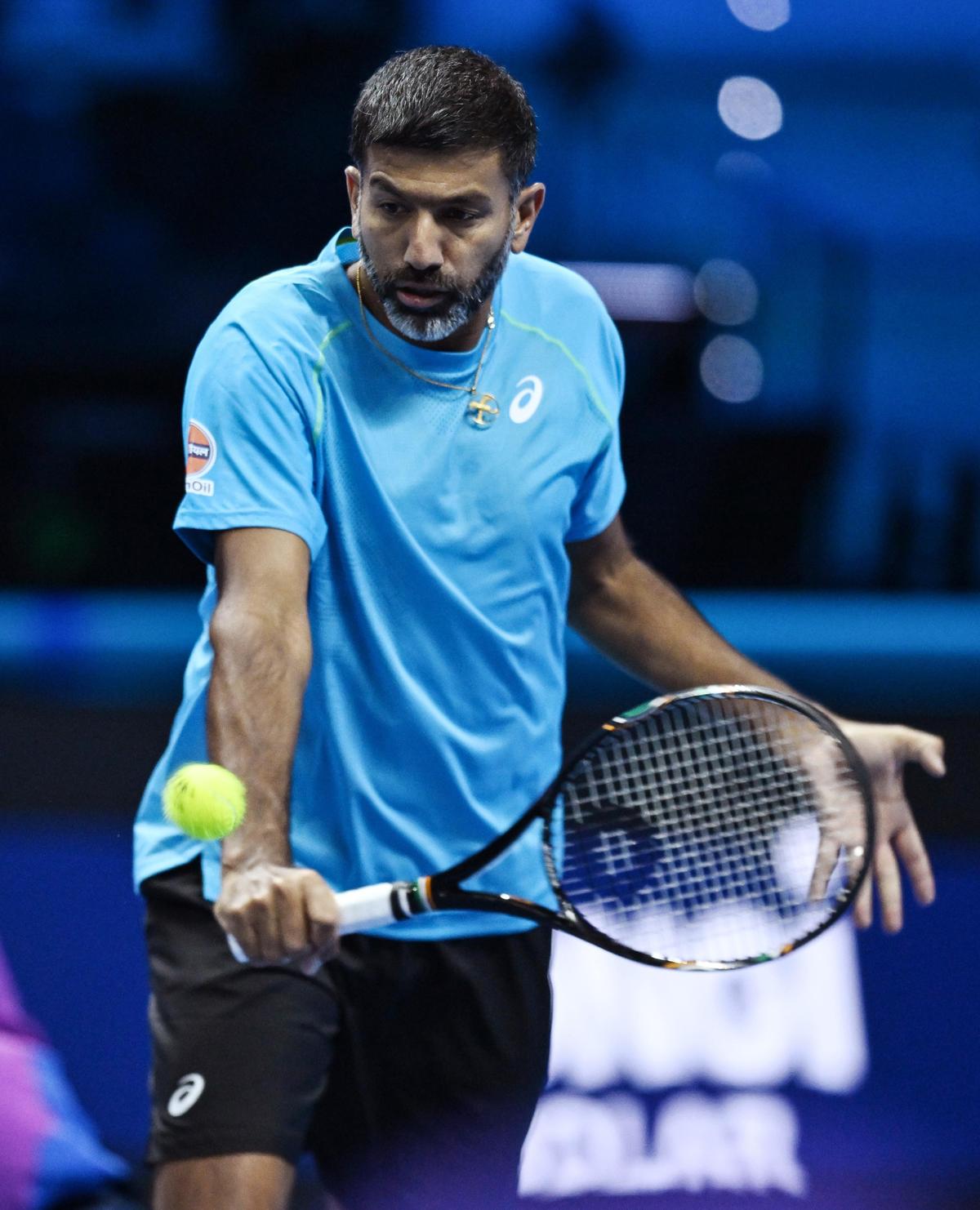
Rohan Bopanna of India. File. | Photo Credit: Getty Images
Former world No. 1 Rohan Bopanna and 2023 Australian Open men’s doubles winner Rinky Hijikata were on Tuesday (October 6, 2026) revealed as marquee players of their respective teams at the Tennis Premier League (TPL) ahead of the player auction on October 12 in Mumbai.
Bopanna will represent Gurgaon Grand Slammers.
“Every year, the league gets stronger, and I love the team environment and energy the format brings. This year, the competition will be very high, with a great mix of experienced players and young Indian talent,” said Bopanna.
Argentina’s world No. 60 Roman Burruchaga, representing the Kolkata Thunder Blades, will be the highest-ranked singles player in the league.
Hijikata, who will represent the Rajasthan Rangers, has already tasted Grand Slam success. He also reached the 2025 Wimbledon men’s doubles final and achieved a career-high doubles ranking of world No. 23.
“I’m really excited to be part of the Rajasthan Rangers and make my Kia TPL debut this season. The 25-point format makes the league very exciting, and I’m looking forward to experience the energy in Hyderabad.”
Frenchman Terence Atmane, nicknamed “The Magician”, will headline the Mumbai Royals.
The Lucknow Blazers will be represented by Czechia’s Dalibor Svrcina, who returns for a second consecutive season with the same team.
Croatia’s Dino Prizmic will be the marquee player for the Hyderabad Strikers. A former junior world No. 1 and the 2023 Roland Garros boys’ singles champion, the 21-year-old reached a career-high ranking of world No. 70 this year.
Representing the defending champions, GS Delhi Aces, will be Australian Adam Walton, who has achieved a career-high ranking of world No. 74 and brings extensive ATP Tour and Grand Slam experience to the Delhi team.
Completing the eight-player marquee line-up will be Frenchman Alexandre Muller, who will represent the Gujarat Panthers once again this season.
One of the most experienced players in the line-up, the 29-year-old has achieved a career-high ranking of world No. 38.
The matches during the TPL Season 8 will be held from December 8-13.
The season will continue the league’s team-based format, combining men’s singles, women’s singles, men’s doubles and mixed doubles in a fast-paced, 25-point-per-match format.
source: http://www.thehindu.com / The Hindu / Home> Sports> Tennis / by PTI / October 18th, 2026
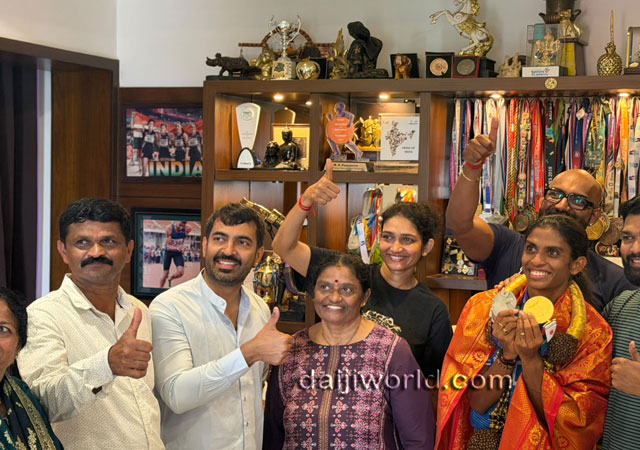
Madikeri MLA Dr Mantar Gowda visited the residence of international athlete Machhettira Poovamma in Mangaluru and felicitated her for bringing glory to India and Karnataka through her historic gold medal-winning performance at the Asian Games.
Congratulating Poovamma on her remarkable achievement, Dr Mantar Gowda praised her as a proud daughter of Kodagu and said her exceptional contribution to the field of sports had brought immense pride to the entire region.
During the interaction, the MLA also extended a warm invitation to Machhettira Poovamma to attend the prestigious Madikeri Dasara celebrations as the chief guest.
source: http://www.daijiworld.com / DaijiWorld.com / Home> Karnataka / by DaijiWorld Media News Network – Mangaluru (NJC) / October 03rd, 2026
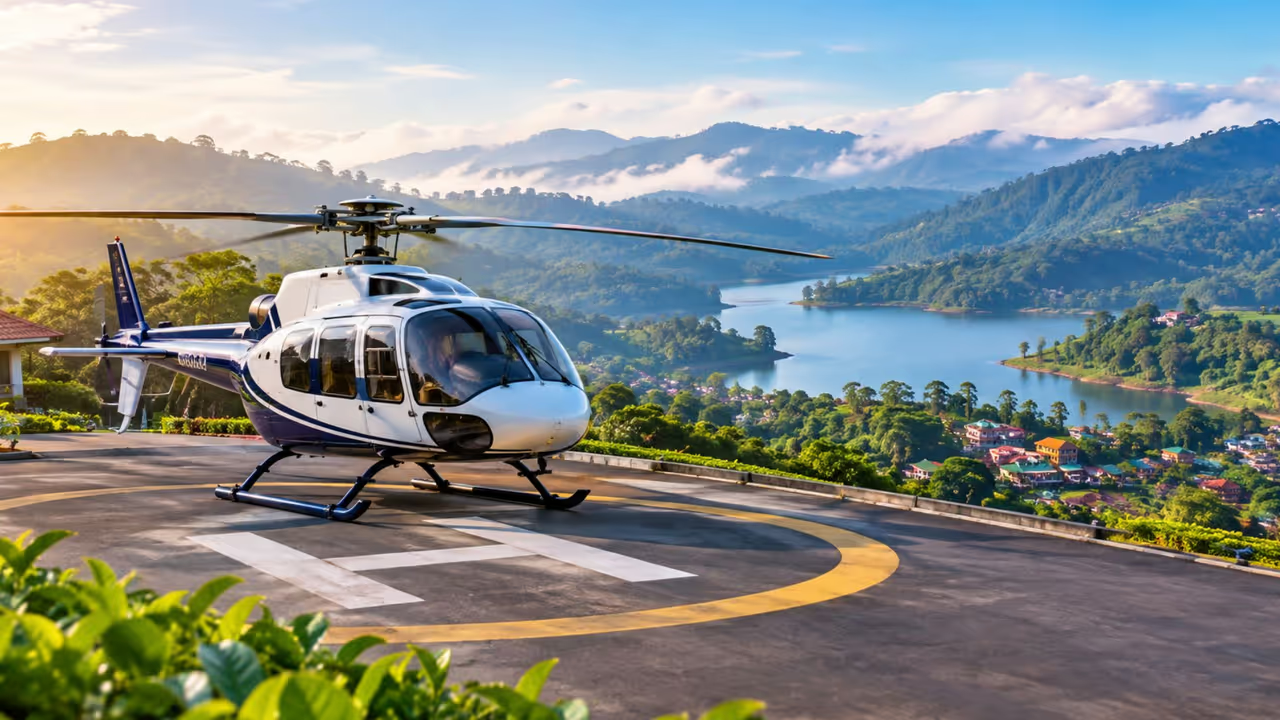
Karnataka plans a new heliport in Kodagu to improve air connectivity and boost tourism. The greenfield facility in Chikkathur village will accommodate heavy helicopters, while new aviation projects are also planned in Hampi and Chikkamagaluru.
The Karnataka government is planning to strengthen air connectivity to some of the state’s major tourist destinations by developing new aviation infrastructure in Kodagu, Hampi and Chikkamagaluru. As part of the plan, the state is preparing to develop a greenfield heliport in Kodagu, which is expected to provide tourists with a faster travel option to the popular hill district. The projects are aimed at improving regional connectivity and supporting tourism and local economic activity.
Greenfield Heliport Planned In Kodagu
The government plans to develop the new heliport on 7.2 acres of land in Chikkathur village of Kushalnagar taluk in Kodagu district. The Karnataka State Industrial and Infrastructure Development Corporation (KSIIDC) will oversee the project.
The proposed heliport is expected to make travel to Kodagu more convenient, particularly for tourists who currently have to undertake long road journeys. Kodagu does not currently have an airport, while Mangaluru International Airport is around 137 km from Madikeri. Mysuru and Kannur airports are among the other nearby air travel options.
Madikeri Heliport DPR To Be Updated
Engineers are designing the proposed Madikeri heliport to accommodate MI-172 or similar heavy helicopters. The Detailed Project Report (DPR) for the Kodagu heliport has already been prepared.
The government has now asked consultants to review and update the DPR based on the latest Schedule of Rates. Authorities will also assess passenger demand before finalising the infrastructure requirements for the project.
The assessment will consider existing tourist footfall, passenger traffic, local business activity and future demand for helicopter services.
Heliports Planned In Hampi And Chikkamagaluru
The state government is also planning new aviation facilities in two other major tourist destinations.
Officials plan to develop a greenfield heliport on more than 10 acres of land near Kamalapur in Hampi, Vijayanagara district. Chikkamagaluru is set to get a larger facility, with the government planning an airstrip-cum-heliport on 137 acres of land.
The Chikkamagaluru project will include an airstrip, helicopter parking facilities and a dedicated passenger terminal. The terminal is planned to handle 20 arriving and 20 departing passengers at the same time.
Aviation Projects To Boost Tourism
Kodagu, Hampi and Chikkamagaluru attract thousands of visitors and are among Karnataka’s major tourist destinations. The government aims to strengthen tourism and regional connectivity by improving air access to these locations.
However, the projects will require aviation, environmenoting regional air connectivity through its Modified UDAN scheme. Under the scheme, the Centre plans to develop 100 airports and 200 modern helipads across the country.
Once implemented, the proposed aviation projects could provide a significant boost to tourism, local businesses and regional connectivity in Kodagu and other major tourist destinations across Karnataka.
source: http://www.newsable.asianetnews.com/ Asianet News, English / Home> Karnataka / by Asianet Newsable English/ October 06th, 2026
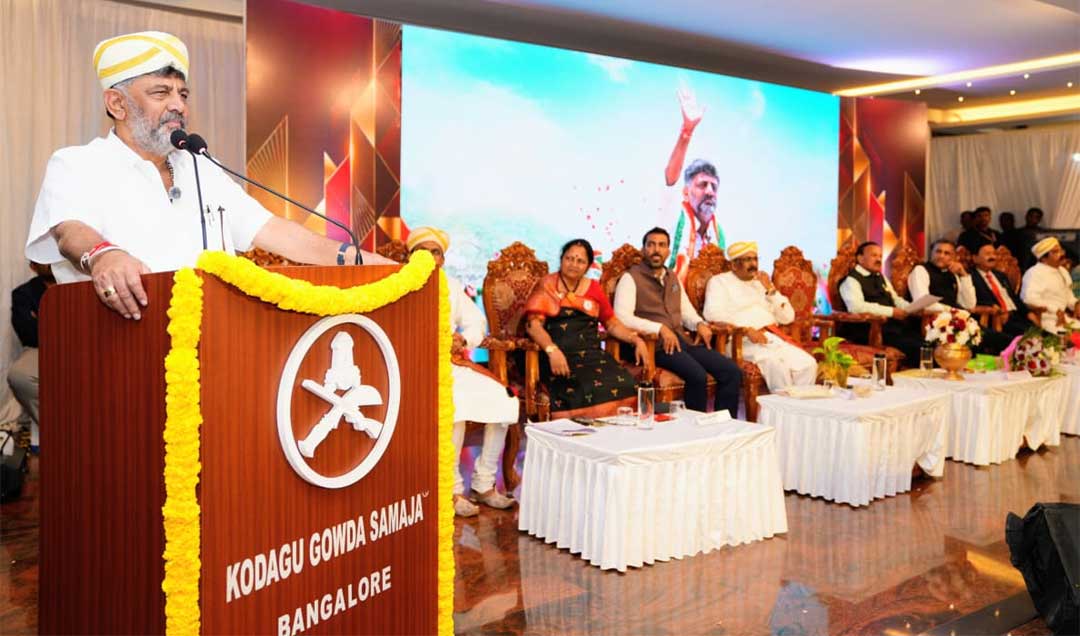
“Instead of migrating elsewhere for jobs, people of the Coastal and Malnad regions should start businesses in your own hometowns utilizing local natural resources. To empower you, the Congress government has formulated a special Tourism Policy for the Coastal and Malnad regions,” called upon CM D. K. Shivakumar.
Shivakumar was speaking at the Kail Muhurat Jambara 2026 event held on Sunday at the Kodagu Gowda Samaja Hall in Ullal, Bengaluru.
“All of you have come from Kodagu and are residing in Bengaluru. If you forget your roots, you will not achieve success. Just as roots are essential for a tree, faith is essential for a human being. It gives me immense joy to see you all come together, building such a magnificent structure by bringing together your culture, hometown, heritage, and community. My congratulations to everyone who worked hard and encouraged this effort,” he said.
Kodagu has a rich history of valor, culture, and spirituality
“Kodagu has a history in the fields of valor, culture, and spirituality. We can never forget its history of raising heroes in every household. Mother Cauvery, who originates here, feeds us all the way to Puducherry. This time, there has been a severe drought. Even the Malnad region has lacked rainfall this year. I am anxiously waiting for the lakes and the KRS dam to fill up,” he stated.
“I have decided to conduct the Cauvery Aarti every year, and instructions have been issued to celebrate it during the Dasara festival this year as well. Kodagu district is the Kashmir of Karnataka. The entire world is attracted to this region. Preserve your heritage; it is a great human quality. In my own experience, people migrate from villages to cities for education and livelihood. If education and employment were available in the villages, you would not have come here. You are organizing yourselves and trying to do good for the village people, and you have presented several demands to me,” he said.
Build businesses in your own hometowns
“We recently held a special cabinet meeting in Mangaluru, where a separate tourism policy was formulated for the Malnad and Coastal regions. The talent of the people from this region must be recognized. People from this district have left their mark in sports and the defense sector. Educational institutions and banks were established in the Coastal region, but they have now declined. Protecting them is our duty. It has been decided to utilize the 327 km-long coastline for tourism, similar to Goa and Kerala,” he noted.
“Looking at Mangaluru, Udupi, and Karwar, there isn’t even a single five-star hotel. I do not wish to talk politics about why this happened. It is our desire to leave behind a meaningful contribution during our tenure. We are not permanent in politics. God gives neither blessings nor curses; He only gives opportunities. What we do with the opportunities we get is what matters,” he expressed.
“The Tirupati Temple Trust approached us asking for land to build a good temple. For that purpose, the Cabinet has decided to allot 10 acres of land in Mangaluru to the TTD Board. There are already temples like Kukke Subramanya, Kollur Mookambika, Kateel, and Dharmasthala in that region. This decision was taken to help those who cannot travel to Tirupati visit the Venkataramana temple here instead,” he said.
“Our decision regarding the Tulu language has been discussed worldwide; it is a symbol of self-respect. We have framed a special tourism policy combining the Coastal and Malnad regions. Rather than going outside for employment, this should enable the people of this region to build businesses right at their doorstep. We arrived at this decision so that you become entrepreneurs rather than remaining employees. No one can erase your coffee, spices, and culture. To protect them, an infrastructure policy has been integrated into this tourism policy. If you start a tourism-related business in this region, the repayment tenure for loans offered by banks can be extended from 5–6 years to up to 20 years. Financial strength must be provided to those starting businesses,” he explained.
Meeting with entrepreneurs in Mangaluru shortly
“I will visit Mangaluru again and sit down to hold discussions with all entrepreneurs. I invite you as well; please participate. Instead of outsiders coming and starting businesses here, set up businesses yourselves and build assets. I am making efforts to give strength to this initiative,” he informed.
Ponnanna and Manthar are like the two eyes of Kodagu; protect them
“You have shown special affection toward me, and I believe in principles over caste to take everyone along together. Victory to human values; peace to the world through righteousness. We must follow the message given by our National Poet Kuvempu in the state anthem to live with humanity without hurting anyone’s feelings. We are building our lives for the unity, integrity, and peace of the nation. Let us work together for this.
Representatives from Mysuru have submitted a memorandum regarding land, and I have instructed Ponnanna and Manthar Gowda to present this matter before the Cabinet. I will extend whatever help is possible from my end and look into the remaining demands to provide assistance,” he assured.
“When I was in difficult times, all of you stood by me in support, praying and fighting for me. As I always say, efforts may fail, but prayers never fail. You all expressed the desire for this D. K. Shivakumar to be around for a longer time to serve the state. I will govern without compromising your feelings, thoughts, and respect. This D. K. Shivakumar is a son of your household. Protect me as you would protect your own children. There are two MLAs here—Manthar and Ponnanna—who are like the two eyes of Kodagu district. Give them strength too. They are active, young, and working with honesty. Some people feel envious of their growth. There is no cure for envy. Those who are strong and perform well will always have critics and enemies,” he said.
Protect your voting rights
“If we are stronger, we will have more enemies; if we are less strong, fewer enemies; if we aren’t strong at all, there will be no enemies. Envy exists toward those who work actively. Therefore, you must protect these two MLAs. Protecting them is equivalent to protecting me and giving me strength. Protect your votes. You are seeing it yourselves—we are fighting day and night to safeguard your right to vote. Now, the Election Commission has directed that no names should be removed from the voter list unnecessarily.
“Let them revise the names of those having more than one vote or those who have passed away. But the rights of genuine, eligible voters must be protected. The right to vote is the right to life; it is the power granted by the Constitution,” he said.
Celebrating Dasara differently this time
“You have celebrated Ayudha Puja with great joy, and we will accord the respect due to the history and Gowda heritage of Kodagu. You are preserving both agricultural and cultural traditions. Our culture is the asset of our nation. We are trying to celebrate Dasara differently this time—troops from the Indian Army, Air Force, and Navy should participate in the Dasara procession to honor the soldiers who have served the nation. Artists from various regions, the film industry, and all communities should be included, and we are moving forward to conduct the event with discipline,” he stated.
I am with you, stand with us “Ambassadors from several nations and Chief Ministers of other states have been invited to this tradition that has been carried forward since the era of the Maharajas. Opportunities have also been provided for your traditions and culture in the procession. This D. K. Shivakumar will be with you on all occasions. Utilize me as much as you can. May good things happen to you. I am with you; stay with us,” he assured.
source: http://www.megamedianews.com / MegaMedia News / Home> Regional News / by Editor / October 05th, 2026
Dr. K.P. Lalitha (Rashmi Nanjappa Kallichanda) has been selected for the 24th Kodagina Gowramma Endowment Award of the Kodagu District Kannada Sahitya Parishat for her book ‘Kodagina Janapada Kathegalu’ (Kodagu Folk Tales).
The award has been instituted by B.G. Vasanth, son of writer Kodagina Gowramma, to honour outstanding works by women writers of Kodagu. So far, 23 women writers have received the award.
Dr.Lalitha has worked extensively in translation research and folklore studies. She has served as Head of the Kannada Department at BMS Women’s College, Bengaluru and as Deputy Director of Mysore University’s Prasaranga. She is currently the Executive Editor of Prasaranga.
A native of Kodagu, Dr.Lalitha graduated from Mangalore University and secured a gold medal in her postgraduate studies at the University of Mysore.
Her doctoral thesis on Kodagu place names was subsequently published by the Sahitya Akademi.
Her research works include ‘Vivaksha’, ‘Vivechane’, ‘Jeevantha Paleyulikegalu’ (On Living Relics), ‘Kodagina Bhashe Mathu Samskruthi’ (Kodagu’s Language and Culture), ‘Kodagina Janapada Kathegalu’ and ‘Shodhaneya Haadiyalli’ (On the Path of Research). She has also authored ‘Oororme,’ a collection of research essays in English.
Her play, ‘Pommodeera Ponnappa,’ based on the history and folklore of Kodagu, was staged 11 times to full houses at Rangashankara in Bengaluru. It was later translated into English and performed in New York, Sydney and New South Wales.
Dr.Lalitha has published 29 research papers in reputed international journals and has presented papers at State, National and International Seminars. Her research work has also earned her the Abdul Kalam National Award from NITI Aayog.
source: http://www.starofmysore.com / Star of Mysore / Home> News / October 04th, 2026
India’s luxury travel market is finding new appeal in places where the landscape, local culture and pace of life matter more than spectacle. In Karnataka’s Western Ghats, The Leela Coorg Forest Sanctuary brings that shift into focus, placing forest experiences, plantation heritage and wellness at the centre of a high-end stay. The property was unveiled under its new identity in July 2026 after The Leela acquired the retreat earlier in the year. Set across 76 acres of forest and coffee plantations near Madikeri, it introduces a nature-led expression of Indian luxury that differs from the palace hotels and urban landmarks associated with the brand. The development also sits within a wider tourism shift in Karnataka. Helicopter tourism is being promoted as a way to connect Bengaluru with destinations such as Coorg and Kabini, offering an alternative to long road journeys. However, scheduled direct helicopter shuttles from Kempegowda International Airport to private plantation estates have not been independently confirmed.
The Leela Coorg Makes the Forest the Main Attraction
The Leela Coorg Forest Sanctuary features 71 villas, including family accommodation, duplex options and private pool villas. A four-bedroom presidential villa sits at the top of the property’s accommodation offering.
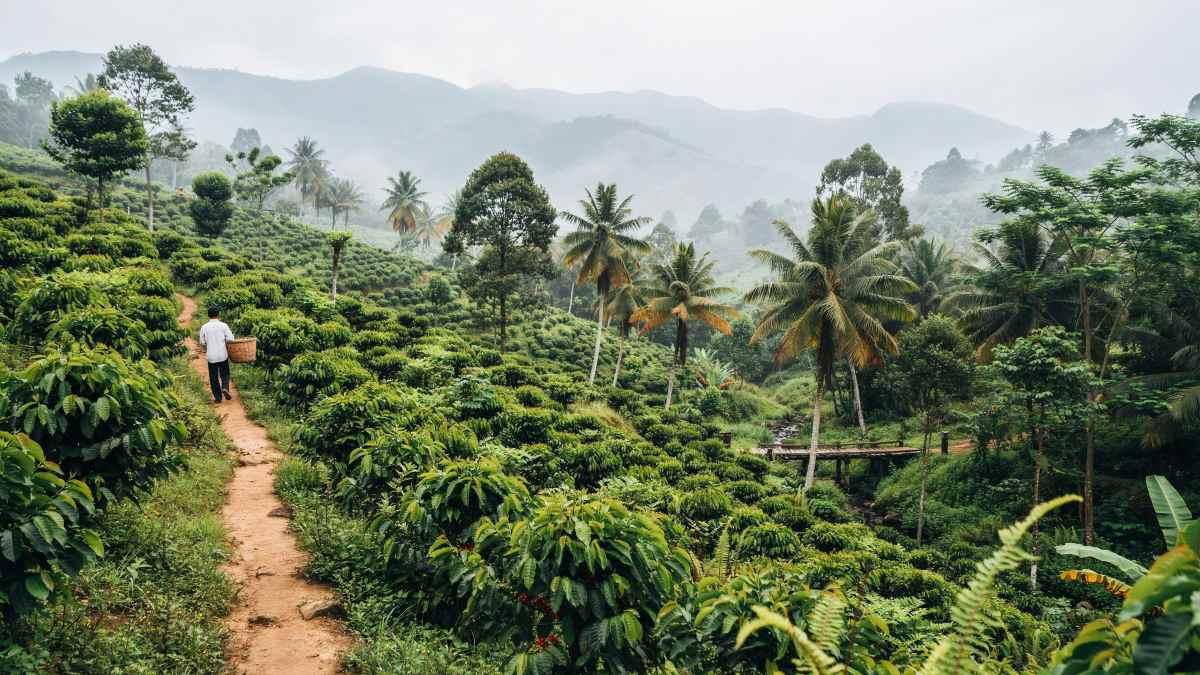
The resort’s setting is central to its identity. Coffee plantations, forest trails, a seven-acre lake and the surrounding Western Ghats provide the backdrop for a stay designed around nature rather than urban entertainment.
Its architecture draws on local craftsmanship and the character of Kodava land. The property also holds an Indian Green Building Council Platinum certification, reflecting its environmental design credentials.
For the luxury market, this is a notable shift in emphasis. The experience is less about grand interiors and more about privacy, landscape and the opportunity to spend time in a distinctive part of southern India.
Wellness Takes Guests Beyond the Traditional Spa
The sanctuary’s 27,000-square-foot wellness centre is a major part of its offering. Under Aujasya by The Leela, the programme draws on Indian wellness traditions, personalised therapies, yoga, mindfulness and nature-inspired rituals.
Forest walks and outdoor treatment spaces connect the wellness experience with the surrounding environment. The intention is to make restoration part of the stay rather than an isolated appointment at a spa.
The property’s wellness positioning also reflects a broader change in luxury travel. Guests are increasingly looking for holidays that support rest, movement and healthier routines, alongside the comfort expected from premium hospitality.
Coorg’s setting strengthens that proposition. Misty mornings, plantation trails and a quieter pace offer a natural contrast with the demands of city life.
Kodava Heritage Gives the Stay a Local Identity
Coorg’s cultural character is an important part of its appeal. The Kodava community has a distinct heritage, with traditions linked to the region’s landscape, food and agricultural history.
The resort’s dining programme includes Luma for all-day dining, Zen for Pan-Asian cuisine, The Cellar Lounge Bar and 92 Degrees, a coffee retreat rooted in the local plantation story.
Its Estate to Brew experience takes guests through coffee heritage with plantation walks, curated tastings and storytelling. This connects the resort to one of Coorg’s defining industries while giving visitors a more direct way to understand the destination.
Rather than presenting regional culture as decoration, the experience places coffee and local identity within the guest itinerary.
Bengaluru’s Helicopter Tourism Links Reach Coorg and Kabini
The journey to a remote luxury retreat can be as important as the stay itself. Coorg is several hours by road from Bengaluru, and traffic can make the transfer longer during busy travel periods.
Karnataka Tourism identifies Bengaluru as a helicopter tourism gateway, with BLADE India operating flights to Coorg, Kabini, Hampi and Mysuru from Jakkur Aerodrome. The state tourism authority also describes customised private charter options for travellers seeking more flexible schedules.
These services create a faster alternative to road travel, although flight availability, departure points and landing permissions depend on the operator and destination.
The Leela Coorg itself has a private helipad, providing an additional arrival option for eligible guests. This is a more firmly established feature than the claim of direct scheduled shuttles from Kempegowda International Airport’s private terminal to plantation estates.
For Kabini, helicopter tourism offers another route into Karnataka’s wildlife and river landscapes, where resort stays and safari experiences form a major part of the visitor proposition.
A Different Luxury Map for South India
The investment made by The Leela into Coorg will add another nature-themed destination to India’s premium hospitality sector. With its forest location, coffee history, wellness services and secluded atmosphere, this will give an advantage to the area in terms of entering the luxury segment of the market. For guests, the attraction comes from the difference offered: comfortable accommodation without the hustle and bustle of a city hotel, with experiences strongly associated with the environment around it. With the development of the helicopter tourism segment in Karnataka, the possibilities for combining trips to Coorg and Kabini with tours from Bengaluru could grow.
source: http://www.travelandtourworld.com / Travel and Tour World – TTW / Home> Latest Travel News of India / by TTW Newsdesk / October 04th, 2026
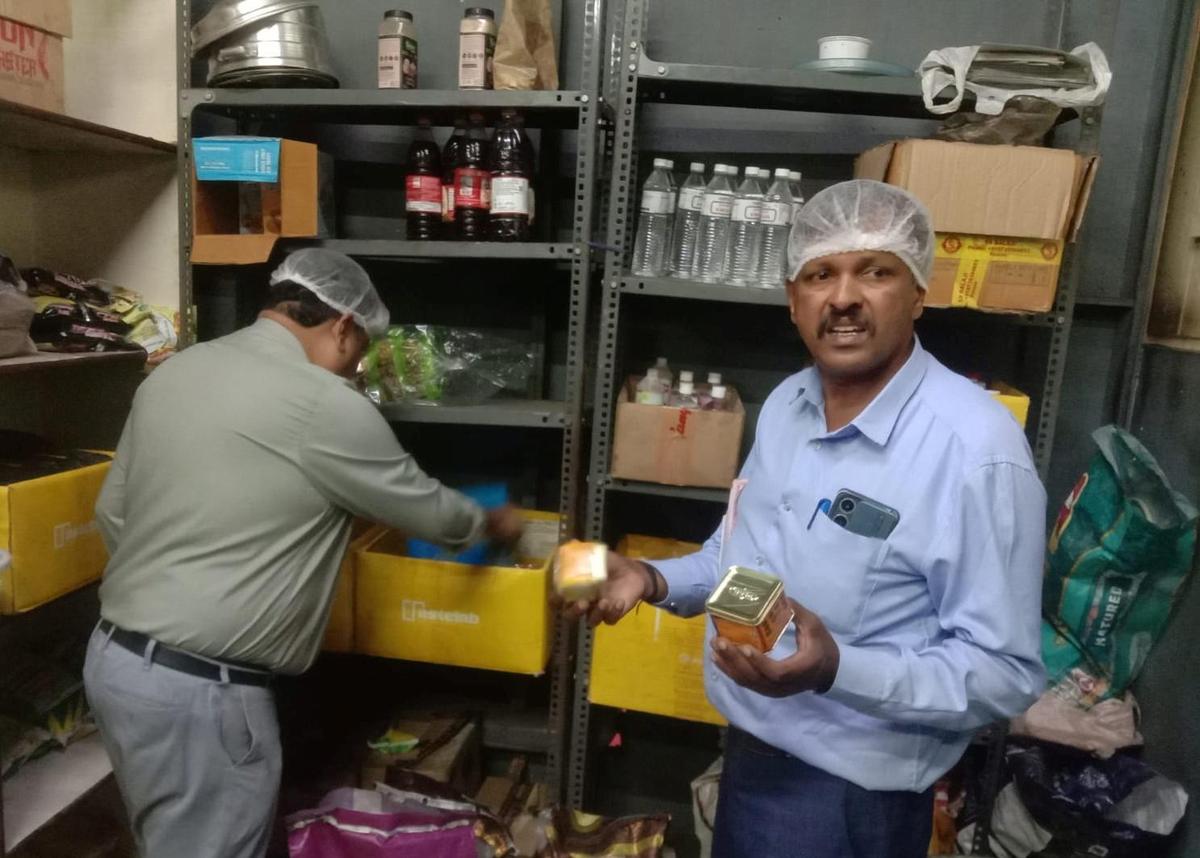
Food safety officials conducting a surprise inspection of several hotels and bakeries in Kodagu. | Photo Credit: Special Arrangement
In the wake of complaints from the public, Food safety officials carried out surprise inspections of several hotels and bakeries in Madikeri, Virajpet, Gonikoppal and Kushalnagar areas of Kodagu during September 2026 .
In the wake of complaints from the public, Food safety officials carried out surprise inspections of several hotels and bakeries in Madikeri, Virajpet, Gonikoppal and Kushalnagar areas of Kodagu during September 2026 .
In Gonikoppal and Virajpet, seven bakeries and hotels were inspected and notices were issued. “As many as 20 food samples were collected for testing, including six food samples originating from Kerala,” the statement said.
The designated Food Safety and Standards Authority of India (FSSAI) official Anil Dhawan said all the hotels and bakeries inspected had been instructed to maintain hygiene, provide clean drinking water.
The establishments were also asked to ensure medical examination of food handlers, refrain from using artificial colours in food products, and comply with proper labelling requirements for food items.
source: http://www.thehindu.com / The Hindu / Home> News> India / by The Hindu Bureau / October 01st, 2026
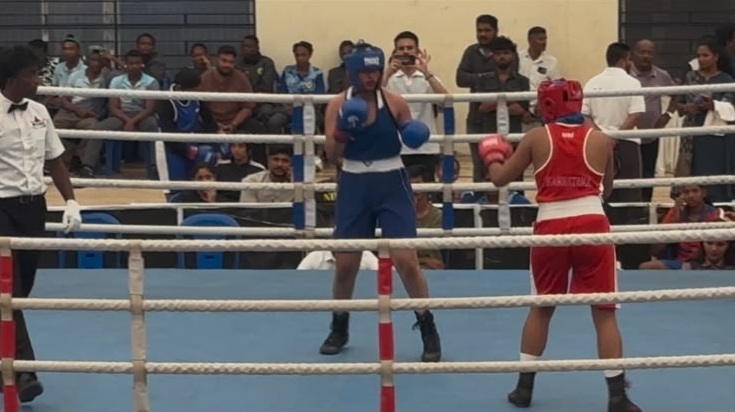
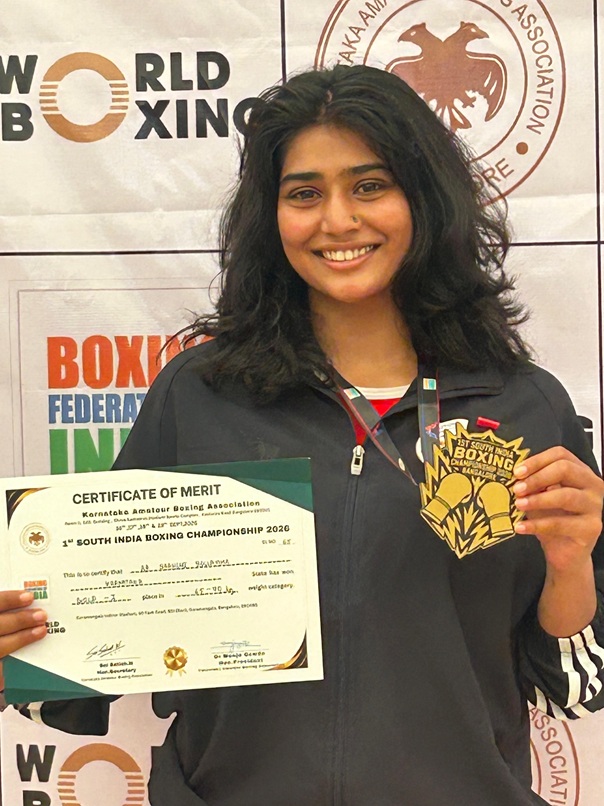
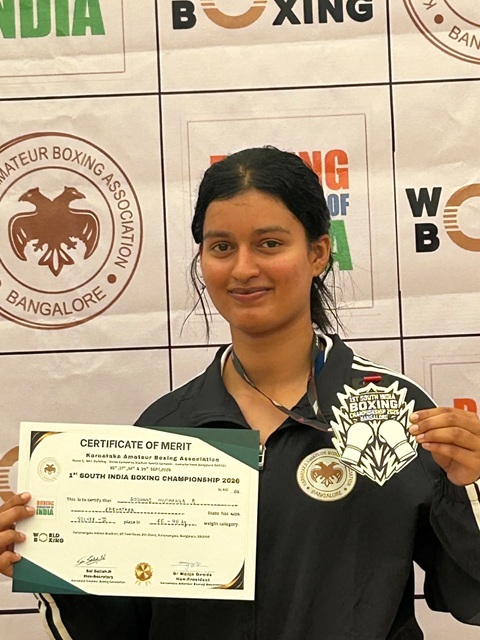
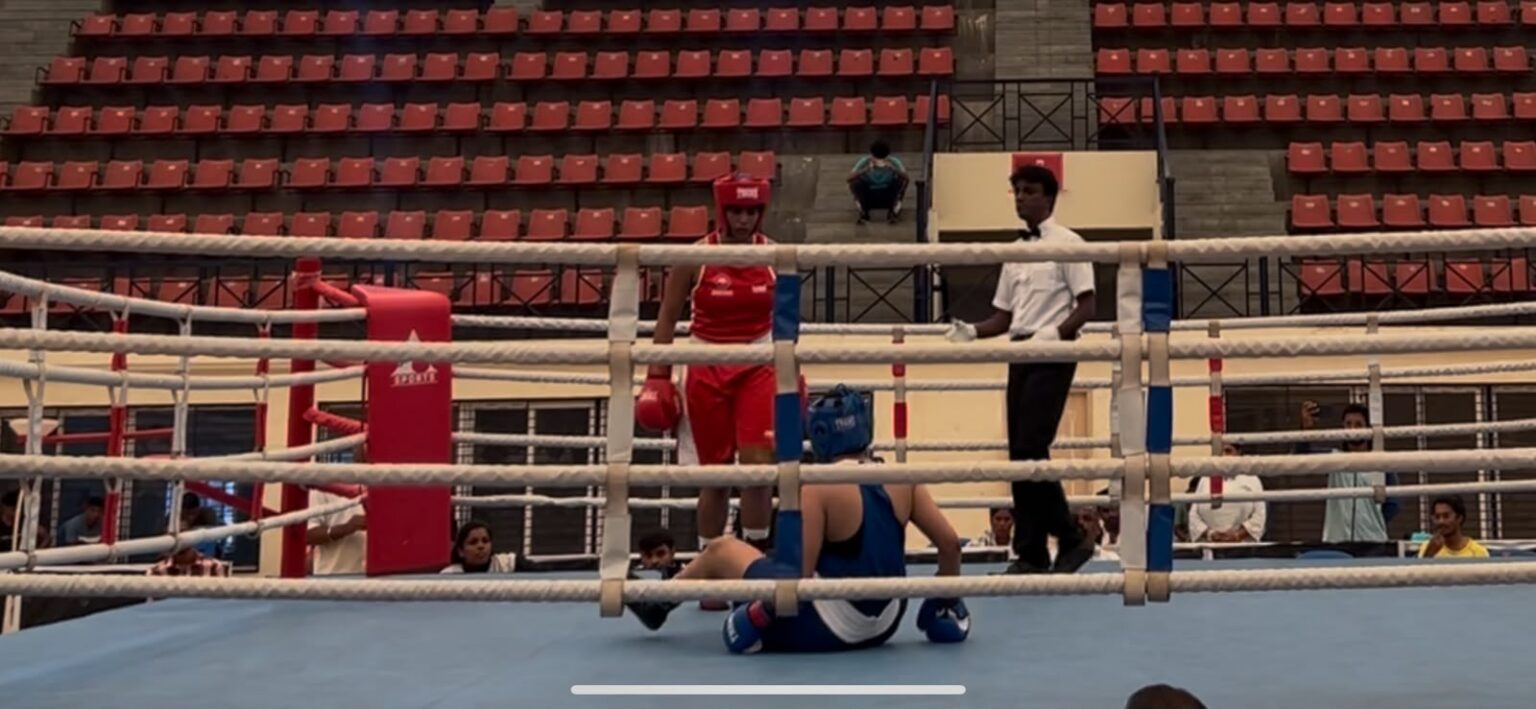
Allumada Saanchi Bollamma of Karnataka A Team clinched gold in the 65–70 kg category at the 1st Elite South India Boxing Championship 2026, defeating fellow Karnataka boxer Bolthura Roshani Muthanna by unanimous decision in an all-Karnataka final.
The championship was held at the Koramangala Indoor Stadium, Bengaluru, from September 16 to 19.
Bollamma entered the final after defeating Tamil Nadu boxer Anitha P in the semifinals. Roshani, representing Karnataka B Team, booked her place in the title bout by defeating Telangana boxer Anjali Korra in the other semifinal.
In the final, Bollamma prevailed by unanimous decision to take the gold medal, while Roshani took silver.
Bollamma
Saanchi Bollamma is the daughter of late Allumada Anil Uthappa and Ashika (née Kallangada), Nalkeri. She is currently studying at PES University, Bengaluru, and trains under Coach Appachu at CABC, Bengaluru.
Roshani
Roshani Muthanna is the daughter of late B.G. Muthanna, an ex-serviceman, and Kanda (née Annira), Balele. She is pursuing her studies at the University of Mysore and trains under Coach Jeshwanth.
The achievement marks a notable showing by the two Karnataka boxers, who met in the final of the elite-level South India championship.
source: http://www.clnews.in / CoffeeLand News / Home> Sports / by CLN Newsdesk / September 19th, 2026
India finally ended its wait for an athletics gold medal as the women’s 4×400 mts relay quartet of Kiran Pahal, Machettira Poovamma, Prachi and Vithya Ramaraj produced a composed run to clinch the gold at the ongoing Asian Games 2026 at Aichi-Nagoya in Japan.
The Indian team clocked 3:29.69 in the final to finish first, with Bahrain taking silver in 3:30.21 and China claiming bronze in 3:31.02. The victory was India’s first athletics gold of the Games and came after the country had collected a string of silver and bronze medals in track and field.
The quartet held its composure in a closely contested race, with Bahrain and China staying in contention before India pulled clear in closing stages. The victory underlined the depth of India’s women’s quarter-mile programme.
Poovamma of Kodagu brought considerable experience to the quartet, while Kiran, Prachi and Vithya combined to maintain the pressure through the four legs. Poovamma and Vithya had earlier been part of India’s mixed 4×400 mts relay silver-medal winning team, making yesterday’s gold another significant achievement for the two runners.
The women’s 4×400 mts relay triumph finally put India atop an athletics podium at Aichi-Nagoya and provided a fitting highlight to a day of multiple track and field medals.
source: http://www.starofmysore.com / Star of Mysore / Home> Sports / September 30th, 2026
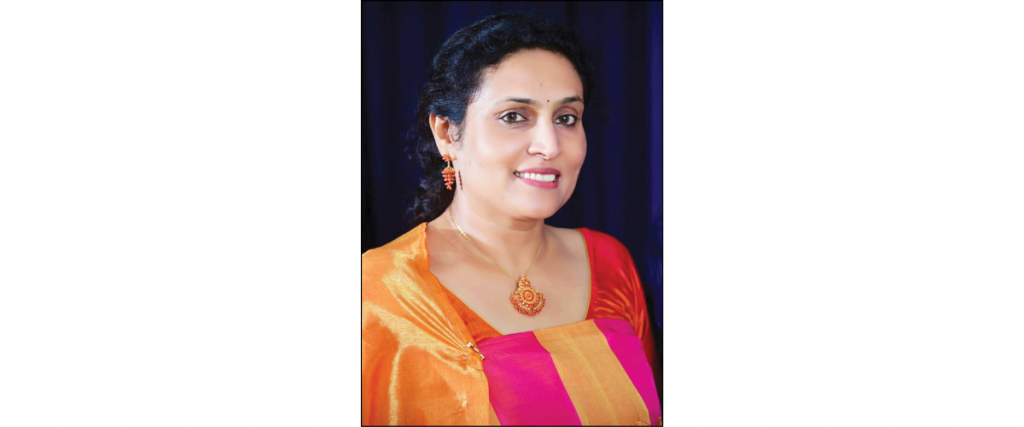
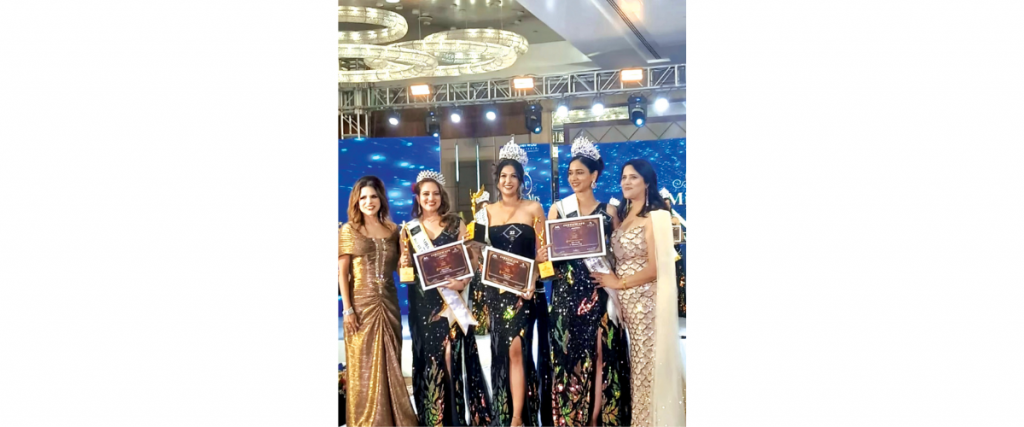
Karthamada Shama Appanna, wife of Karthamada Dicky Appanna and a resident of Trendz Apartment in Bogadi, Mysuru, has won ‘Amritha Cinecrafts – Mrs. India Women of Substance-Season 9’ held at Sheraton Grand Hotel at Brigade Gateway, Bengaluru, on Sept. 27.
Originally from Ponnampet, Kodagu, she is the daughter of Chowrira Bopaiah and Sharada.
source: http://www.starofmysore.com / Star of Mysore / Home> Photo News / September 30th,2026
WELCOME. If you like what you see "SUBSCRIBE via EMAIL" to receive FREE regular UPDATES.
Read More »