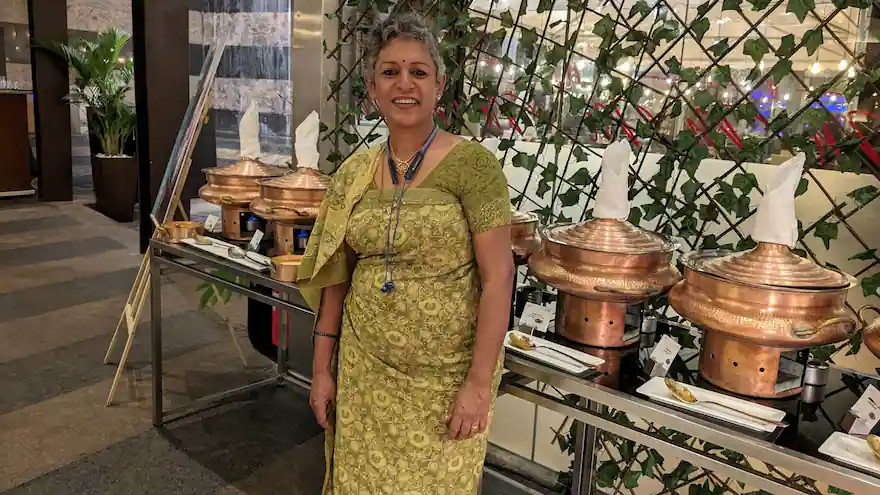
Bringing the rich and rustic Kodava food to our palates, Chef Smitha Kuttayya impressed our hearts and tummies at Golconda Pavilion, ITC Kohenur.
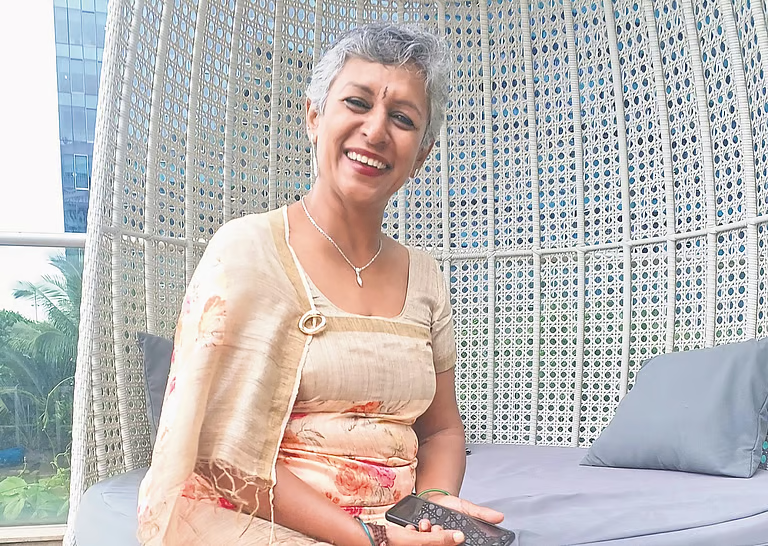
Lush green landscapes, ethereal waterfalls, and aromatic coffee plantations… wouldn’t you like to be in Coorg every single day? Well, a delicious fragment of Kodava culture presented itself on our plates at the Kodava Food Festival in Golconda Pavilion, ITC Kohenur. Chef Smitha Kuttayya, who looked stunning in her Kodagu-style saree, treated us to what was no less than a delightful feast right from the hills of her beloved homeland. She told CE, “The unique distribution of flavours and the use of local ingredients such as kachampuli, a local vinegar, is what makes Kodava cuisine stand out.”
Chef Smitha Kuttayya
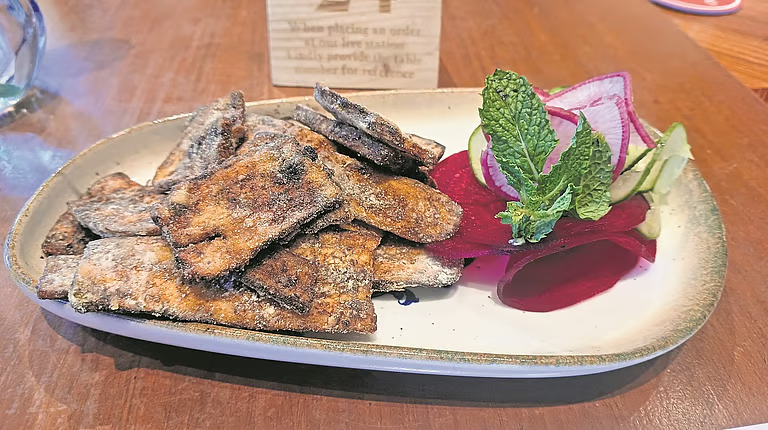
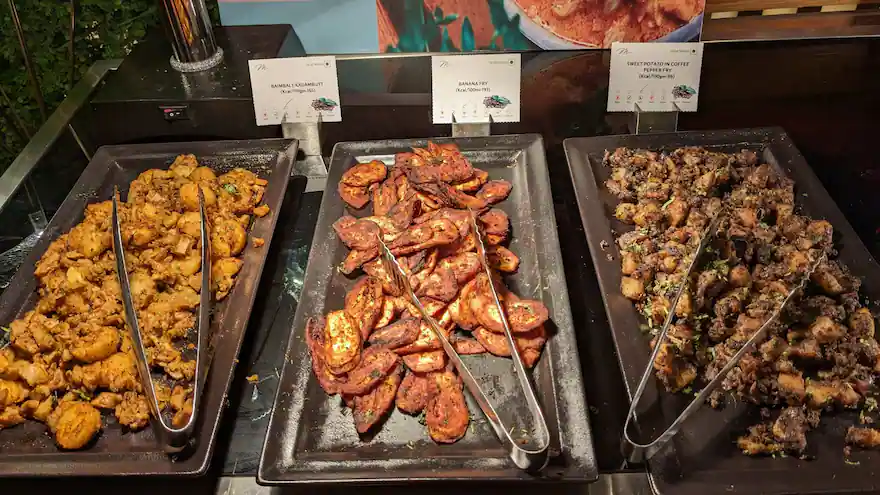
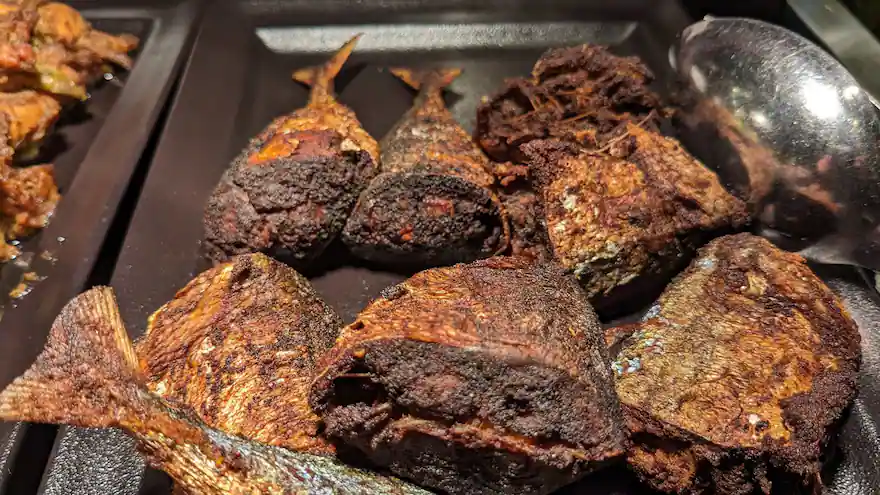
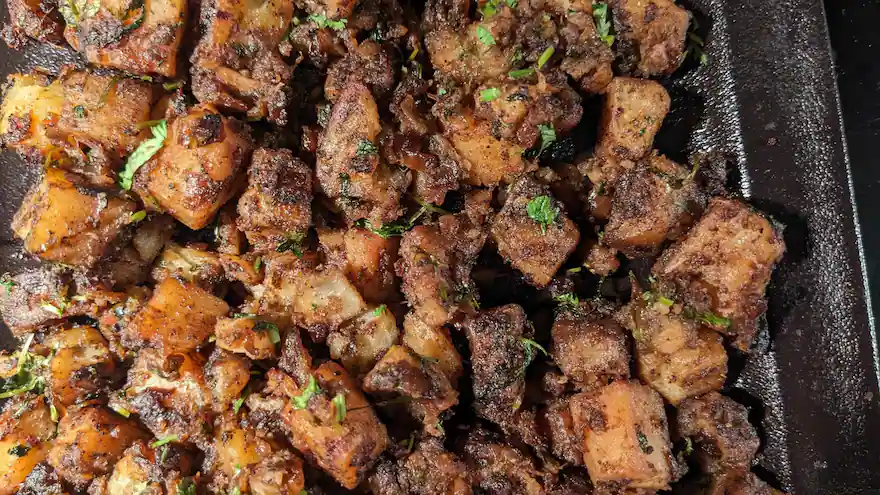
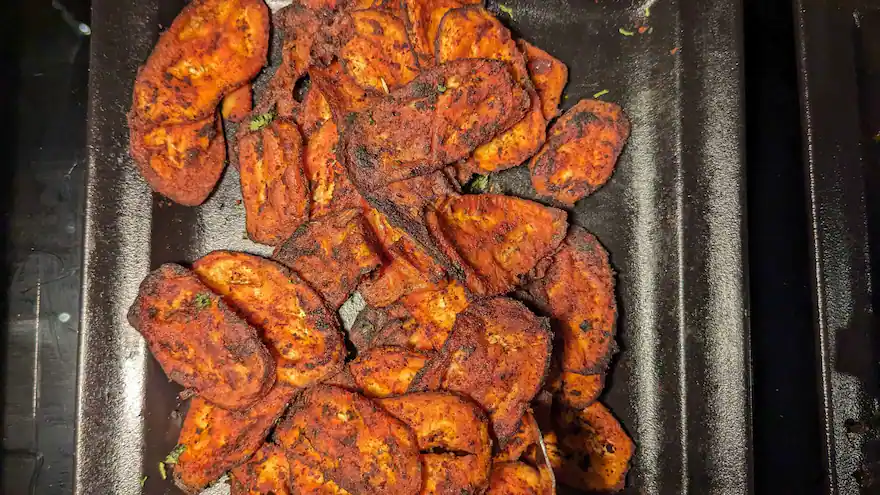
We started off with the Balekai Barthad, plantains marinated in kachampuli, shallow-fried and coated with rice flour. This dish was simply superb, with the right amount of sourness, crisp and texture. Its non-vegetarian counterpart, Meen Barthad, where the fish was marinated in kachampuli, chillies, and salt, was just as irresistible, with everyone going back for more. The Bollary Barthad, shallow-fried cucumber with spices and green chillies, was moderately spicy yet soothing. The Nallamalu Erchi and Koli Barthad — lamb and chicken fry respectively — stood out. The lamb, with subtle hints of cinnamon and cardamom, took you on a flavour ride. “Traditional Kodava cooking uses minimal oil for meat, relying on the lard instead. We also don’t favour overly spicy food, and because of our proximity to Kerala, we love using coconut; almost every dish has it,” Chef Smitha explained with a chuckle.
All the dishes were plated so professionally, but Chef Smitha revealed that this is the effect of modernity; traditional Kodava cuisine draws from its warrior culture, which prioritises bulk cooking for sustenance and togetherness. But then there are commonalities too — a staple loved across the southern states, the dosa appeared in its Kodava avatar: Neer Dosa. We had two versions: one filled with veg poriyal, the other with prawns marinated in kachampuli. Though quite full, we were treated to more of that famed Kodava hospitality.
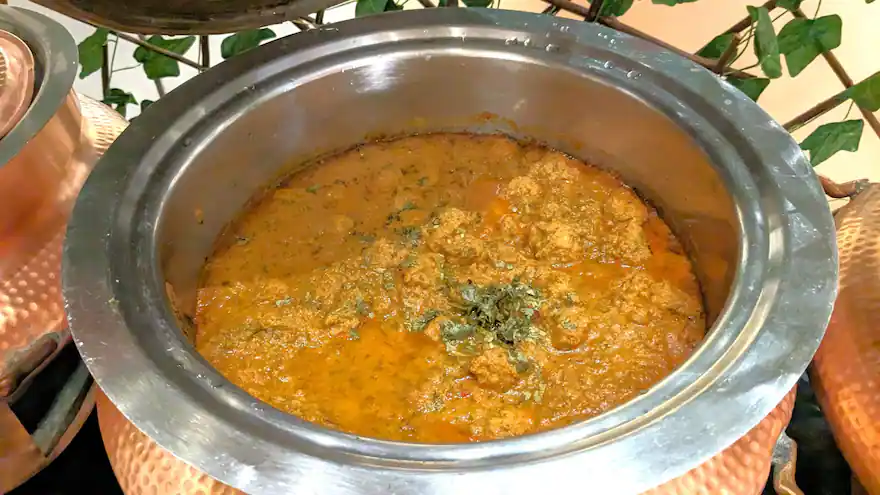
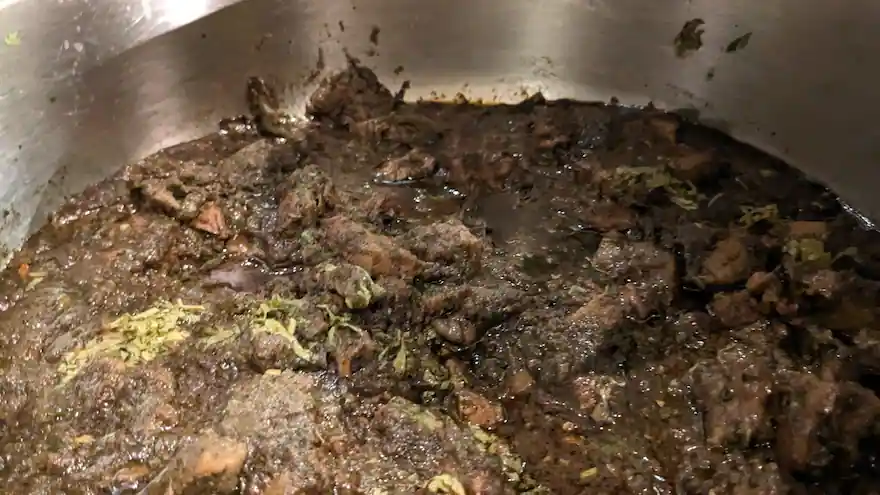
Chef Smitha brought out Otti (Kodava-style akki roti) and Kadambuttu (steamed rice balls) served with six curries. The Kootu, a mixed vegetable stew, matched the rainy Hyderabad mood perfectly, while the Kaad Mange, a tangy seasonal mango gravy, became an instant favourite. The spicy Meen Curry melted in the mouth, but the Koli Kanni, a chicken curry rich with coconut, cardamom, cloves, and pepper, stole the show. But no Kodava meal is complete without Pandi Curry or pork curry. While the other curries paired well with the Otti, the Pandi Curry was perfect with the Kadambuttu; the grainy rice balls with soft, flavourful pork created a textural celebration in the mouth. Among the vegetarian curries, the Baimbale Curry, made with tender fermented bamboo, burnt onions, and roasted rice, was the winner.
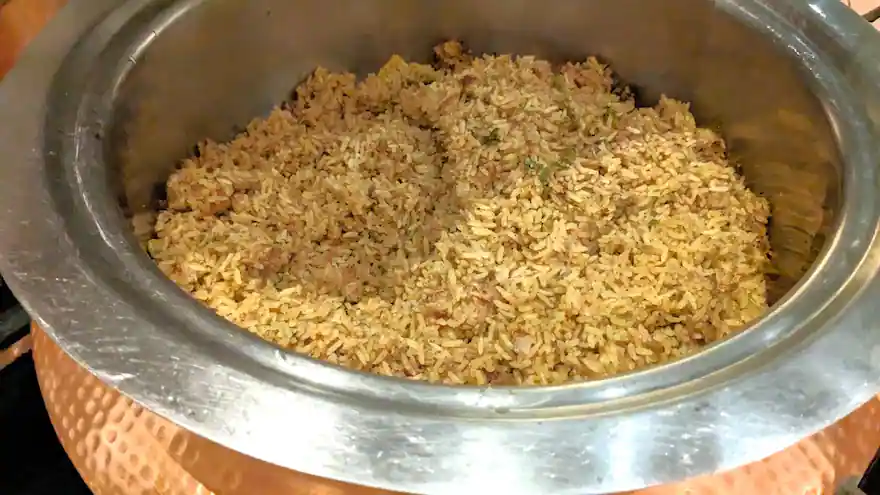
Now, both Hyderabadis and Kodavas love their rice, and so we had Erchi Pulav, a coconut-based lamb pulav which brought back the flavours of the hills, especially when paired with Mango Pachadi. The Vegetable Pulav was just as good. The spiciest dish was the Onkkerchi, or dry-shredded pork, due to the generous use of bird’s eye chilli.
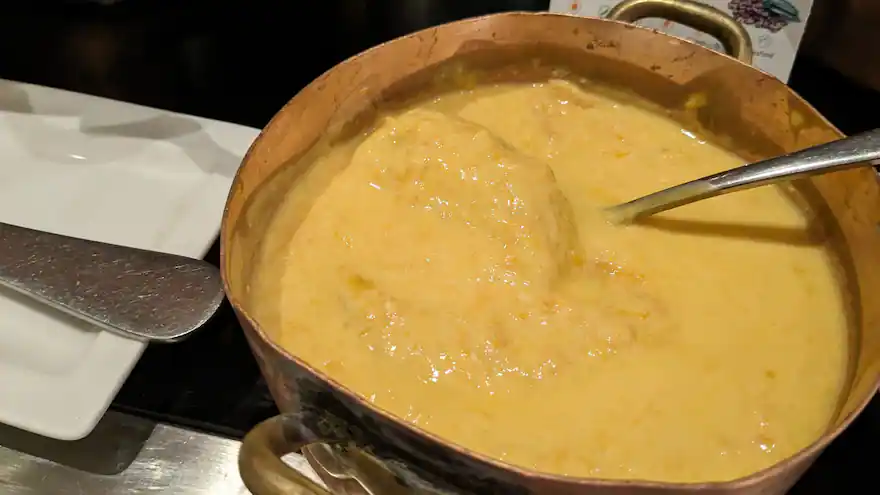
It left us craving something sweet and so we had Thambuttu, mashed ripe bananas blended with roasted rice flour. With a generous drizzle of ghee, this dish was traditional perfection. “A woman is central in the Kodava household. During Puthari, our harvest festival, we make Thambuttu and offer it first to the married daughters, praying for their well-being,” shared Chef Smitha. The meal concluded with Kaskase Payasa, a delicious poppy seed kheer that was so good, it was hard to stop at one helping.
We were 800 km away from Coorg that day, but after tucking into that delightful spread, we felt miles closer to the hills.
source: http://www.newindianexpress.com / The New Indian Express / Home> Hyderabad / by Nitika Krishna (headline edited) / July 19th, 2025
Shangri-La Eros New Delhi welcomes guests to an exceptional Chef Pin pop-up featuring the authentic Kodava cuisine crafted by Home Chef Smitha Kuttayya Boppanda from February 6 to 8, 2025.
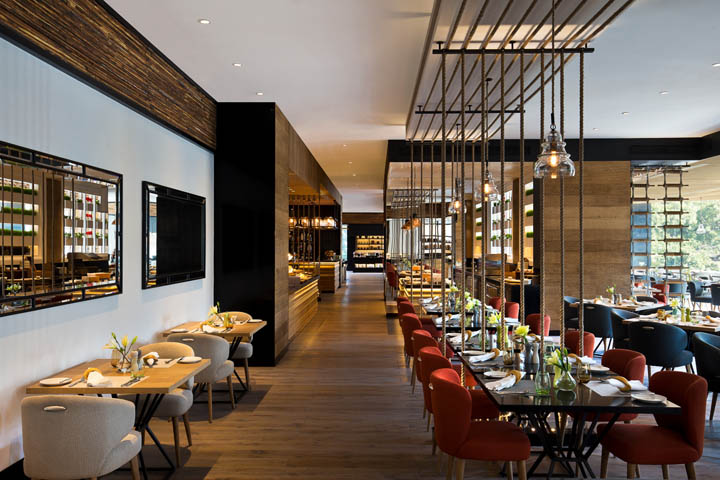
The culinary showcase at the hotel’s international restaurant, Tamra presents cherished family recipes passed down through generations, offering diners a genuine taste of Coorg’s rich heritage. Home Chef Smitha, a classical dancer, published author, and storyteller, brings her multifaceted expertise to this unique dining experience that celebrates the traditional flavors of Kodava households.
Home Chef Smitha Kuttayya Boppanda brings to Shangri-La Eros New Delhi the culmination of a remarkable 15-year culinary journey. From her initial venture ‘Limited Overs’ to the establishment of Baked Delights and now Global Theeni, she has consistently delivered flavors that reflect her Kodagu roots. Her impressive track record of curating food festivals at renowned hotels like Taj Fisherman’s Cove and Hyatt showcases her dedication to sharing personal, memory-laden interpretations of Coorg’s rich culinary heritage.
The Chef Pin pop-up captures the essence of Coorg’s culinary heritage with a carefully curated menu showcasing the region’s bold and earthy flavors. The experience begins with starters like Nugge Elayithkande, a flavorful drumstick and potato preparation, Kumm Barthad with crispy fried mushrooms, Balekai featuring golden fried raw plantains, and the richly spiced Erchi Barthad, a mutton fry.
The mains celebrate both vegetarian and non-vegetarian specialties, including Kumbala Curry with vibrant pumpkin, Baimbale Curry with bamboo shoots, and Kaad Maange Curry with wild mango. Meat lovers can savor Kaima Curry, Erchi Curry, and the iconic Pandi Curry with succulent pork.
Accompaniments like Kadambutt, Nooputtu, and Tarkari Pulav perfectly complement the meal, which ends on a sweet note with Kaskase Payasa and Madd Kool. Paired with Coorg’s celebrated coffee, this pop-up promises a memorable journey through Kodava cuisine.
The exclusive Chef Pin pop-up at Tamra promises an intimate dining experience where each dish shares a story from the heart of Kodagu. Guests can enjoy the Lunch Buffet at INR 3,200 plus taxes per person or the Dinner Buffet at INR 3,500 plus taxes per person, making it a truly memorable experience.
source: http://www.contentmediasolution.com / Content Media Solution / Home> Business / February 05th, 2025
This pop-up at the Marriott had more than just the popular pandi curry or Coorgi pork curry. Drawing inspiration from yesteryear and her grandmothers’ kitchen in Coorg, home chef Smitha Kuttayya has made it her mission to keep Coorgi cooking traditions alive.
In a world where fast food and standardised meals dominate, the value of traditional recipes and cooking methods with a focus on sustainability often seems overshadowed. Yet, for home chef Smitha Kuttayya, these traditions are more than just culinary practices; they are a bridge to the past, a way of preserving memories and cultural identity.
A native of Kodagu now residing in Chennai for 24 years, Chef Kuttayya has excelled in multiple roles throughout her career.
She is a celebrated Bharatanatyam dancer, a compelling writer, a dedicated teacher, an engaging storyteller, a successful entrepreneur, and a passionate home chef.
Each of these roles reflects her commitment to preserving her heritage while enriching her community with diverse talents. She has been a vibrant part of Chennai’s culinary landscape for over a decade and draws deep inspiration from her roots in Coorg and her grandmothers, who not only passed on their skills and recipes but also greatly influenced her passion for baking and cooking, which reflects in her brand, the Global Theeni.
Her journey from a humble baker to a champion of Coorg cuisine reflects a deep commitment to preserving culinary heritage while adapting to modern ecological needs. Drawing inspiration from yesteryear and her grandmothers’ kitchen in Coorg, Chef Kuttayya has made it her mission to keep these traditions alive. “In our family, cooking was always more than just a task—it was a form of storytelling,” she reflects. This storytelling aspect was evident in her recent Coorg cuisine pop-up at the Marriott Hotel Whitefield in Bengaluru, where Smitha Kuttayya showcased traditional Kodava dishes that included seasonal produce and were prepared adhering to sustainable practices.
Traditional Cuisines In A Modern World
Traditional recipes, she believes, are more than just instructions for making food; they are a tapestry of memories, methods, and values passed down through generations. “These recipes are a bridge to our past,” she says. “They connect us to our ancestors and their way of life, which is why they carry such unique and irreplaceable flavours.” This pop-up at the Marriott had more than just the popular pandi curry (Coorgi pork curry). The buffet had a wide array of dishes like the koli barthad (chicken fry), fish fry (mackarel marinated in spices and kachampuli vinegar), mutton pulav, Kodava chicken curry, and, of course, the pandi curry.
That’s not all. The vegetarians also had a wide selection of dishes that could confuse a Kodava too, as the community is well-known for their non-vegetarian fare. There was raw banana fry, which was made with the same marinade that was used for the fish fry. The baimbale curry or the bamboo shoot curry paired beautifully with the paaputtu (coarse rice semolina cake).
The seasonal kaad maange pajji, the bollari gravy (mangalore cucumber gravy), and the raw jackfruit pulav were a total hit among the diners. For her, maintaining traditional methods means adhering to the authentic ways of preparing and cooking dishes, even when modern shortcuts are available. “In Coorg cuisine, for instance, we don’t use tomatoes in our traditional recipes,” she explains. “We rely on natural souring agents like kachampuli (vinegar made from a fruit called Panapuli) or tamarind, which have been used for generations.”
Local Ingredients: The Heart Of Authenticity
Central to Chef Kuttayya’s approach is her unwavering commitment to local ingredients. For her, these ingredients, like wild mangoes, mushrooms, bamboo shoots, jackfruit, honey, jaggery, etc., are not merely components of a dish but symbols of a region’s cultural and ecological identity. “Local sourcing respects the origin and community, ensuring that what we prepare is a true reflection of our heritage,” she explains.
This philosophy aligns perfectly with her aim to offer an authentic culinary experience. In Chennai, where she has spent a significant part of her career, Chef Kuttayya found a unique demand for traditional Coorg cuisine. “Initially, people in Chennai didn’t have easy access to Coorg dishes like pandi curry, mange pajji, etc., unlike in Bangalore, where the Kodava presence is greater,” she notes. This gap led her to introduce Coorg dishes to a broader audience, not just the Coorg community but also Tamil locals eager to explore new flavours.
Seasonality And Innovation
A profound respect for seasonality guides Chef Kuttayya’s menu planning. She emphasises the use of ingredients at their seasonal peak to enhance flavour and ensure ecological balance. “Seasonal cooking supports local agriculture and ensures that what we eat is both delicious and sustainable,” she asserts. By aligning her cooking with the natural rhythms of the seasons, she fosters a deeper connection between the food and its source. “Most of our special ingredients are available only during the monsoon,” she explains. “We adapt our menu to make the most of these ingredients when they are freshest and most flavourful.”
Her wisdom of traditional cooking and baking with seasonal ingredients, intricately woven with sustainable practices, has evolved her style of cooking over the years. This time around, she presented a few dishes that could qualify as modern Kodava cuisine, like the coffee-infused chilly chicken dish, the monkey oranges and bird’s eye chilli sauce from her farm, or the coffee mayonnaise made with avocado and coffee, which was a pairing for one of the meat tarters. In her buffet, there was neer dose paired with organic jaggery and coconut, which is a classic combination. But during her pop-up tour at Marriott, she introduced neer dose alongside figs and bird’s eye chilli preserve that she prepared herself from the figs that grew plenty at her home.
While preserving tradition, Chef Kuttayya also embraces evolution in her culinary practices. She believes that traditional dishes can evolve while maintaining their core essence, making them appealing to contemporary tastes. “It’s about balancing tradition with innovation,” she notes. “You can introduce new flavours and techniques without losing the soul of the dish.” Her innovative takes include adapting traditional Coorg dishes with locally available ingredients when necessary. “Innovation doesn’t mean discarding tradition; it means enhancing it,” she asserts.
Sustainability In Tradition
The sustainable practices inherent in traditional cooking are another aspect that Chef Kuttayya values highly. “Traditional cooking relies on local, seasonal ingredients and minimal waste practices, showcasing a way of life that modern kitchens can learn from,” she states. This approach not only reduces the carbon footprint but also supports local agriculture and ecosystems, making it a model for sustainable cooking in today’s world. This dedication extends to her personal cooking practices as well.
“Every vegetable or meat that we use for cooking, I make sure it is completely utilised. Nothing goes to waste and if there is something that can’t be used, it always composts. That’s a farmer’s way. We barely use oil in our cooking. When it is meat, especially, it cooks in its own fat. I do not waste anything and there is no other way that I can do it. “I buy only organic ingredients and test everything myself. I don’t even delegate it to the help in the house,” she says with a smile.
“I’m very particular about my ingredients and the way I prepare my dishes,” she notes. “Whether it’s a pop-up event or a one-on-one cooking class, I ensure that the methods and ingredients reflect the true essence of traditional cuisine.” Her commitment to sustainability extends beyond the kitchen to her packaging choices. “I use only tin and tiffin boxes for packaging, avoiding plastic entirely; even the baking sheets I use are organic,” she says. “It may cost more, but it aligns with my values of sustainability and respect for the environment.
source: http://www.slurrp.com / Slurrp / Home> Article / by Meghana Dayananand / June 13th, 2024
WELCOME. If you like what you see "SUBSCRIBE via EMAIL" to receive FREE regular UPDATES.
Read More »