All posts by admin

CM to visit Mysuru, Kodagu

Mysuru:

Chief Minister Siddaramaiah will be undertaking a two-day tour of Mysuru and Kodagu districts and his itinerary is as follows:

Jan. 31 (Friday)

10 am: The CM will be leaving Bengaluru in a helicopter from HAL Airport.

10.50 am: Arrives at the helipad near JSS Krishi Vigyan Kendra (behind Sri Veerabhadreshwara Temple), Suttur, Nanjangud taluk, Mysuru.

He will be participating in the valedictory of the Cultural Fair and Exhibition organised as part of Suttur Jathra Mahotsava at Suttur Srikshetra and visit Sri Sutturamma Temple. Later he will take part in the foundation stone laying ceremony of Valmiki Samudaya Bhavana on Gejjeganahalli Road in Suttur.

1 pm: CM leaves Suttur in the helicopter from the helipad near JSS Krishi Vigyan Kendra.

1.30 pm: He will arrive at the helipad in Kaveri High School premises, Bhagamandala, Madikeri taluk, Kodagu; 2.15 pm: Will visit Sri Bhagandeshwara Temple and Talacauvery.

3 pm: CM inaugurates the Flyover built across Cauvery River near Bhagamandala in Kodagu, organised by Cauvery Neeravari Nigama Limited (CNNL), Water Resources Department.

4 pm: CM leaves Kodagu in the helicopter from helipad in Kaveri High School premises, Bhagamandala; 4.25 pm: Arrives in Mysore Airport, Mandakalli and stays overnight in Mysuru city.

Feb. 1 (Saturday)

11 am: CM Siddaramaiah will attend inaugural ceremony of the State-level Community Health Officers Conference-2025 organised by Sri Nalwadi Krishnaraja Wadiyar Forum, Mysuru and Akhila Karnataka State Community Health (NHM) Contractual Employees’ Union (AKSCHCEU), Bengaluru, at Maharaja’s College Grounds in Mysuru.

2.30 pm: He will take part in Dr. B.R. Ambedkar Award ceremony organised by Adi Karnataka/ Chalavadi Mahasansthana Gurupeetha, Mysuru (V. Sreenivasa Prasad Forum) at Rani Bahadur Auditorium, Manasagangothri.

8 pm: He will leave city in a special flight from Mysore Airport.

source: http://www.starofmysore.com / Star of Mysore / Home> News / January 30th, 2025

Kodagu team shines at Isha Gramotsavam in Coimbatore

The Maragodu team from Kodagu emerged victorious in the throwball final, defeating Tamil Nadu’s P.G. Pudur team. The winners were awarded an attractive trophy and a cash prize of Rs. 5 lakh.

The event, launched by Sadhguru Jaggi Vasudev in 2004, is designed to revive the resilient spirit of rural communities through sports and playfulness. The thrilling matches captivated the audience against the backdrop of the 112-foot Adiyogi statue.

Key Winners — Throwball: Winner – Kodagu Maragodu & Runner-up – P.G. Pudur (Tamil Nadu); Volleyball: Winner – Banakal (Karnataka) & Runner-up – Palli (Karnataka); Para Volleyball: Winner – Coimbatore (Tamil Nadu) & Runner-Up – Krishnagiri (Tamil Nadu).

Prizes were distributed by Sadhguru along with cricket legends Virender Sehwag and Venkatesh Prasad, accompanied by other dignitaries.

Isha Gramotsavam has become a significant social initiative, fostering community well-being, empowering women and breaking social barriers.

This year’s event began in August and spanned across Tamil Nadu, Andhra Pradesh, Telangana, Karnataka, Kerala and Puducherry, with competitions held in 194 rural locations. Over 60,000 players, including 10,000 women, participated in sports like Kabaddi and Throwball, embodying the spirit of rural India.

source: http://www.starofmysore.com / Star of Mysore / Home> Sports / January 04th, 2025

Kodava Community Plans 80-Km Peace March to Protect Cultural Identity

HIGHLIGHTS

The Kodava community in Karnataka will hold an 80-km peace march to highlight cultural erosion, identity concerns, and ecological challenges in  Kodagu.

Kodava Community Plans 80-Km Peace March to Protect Cultural Identity

The Kodava community, an indigenous group in Karnataka known for its unique traditions and martial heritage, has announced an 80-kilometer peace march from February 2 to 7. Organized by the Federation of Kodava Samajas, the march will begin in Kutta, near the Kerala border, and conclude in Madikeri, Kodagu’s district headquarters.

The initiative aims to draw attention to the community’s dwindling population and threats to its cultural identity. According to reports, the Kodava community has been raising concerns over cultural erosion, socio-political neglect, and restrictions on traditional practices.

The Kodava population, once estimated at 300,000, has declined to approximately 125,000. Speaking to The Times of India, Chandapanda Prajwal Poovanna, a real estate professional, highlighted the demographic shift. “Only 40% of Kodavas continue to reside in Kodagu, leading to a loss of political representation and influence,” he said.

The community has also voiced concerns about the increasing sale of ancestral land to outsiders. Wealthy buyers, including politicians and businesspeople from Karnataka and neighboring states, are reportedly converting plantations into commercial establishments.

“Many Kodavas are forced to sell their properties and migrate due to economic pressures. This not only threatens our cultural roots but also disrupts Kodagu’s ecological balance,” Theethramada Satish Bopanna told The Times of India.

Despite their small numbers, the Kodavas have made significant contributions to India’s armed forces and sports. Field Marshal K M Cariappa and General K S Thimayya are among the community’s most celebrated military leaders. Sports icons like hockey player M P Ganesh, cricketer Robin Uthappa, badminton star Ashwini Ponnappa, and tennis player Rohan Bopanna also hail from the region.

“Even with such contributions, the state and central governments often overlook our concerns because we are a small community that does not significantly impact vote banks,” cultural expert Poyyatira Raj Chengappa told The Times of India.

The Kodava community has been advocating for special status to protect their cultural and ecological heritage.

Bayavanda Sharath Kushalapoa, secretary of SVG Kodava Sangha, highlighted the importance of such measures. “Special status would prevent outsiders from purchasing land for commercial purposes and help conserve Kodagu’s distinct culture and environment,” he said.

Organizers have called for widespread participation to highlight the urgency of their cause. Kodava Community Plans 80-Km Peace March to Protect Cultural Identity

source: http://www.thehansindia.com / The Hans India / Home> News> State> Karnataka / by Sowmya Sangam / Hans News Service / January 28th, 2025

Soldier from Karnataka’s Kodagu district dies after injuries in Poonch accident

Soldier from Karnataka’s Kodagu district dies after injuries in Poonch accident

Mysuru :

A soldier from Kodagu district, who was seriously injured after a vehicle fell into a gorge near a forward post in Jammu and Kashmir’s Poonch last Tuesday, succumbed to his injuries.

The martyred soldier, Deevin Palangoti, was 28 years old.

With his passing, the number of soldiers martyred in the incident from Karnataka has risen to four.

Deevin, a resident of Siddapur Alur, had been serving in the Indian Army for the past 10 years. He was the only son of Jaya and the late Prakash from Alur Siddapura in Kodagu district.

His marriage was scheduled for January 2025, and the family had been busy with preparations when the tragic incident occurred.

Following the accident, his mother Jaya traveled to Srinagar, where he was receiving treatment.

Sources reported that Deevin had sustained severe injuries to multiple organs.

Madikeri MLA Dr. Mantar Gowda, who had been in constant touch with the doctors treating him in Srinagar, expressed his condolences. “He made the ultimate sacrifice for the country. We stand with the family during this difficult time,” he said.

“His sacrifice will always be remembered,” Dr. Gowda added. “He set an example for young people to serve the nation and society.”

I am shocked, says Mysuru-Kodagu MP Yaduveer KC Wadiyar: “I am shocked by the untimely death of the soldier Deevin. His sacrifice to the country is always remembered,” he told TOI.

“He sacrificed his life for the nation. We will stand with the family in this hour of grief,” he said.

source: http://www.msn.com / TOI> The Times of India / Home / by Shrinivasa M

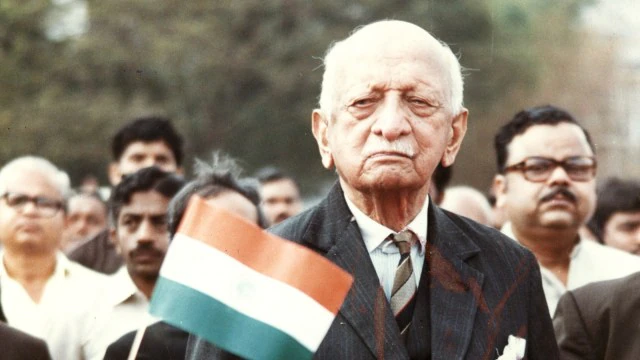
When Field Marshal KM Cariappa ticked off Nehru for not replying to his letters

On the 125th birth anniversary of K M Cariappa, here’s a look at one of his letters to Jawaharlal Nehru.

After his retirement, Field Marshal (then General) Cariappa served as the high commissioner of India to Australia and New Zealand from 1953 to 1956 and after completing this tenure he settled in Madikeri in Coorg. (Source: Express Archives)

Field Marshal K M Cariappa , the first Indian Commander-in-Chief of the Army, wrote a series of letters to then Prime Minister Jawaharlal Nehru with several suggestions — from the Kashmir issue to the setting up of a National Defence College.

After his retirement, Field Marshal (then General) Cariappa served as the high commissioner of India to Australia and New Zealand from 1953 to 1956 and after completing this tenure he settled in Madikeri in Coorg.

On the 125th birth anniversary of K M Cariappa on January 28, here is a look at one of his letters to Jawaharlal Nehru.

In his letter dated April 14, 1960, a plain-speaking Cariappa expressed his annoyance to Nehru for not replying to two of his letters. “Since we last met on 16th January at Bangalore I have written to you two letters on matters which I thought and still think are of some importance. Taking you at your own word I have always written and talked to you quite frankly, without beating around the bush with no ulterior motives or political ambitions of any kind whatsoever. I know what a very busy person you are. But I did expect at least a line or two In reply to those letters. Have I said anything, traitorous or unpatriotic? At any time that you should so totally ignore the matters. I have written to you. Panditji, I never expected this of you. This is indeed a sad and tragic ‘discovery’ for me. I am afraid, I cause and create unhappiness to myself By being too much of an idealist,” wrote Cariappa.

Cariappa then went on to raise three issues in his letter which he had mentioned on previous occasions to Nehru. He referred to the urgent need to look into the morale of officers in the Army, and also opposed the setting up of a National Defence College citing expenses and administrative issues about it.

Field Marshal Cariappa also emphasised to Nehru the need to reach out to the then president of Pakistan Ayub Khan and solve the Kashmir issue, saying that it should not be left pending for future generations. “Panditji please do this in your lifetime. We cannot live forever and we cannot hold office forever. Ayub will be prepared to discuss things with you if you show your desire to thrash out the matter between you two. Please let India and Pakistan settle the 12-year-old matter between themselves. This will then secure a more permanent feeling of goodwill between the two countries than if it were left to someone else — third party to settle it for us,” he said.

Urging Nehru to give “a kind and charitable thought” to his suggestions, Cariappa ended the letter by asking Nehru not to dismiss his suggestions by saying “yet another irresponsible thing from one who is mental”.

source: http://www.indianexpress.com / The Indian Express / Home> News> Cities> Chandigarh / by Man Aman Singh Chhina / January 28th, 2025

Raja Seat in Madikeri to host flower show from today

Deputy Commissioner, Kodagu, Venkataraja addressing a press conference in Madikeri on Thursday. | Photo Credit: SPECIAL ARRANGEMENT

Raja Seat, one of the main tourist attractions for visitors in Madikeri, is hosting a flower show from Friday. The annual flower show, on the occasion of the Republic Day, will conclude on January 27. Besides the flower show, an exhibition has also been organised at Gandhi Maidan.

Deputy Commissioner Venkataraja told reporters here on Thursday that the four-day flower show will attract visitors as a variety of attractions created in flowers will be in store. Keeping the interests of children in view, some creations have been done in flowers, and the entry for children wearing uniforms will be free. The entry fee for adults is ₹20.

Mr. Venkataraja said the expo is open from 8 am to 8:30 pm. This year, a sum of ₹35 lakh was being spent on the flower show. The honey produced by the Horticulture Department will be marketed under the brand name “Jhenkara”. The Jhenkara brand and Coorg Honey brand will be created in flowers, he added.

Efforts are on to repair the toy train as a report has been sought from the railway engineers from Mysuru.

He said an expert team from New Delhi visited to look into the snag in the musical fountain. The musical fountain will be set right soon, the DC said.

The main attraction of the flower show is the model of Sri Omkareshwara temple.

A total of five lakh flowers were used to create the model. The models of honey bees were also being created besides the models of vintage cars.

source: http://www.thehindu.com / The Hindu / Home> News> India> Karnataka / by The Hindu Bureau / January 23rd, 2025

India 7th Largest Exporter Of Coffee With Shipments Valuing USD 1.29 Bn In FY 2023-24

India 7th Largest Exporter Of Coffee With Shipments Valuing USD 1.29 Bn In FY 2023-24

New Delhi :

India has emerged as the seventh-largest coffee producer globally, with exports nearly doubling to USD 1.29 billion in FY 2023-24 from USD 719.42 million in 2020-21, according to a statement released by the Commerce and Industry Ministry on Monday. 

The country’s strong export performance continues in 2025, with over 9,300 tonnes of coffee shipped in the first half of January, primarily to markets including Italy, Belgium, and Russia.

The nation’s coffee production, dominated by Arabica and Robusta varieties comprising roughly three-quarters of total output, is primarily exported as unroasted beans. However, the export boom is increasingly driven by growing demand for value-added products such as roasted and instant coffee. 

Simultaneously, domestic consumption has shown steady growth, rising from 84,000 tonnes in 2012 to 91,000 tonnes in 2023, fueled by rising disposable incomes, cafe culture, and increasing coffee preference over tea in both urban and rural areas.

India’s coffee cultivation is concentrated in the biodiversity-rich Western and Eastern Ghats, with Karnataka leading production at 248,020 MT in 2022-23, followed by Kerala and Tamil Nadu. 

These regions feature shaded plantations that not only support coffee production but also play a crucial role in maintaining the ecological balance of these biodiversity hotspots.

The Coffee Board of India has implemented several strategic initiatives to boost production and meet growing demand, including the Integrated Coffee Development Project (ICDP). 

This comprehensive program focuses on improving yields, expanding cultivation to non-traditional regions, and ensuring sustainable farming practices. 

These developments, coupled with export incentives and logistical support, have strengthened India’s position in the global coffee market. 

The combination of historical legacy, modern initiatives, and strategic support continues to drive the growth of India’s coffee industry, supporting both domestic production and international competitiveness.

(KNN Bureau)

source: http://www.knnindia.co.in / KNN / Home> Sectors> Exports-Imports / by KNN Bureau / January 22nd, 2025

India’s Chelvies Coffee raises $1m to support outlet growth

Chelvies is the latest Indian specialty coffee start-up to attract investment and will use its Endurance Capital-led funding round to scale from six stores to 30 over the next 12 months

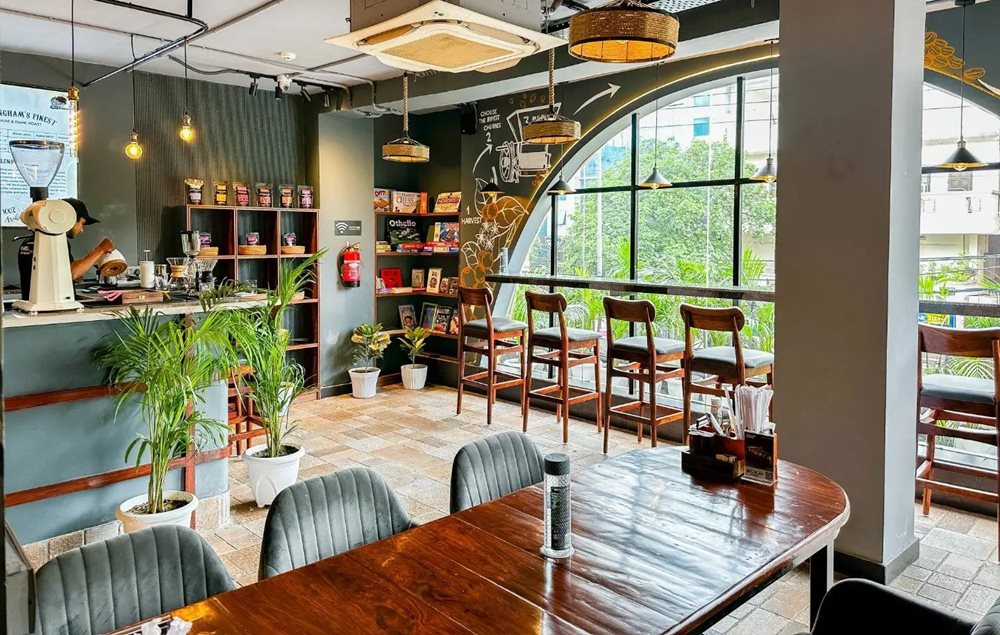
The interior of Chelvies Punjabi Bagh outlet in Delhi NCR | Photo credit: Chelvies/Facebook

Indian specialty coffee and all-day dining chain Chelvies Coffee has raised $1m in a pre-Series A funding round led by Endurance Capital, with an additional $500,000 in debt financing currently under process. 
 

Chelvies, which sources coffee from the Ratnagiri and Mandalkhan estates in Baba Budangiri, Chikmagaluru, opened its first store in 2023 and currently operates six outlets across Ahmedabad and Delhi NCR. The business, which is seeking to create a farm to cup coffee brand which ‘resonates with the cultural fabric of India’, will use the investment to scale its footprint to 30 outlets by 2026, primarily focusing on high street locations across India’s major metro cities. 


The Noida-based specialty coffee and all-day dining chain will also use funding to improve its supply chain infrastructure, strengthen its operational teams and develop food production capabilities. Alongside extensive specialty coffee and bakery ranges, Chelvies also offers an all-day dining menu of burgers, artisanal sandwiches, pizza and sharing platters prepared in-store and sells wholebean packaged specialty coffee on its website. 


“Since our launch, we have rigorously tested and perfected our concept through our presence in Delhi NCR and Ahmedabad, refining every aspect of the customer experience. This funding comes right at a time when we are all set to scale aggressively and bring our unique offering to key markets across India,” said Dhruv Singh, Founder and CEO, Chelvies Coffee. 


Investment in Indian coffee businesses has accelerated over the last 12 months, with fellow start-ups abCoffee, First Coffee and Fast Coffee all raising funds to scale their operations, establish new sales channels and enter new domestic markets.  


Additionally, more established brands such as Blue Tokai Coffee Roasters, Third Wave Coffee and Subko Coffee Roasters continue to attract new investment to increase their market share and scale their direct-to-consumer sales channels. 

source: http://www.worldcoffeeportal.com / World Coffee Portal / Home> Weekly Coffee News> India / January 13th, 2025

Coffee board, National Livelihood Mission to train one lakh women in Karnataka to become entrepreneurs

The initiative aims to establish 2,500 coffee kiosks and train women from self-help groups to become successful coffee entrepreneurs.

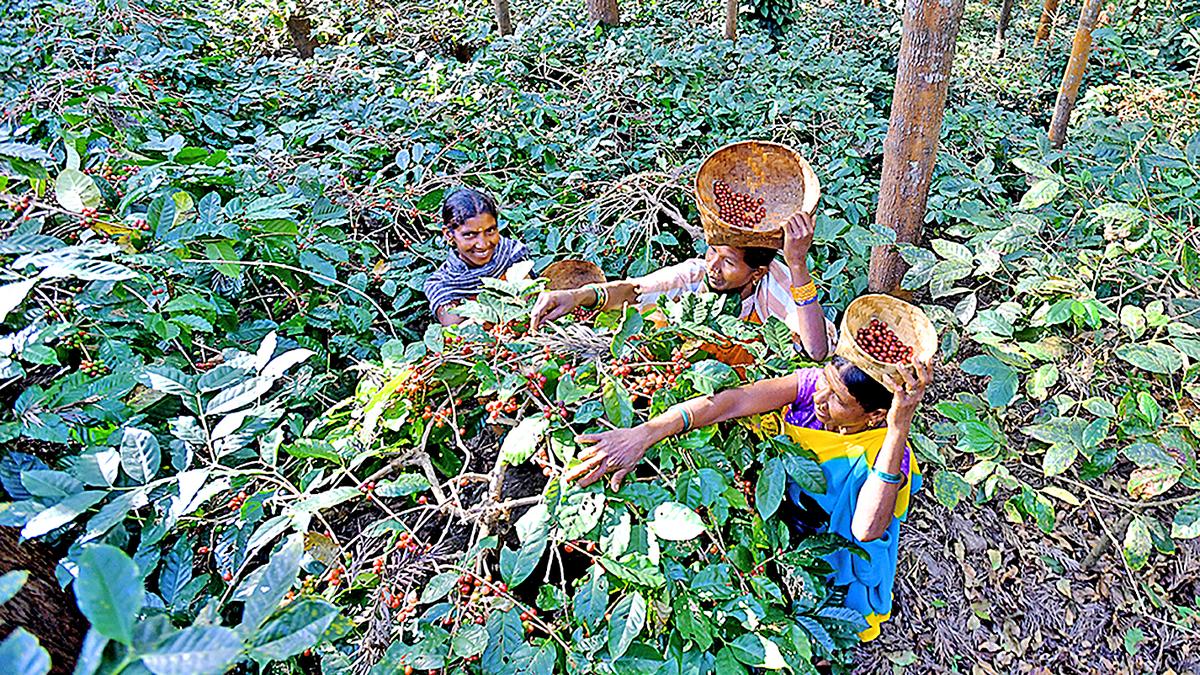
Women harvesting coffee beans. Initially, 400 women will be trained to become master trainers at the coffee board’s head office in Bengaluru. | Photo Credit: K.R. Deepak

The Coffee Board of India, in partnership with the National Livelihood Mission in Karnataka, has initiated a project to empower 1,00,000 women members of National Livelihood Mission Self-Help Groups (SHGs) across the State on coffee brewing techniques and rural cafe management.

To execute the programme, an MoU was signed between K.G. Jagadeesha, CEO and Secretary, Coffee Board, and P.I. Sreevidya, Mission Director of National Livelihood Mission. This was mainly aimed to facilitate the establishment of rural and urban cafes dedicated to offering an authentic filter coffee experience, said the coffee board on Wednesday.

“The coffee board, in collaboration with subject matter experts and in-house specialists, will work along with the Atal Incubation Centre of Coffee Board, the implementing and monitoring partner, to ensure impactful outcomes,’‘ said Mr. Jagadeesha. Ms. Sreevidya added: “This coffee micro entrepreneurial project will provide a new window of opportunities to women empowerment.”

According to the coffee board, the project will be implemented in two phases. Initially, 400 women identified by NLM will be trained to become master trainers at the coffee board’s head office in Bengaluru, who in the second phase will subsequently upskill other women at taluk and hobli levels. The initiative aims to establish 2,500 coffee kiosks and train one lakh women from SHGs to become successful coffee entrepreneurs.

The State government allocated ₹25 crore in its 2024-25 State budget to train one lakh women from NLM SHGs as coffee entrepreneurs. ‘’By supporting potential and existing entrepreneurs, it promotes gender equality, reduces poverty, and fosters opportunities for marginalised women,” Mr. Jagadeesha said.

source: http://www.thehindu.com / The Hindu / Home> News> India> Karnataka / by The Hindu Bureau / January 23rd, 2025

Indian Coffee Brews Global Demand

India’s relationship with coffee dates back centuries. The story begins in the 1600s when Baba Budan, a revered holy saint, brought seven Mocha seeds to the hills of Karnataka. This simple act of planting seeds in his hermitage courtyard in Baba Budan Giri marked the beginning of India’s rise as a significant coffee producer. Over the years, coffee cultivation has transformed from a modest practice into a booming industry. Today, India stands as the seventh-largest coffee producer in the world, with exports reaching an impressive $1.29 billion in the fiscal year 2023-24. This figure is nearly double the $719.42 million recorded in 2020-21.

Growing Global Demand for Indian Coffee

The surge in India’s coffee exports can be attributed to the increasing global demand for its rich and unique flavors. In January 2025 alone, India exported over 9,300 tonnes of coffee, with major buyers including Italy, Belgium, and Russia. Approximately 75% of India’s coffee production consists of Arabica and Robusta beans, primarily exported as unroasted beans. However, there is a notable shift towards value-added products, such as roasted and instant coffee, which is further driving the export boom.

The rise of café culture, coupled with higher disposable incomes, has led to a growing preference for coffee over tea among Indian consumers. This trend is evident in both urban and rural areas. Domestic coffee consumption has increased from 84,000 tonnes in 2012 to 91,000 tonnes in 2023. This shift reflects a broader change in drinking habits, as coffee becomes a staple in daily life for many Indians.

Coffee Cultivation in India: A Rich Heritage

India’s coffee is primarily cultivated in the ecologically rich Western and Eastern Ghats, known for their biodiversity. Karnataka leads the nation in coffee production, contributing 248,020 metric tonnes in 2022-23, followed closely by Kerala and Tamil Nadu. These regions are home to shaded plantations that not only support the coffee industry but also play a crucial role in preserving the natural environment. They help maintain the ecological balance of these biodiversity hotspots.

The Coffee Board of India has launched several initiatives to enhance coffee production and meet the growing domestic and international demand. The Integrated Coffee Development Project (ICDP) focuses on improving yields, expanding cultivation in non-traditional regions, and ensuring the sustainability of coffee farming. These measures are part of a comprehensive strategy to strengthen India’s coffee industry, increase productivity, and enhance its global competitiveness.

Empowering Communities Through Coffee Farming

A prime example of successful coffee farming is found in Araku Valley. Here, nearly 150,000 tribal families have collaborated with the Coffee Board and the Integrated Tribal Development Agency (ITDA) to increase coffee production by 20%. This achievement is supported by loans from the Girijan Co-Operative Corporation (GCC). It demonstrates how coffee farming empowers communities and aligns with the vision of Aatmanirbhar Bharat, or self-reliant India.

These initiatives, along with export incentives and logistical support, play a vital role in expanding India’s coffee industry. They not only improve domestic production but also enhance global competitiveness. As India continues to establish itself as a leading player in the global coffee market, the future looks bright for this beloved beverage.

source: http://www.observervoice.in / Observer Voice / Home> News> National / by Shalini Singh / January 21t, 2025