Category Archives: Women/Girls (wef. Sept 03rd, 2022)

Charishma Kaliyanda: My mum in her own words

Charishma Kaliyanda, NSW MP for Liverpool, interviews her mother Bhanu Chottera, a former Indian Government architectural draughtsperson. 
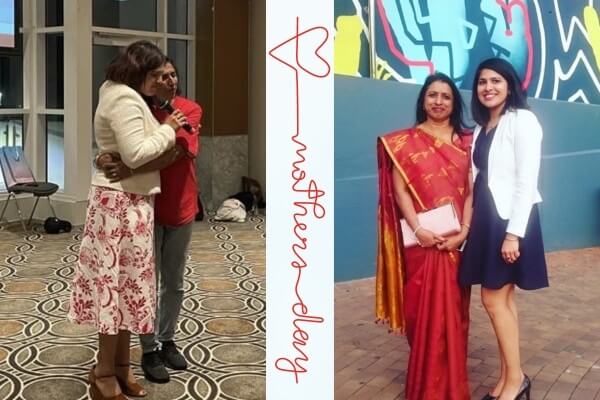
Our Mother’s Day series ‘My Mum in her own words’ pays tribute to our mothers, showcasing the intergenerational bond between mother and child. Here Charishma Kaliyanda, NSW MP for Liverpool, sits down with her mother Bhanu Chottera, a former Indian Government architectural draughtsperson. 

Charishma Kaliyanda: What are your strongest memories of your mum?

Bhanu Chottera: My mum, known as ‘Baby’ to all, was the example of someone who gave unconditional love, she treated all her 5 children equally – no difference between boys or girls. You could never tell when she was unhappy or concerned, she was always bubbly and charming.

She always had the answers to our problems – and never refused when any of us asked for help.

Charishma Kaliyanda: She sounds a lot like you, actually! So what’s something your mum or dad used to tell you growing up that later turned out to be true?

Bhanu Chottera: They always encouraged me to study and stand on my own feet, regardless of being a girl. Education is the one thing nobody can snatch away from you and will make sure you can put food on the table. Dad always said, regardless of the situation, don’t hide away from your problems and don’t be afraid to speak out.
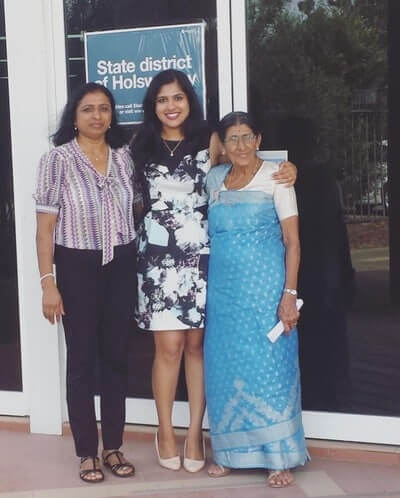
Charishma with her mother and grandmother (Source: Supplied)

Charishma Kaliyanda: How about Ammachi, what is the best advice your mum ever gave you?

Bhanu Chottera: Always be financially independent, and make sure you save some money as you never know when you’ll come across a rainy day when you need it!

Charishma Kaliyanda: That is definitely practical advice that we can all use. Tell me about the day I was born.

Bhanu Chottera: I felt blessed – but it was a lot of effort, because I was in labour for almost 22 hours with you!

I was so happy because I always wanted a girl. I grew up with two sisters so, in having a daughter, I knew I would always have someone to talk to, share experiences and develop a lifelong bond with.

The entire extended family was so pleased because my sister is the eldest and she was a role model for everyone else. You were also the first female grandchild on both sides of the family, and so your Thatha called you our ‘Lakshmi’.
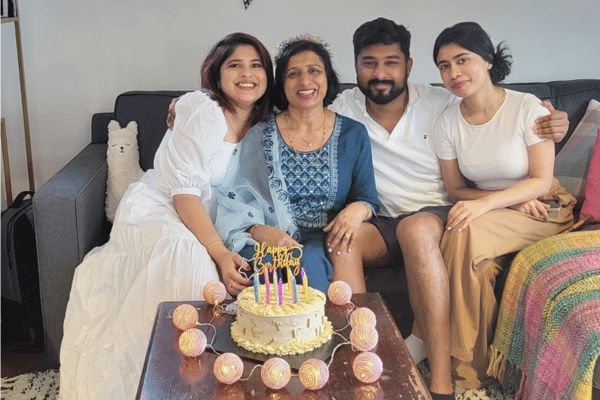
Celebrating mum’s 60th birthday (Source: Supplied)

Charishma Kaliyanda: That’s really cute, I didn’t know that. Tell me about the world events that have had the most impact on you?

Bhanu Chottera: The first event was the 2004 Tsunami in the Indian Ocean. I had never heard the word tsunami before and didn’t know what it was until I saw the devastation created that day – so many people died, there was so much destruction and across such a large area. It made me realise that things can change in the blink of an eye, anything can happen and life is short, precious and unpredictable. It made me really think about what I wanted from my life.

The other is COVID, of course. The whole period had a huge impact on me and reinforced that nothing belongs to you, so share what you have and show care to the people around you as much as you can.

Charishma Kaliyanda: Keeping those lessons in mind, what would you say are the best decisions you made in your life?

Bhanu Chottera: The first was keeping in mind my parents’ advice and getting an education because I got my dream job working for the Indian Government’s housing department as an architectural draughtsperson. I loved my work and my lifestyle and I made some amazing friends that I am still close with today.

The second was buying a home. After coming to Australia, starting a new life from scratch here, having a home of my own was a sign that I had some roots and could stand on my feet. It made me feel like I had achieved progress and independence, and I could nurture my family (and my own garden!).
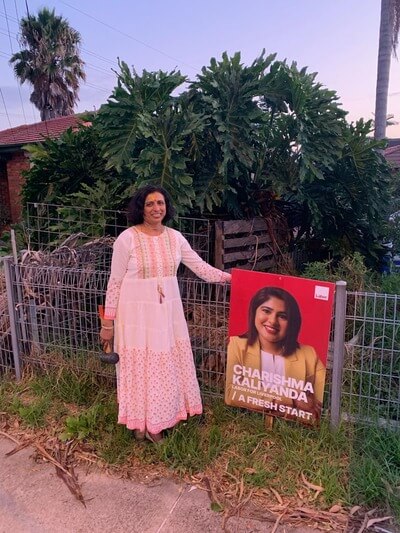
Mum on the campaign trail (Source: Supplied)

Charishma Kaliyanda: Speaking of gardens, that’s probably the biggest difference between us, you’re in your element surrounded by roses, mulch and manure and you still won’t let me forget how I accidentally killed your choko vine when I was 14! How did you feel when I told you I wanted to get into politics?

Bhanu Chottera: It was actually a shock. Coming from a different cultural background, I thought you might find it difficult to be accepted. I also saw the demands of working in politics in the media and thought it would be really challenging. At the same time, I remembered the advice I had gained from my dad, who served in the army for many years and had even fought in a World War and knew I should pass it onto my daughter. You come from a long line of fighters, so I knew you would be alright.

Charishma Kaliyanda: So how did you feel on election night when results came in that I had won? What went through your mind?

Bhanu Chottera: Which election? There have been a few!

Charishma Kaliyanda: Look, that’s a fair call.

Bhanu Chottera: The first one was a bit disappointing but I remember clearly thinking “there’s always next time, this is only the beginning”. We’ve been on a long journey, with 6 election nights in total! On election night last year though, I thought, “this is the right time”. I have seen you develop the skills and temperament to balance things and to be able to make the impact you want to on the things you are passionate about.
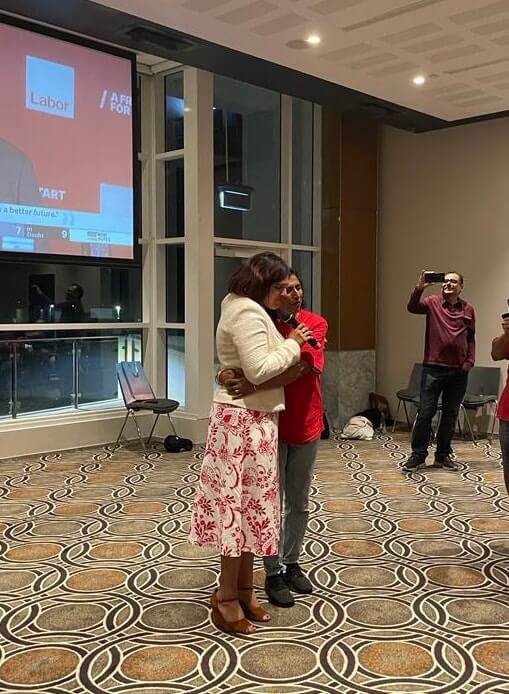
With mum on election night as results came in (Source: Supplied)

Charishma Kaliyanda: How about on the day I was sworn in at Parliament ?

Bhanu Chottera: That was one of the most exciting and memorable days of my life. I felt my daughter had achieved something I never thought possible. When we became Australian citizens, I remember we had the ceremony at the Liverpool Council chambers and when you were sworn in as the youngest councillor at Liverpool Council in 2016, I was blown away. To see you become a member of the NSW Parliament was a real validation of our decision to seek a new life in Australia because we wanted better opportunities for our children. You made us proud, and all the challenges and sacrifices worth it.

Charishma Kaliyanda: What do you worry about most now, regarding me?

Bhanu Chottera: Look, like every parent I always worry about your health, happiness and safety. I know the hours you work and the travel you do, as well as the stress and responsibility you take on. So I try and encourage you to maintain a healthy work/life balance.

Charishma Kaliyanda: If by encourage, you mean, nag with great affection, you’re spot on! So what about your own self, what are you looking forward to?

Bhanu Chottera: I want to stay healthy as possible so I can travel, starting with Cambodia! I try and eat well, meditate, exercise and stay connected with my friends. I really enjoy being involved with charities and community work because I like helping people and I know that people have been there to support me when I needed it, so I pay it forward.

Charishma Kaliyanda: What the one lesson you want me to take forward?

Bhanu Chottera: Always listen to people, but believe in yourself and act according to what your heart is telling you.

source: http://www.indianlink.com.au / Indian Link / Home> India in Australia / by Indian Link / May 09th, 2024

Minns names Charishma Kaliyanda as new digital and customer service parliamentary secretary, NSW Australia

Charishma Kaliyanda (second from right) is NSW’s new parliamentary secretary for customer service and digital government, emergency services and youth justice. (Photo: Facebook)

NSW Premier Chris Minns has appointed lower house member Charishma Kaliyanda as the state’s new parliamentary secretary for customer service and digital government, emergency services and youth justice, replacing Anthony D’Adam, who was sacked a month ago after labelling the state’s police commissioner a liar.

Elected to Parliament in 2023, Kaliyanda’s appointment comes as Minns and NSW Labor attempt to fend off growing criticism in several parts of Western Sydney that many local members simply don’t reflect the communities in their electorates or make it to junior ministries let alone cabinet.

While there are some high-profile exceptions like Treasurer Daniel Mookhey, Jihad Dib (Kaliyanda’s senior minister) and Industrial Relations Minister Sophie Cotsis, the composition of the first Minns ministry was notable for its Anglo-Celtic weighting.

Community diversity and preselection of state and federal candidates, especially from southwest and western Sydney, have become an increasing friction point across the Australian political spectrum, with Labor losing once safe seats like Fowler to local independent candidates like Dai Le after locals were sidelined for so-called captain’s picks like Kristina Keneally.

Fairfield, where Le whittled down Labor’s margins to just a couple of points as a Liberal state candidate, is somewhat of a case study in how and why migrant communities abandon major parties, with former Fairfield Labor mayor Frank Carbone also quitting his party to run for council on an independent ticket.

You can’t undo years of electoral neglect overnight, but you can make an effort to listen.

Indian diaspora is one of Australia’s fastest-growing migrant communities, now numbering close to 1 million, and the ties are strengthening.

Australia appointed its first consul-general in Bengaluru, Hilary McGeachy, in 2023, adding diplomatic muscle to the massive nation’s south, which includes the states of Karnataka and Telangana.

The capital of Karnataka is Bangalore (population 15 million), which positions itself, for better or for worse, as India’s Silicon Valley.

In an interview with Indian Link , a community publication founded in 1994, Kaliyanda says it “empowers and elevates the South Asian community in Australia, by telling their stories and unpacking their experiences in a nuanced and unbiased manner” reaffirmed her commitment to her community.

“I had thought deeply about what I will wear on my first day as an MP. I wore a blue sari from Karnataka, draped in the Kodava style, with a Waratah broach,” Kaliyanda told the community publication.

“I wanted to share that I will be bringing my whole self to this role and to the Parliament — my commitment to and love for my community in wearing the colours of NSW, and my pride in where I come from and the diversity of my community in wearing a sari specifically from where I was born and in the Kodava style.

“I did struggle with it because there wasn’t really a playbook for what to do and what was expected but I was encouraged to “be myself”, and so I wanted to share my authentic self with our broader community.”

Asked who gave her the best advice for the first time in the bear pit, Kaliyanda told IndianLink: “two Labor Party colleagues, Jihad Dib and Sophie Cotsis, who were very supportive and full of advice.”

“There’s a lot to learn, so take it slow and ask questions as much as you can, Jihad told me,” Kaliyanda said.

Take it slow? That just changed. Welcome to the ministry.

source: http://www.themandarin.com.au / The Mandarin / Home> Careers / by Julian Bajkowski (headline edited) / June 17th, 2024

Kodagu Woman At Mount Everest Base Camp

Madikeri:

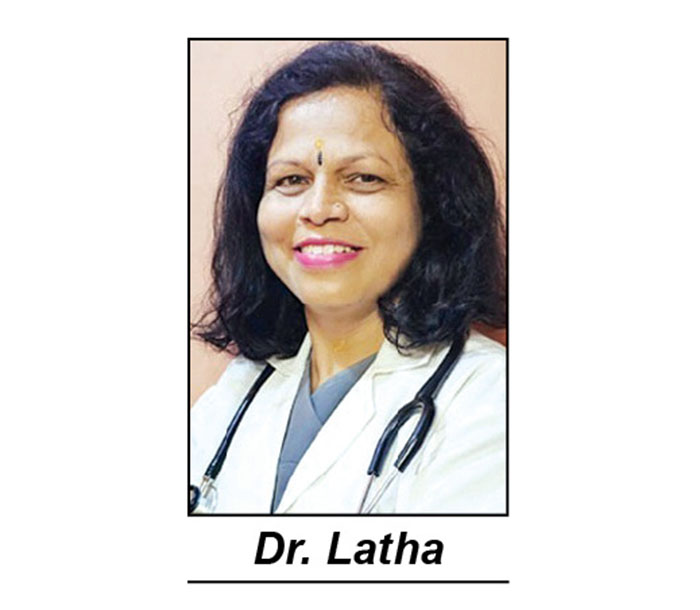
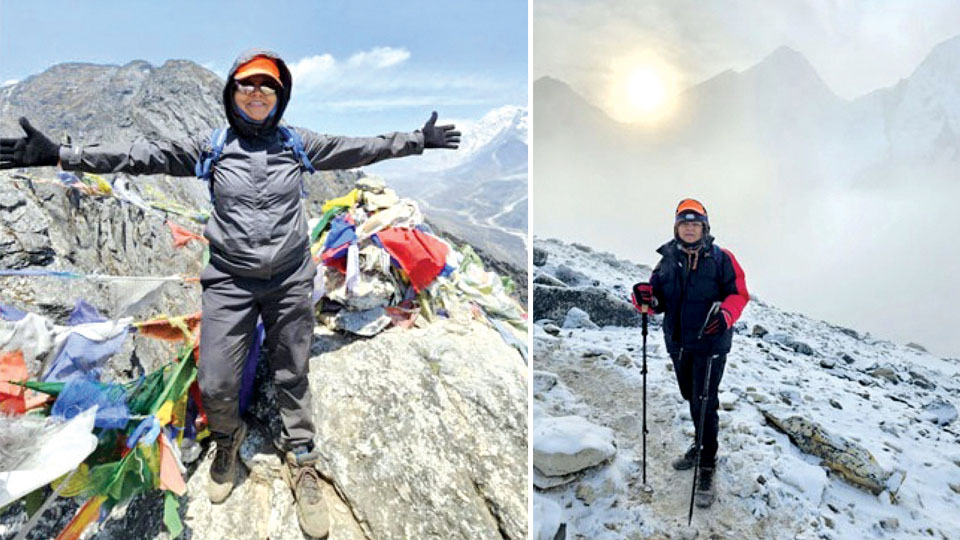
A woman from Kodagu has made history by reaching the Mount Everest Base Camp. Dr. Latha, a 57-yearold gynaecologist working in Bengaluru, participated in the trek to the Everest Kodagu woman at Mount Everest Base Camp Base Camp and successfully reached the first phase target of 18,514 feet.

Dr. Latha, a native of Badubanahalli near Alur Siddapura in Somwarpet Taluk, Kodagu, has brought great honour to her region through this remarkable achievement. She is the daughter of the late Mallappa.

With a keen interest in sports and trekking, Dr. Latha had a deep desire to conquer Mount Everest. She underwent rigorous training for six months with a Nepal-based company, running up to 10 kilometres daily and climbing small mountains to build stamina.

Dr. Latha was selected to climb the world’s highest peak during the April 28 to May 11 schedule, where several teams from India were participating. Among them, there were eight individuals aged between 30 and 40.

“Every day, we used to climb 10 to 15 kilometres and then rest. Only three members from our team, including me, could reach that Base Camp,” she said.

source: http://www.starofmysore.com / Star of Mysore / Home> Sports / June 01st, 2024

Transforming Lives: How Rani’s Coffee Plantation Became a Symbol of Empowerment

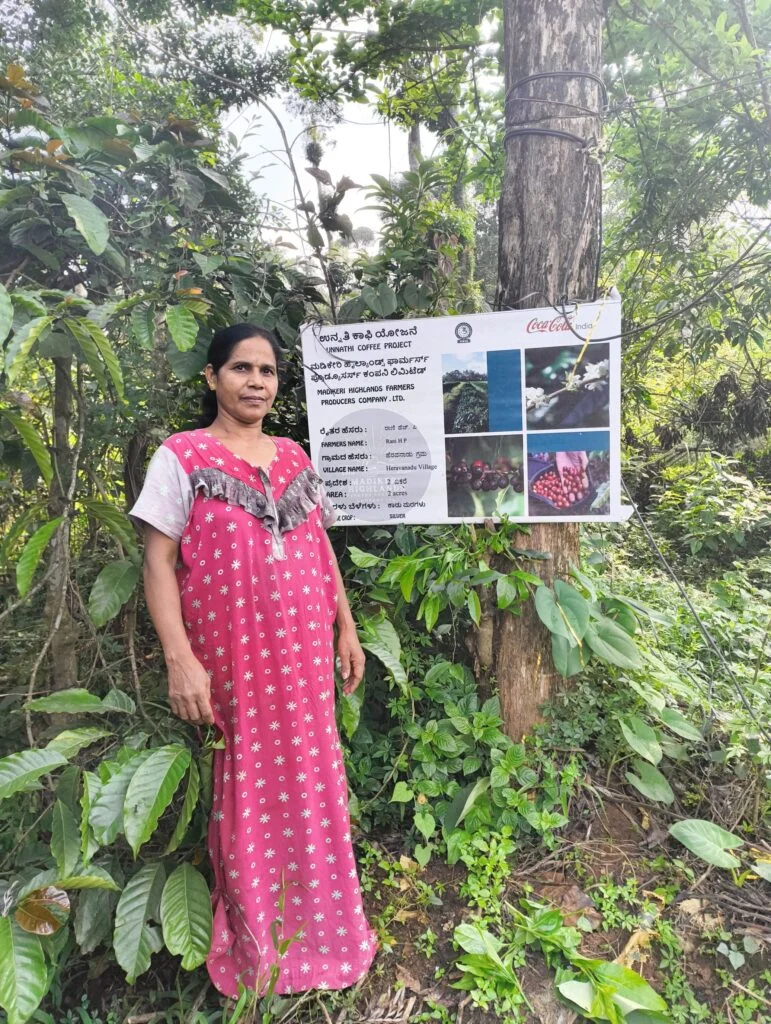
Meet Rani, a resilient woman from Heravanadu, a quaint village nestled in Kodagu’s Madikeri taluk, steeped in the rich history of Mysore’s royal legacy.

A century ago, Heravanadu’s origins were intertwined with the grandeur of Mysore’s royal legacy. The founding families arrived here at the behest of the Mysore king, tasked with caring for the royal horses. When the king eventually left, he granted them the very lands they had nurtured. Thus began the saga of Heravanadu’s small coffee planters and laborers.

Starting as laborers in the fields, they gradually transitioned to cultivating their own land, primarily focusing on coffee. Today, there are approximately 25 coffee farmers in the village, each owning plots of land ranging from 2023 square meters to 8094 square meters.

Rani HP embarked on her journey in Heravanadu as a young bride with hopes and dreams. However, tragedy struck when her husband expired, leaving her with the responsibility of raising their three children and only 8094 square meters of land.

Determined to secure a future for her family, Rani initially worked as a daily wage laborer. Seeking guidance, she turned to the Dharmasthala Sangha (SSG), where she received invaluable support from other women. With their assistance, Rani transformed her barren land into a flourishing coffee plantation over two decades of hard work and dedication.

As the coffee market evolved, so did Rani’s fortunes. From humble beginnings, she now commands a respectable price for her coffee beans, thanks to her expertise and perseverance. The turning point came when Anandana, The Coca-Cola India Foundation spearheading the Unnati coffee project in Coorg, and ISWAR, an NGO, recognized her dedication and offered support to Heravanadu.

Anandana, The Coca-Cola India Foundation, and ISWAR’s collaborative assistance were instrumental in providing specialized training, modern techniques in coffee plantations, and sustainable farming practices to Rani and her fellow farmers. As a result, Rani embodied the true essence of Coca-Cola India’s #SheTheDifference women empowerment campaign, which aims to uplift and empower rural women farmers and entrepreneurs like her.

Recognizing her leadership qualities, Rani was appointed as a board director for the Madikeri Highlands Farmers Producers Company Limited (FPO), launched by ISWAR in Coorg.

Rani’s story epitomizes the collective strength of Heravanadu’s community. With the unwavering support of her fellow villagers and her resilience, she transformed adversity into opportunity. Today, as she tends to her coffee plantation and manages her small coffee shop, Rani stands as an inspiration, showcasing how dedication and community support can lead to success.

Her legacy extends to her son, Raghu, who now manages her plantation and household. Inspired by his mother’s perseverance, Raghu actively participates in the affairs of the FPO, embodying the spirit of hard work and dedication passed down through generations.

source: http://www.businessnewsthisweek.com / Business News This Week / Home> Business / by Mansi )Praharaj / June 14th, 2024

How Smitha Kuttayya’s Kodava Dishes Bridge The Past And Present With Sustainability And Innovation

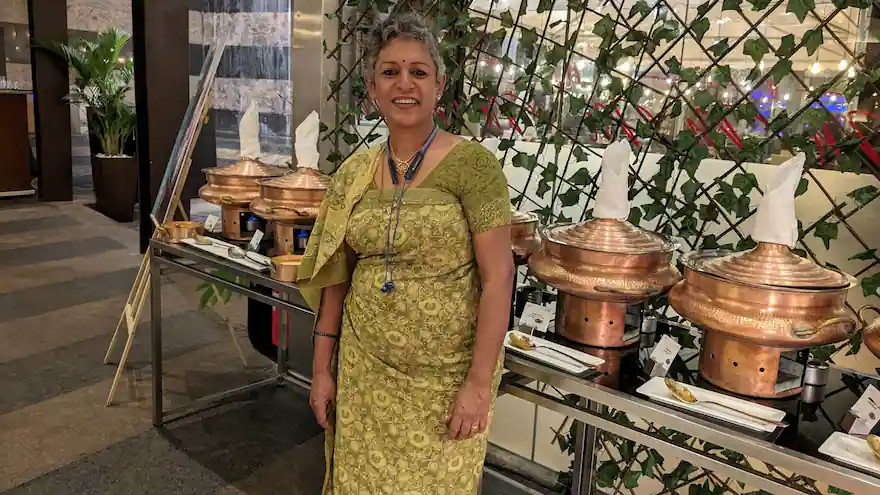
This pop-up at the Marriott had more than just the popular pandi curry or Coorgi pork curry. Drawing inspiration from yesteryear and her grandmothers’ kitchen in Coorg, home chef Smitha Kuttayya has made it her mission to keep Coorgi cooking traditions alive.   

In a world where fast food and standardised meals dominate, the value of traditional recipes and cooking methods with a focus on sustainability often seems overshadowed. Yet, for home chef Smitha Kuttayya, these traditions are more than just culinary practices; they are a bridge to the past, a way of preserving memories and cultural identity.

A native of Kodagu now residing in Chennai for 24 years, Chef Kuttayya has excelled in multiple roles throughout her career.

She is a celebrated Bharatanatyam dancer, a compelling writer, a dedicated teacher, an engaging storyteller, a successful entrepreneur, and a passionate home chef.

Each of these roles reflects her commitment to preserving her heritage while enriching her community with diverse talents. She has been a vibrant part of Chennai’s culinary landscape for over a decade and draws deep inspiration from her roots in Coorg and her grandmothers, who not only passed on their skills and recipes but also greatly influenced her passion for baking and cooking, which reflects in her brand, the Global Theeni.

Her journey from a humble baker to a champion of Coorg cuisine reflects a deep commitment to preserving culinary heritage while adapting to modern ecological needs. Drawing inspiration from yesteryear and her grandmothers’ kitchen in Coorg, Chef Kuttayya has made it her mission to keep these traditions alive. “In our family, cooking was always more than just a task—it was a form of storytelling,” she reflects. This storytelling aspect was evident in her recent Coorg cuisine pop-up at the Marriott Hotel Whitefield in Bengaluru, where Smitha Kuttayya showcased traditional Kodava dishes that included seasonal produce and were prepared adhering to sustainable practices.

Traditional Cuisines In A Modern World

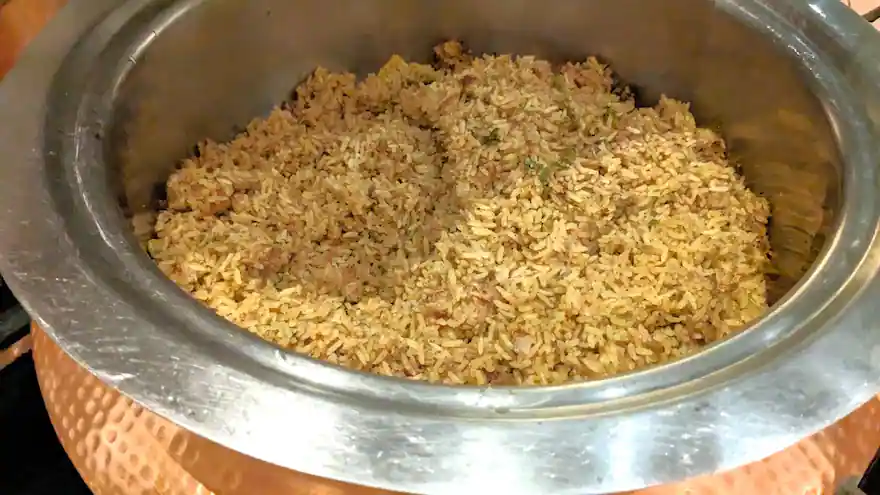
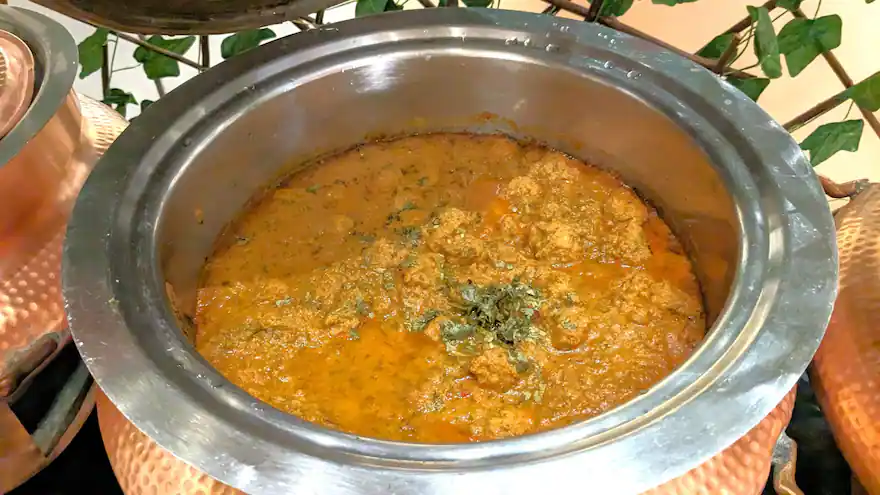
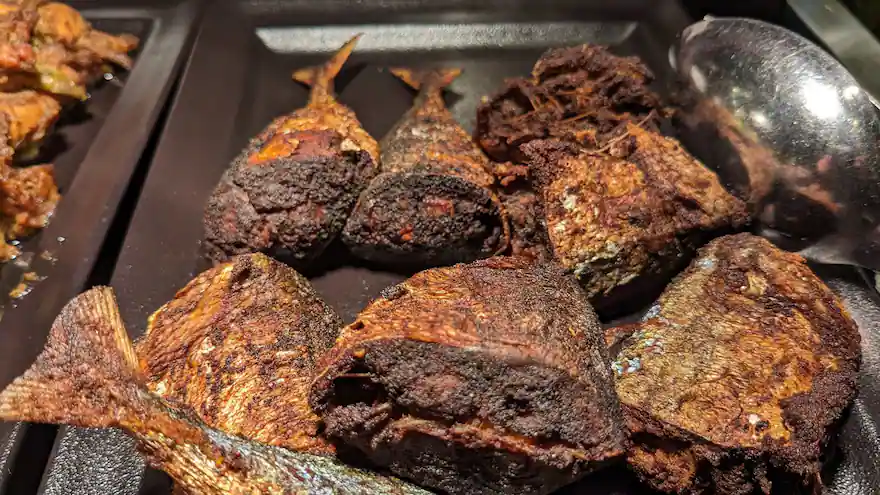
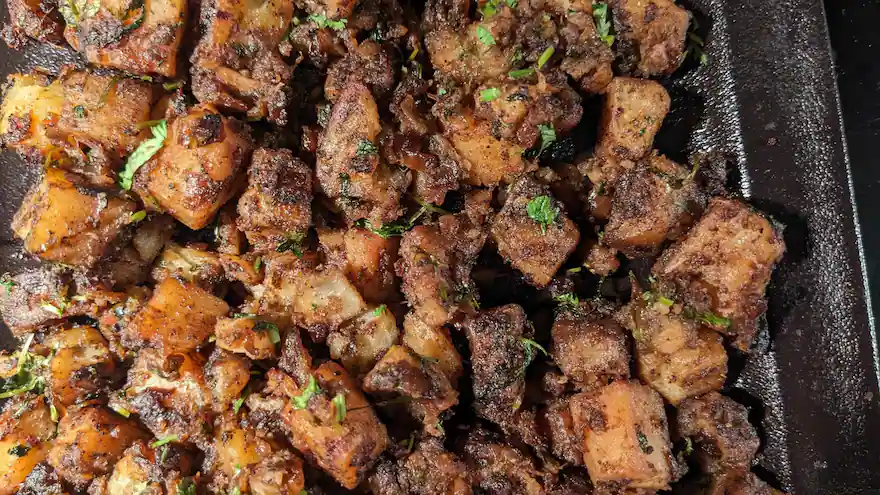
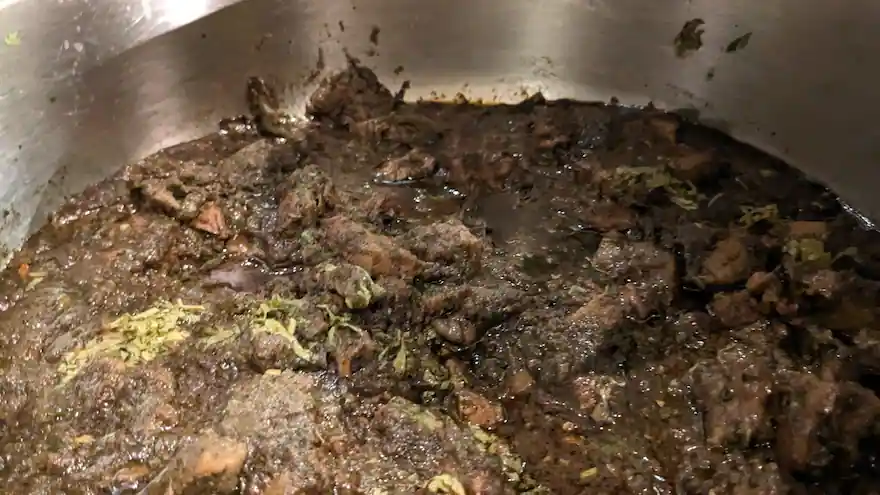
Traditional recipes, she believes, are more than just instructions for making food; they are a tapestry of memories, methods, and values passed down through generations. “These recipes are a bridge to our past,” she says. “They connect us to our ancestors and their way of life, which is why they carry such unique and irreplaceable flavours.” This pop-up at the Marriott had more than just the popular pandi curry (Coorgi pork curry). The buffet had a wide array of dishes like the koli barthad (chicken fry), fish fry (mackarel marinated in spices and kachampuli vinegar), mutton pulav, Kodava chicken curry, and, of course, the pandi curry.

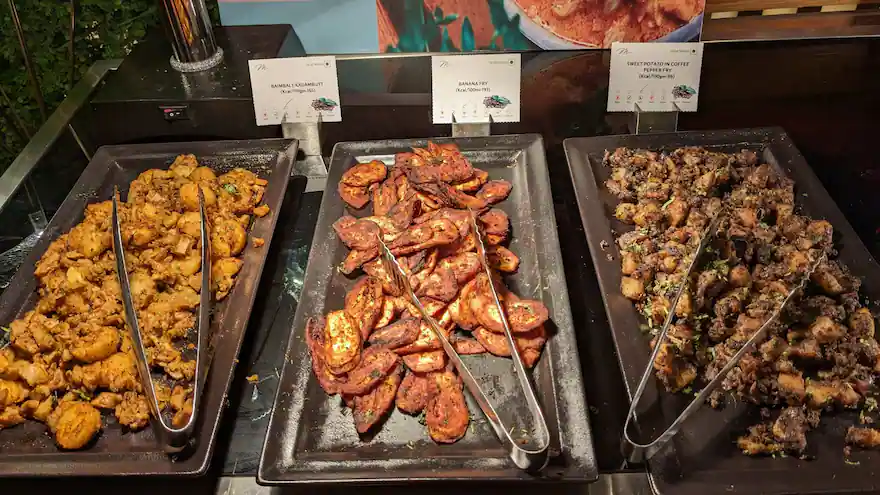
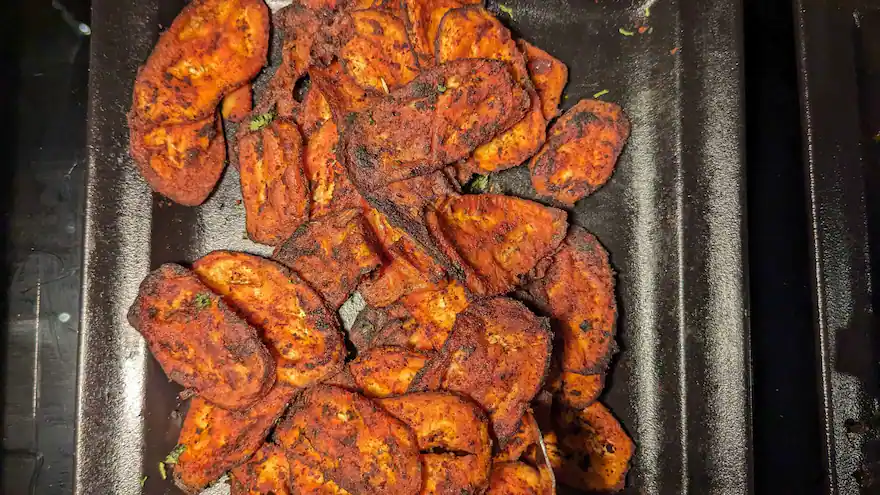
That’s not all. The vegetarians also had a wide selection of dishes that could confuse a Kodava too, as the community is well-known for their non-vegetarian fare. There was raw banana fry, which was made with the same marinade that was used for the fish fry. The baimbale curry or the bamboo shoot curry paired beautifully with the paaputtu (coarse rice semolina cake).

The seasonal kaad maange pajji, the bollari gravy (mangalore cucumber gravy), and the raw jackfruit pulav were a total hit among the diners. For her, maintaining traditional methods means adhering to the authentic ways of preparing and cooking dishes, even when modern shortcuts are available. “In Coorg cuisine, for instance, we don’t use tomatoes in our traditional recipes,” she explains. “We rely on natural souring agents like kachampuli (vinegar made from a fruit called Panapuli) or tamarind, which have been used for generations.”

Local Ingredients: The Heart Of Authenticity

Central to Chef Kuttayya’s approach is her unwavering commitment to local ingredients. For her, these ingredients, like wild mangoes, mushrooms, bamboo shoots, jackfruit, honey, jaggery, etc., are not merely components of a dish but symbols of a region’s cultural and ecological identity. “Local sourcing respects the origin and community, ensuring that what we prepare is a true reflection of our heritage,” she explains.

This philosophy aligns perfectly with her aim to offer an authentic culinary experience. In Chennai, where she has spent a significant part of her career, Chef Kuttayya found a unique demand for traditional Coorg cuisine. “Initially, people in Chennai didn’t have easy access to Coorg dishes like pandi curry, mange pajji, etc., unlike in Bangalore, where the Kodava presence is greater,” she notes. This gap led her to introduce Coorg dishes to a broader audience, not just the Coorg community but also Tamil locals eager to explore new flavours.

Seasonality And Innovation

A profound respect for seasonality guides Chef Kuttayya’s menu planning. She emphasises the use of ingredients at their seasonal peak to enhance flavour and ensure ecological balance. “Seasonal cooking supports local agriculture and ensures that what we eat is both delicious and sustainable,” she asserts. By aligning her cooking with the natural rhythms of the seasons, she fosters a deeper connection between the food and its source. “Most of our special ingredients are available only during the monsoon,” she explains. “We adapt our menu to make the most of these ingredients when they are freshest and most flavourful.”

Her wisdom of traditional cooking and baking with seasonal ingredients, intricately woven with sustainable practices, has evolved her style of cooking over the years. This time around, she presented a few dishes that could qualify as modern Kodava cuisine, like the coffee-infused chilly chicken dish, the monkey oranges and bird’s eye chilli sauce from her farm, or the coffee mayonnaise made with avocado and coffee, which was a pairing for one of the meat tarters. In her buffet, there was neer dose paired with organic jaggery and coconut, which is a classic combination. But during her pop-up tour at Marriott, she introduced neer dose alongside figs and bird’s eye chilli preserve that she prepared herself from the figs that grew plenty at her home.

While preserving tradition, Chef Kuttayya also embraces evolution in her culinary practices. She believes that traditional dishes can evolve while maintaining their core essence, making them appealing to contemporary tastes. “It’s about balancing tradition with innovation,” she notes. “You can introduce new flavours and techniques without losing the soul of the dish.” Her innovative takes include adapting traditional Coorg dishes with locally available ingredients when necessary. “Innovation doesn’t mean discarding tradition; it means enhancing it,” she asserts.

Sustainability In Tradition

The sustainable practices inherent in traditional cooking are another aspect that Chef Kuttayya values highly. “Traditional cooking relies on local, seasonal ingredients and minimal waste practices, showcasing a way of life that modern kitchens can learn from,” she states. This approach not only reduces the carbon footprint but also supports local agriculture and ecosystems, making it a model for sustainable cooking in today’s world. This dedication extends to her personal cooking practices as well.

“Every vegetable or meat that we use for cooking, I make sure it is completely utilised. Nothing goes to waste and if there is something that can’t be used, it always composts. That’s a farmer’s way. We barely use oil in our cooking. When it is meat, especially, it cooks in its own fat. I do not waste anything and there is no other way that I can do it. “I buy only organic ingredients and test everything myself. I don’t even delegate it to the help in the house,” she says with a smile.

“I’m very particular about my ingredients and the way I prepare my dishes,” she notes. “Whether it’s a pop-up event or a one-on-one cooking class, I ensure that the methods and ingredients reflect the true essence of traditional cuisine.” Her commitment to sustainability extends beyond the kitchen to her packaging choices. “I use only tin and tiffin boxes for packaging, avoiding plastic entirely; even the baking sheets I use are organic,” she says. “It may cost more, but it aligns with my values of sustainability and respect for the environment.

source: http://www.slurrp.com / Slurrp / Home> Article / by Meghana Dayananand / June 13th, 2024

Sainik School salutes the ‘Pioneers’

Fifty years after its inception, the cadets, staff and employees of Sainik School Kazhakoottam met for a reunion.

Sainik School principal Group Captain B Janardanan with Kannu Somaiah and former master N Balakrishnan Nair

Thiruvananthapuram :

Back then, the ‘65 and ‘71 wars had not yet happened, ‘Sholay’ was not even in the making and Raj Kapoor was still big-time. And in that once-upon-a-time era, a bunch of youngsters walked in to the newly-opened Sainik School at the Pangode barracks. That was then. Friday was now. But 50 years vanished in the blink of an eye at the Sainik School, Kazhakkoottam, on Friday afternoon as cadets, staff and general employees who were part of the school in 1962 met again after a gap of decades for a felicitation of the pioneers organised by the school as part of the golden jubilee celebrations.

“The school was first set up at Pangode, and by the end of 1963, it shifted to Kazhakkoottam,’’ recalled Col Balasubramaniam, the first school captain. “I’m the oldest Boy, but I don’t feel that old,’’ he quipped.

It’s really hard to imagine this army-moustached, stern-looking man with receding hair as a young boy trotting about in a school ground. But there it is. All around the Colonel are men who were part of his childhood, men who walked out of this school to become officers in the armed forces, film directors, technocrats or doctors.

“Four of the first batch, including me, joined the NDA,’’ Balasubramaniam, who is on his first visit in 48 years, said.

 Perhaps the one person who was the centre of attention on Friday was Kannu Somaiah, wife of the late Col Somaiah, the first principal of the school. Known to one and all as just ‘Mrs Somaiah,’ she was the ‘mother in residence’ back then – the first First Lady of the Sainik School. ‘’I left here in 1966,’’ said Kannu, who lives in Coorg and came down for the function with her sons, and alumni, Vinod and Anand. Vinod now lives in Singapore.

“We came down to Thiruvananthapuram in December ‘61 with father. The discipline that we got at the school holds us through,’’ said Vinod Somaiah, who is visiting his alma mater after 45 years.  Does he recognise anyone? “Oh yes!’’ Vinod says, as his gaze wanders to the school auditorium named after V K Krishna Menon, the Defence Minister who made it all possible back in 1962.

Three of masters were also present. The oldest of the three, K Madhavan Nair, the Physics master, George Joseph, the Biology master, and N Balakrishnan Nair, who taught Chemistry.

On Saturday, Chief Minister Oommen Chandy will inaugurate the valedictory of the golden jubilee celebrations. Minister of State for Defence Pallom Raju and Air Marshal S P Singh will be present.

Friday’s function – presided over by school principal Group Captain B Janardanan – was also followed the ‘Satish Chandran musical evening’ organised by All-India Radio.

source: http://www.newindianexpress.com / The New Indian Express / Home> Thiruvananthapuram / by TNIE Online Archives / May 16th, 2012

It was the most rewarding journey: Shubra on becoming a certified yoga instructor

Actor Shubra Aiyappa went off the grid for a month to achieve her wellness dreams.

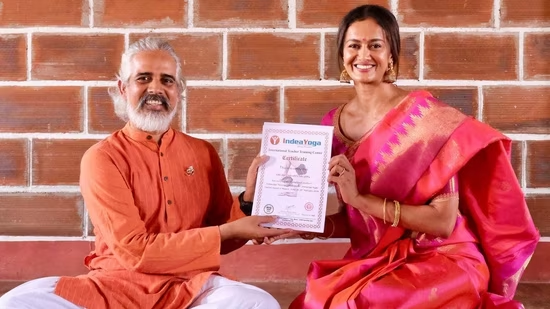
Shubra Aiyappa receives her certificate after a month of rigorous training

Actor Shubra Aiyappa recently decided to become a certified yoga instructor. Sharing her motivation around this step, she says, “I’ve been practising yoga for a few years now. The benefits of the practice drove me to go deep into it. This was definitely the most rewarding and transformative journey of my life.”

Despite the benefits, becoming a yoga instructor wasn’t an easy stint for the Thimayya & Thimayya (2022)actor. To work on her yoga practice, Aiyappa decided to cut off from the world for a month to join a yoga school in Mysuru. “We weren’t allowed to have our phones except for an hour during the day,” the 33-year-old actor shares, adding, “For the first few days, I couldn’t take this rigorous routine. I had some breakdowns and I kept asking why I chose to do this to myself. But, as time went on, I got used to it.”

In addition to the challenges at the school, Aiyappa admits she was terrified to put her acting on hold for a month. “There’s always an itch which makes you feel you’re missing a call or a scene that can change your life — It was really difficult for me to let that go. I was afraid I’d become irrelevant if I wasn’t active on social media. But that’s never the case. It was all about setting boundaries. I even put a film I’m currently doing on hold for this course,” the Prathinidhi (2014) actor quips.

The actor, now a certified yoga instructor, is happy to impart knowledge about the mind-and-body practice to her family and friends. Ask if she’s ready to take it professionally, she shares, “Teaching it professionally is not on the cards yet. I’ve always wanted to do something in the wellness space. While I don’t know how I’d execute it, I have some ongoing plans,” she signs off.

source: hindustantimes.com / Hindustan Times / Home / by Aayushi Parekh / March 06th, 2024

At 79, Padma Shri Ummathat Ki Rani is busy pushing for a Kodava ‘lipi’

Rani’s entire career has been dedicated to preserving and promoting the folk dance form, Ummathat, of the Kodava tradition.

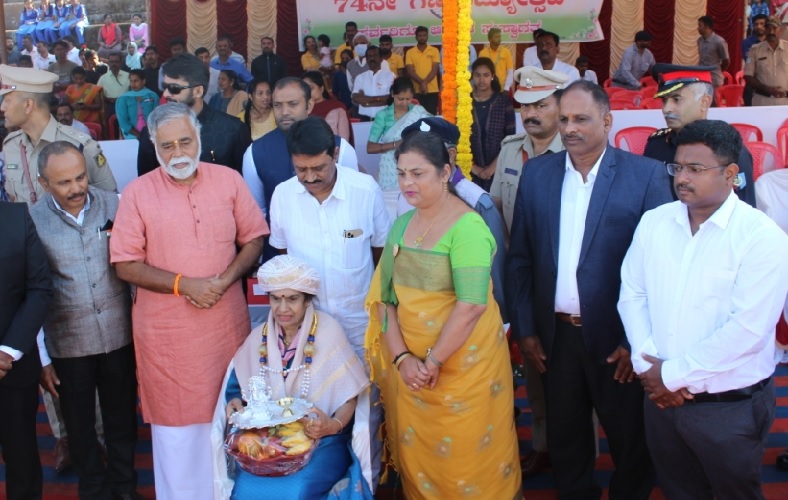
Rani Machaiah (seated) was felicitated at a function in Madikeri on Thursday, 26 January. (Supplied)

The news came as mellifluous as the song that accompanies Ummathat, the traditional dance form of Kodagu.

Rani Machaiah — better known as Ummathat Ki Rani  — was at her home in Madikeri when she received the news of the nation honouring her with Padma Shri.

Congratulatory calls have been flooding her from relatives, friends, well-wishers, and most importantly, from her large number of students since Wednesday, 25 January.

“A train of thoughts crossed my mind,” the 79-year-old shared her experience with South First. “I have worked for around 50 years, promoting this traditional dance form.”

She has been leading Ummathat since 1984 and she had trained over 10,000 students.

Rani recalled taking her students to different states to showcase the dance form. “Ummathat is performed by a troupe of 20 — two will be singing and the other eighteen will dance to narrate a story,” she explained.

“This dance form is similar to the traditional ones of every other state,” she added.

Creating masters

Rani doesn’t dance anymore. But she still teaches students to master the art form. She had trained several batches of students.

Padma Shri Rani Machaiah. (Supplied)

“Once they get married, they leave and a new batch joins. Girls of any age can join the troupe,” Rani said.

Her students had performed in Lakshadweep, Goa, Chhattisgarh, Himachal Pradesh, Jammu and Kashmir, Haryana, Mizoram, Odisha, Punjab, Maharashtra, Madhya Pradesh, and several places across Karnataka.

“We get invitations from various places and institutions from all over the country and we perform our traditional Ummathat there,” Rani, who has dedicated herself to preserving and promoting the traditional dance form, said.

Rani was born in 1943 in Siddapura in the Kodagu district. Her husband, the late Machaiah, was an advocate, who passed away when she was 65.

Her son, Sathish Machaiah, 55, is a software engineer in Bengaluru. Rani’s daughter, Saritha Devaiah, is a homemaker in Kodagu. Her husband Devaiah owns a plantation.

When asked about her inspiration to take up Ummathat, Rani said it was personal interest.

Now, a lipi

Rani is the chairperson of Kaveri Kalavrunda Sangha, an organisation she founded. She is the recipient of the Rajyotsava Award and many other honours.

She was a former president of Karnataka Kodava Sahitya Academy and at present, she is encouraging groups of Kodavas working on designing a lipi — alphabet or script — for the Kodava language to preserve its literature since the language doesn’t have a lipi now (traditionally, Kodavas use the Thirke script, which is an abugida).

“It will look somewhat similar to Kannada and it will have phonetics and extra words that are used in the Kodava language in Kannada lipi,” Rani said.

source: http://www.thesouthfirst.com / South First / Home> States / by Bellie Thomas / January 27th, 2023

Home Minister Calls On Family Of Beheaded Girl In Kodagu

Compensation will be paid to deceased Meena’s parents after poll code ends

Madikeri:

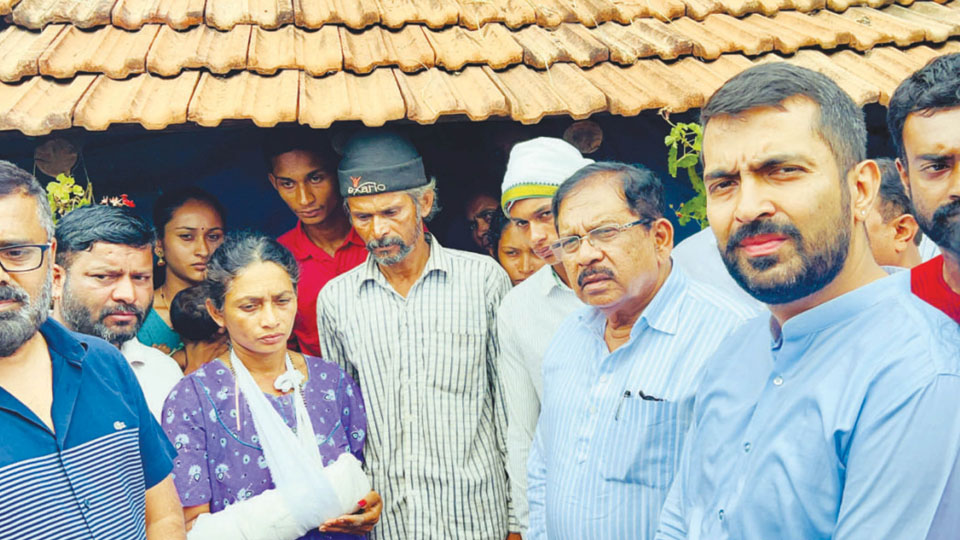
Days after U.S. Meena, a 16-year-old minor girl, who was brutally beheaded by a man at Mutlu village in Somwarpet taluk of Kodagu district, Home Minister Dr. G. Parameshwar visited the residence of the victim yesterday and consoled her parents.

Meena, an SSLC student of Surlabbi Government High School, was brutally beheaded by 33-year-old Prakash, the  man who was said to be engaged with the girl in the morning of May 9. The SSLC results were declared the same day and she had passed  the exam but unfortunately was killed the same evening. Her mother Janaki too sustained injuries in the assault and was treated at a Hospital in Mysuru.

Speaking to presspersons, Dr. Parameshwar said that preliminary investigation suggests that the girl was killed as the accused got furious over postponement of marriage on the grounds that the girl was a minor.

Maintaining that the Government would not tolerate such brutal acts and has taken the case seriously, he said that a Special Court will be established for speedy trial and the accused will be punished as per Law.

Pointing out that a Special Public Prosecutor too would be appointed for ensuring that the culprit gets the harshest punishment, Dr. Parameshwar said that the girl’s family would be paid compensation by the Government once the Model Code of Conduct for the LS polls comes to an end.

Replying to BJP leader and former CM Jagadish Shettar’s assertion that Law and Order has collapsed in the State with murders and other heinous acts occurring across Karnataka, the Home Minister said the Congress Government does not need a certificate from Shettar.

Noting that crimes were on the rise during the previous BJP Government too, he said the people would themselves give certificate to the Government.

Replying to a question on investigation into Hassan MP Prajwal Revanna’s sleaze videos and pen drives, Dr. Parameshwar, who seemed upset at the question, said that it is not correct to speak about the case here.

Madikeri MLA Dr. Manthar Gowda, Kodagu SP K. Ramarajan, ASP Sundarraj and others were present.

source: http://www.starofmysore.com / Star of Mysore / Home> News> Top Stories /May 17th, 2024

Unnathi sprinting to master bigger hurdles

The 18-year-old from Karnataka is making giant strides on the big circuit.

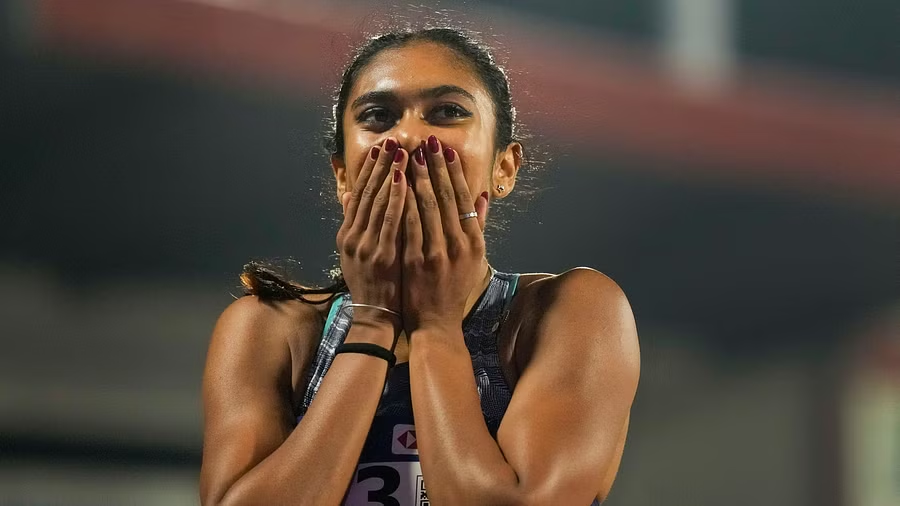
Karnataka’s Unnathi Aiyappa is headed to the World Athletics U20 Championships to be held in Lima, Peru in August after qualifying in both the women’s 100m hurdles and 200m events. Credit: PTI Photo

Bengaluru:

Unnathi Aiyappa is in the midst of a transitional period. It is a phase where every decision the teen athlete makes in the present is to help her leapfrog towards cementing future goals. Her recent results are a testimony to this. 

After having already qualified for the women’s World Athletics Under-20 Championships 100m hurdles to be held in Lima (Peru) from August 27-31, the 18-year-old from Karnataka breached the qualification mark for the 200m race as well by winning the gold at the National Senior Federation Cup in Bhubaneswar on Monday with a personal best timing of 23.85 seconds.

Less than a month ago, the youngster had finished with a bronze medal in the 100m hurdles at the Asian U-20 Athletics Championships in Dubai.

“Our main goal is to get Unnathi to become a 400m hurdler,” says father and coach BP Aiyappa. “Whatever we are doing now with the 100m hurdles and 200m is a preparation towards that goal,” he adds. 

Speaking about the races over the last few days, Unnathi, who ran a mistake-laden semifinal where she was slow off the blocks and in the curve, focussed on overcoming the flaws in the final where she was chasing time more than the gold. The ‘unexpected win was extra special, says the girl from Kodagu as she beat seasoned sprinter Srabani Nanda in a photo finish for her first medal at a senior meet. 

“We will get her to compete in four more events before the World Juniors and based on the progress in both the events (200m and 100m hurdles), my idea is to enter in only one event in Lima. I don’t want to put too much load on her body as a junior and she will focus on these two disciplines for another year-and-a-half. We will completely switch to 400m hurdles only after that,” explained Aiyappa. 

“The 400m hurdles has a rhythm to it which is addictive. But 400m is just going all out. It’s boring,” says the daughter of Olympian Pramila Aiyappa. 

If fine-tuning her running skills or blazing the tracks is her primary vocation, the teen is part of a growing brigade of Indian women athletes who enjoy upping the fashion quotient while competing or off it.

“I recently learnt how to braid my hair. I wore some eye-liner and lipstick and did some nail art for the first-time while racing in Dubai and here. It is important to look pretty when you win. No?!,” reasons Unnathi, who takes inspiration from USA’s sprint star Sha’Carri Richardson. 

source: http://www.deccanherald.com / Deccan Herald / Home> Sports> Other Sports / by Hita Prakash / May 15th, 2024