Capital infusion to fuel café expansion, retail growth and production infrastructure.
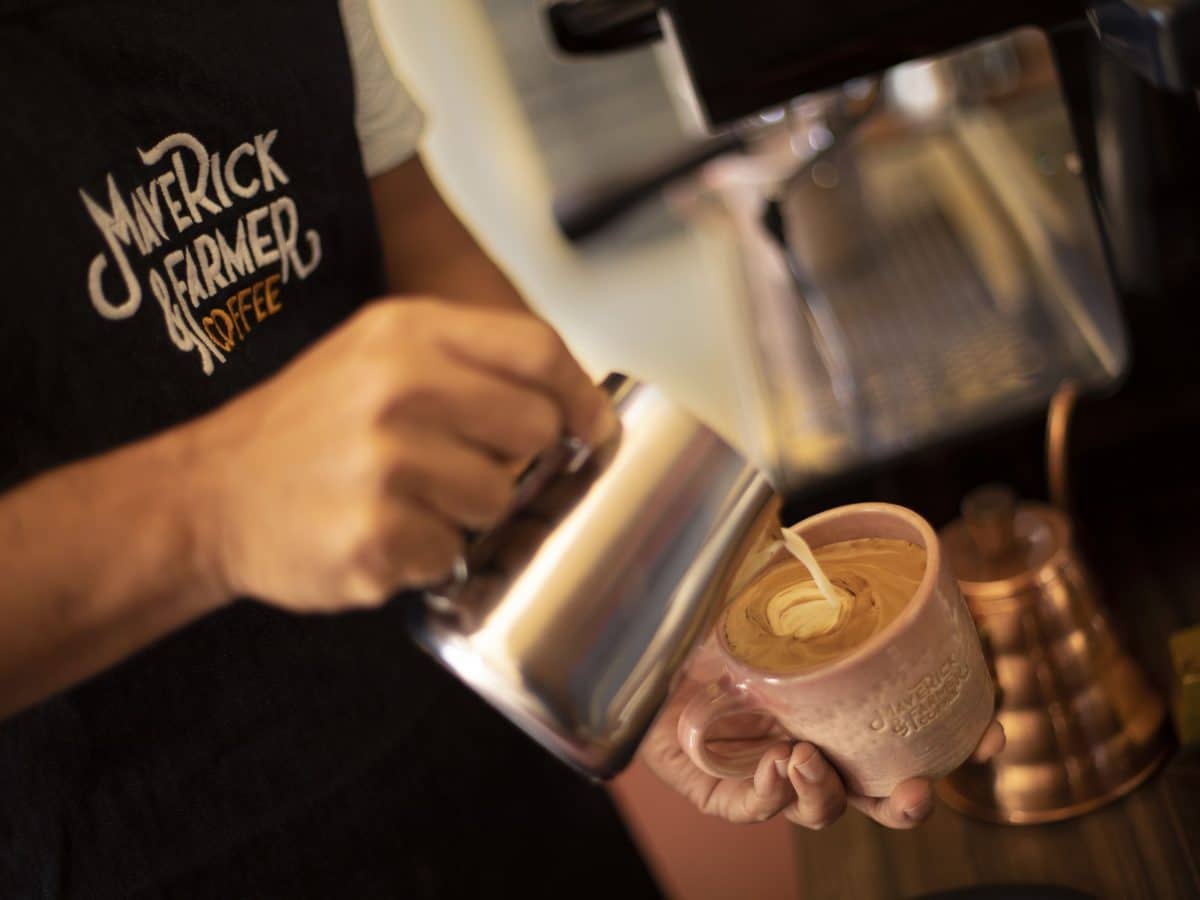
Good Farmer Food Concepts, the company that founded artisanal coffeebrand Maverick & Farmer Coffee and Square Burgers & Co., has raised $1.5 million in an ongoing Pre-Series A round. The company’s first external fundraising has been led by investment firm CreedCap with participation from Indian tennis star Rohan Bopanna and former Indian cricket team captain Rahul Dravid, along with Meraki Sport & Entertainment.
Planned use of funds
The company will utilize the fresh funds to expand its national presence with its cafes, invest in R&D and production infrastructure, and bolster and grow the brand’s retail vertical. The retail segment focuses on creating various SKUs of specialty coffee roasts and nurturing the home brewer experience by curating a variety of equipment. The brand’s new outlets in the pipeline are in Mumbai, Delhi NCR, Goa, and Bangalore. The company currently operates seven outlets in Bangalore and Goa and expects to reach ten by the end of the year.
Founders and brand philosophy
Founded by Ashish D’abreo, Sreeram Gangadharan, and Tej Thammaiah, Good Farmer Food Concepts is built on a product-first philosophy and a strong focus on quality and innovation. The company blends experimentation with coffee for retail, community-driven cafes, and a health-forward take on fast food. Maverick & Farmer is known for its experimental and maverick approach to Indian coffee, while Square Burgers & Co. continues to grow as a health-first food brand.
Co-founder’s perspective
“Before expanding, we first ensured that our people and operations were completely in order. Once that foundation was set, we began exploring funding and new locations. From the outset, we knew that each Maverick & Farmer Café should tell its own story and connect with a unique community. With Square Burgers, our vision was clear—we wanted to experiment with health-forward fast food. The current round of funding has enabled us to bring these ideas to life,” said Sreeram Gangadharan, Co-founder, Good Farmer Food Concepts.
Investor association and brand support
Bopanna has previously collaborated with the brand on a signature blend called the Rohan Bopanna Masterblend and has been closely associated with its evolution over the years. Dravid, who has long supported homegrown businesses built on strong fundamentals, joins the cap table for the first time.
“I’ve watched Maverick & Farmer grow from the very beginning and what’s always stood out to me is the honesty and intent behind the brand. Their commitment to quality, experimentation and staying true to their roots is rare. I’m proud to continue supporting their journey and excited to be part of what’s in store next,” said Rohan Bopanna.
source: http://www.hotelierindia.com / Hotelier India / Home> Operations / January 12th, 2026
With Chief of Army Staff General Upendra Dwivedi slated to hold an annual press conference ahead of Army Day, a look back at certain events that took place soon after General K M Cariappa took over as the Army chief.
General KM Cariappa and Jawaharlal Nehru
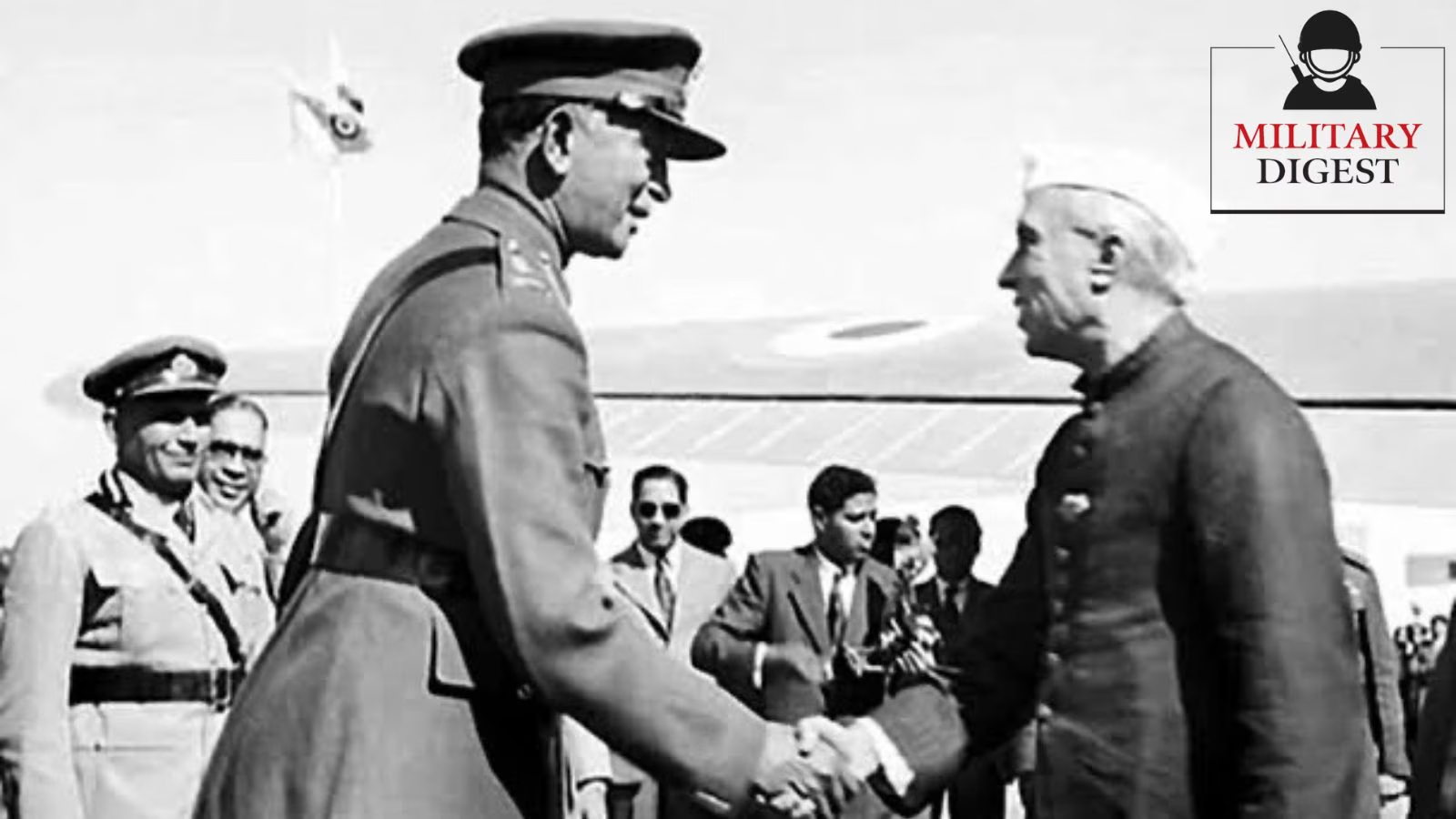
Chief of Army Staff General Upendra Dwivedi will hold an annual press conference on January 13 ahead of Army Day, January 15. It was on January 15, 1949, that General K M Cariappa (later Field Marshal) took over as the commander-in-chief and chief of army staff of the Indian Army—the first Indian to do so.
It is an apt occasion to look back at certain events that took place soon after General Cariappa took over as the Army chief, setting the tone for an apolitical Army in Independent India. The then prime minister, Jawaharlal Nehru, chided General Cariappa for having publicly praised the Government saying that it should have been avoided and that military officers should not broach political subjects in public. A letter that he wrote to General Cariappa on May 24, 1949, forms part of the Nehru Archives.
In an interview at Dehradun on May 2, 1949, Cariappa remarked, “The achievement made by the country under Pandit Nehru’s leadership in so short a period has no parallel in history.” He added that “the last Commonwealth Conference in London, when seen in clear perspective, will be found to have been a great triumph for the prime minister”. He also said that the people had not clearly appreciated the all-round progress made by the leadership.
Nehru was not pleased about these remarks made by the Army chief and conveyed his displeasure to him in no uncertain terms. “About three weeks ago, you made a statement to the press in the course of which you congratulated me for my work at the Commonwealth Conference in London. You further drew attention to the all-round progress made by the present leadership in the country. I am grateful to you for what you said. But this raises an important point, and indeed the press has drawn attention to this. Should our officers, civil or military, even including the head of the Army, express any opinion in regard to political subjects in public,” he said.
Nehru questioned whether senior officers should speak in praise of the work of the Government.
“Indeed should they deliver public speeches at all except on matters strictly confined to their own work or some social or cultural subjects? What you said was harmless enough, but there is always a danger in touching upon political questions. Obviously, it would be highly improper for an officer to criticise Government, more especially on a political issue. If this is so, then praise of Government should also be avoided,” said Nehru.
‘Avoid public statements completely’
The then prime minister said he was drawing the Army chief’s attention to this matter as Cariappa set the tone for the Army, and Nehru did not want the Army to get mixed up in any way with politics. “You yourself have made this clear on many occasions. In the past I did not like the activities of some Sikh officers who indulged in communal politics. The safest course, therefore, is for all officers to avoid public speaking or public statements completely except on strictly limited topics. Sometimes an officer may not even know the exact political significance of some issue or some remarks he might inadvertently make,” he said.
Nehru noted that the Government had the largest political party and organisation at its back.
Nevertheless, there are other parties and groups, and they might object to the Army doing or saying something in praise or in criticism of political parties or ideologies, he said.
Nehru said Field Marshal Bernard Law Montgomery, a noted British military personality of World War II, is apt to let himself go in public. “He has been repeatedly asked by the British Government not to do so. Recently, I was in Switzerland, and some members of the Swiss Federal Government told me how they had been greatly embarrassed at a rather casual remark of Montgomery in Switzerland,” he said.
In fact, Nehru and Cariappa continued to spar on various issues even after the retirement of the latter as Army Chief.
Cariappa’s unhappiness over Himachal L-G appointment
In a letter written to the prime minister in 1958, General Cariappa expressed unhappiness over the report regarding the appointment of J K Bhonsle, who had been a member of the Indian National Army, as the Lieutenant Governor of Himachal Pradesh. Cariappa had written that Bhonsle, by serving in the INA, had shown disloyalty to the then Government and had also been disloyal to the traditions of the Army.
Cariappa had also expressed his disagreement with the military guard firing a ‘feu-de-joie’ (ceremonial rifle volley), sounding of the Last Post on bugles, and so on, as is done at military funerals, at Rajghat, the samadhi of Mahatma Gandhi, on January 30. He said he found it “out of place” in that atmosphere of “sanctity, purity and solemnity”.
Nehru responded by saying that the military honours at Rajghat were decided upon after careful consideration. On the issue of Bhonsle, Nehru said that whether he did right or not when he joined the INA under very peculiar circumstances in Malaya was a subject on which there might be differences of opinion.
“You know that we have not criticised our present army officers or men because they served the then British Government in India loyally. We have spoken highly of our army. But it is another matter for us to condemn for ever a person who, in a peculiar set of circumstances, thought it his duty to serve his country in another way. I do not know what I would have done if I had been in such a position,” he said.
Nehru commented that British army officers functioned with neither ability nor courage in Malaya. “Ultimately, they meekly surrendered, having made a mess of things. In India, conditions were very peculiar, and the country generally was opposed to the British. If a young Indian was affected by this widespread sentiment in India, I certainly am not prepared to blame him,” he said.
source: http://www.indianexpress.com / The Indian Express / Home> News> Cities> Chandigarh / by Man Aman Singh Chhina / January 11th, 2026
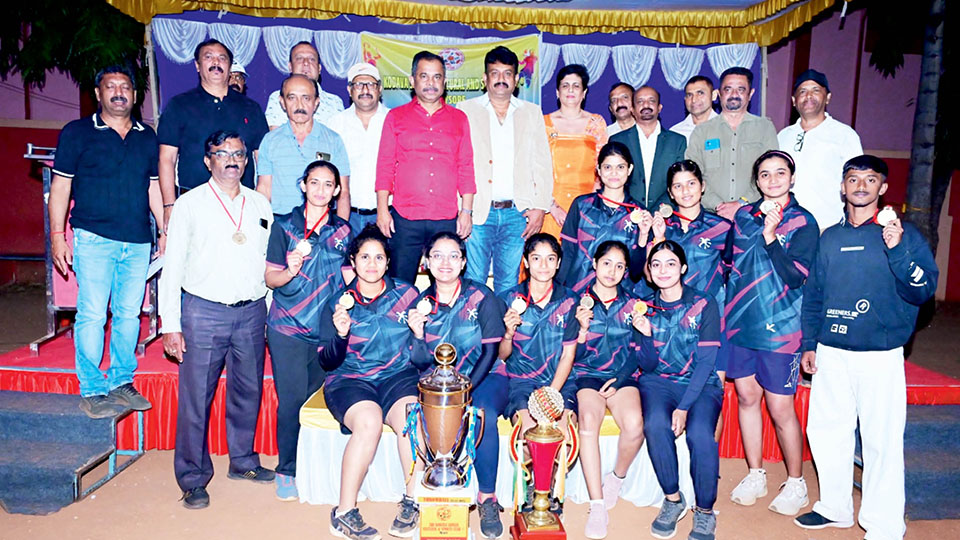
Picture shows the winning team with chief guest Jammada Preeth Aiyanna, Club Vice-President Machanda Prakash Beliappa, Club Special Invitee & Sponsor of the event Kuttimada D. Muthappa, Kodava Samaja Mysuru President Ponjanda Ganapathy, Sree Cauvery Educational Institutions Chairman Chottengada Chengappa, Club office-bearers and Directors.
The Annual Kodava Inter-Sangha Throwball Tournament for women, organised by Kodava Samaja Cultural and Sports Club, Mysuru, was inaugurated by city’s renowned Trekker and Kodava Vibhushana awardee Jammada Preeth Aiyanna.
Totally 9 teams participated and the winners were Sri Iguthappa Kshemabivirdhi Sangha, Hebbal.
source: http://www.starofmysore.com / Star of Mysore / Home> Sports / January 05th, 2026
A new species of damselfly, sporting vibrant sky-blue markings, has been discovered in the biodiversity hotspots of India’s Western Ghats. Named the Kodagu Shadowdamsel (Protosticta sooryaprakashi), this shade-loving insect was identified by a collaborative team of researchers who combined traditional field observations with modern DNA analysis to distinguish it from its closest relatives. The discovery highlights the hidden diversity remaining in the tropical forests of Karnataka.
The new species was identified during surveys along the banks of the Sampaje River in the Kodagu District and in the high-altitude forests of Agumbe. Researchers from institutions including Government Brennen College, Kannur; the Society for Odonate Studies, Kottayam; the National Centre for Biological Sciences, Bengaluru; and others initially noticed that these damselflies resembled a known species, Protosticta sanguinostigma. However, the team noticed that the new specimens were smaller, more delicate, and possessed distinct physical traits that did not match those in existing records. To confirm their suspicions, they utilised molecular analysis, sequencing the insects’ DNA to prove that the Kodagu Shadowdamsel was indeed a separate evolutionary lineage.
What sets Protosticta sooryaprakashi apart from its cousins is specific, unique physical characteristics. The males are distinguished by a prominent sky-blue marking on the prothorax—the neck-like segment behind the head—and a dark brown to black body, which differs from the crimson-colored thorax of its close relative. Under microscopic examination, the researchers found a peculiar feature: the tips of the male’s reproductive organ (the genital ligula) are shaped distinctly like a duck’s head, a trait not seen in other species of this group. In the wild, these damselflies were observed perching on shaded plants near streams, exhibiting a weaker, more fluttering flight than other damselflies in the region.
The species has been named in honour of the late Dr Sooryaprakash Shenoy, a renowned botanist who served as Head Scientist of the Botany Division at the Dr Shivaram Karanth Nisargadhama (biological park) in Pilikula, Karnataka. He was a researcher who dedicated his life to biodiversity conservation in the Western Ghats.
The researchers noted that finding such a distinct species in a relatively accessible area suggests that the Western Ghats, a global biodiversity hotspot, likely harbours many more cryptic or unknown species waiting to be discovered. They emphasised that protecting the shaded, riparian (river-based) habitats where the Kodagu Shadowdamsel thrives is essential for maintaining the ecological health of the region’s freshwater systems.
This article was written with the help of generative AI and edited by an editor at Research Matters.
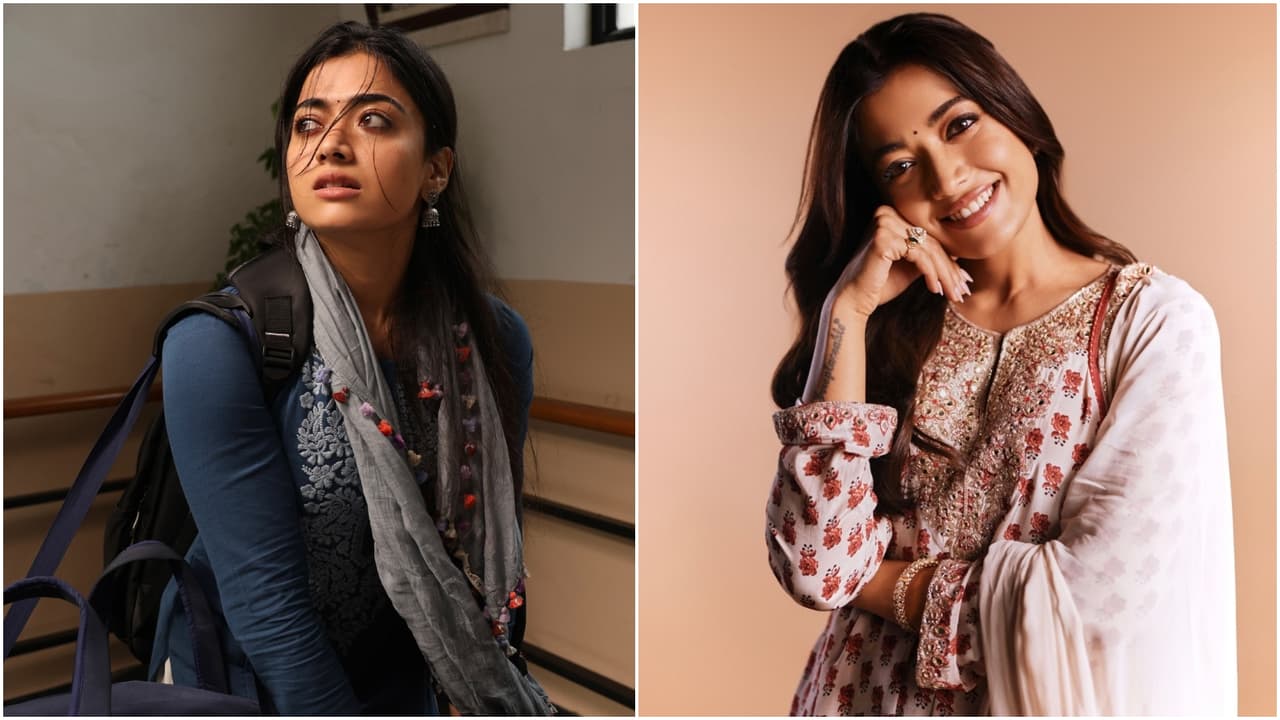
Rashmika Mandanna has added another remarkable achievement to her name by emerging as the highest taxpayer in Kodagu district, creating pride among locals and fans while proving her success goes far beyond the film industry.
From Kirik Party to National Stardom
Rashmika Mandanna, fondly called the “National Crush,” has come a long way since her breakthrough in the Kannada film Kirik Party. Today, she stands tall as one of India’s most successful actresses, making a strong impact in South cinema and Bollywood with consistent box office successes.
The Rise of a Box Office Queen
With multiple hit films across languages, Rashmika has earned the title of “Box Office Queen.” Her strong screen presence, versatility, and audience connect have made most of her films commercially successful, placing her among the most bankable stars in the Indian film industry today.
Pride of Kodagu District
Hailing from Virajpet in Kodagu district, Rashmika has become a source of immense pride for her hometown. Kodagu has produced several notable personalities, but Rashmika’s achievements have set her apart, elevating her status beyond cinema and making her a standout figure from the region.
Biggest Taxpayer in Kodagu
In a remarkable achievement, Rashmika Mandanna has emerged as the highest income taxpayer in Kodagu district. She has reportedly paid ₹4.69 crore in income tax for three quarters of the current financial year, securing the top position among all taxpayers in the district.
Marriage Buzz Continues
Apart from professional milestones, Rashmika is also in the news for personal reasons. Reports suggest she may soon marry actor Vijay Deverakonda, with rumors pointing to a February 26 wedding in Udaipur. However, no official confirmation has been made by either star yet.
source: http://www.newsable.asianetnews.com / Asianet News, English / Home> Entertainment / by Nancy Tiwari / January 07th, 2025
‘Puthari Namme,’ the harvest festival of Kodagu that marks the season’s first paddy harvest, was celebrated with grandeur across Kodagu and Mysuru last night.
The celebrations began with a puja to Lord Igguthappa and Goddess Cauvery, followed by the symbolic harvesting of the new paddy crop (kadiru) and the customary firing of gun shots into the air to herald prosperity.
Major festivities began at Sri Omkareshwara Temple in Madikeri, the Kodava Samaja, Gowda Samaja and several other venues, where people offered prayers and performed time-honoured rituals.
Families chanted “Poli Poli Deva…” as they symbolically welcomed the Dhanya Lakshmi — goddess of grain — into their homes. Kodava men wore the distinctive ‘kupya-chele’, ‘peechekathi’ and ‘mande-tuni’, while women adorned traditional sarees and ‘vasthra.’
Members of the Kodava Samaja, accompanied by ‘taliyatakki bolcha’ and traditional ‘valaga’, marched in a grand procession to the temple. The freshly harvested paddy was then taken to the Samaja, worshipped and later distributed to devotees. Special ‘thambittu’ made from fried kusubalakki mixed with ripe banana was distributed to all.
A Samaja member symbolically harvesting the paddy crop at a small field in School premises.
At Gowda Samaja
The Kodagu Gowda Samaja celebrated ‘Puthari’ with equal fervour. A symbolic paddy field was created on the premises where the ritual harvest was performed, followed by the distribution of the festive delicacy.
Members of Kodagu Gowda Samaja celebrating harvest festival at its premises in Railway Layout, Vijayanagar Fourth Stage, last night.
At the historic Sri Mrutyunjaya Temple in Badagarakeri, villagers celebrated ‘Puthari’ on a grand scale collectively. Led by village elders and the temple management committee, the ritual cutting of paddy was followed by a vibrant procession. Villagers walked 2 kms to the traditional fields, burst crackers, danced to the valaga and returned to the temple with the harvested crop.
Festival in Mysuru
In Mysuru, ‘Puthari Namme’ was celebrated at Sree Cauvery School premises in Kuvempunagar, where hundreds of Kodava community members, led by Mysuru Kodava Samaja office-bearers, gathered in traditional attire.
The event featured a wide range of Kodava cultural performances. Devotees took home the new paddy sheaves, chanting “Poli Poli Deva,” as they prayed to Lord Igguthappa and Goddess Cauvery, welcoming Dhanya Lakshmi into their homes.
Kodagu Gowda Samaja also marked the festival at Railway Layout in Vijayanagar Fourth Stage, where they harvested paddy crop after performing the rituals.
The cultural highlight of the evening was the spirited performances by youngsters who had trained diligently in traditional dances and songs, earning applause from the community.
source: http://www.starofmysore.com / Star of Mysore / Home> News / December 05th, 2025
Goal is to achieve 15% speciality coffee out of this 7 lakh tons, says Coffee Board Chairman M.J. Dinesh
Three new coffee varieties would be released by the Central Coffee Research Institute during its centenary programme next month. File | Photo Credit: The Hindu
The Coffee Board of India on Monday said it has a target to double the coffee production to over 7 lakh tonnes by 2047. India currently produces 3.5 lakh tonnes of Arabica and Robusta varieties of coffee in about 4.05 lakh hectares of land.
Board chairman M.J. Dinesh said: “The board has set an ambitious target to increase our production to 7 lakh tonnes by 2047, when India celebrates 100 years of independence. Our goal is to achieve 15% specialty coffee out of this 7 lakh tonnes.’’
According to him, to achieve this production goal, the board has chalked out a comprehensive action plan.
Speaking at the Karnataka Planters’ Association (KPA) 67th annual general meeting here, he said about 1 lakh hectares will be brought under cultivation in Odisha and Northeast States like Nagaland. “We will increase land under coffee cultivation in non-traditional areas while we will also boost yield in the coffee heartland in Karnataka,’’ Mr. Dinesh added.
New varieties
He further said three new coffee varieties would be released by the Central Coffee Research Institute (CCRI) based at Balehonnur, during its centenary programme next month. “Over the past century, our scientists have released 30 Arabica varieties and three Robusta varieties. CCRI has one of the best germ plasm of over 400 varieties,” he said.
The board was also implementing clonal propagation of Robusta coffee tissue culture plants in collaboration with Jain Irrigation, which may be released by 2026-27, he further added.
Mr. Dinesh said the board was also designing the Indian Coffee Board Sustainability Certification Scheme (INDICOFS), which would offer a distinct global identity for Indian coffees. The board also introduced IndiaCoffee App, to help growers and exporters meet global traceability compliance mandated by the European Union Deforestation Regulation (EUDR) norms, he said.
Speaking on the occasion, Karnataka Energy Minister, K.J. George urged the planters community in the State to replicate the branding success of Araku Valley coffee growers.
Bhaskar Bhat, director, Tata Sons and former managing director of Titan, said coffee growers should focus on specialty and premium coffees to cater to the large and young growing population in the domestic market.
source: http://www.thehindu.com / The Hindu / Home> News> Cities> Bengaluru / by Mini Tejaswi / November 20th, 2025
‘All necessary measures should be taken to curb stray dogs while ensuring animal welfare and the safety of citizens’.
The district administrations of Mandya and Kodagu held separate meetings on Tuesday to discuss measures to control the menace of stray dogs in their respective districts in the light of the Supreme Court’s recent directions.
In Mandya, Deputy Commissioner Kumar directed the urban local bodies to take up Animal Birth Control (ABC) and anti-rabies vaccination programmes effectively.
All necessary measures should be taken to curb stray dogs while ensuring animal welfare and the safety of citizens, he said and emphasised the need for collection of information on stray dogs in schools and colleges, hospitals, government offices, railway stations, and playgrounds.
He also directed the officials to identify suitable locations for sterilisation surgeries. Also, appropriate measures should be taken to manage shelters for stray dogs in collaboration with animal welfare organisations and the Department of Animal Husbandry.
The guidelines of the Supreme Court must be strictly followed in the management of stray dogs and the sterilisation operations, he said.
Citing the Supreme Court orders, Mr. Kumar said stray dogs should be removed from high-risk areas like educational institutions, bus stands, railway stations, and hospitals. He issued directions for round the clock security in stadiums to prevent stray dogs from the entering the premises.
Students should be made aware of rabies while free anti-rabies vaccination programme should be taken up for stray and pet dogs, he said.
He directed the officials to set up a helpline to receive complaints regarding stray dog issues, and a nodal officer must be appointed at the district level to take necessary action.
In Kodagu, Deputy Commissioner Venkat Raja said the local bodies like city municipal councils, town municipal councils, town panchayats, and gram panchayats should earmark at least one acre of land within their jurisdiction and construct a compound wall to facilitate the relocation of stray dogs.
He said measures should be taken to relocate the stray dogs and ensure their proper protection while appointing nodal officers to conduct regular inspections to monitor the control of stray dogs.
He said the government and private hospitals should maintain adequate stock of anti-rabies vaccines so that timely treatment is provided to dog-bite victims.
“Whenever cases of dog bites or attacks by animals are reported, the local body officials must be informed and the government and private hospitals should ensure timely emergency medical services and first aid,” he said.
While Madikeri city municipal council Commissioner H.R. Ramesh informed the meeting that one and a half acre of land on the outskirts of Madikeri has been earmarked for locating stray dogs, the Deputy Commissioner instructed officials concerned that land be similiarly earmarked even in Somwarpet, Kushalnagar, Ponnampet, and Gonikoppal limits.
Kodagu District Health and Family Welfare Officer Satish Kumar said that 4,872 cases of dog bites were reported in the district in 2024 and 4,217 cases between January to October in 2025.
source: http://www.thehindu.com / The Hindu / Home> News> India> Karnataka / by The Hindu Bureau / November 18th, 2025
India earns about ₹15,000 crore in foreign exchange from coffee production, and the target is to reach ₹50,000 crore by 2047, says Coffee Board member T. Kishore Kumar. | Photo Credit: FILE PHOTO
With coffee enjoying a huge global demand, Coffee Board member T. Kishore Kumar emphasised the need for the cultivation of coffee alongside other crops in Sampaje, Karike, Peraje and Chembu regions of Kodagu district.
Farmers of Sampaje, Karike, Peraje, and Chembu regions, who mostly cultivate arecanut, rubber, and pepper, should consider taking up cultivation of coffee also alongside the existing crops, suggested Mr. Kishore Kumar while addressing the 72nd All India Co-operative Week held at Peraje Primary Agricultural Co-operative Soceity premises on Friday.
The 72nd All India Co-operative Week, organised jointly by Karnataka State Co-operative Federation, Kodagu District Co-operative Union, Kodagu District Co-operative Central Bank, and Co-operation Department at Peraju in Kodagu district, focused on promoting digitisation to enhance efficiency, accountability and transparency.
Mr. Kishore Kumar pointed out that the government was encouraging coffee cultivation by extending subsidies and incentives for the crop. India produces 3.60 lakh metric tonnes of coffee annually, of which 2.30 lakh metric tonnes are exported while the remaining is traded domestically, he said.
Karnataka accounts for about 60% to 65% of India’s annual coffee production, with Kodagu district alone contributing 30%-35% while the adjoining Chikmagaluru and Hassan districts contribute 25%-30%. Kerala, Tamil Nadu, and Andhra Pradesh together account for another 20%-30%, while the North Eastern States contributed about 10%-15%, he explained.
India earns about ₹15,000 crore in foreign exchange from coffee production, and the target is to reach ₹50,000 crore by 2047. He said the farmers can achieve this by reaching a production target of 7 lakh metric tonnes.
He emphasised that farmers should use drip irrigation and other methodologies to achieve high production at low cost.
With Karnataka’s coffee enjoying a huge demand, Mr. Kishore Kumar said there was a need to strengthen the co-operative sector so that loan facilities can be provided to the farmers and the economy can be strengthened.
Kodagu District Co-operative Central Bank President K P Ganapathy said there were a total of 288 co-operative societies operating in Kodagu district. Leaders of Kodagu district had established co-operatives for coffee, cardamom, honey and oranges.
Farmers receive easy loan facilities through co-operatives and must make proper use of them, he said while adding that the Co-operative Week provides an opportunity to discuss the strengths and shortcomings of the co-operative sector so that steps can be taken in the right direction.
During the co-operative week, a free health check-up camp was held. A market fair was also organized by members of Sanjeevini group, who sold vegetables and other items.
source: http://www.thehindu.com / The Hindu / Home> News> India> Karnataka / by The Hindu Bureau / November 14th, 2025
Revenue Minister Krishna Byre Gowda, MLA Mantar Gowda and Deputy Commissioner Venkataraja during the ground breaking function for Praja Soudha taluk administration complex at Kushalnagar on Tuesday. | Photo Credit: SPECIAL ARRANGEMENT
Revenue Minister Krishna Byre Gowda on Tuesday said that ₹50 crore has been released for landslide-prevention works in Kodagu and that an additional ₹10 crore will be sanctioned soon.
He was speaking after performing the bhoomi puja for the construction of the new ‘Praja Soudha’ Taluk Administration building near the Polytechnic College in Kushalnagar. The project is estimated to cost ₹8.60 crore. Madikeri MLA Mantar Gowda was present.
The Minister said new tahsildars and village administration staff have been appointed to strengthen administrative functioning in five taluks of Kodagu district. The new Prajasaudha complex will house the tahsildar’s office, land records office, sub-registrar office, treasury and other key departments under one roof.
A large-scale ‘Darakhast Podi Abhiyana’ (land record correction drive) is currently underway across the State, he said. Under Annexure-1, surveys of government land are being taken up and officials are visiting households to collect data to update records. In Kodagu, 2,344 applications have been taken up under the programme, of which over 1,500 cases have already been disposed of, he informed.
The Minister stated that around 42 lakh land holdings in the State are still in the names of deceased persons. Under the ‘Pouthi Khata’ initiative, efforts are being made to transfer such holdings to legal heirs by directly reaching out to families.
Revenue village accountants (VAs) and inspectors are being provided laptops to ensure paperless service delivery through e-offices, he said.
Disposal of cases has also been expedited in tahsildar and Assistant Commissioner courts.
Speaking on the occasion, Mr. Mantar Gowda said work on the KSRTC depot in Kushalnagar is in progress and ₹46 crore has been sanctioned for the construction of the new taluk hospital. He expressed gratitude to Higher Education Minister Dr. M.C. Sudhakar for providing land for the ‘Praja Soudha’.
On the occasion, people’s representatives urged the Minister to establish a sub-division office, establish a taluk stadium, and upgrade the sub-registrar office in Kushalnagar.
Guarantee Implementation Authority president V.P. Shashidhar said the Praja Soudha project is the outcome of a decade-long struggle to secure taluk status for Kushalnagar.
Deputy Commissioner Venkat Raja, Superintedent of Police P.K. Ramarajan, Zilla Panchayat CEO Anand Prakash Meena, Additional Deputy Commissioner Aishwarya, and other officials were present.
source: http://www.thehindu.com / The Hindu / Home> News> India> Karnataka / by The Hindu Bureau / November 11th, 2025
WELCOME. If you like what you see "SUBSCRIBE via EMAIL" to receive FREE regular UPDATES.
Read More »