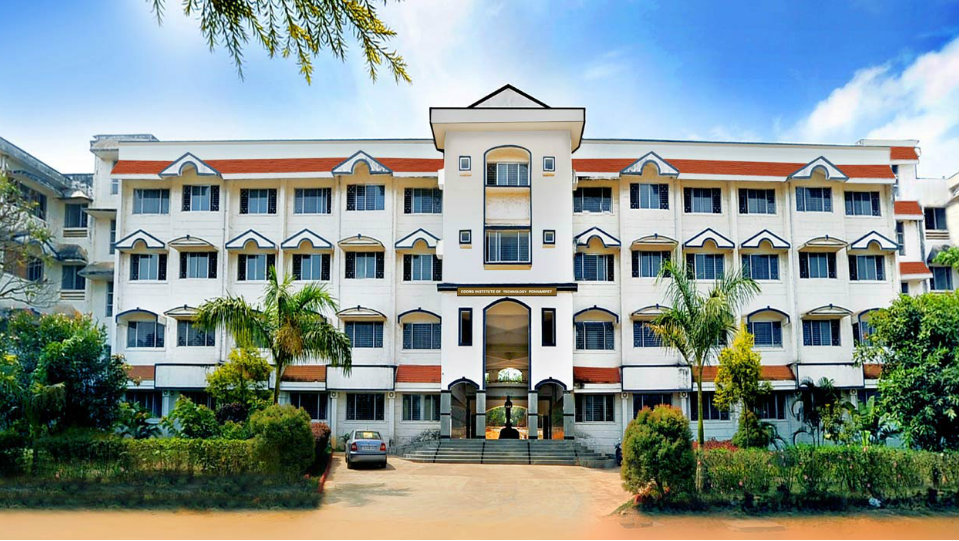
‘Enclave,’ the 18th College Day celebration of Coorg Institute of Technology (CIT), run by Kodava Education Society (KES), will be held at its campus in Halligattu, Ponnampet, South Kodagu, on May 13 at 10.30 am.
MP Pratap Simha and Maj. Gen. (retd.) K. Arjun Muthanna, SM, will be the chief guests. Dr. Deepak Poola Chandrashekar, Cloud Solution architect, IBM, Bengaluru and B. Akshaya Bojamma, Data Quality Analyst, Apple Care, Victoria, Melbourne, Australia, will be the guests of honour. The event will be presided over by C.P. Belliappa, Hon. President, KES.
International Conference
CIT has also organised an ‘International Conference on Emerging Trends in Science and Engineering (ICETSE-2017)’ on May 11 and 12 at its campus in Ponnampet. The Conference will be inaugurated on May 11 at 10 am. KES Co-opted Director Dr. J. Ponnamma Machaiah will be the guest of honour. KES President C.P. Belliappa will preside. Bhandari Srinivas Institute of Technology (Telangana) Principal Dr. V.S. Giridhar Akula will deliver the keynote address.
The valedictory will be held on May 12 at 2 pm. Dr. D.H. Manjaiah, Department of Computer Science, Mangalore University, Dr. C.P. Rakesh Poovaiah, Secretary, KES and C.M. Raja Nanjappa, Jt. Secretary, KES will be the special guests. Dr. M.C. Kariappa, Vice-President, KES, will preside. Dr. P. Mahabaleshwarappa, Principal, CIT, will be the Conference Convenor. C. Nanjan Biddappa, Asst. Professor, Dept. of Mechanical Engineering, CIT, will be the Conference Co-ordinator.
source: http://www.starofmysore.com / Star of Mysore / Home> News / May 08th, 2017
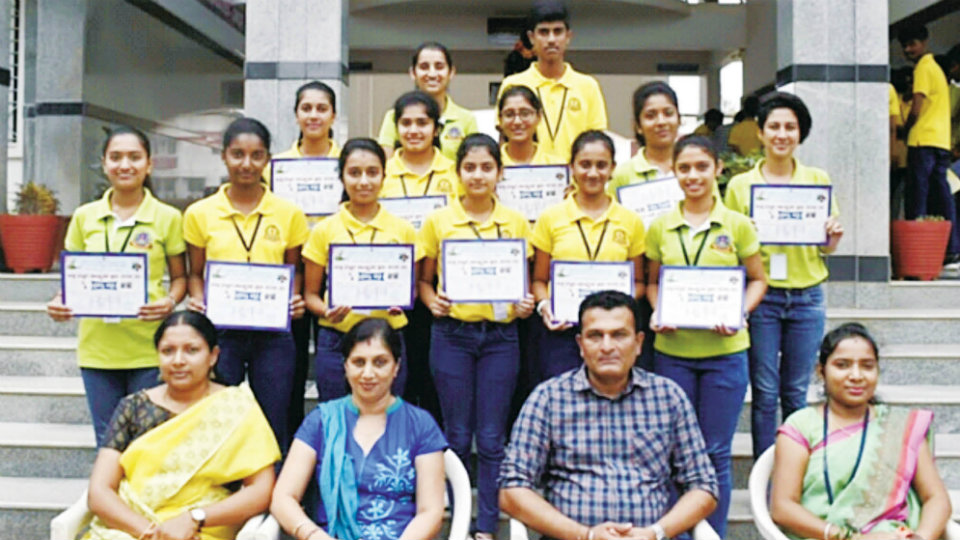
The following students of Coorg Institute Pre-University College (CIPUC) in Halligattu, Ponnampet, have swooped 13 prizes and topped Kodagu in the District-level Cultural Meet organised by PU Board at Junior College in Madikeri recently.
II PUC: H.R. Minchu – 2nd prize in Monoacting; Shraddha Shastry – 2nd prize in Folk Song; N. Chetna Vivek – 3rd prize in Light Music; T.S. Aparna Bharadwaj – 2nd prize in Devotional Song; Chaincy Rai – 3rd prize in English Debate.
I PUC: M.B. Donvi Dechamma – 3rd prize in Monoacting; K.N. Pushya Poovamma – 3rd prize in Light Music; T.U. Mahitha – 1st prize in Folk Song; C.S. Devika – 2nd prize in Devotional Song; Aman Appachu – 1st prize in English Essay; A. Shivani Madappa – 3rd prize in Kannada Debate; N. Pranamya Kalappa – 1st prize in English Debate and P.P. Lipthi – 3rd in Pick and Speak.
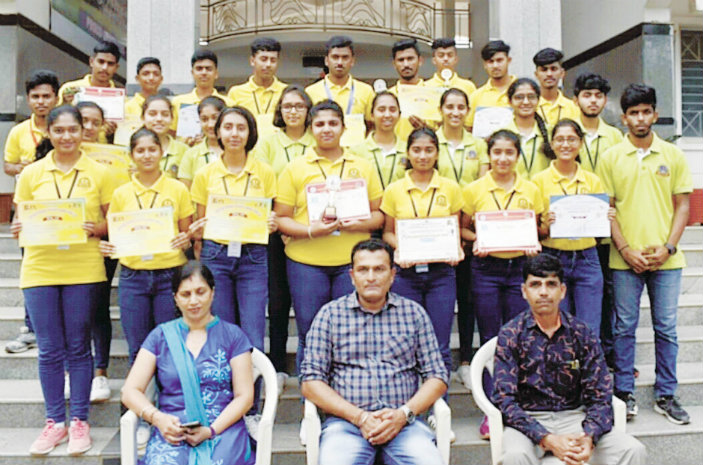
A group photo of CIPUC students who excelled in sports and games.
Sports: CIPUC students have also excelled in Sports during the academic year 2019-20.
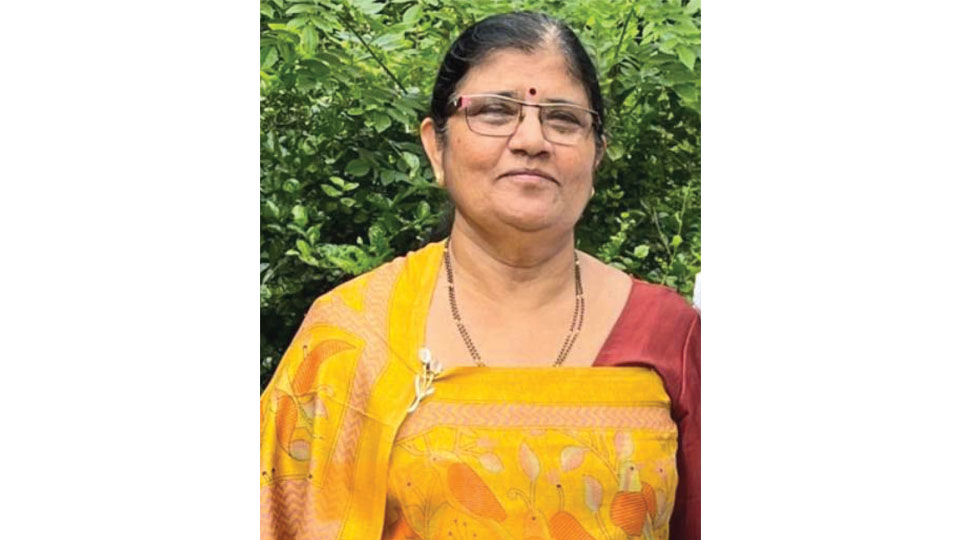
Nellamakkada Sheela (Kullachanda), wife of N.B. Kaverappa of Bharani Art Gallery, Mysuru and a resident of Vivekananda Nagar here, passed away yesterday afternoon in city. She was 71.
A native of Kavadi village in Ammathi, she leaves behind her husband, one son, one daughter and a host of relatives and friends.
Last rites were held at the foot of Chamundi Hill this noon.
source: http://www.starofmysore.com / Star of Mysore / Home> Obituary / July 01st, 2024
Government schools might be losing importance in cities, but they are still the mainstay for educating children from rural areas. In Kodagu, a government school this year scored cent percent results in SSLC with the lone girl student from the school passing.
At a time when many government schools are shutting down because of lack of students, villagers at Neerugalale in the interiors of Somwarpet taluk in Kodagu district and alumni of the school got together to revive the Neerugalale Government Primary and High School . The villagers formed a committee along with the alumni association — Poorva Prathamika Shala Samithi (Pre-Primary School Committee) — and started the process.
What is inspiring and unique is that the villagers did not take any monetary assistance from the state government, and the entire project is the initiative of the villagers and alumni.
The school, which is 67 years old, started off as a primary school. The high school section was introduced only in 2007. While the institution had a considerable number of admissions in the past, it slowly started declining with parents preferring private schools. The majority of students come from backward classes, and this year, 114 were admitted in all, from grades 1 to 10.
“Government schools must not become places reserved only for the labour class. These schools can survive only when they are on a par with private schools,” said high school teacher Rathna Kumar, who has been working with the institution for the past 16 years.
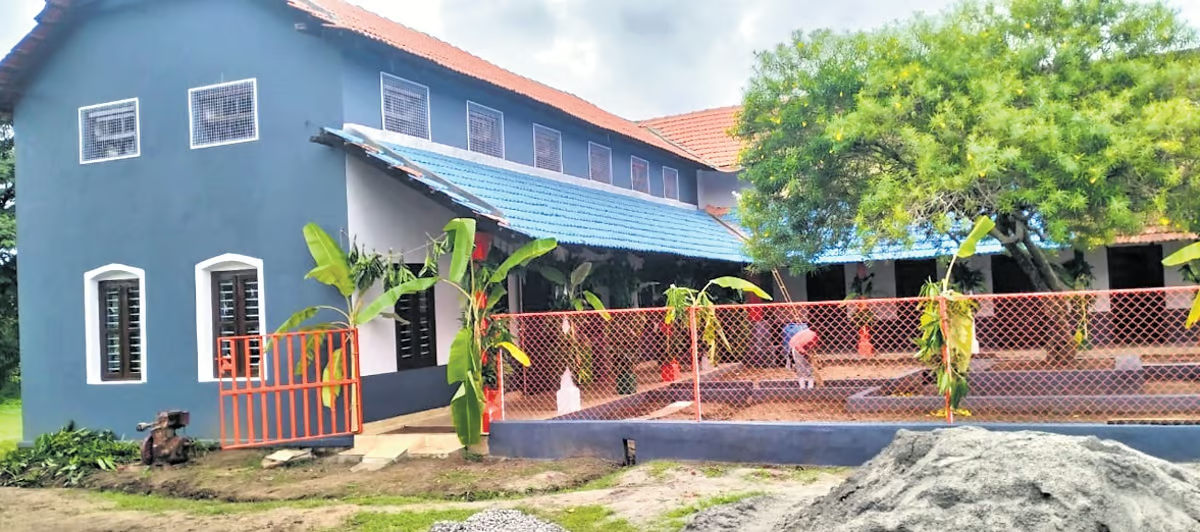
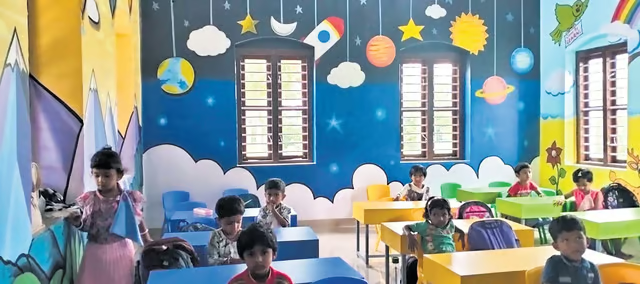
The Neerugalale Government School, and the new LKG classroom at the school, after the renovation | Express
“The majority of students here are from the Jenu Kuruba tribe, who work as estate labourers. But the school management wanted to attract more admissions and that was when the Poorva Prathamika Shaala Samithi was formed. As the admissions were declining year on year, the villagers, along with the school alumni, and the School Development and Monitoring Committee (SDMC) formed the committee. We held a meeting in March last year, and had set plans that we looked forward to introducing at the institution,” explained Rathna Kumar.
The committee’s first plan was to introduce kindergarten and to renovate the old building on the campus, for which permission was sought from the taluk BEO. But the education department authorities informed the committee that there was not enough funds or manpower to enable new classes for students. The committee then decided not to take any monetary help from the government.
“The campus has an old building with five classrooms, which was renovated using crowdfund. The BEO was supportive of the committee, and we took it upon ourselves to introduce LKG in the school,” Kumar said. Members from the committee and SDMC approached donors before starting the renovation work, and collected around Rs 10 lakh from villagers and alumni.
The ‘Poorva Prathamika Shaala Samithi’ committee members
“The work began with replacing old roof-tiles and plastering the walls. In about four to five months, three of the five rooms were renovated. One was converted into a classroom with brand new furniture, the second room became a games room and the third into an office. There are two more rooms that will be renovated once more funds are arranged. We have also built a hi-tech toilet on the school campus,” Kumar said.
After the renovation, the committee members visited villagers and encouraged them to enrol their wards in the school. The committee’s efforts bore fruit and 15 students enrolled for LKG. “Next year, we will introduce UKG. And the year after, we hope to get the state’s permission to introduce English medium for grade 1,” Kumar said and added that currently, the SDMC is bearing teachers’ salaries.
While many teachers in interior villages wait to be transferred out, the efforts of the Neerugalele School management has set an example. “Teacher Rathna Kumar took special care in ensuring the school’s development. The villagers joined hands to save the school that has imparted education to thousands,” said school principal Esthela Silva.
source: http://www.newindianexpress.com / The New Indian Express / Home> Good News / by Pragna GR / June 23rd, 2024
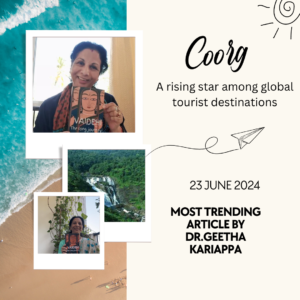
Dr Geetha Kariappa is a professor of English, with 25+ years of experience, teaching graduate and post-graduate classes at the University of Mangalore and Mysore. Her passion lies in writing. As a full-time author, her 4 published novels and short stories with Kodagu and Kodava culture as the backdrop are the best sellers on Amazon.
Travel makes one modest. You see what tiny place you occupy in the world.
–Gustave Flaubert
Someone famously remarked, see the world. It’s more fantastic than any dream made or paid for in factories. Ask for no guarantees, ask for no security.
Kodagu or Coorg, often referred to as the ‘Scotland of India’, is the most searched travel destination of the year and secured the 7th position among the world’s top 10 tourist destinations. This recognition is a testimony to the district’s natural beauty, enchanting scenery, gushing waterfalls and virgin forests. It has numerous resorts and homestays and its 7th global ranking places it alongside renowned destinations like Sri Lanka, Goa, Bali, Thailand, Kashmir, Andaman and Nicobar, Italy, and Switzerland.
Coorg is immersed in a rich cultural heritage of tradition, hospitality and bravery. The small martial race of around 1.5 lakhs of Kodavas as the indigenous people of Kodagu are called, are a warrior clan known for their extraordinary martial abilities. As an ethnic minority worldwide, their attire reflects their ancestral lineage and culture dictates equality between men and women. Their three main festivals honour their ancestors and weapons; celebrate the bounty of paddy and worship the sacred river, Kaveri. In Coorg, every tradition, every dance, and every festival confirms their spirit of resilience.
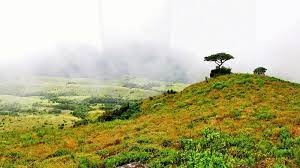
Nestled amongst the Western Ghats, Coorg is well-known for its lush coffee plantations, verdant woodlands, rolling hills and unexplored terrains. It is a land of mystic and quaint gateways into mind and body relaxation.
Today, I touch upon hidden gems of natural beauty spots that can be charming tourist destinations for tourists willing to explore beyond the winding pathways, fruit orchards, quaint hills and river isles. Let’s uncover 5 unexplored gems that brand them the authentic Coorg.
Kabbe Biological Park sitting atop the pristine dense jungle of Kabbe Hills, situated 45 kms from Madikeri, the largest town of Coorg District, offers safari trips. You can soak in the echoes of birdsongs amidst tall bamboo strips, and sight spotted deer, gaurs and wary leopards. This little-known bio reserve forest makes an ideal nature watch for families beyond crowded reserves.
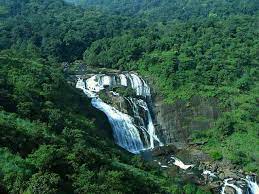
2. The hidden twin Waterfalls of Mallali near Somwarpet is another surreal delight as visitors come upon it surrounded by the verdant wilderness of lush forests. One can easily lose themselves in the tranquil spectacle as foamy currents of water swirl around the massive rocks in perfect symphony. You will be in sync with nature if you want to sit and meditate on the rocks.
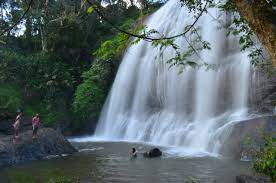
3. The splendid Chelavara Falls located merely 20 kilometres uphill from Madikeri township brings one closer again to vibrant natural forces untouched by traveller footprints. As we ride uphill, maybe in a car or jeep, we encounter kingfishers and hear the distant boom of the waterfall. The majesty of a great swathe of white foamy waterfall hurtling down from lofty cliffs into an emerald jewel of a pool is a sight to behold. Early morning visits are an ideal time to connect with nature.
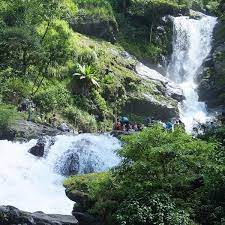
4. The Irpu falls within the sacred forests beside the Lakshmana Tirtha River near Kurchi village is a dreamlike place. It unites picturesque nature with eternal legend as Lord Lakshmana is supposed to have performed atonement here revealing the Irpu Falls. The visitors feel spiritually connected through worship and adoration that has spanned centuries. There arises a mystic aura surrounding the place.
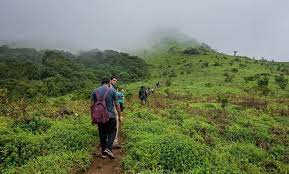
5. The Chomakund Mountain trekking trail, located 45 kms from Madikeri township is another fresh discovery. It straddles the Western Ghats reaching 5500 feet for seasoned trekkers. It’s a concentrated 6-hour climb, and you may sight kingfishers or wild Gaurs. The comprehensive 360-degree scenery showcases rolling grasslands and the whole district unfolds before you. It’s like a new exploration beyond the scripted holiday.
Besides the coffee plantations, you may explore fragrant spice gardens of cardamom, pepper, and vanilla grown alongside coffee in estates in and around Madikeri. You will get a firsthand look at the entire process of coffee, from growth to roasting. It is practical to go on ‘Guided Tours’ where you can explore the greenery, and coffee shrubs, learn about different crops, and witness the fascinating coffee-roasting process.
Visit the ‘World Coffee Museum’, in ‘Mercara Gold Estate’ which showcases the journey of coffee, from its birth to the present day; both chronologically and geographically. After the tour, savour a cup of estate-fresh filter coffee.
Don’t forget to enjoy the taste of spices incorporated into the Coorgi cuisine in Coorg’s offbeat, charming ‘Homestays’ in secluded places amidst fruit orchards or rolling hills. Discover the slow simmering of culinary contents in earthen pots over family hearths to spread warmth into your heart. Sit out around the slow-burning bonfire listening to the cicadas sing into the starry night.
These experiences in charming hideaways offer glimpses into local life, authentic Kodava cuisine, and touching conversations with hosts, immersing you in the true spirit of Coorg. Enjoy your stay and come back again. As Roy M. Goodman states, ‘Happiness is a way of travel, not a destination. With age comes wisdom, with travel comes understanding.’
source: http://www.interviewtimes.net / Interview Times / Home> National> Trending / by Dr. Geetha Kariappa / June 23rd, 2024
A commentator, who once admitted to having suicidal thoughts, the athlete says his family is enjoying their new life in the city.
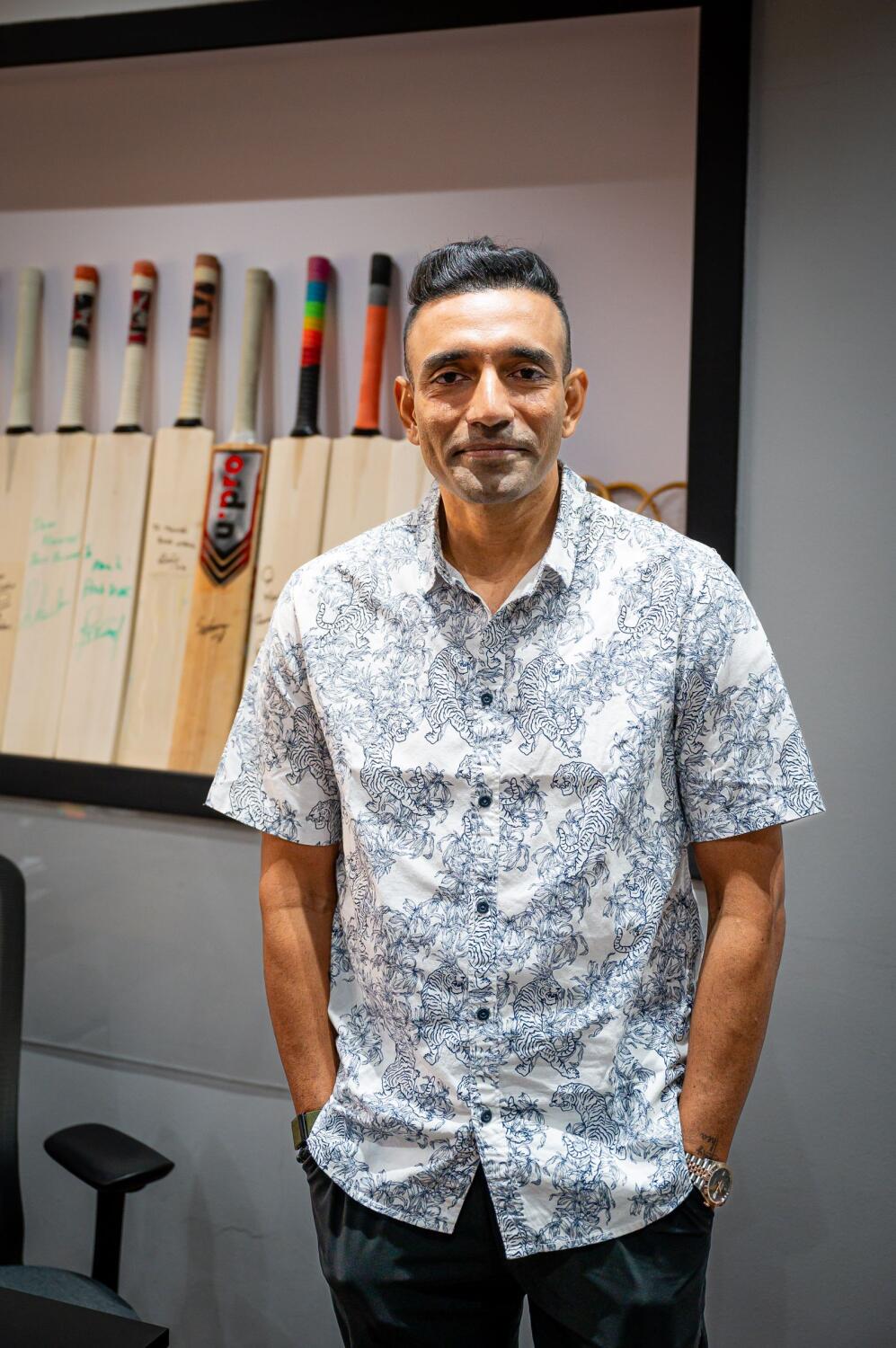
After facing several questions on the ongoing T20 World Cup with a straight bat at a press conference, Robin Uthappa was all smiles as he made his way to a private corner of an indoor sports facility at Al Quoz, Dubai, for an interview with City Times.
Hordes of super excited fans slowed him down, grabbing selfies with their mobile cameras; some even wanted to shake his hands and give a pat on his back.
It was not easy to know if any of them were loyal fans of Kolkata Knight Riders and Chennai Super Kings, teams with which Uthappa won IPL titles as a player.
But what was clearly visible amidst all that typical fan excitement was the bright smile that never disappeared from Uthappa’s face as he posed with them.
A member of India’s 2007 T20 World Cup-winning team, Uthappa then settled into a couch for a chat during which he opened up about what it takes for celebrities to share their mental health issues on public forums and why he decided to become a Dubai resident.
You are a Dubai resident now, you hold a golden visa. But why did you decide to move to Dubai?
It was more from the kids’ perspective. We wanted a really solid primary education and knowing how good Dubai is as far as education is concerned and also the safety, not just for kids, but also for women. That was a big priority for us because I am on the road seven, or eight months in a year, so it became a no-brainer. Also, since I am playing leagues outside of India, it makes more sense to live here.
Your family is enjoying the Dubai life…
Oh yes, it’s been 15-16 months now here in Dubai. And they are loving it. I think it was the best decision we made as far as our family is concerned.
You have two kids. They have settled in well…
Yes, my son loves it. He goes to Kings’ Al Barsha, my daughter is a little too young. She is in a playschool now. So yeah, we are loving it. And we are enjoying Dubai. In fact, last year we intentionally stayed here through the summer, because we wanted to experience the summer. So we stayed back, we didn’t travel anywhere. And it was fun, we really enjoyed Dubai now. It feels like home for us now.
You are also commentating on the T20 World Cup for two Dubai radio stations, Talk 100.3 FM and Big 106.2 How is the experience so far as a radio commentator? We normally don’t see international players doing radio commentary…
Wonderful. It’s different in the sense that you have got to describe the play. It’s a great prep for broadcasting for television as well. So it’s been a fun experience for me so far. And yes, very different from broadcasting on television.
It’s a good point you made about Dubai being such a safe city. This is what makes this city stand out in the world now. But since you are a sportsman and your wife (Sheethal Goutham) was also a former international tennis player, how nice is it to see the sports activities that are being promoted by the UAE government here in a bid to encourage the citizens as well as the residents to lead a healthy lifestyle?
It’s incredible, to be honest. I think there is a lot of focus on different sports, there is a huge variety of sports. In fact my son has been doing gymnastics from a very young age, so today he is here not just practising gymnastics, he has gone up a step further, he is playing three different sports at this point. So it’s incredible. Also, being a cricketer, I would love to see more organised cricket tournaments in this country. To have eight Test-playing nations as part of the expat population in the UAE, I think this country should be able to qualify for every cricket World Cup. I think it’s a huge talent pool. The UAE have the potential to become one of the leading cricket-playing nations in the world.
Of course, you spoke about sports and the importance of physical fitness. There is also the very important issue of mental health now. You had opened up about your struggles in the past, and you admitted to having suicidal thoughts. It’s obviously a very sensitive issue because a lot of people hesitate to open up about this. So how challenging is it for a celebrity like you to reveal what you have gone through and how you overcame your problems?
I think it depends on what the intention is. If the intention is noble and if the intention is pure then, there is no difficulty in expressing it. For me, I intended to, I just wanted to break the taboo associated with mental health issues because mental health issues are something we go through a lot in our lives, in one way or the other, in one point or the other, we experience it. I think that is something that needed to be broken, the taboo needed to be broken. The stigma attached to it needs to be broken. I think the more light you shed on something that is in the darkness, the less intimidating it becomes, the less scary it becomes, and the more normal it becomes.
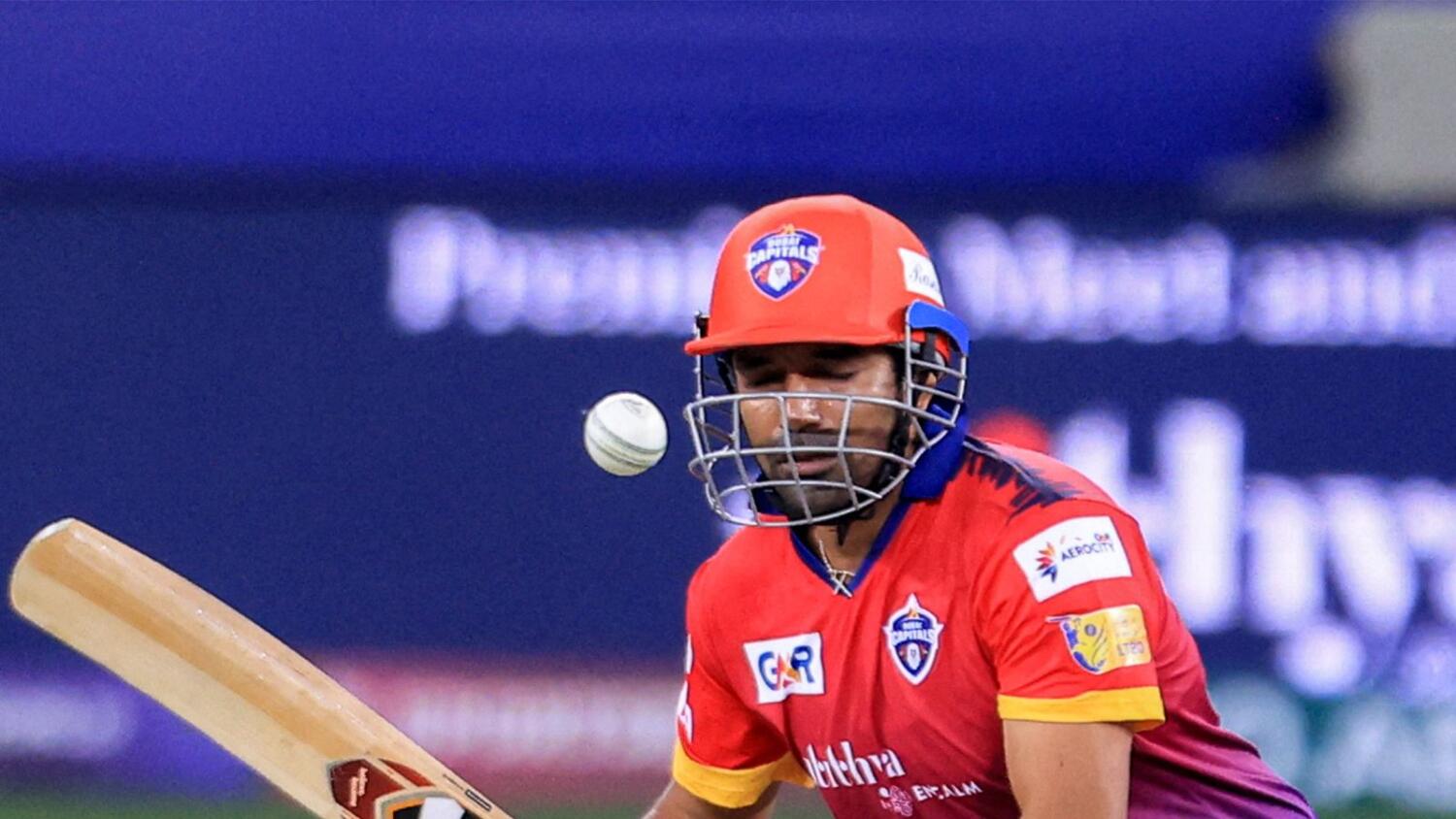
Dubai Capitals’ Robin Uthappa during the International League T20 (ILT20) tournament cricket match between Dubai Capitals and Gulf Giants at Dubai International Stadium
Another big issue in the world of sports is now social media trolls. If an athlete is not able to perform well, he or she faces brutal abuse on social media. We saw the kind of trolling the young Riyan Parag faced until the start of the 2024 IPL. He overcame that phase, silencing all of them with the sheer volume of his runs. What advice would you give young athletes on dealing with social media trolls? It seems nobody can escape that now. So how do they deal with it?
I think everyone has their own way of dealing with it based on how that personality is. Do what works for you. Be yourself and do what you feel is the best for you. I think Riyan is doing what works for him, different people will need to do what works for them. So do what works for you.
Finally a word on Hardik Pandya, please. He not only faced online trolls but he was harassed and booed by Mumbai Indians fans at the stadiums for replacing Rohit Sharma as captain. The fans’ reaction was extreme. How painful was it to see a fellow cricketer going through such a painful experience?
I think everybody has the right to their opinion. Having said that it was very hard for me to watch from the outside because for someone who has battled mental health issues to witness someone being put in such a horrible spot for choices that he made for himself was actually quite hard. There were a lot of moving pieces in the whole affair, and there were a lot of other people who were also involved, so there is empathy for all parties involved, but I don’t think it’s right for anyone to go through that level of criticism, that level of trolling. I think it was inhumane.
source: http://www.khaleejtimes.com / Khaleej Times / Home> Lifestyle> Entertainment / by Rituraj Borkakoty / pix Neeraj Murali / June 20th, 2024
The tragedy took a massive toll on her mental health and she frequently nursed suicidal thoughts.
Pallavi
Madikeri :
She was a lone survivor in her family after a massive landslide razed her home in Madikeri in 2006. She was just 16 then. After years of struggle and through her grit and determination, she has now won a doctorate degree.
Before the tragedy struck, Pallavi lived with her mother and two siblings in a small house at Mangaladevi Nagar in Madikeri. Her mother Radha Bhat was a daily wager. On that fateful night, while they were sleeping, a massive landslide struck Mangaladevi Nagar, killing six people. Among the victims were Radha Bhat, Pallavi’s younger sister Jyothi, 14, and brother Abhishek, 12. Pallavi was the only surviving member.
“I was told about the death of my mother, sister and brother only a month after the tragedy. Initially, I was told that my mother and siblings were seriously injured and were being treated at a hospital in Mangaluru. Their last rites too were conducted without my knowledge. That was devastating,” Pallavi said.
The tragedy took a massive toll on her mental health and she frequently nursed suicidal thoughts. But her mother’s aspirations of her children getting a good education and speaking English kept Pallavi motivated and helped her come up in life.
“My uncle Sundar and aunt Rukmini supported me and inspired me to do well in studies. A handful of friends and a few wellwishers often visited me and kept prepping me up. My hobbies and reading motivational books too helped me overcome the challenges,” she said.
“I aimed to become independent. I had even applied for the civil services examination and Baby Mathew of Madikeri then helped me a lot. I can never forget the contributions of my school teachers, Sister Sicily and Narayan Gowda,” she said.
After the 2006 disaster, the district administration gave her a compensation of Rs 3 lakh. She used it to complete her degree course, but had to apply for a loan to pursue a masters degree in Commerce from Mangaluru University.
She has now been granted a doctorate degree for her thesis, “Bancassurance from an Indian Perspective – A comparative study between banks in Udupi & DK districts “, done under Dr Anasuya Rai’s guidance. Pallavi works as an assistant professor at Jain University.
source: http://www.newindianexpress.com / The New Indian Express / Home> Karnataka / by Prajna GR / June 19th, 2024
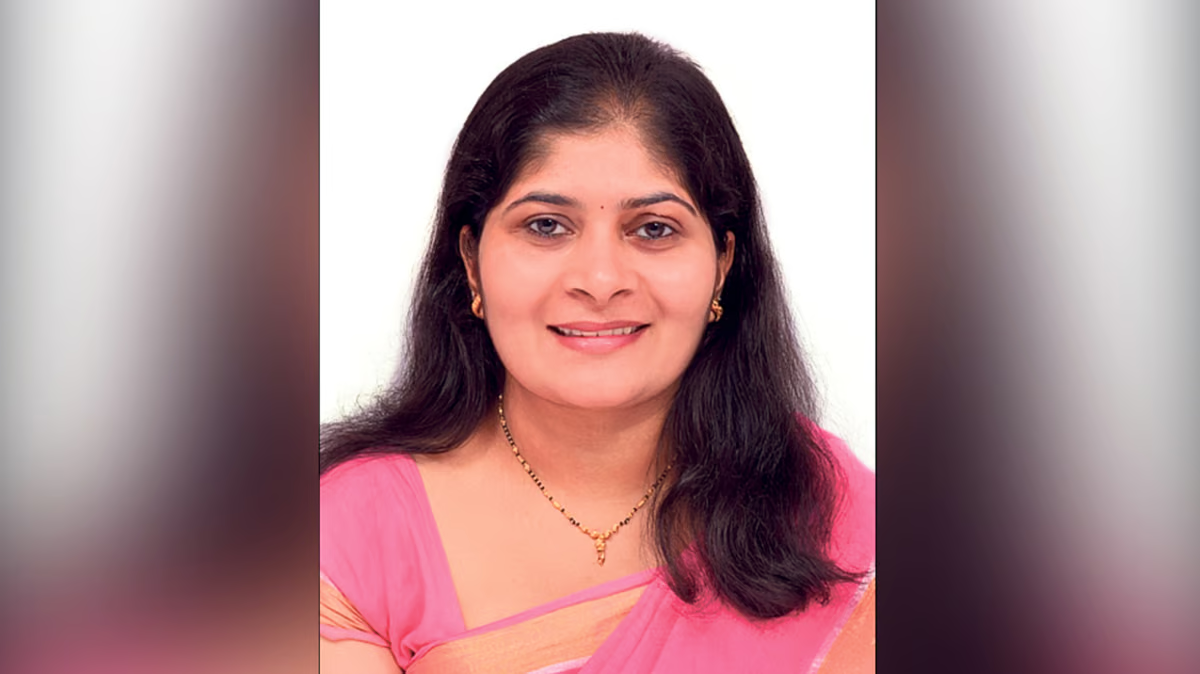
Charishma Kaliyanda (second from right) is NSW’s new parliamentary secretary for customer service and digital government, emergency services and youth justice. (Photo: Facebook)
NSW Premier Chris Minns has appointed lower house member Charishma Kaliyanda as the state’s new parliamentary secretary for customer service and digital government, emergency services and youth justice, replacing Anthony D’Adam, who was sacked a month ago after labelling the state’s police commissioner a liar.
Elected to Parliament in 2023, Kaliyanda’s appointment comes as Minns and NSW Labor attempt to fend off growing criticism in several parts of Western Sydney that many local members simply don’t reflect the communities in their electorates or make it to junior ministries let alone cabinet.
While there are some high-profile exceptions like Treasurer Daniel Mookhey, Jihad Dib (Kaliyanda’s senior minister) and Industrial Relations Minister Sophie Cotsis, the composition of the first Minns ministry was notable for its Anglo-Celtic weighting.
Community diversity and preselection of state and federal candidates, especially from southwest and western Sydney, have become an increasing friction point across the Australian political spectrum, with Labor losing once safe seats like Fowler to local independent candidates like Dai Le after locals were sidelined for so-called captain’s picks like Kristina Keneally.
Fairfield, where Le whittled down Labor’s margins to just a couple of points as a Liberal state candidate, is somewhat of a case study in how and why migrant communities abandon major parties, with former Fairfield Labor mayor Frank Carbone also quitting his party to run for council on an independent ticket.
You can’t undo years of electoral neglect overnight, but you can make an effort to listen.
Indian diaspora is one of Australia’s fastest-growing migrant communities, now numbering close to 1 million, and the ties are strengthening.
Australia appointed its first consul-general in Bengaluru, Hilary McGeachy, in 2023, adding diplomatic muscle to the massive nation’s south, which includes the states of Karnataka and Telangana.
The capital of Karnataka is Bangalore (population 15 million), which positions itself, for better or for worse, as India’s Silicon Valley.
In an interview with Indian Link , a community publication founded in 1994, Kaliyanda says it “empowers and elevates the South Asian community in Australia, by telling their stories and unpacking their experiences in a nuanced and unbiased manner” reaffirmed her commitment to her community.
“I had thought deeply about what I will wear on my first day as an MP. I wore a blue sari from Karnataka, draped in the Kodava style, with a Waratah broach,” Kaliyanda told the community publication.
“I wanted to share that I will be bringing my whole self to this role and to the Parliament — my commitment to and love for my community in wearing the colours of NSW, and my pride in where I come from and the diversity of my community in wearing a sari specifically from where I was born and in the Kodava style.
“I did struggle with it because there wasn’t really a playbook for what to do and what was expected but I was encouraged to “be myself”, and so I wanted to share my authentic self with our broader community.”
Asked who gave her the best advice for the first time in the bear pit, Kaliyanda told IndianLink: “two Labor Party colleagues, Jihad Dib and Sophie Cotsis, who were very supportive and full of advice.”
“There’s a lot to learn, so take it slow and ask questions as much as you can, Jihad told me,” Kaliyanda said.
Take it slow? That just changed. Welcome to the ministry.
source: http://www.themandarin.com.au / The Mandarin / Home> Careers / by Julian Bajkowski (headline edited) / June 17th, 2024
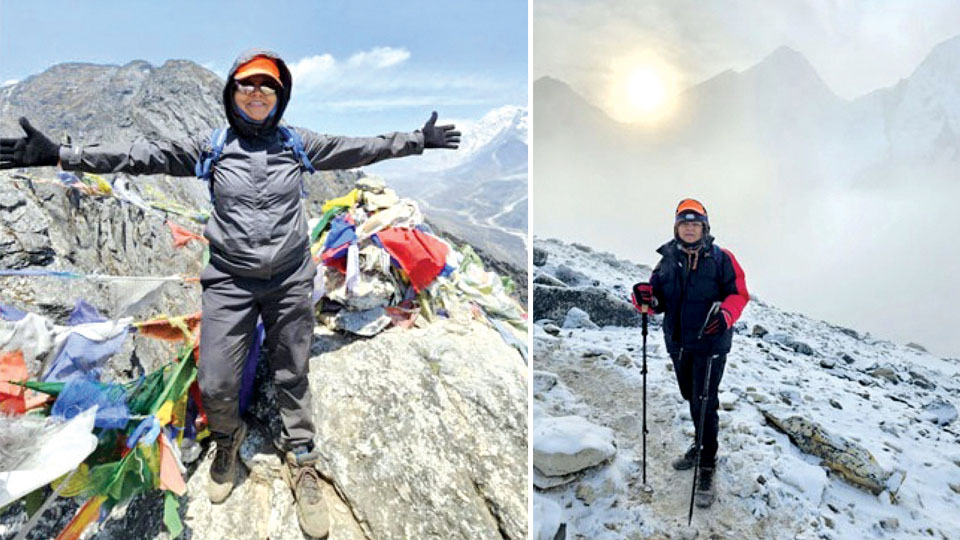
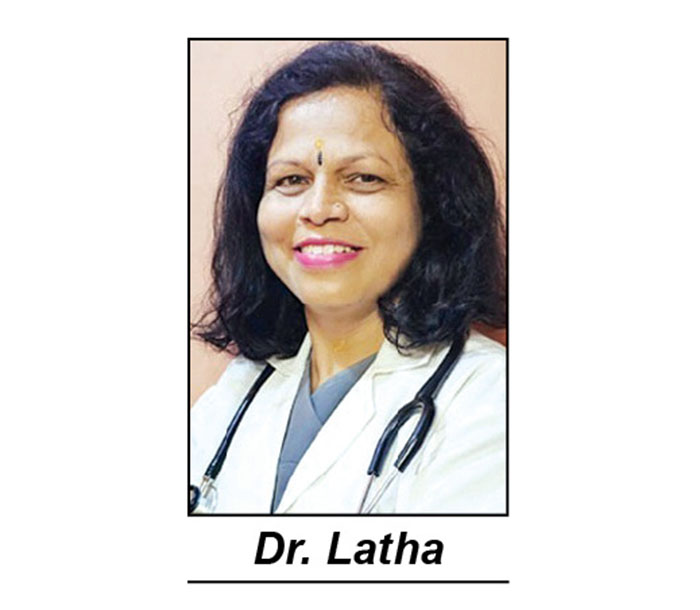
A woman from Kodagu has made history by reaching the Mount Everest Base Camp. Dr. Latha, a 57-yearold gynaecologist working in Bengaluru, participated in the trek to the Everest Kodagu woman at Mount Everest Base Camp Base Camp and successfully reached the first phase target of 18,514 feet.
Dr. Latha, a native of Badubanahalli near Alur Siddapura in Somwarpet Taluk, Kodagu, has brought great honour to her region through this remarkable achievement. She is the daughter of the late Mallappa.
With a keen interest in sports and trekking, Dr. Latha had a deep desire to conquer Mount Everest. She underwent rigorous training for six months with a Nepal-based company, running up to 10 kilometres daily and climbing small mountains to build stamina.
Dr. Latha was selected to climb the world’s highest peak during the April 28 to May 11 schedule, where several teams from India were participating. Among them, there were eight individuals aged between 30 and 40.
“Every day, we used to climb 10 to 15 kilometres and then rest. Only three members from our team, including me, could reach that Base Camp,” she said.
source: http://www.starofmysore.com / Star of Mysore / Home> Sports / June 01st, 2024
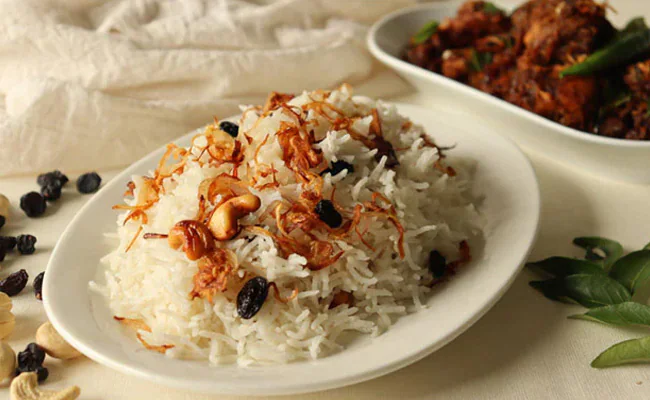
This is a one-pot rice dish, which is made with ghee, onion and whole spices like cinnamon, clove and cardamom- These whole spices give a distinct flavour to the rice.
Ingredients of Coorgi Ghee Rice
1 Cup long grain rice
1 large onion, thinely sliced
2 tsp garlic, finely chopped
2 tsp ginger, finely chopped
1 cinnamon stick
2 cardamom pods
4 cloves
Ghee and oil, as needed
Salt, as per taste
sugar
Water
How to Make Coorgi Ghee Rice Heat ghee and oil in a pan. Take both half-and-half
.Heat ghee and oil in a pan. Take both half-and-half
2. Add cinnamon, cardamom and cloves and let it splutter
3. Add onion and saute until translucent in colour
4. Add ginger and garlic and saute until the raw smell diminishes
5. Add the rice, salt and sugar and mix well for 1 minute
6. Add water till a bit above the rice level.
7. Cover the lid and cook it on medium to low flame.
8. Once done, serve hot with sides of your choice.
source: http://www.foood.ndtv.com / NDTV Food / Home> Recipes> Main
WELCOME. If you like what you see "SUBSCRIBE via EMAIL" to receive FREE regular UPDATES.
Read More »