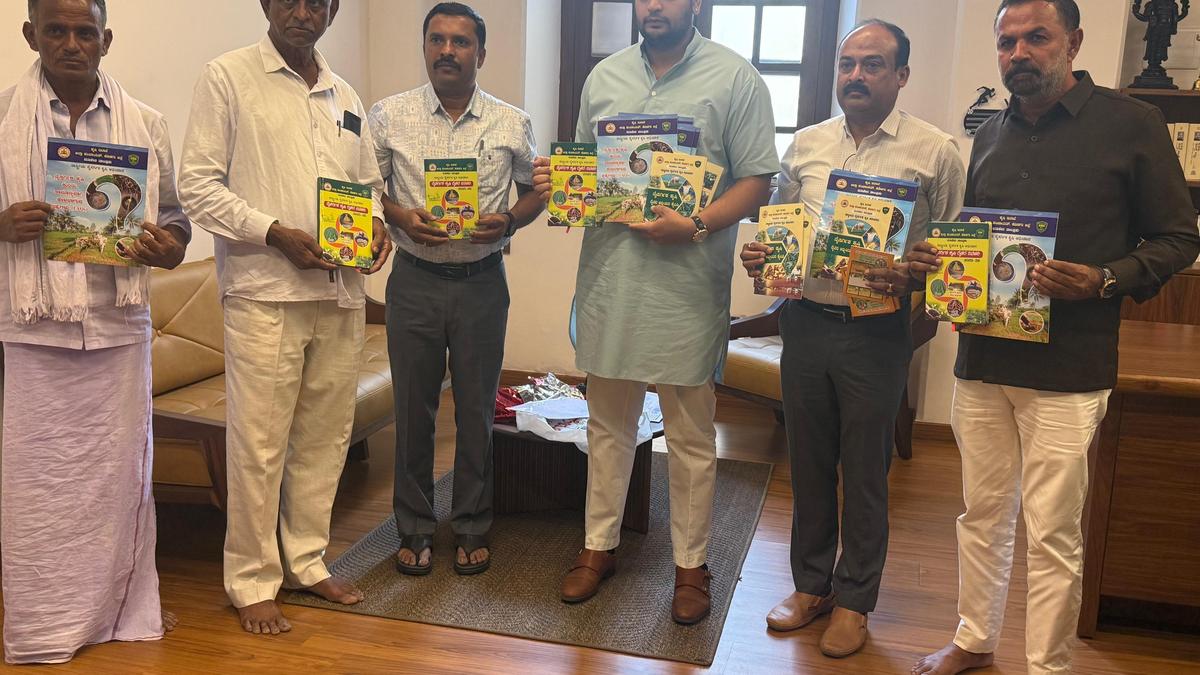
MP for Mysuru Yaduveer Krishnadatta Chamaraja Wadiyar releasing a set of booklets on natural farming, in Mysuru on Tuesday. | Photo Credit: SPECIAL ARRANGEMENT
MP for Mysuru Yaduveer Krishnadatta Chamaraja Wadiyar released a set of booklets under the National Mission on Natural Farming (NMNF) aimed at benefiting farmers in Kodagu district.
The booklets, which include a farmers’ study handbook, natural farming diary, Frequently Asked Questions (FAQs) booklet on natural farming, and information material on schemes available through the Agriculture Department, were released at the MP’s Mysuru office. The books will be distributed to 3,125 farmers in Kodagu district.
The department said that the NMNF scheme was being implemented in Kodagu district with 60% financial assistance from the Centre and 40% contribution from the State government.
Under the programme, 50 Cluster Resource Persons (one for every two gram panchayats) and 17 Block Resource Persons will guide and train farmers practising natural farming across the district.
Joint Director of Agriculture, Kodagu district, B.S. Chandrashekhar, and Deputy Director of Agriculture D.S. Somashekhar were present.
source: thehindu.com / The Hindu / Home> News> India> Karnataka / by The Hindu Bureau / March 03rd, 2026
A new climate analysis finds India’s coffee farms absorbed 30 extra days of harmful heat annually because of carbon pollution. Researchers are racing to find alternatives before Arabica and Robusta run out of room.
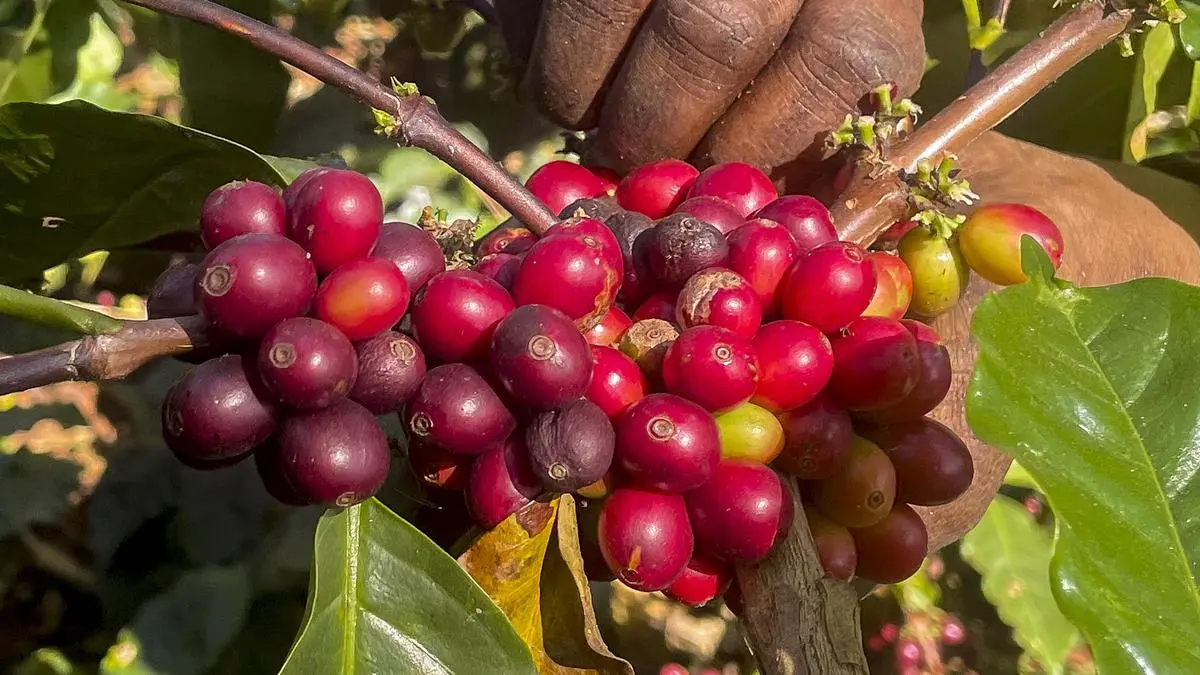
A worker picks ripe coffee cherries at Kelachandra Coffee Estate, in Chikkamagaluru district, Karnataka, on January 10, 2026. | Photo Credit: Laxmi Devi Aere/PTI
More than two billion cups of coffee are consumed every day, and for several years now, surging prices and falling production have marked the global coffee trade. Farmers in the world’s top five coffee-producing countries have faced mounting losses because of a warming planet, and India’s coffee sector is not immune. A new analysis by Climate Central, an independent group of scientists and communicators who research the changing climate, finds that 25 coffee-growing countries together accounting for about 97 per cent of global production all experienced more coffee-harming heat over the past five years.
Kristina Dahl, Climate Central’s Vice President for Science, explained to Frontline in an email interview why coffee was chosen as the subject. “Coffee is one of the most popular beverages in the world and a daily staple for billions of people,” she said. “It also provides a very direct and tangible link between climate change and everyday life. Any climate-driven disruption to coffee production has global ripple effects—from farmers in the ‘bean belt’ to consumers worldwide.”
Coffee plants are highly sensitive to temperature. When maximum temperatures regularly exceed 30°C, the quality and quantity of bean harvests decline. Reduced harvests and lower-quality beans tighten global supplies, contributing to price volatility—as seen in December 2024 and again in February 2025, when global coffee prices reached record highs, Dahl said. For farmers, many of them smallholders, lower yields, crop losses, and the cost of adapting to new conditions strain already thin profit margins.
The analysis, which examined daily temperatures between 2021 and 2025 across 25 major producing countries, is the first to directly attribute the increase in coffee-harming heat days—defined as days when maximum temperatures exceeded 30°C—to climate change using attribution science, she said. Climate Central drew on its Climate Shift Index, which compares observed temperatures to modelled estimates of temperatures in a hypothetical world without carbon pollution. Last year, the organisation conducted a similar attribution analysis on cocoa, another climate-sensitive crop.
Heat is already impacting harvests
The top five coffee-growing countries—Brazil (roughly 37 per cent of global production), Vietnam (17 per cent), Colombia (8 per cent), and Ethiopia and Indonesia (6 per cent each)—together are responsible for 75 per cent of world’s supply, experienced an average of 57 extra coffee-harming heat days per year because of climate change. Brazil averaged 70 additional harmful heat days annually; Indonesia 73; Vietnam 59; Colombia 48; and Ethiopia 34.
The situation is particularly acute in Asia, Dahl pointed out. Thailand recorded an average of about 75 additional harmful heat days a year. India, which contributes approximately 3.5 per cent of global coffee production, experienced an average of 118 coffee-harming heat days per year between 2021 and 2025, of which 30 were attributable to climate change. In a world without carbon pollution, India would have had roughly 88 such days instead of 118. Kerala recorded 65 additional heat days linked to climate change annually; Tamil Nadu 43; and Karnataka, India’s largest coffee-producing State, 32.
These impacts are not theoretical. “In practical terms, rising heat is already affecting harvests in major coffee-producing countries, threatening both quantity and quality,” Dahl said. She pointed out that while earlier studies had linked rising temperatures, drought, and shifting rainfall to reduced yields and shrinking suitable growing areas, the Climate Central analysis adds a new dimension: it quantifies precisely how many additional harmful heat days can be attributed to carbon pollution.
Beyond heat, the analysis notes that climate impacts are worse for Arabica plants, which account for about 60–70 per cent of global supply, since they are more sensitive than Robusta varieties to temperatures above 30°C. Pests and diseases—coffee leaf rust and the coffee berry borer in particular—also intensify with climate change. Without significant reductions in carbon emissions, suitable land for coffee farming could decline by up to 50 per cent by 2050, according to earlier research cited by Dahl. “Adaptation and resilience can only take farmers so far,” she said.
Wild species and the search for alternatives
India is the world’s fifth-largest Robusta producer, and about 80 per cent of its coffee is grown by smallholders, according to World Coffee Research. The country’s coffee exports earned approximately $1.28 billion in fiscal year 2023–24, making it a significant agricultural earner.
Akshay Dashrath, co-founder of the South India Coffee Company (SICC), which he set up in 2017 with his wife Komal Sable as a sourcing and logistics platform, has been researching Excelsa (Coffea dewevrei) since 2019. He found a market initially difficult to reach, but publications by the Royal Botanic Gardens, Kew, on Excelsa and related species accelerated demand. He has been working with Kew for three to four years on climate-resilient coffee species, running trials of Excelsa, Stenophylla, and four coffee species native to India—Coffea bengalensis (found from Chikmagalur to Thailand), Coffea travancorensis, neobridsoniae, and wightiana—on his family’s Mooleh Manay Estate in North Coorg, Karnataka. For the past two years, he has also been breeding Excelsa for better cup quality and commercial viability.
“A hotter environment means coffee is under stress: production per plant reduces, cup quality drops, and the plant weakens. It is happening in specific blocks—those with less shade are more susceptible to disease, and once the plant is weak, it becomes prone to fungal infection,” Dashrath said. He described a severe leaf rust outbreak on his farm: the heavily shaded plants survived, but those under direct sunlight lost their foliage.
Rising heat is not the only problem. He pointed out that for Robusta—and for Arabica—dry air matters as much as temperature. “Heat with dry air is more damaging to certain species,” he said. Excelsa, native to Central Africa, tolerates heat, dry air, and drier soils better than Arabica or Robusta because its root system goes considerably deeper, giving it access to soil moisture that shallower-rooted varieties cannot reach. Dashrath puts Excelsa’s root depth at 4.5 to possibly 7–8 feet, compared with Robusta at 2.5 feet and pure Arabica at around 3 feet.
Coffee plants are highly sensitive to temperature. When maximum temperatures regularly exceed 30°C, the quality and quantity of bean harvests decline. | Photo Credit: Prakash Hassan
Indian coffee has been grown under shade since the 1850s, making canopy management central to the crop’s culture. However, Dashrath notes that many growing belts are now thinning their canopy to increase yields by admitting more sunlight, and supplementing Robusta with external irrigation—a trend that could leave farms more exposed to heat and moisture stress.
India also carries a legacy of genetic limitations. “Historically, we had access to diverse germplasm, including hybrids of Arabica, Liberica, and Excelsa,” Dashrath said. “But in the 1940s, the research focus shifted towards developing Arabica–Robusta hybrids for leaf rust tolerance.” The result is that the country’s commercial varieties remain concentrated in two species highly sensitive to warming. The Central Coffee Research Institute, founded in 1925, is conducting research on climate-resilient coffee, though its director did not respond to a request for comment.
The case for Excelsa as a climate buffer became clearer to Dashrath in July 2024, when 33 inches of rain fell on his farm in a single month—far more than the typical annual average of 58 inches. Arabica and Robusta could not withstand the waterlogging, but Excelsa’s deeper root system held. “When we talk of climate-resilient coffee, we need species that can handle not only heat but also climate variability,” he said.
Stenophylla (Coffea stenophylla), a wild species from West Africa, offers another avenue. Rediscovered in Sierra Leone in 2018 after not being seen in the wild since 1954, Stenophylla has been found to tolerate temperatures significantly higher than Arabica while producing a comparable flavour profile, according to research published in Nature Plants in 2021 by scientists from the Royal Botanic Gardens, Kew, the University of Greenwich, CIRAD, and researchers in Sierra Leone. It is currently on the IUCN Red List as “Vulnerable.”
Excelsa currently accounts for about 1 per cent of the global coffee market and is grown commercially in small quantities in Chikmagalur and Coorg. SICC received a grant from Coffee Circle last year to grow Excelsa on trial plots across six different sites; the data from those trials has been shared with Kew, which is mapping climate conditions from Uganda to India and parts of South-East Asia. The trials are informing a broader picture of which plant material performs under changing conditions.
Still, Dashrath is candid about the timeline. Arabica has been bred for around 600 years; Robusta for 150. Excelsa is a wild species with considerable variation from plant to plant, and no consistency in yields. Getting it to a standard where it can compete in commodity markets is a 20–25-year project, he said. “The market is there, but it needs more breeding, standardised seeds, and testing before it can be deployed at scale. Currently it is a niche product, priced rather high.”
There are over 120 recognised coffee species, according to Kew researchers, though most are either inedible or commercially unviable. Coffea racemosa, from Mozambique, has also attracted attention for its claimed heat tolerance, though published data on its upper temperature threshold remain limited. Dashrath is blunt about the bottom line: “If the world gets warmer, coffee-growing areas may shift, or alternatives like Excelsa may need to move to centre stage. To sustain coffee, we need to start looking outside the realm of Arabica and Robusta.”
Concerns about Arabica’s future are felt most acutely in Ethiopia, the crop’s birthplace. Dejene Dadi, General Manager of the Oromia Coffee Farmers Cooperatives Union (OCFCU), one of Ethiopia’s largest smallholder coffee cooperatives and exporters, put the stakes plainly: “Coffee farmers in Ethiopia are already seeing the impact of extreme heat. Ethiopian Arabica is particularly sensitive to direct sunlight. Without sufficient shade, coffee trees produce fewer beans and become more vulnerable to disease.” He called for governments to act on climate change and invest in smallholder organisations capable of scaling up adaptation. “Coffee farming is part of our cultural heritage, and coffee trees are symbols of continuity and pride,” he added. “Ethiopia is the birthplace of coffee, and Ethiopian coffee farmers are key to safeguarding its future.”
Research at the Royal Botanic Gardens, Kew—through a project focused on Excelsa and Liberica coffee and related species, with field and farm trials across Africa and Asia—offers some grounds for cautious optimism. The work is designed to identify which species combinations can sustain coffee cultivation in warming conditions and provide farmers with alternatives to the two varieties that currently dominate.
For India’s approximately 3.6 lakh coffee farmers, most of them dependent on Robusta for their livelihoods, and for the country’s coffee export sector—worth close to $1.3 billion in FY2023–24 and significantly more since—the challenge from climate change is not distant. It is measured, now, in 30 extra days of harmful heat each year, and rising.
Meena Menon is a freelance journalist and visiting postdoctoral fellow at Leeds Arts and Humanities Research Institute, University of Leeds.
____________
Summary
A Climate Central analysis reveals that 25 major coffee-producing countries, including India, are experiencing increased ‘coffee-harming heat’ due to climate change, impacting global production and prices. India faces an average of 118 such days annually, with 30 directly attributable to climate change. This heat stress reduces yields and quality, particularly for sensitive Arabica plants. Researchers are exploring climate-resilient coffee species like Excelsa and Stenophylla, which exhibit better tolerance to heat and variable weather conditions. While these alternatives offer hope, their widespread commercial adoption requires significant research and development, highlighting the urgent need for climate action and adaptation strategies to safeguard the future of coffee.
Key Questions & Insights(AIⓘ)
What is the primary finding of Climate Central’s analysis regarding global coffee production?
Why was coffee chosen as the subject for Climate Central’s analysis?
How does high temperature affect coffee plants and global coffee prices?
What is ‘coffee-harming heat’ as defined by Climate Central?
How many additional coffee-harming heat days did India experience annually due to climate change between 2021 and 2025?
Which Indian states were most affected by climate change-linked heat days for coffee production?
Why are Arabica plants more vulnerable to climate change than Robusta varieties?
What is the potential impact of climate change on suitable land for coffee farming by 2050?
What is the significance of Excelsa coffee in the context of climate change?
What is the current status of Excelsa in the global coffee market?
What is Stenophylla and why is it considered a promising alternative coffee species?
What is the main challenge for India’s coffee sector due to climate change?
_____________
source: http://www.frontline.thehindu.com / Frontline / Home> India> Environment> Digital Exclusive / by Meena Menon / February 25th, 2026
I learnt to appreciate coffee at the age of thirty-seven and since then I have been tasting coffee at speciality coffee shops in and out of Singapore. The more types of coffee I tried, the more I want to try. From just drinking coffee made by others, I ventured into brewing coffee on my own and soon I became the owner of many coffee gadgets and accessories.
When I was in Papua New Guinea for ten days, I was drinking one of the best coffees from the Eastern Highlands. I did not stop at that. I visited coffee plantations in countries like Indonesia, Sri Lanka, Vietnam, Mexico, Thailand, and India. Within India, I have visited coffee plantations in the states of Odisha, Kerala and most recently Karnataka.
Karnataka produces about 71% of India’s coffee and Coorg in Karnataka produces 33% of India’s coffee! Coorg, a beautiful hill town is covered with acres of green, lush coffee plantations. I had to the pleasure of not just touring but also roasting and grinding my own coffee blend when I visited @fivefarms.in coffee plantation in Coorg.
I have not been exposed to Indian coffee much except when I am travelling in India. I became much more enlightened after my visit to @fivefarms.in and my meeting with Subbaiah and Ashith, partner and founders of @fivefarms.in.
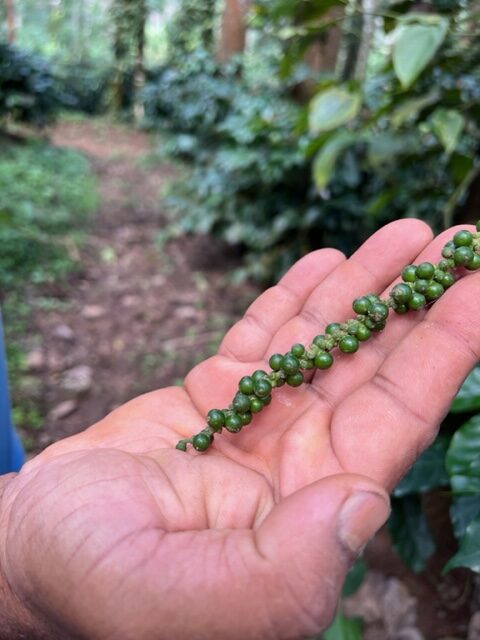
Subbaiah and Ashith stay in a 75-year-old bungalow surrounded by the Malcode coffee estate in Chetthalli Village, Coorg, Karnataka. This coffee estate produces Arabica and Robusta coffee beans and the popular #Indianblackpepper — Paniyoor black Pepper.
The husband-wife team are third generation coffee farmers and founders of fivefarms.in – one of India’s premium single estate coffee stores. Subbaiah told me that they believe in very traditional plantation skills but ensure that they apply only modern roasting and grinding techniques to their coffee beans.
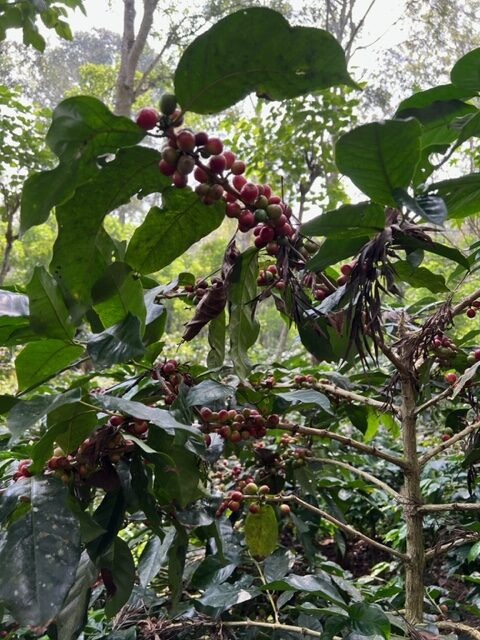
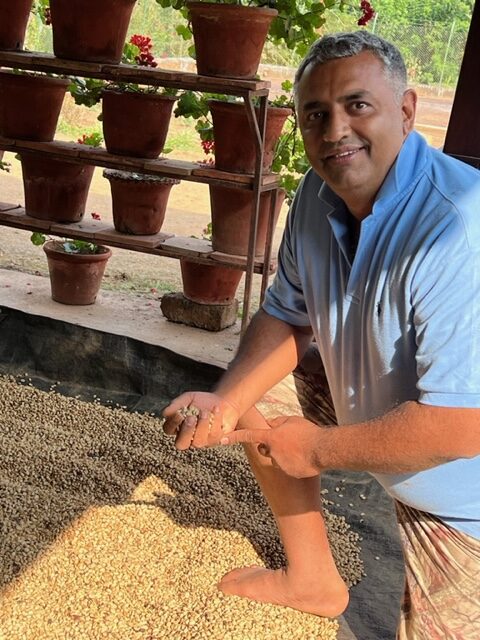
They conduct Seed to Cup tours of the coffee estate. I learnt the history of how coffee was discovered and brought to India, its culture, farming techniques including harvesting, inspection of the coffee plants, and production process from its raw state.
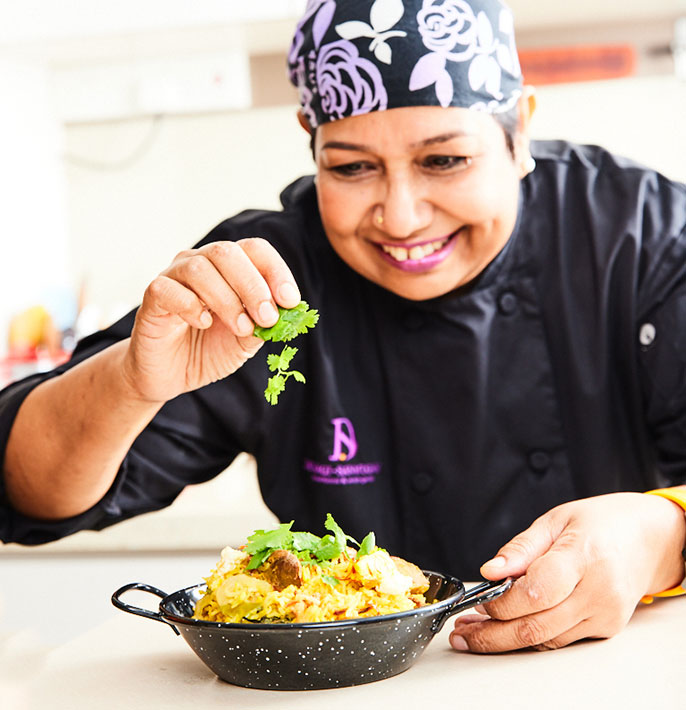
After the tour, I had the pleasure of sampling a sumptuous lunch prepared by Ashith and her mother-in-law, ending with a cup of freshly brewed coffee!
I left the farm with about a kilogram of freshly roasted and ground coffee!! Thank you @fivefarms.in
__________________
Devagi Sanmugam
As a chef, spice curator, and author of over 20 cookbooks, my life revolves around the exquisite world of food. I am deeply passionate about experiencing food in all its forms—I love to see, touch, smell, hear, and feel the ingredients that create culinary magic. Each spice tells a story, every herb evokes a memory, and the textures of food bring joy to my senses. Traveling is not just a pastime for me; it is an essential part of my journey as a culinary educator. Exploring diverse cuisines around the world allows me to expand my knowledge and understanding of food, enriching both my cooking and teaching. I revel in discovering new flavors and techniques that I can share with others, igniting their own passion for cooking. This blog is a heartfelt expression of my love for food—a platform where I can share my culinary adventures, insights, and recipes. Join me as we explore global cuisine, celebrating the beautiful and delicious experiences that food offers.
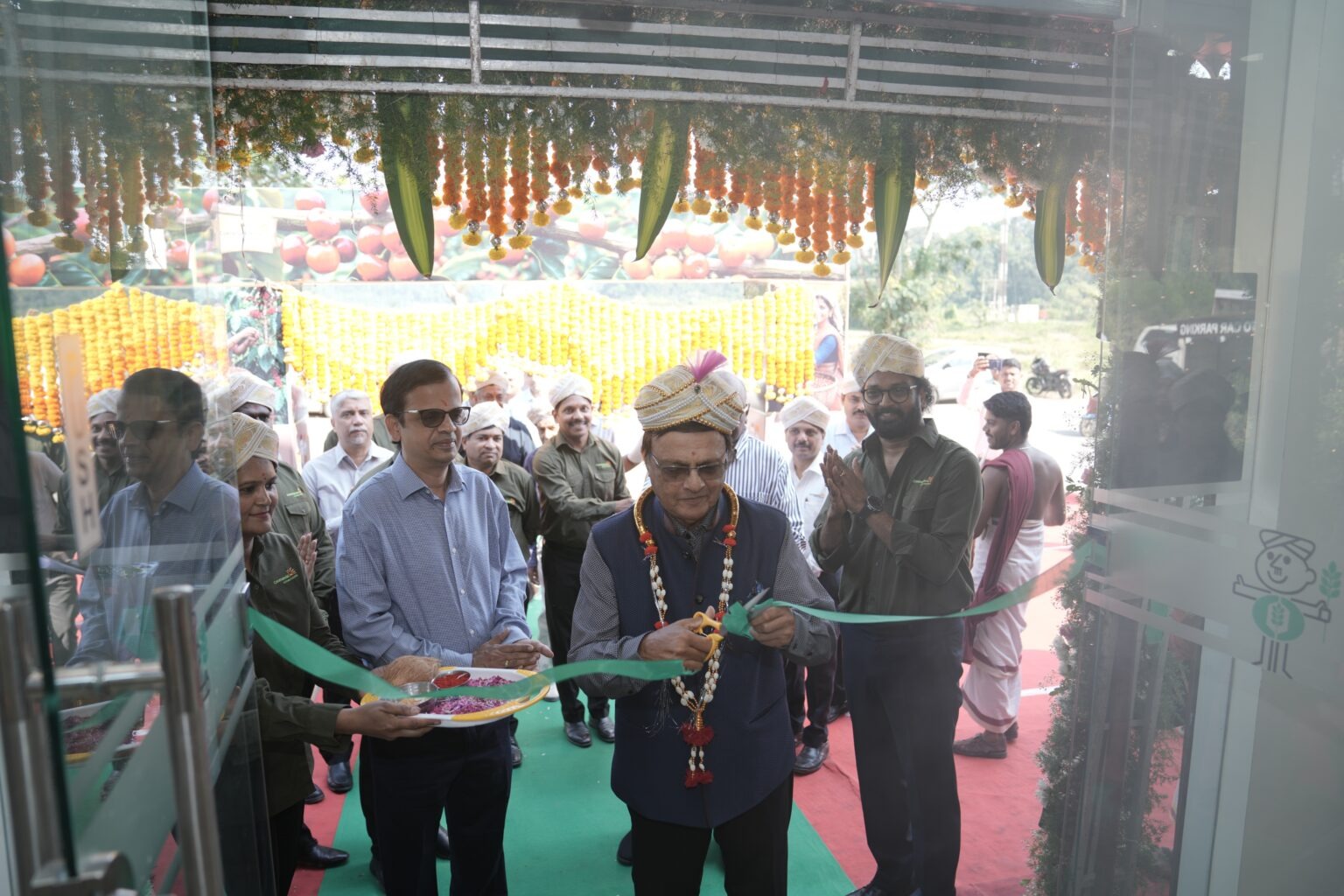
Coromandel International Limited, one of India’s leading agri-solutions providers, announced the inauguration of its 1200th Gromor retail store at Arji Village in Virajpet Taluk, Coorg, Karnataka. Branded as ‘Namma Gromor’, the store marks a significant milestone in the company’s journey of strengthening its last-mile connect with the farming community.
The event was inaugurated by Mr. IK Anil, Founder – Kuttappa Coffee, Co-founder, Indian Vanilla Initiative and Editor-in-Chief – Coffeeland News, in presence of Mr. S. Sankarasubramanian, Managing Director & CEO, Coromandel International Limited, along with senior leadership team.
Launched as a coffee specialty store, the outlet is strategically located to serve key coffee-growing belts across Virajpet Taluk, including Arji and surrounding villages, as well as prominent estate clusters across the Coorg region. The store aims to engage closely with progressive farmers, estate owners and grower communities, creating a strong localized impact across 20–25 villages.
“The launch of our 1200th Gromor store is a proud milestone in Coromandel’s journey of empowering farmers through integrated agri-solutions. With the Coorg region being a key hub for coffee cultivation, this specialty store reflects our commitment to deliver localized, crop-specific expertise. Our focus remains on strengthening farmer connect, improving productivity and enabling sustainable livelihoods through a combination of physical and digital interventions.”, said Mr. S. Sankarasubramanian, Managing Director & CEO, Coromandel International Limited.
Mr. IK Anil, Founder – Kuttappa Coffee, Co-founder, Indian Vanilla Initiative and Editor-in-Chief – Coffeeland News said, “My association with the Murugappa Group spans generations, as a third-generation coffee planter, my bond with this group transcends business and is rooted in mutual respect and shared values. What has always distinguished Murugappa Group is its unwavering commitment to quality and integrity, sustained across decades without compromise. That steadfastness has earned the trust of generations like mine. As the Namma Gromor Centre now expands into the plantation segment for the first time in Coorg, I sincerely hope it will bring forward new technologies and meaningful advancements that empower planters in Coorg, helping them navigate evolving agricultural challenges with confidence, built on the same fair, genuine, and dependable values that have long strengthened Coromandel Retail’s bond with the farming community.“
Since its foray into rural retail in 2007 under the ‘My Gromor’ brand, Coromandel has built one of India’s largest agri-retail networks. With the launch of the 1200th store, the company now operates a robust, company-owned and company-operated network across five states—850 Mana Gromor stores in Andhra Pradesh and Telangana, 270 Namma Gromor stores in Karnataka, 31 Namadu Gromor stores in Tamil Nadu, and 49 Apla Gromor stores in Maharashtra—serving over 5 million farmers.
Backed by a dedicated workforce of over 4,500 employees, the Gromor network plays a pivotal role in delivering extension services, agronomic support and quality agri-inputs, helping farmers enhance productivity and improve farm outcomes.
Each ‘My Gromor’ centre functions as a comprehensive agri-solutions hub, offering a wide range of products including fertilizers, crop protection solutions, biologicals, cattle feed and farm implements. In addition, farmers benefit from value-added services such as soil and carbon testing, drone spraying, agronomy advisory, and access to farmer-focused insurance solutions.
The retail ecosystem is further strengthened by the MyGromor mobile app, which provides farm-specific advisory, real-time pricing, and AI-powered pest and disease detection. With over 1 million downloads, the platform is enhancing both accessibility and transparency for farmers.
About Coromandel
Coromandel International Limited is amongst India’s pioneers and leading Agri solutions provider, offering diverse products and services across the farming value chain. It operates in two major segments: Nutrient and other allied businesses and Crop Protection. These include Fertilisers, Crop Protection, Bio Products, Specialty Nutrients and Organic businesses. The Company is 2nd largest manufacturer and marketer of Phosphatic fertilisers in India. The Company’s Crop Protection products are marketed in India as well as in international geographies, offering a wide range of technical and formulation products. The Specialty Nutrients business of the Company focuses on water soluble fertilisers, secondary & micronutrients and Nano fertilisers products. The Company is a leading marketer of Organic fertilisers in India. The Bio Products business of the company focusses on plant extractions for various applications. It also operates a network of 1200 rural retail outlets across Andhra Pradesh, Telangana, Karnataka, Tamil Nadu and Maharashtra. Through these Retail outlets, the Company offers agri inputs and farming services including crop advisory, soil testing and farm mechanization to around 3 million farmers. The Company currently has 8 R&D centers and a strong Regulatory setup, supporting the businesses in process development and new product introduction. The Company currently has 21 manufacturing facilities, spread widely across India, producing a wide range of Nutrient and Crop Protection products, which are marketed through an extensive network of dealers and its own retail centers.
The Company clocked a turnover of Rs. 24,444 Crores during FY24-25. Its efforts towards environment have been well recognized by international organizations like UNDP and has also been voted as one of the ten greenest companies in India by TERI. Coromandel is a part of the Murugappa Group with a turnover of INR 90,178 crore.
A 125-year-old conglomerate with presence across India and the world, the INR 902 billion (90,178 crore) Murugappa Group has diverse businesses in agriculture, engineering, financial services and more.
The Group has 10 listed companies: Carborundum Universal Limited, CG Power & Industrial Solutions Limited, Cholamandalam Financial Holdings Limited, Cholamandalam Investment & Finance Company Limited, Coromandel International Limited, E.I.D.-Parry (India) Limited, NACL Industries Limited, Shanthi Gears Limited, Tube Investments of India Limited, and Wendt (India) Limited. Other major companies include Cholamandalam MS General Insurance Company Limited and Parry Agro Industries Limited. Brands such as Ajax, Hercules, BSA, Montra, Montra Electric, Mach City, Chola, Chola MS, CG Power, Shanthi Gears, CUMI, Gromor, Paramfos, Parry’s are part of the Group’s illustrious stable.
Abrasives, technical ceramics, electrominerals, electric vehicles, auto components, fans, transformers, signalling equipment for railways, bicycles, fertilisers, sugar, tea and several other products make up the Group’s business interests.
Guided by the Five lights — integrity, passion, quality, respect and responsibility — and a culture of professionalism, the Group has a workforce of 94,041 employees.
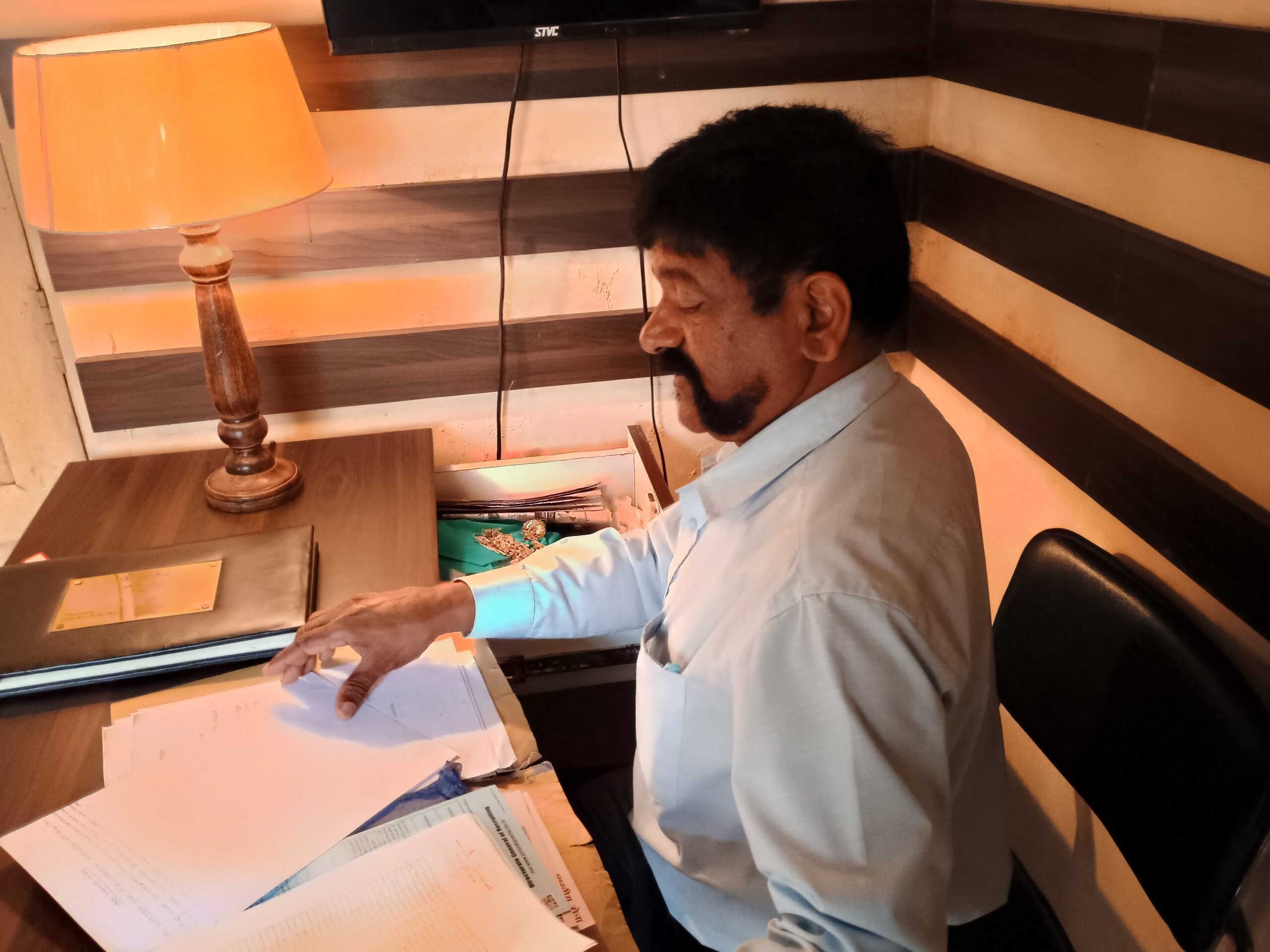
General Thimayya Museum at Madikeri, is one of the most visited attractions at Coorg. The museum houses images of the General, documents, weapons and other items, that the late illustrious General was associated with.
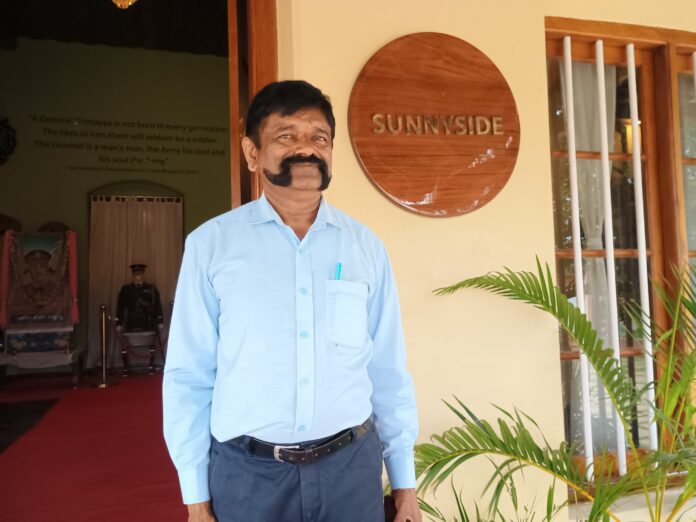
Gowdanda Thimmaiah at General Thimayya Museum
General Thimayya Museum at Madikeri, is one of the most visited attractions at Coorg. The museum houses images of the General, documents, weapons and other items, that the late illustrious General was associated with.
Subedar Major (Retd) Gowdanda Thimmaiah proudly wearing his medals.
Gowdanda Thimmaiah joined the Indian Army (8th Madras Regiment) in November 1987, and has seen multiple postings throughout India and also in Bhutan.
Thimmaiah has actively participated the following Indian Military campaigns:
1. Operation Rhino – Counter Insurgency operation in Assam (1990) 2. Operation Rakshak – Counter Insurgency operation in Kashmir (1990) 3. Operation Vijay – Kargil War in Kashmir (1999) 4. Operation Parakram – Military Mobilization on the border with Pakistan (2001)
The most challenging operation, Thimmaiah remembered was during his participation in counter insurgency operation in Kashmir. The militancy in Kashmir was at its peak and I have been witness to many casualties. If I recall correctly, from my battalion itself – around 10 to 15 casualties. It was tough to witness so many casualties of my brother soldiers, but we were not the be swayed by emotions and we were up for the challenge and ready to fight it out., he recalled.
The following is a list of medals that Gowdanda Thimmaiah has been awarded:
1. OPERATION VIJAY MEDAL 2. SAINYA SEVA MEDAL 3. SPECIAL SERVICE MEDAL(SURAKSHA) 4. HIGH ALTITUDE MEDAL 5. SAINYA SEVA MEDAL (ASSAM) 6. 9 YEARS LONG SERVICE MEDAL 7. 20 YEARS LONG SERVICE MEDAL 8. 50 YEARS INDEPENDENCE MEDAL
Gowdanda Thimmaiah retired from the Indian Army after serving 28 years and 28 days, with his character being judged by his superiors as exemplary.
Today, this illustrious soldier mans the museum of one of the most famous Generals of Indian Army. To quote Field Marshal Cariappa: “An officer is nothing without the soldiers”.
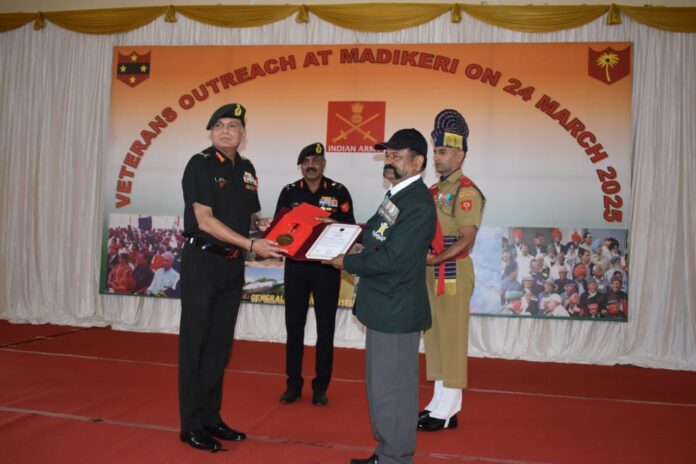
Lt General Dhiraj Seth presenting the certificate and medallion to Gowdanda Thimmiah
On the 24th of March, 2025, Lt General Dhiraj Seth (PVSM, AVSM) – Army Commander Southern Command, while on his visit to General Thimayya Museum, took note of Thimmaiah’s work as a curator and his dedication towards the museum.
General Dhiraj Seth, presented Thimmaiah with a commendation certificate and VETERAN HONOR MEDALLION in recognition of his contribution, post retirement.
True to the concept that a soldier never retires, Thimmaiah is also involved in every activity at Surlabbi village. The family is the Deva Thakka for the ancient temple and the Gowdanda family have the privilege of leading the sacred dance that takes place every year.
A hardworking farmer, beekeeper and sportsman. He played for the family in the ongoing Muddanda Hockey Namme, with his two accomplished daughters. One has recently completed her Aeronautical Engineering degree and the other is qualifying as a Dentist. His wife is currently serving in the Health Department as Taluk Nursing Supervisor at Madikeri.
Like Gowdanda Thimmaiah, in Kodagu – there are many such gallant soldiers. And all would have a story to tell. A story worth listening to and sharing. A story of serving the Indian Army and Nation with grit and determination.
source: http://www.clnews.in / CoffeeLand News / Home> Articles / by A S Aiyappa / April 19th, 2025
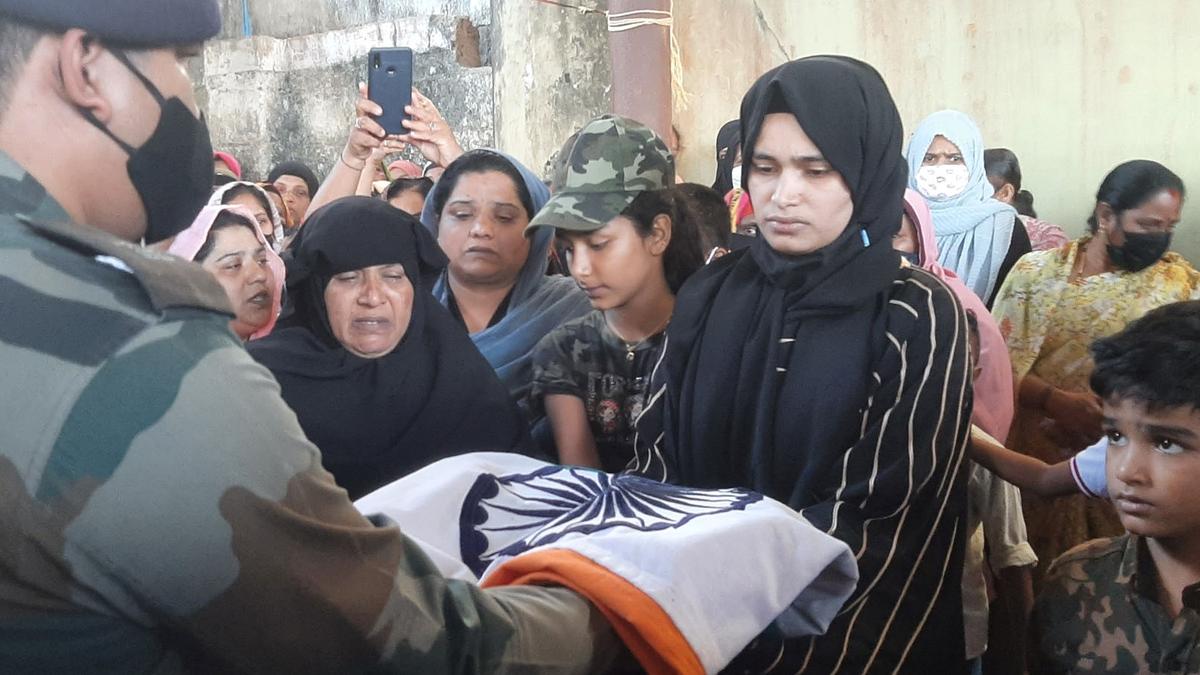
Army personnel handing over the tricolour to the wife of Hawaldar Althaf Ahmed, who died in Kashmir on February 22. | Photo Credit: Special Arrangemen
Althaf Ahmed | Photo Credit: Special Arrangement
The last rites of 37-year-old Indian Army Hawildar Althaf Ahmed, who died in a blizzard while on duty in Kashmir, were performed in his native in Meenupete in Kodagu district’s Virajpet taluk with state honours on Saturday.
The body of Althaf Ahmed, who had died on February 22, arrived in his native in Kodagu early on Saturday as its departure by air from Srinagar was delayed owing to bad weather. The body was kept at Eidgah Maidan in Meenupete for the public to pay their last respects before it was laid to rest at the burial ground as per Islamic rituals.
Virajpet MLA K.G. Bopaiah, MLCs Suja Kushalappa and Veena Achaiah, besides Deputy Commissioner B.C. Satish, Kodagu Superintendent of Police M.A. Aiyappa and other senior officials of the district administration were among the large number of people, who paid their last respects.
According to sources, Althaf Ahmed grew up in Meenupete and completed his SSLC in St Anne’s School in Virajpet and Pre University Education at the Virajpet Government Junior College. He later joined the Army Ordnance Corps (AOC) regiment. He had been serving the Army in various places since the last 19 years.
While guarding the border in Kashmir, Althaf Ahmed was caught in a blizzard on February 22 and died.
After the ceremonial gun salute during the funeral of the martyred solider, Army personnel handed over handed over the tricolour that draped Althaf Ahmed’s body and his uniform to his wife and two children. He leaves behind his mother, wife, a son and a daughter.
source: http://www.thehindu.com / The Hindu / Home> News> India> Karnataka / by Special Correspondent / February 26th, 2022
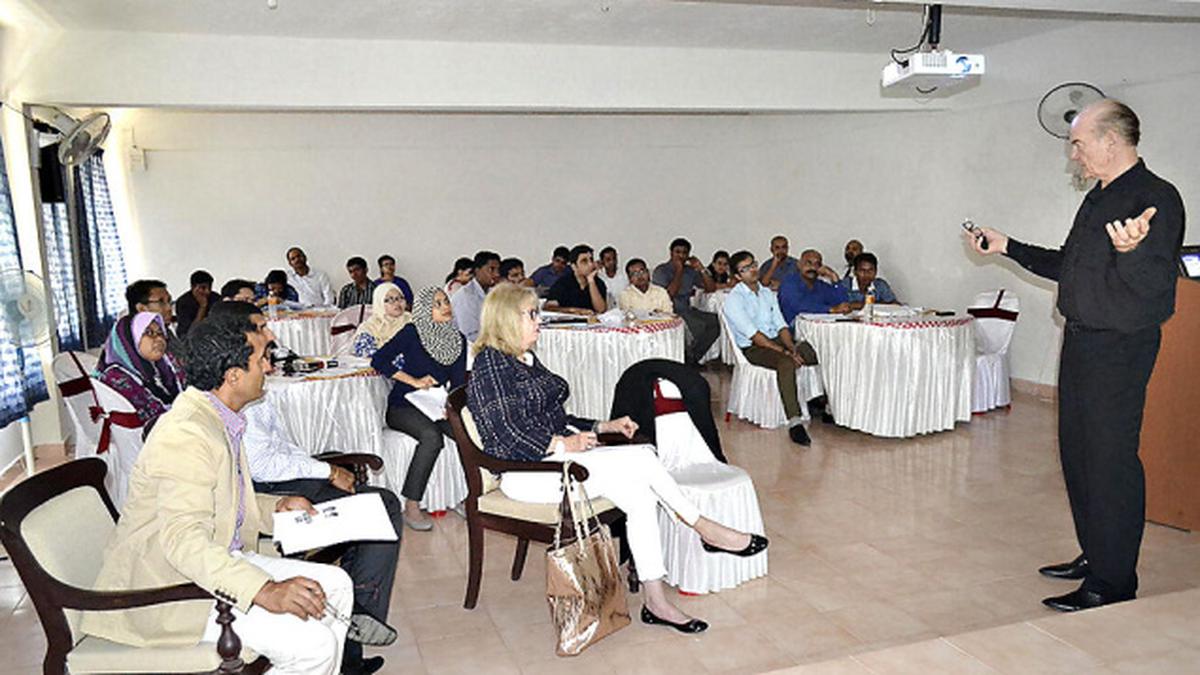
Delegates during the workshop at the Coorg Institute of Dental Sciences, Virajpet, Kodagu.
A four-day pan-global hands-on workshop on ‘Tip-edge plus orthodontic mechanics’ was inaugurated at the Department of Orthodontics and Dento-facial Orthopaedics in the Coorg Institute of Dental Sciences (CIDS), Virajpet, Kodagu, on Tuesday.
It was attended by 25 delegates from India, Malaysia, Sweden, and Germany.
International speakers and course directors, Urban Hagg, Director of Clinical Education, University of Copenhagen, Denmark, and Margareta Bendeus, multi-specialist practitioner in Landskrona, Sweden, were mentors at the workshop, according to information received from the CIDS here on Wednesday.
Three doctors from Afghanistan, Abdul Ghafar Gayur (plastic surgeon from Kabul), Habibullah Atif (general surgeon from Badakhshan) and Sebghatullah Natory (maxillofacial surgeon from Kunduz) performed 15 cleft surgeries at the cleft centre and the Department of Maxillofacial Surgery at the CIDS.
Getz Ehmann, maxillofacial surgeon from Hamburg, and Ulrike Lamle, cleft ENT surgeon from Berlin, were also present. Sunil Muddaiah, Dean, CIDS, addressed the gathering.
source: http://www.thehindu.com / The Hindu / Home> News> Cities> Bengaluru /by K Jeevan Chinnappa / February 19th, 2015
Padma Shri awardee Rani Machaiah, an exponent of the Ummathat folk dance of Kodagu, was chosen as the Coorg Person of the Year 2023 by a news and tourism portal.
According to the author and editor of the portal www.coorgtourisminfo.com P.T. Bopanna, Ms. Rani Machaiah’s selection was made on the basis of a poll conducted through the portal.
It may be mentioned here that the portal had chosen actor Rashmika Mandanna as the Coorg Person of the Year 2022.
In a statement here on Ms. Rani Machaiah’s selection for the year 2023, Mr. Bopanna said the Ummathat folk dance exponent was leading her troupe since 1984 and had trained thousands of students in the folk dance tradition in Kodagu.
Rani Machaiah had been presented with Padma Shri by President Droupadi Murmu in 2023. “Rani is known for teaching and popularising Ummathat, a traditional form of Kodagu danced by women dressed in red brocade saris draped in Kodava style and wearing traditional Kodava jewellery. They dance gracefully in circles around a lit pedestal lamp to the rhythm of hand-held brass cymbals, which they beat as they dance to the accompaniment of folk songs sung by two or more women. The dance is devoted to Goddess Kaveri (the river which takes its birth in Kodagu and is considered as their mother goddess by Kodavas). It is performed mostly during the harvest festival Puthari,” said a statement issued by Mr. Bopanna.
source: http://www.thehindu.com / The Hindu / Home> News> India> Karnataka / by The Hindu Bureau / January 04th, 2024
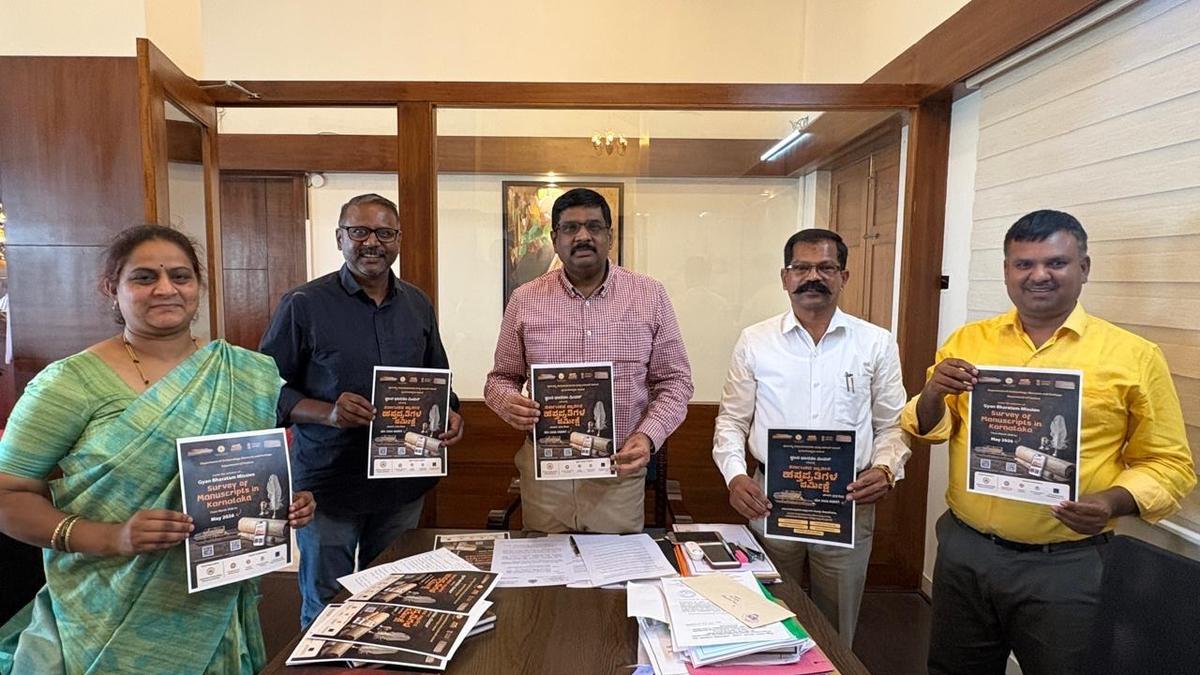
Deputy Commissioner S.J. Somashekhar releasing the posters made for the district-wide survey of ancient manuscripts under the State government’s Jnana Bharatham Mission in Madikeri on Friday. | Photo Credit: Special Arrangement
Kodagu Deputy Commissioner S.J. Somashekhar has directed officials to complete the district-wide survey of ancient manuscripts by the end of May under the State government’s Jnana Bharatham Mission.
Presiding over a preparatory meeting at his office on Friday, Mr. Somashekhar emphasised that manuscripts — handwritten on palm leaves, paper, and other materials — are invaluable repositories of history, literature, culture, and traditional knowledge, reflecting the intellectual wealth of past generations.
He instructed the Departments of Archaeology and Tourism to take immediate steps for the systematic collection, scientific preservation, and digitisation of manuscripts. Highlighting Kodagu’s rich historical legacy, he said identifying and digitising rare manuscripts must be treated as a priority.
“Manuscripts serve as vital sources to understand social and cultural history. They contain rare knowledge on epics, poetry, grammar, Ayurveda, and philosophy,” he said, adding that they also help decode ancient scripts and linguistic styles.
Mr. Somashekhar called for involving historians, literary enthusiasts, and senior citizens in identifying manuscripts. He suggested that documents be collected for scanning and safely returned to their owners to build trust and encourage wider participation.
He said the State government, in its 2025–26 Budget, has announced the Jnana Bharatham Mission as a flagship initiative aimed at reviving and safeguarding manuscript heritage through surveys, documentation, and digitisation. The government has urged citizens to upload details of manuscripts available in their homes or nearby locations using the Jnana Bharatham app or share information with district survey teams.
Archaeology Department Curator Rekha said manuscripts are likely to be found in temples such as Omkareshwara and Paloor Mahalingeshwara, as well as in mutts, traditional ainmanes (ancestral homes), and storage repositories.
Project District Coordinator Karthikeyan said the survey is being conducted across Karnataka in coordination with the Departments of Archaeology, Museums and Heritage, and Tourism. He added that creating a comprehensive digital archive would help preserve the district’s unique historical identity for future generations.
Field Marshal K.M. Cariappa College principal Raghav, Tourism Department consultant Jatin and other officials were present.
source: http://www.thehindu.com / The Hindu / Home> News> India> Karnataka / by The Hindu Bureau / April 11th, 2026
WELCOME. If you like what you see "SUBSCRIBE via EMAIL" to receive FREE regular UPDATES.
Read More »