Tag Archives: Dubare Elephant Camp

Whitewater rafting in Karnataka: Experts urge enforcing safety protocols

While Karnataka is all geared up to welcome whitewater rafting enthusiasts in the monsoon, it is important that adventure activities are conducted in a way that minimises risks and yet provides the benefits of participation, say experts.

Enjoying whitewater rafting in Dandeli, Karnataka / Jungle Lodges & Resorts

With the monsoon in full swing, Karnataka is all geared up to welcome tourists and adventure enthusiasts to experience the thrills of whitewater rafting. As you raft through gushing waters surrounded by dense jungles, you are transported into a world of roaring rapids with sprays of pristine white water and treated to glimpses of wildlife on some stretches of the river.

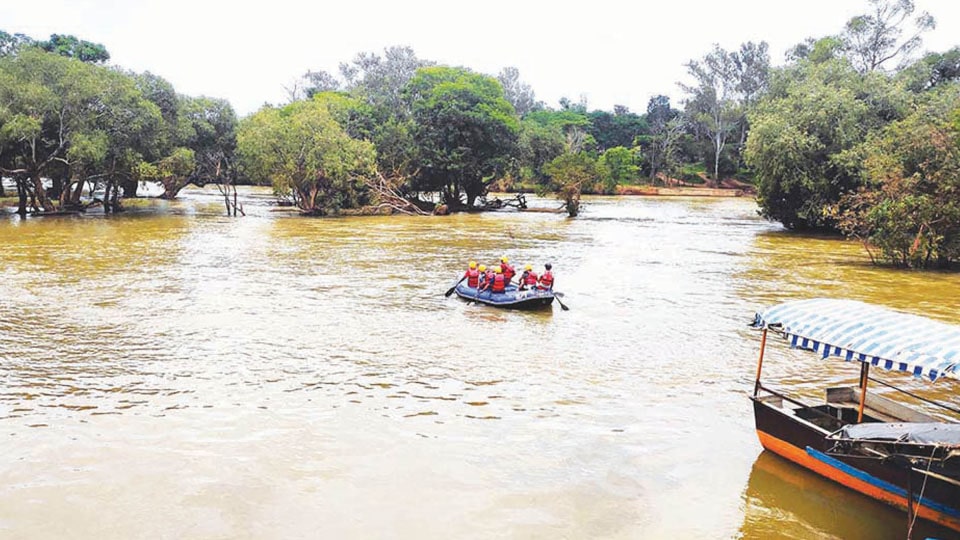
Adrenaline junkies can head to the stretch adjacent to the Dubare Elephant Camp in Kodagu on the River Cauvery and some stretches of the Kali river at Dandeli. The highlight of the season is the 1.5-hour whitewater rafting adventure on the roaring Barapole river, which originates in the Brahmagiri hills and flows towards the Arabian Sea. Rafting enthusiasts can navigate a 4.5 km stretch of the river featuring four iconic rapids with thrilling sections reaching up to Class 4 difficulty level for a duration of four months.

Another rafting destination is Bheemeshwari set on the banks of the Cauvery in the Cauvery Wildlife Sanctuary. Plans are on the anvil to resume rafting in Seethanadi, a swift Western Ghats river known for its challenging rapids and stunning scenery during the monsoon. The run on this powerful river passes through thick evergreen forests that form part of the Western Ghats in the Someshwara Wildlife Sanctuary and the Kudremukh National Park. Rafting on this brilliant 22 km stretch takes four hours to complete.

Streamlining rafting operations

The recently constituted River Rafting Management and Monitoring Committee of Kodagu district has stressed the need for enforcing stringent safety protocols to prevent mishaps during this high-risk adventure activity. The committee has urged all rafting operators in Kodagu district to compulsorily obtain and renew the fitness certificates for their rafts before launching any water-based adventure activity.

The mandatory certification, which must be renewed annually, is issued by the General Thimayya National Academy of Adventure (GETHNAA), a government of Karnataka enterprise for the promotion of adventure sports in the state.

“It is important that adventure activities are conducted in a way that minimises risks and yet provides the benefits of participation. Karnataka Tourism has laid down some guidelines that include obtaining necessary licenses and certifications from relevant authorities and ensuring compliance with safety standards,” says Major General (retired) MN Devaya, advisor to GETHNAA.

Listing the items that are essential for rafting, he adds, “Firmly secured life jackets, crash helmets, rescue floats with unreeling nylon lines, first-aid emergency kit, detailed instructions to the rafters, and an attendant kayak or raft for emergency assistance are mandatory for rafting activity. GETHNAA also has a training centre at Barapole.”

Explaining the measures taken by the committee, Venkat Raja, IAS, Deputy Commissioner (DC), Kodagu district, says, “The committee has taken up the responsibility of upgrading basic infrastructure at rafting sites to improve the tourist experience and enhance safety. Other measures included installation of shelters at the ticket counters, hand railing on the steps, changing rooms for guides, benches, provision of drinking water, toilets, CCTV surveillance, and directional signboards to rafting sites at strategic junctions.”

There are 47 raft operators functioning in the 7 km stretch in Dubare and four operators in the 4.5 km stretch in Barapole. “All the rafts are numbered for authenticity and easy identification. To prevent unhealthy competition, the pricing is flexible and monitored by the committee. Another encouraging factor is the involvement of the local populace, especially tribal residents, in the rafting operations,” adds the DC.

In Dandeli, Jungle Lodges & Resorts (JLR) is the only reliable organisation to conduct white water rafting. “The rafting operations that are currently suspended will resume after the monsoon in September/October. We have outsourced our rafting operations in the Kali river in Dandeli to Manasa Adventures, a professionally experienced adventure company. Strict safety guidelines are adhered to with professional river guides. We have perfected our standing as a whitewater rafting destination with highly qualified river guides and proper equipment,” says Prashanth Shankhinamath, IFS, Managing Director, JLR.

Need for stringent monitoring

Noting that there are many unauthorised rafting operators in Dandeli, Vaibhav Kamat of Jungle County, Dandeli, says, “This has led to protocol breach, which raises concerns over safety. As there is a mad rush during weekends, some of the operators overload the rafts, flouting all safety norms. Crowd control is also woefully lacking and overcrowding can lead to accidents. Some operators send visitors into rafts without safety gear such as life-jackets as they do not have the professional knowledge to operate the services. So there is a dire need for the state administration to monitor these operations.”

Urging a crackdown on illegal operators, he adds, “The safety standards and procedures followed by rafting organisations, including the availability of qualified guides and proper equipment, should be monitored. Action should be initiated against operators for violations. The permission process for raft owners should also be made more stringent.”

It is high time that Karnataka Tourism conducted a safety audit of all the river rafting destinations in Karnataka. This will help identify potential hazards and deficiencies in safety protocols. A social audit should also be conducted to examine the impact of rafting activities on local communities and the environment. This includes assessing benefits like opportunities for locals as well as potential negative impact such as environmental damage, social disruption, and cultural insensitivity. The impact of rafting on local businesses should be assessed.

An environmental impact study of rafting activities is imperative too to assess the impact on river banks, the river ecosystem, vegetation, and wildlife habitats. The effectiveness of waste management practices at rafting sites and the impact on the surrounding areas should be evaluated. The carrying capacity of rafting destinations and whether tourism is being managed sustainably should be determined.

Susheela Nair is an independent food, travel and lifestyle writer and photographer contributing articles, content and images to several national publications besides organising seminars and photo exhibitions. Her writings span a wide spectrum which also includes travel portals and guide books, brochures and coffee table books.

source: http://www.thenewsminute.com / The News Minute / Home> Karnataka / by Susheela Nair / edited by Vidya Sigamany / July 31st, 2025
Rain, gusty winds continue to batter Kodagu, coast

And there is no respite from inclement weather as the IMD has forecast heavy showers for next two days and sounded red alert for three coastal districts and as many Malnad districts.

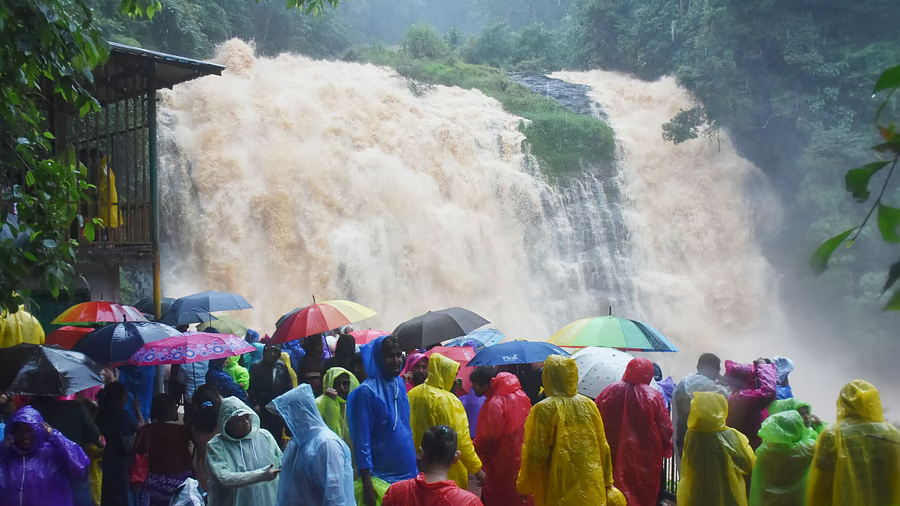
Scores of visitors flock to Abbey Falls in Kodagu district following heavy rain. Credit: Dh photo

Heavy rain continued unabated, damaging houses, roads and power infrastructure and triggering flash floods in  coastal districts and Malnad region.

And there is no respite from inclement weather as the IMD has forecast heavy showers for next two days and sounded red alert for three coastal districts and as many Malnad districts.

Two people died in rain-related incidents in Dakshina Kannada. Lily D’Souza (52), a native of Iruvailu near Moodbidri, was electrocuted when she stepped on to an electric wire snapped due to gusty winds, near her house on Wednesday morning.

Suryanarayan (49), a professional photographer from Kasargod, died after his car plunged into an overflowing stormwater drain at Kodikal in Mangaluru.

Three people travelling in a car escaped with minor injuries after a tree fell on the vehicle at Mulki.

Two houses were completely destroyed while several of them suffered a partial damage in the incessant rain that’s lashing Dakshina Kannada for the past few days. As many as 225 electricity poles were uprooted while 13 transformers and eight bridges suffered damages.

In Udupi and Karwar, intense erosion along the coast is posing a threat to people living close to it. At several places, boulders dumped to prevent sea erosion have been washed away due to strong currents. Udupi district, including Udupi town, continued to see heavy rainfall on Wednesday.

Kodagu is shivering under heavy downpour, coupled with strong winds. Several residential areas in Madikeri are forced to spend nights in darkness due to power outages.

The Kodagu administration has declared holiday for schools and colleges for next two days. With Cauvery river flowing in full steam, the forest department has barred visitors to Dubare elephant camp.

However, hundreds of tourists and locals, braving chill weather, visited the Abbey Falls near Madikeri to catch the glimpse of the cascading waterfall.

The water level in Harangi reservoir has reached 2,841.93 feet, just 15 feet short of reaching its maximum level. Meanwhile, Hemavathi dam at Goruru in Hassan clocked 22,000 cusec inflow on Wednesday. It is only 18 feet short of reaching full reservoir level. Yagachi dam in Belur taluk is full to the brim. Excess water is being released downstream.

Vehicular movement to Kukke Subrahmanya was hit following a tree fall on Bisle ghat road in Sakleshpur taluk.

Relentless showers have left the paddy growers in Shivamogga worried. Ready to harvest paddy cultivated on vast tracts lying on farms due to inclement weather even as the grains are sprouting.

Agumbe in Thirthahalli taluk has recorded 150 mm of rain in the last 24 hours while Maani in Hosanagar taluk registered 130 mm.

Up north, Manjra and Bhima rivers are flowing above the danger mark in Bidar and Kalaburagi districts, courtesy heavy rain in Kalyana Karnataka districts and upstream in Maharashtra. Kamalnagar (Bidar), Shahpur (Yadgir) and Raichur city experienced heavy rain intermittently on Wednesday, posing hardships to the people living in low-lying areas.

In the last 24 hours (ending 8.30 am), Almatti dam in Bagalkot district received a massive 4.88 tmcft of water. The reservoir has been receiving heavy inflows due to unyielding showers in the Western Ghats of Maharashtra. The dam, as on May 28,has 40.787 tmcft of water.

Many parts of north and south interior Karnataka received light to moderate spells of rain on Wednesday. The weather department has predicted more widespread rain for the state in the next few days.  

source: http://www.deccanherald.com / Deccan Herald / Home> India> Karnataka / by DHNS / May 29th, 2025

Schools, anganwadis to remain closed on May 29, 30 in Kodagu

The authorities in Kodagu have declared a holiday for schools, anganwadis, and PU colleges in the district for two days –  on May 29 and 30 – due to incessant rains.

Though schools were scheduled to reopen after summer vacations on May 29 and 30, it has been decided to declare a holiday due to heavy rains. The school authorities have to compensate for the closure by working on other holidays.

However, SSLC examination 2 will be held as scheduled, and there is no change in the timetable, the authorities added.

Meanwhile, the forest department has announced that the Dubare Elephant camp is closed for tourists due to incessant rains, till further orders.

source: http://www.thehindu.com / The Hindu / Home> News> India> Karnataka / by The Hindu Bureau / May 28th, 2025

June 2025 Weekend Plan: Coorg – Nature’s Gift Near Bangalore

Looking for a peaceful escape from the busy city life of Bangalore? June is the perfect time to take a weekend trip and enjoy the calm beauty of South India. One of the best weekend getaways near Bangalore in June 2025 is Coorg. Also known as Kodagu, Coorg is often called the “Scotland of India” because of its green hills, coffee plantations, cool weather, and peaceful atmosphere. It’s just around 250 km from Bangalore and is ideal for a short break with family, friends, or even solo.

Let’s explore why Coorg is the perfect weekend getaway this June.

Green landscapes and fresh air In June, Coorg becomes even more beautiful. The monsoon begins, and the rains make everything green and fresh. The smell of wet soil, the sound of birds, and the misty hills create a peaceful mood. If you are someone who loves nature, you will enjoy every moment here. The scenic drives through winding roads covered with thick forests and coffee plantations are a treat to the eyes. You can stop at many places on the way for pictures or just to breathe in the clean air.

Popular places to visit in Coorg

Coorg has something for everyone. Here are some must-visit spots:

Abbey Falls – A stunning waterfall hidden in the forest, Abbey Falls is a great place for nature lovers and photographers. The short walk through coffee plantations to reach the falls is a lovely experience.

Raja’s Seat – This viewpoint offers a beautiful view of the hills and valleys, especially at sunset. It’s a peaceful place to sit and enjoy the fresh breeze.

Madikeri Fort – For history lovers, Madikeri Fort gives a glimpse into Coorg’s past. It also has a museum inside with interesting displays.

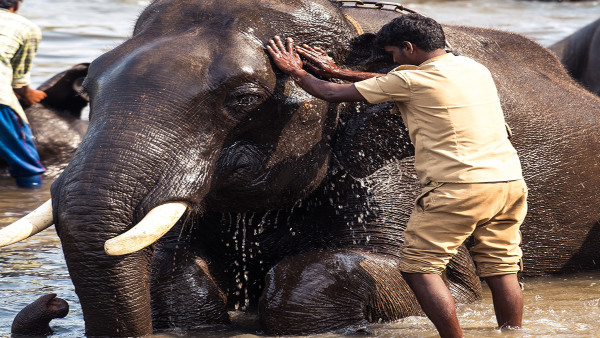
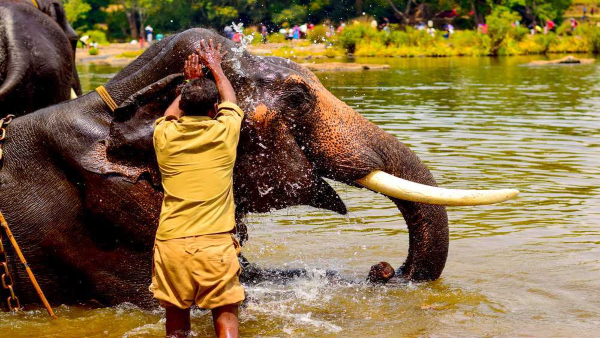
Dubare Elephant Camp – If you’re traveling with kids or love animals, this camp is a fun place. You can watch elephants being bathed and fed and even take part in some activities.

Talacauvery – This is the birthplace of the river Cauvery. It is also a holy site and offers beautiful views from the hilltop.

Local food and coffee Coorg is also known for its tasty local food. Try dishes like Pandi Curry (pork curry), Kadumbuttu (rice dumplings), and Noolputtu (rice noodles). These are full of local flavors and are best enjoyed at homestays or small local restaurants.

And of course, don’t miss the coffee. Coorg produces some of the best coffee in India. You can visit a coffee plantation, learn how coffee is grown, and sip a fresh cup while enjoying the cool weather.

Where to stay

Coorg has many options for all kinds of travelers. From budget hotels to luxury resorts, and cozy homestays in the middle of coffee plantations, you will find a place that suits your needs. Staying in a homestay will also give you a chance to talk to locals, learn about their culture, and eat home-cooked food.

Perfect weekend itinerary

Here is a sample weekend plan for June 2025:

Day 1 (Saturday)

Leave Bangalore early in the morning

Reach Coorg by noon and check into your hotel or homestay

After lunch, visit Abbey Falls and Raja’s Seat Enjoy local dinner and relax

Day 2 (Sunday)

Visit Dubare Elephant Camp early in the morning

Head to Talacauvery and Madikeri Fort Try local food for lunch

Leave for Bangalore by late afternoon

Tips for travel in June

Carry an umbrella or raincoat, as it may rain suddenly

Wear comfortable walking shoes for sightseeing

Book your stay in advance as Coorg is popular during weekends

Try to leave early from Bangalore to avoid traffic

Why Coorg is perfect for June

June is the start of the rainy season, and Coorg looks like a green paradise. The weather is cool and perfect for walks, sightseeing, or simply relaxing with a hot cup of coffee. It’s close to Bangalore and easy to reach by road, which makes it a great weekend choice.

Whether you’re looking for nature, adventure, food, or just a peaceful time, Coorg gives you all. So, pack your bags and make your June weekend refreshing and unforgettable with a short trip to Coorg.

Get best deals on travel, receive travel tips and travel stories instantly Subscribe to Nativeplanet.

source: http://www.nativeplanet.com / Native Planet / Home> Travel Guide / by Neha Choubey / May 23rd, 2025

Coorg: Where coffee culture meets aspirational avocados

Coorg’s lush landscapes are evolving, with century-old coffee plantations now sharing space with thriving rows of avocado trees, writes GYANESHWAR DAYAL

As I pack my bags in Delhi the AQI is reading staggering 430, the smog has dawned on the city and there is heaviness in the air, eyes burning, breathing is an effort to be undertaken. The touchdown in Kempegowda International Airport Bengaluru is smooth the temperature is almost at par with Delhi but air is breathable. The five hours journey to Coorg is tiring but relaxing scenery changes from rocky to green to lush green, on the way you get to see the Gabbar Singh’s den, the place where Sholay film was shot some 40 years back. On the way we have elephant family waiting for us by the roadside and snake crosses the road as drives pushes the brakes. Yes, all of us have right to live, even snakes!

It is night already and the day is done without much fuss as we retire in 140-year-old property a British bungalow now a tata property -Taneerhulla in ama coffee trail. The morning view from the window is fascinating, Delhi smog has given way to Coorg fog, and AQI has dropped to 43! I take a deep breath, as if to store this purity and carry it back home.

Coorg, or Kodagu as it is known in Kannad is nestled in the heart of the Western Ghats, has a fascinating history shaped by its strategic location, natural resources, and the allure of its spices. This region has been a magnet for traders, rulers, and explorers, each drawn by its bounty and beauty.

The history of Coorg dates back to ancient times, with its mention in early Indian texts like the Sangam literature. The region was originally home to indigenous tribes like the Kodavas, who developed a rich culture centered around nature and agriculture. Kodavas are known for their martial traditions, unique customs, and close-knit community life, which continue to define Coorg’s identity today. Over centuries, Coorg saw the rise and fall of several South Indian dynasties, including the Cholas, Gangas, Hoysalas, and Kadambas. These rulers left their imprint through temples and forts, which stand as silent witnesses to the region’s historical significance.

By the 15th and 16th centuries, the fame of the Western Ghats and their riches spread beyond India’s borders. The spice trade was the primary lure, as Coorg, along with other parts of the Western Ghats, became a significant source of black pepper, cardamom, and other exotic spices. The Portuguese were among the first Europeans to set sail for India, with Vasco da Gama’s arrival in 1498 marking a new era of trade and conquest. Soon, Dutch, French, and British traders followed, vying for control of spice routes. Coorg, though a landlocked region, became an integral part of these trade networks due to its fertile hills and spice plantations.

In the early 19th century, the British annexed Coorg after defeating the local ruler, Chikka Veerarajendra, in 1834. Recognising Coorg’s agricultural potential, the British transformed its economy by introducing coffee cultivation alongside spices. This was the beginning of coffee plantation on commercial scale in Coorg and has stayed that way since. Coffee thrived in the region’s climate, and Coorg became one of India’s premier coffee-producing areas. The planters were of course the British who lived near their plantations. Their Bungalows dot the place and the one we stayed was of course belonged to a British. The British also admired Coorg’s natural beauty. Coorg is often referred to as the “Scotland of India” for its rolling hills, misty valleys, and temperate weather. Under British influence, the Kodavas were granted special privileges, including exemption from the Arms Act, which allowed them to retain their traditional firearms-a legacy still continues.

The Western Ghats, a UNESCO World Heritage Site, are among the most biodiverse regions on the planet. Stretching over 1,600 kilometers from Gujarat to Kerala, these ancient mountains are home to an astonishing variety of flora and fauna.

In Coorg, the Western Ghats reveal their most enchanting side. Dense forests, gurgling streams, and cascading waterfalls dominate the landscape, making it a paradise for nature enthusiasts. The forests host an incredible range of plant species, from ancient trees to medicinal herbs. They are especially known for sandalwood, teak, and bamboo. The Western Ghats are a haven for wildlife, including tigers, elephants, gaurs, and numerous endemic species like the Lion-tailed Macaque and Malabar Civet. The Ghats are also critical for the region’s agriculture, providing a fertile environment for growing coffee, spices, and now avocados.

Coorg’s history is a blend of ancient traditions and modern influences. Its spice heritage continues to thrive alongside its renowned coffee plantations. Now, with the introduction of avocado cultivation by Westfalia Fruit, Coorg is stepping into a new chapter of agricultural innovation.

Tourists visiting Coorg can trace its history through ancient temples, forts, and colonial-era bungalows, all while enjoying its natural beauty and rich culinary traditions. The intertwining of the Western Ghats’ biodiversity with the cultural tapestry of Coorg makes it one of India’s most enchanting destinations.

Coorg’s identity is deeply intertwined with its coffee plantations, which have been the backbone of its economy for decades. Introduced by Baba Budan in the 17th century, coffee found an ideal home in Coorg’s rich soil and temperate climate. Today, the district is one of India’s leading coffee-producing regions, renowned for its Arabica and Robusta beans.

The plantations, often set against misty hillsides, not only produce world-class coffee but also create picturesque landscapes that attract tourists. Coffee estate tours allow visitors to learn about the journey of coffee beans from farm to cup, making them an integral part of the Coorg experience.

Located in southwestern Karnataka, Coorg is a verdant hill station known for its cool climate, scenic views, and pristine environment. It is part of the UNESCO -listed Western Ghats, one of the world’s biodiversity hotspots. The region’s dense forests, cascading waterfalls and diverse wildlife make it a haven for eco-tourism and outdoor activities such as trekking, birdwatching, and nature photography.

Some must-visit spots include the Abbey Falls, Raja’s Seat, Dubare Elephant Camp, and the Brahmagiri Wildlife Sanctuary. The Kaveri River, originating from Talakaveri in Coorg, adds to the district’s charm, serving as a lifeline for the southern states of India.

While coffee remains Coorg’s hallmark, the region is now witnessing a burgeoning avocado revolution, led by Westfalia Fruit, a global leader in avocado production. Recognising Coorg’s favourable climate for cultivation, Westfalia has established a state-of-the-art avocado nursery in collaboration with Sam Agri and Dvori-Or Nursery. The initiative focuses on growing high-quality Hass and other commercial avocado varieties.

The saying, “Where tea and coffee grow, avocados can grow better,” perfectly describes Coorg’s potential. Its tropical climate, high elevation, and fertile soil make it an excellent location for avocado farming. Westfalia’s meticulous approach to planting, nurturing, and harvesting ensures that the avocados meet global quality standards.

Westfalia has already contributed to planting over 500 acres of avocado farms across India, with a target to exceed 1,000 acres by 2026. The Coorg nursery plays a critical role in supplying premium rootstock and planting material, ensuring sustainable practices and high yields. For coffee farmers, avocados offer a promising diversification crop, creating additional income streams and contributing to rural development.

Westfalia, in partnership with the World Avocado Organisation (WAO), is driving efforts to educate Indian consumers about the health benefits and culinary versatility of avocados.

Campaigns like “Avocado Ki Paatshaala,” led by celebrity chef Sanjeev Kapoor, have been instrumental in popularising the fruit.

We get hands on lessons on avocado grafting and cloning the techniques Westfalia is introducing in Coorg for avocado plantation sooner than later Coorg avocados would be available across the country. Avocados is one of the healthy diet options which can served in several avatars from avocado-on-toast to guacamole and even avocado shake and ice cream. This is going to benefit the local farmers as well as they can four to five times the amount they make on coffee.

Coorg’s transformation from a coffee giant to a hub for avocados signifies its adaptability and progressive approach to agriculture. Visitors to Coorg can now enjoy not only a cup of freshly brewed coffee but also a taste of locally grown avocados, blending wellness with indulgence.

Whether you’re exploring its lush landscapes, learning about coffee cultivation, or witnessing the avocado revolution, Coorg offers a unique journey through nature and innovation. This jewel of Karnataka remains a must-visit destination for travellers and a shining example of India’s agricultural potential.

As the time to leave draws near, I find myself reflecting on the air of Delhi and take one last, deep breath of Coorg’s pure, refreshing atmosphere. The aroma of spices beckons us to the local market, where we gather handfuls of fragrant treasures and, naturally, Coorg’s signature Arabica and Robusta coffee. With our bags filled with spices, coffee, and the newfound delight of avocados, we bid farewell to this enchanting land and set out on the highway to Bengaluru. As we journey home, our hearts are brimming with memories that promise to call us back. Coorg is a place one longs to return to-sooner rather than later.

source: http://www.dailypioneer.com / The Pioneer / Home> Sunday Edition> Agenda> Travel / by Gyaneshwar Dayal / December 01st, 2024

Dubare’s hanging bridge gets approval

Stronger suspension design unveiled for 210-metre bridge; estimate cost Rs. 6 crore

Kushalnagar:

The ambitious project to construct a hanging bridge over the River Cauvery at Dubare Elephant Camp in Kodagu is poised to further transform this popular tourist destination.

Dubare draws thousands of tourists each month and the addition of a hanging bridge connecting both riverbanks promises to be a significant attraction. Currently, one side of the river is managed by the Tourism Department, while the Forest Department oversees the opposite side, home to the renowned elephant camp.

Presently, tourists can only traverse the river via motorised boats. Due to the high demand for boat rides, many visitors risk crossing on slippery rocks — when the water level is low, leading to accidents and prompting criticism of the Forest Department.

The original hanging bridge plan envisioned a 110-metre structure supported by three columns — two at the ends and one in the centre — with an estimated cost of Rs. 3 crore.

Two poles instead of three

However, the new proposal extends the bridge length to 210 metres, supported by only two poles, eliminating the central column thanks to enhanced suspension wire technology. The revised design will be higher at the centre than at the ends for added stability.

This updated project is estimated to cost Rs. 6 crore. The bridge will have a walking width of 1.5 metres and will be constructed above last year’s flash flood level to ensure safety.

Hanging bridge expert Patanjali Bharadwaj has finalised the design, materials and total project cost, including labour. Unlike the previous proposal where land ownership was shared between the Tourism and Forest Departments, the new project will be built entirely on Forest Department land, streamlining the approval process.

Budget estimate of Rs. 6 crore

The design and location survey have been completed and submitted to the Public Works Department (PWD). A budget estimate of Rs. 6 crore has been forwarded to the Finance Department for final approval. Patanjali Bharadwaj has designed the bridge and calculated the material cost as per the PWD budget list and provided the cost estimate.

The State Government and the PWD have granted in-principle approval and the project has been included in the Forest Department’s Action Plan, receiving sanction from the Forest Minister.

Funding will come from the Kodagu Foundation, which pools entry fees collected at various parks, trekking spots and forest guest houses, supplemented by government funds.

The PWD will supervise the construction, with the tender process set to begin following financial clearance. If funding is timely, the bridge could be completed within six months, with an expected finish date in 2025.

Boating to be discontinued

Bhaskar, Deputy Conservator of Forests (DCF), Madikeri Circle, explained the project’s earlier challenges. “Previously, land issues stalled progress due to the split ownership between the Tourism and Forest Departments, complicating clearances under the Wildlife Act. This time, we selected land solely managed by the Forest Department, eliminating these administrative obstacles. We are committed to seeing the project through. Once operational, boating services will be discontinued, though river rafting will continue,” he said.

For context, Patanjali Bharadwaj is the son of Padma Shri awardee Girish Bharadwaj, known as the ‘Bridge Man’ for constructing over 100 suspension footbridges across India. Girish Bharadwaj founded ‘Rational Engineering Industries’ in 1975 in Sullia, Dakshina Kannada, now known as Ayasshilpa. Patanjali is continuing his father’s legacy with this new project.

Revenue boost

The Dubare Elephant Camp operates daily from 9 am to 11 am and 4 pm to 5.30 pm. Forest officials report that the site welcomes an average of 500 to 700 tourists daily and has four boats for river crossings.

“During festivals and weekends, when over 2,000 tourists visit daily, managing the crowds becomes difficult. Weight restrictions limit boat capacity, forcing many visitors to leave without experiencing the elephant camp. The hanging bridge will resolve these issues and is expected to boost revenue,” officials added.

source: http://www.starofmysore.com / Star of Mysore / Home> News / November 24th, 2024

‘Many stakeholders are keen to build glass skywalk bridges in Kodagu’

Detailed project report is being prepared for developing key tourist facilities in the coffee land.

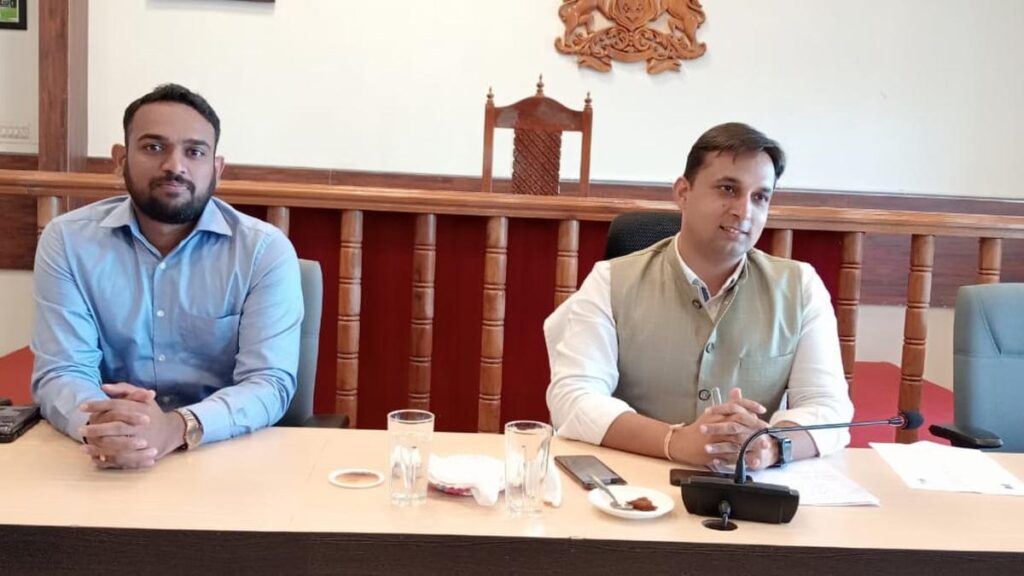
Kodagu Deputy Commissioner Venkataraja at the tourism committee meeting in Madikeri on Tuesday, January 30. | Photo Credit: Special Arrangement

A master plan is being prepared to provide facilities at Raja Seat in Madikeri, Chelavara Waterfalls, Dubare elephant camp in Dubare, and Nisargadhama in Kushalnagar which are among the prominent tourist sites in Kodagu.

The detailed project report of the sites was being prepared, said Anita Bhaskar, Assistant Director, Tourism Department, Madikeri.

At the tourism committee meeting in Madikeri which was chaired by Deputy Commissioner Ventakaraja, the Assistant Director sought the Deputy Commissioner’s permission to develop a website to provide information on the tariff of homestays that are registered with the Tourism Department besides information on the tourist facilities in the district.

The DC said tourists must get complete information on the homestays online as it will help them make advance bookings.

He suggested displaying taluk-wise information on the homestays in a website is being planned.

Hotel Owners’ Association president Nagendra Prasad suggested developing websites for promoting spiritual tourism and common tourist sites.

On the occasion, the assistant director told the meeting that many stakeholders have come forward to build a glass skywalk bridge in Kodagu, which has one such bridge near Madikeri that has become a tourist attraction.

In response, the DC said those wishing to construct glass bridges should have their land. Moreover, parking space was a must. The area should not come under eco-tourism zones and forest zones. All guidelines must be strictly followed.

Out of 4,000 homestays in Kodagu, only 1,900 are registered with the Tourism Department. The meeting was told that proposals are also being submitted for launching river rafting facilities.

source: http://www.thehindu.com / The Hindu / Home> News> India > Karnataka / by The Hindu Bureau / January 31st, 2024

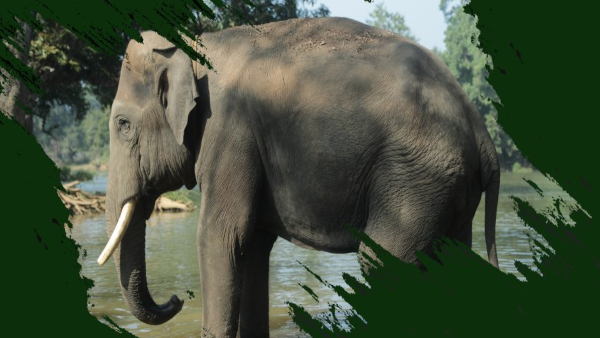
The majestic Elephant of Dubare elephant camps. What makes them so special?

Dubare Elephant Camps, nestled amidst the picturesque beauty of Karnataka. It offers an unforgettable experience for wildlife enthusiasts and nature lovers. Located on the banks of the River Cauvery, this unique destination provides an opportunity to interact with elephants in a responsible and sustainable manner. In this comprehensive travel guide, we will explore the fascinating world of Dubare Elephant Camps, providing insights into the camp’s history, activities, wildlife encounters, accommodations, nearby attractions, and essential travel tips. Let’s embark on this remarkable journey into the heart of the elephant kingdom.

History and Background

Dubare Elephant Camps have a rich history rooted in the tradition of the mahouts (elephant trainers) who once served the Maharajas of Mysore. Initially, it served as a training ground for elephants used in the royal processions and other important functions. Over time, it transformed into a conservation and eco-tourism destination, where visitors can learn about the gentle giants and contribute to their well-being.

Getting There

Dubare Elephant Camps are located approximately 240 kilometers from Bangalore, the capital city of Karnataka. The nearest airport is the Kempegowda International Airport in Bangalore, while the nearest railway station is Mysore Junction. From there, one can hire a private taxi or take a bus to reach the camps.

Activities at Dubare Elephant Camps

a. Elephant Interactions:

The highlight of the camp is the opportunity to interact with elephants. Visitors can learn about their behavior, feed them, participate in bathing sessions, and even take part in the elephant grooming process.

b. River Rafting:

The camp offers thrilling river rafting experiences on the River Cauvery, allowing visitors to soak in the breathtaking views of the surrounding forests.

c. Nature Walks and Bird Watching:

Explore the lush green surroundings on guided nature walks, spotting diverse bird species and learning about the local flora and fauna.

d. Fishing:

Engage in a calming fishing experience in the river, trying your luck at catching the elusive Mahseer fish.

e. Coracle Rides:

Hop onto a traditional coracle boat and glide through the gentle waters of the River Cauvery, enjoying the tranquility and scenic beauty.

Wildlife Encounters

Apart from elephants, Dubare is home to a wide variety of wildlife species. Visitors have the chance to spot animals such as deer, gaur (Indian bison), wild boars, and various reptiles. Lucky guests may even catch a glimpse of the elusive leopard or tiger. The forest also boasts a vibrant birdlife, with species like Malabar pied hornbill, Indian roller, and white-bellied treepie making it a bird watcher’s paradise.

Accommodations

Dubare Elephant Camps provide various options for accommodation, ranging from tented cottages to eco-friendly lodges. The camps offer basic amenities while maintaining a close connection to nature. Visitors can enjoy a comfortable stay surrounded by the serene beauty of the forest.

Nearby Attractions

a. Namdroling Monastery: Situated in Bylakuppe, the largest Tibetan settlement in India, the Namdroling Monastery is home to thousands of monks and houses stunning Tibetan architecture.

b. Cauvery Nisargadhama: A scenic island formed by the River Cauvery, Nisargadhama offers lush greenery, bamboo groves, and a deer park, making it an ideal picnic spot.

c. Nagarhole National Park: Located nearby, this national park is a tiger reserve and a haven for various wildlife species. Visitors can embark on a thrilling safari to witness the incredible biodiversity of the region.

Best Time to Visit

The ideal time to visit Dubare Elephant Camps is from October to March when the weather is pleasant. During this period, one can enjoy outdoor activities without being hindered by the monsoon rains.

Essential Travel Tips

a. Carry comfortable clothing, walking shoes, and insect repellents.

b. Respect the animals and follow the guidelines provided by the camp authorities for the safety of both visitors and elephants.

c. Plan your visit in advance and make necessary reservations, especially during peak seasons.

d. Avoid littering and maintain cleanliness within the camp and its surroundings.

Dubare Elephant Camps offer an incredible opportunity to connect with nature, immerse in wildlife encounters, and understand the significance of elephant conservation. From thrilling activities to serene moments amidst the wilderness, this destination promises a memorable experience. By responsibly exploring the Dubare Elephant Camps, visitors can contribute to the conservation efforts and create lasting memories of their wildlife adventure in Karnataka, India.

source: http://www.nativeplanet.com / Native Planet / Home> Travel Guide / by Navya Sona /June 24th, 2023

Kavadi Recruitment Begins At Dubare Elephant Camp

Mysuru/Kodagu:

The direct recruitment of Kavadis (elephant caretakers) has begun at Dubare Elephant Camp in Kushalnagar taluk, Kodagu district.

Following the order of the Government, Kodagu Division DCF B.N.N. Murthy kick-started the process of recruitment in the wake of lack of adequate number of Kavadis at the camp, in the presence of Forest Department officers. 

A total of 29 Kavadis from different parts of the State are attending the recruitment, with due preference given to those adept at taming the elephants. The recruitment is being conducted to fill the vacant posts of five Kavadis at Dubare Elephant Camp,” said DCF Murthy.

Deputy Conservators of Forest (DCFs) Shivaram Babu and Sharanabasappa, Assistant Conservators of Forest (ACFs) Gopal, Srinivas Nayak and Nehru, Range Forest Officers (RFOs) Ananya Kumar and Shivaram, Deputy Range Forest Officers (DRFOs) Ranjan, Chetan and Savan and other forest personnel were present on the occasion.

source: http://www.starofmysore.com / Star of Mysore / Home> News / May 18th, 2023

Art and Artists’ Galore

The second Art Shastra event is being held by Evolve Back Resorts at the Coorg property Chikkana Halli Estate. Evolve Back is returning with Art Shastra to showcase Indian art and artists from all over the nation after a successful first edition in 2016 at Hampi.

The event will feature engaging discussions about modern stylisation, contemporary art, and printmaking workshops, followed by excursions to the Dubare Elephant Camp and the Tibetan hamlet in Bylekuppe.

The event will feature artwork by renowned artists from across the country like S.G. Vasudev, R.M. Palaniappan, Indrapramit Roy, Shipra Bhattacharya, among 16 others.

Date: April 2 to 6, 2023

Venue: Evolve Back Chikkana Halli Estate, Coorg, Karnataka, India

(IANSlife can be contacted at ianslife@ians.in)

source: http://www.daijiworld.com / Daijiworld.com / Home> National-World / by IANSlife / April 19th, 2023