Category Archives: World Opinion

At the Golden Temple in Coorg: Where I learned the grammar of silence

The Golden Temple at Coorg, better known as Namdroling Monastery, is a centre of Tibetan culture in South India.

The Namdroling Monastery Golden Temple at Coorg | Nitin SJ Asariparambil

When I first got to know about solo travelling, I was just a college student pursuing my higher studies in English literature. Back then, travelling alone to my college, 30 kilometres away from my house, was, in itself, a big leap; there was no scope for solo travel to an unknown place.

So I quietly and shamelessly brooded over the very romantic and challenging idea of solo travel for the time being, keeping my fingers crossed. But solo travel was always on my bucket list of wishes.

And I finally got to travel solo! The destination was the Golden Temple at Coorg, in Karnataka, better known as Namdroling Monastery, where I could find and feel the vibrant tapestry of Tibetan culture.

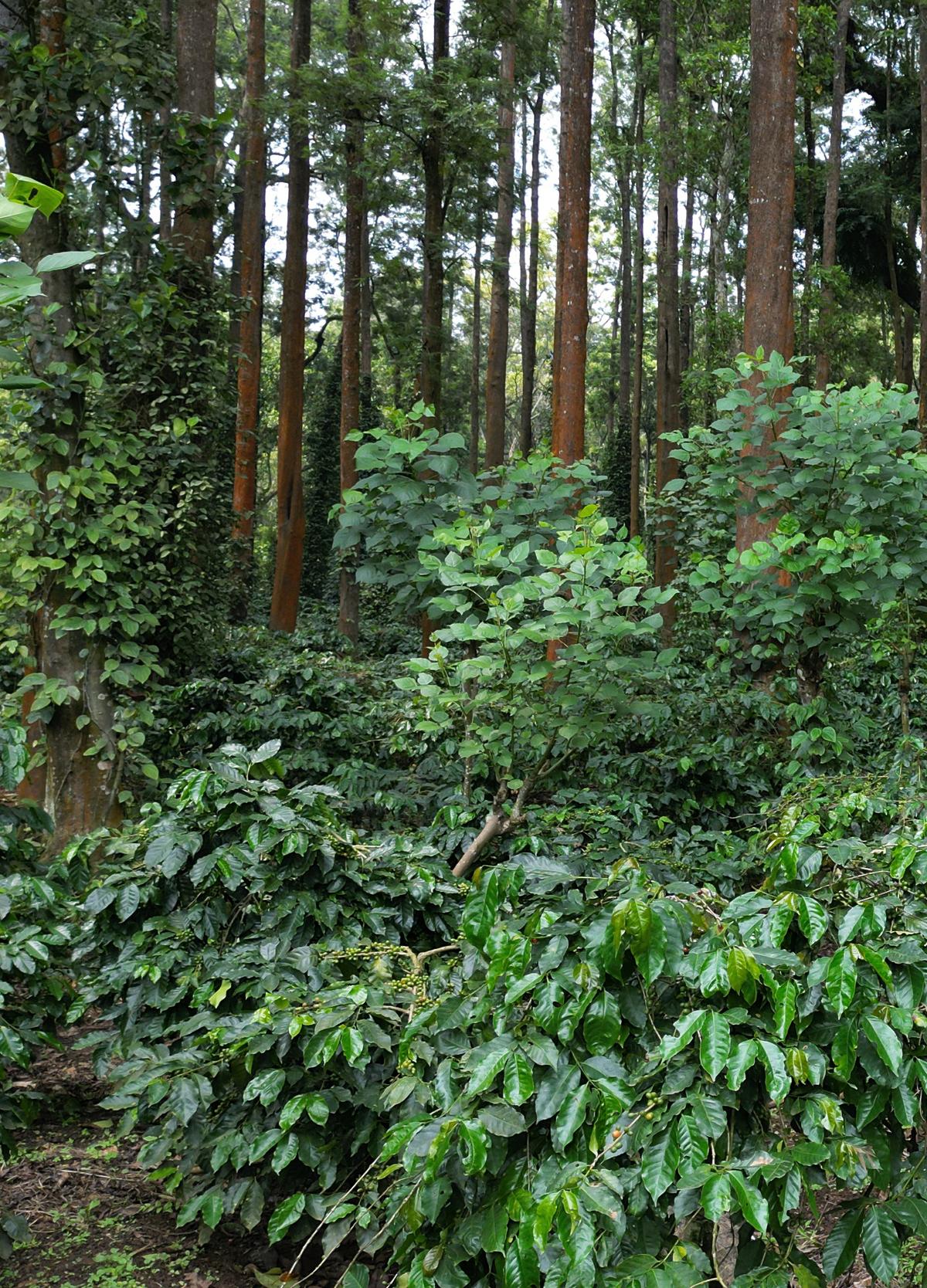
A few months after my marriage, my husband and I headed to Coorg. From Mysore to the resort at Coorg, we enjoyed the lush greenery of coffee plantations and sandalwood forests. As I sipped on a hot cup of Madikeri special coffee served in the evening at the resort garden, I hesitantly revealed my hidden desire for solo travel to my husband.

After listening to me, we discussed and came to a consensus. He suggested I head to the Golden temple situated nearby, where I can reach safely, spend time, relax my inner self and reflect on the spiritual and metaphysical absurdities and enigmatic realities of human life. Oh, that sounded crazy and philosophically heavy, but I somehow managed to reach there the early morning the next day.

While travelling in the taxi to the Golden Temple, I did not forget to research and arm myself with some information regarding its history and cultural significance. His Holiness the 3rd Drubwang Pema Norbu Rinpoche laid the foundation stone of the monastery in the year 1963.

His Holiness Dalai Lama visited there to consecrate it and bestowed the name Namdroling. Located in Bylakuppe of the Mysore district of Karnataka, it is the largest teaching centre of the Nyingma lineage of Tibetan Buddhism in the world. Wow! What a perfect place to go solo.

At the gate of the monastery, I stood like another statue, excited and embarrassed. I never expected such a divine radiance and silence lingering there. A well-maintained, well-landscaped place. It had a kind of special emotional connect even to the first visitors, I felt.

While standing at the gate, I got a feeling that the real world had ended outside the gate, and inside, it was another surreal world. The celebration of colours was evident in the paintings and architecture, and I was allured by its charm. There, I noticed the big picture of His Highness Penor Rinpoche, who is said to be an incarnation of Vimalamitra, an 8th-century.

The centre of attraction was the calmness in the surroundings. Though there were visitors wandering here and there, all were keeping silent, or better yet, they might be talking to themselves like they had never done before.

The Smiling Buddha statue warmly greets us, and we human beings feel so small in front of this 60-foot statue. At a glance, we get a bitter self-realisation that we are only this much, ripped of our petty ego and superiority complex.

The tranquillity entraps you, making you wonder if reached some kind of enlightenment. The beautiful interiors of the temple, with its shimmering gold and dark red colour palates, par excellence, and the meditative silence, were infectious.

I remember the curios and wall hangings were there for sale in the outlet; though not cheap, it was a worthy buy for its uniqueness. I still have with me an antique wind chime I bought from a monk, safely hung on the balcony of my flat. Every time I listen to its delicate musical notes, an ancient silence touches me, and I breathe in a kind of pristineness.

The memories of my first solo trip still remain fresh in my mind, and the Golden Temple was an ideal choice, with no regret. Yes, there are certain places where we can experience loneliness and estrangement. Being alone in a crowd is enough to get that absolute feeling, because the true communication between the self and the universe finds its grammar only in loneliness, I feel…

Riya Joy, the writer, works at the Malayala Manorama in Kochi.

source: http://www.theweek.in / The Week / Home> News> Tourism / by Riya Joy / February 02nd, 2025
India 7th Largest Exporter Of Coffee With Shipments Valuing USD 1.29 Bn In FY 2023-24

India 7th Largest Exporter Of Coffee With Shipments Valuing USD 1.29 Bn In FY 2023-24

New Delhi :

India has emerged as the seventh-largest coffee producer globally, with exports nearly doubling to USD 1.29 billion in FY 2023-24 from USD 719.42 million in 2020-21, according to a statement released by the Commerce and Industry Ministry on Monday. 

The country’s strong export performance continues in 2025, with over 9,300 tonnes of coffee shipped in the first half of January, primarily to markets including Italy, Belgium, and Russia.

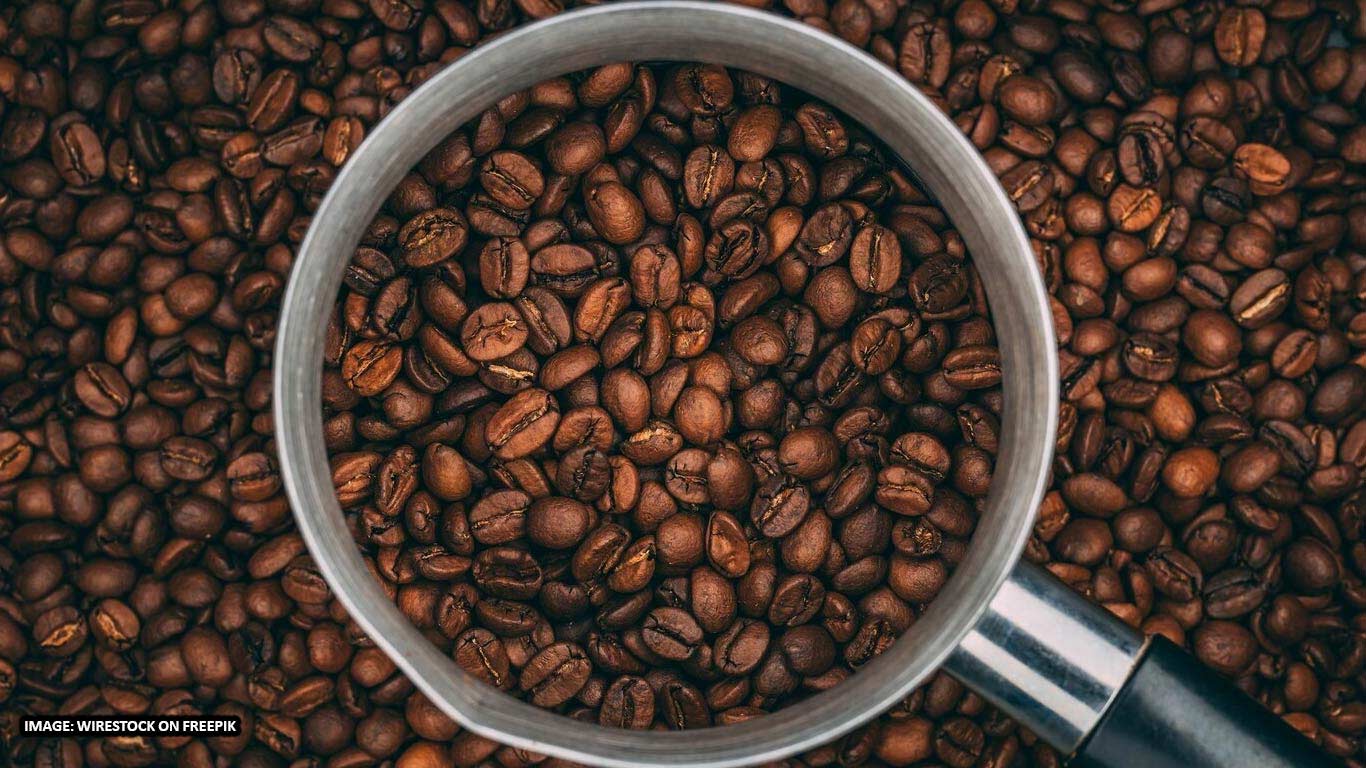
The nation’s coffee production, dominated by Arabica and Robusta varieties comprising roughly three-quarters of total output, is primarily exported as unroasted beans. However, the export boom is increasingly driven by growing demand for value-added products such as roasted and instant coffee. 

Simultaneously, domestic consumption has shown steady growth, rising from 84,000 tonnes in 2012 to 91,000 tonnes in 2023, fueled by rising disposable incomes, cafe culture, and increasing coffee preference over tea in both urban and rural areas.

India’s coffee cultivation is concentrated in the biodiversity-rich Western and Eastern Ghats, with Karnataka leading production at 248,020 MT in 2022-23, followed by Kerala and Tamil Nadu. 

These regions feature shaded plantations that not only support coffee production but also play a crucial role in maintaining the ecological balance of these biodiversity hotspots.

The Coffee Board of India has implemented several strategic initiatives to boost production and meet growing demand, including the Integrated Coffee Development Project (ICDP). 

This comprehensive program focuses on improving yields, expanding cultivation to non-traditional regions, and ensuring sustainable farming practices. 

These developments, coupled with export incentives and logistical support, have strengthened India’s position in the global coffee market. 

The combination of historical legacy, modern initiatives, and strategic support continues to drive the growth of India’s coffee industry, supporting both domestic production and international competitiveness.

(KNN Bureau)

source: http://www.knnindia.co.in / KNN / Home> Sectors> Exports-Imports / by KNN Bureau / January 22nd, 2025

Indian Coffee Brews Global Demand

India’s relationship with coffee dates back centuries. The story begins in the 1600s when Baba Budan, a revered holy saint, brought seven Mocha seeds to the hills of Karnataka. This simple act of planting seeds in his hermitage courtyard in Baba Budan Giri marked the beginning of India’s rise as a significant coffee producer. Over the years, coffee cultivation has transformed from a modest practice into a booming industry. Today, India stands as the seventh-largest coffee producer in the world, with exports reaching an impressive $1.29 billion in the fiscal year 2023-24. This figure is nearly double the $719.42 million recorded in 2020-21.

Growing Global Demand for Indian Coffee

The surge in India’s coffee exports can be attributed to the increasing global demand for its rich and unique flavors. In January 2025 alone, India exported over 9,300 tonnes of coffee, with major buyers including Italy, Belgium, and Russia. Approximately 75% of India’s coffee production consists of Arabica and Robusta beans, primarily exported as unroasted beans. However, there is a notable shift towards value-added products, such as roasted and instant coffee, which is further driving the export boom.

The rise of café culture, coupled with higher disposable incomes, has led to a growing preference for coffee over tea among Indian consumers. This trend is evident in both urban and rural areas. Domestic coffee consumption has increased from 84,000 tonnes in 2012 to 91,000 tonnes in 2023. This shift reflects a broader change in drinking habits, as coffee becomes a staple in daily life for many Indians.

Coffee Cultivation in India: A Rich Heritage

India’s coffee is primarily cultivated in the ecologically rich Western and Eastern Ghats, known for their biodiversity. Karnataka leads the nation in coffee production, contributing 248,020 metric tonnes in 2022-23, followed closely by Kerala and Tamil Nadu. These regions are home to shaded plantations that not only support the coffee industry but also play a crucial role in preserving the natural environment. They help maintain the ecological balance of these biodiversity hotspots.

The Coffee Board of India has launched several initiatives to enhance coffee production and meet the growing domestic and international demand. The Integrated Coffee Development Project (ICDP) focuses on improving yields, expanding cultivation in non-traditional regions, and ensuring the sustainability of coffee farming. These measures are part of a comprehensive strategy to strengthen India’s coffee industry, increase productivity, and enhance its global competitiveness.

Empowering Communities Through Coffee Farming

A prime example of successful coffee farming is found in Araku Valley. Here, nearly 150,000 tribal families have collaborated with the Coffee Board and the Integrated Tribal Development Agency (ITDA) to increase coffee production by 20%. This achievement is supported by loans from the Girijan Co-Operative Corporation (GCC). It demonstrates how coffee farming empowers communities and aligns with the vision of Aatmanirbhar Bharat, or self-reliant India.

These initiatives, along with export incentives and logistical support, play a vital role in expanding India’s coffee industry. They not only improve domestic production but also enhance global competitiveness. As India continues to establish itself as a leading player in the global coffee market, the future looks bright for this beloved beverage.

source: http://www.observervoice.in / Observer Voice / Home> News> National / by Shalini Singh / January 21t, 2025

“There’s a growing confidence in Indian brands to succeed overseas”

Having nearly doubled its India footprint over the last 12 months to reach 75 stores across 30 cities, Jaipur-based Nothing Before Coffee has now set its sights on international growth.

World Coffee Portal speaks to two of the brand’s co-founders, Akshay Kedia and Anand Jain, about balancing affordability with a premium experience, launching in Europe and why the time is right to seek external investment.

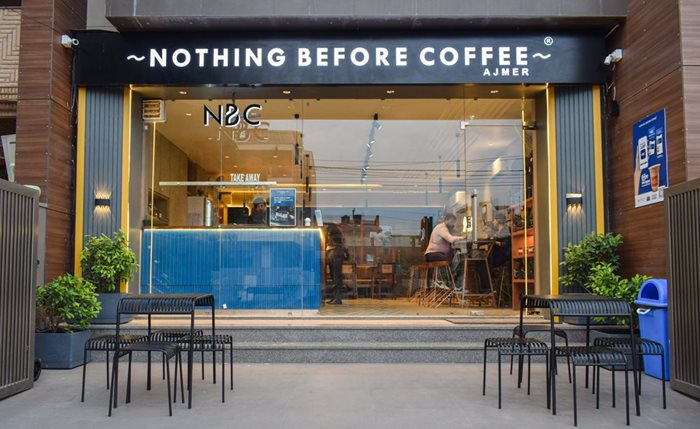
A Nothing Before Coffee store in Ajmer, Rajasthan, India | Photo credit: Nothing Before Coffee

Founded in 2017 by school friends Akshay Kedia, Anand Jain, Ankesh Jain and Shubham Bhandari, Nothing Before Coffee (NBC) is now raising investment to scale its 75-store presence in India and begin the next chapter of its international journey, which began with an outlet in Portugal in April 2024.

The value-focused coffee chain sources coffee from Chikmagalur and Coorg in India’s southern Karnataka state and roasts in-house to supply its growing store portfolio and direct-to-consumer channel. Today, Indian-grown coffee also supplies NBC’s recently opened store in Porto, Portugal, and will travel even further to planned sites in Spain, the UAE and Indonesia.

NBC recently celebrated its seven-year anniversary, tell us about your journey so far.

Akshay Kedia (AK): The journey from four school friends to founders of a growing brand like NBC has been nothing short of incredible. Our seventh-anniversary celebration was truly special, filled with love and joy from our customers. To show our gratitude, we rolled out a special offer – any beverage for ₹99 ($1.18) – and we saw a record-breaking 36,000 transactions during the anniversary weekend on 31 August–1 September 2024, which was four times our usual Saturday and Sunday volumes.

Additionally, our app crossed 100,000 downloads and we were ranked among the top five food & beverage apps on iOS and top 15 on Android in India. These milestones demonstrate the strong connection we’ve built with our audience.

Of course, challenges were part of the journey too. Expanding to over 70 outlets across India and internationally comes with the need to maintain consistent quality and customer experience, which has required constant innovation and rigorous operational standards. However, these challenges have only strengthened our commitment to delivering exceptional coffee experiences.

How has the Indian branded coffee shop market developed over the last seven years and how is NBC responding to these dynamics?

Anand Jain (AJ): Coffee has become an integral part of people’s daily routines in India, whether it’s solo coffee dates, work meetings, or the increasing trend of working from cafés. What was once predominantly a Tier 1 city phenomenon has now expanded to Tier 2 and 3 cities, where coffee is seen as a lifestyle statement and an aspirational product.

At NBC, we’ve aligned ourselves with these changes. We’ve made it a priority to expand into all the major cities while ensuring that we provide high-quality coffee at the right price. The key is to stay connected with our core customers – primarily urban consumers aged 18-35 – by maintaining consistency in both quality and experience.

We position NBC as a mass-premium brand, offering high-quality products at accessible prices, which allows us to appeal to both young professionals and older coffee lovers alike.

Left to right: NBC co-founders Ashkay Kedia, Ankesh Jain, Anand Jain and Shubham Bhandari | Photo credit: Nothing Before Coffee

Are Indian consumers becoming more receptive to premium coffee?

AJ: The future of India’s branded coffee shop market is a mix of both value-focused and premium experiences. We see a diverse range of consumers – some prioritise affordability and value, while others are increasingly willing to spend more for a premium coffee experience. This shift is driven by a growing appreciation for specialty coffee and unique offerings, especially in urban areas where consumers are more discerning and seek out quality.

At the same time, there’s still a strong demand for value-driven options, particularly in smaller cities. The key for brands is to strike a balance, catering to both segments without compromising on quality.

Why is now the right time for NBC to seek external investment for the first time?

AK: We’ve mapped out a clear expansion plan with an aim to open 100 new outlets by 2025 and external investment will play a crucial role in achieving that growth. After successfully establishing our brand across India, the timing is ideal to scale further and enter new markets. We’re confident in our model, our products and the demand for premium yet affordable coffee experiences, making this the right moment to bring in investors to fuel our next phase of growth.

“We see Europe as a key region in our global expansion”


What attracted you to the Portuguese market? 

AK: Portugal was an exciting choice for our first international outlet due to its vibrant coffee culture and the country’s growing appreciation for unique coffee experiences. We saw a great opportunity to introduce our signature beverages to a market that values both tradition and innovation in coffee.

Over the past five months, the store has exceeded our expectations. We’ve seen strong customer engagement, and our products have been well received. The positive response has reinforced our belief that our blend of quality, affordability, and innovation resonates across different markets, and it has given us confidence as we continue expanding globally.

Can you tell us more about your plans for Europe?

Our launch in Porto, Portugal, has given us valuable insights into the European market and the response has been very encouraging. Europe has a rich coffee culture and an appreciation for high-quality, crafted coffee experiences, which aligns perfectly with what NBC offers. We see Europe as a key region in our global expansion, and our plan to open 150 outlets will allow us to establish a strong presence. Alongside Europe, we’re also expanding into markets like the UAE and Indonesia, where we see similar opportunities to introduce our unique offerings and build a strong customer base.

NBC is one of the few Indian coffee chains to expand internationally. Do you expect more to follow in your footsteps?

AJ: Expanding internationally can be challenging for Indian brands due to differences in market preferences, operational complexities, and the level of investment required. Many focus on solidifying their presence in the domestic market before looking abroad. However, with Indian consumers’ increasing exposure to global trends, there’s a growing confidence in Indian brands to succeed overseas.

I do believe more Indian brands will venture abroad in the coming years. As the quality of Indian offerings improves and more brands embrace innovation, we’ll see a stronger push towards international expansion, much like what we’re doing at NBC. 

This article was first published in Issue 22 of 5THWAVE magazine.

source: http://www.worldcoffeeportal.com / World Coffee Portal / Home> India> News / November 29th, 2024

Respite for Indian planters as EU grants time for EUDR compliance

Shade-grown coffee at a Coffee estate in Kodagu district (Coorg), Karnataka. File | Photo Credit: Murali Kumar K.

India’s major plantation sectors such as rubber and coffee have heaved a sigh of relief as the EU Parliament has voted in favour of a proposal by the European Commission to delay the implementation of EU Deforestation Regulation (EUDR) allowing growers, exporters and traders additional time for compliance.

Accordingly, large coffee operators and exporters must meet EUDR regulations by December 30, 2025, while micro and small growers and traders have time until June 30, 2026 to comply, as against the earlier EU set mandatory due diligence procedures and compliance deadline of December 2024.

Being EUDR-compliant indicates a grower’s forest-based coffee produce is legal, and not sourced from any deforested land or unethically cultivated.

Notably, over 70% of Indian coffees are sold in EU countries, and therefore the compliance extension has direct implications on coffee players in India, although India was one among the few countries which grew coffee under two tier thick shade of native trees, say industry players. “Our coffee estates, in addition to coffee and shade trees has diverse flora and fauna. So Indian coffees are most sustainably grown.

In spite of that India opposed EUDR since the compliance does not incentivise sustainably grown coffees,” Coffee Board of India CEO and secretary K.G. Jagadeesha told The Hindu. “Now given that EUDR is a regulation already passed by EU, we have no option but to comply as 70% of Indian coffee exported is going to EU. Coffee Board is developing a platform for assisting coffee producers in India to comply with EUDR. We also welcome the EU decision to extend the deadline,” he added. However, the Coffee Board CEO said EUDR compliance burden on planters and growers would be huge as it required technological and financial resources which won’t be compensated.

Expressing similar concerns K.G. Rajeev, chairman, Karnataka Planters’ Association which represent over 70% of coffee growers in the country, said, ‘‘There are challenges in mobilisation of resources to invest by small and medium sized holdings to be EUDR compliant. Also there are elements of ambiguity. Strict enforcement without clarity on methodology to be implemented may not have desired results. All these may have adverse impact on productivity and profitability of the industry.”

According to Mr. Rajeev, EUDR is a regulation with requirements for due diligence and traceability, which needs lot of data to demonstrate compliance both on ground and documentation. He insisted that Indian coffee couldn’t be compared with coffees in any other geographies as it was predominantly grown under shade.

Coffee activities also encouraged preservation of existing forests which in turn provided habitat for variety of wildlife, avian populations and thus promoted natural biodiversity, he argued. Instead of putting the onus of compliance only on growers, industry institutions and government bodies should help in establishing compliance of regulations, he opined, adding, eco-friendly practices with improved soil health and carbon sequestration aligns with EUDR focus of protection of biodiversity and ecosystem.

Postponement of the implementation of the EU Deforestation Regulation is expected to buoy up the international market for rubber and related products in the short term, said Santosh Kumar, chairman of the Rubber Committee of the United Planters’ Association of Southern India.

“There were ambiguities and concerns in the market. Now that the EUDR will be implemented from 2026, the international market will have a positive impact in the short term,” he said. According to Rubber Board Executive Director M. Vasanthagesan, with the postponement of the regulation by an year, there is more time to prepare the rubber sector. The measures will continue, he added.

The board has entered into an agreement with Hyderabad-based TRST01 as its technology partner to issue due diligence certificates to rubber exporters. “We recently held a stakeholders meeting and will start registering the exporters. We plan to do it in phases, starting with select districts in Kerala. The small-scale exporters will pay an user-fee and register,” he said.

Industry sources said that of the annual production of about 8.5 lakh tonnes of natural rubber, only 4,000 tonnes are exported directly. However, exporters of rubber products will have to source from the growers who are compliant with the EUDR and so the impact will be on the growers.

source: http://www.thehindu.com / The Hindu / Home> Business> Industry / by Mini Tejaswi & M Soundariya Preetha / November 17th, 2024

Coffee prices to continue rising over the next two years: Experts

“Local markets are thriving with the growing demand and most of the farmers would be in a good position where they sell out every year and earn higher profits. They don’t have to sit on stock, they don’t have to wait for a trader to pick up any,” said Viggnesh V, a coffee industry consultant.

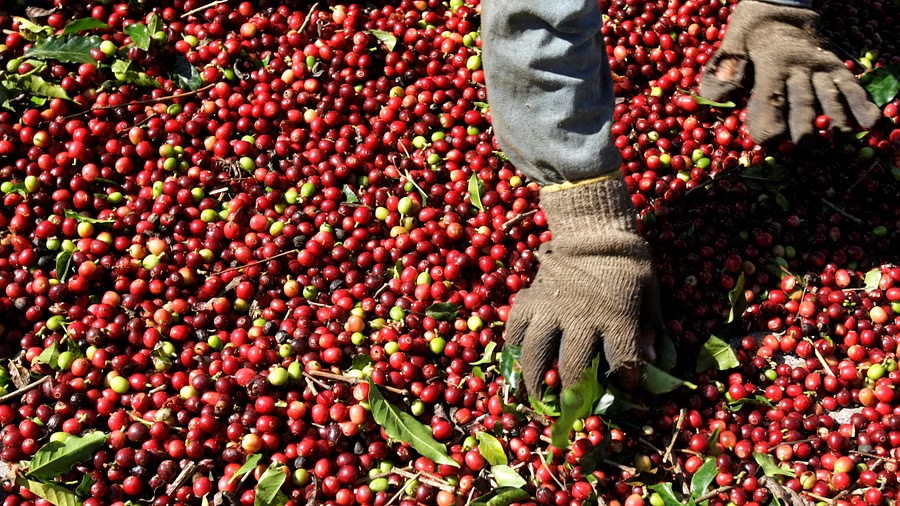
A worker selects arabica coffee beans at Conquista farm in Alfenas in the southern Brazilian city of Minas Gerais. Credit: Reuters photo

Bengaluru:

Extreme climate events leading to untimely rains, fires and droughts across South Asia and Latin America have fueled worries for the already surging coffee prices. This alongside Indian consumers’ rising preference towards coffee as a beverage has proven beneficial for the producers. 

“Local markets are thriving with the growing demand and most of the farmers would be in a good position where they sell out every year and earn higher profits. They don’t have to sit on stock, they don’t have to wait for a trader to pick up any,” said Viggnesh V, a coffee industry consultant. 

Prices will continue to rise in the foreseeable future, stakeholders and industry experts told DH. 

“It is most likely to plateau at max after two years because at the point when it crosses a particular set, it will become completely unaffordable for anyone in the value chain,” Viggnesh said. 

Coffee prices, mainly Arabica beans, have touched their highest prices in 13 years due to persistent supply disruptions. Prices are up roughly 40 per cent in 2024 as shortages of the cheaper robusta beans have evoked demand for the arabica variety favoured by specialty chains.

Global scenario

The rally in coffee prices has been gathering pace due to erratic climate in top producer Brazil. The sporadic rains and warmer temperatures have hurt the South American nation’s production.

Prices for the cheaper robusta variety, which is also produced by Brazil have also jumped. This, in turn, has left companies and consumers paying for pricier coffee, and retailers have been scrambling to secure beans.

Vietnam, the second largest producer of coffee is also facing excess rain coupled with farmers shifting to the production of Durian, a fruit widely popular in south Asia which is turning out to be more profitable than coffee. 

Indian market expected to grow

The two main varieties of coffee manufactured in India are Arabica and Robusta. Arabica has more demand than robusta coffee due to its mild aromatic flavour. According to the Food and Agriculture Organization of India, about 70 per cent of the total coffee produced in India is exported. India ranks fifth in total coffee exports in the world.

Karnataka produces around 71 per cent of total coffee in India, a majority of which is Robusta. The rest of the production comes from Kerala, Tamil Nadu and the northeastern region. India produced 3,74,200 metric tonnes (MTs) in 2023-24, out of which Karnataka contributed 2,66,885 MT. 

India’s coffee market was valued at $478 million in 2022 and is expected to reach $1.2 billion by 2032 at a compound annual growth rate (CAGR) of 9.87 per cent during the forecast period 2024-2033, according to data by Custom Market Insights.

However, several challenges cloud the optimistic future of coffee producers, shortage of labour being one of them. “Almost 65 per cent of our total cost on an estate is labour cost, which has increased steadily over the past few years. 70 per cent of Brazilian coffee crop is done mechanically because their areas are flat, whereas ours are on slopes with coffee trees which makes us highly dependent on labour,” said Jacob Mammen, managing director of Badra Estates located in Chikkamagaluru.

Climate change has been another headwind for coffee producers and experts suggest that it is here to stay. Sudden rain spells have in fact damaged the coffee crops or contributed to low quality.

Some industry insiders say the impact is minimal for now. Suhas Dwarkanath of Benki Coffee said, “To be honest, there have been difficulties in terms of water, temperatures, but it has not affected production majorly because it is not something new.”

However, data by the Coffee Board of India shows a marginal decline in coffee production in India. India produced 3,74,200 MTs in 2023-24 against 3,52,000 MT in 2022-23.

“Now that the middle class is growing and disposable income is increasing, India will become one of the biggest consumers of coffee in the next 3-5 years and the transition can already be seen,” added Benki’s Dwarkanath. 

source: http://www.deccanherald.com / Deccan Herald / Home> Business / by Sonal Choudhary / October 21st, 2024

Hong Kong Cricket Sixes tournament: Robin Uthappa to lead Indian team

The Hong Kong Cricket Sixes tournament is returning for the first time since 2017. The event will feature 12 nations, competing in six-a-side matches.

FILE PHOTO: Robin Uthappa. | Photo Credit: GETTY IMAGES

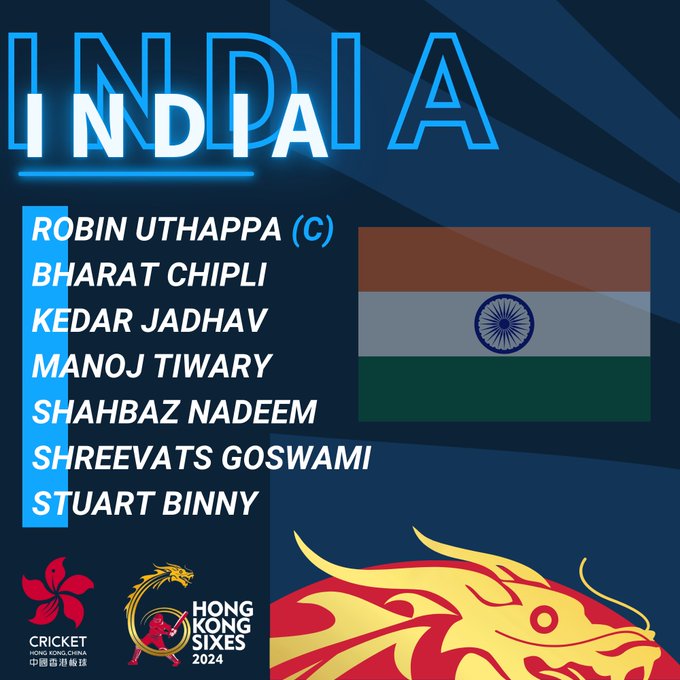
Robin Uthappa will lead a seven-member Indian team at Hong Kong Cricket Sixes tournament, set to be held from November 1 to 3.

The rest of the squad includes Bharat Chipli, Kedar Jadhav, Manoj Tiwary, Shahbaz Nadeem, Shreevats Goswami and Stuart Binny.

The Hong Kong Cricket Sixes tournament is returning for the first time since 2017 and will be played at the Tin Kwong Road Cricket Ground. The event will feature 12 nations, competing in six-a-side matches.

The 12 teams will be divided into four pools of three each, who will compete in a round-robin format. The top two teams in each group will qualify for the quarterfinals. While the winners of the quarterfinals will enter the Cup semifinals, the losers of the quarterfinals will compete in the Plate semifinals.

The bottom-placed team in each pool will play the Bowl Competition.

A total of 29 matches will be played in the three-day tournament.

A Women’s Exhibition Match will also be held on the final day of the tournament to commemorate the 75th anniversary of the founding of the People’s Republic of China.

source: http://www.sportstar.thehindu.con / Sportstar / Home> Cricket / by Team Sportstar / October 12th, 2024

Rashmika Mandanna sets off for Milan Fashion Week 2024 in style

This marks her second appearance at the event, highlighting her growing influence in the global fashion scene

In Frame: Rashmika Mandanna

Actress Rashmika Mandanna on Friday jetted off to Milan, Italy, where she is poised to make her mark once again on the global fashion stage at Milan Fashion Week 2024. This marks her second appearance at the prestigious event, underscoring her rising influence and prominence in the international fashion arena.

She was spotted at the airport radiating charm in a cute and chic outfit, a white sweatshirt and black joggers. With a heartwarming gesture, she made the sweetest heart signs to the photographers, showing off her signature blend of grace and playfulness.

An insider shared, “Rashmika will once again represent India on a global stage alongside numerous other Asian celebrities at Milan Fashion Week 2024.”

The fashion event, showcasing the 2025 spring/summer collections, will run from September 17 to September 23.

Rashmika also took to Instagram Stories to share a selfie from her flight, captioned, “Are you someone who, regardless of the season, always ends up in a sweatshirt or pullover?”

Previously, Rashmika left a lasting impression at Milan Fashion Week with a stunning black gown that won acclaim from fans and critics alike.

In addition to her fashion endeavours, Rashmika is a formidable presence in cinema, with an impressive slate of over eight upcoming films. Her diverse roles range from playing Srivalli in Pushpa 2: The Rule to collaborating with stars like Salman Khan in Sikandar, Dhanush and Nagarjuna in Kubera, Vicky Kaushal in Chhava, Dev Mohan in Rainbow, Ayushmann Khurrana in Vampires of Vijay Nagar, and Ranbir Kapoor in Animal Park.

Rashmika made her acting debut in 2016 with the Kannada film Kirik Party and has since appeared in notable Kannada films like Anjani Putra and Chamak, as well as Telugu hits such as Geetha Govindam, Devadas, Dear Comrade, Bheeshma, and Pushpa: The Rise.

She also stars in the Hindi action drama Animal, directed by Sandeep Reddy Vanga, featuring a stellar cast including Ranbir Kapoor, Anil Kapoor, Bobby Deol, and Triptii Dimri. Additionally, Rashmika appeared in the action thriller Mission Majnu, directed by Shantanu Bagchi and produced by Ronnie Screwvala, Amar Butala, and Garima Mehta, alongside Sidharth Malhotra.

source: http://www.indulgexpress.com / Indulge Express / Home> Celebs / by IANS / September 13th, 2024

South Asian Junior Athletic Meet: Double delight for Unnathi Aiyappa

City athlete Bopanna wins bronze in men’s 800 mts

Chennai:

Athlete Bollanda Unnathi Aiyappa, who had won a gold medal setting a new meet record in the South Asian Junior Athletic Meet at Jawaharlal Nehru Stadium, here on Thursday, won her second gold medal setting another new meet record in women’s 200 mts on last day of the Meet.

Unnathi completed the race in the record timing of 23.91sec beating the old record of 24.32 mts set by A. Suseedran at Ranchi in 2013. India’s Nancy (23.11 sec) and Neeru Pathak (29.91 sec) finished in second and third place respectively.

Speaking to Star of Mysore, Unnathi Aiyappa said, she was delighted for having won two gold medals and added that she was in the best of the form because of continuous travelling.

“After World Junior event, I was not able to give my best. I took part in the South Asian Junior Championship with no expectations. But, having won two gold medals has delighted me,” she said.

Though, this was event of the season, Unnathi will be seen in action at the All India Inter University Athletic Championship to be held in December. She is the daughter of Intl. Athletic Coach B.P. Aiyappa and Olympian G.G. Pramila Aiyappa (Guddanda), residents of Bengaluru.

Meanwhile, city’s Thelapanda K. Bopanna won bronze in the men’s 800 mts run. He won bronze with a timing of 1:50.45 sec behind Sri Lanka’s H.D.S. Awishka (1:49.83sec) and India’s Vinod Kumar (1:50.07sec) who won gold and silver respectively.

Bopanna is the son of Dentist T.M. Kalappa and Rachana Kalappa, residents of V.V. Mohalla in Mysuru.

India with a total of 48 medals (21 gold, 22 silver and 5 bronze) finished in the top position of the medals tally followed by Sri Lanka and Bangladesh in second and third positions.

source: http://www.starofmysore.com / Star of Mysore / Home> Sports / September 14th, 2024

Ayatana Hospitality Triumphs at the World Travel Awards 2024 with Double Wins

Ayatana Hospitality has been honored at the World Travel Awards 2024, with Ayatana Coorg and Ayatana Ooty recognized as leading resorts in Karnataka and Tamil Nadu.

Manila:

Ayatana Hospitality, a premier luxury hospitality brand, has been recognized for excellence in hospitality at the World Travel Awards (WTA) 2024. The awards ceremony held at the City of Dreams in Manila, honoured Ayatana Coorg as Karnataka’s Leading Resort and Ayatana Ooty as Tamil Nadu’s Leading Resort, underscoring the brand’s commitment to delivering exceptional guest experiences.

The World Travel Awards recognises excellence across all key sectors of travel, tourism, and hospitality. As part of the global annual initiative, World Travel Awards covers the entire globe with its Grand Tour which is a series of regional activities to recognise excellence within each continent. 

Commenting on the recognition, Vishal Tony, Founder and MD, Ayatana Hospitality said, “We are incredibly honoured to receive the prestigious awards at the World Travel Awards 2024. We were listed among the best resorts, with public voting determining the winner.”

“At Ayatana, our vision is to rediscover the hospitality landscape across the country by launching resorts in historically & ecologically diverse locations. We are constantly working with our service team to improve our services offered to our guests and ensure the experiences they take back home would keep them wanting for more. I want to express my gratitude to our guests and our hardworking team for making this achievement a reality.” he added.

Ayatana Coorg is a luxury resort situated in the serene landscapes of Coorg. Surrounded by lush greenery and captivating views, the property provides a tranquil escape with its luxurious accommodations, top-notch amenities, and unmatched hospitality. The resort offers a perfect blend of nature and luxury, making it an ideal destination for an unforgettable holiday experience.

Ayatana Ooty, located in the Nilgiris Hills in the midst of tea plantations of Ooty is a tranquil resort meticulously designed to ensure ultimate comfort while offering an immersive experience in the heart of nature, surrounded by lush green forests and picturesque mountains. It boasts luxurious accommodations with well-appointed villas offering breathtaking views of the valley. 

About Ayatana Hospitality

Established in 2017, Ayatana Hospitalities is a distinguished full-service Hospitality Chain celebrated for its bespoke luxury resorts and hotels. Operating under the umbrella of Aratt, its parent company with a rich legacy tracing back to the early 2000s in the real estate and architecture industry, Ayatana inherits a tradition of excellence.

source: http://www.hospibuz.com / Hospibuz.com / Home> Hotels Hot Topics> Hotel / by Hospibuz / September 10th, 2024