Category Archives: Agriculture

Something new brewing in Huvina Hadagali: Farmer grows coffee; Coffee Board starts quality tests

Farmers in North Karnataka are now trying to grow coffee and if proven to be of good quality, it will be a game changer for the region.
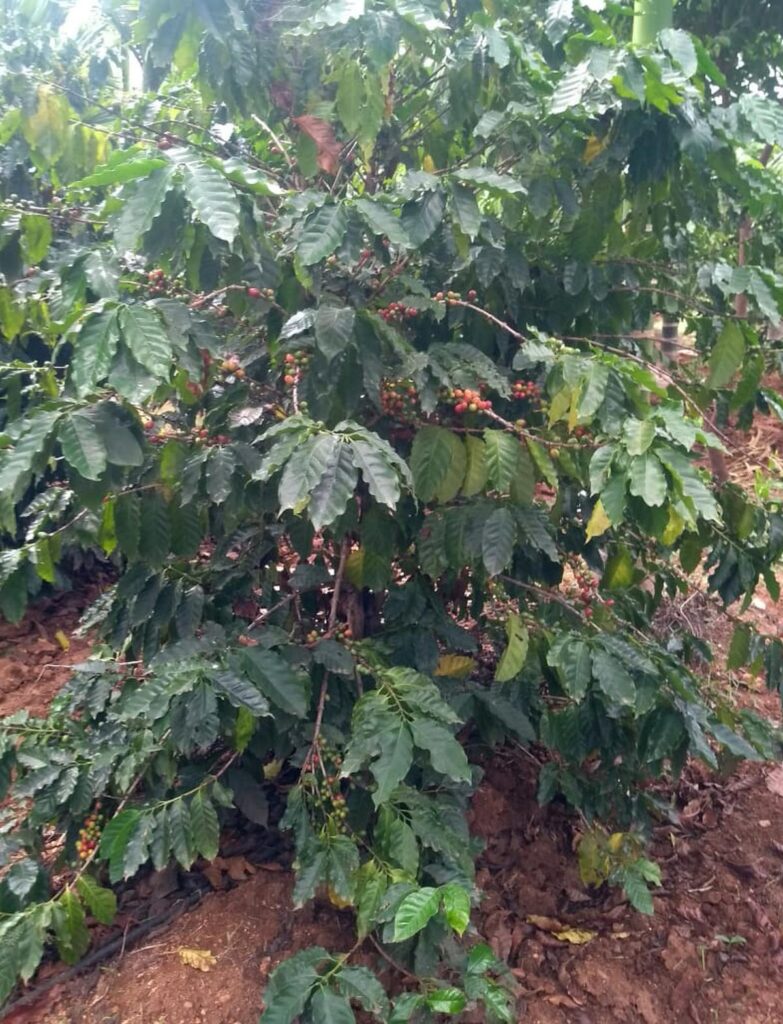
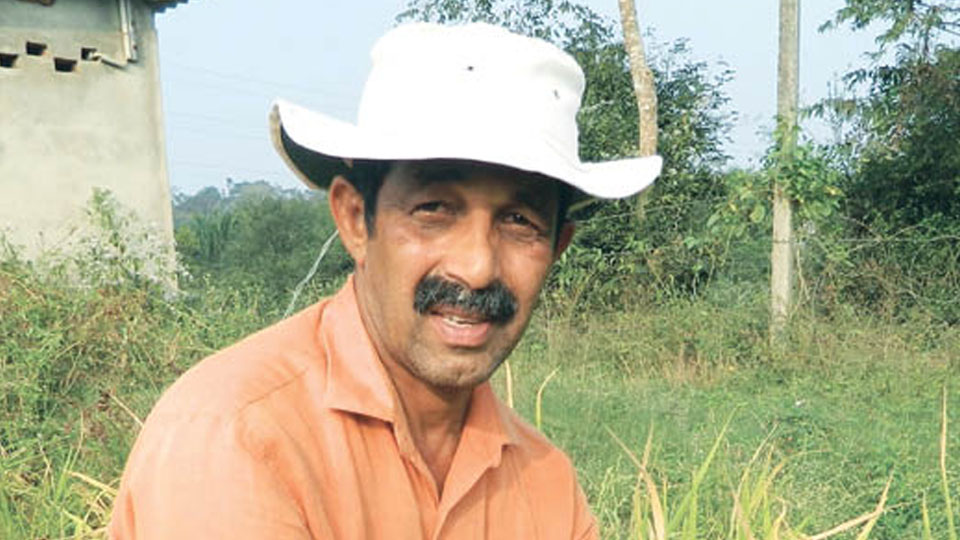
Gaddi Guddappa, a farmer from Huvina Hadagali in Vijayanagara district, has cultivated coffee on his eight acres of land successfully.

Bengaluru :

When someone says coffee from Karnataka, three names immediately come to mind: Kodagu, Chikkamagaluru, and Sakleshpur in Hassan district. But something new is brewing in an unexpected corner of the State: farmers in North Karnataka are now trying to grow coffee and if proven to be of good quality, it will be a game changer for the region.

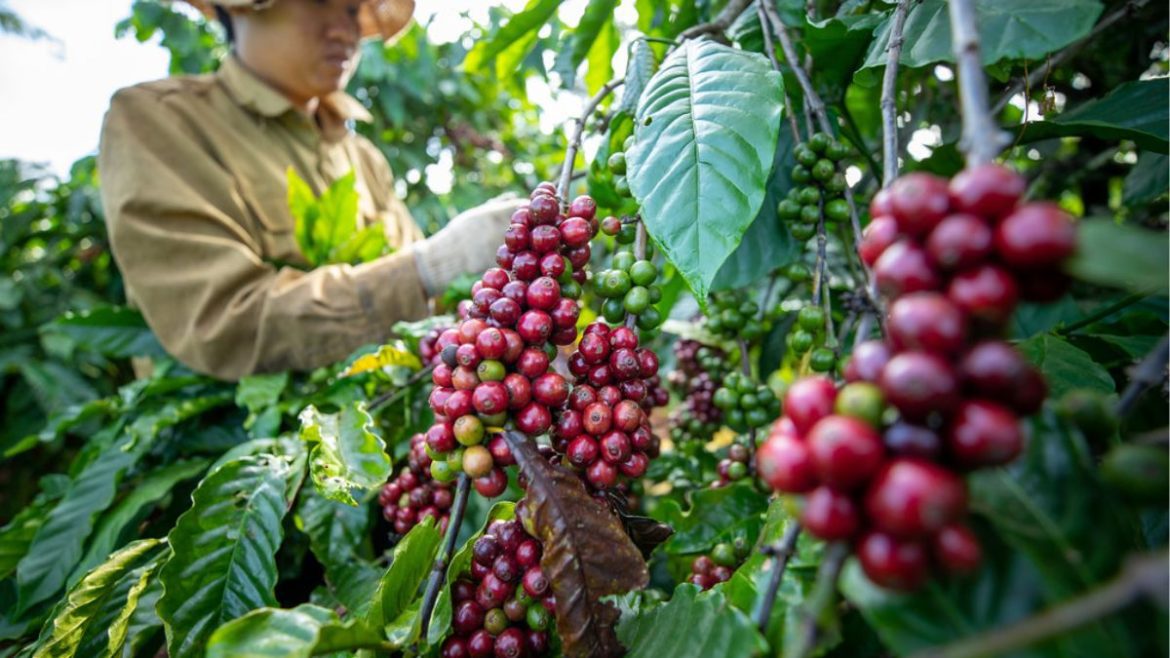
Gaddi Guddappa, a farmer from Huvina Hadagali in the Vijayanagar district, has cultivated coffee on eight acres of land successfully. Mr. Guddappa told The Hindu, “I bought the plants from Chikkamagaluru and Shivamogga four years back and this year, I have got the yield of 1,600 kg of coffee from my eight acres of plantation.”

According to him, the coffee which he had grown is the first in the district and also in the North Karnataka region. Many farmers in his district are visiting his plantation every day to learn about and see the coffee beans grown. “For me, it was a very new crop and I didn’t know the outcome of it. I learnt how to grow coffee by visiting Chikkamagaluru. Many people from my area who were working in the coffee estates there had told me about it. I bought Arabica-Chandragiri variety coffee from Shivamogga nursery and started to grow it,” Mr. Guddappa added.
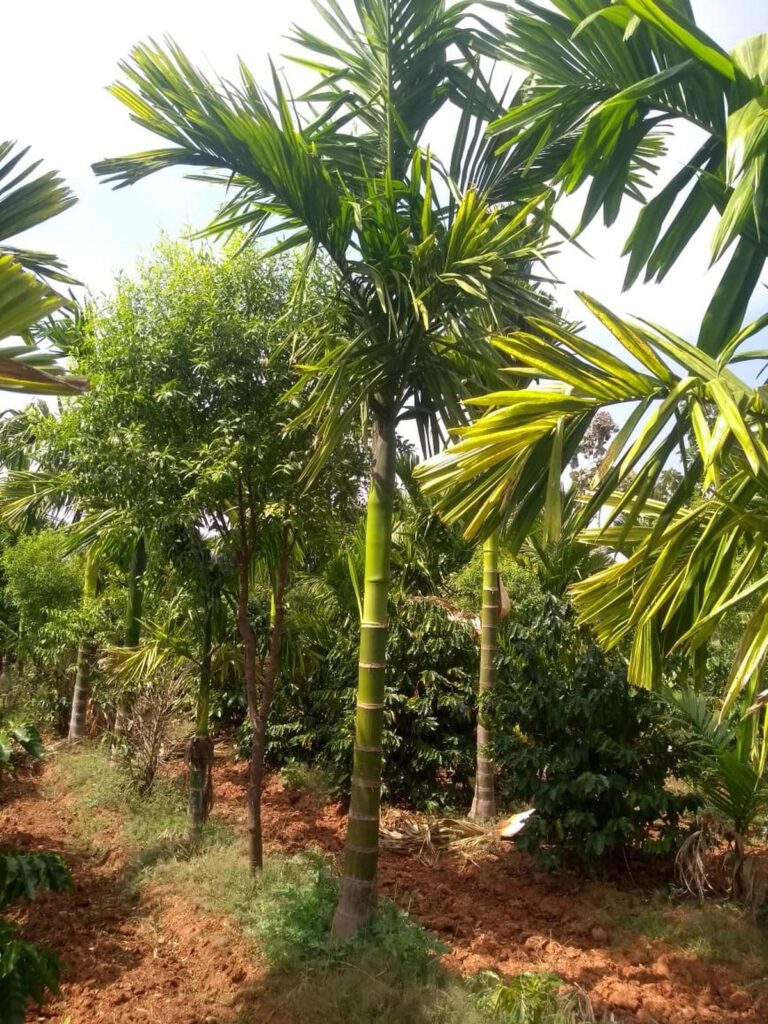
The farmer is using arecanut palms and a few other kinds of trees as shade for coffee plants

Initially, Mr. Guddappa was growing arecanut on his land. He then started to grow coffee in the middle of the arecanut farm, as traditionally, all coffee is shade grown. He is using arecanut palms and a few other kinds of trees as shade for coffee plants while growing pepper as intercrop. “I am the first person to cultivate coffee in this region. This year, a few farmers in Lingsugur in Raichur district and Bagalkot district have also started growing coffee,” he said.

Coffee Board testing it

Coffee Board officials recently visited Huvina Hadagali and collected samples of the coffee for quality testing. K.G. Jagadeesha, Chief Executive Officer and Secretary of the Coffee Board, told The Hindu, “Since we got the information that coffee is grown there, our officials have visited the village and taken samples. Only after proper analysis of the coffee yield and quality will we be able to comment. Testing is going on and it will take time to give our scientific analysis of the crop.”

According to Mr. Jagadeesha, coffee plants can be grown anywhere. However, the quality has to be met to the proper standard for the coffee to be marketable and drinkable. “We don’t want to recommend anything based on physical observation. We want to go by extensive testing of the coffee beans. As a responsible agency, we have to see everything, including long-term sustainability, but we are exploring,” he added.

source: http://www.thehindu.com / The Hindu / Home> News> India> Karnataka / by Darshan Devaiah B.P. / November 25th, 2022
Mysuru Entrepreneur Is National President Of Business Women Association

Mysore/Mysuru:

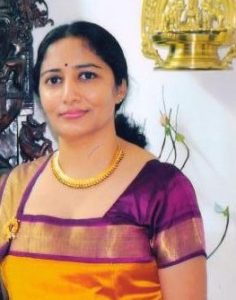
Mysuru entrepreneur Kuppanda Chayaa Nanjappa Rajappa has been appointed as the National President of Association of Business Women in Commerce and Industry. She is a first generation rural woman entrepreneur and Founder-Managing Partner of Nectar Fresh. 

Nectar Fresh, backed by Khadi and Village Industry Board, has its unit in Srirangapatna, Mandya district. It offers various products like honey, jams, sauces, chia seeds and natural vinegar.

A recipient of various awards like CNBC-TV18 and Women Entrepreneur Award in 2014-2015, Chayaa was also honoured by Indian Federation of Culinary Association for breaking the monopoly of the international brands. She bagged the Business Person of the Year Award by Mysore Chamber of Commerce & Industry (MCCI) in 2019. 

Nectar Fresh has been the first brand in India to be using the ‘Women Owned’ logo of ‘We Connect’. Their latest venture ‘Veeravrutham’ is the first social enterprise in ‘Aatmanirbhar Bharat’ which will support over 3,000 tribals and rural artisans locally. Tribal and rural artisans’ products will gain place not only in the Indian market but will also find place in the international market.

Born to Paruvangada Nanjappa and Poly Nanjappa of Nalkeri village in Kodagu, Chayaa is married to Kuppanda Rajappa, who was the first businessman to bring in the concept of supermarket (Nilgiris) to Mysuru. The couple has donated one acre of land for a Bharat-Israel Study Centre through Diya Minora Foundation, a sister concern of Veeravrutham Foundation. It will be a culture and technology exchange platform between India and Israel. 

Chayaa is motivated by the principles of Rashtriya Swayam Sevak Sangh (RSS) and has implied the principles in her profession besides working in various fields apart from business. She is the first woman to hold a national-level position in Vishwa Hindu Parishad (VHP) and also holds a position in the State Committee of RSS’ Laghu Udyog Bharti.

She is a member of the executive committee of the R&D Institute for Food and Technology at Indian Institute of Food Processing Technology (IIFPT) and is one of them from the industry to be chosen as part of the National Honey Mission. 

IIM Professors chose Nectar Fresh story as a case study for the Ivy League Competition, adding another feather to the cap of Nectar Fresh that grew up as a brand with ethics and quality than investing in marketing. 

source: http://www.starofmysore.com / Star of Mysore / Home> News / June 25th, 2021

Spilling The Beans On Coffee In India

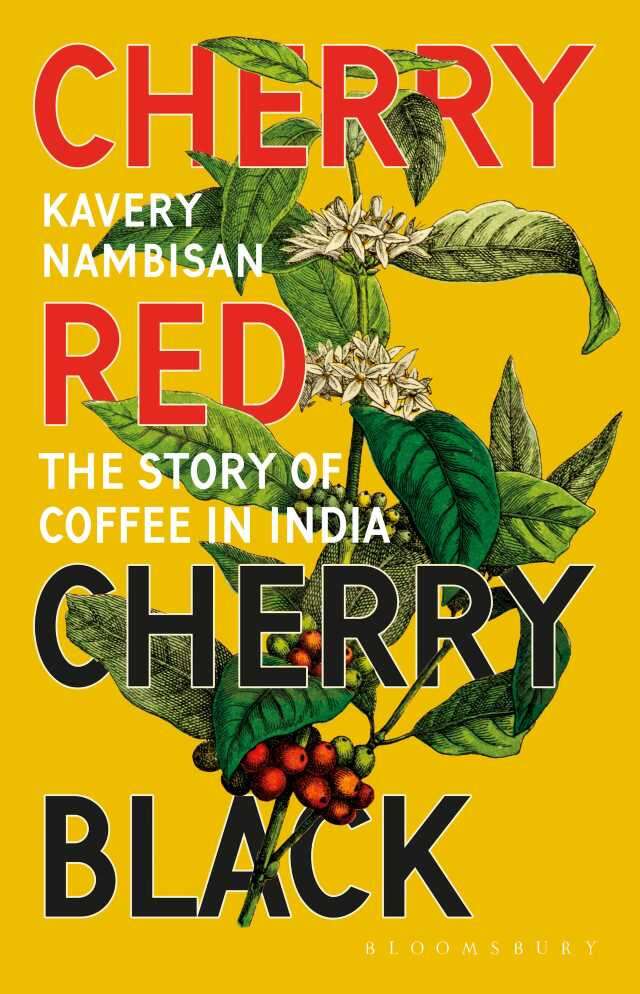
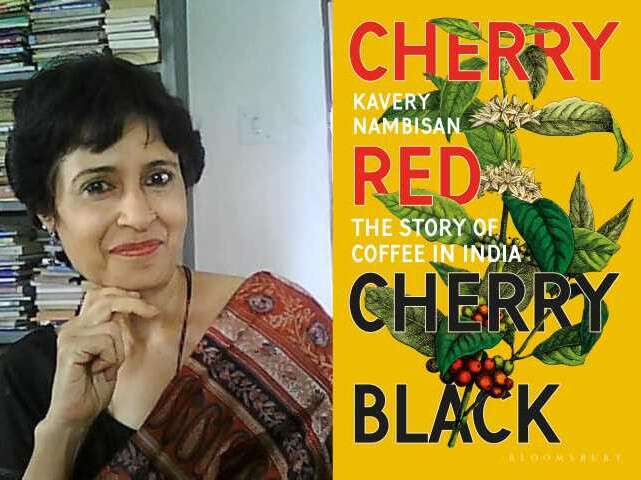
Kavery Nambisan’s new book Cherry Red, Cherry Black details the fascinating story of coffee in India 


Kavery Nambisan was born on a coffee estate, grew up among the “twisted branches and dark green leaves of the coffee bushes”; her parents joked that she was among those children who had been “plucked off the coffee bushes.”

It is therefore fitting that the surgeon’s latest book Cherry Red, Cherry Black (Bloomsbury India) is about the history of coffee in India.

Written with anecdotes woven into chronology, this comprehensive look at the coffee industry reveals intriguing nuggets – the origins of the coffee terms ‘Robusta’ and ‘Arabica’; the story of how Southern India became coffee country (it’s more complex than the Baba Budan tale); how coffee made sugar popular… Kavery explores the world of coffee far beyond its cultivation via the journeys of rulers and invaders and the ways of governance and tribute to its current status as one of the most valuable legally-traded commodities in the world. With the pride of a true Kodava, she writes of how coffee cultivation in Coorg (now Kodagu) changed the social, ecological and economic nature of the land and its people, and of the planters clubs that still exist.

A large part of the book details the story of how Tata Coffee, with whom the author has been associated in her medical avatar, came to be, but its scope goes far beyond company history and personalities to showcase coffee’s ability to be the great leveller available to every layer of society, and details the journey of the bean from plant to cup. Readers will be fascinated to know that the coffee served at Starbucks is made with beans from Kodagu, Hassan and Chikmagalur and cured in Kushalnagar. 


Excerpts from an interview

You speak of yourself as “almost a child plucked off a coffee plant”. How was the experience of going back with research to discover what is such an integral part of your childhood? How long has this book been in the making? Have there been any surprising learnings?

Yes, coffee has been integral to my being, but I did not consciously think about it until recently when I started to write this book.  It has been a pleasure to discover the history behind coffee, and, along with it, to learn more clearly certain aspects of local history. I started to read up sometime after the middle of 2018 and wrote in 2019 but was unable to conduct some important interviews during the period when Covid came and went. After that, everything had to be ‘fast-forward.’ 

As for surprise learnings, yes, of course. There can be no better way of learning something new than writing about it. I learned much.


You are a proud Kodava and now live and work again in Kodagu. What aspects of life there do you enjoy most, both connected to coffee and otherwise?

I have worked as a surgeon in Kodagu for over 10 years, off and on. My husband and I built a house in a village here and it is surrounded by coffee estates that do not belong to us – so pleasure without responsibility! The tall shade trees that surround us are a blessing – with so much life going on in the branches and the undergrowth. As a doctor, I have a great rapport and a serious commitment to my neighbours, many of them being daily wage earners in the estates. I think we live a good life.


What does your own coffee cache look like? What would we find in there?

You would find a cache of roasted coffee beans (a blend of Arabica and Robusta). I roast the beans every few weeks or so and use about 10% of chicory to enhance its strength.


You’ve detailed a bewildering number of ways to prepare a cup of good coffee. Which is your favourite?

I use three methods, depending on my mood. Filter coffee (in the afternoons); the Moka pot or a rustic brew (adding coffee powder to just boiled water and letting it steep for two to three minutes) in the mornings. Always with a little milk and jaggery.      


India Coffee House remains your coffee house of choice in Bengaluru. Tell us what you have there when you visit these days?

It’s a great place to hang around with friends. I always have coffee and, if peckish, an omelette or a cutlet. I have been frequenting this grand old place (although now in a changed location) from my medical college days. Satisfaction guaranteed. 

source: http://www.femina.in / Femina / Home> Life> Books / by Primrose Monteiro D’Souza / November 04th, 2022

‘Agriculture Is A Profitable Occupation If Innovative’

Progressive farmer and Rajyotsava awardee Somengada Ganesh Thimmaiah shares his thoughts 

Madikeri:

Kodagu’s progressive farmer Somengada Ganesh Thimmaiah of Nallur village near Ponnampet in the southern part of the district has won the Rajyotsava Award for agriculture.

Though coffee and pepper are the prominent commercial crops in Kodagu, Ganesh Thimmaiah has been growing both agricultural and horticultural crops in integrated farming methods and has scripted success.

He is actively involved in innovative agricultural practices since the last 30 years and had earlier served the Indian Army. After retirement from services, he took up agriculture in his 15-acre land and has grown more than 60 varieties of paddy.

 To gain additional income, he has a poultry farm and is also involved in apiculture and pisciculture. Apart from the regular crops of coffee, pepper, ginger, mango, orange and jackfruit, Thimmaiah has cultivated rambutan fruit.

In the integrated method in agriculture, he grows areca, coffee and paddy as main crops and a variety of vegetables and fruits and sub-crops. Thimmaiah has also been growing the ‘Beth’ plants required for honey bees and has implemented a mechanised system in agriculture.

At a time when more and more youths are showing interest in jobs and businesses, Ganesh Thimmaiah has earned name and fame as model farmer and has bagged many awards in the past. He won the National-level Babu Jagjivan Ram Krishi Samman Award. The Indian Council of Agricultural Research (ICAR), New Delhi, conferred the prestigious award on Thimmaiah on the occasion of its 92nd Foundation Day in 2020.

In April this year, he gave comprehensive training in agriculture to the batch of IAS officers at Lal Bahadur Shastri National Academy of Administration, Mussoorie.

 “I am honoured to be conferred with the prestigious Rajyotsava Award and this gives me an opportunity to innovate further. I have been involved in agriculture for three decades and there is a need of attracting more and more youths to agriculture as it is profitable if innovative,” he said.  

source: http://www.starofmysore.com / Star of Mysore / Home> News / October 31st, 2022

Kodagu’s monsoon delicacies

Traditional treats

As monsoon was the prime season to sow paddy — Kodagu’s main crop in the days of yore — people had no time for any other activity. So, this season was regarded as inauspicious and no ceremonies or celebrations were held. In between, the people would forage for these seasonal treats and prepare mouth-watering delicacies.

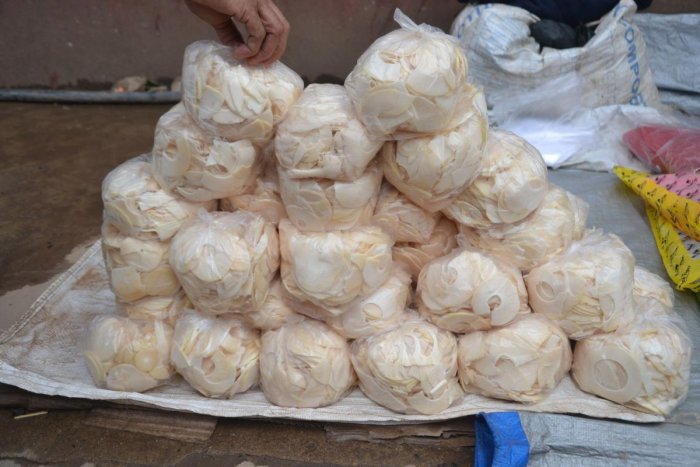
Processed bamboo shoots being sold in Kodagu. Photos by Arjun Bopanna, Niveditha Harish and Nisha Poovaiah

The aromas of baimbale curry (bamboo shoots curry), kummu curry (mushroom curry), kembu curry (colocasia curry), njand curry (crab curry), bhel meen curry (fish found in flooded paddy fields), pole meen curry (stream fish curry), therme thoppu palya (fiddlehead fern fry) are indicative of monsoon in this district located in the Western Ghats. These dishes are exclusively prepared during the wet months.

“The foremost reason these dishes are consumed only during the monsoon months is that the main ingredients such as aal kummu, baimbale are only available during this season,” says Chef Naren Thimmaiah.

According to Naren, cooking styles in each region would have developed purely on a trial-and-error basis. “Our elders would have realised when to eat what, the good and bad traits of a dish through experience,” he adds.

Purple delight

Unique sweet dishes prepared during this season are maddh payasa and maddh putt from maddh thoppu (Justicia Wynaadensis). Maddh translates to medicine in Kodava language and thoppu is leaf. The extract obtained from the leaves and stems of this plant imparts a beautiful, deep bluish-purple colour to the dish. 

These dishes are prepared and consumed only on Kakkada padinett, the eighteenth day of kakkada month (early August) in the Kodava calendar, when this plant is believed to have accumulated 18 medicinal properties.

The plant, rich in antioxidative and anti-inflammatory properties, is said to improve overall health. Its anti-microbial properties are also said to boost immunity during the monsoon months, when one is more likely to fall ill.

Another quintessential monsoon dish is baimbale curry made from bamboo shoots. The shoots are cut into small pieces and soaked in water for two days to remove the acidic toxins. The shoots are said to have anti-inflammatory, anti-ulcer, anti-diabetic and anti-oxidant properties. The baimbale curry is best had with akki roti called otti.

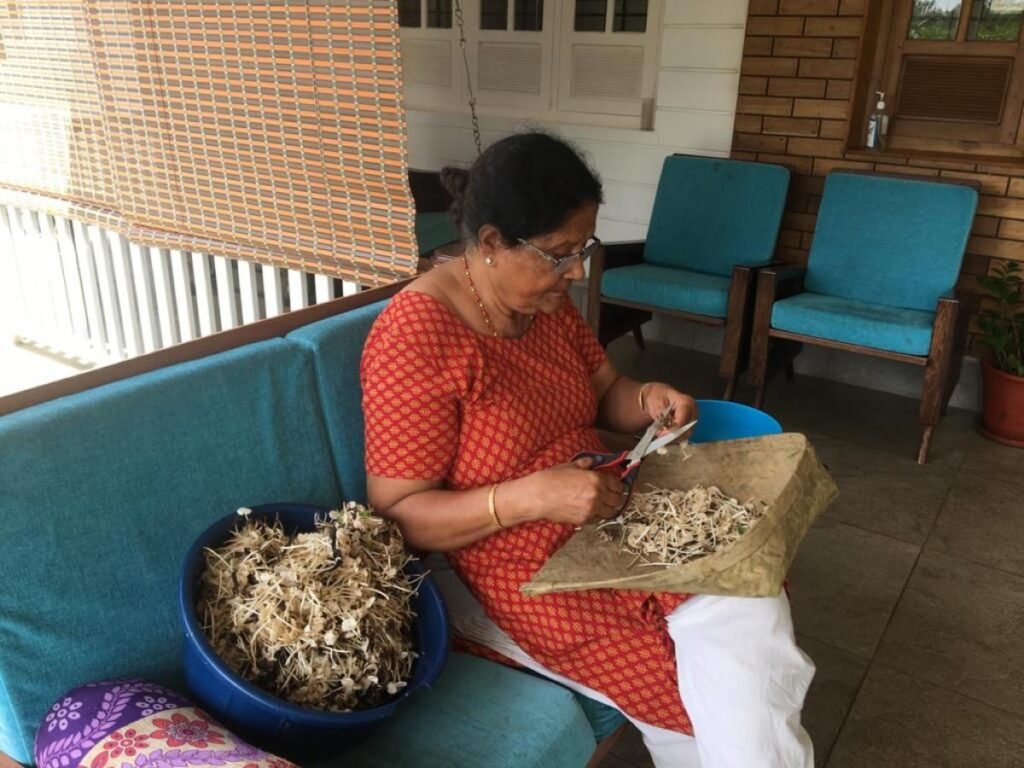
A woman preparing Kodagu delicacies. Photos by Arjun Bopanna, Niveditha Harish and Nisha Poovaiah

Surprise yields

Mushrooms, called kummu, also make great ingredients. These edible fungi grow in small patches and gathering them is a fun activity but it takes a trained eye to distinguish between edible and poisonous mushrooms. 

Another Kodava delicacy is prepared from fiddlehead ferns, called therme thoppu. These ferns are found near the banks of water bodies such as ponds, streams and rivers. Only the tender shoots of these wild ferns are selectively picked. The easiest way to cook it is to saute it with onions, dried chillies and salt. It is best had with otti. 

Like therme thoppu, kembu (colocasia) is generally found near water bodies and marshy lands. There are three varieties of kembu: red stemmed (chonda) kembu, green stemmed kembu and mara kembu. Mara kembu grows under the shelter of large trees. While Tulunadu is famous for the patrodes made from colocasia leaves, in Kodagu people mainly prepare curry using it.

With the onset of the monsoon, people also make dishes from jackfruit seeds.

Apart from these seasonal plants, people also get a good catch of crabs and fish in the flooded paddy fields and streams. Piping hot curries prepared from crabs and fish add to the charm of the monsoon months.

“All the traditional food prepared during the chilly monsoon season adds heat to the body. Also, pepper is used widely in the region, which again adds heat to the body,” Naren says.

Naren explains that as the people were expected to work in the rains and were most likely to get cuts and wounds, the food consumed would build up body temperature and aid in quicker healing of the wounds. “There were no tablets available then, the the foods themselves had medicinal values,” he says.

Preserved for future use

While these dishes are prepared only in the rainy season, bamboo shoots, jackfruit seeds, hog plums (ambatte) and fish are preserved for later use.

Bamboo shoots and hog plums are stored in brine; fish are coated with salt, smoked and dried.

These foods are so culturally ingrained that people staying elsewhere either make it a point to go to Kodagu to procure these food items or get their relatives to send across these delicacies.

“The food items sourced from Kodagu have an altogether different taste. So, preparing dishes by getting the ingredients from Kodagu is a special feeling,” says Sudha Poovaiah, who is settled in Bengaluru. 

source: http://www.deccanherald.com / Deccan Herald / Home> Spectrum> Spectrum Top Stories / by Dhanyata M Poovaiah / September 18th, 2021

Kodagu Gets Third Elephant Camp At Picturesque Harangi

Formal inauguration done; tourists to be allowed only in January 2023

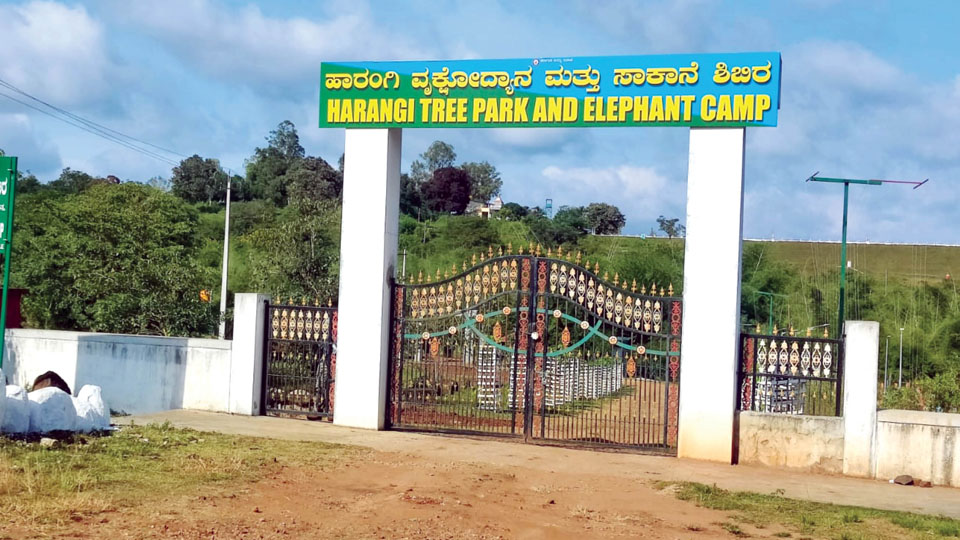
The third Elephant Camp in Kodagu at Harangi, which is the ninth elephant camp in Karnataka was inaugurated last Saturday. Along with the Harangi Elephant Camp, a Tree Park was also inaugurated.

The State Government had released Rs. 80 lakh for the project that will ease the burden of the existing elephant camps. Already, Kodagu has two elephant camps, one at Dubare and another at Mathigodu near Anechowkur Gate that borders Mysuru. There are eight elephant camps in Karnataka including the two in Kodagu and the Harangi Camp will be the ninth in the State.

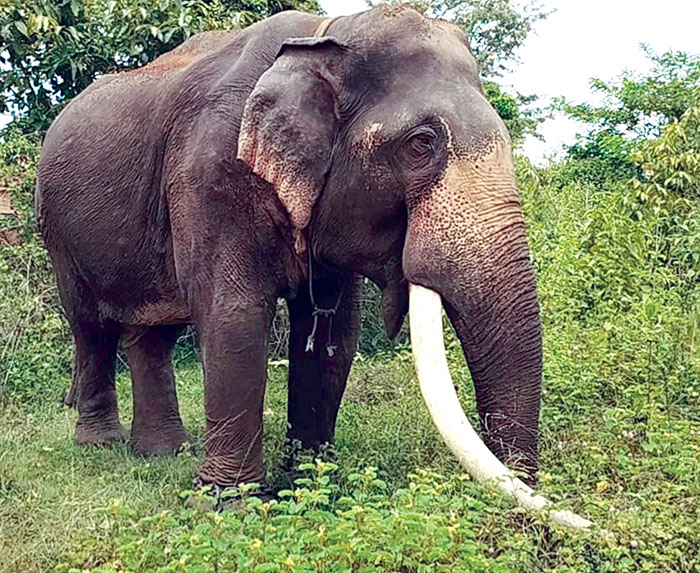
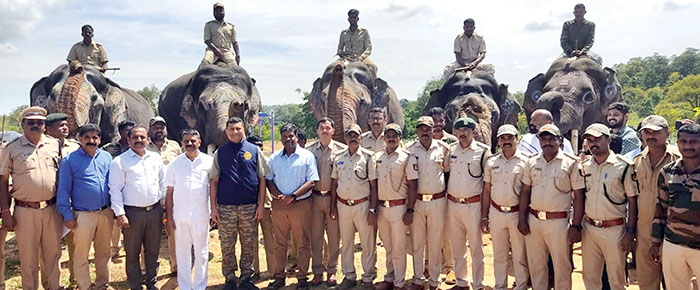
Madikeri MLA M.P. Appachu Ranjan inaugurated the two new tourist attractions. From the Dubare Elephant Camp, six elephants have been shifted to Harangi Elephant Camp. They are Rama (68), Ekadanta (52), Maruti (21), Subramani (35), Vikrama (58) and Vijaya (48).

The eight jumbo camps house more than 100 tamed elephants that are used to rescue wild animals and for logging purposes at Government timber depots. These elephants have been shifted to Harangi in the first phase and more elephants will be moved gradually and this move will ease the pressure on Dubare Camp that has over 31 elephants (the highest in Karnataka).

As per an order by the Karnataka High Court, elephant camps cannot be congested and not more than 15 elephants can be housed in one camp. At present, six elephants have found a new home and more will be moved as and when the funds are released.

Hundreds of tourists who had come to Kodagu on account of Dasara holidays came to the newly-inaugurated Camp and were mesmerised by the beauty of the place located in the backwaters of Harangi Reservoir.

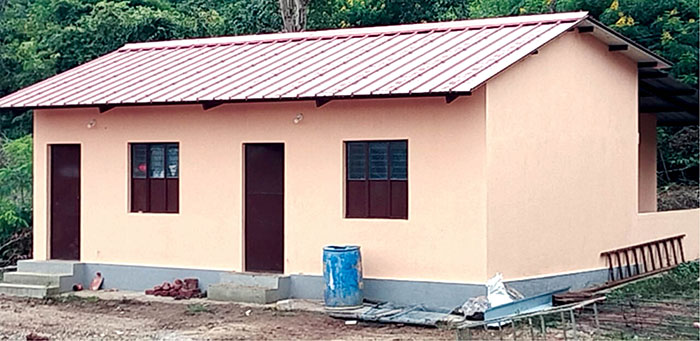
The Tree Park and the Elephant Camp have been set up in a 40-acre land and of that, 10 acres have been reserved for the elephant camp. Staff quarters have been constructed for Mahouts, Kavadis and their families along with a kitchen and a store room. Facilities of boating in the backwaters have been made and basic facilities like drinking water and toilets have been provided for the tourists.

As a precaution, the electrical wiring has been done underground to prevent any accidents either to the elephants or the lush green forests. Final touches are being given to the underground electrification project and works are on to provide drainage facilities. Though the formal inauguration of the Harangi Elephant Camp has been done, tourists will be allowed only from January 2023, said Forest Department officials.

The land on which the Elephant Camp and the Tree Park have been established is located at Athur Reserve Forest. The place, located near the Harangi Dam backwaters, is ideal to set up the elephant camp. The Athur Range Forest extends up to 2,000 acres and it is an ideal elephant habitat with plenty of water and green swathes.

The funds for the camp have been released from Compensatory Afforestation Fund Management and Planning Authority (CAMPA). Apart from setting up a new elephant camp, there are plans to initiate other related development programmes including developing the camp as a tourist centre and at the same time provide shelter to the elephants.

source: http://www.starofmysore.com / Star of Mysore / Home> Feature Articles /October 10th, 2022

Maha ‘Nearly extinct’ damselfly species found near Satara dam

Satara, Jul 6 (PTI) Three nature conservationists from Satara in Maharashtra claimed to have “rediscovered” a “nearly extinct” damselfly species ‘Lestes patricia’ after almost 100 years.


A colony of this sub-species, christened ‘Lestes patricia taamrpatti’, was discovered by Dr Shriram Bhakare, Sunil Bhoite and Pratima Pawar-Bhoite from Umrodi Dam area, situated at the foothills of the northern Western Ghats in the district.

According to the researchers, a single male specimen of Lestes patricia, endemic to the Western Ghats, was first discovered in 1922 from Kodagu (Coorg) district in Karnataka
and the only specimen currently available is at Natural History Museum, London.

“The discovered colony of new species closely match the specimen of the single known male of Lestes patricia fromthe London-based museum. However, there are stable differences
between the newly found species and description of Lestes patricia,” said Bhoite.

“While comparing the body structure and features of the newly found species with an existing specimen of Lestes patricia from the London-based museum, stable differences were found. That is why the sub-species from the damselfly family has been named Lestes patricia taamrpatti,” he added.


 Dr Bhakare, an ophthalmologist from Satara, said the reason behind adding the word ‘taamrpatti’ was because thepecies has a coppery red-brown uniform band bordered by
black.

  “The likelihood the newly discovered population is, in fact, a distinct species cannot be ruled out, but cannot be confirmed until further, fresh specimens of Lestes Patricia are made available from the locality in Kodagu.

“Since the stable features observed in the newly discovered population preclude it from being indisputably placed under Lestes patricia, yet given the lack of comparative material, it is not possible to place it as a new species with certainty,” he added.

 So the newly discovered population from Maharashtra is tentatively placed as a subspecies of Lestes patricia, Bhakare informed.

He said a research paper on discovery of the nearly extinct species was published in Bionotes Journal recently.

The researchers said 10 specimens, comprising six males and four females, have been collected for examination.     Of the 10, two male and two female specimens have been deposited with Bombay Natural History Society (BNHS), while the rest will be kept at other depositories in the country for further research.

PTI COR SPKBNM BNM

source: http://www.theweek.in / The Week / Home> Wire Updates> National / by PTI / July 06th, 2020

5 souvenirs from Coorg that you must take home

Traveling to Coorg? Get your hands on these 5 items.

Coorg garners a lot of love and attention for its picturesque landscapes, coffee plantations, steep hills, lush forests, and countless streams.A favorite travel destination of many around the world, the “Scotland of India” has so much to offer that you just can’t get enough of.So if you’re visiting “Kashmir of the South”, here are five souvenirs you must get home.

Coffee cup of India

Coffee

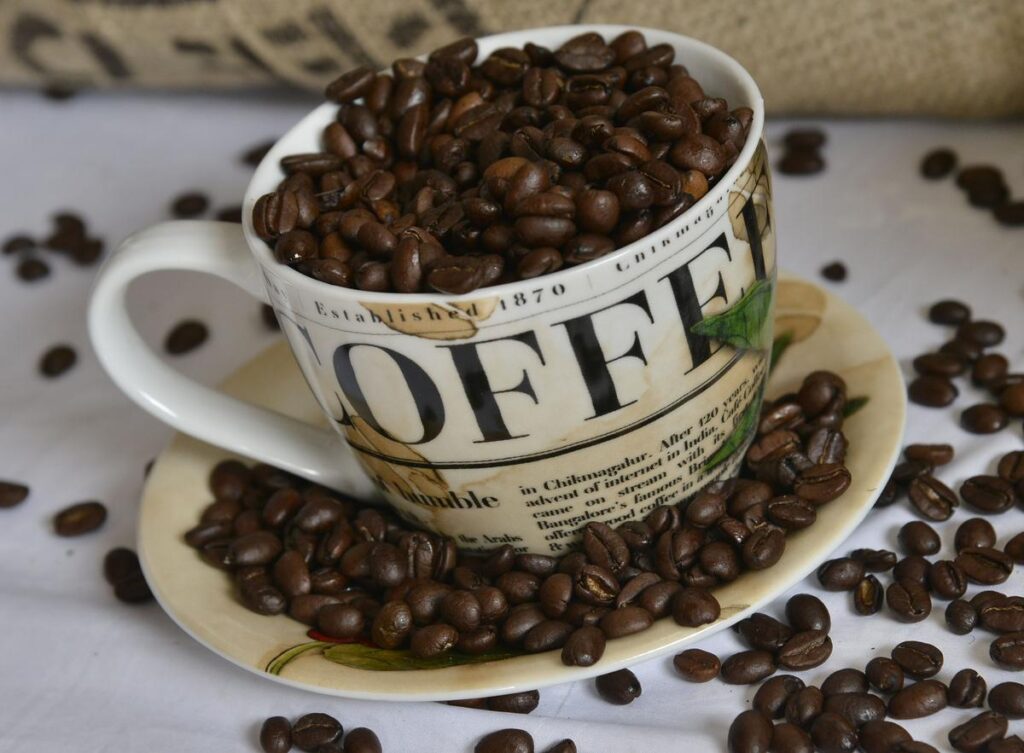
As mentioned above, Coorg is famous for its coffee plantations. In fact, it’s known as the “Coffee cup of India”.The coffee here is aromatic, full-bodied, and tastes mild, so you must grab some for home. Additionally, Coorg also produces the world’s costliest coffee called civet coffee (kopi luwak) and is a major exporter of coffee beans including Arabica and Robusta.

Flavorful

Homemade wines

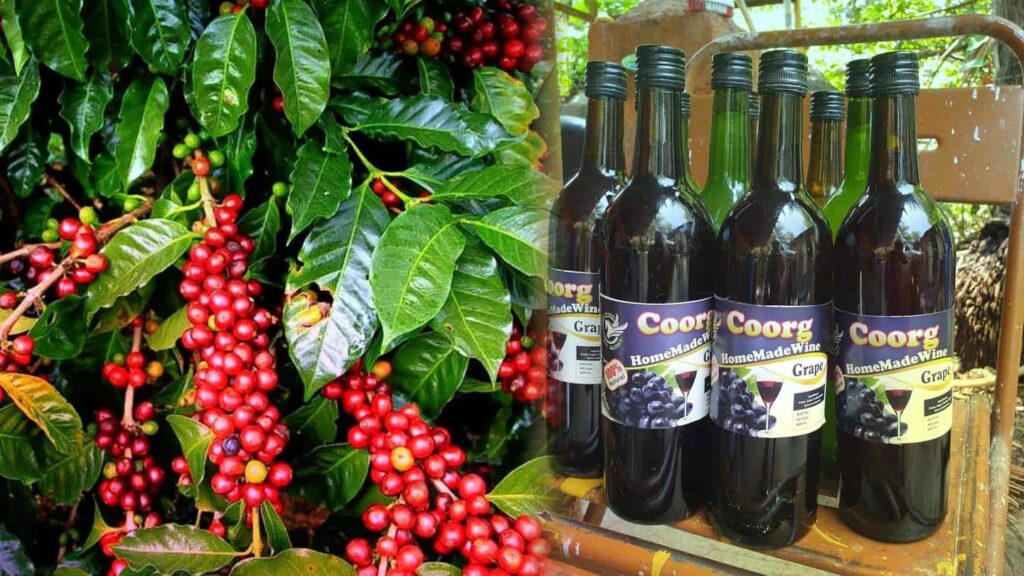
Homemade wines in Coorg are popular, utterly delicious, and won’t burn a hole in your pocket.These hearty concoctions feature not only grapes but also have the goodness of ingredients including ginger, apricot, pineapple, litchi, gooseberry, passion fruits, etc.Some even include saffron and dry fruits.You can score wines in flavors including pomegranate, cheeku, coffee, etc on your way back home.

Choco goodness

Homemade chocolates

Chocolates are among the most sought-after souvenirs that tourists buy in Coorg.These chocolates are homemade and feature 100% organic ingredients sourced from the plantations at this gorgeous hill station.They are available in a variety and are known to be irresistibly tempting.Although you can find them at all local stores, Choci Coorg is a place you must bookmark for chocolaty shopping.

The ‘sweet’ side of Coorg

Honey

Coorg was once the leading exporter of honey and its quality is absolutely second to none.The honey produced is cent percent organic, so you can easily buy some bottles and take home.However, before you purchase, make sure they feature an AGMARK as it ensures its quality.This will also help you steer clear of honey that’s adulterated and sold at exorbitant prices.

Information

What is AGMARK?

AGMARK is a certification for all agricultural products which ensures that they are of the highest quality, conform to hygiene standards, and are fit to use. The mark is given to fruits, vegetables, pulses, cereals, honey, oils, ghee, spices, wheat, butter, flour, oilseeds, etc.

As spicy as it gets

Spices

Coorg’s agricultural scene is quite impressive as it’s blessed with a bounty of nature.The hill station offers an eclectic array of spices that you can use for cooking and get reminded of your #CoorgDiaries one bite at a time.So when you visit this idyllic destination, do shop for cardamom, black pepper, basil, cumin, oregano, rosemary, clove, thyme, mint, sage, etc.

Information

What else can you buy in Coorg?

Coorg is also famous for oranges, dry fruits, herbal oils, silk sarees, handmade soaps, flavored teas, wooden and coconut artifacts, traditional jewelry, etc.

Each of these items is easily available across the hill station and makes for the perfect souvenir that you can take home.

source: http://www.newsbytesapp.com / News Bytes / Home> News> Lifestyle News / by Anujj Trehaan / September 14th, 2022

Coffee Board to launch four premium varieties under ‘India Coffee’ brand on Amazon

Coffee Board of India has decided to launch four premium coffees under the ‘India Coffee’ brand as well as two affordable coffees under the ‘Coffees of India’ brand on Amazon. | Photo Credit: MURALI KUMAR K

As international price volatility challenges prevail, the Coffee Board is strengthening the domestic appeal for pure coffee across the country

Coffee Board of India, a body that represents coffee growers and coffee industry in the country, has decided to expand its reach by launching four premium coffees under the ‘India Coffee’ brand as well as two affordable coffees under the ‘Coffees of India’ brand on Amazon, said K.G. Jagadeesha, IAS, CEO & Secretary, Coffee Board on Monday.

“Now, we are expanding our reach by launching four premium coffees such as Coorg Arabica Coffee (GI), Chikmagalur Arabica Coffee (GI), 100% Arabica coffee and a blend of Arabica and Robusta under ‘India Coffee’ brand,’‘ he said.

The launch would also include affordable coffees such as 100% Arabica and a blend of Arabica and Robusta under the ‘Coffees of India’ brand, he said.

“Coffee Board’s collaboration with Amazon is expected to boost domestic coffee consumption. Our coffees are sourced from the best coffee estates to suit the taste of millions of coffee connoisseurs across the country,” Dr. Jagadeesha added.

As international price volatility challenges prevail, the Coffee Board was in the process of strengthening the domestic appeal for pure coffee across the country, Coffee Board CEO further stated.

Sourced from Karnataka

Coffee consumption in the country is on the rise. Through this association, a premium range of coffees will be available on Amazon.in, that are sourced from the coffee-producing regions of the country in Karnataka, as per Amazon.

“This is in line with our endeavour to offer flavours of Indian coffee at value offers to our customers,’‘ said Nishant Raman, Director – IN Consumables, Amazon India, in a statement.

The country’s coffee exports stood at a rise of 90% in April-June 2022 over the same period in FY 2013-14. As the seventh largest coffee producer in the world, India exports 70% of its coffee overseas. Acclaimed as a region known for the origin of high-quality coffee, India has created a niche for itself with seven GI-registered coffees that are offered globally, according to Coffee Board.

source: http://www.thehindu.com / The Hindu / Home> News> India> Karnataka / by Special Correspondent / Bengaluru – September 12th, 2022

5 Best Coffee Estates In India To Grab The Brew

The fragrance of coffee itself dissolves every stress in your mind. Drinking coffee is like giving your soul that much needed hug. Coffee is more than just a beverage to all the coffee lovers for sure. It’s their escape sometimes and sometimes just a companion. Just like libraries are heaven for book lovers, Coffee estates are the same for coffee lovers. If you too are someone who loves coffee and want to grab a brew at a coffee estate, here are the five best ones in India. 

1. Kerehaklu Eco Retreat, Chikmagalur

Kerehaklu Eco Retreat is nestled in the lush greenery of Chikmagalur’s coffee plantation. The old water body that lies within the confines of the coffee farms bears the name Kerehaklu. This resort with rustic setting also promises the most spectacular panoramic views of the Kudremukh Mountain Range. With coffee plantations spread across 275 acres, the air here is filled with the divine aroma of coffee. 

2. Palace Estate, Coorg

The Palace Estate is nestled in the lap of the highest mountain peak in Coorg, “Thadiyandamol ” peak of the Western Ghats. The Palace Estate is a 50-acre traditional farm that grows fruits like oranges, bananas, avocados, and cardamom as well as coffee, cardamom, and pepper. The homestay offers luxurious wooden rooms with all needed facilities and a small library. You can take a tour of several different coffee plantations from the homestay. 

3. Rainforest Retreat at Mojo Plantation, Coorg

If you are someone who loves nature and coffee both alike, then Rainforest Retreat at Mojo Plantation is just for you. The delicious meals are made using biogas from their gobar-gas plant, and the cottages here were created using environmentally responsible construction techniques. Do not miss having a warm cup of coffee here while overlooking the plantations. 

4. Tranquil Resort, Wayanad

The Tranquil Resort is tucked away peacefully among a 126-year-old coffee and spice estate. This stay offers pure serenity amidst the divine aroma of coffee. You can choose from the type of stays as per your preference from cottage to treehouses. You can go on a tour of this 400 acre spread plantation and enjoy your freshly brewed coffee. You can choose from 10 of their bio-diverse walking trails. 

5. Grassroots, Kerala

The land of spices and coffee offers you a glamping experience like no other. What is more beautiful than sipping on some hot coffee as you overlook lush green coffee plantations. Grassroots resort in Kerala offer you to stay amidst the coffee plantation in spacious luxury tents and feel pure serenity. The sound of the river flowing, the bird chirping, lush greenery and the fragnance of coffee is surely going to give you the best experience to all your senses. 

source: http://www.curlytales.com / Curly Tales / Home> Food> Hotels & Resorts> Luxury Indulgences> Travel / by Vaishalee Kalvankar / September 08th, 2022