A total of 25 students from the district have passed following a revaluation. Let’s find out more…
Kodagu district, which had grabbed fifth place in the state in Secondary School Leaving Certificate (SSLC) results, has now occupied fourth place after a revaluation process.
A total of 25 students who applied for revaluation have passed and the district has attained 82.40%, according to the report by The New Indian Express.
As per the results on May 2, Kodagu was in fifth position in the state with a percentage of 82.21. However, after the revaluation process, the district’s percentage has increased by 0.19, and the district has overtaken Shivamogga in the SSLC results.
A total of 25 students from the district have passed following a revaluation. Among those who applied for revaluation, 11 in Virajpet taluk, 13 in Somwarpet taluk and one student in Madikeri taluk have passed.
Earlier these students were in the failed list. With these 25 students joining the pass list, the district is moving up to the top position with a 0.19 percent increase in the pass percentage.
Meanwhile, supplementary examination is being held in two centers each in three taluks of the district. A total of 68 students have passed but are retaking the examination to improve their performance, as per the report by The New Indian Express.
Apart from these, students who have failed in various subjects are also writing the second examination as repeaters.
source: http://www.edexlive.com / EdEx Live / Home> News / May 29th, 2025
Codanda Devika Cariapa was recently conferred the prestigious Times of India About Her Award for the Best Children’s Author (Non-Fiction) 2024 at a grand ceremony in New Delhi.
She won the award for her book, ‘A Children’s History of India in 100 Objects’ published by Penguin Random House India. The award sees over seven thousand entries across five categories with only four books making it to the final shortlist.
The book is a compilation of information and depictions of 100 objects that have significant relevance in Indian history from prehistoric times to modern-day India. The emphasis has been to capture India’s diversity through concise and descriptive texts and beautiful illustrations.
Devika Cariapa has been the recipient of multiple literary awards for Children’s Literature including the Sahitya Akademi Bal Sahitya Puraskar, the Neev Book Award and The Hindu-Young World Award.
She is the daughter of Lt Gen Biddanda Chengappa Nanda and Mrs Leela Nanda and wife of Gp Capt Codanda Chitrajit Cariapa.
source: http://www.clnews.in / CoffeeLand News / Home> General / by CLN News Desk / April 12th, 2024
While the literary world applauded in London, back home in Kodagu, her win was met with joy, disbelief, and a bit of solitude.
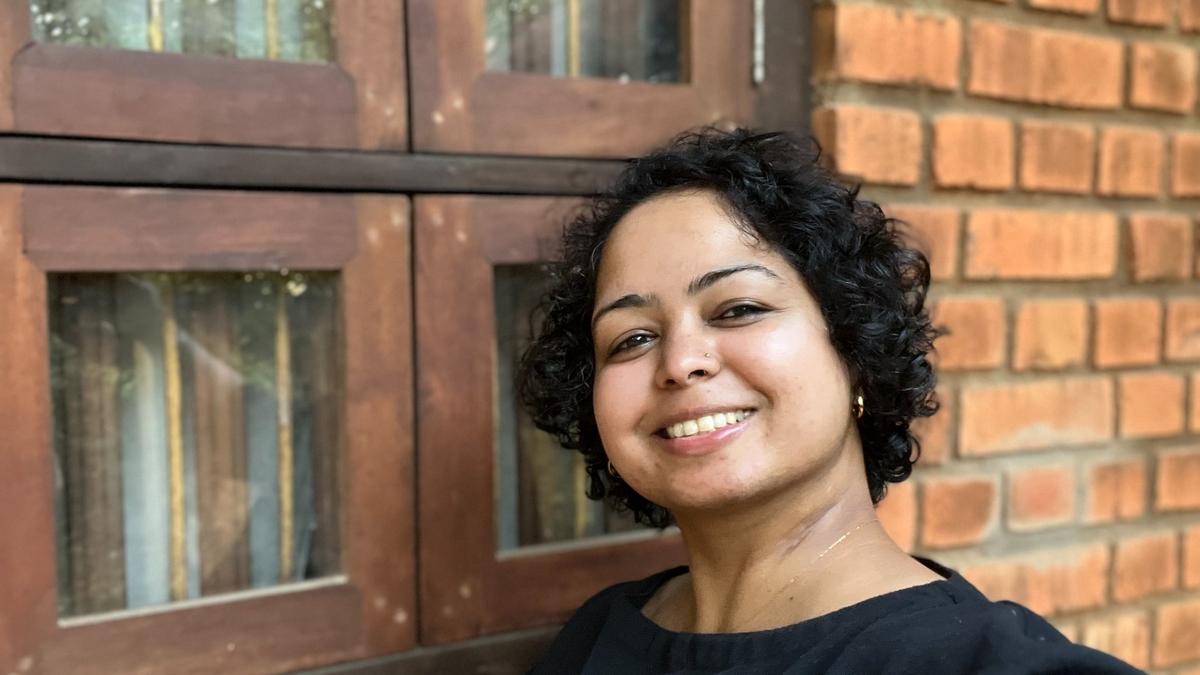
Deepa Bhasthi won the International Booker Prize for her translation of Kannada author Banu Mushtaq’s Heart Lamp short story collection, in London on May 20, 2025. | Photo Credit: Deepa Bhasthi/Instagram
While Karnataka’s Kodagu-born writer Deepa Bhasthi celebrates a historic International Booker Prize win in London, her husband Chettira Sujan Nanaiah is celebrating in his own quiet way — on a farm, with five pet dogs, and congratulatory phone calls at their peaceful home in Madikeri.
On Tuesday night, Ms. Bhasthi, along with writer-activist Banu Mushtaq, was awarded the prestigious GBP 50,000 International Booker Prize for her translation of the latter’s short story collection, Heart Lamp. While the literary world applauded her in London, back home in Kodagu, the win was met with joy, disbelief, and a bit of solitude.
Speaking to The Hindu over the phone on Wednesday morning, Sujan Nanaiah — an artist-turned-farmer — shared his happiness. “She’s still in shock and joy. We spoke briefly in the morning. I couldn’t be there with her due to other commitments, but I’m extremely happy and proud,” he said.
Quiet life in Madikeri
The couple, who moved to their native Madikeri during the COVID-19 pandemic, have been living a quiet life on their farm surrounded by lush greenery. “It’s a simple life. We grow our own food, look after our pets, and enjoy being close to nature,” he said.
Mr. Nanaiah, who studied fine arts at Karnataka Chitrakala Parishath in Bengaluru, first met Ms. Bhasthi seven years ago at an art exhibition where he was a participant. What began as a friendship evolved into marriage and a shared life in Kodagu.
As calls poured in from family and friends, Mr. Nanaiah was busy tending to farm duties and looking after their pets. “I didn’t expect her to win, but I’m thrilled for her and the recognition it brings to Kannada literature,” he said, adding that he was the one who shared the good news with Bhasthi’s parents on May 21 morning. “They were emotional and proud. It’s a big moment for our family,” he added.
Born and raised in Madikeri, Ms. Bhasthi studied at Kodagu Vidyalaya before moving to Mangaluru for a degree in Mass Communication. She worked with print publications in Bengaluru before transitioning to freelance writing and literary translation.
Mr. Nanaiah said that Deepa’s return to Kodagu is expected around May 26, though her schedule is still uncertain. For now, as she enjoys her moment on the international stage, her immensely proud husband continues to hold fort at their serene Madikeri farmhouse.
source: http://www.thehindu.com / The Hindu / Home> News> Karnataka / by Darshan Devaiah B P / May 22nd, 2025
A genetic study has traced the ancestry of the Kodavas, the culturally distinct community from Karnataka’s Kodagu district, to nearly 3,000 years ago. Yet, the mystery of their precise origins remains unsolved.
This is the first scientific attempt to explore the genetic makeup of the Kodavas. Conducted by researchers from the University of Delhi South Campus and Hyderabad’s Centre for Cellular and Molecular Biology, the study was published in Communications Biology.
Using genomic data from 144 Kodava individuals, scientists identified three genetically distinct lineages within the community. They named it: Coorg-1, Coorg-2 and Coorg-3.
Coorg-3 emerged as the most ancient lineage, dating back 98 generations, about 3,000 years. Coorg-1 diverged around 1,920 years ago and Coorg-2, the youngest lineage, appeared roughly 330 years ago from a mix of Coorg-1 and Coorg-3.
Interestingly, mitochondrial DNA passed down from mothers showed that around 40% of maternal lineages in the community are South Asian.
In contrast, Y-chromosome data revealed genetic signatures from Eurasian, Middle Eastern and India-specific male lines. This suggests a pattern of male-dominated migration followed by local assimilation.
Despite numerous theories about the Kodavas’ origin, including links to Alexander the Great’s Indo-Greek army, pre-Muslim Kurds, pre-Christian Georgians or Indo-Scythian Sakas, concrete evidence of origin has remained elusive.
Even in this study, while Coorg-3 stands out as the most genetically distinct group and ancient, its original ancestral source remains unidentified. [Sourced]
source: http://www.starofmysore.com / Star of Mysore / Home> News / May 19th, 2025
Looking for a peaceful escape from the busy city life of Bangalore? June is the perfect time to take a weekend trip and enjoy the calm beauty of South India. One of the best weekend getaways near Bangalore in June 2025 is Coorg. Also known as Kodagu, Coorg is often called the “Scotland of India” because of its green hills, coffee plantations, cool weather, and peaceful atmosphere. It’s just around 250 km from Bangalore and is ideal for a short break with family, friends, or even solo.
Let’s explore why Coorg is the perfect weekend getaway this June.
Green landscapes and fresh air In June, Coorg becomes even more beautiful. The monsoon begins, and the rains make everything green and fresh. The smell of wet soil, the sound of birds, and the misty hills create a peaceful mood. If you are someone who loves nature, you will enjoy every moment here. The scenic drives through winding roads covered with thick forests and coffee plantations are a treat to the eyes. You can stop at many places on the way for pictures or just to breathe in the clean air.
Popular places to visit in Coorg
Coorg has something for everyone. Here are some must-visit spots:
Abbey Falls – A stunning waterfall hidden in the forest, Abbey Falls is a great place for nature lovers and photographers. The short walk through coffee plantations to reach the falls is a lovely experience.
Raja’s Seat – This viewpoint offers a beautiful view of the hills and valleys, especially at sunset. It’s a peaceful place to sit and enjoy the fresh breeze.
Madikeri Fort – For history lovers, Madikeri Fort gives a glimpse into Coorg’s past. It also has a museum inside with interesting displays.
Dubare Elephant Camp – If you’re traveling with kids or love animals, this camp is a fun place. You can watch elephants being bathed and fed and even take part in some activities.
Talacauvery – This is the birthplace of the river Cauvery. It is also a holy site and offers beautiful views from the hilltop.
Local food and coffee Coorg is also known for its tasty local food. Try dishes like Pandi Curry (pork curry), Kadumbuttu (rice dumplings), and Noolputtu (rice noodles). These are full of local flavors and are best enjoyed at homestays or small local restaurants.
And of course, don’t miss the coffee. Coorg produces some of the best coffee in India. You can visit a coffee plantation, learn how coffee is grown, and sip a fresh cup while enjoying the cool weather.
Where to stay
Coorg has many options for all kinds of travelers. From budget hotels to luxury resorts, and cozy homestays in the middle of coffee plantations, you will find a place that suits your needs. Staying in a homestay will also give you a chance to talk to locals, learn about their culture, and eat home-cooked food.
Perfect weekend itinerary
Here is a sample weekend plan for June 2025:
Day 1 (Saturday)
Leave Bangalore early in the morning
Reach Coorg by noon and check into your hotel or homestay
After lunch, visit Abbey Falls and Raja’s Seat Enjoy local dinner and relax
Day 2 (Sunday)
Visit Dubare Elephant Camp early in the morning
Head to Talacauvery and Madikeri Fort Try local food for lunch
Leave for Bangalore by late afternoon
Tips for travel in June
Carry an umbrella or raincoat, as it may rain suddenly
Wear comfortable walking shoes for sightseeing
Book your stay in advance as Coorg is popular during weekends
Try to leave early from Bangalore to avoid traffic
Why Coorg is perfect for June
June is the start of the rainy season, and Coorg looks like a green paradise. The weather is cool and perfect for walks, sightseeing, or simply relaxing with a hot cup of coffee. It’s close to Bangalore and easy to reach by road, which makes it a great weekend choice.
Whether you’re looking for nature, adventure, food, or just a peaceful time, Coorg gives you all. So, pack your bags and make your June weekend refreshing and unforgettable with a short trip to Coorg.
Get best deals on travel, receive travel tips and travel stories instantly Subscribe to Nativeplanet.
source: http://www.nativeplanet.com / Native Planet / Home> Travel Guide / by Neha Choubey / May 23rd, 2025
In Singapore, Kannada actress Varsha Bollamma, who recently enchanted viewers as Bhoomi in Ooru Peru Bhairavakona, is enjoying some well-earned relaxation.
The curly-haired beauty shared new photos from her trip, showing off her bright curls and beaming smile while wearing a white shirt and black shorts. She won over fans with her carefree aura and natural charisma when she posed in front of Singapore’s national symbol, the famed Merlion monument, in one of the photos.
Varsha costarred with Sundeep Kishan in Ooru Peru Bhairavakona, where he portrayed Basava, a desperate stunt double who steals a bride’s jewelry and becomes entangled in a series of enigmatic occurrences.
Next up, Varsha Bollamma has two great projects underway and is back to work. In addition to filming for Nithiin’s next film, Thammudu, she is also working on a Tamil film called Iruvam. Varsha never fails to captivate her followers with her presence and performances, whether she is on vacation or on television.
source: http://www.gulte.com / Gulte / Home> Photos> Actress / by Satya B / May 14th, 2025
Karisma Aiyappa (centre) was crowned ‘Mrs. Bharat California 2025’ by Mydream TV USA at an event held at California recently.
Karisma, a HR/logistics professional in Silicon Valley, is a former State-level athlete and a passionate dancer.
Picture above shows Karisma walking the ramp in the traditional Kodava attire
A native of South Kodagu and daughter of Poilengada P. Machamma and late Alemanda Aiyappa, residents of Kuvempunagar in Mysuru, Karisma is married to Abhishek, an employee of Microsoft, Bay Area, California, USA.
Karisma’s participation in various Coorg events in the USA showcases her commitment to her heritage.
source: http://www.starofmysore.com / Star of Mysore / Home> Photo News / May 13th, 2025
Coorg oranges, a unique citrus variety with a distinct sweet-sour taste, hold cultural, economic, and ecological significance. Despite challenges like declining production and pests, their Geographical Indication recognition offers hope for revival, making them a valuable crop for farmers in Coorg.
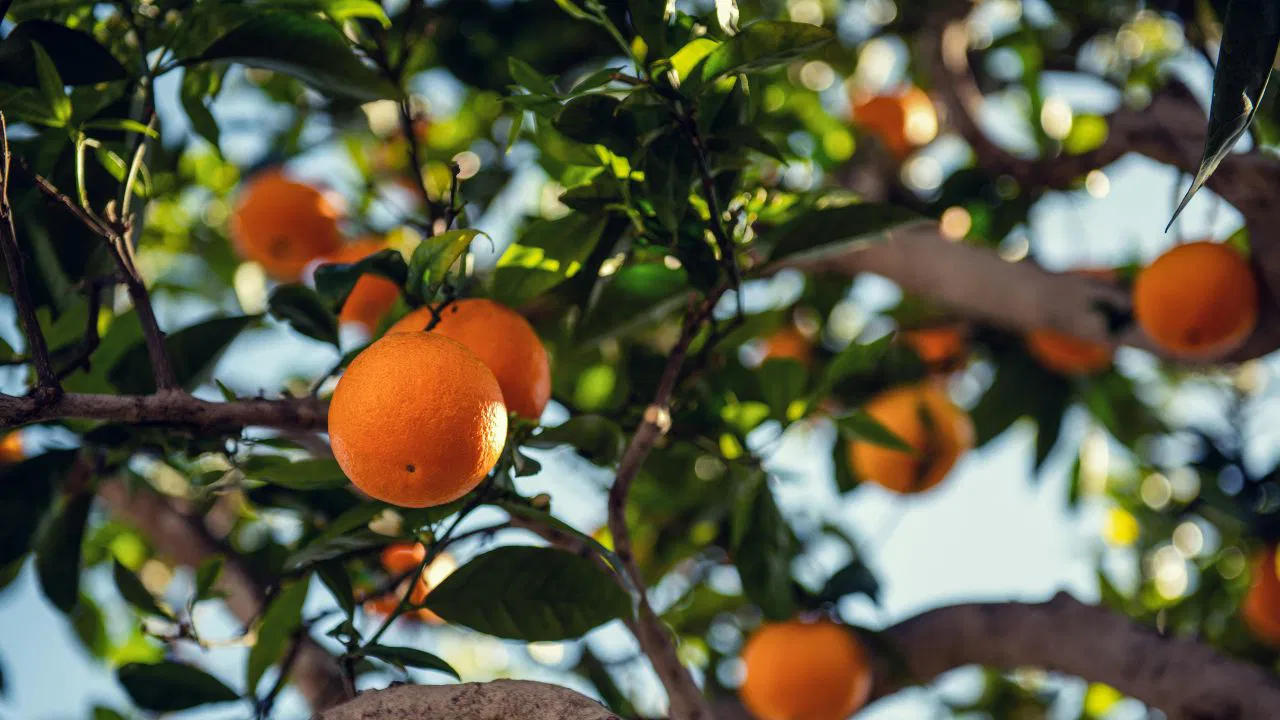
Coorg oranges are vulnerable to pest and disease infestations, such as citrus greening, fruit rot, and the damaging effects of citrus psyllids, which degrade fruit quality. (Image Credit- Pexels)
Coorg oranges, a distinctive variety of citrus fruit, are believed to be a man-made hybrid of mandarins (Citrus reticulata). With their greenish-yellow color, tight skin, and sweet-sour taste, these oranges are a significant part of the agricultural landscape in Coorg, Karnataka, India. Historically cultivated in the region, they have played a vital role in local culture, cuisine, and economic development. Although their production has declined over the years, efforts to preserve this unique citrus variety continue through Geographical Indication (GI) recognition and conservation initiatives.
Significance of Coorg Oranges
Coorg oranges hold deep cultural, economic, and ecological significance, symbolizing prosperity and tradition in the Kodava community. Historically cultivated for centuries, they play a vital role in local cuisine, festivals, and agricultural heritage. Economically, these oranges were once a major cash crop, sustaining local farmers and fueling agribusiness, while also contributing to Coorg’s eco-tourism appeal.
Known for their unique sweet-sour taste, Coorg oranges stand apart from conventional varieties with their resilient greenish-yellow skin and rich natural oils, which enhance their aromatic flavor and make them an integral part of the region’s biodiversity.
Coorg Oranges Cultivation
The cultivation of Coorg oranges requires a specific climate and soil conditions, making Coorg’s Western Ghats region an ideal environment for their growth. Their farming involves careful propagation, maintenance, and harvesting techniques.
Soil and Climate Requirements
Prefer well-drained loamy soil with adequate organic matter.
Thrive in the moderate temperatures and high humidity of Coorg.
Rainfall between 1,500 to 2,500 mm annually is ideal for their growth.
Propagation Methods
Primarily propagated through grafting, ensuring genetic consistency and quality.
Requires regular pruning to maintain productivity.
Proper spacing and irrigation enhance yield and fruit quality.
Harvesting Season
The oranges mature between November and January, marking the harvest period.
Farmers pick fruits when they are firm, full-sized, and greenish-yellow.
Post-harvest handling is crucial to maintain freshness and prevent spoilage.
Challenges
Coorg oranges, once historically significant, now face several challenges threatening their continued cultivation. The shift towards coffee plantations over the years has led to a decline in orange orchards, and poor maintenance practices have further reduced fruit yields.
Additionally, these oranges are vulnerable to pest and disease infestations, such as citrus greening, fruit rot, and the damaging effects of citrus psyllids, which degrade fruit quality. Climate change also plays a role, with erratic rainfall patterns disrupting the growth cycle and rising temperatures affecting flowering and fruit development.
On top of these environmental and agricultural issues, orange farmers also struggle with market and economic difficulties, including a lack of support, incentives, and increasing competition from other citrus varieties that impact demand.
Coorg oranges are not just a fruit—they are a symbol of Coorg’s rich agricultural heritage. Despite challenges such as declining production and pest issues, the GI recognition provides hope for revival. Their distinct flavor, nutritional benefits, and historical significance make them an essential part of Coorg’s identity. Conservation efforts and renewed interest in traditional farming practices may help ensure the survival of this remarkable citrus variety.
First published on: 03 May 2025, 17:28 IST
source: http://www.krishijagran.com / Krishi Jagran / Home> Agripedia / by Kirti Narwal / May 11th, 2025
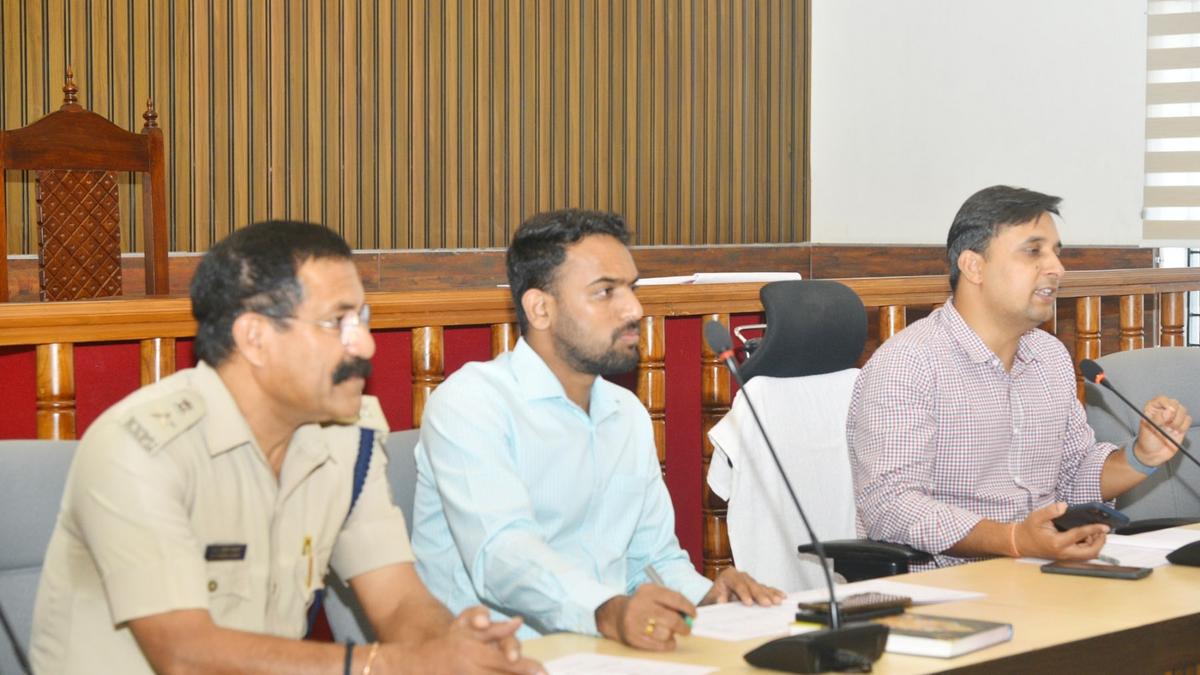
Deputy Commissioner Venkataraja presiding over the district disaster management authority meeting in Madikeri on Friday. | Photo Credit: SPECIAL ARRANGEMENT
Kodagu Deputy Commissioner Venkataraja on Friday directed nodal officers and engineers concerned to take necessary precautionary measures for monsoon preparedness.
He was speaking while presiding over the district disaster management authority meeting, held at his office in Madikeri.
The Deputy Commissioner said monsoon is likely to begin in June, and precautionary measures must be taken to prevent disasters caused by heavy rainfall.
Mr. Venkataraja stressed the importance of ensuring that there is no loss of human or animal life during the monsoon.
Nodal officers have already been appointed and must take necessary measures within their respective jurisdictions, with extra vigilance in sensitive areas, he told the meeting.
Fire and emergency services personnel must gear up to safeguard people in flood-prone areas and coordinate with the National Disaster Response Force teams during the season, he added.
Officials from the Department of Health and Family Welfare were told to stock necessary medicines and raise awareness to prevent the outbreak of communicable diseases. The Deputy Commissioner instructed engineers from the Public Works and Panchayat Raj Departments to repair roads in their jurisdiction.
Additional Deputy Commissioner R. Aishwarya, Additional Superintendent of Police Dinesh Kumar, and other district and taluk-level officials were present.
source: http://www.thehindu.com / The Hindu / Home> News> India> Karnataka / by The Hindu Bureau / May 09th, 2025
The Kodava Students Association (KSA), Mysuru, recently organised a hockey tournament at Chamundi Vihar Stadium, in Nazarbad, featuring 26 teams.
The two-day event showcased the commitment and unity of Kodava students pursuing higher education in Mysuru.
The tournament commenced on May 3 at 11 am in the presence of Ponjanda Ganapathy, President of Mysuru Kodava Samaja; Jammada Ayyanna, Treasurer of Jabhboomi Charitable Trust and Dr. Mathanda Aiyappa, Director of Brindavan Hospital.
KSA President Motteyanda Ishani Kuttappa presided.
During the ceremony, Jammada Ayyanna briefed the gathering on the ‘5-a-side hockey’ format, while Dr. Mathanda Aiyappa inspired the youths with motivating words, stressing the values of sportsmanship and perseverance. Ponjanda Ganapathy reaffirmed the continued support extended to Kodava students.
The opening day saw 18 matches, followed by quarter-finals, semi-finals and the grand finale on day-2, each match receiving enthusiastic cheers from the crowd.
Axilaratorz HC’ emerged as champions, while Bottiyath Naad, Kunda, finished as runners-up. ‘Blaze A’, Murnad, secured third place, with ‘Blaze B’, Murnad, taking fourth.
The closing ceremony featured a distinguished line-up of guests, including social activist Ajjikuttira Kanchan Ponnanna, wife of Virajpet MLA A.S. Ponnanna; Puliyanda Sujatha Bopanna, Dean at Sapient College; Baleyada Karun Kalappa, retired Senior Vice-President and Regional Head of a leading firm; Manjeera Kuttappa, a Progressive farmer from Kodagu and Chendanda Shammi Belliappa, Director of Druid Solutions Pvt. Ltd. and also KSA Advisor.
Kanchan Ponnanna delivered an inspiring address to the students, while Baleyada Karun Kalappa underscored the importance of balancing sports with academics. He urged the younger generation to consider careers in civil services, highlighting the Kodava community’s under-representation. Puliyanda Sujatha Bopanna also shared motivating insights.
Chendanda Shammi Belliappa commended the KSA team for their dedication and efforts to keep the sport of hockey alive in Mysuru. He thanked contributors such as R. Ashok (Mysore University Hockey Coach), Boliyadira Chetan Subbaiah, Muckatira Karthik Nanjappa, Mandepanda Kripan, and others for their support.
In recognition of outstanding achievements, Mandepanda Jasmine Kaveramma, CEO of Growthzone Company, UAE, and Monnanda Tasmai Kariappa, professional motorcycle racer, were felicitated.
Mookonda Sanjana proposed the vote of thanks, while Ajjetira Vikram provided engaging match commentary. The tournament was seamlessly coordinated by KSA’s Hon. Secretary, Mandetira Degul Ganapathy.
KSA Committee Members
The following students have been elected as KSA Committee Members: President – Motteyanda Ishani Kuttappa, Vice-President – Theetharamada Thanush Ganapathy, Hon. Secretary – Mandetira Degul Ganapathy, Joint Secretary – Mookonda Sanjana Damayanthi, Treasurer – Allaranda Kariappa, Joint Treasurer – Puchimanda Dipshika Daychamma, Cultural Heads: Kundyolanda Aiyappa (Amakka) and Kaliyanda Richa Poovamma (Pommakka).
source: http://www.starofmysore.com / Star of Mysore / Home> Sports / May 07th, 2025
WELCOME. If you like what you see "SUBSCRIBE via EMAIL" to receive FREE regular UPDATES.
Read More »