Category Archives: Uncategorized

Karma Kargyue Monastery blends Buddhism and conservation with thriving 100-acre forest initiative

Karma Kargyue Monastery is home to 700 indigenous tree species; under Guru Karma Samtenlingpa Rinpoche, plans are afoot to plant 1,500 more saplings
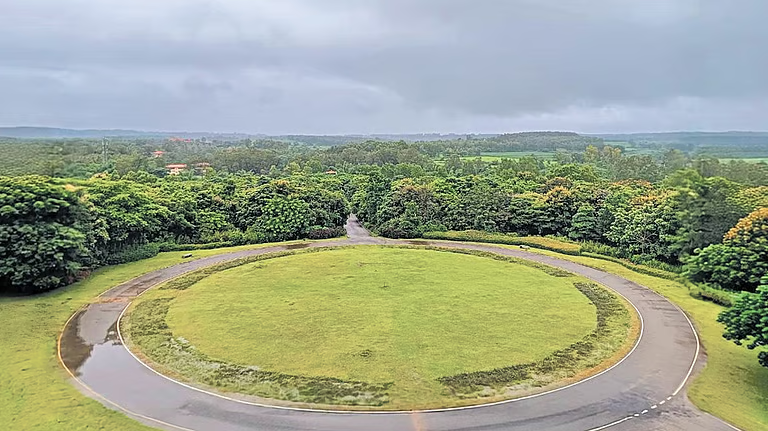
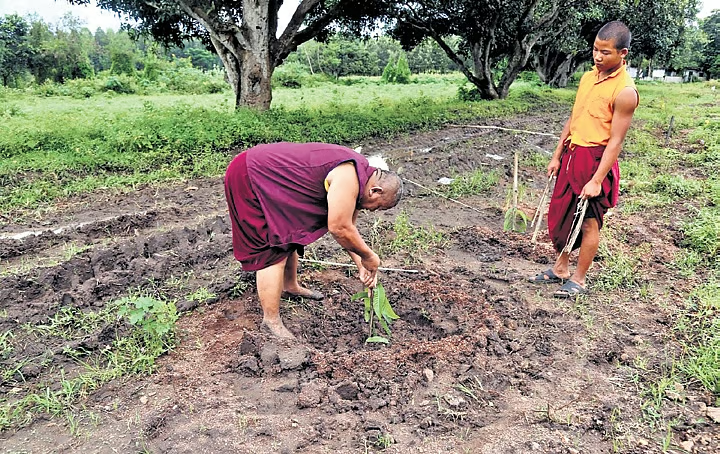
Monks of Eco Nalanda work in the fields every week to gain practical knowledge about the environment Photo | Express

Madikeri : 

Buddhism has a profound connection with the natural world — a bond rooted in the very moment Siddhartha Gautama attained enlightenment beneath the canopy of a Bodhi tree.

This reverence for nature is reflected in Buddhist monasteries, which serve as tranquil, spiritually-charged sanctuaries. And deep within Southern India lies the Karma Kargyue Monastery, a premier example of spirituality intertwined with environmental stewardship.

Nestled in the heart of a 100-acre forest zone, the monastery has evolved beyond a place of worship to become a vital hub for conservation and ecological harmony.

Established under the aegis of Bodhi Sattva Trust, the monastery is in the Tibetan Refugee Camp at Bylakuppe in Mysuru district. The trust also runs a Gurukul institution named Eco Nalanda School, where monks are taught to lead sustainable practices along with the routine academics.

What is special about this monastery is that it is home to over 700 indigenous tree species. The trust was established in 1995 with an ambition to initiate a conservation programme. Established by Guru Karma Samtenlingpa Rinpoche, the trust is leading a conservation and nature rejuvenation mission even as it has grand plans to promote its conservation initiative for a sustainable living.

“Buddha is the ambassador of peace and we at Bodhi Sattva want to share spiritual science,” explains Guru Karma Samtenlingpa Rinpoche, the founder of the trust.

He goes back in time and retells the story of his inspiration to start such a massive conservation project. Son of Maha Yogi Kazung, Karma Rinpoche was born in Bylakuppe and he calls this place his Karma Bhoomi. As a child, he grew up amidst nature even as his grandfather was his first inspiration.
Karma Kargyue Monastery Photo | Express

“My grandfather, a great yogi who meditated in Mt Kailash, was a nature lover. After the communist invasion of Tibet in 1959, my grandparents and father moved to Bylakuppe. And whenever my grandfather was here, he always spent time meditating and creating spiritual art atop a mango tree. He spent most of his time atop the tree and only came down to eat,” he says.

According to Karma Rinpoche, his house had a large orchard and all kitchen items were grown in the backyard. He said it was where he found his calling towards conservation.

After he graduated from the Gurukul in 1995, he established the trust to start the conservation project. However, the path was not easy. A youngster then, Karma Rinpoche did not have a proper plan for the project and he started off by planting saplings that he received for free from government departments. A silver oak sapling planted in 1995 still stands as a testimony to his conservation journey that began in a small manner at the monastery.

“The only ‘sathya’ I knew was surrendering to Mother Nature and Mother Nature is the only true Dharma. My conservation story started beside the then small temple of Karma Kargyue Monastery built using Mangalore tiles,” he says.

After meditating in this temple, he used to head out to plant saplings. He travelled across the globe seeking support to promote his vision and his journey introduced him to D Kupendra Reddy, former MP, who has led many conservation initiatives, including lake conservation projects in Bengaluru. Karma Rinpoche’s conservation journey led him to Dr Yellappa Reddy, a well-known conservationist, who helped shape the Bodhi Sattva Conservation project.

“We both shared the same vision for conservation and a month after our meeting, he visited the monastery,” he recalls, explaining that till his visit, the conservation project was lagging due to unscientific management. Dr Yellappa Reddy scrutinised the entire area, surveyed the land, conducted soil tests and even identified the indigenous species of flora that existed in the region. While several saplings had been planted in the region randomly, over 400 indigenous saplings were planted after Dr Yellappa Reddy’s visit.

Sharing that this happened in 2006, Karma Rinpoche explains that monks in the monastery were part of the project and walked miles carrying buckets of water to nurture these plants. While the trust now has a rainwater harvesting unit and a drip irrigation unit, the challenges they faced initially were a test turned into a testimony.

“Rainwater harvesting was planned by Prof Ravi Kumar from Mysuru and Dr Chandrashekar from Kerala Forest Science Institute became a horticulture advisor. All these scientists, including Dr Yellappa Reddy, did not take a single rupee for their efforts towards conservation,” says Karma Rinpoche.

The trust has planted 700 species of indigenous tree saplings and aims to plant 1,500 more. Karma Rinpoche has a vision to make Bodhi Sattva and Eco Nalanda, a small ecology arboretum learning centre, so that conservationists can easily replicate the concept. The trust is now involved in constructing a model house near the monastery to promote the concept of sustainable living. “Around this house, we will develop an orchard, a garden for kitchen needs and plant ayurveda saplings for daily needs. We will also build a ‘Happy Cow Temple’ where we will introduce ‘Malnad Gidda’, the indigenous cattle breed, and promote a sustainable lifestyle,” he says.

At Eco Nalanda, several tree species, including those connecting with the concept of ‘Sathyam Shivam Sundarm’, and several ayurvedic saplings are being nurtured. The trust has developed a Nakshatra Vana, Raashi Vana and Navagraha Vana plantation.

The 100-acre conservation project is in the centre of the 5,000-acre Tibetan Camp in Bylakuppe and it has become a resting place for wild elephants. “The region is known for elephant menace. Elephant herds are often chased from one estate to another. However, Eco Nalanda is like a guesthouse for elephants. With fodder and water aplenty, the elephants often enter this place and return to their home forest,” he says.

source: http://www.newindianexpress.com / The New Indian Express / Home> Karnataka / by Prajna GR / April 12th, 2026

Kodagu press club invites applications for annual journalism awards

Madikeri: 

The Kodagu Press Club has invited applications for its annual journalism awards, recognising excellence in reporting across multiple categories. Interested journalists have been asked to submit their entries on or before April 30, according to a statement issued by General Secretary M. K. Adarsh.

The “Best Human Interest Report” award has been instituted by veteran journalist Coovercolly Indresh and family in memory of his parents, B. V. Chandrashekar and B. C. Pushpalatha, with an endowment fund of ₹1 lakh to support the award.

The awards also include the “Best Impactful Report,” instituted in memory of senior journalist K. B. Mahantesh. Another category, “Best Environmental Report,” has been instituted by M. N. Chandramohan in memory of his parents M. Narayana and N. Padmavathi.

Each award carries a cash prize of ₹5,000 along with a plaque. The awards will be presented during the Press Club Day celebrations scheduled to be held on June 7 under the presidentship of president Bollajira B. Ayyappa.

As per the guidelines, entries must be special reports published between January 1, 2025, and December 31, 2025. Applicants must be members of the Kodagu Press Club and can submit entries for only one category. It is mandatory to clearly mention the category while applying.

Journalists are required to submit two copies of their published report along with the application at the Kodagu Press Club office. The initiative aims to encourage quality journalism and recognise impactful reporting in the region.

source: http://www.thehansindia.com / The Hans India / Home> News> State> Karnataka> Bengaluru / byThe Hans India/ April 18th,2026

Trekkers urge for safer trails in Kodagu after Kerala trekker went missing for four days

Experienced trekkers cautioned individuals against going on a solo trek or a solo hike on a new trek trail, even as the forest department ramps up safety measures.

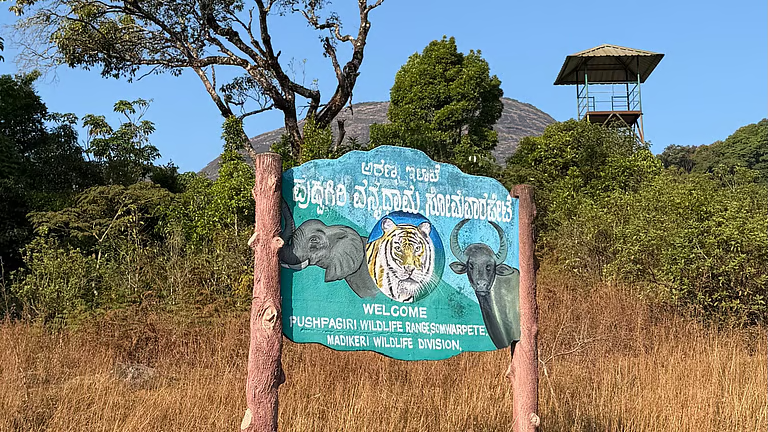
Board marking Pushpagiri wildlife range territory under Madikeri Wildlife Division.Photo | Express

Madikeri:

The Kodagu division forest department has currently closed Tadiandamol for trekkers after a woman techie from Kerala went missing for four days while on a solo trek.

Sources confirmed that the trail will open after the department takes a few precautionary measures to avoid repetition of such incidents.

“The Tadiandamol Trek is closed for trekkers till April 11,” confirmed Madikeri Deputy Conservator of Forests Abhishek. He explained that the department will conduct proper markings of the trek trails and will implement more safety measures to avoid such incidents in the future.

He stated that Kumara Parvatha is another major trekking route in the district managed by the department, where the trail is properly visible. However, since this trek also falls in a thick forest region, steps to implement safety will likely be planned.

Meanwhile, Kodagu district has instructed several trekking organisations based in Bengaluru and other cities to ensure safety measures.

However, experienced trekkers caution individuals against going on a solo trek or a solo hike on a new trek trail.

“It is not advisable for anyone, no matter how experienced they are, to go on a solo trek on a trail they are exploring for the first time,” shared Meghna Kushalappa, co-founder of Trek n Tales organisation. 

She advised trekkers to research the trail before they head out and try to physically mark the trail path, in case they are trekking alone.

She suggested that trekkers download several mobile applications like Wiki Loc, Maps.me and Strava, which have trails saved (in paid versions).

She also advised trekkers to carry all basic essentials including a flashlight, extra water and snacks, a whistle, portable charger and a basic first aid kit.

‘KA 12 Miles’, another trek group based in the district, put forth various requests before the authorities to make trekking feasible and safe in the district.

The need for caution/danger boards on the trails, sign boards at deviations, emergency communication stations, rest shelters, backup rescue teams, proper healthcare in base camps in case of emergencies, eco-toilets and proper waste management system are among the few demands put forth by the trekkers from the district.

The group also demands a ban on solo trekkers as incidents like that of the missing woman from Keralam can affect the entire trek community in the district. They opined that all the trek trails in the district are wildlife-prone areas and solo trekking must be prohibited keeping safety in mind.

“Heavy penalties must be imposed for breaking trek rules and guidelines,” demand the KA 12 Miles trekkers. Further, they also urge the departments to make all the treks in the district a plastic-free zone and urge for stricter checking of the trekkers at the chek posts.   

source: http://www.newindianexpress.com / The New Indian Express / Home> Karnataka / by Express News Service / April 06th, 2026

SIR exercise: In Kodagu plantation belt, BLOs struggle to map workers from tribal communities

Largely from Adivasi communities, many neither remember their earlier place of enrolment nor possess documents to establish it .

Residents have, over the years, moved across more than 20 plantation belts in the region. | Photo Credit: File photo

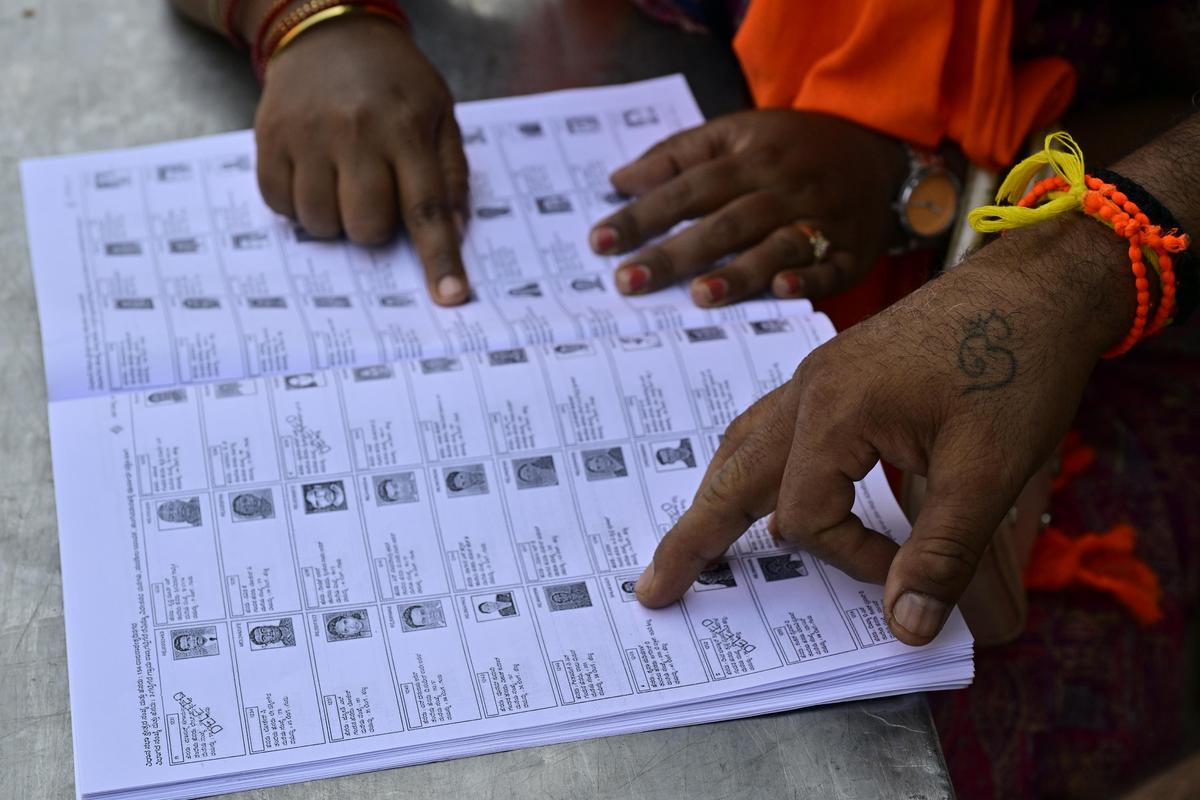
In Kedamulur, a village in Virajpet taluk of Kodagu district, Booth Level Officers (BLOs) have not been able to map even a single resident to the 2002 electoral rolls, a key requirement ahead of the Special Intensive Revision (SIR) expected to begin in Karnataka in April. 

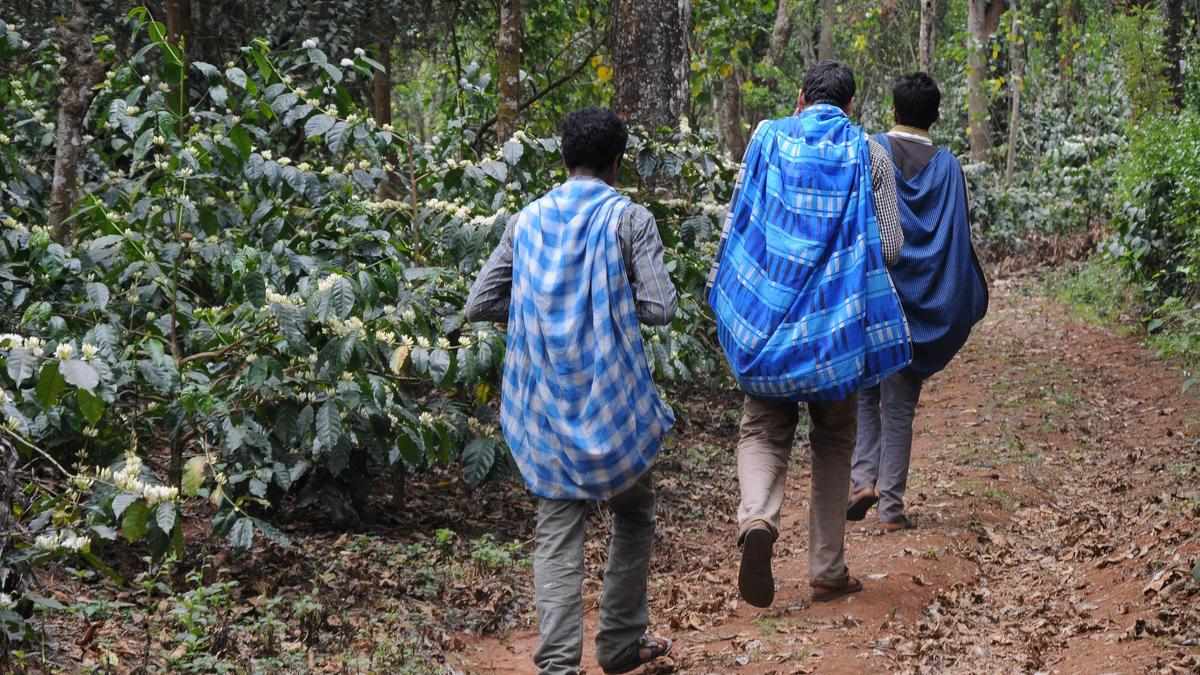
This is because residents here have, over the years, moved across more than 20 plantation belts in the region. Largely from Adivasi communities such as the Paniya Yerava, Jenu Kuruba, and Yerava, people told The Hindu that they neither remember their earlier place of enrolment nor possess documents to establish it. 

Most families said they have worked across plantations in areas such as Kutta, Ponnampet, Kaarekadu and Ammatti, among others, shifting every few years depending on work. With no records of earlier addresses, they are unable to show where they were living in 2002. In many cases, even recalling details needed to locate their names or those of their parents or grandparents in the electoral rolls has been difficult. 

“No one in Kedamulur could be matched during the mapping exercise,” a BLO associated with the Tomara Booth said, adding that similar conditions exist across plantation areas in Virajpet and Ponnampet taluks, apart from parts of Chikkamagaluru and Sakleshpur. 

Under the SIR process, if a person cannot be linked to the 2002 electoral rolls during the enumeration phase, their name is likely to be left out of the draft rolls that follow. It is only after this stage that individuals are issued notices asking them to submit one of 11 specified documents as proof.

No proof of address

For many families here, accessing those documents itself is a challenge. Gauri, from Adivasi Sangharsh Morcha, said it is common for workers’ documents such as voter ID cards and ration cards to be held by employers, and not returned when they leave plantations. With families shifting every few years, most also do not have proof of permanent residence. Even Aadhaar, which is accepted only as proof of identity and not citizenship for SIR, is not possessed by many in these settlements. 

The SIR guidelines also require people to produce documents based on their age. Those born before 1987 must submit their own documents, those born between 1987 and 2004 must provide documents for themselves and one parent, and those born after 2004 must provide documents for both parents. In communities where older generations themselves lack documents, this requirement, Ms. Gauri argued, is impossible to meet. 

Under the SIR process, if a person cannot be linked to the 2002 electoral rolls during the enumeration phase, their name is likely to be left out of the draft rolls that follow. | Photo Credit: File photo

Discrepancies galore

Even among those who do have documents, discrepancies are common, with differences in spelling, variations in names, and inconsistencies across records.  In several cases, it was common that two documents of the same person had different names. BLOs explained that this can happen for multiple reasons — sometimes, names are changed by employers or recorded along with the name of the community, and in other instances, spellings differ across languages or records.

In one case, a person’s Aadhaar card carried the name “Manju”, while the voter ID recorded it as “Paniya Yerava Manju”. In another, the same individual’s name appeared as “Chubba” in one document and “Subba” in another. BLOs acknowledged that such variations are required to be proven during the SIR and will only make it difficult to establish identity under the SIR, even for those who possess documents.

Adivasi Sangharsh Morcha has called for a survey in Adivasi settlements to identify gaps in documentation and address discrepancies in names across records.

BLOs struggle to reach

For BLOs, the exercise itself has been difficult to carry out. These settlements are located inside plantations with no bus connectivity, requiring them to walk long distances. Even then, workers and their families were always away in estates during the day. Officials said there is little awareness among residents about the exercise, even as they are expected to complete the work within deadlines and adapt to new rules.

source: http://www.thehindu.com / The Hindu / Home> News> Cities> Bengaluru / by Rishita Khanna / April 01st, 2026

DG&IGP Dr. M.A. Saleem to visit Mysuru, Kodagu

Mysuru:

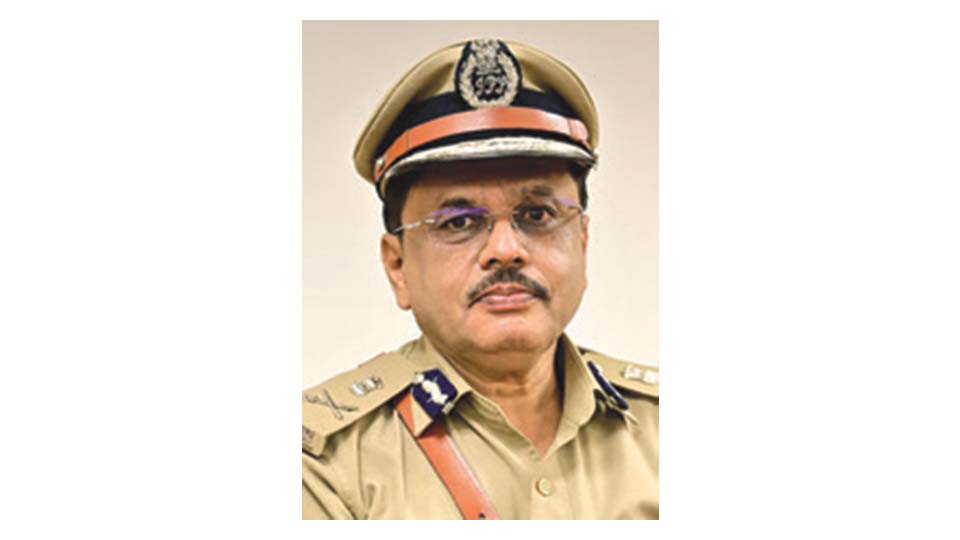
DG&IGP Dr. M.A. Saleem will be on a two-day visit to Mysuru and Kodagu districts today and tomorrow.

Dr. Saleem, who will be arriving in Mysuru by road at 5 pm today, will visit KARP Mounted Coy and stay overnight in city.

He will attend the Passing Out Parade of 46th Batch of Probationary PSIs (Civil) at Karnataka Police Academy (KPA) Grounds at 8 am tomorrow (Mar. 29).

Following this, Dr. Saleem will leave for Kodagu at 11 am to hold a review meeting of Kodagu District Police. He will visit Police Stations and Police Lines before leaving Kodagu at 6 pm to reach Bengaluru by 10 pm.

source: http://www.starofmysore.com / Star of Mysore / Home> News / March 28th, 2026

Former VP Naidu leaves for Madikeri in helicopter from Mysuru

Mysore/Mysuru:

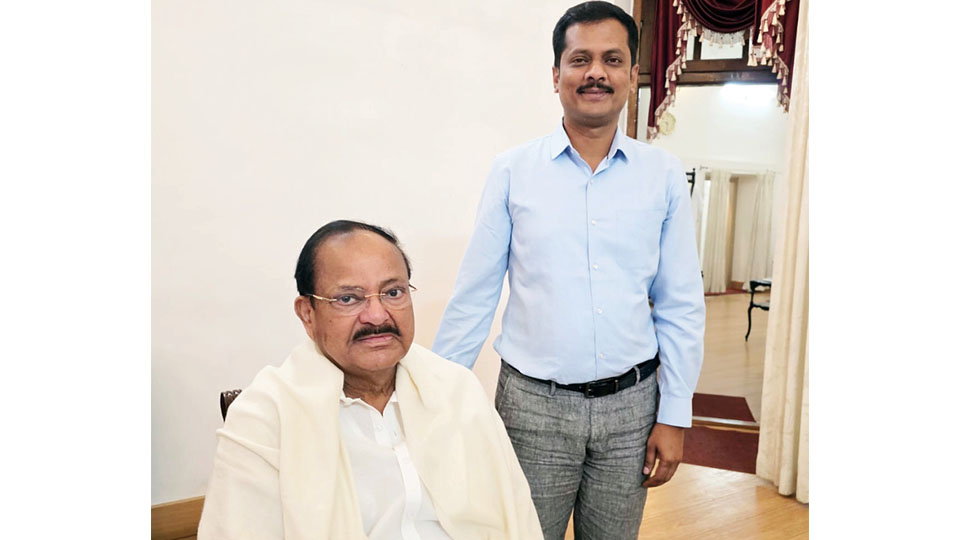
Former Vice-President of India M. Venkaiah Naidu, who arrived in the city last evening, left for Madikeri this morning.

Venkaiah Naidu, accompanied by his wife M. Usha, landed at Mysore Airport from Chennai at 6.45 pm last evening and drove straight to Government Guest House at Nazarbad, where he stayed overnight. During his stay, the jurisdictional Nazarbad Police provided security as per protocol. 

He left for Madikeri by a helicopter from Mysore Airport today  at 10.15 am and landed at the helipad at Timbertales, Kedakal, Modur Post, Madikeri,  at 11 am, from where he will travel by road to Madikeri & stay at Green Park.

Later, he will take part in Coorg Cultural Programmes at Green Park and stay for the night. Tomorrow (Feb. 15), he will take part in 90th birthday celebrations of Atluri Purnachandra Rao at Green Park, followed by Karnatak Cultural programmes.

He will stay at Green Park, Madikeri, till Feb. 18. He will depart Madikeri by a helicopter at 11 am on Feb. 18 and land at Mysore Airport at 11.50 am, from where he will travel to Government Guest House in Nazarbad.

Later, Naidu will depart Mysuru for Bengaluru by Shatabdi Express train at 2.15 pm on Feb. 18. Upon reaching Bengaluru, Naidu will stay at Loka Bhavan (formerly Raj Bhavan), till Feb. 21.

source: http://www.starofmysore.com / Star of Mysore / February 14th, 2026

Karnataka rain: Landslip in Kodagu in region bereft of human habitation

On being alerted by residents of Palangala village, officials from the Departments of Mines and Geology, Revenue and Forest reached the spot on August 1 for an on-site inspection.

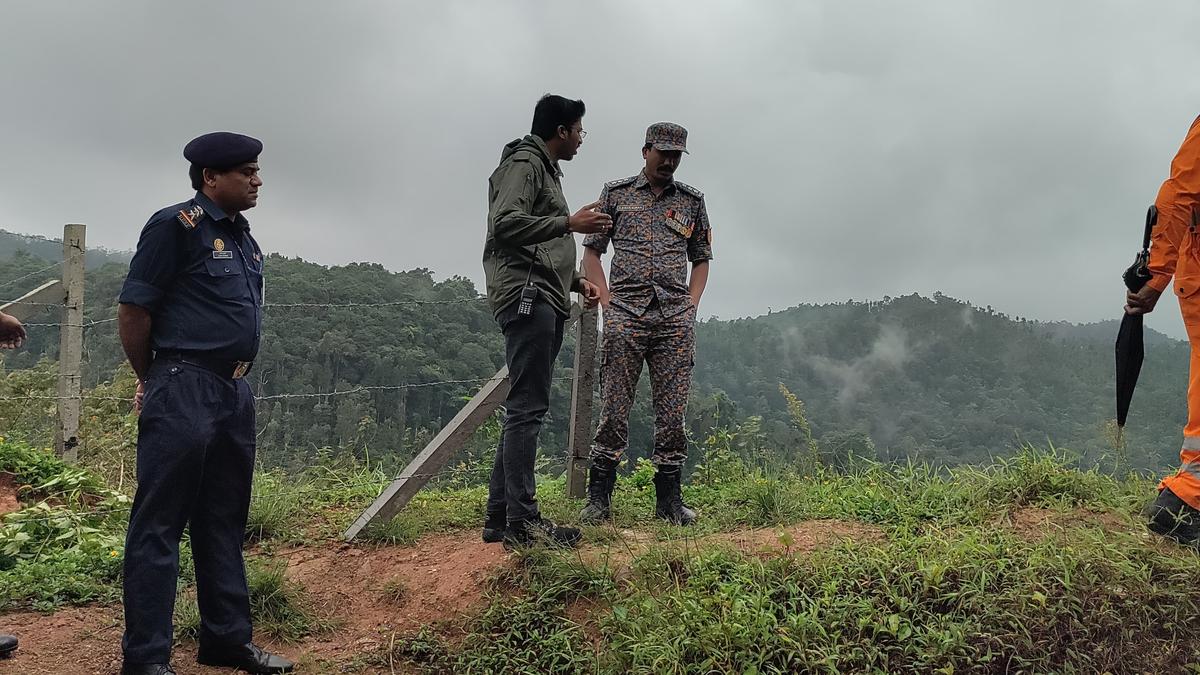
A representational photo of officials inspecting a landslide-prone area in Kodagu district of Karnataka. | Photo Credit: SPECIAL ARRANGEMENT

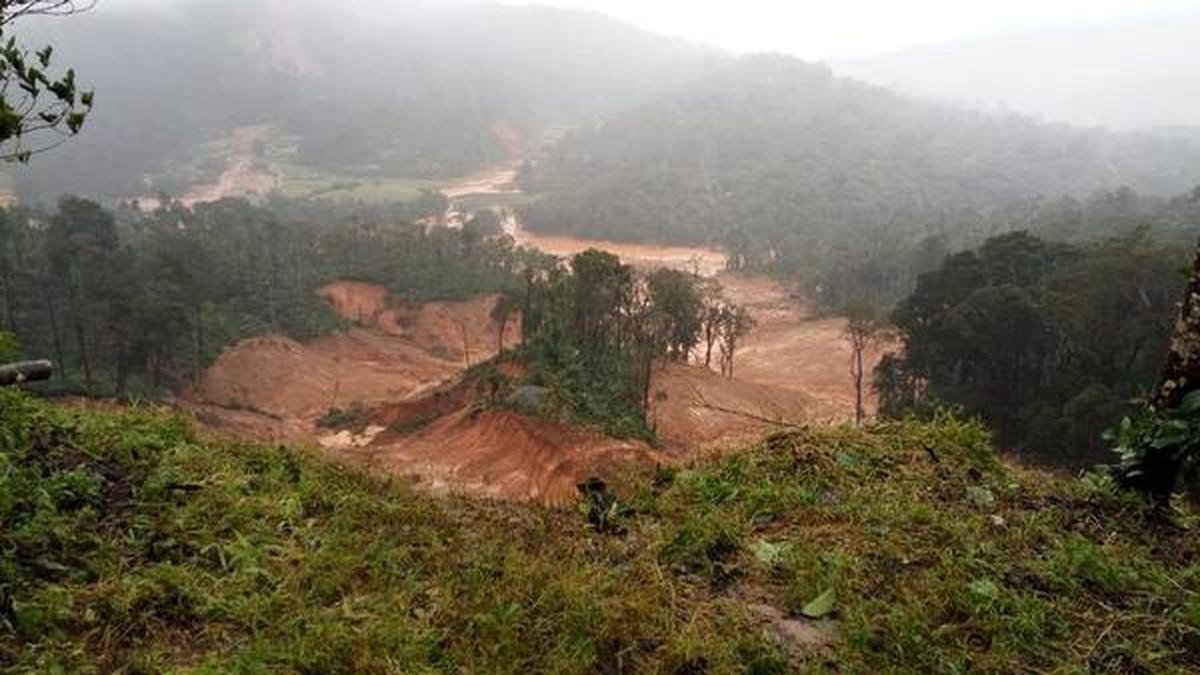
A landslip was reported to have taken place about five days ago at Palangala village in Virajpet taluk of Kodagu district in Karnataka. The area is bereft of human habitation.

According to a statement by the tahsildar of Virajpet taluk, no humans, houses or public property was affected by the landslip, while adding that there is no reason for people to panic.

On being alerted by residents of Palangala village, officials from the Departments of Mines and Geology, Revenue and Forest reached the spot on August 1 for an on-site inspection.

According to their preliminary observation, the landslip occurred from the hills of the forest in Makutta Matri range of the Western Ghats, in Palangala village. The soil, rocks and trees that had slid due the landslip reached the government-owned land in Palangala village that is spread across 341 acres.

The villagers as well as the officials estimate that the landslip might have occurred about five days ago.

Kodagu is among a few districts in Karnataka that had reported sustained rainfall in July.

source: http://www.thehindu.com / The Hindu / Home> News> India> Karnataka / The Hindu Bureau / August 0nd, 2025

Survivors in Kodagu search for a village that no longer exists

“Paddy fields have disappeared, there is a flat land devoid of trees for nearly 2 km, we cannot identify the spots we were so familiar with, and roads have simply vanished for long stretches. A few houses have survived.”

This is what one batch of 12 survivors from Makkandur in Kodagu district had to say on Tuesday as they retraced the steps to what was once their home. For them, the weary trudge was as excruciating as the ordeal of landslips and floods they had faced on Friday.

The walk to Makkandur from their relief camps near Madikeri took them almost half a day; normally, it would have taken a few minutes by car.

“The road to Makkandur no longer exists. For every few steps that we took forward and climbed what was once a familiar terrain, we were forced to turn round and rework our route,” said Jagdeep, a coffee plantation owner who was among the first batch of residents to be evacuated when disaster hit the village.

Along with a few others, he set out to assess the damage on Tuesday and returned shocked by the trail of destruction.

The group was greeted by yawning gaps in the road that had deep crevices, to circumvent which they had to climb adjoining hills that were still slippery and wet. Meanwhile, there was no let-up in the slush sliding down the hillocks.

Every step the group took was dangerous. They walked, stunned to find out that farms and plantations had given way to vast puddles of slush. “The adjoining government land which had 120 to 150 houses, accommodating plantation workers, have completely disappeared,” said a sombre Mr. Jagdeep.

Though a few houses have survived, they are surrounded by hillocks that no longer appeared stable. The walk back from Makkandur to their relief camp was even more treacherous. “Our mind was numb as we were convinced that the village we knew no longer existed; reconstruction was a long haul ahead.”

With the rains having ebbed a little, more and more people staying in relief camps are embarking on journeys to ascertain first-hand the damage to their villages.

source: http://www.thehindu.com / The Hindu / Home> News> India> Karnataka / by Special Correspondent The Hindu / August 22nd, 2022

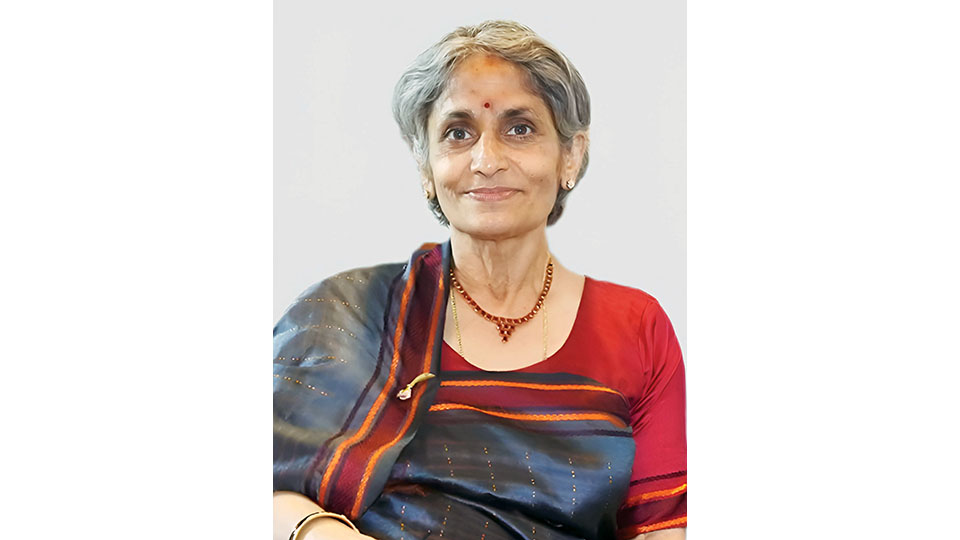
Prof. Buttiyanda K. Thelma is Coorg Person of the Year-2025

The scientist behind first genetic study of Kodavas

Mysore/Mysuru: 

Prof. B.K. Thelma, the scientist behind first genetic study of Kodavas (Coorgs), is Coorg Person of the Year-2025. The origin of Kodavas in the State of Karnataka has been a standing riddle for ethnologists all these years.

The credit for solving the mystery behind the origin of Kodavas should go to Kodagu-born Prof. Buttiyanda Kuttapa Thelma and her team.

Carrying out a systematic sampling of the Kodavas from across Kodagu, using the available genetic analytical tools, Prof. Thelma and her team have been successful in publishing a scientific paper on the genetic makeup of the Kodavas.

The selection of ‘Coorg Person of the Year’ is made on the basis of a poll conducted through Kodagu’s first news and tourism portal www.coorgtourisminfo.com, promoted by journalist and author P.T. Bopanna.

Prof. Thelma stands tall in the landscape of Indian genetics and genomics research. When she decided to take up research on human genetics, it was nearly an uncharted territory in India. But today, she is one of the country’s leading experts in human genetics and related fields and has made notable contributions.

Aged around 70, Prof. Thelma, who belongs to the Kodava community known for their uniqueness in many ways, including their dress code and cuisine, must have motivated her to study the roots of her own community.

Born in Madikeri to late Buttiyanda Ganapathy Kuttapa and Manavattira Muthamma Machia, Prof. Thelma was raised in a very loving, caring and progressive family. They lived in a house in Madikeri town with a large backyard, which provided a warm and nurturing environment.

Prof. Thelma completed her schooling in Madikeri at St. Joseph’s Convent. She recalled, “In Class X, I was the only one in my school to get first class in all four parts. The next big decision was which subject I should take in college. My father wanted me either to do Master’s in Maths or join the IAS, but my heart was elsewhere. It was my dream to become a doctor. To this day, the sight of a doctor treating his patients fascinates me.”

She then moved to Bengaluru to join the Mount Carmel College and later the Central College, Bengaluru, for higher studies. After her post-graduation, she chose to avail a research fellowship at the University of Delhi to do a Ph.D. She received her doctorate in 1982.

Thereafter, Prof. Thelma had a brief stint as a post-doctoral fellow at the children’s hospital in Basel, Switzerland, where she had an opportunity to work with human samples — almost a dream starting to be realised, in her words.

She travelled extensively and learnt as much as possible during those couple of years. With the unwavering decision to return to the country, she headed back to Delhi University where she worked as a CSIR Pool Officer and Research Associate.

In 1987, she got a faculty position in the Department of Genetics at the University of Delhi where she continued till her superannuation. Currently she continues to serve as a Professor and National Science Chair at the same place.

All through these years of Prof. Thelma’s research interest in biomedical genetics, the genetic history of the Kodavas has been her enduring interest. The study, though she says is not complete yet, provides some insights into the intriguing origin of Kodavas.

She is a recipient of several awards — to name a few, CNR Rao Lifetime Achievement Award from Karnataka S&T Academy (2021); Meritorious Service Award from University of Delhi (2021); National Science Chair (2021-2026); JC Bose Fellowship (2011-2021); SP Raychaudhuri Endowment Lecture Award, Indian Society of Cell Biology (2018); Sanghvi Oration Award, Indian Society of Human Genetics (2015); Sunder Lal Hora Medal, Indian National Science Academy (2014).

source: http://www.starofmysore.com / Star of Mysore / Home> News / December 30th, 2025