Category Archives: Nature

Deficient pre-monsoon rains in Kodagu, Mysuru trigger Kharif concerns

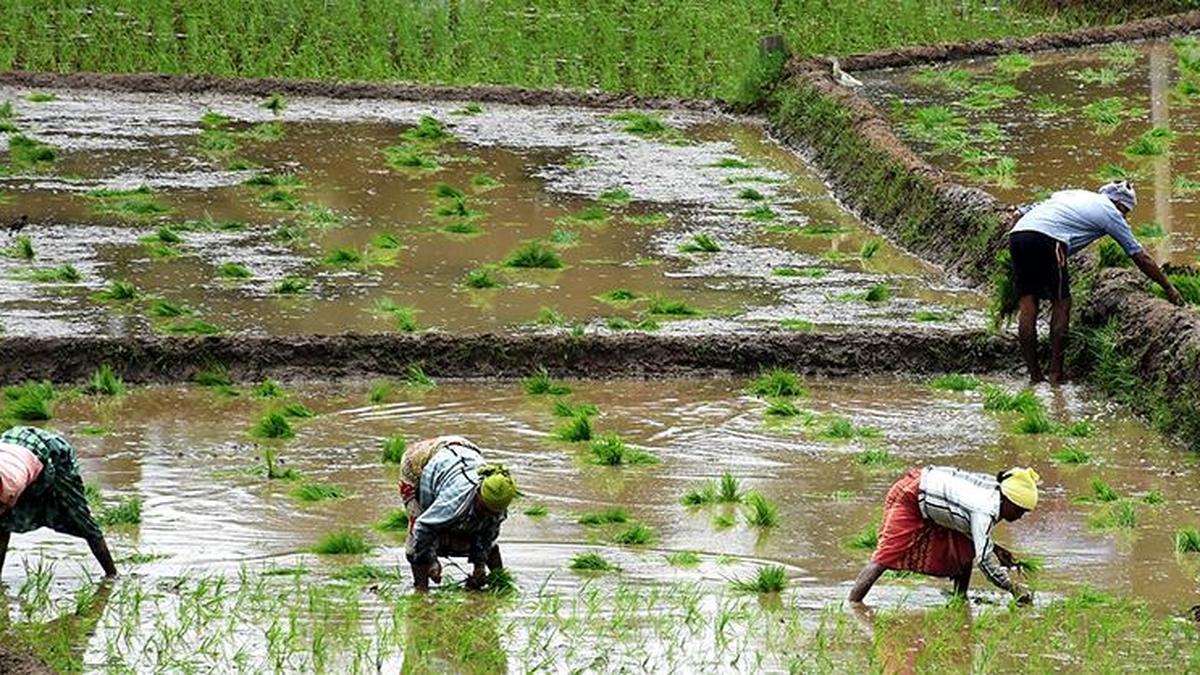
Sowing in Mysuru district | Photo Credit: File photo

A sharp deficit in pre-monsoon rainfall across southern Karnataka has raised concerns ahead of the onset of the southwest monsoon, with key districts in the Mysuru region, particularly Kodagu and Mysuru, recording significant shortfalls that could affect preparation for kharif sowing.

Data released by the Karnataka State Natural Disaster Monitoring Centre (KSNDMC) as of May 27 shows that South Interior Karnataka received 106 mm of rainfall against the normal 125 mm during the pre-monsoon period from March 1 to May 27, registering a deficit of 16 per cent.

Among the districts in the Mysuru region, the data said, Kodagu recorded the steepest decline, receiving only 106 mm rainfall against the normal 220 mm – a deficit of 52 per cent. Mysuru followed with 89 mm against the normal 184 mm, recording a 51 per cent shortage. Mandya received 96 mm against the normal 146 mm, registering a shortfall of 34 per cent, while Chamarajanagar received 140 mm against the expected 181 mm, reflecting a 22 per cent deficit.

The shortfall was more noticeable in April. Mysuru district received only 10 mm rainfall against the normal 66 mm, recording an 85 per cent deficit. Kodagu registered a 76 per cent shortfall, followed by Chamarajanagar at 75 per cent and Mandya at 59 per cent.

Although rainfall activity improved marginally in May, it remained insufficient to offset the earlier deficit. Between May 1 and 27, Mysuru received 65 mm rainfall against the normal 103 mm, registering a 37 per cent shortfall, while Kodagu received 64 mm against 114 mm, a deficit of 44 per cent. Mandya and Chamarajanagar fared relatively better, receiving 62 mm and 105 mm respectively.

The data also showed significant rainfall deficits in Hassan and Dakshina Kannada districts.

source: http://www.thehindu.com / The Hindu / Home > News> India> Karnataka / by The Hindu Bureau / May 27th, 2026

Dubare tragedy: The dangerous illusion of ‘tamed’ elephants

The tragedy raises urgent questions about the continued use of captive elephants for tourism, festivals, and processions in the name of tradition, even as shrinking habitats, broken elephant corridors, and rising human interference intensify conflict between humans and wildlife.

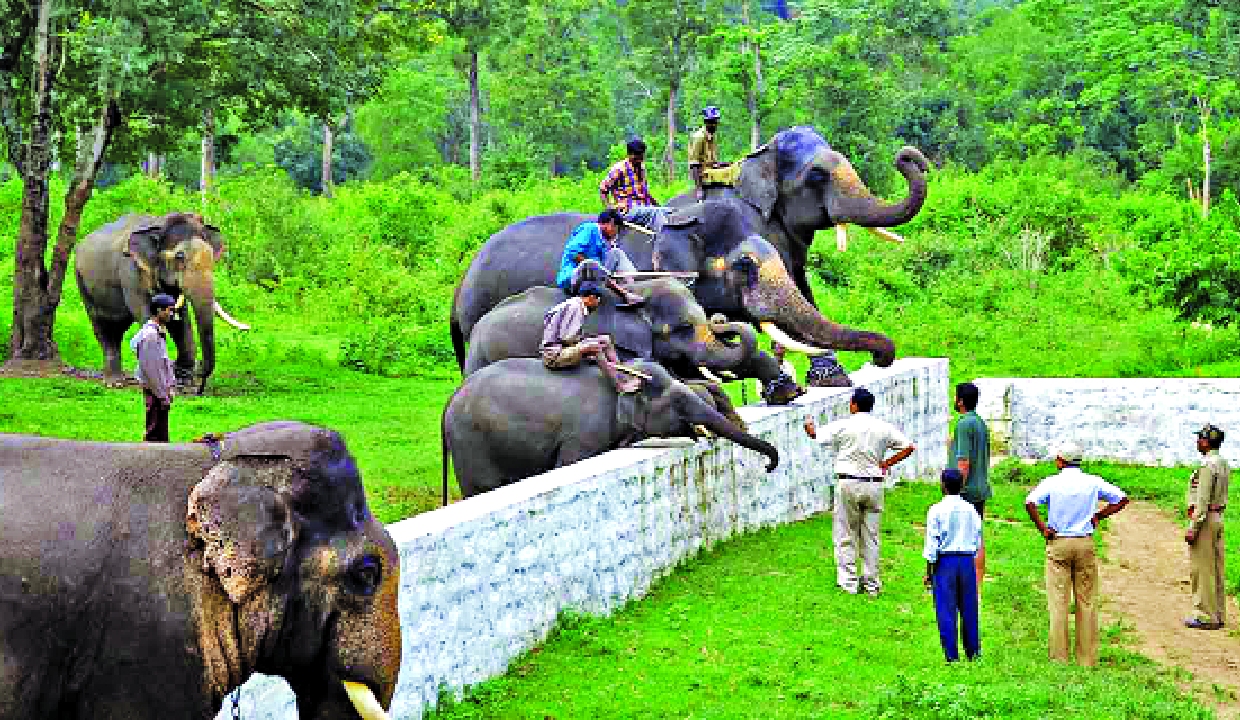
This week’s tragedy at Dubare elephant camp in Kodagu district, deep inside Karnataka’s Western Ghats, questions the decision of the authorities to permit tourists to bathe captive elephants in the flowing waters of the Cauvery River. This camp is located deep within forests dominated by the movement of wild elephants. All captive elephants in this camp were not born in captivity; many were captured from the wild and later tamed in such camps. It is not fair to conclude that tamed elephants have shed all their wild characteristics and fully obey the command and control of their masters – mahouts and kavadis. There have been instances in the past where elephants have killed their masters – mahouts and kavadis. There have also been instances where elephants did not obey the commands of the mahout and ran amok, inflicting casualties and death among crowds.

Captive elephants are often subjected to torture by mahouts using iron ankushes, which can cause bleeding and septicaemia. The footpads of elephants are frequently injured from walking on paved roads. Though camps have treatment facilities under the supervision of veterinary doctors, bleeding from earlobes and footpads is often neglected, and the elephants continue to suffer.

Let me examine in this piece how far we are justified in taking elephants for processions during special occasions and marriages where large crowds gather, and how far we are justified in continuing age-old traditions where tourists are permitted to pour water and rub the elephants’ bodies while standing beside them. On several occasions, I have personally failed to convince the Karnataka government not to use captive elephants during Mysuru Dussehra. The argument advanced was: why discontinue traditions?

Captive elephants were extensively used in dragging timber logs across hilly terrain in forestry operations in the past. The Forest Department maintained elephant camps for such operations. However, maintaining these camps was always costly, which restricted their expansion. As forestry operations have now been scaled down and tree felling in hilly terrains prohibited in the interest of conservation, these camps have largely lost their relevance.

Now, bureaucrats and politicians see these camps as permanent centres for training wild elephants that stray out of forests, damage crops and property, and threaten human lives. Earlier, the Karnataka Forest Department carried out khedda operations to capture only a few elephants needed for logging operations. However, with the advent of safer tranquillising techniques, more and more wild elephants are being captured. The department often comes under public pressure to capture elephants straying into villages. The argument advanced is that the elephant population in the wild is increasing due to conservation, and the excess population must therefore be brought into captivity. Wild elephants involved in conflicts, when translocated several hundred kilometres away into another elephant habitat, have often returned to their original homes within weeks, strengthening the argument for bringing such elephants into captivity.

In an era when elephant habitats are continuously fragmenting and shrinking owing to the expansion and widening of linear infrastructure, diversion of forests for mining, industries and development projects, and unauthorised encroachment on forest land, wild animals — especially elephants — are left with little option but to migrate in search of food, shelter, and water, thereby straying into human settlements.

The spread of invasive species and forest fires has also degraded elephant habitats. Palatable plant species and bamboo forests have suffered extensive damage, forcing elephants to move out of forests regularly. Elephant corridors that once provided migratory routes have been occupied by humans. Human settlements and cultivation inside forest pockets have expanded, to the detriment of conservation.

Captive elephant camps like Dubare are themselves islands of human activity within forests. As part of their daily routine, camp elephants are released into forests during the daytime, where they interact with wild elephants. Fights between captive and wild elephants are reported regularly. There have even been instances where captive elephants were killed by wild tuskers. Aggression is a natural part of elephant behaviour and cannot always be controlled by a mahout’s ankush. Sometimes, the animals can surprise us.

About a decade ago in Karnataka’s Kalaburagi district, an elephant in a procession kicked its mahout in full public view. The kick was mild and the mahout survived the scare. Feeling insulted, the mahout attempted to attack the elephant with an ankush. The elephant became even angrier and kicked him with such force that he fell nearly 20 feet away and died. Elephants killing their mahouts is not uncommon, and such incidents have been reported from across the country.

Within a herd, stronger elephants are also known to target weaker members. This is what happened at Dubare earlier this week. A tusker attacked a makhna (another male elephant without tusks) while tourists were permitted to bathe the herd. The hostility had likely built up over time, and on that fateful day, the tusker chose to attack the makhna in full view of tourists. The makhna collapsed onto a female tourist bathing it, crushing her to death. The tusker continued attacking the makhna until the mahout managed to calm it down. Despite the best treatment provided at the camp, the makhna died the following day.

Dubare camp also has tourist lodges run by the state-owned Jungle Lodges and Resorts (JLR). One of the activities offered to tourists is bathing the camp elephants, while another is jeep safaris through nearby forests to view wild animals. It has also been found that the entire camp and JLR premises lie within a corridor historically used by wild elephants. Blocking this corridor has disrupted elephant movement and intensified human-elephant conflict.

There are other forest pockets in Kodagu that have been granted for coffee estates. These estates too obstruct elephant corridors. More than 10,000 acres of coffee estate owned by Tata lie within this corridor. The entire estate is fenced, diverting elephants into human settlements and aggravating conflict. Sometimes elephants break through the fencing and enter the estates, threatening workers’ lives. Even the narrow roads inside coffee estates are covered by drooping coffee branches on both sides, limiting visibility. Estate management must ensure better visibility and safer movement.

This is a vicious cycle. As wild elephant movement is obstructed, incidents of conflict increase, and every human death places additional pressure on the Forest Department to capture the elephants involved and bring them into captivity. The continued operation of such elephant camps and JLR facilities is not in the interest of conservation.

Such elephant camps should be downsized in a phased manner, and corridors must be restored by removing fencing in Tata Coffee estates and around JLR properties. Tourists should not be allowed near camp elephants, and under no circumstances should close interactions be permitted. Tourist viewing areas should instead be cordoned off, allowing visitors only to observe elephants bathing in the river from a safe distance.

Dubare camp also has tourist lodges run by the state-owned Jungle Lodges and Resorts (JLR). One of the activities offered to tourists is bathing the camp elephants, while another is jeep safaris through nearby forests to view wild animals. It has also been found that the entire camp and JLR premises lie within a corridor historically used by wild elephants.

The writer is a retired Head of Forest Force, Karnataka, and teaches Economics at the Karnataka Forest Academy; Views presented are personal.

source: http://www.dailypioneer.com / The Pioneer / Home / by B K Singh / May 28th,2026

Taj Madikeri Resort & Spa: Coorg’s Ultimate Eco-Luxury Escape That Will Blow Your Mind!

Image generated with Ai

The Taj Madikeri Resort & Spa,  nestled in the lush landscapes of Coorg, is a pioneering example of sustainable luxury. Developed by Indian Hotels Company Limited (IHCL) under its ESG+ framework, the resort is a perfect blend of environmental conservation, community development, and responsible operations. Built within a sprawling 180-acre rainforest, the resort stands as a testament to IHCL’s commitment to long-term ecological stewardship.

Eco-Conscious Construction Practices

One of the standout features of Taj Madikeri Resort & Spa is its eco-conscious construction. The development process took seven years, with a firm commitment to preserving the natural surroundings. Remarkably, not a single tree was cut down during construction. The resort was built on just 30 acres of land, with careful attention to maintaining the land’s natural contours. Pathways were created without leveling the terrain, and excavated soil was repurposed to form a freshwater lake. This lake now serves multiple purposes, from supporting aquatic life to attracting migratory birds and aiding in rainwater harvesting.

The resort also employed innovative construction techniques to reduce environmental impact. Compressed stabilised earth blocks were produced on-site from displaced soil, which were then sun-dried rather than baked, significantly lowering emissions and leaving a minimal construction footprint.

Thriving Biodiversity and Environmental Integrity

The resort’s commitment to environmental integrity is evident in its thriving biodiversity. Taj Madikeri Resort & Spa is home to 310 species of birds68 species of butterflies79 species of mammals, and 32 species of frogs. The resort boasts an impressive Air Quality Index consistently below 3, ensuring a clean and healthy environment for both guests and wildlife. Additionally, the property has maintained a plastic-free environment, reinforcing its dedication to sustainable practices.

A unique feature of the resort is its Batracharium, which was established after identifying frog species found on the property. Guests can learn about the region’s ecological richness through guided tours with in-house naturalists. The resort also offers a Biodiversity Photography Club, where both associates and guests are encouraged to capture and appreciate the natural heritage of the resort.

Immersive Nature Experiences for Guests

Taj Madikeri Resort & Spa offers its guests a unique opportunity to engage deeply with nature. Guided forest walks, led by in-house naturalists, provide guests with a chance to explore the rich flora and fauna of the surrounding rainforest. A Butterfly Park, honey cultivation with 32 active bee colonies , and pottery sessions  using natural materials all encourage a deeper connection with the environment.

The resort also highlights the Kodava culture through its heritage conservatory, which celebrates the region’s traditions while connecting cultural preservation with ecological sustainability.

Sustainable Operations and Resource Efficiency

Taj Madikeri Resort & Spa’s commitment to sustainability extends to its daily operations. Public spaces within the resort are naturally ventilated, reducing the reliance on air-conditioning and lowering energy consumption. Natural lighting is maximized, while LED lights and low-wattage outdoor illumination are used to minimize energy use and protect nocturnal species in the area.

The resort goes a step further by treating and reusing all of its wastewater for irrigation and flushing. Over the past two years, more than 84% of the resort’s electricity has been sourced from wind energy. This energy-efficient approach aligns with the resort’s commitment to reducing its carbon footprint and supporting renewable energy initiatives.

Electric Mobility: A Step Towards Zero Emissions

Continuing its sustainability efforts, the resort has recently introduced electric mobility on its estate. After extensive trials to adapt the vehicles to the resort’s challenging terrain, the resort replaced its petrol-driven gypsies with Tata Punch electric vehicles (EVs). These zero-emission vehicles not only reduce the environmental impact but also minimize noise and disturbance to the wildlife. The resort’s focus on safety has led to the installation of reinforced bars, non-slip flooring, transparent rain covers, and weather-resistant interiors, ensuring accessibility for all guests, particularly the elderly.

Community Engagement and Local Development

Taj Madikeri Resort & Spa’s impact extends beyond environmental conservation to community development. More than 31% of the resort’s associates come from neighbouring villages, supporting local employment and skill development. The resort also works closely with artisans and regional producers, ensuring that economic benefits flow into the surrounding community.

The resort’s commitment to community engagement is an integral part of its business model, helping to uplift local communities while promoting responsible tourism practices.

Global Recognition for Sustainable Tourism

Taj Madikeri Resort & Spa’s dedication to environmental and community stewardship has earned it global recognition. The resort has been awarded the EarthCheck Gold Certification, a testament to its leadership in responsible tourism and its commitment to sustainable practices. This prestigious certification highlights the resort’s ongoing efforts to minimize its environmental impact while providing a luxury experience rooted in nature.

Conclusion: A Model for Eco-Friendly Luxury Tourism

Taj Madikeri Resort & Spa, Coorg, sets a new standard for eco-friendly luxury tourism. With its focus on sustainable construction, thriving biodiversity, resource efficiency, and community development, the resort offers an unparalleled experience for guests seeking to connect with nature while enjoying the comforts of luxury. Recognized globally for its commitment to responsible tourism, the resort remains a beacon of sustainability in the hospitality industry.

source: http://www.travelandtourworld.com / TTW / Home> Hotels and Resorts> India / February 17th, 2026

Lavender bloom transforms Kushalnagar’s Thavarekere

Madikeri:  

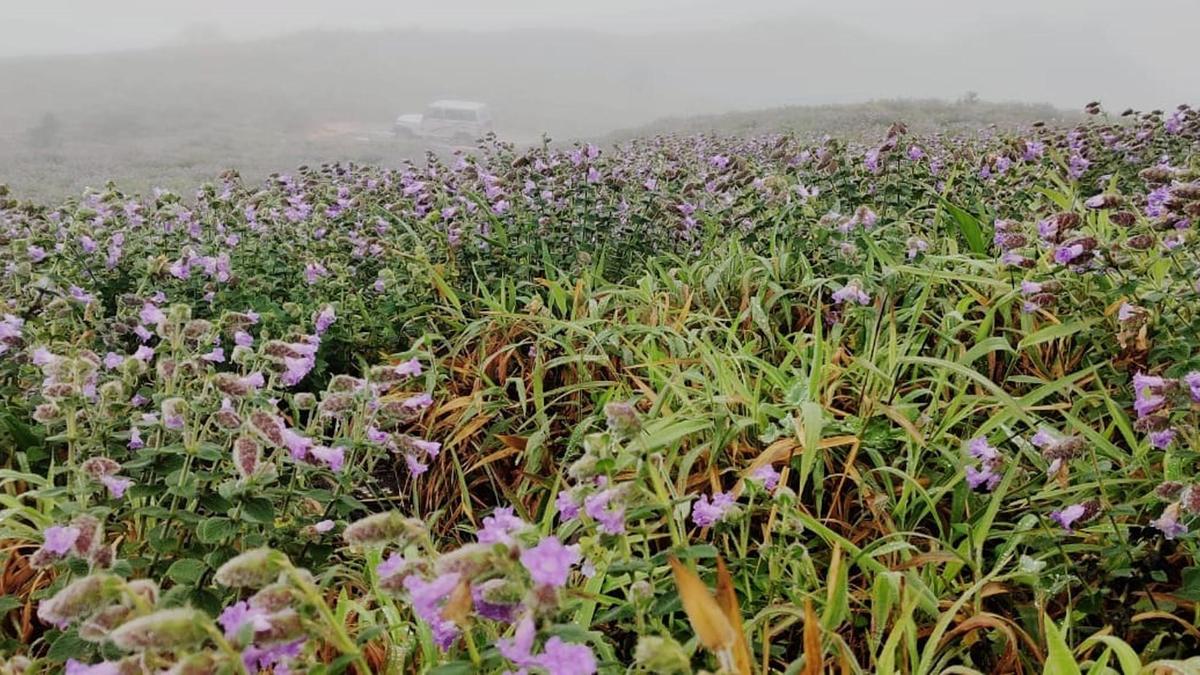
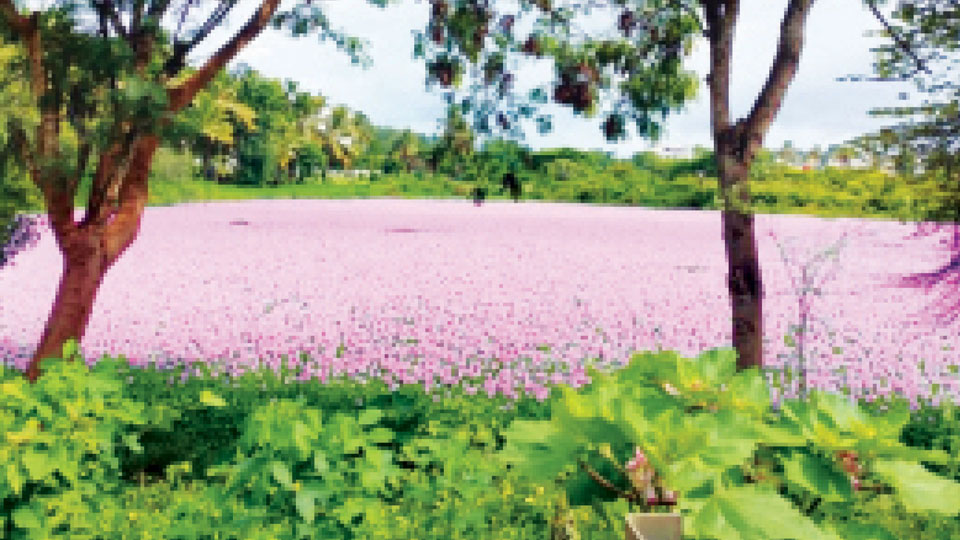
The blooming lavender to pink flowers at Thavarekere in Kushalnagar have become a captivating attraction, drawing travellers, tourists and locals alike. Nestled quietly among forest shrubs along the Highway, the lake has suddenly amplified its natural charm.

Typically adorned with lotus flowers, the lake is now blanketed in a striking expanse of lavender blossoms. This breathtaking transformation, stretching across the waters, offers a stunning visual spectacle. For the first time, such vibrant blooms have appeared here, leaving visitors both surprised and enchanted.

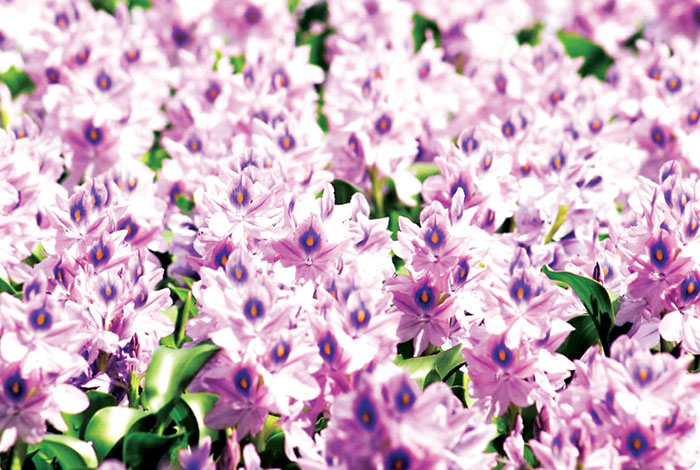
Residents of Kushalnagar recall that the lake was once abundant with lotus flowers, which earned it the name Thavarekere (Thavare means lotus in Kannada). However, over time, the unchecked inflow of sewage into the lake has allowed invasive water hyacinth — a free-floating perennial aquatic plant — to take over and now bloom in full.

The lake’s new-found allure is drawing crowds who pause along the roadside to soak in the surreal scenery. The surge in visitors has even prompted Police deployment to regulate traffic and maintain order in the area.

source: http://www.starofmysore.com / Star of Mysore / Home> News / June 30th, 202

New Species of ‘Shadow’ damselfly discovered in Kodagu’s Western Ghats

Image: Protosticta sooryaprakashi, male. Credit: Authors: https://doi.org/10.11646/zootaxa.5723.3.3

A  new species of damselfly, sporting vibrant sky-blue markings, has been discovered in the biodiversity hotspots of India’s Western Ghats. Named the Kodagu Shadowdamsel (Protosticta sooryaprakashi), this shade-loving insect was identified by a collaborative team of researchers who combined traditional field observations with modern DNA analysis to distinguish it from its closest relatives. The discovery highlights the hidden diversity remaining in the tropical forests of Karnataka.

The new species was identified during surveys along the banks of the Sampaje River in the Kodagu District and in the high-altitude forests of Agumbe. Researchers from institutions including Government Brennen College, Kannur; the Society for Odonate Studies, Kottayam; the National Centre for Biological Sciences, Bengaluru; and others initially noticed that these damselflies resembled a known species, Protosticta sanguinostigma. However, the team noticed that the new specimens were smaller, more delicate, and possessed distinct physical traits that did not match those in existing records. To confirm their suspicions, they utilised molecular analysis, sequencing the insects’ DNA to prove that the Kodagu Shadowdamsel was indeed a separate evolutionary lineage.

What sets Protosticta sooryaprakashi apart from its cousins is specific, unique physical characteristics. The males are distinguished by a prominent sky-blue marking on the prothorax—the neck-like segment behind the head—and a dark brown to black body, which differs from the crimson-colored thorax of its close relative. Under microscopic examination, the researchers found a peculiar feature: the tips of the male’s reproductive organ (the genital ligula) are shaped distinctly like a duck’s head, a trait not seen in other species of this group. In the wild, these damselflies were observed perching on shaded plants near streams, exhibiting a weaker, more fluttering flight than other damselflies in the region.

The species has been named in honour of the late Dr Sooryaprakash Shenoy, a renowned botanist who served as Head Scientist of the Botany Division at the Dr Shivaram Karanth Nisargadhama (biological park) in Pilikula, Karnataka. He was a researcher who dedicated his life to biodiversity conservation in the Western Ghats. 

The researchers noted that finding such a distinct species in a relatively accessible area suggests that the Western Ghats, a global biodiversity hotspot, likely harbours many more cryptic or unknown species waiting to be discovered. They emphasised that protecting the shaded, riparian (river-based) habitats where the Kodagu Shadowdamsel thrives is essential for maintaining the ecological health of the region’s freshwater systems.


This article was written with the help of generative AI and edited by an editor at Research Matters.

Source

Description of Protosticta sooryaprakashi sp. nov. (Odonata: Zygoptera: Platyst…

source: http://www.reasearchmatters.in / Research Matters / Home / by Research Matters Staff Writer(s) / Kodagu / November 27th, 2025

Maddu thoppu: Magic leaves of monsoons

And one such way, followed traditionally and scientifically, is consumption of dishes made from a highly medicinal plant.

Dishes prepared from bamboo shoot are also the highlight of ‘Kakkada padinent’ I Prajna GR

Madikeri :

Monsoon in Kodagu is synonymous with chilly weather due to continuous rainfall. While the traditional houses in the district are equipped with fireplaces to warm up the ambience, the people of Kodagu follow certain indigenous ways to stabilise the body temperature. And one such way, followed traditionally and scientifically, is consumption of dishes made from a highly medicinal plant, locally known as ‘Maddu thoppu’ (medicinal leaves). And this festival of leaves was celebrated on August 3.

With scientific name ‘Justicia Wynaadensis’, ‘Maddu thoppu’ grows abundantly as a bushy shrub in the humid tropical belts of Kodagu. “In 1921, botanist J S Gamble, former official of the forest department, had recorded the abundance of this plant in the evergreen forests of the Western Ghats – from South Canara, Kodagu to Wayanad, Eastern Nilgiris and South Malabar,” says Ulliyada Daty Poovaiah, ex-president of Kodava Academy.

With slender stems and hunter green leaves, they grow like an army of soldiers at places where there is scanty sunlight. They earn special status during ‘Aashada masa’ in the Hindu calendar, also known as ‘Kakkada masa’ in Kodava calendar. This month begins on July 17 and ends on August 16. “The ‘Kakkada’ month is considered inauspicious and no important ceremonies or celebrations take place during this one month,” says historian Bacharaniyanda Appanna.

While tradition says that this month is inauspicious, there is a reason behind it. This monsoon month demands complete attention in the paddy fields and since Kodagu is an agriculture-based district, every household involved themselves in agricultural activities and there was no time for any other kind of celebrations,” explains Daty.

And the continuous work on farmlands in cold weather demanded one to be fit, which is when ‘Maddu thoppu’ came into attaining special status during this inauspicious season. ‘The presence of numerous phyto components lends credence to the use of the plant as a medicinal herb by the local community,” states Dr Latha  D in a study conducted on this medicinal plant. With anti-microbial effects, they fight various pathogens that spread widely during the monsoons. “While Justicia Wynaadensis has high medicinal value and is used widely in Ayurveda medicine, the plant attaining maximum medicinal value on the 18th day of ‘Aashada’ month is more of a belief,” explains Ayurveda doctor Udayashankar. 

And hence the people of Kodagu religiously follow the ritual of plucking the leaves of ‘Maddu thoppu’ on the 18th day of ‘Kakkada’ and indulge in a variety of elaborate cuisines. “The plant is believed to give 18 types of medicines during this month and a variety of dishes including ‘Maddu thoppu halva’ and  ‘Maddu thoppu’ porridge are prepared using pure, traditionally extracted honey. (The plant is believed to lose its medicinal components one by one after the 18th day).

Along with this, a variety of dishes are prepared from country chicken, colocasia leaves, bamboo shoot, crabs, jackfruit and are laid alongside paddy-arrack, which are all believed to stabilise the body heat during chilly monsoons,” explains Daty. This marks the celebrations of ‘Aati padinent’ (padinent translating into 18th day in Kodava language), which falls on August 3 every year. While the presence of Justicia Wynaadensis in the backyards of houses is reducing after urbanisation, they are still widely present on the peaks in the district.

source: http://www.newindianexpress.com / The New Indian Express / Home> Bengaluru / by Prajna GR / Express News Service / August 05th, 2018

Poonacha Machaiah

Hello, I’m
Poonacha Machaiah

SOCIAL ENTREPRENEUR

Poonacha Machaiah has over 20 years of global experience as a successful serial entrepreneur and business leader in Fortune 100 companies.

Poonacha is among the new breed of emerging social entrepreneurs who are using approaches from the commercial world and employing technology to tackle social and environmental problems. Today he is levering his vast global experience and technology domain expertise to bring to communities transformative educational solutions and ubiquitous access to the masses via mobility.

Poonacha has co-founded “Jiyo” a wellbeing platform along with internationally renowned physician and author Deepak Chopra M.D. He is founder the founder and CEO of ‘ABOVE – A Bunch of Versatile Entrepreneurs’, a company he had founded in 2008. ABOVE is a company that has delivered industry-leading solutions in the Education, Mobility, Media and Entertainment segments. ABOVE has launched one of the pioneering Social TV/collaboration platforms TangoFX and recently launched ABOVE Learning Platform.

Poonacha is also the co-founder of the social enterprise ‘WeightLess Project’, a global movement to address the challenges that plague our communities i.e. lifestyle disorders related to obesity/overweight and hunger/malnutrition.

He was instrumental in the founding of India’s leading social media startup along with internationally acclaimed film director Shekhar Kapur and Oscar award winning music composer AR Rahman.

During his tenure as CEO, Qyuki was been voted as one of India’s coolest startups (Business Today) and also featured in Fortune (India) and Fast Company.

Through the majority of his career, he has held senior leadership positions in Global Sales & Business Development with leading MNC’s like Sasken, Motorola, Visionael, Iridium, and Dimension Enterprises – a leading Internet Data Center services startup in the Washington DC area, which was then acquired by Nortel Networks in 2000.

He is on the advisory board of Chopra Foundation and International mentor at XMedia Lab, an internationally acclaimed digital media think tank.

Prior to his return to India in 2007, he has been an active member of the Vienna Volunteer Fire Department and Joy of Sports in the Washington DC area.

Poonacha holds an MBA from the College of William and Mary in Virginia and a Bachelor of Science in Computer Science and Engineering from the B.M.S. College of Engineering in Bangalore, India.

source: http://www.worldbrainmapping.org

Paddy diversity, agricultural heritage highlighted in Mysuru desi rice mela

Nearly 200 varieties of indigenous rice varieties on display at the desi rice mela, which was inaugurated in Mysuru on Saturday. | Photo Credit: M.A. SRIRAM

The two-day desi rice mela commenced in Mysuru on Saturday, with seed conservators expressing concern that commercial crops were pushing the traditional paddy varieties to the brink.

The objective of the mela is to highlight the paddy diversity that existed in the Old Mysuru region, and how scores of indigenous paddy varieties are going out of vogue due to the proliferation of hybrid varieties and shifting consumer preference to white polished rice.

With over 200 paddy varieties on display, the mela is being held at Nanjaraja Bahadur Choultry, and has been organised under the aegis of Sahaja Samrudha and the Save Our Rice Campaign. Also on display are traditional rice varieties from different States, including rare types such as red rice, aromatic rice, black rice, medicinal rice, and bold-grained rice, along with value-added rice products.

Paddy conservators from across the State are selling their own desi rice directly. Seeds of popular varieties like Rajamudi, Burma Black, Sidda Sanna, Ratnachudi, Navara, Govind Bhog, HMT, and Sindhoor Madhusale are also on display and for sale.

The mela was inaugurated by B.P. Ravishankar, a seed conservator from Hudoor in Ponnampet, Kodagu. He has preserved as many as 57 desi rice varieties.

“Paddy cultivation is becoming increasingly expensive. With the arrival of commercial crops, traditional paddy varieties are being pushed to the margins and the government must provide necessary support to bring these desi rice varieties back into farmers’ fields”, said Mr. Ravishankar.

Unveiling medicinal rice varieties, Shridevi Annapurna Singh, former Director of the Central Food Research Institute, said that traditional varieties are rich in nutrients, while the black and red rice varieties have medicinal properties, and called for their inclusion in people’s diets.

Presiding over the event, G. Krishna Prasad, Director of Sahaja Samrudha and the Organic Farmers’ Collective, said that farmer-breeders in Karnataka have developed excellent paddy varieties like Sidda Sanna, Sindhoor Madhusale, Andanoor Sanna, and NMS-2. “The government must take steps to release these varieties, which are popular among farmers,” he said.

Mr. Prasad also cautioned against any attempts by the government to introduce transgenic paddy varieties that pose risks to the environment and consumer health. Farmers and consumers must remain vigilant to prevent transgenic paddy from entering farmers’ fields, he added.

C. Shanthakumar, the coordinator of Save Our Rice Campaign, said that Karnataka was the home of paddy diversity, but hundreds of varieties have been lost due to lack of demand. ‘’The desi rice mela has been organised to create awareness among farmers and consumers about nutrient-rich, traditional paddy varieties suited to local food habits,” he added.

The mela also offers millets, vegetable seeds, tubers, organic products, and fruit saplings that are for sale.

source: http://www.thehindu.com / The Hindu / Home> News> India> Karnataka / by The Hindu Bureau / August 09th, 2025

Kodagu reels under landslides, heavy rains: Over 60 families evacuated amid fear of floods

Kodagu :

Torrential rains continued to lash Kodagu district, triggering landslides, overflowing rivers, and widespread panic among residents. The worst affected is the Shaktinagar area near Madikeri, where more than 60 families have been forced to vacate their homes due to fear of landslides.

The relentless downpour has caused rivers, streams, and rivulets across the district to swell beyond danger levels. In Shaktinagar of Mekeri village, located on a vulnerable hill slope, the threat of soil erosion has left residents in deep anxiety. Authorities have covered the vulnerable area with tarpaulin sheets in an attempt to prevent further damage.

District officials have stepped up vigilance across Kodagu as the current weather situation draws parallels to the devastating floods of 2018. Powerful winds accompanying the rain have uprooted hundreds of trees and electric poles, further worsening the situation.

In a related incident, a massive tree fell on a moving car in Bajegundi village, Somwarpet taluk. The driver, Charan, had a miraculous escape with no injuries reported.

Meanwhile, water has been discharged from the Harangi reservoir into the Harangi and Cauvery rivers, which are now flowing dangerously over their banks. In Kushalnagar taluk’s Hudugur area, coffee plantations and paddy fields have already been submerged, and fears are growing that homes in low-lying areas could soon be inundated.

Several roads across the district have been affected. A large tree fell across the Madikeri–Somwarpet highway, bringing traffic to a standstill for over an hour. In Ponampet taluk, many low-lying areas are submerged, and the Balyamandur–Harihara road has been rendered impassable.

The district administration, along with the National Disaster Response Force (NDRF), has been placed on high alert, closely monitoring the situation. Residents have been advised to avoid unnecessary travel and to remain vigilant as rain and strong winds are expected to continue.

source: http://www.daijiworld.com / Daijiworld.com / Home> Karnataka / by Daijiworld Media Network – Kodagu / July 27th, 2025

No let-up in rain in Kodagu, several houses damaged

Harangi reservoir outflow increased to 25,000 cusecs owing to heavy rain in the catchment area, say irrigation officials; IMD issues orange alert for Kodagu district.

A house damaged due to incessant rain at Kurchi village of Srimangala Hobli in Kodagu district on Sunday. | Photo Credit: SPECIAL ARRANGEMENT

The hilly district of Kodagu continued to be battered by incessant rains, with widespread damage to property reported during the last 48 hours.

The India Meteorological Department (IMD) has forecast more rains for the district and issued an orange alert.

There were incidents of telephone and electricity poles being uprooted and collapsing onto residential buildings, vehicles, or blocking roads and disrupting traffic movement on Sunday.

A portion of the Anganwadi centre in Harduru village in Somwarpet was damaged when a giant tree collapsed in the early hours of Sunday due to heavy rains and a gale that lashed the region.

A family in Madegodu village in Shanivarsanthe was shifted from their house as its walls developed major cracks. A portion of the house also collapsed, and the authorities who took stock of the situation declared the building unfit for occupation due to the imminent threat of complete collapse. The family was shifted to a room behind the house.

Similar reports have emerged from Emmemadu in Napoklu, Uluguli in Suntikoppa, Hoskote, Sampaje, Guddehosur in Kushalnagar and other places. In Surlabbhi village, heavy rains and gales damaged the tiled roof of the local higher primary school.

In Koodumangaluru village, Kushalnagar, a family of two was relocated as their house was damaged due to incessant rains, and the walls were on the verge of collapse when the officials visited to assess the rain damage.

Residents of Biligeri in Somawarpet were shifted to a relief centre as the water level in a local water body was steadily increasing, threatening to maroon the village.

Meanwhile, the Irrigation Department announced that outflow from the Harangi reservoir has been increased to 25,000 cusecs due to heavy rains in the catchment area of the river. Officials from the Revenue Department visited the area near the dam to take stock of the security. This is because the Yadavanadu bridge has submerged due to an increase in outflow from the dam. The public has been advised against venturing close to the dam, and the approach roads have been barricaded as a security and safety measure.

In Kanive village, Kushalnagar, the suspension bridge across Cauvery river was in danger of being submerged. Hence, the officials have erected barricades to prevent people from using it. Similarly, tourists were restricted from visiting the Rameshwara temple due to the surge in water level of the river.

Meanwhile, the Chamundeshwari Electricity Supply Corporation (CESC) said that damage to electricity poles and interruptions to power supply were reported at many places due to multiple incidents of tree falls. However, efforts were on to restore power, and the staff were working on a war-footing to restore normalcy, it added.

The district has received a cumulative rainfall of 89.11 mm during the 24-hour period ending 8.30 a.m. on Sunday. Some of the places which recorded very heavy rains include Napoklu (80.2 mm), Bhagamandala (117.2 mm), Ammati (91.5 mm), Shanthalli (238 mm), Hudikeri (191.8 mm), Srimangala (166 mm), Ponnampet (60 mm) among others.

source: http://www.thehindu.com / The Hindu / Home> News> India> Karnataka / by The Hindu Bureau / July 27th, 2025