The curtains will come down tonight on ‘The Roost’, the popular garden restaurant and hotel on Hunsur Road at Hinkal that has been part of Mysuru’s social landscape for nearly three decades.
The establishment will serve its last customers on May 31, marking the end of a 30-year journey that has left behind countless memories for patrons.
Speaking to Star of Mysore, Founder Konganda Dilip Biddappa said, the closure follows the expiry of the property’s long-term lease. The restaurant was established on Jan. 19, 1996, on a 30-year lease, which was later extended by three years. “With no further extension possible, I have to vacate the premises,” Dilip said.
He described the parting as an amicable arrangement, a “golden handshake” with the property owners, but admitted that leaving was emotional.
“We are leaving with a heavy heart. When I took over this place, it was just a jowar field. Every plant on this one-acre property was planted by us,” he recalled.
Over the years, ‘The Roost’ grew from a modest eatery into a well-known landmark, particularly popular for hosting Kodava community gatherings, family functions and social events. Besides its sprawling garden restaurant, the property also featured 12 guest rooms.
Dilip attributed much of the restaurant’s longevity to the support of his staff and patrons. “I have been fortunate to have a wonderful team and loyal customers who have stood by me for decades,” he said.
Though ‘The Roost’ will cease operations, Dilip said, the brand itself will live on. The property is set to be taken over by the landowners and reopened under new management. “I am retaining the brand name if I start a new venture in the future,” he said.
source: http://www.starofmysore.com / Star of Mysore / Home> News / May 31st, 2026
Rida Tharana makes Coorg proud, picks Nikhil Gajare gown spotlighting Indian craftsmanship for her Cannes red carpet debut. See all the photos.
Coorg-born fashion and lifestyle content creator Rida Tharana officially made her red carpet debut at the 79th Cannes Film Festival on May 13. A day later, Rida took to Instagram to unveil a series of photos that showcase her look that seamlessly bridges the gap between avant-garde global fashion and the meticulous handiwork of Indian artisans.
Rida’s sculptural ivory gown at Cannes 2026
For her walk across the iconic Cannes Film Fetival red carpet, Rida Tharana chose a custom creation by Indian designer Nikhil Gajare. The gown is a striking example of contemporary couture, featuring a structured, strapless corset bodice and intricate curved paneling that flows across the torso, creating a 3D effect that mimics the organic lines of a seashell.
The rigid structure of the bodice gives way to a voluminous, multi-layered chiffon skirt, allowing for a dramatic twirl that captured attention. A unique, copper-toned pleated sash wraps around the hips, providing a metallic pop against the pristine ivory fabric and highlighting the fusion of different textile techniques. To complete the regal ensemble, Rida wore diamond jewellery by Sennes, with her hair styled in a high, textured, voluminous updo.
Rida’s candid post
Beyond the glamour of the red carpet, Rida shared a deeply personal message regarding her journey to Cannes. In her Instagram post, she admitted that her initial reaction to the invitation was to decline. “When I first found out I had the opportunity to walk the Cannes red carpet, I said no. I didn’t think I deserved it. I questioned myself every second,” she revealed
She credited her management team for pushing her beyond her self-doubt. Rida’s post touched on the rollercoaster of emotions — from the fear of public criticism to the eventual realisation that this was her moment to own. She also revealed that the choice of designer was deliberate. Having worked with Nikhil previously, Rida noted that the piece ‘felt like her’. She likened the experience to a childhood dream, stating that while she never had Barbie dolls growing up, the gown made her feel like a princess.
The debut marks a significant milestone for the creator, and by choosing to wear an emerging Indian couturier on one of the world’s most scrutinised stages, Rida reinforced her reputation as a cultural curator, proving that the journey from Coorg to Cannes is paved with hard work, authenticity, and a bit of self-belief.
“When I say this year is mine, I mean it. This year, and everything that comes after, is mine,” she concluded.
source: http://www.hindustantimes.com / HindustanTimes / Home / by Sanya Panwar / May 14th, 2026
Set amid coffee and spice farms in South India’s Coorg Region, the new resort will be part of The Leela Palaces, Hotels and Resorts’ portfolio.
The Leela Coorg Forest Sanctuary. / Credit: The Leela Palaces, Hotels and Resorts
Key Points:
The Leela Coorg Forest Sanctuary will feature 71 private villas surrounded by lush greenery and coffee estates near Madikeri, in Karnataka’s Coorg region.
Guests will enjoy wellness experiences such as yoga, Ayurvedic therapies, and a Turkish hammam at a 27,000-square-foot spa, along with access to a lake and family-friendly amenities.
The resort reflects the brand’s shift toward nature-focused retreats, offering privacy and restoration in a serene setting.
A new luxury retreat is coming to one of South India’s atmospheric hill regions. Later this year, The Leela Palaces, Hotels and Resorts, a 2025 Global Vision Awards winner , will launch The Leela Coorg Forest Sanctuary, a 76-acre, all-villa hideaway set amid coffee estates and misty, forested hills near Madikeri, in Karnataka’s Coorg region.
“The Leela Coorg Forest Sanctuary offers a rare synthesis of wilderness, wellness, and warmth of true Indian luxury for travelers who seek space, stillness, and a genuine connection to nature,” Anuraag Bhatnagar, the brand’s chief executive officer, shares in a statement shared with Travel + Leisure.
Exterior view of a villa with a private plunge pool. / Credit: Sounak Ghosh / The Leela Palaces, Hotels and Resorts
The resort’s accommodations will include split-level family villas and intimate retreats for couples, all tucked into the surrounding greenery. At the top end, a four-bedroom presidential villa will come with a private pool and wellness facilities.
The setting is a big part of the draw. Coorg, in the Western Ghats, is known for its cooler climate, waterfalls, and rolling spice farms. It’s also one of India’s most important coffee-growing districts. That heritage will show up in the resort’s bean-to-cup coffee programming, including a plantation walk and tasting at Modur, one of Coorg’s oldest coffee estates.
Exterior of the restaurant. / Credit : The Leela Palaces, Hotels and Resorts
On the dining front, the resort is planned with four venues spanning regional and global cooking, including a striking bee-shaped all-day dining restaurant, an overwater dining space, and a lounge.
Wellness will be just as central to the experience, too. Aujasya by The Leela Spa, the resort’s 27,000-square-foot sanctuary drawing inspiration from the brand’s signature wellness program, will offer yoga by the lake, pranayama breath control, Ayurvedic and global therapies, Swedish and Balinese massage, aromatherapy, a Turkish hammam, panoramic sauna, steam, Jacuzzi, and relaxation areas.
The Leela Coorg Forest Sanctuary. / Credit: Sounak Ghosh/The Leela Palaces, Hotels and Resorts
The seven-acre lake will allow rowing, fishing, and kayaking. Other planned activities include guided nature walks, birding, cycling, stargazing, and forest trails leading to two natural waterfalls. There will also be a family-friendly outdoor play area.
The project marks a new direction for The Leela. Best known for grand city hotels and palace-style stays, the Indian luxury brand is using the Coorg property to introduce its first Sanctuary, a concept focused on nature, privacy, and restoration rather than polished city glamour. The move comes as the company marks its 40th anniversary and expands further into destination-driven leisure travel.
source: http://www.travelandleisure.com / Travel + Leisure / Home / by Regan Stephen / May 14th, 2026
The academy has begun setting up personalised libraries for individuals and organisations interested in creating reading spaces, with each library consisting of a bookshelf and a curated collection of books based on the preferences of the recipient.
The Karnataka Kodava Sahitya Academy has begun setting up personalised libraries for individuals and organisations interested in creating reading spaces. | Photo Credit: special arrangement
As reading habits continue to decline in the digital age, the Karnataka Kodava Sahitya Academy has launched a unique initiative aimed at reviving library culture by bringing books directly into houses, offices, and community spaces across Karnataka.
The academy has begun setting up personalised libraries for individuals and organisations interested in creating reading spaces, with each library consisting of a bookshelf and a curated collection of books based on the preferences of the recipient.
Speaking about the initiative with The Hindu, academy president Ajjinikanda Mahesh Nachaiah said that the programme was started with the intention of encouraging people to reconnect with books at a time when libraries and reading habits are slowly fading.
“Today, many youngsters spend more time on mobile phones and social media, while the culture of reading books is gradually disappearing. By setting up libraries in houses, offices, and community spaces, we want to create an environment where books become a part of daily life again. Even a small bookshelf can inspire curiosity, discussions, and the habit of reading among children and adults alike,” Mr. Nachaiah said.
Multilingual library initiative
Under the initiative which started this February 7, the academy collects a charge of ₹10,000, which is utilised for purchasing books and providing a bookshelf to the applicant. Along with books brought out by the Karnataka Kodava Sahitya Academy, additional books are selected according to the interests and language preferences of the individual or organisation.
Mr. Nachaiah said that the initiative was not limited to Kodava literature alone. “Though this programme is being implemented by the Kodava Sahitya Academy, we do not provide only Kodava books. We provide books in Kannada, English, Kodava, and other languages depending on what people prefer. We also collect books through donations and purchase additional titles so that every library becomes unique and useful to the people using it,” he said.
So far, the academy has established libraries in nine locations, including residences, community spaces like Kodava Samajas, offices, and associations in the district. One such library has also been set up at the residence of Virajpet MLA A.S. Ponnanna. The initiative has also expanded beyond Kodagu, with a library already established in Mysuru Kodava Samaja.
Villages, ancestral homes
Among those who benefited from the initiative is Kukera Jaya Chinappa, a resident of Arekadu village in Madikeri taluk.
“I was impressed by the concept when I heard about it. People in our village regularly gather at the association building in the evenings, and now, because of this initiative, we have a proper library there. The collection includes Kodava, Kannada and English books, and many villagers have started reading during their free time,” he told The Hindu.
Similarly, Palandira Jaga Joyappa, a resident of Balamberi village, said the initiative helped preserve the literary legacy of his ancestral home. “Our grandparents were avid readers and were into the literary field and had a large collection of books. Over the years, many books were lost or scattered because we did not know how to maintain them properly. After learning about this initiative, the academy helped us organise the books and establish a proper library in our ancestral house,” he told The Hindu.
“With increasing interest from individuals and organisations, the Karnataka Kodava Sahitya Academy hopes to expand the initiative further across the State in the coming months. Already many people are reaching out to us to have their own libraries,” Mr. Nachaiah added.
source: http://www.thehindu.com / The Hindu / Home> News> India> Karnataka / by Darshan Devaiah B.P / May10th, 2026
The aroma of freshly crushed black pepper, the earthy warmth of slow-cooked curries, and the comforting simplicity of traditional home recipes – this March, Madras Kitchen Company invites Chennai to step into the rustic kitchens of Coorg with “The Kodava Kitchen.”
Hosted at The Westin Chennai Velachery, this limited-period culinary celebration from 20th to 29th March, available for lunch and dinner, brings the bold and soulful flavours of Kodava cuisine to the city. Known for its generous use of spices, aromatic herbs, and the iconic tang of kachampuli (Coorg’s signature vinegar), Kodava cooking is a heartfelt tribute to the land, its forests, and its people.
Curated as an A la carte experience, the menu showcases time-honoured recipes passed down through generations—each dish reflecting the robust character of Coorg’s hill kitchens. Guests can begin their journey with appetisers such as Anjal Fish Fry, a coconut-tawa fried coastal delicacy, the rich and peppery Chillkana Pandi (slow roasted pork with crushed black pepper), or the flavourful Kodavu Yerachi Fry, a dry mutton preparation infused with poppy seeds, cinnamon and green chillies.
Vegetarian diners can savour traditional bites like Baimbale Barthadh, a spiced tender bamboo shoot fry, Soppu Vadai, crisp spinach and lentil dumplings, and Akki Rave Baje, a comforting semolina fritter delicately flavoured with cumin and green chillies.
The experience continues with hearty mains that truly capture the spirit of Kodava cooking. Signature dishes include Pandi Curry with Kadambattu, the iconic Coorg pork curry served with steamed rice balls, Coorg Yerachi Curry with Nool Puttu, a robust lamb curry paired with delicate string hoppers, and Koli Chekke Kari with Akki Otti, chicken cooked with raw jackfruit in a fragrant coconut and tamarind gravy. Vegetarian favourites such as Tarkari Gassi with Ney Kool (Ghee Rice) and Kumbla Curry with Akki Otti, a comforting pumpkin and coconut curry, celebrate the region’s produce and spices.
No culinary journey is complete without a sweet finale. Guests can indulge in the indulgent Oreo & Coorg Coffee Baked Cheesecake or savour the rustic charm of Jackfruit Steamed Puttu, a traditional dessert that perfectly captures the flavours of the hills.
Date: 1st-10th May 2026
Time: Lunch and Dinner
Price: A la Carte
Venue: Madras Kitchen Company, The Westin Chennai Velachery
For Reservations: 8939892001
With its warm ambience and thoughtfully curated menu, The Kodava Kitchen promises not just a meal but a journey—one that transports diners from Chennai’s bustling cityscape to the misty hills and homestyle kitchens of Coorg.
source: http://www.chennaipatrika.com / Chennai Patrika /Home / by Press Release / May 04th, 2026
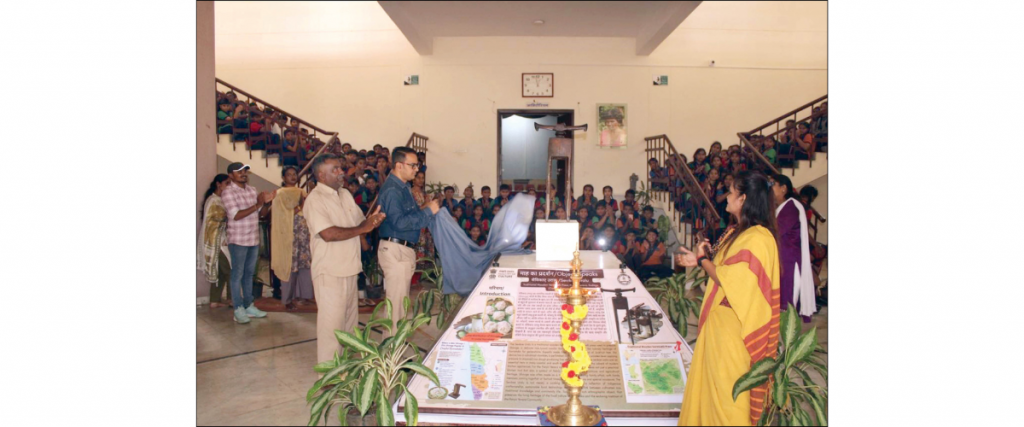
Deputy Commissioner S.J. Somashekhar releasing the posters made for the district-wide survey of ancient manuscripts under the State government’s Jnana Bharatham Mission in Madikeri on Friday. | Photo Credit: Special Arrangement
Kodagu Deputy Commissioner S.J. Somashekhar has directed officials to complete the district-wide survey of ancient manuscripts by the end of May under the State government’s Jnana Bharatham Mission.
Presiding over a preparatory meeting at his office on Friday, Mr. Somashekhar emphasised that manuscripts — handwritten on palm leaves, paper, and other materials — are invaluable repositories of history, literature, culture, and traditional knowledge, reflecting the intellectual wealth of past generations.
He instructed the Departments of Archaeology and Tourism to take immediate steps for the systematic collection, scientific preservation, and digitisation of manuscripts. Highlighting Kodagu’s rich historical legacy, he said identifying and digitising rare manuscripts must be treated as a priority.
“Manuscripts serve as vital sources to understand social and cultural history. They contain rare knowledge on epics, poetry, grammar, Ayurveda, and philosophy,” he said, adding that they also help decode ancient scripts and linguistic styles.
Mr. Somashekhar called for involving historians, literary enthusiasts, and senior citizens in identifying manuscripts. He suggested that documents be collected for scanning and safely returned to their owners to build trust and encourage wider participation.
He said the State government, in its 2025–26 Budget, has announced the Jnana Bharatham Mission as a flagship initiative aimed at reviving and safeguarding manuscript heritage through surveys, documentation, and digitisation. The government has urged citizens to upload details of manuscripts available in their homes or nearby locations using the Jnana Bharatham app or share information with district survey teams.
Archaeology Department Curator Rekha said manuscripts are likely to be found in temples such as Omkareshwara and Paloor Mahalingeshwara, as well as in mutts, traditional ainmanes (ancestral homes), and storage repositories.
Project District Coordinator Karthikeyan said the survey is being conducted across Karnataka in coordination with the Departments of Archaeology, Museums and Heritage, and Tourism. He added that creating a comprehensive digital archive would help preserve the district’s unique historical identity for future generations.
Field Marshal K.M. Cariappa College principal Raghav, Tourism Department consultant Jatin and other officials were present.
source: http://www.thehindu.com / The Hindu / Home> News> India> Karnataka / by The Hindu Bureau / April 11th, 2026
Dhanyata M Poovaiah writes about Kodagu’s paddy varieties, festivals linked to the agrarian calendar and traditional rice dishes.
Vasudha and Krishna (in purple) varieties of paddy being cultivated near Ponnampet in Kodagu. Photo by Ravi Shankar
Kodagu today is synonymous with its lush, aromatic coffee plantations. But long before coffee arrived with the British, the region’s identity was rooted in paddy cultivation.
Kodagu transitioned from paddy to coffee only in the late 20th century, as coffee plantations turned to be more profitable and less labour-intensive. In recent years, real estate development has resulted in the conversion of paddy fields into non-agricultural land.
Yet, rice continues to be the staple diet in Kodagu and remains an important crop, cultivated in around 14,000 hectares in the district. Consequently, the cultural life of the region is intertwined with the various phases of paddy cultivation.
The Kodava New Year, Edmyar Ondh, celebrated in Mid-April, marks the beginning of the paddy cycle. The year is ushered in with ploughing of the paddy fields. During Kodava Kakkada, the peak monsoon month from mid-July to mid-August, paddy saplings are transplanted. On the 18th day of Kakkada, known as Kakkada Padhinett, maddh payasa, a special dessert is prepared from a plant locally called maddh thoppu (medicinal plant). This plant (Justicia wynaadensis) is known to have several medicinal properties which helps boost immunity.
The Kailpodh festival, celebrated on September 3 every year, marks the completion of transplantation and offers a period to relax after the hard labour.
Puthari, celebrated in the Birchiyar month between November and December, marks the harvest of paddy.
“Since Kodagu is blessed with abundant rainfall, paddy cultivation is entirely rainfed and cultivated as a single-season Kharif crop in the lowlands,” says Dr Prashantha C, Assistant Professor of Entomology and Head of the Agricultural and Horticultural Research Station, Ponnampet.
“From December to March, the focus shifts to coffee harvesting and processing,” he adds.
Local paddy varieties, known for their flavour and aroma, are largely grown for self-consumption. “High-yielding varieties meant for commercial use are declining due to reduced returns,” adds Dr Prashantha.
Labour shortages and increasing human-animal conflict have also discouraged farmers from continuing paddy cultivation.
However, Kodagu is still home to several varieties of paddy. Among the indigenous varieties are Jeerige Sanna, BKB – developed by agriculturist Baduvanda K Belliappa, Biliya, Rajamudi, Doddi and Boliya, while popular high-yielding varieties include Tunga, KPR-1, Athira, BR-2655, MTU 1001 and IR 64.
“Indigenous varieties such as BKB and Doddi grow up to 3.5 feet in height and are a good source of fodder for the cattle. However, they are low-yielding and require 150 days to mature. High-yielding hybrid varieties such as Athira grow 2 to 2.5 ft and have less straw. These varieties mature at 120 days and usually require mechanical harvesters,” says Koniyanda Sanju Somaiah, an agriculturist.
Varietal conservation
According to seed conservationist Ravi Shankar B P, paddy varieties from any part of the country can be grown in Kodagu. Only the yield may vary. He has conserved over 100 varieties of paddy from across the world including the Kala Namak (Buddha rice) from Uttar Pradesh and Magic rice (Komal Saul) from Assam, and wishes to preserve several other unique rice varieties.
“With proper techniques, yields of paddy can be increased fivefold. This involves proper water management and in-situ green manuring. Under this method of manuring, short duration leguminous crops such as cowpea are grown in the field and are incorporated into the soil after sufficient growth, before the paddy saplings are transplanted. This improves soil fertility and its physical, chemical and biological properties, while reducing the need for external manure,” says Ravi Shankar.
Local varieties yield around 10–15 quintals per acre, while high-yielding varieties can produce 25–33 quintals per acre.
Paddy cultivation plays a vital ecological role as well. Waterlogged fields can help recharge groundwater, depending on soil and local conditions.
“The rise in the water table ensures that lakes, ponds and streams do not go dry even during summer” says Dr Veerendra K V, Scientist (Plant Protection) at Krishi Vigyan Kendra, Gonikoppal.
“Government schemes currently support farmers through subsidies on machinery, paddy seeds, pesticides, bio-fertilisers and green manuring crop seeds. However, increasing the minimum support price and offering other monetary benefits for cultivators will ensure increased paddy cultivation in the region,” he adds.
At present, procurement delays and storage challenges continue to deter farmers. While harvesting takes place in November–December, procurement happens only in February–March.
On the table
According to chef Naren Thimmaiah, Kodavas traditionally consumed pukkalakki (boiled rice) as their staple. Jeerige Sanna was used to prepare pulav and ghee rice on special occasions. However, since the mid-20th century, the white BKB variety has been widely adopted in the region. BKB and Jeerige Sanna varieties are also used to prepare otti, noolputt, kadambutt, paputt and thaliyaputt and payasa.
“In Kodava cuisine, pairing the right curry with the main rice-based dish is essential,” adds Naren.
Naada mann, naada kool’ (my soil, my rice) is a popular saying in Kodagu, reflecting the belief that instead of abandoning rice cultivation, each family should maintain at least a small patch. “For this, government support is crucial,” notes Ravi Shankar.
Women workers bundle paddy seedlings for transplantation in a field near Ponnampet in Kodagu. Photos by Ravi Shankar
Workers with harvested paddy. Photo by Ravi Shankar
A paddy field near Ponnampet. Photo by Ravi Shankar
source: www.deccanherald.com / Deccan Herald / Home> India>Karnataka / by Dhanyata M Poovaiah / April 09th, 2026
The book is rich with vivid details and engaging snippets from history and mythology.
The War Elephants of Trigarta By: Sarita Mandanna Publisher: Aleph Pages: 192 Price: Rs499
The War Elephants of Trigarta by Sarita Mandanna is part of the Bold Chronicles series, which aims to awaken a love of history and storytelling among the next generation. Inspired by fascinating moments from India’s rich and layered past, as well as world history, the series uses engaging storytelling to capture the attention of youngsters who are often absorbed in gadgets and reluctant to engage with anything beyond reels or apps. It is an uphill task, but Mandanna manages it with dexterity and humour, delivering a rich and enjoyable narrative that plants seeds of curiosity about history while also offering insight into the present.
At the heart of the story is the delightful Mili, the daughter of Raja Puru’s general, who is in charge of training and caring for the war elephants that are the pride of Trigarta. She forms a bond with a rare white elephant, whom she names Nathu. Over time, Mili becomes an unlikely but important player in the looming war led by the formidable Alexander the Great, culminating in the legendary Battle of the Hydaspes. As her father often says, and Mili repeats, “Never too old, and never too young!”
The book is rich with vivid details and engaging snippets from history and mythology. Readers encounter the fate of beautiful Parsa, or modern-day Persepolis, and the well-known story of how Alexander tamed the wild horse Bucephalus, who became his trusted companion. There are also references to Supratika and Sangram, the elephant heroes of mythology and history. In contrast, Nathu proves difficult to train and is a constant source of frustration. Even the general calls him a “donkey of a stubborn elephant,” much to Mili’s annoyance.
There is also a hilarious episode involving Nathu, a basket of stolen turnips, and an unfortunate bout of flatulence at the worst possible moment. At the end of it, Mili asks her father a question that is both innocent and amusing: “The royal family. Do they fart—I mean, do they pass wind too?”
However, the story is not all light-hearted. Given the subject, and Alexander’s well-known ruthlessness, the narrative does not shy away from darker realities. Mandanna presents these events in a way that is accessible to younger readers without losing their seriousness. As news arrives of Alexander sacking yet another rebel city, Mili repeatedly asks her father, “What happened to the children in the mercenary camp, Baba?”
The danger and horror of war feel immediate and real for Mili and those around her, as the Macedonian army advances. Yet, her courage stands strong. Like the great figures of history, she uses her intelligence and resilience to make a real difference in a world torn apart by conflict and ambition.
This is an irresistible story that will appeal not only to young readers but to anyone who enjoys a gripping and well-told tale.
source: http://www.newindianexpress.com / The New Indian Express / Home> Books / by Anuja Chandramouli / April 19th,2026
In Brief: Minor Hotels has signed agreements for the Anantara Zanti Coorg Resort and Anantara Kolkata Hotel, marking the first Anantara-branded resort and urban hotel in India.
Rendering of the Anantara Kolkata Hotel – Image Credit Minor Hotels
Minor Hotels has signed agreements for two new properties in India under its luxury Anantara Hotels & Resorts brand: Anantara Zanti Coorg Resort and Anantara Kolkata Hotel. These will be the brand’s first resort and first urban hotel in the country.
Anantara Zanti Coorg Resort is scheduled to open in 2028 near Madikeri in Coorg, Karnataka, within the UNESCO-recognized Western Ghats. The 69-key resort is being designed by Sri Lankan architect Channa Daswatte and will draw on the region’s natural landscapes, coffee heritage, and Kodava culture. Planned facilities include four dining venues, a swimming pool, a lobby lounge and library, Anantara Spa and wellness center, a fitness studio, meeting and event spaces, and a kids’ club. Zanti Hospitality owns the property.
Anantara Kolkata Hotel is slated to open in 2032 as part of the World Trade Center Salt Lake Kolkata, a mixed-use development. The 170-key hotel is designed to serve the city’s business, meeting, and event needs, with facilities including two restaurants, a lobby lounge, flexible meeting and event spaces, an Anantara Spa and wellness center, a gym, and a swimming pool. The World Trade Center Salt Lake is a joint venture between Aryan Realty and Merlin Group.
These signings expand Minor Hotels’ portfolio in India, following the introduction of the Anantara brand with Anantara Jewel Bagh Jaipur in 2025 and the signing of the first Avani-branded property, Avani+ Sunray Beach Visakhapatnam Resort. The company is progressing toward a target of 50 properties in India within the next decade.
Minor Hotels’ strategy in India includes developing both leisure destinations and key cities, with a focus on its luxury and premium brands such as Anantara, Avani, and NH Collection, as well as select-service brands including NH, Oaks, and iStay. The company has also launched the Minor Reserve Collection and Colbert Collection to provide opportunities for independent hoteliers. Expansion in India is primarily through hotel management agreements and franchise opportunities.
source: http://www.hotelnewsresource.com / HNR Hotel News / Home> All News> Asia Pacific> Development News> Previous Article / by News-Hotel Development India / April 08th, 2026
Rashmika Mandanna and Vijay Deverakonda’s intimate Kodagu reception goes viral, with unseen moments, a heartfelt speech, and her traditional Coorgi look stealing the spotlight.
Rashmika Mandanna and Vijay Deverakonda’s wedding reception in Kodagu. (Photo: X/Rashmikadelhifc)
Rashmika Mandanna and Vijay Deverakonda’s wedding celebrations are far from over. After tying the knot in Udaipur on February 26 and hosting a reception in Hyderabad on March 4, the couple held an intimate gathering in Kodagu on April 6.
The reception was held at the Serenity Convention Hall in Virajpet, Kodagu, a day after Rashmika celebrated her 30th birthday with close friends and family. It also marked the couple’s first visit to Coorg after their wedding.
Pictures from the ceremony show the couple walking hand-in-hand, smiling warmly as they greeted guests in an intimate setting attended only by their inner circle. In one moment, Rashmika was seen affectionately styling Vijay’s hair on stage, framed against elegant white floral décor.
Rashmika Mandanna’s father reportedly gifted her the family’s Coorg bungalow, Serenity, located in Kukloor village near Virajpet, a home tied closely to her roots.
Rashmika Mandanna embraces her heritage, Vijay Deverakonda channels retro charm
For the reception, Rashmika Mandanna embraced her heritage in a pink and olive-green silk saree draped in the traditional Kodava style. The pleats were tucked at the back, with the pallu brought over the right shoulder and secured in place, an authentic Coorgi touch.
She paired the look with layered gold jewellery, including stacked bangles, classic jhumkas, and statement necklaces. Her hair was styled in a sleek bun adorned with gajra.
Vijay Deverakonda, meanwhile, channelled retro charm in black flared trousers, a white open-collar shirt, and a blazer with silver detailing, finishing the look with white shoes.
Vijay Deverakonda’s heartfelt speech in Coorg
During the reception, Vijay Deverakonda delivered an emotional speech, talking about his growing connection with Kodagu and his personal memories tied to the region.
“Next time I come I’d like to go around and see her childhood and life here. This is the third time I am here. The first time was before I even knew her, with my school friends – Coorg was our first holiday destination. I found out later that I had stayed in one of her friend’s house (who was not there at the event),” he was quoted as saying by India Today.
Speaking fondly about the place and its people, he added, “I’ve become so fond of this place, such a beautiful place. I always thought that women from here (Kodagu) are super beautiful, even before I met her. I think coorgi women are very beautiful, and I’m married to one, and I’m very happy. Lovely meeting and seeing you all here.”
Rashmika Mandanna-Vijay Deverakonda wedding
Rashmika Mandanna and Vijay Deverakonda tied the knot on February 26 at ITC Momentos in Udaipur in a grand three-day celebration that included haldi, sangeet, and ceremonies honouring both Telugu and Kodava traditions.
They later hosted a star-studded reception in Hyderabad on March 4, followed by an intimate lunch for fans. In a unique gesture, the couple also arranged for sweets to be distributed across multiple cities, sharing their joy with people across the country.
On the work front
On the work front, Rashmika Mandanna and Vijay Deverakonda have resumed shooting for their third on-screen collaboration, Ranabaali, directed by Rahul Sankrityan, which is slated for release on September 11.
source: http://www.indianexpress.com / The Indian Express / Home> SCREEN> News> Entertainment> Telugu / by Entertainment Desk / April 07th, 2026
WELCOME. If you like what you see "SUBSCRIBE via EMAIL" to receive FREE regular UPDATES.
Read More »