Kodagu Rugby player selected for Sports Management Training

madandathimmaiahkf18dec2016

Virajpet :

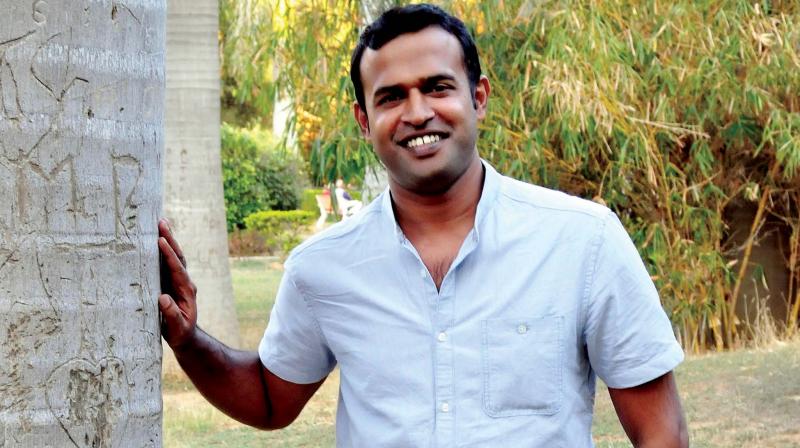
Kodagu-based international rugby player Madanda Thimmaiah, who is the Director for Indian branch of UAB, an American Sports Institute, has been selected for the sports management training to be held Los Angeles and Arizona from Dec. 9-22.

The special training programme will be held on precautions and arrangements to be done at the sporting venues. Thimmaiah has already left for the USA with 16 selected basketball players from our country.

Thimmaiah, who has represented the country’s rugby team in Asian and Common Wealth Games, has been working as coach cum player of American Football. He is also the director of UAB Institute for professional basketball.

He is the son of Advocate Madanda Poovaiah and Tunga Poovaiah, residents of Virajpet.

source: http://www.starofmysore.com / Star of Mysore / Home> Sports News / December 12th, 2016

Run, Forest, RUN!

Ricky Monappa from Bengaluru plans on hosting forest marathons in namma city in the first week of December.

rickymonappakf17dec2016

When Bengaluru-based Ricky Monappa decided to tread the entrepreneurial path, he was rather clear about his intent – to offer eco-friendly travel experiences and tours and promote his love for his hometown Coorg.

But that’s certainly not where it ends – the 32-year-old intrepid traveler is now persistent that his recent initiative, Tropical Rush – a forest marathon, an annual affair finds ground in namma ooru.

“During my engineering days, tourism in Coorg was taking its baby steps. There was no proper information for travelers. As a passionate traveler, I felt the urge to do my bit in spreading knowledge and the value of the place. Hence, Coorg Express started. And, what better place that Bengaluru which boasts of receptive and travel-frenzy town?”, shares the alumnus of BMS College of Engineering.

Despite hailing from a family that gave conventional wisdom more weight-age; Ricky had his sights set on starting up since the start. “My parents wanted me to be an engineer, which I did, But even while I initially took up a desk job, starting with my own venture was always on my mind and the cards. My earliest memories of travelling were only with parents. Later on, I began exploring a couple of places with my friends for fun. However, all through, I realised not every travel agency could do a neat job of planning and executing insightful tours. So, I thought of taking up the challenge of bringing about a difference to the travel scene in this city and state, which I wanted to see.”

On days when he just needs his downtime, its playing a game of hockey and socialising for this enterprising individual. “I love meeting new people and getting different perspectives. It is something which I love doing whenever I can.”

Two years since he conjured up the venture, and Ricky believes he’s still learning the tricks of the trade. “I wish to make the concept of camping, and sustainable tourism actually a reality. While I will always stick to offering wholesome travel experiences through this venture; the underlying idea is to also encourage environment-based programmes. Tropical rush forest marathon is one such initiative where I wish to have as many trees planted and pledge for more in future. I’m hoping this an annual affair gets the nod from Bengalureans.”

source: http://www.deccanchronicle.com / Deccan Chronicle / Home> Lofestyle, Pets and Environment / by Pooja Prabhan, Deccan Chronicle / November 29th, 2016

Teresian College win Coorg Cup

Mysore:

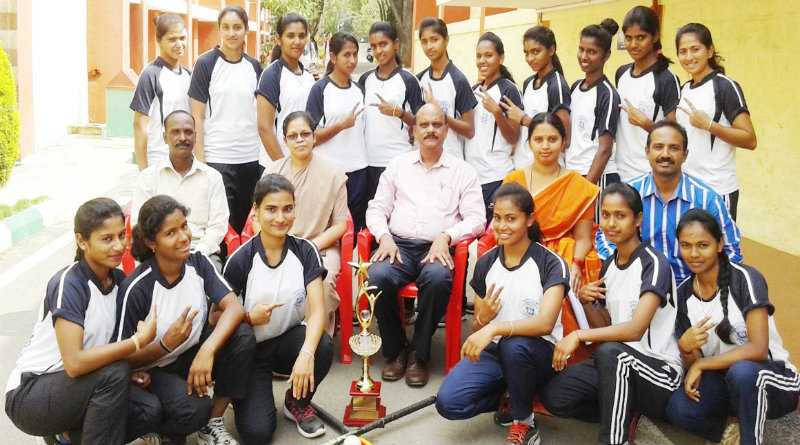
Teresian Girls’ College won the inter-collegiate Coorg Cup Hockey tournament for girls, organised recently.

coorgcupkf16dec2016

Mahadev Anjali, Manager, Teresian Institutions, Prof Jose V K, Principal, Teresian College, Shruthi D, HoD, Department of MCom, Teresian Post Graduation Centre, Anthony Moses, Physical Education department and others are seen in the picture.

source: http://www.citytoday.news / Home> Mysore / Friday – December 16th, 2016

For Orange coffee trader, the perfect brew is ground from tight relationships with hundreds of international farmers

Coffee – the fuel that powers legions of tired-eyed Orange County workers every morning – doesn’t truly come from a cafe, a bag or even a bean.

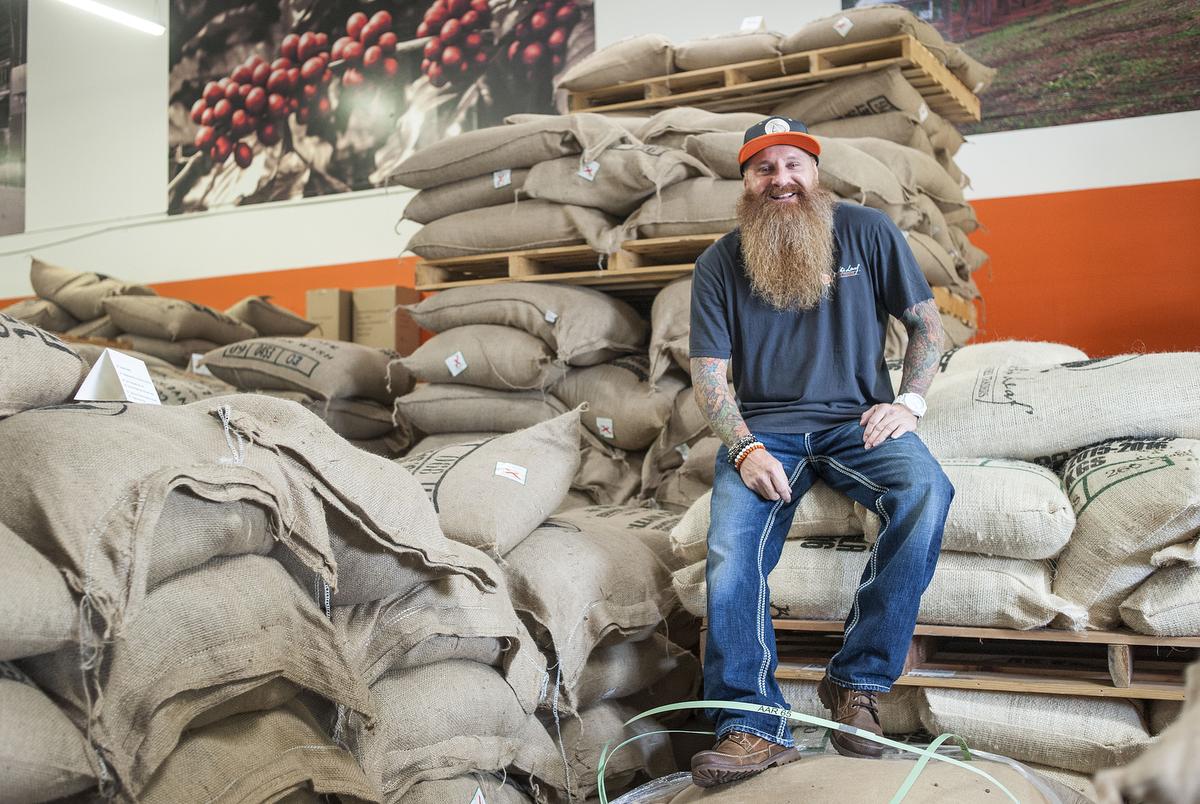
Bodhi Leaf founder Steve Sims sits among coffee beans he has imported from around the world at his facility in Orange on Thursday, December 1, 2016. (Photo by Nick Agro, Orange County Register/SCNG)

Standing in an Orange warehouse, surrounded by more than 300 tons of imported coffee beans, Bodhi Leaf Coffee Traders founder Steve Sims’ eyes gleam as he points from bag to bag, explaining the rich history behind each, going all the way back to “coffee cherries” gathered by the hundreds of international farmers he networks with. The precious pits of these cherries, known as coffee beans, can yield all kinds of flavors and sensations depending on how they are harvested and roasted.

With its Orange headquarters, an Anaheim Hills cafe and two new locations coming soon to Santa Clarita and Placentia, Bodhi Leaf works to bring the cream of the world’s caffeinated crop to hundreds of roasters, stores and individuals.
Sims, 47 of Yorba Linda, wasn’t always a coffee man. Once in real estate, he had to scramble to find a way to make a living when the Great Recession hit. After chancing upon a container of top grade Sumatran coffee in his travels, Sims made connections that – like a coffee plant – would bear bountiful fruit.

Bodhi Leaf sources its beans with the intention of going well beyond what people have come to expect from their morning cup of joe. Once they’ve had the good stuff, there’s no turning back, Sims said.

“It kind of draws you in,” he said. “Once they cross that line, they’re not going back to gas station or commodity coffee. There’s an element to coffee and people in the coffee industry – people have a passion for it, want to learn more about it and talk about it.”

Sims doesn’t just know where each bag of beans in his warehouse comes from – he personally knows the farmers who’ve cultivated them. The Bodhi Leaf team networks with farmers around the world, including in coffee hotspots in Columbia, Brazil, Ethiopia, Kenya, Guatemala and Africa.

Sims said he and his team won’t sell beans before they’ve met the farmers in person, sometimes flying up to 36 hours to see what they’ll be getting in person. When they find something they like, they buy it at a premium to help ensure the farmers can make a living off their craft.

After a long journey, this worldwide parade of beans converges at the Orange warehouse. Customers in the front cafe can watch through a wall-sized window as staff stack mountains of bags in the warehouse or sit at the bar as beans whirl in a roaster behind the counter.

People, Sims said, like to know what goes into their – the more they know of the history and the process, the better that cup will taste. To this end, the shop has started holding classes once a month, offering insight into the history of coffee and techniques to get the most out of their beans.

Sims likens the growing trend of specialty coffee to craft beers – there’s an art to it that can get people hooked. His personal favorite, African coffee, can be an acquired taste for some, but once you’re a fan you won’t settle for less, he said.

“We’ve had people that drink gas station coffee their whole life come in to drink African coffee and ask ‘what is wrong with this!?’ But if they come in and try a few different coffees, they learn to appreciate it,” Sims said. “If you know what goes into it, it really makes you appreciate that cup more.”

source: http://www.ocregister.com / The Orange County Register / Home> Top News> News / by Jonathan Winslow, Staff Writer – jwinslow@scng.com / December 05th, 2016

CNC celebrates Huttari festival

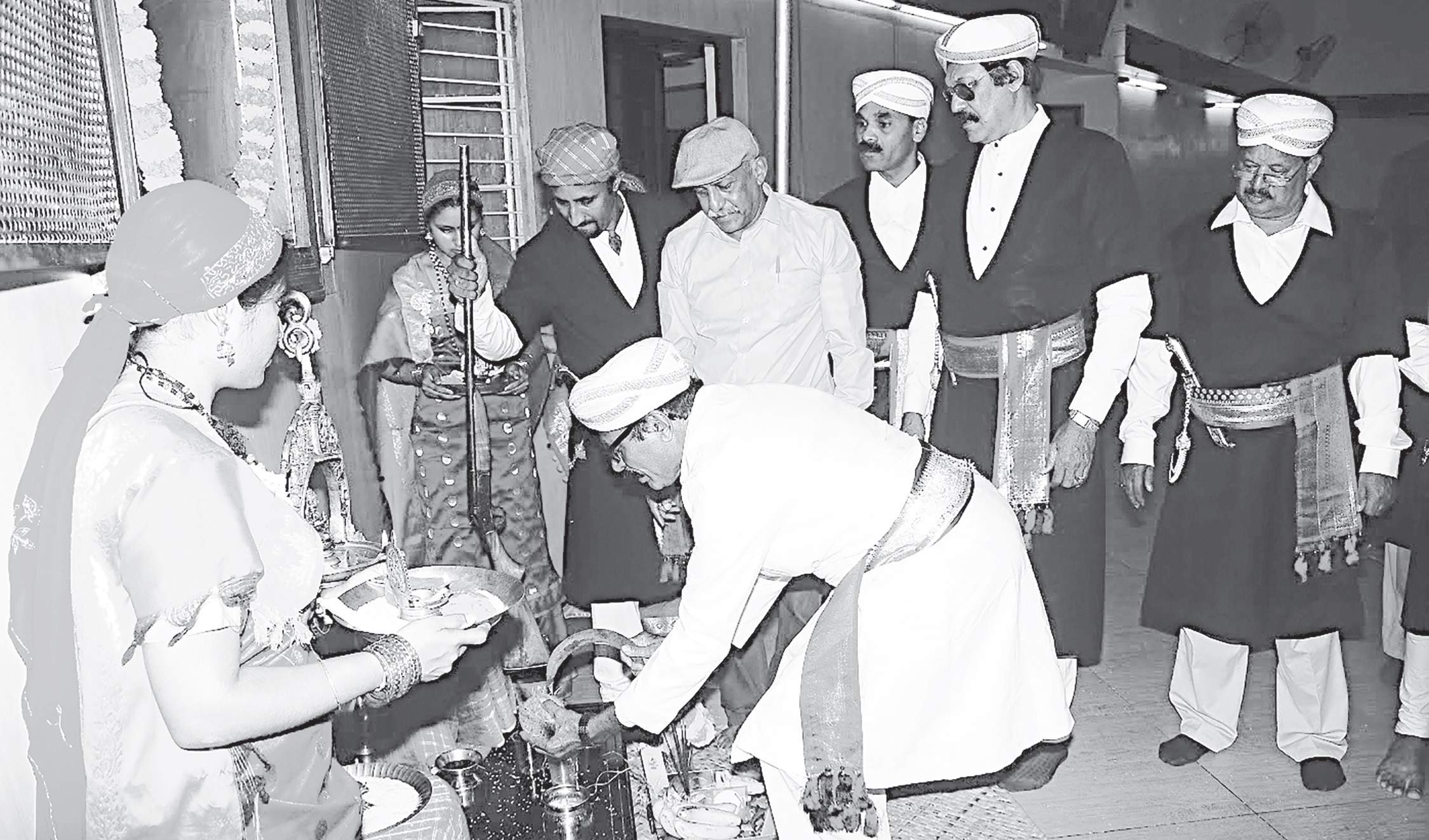
Codava National Council (CNC), led by its president N U Nachappa, celebrated Puttari (Huttari), the harvest festival of Kodagu at a paddy field of Uthappa at Chikkabettageri near Kushalnagar on Tuesday.

The festival symbolises the homecoming of ‘Dhanya Lakshmi’. The Codava National Council members, wearing traditional attire, participated in the celebration.

Before cutting the paddy sheaves, the members offered prayers and offered by tying the leaves of ‘Arali,’ mango, jack, ‘Kumbali’ and cashew- nut.

After the ‘Nere Kattuvo’ ritual, the participants walked in a procession to the paddy fields accompanied by the ‘Dudikottpat’ (dudi is a small drum of Kodavas). Nachappa cut the paddy sheaves and initiated the celebrations. Before harvesting, they shouted slogans ‘Poli Polio Deva’ and fired three times in the air.

The Codava National Council members presented traditional Kolata, ‘Pareya Kali,’ ‘Chowkata’ and other cultural programmes, adding colour to the festivity. ‘Payasam’ (sweet) was prepared from the new rice and was offered to the God.

Mouth-watering dishes like ‘Thambut,’ ‘Adikehittu,’ ‘Kadubu,’ ‘Payasam’ and others were savoured on the occasion.

Later speaking to reporters, N U Nachappa said the Kodavas should be entrusted with the constitutional security. The government should announce autonomous status to Kodava land.

source: http://www.deccanherald.com / Deccan Herald / Home> District / DHNS – Kushalnagar, December 14th, 2016

‘Taking coffee to the common man’s cup’

manyepandakf13dec2016

Manyepanda Madaiah Chengappa recently took over as the Chairman of Karnataka Planters Association (KPA). Karnataka accounts for more than 70% of the coffee production in India.

According to United Planters Association of Southern India (Upasi), Karnataka’s post-monsoon estimated coffee production for 2015-16 was 253,340 tonnes, with the all-India number standing at 350,000 tonnes. KPA has about 700 members as of date.

In an interview with Furquan Moharkan of DH, Chengappa says that his aim as the chairman is to make domestic demand for the cup of coffee transform from an elitist drink to a common man’s drink.

What are the challenges that coffee plantation sector faces today?

Climate change has increased, apart from pests and diseases impacting the coffee crop productivity. The Arabica coffee crop yield has reduced from 1,200 kgs, to 600 kgs per hectare, while Robusta coffee has decreased from 2,000 kgs, to 1,400 kgs per hectare, over the last decade. For instance, this year, Kodagu has 300 mm less rainfall over the previous year, and Chikkamagaluru has also suffered a similar fate, which affects the standing coffee crop and development of new shoots in coffee plants for the coming season.

Labour wage constitutes over 60% of the total cost of coffee cultivation. The annual wage increase was below 6% till 2007-08. From 2008-09, the increase was very steep. Against 2007-08’s wage of Rs 79 per day, the current wage is at Rs 263 — an increase of 232% or an annual average increase of 15%. This could be the highest percentage increase for any industry in Karnataka. Also the statutory and welfare costs for the labour, which are over and above the wages and benefits, works out to an additional 50% of the wages. This is an additional financial burden for both corporate and proprietary planters.

However, the sale price for coffee at the farm gate hovers around Rs 2,800 to Rs 3,500 for a 50-kg bag, while the labour and fertiliser costs have spiralled disproportionately. The need to invest more funds for R&D to develop better quality coffee plants that are high-yielding and pest-resistant is another challenge.

What are your priorities after taking over as Chairman of the KPA?

Primarily, my major objective is to make domestic demand for the cup of coffee transform from an elitist drink to a common man’s drink. I would seek the Coffee Board’s assistance to establish coffee kiosks at public places like government offices, bus and railway stations, airports, shopping malls and educational institutions. This would make the demand for coffee explode in the country. Towards this objective, it would be necessary to jointly pursue vegetative clonal and tissue culture propagation of coffee, with United Planters Association of South India (Upasi) and Central Coffee Research Institute, Balehonnur, Karnataka. Also, to push for the import of pest and disease-resistant high-yielding coffee plant material. Identify biological viable and effective methods to treat effluents.

Also, request the state government and its Department of Agriculture to allocate Rs 1.9 crore in the state budget to fund the Upasi-KPA coffee research project. To establish soil and leaf analysis laboratories at Chettalli, Kodagu district and Chikkamagaluru district for the convenience of small and large growers.

A lady planters sub-committee has been constituted to promote community outreach programmes and showcase their achievements in cultivation of coffee, plantation nurseries, local marketing initiatives at national and international levels, home stays and plantation cafes for income augmentation.

What is the impact of the GST regime on the coffee plantation sector?

GST does not affect the coffee grower directly, as being agriculturists, they come under zero tax brackets. GST is applicable only after curing at the roasting and powdering stage, when the value-addition takes place, and the coffee can be consumed as a cup of coffee. According to Rule 7B (1) of Income Tax Act — “Income derived from the sale of coffee grown and cured by the seller in India shall be computed as if it were income derived from business, and 25% of such income shall be deemed to be income liable for tax.” This I-T Rule needs to be amended to tax coffee only at the stage of roasting and powdering that would enable the grower to sell coffee, which is plantation-specific, directly to the local and global markets.
Do you think that the import of pepper from Sri Lanka could affect domestic trade?

Import of poor quality pepper is killing the Indian pepper market. A regulatory price mechanism is necessary, whereby the price of pepper imported should be about 5% lower than the Cochin pepper auction price of equal quality of the day. Also, quality parameters of the imported pepper should be strictly monitored by a suitable government agency.

Your comments on the degradation of forests and environment pollution that have a bearing on the plantations in Karnataka.

The National Forest Policy is under amendment and a high-powered committee has been instituted for the purpose. The KPA and Upasi have jointly made a representation to the Union Ministry of Environment and Forests. Also the elephant menace in Kodagu district has assumed dangerous proportions due lack of proper fodder and vegetation in the game sanctuaries. Plantation crops, fruit trees and human beings are being trampled upon and destroyed. Therefore, the translocation of elephants appears to be the only solution, as all other forms of deterrents and barriers have proved ineffective.

While tourism has phenomenally raised the socio-economic level of people in the plantation districts, it should not lead to environmental pollution. Therefore, it is necessary to promote eco-tourism in the plantation districts of the state. Also, aggressively ban all types of pollutants, plastics, discharge of sewage and chemical effluents into the rivers. People need to be aware of waste segregation, its recycling and proper disposal through the media platforms to promote eco-tourism.

source: http://www.deccanherald.com / Deccan Herald / Home> Supplements> Economy & Business / by Furquan Moharkan / DHNS – December 12th, 2016

Ethnographic survey under way to establish Kodava tribal status

Bengaluru :

As the martial Kodava race gets together to celebrate the annual harvest festival, Puthari, on Tuesday in their homeland Kodagu, they have reason to feel optimistic about their future.

The Karnataka government has initiated an ethnographic and socio-economic survey to see whether the community qualifies for the tribal status. It’s the second time the survey has been taken up, a response to the alarming decline in population.

“Our department has been doing the survey for the past two weeks. Apparently, the culture and traditions of the Kodavas are akin to tribals but the government cannot grant them the status unless the survey establishes it,” said P Manivannan, secretary, social welfare department.

The Centre has also considered a long-pending demand to include Kodava thakk, the Kodava language without a script, in the Eighth Schedule of the Constitution and a notification has been issued to initiate the process.

In 2011, the UPA government directed the then BJP government to take up the survey following petitions by the Codava National Council (CNC), which has been spearheading the community’s cause. It was put on the backburner for political reasons.

AICC general secretary Oscar Fernandes, along with Brijesh Kalappa, legal adviser to the Karnataka state government, recently impressed upon chief minister Siddaramaiah to order the survey to protect the race.

“Our community is dwindling in numbers very fast for many economic and sociological reasons. The population of Kodagu district is around 5 lakhs, of which Kodavas are not more than 65,000. There is an urgent need to sustain the Kodava genus constitutionally under Articles 340 and 342 of the Constitution that provide for recognizing ethno-linguistic tribal minority nationality,” CNC president N U Nachappa said.

Kalappa said: “When the last survey was taken up around two decades ago, many Kodava leaders, including prominent political leaders, had opposed it because they felt it was demeaning for the race, renowned for gallantry and sportsmanship. But now there is a sense of awareness among the community because they’ve realized it’s inevitable.”

The survey report will be given to the government by early next year and the Centre will take a final call based on the recommendations.

Earlier Kodavas were seen in large numbers in civil services, police and other government jobs but their numbers have dwindled owing to lack of reservation. Though they have been granted Other Backward Classes (OBC) status in the reservation schedule of the state government for jobs and higher education, Kalappa said his community has not gained much since they have to compete with the politically powerful Vokkaliga community that they share under 3A category.

Will Kodavas qualify?

Some anthropologists said Kodavas, as a race, are progressive and different from other tribes. “They cannot be compared to tribes like Bedar, Hakki-Pikki and Kadu Kuruba, among others,” said A K Ravesh, a researcher studying socio-cultural anthropology in Kodagu. The Kodava marriage and funeral rituals, among other things, portray a distinctive culture. A former minister also felt that Kodavas will not gain much if they are granted tribal status since the combined reservation for all STs is just 3% compared to 4% under OBC offered by the state government.

Scheduled Tribe tag

The Constitution does not provide a definition of a Scheduled Tribe. Artice 366 (25) mentions “such tribes or tribal communities or parts of or groups within such tribes or tribal communities as are deemed under Article 342 to be Scheduled Tribes…” According to the website of the Union ministry of tribal affairs: “The criterion followed for specification of a community as Scheduled Tribes are indications of primitive traits, distinctive culture, geographical isolation, shyness of contact with the community at large, and backwardness”.

source: http://www.timesofindia.indiatimes.com / The Times of India / Home> City News> Bangalore News / TNN / December 13th, 2016

TheTamara Coorg returns with The Tamara Carnival

After receiving an overwhelming response from guests last year, The Tamara Coorg is back with the second edition of their musical and performing arts fiesta – The Tamara Carnival. The signature fest which takes guests on a journey of India’s great social and cultural heritage through music and dance will be held from December 23, 2016 to January 1, 2017 at The Tamara Coorg.

As the year comes to an end, the resort which is nestled in the mountains of picturesque Coorg, will joyously ring in the Christmas and New-Year festivities with The Tamara Carnival. This beautifully curated festival is a blend of music, dance and performing arts, showcasing the diverse and rich heritage of India. The festival will usher in the celebratory season with exhilarating performances that reflect the true essence of India’s tradition and culture.

The Tamara Carnival will enliven the atmosphere as guests will witness Indian and Western performances including Kathak recital, Kodava dance, a fusion of Marathi Lavani and Bengal flute, Margham Kali, saxophone performance, Kerala art forms, Vyali Bamboo act, Illusionist and many more fascinating and entertaining acts. Apart from the carnival, guests can also take advantage of the treks, coffee plantation tour, yoga and pottery making sessions among others to refresh themselves.

The 10-day carnival aims to gently ease into guests’ consciousness, rejuvenating and uplifting their spirits and leaving them in a blissful state of harmony with their inner being and the universe, amidst the serenity and beauty of nature.

source: http://www.hospitalitybizindia.com / HospitalityBizIndia.com / Home> News Track / by HBI Staff – Mumbai / December 12th, 2016

Madikeri DC tells engineers to expedite water works

Deputy Commissioner Richard Vincent D’souza on Monday has threatened the engineers concerned that they would be held accountable for any complaints/problems pertaining to drinking water supply.

Chairing a meeting on drinking water works and fodder issues, the deputy commissioner expressed his anguish against the engineers over the tardy progress in the drinking water works taken up at a cost of Rs 1 crore last year. The DC was upset over the underutilisation of funds sanctioned for the water works. “If there is failure in utilising the amount, sanctioned last year, to its fullest, how can we seek funds for the current year, the DC questioned.

The deputy commissioner directed the engineers to expedite the water works and address the water woes in the district.

Additional Deputy Commissioner M Satish Kumar said, “A Cabinet sub-committee headed by Revenue Minister Kagodu Thimmappa has been constituted. The sub-committee should be apprised of the measures taken.”

The officials should furnish information related to measures taken to address drinking water complalints, cattle feed among others, he added.

The Addl DC also instructed the officers to speed up drought relief works.
Zilla panchayat deputy secretary, planning director, chief planning officer and executive officers of respective taluk panchayats were told to work in tandem to mitigate drought.

Rural Drinking Water Engineer Shashidhar, along with assistant executive enginers from three taluks in the district, apprised the meeting of the status of the works taken up in the district.

source: http://www.deccanherald.com / Deccan Herald / Home> District / DHNS – Madikeri, December 13th, 2016

Gather your sickles,it’s a harvest

kodavasgatherkf11oct2016

Bengaluru :

As Kodavas retreat to their Kodagu homes from the hurry-burry of the city to rest and celebrate the annual harvest festival, there are some who will be celebrating the Puthari (also known as Puttari and Huttari) festival in the city this time.

“It is hard for me to head back home this time because Puttari falls mid-week,” says Pratvii Ponnappa, who is born and brought up in Bengaluru but usually heads back to Coorg to celebrate the festival. “My father will be going to Coorg, but I will be staying back and celebrate it on the day local Kodavas decide”.

“Celebrating in Coorg means coming together with your family, celebrating in the city means coming together with your community,” Pratvii says.

M T Subbaiah, administrative officer of Kodava Samaja, says, “We have 13,000 Coorgis in the association. This year there will definitely be more celebrating the festival with us since it falls on a week day.” Around 3,000 to 4,000 people are expected to attend this year’s Samaja festival.

Puthari, which means the paddy festival, will be celebrated on December 13 this year. Last year it was in the end of November.
On the day of the festival, family members assemble in their ancestral house or ‘Ain Mane’, which is decorated with flowers, mango and banana leaves.

The children play with fire crackers and in an “auspicious hour” the eldest of the family hands a sickle to the head of the family.

The auspicious time is decided by the Igguthappa temple.
The family together head to the paddy field. A woman leads the procession holding a lit lamp in her hands. A paddy stick is cut and a gunshot is fired to mark the beginning of the harvest. The chanting of “Poli Poli Deva” is recited and the paddy is stacked in odd numbers to be carried home and offered to the gods.

Small bundles of paddy straw are handed to the family members, which are received as a symbol of prosperity.

Since there are no paddy fields in and around the city, the Kodava associations usually get paddy from Coorg and distribute them among the people who come to celebrate. This year, the Kodava Samaja will be celebrating it on Tuesday evening.

The programme will commence at 6:30 pm when all the members will gather for an annual awarding of scholarships and for a speech by community leaders. By 7 pm, everyone will gather in a small 10*8ft piece of paddy land in the office premise to follow the customary ritual. At 9 pm special foods such as thambuttu (made of mashed bananas and roasted rice powder and topped with grated coconut and melted ghee), kadaumbuttu (rice dumplings with coconut milk and ghee), holige (flatbread from flour, jaggery and ghee) and puttari payasa (from rice, coconut milk and jaggery) will be served.

Kishoo Uthappa is heading to Coorg today for the festival since he has grown a small amount of paddy in the field for this festival and he does not want to miss it.

“I am an entrepreneur so I can take off whenever I want,” he says. “Most importantly, I don’t want my children to miss the festival.”

source: http://www.newindianexpress.com / The New Indian Express / Home> Cities> Bengaluru / by Regina Gurung / Express News Service / December 10th, 2016