Coffee is the new romance story in India: Abhinav Mathur, Kaapi Machines

In a tea-loving nation, Abhinav Mathur of Kaapi Machines is bringing coffee to the homes of regular households, and to workplaces of the tech-savvy Gen Z.

In an interview, he shared his insights into the world of coffee.

Did you know that espresso has just one-third of the caffeine content of a cup of regular coffee? Or that the density of a filter paper can bring about a vast difference in the taste and flavour of your coffee? And that 40 percent of the world’s coffee is produced by Columbia and Brazil?

Abhinav Mathur, CEO, Kaapi Machines has over 15 years of work experience, working with organisations which include Stovekraft, Indulge Beverages, Stanley Black & Decker, and Philips Consumer Lifestyle. As the CEO of Kaapi Machines, Abhinav has been instrumental in bringing in several new-age coffee equipment into India, including the Ripple Maker, PuqPress, and Nitron, and his objective has been to equip consumers with technology that will help them raise the quality of coffee in India.

In an exclusive chat with YS Weekender, Abhinav says, “Coffee is the new romance story that Indians are indulging in, and it is definitely here to stay.”
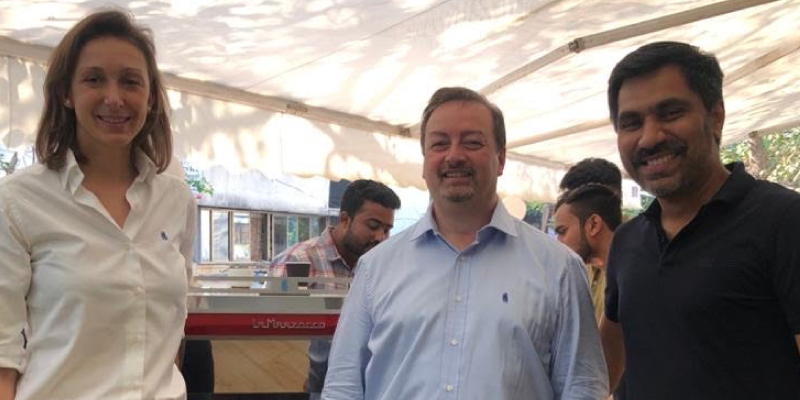
L- R: Julia, Modbar; Mike Khan, La Marzocco; Abhinav Mathur, Ceo, Kaapi Machines

Edited excerpts from the interview

YSWeekender: What do you think has changed for coffee over the years in India?

Abhinav Mathur: India is among the top 10 coffee-exporting countries in the world. As a nation that enjoys coffee, we have come a long way from exporting coffee outside India, to now having a modern generation of growers and roasters, creating artisanal speciality coffee for the local market.

Currently, we are in the third wave of coffee, where the quality of coffee is traced from the end beverage in the cup back to the actual coffee bean. Today, it has moved on from being merely filter kaapi or phenti hui coffee – to a scenario where consumers like to indulge in cold brews, nitro brews, and coffee cocktails.

With the increasing presence of local growers and passionate home-brewers taking interest in their morning cuppa, coffee has come a long way from simply being just another drink in a tea-loving nation. Further, the growing trend in consumption is a positive indicator of how India might become one of the largest coffee-producing countries in the world.
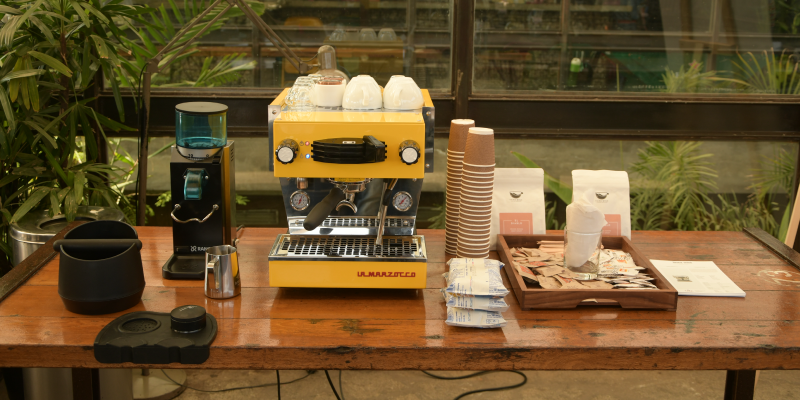
An espresso machine by La Marzocco which has partnered with Kaapi Machines.

YSW: How have the coffee flavours evolved in India?

AM: Coffee in India is no longer just a southern phenomenon or a market that is satisfied with instant coffee. With the advent of café-chains, an interesting new set of consumers emerged who were interested in tasting freshly brewed coffee and learning more about it. The new breed of coffee-entrepreneurs is bringing the joy of relishing coffee to the market. This coffee goes through different stages of roasting and grinding, where different flavours have been experimented with.

Coffee flavours can be distinguished, based on aroma and taste, besides acidity, bitterness, sweetness, and body. Many flavours are dependent on where the coffee is grown, how it is processed, and how it is roasted.

Roasters in India are trying to create interesting taste profiles to offer variety and raise the quality of coffee in India.

Currently, coffee flavours come in brilliant notes that showcase the conscientious zeal of the growers behind it. With coffee production not being restricted only to production, passionate artisanal coffee lovers are making it their playground to infuse innumerable flavours in the coffees.

This spectrum is huge – one can sip on flavours that boast of nutty-cherry flavour, notes of berries, or those with a sweet acidic taste and fruity notes. At Kaapi, we try and educate coffee-lovers and customers, not only on the basics of coffee tasting through our cupping sessions, but also helping them understand the entire coffee flavour wheel.
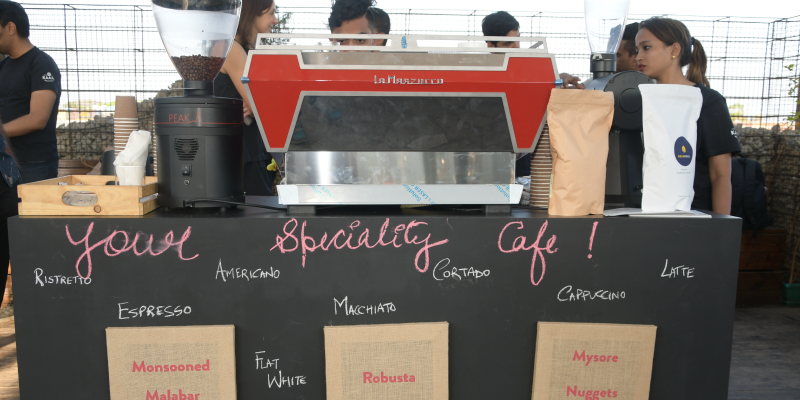
La Marzocco's artisanal espresso machine on display, which has tied-up with Kaapi Machines.
La Marzocco’s artisanal espresso machine on display, which has tied-up with Kaapi Machines.

YSW: What is your opinion on the niche micro-breweries? How are they faring?

AM: Micro-roasteries in India offers consumers a chance to see the entire coffee processing in one place. This was made famous internationally by Starbucks through its “Reserve Stores”, but now you can find roasteries in all major Indian cities, including smaller cities like Jaipur and Nagpur.

These roasteries are driving the consumption, awareness, and elevating the quality of coffee in India. They are also making coffee a preferred drink and not just a cool drink. While it’s early to comment on their commercial success, they are the torchbearers of quality coffee in the country.

Additionally, these places serve as vanguards of new experiments. They are pushing the café culture’s existence from a simple cappuccino to savouring black coffee.

Kaapi Machines has set up a number of such roasteries and our product range starts from coffee roasters and moves to coffee grinders, brewing equipment, and accessories.

We also engage with such roasteries for our coffee meet-ups to encourage the coming together of the coffee community.
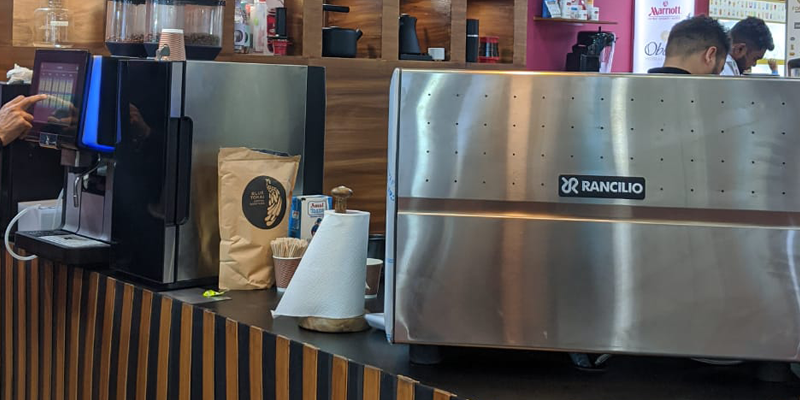
Kaapi Machines' represents brands like Rancilio which provide equipment for coffee-making.
Kaapi Machines’ represents brands like Rancilio which provide equipment for coffee-making.

YSW: What is your opinion on artisanal coffee?

AM: At present, artisanal coffee is a celebration and rediscovery of regional flavours that are essentially Indian – from sourcing to packaging, or as often described as “from bean to the cup”.

The detailed attention on the right harvesting techniques or how the beans should finally be sourced – these have contributed to elevated coffee experiences.

Today, new-age artisanal brands like Blue Tokai, Third Wave Coffee Roasters, and Dope Coffee are making waves in this space in India, and we provide equipment to all of them

YSW: India is better known for its tea. Why do you think people have shifted to coffee?

AM: Coffee is not just a drink, but a ritual for many.

Undeniably, Karnataka and Tamil Nadu have been the key coffee production estates, but with the growing interest in coffee, many other regions in the country are producing coffee. The market is filled with appliances that homeowners can experiment with to enjoy their favourite cuppa in the morning.

One key reason for the growth of coffee is because of the inherent complexity of the beverage, as well as the varied methods for brewing.

YSW: A lot of health experts are divided on the health benefits of coffee. What is your opinion?

AM: There are mixed reviews on health and coffee, but we can only say good coffee should be enjoyed without milk and sugar, as this is definitely low on calories. I would say – have coffee, not because of health reasons, but because you enjoy it.

YSW: What are some of the varieties of coffees found in India and abroad?

AM: In India, mainly two types of coffees are found – Arabica and Robusta. The weather conditions are more apt for Robusta. However, we grow Arabica as well. India has three well-known specialty coffees – Kaapi Royal, Monsoon Malabar, and Mysore Nuggets.

Not a lot of international coffee makes its way to India due to high duties, and bigger markets like Europe, the US, and Australia which have a high consumption rate. However, several African, Asian, and South American countries are coffee growers.

YSW: Several Indian brands are offering speciality coffee which is priced very high. Are they really special and worth buying?

AM: Yes, we have several speciality coffee brands now in India. India’s tryst with speciality coffee began a few decades ago but has gained momentum only recently. Speciality coffee is distinguished based on its origin, cultivation, processing, handling, branding, and the final appearance.

Speciality coffee is not an easy feat for growers, roasters, and baristas, as all of them must follow standards defined by the Speciality Coffee Association (SCA) to maintain consistency and quality. The best of cherries to the best of beans are roasted and made by SCA certified roasters and baristas, so that the consumer can savour the best flavour profiles.

Most of the cafés serving specialty coffee prefer to procure and roast specialty coffee to maintain consistency and quality. Local coffee shops or the ones backed by artisanal coffee efforts are slowly introducing pour-over brewing devices and offering coffee as an experience and not merely another beverage.

The thirst for a great coffee or the inclination to try speciality coffee could be attributed to the thirst of the well-travelled consumer who is looking for local options across India.
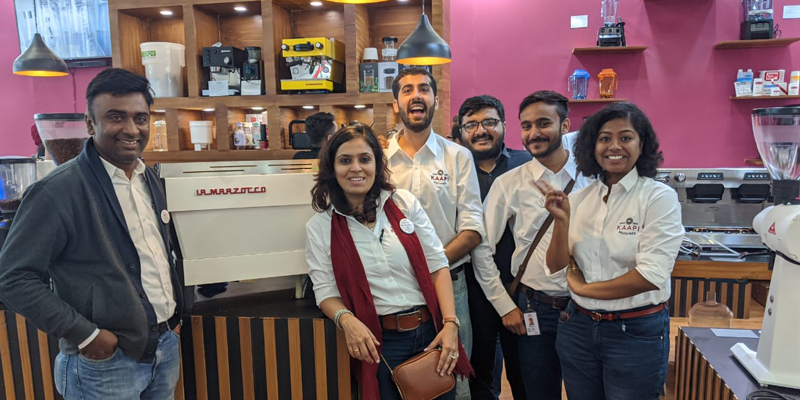
Kaapi Machine employees and baristas posing with La Marzocco's espresso machine.
Kaapi Machine employees and baristas posing with La Marzocco’s espresso machine.

YSW: What kind of equipment does Kaapi Machines have in its store?

AM: Kaapi Machines product portfolio offers options for roasters, automatic coffee machines, semi-automatic coffee machines, ice blenders, grinders, as well as new-age equipment for cold brew, nitro, and more.

YSW: How did you come up with the idea of Kaapi Machines?

AM: We decided to launch Kaapi Machines in 2005 when we realised that while the café segment was starting to grow, there was no competence in training, machines, and after-sales service to help coffee entrepreneurs launch coffee brands and cafes in India.

We brought together market-leading companies from Germany, Italy, and the US to form this organisation, under the guidance of coffee experts from India and abroad.

As the speciality coffee culture continues to grow, the need for trained baristas, roaster, and producers has never been so important. Understanding this need-gap, we have been closely working on training programmes for new café owners, café staff, coffee aficionados, baristas, and anyone who wants to learn what it takes to make a good cup of coffee.
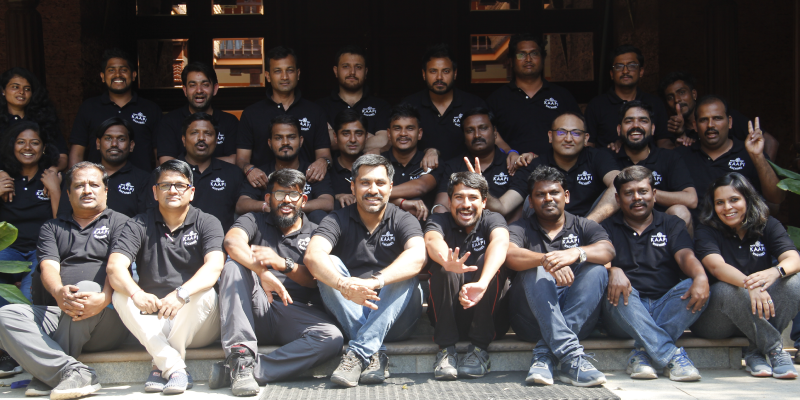
Team Kaapi Machines
Team Kaapi Machines

YSW: What are your future plans?

AM: Today, the market gaps mainly include scattered coffee experience, multiple channels of information with no integrated credible expert voice. We want to create one destination for coffee and community, from training, events, machines, beans, and roasting, as well as access to industry coffee experts which the consumer can find under one umbrella.

We believe there is a lot of work to be done until each Indian consumer can truly experience a great cup of specialty coffee.

(Edited by Asha Chowdary)

source: http://www.youstory.com / YourStory.com / Home> YourWeekender> Food & Beverages / by Suman Singh / March 07th, 2020
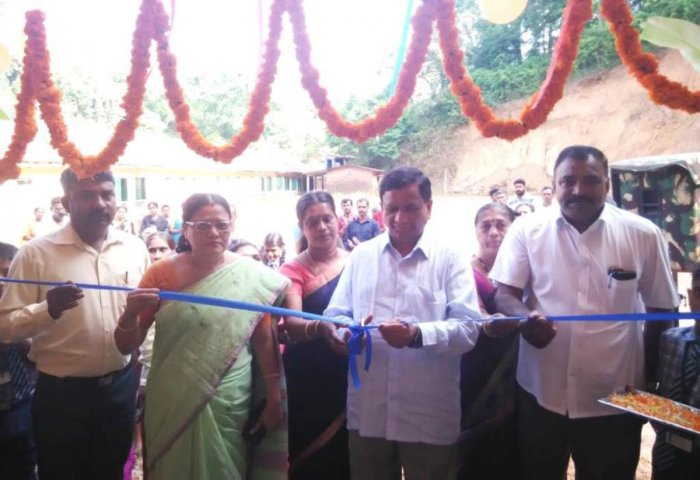
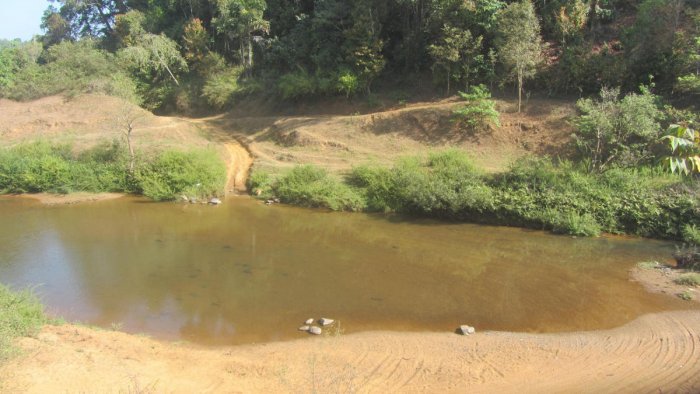
New bldg of govt school inaugurated in Jodupala

MLA K G Bopaiah inaugurated the new building of Government Higher Primary School in Jodupala in Madikeri taluk on Saturday.(Below) Students take partin the programme. DH Photos

The new building of Government Higher Primary School was inaugurated by MLA K G Bopaiah at Jodupala in Madikeri taluk on Saturday.

Jodupala was badly affected by the previous floods. The old school building was damaged in the natural calamity. The new building, comprising three classrooms, was constructed at a cost of Rs 24 lakh.

Inaugurating the programme, Bopaiah said that the teachers should pay special attention to rebuild the future of the students, who lost their houses during the floods.

The students too, should put special efforts and dedication to acquire education and make their teachers and parents proud, he added.

“Parents should pay special attention to the education of girls, especially in rural areas. Girls should be encouraged to acquire higher education by utilising government schemes. It is important to provide moral education to all students,’’ he said.

The MLA said that he would make sincere efforts to open a high school in the government primary school in Jodupala.

Bopaiah added that additional grants would be sought from the government to repair all government schools that were damaged in the floods.

Zilla Panchayat member Yaladalu Padmavathi, Taluk Panchayt President Tekkade Shobha Mohan, Vice President Kodapalu Gappu Ganapathy, School Development and Monitoring Committee President Madhava and school Headteacher Damayanti were present.

source: http://www.deccanherald.com / Deccan Herald / Home> State> Mangaluru / by DHNS, Madikeri / March 07th, 2020

Demand for bridge still a dream here

Villagers have been demanding a bridge at Donikadu in Padiyani across River Cauvery.

The long-pending demand for a bridge at Donikadu to provide connectivity between Ballamavati Gram Panchayat and Bengooru Gram Panchayat has not been realised so far.

Without the bridge, the villagers have to use boats to cross the River Cauvery. After the water level recedes, vehicles pass through the river to reach Bengooru village from Padiyani. Crossing the river in this way helps to save time in reaching the other villages, the villagers said.

If a bridge is built, then Madikeri can be reached from Ballamavati to Cherambane in a shorter distance.

Napoklu Kodava Samaja president Appachettolanda Manu Muthappa said that a bridge near the house of Ajjimutta Baleyada family on Napoklu-Karugunda Road at Chowtukodu will benefit the residents.

Without the bridge, the residents of Chowtukodu have to travel a long distance to reach Napoklu. If the bridge is constructed, then the distance for those who travel to Cherambane, Bhagamandala, Talacauvery, Karike from Napoklu will be reduced by 10 Km.

source: http://www.deccanherald.com / Deccan Herald / Home> State> Mangaluru / by DHNS, Madikeri / March 07th, 2020

Complete Madikeri Fort Renovation By April 18: High Court Tells Archaeology Department

MadikeriFort01KF11mar2020

Bengaluru/Madikeri:

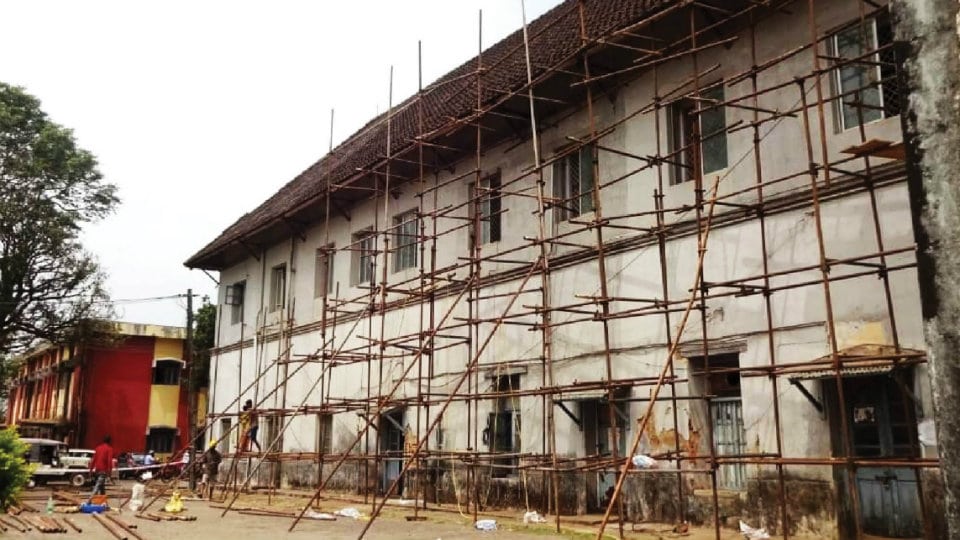
The Karnataka High Court has directed the Archaeology Department (Archaeological Survey of India) to complete Madikeri Fort Palace renovation works by April 18. A two-judge bench comprising Chief Justice Abhay Shreeniwas Oka and Justice Ashok passed the order while hearing a PIL filed by J.S. Virupakshaiah, a retired IAS officer from Kodagu.

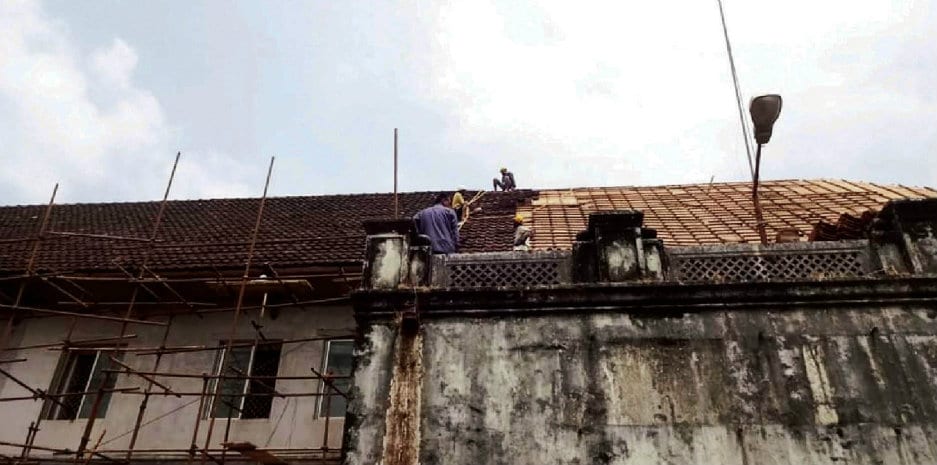
Archaeology Department officer Shivakant Vajpayee had submitted an affidavit saying that the tender for renovation works of Madikeri Fort Palace has been invited and roof-tile laying and other works will be taken up at a cost of Rs. 53 lakh. However, N. Ravindranath Kamath, the Advocate representing Virupakshaiah took objection saying that though the High Court had directed the Government and the Department to take up renovation works in August last year, the Department has ignored the order.

Arguing that the building is on the verge of collapse, Kamath prayed the Court for issuing directions to start works at the earliest. Following arguments and counter-arguments, the High Court Bench directed the Archaeology Department to complete renovation works by April 18 and submit an affidavit to this effect on April 20.

MadikeriFort02KF11mar2020

Fund release

It may be recalled here that the State Government has given administrative approval to repair the historic Madikeri Fort at a cost of Rs. 8.20 crore. Kodagu Deputy Commissioner Annies Kanmani Joy submitted a proposal to the Government to restore the landmark structure at an estimated cost of Rs. 8,20,45,674.

All these years, several Government offices functioned from the Fort premises and despite this, no official took interest in repairing the structure which is in a dilapidated state. Finally, following strictures from the Karnataka High Court, the District Administration acted and has even taken steps to shift the Government offices to other buildings to help the Archaeological Survey of India (ASI) carry out restoration works.

The ASI is in-charge of the Fort. Retired IAS Officer J.S. Virupakshaiah filed a Public Interest Litigation (PIL) contending that the Fort and Palace premises are heritage sites, dating back to more than three centuries. They are neglected and the exterior walls of the Palace are infected with mold (fungus).

The history of the Old Fort dates back to the 17th century AD. It was built by King Mudduraja of Haleri dynasty. Tipu Sultan rebuilt the Fort with stone. The Palace was built by Lingaraja Wadiyar II in 1812. The Fort was acquired by Dodda Veera Rajendra in 1790 and later came under the rule of British in 1834.

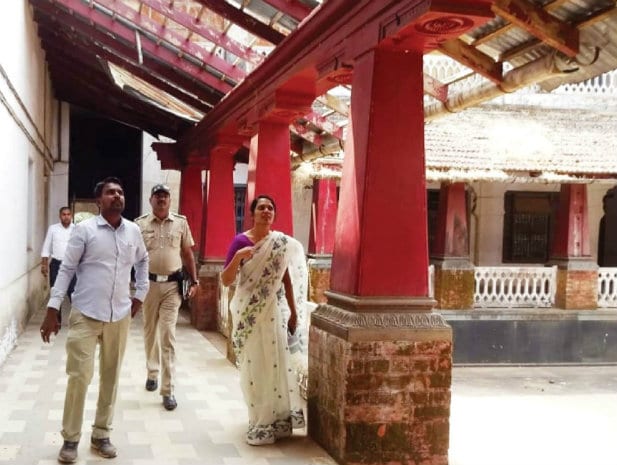
Kodagu DC Annies Kanmani Joy inspecting the Fort renovation works.

DC inspects Fort

Meanwhile, last week, Kodagu DC Annies Kanmani Joy visited the Fort and inspected the renovation work of the Fort and its ceiling being undertaken by the Archaeology Department. She directed the authorities to complete the renovation works in two months.

Speaking to reporters, the DC said that as the first instalment, the Government has released Rs. 40 lakh of the Rs. 54 lakh. The Revenue Department has sanctioned Rs. 8 crore for the renovation project and a request will be sent to the Government to release an additional Rs. 2 crore, she added.

Paltry sum

But in the High Court, Advocate Ravindranath Kamath contended that Rs. 8,20,45,674 was too little an amount to restore the Fort. “Most Government offices in Madikeri functioned from the Fort premises since 1920. As such, the Government has saved more than Rs. 300 crore as rent. The official machinery did not realise this and continued to neglect the Fort without realising the value of the historical structure,” he argued.

source: http://www.starofmysore.com / Star of Mysore / Home> News / March 09th, 2020

In Neglect The Warriors Rest

KodaguWarriorsTombsKF11mar2020

Sad saga of forsaken tombs of British Officers, Soldiers in Madikeri

Madikeri:

Centuries ago, the battlefields of Coorg (Kodagu) thundered with their war cry as they took on marauding armies of the invaders. The British had their own army in Kodagu with thousands of soldiers and officers assisting the Empire to rule the tiny district and also safeguard its borders from marauders.

But the days of the dynasty and the royals are long gone but their remnants — in the form of tombs — are still found in many parts of the district. And unfortunately, these tombs are neglected with no maintenance and weed growth around them.

At Mahadevpet in Madikeri town there is a Gaddige — royal graveyard — built in the Indo-Saracenic style. On the rectangular base, there is a large dome and four turrets. Two Kings of Kodagu (Doddaveera Rajendra and Lingarajendra) and their queens have been buried in the two larger identical structures. The third smaller one has the remains of the Chief Preceptor (Rudrappa) of the Kings.

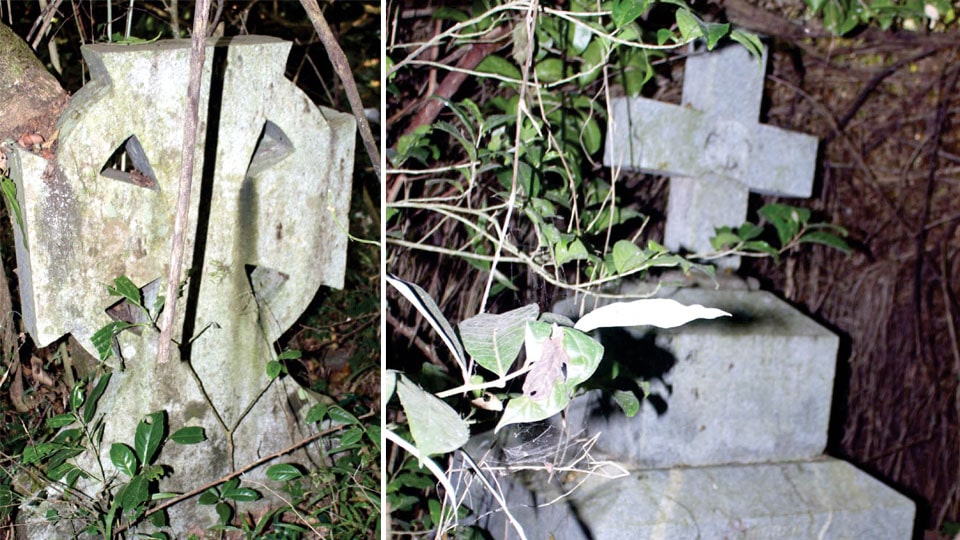
Beside these three tombs, at a little distance away but within the same enclosure are the tombs of father and son Biddanda Bopanna and Biddanda Somayya. They had served Kodagu and its Kings as Army Generals. While these structures have been maintained (though not very well) by the Kodagu District Archaeology Department, a couple of tombs of British Officers are lying in a pathetic state behind Industrial Training Institute near Field Marshal K.M. Cariappa College.

White marble stone tombs

While some of the tombs are made out of white marble stones that were shining years ago with inscriptions and names on them, other tombs are made in the shape of stone pyramids. Some of the tombs have been dug up by treasure-hunters who were hoping to unearth gold or other valuables buried deep under. Also, some of the tombstones have gone under earth with only a small portion showing up.

Unfortunately, some of the white marble slabs of the tombs have been taken away by people and have been used as steps outside their houses after putting cement on the inscriptions and retaining only the outer white marble frame after polishing them.

Years of neglect

Most of the tombstones have been aesthetically carved and many warriors and their Commanders are buried inside. Some of the names inscribed on top of the tombstones have been covered by hardened fungus due to years of neglect and vagaries of weather. The inscriptions include the name of the deceased officer and the person who built the tomb.

Among the tombs, one tomb belongs to a son of a Lieutenant General who died when he was just 18 years old. Another tomb has the names of four members of one family. However, the cause of death is not known — if they died separately or together. But the name of the person who built the tomb has been carved and it says he is from Bengaluru. This shows that special interest was taken to build this tomb and a person was specially summoned from Bengaluru for the purpose.

Cause of death lost forever

These tombs were carved after 1805 AD and sport different years on them. Except names, there are no other details available on the tombs and as such, the reasons behind their deaths have been lost forever.

Records say that these tombs were earlier located at the place where the present Raja’s Seat stands. These tombs were discovered in the pre-independence era and at that time, Raja’s Seat was on the outskirts of Madikeri town and this may be the reason for the tombs to be built in the vicinity of Raja’s Seat.

Originally near Raja’s Seat

After independence when plans were chalked out for Madikeri’s development including the beautification of Raja’s Seat which was at an elevated place, the tombs were shifted behind Industrial Training Institute. Then, Raja’s Seat came within the jurisdiction of Madikeri town and it was developed into a tourist place.

After the tombs were shifted behind Industrial Training Institute, a protective compound wall was built around them. Over the year, the wall has collapsed and treasure seekers have dug up many graves. Wild weeds and green growth have covered the area and they have grown up to almost 20 feet.

There are no records whatsoever regarding the dead officers. Whether they died naturally or whether they were killed by local kings and chieftains is not known and this may be a good subject of research.

If at all the officers were killed during the freedom struggle, a new chapter on Kodagu’s freedom struggle is set to be written in history books.

source: http://www.starofmysore.com / Star of Mysore / Home> News / by Prasad Sampigekatte / March 10th, 2020

Arabica parchment coffee hits record price of Rs 10k per bag

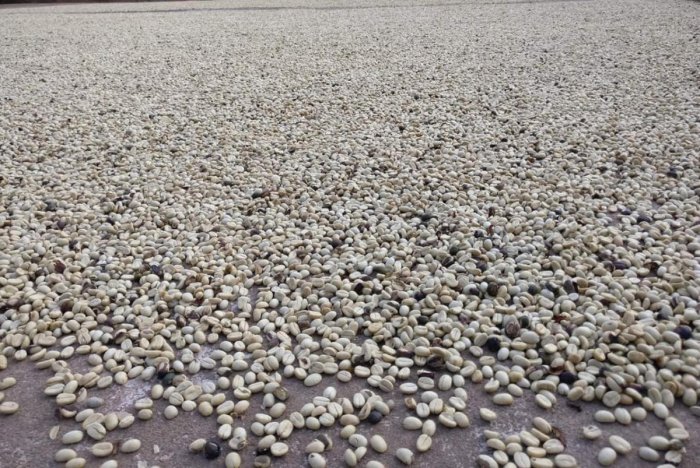
Coffee beans spread for drying. DH Photo

Coffee growers are happy as the market rate of Arabica parchment has reached a record rate of Rs 10,000 for a bag of 50kg. The rate has been the highest in the last eight years.

As on Wednesday, a 50kg bag of Arabica Parchment coffee was sold between Rs 10,400 to Rs 10,500, which according to the vendors, is the highest rate for Arabica parchment.

The cost of Robusta Parchment has increased to Rs 7,000 per bag. The last time when Arabica coffee reached the highest rate was in 2014. It was Rs 9,600 to Rs 9,800 per bag then. Later, the price moved downward and had touched Rs 6,000.

Arabica cherry costs Rs 4,000 per bag while the rate of Robusta cherry is Rs 3,200 to Rs 3,400 per bag.

Growers in Kodagu, Chikkamagaluru and Hassan have expressed their happiness on the improved market rate of coffee, despite problems of shortage of labourers and feasibility issue in the maintenance of the plantation.

The vendors said that the rates of Arabica parchment might increase further. Expecting the same, the growers who have stored coffee in ABC and other curing centres have decided to sell coffee after it hits an all-time high.

The increase in the rate of coffee was due to a significant decrease in production in Brazil and Columbia. There was a plunge in the production of coffee in Chikkamagaluru, Kodagu and Hassan districts as well, owing to floods. This has created an increase in demand.

Even though the market rates have increased, the quantity of coffee production is significantly less compared to previous years. The growers who grew 50 bags of coffee in the past have ended up producing only 10 bags of coffee.

“The coffee plants have been damaged due to the water-logging of the plantation. It might take another four years to restore the coffee plantations to its original condition,” said coffee grower Nanaiah.

Coffee vendor Abdul said that around 60% of coffee growers have sold their coffee. Those who had stored coffee have reaped benefits.

source: http://www.deccanherald.com / Deccan Herald / Home> States> Mangaluru / by Adithya K A / Madikeri – March 04th, 2020

Foundation Stone Laid For Old Age Home

OldAgeHomeKF04mar2020

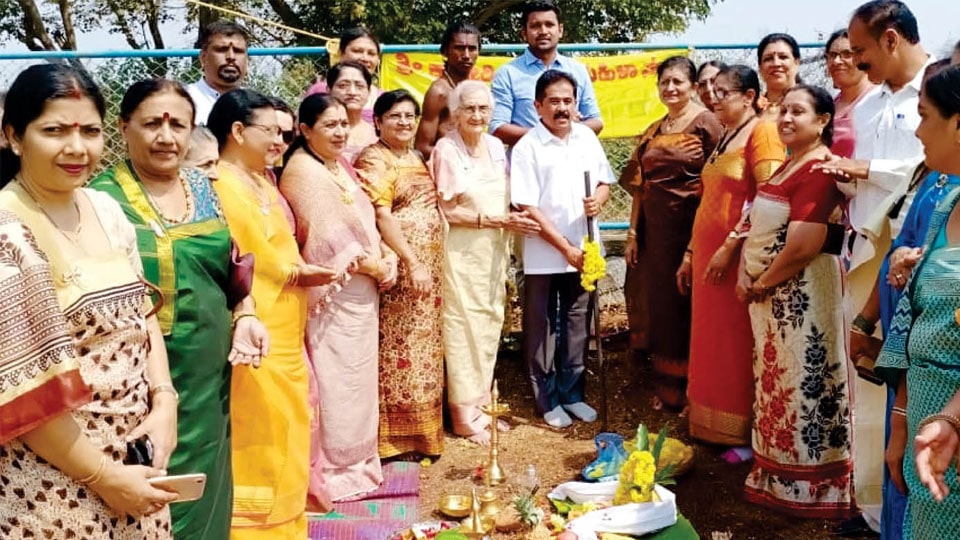
Former MLA M.K. Somashekar, yesterday, performed guddali puja to lay the foundation stone for the Home for the Aged (Old age home) being constructed by Sri Cauvery Kodagu Mahila Sangha at Srirampura as Sri Cauvery Kodagu Mahila Sangha Founder-President and Building Committee Member Parvathi Cariappa, former President D. Sarasu Nanaiah, Jt. Secretary K. Bollamma Kuttappa, P. Vimala Poonacha, Organising Secretaries K. Bhavani Belliappa and T. Veena Devaiah, Roopesh, IT Cell City President Neeral and others look on.

source: http://www.starofmysore.com / Star of Mysore / Home> Photo News / March 02nd, 2020

Karnangeri Betta In Madikeri To Be A Tourist Hub With Saalumarada Thimmakka Tree Park

ThimmakkaPark01KF03mar2020

Mysore/Mysuru:

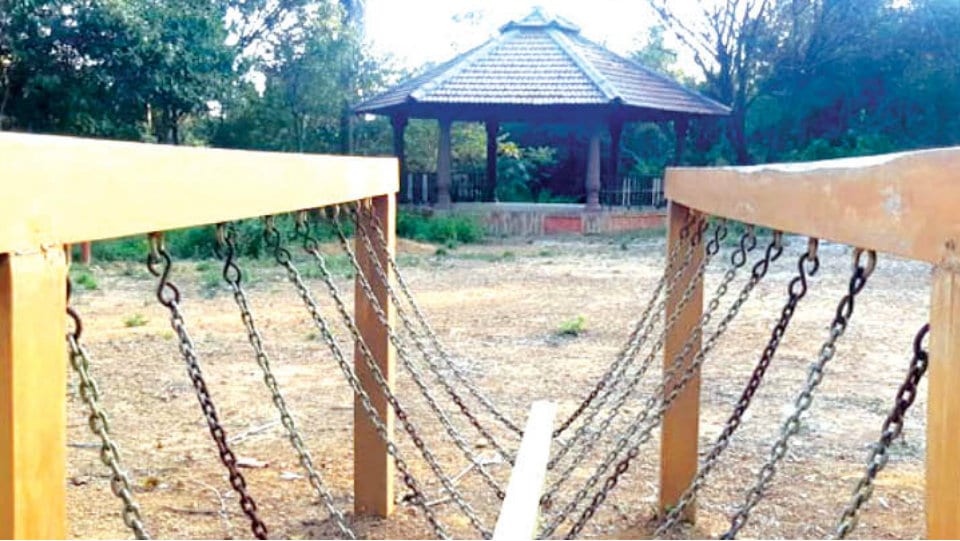
In an effort to promote tourism and create an awareness about nature, the Forest Department is developing Saalumarada Thimmakka Tree Park at Karnangeri Betta in Madikeri at an estimated cost of Rs 50 lakh.

It may be recalled that former Forest Minister Ramanath Rai in the earlier Government had proposed to set up Tree Parks in each Assembly constituency. And now this project is inching closer to become a reality as construction of a view point, welcome arches and other amenities have already begun.

The said Tree Park is being built on 45 acres of forest area at Karnangeri Betta. Saplings of popular tree species including Tega (teak), Beete (Indian blackwood), Honne (Indian Kino), Rakta Chandan (Red sanders), Silver oak, numerous bamboo species, Hebbevu (Melia dubia), Hunase (Tamarind), Bilva (Indian bael), Ala (Banyan), Tapasi (Indian elm) and others are being planted in the tree park.

ThimmakkaPark02KF03mar2020

There will also be play area for children, butterfly park, watchtowers, seating arrangements, walking paths, separate toilets for men and women, drinking water facilities and other basic amenities for visitors of the park.

Besides, the Tree Park would also include a garden in which flowering plants will be cultivated. Four specially designed Pergolas will be an added attraction here. Also, a viewpoint being built on the top of the hills, will offer spell-binding views of nature’s spectacle around Madikeri city.

The Forest Department has already sent a proposal to the Government for sanctioning Rs. 25 lakh for this project. The visitors have to pay Rs. 10 as an entry fee to the Park, which in all likelihood will open by the end of this month.

The local residents here are a little apprehensive about this project. “Mandalapatti is a popular tourist spot in Madikeri. Environment is at the receiving end in the name of tourism here. Tourists visiting Mandalapatti are polluting this area by throwing plastic bottles and other waste all around. We are worried that Saalumarada Thimmakka Tree Park, being developed at Karnangeri Betta might also face similar issues. Stringent measures should be taken up to prevent tourists from polluting this serene environment,” say some of the residents.

source: http://www.starofmysore.com / Star of Mysore / Home> News / by Prasad Sampigekatte / March 02nd, 2020

‘Subahu e-beat’ launched for better patrolling in Kodagu

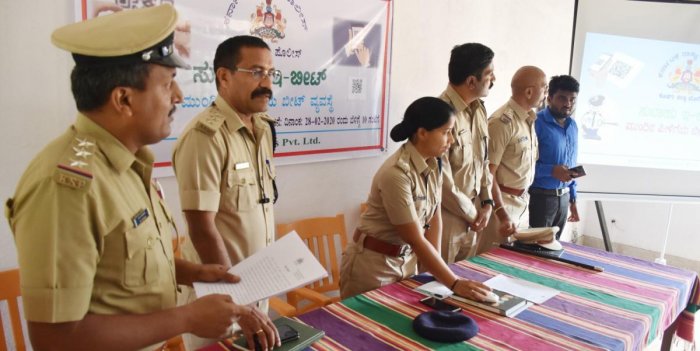
Superintendent of Police Dr Suman D Pennekar launches Subahu e-beat patrolling system in Madikeri on Friday.

Subahu e-beat system was launched by the police department in Kodagu, towards better patrolling.

Launching the e-beat system at police parade ground auditorium in Madikeri on Friday, Superintendent of Police Dr Suman D Pennekar said that in the e-beat system, patrolling will be monitored using ‘Subahu’ mobile phone application.

The system will improve communication between the police officials, the beat personnel and the residents.

Earlier, the details on the night beat were manually entered and signed by the beat police, in the log books. From here on, the personnel will have to scan the QR code from the locations of their beats, using ‘Subahu Beat’ application installed on their smart phones, said the superintendent of police.

Dr Suman further stated that Kodagu being a hilly region, internet connection is not available in some of the locations in the district.

“When the police personnel carry out beat patrolling in such locations, the application will save the information offline and will enable the senior officials to access the information using ‘Subahu Admin’ as soon as the device accesses internet coverage connection,” she said and also advised the general public to instal ‘Subahu Resident’ application on their smart phones to send SOS messages and related information to the nearby police station.

A pilot project has been implemented in Madikeri town, Somwarpet, Virajpet, Shanivarasanthe and Gonikoppa, to observe the efficiency of the software.

The software will now be launched in the jurisdiction of all 16 police stations, added the superintendent of police.

Mahendra, representative from Smart Secure, said that the application offers a user-friendly interface for the senior officials and beat personnel.

Virajpet DySP Jayakumar and Madikeri DySP Dinesh Kumar were present.

source: http://www.deccanherald.com / Deccan Herald / Home> State> Mangaluru / by DHNS, Madikeri / February 28th, 2020

Bean-to-cup coffee making in a Coorg plantation

Visitors are encouraged to make their own blends, including weighing, mixing, roasting and grinding.

The plantations offer homestays and resort, perched on stilts. (Photo: The Tamara Coorg)

The lashing rain from the night before had simmered to a soft drizzle this morning. The clouds had parted, and the sundeck of our wooden cottage, perched high on stilts, afforded a resplendent view of coffee country Coorg. The freshly bathed dimpled-green Western Ghat hills rolled away as far as the eyes could see. Acres and acres of coffee and spice plantations dotted the landscape, intermingling with lush forests. The gushing sound of a waterfall drifted in from close by, blending with the rustling of leaves. Below us, as our resort’s plantation was waking up, we set out to witness first-hand the journey of coffee — from bean to cup.

With tall silver oak, teak, rosewood and other trees lending shade to coffee shrubs in the plantations, Coorg offers a gorgeous setting to observe the process of coffee production. Karnataka alone accounts for 70 per cent of the coffee produced in India, with the south-western districts of Coorg (locally Kodagu) and Chikmagalur producing the lion’s share. India, by some accounts, produces the finest shade-grown coffee.

Many of the plantations have homestays and resorts for anyone wanting to sample the plantation life. The deep dive into the coffee culture at our resort, sprawled over a 180-acre estate, begins right at check-in. You’re welcomed with steaming tumblers of delicious bellada coffee (Karnataka-style filter coffee with jaggery). The cottage-style wooden villas, in traditional Kodagu architectural style — sloping roofs, perched high on stilts — are placed at respectful distances from each other, for immersion into a planter’s private yet lavish lifestyle.

Umbrellas in hand, we follow our guide, through thick foliage and unending rows of coffee shrubs. Sharing interesting nuggets about the native flora that grows with wild abandonment, he points out the two main coffee varieties of Coorg — the hardy, disease-resistant Robusta and the better-quality, tastier, smoother and more expensive Arabica. A number of spices are often intercropped with coffee, such as peppercorn, cardamom, clove and nutmeg that help the coffee acquire lovely aromatics while adding a few prized cash crops in the planter’s kitty.

Each year, the life cycle begins with pearly white blossoms in February-March. Natural showers and sprinkler irrigation are crucial for their yield, which determine the amount of coffee harvested the following year. The blossoms turn into green berries and, then, a deep red when ripe, which are handpicked from November to February.

The walk is followed by a coffee-processing experiential programme at the little museum in the resort grounds. The ripe berries are dried and pulped to obtain the seed — aka coffee bean! The beans are sorted, blended and roasted in a traditional roaster. Encouraged to make our own blends, we weighed and mixed different percentages of the varieties according to our taste, put them in the roaster and hand-ground the divinely aromatic roasted beans into a fine powder — to be had as a hot brew right there, or carry back as a souvenir.

Back home, whenever I’d sip on my blend, I’d reminisce about the time I crafted it, and the scrumptious Coorgi lunch that followed, that rainy, misty afternoon.

Satarupa Paul is based in Delhi and writes on food and travel.

source: http://www.indianexpress.com / The Indian Express / Home> Eye / by Satarupa Paul / February 29th, 2020