Brewing coffee and culture: From bean to cup

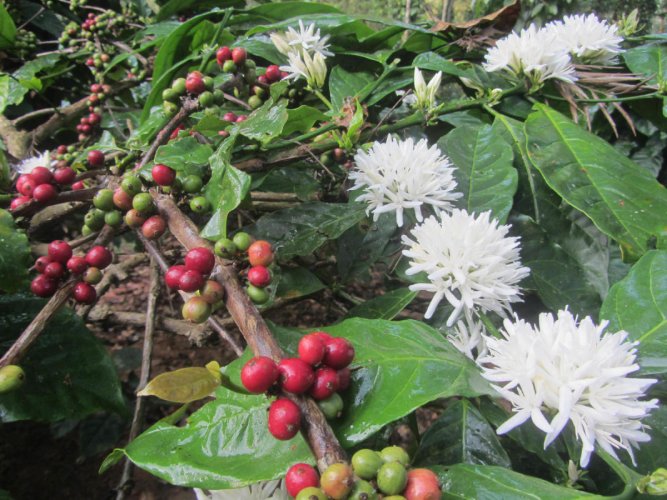
Coffee cherries and flowers. Photos by Author and Adithya K A

Coffee pervades the lives of people in Hassan, Chikkamagaluru and Kodagu districts. From the decades-old jaggery coffee to the current flavoured ones, coffee as a product has seen a huge transformation. What has remained unchanged is its association with almost anything momentous in our lives.

The journey of coffee to India is well- documented and etched in our memories through the story of Arab traveller Bababudan bringing seven coffee beans to Chikkamagaluru in 1670 AD. He sowed these seven seeds in Chikkamagaluru’s Bababudangiri hills (Chandradrona Parvatha). Today, India is world’s third-largest producer of coffee.

The earliest and most prominent coffee planters of the yesteryears in the country were the British. They introduced the system of check-rolls which is an attendance register of the labour. They maintained a diary which explained the daily activities in the estate to which the owner signed every day. These rather important systems are intact and in place even today, and any estate that you visit here will show you daily records from as back as 50 years ago!

These documents serve as important pieces of information for future generations. The British were particular about closing the accounts by the end of March wherein the savings and loans availed by the labourers were tallied. This tradition continues to this day.

Other customs that we have inherited are the practices of maintaining lush green and colourful gardens at our homes, rearing about half a dozen hunting dogs and possessing rifles and pistols for safety from wildlife.

Blossom shower

Coffee plantations receive blossom shower (rains) around March every year. Coffee estates that blossom with white flowers are a sight to behold. While this is a visual treat for us, this also guarantees a good crop for the coming year.The joyous mood is also seen before coffee picking when the entire family thanks god and prays before picking the berries.
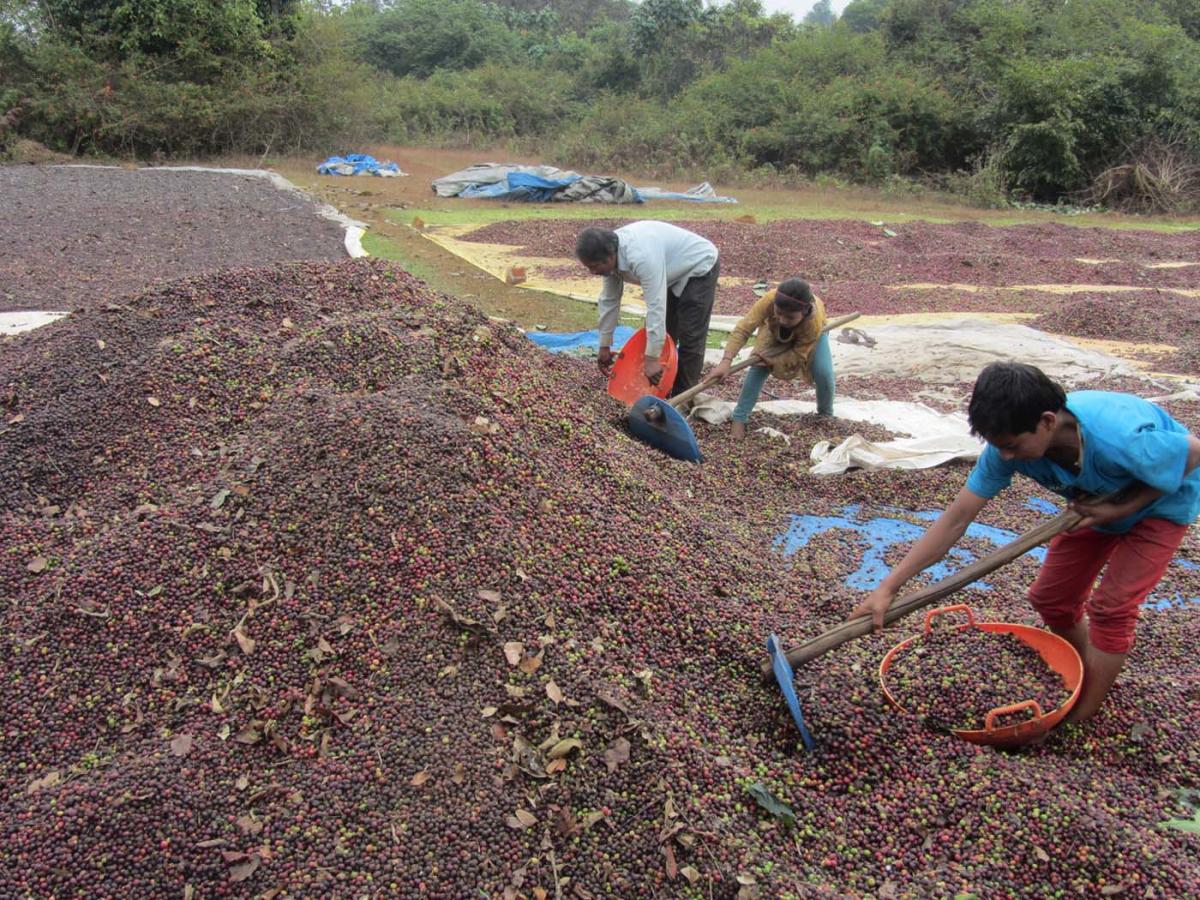
Cherries being dried

The book Bettadindha Battaligey by H N Nagegowda beautifully traces the history of coffee in India and also the culture associated with it.

Coffee estates coexist with thick and lush green forests in these Western Ghats districts. These estates are also home to a rich variety of endangered flora and fauna. Each year, hundreds of varieties of birds migrate to coffee estates. These plantations nurture forest species which act as nesting grounds for these birds.

Estate owners take an active interest in increasing the number of trees that they have on their lands. Artificial lakes and tanks in the estates quench the thirst of animals including elephants and tigers.

The vibrant culture of coffee land in the state could also be traced to the presence of major rivers such as Cauvery, Tunga, Bhadra, Nethravathi and Hemavathi.

A majority of the labour force in Karnataka’s coffee estates hails from Dakshina Kannada. Of late, a healthy influx of migrant labourers from Assam can be seen in the estates. The estate owners provide accommodation and healthcare facilities to the labourers.

The monsoons of 2018 and 2019 played unimaginable havoc in the lives of growers in the core coffee zones of Kodagu and Chikkamagaluru.

They lost all their lands overnight to mudslides and torrential rainfalls. Despite this, they are trying hard and not giving up in their quest to rebuild everything that they lost.

However, their spirit to endure and rebuild is shattered due to the failure of markets. Coffee growers are going through their worst crisis ever where they are not able to make ends meet because coffee prices have crashed to record lows.

Prices have collapsed to as low as what it was 26 years ago while the cost of inputs like fertilisers and machinery has skyrocketed.

Also, the price of spices like pepper which are grown as intercrops has fallen to 60% lower than the price received half a decade ago. As a result, the growers are saddled with neck-deep debts.

Key driver

There is a misconception that the consumption of coffee leads to health problems such as gastritis. This problem arises when one consumes coffee that is blended with a high quantity of chicory.

As per the Coffee Board of India statistics, coffee is grown in 4,00,000 hectares of land in the country. Karnataka grows 70% of the country’s total coffee production, with its annual production of up to 2.75 lakh metric tonnes. About 65% is robusta variety while 35% is of the arabica variety. The country exports 75% of the yield. India is home to 2,20,825 coffee growers of which 98.5% are small-scale growers. The economy of Kodagu, Chikkamagaluru and Malnad regions of Hassan district is heavily influenced and dependent on the coffee industry. It is the key driver of the economic activities of these regions.

Karnataka Growers’ Federation (KGF)which was formed in 1985 brings the coffee growers in one platform and works towards their welfare while also representing them in international platforms. This apex organisation is well networked with 21 regional organisations. KGF is headquartered at Sakaleshapura, Hassan district with a membership of 50,000 women and men.

U M Thirthamallesh, president of Karnataka Growers’ Federation said that the coffee price crash is mainly due to the surplus supply of coffee into India from international markets. Southeast Asia, he claims, has unfair market practices, low labour standards and excessive state subsidy which are all in violation to World Trade Organization norms while Indian Coffee growers follow all international norms by the book.

Coupled with this is excessive addition of the additive chicory into coffee which results in the substandard taste of the coffee. Labour shortage and disease are other problems that have affected the coffee industry.

Value addition

In an effort to overcome challenges, the coffee community is also paying attention towards the value addition of coffee. In the process, some brands have become popular. They’re involved in the preparation, marketing and sales of coffee powder; garlands made using coffee beans; coffee chocolates and coffee-based wine. In some areas, specialised coffees, like organic coffee and tribal coffee are also being tried.

Copsy Coffee Powder which is produced at Arehalli Co-operative Society and 7 to 7 Coffee which is produced by a group of women at Women’s Coffee Promotion Council, Sakaleshpura are some well-known local brands.

Another brand which has caught the attention of coffee connoisseurs is Talacauvery Eco-Coffee Works which is based out of Kodagu. This coffee is produced by an all-women self-help group called Sri Rajarajeshwari Self Help Group in Kargunda.

A vibrant culture has evolved around coffee in the last three centuries in the coffee land of the state rooted in self-reliance and innovation.

source: http://www.deccanherald.com / Deccan Herald / Home> Spectrum> Spectrum Top Stories / by Poornima Kanahalli / December 14th, 2019
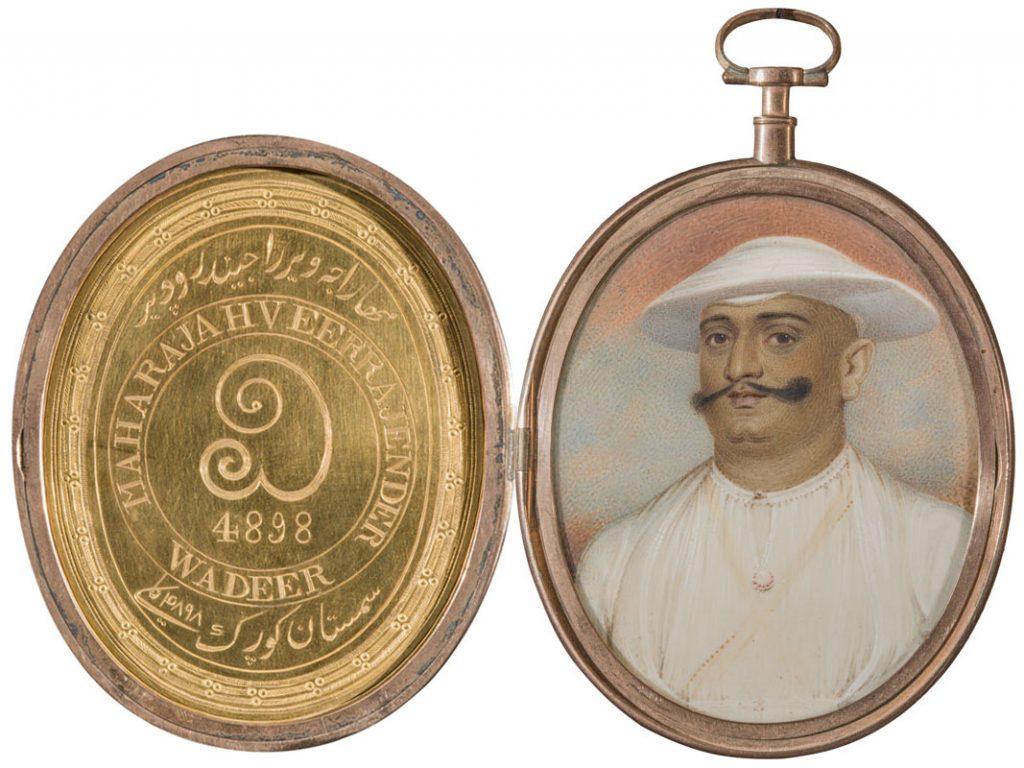
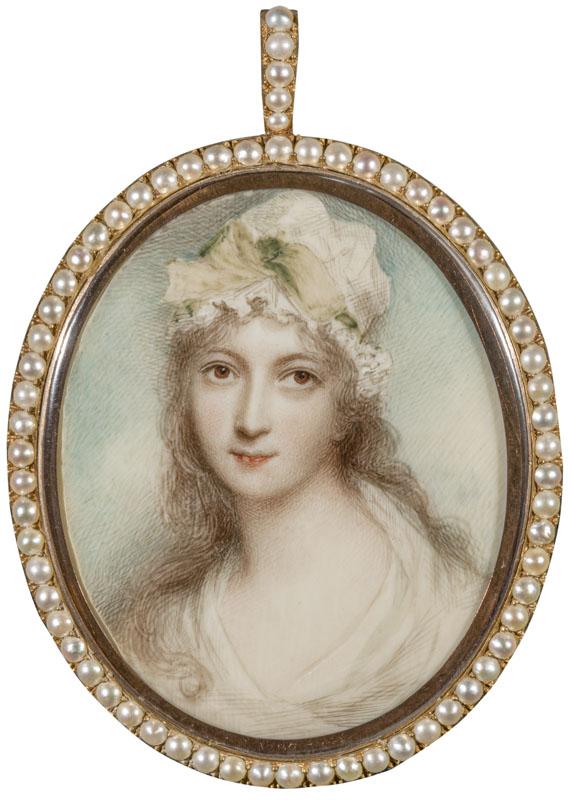
Portable Memorials: Portrait Miniatures

Attributed to Ozias Humphry (British, 1742–1810), Dodda Vira Raja (or, Vira Rajendra Wodeyar), Ruler of Coorg 1780-1809, c. 1787. Watercolor on ivory. Gift of Shirley Latter Kaufmann in memory of Harry and Anna Latter, 74.649.

New Orleans, LA :

The New Orleans Museum of Art (NOMA) presents the museum’s Latter-Schlesinger Collection of Portrait Miniatures. Cradled in the palm of the hand or worn close to the heart, portrait miniatures were never intended for public consumption, but rather, functioned as personal tokens of affection, love, or memorial. Drawing from NOMA’s permanent collection, the installation of more than 100 portrait miniatures is now on view in the Lupin Foundation Decorative Arts Galleries on the museum’s second floor.

“NOMA’s Latter-Schlesinger Collection of Portrait Miniatures, given in 1974 by Shirley Latter Kaufmann in honor of her parents, Harry and Anna Latter, is one of the singularly important collections at this museum,” said Susan Taylor, NOMA’s Montine McDaniel Freeman Director. “Ranging from the court of Henry VIII to Napoleonic France, the collection includes masterful examples of the important artists and techniques used in the art of miniature portraits.”

Andrew Plimer (British, 1763–1837), Henrietta Ponsonby, Countess of Bessborough, c. 1795. Watercolor on ivory, frame with pearls. Gift of Shirley Latter Kaufmann in memory of Harry and Anna Latter, 74.654.

Portrait miniatures were the passion of New Orleans collectors Harry and Anna Latter. In 1957, the Latters traveled to London to oversee a government project and dedicated the trip to the pursuit of English portrait miniatures. After her parent’s passing, Kaufmann gifted the comprehensive collection to NOMA, where she was a trustee for more than twenty years and board president in 1978. The family continues Kaufmann’s tradition of supporting the museum through the Milton H. Latter Educational and Charitable Foundation, which sponsored the design and fabrication of a custom cabinet for the magnificent collection.

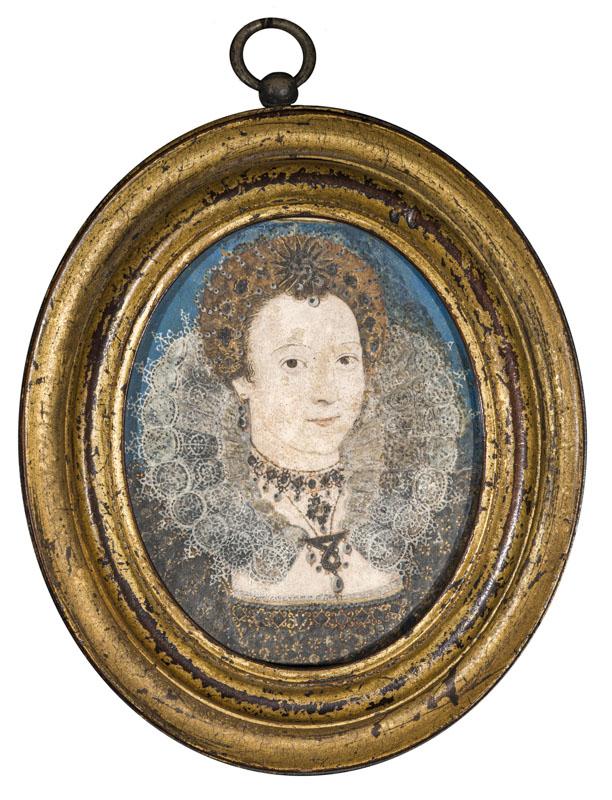
Nicholas Hilliard (English, 1547–1619), Portrait of an Elizabethan Court Lady, c. 1590. Watercolor on parchment. Gift of Shirley Latter Kaufmann in memory of Harry and Anna Latter, 74.337.

Portrait miniatures feature details of historic lace, jewelry, ornate hairstyles, royal adornments and military regalia, all executed by the artist sometimes using a single hair as a brush. The earliest 16th-century miniatures were painted with watercolor onto vellum (animal skin) or cardstock, but by the 18th-century heyday of portrait miniatures, artists painted on thin sheets of ivory for a natural luminescence to the watercolor portraits. NOMA’s collection includes master miniature artists Nicholas Hilliard (English, 1547-1619), John Hoskins the Elder (English, c.1590-1665), Samuel Cooper (English, 1609-1672), Richard Cosway (British, 1742-1821), and George Engleheart (British, 1752-1829). On view are examples of portraits framed with the sitter’s hair, intricately arranged and braided, and two “lover’s eye” miniatures, capturing just an intimate close-up of the sitter’s eye, recognizable only to her dearest confidants.

A tablet produced by NOMA details the stories behind these portrait miniatures, with the stories of royalty and historic celebrities, the highly-skilled craft of miniature painting, and the Latter family collection.

NOMA’s installation was made possible with the support of the Milton H. Latter Educational and Charitable Foundation.

source: http://www.artandobject.com / Art & Object / Home> Museum / December 11th, 2019

Mysuru Kodava Samaja Keeping Tradition Alive By Hosting ‘Puthari’ Get-Together

Puthari01KF13dec2019

Mysuru:

Huthri or Puthari festival was celebrated with grandeur and traditional fervour in Mysuru and Kodagu districts yesterday. It is a festival of harvest and getting the harvested paddy crop home.

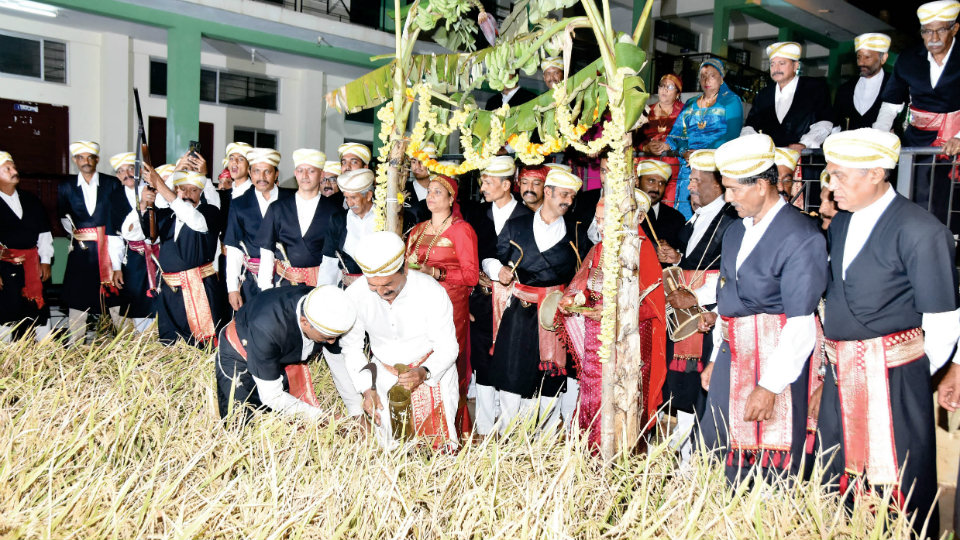
Kodavas and members of Kodagu Gowda community visited paddy fields in their traditional attire and harvested the new crop after offering prayers.

The festival is observed either in the month of November or December on full moon day of Rohini Nakshatra. Before harvesting, they chanted ‘Poli Poli Deva,’ fired three times in the air and burst crackers.

In Mysuru, the celebrations were organised by Mysuru Kodava Samaja at Sree Cauvery Educational Institutions premises in Kuvempunagar while members of Kodagu Gowda community celebrated the fest at their Samaja premises in Vijayanagar.

Kodagu Gowda Samaja members after harvesting the new paddy

The celebrations started at Cauvery School at 5.30 pm with performance of traditional Kodava dances by both men and women including small children.

‘Nere kattuva’ ritual was held at 7.35 pm followed by reaping of new paddy crop at 8.35 pm and distribution of thambutt prasada (a unique pudding made of ripe banana, coconut, jaggery/sugar, sesame, cardamom, ghee and roasted boiled rice flour) at 9.35 pm.

Puthari03KF13dec2019

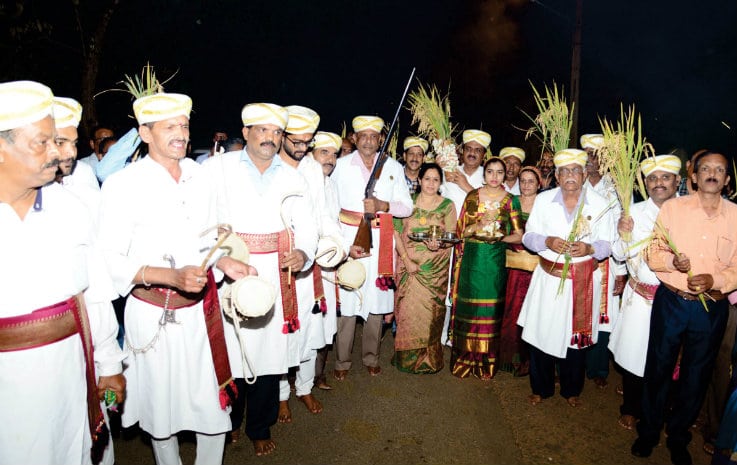
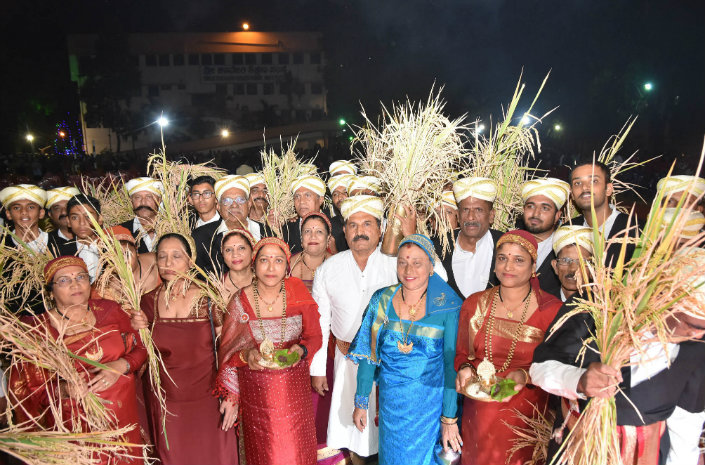
The menfolk, wearing their traditional attire complete with Kuppiya – Chele, Mande Thuni and Peeche Kathi and the saree-clad women accompanied by girl children holding Thaliathakki Bolcha (a bronze tray with rice, betel leaves, arecanut and a lamp) marched to the nearby fields to reap the paddy crop. The festival marks bringing home the new paddy crop from the fields, symbolic of welcome to Goddess Lakshmi, who is the presiding deity of wealth.

A festival primarily confined to Kodagu in the past is now being celebrated in cities too where there is a considerable population of Kodavas. And Mysuru Kodava Samaja has been striving to keep the tradition alive by hosting the Puthari Eedu and Festival get-together annually.

Puthari Eedu was held for five days from Dec.6 to Dec.10 daily at 6 pm at the Kodava Samaja premises in Vijayanagar where traditional Kodava dances are practiced with the cultural troupe members and new-comers, according to Kekada M. Belliappa, President and Malachira M. Ponnappa, Hon. Secretary of Kodava Samaja, Mysuru. Hundreds of Kodavas attended the celebrations in city last evening. On the occasion, the Samaja felicitated the men’s cultural troupe that won prize in the competition held at Balugodu Samaja recently.

source: http://www.starofmysore.com / Star of Mysore / Home> News / December 12th, 2019

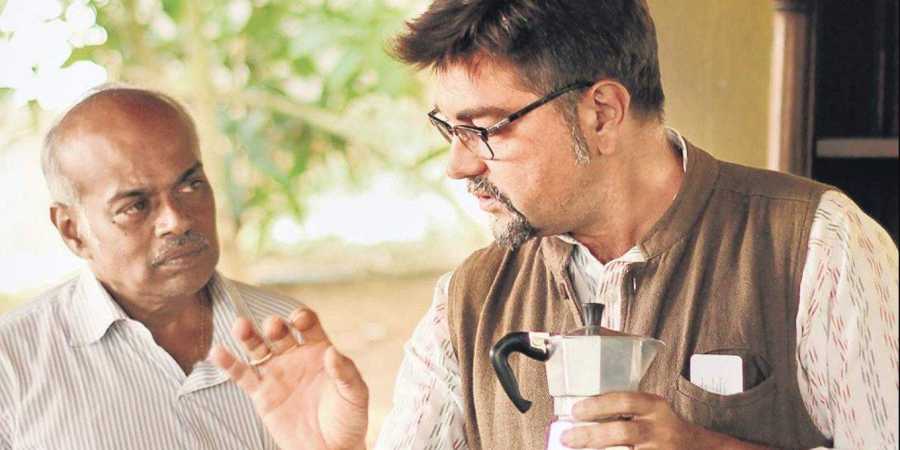
…Brew his own destiny

From setting up his own business to embracing different cultures and understanding spirituality — Marc Tormo tells CE that India has helped him…

Marc is a travel and nature enthusiast

How far can one go in search of coffee? Apparently, from Spain to India. Marc Tormo did exactly that in 1997 when he moved to Auroville in Puducherry. CE talks to Tormo, the founder of Marc’s Coffee in Auroville, about his love for coffee, opening up to spirituality and raising kids in India

What brought you to India?
I come from a place called Catalonia in Spain. I was into the business of coffee there where I had a speciality coffee shop. I came to India a few times when I was 19 years old to understand about coffee and I found out about coffee plantations in the southern part of India. People were not aware of the entire process of coffee-making. I understood this method and helped people trace the journey of the coffee they were drinking. Finally, in 2008, we launched Marc’s coffee here in Auroville. Before setting up the coffee place, I had to put in a lot of research on not just coffee but the farmers, their psyche among other things. After setting it up, it took us five years to pick up speed. But it was a pleasant cultural change. Europe is more materialistic. People here are spiritual. Auroville allows me to explore that part as well. My children were born and raised here. India is now second home. Plus, we have a cosmopolitan environment here at Auroville. There are Koreans and Spaniards and many others here.

How do you keep in touch with your roots?
My children can speak Catalan very well which is the dialect from the region I come from. They have learned Tamil, French, Catalan, Spanish and English. We make it a point to visit Spain every year. I like to keep all the goodness of the Spanish culture. People from my region are adventurous and entrepreneurial. I would like to retain all that. But spirituality is something I understood after living in India.

How do you and your family spend time together?
I love to cook, especially for my family. We all spend time cooking. I like making paneer butter masala, khichdis and chapatis. We make a mix of Spanish and Indian cuisines at home. We travel a lot. I take them on my trips to coffee plantations. But this is not just so that they understand coffee but also they understand people and cultural diversity wherever they go. I like to spend time gardening with my children.

What are your interests apart from coffee?
I love to sing, I love to listen to music and be with nature. Life in Auroville lets me enjoy all of this. I can work and be in the midst of nature and pursue my interests.

Auroville is considered to have deep spiritual roots. What is your experience of spirituality?
Auroville has taught me the concept of unity with diversity. We have people from different cultures living here. It has helped me understand the inner meanings. One of the things living in Auroville has helped me with is understand myself and have a holistic view of anything.

One half of India is populated with tea lovers. Have you ever thought of shifting your beverage loyalties?
I have nothing against tea. But I feel coffee has not been studied enough. I chose to focus on coffee. Coffee needs a lot of support to reach everybody so that everyone understands coffee. That is why I chose coffee.

What are your favourite destinations in India?

I love the Western Ghats. Wayanad, Coorg, Mysuru and Chikmaglur are some of my favourite destinations. I am a coffee lover and a nature lover. I like to see wildlife.

Marc will be conducting a Coffee workshop till December 9 at Old Kents Estate, Coorg

source: http://www.newindianexpress.com / The New Indian Express / Home> Cities> Chennai / by Veena Mani / Express News Service / December 07th, 2019

Running closer to nature

This year, the marathon was completely eco-friendly and trash-free, with water being served in coconut shells, food in banana leaves and plates made out of areca leaves.

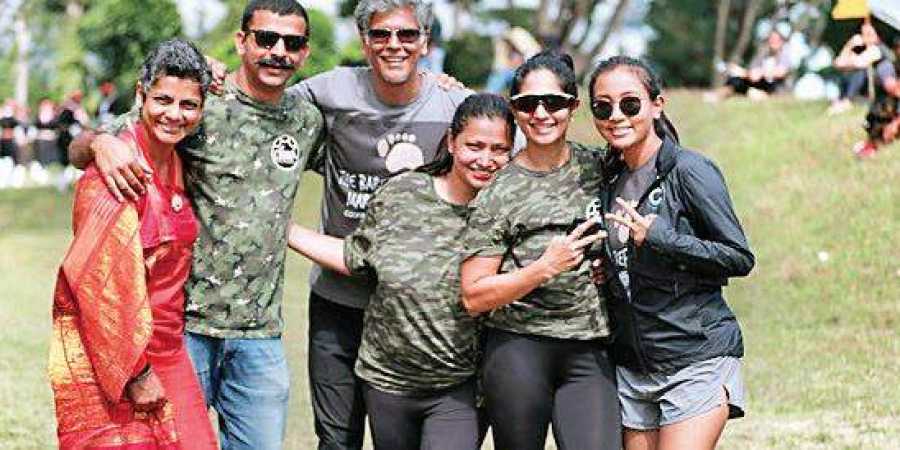
Nikki Ponnappa (left) along with Milind Soman (in grey) and members of The Coorg Wellness Foundation

Bengaluru :

Bengaluru-based golfer Cheppudira Nikki Ponnappa can never decide what she is passionate about more – her love for sports or working towards saving the ecology of her hometown, Kodagu. The international-level golfer recently arranged the fifth edition of Barefoot Marathon, which happened on Sunday in Kodagu. The marathon was an initiative by her organisation, The Coorg Wellness Foundation, in association with avid marathon runner and her friend, Milind Soman.

This year, the marathon was completely eco-friendly and trash-free, with water being served in coconut shells, food in banana leaves and plates made out of areca leaves. The warm-up exercise before most marathons is usually Zumba, but keeping up with local traditions, Valaga music, which is traditional Kodava music, pumped up the participants. The highest prize being `42,000 for 42 km, the marathon had some interesting rules for the prizes that were distributed.

The cash prize went to runners from the neighbourhood area, while the non-local runners got to bring home produce by local farmers, which included rice, coffee, spices etc. All the funds collected from this event will go towards betterment of the families who lost everything in the landslide that hit Coorg in 2018.

More than 400 people participated in this marathon. Ponnappa says the main objective of the run was to bring people closer to nature. “When you run barefoot and feel the soil, it makes you feel closer to Mother Nature. Barefoot is a symbolic way to do something auspicious, plus it has lot of scientific benefits too. We have many nerve points in our feet and these runs work wonders for them.

It was great to see so many people travelling to Coorg, especially from Bengaluru, to participate in this marathon,” says Ponnappa, who was first introduced to golf at the age of 14-15 by her father, who was then serving in the Indian Army. She is also a certified coach and a social activist. Ponnappa’s organisation, the Coorg Wellness Foundation, which was set up in 2014, works towards the development of the people of Kodagu and its eco-system. Along with free education and boarding, they also provide training to join the Army.

source: http://www.newindianexpress.com / The New Indian Express / Home> Cities> Bengaluru / by Monika Monalisa / Express News Service / December 10th, 2019

Merging border with dance

New Delhi, (IANS) :

Rasaja Foundation, in collaboration with Business & Community Foundation (BCF) will organise a discussion ”Merging Border” with artists Lata Pada (Sampradaya Dance Creations, Canada), Dr I Wayan Dibia (scholar, author and dance choreographer, Indonesia), Shila Mehta (Nupur Zankar Academy of Performing Arts, New Jersey, Belgium and Mumbai) and Hema Rajagopalan (Natya Dance Theatre, Chicago) followed by ”Nimitta” a solo kathak performance by Shila Mehta, portraying “Shikhandi” from Mahabharat on December 12 at Sri Aurobindo Society in New Delhi.

”PRALAYA”, a collaboration in Bharatanatyam and Baliness dance by Sampradaya Dance Creations, Canada, a modern retelling of the Mahabharata with special focus on the game of dice between the Pandavas and the Kauravas will be staged on December 13 at Kamani Auditorium in the capital.

The presentation, conceptulised and directed by Lata Pada, includes choreography by Lata Pada & I Wayan Dibia, music by Praveen D. Rao, costume Design by Sandhya Raman, visual Design by Jacques Collin and lighting design by Deepa Dharmadhikari.

Their Indo–Balinese collaboration that premiered in Toronto in November 2016 and went on to do an eight-city tour in Canada, has now begun its international tour across seven cities in India and a stint in South East Asia-Indonesia.

–IANS / Sukant/prs
source: http://www.outlookindia.com / Outlook / Home> The News Scroll / December 10th, 2019

Kodava Samaja, Mysuru

Huthri celebrations, 5.30 pm onwards;

traditional Kodava dances by the Samaja members and their children,

‘Nere kattuva’ ritual, 7.35 pm;

Reaping new paddy crop (Kadiru), 8.35 pm;

Distribution of thambutt prasada, Sree Cauvery College Grounds, Kuvempunagar, 9.35 pm.

source: http://www.starofmysore.com / Star of Mysore / Home> Events / December 10th, 2019

Classrooms, computer lab inaugurated at Govt PU College

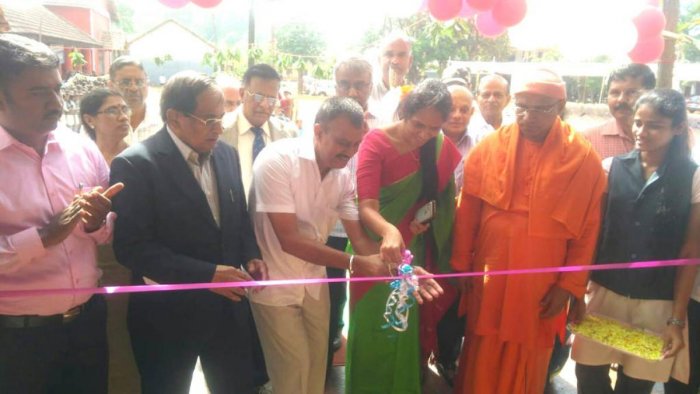
MLC Sunil Subramani and Deputy Commissioner Annies Kanmani Joy inaugurate classrooms and computer laboratory of Government PU College in Madikeri.

Acharya Patashala Shikshana Datthi Samsthe has constructed classrooms and computer laboratory at Government PU College in Madikeri. The classrooms and lab were inaugurated by MLC M P Sunil Subramani.

Speaking on the occasion, he said, “Members of organisations play a vital role in the growth of government schools.

He lauded Acharya Patashala Shikshana Datthi Samsthe for contributing to the construction of classrooms at a time when the district faced floods.

Deputy Commissioner Annies Kanmani Joy appealed to the members of various organisations in joining hands with the district administration to rebuild Kodagu.

Acharya Patashala Shikshana Datthi Samsthe President T V Maruthi said, “The organisation decided to contribute to Kodagu district when the district was affected by natural calamities in 2018. Two classrooms, a computer lab and a hi-tech toilet have been constructed at the college at a cost of Rs 52 lakh.”

Bodha Swarupananda Swami of Ponnampet Ramakrishna Sharadashrama called upon the students to inculcate the teachings of Swami Vivekananda.

source: http://www.deccanherald.com / Deccan Herald / Home> State> Mangaluru / by Adithya K A / DHNS, Madikeri / December 07th, 2019

Annular Solar Eclipse On Dec. 26: Sky-Gazing At Remote Village In Kutta

KuttaEclipse01KF10dec2019

– Rare ‘Ring of Fire’ visible in South Kodagu
– Over 2,000 hand-picked students to witness celestial event from 8 am to 11 am
– Organisers aim for India Book of Records

Mysuru:

Kaimaani, a remote village in Kutta, South Kodagu, is all set to witness the rare Annular Solar Eclipse on Dec. 26 — the third and final solar eclipse of the year 2019. The Mysore Science Foundation (MSF) is organising a sky-gazing event at Kutta where nearly 2,000 children and general public will witness the spectacular event.

In the Annular Solar Eclipse, Moon does not completely obscure the Sun as the Moon is farther away from us than normal, making it appear smaller. As a result, the Sun is not totally eclipsed, leaving a ‘Ring of Fire’ around the edges.

The Mysore Science Foundation has tied up with Aseemit Edutech Private Limited, a Pune-based organisation (Mitee as its sub-group) for the event. Aseemit Edutech Private Limited is involved in secondary and senior secondary education.

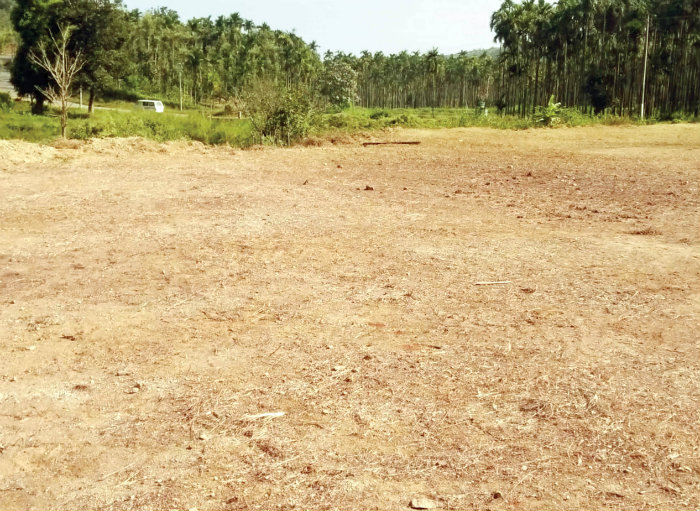
The spot in Kutta where the sky-gazing event will be witnessed on Dec.26.

Kutta falls on Solar Path

Speaking to Star of Mysore, G.B. Santosh Kumar of Mysore Science Foundation, said that Kutta falls on the Solar Path and as such, the visibility is clear. The visibility of Annular Solar Eclipse in Mysuru is only 75 percent.

“Mangala in Gundlupet, Coimbatore in Tamil Nadu, Udupi in Dakshina Kannada and Kutta in South Kodagu fall on the Solar Path where there is a clear visibility.

“We did not get permission from the Forest Department for the event as Mangala falls under the limits of Bandipur Tiger Reserve. And 2,000-strong crowd going to Coimbatore and Udupi was a distant possibility. As such, we have zeroed in on Kutta where the event can be viewed from 8 am to 11 am,” Santhosh said.

Kaimaani coffee yard

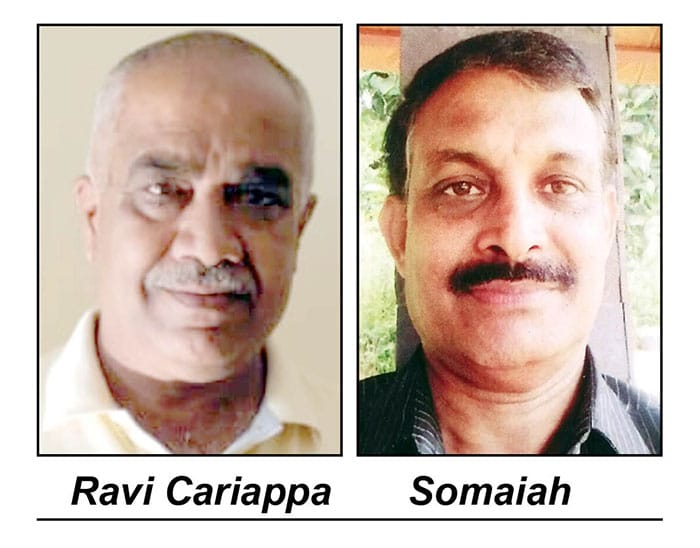
At Kutta, the event will be organised at the newly-developed coffee drying yard of Kolera Ravi Cariappa in Kaimaani village. “The place is by the side of the road and the land is in a higher altitude and there is an arecanut plantation below. This is a perfect location for witnessing the once-in-a-lifetime event,” said Kotrangada Somaiah, a teacher at Manchalli Government School, who played a key role in identifying the location for the organisers.

“People from Mitee Pune contacted me two months back and requested me to find out an ideal place in Kutta to view the event. First we considered the Government Higher Primary School Cinkona in Kutta for the event but had to cancel it as the approach road was not good. The Kaimaani coffee yard is a perfect location as it is by the side of the road. There are facilities including toilets and I have requested the local residents to allow children to use their toilets,” said Somaiah.

KuttaEclipse03KF10dec2019

India Book of Records

The event organisers have already registered in the India Book of Records for the largest gathering of children in one place to view Annular Solar Eclipse. “On Dec.17, the Mysore Science Foundation will organise another programme called “Video Viewing” where students will be seeing eclipse-related videos to prepare them for the main event. For the actual event on Dec.26, we are expecting students from Maharashtra, Tamil Nadu and Kerala,” Santhosh added.

On that day, occurrence of eclipses, types of eclipse, science behind eclipse, myths and misconceptions, eclipse watching and safety shall be explained in addition to demonstration on pressure variation and temperature variation.

Food & accommodation

For outstation students coming from Maharashtra, Kerala and Tamil Nadu, choultries have been booked in Virajpet for their food and accommodation. “Along with them, students from Mysuru, Bengaluru and Kodagu too are participating in the event,” Santhosh said.

Student selection

On the student selection process, the Mysore Science Foundation had communicated to schools to send 10 children who are interested in astronomy and a teacher. Registrations were on first-come-first-serve basis and we have kept last-minute registrations open as we are aiming for India Book of Records, he added.

source: http://www.starofmysore.com / Star of Mysore / Home> News / December 07th, 2019

Swimming pool thrown open to public

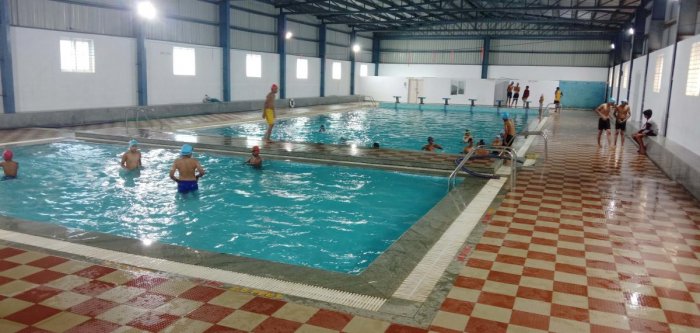
Children enjoy swimming at the pool in General K S Thimayya District Stadium in Madikeri.

The swimming pool at General K S Thimayya District Stadium in Madikeri was opened for swimming enthusiasts on Saturday after repair works. Thereafter, a large number of children visited the pool for swimming on Sunday.

The reopening of the swimming pool has brought a smile on the faces of swimming enthusiasts. Braving cold weather, over a hundred children were engaged in swimming on Sunday.

The swimming pool building was damaged following heavy rain and the pool was shut for public.

The pool was set up at a cost of Rs 2 crore in 2015. However, due to heavy rainfall in 2018, the pool was damaged. To take up the repair work on bathrooms and the swimming pool, the entry of swimmers to the pool was prohibited.

Though the swimming pool was reopened on May 2, entry was again prohibited owing to repair work. Now, the water purifying machine has been upgraded. Toilets and bathrooms have been constructed, said a staff member.

“The visitors to the swimming pool increase during the weekend,” said swimming pool staff member Karthik.

Harshith from Karnangeri said, “There are no other lakes or ponds in Madikeri for swimming. An opportunity should be given to children to swim on Saturday and Sunday. Hot water facility should also be arranged in the pool.”

Timings

The timings for swimming is 6 am to 10 am for children, 11 am to 12 noon for senior citizens, 2 pm to 4 pm for children, 4 pm to 5 pm for women and 5 pm to 7 pm for the public.

The entry fee for below 14-year-old kids is Rs 30, while it is Rs 50 for senior citizens and Rs 100 for tourists. For details contact: 08272-228985, said Department of Youth Empowerment and Sports assistant director Jayalakshmi Bai.

source: http://www.deccanherald.com / Deccan Herald / Home> State> Mangaluru / by Adithya K A / DHNS, Madikeri / December 08th, 2019