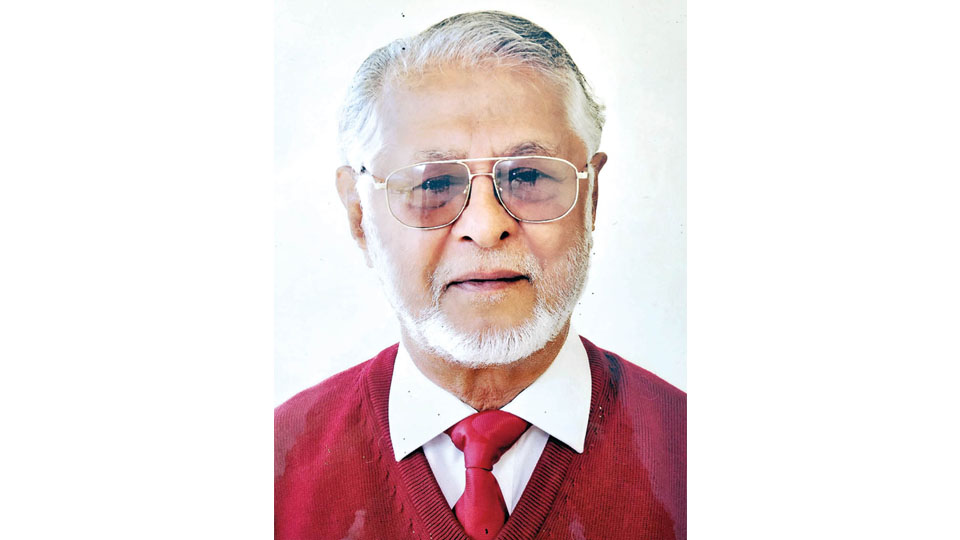
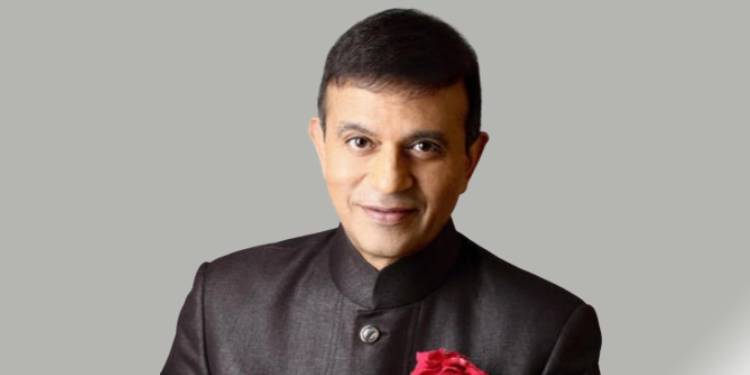
Senior Congress leader, coffee planter and a popular Madikeri resident, Bottolanda Mittu Chengappa (83), passed away last evening at a private hospital in Ammathi, Kodagu district.
For the past few months, he had been unwell and was resting at his home in Mullusoge before his condition worsened on Tuesday night, leading to his hospitalisation. He is survived by his wife Yashika and two daughters Kavya and Krithi.
Mittu Chengappa’s passing marks the end of an era in Kodagu’s political landscape, where he had been a dominant force for over half a century.
Beginning his public life in the 1980s as a member of the Madikeri Municipality, he quickly established himself as a grassroots leader who could connect with people across social strata.
Though he faced setbacks, including a defeat in the MLC elections, his resilience saw him emerge as a politician and the unchallenged king-maker of Kodagu politics.
Unwavering loyalty to Congress
His political journey was characterised by unwavering loyalty to the Congress party.
As a third-generation coffee planter, he transformed his family estates into models of agricultural excellence. His passionate monologues about the “art of making perfect coffee” became legendary, with many dignitaries making trips to his Stuart Hill bungalow just to taste his personally brewed Coorg coffee.
His friendships spanned the worlds of cinema and art. The late Vishnuvardhan and Ambarish considered him a brother, while Superstar Rajinikanth frequently sought the tranquillity of his coffee estates.
As per Kodava traditions, his funeral was conducted at the Kodava Samaja burial ground in Madikeri today afternoon. Before the final rites, his body lay in state at Gandhi Maidan from 10 am to 1 pm, allowing thousands of admirers to pay homage. Chief Minister Siddaramaiah and Dy. CM D.K. Shivakumar have condoled his death. Energy Ministers K.J. George and Kodagu District Minister N.S. Boseraj arrived in Madikeri this morning to pay their respects. They reached Madikeri by helicopter. MLAs Ajjikuttira S. Ponnanna and Dr. Manthar Gowda were also present along with a host of Congress leaders in Kodagu.
source: http://www.starofmysore.com / Star of Mysore / Home> News / April 25th, 2025
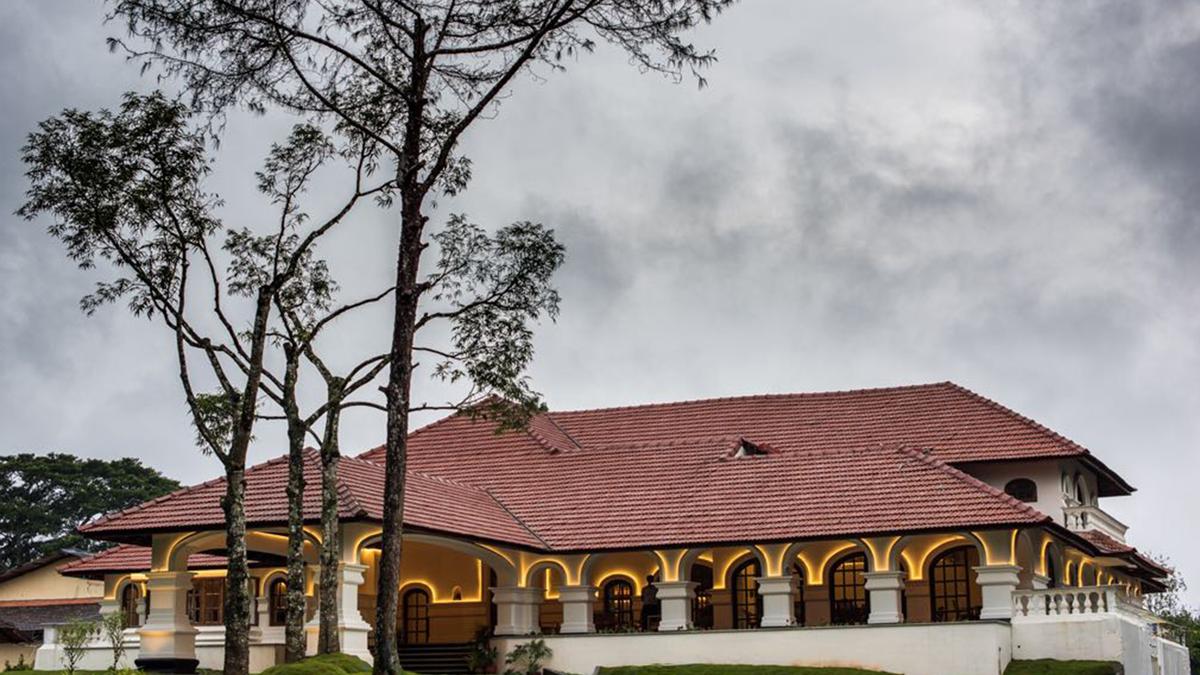
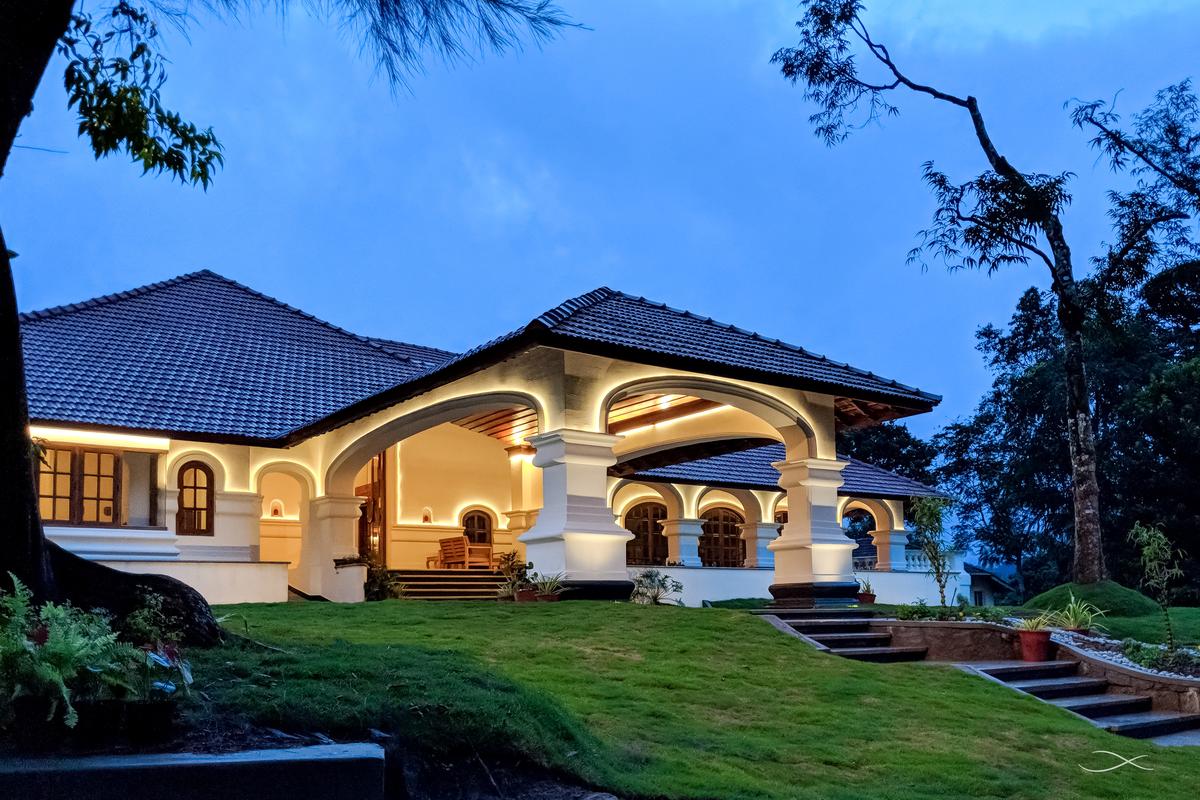
The restoration project of Bamboo Club in Kodagu included creating an overhang of Mangalore tiles in the front of the building, and enabling ample sunlight to stream into the interiors.
It is a nearly 140-year-old structure, built during the colonial era as a club for the Englishmen who had made the picturesque Kodagu their home. Nestling amidst the thick greens of the sprawling coffee estates, the Bamboo Club, built in 1886, had greatly weathered with time, displaying multiple erroneous interventions to meet altered functionalities as well as address structural repairs.
What architect George Ramapuram of Earthitects noticed while taking up the restoration of this heritage structure was random additions. Starting from an asbestos roof on the façade to make-shift toilets and rooms at the rear of the building, the interventions were totally out of sync with the original plan and language of the building. “The interiors were dimly lit because of limited access to direct sunlight. A false ceiling had been added to the ballroom to stem rainwater leakage, and this further added to the dinginess besides cutting down on the volume of the interiors,” points George.
Modifying the arches
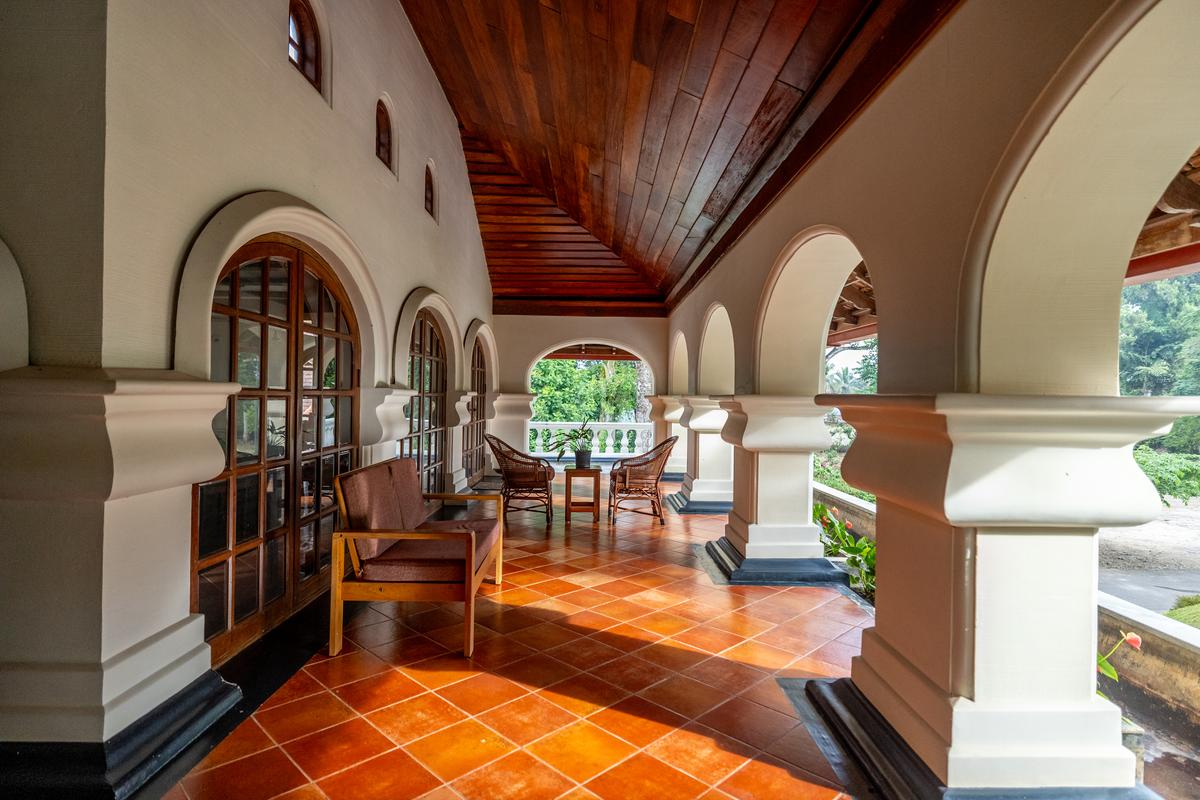
Given the weathering structural form, George decided to start the restoration by first addressing the multiple arches that lined its expansive corridors. While retaining these multiple arches, George decided to deftly tweak their shape a bit to visually expand the individual arches. This was complemented by greater detailing brought to the columns to enhance the colonial visual appeal. “The originality of the individual arches was not tampered with; in fact, it was painstakingly retained to ensure they existed as a cohesive unit post the intervention to expand the sprawling verandas,” he states.
Tiling it right
His next line of intervention addressed the Mangalore tiled roof, which had an intrusion of asbestos over the years to cover the additional rooms brought in to meet various functional requirements. “The original structure came with a tiled roof, and the asbestos was brought in much later. This becomes clear on inspecting the shift in the gradient of the roof, which marks the beginning of the asbestos,” explains George. The asbestos roof was dismantled as part of the intervention, at the front as well as the rear of the building, with the Mangalore tiles extended to cover the open corridors.
The rain shield
Kodagu is famous for its copious rain, with many areas reporting flooding during the peak monsoons. Sensitive to this, George created a large overhang of Mangalore tiles in the front of the building to shelter the entrance and the interiors from heavy seasonal rains. “The overhang of the tiles was extended to a height of about 2m to cover the eave board, a basic requirement to shield the interiors from the heavy rains,” he explains.
Incidentally, George did not stop there but created a porch at the entrance to facilitate vehicle drop-off during these heavy rains. A driveway was thus created over the expansive steps leading to the entrance gate of the club. Given the ragged state of these steps, George brought in a design intervention over the same, where their structural form was redone to lend aesthetics. George went further to green the landscape around the steps, besides retaining the existing trees around it. Black Kota stone was used to lay the treads in stark contrast to the lush greens surrounding it, thus offering the club a grand entry.
Energising the interiors
The next level of intervention was the interiors that required major transformation, given their dowdy state with scant infiltration of natural light. “The interior spaces came with their defined functionalities, each evolving over time based on emerging requirements. However, the spaces came with very limited natural light, affecting the functionality as well as the energy of the individual zones,” elaborates George.
Given the colonial period of the structure, the interiors originally came with high volume, “yet there were no skylights to let in natural light into the spaces”. Worse, the main congregating room, which was the ballroom, had been fitted with a false ceiling to arrest water leakage during the heavy monsoon periods. “This reduced the volume of the interiors, making them feel smaller and also dark with the low level of natural light.”
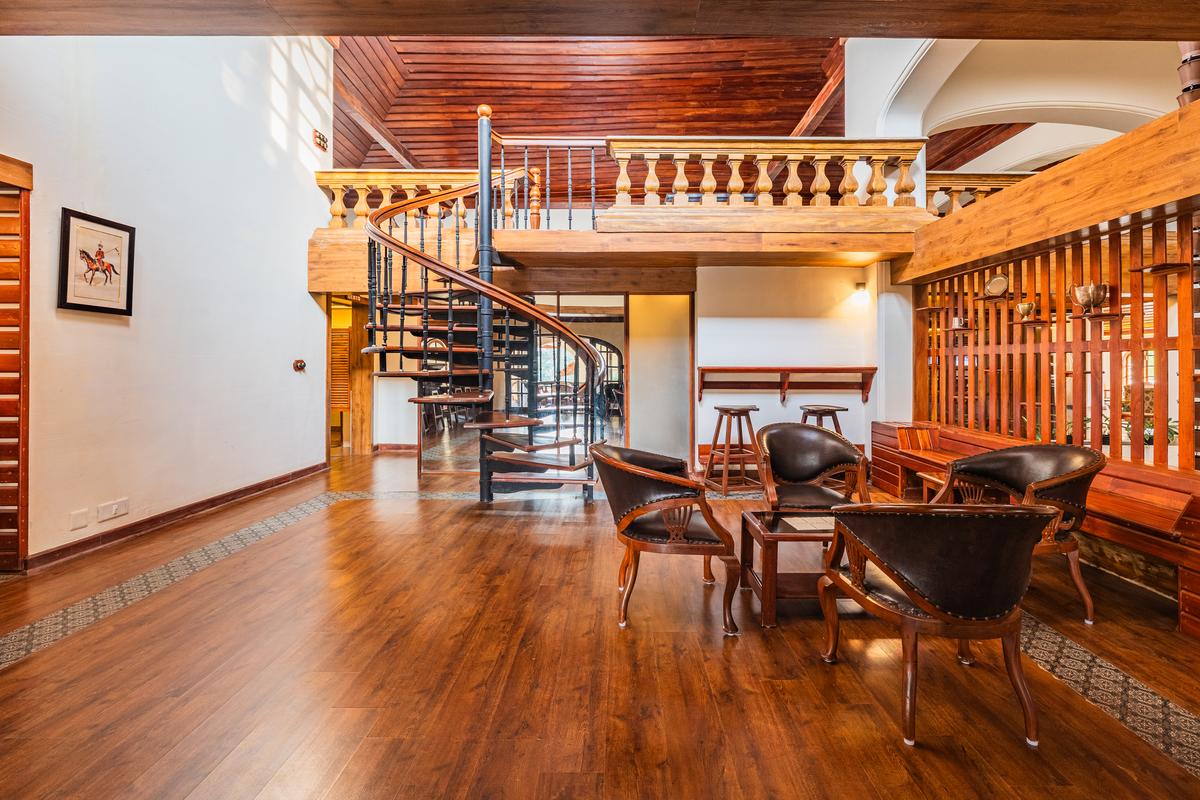
George then began his intervention in the interiors by first dismantling this false ceiling to expose an existing double-height ceiling. This automatically increased the internal volume of this congregating space. The presence of the double height further enabled him to create a mezzanine floor over the bar area to overlook the internal courtyard. To visually connect to the exterior corridors, George opened up the existing windows both vertically and horizontally. Lending warmth to the interiors is a rich play of wood, featuring as reapers and planks on the walls, staircase treads, flooring, as well as the ceiling.
Intervening sensitively
Further, arched openings were created to enable ample sunlight to stream into the ballroom and bar area, besides lending a sense of grandeur to the interiors by their presence. In tune with this design intervention, George also increased the height of the entrance doorway, making the interiors appear larger and more open. “While these interventions were executed, utmost care was taken to ensure the essence of the original structure was preserved through the restoration”, points George. Even the original furniture was meticulously retained where possible, thus keeping the interventions limited chiefly to the structural restoration.
“While the club features as a strong recall of the colonial structural form, the elements of the same have, over the years, been absorbed into the native style of the Kodagu region to adapt to the prevailing local conditions. This explains the presence of some of the local architecture of Kodagu in the structural form”, elaborates George.
Restructuring the rear
The rear of the club had witnessed haphazard additions to the structure in the form of changing rooms, make-shift toilets to meet altering functional requirements. These were carefully removed and replaced with large arched windows. The Mangalore tile roof extends over this as an overhang around the corridor that runs through the main structure. Random rubble wall and a colonial-inspired balustrade border this open corridor. Crowning these interventions is the insertion of a large exit door that features over a flight of steps, lending a composition to the rear section and its exit, a similar grand feature as lent to the main entry.
source: http://www.thehindu.com / The Hindu / Home> Life & Style> Homes & Gardens / by Nandhini Sundar / April 25th, 2025
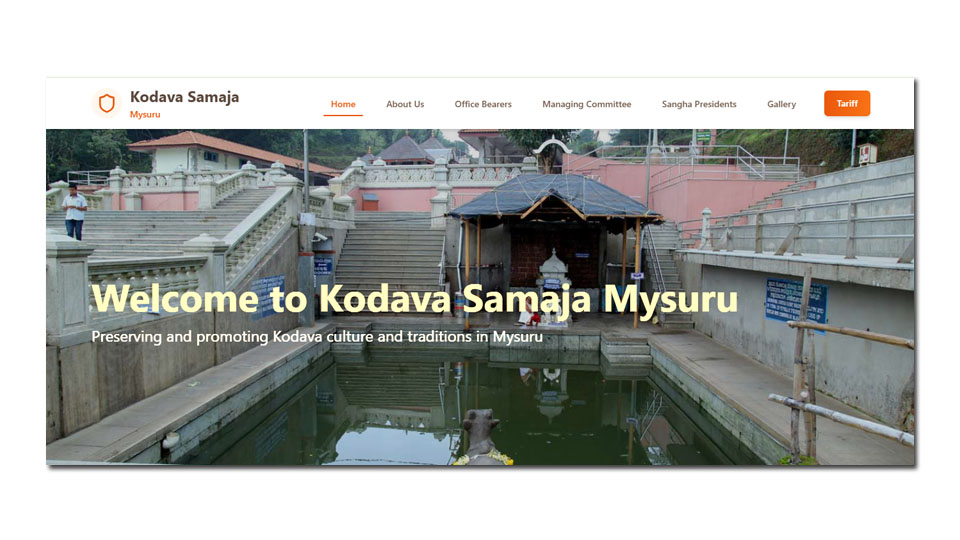
The Mysuru Kodava Samaja officially launched its new website, https://kodavasamajamysuru.com/ at a programme held at the Samaja premises in Vijayanagar First Stage, Mysuru, recently.
The new website, a first for the Samaja, was the brainchild of President Ponjanda A. Ganapathy. His son, Ponjanda Gyan Ponnappa, conceptualised, designed, developed and hosted the website entirely free of cost.
In addition to the website, Gyan has contributed several other pro-bono digital initiatives, including the ‘Kodava Thandh Bendhu Matrimonial App’ (available on Google Play Store), the Youth Wing website youthwing.kodavasamajamysuru.com, the donor coupon lucky draw software and website, and an Android app for Kaveri Vidya Samsthe (featuring both admin and user applications). Sree Cauvery Educational Institutions in Kuvempunagar is run by the Samaja.
Launched on Apr. 12, 2025, the new website serves as a comprehensive resource for information about the Mysuru Kodava Samaja and its initiatives.
The event began with President Ponjanda Ganapathy sharing insights into the Samaja’s activities. He honoured several generous donors who contributed to the Samaja’s developmental projects through a fund-raiser coupon system, presenting them with gold coins as tokens of appreciation.
To encourage donations, Samaja’s administrative team had introduced an innovative donor coupon scheme, which included exciting gifts through a lucky draw.
Top fund-raisers — including individuals, keris (family groups) and sanghas (associations) — were recognised and awarded for their selfless efforts in helping the Samaja meet its financial goals. The fundraising drive was a resounding success.
The Kodava Samaja office-bearers are also trying to secure a grant of Rs. 10,00,000 from the Karnataka Government under the Kodava Community Hall Development Scheme. Sources said that the process to receive funds has started and the money will be sanctioned soon.
As part of its developmental plans, the Samaja has decided to erect a life-size statue of Gen. Kodandera S. Thimayya within its premises using a portion of the funds raised.
The event was attended by Samaja Vice-President Machimada P. Nanaiah, Honorary Secretary Ketolira A. Belliappa, Joint Secretary Ajjikuttira Diana Poovaiah and Treasurer Ittira G. Kashiyappa, among others.
source: http://www.starofmysore.com / Star of Mysore / Home> News / April 23rd, 2025
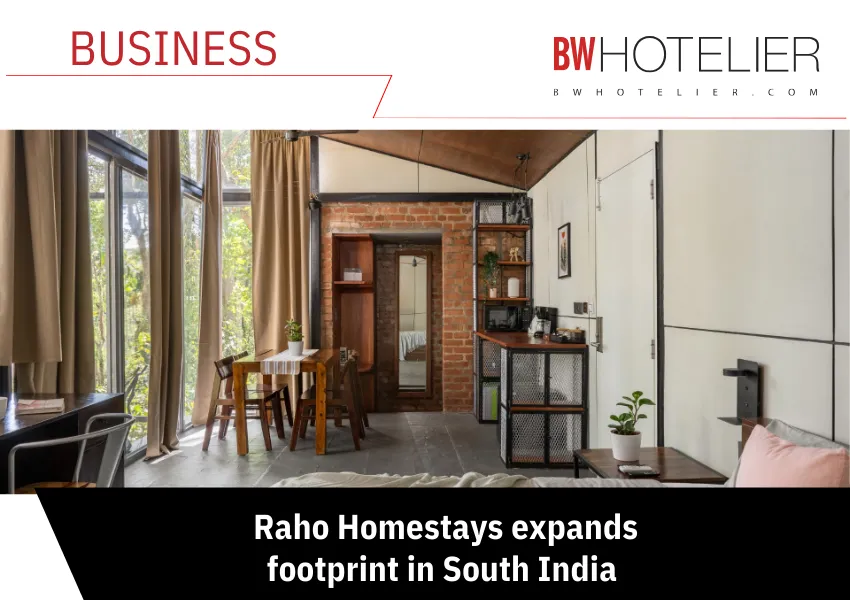
Raho’s current portfolio includes over 50 well-designed rooms across Coorg, where guests are encouraged to slow down and reconnect with nature.
Bengaluru-based Raho Hospitalities is accelerating its expansion in South India, with plans to enter popular destinations such as Ooty and Gokarna. The company currently operates four properties and is developing a fifth in Coorg, aiming to offer premium yet affordable homestay experiences that blend comfort with culture.
Raho’s current portfolio includes over 50 well-designed rooms across Coorg, where guests are encouraged to slow down and reconnect with nature. The brand places strong emphasis on local experiences, offering activities such as the Coffee & Pepper Tour, nature walks, and traditional Kodava-style meals. These immersive offerings are designed to help travellers engage deeply with regional traditions and landscapes.
“Our focus is on developing a strong operational network across specific locations in South India. This enables us to improve operational efficiency and ensure we create a vibrant atmosphere for our guests”, says Gautham Somana, Co-Founder & CEO of Raho Hospitalities.
In Coorg, visitors can also explore Tadiandamol peak, participate in yoga and meditation sessions, or simply unwind around a bonfire. Raho’s ethos of “Come Home to Nature” guides its approach to hospitality, placing authenticity, sustainability, and guest comfort at its core.
source: http://www.bwhotelier.com / BW Hotelier / Home> Business / by BW Online Bureau / April 22nd, 2025
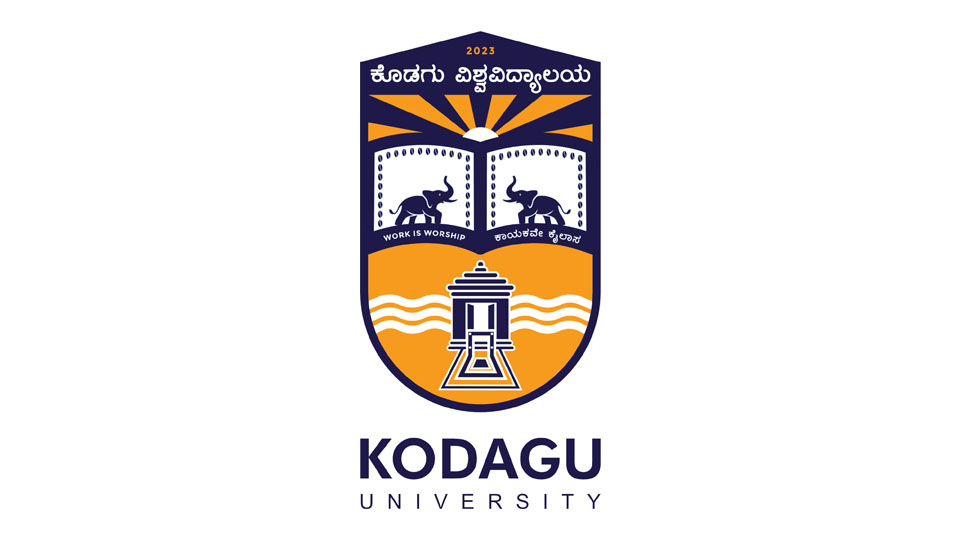
Amidst the State Government’s denial of reports claiming the closure of Kodagu University at Chikka Aluvara, the institution has introduced an attractive new emblem.
Designed by Sullimada Darshan Poovappa from Nalkeri in Kodagu and Prasanna Udayakumar Gaonkar from Yellapur, Sirsi in Uttara Kannada District, both are former students of Chamarajendra Government College of Visual Arts (CAVA), Mysuru and are currently working as visual designers in Bengaluru.
The emblem captures the essence of Kodagu’s rich nature and heritage and gives a Western touch to classical form. It is a visual interplay of six iconic elements representing Kodagu’s culture and natural splendour: The sun, coffee beans, an elephant, a book, River Cauvery and Talacauvery — the River’s birthplace.
The sun symbolises wisdom, while the book represents the pursuit of knowledge, reflecting the core values Kodagu University strives to uphold. The coffee beans highlight Kodagu’s significance as India’s largest coffee-producing region, while the elephant embodies the area’s diverse wildlife. Talacauvery, revered as the river’s origin, symbolises Kodagu’s spiritual roots.
The emblem’s colour scheme also carries meaning:
Orange signifies enthusiasm, confidence and rejuvenation, while blue evokes trust and peace. Together, these elements form a striking emblem that reflects the University’s guiding principle: ‘Work is Worship.’
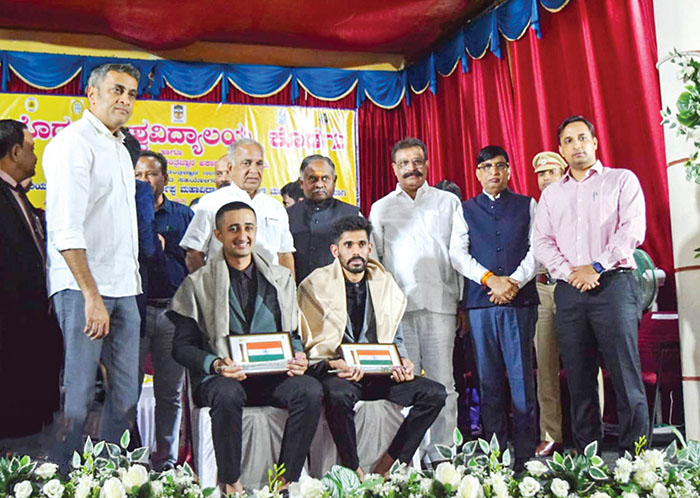
For the Emblem design, Darshan and Prasanna were felicitated recently at the Field Marshal K.M. Cariappa College, Madikeri, by the Science and Technology and Kodagu District Minister N.S. Boseraju.
Kodagu University Vice- Chancellor Prof. Ashok Sangappa Alura lauded the designers for their unique and creative work that artistically represents the ethos of the University.
Virajpet MLA and CM’s Legal Advisor A.S. Ponnanna, MLCs Suja Kushalappa, S.L. Bhojegowda, Deputy Commissioner Venkat Raja, Superintendent of Police K. Ramarajan and others were present.
source: http://www.starofmysore.com / Star of Mysore / Home> News / April 03rd, 2025
Rohan Bopanna Tennis Development Foundation has been granted the FCRA licence by the Ministry of Home Affairs, officials said on Wednesday.
The foundation applied for a licence under the Foreign Contribution (Regulation) Act, 2010 and the home ministry accorded it as the organisation fulfilled all necessary requirements, they said.
The FCRA licence is mandatory for any organisation to receive foreign funding.
Tennis icon Rohan Bopanna founded the academy, The Rohan Bopanna Tennis Academy (RBTA), in Bengaluru.
Established in March 2016, the RBTA offers access to a progressive tennis coaching programme.
According to its website, the RBTA’s focus is on encouraging all-round sports development of young athletes.
With professional coaches overseeing the programme and special inputs from globally qualified fitness trainers, the RBTA introduces a balanced curriculum — with equal emphasis on fitness and sports skills for young children looking to play tennis, it says.
Bopanna, the founder and mentor of RBTA, became only the fourth Indian after Leander Paes, Mahesh Bhupathi and Sania Mirza to win a grand slam. PTI ACB ACB KSS KSS
This report is auto-generated from PTI news service. ThePrint holds no responsibility for its content.
source: http://www.theprint.in / The Print / Home> Sports / by PTI / March 26th, 2025
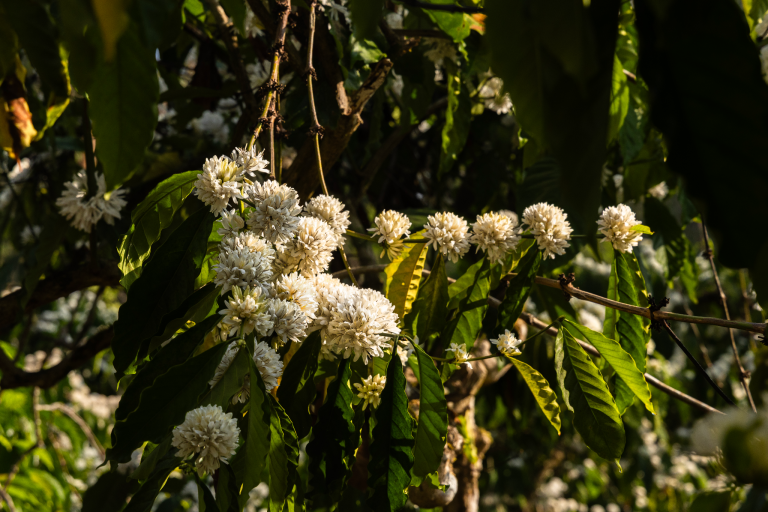
The coffee blossom season in Karnataka is a vibrant spectacle to watch, but a fleeting experience much like the cherry blossom season in Japan. Its coffee trail runs from Coorg to Chikmagalur, and the landscape is transformed by white, almost jasmine-like blossoms that spread across estates, releasing a sweet perfume into the air. While these fragrant blooms last only a short time, their beauty leaves a lasting impression. Here are three resorts in Karnataka, where you can stroll through lush estates and witness the almost magical transformation of these blossoms turning into coffee berries.
Evolve Back Chikkana Halli Estate, Coorg
Staying at this resort in the middle of the coffee blossom season will help you experience almost 300 acres of a sea of delicate white blooms. During this brief, magical time, the resort transforms into a serene paradise, where luxury meets nature. The estate’s luxurious villas and infinity pools provide the perfect vantage point to soak in this breathtaking spectacle. I highly recommend strolling through this mist-laden paradise while indulging in a freshly brewed cup of estate-grown coffee.
The IBNII, Coorg
The IBNII, Coorg, is set on a serene, 120-acre former coffee estate in the hills of Madikeri, offering a calming retreat surrounded by lakes, mist, and lush greenery. Tucked amidst Coorg’s lush landscapes, The IBNII becomes a peaceful sanctuary during the coffee blossom season. Spanning 125 acres of mist-covered coffee plantations, the air is fragrant with the scent of blooming coffee flowers, signalling the beginning of the coffee cycle. This perfect blend of nature and luxury invites couples seeking romance or those wishing to unwind in tranquil surroundings.
The Serai Chikmagalur
At Serai Chikmagalur, the coffee blossom season brings an enchanting experience, offering guests a rare glimpse of nature’s beauty. Surrounded by vast coffee plantations, the resort enhances the magic of the season by blending luxury with the aromatic charm of blooming coffee trees. The resort’s serene atmosphere celebrates nature and luxury in harmony, making this time at The Serai unforgettable for nature and coffee enthusiasts alike.
source: http://www.voyagersworld.com / Voyager’s World / Home> 2025> Karnataka Tourism / by VW Bureau / March 25th, 2025
Coffee Board warns that macro climate is crucial for cultivation and economic profit .
Coffee plant nurseries are reporting that they are getting queries from places such as Tumakuru, Chitradurga, Palakkad, and Hosur. | Photo Credit: File Photo
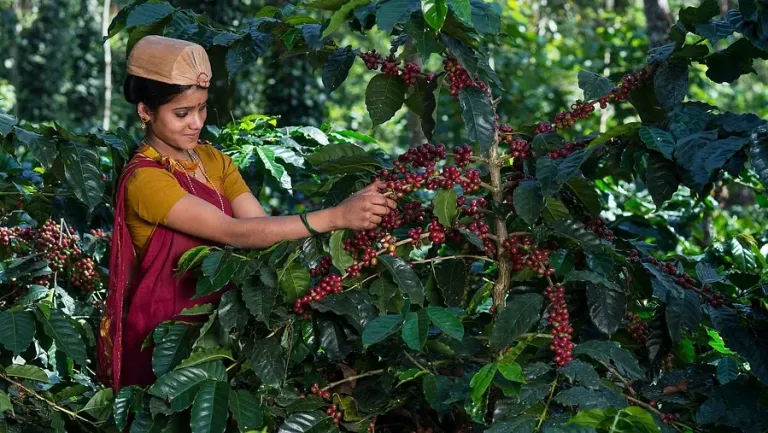
The record prices that coffee hit this year have spurred interest in its cultivation in newer destinations outside of the traditional coffee growing belt in Karnataka such as Kodagu and Chikmagalur. Coffee plant nurseries are reporting that they are getting queries from Tumakuru, Chitradurga, Palakkad and Hosur.
Vishnu Ponnanna from Mookambika Nursery in Virajpet, Kodagu district, said while there is higher interest from H.D. Kote and Mysuru, from where there were queries earlier too, now, he is getting queries from Tumakuru, parts of Chitradurga and even Hosur in Tamil Nadu.
Subhash Chandra from Ganapathy Nursery in Suntikoppa, north Kodagu, said he has received a large number of queries from Ballari, Davangere, Chitradurga, Tumakuru, Dharmapuri in Tamil Nadu and Palakkad and Idukki in Kerala as well.
Asked if it is viable, Mr. Ponnanna said, “Just like apple is now being grown in places other than their traditional growing areas, coffee too can be grown, provided the growers create the atmosphere required for the plant – such as shade and irrigation.”
Mr. Subhash Chandra said it’s not impossible to grow coffee in other places, but the yield will be lower. “I even had a customer from Kolkata who managed to grow the plant. But their yield will be half or lesser,” he said.
Record prices
Coffee prices in India hit record prices this year buoyed by a fall in global production, especially in Brazil and Vietnam. At the same time, erratic climatic conditions in India, especially in Karnataka, have also resulted in reduced yield.
K.G. Jagadeesha, CEO and Secretary, Coffee Board of India, told The Hindu that the post-harvest estimate for last year is going on, but the final estimate may be around 3.45 lakh metric tonnes, which is a good yield.
“It was a successful year for farmers. There was 10-15% loss, which was caused by natural vagaries such as high temperature in the beginning of the year followed by heavy rainfall. But the prices doubled, so it offset this loss. In case of Arabica, the prices are double and for robusta, more than double,” Mr. Jagadeesha explained.
Coffee prices in India have hit record prices this year buoyed by a fall in global production | Photo Credit: File Photo
He further said that as per the cumulative indicator price (ICO Composite Indicator Price, or I-CIP), which is an average of all categories, it was 167 cents/lb (pound) last year, and this year, it is 261 cents/lb.
“The base price itself was very high upon which we have grown. Robusta, which was 130 cents/lb, is now 223 cents/lb, and Arabica was 202 cents/lb, which is now 291 cents/lb,” he added.
Forecast for this year
This year too, the forecast is good for growers, said Mr. Jagadeesha adding, “We have received some rains already and because of the good prices last year, planters have taken care of plants this year and done some irrigation by themselves as well. We will start the post-blossom estimate now, but the forecast for this year is good. According to the experts, Brazil and Vietnam may not come back to their original production this year as well.”
‘Don’t get carried away’
Mr. Jagadeesha warned non-coffee growing belts against getting carried away. “We promote coffee where our scientific personnel recommend. We don’t recommend any place that is sub-optimal or ideal. Some farmers are growing coffee by creating a microenvironment. In the long run, we don’t know if it’ll be profitable in that area,” he said.
“When the Coffee Board recommends, it should be doable even for the average farmer. Coffee investment is for 30-40 years. So we can’t base it on one or two special cases. Requests have come from Chitradurga, Uttara Kannada, and Shivamogga. Even 30-40 years ago, even in Kolar, people tried to grow but didn’t succeed. Even at the coffee board (in Bengaluru), we have planted some coffee trees and we get berries once in a few years. It can be considered economically profitable only if there’s income over a long period. To prove that, we go only when the macro climate indicators are ideal: average temperature, rainfall, etc. Coffee cannot be grown where elevation is less than 500 metres,” he said.
In these areas, the temperature is higher than that in the Western Ghats, rainfall is lesser and there is no proper drainage in case of high rainfall in a short period. Shade is also very important, he further said.
“If a farmer has taken all this into account and is growing coffee, we are neutral; we won’t discourage them. Coffee cultivation is deregulated, so anyone can grow coffee. We are not averse, but we won’t recommend it unless we are confident that an average farmer can also grow it. These areas according to us are not suitable. If people are getting carried away by the high prices or one or two farmers want to grow it, they can do so at their own risk,” said Mr. Jagadeesha.
source: http://www.thehindu.com / The Hindu / Home> Sci-Tech> Agriculture / by K C Deepika, Gonikoppa, Kodagu / March 19th, 2025
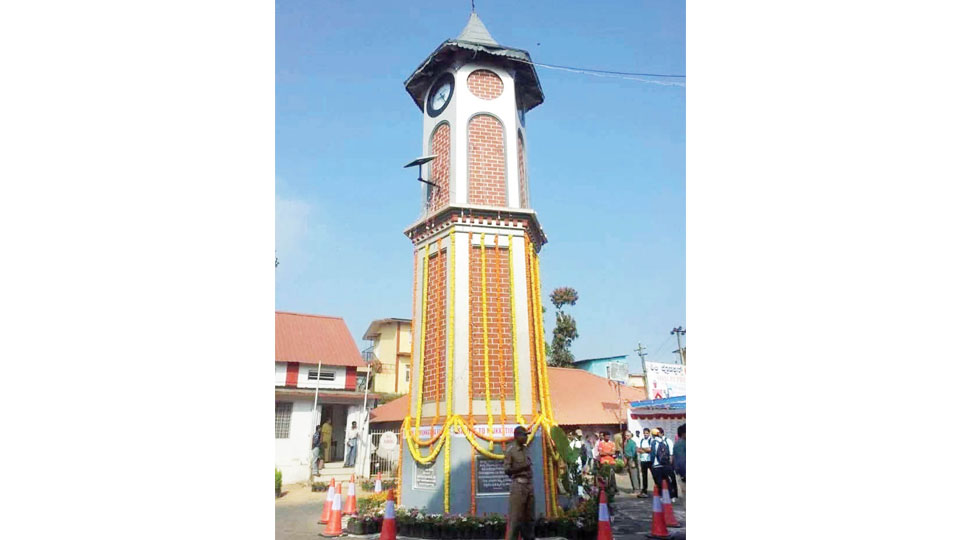
Virajpet’s historic clock tower, a prominent landmark in Kodagu, turns 111 today (Feb. 5, 2025). Built to commemorate the 1911 Coronation Durbar of King George V, its foundation stone was laid on Feb. 5, 1914, by Sir Hugh Daly, then Chief Commissioner of Kodagu.
The Mukkatira family of Devanageri village donated the land and the tower was inaugurated in Jan. 1915 by District Magistrate R.K. Ellis. It was later handed over to the Town Municipal Council (TMC) by Mukkatira Ayyappa.
In 1977, the tower faced a demolition threat under a road widening proposal by then PWD Minister Chennabasappa. However, public opposition saved it, preserving its legacy as a symbol of Virajpet’s heritage.
source: http://www.starofmysore.com / Star of Mysore / Home> News / February 05th, 2025
A Trailblazer in Indian Fashion to Share Insights on Creativity, Branding, and Sustainability
Bangalore:
The Advertising Club Bangalore is set to host an exclusive edition of its Inspiration Room series featuring Prasad Bidapa, one of India’s most influential fashion personalities. The event, taking place on Thursday, March 20th, from 6:30 PM onwards at ADDA, Cambridge Layout, will offer attendees a unique opportunity to learn from the industry veteran as he delves into fashion, branding, creative storytelling, and sustainability.
A visionary in the Indian fashion landscape, Prasad Bidapa has shaped the industry for over four decades. An alumnus of the National Institute of Design (NID), Ahmedabad, Bidapa is renowned for pioneering Kingfisher Fashion Awards, India Men’s Fashion Week, and Mega Model Hunt, which propelled stars like Deepika Padukone, Anushka Sharma, and John Abraham into the limelight.
Laeeq Ali, President of The Advertising Club Bangalore,expressed excitement about the upcoming session:“The Inspiration Room series continues to attract visionary leaders, and having Prasad Bidapa join us is a testament to that. His ability to blend creative storytelling with sustainable fashion and branding is unmatched, and we are excited to hear his perspectives.”
Beyond his influence in fashion and modeling, Bidapa has been a strong advocate for sustainable design and the revival of Indian textiles. His work with Rajasthan Heritage Week since 2015 has redefined the promotion of Khadi and handloom, bringing India’s rich textile heritage to the global stage, with showcases in the USA, Japan, Singapore, and Sweden.