Category Archives: Inspiration / Positive News and Features

Skies Clear For Mysuru Girl To Become State’s Second Woman Fighter Pilot

PunyaNanjappa01KF04jun2020

Mysore/Mysuru:

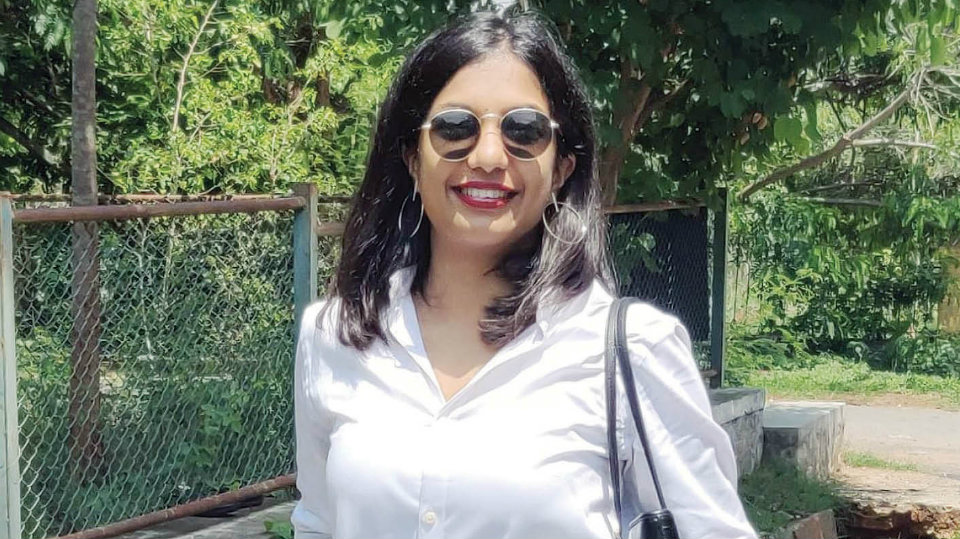
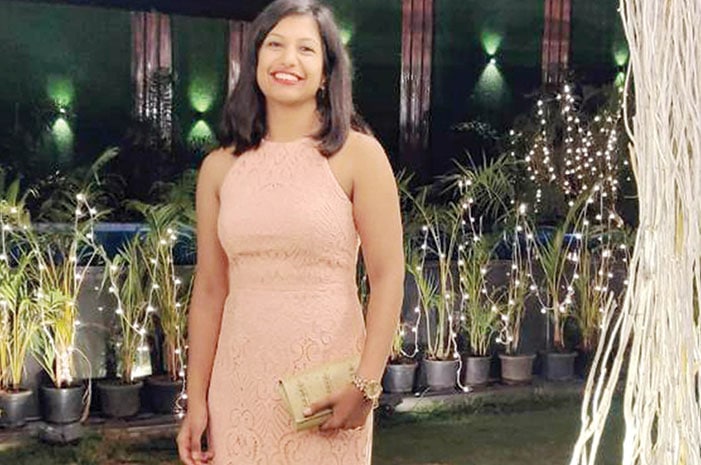
Everyone has some or the other ambition or dream to achieve when they are in college but very few of them live their dreams or choose the career they wished. Mysuru-based Coluvanda Punya Nanjappa has achieved her childhood dream or call it passion to be a fighter jet pilot.

She has been selected for the training and once she completes it, she will be a fighter pilot, a rare distinction for a woman who has her roots in Kodagu, a land of defence personnel. Though the district has achieved the fame of producing a Field Marshal, a General and innumerable Lieutenant Generals, Brigadiers and Majors in the Indian Army and their equal ranks in the Navy and the Air Force, it is for the first time a woman fighter pilot is emerging from the tiny district.

In fact, she will be the only second woman from Karnataka to be a fighter jet pilot after Meghana Shanbough from Chikkamagalur and is the lone woman in her ongoing training course where there are 40 future fighter pilots.

PunyaNanjappa02KF04jun2020

Last year, Punya became the only women cadet from Karnataka to be selected for the flying branch training at the Indian Air Force Academy. The training for cadets who are selected for the flying branch is divided into three stages. Punya has already completed the Stage-1 of her training at the Academy in Dundigal in Telangana and has been selected to join the fighter stream where she will undergo Stage-II training at Hakimpet, again in Telangana.

The training stages are vivid and is a combination of adventure, skill and deft manoeuvring. They will be trained to engage in air-to-air combat, air-to-ground combat and sometimes electronic warfare while in the cockpit of a fighter aircraft. Fighter pilots undergo specialised training in aerial warfare and dogfighting (close range aerial combat).

After Stage-II, Punya will be commissioned as an officer to undergo Stage-III training. She is likely to be commissioned as an officer in the next passing out parade in December. Punya has always wanted to join the fighter pilot stream and her childhood dream has been realised. A resident of Vijayanagar in city, Punya was selected as a Trainee Pilot of IAF Flying Branch last year.

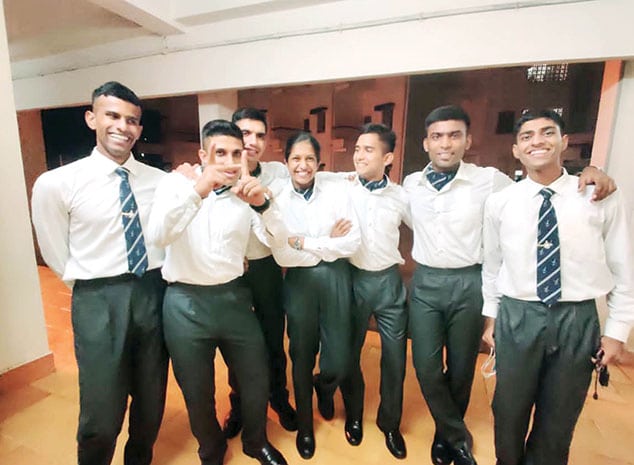
Punya with her batch-mates at the Training Academy in Telangana.

She is the daughter of Anuradha Nanjappa (a teacher at St. Joseph’s Central School) and late Coluvanda P. Bala Nanjappa (he was serving as the Manager of Prabha Theatre), native of Chambebellur in Virajpet taluk of Kodagu district.

Punya completed her schooling at St. Joseph’s Central School in Vijayanagar, pursued her PUC at Vijaya Vittala PU College in Saraswathipuram and Engineering at NIE, Mysuru. Punya then took up Air Force Common Admission Test (AFCAT) — an officer recruitment gateway in three branches of Air Force — Flying Branch (Short Service Commission only), Technical branch (Permanent and Short Service Commission) and Ground Duty Branch (Permanent and Short Service Commission).

source: http://www.starofmysore.com / Star of Mysore / Home> News / July 03rd, 2020

Coorg homestays come up with ‘workation’ offer to bring tourists back

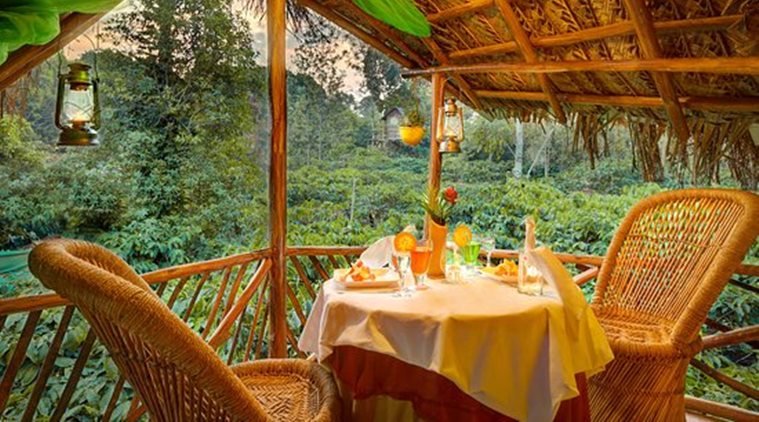
Homestays and resorts in Coorg have started a ‘Work-from-resort’ also called ‘workation’ initiative, where employees can stay at the homestays or resorts and work from there. The resorts have come up with attractive packages that offer rooms at affordable rates.

Few homestays in the hilly district have started to invest in internet connections since most of the places in Coorg have a poor data connection.

Facing a brunt due to Covid-19 lockdown, the tourism industry in Coorg (Kodagu) has come up with an innovative initiative to attract tourists.

Homestays and resorts in Coorg have started a ‘Work-from-resort’ also called ‘workation’ initiative, where employees can stay at the homestays or resorts and work from there. The resorts have come up with attractive packages that offer rooms at affordable rates.

The step has been taken to boost the income and tourism sector in the district, a few homestay owners in the district said, adding that the increase in Covid-19 cases in the area continues to be an obstruction in getting new bookings.

Speaking to indianexpress.com, Nikshan Nanaiah from Coorg Evergreen County resorts said, “The work from resort initiative gained good response especially from people in Bengaluru initially after the exit from the lockdown. We had received a good number of booking for the option for at least one week.”

According to Nanaiah, many resorts opted for this service and started to promote the ‘workation’ option. “Under the work from resort option, we are providing good internet connectivity, room, office furniture and food service. All of these are included in the affordable package ranging from two days to one-two weeks.”

The top resorts in Coorg have also started to offer the work from resort options. A manager of a branded resort in South Coorg told that they have started the bookings and many have already come to stay. “We have different packages to offer our customers and also affordable packages to our member customers. People from Bengaluru and Mysuru are coming to the resort to stay at least for one week and they are also working from here only,” he said.

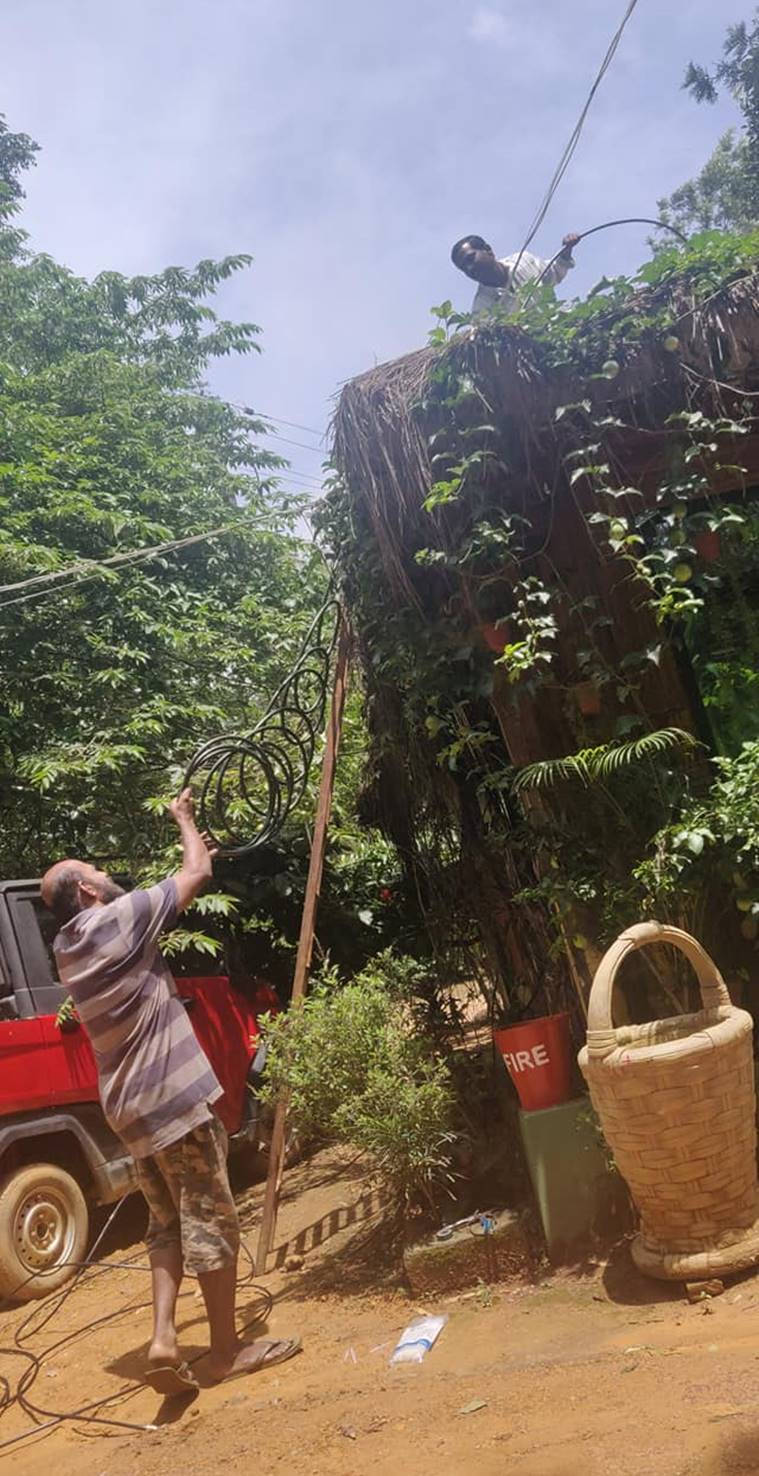
Few homestays in the hilly district have started to invest in internet connections since most of the places in Coorg have a poor data connection.

Internet cable is being set at Coorg Evergreen County resort in Coorg.

“Earlier tourists were not asking for internet connectivity since they come here to relax from their daily work life, but now after COVID-19 everything has changed, they come here to work. We have now taken good internet broadband connection to attract the tourists who want to work from here,” Kumaran, owner of Pavitra homestay in Coorg said.

Apart from the homestays and resorts offering work at their places, the major concern is about the safety of both tourists and the employees. Nanaiah says that they have made a list of precautionary measures to take. “We have thermal screening facilities, with daily temperature checks if they are symptomatic they will be sent back and we are also taking care of the employees and checking their temperature daily to ensure all are safe.”

According to the various resort owners, they are charging approximately Rs 2,000 to 6,000 per day for the workation option.

Coorg which is about 260 km from state capital Bengaluru is a hill station known for its waterfalls, national parks, wildlife, and temples. Earlier in 2018 and also in 2019 the district suffered from the back-to-back floods and landslides which had a major impact on tourist footfall.

Sagar Ganapathy, President, Association for Rural Tourism (ART) Coorg and also the owner of Jungle Mount Adventures said, “Tourism in the district has incurred a huge loss from past three years continuously due to the flood and landslides, now Covid-19 has also impacted the industry.”

“When we opened the homestays and resorts after lockdown the bookings we received were very less and we got bookings from the people who are our regular customers. Hence few resorts tried work from resort options which branded resorts are running this successfully with all the precautionary measures,” he said.

Coorg has nearly 800 registered homestays and more than 2,000 unregistered homestays which are run by families at their residence and 500 hotels and lodges. These homestays and hotels generate employment to around 50,000 people.

“Due to Covid-19 we now have no steady source of income. We opened up the business but after a week there were many cases in Coorg. So many resorts and homestays closed voluntarily. We have paid a 50 per cent salary till last month to the employees. But next month, we don’t know what to do.”

Meanwhile, the state government is planning and bring various initiatives to revive the tourism sector in the state. Speaking to indianexpress.com, Karnataka Tourism Minister C T Ravi said, “ Tourism contributes 14.8% to our gross state domestic product (GSDP), we are planning various ways to revive tourism in the state. New ideas like ‘workation’ are welcome, in the next cabinet meeting we will take up the issues faced by the homestays and resorts.”

source: http://www.indianexpress.com / The Indian Express / Home> Cities> Bangalore / by Darshan Devaiah BP / Madikeri / June 30th, 2020

Include Kodavas In ST List Of Constitution: CNC

KodavasSTlistKF29jun2020

Delegation meets Justice H.N. Nagamohan Das One-man Commission

Madikeri:

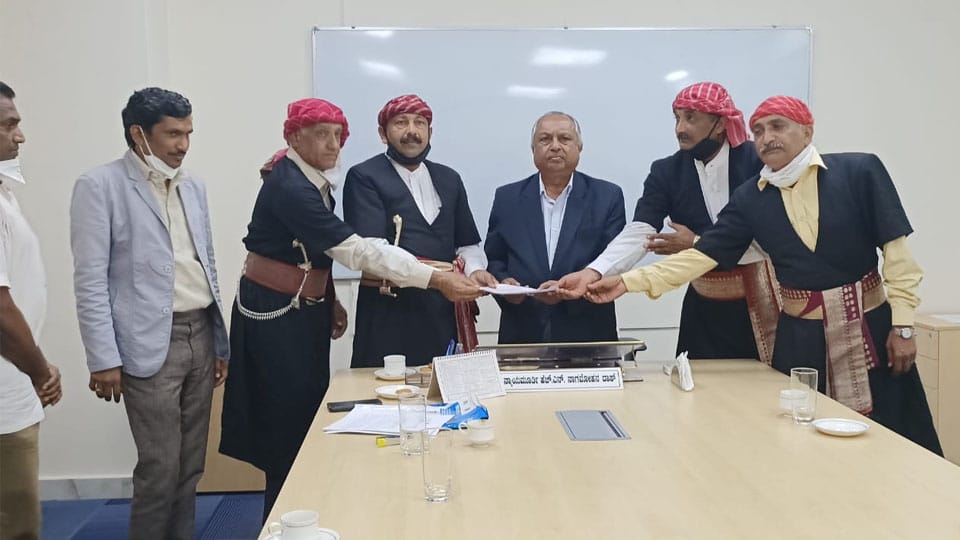
Members of Codava National Council (CNC) led by its President Nandineravanda U. Nachappa recently met Scheduled Caste Welfare Department and Justice H.N. Nagamohan Das Commission in Bengaluru urging him to include Kodava tribe in the ST list of the Constitution.

The meeting took place at Yavanika, the One-man Commission’s office on Nrupathunga Road in Bengaluru. Nachappa presented a memorandum explaining the need for the inclusion of Kodavas in the ST list of the Constitution and apprised him about the tribal ancestry and indigenous tribal traits.

Justice Nagamohan Das was told about the need and necessity of statutory protection to preserve the Kodava culture, language, folkloric identity, their age-old hereditary piece of untitled lands, besides their historical continuity.

Also the Commission’s attention was drawn regarding ‘sabotaging’ the genealogical studies being carried out to include Kodavas in the list of ST communities. The studies are being carried out by KSTRI (Karnataka State Tribal Research Institute), Mysuru.

“The ongoing ethnography study of Kodava tribalism is in a diabolic ‘Etic’ approach. We have requested the Commission to direct the KSTRI Mysuru to apply ‘Emic’ approach. We further urged that on the basis of the parameters laid down by Justice Lokur Committee Report, the ethnographic study should be carried out. In this regard the title of the schedule should be “Kulashashtra Adhyayana” or “Ethnographic” study but KSTRI has titled it ‘Kodagu Jilleyallina Kodava Samudayada Arthika-Saamaajika Adhyayana’ (a socio-economic study of Kodavas),” Nachappa said.

There is a clear cut order issued by the Government to conduct an exclusive Ethnographic study. KSTRI has carried out a major portion of socio-economic study and created fake economic status. “The KSTRI neither collected authentic documents nor produced proper income and expenditure sources but collected only verbal statements, marginalising the real ethnographic issue,” Nachappa claimed.

“The KSTRI created a fake exaggerated version with prejudiced mindset which is not acceptable to us. We want the real ethnographic study to explore and establish true tribal ethnicity,” Nachappa told Justice Nagamohan Das.

Almanda Jai, Pattamada Kusha, Pattamada Ashok and others were present.

source: http://www.starofmysore.com / Star of Mysore / Home> News / June 26th, 2020

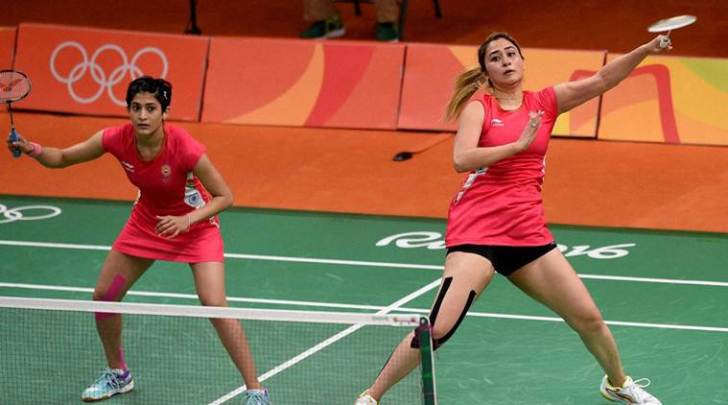
Jwala Gutta and Ashwini Ponnappa recall the time they made badminton doubles history for India

Confidence steered Jwala and Ashwini, and in turn India, towards their first-ever doubles World Championship medal for badminton in 2011 at Wembley and kicked off a decade in which singles stars PV Sindhu and Saina Nehwal would follow the trailblazing duo onto the Worlds podiums every single Championship year.

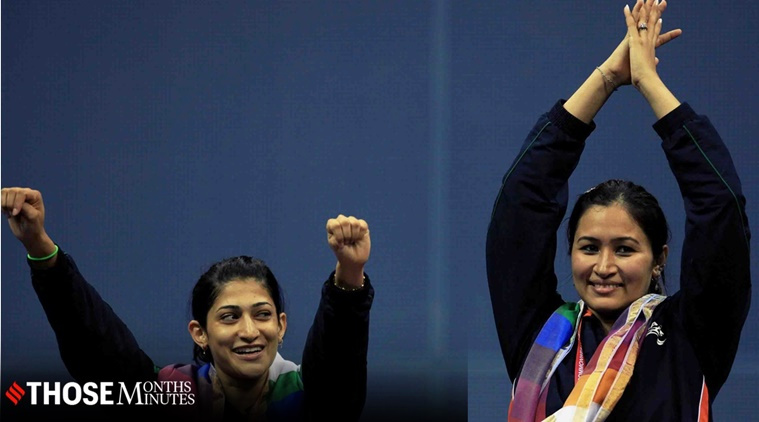
Jwala Gutta and Ashwini Ponnappa won their first-ever doubles World Championship medal for badminton in 2011 at Wembley (Source: PTI)

Everyone knows Jwala Gutta loves to fire the opening salvo. It comes entirely from her playing credo: “You can’t be a good doubles player if you can’t serve well.” The first shot sets the tone.

After she split with Shruthi Kurien at the start of 2009, Jwala was scouting around for potential partners to play with. Her mixed doubles career with V Diju was going swimmingly well as they’d beaten the Korean World No. 1s that year and entered the Top 10.

But before she zeroed in on Ashwini Ponnappa, she sprung a thunderbolt on her mother by almost sending the daughter-mother entry for the Nationals that year. Her mother ticked the only box that Jwala sniffed around for, when deciding partners: “I didn’t really have to think a lot. Mom’s serve was very good.” Jwala knew she could mop up the rest.

This confidence steered Jwala and Ashwini, and in turn India, towards their first-ever doubles World Championship medal for badminton in 2011 at Wembley in London, and kicked off a decade in which singles stars PV Sindhu and Saina Nehwal would follow the trailblazing duo onto the Worlds podiums every single Championship year. Jwala-Ashwini’s was the first medal since Prakash Padukone won in the 1980s.

“When I decided to play with Ashwini, she wasn’t even a Top 4 in India. I just saw in her that no fear of losing, and knew I could mentor her,” Jwala says.

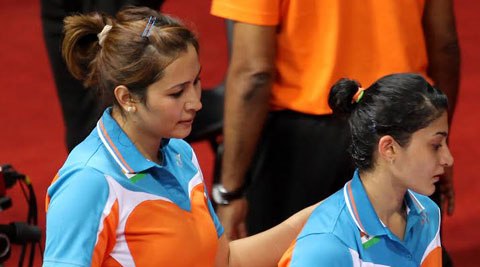
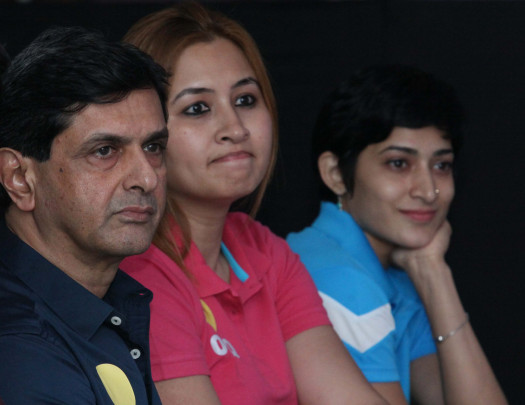
Ashwini wasn’t pickled in the ways of doubles, where plenty of mental disintegration gets induced. (Source: Express Photo by Ravi Kanojia)

Doubles was Jwala’s battlefield where she needed only an ally. “I really could combine well with anyone – Diju of course, Chetan, Vidyadhar, Gopi also, Shruthi,” she explains. “Only this – the partner should be able to serve properly.”

So when a friend and batchmate pointed out the whiplashing Ashwini to her at the nationals, Jwala wasn’t distracted by what was Ashwini’s very-noticeable big booming smash. “My friend told me – she smashes really hard. I immediately asked, but how’s her serve. I don’t care about the smash as long as it’s hit at the right time and right place. I’m not bothered by how hard she hits. I watched her at the start of the rally – her serve was fine. She was still young.” The pair was good to go.

More than callow, Ashwini – a fearless, formidable, free-spirited hitter – wasn’t pickled in the ways of doubles, where plenty of mental disintegration gets induced.

“At the start of the rally, that’s where you put pressure on the opponents. Top pairs understand the importance of a good serve that opponents struggle to return. I always got my points when I served well,” Jwala says.

Those incisive all-noticing eyes analysed the scene before her like a computer processor when Jwala served.

“I was observant even as a junior. Where is the receiver’s foot facing? How’s he holding the racquet? Which weakness must I attack….” there were a dozen cues that Jwala would factor in when she set out to serve.

Ashwini reckons they combined seamlessly and beyond the obvious advantage of being a left-right combo.

“She had a great serve. And I focused on what I had to do,” Ashwini says. A part of the reassurance that Ashwini brought to the court for Jwala came from Ashwini’s unalloyed conviction in her own smash. Polite and always soft-spoken, Ashwini though takes blazing pride in her smashing where the hissing thwack could well be pronounced as “but of course”.

The bite to the smash comes from Ashwini’s total rejection of breaking it down. The Ashwini smash is just one Macbethian uninterrupted striking down of the axe in one fell swoop.

At the start of this decade, the young and agile Ashwini could rain down 15-20 smashes one after another. She didn’t just eschew nuance in that shot – she chewed and spat out violently any notions of prettying up her whippy welt.

“I just know one smash – that’s my smash,” she says with rare curtness, if one asks her to dissect her favourite flogging action with a badminton racquet. “There’s very little touches there,” she says shredding all pretensions to artistry. “It’s like a hockey whack,” the proud Coorgi raises the violence meter, “it’s a lot about power and just doing it. No thinking. When I’m smashing well, I’m just flying on court.” It’s never not good – the Ashwini smash.

“I’m not apprehensive about what’ll happen after I smash. I’m not scared of losing.”

Out of this fiery pair of prides – Jwala: unquestionable of her serve and Ashwini: unrepentant of her smash – was forged India’s first and hitherto only doubles medal in the World Championship.

But first came the dazzling of Delhi.

***

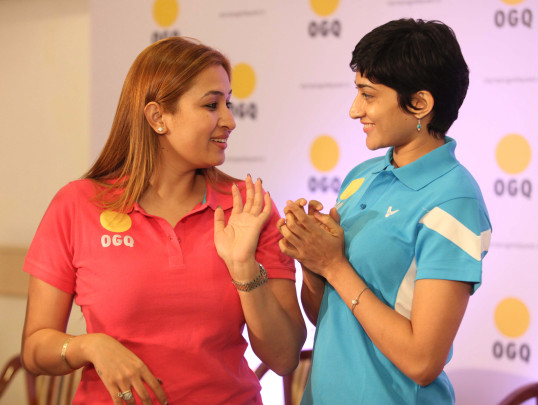
Jwala Gutta and Ashwini paired for the first time together in 2009. (Source: PTI)

When they got together in 2009, India was racing towards hosting of the 2010 Commonwealth Games, an event that singlehandedly provided the impetus to unearth and groom a bunch of medallists across sports.

The budgeting had changed immediately after the 2006 bronze at the Melbourne CWG, four years after India lost the team bronze in Manchester. “Melbourne was our first mixed team medal. It put us in the ‘A’ list of priority sports. Exposure trips increased from 2008-9 to prepare for the CWG. Dedicated doubles training started and I was on the court nearly 8-9 hours a day morning and evening,” Jwala recalls.

In came the Indonesian Master Shifu, Indonesian Atik Jauhari, who smiled compulsively and cracked the whip in training with even more gnashing teeth. “He brought in positivity and believed in me,” Jwala says.

Her frequent disagreements with coach Pullela Gopichand over how much to train and how much to compete (an intractable problem that persists with players to this day), had unsettled her from the task at hand though she and Diju emerged as the cleverest pairing on the circuit in 2009 when they made the year-end Super Series Finals. “We’d won Chinese Taipei and Bitburger. But the whole perception changed after CWG for badminton and I was happy to be part of it,” she says.

Though it started with a bout of sneezing and allergy as Delhi’s dust and heat got to her that October, and she was bed-ridden. But the Commonwealth Games had been a jet booster to many Indian athletes, who revelled in being prioritised and taken care of for the first time ever.

“For the first time, I’d play in front of my family because they couldn’t afford to travel. I really enjoyed playing on home turf in front of my parents,” Jwala remembers. The belief translated into India’s 33rd gold that helped the hosts level with England on the medal tally.

Jwala had played on all 12 days without a break in front of a packed Siri Fort. “You could hardly hear the shuttle, I told Ashwini ‘let’s just focus on the next point’.”

Like her serve, Jwala tends to look ahead only at Round 1 of any tournament. No muddling the head with conjectures of a semi-final. “That’s a stupid way of looking at tournaments. Always only focus on the next point,” she bosses. Jwala also always fronted the media even when she lost, never disappearing from the backdoor and remained aggressive and animated on and off the court.

The surge took the Indian pair past the Malaysian top team and then she combined with Diju to secure India’s first win over the top English pairing which had Nathan Robertson, till then unsurmountable.

She addresses a long-pending allegation over her questionable fitness – as combatively as ever. “If I wasn’t fit, I wouldn’t have dominated. Yes, I don’t have the athletic body type, but you don’t have to look muscular to be able to hit,” roars the southpaw. “People said I was a slow mover. But i was really tall. I didn’t need to scramble!” she says.

Accustomed to questions being thrown at her because both Diju and a yet inexperienced Ashwini remained soft-spoken, Jwala gleefully stabbed at questions while speaking her mind unfettered.

The gentleness and bottomless patience she reserved for the only one who she believed deserved it: her younger partner Ashwini.

“Not just on court, I decided to take her along through the whole media-training-competing routine. I never referred to any situation as ‘you’ or ‘me’. It was ;us’” always. I’d patiently correct her strokes by telling her not to take stress and be fearless always,” Jwala remembers.

Ashwini was soaking it all up like a sponge. “The programme was structured with coach Atik and specialised coaching. And the 2010 win was a miracle booster. It was our biggest win as a pair,” Ashwini says.

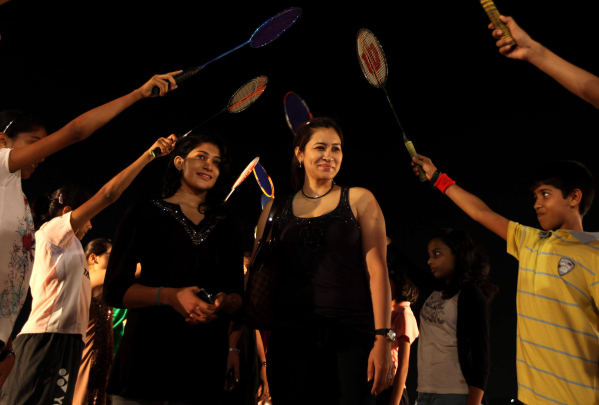
Jwala Gutta and Ashwini Ponnappa at a felicitation program of Badminton 45 Silver Jubilee at Bombay Gymkhana (Express photo by Prashant Nadkar)

It was the beginning of Ashwini learning a very important drill from Jwala, something that suited her own unhassled temperament. “I remember starting this at the Sudirman Cup where I could really switch on and switch off. We’d do well in a match and relax,” she recalls of the thriller against the Thais that the Indians won 21-19 in the third. Indian doubles was taking its infant steps and Ashwini remembers learning something as basic as where to stand on court and what worked and what didn’t. In the lead-up to the Korean Open that year, Jwala-Ashwini had eked out a 22-20 in the decider against Hong Kong and another confidence-enhancing three-game win against the Japanese.

London was only the pair’s second World Championship together and they’d strung up some good results at the French Open in the run-up. Her trainer Declan had travelled that year and Ashwini recalls a rare time when playing well coincided with having fun. “Sometimes you don’t enjoy the journey and the wins and losses don’t matter. But I remember being able to switch off the pressure and just having a lot of fun playing that one. I loved being in the stadium,” she says of a happier time.

Declan not only put her mind at ease about recovery but also pointed out something that the painfully shy woman shrugged off like a jumper.

“Declan told me I should not look down on the floor and always walk with chin up and head high. I remember doing it all consciously and how it helped my confidence and I walked tall,” Ashwini remembers.

The fidgety nervousness that comes with being impatient on court and in finishing points (botching them) was left behind at home, as Ashwini distinctly recalls walking slowly and calmly on court and not scurrying about cluelessly.

The Indians started against the Americans where Wembley’s unique atmosphere had to be internalised. “It’s a different atmosphere at Wembley because the crowd there is always blackened out so the spotlight is on the shuttle. Courts tend to appear brighter and you have to adjust to the visibility,” Jwala recalls. Indians would win 9, 18 against the Americans.

Unseeded and running into World No. 2 was familiar as was being pipped in the opener 21-19 – the result against Room Lok Yan and Tse Ying Suet, wasn’t. “We were prepared because their serves weren’t as good though they were good at defence,” Jwala sensed her opportunity to pounce. “Even after losing the first game, I was confident.” They won 19-21, 21-10, 21-17.

Jwala-Ashwini’s was the first medal since Prakash Padukone won in the 1980s. (Express Photo by Vasant Prabhu)

Up next were the Indonesians who seemed to have taken the Indians lightly and combined that with their own iffy confidence levels. Jwala is quick to acknowledge that Vita Marissa is a bit of a mixed doubles legend, but on the brink of her retirement and a reputation to guard, the Indonesian was under pressure.

It wouldn’t have helped her that Jwala had x-rayed her defence down: “On the brink of retirement, Vita wasn’t a great mover. She could smash hard but couldn’t hit as many times. Tiring her out was the plan.”

Feeding her drops bringing her to the net, the weakening limbs and the under-confidence saw Jwala preying on her tiredness. And while Ashwini peppered her from the back with smashes, Jwala would use the big boomer to soften her for a further bag of deceptions: her wicked serve.

The garden variety backhand serves in doubles don’t offer much variety for the Serve Queen. “Vita not being confident enough to return my serve made me even more adventurous.

“Even the low serves have variety. There are 5-6 variations even to that width so you keep opponents guessing,” Jwala says with glee of a web she weaves at the outset that eclipses the rest of the rally. Her antennae were buzzing even as Ashwini had to stay in front because the shuttle was coming back very fast.

Typically, Jwala takes 2-3 rallies to get a complete read on her opponent: “I focus on movements. I just remember how I lost my last point. If I win a point, I try to win on the same strategy. But you can’t think too much or brood over a lost point.”

Receiver’s styles got 3D imprinted on her mind, and her superior anticipation that afforded just 2-3 chances even when she played singles, helped her give clear succinct serving instructions to Ashwini. The Indian duo chipped away at the 17-21 first set reversal for a 17-21, 21-10, 21-17 win.

She remembers feeling a shiver of excitement on the podium thinking of her parents. “I showed emotion that day though after reaching semis, where we were assured of the medal, we did nothing unusual. Same things – though we might have eaten at a Chinese restaurant.” After the semis against the Chinese including the legend Zhao Yunlei was lost – 14, 16, it struck her that something historic had been achieved by the really unheralded pairing.

Ashwini remembers a happy time. “We dealt with pressure well against the Indonesians and knew we had created history because only Prakash Sir had a Worlds medal before us from India. Always being compared to singles used to be maddening,” she laughs.

She doesn’t remember any rancour associated with the Worlds medal. “We were in a good space. We had good meals, we laughed a lot,” she says.

Reactions to Jwala-Ashwini’s World medal were underwhelming. (Express Photo by Vasant Prabhu)

Reactions in India were underwhelming – the duo reckon out of ignorance. “There was no reception and now I think that was strange. Later, the way Sindhu was received was wow. Ours was no big deal for anyone. There were no questions about why doubles wasn’t doing well, so no celebration of when we did well either,” she says.

Ashwini says the bronze ought to be put into perspective. “Maybe, doubles was not as decorated as singles. But ours was historic, right? The first one for women. Kids can look up to us. If you’re comparing, we had little support, no endorsements. But not being received when we came back hurt a little.”

Doubles itself changed a lot – faster and tougher to get points. “We worked hard, nobody can fault us on effort. We were smart on court. We played quite often to prove ourselves in what weren’t the easiest of times,” she says.

It was when her support system – parents, brother, then boyfriend-now husband huddled around her. “Getting into the zone was tough playing doubles back then. We would get bogged down with one loss. And people would be questioning us. I’m grateful my family understood what I was going through,” she says. One of the reasons the medal sits in her parents’ home.

Finding an oasis of good form, a good vibe and success amidst the storm became doubly challenging when London itself threw up one giant tantrum. “There were riots raging in London that time. It used to be an adventure just going to the stadium. They started after we landed. We would go under shuttered restaurants for our meals. We even got out once through the backdoor. Having never been in such a situation, it was erm… different,” Ashwini says. Young and adventurous, they even afforded themselves a tingling of excitement finding beauty in breakdown.

Jwala remembers an incident opposite Wembley. “We witnessed some rioting from across the street. It was quite disturbing. But you know what happens right in such situations – after every match, we would just forget about the match, look for food, enjoy every morsel and be grateful for the basics. So effectively, we didn’t let a win settle into our system. We hardly discussed the match. It was about playing – going to a nice place to eat – walking a lot and only ensuring we were safe.” In other words, living in the moment – with all its warts and all.

A year on, London would give Jwala-Ashwini another heartbreak at the Olympics. “It was unfair and disappointing that some teams tried to fix the draws and jeopardised our chances. We had gone there well prepared. But that Japan / India / Chinese Taipei situation – it was just sad.”

It’s a scab best reserved for dark moments. But London for Ashwini will always be about India’s least-known World Championship medal and finding her heroic moment of glory and pride amidst chaos of the famous city up in flames. They can almost remember it all in slow motion, such was the drama of the bronze that came out of fire.

source: http://www.indianexpress.com / The Indian Express / Home> Sports> Badminton / by Shivani Naik / June 25th, 2020

Kodagu-origin doc part of team doing research on Covid vaccine

DrAfreenMPOs19jun2020

Dr Afreen Amir, a native of Kodagu, is now part of a research team in London that is already working towards finding a vaccine for Covid-19 pandemic.The research team has been researching on ‘Dexamethasone’, a steroid, which has given a new hope by possibly being a potent vaccine against the Covid-19.

After completing her MBBS in Mangaluru, Dr Afreen pursued her higher education in London and has been working as a doctor there. Her husband Mushir too, is a doctor in London. Afreen’s father S I Amiruddin is currently based in Dubai. He is the elder brother of Kodagu Zilla Janapada Parishat General Secretary Munir Ahmed.

“Afreen completed her SSLC from St Joseph School in Madikeri. She had emerged as the second topper in the district, in the Class 10 board exams. Currently, she is one of the seven experts who are working on the Covid-19 vaccine in London. She always had an inclination towards research in medicine”, Munir Ahmed said.

‘Dexamethasone’, the possible vaccine for the Covid-19, has been subjected to laboratory experiments. The researchers are of the opinion that with the use of the Dexamethasone, about one third of the death rate of the Covid-19 patients can been reduced. A report in this regard is expected to be out soon.

source: http://www.deccanherald.com / Deccan Herald / Home> State> Mangaluru / by DHNS, Madikeri / June 19th, 2020

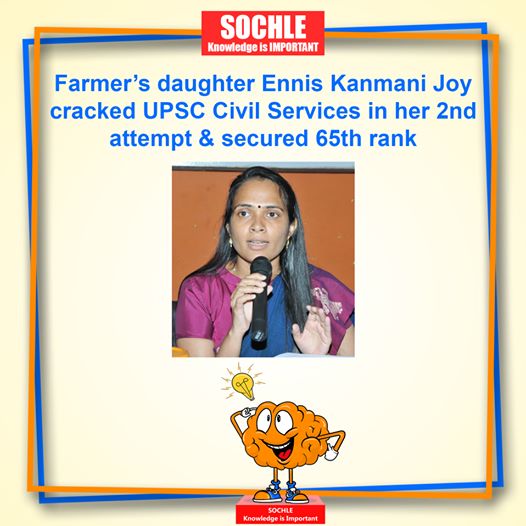
Coronavirus India: Meet Annies Kanmani Joy, a Kerala farmer’s daughter who leads the COVID-19 fight in Karnataka’s Kodagu

India: Netizens praise Deputy Commissioner of Kodagu for COVID-19 efforts

Annies Kanmani Joy Image Credit: Twitter
Annies Kanmani Joy
Image Credit: Twitter

Growing up, her family did not have enough money to buy her school books. Today, Annies Kanmani Joy, the daughter of a poor farmer in Kerala, is the Deputy Commissioner of the Kodagu district in the Indian state of Karnataka. And, netizens are appreciating her efforts in leading the district’s fight against COVID-19.

Kodagu’s efforts to contain the spread of novel Coronavirus have been admired nationally since it is one of the few districts in the entire country where no new COVID-19 case had surfaced for 28 continuous days even as cases were soaring in other states, including other parts of Karnataka.

The first case in Kodagu, a tourist hill station, popularly known as Coorg, was reported on March 19. After this, there were zero cases subsequently for nearly five weeks. Many have said that it was Joy’s alertness that has enabled the district to maintain low number of cases.

According to the updated numbers on covid19india.org, as of today, Kodagu has registered three coronavirus cases, two of which are active and one recovered.

Joy also announced yesterday that while many tourist sites across the country are opening today, those in Kodagu may take a few more days to reopen.

Reportedly, only registered homestays are allowed to operate, while hotels and resorts have been told to maintain records on guests with details of travel history, and information on whether they have completed quarantine.

She fought poverty to become a Civil Services officer
Poverty did not stop joy from clearing one of the toughest entrance exams for Civil Services in the country in 2012. Joy secured the 65th rank nationally in the latest Union Public Service Commission examinations.

This weekend, many Indian social media users shared the story of how Joy fought poverty and achieved her dream.

Facebook user Rajan P shared her story and wrote: “This shows that hard work, dedication, and persistence pay off… everything else is just an excuse.”

Ennis Kanmani Joy of Kerala fought poverty and cracked UPSC Civil Services Exam. She secured 65th rank in her second attempt and when on to become an IAS officer. Know her story. Not all are fortunate enough to get all the basic amenities in their lives. Some of them have to struggle to get simple things in life too. Ennis Kanmani Joy of Kerala is one such person who did not have enough money to buy books for study. Coming from a very poor family, Ennis cracked the UPSC Civil Services exam in her second attempt and secured 65th rank with very limited means. Ennis comes from a small village in Pirvom in Kerala. Her father is a farmer and her mother works as a farm laborer. Ennis was a bright student since childhood and so aspired to become a Doctor. She completed her Kerala SSLC Exam from her village and her Class 12 from Ernakulam District. After her 12th she appeared for her MBBS exam but could not crack the exam. Later, she completed her graduation in B.Sc Nursing course and became a nurse. Working as a nurse did not make her happy and so she wanted to do something different that could help others. She was thinking of a new way to lead life when she met two people while traveling to somewhere on the train. From them, she came to know about the UPSC Civil Services Exam. Soon after reading and getting details about the IAS exam, Ennis shifted her focus on the exam. The biggest problem she faced while preparing for the exam was a lack of books and competitive magazines. Without this, the preparation for the exam was proving to be a far-fetched distance for her, but Ennis decided that she would do her preparation only through the newspapers. She started reading newspapers and spend enough time on the editor's page and current affairs. Her determination, will power and dedication gave back the result she had worked hard for in her first attempt. She secured 580th rank in her first attempt but was not very happy about it. She again appeared for the second attempt and this time she cracked the exam and secured 65th rank in it. #SundayFunday #sundayvibes #SundayMotivation #SundayThoughts #SundayThoughts #upsc #uppcs #ias #ips #lbsnaa #upscaspirants #upscprelims #upscforever #motivationalquotes #read #study #generalknowledge #followme #upscmotivation #IASEXAM #IFS #bank #ssc #book #irs #india #police #Gk #motivation #success #love #life #school #Iasmotivation #india
Ennis Kanmani Joy of Kerala fought poverty and cracked UPSC Civil Services Exam. She secured 65th rank in her second attempt and when on to become an IAS officer. Know her story.
Not all are fortunate enough to get all the basic amenities in their lives. Some of them have to struggle to get simple things in life too. Ennis Kanmani Joy of Kerala is one such person who did not have enough money to buy books for study. Coming from a very poor family, Ennis cracked the UPSC Civil Services exam in her second attempt and secured 65th rank with very limited means.
Ennis comes from a small village in Pirvom in Kerala. Her father is a farmer and her mother works as a farm laborer. Ennis was a bright student since childhood and so aspired to become a Doctor. She completed her Kerala SSLC Exam from her village and her Class 12 from Ernakulam District. After her 12th she appeared for her MBBS exam but could not crack the exam. Later, she completed her graduation in B.Sc Nursing course and became a nurse.
Working as a nurse did not make her happy and so she wanted to do something different that could help others. She was thinking of a new way to lead life when she met two people while traveling to somewhere on the train. From them, she came to know about the UPSC Civil Services Exam.
Soon after reading and getting details about the IAS exam, Ennis shifted her focus on the exam. The biggest problem she faced while preparing for the exam was a lack of books and competitive magazines. Without this, the preparation for the exam was proving to be a far-fetched distance for her, but Ennis decided that she would do her preparation only through the newspapers.
She started reading newspapers and spend enough time on the editor’s page and current affairs. Her determination, will power and dedication gave back the result she had worked hard for in her first attempt. She secured 580th rank in her first attempt but was not very happy about it. She again appeared for the second attempt and this time she cracked the exam and secured 65th rank in it.
#SundayFunday #sundayvibes #SundayMotivation #SundayThoughts #SundayThoughts #upsc #uppcs #ias #ips #lbsnaa #upscaspirants #upscprelims #upscforever #motivationalquotes #read #study #generalknowledge
#followme #upscmotivation
#IASEXAM #IFS #bank #ssc
#book #irs #india #police #Gk #motivation #success #love #life #school #Iasmotivation #india

Reportedly, Joy belongs to a small village in Piravom, Kerala. Growing up her family did not have enough money to buy books for her education. As a child, Joy was apparently a bright student who aspired to become a doctor. After finishing her schooling, she wrote the MBBS (Bachelor of Medicine and Bachelor of Surgery) examination but did not pass. So, she went on to complete her graduation in nursing and became a nurse.

But, working as a nurse did not make her happy. Joy wanted to do something different to help others. Reportedly, while traveling to somewhere on the train, she met two people who enlightened her about the UPSC Civil Services Exam.

That was it. Joy shifted all her focus to clearing the exam. According to thetimesnow.com: “The biggest problem she faced while preparing for the exam was a lack of books and competitive magazines. Without this, the preparation for the exam was proving to be a far-fetched distance for her, but Annies decided that she would do her preparation only through the newspapers.”

Joy started reading newspapers, spending more time on the editorials and current affairs. In the examination, which is written by tens of thousands of students every year, she secured the 580th rank, the first time she wrote the test. Unsatisfied, joy made a second attempt at the test the following year, and secured the 65th position.

And tweep @Sandeep1288 added: “There are people like her, who put example of hard work, dedication and success. They need to be followed…”

source: http://www.gulfnews.com / Gulf News / Home> Asia> India / by Evangeline Elsa, Deputy Social Media Editor / June 08th, 2020

Rotary District 3181 Builds 50 Houses For Kodagu Flood Victims

Rotary01KF27may2020

Madikeri/ Mysuru:

At a time when the victims of 2018’s devastating floods and landslips in Kodagu are still to be fully rehabilitated as most of the houses meant to be constructed for them are yet to see the light of day even two years after the tragedy, Rotary International District 3181 has handed over 50 houses for flood victims.

Unprecedented rains, landslips and floods devastated lives and properties in Kodagu in 2018. Many villages were wiped out as mud came crashing down carrying everything in its path — trees, mud, electric poles and houses. It has been a tough two-year journey for those who lost their homes, hard-earned money and properties.

Between Aug. 5 and Aug. 19, 2018, unprecedented rains triggered by cloudbursts, floods and landslides brought untold misery to the people of Kodagu and over 30 percent of land in Madikeri and Somwarpet taluks was destroyed in previously unheard of havoc that was unleashed by nature, rendering hundreds of people homeless.

Saramma, a beneficiary of Rotary house rebuilding activity, is seen with Past Rotary District Governors Nagarjun, Krishna Shetty, Immediate Past District Governor P. Rohinath, Past Rotary International President Kalyan Banerjee (third from right), Rebuild Kodagu Trust Project Chairman and Past District Governor Dr. K. Ravi Appaji (second from right), District Governor-Elect Ranganath Bhat and other dignitaries.

Though the State Government, in 2018, launched an ambitious project to build 835 houses in phases, there has been a long delay. Only 423 houses that were promised in the first phase of rehabilitation project has been completed at Jamboor and Katakeri by Nirmithi Kendra.

The tragedy, however, is that the houses have not been handed over to the deserving. Only 35 houses that have been constructed in Karnangeri have been handed over to beneficiaries. The construction of the remaining 412 houses is yet to begin.

In the light of this delay, the work done by Rotary International District 3181 has caught everyone’s attention. 50 houses that were built in two phases have been handed over and the latest group of 25 houses were handed over to beneficiaries on May 10 (last Sunday) at Gargandhur-Madapura areas. The first phase of 25 homes were handed over on June 18 last year at Iggodlu-Madapura in the presence of Past Rotary International President Kalyan Bannerjee.

Rotary03KF27may2020

Worst affected and most deserving

Rotary has spent Rs. 2.56 crore for 50 homes. Speaking to ‘Star of Mysore,’ Rebuild Kodagu Trust Project Chairman and Past District Governor Dr. K. Ravi Appaji said that the 50 families were selected on the basis of selective criteria of worst affected and most deserving.

Immediate Past District Governor P. Rohinath is the Rebuild Kodagu Trust Chairman and Past District Governor Krishna Shetty is the Treasurer with District Governor Joseph Mathew and District Governor-Elect Ranganath Bhat as members.

The beneficiaries were identified by the community leaders and stakeholders of the Rotary project. “They were local people and among those who were not chosen to be supported by the Government. The land and title belonged to the beneficiaries and homes were built on their own land instead of building houses at an unfamiliar surroundings. Some of the houses had just plastic sheets wrapped in bamboo poles with a make-shift covering on top,” he said.

The victims were living under constant fear of wind and rain. “Each home cost Rs.5.05 lakh and contributions from donors, Rotarians, friends and others all over country and abroad were collected,” he added.

Rotary04KF27may2020

Social distancing

Due to Corona lockdown and restrictions, no stage ceremony invites or other formal arrangements were done. Homes were handed over in a simple way maintaining social distance. “This was done for the benefit and convenience of the beneficiary families so that they could occupy the houses before the monsoon rains started this year. Any finishing work like final coat of paint and sponsor nameplates will be done in the due course,” Dr. Appaji said.

This project was initiated and encouraged by Past Rotary International President Kalyan Banerjee along with Past Rotary International Director C. Basker in association with Habitat for Humanity India and senior leadership.

“It was supported by all the District Governors, Chairman of Birla Group Rajashree Birla, sponsorships through Past Rotary International President Rajaa Saboo, Rotary International President Nominee Shekar Mehta, Rotary International Director Dr. Bharat Pandya, Rotary International Director Kamal Sanghvi, Rotary India Literacy Mission RILM, Rotary News Trust, Rotary International Director Nominee (RIDN) Dr. Ravi Vadlamani, RIDN Venkatesh, Past District Governor Dr. Devdas Rai, Rotary District 3181 grants, all District Governors, all Past Governors, Rotary leaders, Presidents various Rotary Clubs and individual Rotarians, institutional donors and philanthropists,” he said.

source: http://www.starofmysore.com / Star of Mysore / Home> News / May 14th, 2020

She rakes in medals for India even after 3 decades

Reeth Abraham is one of India’s most well known athletes participating in the hurdles, long jump and heptathlon events, with a career that began in 1976. She has won various medals at several international competitions including at the Asian level. Her achievement stands out particularly since she won a medal at the Asian level less than a year after she became a mother.

Reeth, at one of her practice sessions at Kanteerava Stadium  /  Pic: Deepthi M S
Reeth, at one of her practice sessions at Kanteerava Stadium /
Pic: Deepthi M S

Although she retired from competitive athletics in 1992, this 49-year-old has continued training over the years and is now active as a Masters athlete. In 2011, she won 2 medals for India at the World Masters Athletics meet at Sacramento, USA in the triple jump and long jump events. Among various awards and recognitions she has received over the years, she has been a recipient of the Arjuna Award in 1997. She is one of the founding members of Clean Sports India. Reeth lives in Koramangala.

Citizen Matters caught up with her for a brief chat at the Kanteerava Stadium, just after she had finished her day’s training.

Reeth, enough is known about your career as an athlete but only last year, your achievements at the World level as a Masters athlete caught our attention. How does one even qualify?

Clean Sports India is an organisation founded to rid Indian sport of its twin malaises, lack of sports persons in administration and drug usage. Clean Sports India aims to get former sportspersons into managing the various sports bodies in India including the Olympic Sports Federations, Associations and other Clubs in India, as opposed to administrators who have occupied positions of influence in various bodies without the sport itself making much progress. Its other objective is to ensure clean competition by keeping drugs away from both practice and competition.

This was my sixth appearance at the World Masters meet. One has to first qualify at the State Masters meet, for which you can just turn up and then the National meet, which you get to if you are successful at the state meet. If one is good enough and successful at the national meet, you get to represent India at the global level. The Karnataka state meet was held in Mandya recently. The World meet is in Brazil next year. The World Masters meet is held every two years. One needs to be over 35 years to be eligible as a Masters athlete.

How did you manage to train and keep in shape while raising two kids (Reeth is the proud mother of a daughter and a son)? Do you go to a gym regularly? What is your current training schedule like?

(Smiles) I don’t know how I managed. It just happened. I would sometimes leave my kids under the care of someone while I trained. It wasn’t easy but somehow I managed.

I train at the stadium 3 days a week and train in a gym on 3 days a week. I also swim occasionally for relaxation.

In addition to your involvement with the Nike Run Club, do you coach any athletes?

No I don’t have any trainees. There is not much time left on hand between my job and my own training outside my work hours.

You were recruited by a bank years ago. How has the situation changed for athletes on the sponsorship front?

I was amongst the first batch of athletes recruited by Corporation Bank. This was followed by various other banks later, which recruited various sportspersons. Some banks even had cricketers in their ranks. It is still very difficult for most athletes to eke out a living without sponsorship. That is one reason most athletes these days give up after a certain level since they don’t have the patience to put in years of hard work, which may or may not result in success. And even when one is successful, the recognition one gets may not mean much monetarily. Even as a Masters athlete, I have managed to get a sponsor for my travel to the World Masters meet but I am not sure how other athletes manage.

One of the things I have noticed at the Kanteerava stadium is the significant number of talented girls who are training as athletes, which is not quite reflective of the trend of India’s senior athletes. Where do they disappear as they grow older?

Reeth is one of the coaches at the Nike Run Club (NRC), an initiative from Nike to introduce ordinary people into running. Reeth helps the NRC attendees warm up through a routine of various exercises and then go for a run, before cooling down and helps various runners get introduced to the sport and get better at it, every Saturday at the Kanteerava stadium.

The problem is that as these kids grow older they have several options before them which are sometimes more rewarding. And as I said earlier, not all of them are willing to invest the effort and work hard for 10-12 years before tasting success at higher levels of athletics, especially when their hard work elsewhere can lead to success in other areas. And athletics after a certain point is extremely competitive. So I can see the perspective of the kids if they choose to focus elsewhere.

If you could change something in Indian athletics today, what would it be?

Make it enjoyable for young athletes to participate and compete. Once one reaches a certain level of competition, it is very challenging for an athlete to handle the pressure to perform and win medals. In my time, there was no one to help us on such matters.

What are your opinions on sports facilities in Bangalore?

In Bangalore, it is gradually improving. There are more people who are taking sports seriously.

You are a resident of Koramangal, what do you think of the sports facilities there?

Speaking of sports facilities in Koramangala, it is zero. I see no changes at all, the Koramangala indoor stadium for that matter, is used only for exhibition and nothing else.

Any message for aspiring masters athletes?

Unless you have been an active athlete earlier, events with throws (shot put, discus) and jumps (long jump, triple jump) are out, since they require special training and may result in injuries, if one doesn’t train carefully. Perhaps long distance running is an event a beginner can aspire to compete in.

source: http://www.bengaluru.citizenmatters.in / Citizen Matters / Home> Current / by Dharmendra D. / February 28th, 2012

‘Houses built for flood victims are best of quality’

District In-charge Minister V Somanna chairs a meeting at Zilla Panchayat auditorium in Madikeri on Friday. DH Photo

The houses built for the flood victims in Made and Jamburu are of best quality according to my knowledge, said Kodagu District In-charge Minister V Somanna.

Addressing mediapersons here, on Friday, he said it was not right to make allegations for political reasons. He said that he had checked the quality of the houses.

The minister said that the programme of handing over the houses, scheduled on May 29, had been postponed. The houses will be handed over to the beneficiaries before June 5, he added.

Leaders and elected representatives will be invited to the programme as per the protocol, he said.

Replying to a query, Somanna said, “What is important is that the facility reaches the beneficiaries. It is not important who has implemented the project.”

The minister meanwhile stated that there was a plan to construct 10 lakh houses in urban and rural areas in the next two years.

450 people under quarantine

Later speaking at a meeting, the minister said that 450 people had been quarantined in the district.

“Our district cannot be compared to Bengaluru. People have given their cooperation to the district administration in implementing the lockdown guidelines.”

Somanna further stated that migrant labourers in the district had traveled to Tamil Nadu, Bihar, Jharkhand and other states. Many other labourers have requested the district administration to send them to their native places. But, the respective states are yet to give their permission, he added.

MLA K G Bopaiah said that the vehicles transporting fish and pork into the district should be subjected to thorough checking at the check posts, as there are chances of beef being transported in these vehicles. He requested the people coming from other districts to get themselves voluntarily tested for COVID-19.

MLC Veena Acchaiah said that the rainy season was approaching. But, the driftwood have not been cleared. “If the wood is not cleared, I will hold a dharna in front of the forest department office,” she added.

Mobix organisation Kodagu branch manager handed over 14,000 masks to the minister, for distribution among students taking SSLC examination.

MP Prathap Simha, Kodagu Zilla Panchayat President B A Harish, MLA Appachu Ranjan, MLC Sunil Subramani, Deputy Commissioner Annies Kanmani Joy, District Superintendent of Police Suman D Pannekar and Zilla Panchayat CEO K Lakshmipriya were present.

source: http://www.deccanherald.com / Deccan Herald / Home> State> Mangaluru / by DHNS, Madikeri / May 22nd, 2020

Rashmika Mandanna arranges food for police, home guards

Food is supplied to the police and home guards in Virajpet.

Actor Rashmika Mandanna has made arrangements to supply food for the police and home guards, who have been implementing lockdown guidelines effectively in Virajpet.

The food is being supplied for 150 people including police and home guards for the last 10 days.

The food is prepared in Serenity Hall owned by Rashmika’s father M Madan Mandanna and later taken in a vehicle to reach out to the police and home guards. Arrangements have been made to supply both vegetarian and non-vegetarian food.

Serenity Manager Vikki Changappa said that Rashmika has asked to make arrangement for the food till May 17.

source: http://www.deccanherald.com / Deccan Herald / Home> State> Manglauru / by DHNS, Virajpet / May 17th, 2020