Category Archives: Leaders

Bangalore for Women: Ashwini Ponnappa

Bangalore :
Grace on and off the court; clear thought and a dedicated approach; a level head on capable shoulders. With qualities like these, it’s no surprise that Karnataka shuttler Ashwini Ponnappa has become one of the game’s leading lights and Indian badminton’s success story of the past few years.

The Kodava beauty, stunning looks and sharp mind to match, is best known as Hyderabadi Jwala Gutta’s partner. The duo that came together in 2009 with not many expectations to deliver, hit the big time shortly after their Commonwealth Games gold medal in New Delhi in 2010, when they bagged a priceless bronze in the 2011 Badminton World Federation World Championships in London.

The medal ended a 28-year-wait for the nation and the world No. 20 pair’s performance silenced critics. They also reached the quarterfinals of the China Open and Korea Open in 2011.

Soft-spoken and articulate, Ashwini is the yin to the effervescent Jwala’s yang. On the court too, she has become a balancing force with great adaptability. A former student of Bangalore’s St Francis Xavier’s Girl’s High School, the 22-year-old is a natural athlete with sport in her genes. Her father, MA Ponnappa, was a state hockey midfielder who took part in eight Nationals between 1974 and 1986 before turning out for Roman club Eur in a fruitful stint in Italian league hockey.

The banker, together with his wife Kaveri, instilled in their daughter’s mind the basics of success. Whether it was the long hours they devoted to the young Ashwini, helping with studies and homework, or picking her up after school and practice, efforts paid off. Never ones to pressure Ashwini to study harder, the Ponnappas gave their daughter a valuable gift early on – the choice to pursue her dreams. While veterinary sciences appealed to her, badminton was her passion. And the young woman hasn’t looked back since.

source: http://www.articles.timesofindia.indiatimes.com / Home> Sports> More Sports> Badminton / by Shrivatsha Sridhar, TNN / March 27th, 2013

Champion for CLEAN sport

AshwiniKF25mar2013
Athlete Ashwini Nachappa
Olympian athlete, actress, educationist, social worker… Ashwini Nachappa has donned many roles with élan. In a freewheeling chat with SOORAJ RAJMOHAN she touches on her career and the future of Indian athletics

Huge crowds turned out to watch Indian athletics some three decades ago. For the circuit not only had world-class runners like P.T. Usha and Shiny Wilson, there were also some very pretty girls on the track.

And Ashwini Nachappa was the most glamorous girl around. Hailed as India’s Flo-Jo, after the beautiful American Olympic champion Florence-Griffith Joyner, the girl from Kodagu became a sensation when she shocked P.T. Usha at the Open Nationals at New Delhi and the International Invitational Permit Meet in 1991. But Olympian and Asian star Ashwini Nachappa not only stood out on the track. She turned out to be a versatile woman, for she went on to become an actress and later settled into the role of an educationist and an advocate for clean sport.

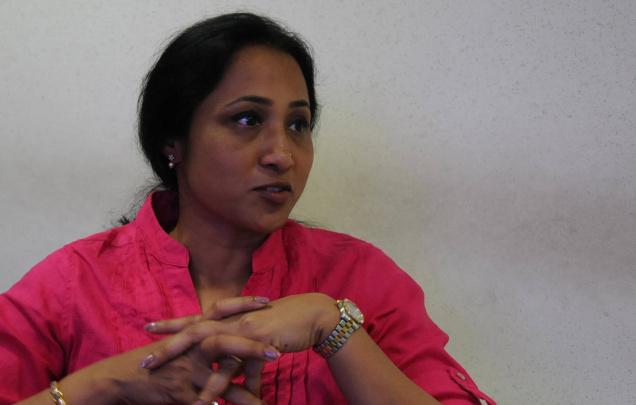
Ashwini carries her many achievements with quiet pride and composure, rather than being weighed down by the recognition and fanfare that comes with it. Looking rather fashionably chic in a bright pink top and jeans, she answers questions with a smile, but with conviction.

THE BEGINNINGS

Ashwini grins mischievously as she recalls her beginnings as an athlete, “I started out when my family moved to Bangalore. There was a stadium opposite our house and my mother decided it would be safer for my sister and myself to play there than on the roads. It was there that I met Mohinder Singh Gill, who used to bribe me with nutrient sweets for every lap I completed. So you could say that it was nutrient sweets that started me off!”

A sweet start then (pun intended), but was it all smooth sailing? In a nation where a large section of women is yet to get their due, what was it like being a woman athlete in the 80s? Ashwini believes it was the outlook of her parents that paved the way for her smooth progress. “My parents were very supportive throughout my career. They never raised any issues whatsoever and my mother used to be in the stands to watch me, right till the day I retired,” she says with pride.

After bidding goodbye to professional athletics, she dabbled in acting, working on five Telugu movies including the hugely successful Ínspector Ashwini, which saw her don the role of a cop. Her college education also helped her build a successful corporate career, which she eventually left to take up greater causes, providing education and sports training, and propagating clean sport.

Despite being a part of the glory days of Indian athletics, she believes there is much to be done to improve the state of the sport today. “Nowadays the interest of parents and children has shifted more towards education and sport has suffered as a result. In fact, there are some schools opening now that do not even have a playground!”, she says with an appalled look, before continuing, “we need more facilities for athletes from the grassroots level, they require physical as well as mental training.”

SPORT AND EDUCATION

It is this desire to take education and sport forward hand-in-hand that has prompted Ashwini to start her own school. The institution, Karaumbiah’s Academy for Learning and Sports (KALS) is an ICSE school located in Coorg that houses on its premises ‘Áshwini’s Sports Foundation’, an academy that provides training in various sporting disciplines such as athletics, hockey and swimming, with golf and air pistol training facilities on the way. On the education front, KALS provides schooling from kindergarten to Class XII. Ashwini believes that encouraging community sports and building a following outside cities is important in encouraging youngsters to take up sports, a philosophy she is trying to employ with the Coorg hockey scene.

It would appear that her academic ventures are reaping benefits, with the best sportspersons from her school now being offered college seats by reputed institutions. “Though sport is what I have always been associated with, education is also necessary. I have been able to have a successful career outside sport because I was fortunate enough to have a college education. Many of the people I used to compete with and against have not been so fortunate, and that’s why I decided to start a combined school and sports academy,” she explains.

Now that the school is up and running, she has turned her attention to promoting clean sport. She is a founding member of Clean Sports India, an organisation that aims to facilitate better management of Olympic sports in India and discourage drug use among athletes. The initiative has seen her join hands with athletes like Mercy Kuttan and Vandana Rao to help uphold the integrity of sport in the country.

Between being a former Olympian and movie star as well as an educationist and full time mom, Ashwini Nachappa has her hands full. But her vision is as clear as ever as she focuses on nurturing talent and putting India on the sports and athletics map in a big way. If the poise with which she juggles all the facets of her life is anything to go by, the athletes of the next generation can relax a little in the knowledge that they are in safe hands.

For those interested to know more about KALS, contact: Asha Thomas Fenn, Corporate Consultant and Academic Advisor. Mob: +91 9446801600. Email: asha_1960@hotmail.com

source: http://www.TheHindu.com / Home> Features> Metroplus / by Sooraj Rajmohan / March 24th, 2013

Account of an uprising

KodavasKF11mar2013The Kodavas put up a brave fight against the British in 1837, three years after the latter invaded Kodagu. Mookonda Kushalappa narrates the story of the resistance.

In 1834, the British East India Company had resolved to invade Kodagu and annex it. The Company sent in an army of 6,000 sepoys, divided into four columns, into Kodagu — one column was to enter from the east, one to enter from the north and two to enter from the west. They were to march into the capital Madikeri. The northern column marched towards Harangi (now famous for the dam) to meet the eastern column. A village in the woods at the base of a mountain pass lay in their path.

This village was the chief base of the resistance in Kodagu led by an official called Mathanda Appachu. He had secured the village with thick wooden palisades. Behind the wooden palisades through the arrow-slits of the palisades, the Kodavas aimed their guns at the British and shot at them. The column couldn’t hurt them. It was a fierce battle which raged on for four-and-a-half hours. Col. Mills tried to attack the village from the flank. But he was shot dead in the process. Forty eight soldiers, including three officers, were shot dead and 118 were left wounded on the East India Company’s side. There were no known casualties on the side of the natives. The East India Company was forced to retreat and take a different route.

The western column also met with some resistance. Its men marched towards Virajpet but came across several palisades. After some persistence, the palisades fell to the column’s attack one by one and the men marched on. But the column counted a dozen dead, including a lieutenant, and 36 wounded by the time they made their way through. Elsewhere as well, the Kodavas provided some resistance but were eventually forced to retreat. The eastern column which arrived through Kushalnagar brought in howitzers. Six Kodavas were killed on the banks of the Cauvery. The remaining retreated and the Company troops proceeded. The war ended when the last Raja of Kodagu sent his dewans to surrender to the east column and escort them into Madikeri. Within three days, the Raja emerged from hiding in his private palace at Nalknad, also known as Nalnad, and surrendered.

Amara Sulya

In the 18th century, Amara Sulya was given to the Raja of Kodagu by the Raja of Nagara. The Raja of Kodagu had aided the Nagara Raja in collecting tribute from another raja. As a symbol of their friendship, the Nagara Raja gave Amara Sulya to the Kodagu Raja. From this region, a regular supply of coconuts would arrive at the temple of the river goddess Cauvery. Immediately after Kodagu came under the East India Company in 1834, Amara Sulya was separated from it and made part of South Canara (now Dakshina Kannada) district of the then Madras province.

Cause for the insurgence

Under the Kodagu Rajas, the people of Sulya paid their revenues in kind. But now they came under the District Collector of Mangalore, who demanded that they pay their taxes in money. They were now placed under the mercy of those who gave them money in exchange for their produce. For three years, they paid their revenue in money but in 1837, they were unable to pay the money. The agriculturists expressed their inability to pay the revenue. Instead they had their agricultural produce which they could give.

The District Collector of Mangalore and his shrestidhar (clerk) arrived at Puttur in March. They were accompanied by a troop of over 150 soldiers and three officers. The Collector and his shresthidar tried to intimidate the people by warning them that only money would be accepted. They had nothing to do with agricultural produce. If the taxes weren’t paid on time then their cattle and lands would be confiscated.

Meanwhile two monks, Aparampara and Kalyanaswamy, claimed the thrones of Kodagu and Nagara respectively. They took advantage of the agriculturists’ grievances against the Company to start the insurgence.

On March 29, 1837, Atlur Rammappayya, a local officer, was killed by unknown people. This is seen as the start of the insurgence.

Capture of Mangalore

People were enraged with the Collector and gathered at a jungle clearing in Puttur. Some 500 of them go together, and took up sticks, oidekattis (Kodava war knives) and guns. That day the Bellare treasury was ransacked. The mob chased the Collector and his men who were resting at the travellers’ bungalow.

On seeing the irate mob, the Collector and his men left for Mangalore in the middle of the night. It was March 30, 1837.

Along the way government offices were attacked and treasuries captured. On April 2, the insurgents reached Bantwal. Here three local chieftains, Lakshmappa Banga of Nandavar, Manjappa Hegde of Dharmasthala and Chandrashekhara Chowta of Mudabidri, joined them with their men and resources.

Fifty-nine soldiers among the Collector’s men were killed in those few days. The Collector and his surviving men arrived at Mangalore on April 3. On April 4, the European military and civilians stationed at Mangalore resolved to leave the town’s port by boats to Cannanore (Kannur) port in Malabar (Kerala). As there were few boats, the women and the children were sent away first, while some of the men, especially the soldiers stayed back. The Judge of Mangalore and his assistant led the fleeing people to a ship called the Eamont.

The Eamont set sail towards Cannanore on April 5. The ammunition depot in Mangalore caught fire and blew up. That day in the afternoon Mangalore was occupied by the mob. The prisoners in Mangalore jail were released. The flag of the natives was flown at Mangalore.

When Eamont reached Cannanore, its passengers informed the authorities about the situation in Mangalore.

Troops were sent from Cannanore to Mangalore. They arrived in the evening of April 6 to reinforce the European garrison. On April 7, the native mob returned but were driven out and killed in large numbers. More European troops arrived in from Cannanore, Mumbai, Bangalore and Madikeri.

By April 16, the British had taken control of Mangalore. Troops were stationed at the place who remained there until December 12, 1837.

Leading lights

In Kodagu, the insurgence had three leaders: Guddera Appaiah (or Guddemane Appaiah/Appayya) of Kodagu Balamuri, Mandira Uthaiah of Nalnad and Mallaiah of Shantali. On April 14, proclamation letters seeking support for the movement had reached several parts of Kodagu. Plans were made to capture Madikeri fort. The Kodavas of Nalnad and Tavunad immediately rose and followed Subedar Guddera Appaiah and Subedar Mandira Uthaiah. Kodavas from Beppunad and other parts were unsure about what needed to be done so they consulted the dewans at Madikeri. One of the three dewans, Laxminarayana supported the revolutionaries. Laxminarayana was captured by the British and imprisoned.

Superintendent LeHardy was the British officer in charge of Kodagu. He instructed the two remaining dewans, Bopu and Ponnappa, to support him. LeHardy accompanied Bopu’s men to scout the parts of Kodagu towards Sulya. However they didn’t find any of the revolutionaries there. Only then that LeHardy came to know of the involvement of Uthu (Mandira Uthayya), Subedar of Nalnad. Some of dewan Bopu’s own relatives and friends supported the movements cause. LeHardy suspected Bopu, an old man, and charged him of treason because it was his sources who had misinformed them. Bopu wept before him and pleaded innocence. The native police was then mobilised to suppress the revolt.

Then Bopu and his police force went towards Sulya. The men had armed themselves with sticks and two of them proceeded before Bopu because Chetty-Kudiya, a revolutionary, had promised to shoot down Bopu on seeing him. They went a little beyond Madikeri when they met Muddayya and Appayya, one a former Subedar and the other a former Parpatyagara. They were two of Bopu’s friends who secretly supported the insurgence. They had been responsible for misinforming Bopu and thus embarrassing him before LeHardy.

The dewan’s men beat them up and left them for half dead. Further on the march, the force met insurgent Kodavas from Nalnad. They were beaten up severely and their leader Subedar Mandira Uthayya, who was among them, was made to surrender.
A regiment of Europeans and natives arrived under Col. Williamson to Madikeri. On April 16, the people of Yedavanad in Kodagu had planned to take over Madikeri as instructed by the proclamations. But LeHardy and Williamson had their troops stationed at Madikeri and they sent men towards Yedavanad to eventually thwart these plans. The Yedavanad people who were involved in the insurgence were made to surrender.

The battle at Sulya

Bopu marched into Sulya with his native policemen. There were skirmishes between his men and the revolutionaries. Dr. Palmer, an assistant surgeon, and his family had been made captives by the revolutionaries for 18 days.

When the revolutionaries were fleeing, Bopu caught up with them near Udoor and got Palmer and his family released. Later Bopu got Devappa of Mangalore, a minor government official who was held prisoner by the insurgents at Puttur, released as well.

While Bopu was already in Sulya, a Company officer, Col. Green, led his troops into the region. The revolutionaries were cornered and this culminated into the battle of Katkai Sulya. Subedar Guddera Appayya was captured and the treasury was recovered. Col. Willamson then entered Sulya from Madikeri. By April 26, the revolt had ended in Kodagu and Sulya.

source: http://www.DeccanHerald.com / Home> Supplements> Spectrum / March 05th, 2013
Fate of the insurgents

The two monks who played a role in the Kodagu uprising were later captured, while they were trying to escape, and sent away for imprisonment. Kalyanaswamy was tried and hanged on June 19. Aparampara was imprisoned for thirty years in Bangalore.

Many other insurgents were imprisoned and tried by the courts.

Lakshmappa Bangarasu of Nandavar (in South Canara) was sentenced to death on May 23, 1837. Kumble Subbaraya Hegde of Kasaragod was hanged in Mangalore. Guddera Appaiah was hanged in Madikeri on October 31.

Manju of Uppinangady was also hanged in Mangalore. Kukanur Chennayya of Bellare, Subraya of Kayartody in Bantwal and Kedambadi Annaiah of Bantwal were awarded the death sentence. Kedambadi Rama Gowda, Chetty Kudiya, Kurta Kudiya and Peraje Krishnaiah were deported and imprisoned rigorously, probably for life.

Subedar Uthaiah of Nalknad, Shantaiah and Mallaiah were awarded imprisonment for fourteen years.

Much of these events were mentioned in the letters written by the Company government officers of South India.

The 1834 events that occurred in Kodagu are mentioned in Richter’s book, ‘The Gazetteer of Coorg’.

The events that occurred in Dakshina Kannada are narrated in B S Rao’s book ‘South Kanara, 1799-1860’.

source: http://www.DeccanHerald.com / Home> Supplements> Spectrum / March 05th, 2013

Social service award for Harshika


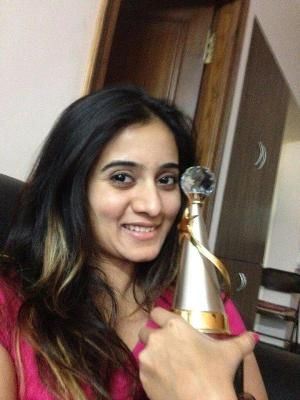
Actress Harshika Poonacha is in an all time high as the actress received an award for social service recently. An excited Harshika posted a picture of her holding the award on Twitter and tweeted saying, “My first award for Social service :)) feels honoured :))”

The actress was last seen in Crazy Loka directed by Kavita Lankesh that had actors Ravichandran, Surya, Harshika and Daisy Bopanna in lead roles. She is currently awaiting the release of her next flick Advaitha that will see her pairing up with Ajai Rao for the first time. She also has Bithri opposite Srikanth and Ale with Thanush and Aviva Bidapa up for release.

source: http://www.articles.timesofindia.indiatimes.com / Home> Entertainment> Regional> Kannada / by Sharanya CR, TNN / February 25th, 2013

His name is F.M Khan


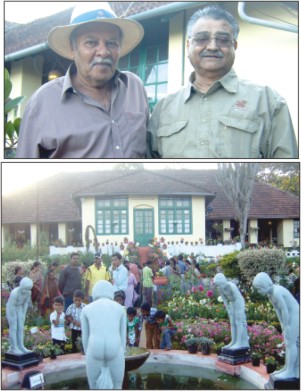
Caption: 1) F. M. Khan with SOM Editor-in-Chief K.B.Ganapathy 2) Garden in front of the house with a fountain.

It was a fortuitous visit. Being Sunday, I decided to drive to Kodagu with a couple of my friends with a double intent — visit the coffee estate, this being the coffee picking season and to enjoy God’s rest day Sunday with good food in one of those innumerable resorts and holiday homes. And on our way back via Madikeri, at Boikeri, about 8 kms on Mysore road, I saw a frayed, grayed wooden sign-post with the legend Balayatrie Estate with a colourful flex board announcing the flower show. Instantly, I knew what it was — the annual flower show conducted by the owner of the estate F.M. Khan, a former Congress Rajya Sabha member and a good friend of former Chief Minister of Karnataka R. Gundu Rao.

For courtesy, I asked my friends if we could visit the show even as I swerved the vehicle to the kachcha road into the estate. A few metres inside and there were nearly 20 cars parked in two parking lots. Men, women and children were there enjoying the flower garden in front of the house with a dysfunctional fountain surrounded by angelic figures (see picture). There were many burqa-clad ladies among others. I wondered if there would come a day in our country when a fatwa would be unleashed to prohibit growing of certain varieties of flowers, as it happened in Kashmir where a fatwa was issued prohibiting playing of certain kind of songs and music by an all-girls band!

Poor Rock Band girls and their families are in hiding now. What a secular country this. Sometimes, I wonder if secularism in this country is applicable only to Hindus and not to other religious groups. A re-look into the definition of this nebulous word ‘secular’ or ‘secularism’ is needed because this word finds a place in our Constitution following an amendment, which was not there otherwise. Let it be.

To revert to F.M. Khan’s flower show, I have nothing but admiration for his efforts, a labour of love. I learn he has been holding this private flower show since 1998 and people are enjoying it thoroughly, for, after all, who would not love flowers. Flower saplings too were there for sale but when I went much of it was sold. Khan’s youngest daughter, who obviously must have taken total responsibility for the show, too was there at the sales point with a receipt book and a visitors’ book.

The name F.M. Khan was as familiar in Karnataka as in Delhi in the late 80s — during the period of Emergency — like R. Gundu Rao then and Shah Rukh Khan today in Bollywood. F.M. Khan and Gundu Rao were two names the Congress (I) party members in Karnataka respected as much as feared for they really did matter in politics of the day — thanks to their intimacy to Sanjay Gandhi the Terrible of the Emergency days. In fact, these two from Karnataka were the blue-eyed boys of Sanjay Gandhi.

It was Gundu Rao who went to the Bangalore Race Club and ‘trapped’ photographs of a few IAS officers who should have been in the Vidhana Soudha. And it made all-India news. I was in Poona then.

As for F.M. Khan, he was like a young stallion, a rising star. Sadly, he faded into oblivion as fast as he rose in politics. If my memory serves me right, I think he was also the Treasurer of the party.

Mrs. Indira Gandhi had visited this house and stayed there after she lost power, post-Emergency and it was big news. I was looking for a plaque somewhere outside the house commemorating the visit of such a great leader but could not find one. I also forgot to ask Khan or his daughter about Indira Gandhi’s visit.

The house, a typical British bungalow with tiled roof, is rather old, may be a hundred-year-old and looked its age needing restoration. The surroundings with service buildings too looked as if in need of care and maintenance. As I strolled around, I was mentally visualising the old glory and the flamboyant life the family, including F.M. Khan, led in the past as one of the richest coffee planters of Kodagu.

Times have changed and the young, debonair F.M. Khan too has changed — has become old like me, but a senior.

In his heydays in politics, he was confident and assertive. Always on short fuse. But now he seemed to have mellowed. He still carries that aristocratic bearing on his feeble shoulders. Heard, he was once mortally sick, but has bounced back. As visitors were trooping into the garden, he was standing at the steps giving a gentle welcome smile with a twinkle in his eyes, apparently feeling happy and nice about what miracle he has done with the flower show spreading happiness and fragrance.

My friends did not know him though they had heard his name. As a courtesy, I acknowledged his presence and wished him simultaneously introducing myself. He seemed to have recognised me. “Would you mind if I took a picture with you?” He smiled in approval (see picture) and as I took leave of him he said, “I am extending the show by a day till tomorrow. Would you publish it in your Kannada paper Mysooru Mithra?” I kept my word, of course.

Yes, I met our own F.M. Khan and reminded myself how nature and time, together, ravage man and all his creations.

Tailpiece: If only R. Gundu Rao had not overplayed his role and got expelled from the party at a critical time after losing the State elec-tion, I am sure, both he and F.M. Khan would have risen in the party and F.M. Khan would be playing the role of another Khan from Karna-taka, the present Minister for Minority Affairs K. Rehman Khan in Congress. With the sudden tragic death of their Godfather Sanjay Gandhi, their political fortunes faded for ever. Sadly, Gundu Rao too died young.

e-mail: kbg@starofmysore.com

source: http://www.StarofMysore.com / Home> Abracadabra…. Abracadabra /by K. B. Ganapathy / February 09th, 2013

TOI Social Impact Awards: Wonder doctor’s success mantra

Mysore :
As a child M Jadeyegowda first saw Dr H Sudarshan dispense medicines to tribals at Biligiri Ranaga Hills near here. Initially, he stayed away from the doctor. Later, curiosity drew the tribal boy to the doctor. Dr Sudarshan and his Karuna Trust became the biggest influences on his life.

Other than providing medical help, Dr Sudarshan taught children in the tribal parts of Karnataka’s Chamarajnagar district. Jadeyegowda was a reluctant student. Today, he’s an assistant professor at Kodagu’s College of Forestry. “As a kid, I saw the doctor conduct surgeries with minimum facilities,” Jadeyegowda,43, says.

In October 2006, when the Vivekananda Girijana Kalyana Kendra (VGKK) — to which Karuna Trust is affiliated — celebrated silver jubilee, Jadeyegowda, MSc, shook hands with President Abdul Kalam. He was one of the six students who had attended the tribal school set up by the NGO 25 years back. Jadeye now heads VGKK and is a trustee of the Karuna Trust. “I’m more comfortable being recognised as a beneficiary,” he says. “Jadeye is a beneficiary of our health and education programmes. That helped him,” Dr Sudarshan says

source: http://www.timesofindia.indiatimes.com /Home> City> Mysore> TOI Social Impact Awards /by H M Aravind, TNN / February 01st, 2013

Mangalore:Rich tributes paid to Field Marshal K.M.Cariappa on 114th birth anniversary

Mangalore, Jan 28, 2013:

Rich tributes were paid to Field Marshal K.M. Cariappa, the first Commander-in-Chief of the Army of Independent India, on the occasion of his 114th birth anniversary on January 28, Monday.

A function was held at the War Memorial at Kadri under the aegis of the Kodava Students Union wherein several dignitaries participated and remembered the valiant son of the soil.

Addressing the function, Deputy Commissioner N Prakash described Cariappa as a proud son of India who was not only a valiant soldier but also a strict disciplinarian and man of principles. He also exhorted youngsters to emulate the great qualities of Field Marshal Cariappa.

MLC Capt. Ganesh Karnik who also spoke, said Kodagu has the credit of contributing the highest number of soldiers to the nation and added that he was proud to represent the region. Field Marshal Cariappa’s birth anniversary should be celebrated by the entire state in the years to come and not just by students of Kodagu, he said. Celebrating the birth anniversary of the great personality would be meaningful only when we incorporate at least some of the great values pursued by late Cariappa, in our own lives, he observed.

SP Changappa, Bar Association President, Nalin Kumar Kateel, MP, former army officer Brijesh and others were present.

source: http://www.MangaloreToday.com / Home / by Mangalore Today News Network / January 28th, 2013

Kodagu district’s heroes Cariappa, Thimayya to get more attention

Field Marshal K M Cariappa and Padmabhushan General K S Thimayya will now be remembered as national heroes by the district administration.

In the past, Field Marshal K M Cariappa’s birth anniversary was celebrated at his memorial in Roshanara, Madikeri, by his family members and students of Bharatiya Vidya Bhavan-Kodagu Vidyalaya.

After General Thimayya School was started by the Kodava Samaj in Madikeri a decade ago, students regularly assembled at Thimayya’s statue to offer floral tributes.

Apart from this, when VIPs and Army officers visit the district, they garland the statues of the two great sons of Kodagu.

After a garland of shoes was hung on Field Marshal K M Cariappa’s statue some time ago, a few retired Army officers and senior citizens decided to create awareness on the importance of these leaders by setting up the Field Marshal Cariappa and General Thimayya Forum. The Forum celebrates the birth anniversaries of Field Marshal Cariappa and General Thimayya which fall on January 28 and March 31 respectively.

In 2012, GOC-in-C of the Southern Command of the Indian Army Lt Gen A K Singh, senior Army officers, retired Army officers and people’s representatives took part in Field Marshall Cariappa’s birth anniversary celebrations that were held on a grand scale.

This year, the administration has decided to celebrate his 114th birth anniversary at Madikeri on Monday while the Field Marshal Cariappa and General Thimayya Forum will simultaneously host celebrations in Gonikoppa.

Celebration Gets More Response

Forum president Col (rtd) K C Subbayya VSM, told Express that celebrations are usually held in Madikeri, Gonikoppa or Shanivarsante.

Forum secretary U M Poovaiah said competitions with themes related to the life of Field Marshal Cariappa had been organised to spread awareness among school and college students to highlight the importance of discipline and honesty.

This year’s competitions received good response, he said.

District Minister M P Appachu Ranjan said the government has sanctioned `3 lakh for the celebrations. Cariappa’s birth anniversary has also been added to the National Festival List and celebrations will be held at Madikeri, he added.

source: http://www.newindianexpress.com / Home> States> Karnataka / by B. C. Dinesh / ENS – Madikeri / January 28th, 2013

Tech wiz is ‘Coorg person of the year’

Google offered to buy his company, which he turned down

Vineet Devaiah, founder of a technology company which is set to offer tough competition to the controversial ‘Google Street View’ project is ‘Coorg Person of the Year, 2012’.

In fact Google had offered to buy out his company TeliportMe, but the Cornell educated CEO of the Palo Alto California-based start-up refused the offer, though Vineet had many a sleepless nights before turning down the once in a lifetime chance because “once you have said no, you cannot go back and ask them again.”

According to well-known technology website techcrunch.com, the Google buyout offer was in the range of $15-20 million, though Vineet is not prepared to comment on the amount.

He was selected ‘Coorg Person of the Year’ in a poll conducted by www.coorgtourisminfo.com, Kodagu’s first news portal, promoted by senior journalist P T Bopanna, said a release from the jouranlist.

Vineet, 26, son of Theetira Subramani and Latha, hailing from Kutta in Kodagu district of Karnataka State, has developed an Android application which focusses on creating virtual tours using 360 degree panoramas. Users can not only capture high-resolution 360 views, but can also share their images on Facebook and Twitter.

New application

Vineet likens his new application TeliportMe to Google Street View. “It is what TeliportMe will be in the next 5 to 6 years. The only difference between the two companies is that Google is paying billions of dollars to create it and we are getting it done for free… It’s kind of Wikipedia or crowd source imagery by people,” he noted.

Among the others who were nominated for this year’s ‘Coorg Person of the Year 2012’, include Commonwealth Games badminton gold medalist Machimanda Ashwini Ponnappa and noted environmentalist Col C P Muthanna, who has been waging a relentless battle to save the Western Ghats from the forest mafia in Kodagu. said the release.

source: http://www.DeccanHerald.com / Home> District / Mysore, DHNS / December 30th, 2012