Traditional beekeepers are busy bottling the flavours of Western Ghats
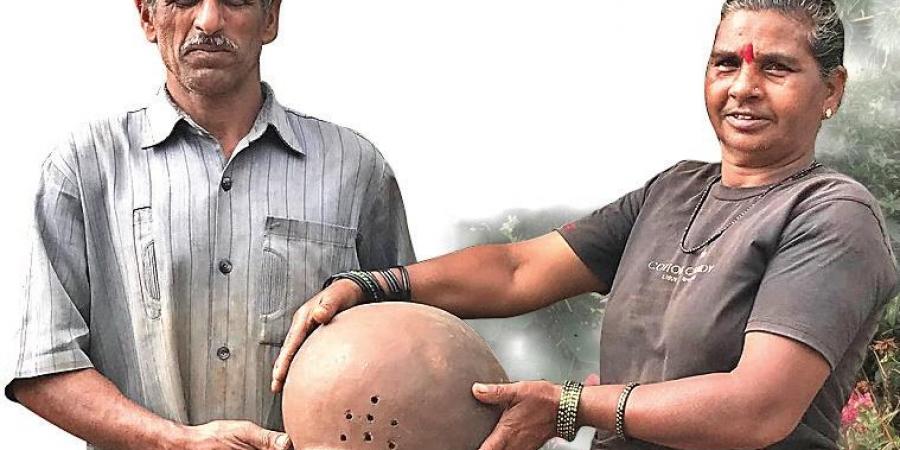
Pattu Cariappa and his wife Nethravathi
Madikeri :
The buzz fills the air in the north-eastern villages of Somwarpet during the spring season. Apis Cerana bees, known as the honey bees of Coorg, go around merrily collecting nectar from colourful indigenous flowers lining the Western Ghats. The sweet nectar is bottled — to produce one of the purest forms of honey in the nation — ‘Kala Thein’.
Massive bee hives on tree trunks and building tops always fill the beholders with a sense of fear. But to the bee keepers, honey bees are their comrades. The villagers nurture and look after the bees and in return, these insects provide them with a lifeline. It would not be an exaggeration to say that the traditional beekeepers of seven villages – Kumbara Gadige, Mutlu, Kikkaralli, Hammiyala, Hacchinadu, Surlabbi and Mankya – are preserving the Western Ghats by indulging in traditional beekeeping.
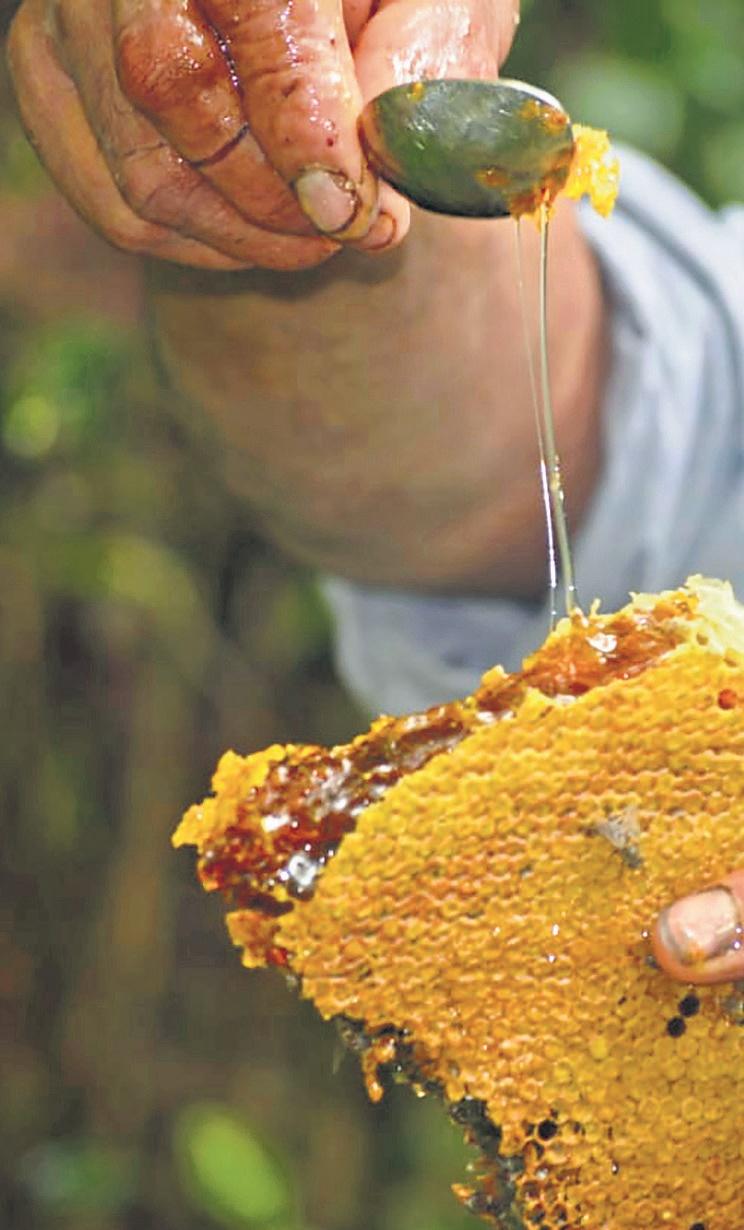
Pattu Cariappa, a resident of Hammiyala village, briskly walks up to his estate and points at an earthen pot covered with fresh leaves. He then lifts the pot, which is placed upside down, and shows the bee hive where the bees are going about busily. He inserts a finger into the hive and slowly guides the bee onto one side to reveal the honey-filled comb. Ask him if he is not scared to do so, he smilingly replies, “These bees are well-acquainted with me. I won’t harm them and they don’t harm me.”“I learnt the art of beekeeping by watching my elders. The best time to start is in December.
First, we smear the heated pot, which has three to four tiny holes, with bee wax. We carry this pot into the forest and place it on a steady area. Since we know our forests well, we also know where the bees are likely to build a hive and we keep the pot in a suitable place. Once this is done, we frequently visit the spot to check if the bees have arrived. Once the bees settle into the pot, we bring the pot close to our house. We shift the pot only during evening hours – when all the bees have settled in the hive after collecting nectar,” explains Pattu.
While the beekeeping starts sometime in December, the honey is extracted and harvested only after a year and half – in June. In traditional beekeeping, the harvest method does not use smoke or other harmful gas to chase them away. Instead, the beekeepers slowly move the honeybees to one side and take out the comb. The honey is then extracted from the comb. “I do not use bare hands to squeeze out the honey as it is unhygienic. Instead, I use a clean white cloth to extract honey from the comb, which is then bottled to produce one of the purest forms of honey,” he adds.
“Some people think that pure honey does not turn sugary. But it does and settles at the bottom of the bottle. Pure honey has very less moisture content,” he says. How does one know if the honey is pure? Pattu’s wife Nethravathi explains, “If the hive is built inside the cavity of a tree, one can smell the tree bark in the extracted honey. Similarly, any form of adulteration can be found out easily through the smell. Wild honey, which uses harmful methods of extraction, is watery.” The seven villages have a good economy. While the traditional beekeepers have been harvesting honey since ages, it is only recently that they have found a sustainable earning.
“Earlier, we used to sell it on the streets across the district and did not earn much from it,” recalls Pattu.
However, they have now found a platform for their business through the initiative of ‘AinMane’ of Thammu Poovaiah. A popular café based in Madikeri, AinMane, is sourcing honey from these traditional beekeepers. “The ‘AinMane’ management is promoting the traditional form of honey and providing us with a sustainable lifestyle,” says Nethravathi.
source: http://www.newindianexpress.com / The New Indian Express / Home> States> Karnataka / by Prajna GR / Express News Service / July 19th, 2020
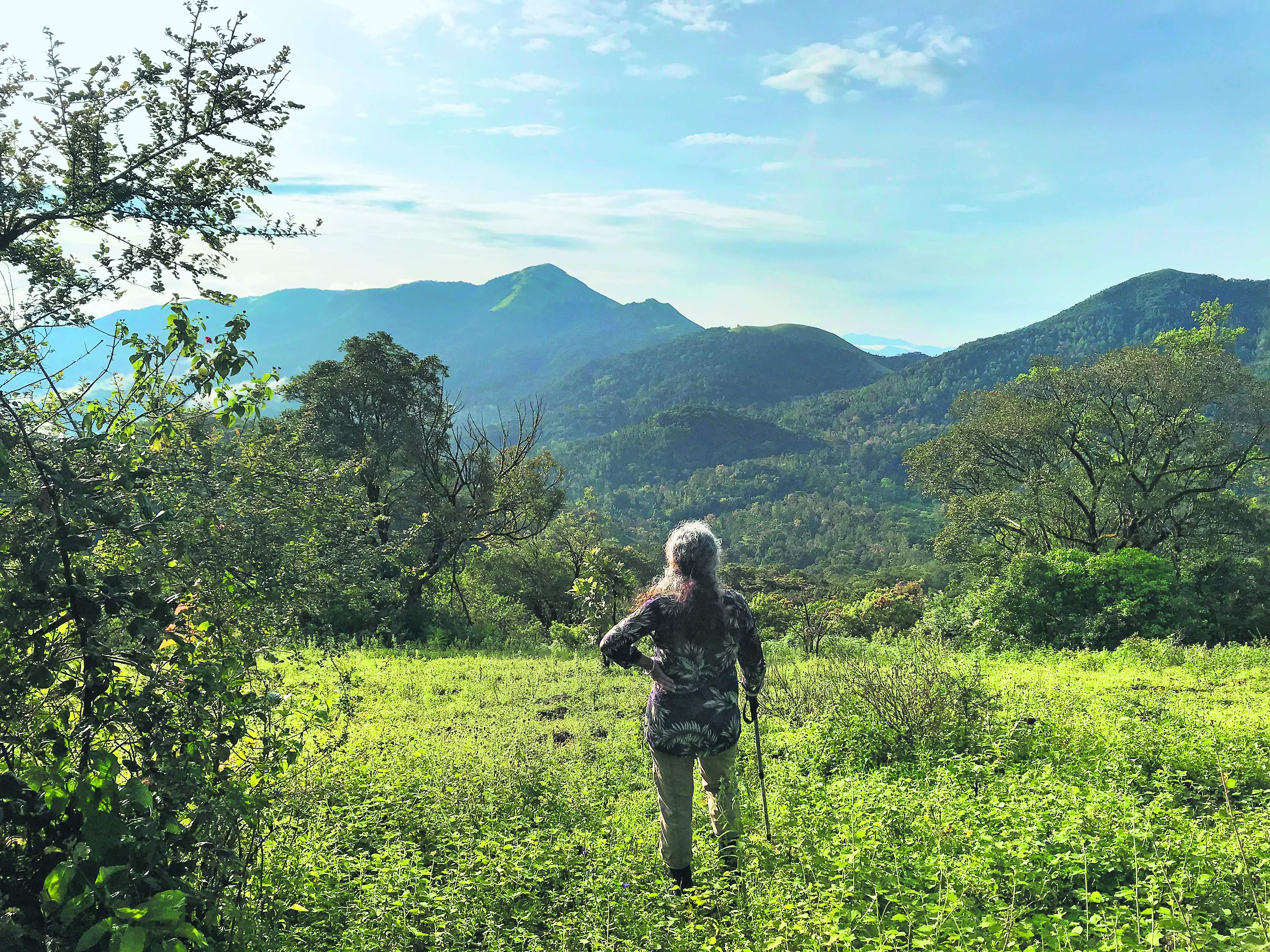
On a pre-scout exploring Coorg’s dramatic landscape
It all started with an email out of the blue. A world-class chef was shooting a food/adventure show in India in 2020 and was looking for ideas.
Only later, we learnt it was none other than ‘GR’ — the crew’s codename. ‘Gordon Ramsay’ was as unmentionable in public as the expletives he spews. The horror stories of chefs facing him in Hell’s Kitchen outdid the B-grade Bollywood horror flicks made by the Ramsay brothers back home whom we were more familiar with.
This was the second season of Gordon Ramsay: Uncharted. Ramsay gets out of the studio and into the wild outdoors to explore remote places and learn local food secrets with a dose of heart-pumping adventure. The emphasis lay in foraging and going back to the source. He would meet rising star chefs and embark on a culinary adventure that ended in a big cook-off. Locals would critique his take on the region’s cuisine, albeit with none of GR’s trademark vitriol with which he roasts amateur chefs on Twitter. He has likened someone’s poached egg in noodle soup to ‘toxic scum on a stagnant pool’, another’s Scottish breakfast as ‘heart attack on a plate’, a poor bloke’s rice as ‘older than me’, an attempt at empanadas as ‘camel hoofs’ and somebody’s overdone steak as ‘Gandy’s flip flops’.
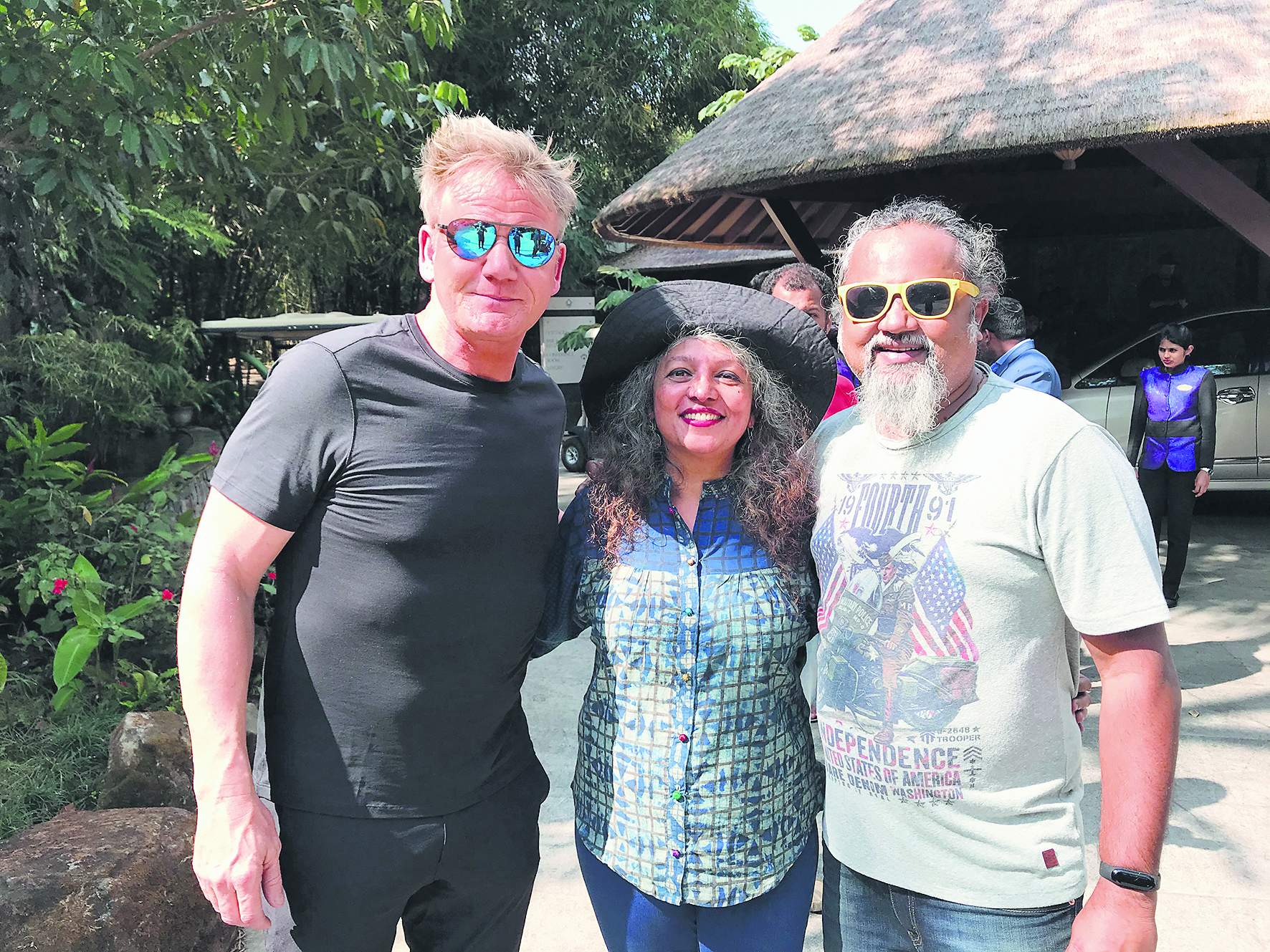
Gordon with Priya and Anurag
What could we suggest to an ill-tempered firebrand Michelin-starred chef who seemed to have done it all?
Season 1 saw Gordon rappel down a waterfall in Morocco to hunt for the perfect mushroom and go spearfishing in Hawaii. In New Zealand, he waded in a stream to catch an eel with his bare hands, tasted grubs from a rotten tree trunk, and dived for paua shells and sea urchins, braving strong currents and sharks. He jumped into the Mekong River in Laos to catch snails and learnt how to cook a giant water bug called ‘toe biter’. In Peru, he dangled perilously from a cliff edge to harvest a plant for insect larvae while in Alaska, he scaled the 60-ft Chimney Rock to make tea from ‘old man’s beard’.
Season 2 upped the ante with bigger, bolder and better stuff, injected with a healthy dose of jeopardy to the food.
From snuba diving (a mix of snorkeling/scuba) in Tasmania for rock lobster, jumping off a helicopter into Durban’s shark-infested waters and using rhino poop to catch tilapia in South Africa, trying swamp rat and Cajun cuisine in Louisiana’s Bayou, hunting Arowana fish with bow and arrow and roasting the Goliath birdeater (one of the largest spiders in the world) in Guyana’s remote rainforests, fishing for freshwater prawns in a flood-prone cave in West Sumatra, to scuba diving for scallops in the frigid fjords of Norway and making reindeer blood pancakes. So what challenges could India offer?
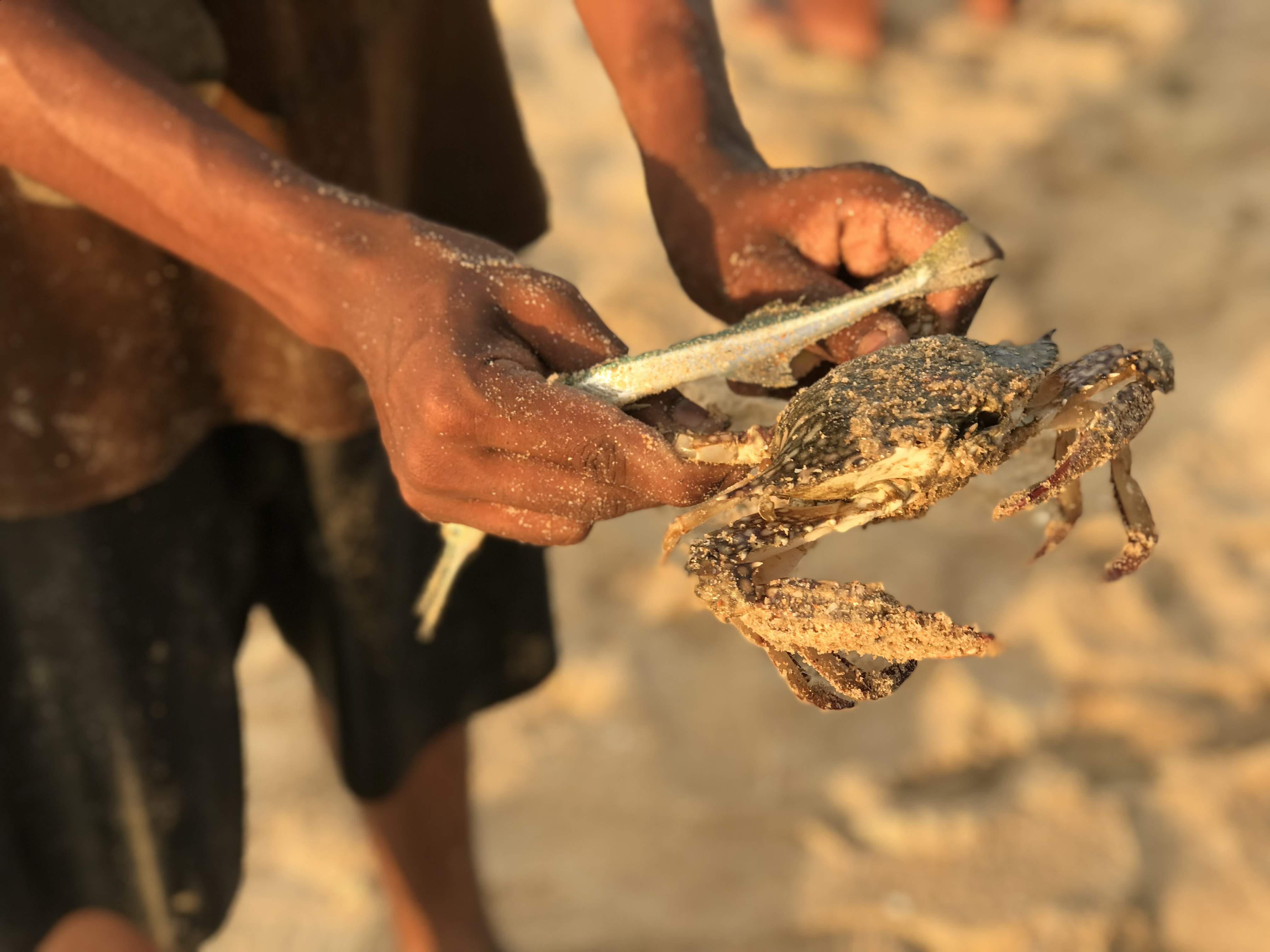
Hunting crabs in Malabar
Gordon was no stranger to India. His 2010 series for Channel 4’s Gordon’s Great Escape, took a deep dive into our culinary traditions and his quest for curry. He rode in a dodgy pantry car of the rattling Mangla Express, slicing onions and cooking veg curry for 400 diners, before playing apprentice to biryani masterchef and ‘King Qorma’ Imtiaz Qureishi for a wedding feast in Lucknow. He described Qureishi as the “Dog’s bollocks in the region” (No 1). Gordon’s glossary is colourful — ‘Bloody Hell’ could mean ‘Absolutely Delicious’ and **** could be anything. He rode a Royal Enfield, jumped onto a running train, cooked khud gosht in a desert pit he dug, sampled mahua and chapda chutney in Bastar, hunted with the Konyak tribe in Nagaland, tasted blood sausages and the world’s hottest chili bhoot jolokia in the North East, and cooked with ‘Sambar’ Mani in Dharavi, while trying everything from bullock cart racing and climbing a coconut tree to vegetarianism at Sadhguru’s ashram, besides grabbing karimeen (pearl spot) out of Kumarakom’s backwaters.
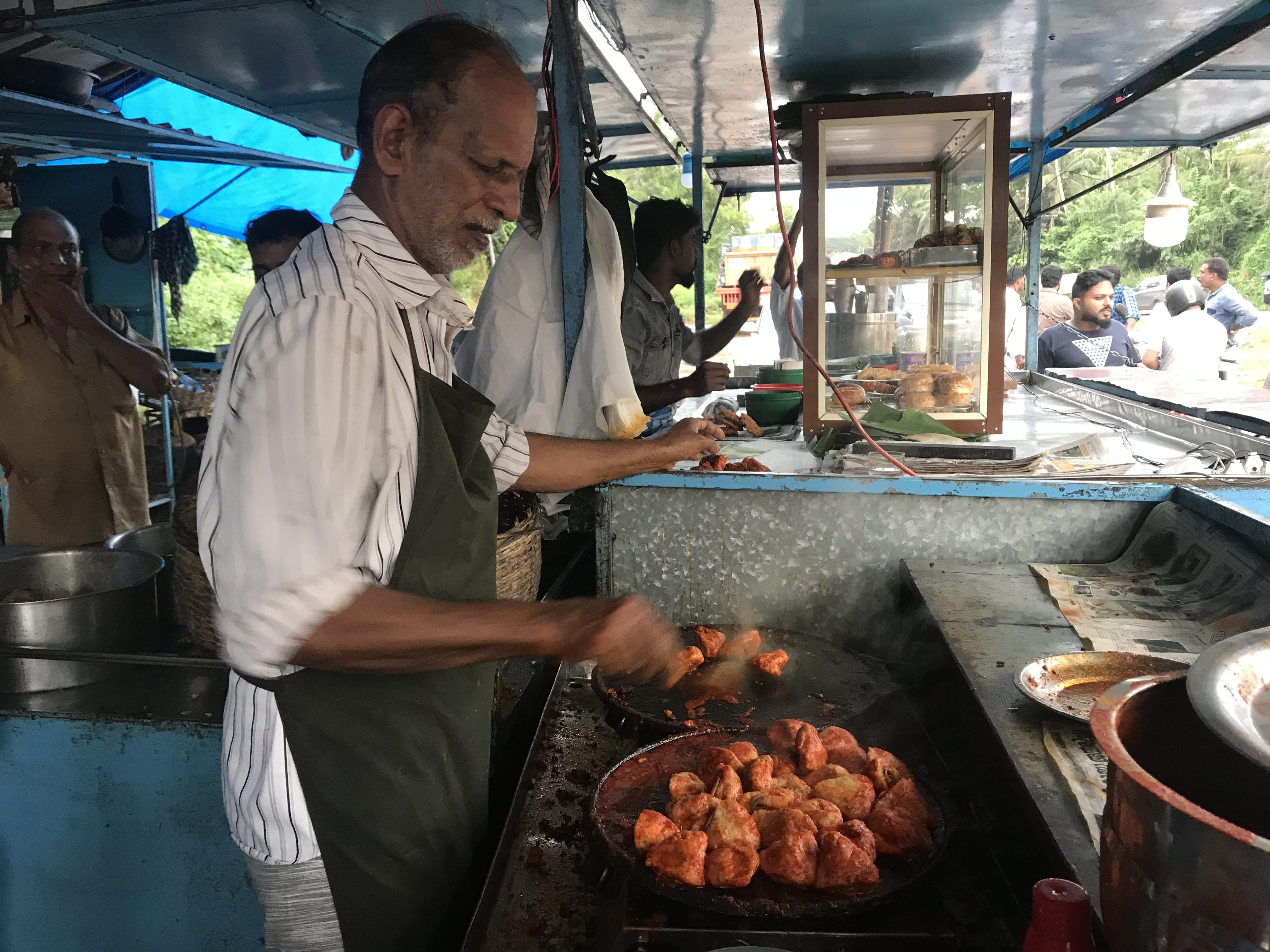
This was his second trip to Kerala and South India, but to a different part — the historic northern nook of Malabar. From Greek and Roman times to the European Age of Discovery, Kerala’s Spice Coast lured traders and travelers alike. For centuries, Arab seafarers controlled the lucrative global spice trade and often anchored in Kerala to tide the monsoon. Intermingling with the local populace resulted in a Malayalam-speaking community of Muslims called Mapila — derived from ‘Maha-pillai’, an honorific term for the new groom or son-in-law. As Kerala’s second-largest community, Mapilas are known for their distinct cuisine. In 1498, ambitious Portuguese explorers found a direct trade route to India to bypass Arab middlemen. Propelled by monsoon winds, they sailed across the Indian Ocean to reach Malabar, paving way for the Dutch, French and British. The English established a fort at Thalassery to protect their trade in ‘Tellicherry’ Pepper, prized as ‘Black Gold.’ It was befitting that a British chef was seeking culinary inspiration here. We were keen to get GR to try local fare like ari kaduka (rice stuffed fried mussels), kakka erachi (clam fry) and tackle audacious challenges.
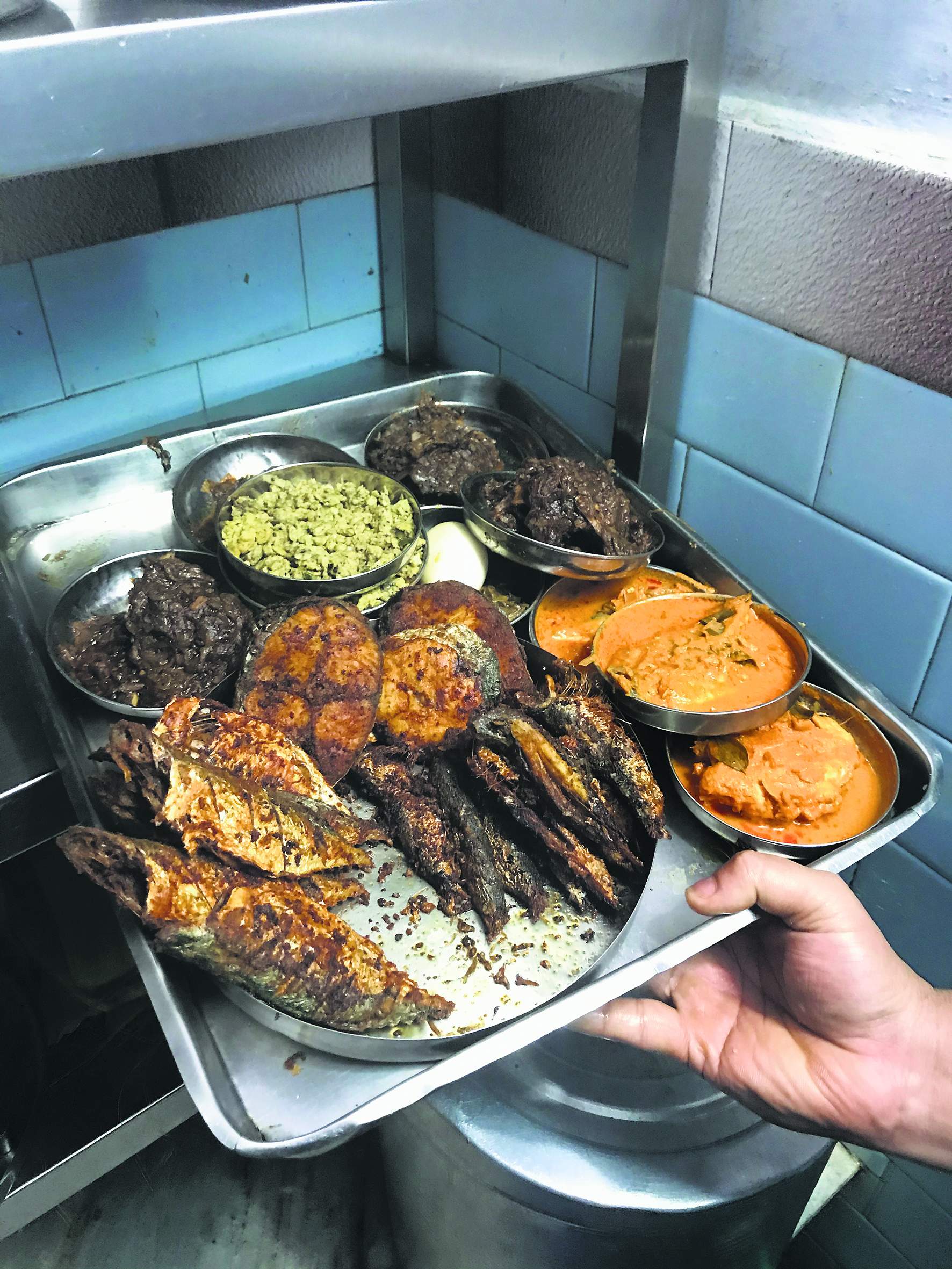
Seafood in Kannur
Gordon is no pushover — a 6’2” tough-as-nails Scotsman, footballer, swimmer, karate black belt and Kona Ironman finisher. Yet, for all the potentially dangerous activities, we had to keep the host unharmed. We didn’t want to go down in history as the couple that got the world’s most renowned celebrity chef maimed! We vetoed the arduous boat ride on the high seas to dive for kallumakai (green mussels) around rocky islets due to the time crunch. On our recce in October, our old friends Nasir and Rosie of Kannur Beach House put us onto local fishermen. The late monsoon washed in surplus freshwater into the sea, thereby reducing its salinity, which resulted in lesser vitt (eggs) spawning on the rocks. So the spectacular beaches around Kannur had to suffice. The big question was where next?
The pristine backwater of Valiyaparamba for clam diving was too north. The Empress of Mapila cuisine Abida Rashid was far south in Kozhikode. An extension to Wayanad would make the show too Kerala-centric, a destination that features extensively in international shows.
So we suggested Kodagu (Coorg) — a region GR hadn’t visited before. After the unending stretches of human habitation in Kerala (India’s third most densely populated state), Coorg would be the perfect antidote. As Karnataka’s most forested district, its rolling hills and wild vistas were ideal for a show like Uncharted. It lay in the Western Ghats, one of the world’s eight hottest biodiversity hotspots, the fountainhead of South India’s most important river Cauvery, a record producer of honey, cardamom and coffee (80 per cent of India’s coffee comes from the area) with the highest concentration of sacred groves in the world.
Ari kaduka (green mussels)
Though Coorg and Wayanad are adjacent districts with similar topography — hills, coffee and spices common to both — the difference lay in the cultural/culinary uniqueness. Coorg is home to the Kodavas, a fascinating martial community who lived off the land while preserving their unique culture, cuisine and traditional attire. Unlike Wayanad, Coorg has a well-defined cuisine with charming homestays run by hospitable Kodavas. The new Kannur International Airport at Mattanur was strategically located at an hour’s drive from Kannur and two hours from Virajpet. It was no surprise that the production team was bowled over by Coorg’s beauty on the pre-shoot scout and unanimously chose it as the locale for the ‘Big Cook’. For us, the great clincher was getting a Scottish chef to a region dubbed ‘The Scotland of India’.
The shoot was scheduled for late January this year. So monsoon-centric activities like foraging for termay (fiddlehead fern), kemb (colocasia), bemble (bamboo shoot) and kumme (wild mushrooms) was out. Nor could one collect ripe garcinia fruits to make kachampuli, the dark vinegar that’s integral to Kodava cuisine. We were too early to harvest honey with the Jenu Kuruba tribe. Seasonality dictated our choices. Trekking to hills and waterfalls for vistas that were dramatic yet accessible, we scouted streams for crab hunting spots. Catching crabs traditionally involved baiting them with a gutted rotting toad wedged in split bamboo. The smell was enough to entice crabs from their rocky lairs, though we weren’t sure if a TV audience could stomach Kodagu’s wild old ways. We kayaked in hidden rivers for fishing options and hunted out two old wizened men of the Meda tribe, experts in mat and basket weaving to make fish baskets for us — a dying tradition. Signature dishes, rare treats, interesting locals and adrenalin-tinged tasks for GR — our job was to supply the ingredients — the world’s best chef and his team had to make a delectable episode out of it.
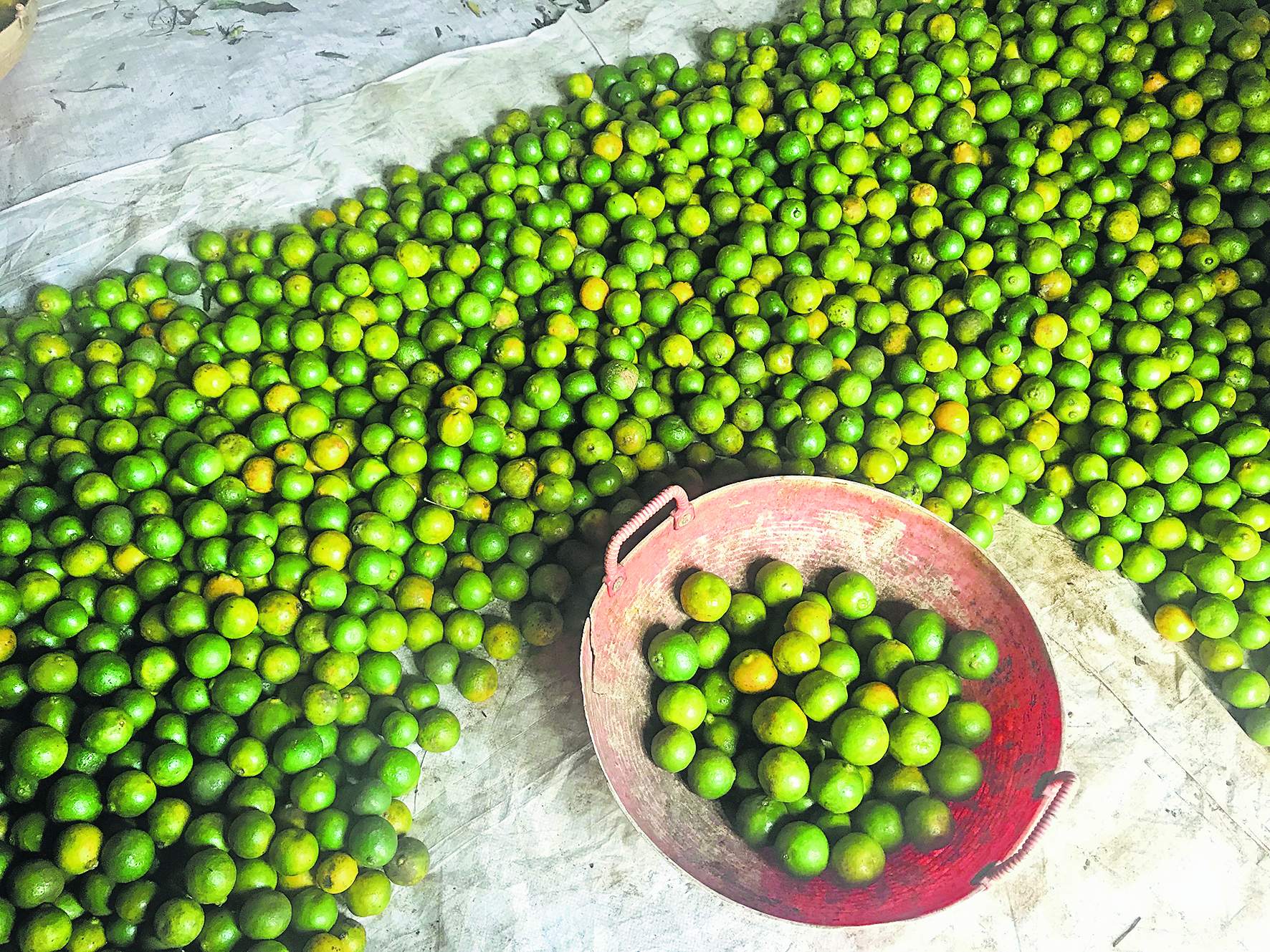
Coorg oranges
Production was shouldered by Adarsh NC of Felis Creations, with over a dozen blue-chip documentaries for Nat Geo, BBC and Animal Planet. Their recent three-part home-production Wild Cats of India was filmed by Sandesh Kadur and the third part India’s Wild Leopards is currently on Disney Hotstar. Adarsh says, “Primarily, we are into nature/wildlife and are happy filming tigers, leopards and counting scat on the field. We have covered the Western Ghats extensively and there was an adventure quotient to the program. But handling an international show with a star chef like Gordon was a dream come true. They were several challenges — two locations, multi-cam set up, high profile celeb, large crew, time crunch, permissions, travel, logistics… We were on the threshold of Corona with India’s first COVID cases reported in Kerala, so sending them back safely without harm or any adventure was nerve-wracking!” “It’s location, not a vacation”, was the oft-repeated mantra of Director Neil DeGroot. Executive Producer Jon Kroll admits, “The weakest episode this season is stronger than the strongest episode from last season!”
Gordon Ramsay: Uncharted Season 2 premiered on National Geographic in the USA at 10 pm on June 7, and Disney Hotstar, with the India episode slated for release in July.
source: http://www.indulgexpress.com / The New Indian Express – Indulge Express / Home / by Anurag Mallick an Priya Ganapathy /June 26th, 2020
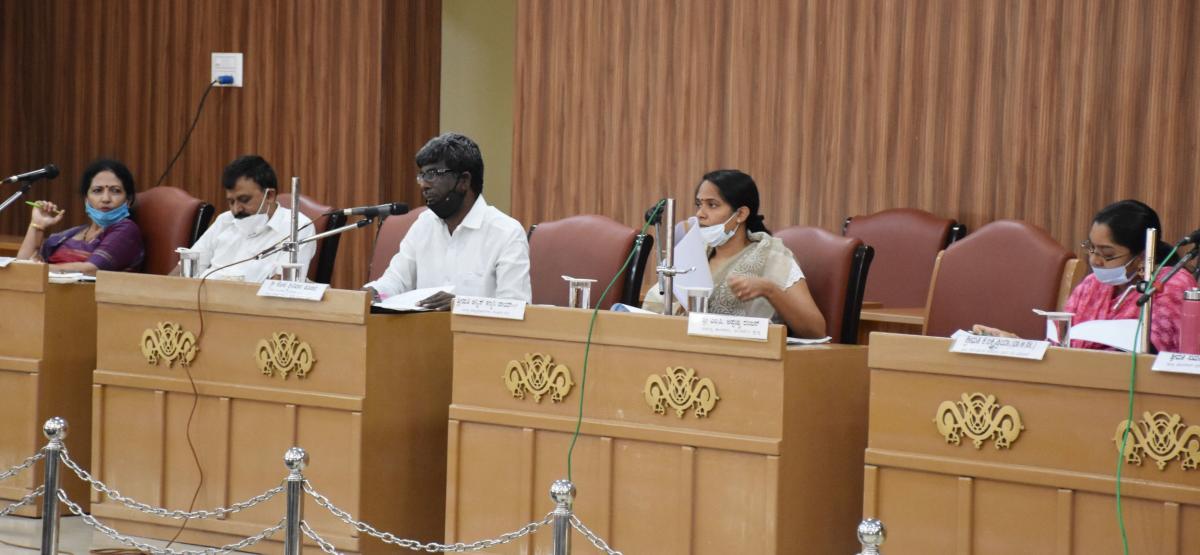
Minister Kota Srinivas Poojary conducts a review meeting in Madikeri on Wednesday.
Madikeri :
Noting that Kodagu has ample opportunities for fish cultivation, Minister for Muzrai, Fisheries, Port and Inland Transport, Kota Srinivas Poojary felt the need to carry out serious efforts in this regard.
Chairing a meeting at Zilla Panchayat auditorium in Madikeri on Wednesday, he lauded the efforts of coffee growers who have been carrying out fish cultivation in their private ponds in the plantations.
The minister meanwhile directed the officials from the fisheries department to rear the best varieties of fish in Harangi fish rearing centre and provide fingerlings to interested farmers
“Innovative ideas with respect to fish breeding should be brought into effect,” he said.
Fisheries department assistant director K T Darshana said that a total of 1,886 hectares of area in Harangi reservoir is being utilized for fish rearing and has been handed over to Kaveri Meenugarara Sahakara Sangha.
Similarly, 105 hectares in Chiklihole has been handed over to the cooperative society, through tender-cum-auctioning. There are 200 fishermen, 95 fish vendors and 2,000 fish cultivators in the district, she said.
The official said that six lakes under fisheries department, 506 lakes under various Gram Panchayats, 3,000 private lakes, nine ponds and two riversides in the district have been handed over to Kodagu Vanyajeevi Samrakshana Sangha on a contract basis.
“Sale of 4,000 kg to 5,000 kg fish takes place in the district on a daily basis. Kodagu is among the first 10 districts which have the highest sale of fish. The total production capacity of fish in the district is 3,582 tonne, as per the statistics of 2018-19,” she added.
Harangi fish rearing centre official Sachin said that ponds are being created in Harangi region. Currently, there is a demand for 40 lakh fingerlings in the district and 21 lakh fingerlings are being provided by the centre.
Minister Kota Srinivas Poojary assured to provide Kissan cards to fish cultivators. Loan facility with zero percent interest up to Rs 3 lakh will be provided to fishermen.
‘Complete development works soon’
Conducting a review meeting of the Muzrai department, the minister directed the officials concerned to complete the development works in the temples soon.
He stressed on completing the work on the proposed ‘Yatri Nivasa’ guest house at Bhagamandala, on priority.
The minister assured to hold discussions with the health department towards giving permission for ‘pinda pradana’ ritual at Bhagamandala.
Deputy Commissioner Annies Kanmani Joy said that Rs 1 crore has been provided by BBMP, towards the development of Bhagandeshwara-Talacauvery temple.
Kodagu Zilla Panchayat CEO K Lakshmi Priya, Additional DC Dr Sneha and Assistant Commissioner T Javaregowda were present.
source: http://www.deccanherald.com / Deccan Herald / Home> State> Mangaluru / by DHNS, Madikeri / June 24th, 2020
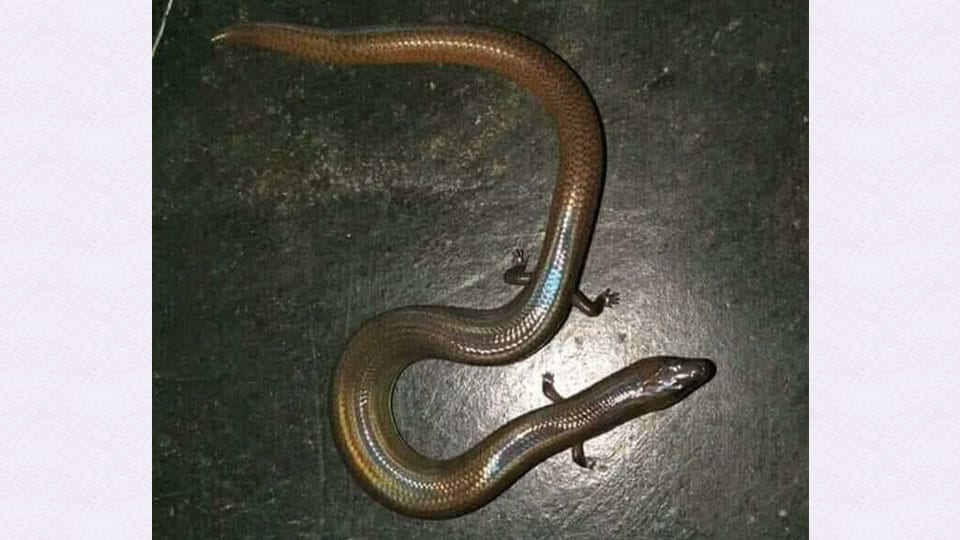
A rare Rurk’s ristella skink was found by some wildlife enthusiasts on their way to Madapur in Kodagu district recently. Ristella rurkii, commonly known as Rurk’s ristella, is a species of skink endemic to the Western Ghats of Southern India. It is a small, insectivorous, diurnal skink found in Shola grasslands and rainforests of hills ranges in parts of Karnataka, Tamil Nadu and Kerala.
The specific name, rurkii, is in honour of “Dr. Rurk” who collected the type specimen in the Anaimalai Hills, High Ranges, Travancore, and the Palani Hills, of Tamil Nadu and Kerala. It is endemic to rainforests South of Palghat Gap.
It is a small, slender lizard and grows up to 15 inches in total length (including tail). The skin is bronze-coloured, with dark sides. The eyelids are immovable, in contrast to many other skinks. It is a shy species, which lives under stones and leaves in dry places, such as South slopes, fields and meadows. It is active during twilight and hunts for insects and small snails. It is a typical ground dweller and dislikes climbing.
A.A. Poovaiah of Wildlife First, who spotted the skink by the side of the road, told ‘Star of Mysore’ that he confirmed with retired Forest Officer and Wildlife First Trustee K.M. Chinnappa that it was a rare sighting. “Chinnappa has been inside forests of Kodagu (Western Ghats) all through his life and he has not seen the species so far,” Poovaiah said. The photo of this Caecilian was clicked by Putherira Pappu Thimmaiah.
source: http://www.starofmysore.com / Star of Mysore / Home> News / June 08th, 2020
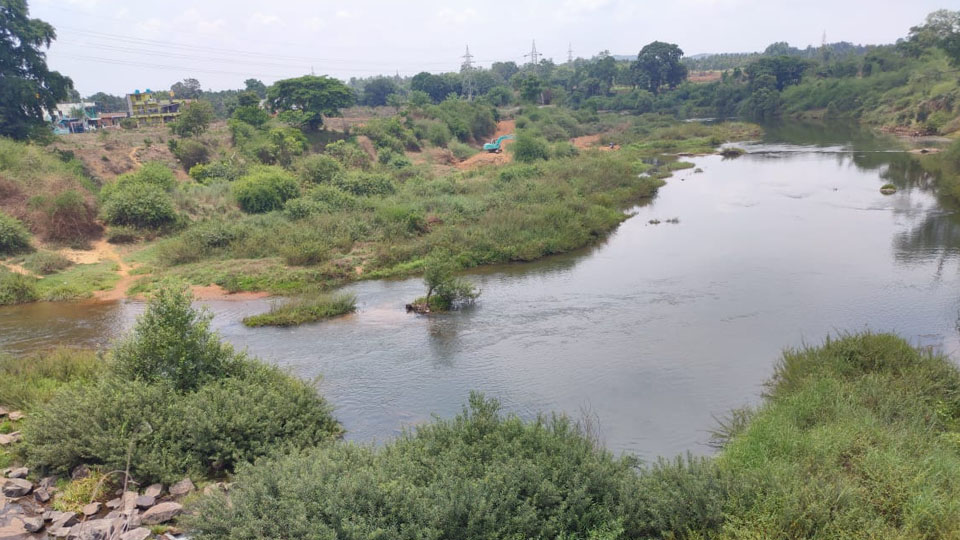
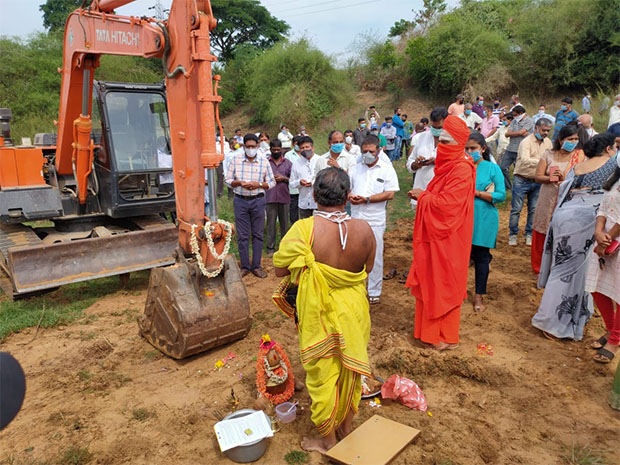
Ground-breaking ceremony for a mega Rs. 89-lakh project to remove silt from River Cauvery in the Kushalnagar belt to prevent flooding of the town was performed this morning. Madikeri MLA M.P. Appachu Ranjan performed the ceremony in the presence of Kodlipet’s Kirkodli Mutt Seer Sadashiva Swamiji.
The Kodagu District Administration had agreed for the project based on the request by Kushalnagar Cauvery Pravaha Santhrasthara Vedike (Forum for flood affected) and funds were released accordingly by the State Government.
Previous two years, there was unprecedented flooding in Kushalnagar and most of the areas inside the town were under water for weeks together. Kodagu received the highest-ever rainfall for August 2018 surpassing an 87-year-old record. Last year too, the district received high rainfall and as a result, rivers were in full spate.
Last year, for the first time, the 400-year-old bridge near Kushalnagar-Koppa border (next to the newly-constructed bridge) submerged on Aug. 10. This rain, coupled with huge water release from Harangi Dam, brought untold miseries to the people of Kushalnagar.
This year, the silt is being removed to prevent flooding like in the previous years. An area of 300-metre length and 100-metre width has been identified in the surroundings of Rasool Layout, Muthappa Swamy Temple and Ayyappa Swamy Temple.
The mud-and-sand combined silt is being removed by earth movers and the excavated earth will be dumped on the river side. Also, channels will be built so that rainwater that floods Kushalnagar town can smoothly enter the river. PR Constructions has been given the contract of silt removal.
Silt removal from Harangi Dam
MLA Appachu Ranjan told ‘Star of Mysore’ today that a proposal to lift over one tmcft (one thousand million cubic feet) of silt that has accumulated at Harangi Dam is pending with the State Government.
Harangi is the main Cauvery water supply reservoir from the catchment areas to Krishna Raja Sagar (KRS) Dam in Mandya, the lifeline of South Karnataka and Tamil Nadu. Due to heavy silt deposit, enough water cannot be stored, leading to annual water shortage. Therefore, it has been recommended to the Government to take measures to remove silt so that more water can be stored, he said.
The Karnataka Engineers Research Station (KERS) at KRS Dam in Mandya and Geo Marine Solutions Pvt. Ltd. had studied the silt deposits and accepting its recommendations, the State Government had released Rs. 75 crore to remove silt. “We have requested the Government to release Rs. 130 crore and the proposal is yet to be accepted as the Government is busy in COVID-19 battle,” the MLA said.
River course correction
Due to major landslides, many rivers and tributaries have changed its course. Last year, the inflow from River Cauvery was more than Harangi River. Every year, Harangi River reports highest inflow to the Harangi Dam and last year’s phenomenon was unique. While Harangi River originates in the Pushpagiri Hills, Cauvery takes birth in Talacauvery and flows through Bhagamandala, Kushalnagar and Koodige. Both the rivers meet at Koodumangaluru and flow into KRS Dam.
“Last year, Harangi River reported an inflow of 30,000 to 35,000 cusecs while Cauvery River reported an inflow of 80,000 to 85,000 cusecs. This is because the rivers have changed course and have accumulated huge silt due to landslides of 2018. We need money for river course correction and silt removal and that’s why we have asked for Rs. 130 crore,” Appachu Ranjan said.
Dy.SP Shylendra, Kushalnagar Panchayat CEO Sujay Kumar, Kushalnagar Cauvery Pravaha Santhrasthara Vedike President Chandra Mohan, members Uday Kumar, M.M. Charan, Varadha and Kodagana Harsha were present.
source: http://www.starofmysore.com / Star of Mysore / Home> News / May 11th, 2020
Members of Kodagu district Growers’ Federation submit a memorandum to MLA Appachu Ranjan. DH Photo
Coffee growers in the district have demanded special package from state government, as planters are facing hardships in the wake of Covid-19 lockdown.
Members of the planters’ association have submitted a memorandum to the MLAs of the district in this regard and have urged chief minister to come to their rescue.
Kodagu district is affected by floods for past two years and the lockdown has worsened the situation, they said and pointed out that harvesting of coffee and pepper in most of the plantations had come to a standstill, resulting in the loss of crops.
It is feared that next year’s yield too will be lost as the growers are finding it difficult to maintain of their plantations.
The growers urged the government to provide special package for the coffee growers.
Vegetable and plantain cultivators too sought assistance from the government, stating that most of the cultivators in the district have been dependent on Kerala market. But, due to the lockdown, the fruits are getting rotten and has led to a huge loss.
The government should announce support price and should procure ‘Nendra’ banana and other fruits from the farmers, the growers said and also requested the government to waive the interest on the loans availed by them.
“A committee of elected representatives should be formed towards formulating plans to encourage farmers to take up cultivation in barren lands,” the memorandum stated.
source: http://www.deccanherald.com / Deccan Herald / Home> State> Mangaluru / by DHNS, Madikeri / May 08th, 2020
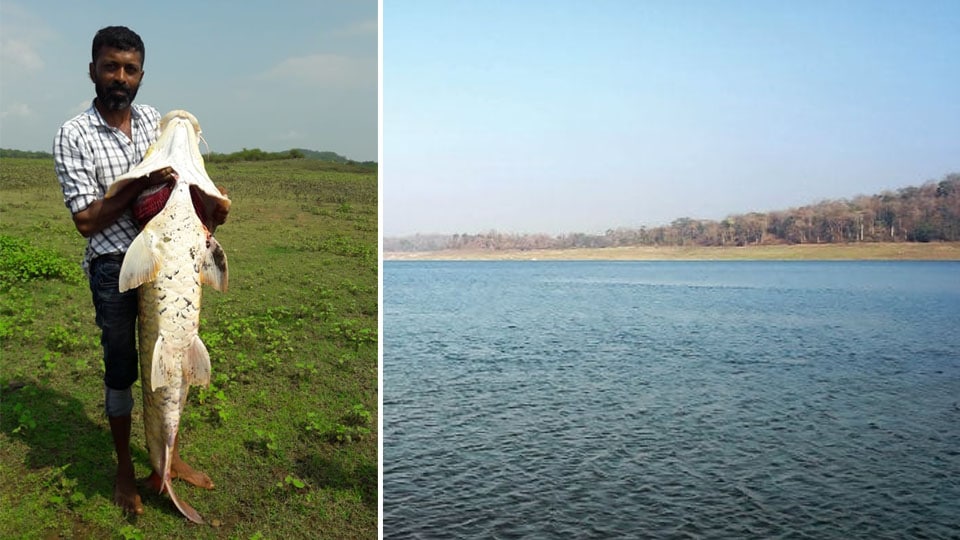
A group of youths who were fishing at Harangi backwaters in Kodagu District this morning were in for a pleasant surprise as they caught a giant fish that weighed 38 kgs. The fish was caught with the traditional method of fishing rod and angler.
The fish, Catla variety, was caught at Nakoor village along the Harangi backwaters by Preveesh, who then uploaded the same on his Facebook page. He said that though he was hoping for a good catch he did not expect this big a catch. Earlier too he had caught giant Catlas but this particular fish was his biggest catch. Today’s fish was sold at the local market.
Due to lockdown and lack of activities, there is a lot of fishing going on in the Harangi backwaters where youths come in many groups to fish. Typically, the fishing activity starts early in the morning and ends at around 11 pm. Local villagers from Nakoor, Shirangala, Suntikoppa, Hosathota, Kusboor and Madapura come to the backwaters to fish on the 5.6 km Harangi River stretch from the Harangi Dam to Koodige Bridge.
Traditional fishing is being held from many years in the backwaters of Harangi, which spreads over 1,886 hectares in area. Lakhs of fingerlings are released into the reservoir every year.
Some innovative villagers have even dug up irrigation ponds in the backwaters to supply water in summer to their fields. When the water storage is high at the Harangi Reservoir, these irrigation ponds get filled and submerge and when the water at the dam recedes, these ponds are full of water and fish.
Varieties of fish, including Mahseer, Catla and Rohu are released to Harangi every year and along with these, fingerlings procured from Kabini and Bhadra reservoirs are being provided to farmers at subsidised costs. Many families in this belt depend on fishing for their livelihood.
source: http://www.starofmysore.com / Star of Mysore / Home> News . April 29th, 2020
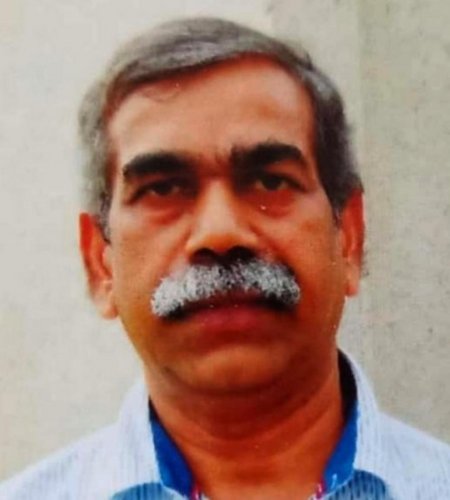
T P Shivaiah, who was serving as Deputy Conservator of Forests of Madikeri Wildlife Division, passed away on Friday. He was 59.
He had suffered a heart attack on April 19 and was admitted to a hospital in Mysuru. However, he did not respond to the treatment and breathed his last on Friday morning.
The final rites were performed with state honours at his native place in Bidalli village in Somvarpet taluk on Friday evening.
Deputy Commissioner Annies Kanmani Joy, CCF Hirelal, DCF Prabhakaran, Nagarahole DCF Mahesh Kumar, Virajpet DCF Shivashankar and other paid their respects to the departed soul.
Shivaiah is survived by wife, a son and a daughter. Both of his children could not take part in the last rites as son is based in USA and daughter in Australia.
source: http://www.deccanherald.com / Deccan Herald / Home> State> Mangaluru / by DHNS, Somwarpet / April 24th, 2020
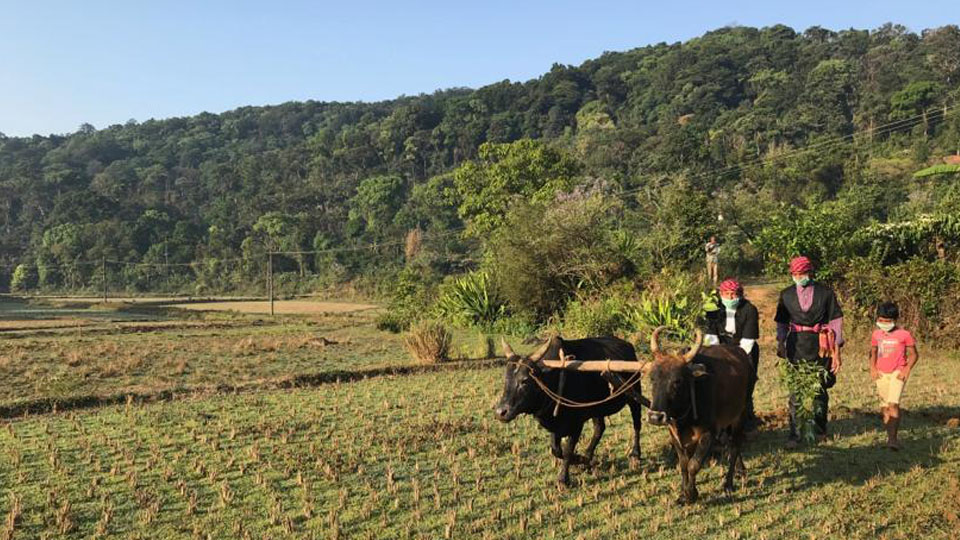
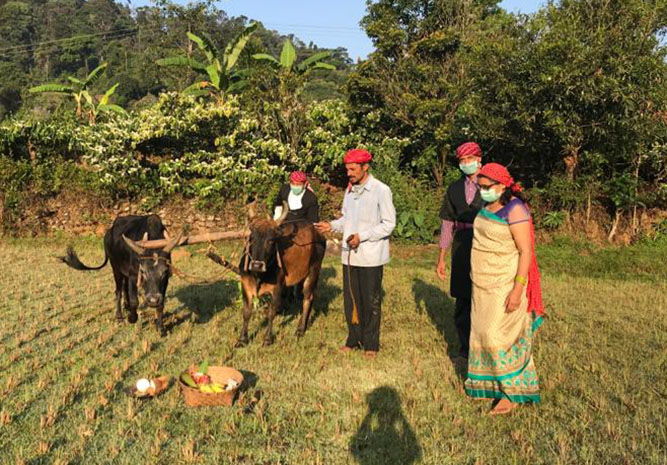
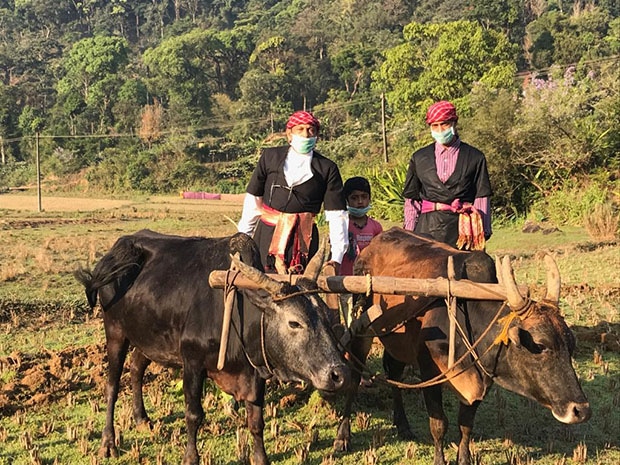
Codava National Council (CNC), which is aspiring for Codavaland Geo-Political Autonomy and ST tag for Kodava tribalism, celebrated its 26th Annual Codava (Kodava) New Year Day Edmyar-1 as per Kodava tribal almanac by ritualistic ploughing of paddy fields.
CNC President N. U. Nachappa offered prayers to Guru-Karonas at Koopadira clan and reverential prayers to Mother Earth, Sun, Moon before two bullocks named Karianna – Kulla, ploughed a few rounds in the wetlands of Koopadira clan.
To herald the unbreakable bondage of Kodava tribal world with mother soil to entire universe, CNC is determined to showcase and display the age-old folkloric cultural traits and genus of Kodava tribal ancestry. In other words, all these ancient festivities enriched the civilisation of Kodava martial tribe.
CNC also prayed for the well-being of all the people of this world that is reeling under the pandemic COVID-19. Koopadira Sabu, Koopadira Mohan Muthanna, Lt. Col. Parvathi, Kompulira Myna Purandara and Koopadira Pranam participated in the celebrations.
Due to Corona pandemic, CNC’s Annual Edmyar-1 evening’s torchlight (pombolak) procession at Gonikoppal, is not being celebrated today. Speaking on the occasion, Nachappa said, “All Codava folkloric festivities and rituals mirror the agro-pastoral commitment, hunting skills and warrior hood of Codava tribal folk from time immemorial which depicts that we are above the tenets of caste and religion who are living in the rustic hills, mountainous terrain in the midst of rivers and rivulets.”
“We are happy that the Founding Father of the Constitution of India, Dr. B. R. Ambedkar’s birthday coincides with Codava New Year. We are ever grateful to Dr. Ambedkar for his yeomen contribution of accommodating space for expressing grievances of micro-minority tribes like Codava tribe,” he observed.
source: http://www.starofmysore.com / Star of Mysore / Home> Covid News / April 14th, 2020
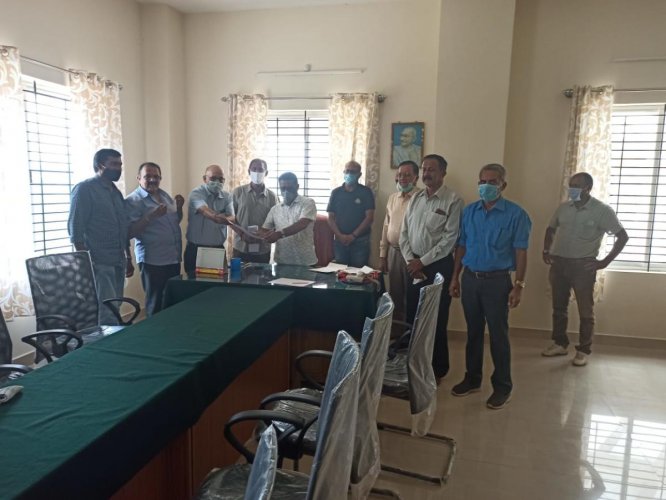
Coorg Wildlife Society (CWS) Hon. Treasurer C.S. Poovaiah, has tendered his resignation from the post over violations of the Society bylaws by certain individuals in CWS.
In his letter to the President of CWS dated Feb. 18, 2020, Poovaiah has stated, “It is with anguish and a heavy heart I am writing this letter to you. As per the bylaw, the Secretary is responsible for administration and approving the bills of CWS and hence prudently has not authorised him to sign cheques on behalf of CWS to avoid conflict of interest. The bylaw authorises only the President or the Executive Vice-President and Hon. Treasurer to sign cheques (the signature of the Treasurer is mandatory) to prevent any financial fraud.”
Continuing, he has stated that the malafide approval given at the AGM to pay Rs. 90,000 to Col. C.P. Muthanna, former CWS President, towards his lawyer’s fees for his personal Public Interest Litigation (PIL) filed in the High Court much against the written disapproval of such payments by the auditors shows favouritism and cronyism.
Poovaiah said that the urgency in which the cheque for Rs. 90,000 was given to Col. Muthanna within a few hours after the AGM, without preparing the minutes of the AGM and without consulting the Treasurer and without obtaining the signature of the Treasurer, is a gross violation of all financial norms and the bylaws of CWS.
Pointing out that his complaint was treated very casually, Poovaiah has stated that CWS is being run as per the whims and fancies of a few individuals in CWS.
source: http://www.starofmysore.com / Star of Mysore / Home> News / March 04th, 2020
WELCOME. If you like what you see "SUBSCRIBE via EMAIL" to receive FREE regular UPDATES.
Read More »