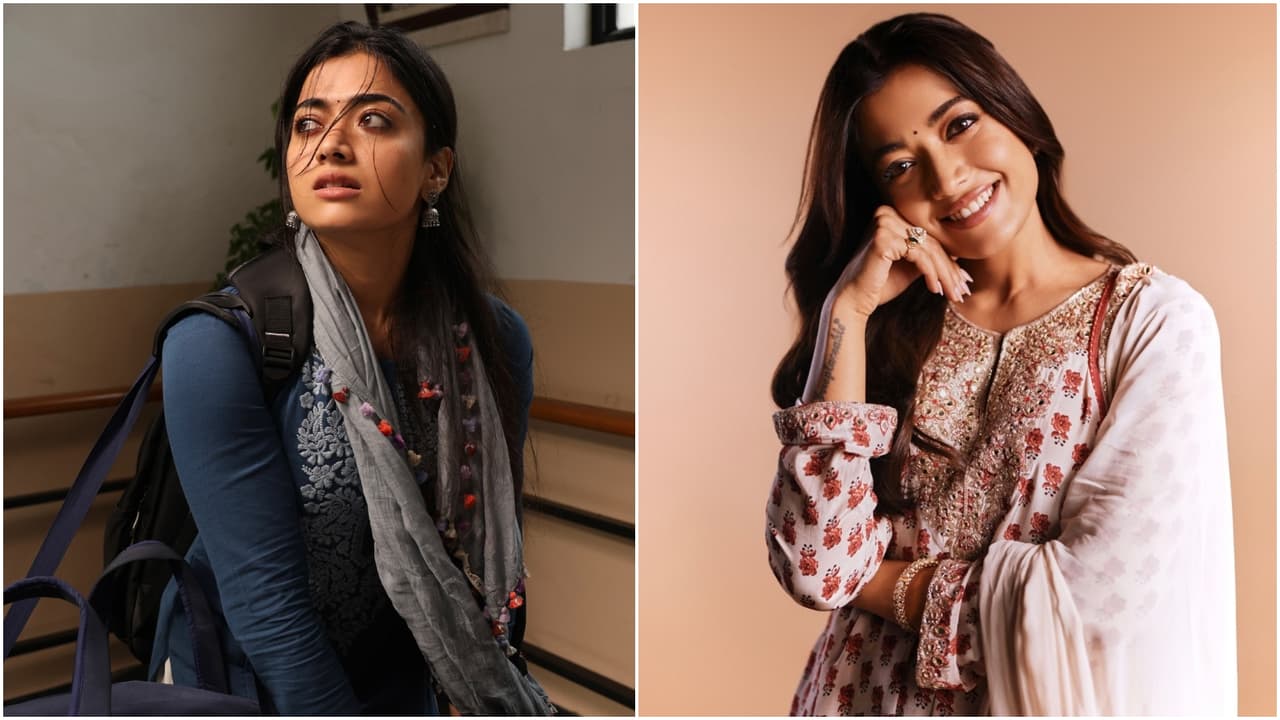
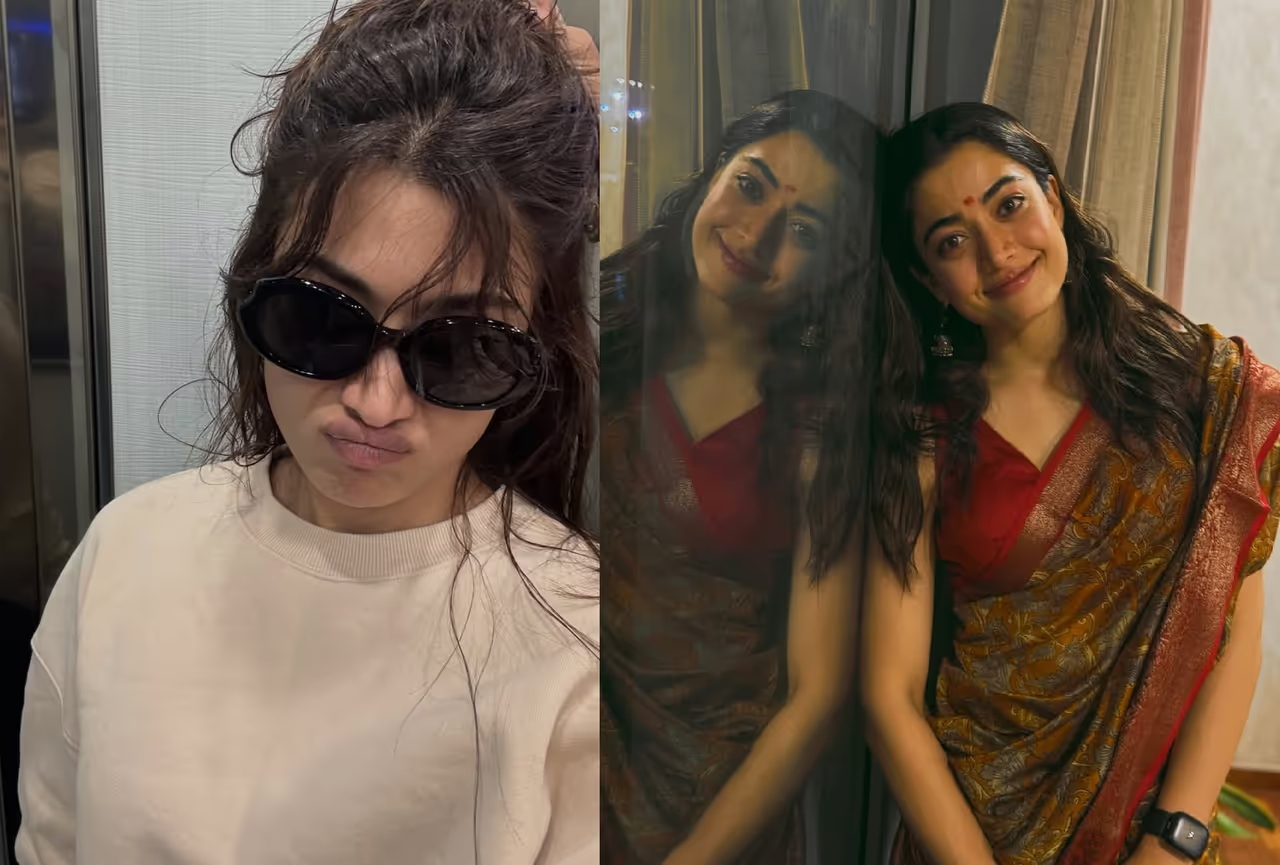
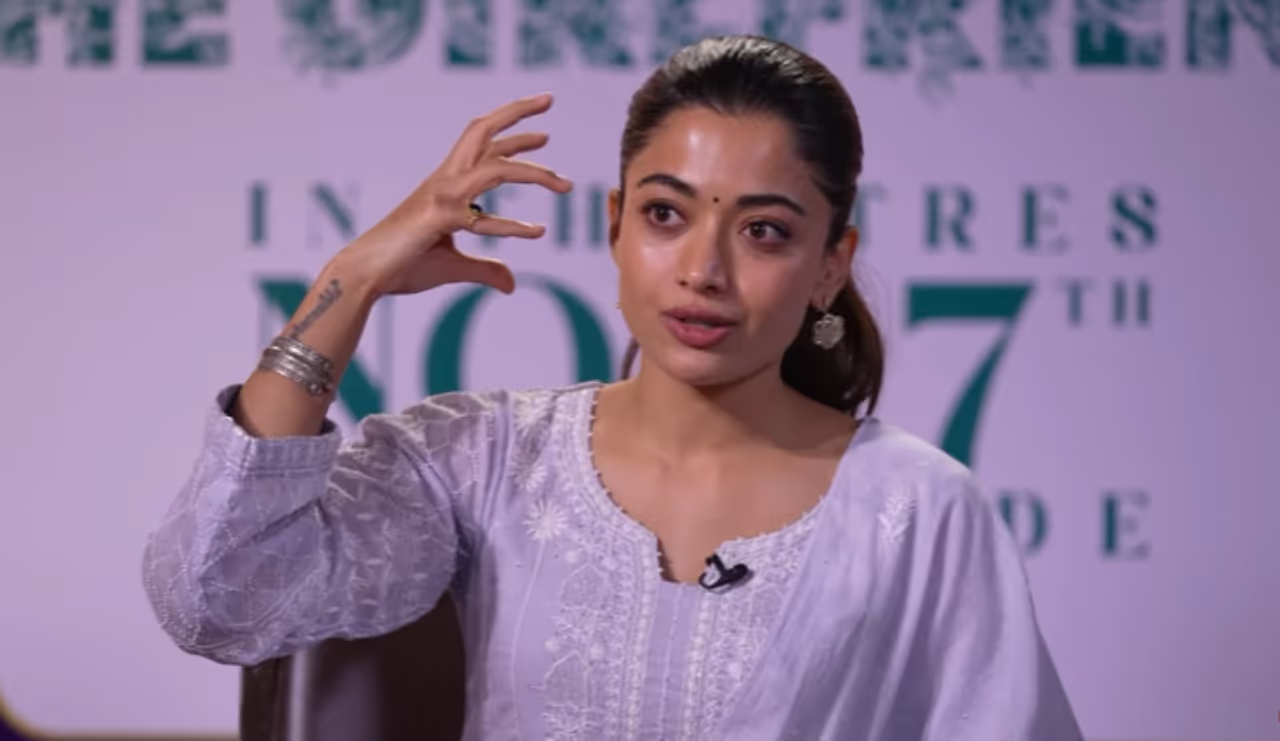
Madan Mandanna, father of Rashmika Mandanna, has stayed away from the spotlight but has always supported her. Here’s everything you need to know about her father and the role he played in her journey.
Image Credit : Instagram
A Pillar of Support
Madan Mandanna, father of actress Rashmika Mandanna, has mostly stayed away from the public eye, but he has been a strong support for his daughter throughout her journey. Born in a Kodava Hindu family in Virajpet, Kodagu, Karnataka, he played a key role in shaping Rashmika’s values and career.
Image Credit : Instagram
Entrepreneurial Roots
Madan is a successful businessman who runs a coffee estate and owns a function hall called Serenity in Virajpet. His work shows the family’s entrepreneurial spirit, long before Rashmika became a household name in films.
image credit : X
Family First
Though he avoids the limelight, Rashmika often credits her father for teaching her important life lessons like hard work, humility, and determination. These values have helped her navigate the challenges of the entertainment industry successfully.
image credit : Instagram
Close-Knit Family
Madan is married to Suman Mandanna, a homemaker. Together, they raised Rashmika and her much younger sister, Shiman Mandanna. Rashmika occasionally shares glimpses of her parents on social media, showing the love and close bond in their family.
From Humble Beginnings to Stardom
Despite her fame as a pan-India actress, Rashmika often reflects on her modest upbringing. Her family faced financial struggles, but Madan’s guidance and support were crucial in helping her rise from Virajpet to becoming one of India’s most popular and loved stars.
source: http://www.newsable.asianetnews.com / Asianet News / Home> English> Entertainment / by Nancy Tiwari / March 05th, 2026
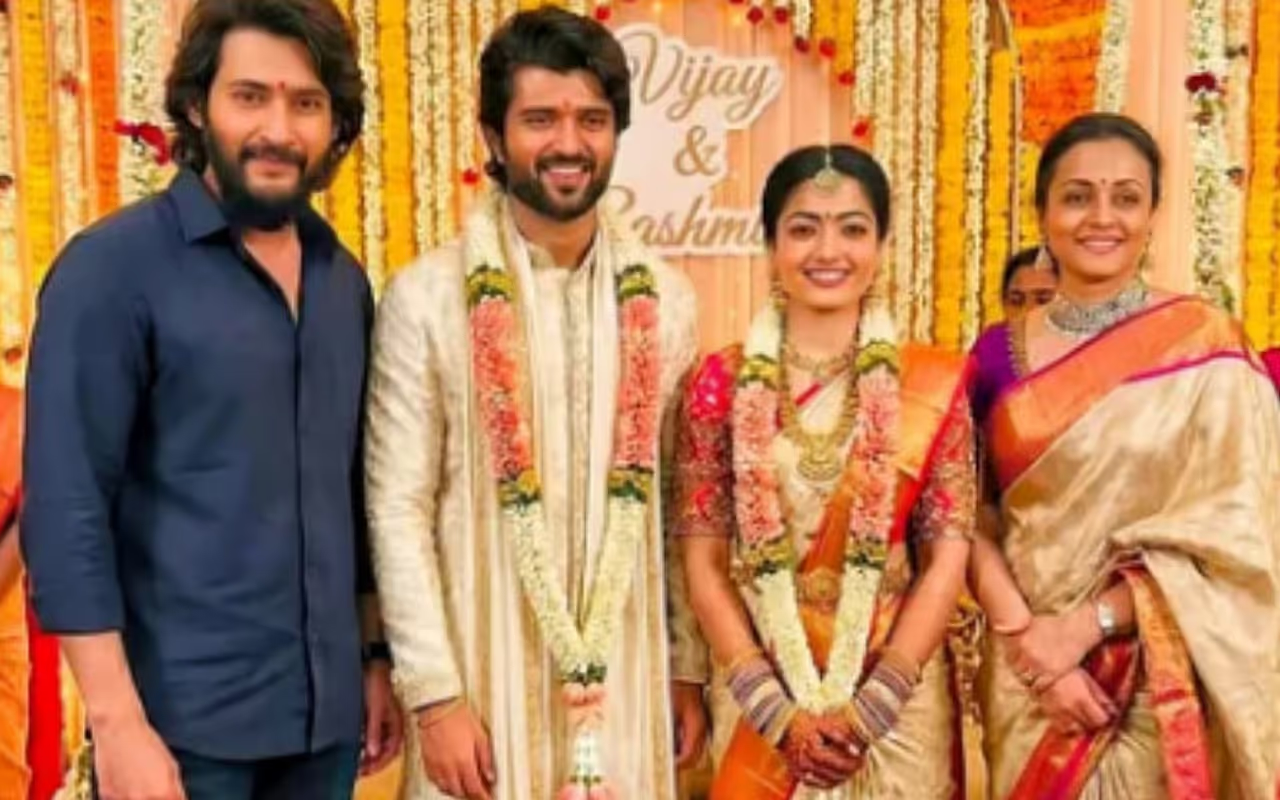
Inside Vijay Deverakonda and Rashmika Mandanna’s Kodava wedding: traditional Coorgi outfits to groom’s ritual shave and bath and bride’s ‘bale iduva’ ceremony.
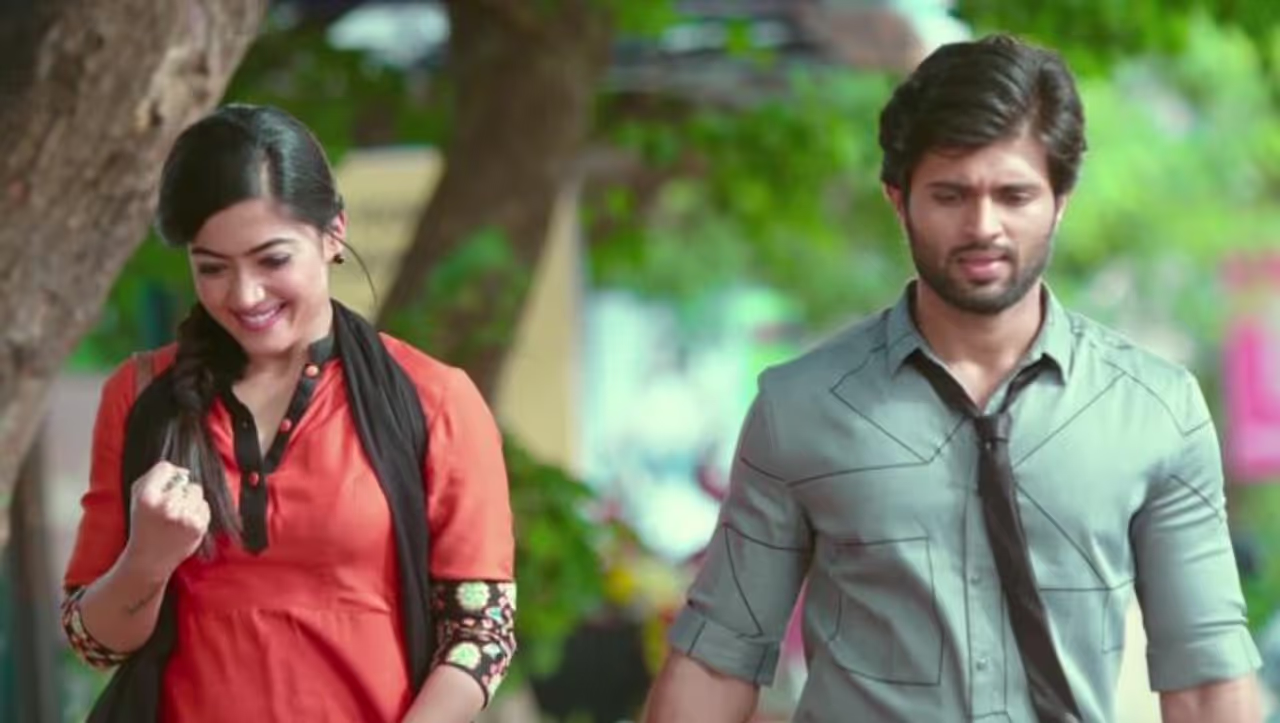
Rashmika Mandanna and Vijay Deverakonda’s second wedding ceremony was all about traditional Coorgi rituals. (Couple in a still from Dear Comrade)
Following a morning ceremony steeped in Telugu traditions, actors Rashmika Mandanna and Vijay Deverakonda chose to celebrate the second leg of their wedding on February 26 by honouring Rashmika’s heritage with a traditional Kodava wedding.
While the morning belonged to the groom’s culture, the afternoon and evening shifted to the lush wedding traditions of Coorg (Kodagu). Distinct from typical Hindu ceremonies, a Kodava wedding is a unique cultural experience centred around ancestors, nature, and community rather than Vedic rituals or a priest.
The preparation: Oorkuduvo
As per Kodavaclan.com’s blog, the festivities begin with the Oorkuduvo, where both families gather to prepare the wedding venue. This involves the ritualistic cutting of vegetables and pork — a staple of Kodava feasts — and the construction of the five-legged pandhaal (pendal). Interestingly, one pillar of this structure must come from a ‘milk-producing tree’, topped with jackfruit leaves and adorned with mango leaf swags. This structure remains standing for several days following the nuptials as a symbol of the new union.
Wedding attire of Coorgi ceremony
The couple look striking in traditional Coorgi garb: the groom dons a white kupya (a long tunic-style coat), cinched with a red-and-gold silk chele (waistband). He carries the peeche kathi (traditional dagger) and wears a peta (turban). The bride wears a vibrant silk saree, draped in the famous Kodava style — pleats tucked at the back and the vastra (headscarf) elegantly tied at the nape of her neck.
Key rituals: From bales to baale kethuvadh
The ceremony features several deeply symbolic rituals that define the warrior-tribe heritage of the Kodava
1. Before the main event, the groom undergoes a ritual shave where milk is applied to his face using blades of grass. Following this, he is given a ritual bath by his mother and two married women, symbolising purification.
2. The bride participates in the bale iduva, where a traditional bangle seller places coloured glass bangles on her wrists. Per custom, at least one pair of black bangles is included to ward off the evil eye.
3. In one of the most spirited displays of the day, the maternal uncles of the couple perform the baale kethuvadh. This involves cutting through nine banana stems with a single stroke of the odikathi (warrior knife), followed by a joyful dance to the beats of the valaga (traditional music).
The main wedding ceremony
The core of the wedding, the dampathi muhurtha, takes place on a decorated dais. Unlike most Indian weddings, there is no agni (fire) or pheras. Instead the couple sit on mukkalis (three-legged stools). Elders and family members shower them with rice and blessings. The groom offers his bride a sip of milk and presents her with cheela pana (a bag of coins). The ceremony concludes with the exchange of garlands and the groom helping his bride to her feet.
The final rituals
The celebration isn’t without a bit of drama and humour. During the batte thadpo, the bride’s cousin playfully blocks the couple’s path, jokingly claiming the groom should have married her. They can pass only after the groom’s side offers a gold coin as a guarantee of her well-being.
The day concludes with the Ganga pooje (Neer Edpo). The bride carries pots of water from a well while balancing on a thombuda (head-rest), taking small, rhythmic steps as the groom’s family dance around her. This symbolises her integration into her new household and her strength in managing her future responsibilities.The double-ceremony day ends with the kombarek kootuvo, where the groom officially welcomes the bride to their private quarters, gifts her a gold wedding band, and the two seek final blessings as a wedded couple.
Note to readers: This report is based on user-generated content. HT.com has not independently verified the claims and does not endorse them.
This article is for informational purposes only.
source: http://www.hindustantimes.com / Hindustan Times / Home / by Sanya Panwar / February 26th, 2026
Inclusion of Kodava language in the Eighth Schedule will provide legal, cultural, and educational benefits to the Kodava community.
CNC members stage a protest in front of the deputy commissioner’s office in Madikeri on Saturday. / Credit: DH Photo
Madikeri:
Marking International Mother Language Day, leaders of the Codava National Council (CNC) staged a protest in front of the Deputy Commissioner’s office here on Saturday, demanding that Kodava language be included in the Eighth Schedule of the Constitution.
CNC President N U Nachappa placed several demands, including the inclusion of Kodava Thakk in the Eighth Schedule as recommended in the report of the Commission headed by noted linguist Pandit Dr Sitakant Mahapatra.
He urged that on the lines of Konkani language model and similar to the proposal for Tulu, Kodava be declared an official language of the state under Articles 345 and 347 of the Constitution, and implemented in administration and education under Article 350.
Inclusion of Kodava language in the Eighth Schedule will provide legal, cultural, and educational benefits to the Kodava community. Official recognition by the Central government will enhance the language’s prestige and prevent it from being treated merely as a dialect. It would also facilitate the introduction of Kodava as a medium of instruction in school curricula.
He also alleged that the names of local Kodava folk villages, hamlets, and even festivals have been altered into Kannada, distorting them. This, he said, reflects disregard for Kodava heritage and uniqueness and amounts to a violation of human rights.
A memorandum was submitted to the government through DC S J Somashekar on the occasion.
source: http://www.deccanherald.com / Deccan Herald / Home> India> Karnataka / by DHNS / February 22nd, 2026
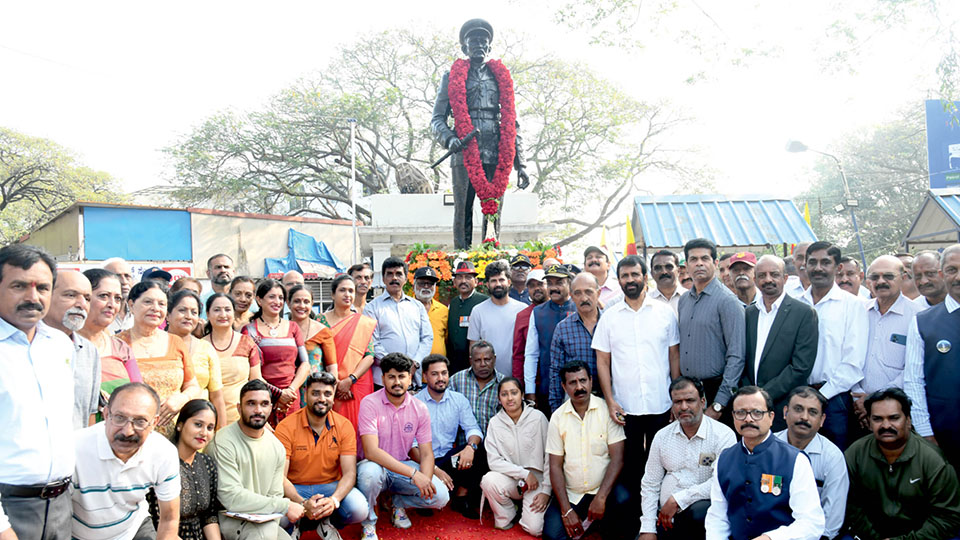
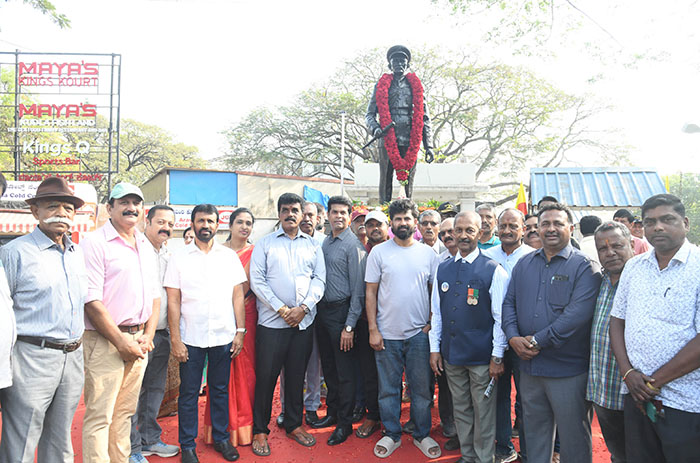
Kodava Samaja, Mysuru, along with the Field Marshal Kodandera M. Cariappa Fans’ Association, Mysuru, celebrated the 127th birth anniversary of Field Marshal K.M. Cariappa.
The programme was organised in front of the statue of Field Marshal Cariappa at the Field Marshal K.M. Cariappa Circle (Metropole Circle) on Vinoba Road this morning.
Former MP Prathap Simha offered floral tributes to the statue and said that celebrating the 127th birth anniversary of Field Marshal Cariappa is a matter of great pride for society. His contributions and valour have earned him immense respect across the nation. Kodagu’s contribution to the country is unparalleled.
He added that no other land could produce patriots and warriors like those from Kodagu. “Patriotism has grown there as a tradition. Though the Kodava community is small, its service to the Armed Forces is immense. It is a privilege for our land to cherish the memory of a leader like Field Marshal Cariappa, born in such a tradition,” he said.
World War II, freedom struggle
Field Marshal Cariappa’s service during World War II and the freedom struggle was exemplary to the world. The rank of Field Marshal is the highest in the Indian Army and it is a matter of pride not only for the Kodava community but also for Karnataka.
“He may not have received the Bharat Ratna, but he was honoured with the rank of Field Marshal,” Simha remarked. He further noted that Cariappa, along with General Kodandera S. Thimayya, gave democratic India a strong shape and direction.
“Even today, the Kodava community has contributed more than 30 Lieutenant Colonels to the Indian Army, five captains to Indian hockey and over 60 players to the sport. “For this, the community must feel proud and continue to grow. As the community grows, so will the nation and patriotism,” he said.
Former MLA L. Nagendra noted that it was Field Marshal Cariappa who made the entire world turn its attention towards India.
“He must be remembered every single day. When his statue was to be installed at Metropole Circle, many obstacles arose, but all were overcome and today the statue stands tall, and this is a matter of immense pride. In the coming years, thousands from the community should gather together to celebrate Cariappa’s birth anniversary on a grand scale,” Nagendra said.
The event was attended by former Mayors M.J. Ravikumar & H.N. Srikantaiah, former Corporators Pramila Bharath & Maletira U. Subbaiah, Mysuru Kodava Samaja President Ponjanda A. Ganapathy, Kodava Samaja Cultural and Sports Club President Mukkatira C. Ashok and Field Marshal K.M. Cariappa Fans’ Association President Nayakanda Thimmaiah among others.
source: http://www.starofmysore.com / Star of Mysore / Home> News / January 28th, 2026
The hamlet of Kesarugattu is evoked with tender fidelity: dusty lanes, temple bells, the drawing of water from wells, gossip thick as humidity, and the invisible yet unbreakable lines of caste that arrange bodies and destinies.
Rising Sons
There is something compelling about Indian fiction that returns to the soil — its memory, its violence, and its stubborn hierarchies — placing ordinary lives against the tremors of national transformation. When such fiction is also shaped by a supple, idiomatic use of language, as in Kavery Nambisan, the result is especially resonant: “No fighting the British. We must ask them gently-gently to leave.” “If a robber enters your home, and you request him to leave, by gently-gently leading him to the door, will he go, leaving behind the bag he just filled with your provisions?” The prose carries the cadence and rhythm of Indian speech, anchoring the novel firmly in its linguistic and cultural terrain.
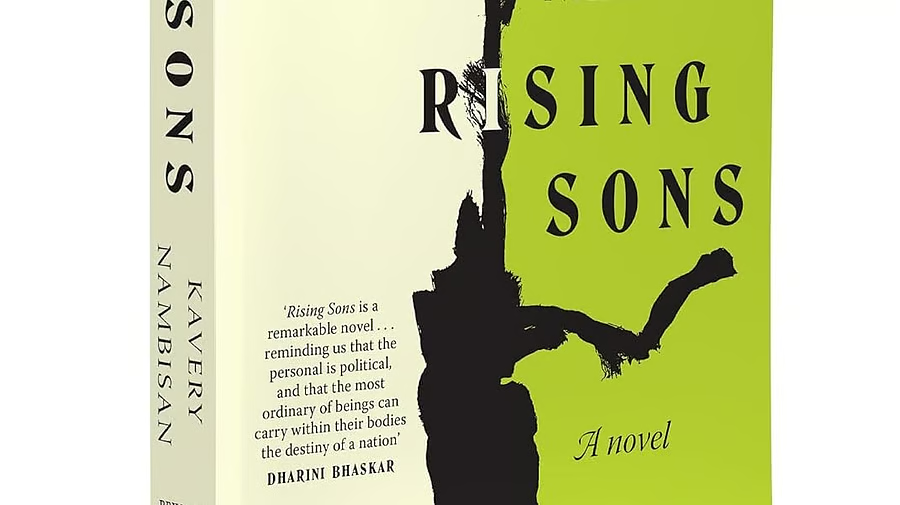
Kavery Nambisan’s Rising Sons, set in a small village near Mysuru between the 1920s and 1940s, is a quiet yet searing account of the making of modern India — not through the grand speeches of history, but through the fragile interiors of a family trapped between caste, patriarchy, shame, and awakening. At the centre is Devaraya, a Brahmin patriarch whose pursuit of wealth and respectability masks deep fragility. His carefully curated identity begins to fissure from the opening line, when he announces — half-proud, half-playful — that he has “two sons and one-and-a-half daughters.” The “half” is Chinni, the adopted daughter whose presence inside a caste-sanctified household is both an affront to orthodoxy and a reminder that affection in such worlds is always conditional. Nambisan builds her narrative on this foundational crack.
The hamlet of Kesarugattu is evoked with tender fidelity: dusty lanes, temple bells, the drawing of water from wells, gossip thick as humidity, and the invisible yet unbreakable lines of caste that arrange bodies and destinies. Colonial rule hums in the background, but the more immediate and intimate oppressor is caste itself. Ancestral dominance and the fear of social humiliation govern every gesture inside and outside Devaraya’s house. Working in a bank as a peon in Mysuru while running a modest money-lending shop back home, Devaraya embodies the dangerous intersection of caste pride and capitalist ambition. His public face projects ritual purity; his private life is riddled with moral compromise. In a paraphrased confrontation, his younger son Anna articulates the novel’s central fracture: you speak of purity, but conceal your own stains — what kind of honour demands lies? It is a quiet but devastating rebellion, marking the first collapse of the old order.
The revelation of Devaraya’s hidden past — one that undermines the very caste purity he venerates — shatters the world he has built. The family collapses under the weight of shame; one son disappears; Devaraya is disgraced and imprisoned; the village that once deferred to him turns away with vindictive satisfaction. Inside the house, silence becomes a weapon. In another paraphrased exchange, Gowru, his long-suffering wife, speaks with restrained fury accumulated over decades: a home built on fear cannot survive a single gust of truth. The line is quiet on the page but detonates through the moral architecture of the novel.
From the family’s ruins, a new consciousness emerges. Anna is drawn into the freedom struggle. His rebellion is both political and personal — a rejection of shame as a mechanism of control. In a moment that captures the novel’s fusion of private and national liberation, Anna tells his father that if the nation must free itself, individuals must first confront older chains than those imposed by the British. Chinni, meanwhile, becomes the emotional heart of the story. Experiencing progressive hearing loss, dismissed by society and bound by deep affection to Anna, she embodies the resilience of the marginalised. Her silence is not weakness; it is resistance.
One of the novel’s notable achievements is its portrayal of how colonial capitalism intersects with caste hierarchy. In a sharply staged scene, a village priest — the former custodian of ritual prestige — visits the lending shop to deposit his money, bargaining for interest with head bowed. Devaraya’s paraphrased reflection is telling: even gods have begun to bow before Mammon. With this, Nambisan captures an India shifting uneasily from spiritual hierarchy to monetary hierarchy, neither offering dignity to the powerless.
Nambisan writes with felicity and restraint. Some readers may find the pace measured, but the emotional intelligence and historical density more than compensate. At a time when conversations around caste are often flattened into slogans or denial, Rising Sons insists on remembering.
source: http://www.deccanherald.com / Deccan Herald / Home> Features> Books / by Gurucharan Gollerkeri / January 18th, 2026
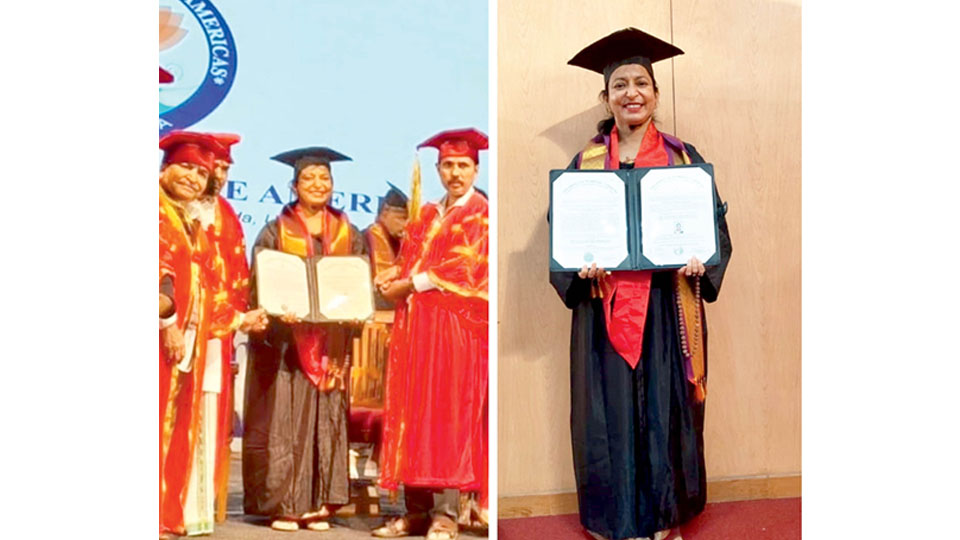
Theetharamada Dr. Devaki (Kollimada) has completed a prestigious Post-Doctoral Research Degree in Commerce from an institution in YUVA University Florida, USA.
She is the only lady from Kodagu to receive this honour in the field of Commerce.
Her post-doctoral study, titled ‘Impact of Yoga Practice on Stress Management Among Higher Secondary School Students in Mysore District,’ explored the effectiveness of structured yoga interventions in reducing stress levels among adolescents.
The research offers valuable insights for educators, policymakers and wellness practitioners, highlighting yoga as a powerful tool for enhancing student well-being.
source: http://www.starofmysore.com / Star of Mysore / Home> News / January 13th, 2025
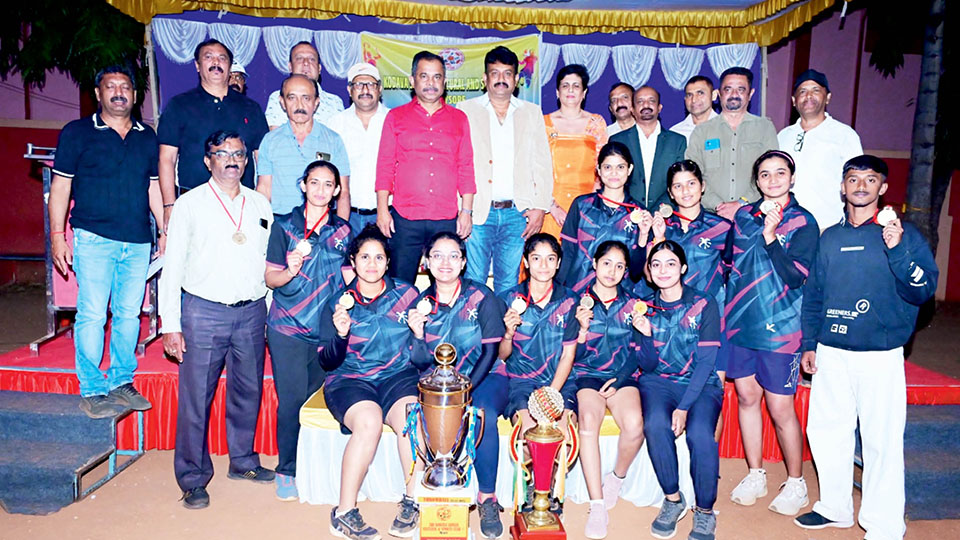
Picture shows the winning team with chief guest Jammada Preeth Aiyanna, Club Vice-President Machanda Prakash Beliappa, Club Special Invitee & Sponsor of the event Kuttimada D. Muthappa, Kodava Samaja Mysuru President Ponjanda Ganapathy, Sree Cauvery Educational Institutions Chairman Chottengada Chengappa, Club office-bearers and Directors.
The Annual Kodava Inter-Sangha Throwball Tournament for women, organised by Kodava Samaja Cultural and Sports Club, Mysuru, was inaugurated by city’s renowned Trekker and Kodava Vibhushana awardee Jammada Preeth Aiyanna.
Totally 9 teams participated and the winners were Sri Iguthappa Kshemabivirdhi Sangha, Hebbal.
source: http://www.starofmysore.com / Star of Mysore / Home> Sports / January 05th, 2026
Rashmika Mandanna has added another remarkable achievement to her name by emerging as the highest taxpayer in Kodagu district, creating pride among locals and fans while proving her success goes far beyond the film industry.
From Kirik Party to National Stardom
Rashmika Mandanna, fondly called the “National Crush,” has come a long way since her breakthrough in the Kannada film Kirik Party. Today, she stands tall as one of India’s most successful actresses, making a strong impact in South cinema and Bollywood with consistent box office successes.
The Rise of a Box Office Queen
With multiple hit films across languages, Rashmika has earned the title of “Box Office Queen.” Her strong screen presence, versatility, and audience connect have made most of her films commercially successful, placing her among the most bankable stars in the Indian film industry today.
Pride of Kodagu District
Hailing from Virajpet in Kodagu district, Rashmika has become a source of immense pride for her hometown. Kodagu has produced several notable personalities, but Rashmika’s achievements have set her apart, elevating her status beyond cinema and making her a standout figure from the region.
Biggest Taxpayer in Kodagu
In a remarkable achievement, Rashmika Mandanna has emerged as the highest income taxpayer in Kodagu district. She has reportedly paid ₹4.69 crore in income tax for three quarters of the current financial year, securing the top position among all taxpayers in the district.
Marriage Buzz Continues
Apart from professional milestones, Rashmika is also in the news for personal reasons. Reports suggest she may soon marry actor Vijay Deverakonda, with rumors pointing to a February 26 wedding in Udaipur. However, no official confirmation has been made by either star yet.
source: http://www.newsable.asianetnews.com / Asianet News, English / Home> Entertainment / by Nancy Tiwari / January 07th, 2025
The year 2025 stands as a defining moment in contemporary literature, marked by voices that combine depth, purpose, and cultural relevance. The three modern literary stars of 2025 represent distinct yet powerful dimensions of today’s literary landscape, spanning spirituality, fiction, and poetry. Through thought leadership, storytelling rooted in lived experience, and emotionally resonant expression, these writers have shaped conversations beyond the page. Their work reflects the evolving spirit of literature in a time that values authenticity, insight, and impact, positioning them as influential figures whose words continue to inspire readers, thinkers, and future generations.
The three modern literary stars of 2025 are:
Dr. M. Soni
Kavery Nambisan
Twisha Ray
DR. M. SONI – Empowering Minds Through Knowledge, Purpose, and Practice
Dr. M. Soni stands among the three modern literary stars of 2025 as a respected soft skills trainer, academician, and spiritual author with more than sixteen years of experience across corporate, academic, and consulting domains. Her work focuses on empowering individuals through leadership development, effective communication, and holistic personal growth. Known for seamlessly blending traditional wisdom with modern relevance, she has trained thousands of learners and professionals, helping them unlock clarity, confidence, and purpose.
As an accomplished author, Dr. Soni has written multiple books on spirituality and has co-authored over three hundred and fifty anthologies, reflecting her wide literary influence and disciplined scholarship. Her deep passion for Indian epics and her keen understanding of human behavior come together powerfully in her latest book, Warrior’s Mindset Soft Skills from Indian Mythology. This work transforms timeless mythological narratives into practical tools for professional and personal success. Her writing speaks equally to students, young professionals, and lifelong learners, awakening the inner warrior through wisdom, discipline, and self mastery.
KAVERY NAMBISAN – A Distinguished Voice in Contemporary Literature
Kavery Nambisan is a celebrated Indian novelist and surgeon whose writing has earned her a prominent place among modern literary stars of 2025. Born in the Kodagu district of Karnataka and trained as a surgeon, she has spent much of her medical career serving rural communities across India while simultaneously building a distinguished literary legacy. Her unique perspective as a medical professional deeply informs her fiction and non-fiction work, giving her narratives both emotional depth and social insight.
Her body of work includes several acclaimed novels that explore diverse themes of identity, culture, gender, and history. Early novels such as The Scent of Pepper and Mango-Coloured Fish depict the lives and traditions of Indian society with rich, evocative detail. On Wings of Butterflies offers a powerful narrative rooted in the women’s movement in India, while The Hills of Angheri draws on her own medical experiences to portray the challenges of life as a doctor. Her later novel The Story That Must Not Be Told was shortlisted for prestigious literary awards including the DSC Prize for South Asian Literature and the Man Asian Literary Prize. A Town Like Ours extends her literary exploration to the complex social dynamics of small town India.
In 2025 she added to her remarkable catalogue with Rising Sons, a deeply reflective novel that traces the historical and social contours of village life in southern India. Beyond fiction, her non-fiction work A Luxury Called Health critically examines the Indian healthcare system while weaving personal medical narratives on ethics and care.
Kavery Nambisan’s contribution to Indian English literature is defined by its narrative strength and cultural resonance. Her ability to blend lived experience with literary sophistication continues to inspire readers worldwide and cements her status as a defining literary voice of her generation.
TWISHA RAY – Where Lyrical Depth Meets Modern Introspection
Twisha Ray has emerged as one of the three modern literary stars of 2025, earning recognition as a powerful poetic storyteller known for emotional authenticity and lyrical precision. Her writing reflects a deep engagement with self identity, transformation, and inner endurance, conveyed through vivid imagery and expressive metaphors. With a meditative approach to language, she captures the complexities of human experience in a manner that feels both intimate and universal.
By 2025, Twisha Ray has continued to expand her literary presence through digital publishing, live poetry sessions, and collaborative creative projects. Her work resonates strongly with readers who seek honesty, reflection, and emotional truth through art. Her growing influence highlights the evolving landscape of contemporary Indian literature, where poetic elegance meets raw emotional depth.
Twisha Ray was recently chosen for the Majestic Pen Award 2025 by Cherry Book Awards in recognition of her lyrical storytelling, emotional clarity, and meaningful contribution to India’s modern poetic movement. Her ability to articulate healing and transformation with aesthetic grace has set her apart as a distinctive literary voice. Representing a new generation of Indian poets, she brings authenticity, vulnerability, and innovation to the forefront, making her a compelling and deserving literary figure of 2025.
source: http://www.hindustanmetro.com / Hindustan Metro / Home> Lifestyle> Brandpost / by Abhishek Kapoor / December 23rd, 2025
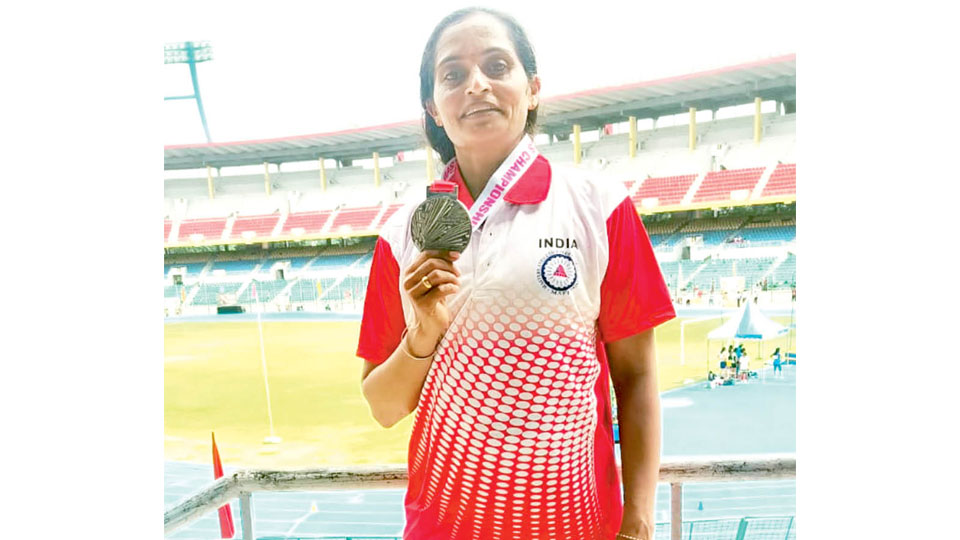
City-based Master Athlete Boppanda Kusuma Bheemaiah has won the silver medal in 800 mts run in 45-plus category at the 23rd Asian Masters Athletics Championship-2025 held at Jawaharlal Nehru Stadium in Chennai recently.
She has also qualified for the World Masters Athletics Championship to be held at Daegu in South Korea in the month of August, 2026.
source: http://www.starofmysore.com / Star of Mysore / Home> Sports / November 13th, 2025
WELCOME. If you like what you see "SUBSCRIBE via EMAIL" to receive FREE regular UPDATES.
Read More »