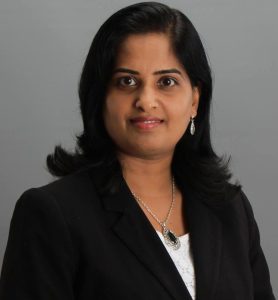
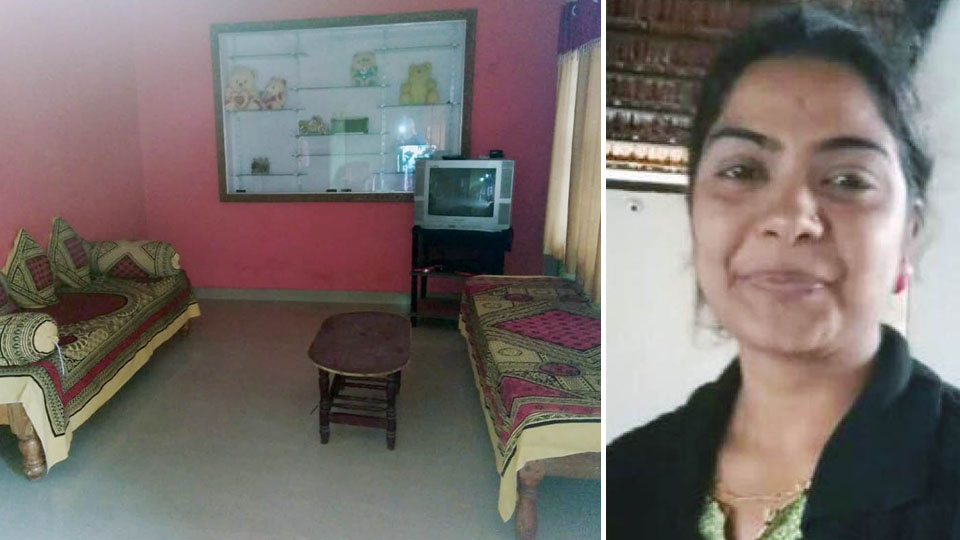
Prathibha has found a way to have a successful business and to help people in the process.
Astaic, Calif. :
Prathibha saw people losing their homes to foreclosure. Not only were they losing their homes, they were losing their futures. Prathibha created a business to help these people.
She buys houses before the bank forecloses on them so the owners can protect their future. She creates a home for a new owner, and the neighborhood gets an upgrade. This helps everyone, including Prathibha who loves combining her passion for interior design with serving people in need.
“My education at AHSD in interior design made it easy for me to visualize, transform and remodel every room I was flipping. And my home staging education helped sell the properties faster!”
Prathibha’s Companies are http://www.iStageElegantInteriors.com and http://www.ReviveProperties.com.
She thanks AHSD and credits Academy owner Kim’s on-going mentoring for her success. For those who have similar aspirations, she believes AHSD is just the ticket. “If you are considering doing one or both these courses as I did, you will have no regrets.
Apart from the knowledge and intense training, the continuing help Kim and her team extend after the program is valuable. It is sure to put you right on the path to success!”
Doing what you love and helping others is how The Academy of Home Staging & Design defines Success. Keep up the great work Prathibha!
source: http://www.virtual-strategy.com / Virtual Strategy Magazine / Home> News> PRWeb> Business / by Kim Kapelluch, The Academy of Home Strategy & Design / November 12th, 2018
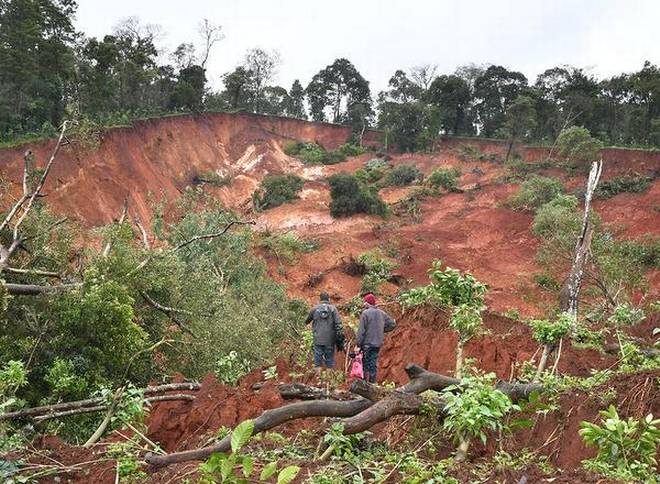
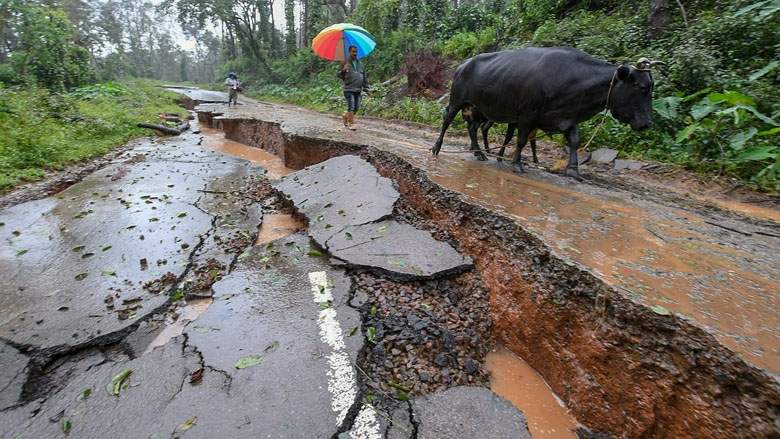
“A forestdepleted Kodagu basin will have reduced capacity to capture and store rainwater.” It is a picture of destruction in Hattihole near Somwarpet, Kodagu, after the floods. | Photo Credit: Sampath Kumar G.P.
Protecting the Kodagu watershed is essential to ensure the water security of three States
We require water for everything: drinking, growing crops, producing electricity and industrial production. With the world population projected to grow to about 10 billion by 2050, according to the United Nations, and with climate change discernible, both the quantity and quality of freshwater will become critical, affecting health, food security, and economic well-being. A 2015 UN report, Water for a Sustainable World, pointed out that the gap between the availability of water and our need for water is only going to increase.
Projects in the river basin
The growing demand on freshwater resources demonstrates the need for sustainable management of water. In this context, projects that are being contemplated, such as the laying of multiple railway tracks in the critical Cauvery river basin in Kodagu district, Karnataka, are not only economically unviable but also ecologically damaging. Mega projects pose a clear threat to the long-term water security of the three States that depend on the Cauvery (Karnataka, Kerala and Tamil Nadu), and exacerbate the threat posed by seasonal droughts and floods.
The Cauvery basin drains an area of about 81,000 sq. km. Originating in Talakaveri, Kodagu, the river irrigates agricultural fields, generates electricity, and provides drinking water to downstream communities across south India. The Cauvery and its tributaries contribute the bulk of water to the Krishna Raja Sagara dam near Mysuru, the primary water source for Bengaluru. However, increasing development pressure from the transportation and construction sectors poses a severe threat to the forests, riverbeds, wildlife and agricultural lands. This March, for the first time in decades, towns such as Virajpet in Kodagu faced a severe shortage of drinking water. The continuing loss of forest cover and illegal sand mining from river beds endanger water and food security for all the downstream communities in the Cauvery basin.
The three proposed railway plans have major implications. One, all the tracks will cut through large swaths of agricultural farms and fields as well as Protected and Reserve Forests that are spread across Kodagu and Mangaluru districts of Karnataka, and Wayanad and Kannur districts of Kerala. Along this sparsely populated area, transportation needs can be met by simply improving existing roads at a fraction of the monetary and ecological cost of the proposed railways. In fact, in its feasibility report of the Mysuru-Thalassery line, the Delhi Metro Rail Corporation stated that the project would not be beneficial to the State. In response to protests by the people of Kodagu in February, the plan to build the Mysuru-Thalassery line was scrapped in March. However, if history is any guide, plans to build the tracks will reemerge in time.
Two, they will affect the Western Ghats, one of the most biodiverse regions on earth. Kodagu has about 45% forest cover and about 30% agroforestry systems (coffee plantations and paddy fields). Between 2013 and 2015, a high-tension power line linking Mysuru and Kozhikode resulted in the loss of about 50,000 trees in Kodagu alone. If the proposed railway lines are constructed, they would conservatively result in tree loss that is 10 times more than this. Forests help capture rainfall, reduce run-off and soil erosion, recharge groundwater aquifers, mitigate flooding, support local communities, and provide refuge for native flora and fauna. Raised railway tracks will also impede wildlife and could result in the deaths of endangered animals such as elephants. Most importantly, a forest-depleted Kodagu basin will have reduced capacity to capture and store rainwater. Even without the railway tracks, a satellite-based report titled India State of Forests 2017 noted that Kodagu lost 102 sq. km. of tree cover in just two years.
Variable monsoon
The Kodagu basin receives heavy rainfall, mainly during the southwest monsoon (June-September), that feeds the Cauvery. However, studies by the Indian Institute of Tropical Meteorology and others, published in the journal Nature, have found evidence for increasingly variable monsoon rainfall. Thus, we can expect to experience more extreme floods as well as droughts in the future. These are scenarios that make preserving forest cover more vital in order to mitigate the collateral effects of these extreme events.
During this year’s southwest monsoon season, Kodagu received twice as much annual rainfall as usual and with greater intensity. This resulted in landslides and floods. A recent study of nearly 5,000 landslides around the world, published in Earth and Space Science News (Eos), has revealed that activities like construction, illegal mining and hill cutting are increasingly responsible for the uptick in fatal landslides, particularly in Asia. It will be hard to claim that the uncontrolled development and forest clearance in the steep slopes of the Western Ghats in recent years has not been a factor in the tragedy that just unfolded in Kodagu, and in the coastal districts of Kerala. With 100-year storms likely to become more frequent as the climate becomes warmer, business as usual is sure to increasingly endanger lives and property.
Erratic monsoon rains can cause flooding, droughts, water and food security. Preserving existing forests in the watershed provides an effective ‘insurance policy’ for reducing the effect of floods and droughts while recharging groundwater across the Cauvery river basin. Nature has reported that diminished access to water resources increases the risk of social unrest, political instability, intensified refugee flows and armed conflicts, even within borders. The variable nature of monsoons makes India one of the most vulnerable regions to water-related disasters associated with climate change and extreme weather events. According to a BBC report, Bengaluru is likely to run out of drinking water in the next decade. Economists should estimate the monetary and human cost of cities like Bengaluru becoming dry, and implement policies focused on achieving and maintaining sustainable water resources.
We are at the start of the UN Decade for Water, which emphasises water security for all. Everyone lives in a watershed, yet water remains a remote concept for those who consume it the most — people, industries and farmers. There are no substitutes for water as the very basis for life. Protecting the Cauvery’s source is essential for the sustained well-being of the entire basin and of the three States that the river nourishes. In fact, good water governance of the nation’s watersheds will be key to its sustainable future. We can begin by saving Cauvery’s cradle.
Bopaiah Biddanda is Professor of Water Resources at the Robert B. Annis Water Resources Institute, U.S.
source: http://www.thehindu.com / The Hindu / Home> Opinion> Comment / by Bopaiah Biddanda / September 24th, 2018
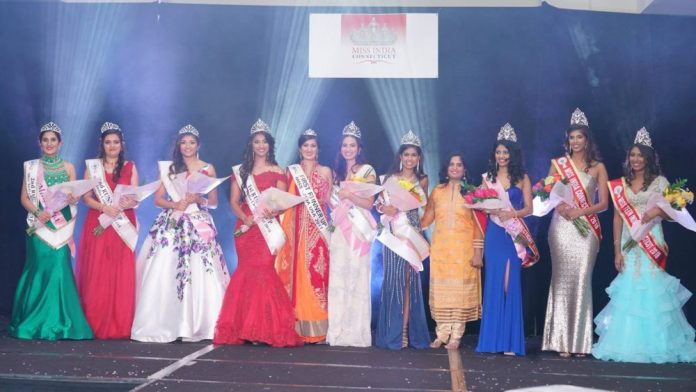
Rekha Gopal – Mrs. India Connecticut 2018 (Left), Alka Marala – Miss India Connecticut 2018 (Middle), Nikitha Kikanamada – Miss Teen India Connecticut 2018 (Right)
Cromwell, Conn.(USA):
Alka Marala has been crowned as Miss India Connecticut 2018. Other winners in the state pageant, which was held last week and directed by Sumathi Narayanan, were: Nikitha Kikanamada, Miss Teen IndiaConnecticut; and Rekha Gopal, Mrs. India Connecticut.
The winners will go on to compete at the national level pageant hosted by Dharmatma Saran, Chairman of IFC, for the title of Miss, Teen, and Mrs. India USA.
Sumathi Narayanan
“We are so proud of the beautiful, talented, and successful women of Connecticut, and we’re excited to see how they further their causes and missions in this upcoming year by using the platform given to them,” said Narayanan, president of Sumathi Narayanan Realty, owner of Swaagat Collections in Shrewsbury, MA, and State Director of Miss India Connecticut Pageant. “We also encourage all women to continue to pursue their dreams and seize these opportunities.”
Miss Marala is a student at University at Buffalo and is currently finishing up her second major. She was elected as vice president of Finance for The Women in Management organization at her university. She is a part of UB Zeal, an inter-college competitive dance team. She is also a Kuchipudi dancer, and is fortunate to have her mother as her guru. She loves to travel the world, try different foods and learn about different cultures.
The Connecticut pageant, which was held on Saturday in Cromwell, CT, was directed by Ms. Narayanan, featuring three categories: Miss, Teen, and Mrs. A total of 23 contestants participated in the pageant and confidently portrayed Indian culture, unique talents, and American pride with grace and elegance.
“The pageant was not just about outer beauty, but also valued inner beauty, intelligence, and ambition of the young women of Connecticut,” Ms. Narayanan said in statement.
State Director Sumathi Narayanan along with all 2018 Winners and 2017 Winner Prachi Shah.
Miss India Connecticut is associated and part of IFC, a pioneer in organizing Indian pageants and fashion shows in USA, and aptly called the ‘Mother of all Indian Pageants in USA.’
The Connecticut pageant event started with an opening dance choreographed by P&P Dance Crew of Connecticut, in which all the contestants performed energetic and graceful introductory dances alongside the reigning Miss India CT 2017 and 1stRunner Up of Miss India USA 2017: Prachi Shah.
The opening dance was then followed by the ethnic wear round, where each contestant proudly displayed their Indian culture. Next was the talent round, in which contestants displayed their talent through dance and musical performances, acting, martial arts, crafts, and even magic shows. The contestants then gave their introduction in the evening gown round. Lastly, the finalists amazed everyone with their wits in the question and answer round.
The judges of the pageant were accomplished patrons of the arts from the New England area. The judges’ panel included: Tirthankar Das, a filmmaker and music composer from New Jersey; Sankar Gangaikondan, a singer and musician; Shaila Verma, Artistic Director of Shaila School of Dance in Massachusetts; Dr. Kavita Pattani, Mrs India USA 2017; and Namita Dodwadkar, Mrs India USA 2014 and Mrs India Worldwide 2016.
The crowned winners of each category are:
Miss India Connecticut – Alka Marala
Miss Teen India Connecticut – Nikitha Kikanamada
Mrs. India Connecticut – Rekha Gopal
1stRunner Ups:
Miss India Connecticut 1stRunner Up – Daman Brar
Miss Teen India Connecticut 1stRunner Up – Archita Mundrathi
Mrs. India Connecticut 1stRunner Up – Vidhi Dave
2ndRunner Ups:
Miss India Connecticut 2ndRunner Up – Radhika Rathore
Miss Teen India Connecticut 2ndRunner Up – Athulya Narayanan
Mrs. India Connecticut 2ndRunner Up – Mamatha Puttaswamy.
Here are some other subtitles given in each category, including Miss/Teen/Mrs. Social Media – Radhika Rathore, Athulya Narayanan, Debashree Rupalin. Miss/Teen/Mrs. Congeniality – Radhika Rathore, Nikitha Kikanamada, Mamatha Puttaswamy. Miss/Teen. Talent – Alka Marala, Athulya Narayanan. Miss/Teen/Mrs. Photogenic – Alka Marala, Dhruvi Patel, Nidhi Sinha and Miss/Teen/Mrs. Viewer’s Choice – Alka Marala, Archita Mundrathi, Mamatha Puttaswamy.
source: http://www.indianewengland.com / India New England News / Home> Lifestyle / by The New England News / September 18th, 2018
The annual Kodava Convention of North America was recently held in Myrtle Beach, SC, also known as the Golf Capital of the World. Over 370 Kodavas gathered at the Double Tree Resort by Hilton in Myrtle Beach, the venue of the grand two-day event.
The festivities began a day in advance with the making and rolling of ‘Kadumbutt’, a traditional rice dumpling eaten in Kodagu. The event was held at the house of Kambeyanda Dr. Ramesh and Dr. Leela. The hosts were Kodavas of Carolinas with support from community members from Pennsylvania, Maryland, Virginia and Georgia.
On the first day of the convention, a variety of games and entertainment events were organised for all age groups while the performers got together (many of them practicing in person for the first time after months of co-ordination over social media). The informal pre-convention had more than 350 guests who let their hair down and partied late into the night.
While talented children like Tarana Mukkatira (violin) and Kanishk Mukkatira (piano) showcased their talent, seasoned performers like Namitha Achchandira enthralled the audience with her dance moves. Besides, there was an impromptu dance performance by 5-year-old Vianca Kallengada with some moral support from Anwita Monnanda that stole the show.
A morning walk was organised as part of the convention which not only promoted health and wellness but also helped raise funds to help the educational needs of economically challenged children in Kodagu. The second day’s main event started with the traditional lighting of the lamp by Dr. Kambeyanda Ramesh and Dr. Leela. Avinash Chottangada did the invocation in chaste Kodava language. A special mention was made about the victims of the recent floods and landslides in Kodagu.
Thaliyathakkibolcha and Baalopaat added the Kodava traditional elements to the event and helped showcase some of the traditions to our younger generation. Aiyappa Kechamada and Aashiq Paruvangada were the masters of the ceremony.
The ceremony started with prayer song by Kallichanda Kaveri from Denver and was followed by multiple cultural events including songs and dances. A quiz competition on Kodagu, its land, people and culture was organised by Nithan Thimmaiah Monnanda.
Gina Konganda, Founder President of Kodava Koota, spoke about the organisation and listed its achievements that include helping the Sri Ramakrishna old age home at Ponnampet in Kodagu, funding the legal expenses to evict illegal settlers in Devakad at Valnoor and planting about 10,000 saplings in Kodagu.
Besides, the first High School Achievement award ($1,000 and a plaque sponsored by Kodava Koota) was presented to Paruvangada Bopaiah, son of Paruvangada Kuttaiah and Pooja. Kodava Koota which has been running a fund-raising campaign to help redevelopment of Kodagu and the affected people leveraged the opportunity to collect money that will be used to assist those affected. Over 50,000 dollars (INR Rs. 35 lakh) have already been collected and more money will be collected for rehabilitation.
Dr. Kuliakanda Sannu and Dr. Nalini, Alemada Geetha Kiran, Mukkatira Naina Udai, Baduvanda Dr. Changumani and Dr. Shobha, Kandera Deepthi Sharath, Kolera Shriti and Tarun, Mandepanda Uthappa, Chendrimada Deepa and Bopanna, Chottangada Rupica and Avinash were in the core team that organised the convention.
Community members of four countries participated in the convention and 27 States in the United States of America were represented. Over 174 Kodava families were present. The next annual convention will be held at Boston.
source: http://www.starofmysore.com / Star of Mysore / Home> News / September 09th, 2018
Tashma Muthappa, an International-level Throwball player who was living in a flood relief camp along with her family has now been rehabilitated. She, along with her parents, will move to a rented accommodation in Madikeri on Monday. Also, Kodagu District Minister S.R. Mahesh has promised her a government job.
It may be recalled that Star of Mysore had published a report on Aug. 30 under the title “Floods shatter sports star’s life in Kodagu.” The report had highlighted the plight of Tashma, who brought laurels to Karnataka and India by winning national and international tournaments. First she was forced to give up her sporting career and take up a data entry job to support her family and second, her house was destroyed in floods and landslides.
Tashma’s house, built just one-and-a-half-years back in Second Monnangeri at Madikeri was washed away and all her medals, certificates and hard-earned money were lost. 23-year-old Tashma was to get married in December but now her wedding has been postponed to April next year as the jewellery worth Rs. 3.5 lakh too were swept away.
Following the publication of the report that was widely shared in social media, help started pouring in to Tashma and her family. They will move to a fully-furnished house at Kannika Layout near Madikeri Race Course Road on Sept. 3. Singapore Kodava Samaja has sponsored Rs. 50,000 to be paid as advance to the house and has also sponsored the monthly rent of Rs. 10,000 for one year.
The Singapore Art of Living team has sponsored utensils, food, fuel and other requirements to the family and Chandrashekar and friends have volunteered to look after the day-to-day needs of the family till it can sustain on its own.
Meeting Tashma, Kodagu District Minister S.R. Mahesh has assured her that he will secure her a government job.
source: http://www.starofmysore.com / Star of Mysore / Home> News / September 01st, 2018
Kodavas, or Coorgis, living and working in the UAE are uniting together to send relief funds and supplies to their loved ones back home.
The Kodava community in the UAE is in a state of worry and panic as incessant rains in their hometown Coorg has destroyed their homes and infrastructure. Ravaged by rain, Coorg, the rural district in Kerala’s neighbouring state Karnataka, has suffered massive landslides.
Kodavas, or Coorgis, living and working in the UAE are uniting together to send relief funds and supplies to their loved ones back home. There are approximately a little over 250 Kodava community people living in the UAE.
Known for its coffee plantations, Coorg has very rugged terrain, making rescue operations a challenge in the district. Furthermore, according to the Kodavas in the UAE, heavy rains are not uncommon in Coorg. “What has shocked us is the landslides. This has caused massive damage to property,” said Shilpa Chinnappa, a Dubai- based marketing professional.
Her home is in a town called Kakkabe, which is 32km away from the central city of Madikeri. “Another problem Coorg is facing is poor connectivity. There is no cell phone range in a vast area across the entire district of Coorg, so it is hard to connect with people, and if they are stuck, they will not be able to communicate,” said Chinnappa. In her case, her father has been charging phone with a car battery. Residents also said that loads of construction debris and muck has settled into residential houses, and cleaning it out would be a challenge.
The community of Coorgis in the UAE are small. “We’ve been connecting with the community over social media, and several individuals have been sending cash relief.”
She added: “The main challenge is getting rescue operations to Coorg. There are no places to land helicopters.”
Given the current situation, the community has requested for drones to sight if anyone needs any help.
Nithin Chand, another Kodava and civil defence employee who has been living in the UAE for a little over three years,said: “Kaveri river is on the right-side of the road near my home. Even though there is a road that separates the home and the river, due to the back flow of water, my house has been completely flooded,” he said.
“Almost all houses in this area are covered. Agriculture and everything in the area have gone for a toss. Fortunately, my parents shifted to a friend’s place.”
He added: “We are sending supplies and cash contributions because they can use the money back home. District administration has started something called the Kodava Relief Fund, and the state government is also working to repair the damage.”
Prakash Chinnappa Choundira, a Dubai-resident since 2002, said: “Since the outbreak of the floods, Coorg has received very little media attention. Small-time vernacular press has covered our plight and the Kodava Samaj in other major cities in Karnataka are working together to help.” Those interested in sending relief funds and supplies to the Kodavas in Coorg can write to volunteers on this email: teamcoorguae@gmail.com.
dhanusha@khaleejtimes.com
source: http://www.khaleejtimes.com / Khaleej Times / Home> Nation> Dubai / by Dhanusha Gokulan – dhanusha@khaleejtimes.com / August 20th, 2018
Team Coorg Muscat with the trophy and the Chief Guest Dr. Marwan Al Juma, President, Al Ahli Sidab Sports Club Supplied phot
Muscat :
Former hockey champions Team Coorg Muscat upset the local favourites UTSC Muscat 3-2 in a thrilling final to lift the 72nd Independence Day of India Cup which was held at the Al Seeb astro turf stadium.
The tournament organised by the Friends of Naqvi Group and Team Coorg Oman in association with Embassy of India and Oman Hockey Association, under the auspices of Chief Guest Dr. Marwan Al Juma, President, Ahli Sidab Sports Club along with Guest of Honour Yousuf Abdullah Al Wahaibi, vice-president, Seeb Club, Dr. Satish Nambiar, chairman, Indian Social Club and Hockey legend veteran S.A.S. Naqvi.
The colourful event saw all four teams namely UTSC Muscat, Team Coorg Muscat, Team Coorg UAE and Sharjah Road Masters clashing with each other in the preliminary round with the top two teams Team Coorg Muscat and UTSC had playing out the final which went into a penalty shootout after the two teams were locked 1-1 at full time.
During the second half of the game UTSC Muscat went on the rampage and converted a perfect goal and it looked like they were on their way to clinch the trophy when Team Coorg Muscat who struggled for an equalizer, saw unexpected lighting move from their star duo Moni-Nani with the former netting an equaliser at the crucial moment. However, with the equalizer came the penalty shootout in which Team Coorg Muscat kept their cool and converted three out of the five goals while, UTSC Muscat managed only two at the end of the game with the score line reading 3-2 in favour of Team Coorg Muscat who finally laid their hands on the trophy.
Team Coorg Oman and Friends of Naqvi Group thanked the Chairman of Seeb Club His Highness Sayyid Shihab bin Tariq Al Said for his great vision, the management and staff of Seeb Club for their support, teams, and the huge gathering that came to witness the wonderful event.
Team Coorg Muscat thanked S.A.S. Naqvi, former technical advisor of Oman Olympic Committee Oman Hockey Association, the sponsors FAP (construction chemicals), Masafi Water and individual sponsors Osama Rawat, Chennappanda Somaiah, Tirta Prasad for their contribution.
During the prize distribution ceremony Team Coorg Muscat honoured S.A.S. Naqvi and Osama Rawat.
source: http://www.timesofoman.com / Times of Oman / Home> Sports / by Times News Service / August 18th, 2018
Hearing Health & Technology Matters (HHTM), an organization bridging the knowledge gaps in treating hearing loss, is proud to celebrate its 7 year anniversary. The HHTM website is a resource for people who share the belief that Hearing Health & Technology Matters!
The editor’s at HHTM strive to provide timely information and lively insights to everyone who cares about hearing loss.
“Being a member of the HHTM writing team for the past 7 years and to see its growth has been exciting. People with hearing loss tell me that learning more about hearing and the view from the professional side has helped them deal better with their personal hearing loss,” said Gael Hannan, editor of the Better Hearing Consumer.
“Hearing Health & Technology Matters has filled a long-needed gap in the hearing healthcare industry; a series of reasoned and thoughtful blogs touching on underlying causes of issues without being constrained by any one ‘party line’,” said Dr. Marshall Chasin, an expert on music and hearing issues and editor of Hear the Music.
CELEBRATING HHTM MILESTONES:
Over the past 12 months, HHTM has exceeded 1 million unique pageviews. Since January 2018, the site has already witnessed greater than 20% growth in visits compared to 2017.
January 2018: Brian Taylor, AuD, was named Editor-In-Chief of HHTM and Amyn Amlani, PhD, was welcomed as new section editor of Hearing Economics.
March 2018: HHTM underwent a significant brand refresh. The website undertook major updates, including a new company logo. This update significantly enhanced the overall performance of the site and user experience.
March 2018: HHTM launched new section, Innovations in Hearing Healthcare, and welcomed new editor, Bopanna B. Ballachanda, PhD.
March 2018: HHTM’s Jane Madell, PhD, editor of Hearing and Kids, and Emmy and Peabody Award-winning director, producer, writer and cinematographer Irene Taylor Brodsky, premiered their documentary The Listening Project on March 9th at the American Cochlear Implant Alliance’s (ACIA) annual scientific meeting in Washington, DC.
“I take great pride in my role of Editor In Chief of the Hearing News Watch at HHTM. We strive to be an independent source of accurate and timely information. Like all credible journalists, our top priority is to inform our readers, who are combination of hearing healthcare professionals and lay-people, with unbiased reporting and thoughtful opinions about topics related to hearing healthcare,” said Dr. Brian Taylor, Editor In Chief.
HHTM articles and reporting have been cited and republished frequently over the last several years by authoritative sources inside and outside the hearing industry, including HHTM news reports cited in the influential “PCAST” report from the Obama Whitehouse in the fall of 2015.
“When I was first invited to work on the blogs, I hardly knew what a blog was… and I am not too sure many of our authors knew either. I had probably been to a blog but did not really know the term for it. It has really been hard work – but lots of fun – to be part of a blog that has gone from zero hits to millions of hits over the past 7 years. I must say, however, that the dedication of our initial investment team, our web site administrator and our authors that spent hours and hours of their time putting together blogs for our site once per week has allowed it to get to where it is today,” said Dr. Robert Traynor, editor of Hearing International.
The editors of Hearing Health & Technology Matters regularly add fresh content, including the latest industry news, so be sure to visit the website regularly for new articles. To view a full list of editors, visit: hearinghealthmatters.org/about-hearing-health-matters.
source: http://www.prweb.com / PR Web / Home> News Center / Tucson, Arizona – April 12th, 2018
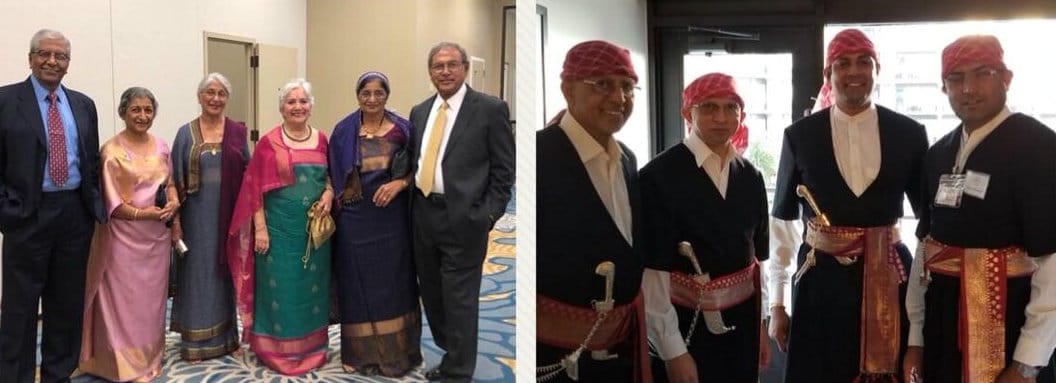
With coffee running in the blood lines of the family the Mother Mirra Group has owned coffee plantations for four generations.
Sundar Subramaniam, executive director of Mother Mirra Group of companies releasing their company product in Coimbatore. (Photo: DC)
Coimbatore:
His family is introduced as the ‘first Asians’ to own a plantation in Asia. Ironically, it took several years and four generations of entrepreneurs of the ‘Mother Mirra Group of Companies’ to foray into retail coffee market.
Speaking to DC, Mr. Sundar Subramaniam executive director of group said, “way back in the 1930s, my great grandfather Mr. PPR. Subramanian Chettiar owned and managed estates in Malaysia at a time when only British and Scots owned coffee plantations. Since then on, my family is in the business of supplying coffee powder and roasted beans from our estates in Coorg to different parts of India. Entering into the domestic filter coffee market is a dream come true for my father Mr. S. Subramanian, who is a third generation entrepreneur of our family.”
With Mirras Coffee the company has entered the domestic filter coffee market. Two options of coffee powder were launched in Coimbatore recently. Mirras Premium blend is a combination of 85 per cent coffee and 15 per cent chicory while the Mirras Gold variant is a combination of 53 per cent coffee and 47 per cent chicory.
Available in 200 grams sachets, for a cost that is affordable, the traditional filter coffee tastes just like home-made coffee, sticking to the tag line of the product ‘idhu namma veetu kaapi’.
The product is available across big and small stores and supermarkets across the city. The firm has a strong dealership network in Tamil Nadu and Puducherry. “We have partnered with 350 dealers across both the regions. In a year’s time we are hopeful of capturing 3.50 per cent to 4 per cent of the filter coffee market,” Mr. Sundar Subramaniam said.
The company already has a strong market hold in the wholesale filter coffee market segment with regular consignments of their coffee powder delivered across India. Karnataka and Tamil Nadu is where the company does thriving business. The coffee is customized for their wholesale clients.
With coffee running in the blood lines of the family the Mother Mirra Group has owned coffee plantations for four generations.
It is home where three generations of employees have worked and it has to its credit more than seven decades of experience of growing and producing coffee powder. At the product launch in the textile city, one-year-old master Shiv Ram Alagappan, the founders’ grandson, gracefully received the first packet of coffee.
source: http://www.deccanchronicle.com / Deccan Chronicle / Home> Nation> In Other News / by Lakshmi L Lund, Deccan Chronicle / April 08th, 2018
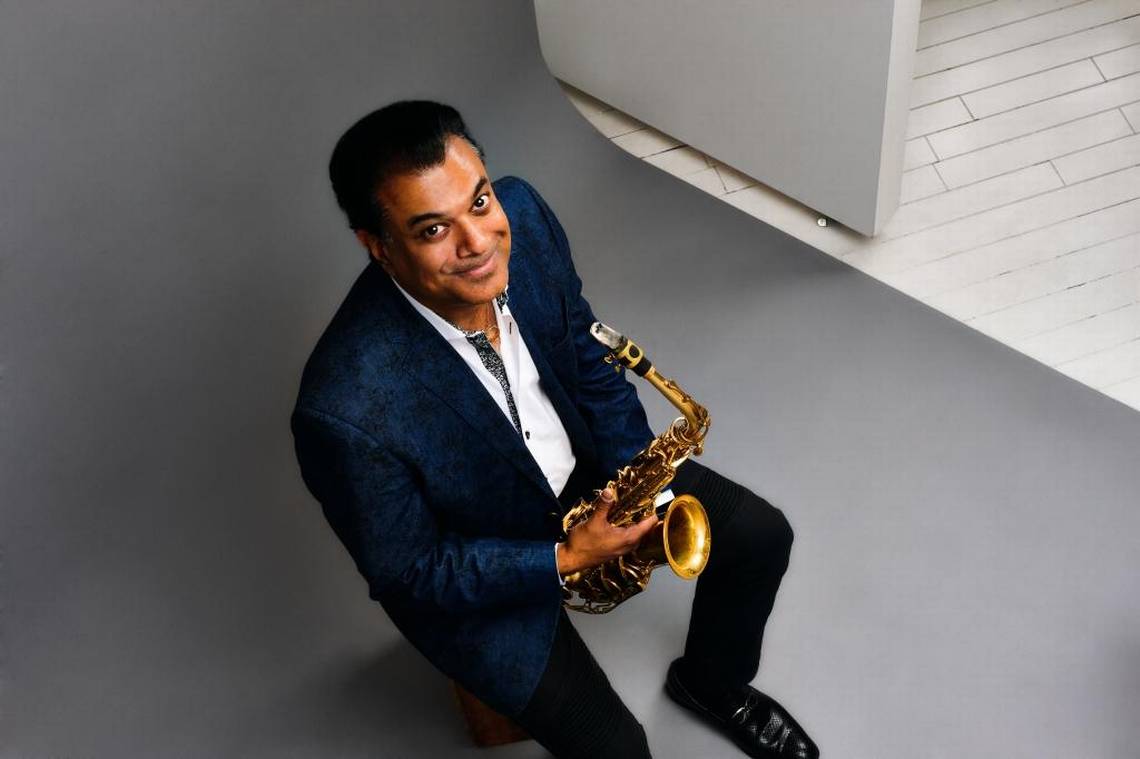
Rudresh Mahanthappa has been named alto saxophonist of the year six out of the last seven years by Downbeat magazine. Ethan Levitas
Rudresh Mahanthappa
Opening: Osland/Dailey Jazztet. 7:30 p.m. Feb. 10. Singletary Center for the Arts Recital Hall, 405 Rose St. $13 public, free in advance to University of Kentucky students. 859-257-4929. Singletarycenter.com, Rudreshm.com.
With each recording he cuts and each band he takes the stage with, Rudresh Mahanthappa reveals different views of a musical persona that can best be described as globally expansive.
In 2015, the composer, educator and bandleader — as well as Alto Saxophonist of the Year, as voted on by Downbeat Magazine’s International Critic’s Poll six out of the last seven years — channeled, dissected and re-assimilated the music of Charlie Parker into an audacious album called “Bird Calls.” Last fall, Mahanthappa followed with “Agrima,” a stylistic turnaround that meshed jazz, Indian classical music and electronics. As he prepares for his Kentucky debut on Saturday, Mahanthappa discussed plans for a future project that involves a straight ahead jazz trio of sax, bass and drums fashioned after Sonny Rollins’s classic 1958 album, “A Night at the Village Vanguard.”
“Look at my discography, and you will see every album is different,” Mahanthappa said. “Almost every album has a completely different band, so I’m always trying to shake things up for myself and change the vehicle as much as I can. My musical personality stays the same, I guess, but different scenarios bring different things out of me.”
I KNEW EVERY TRACK WITH A SAXOPHONE SOLO THAT WAS BEING PLAYED ON TOP 40 RADIO, WHETHER IT WAS MEN AT WORK OR SUPERTRAMP OR THE SAX SOLOS ON SPRINGSTEEN RECORDS.
Mahanthappa’s personal history is as culturally rich and varied as his music. Born in Italy to Indian parents, he grew up in Boulder, Colorado, initially absorbing the pop sounds of Grover Washington Jr. and David Sanborn on the radio before cutting his teeth in area jazz and even Dixieland bands.
“I knew every track with a saxophone solo that was being played on Top 40 radio, whether it was Men at Work or Supertramp or the sax solos on (Bruce) Springsteen records. I learned them all. That was my first kind of ear training, trying to learn by holding my mono tape recorder up to the radio so I could learn the saxophone solos.
“The players in the Boulder bands were all twice my age, but they took me in. I was butchering Charlie Parker solos, but people gave me a chance. Those experiences were really important. It was the welcoming aspect that really mattered. I felt like I belonged someplace. Not that I didn’t belong in my family. It was just a way to really be a musician with other musicians.”
Curiously, Mahanthappa’s exploration of his Indian heritage came much later in his decidedly American upbringing.
“The elements of Indian music came from a place of trying to engage my ancestry in a way that was really meaningful. I don’t speak my parents’ language. I didn’t grow up around any other Indian families. Beyond the limits of my immediate household, I was figuring out how to create an Indian-American culture on my own and with my brothers. For me, in particular, music was the most effective way of describing that, defining that and communicating that. I feel a lot of the music I play is a by-product of me getting to know myself.”
IT’S NICE TO GO TO THESE PLACES I’VE NEVER BEEN BEFORE AND PLAY WITH THE LOCALS WHO HAVE DEVELOPED A REAL SCENE IN THEIR PART OF THE COUNTRY.
Today, Mahanthappa’s heralded career is balanced with duties as the head of jazz studies at Princeton University. That ties in to his performance on Saturday at the Singletary Center, where he will team with University of Kentucky jazz pros Miles Osland and Raleigh Dailey in their Jazztet.
“It’s nice to go to these places I’ve never been before and play with the locals who have developed a real scene in their part of the country. I think it’s very important to the relevance of this music to engage as many of the communities as possible and not just show up to do the gig and take off. There’s a lot more to it than that.”
source: http://www.kentucky.com / Lexgo – Kentucky.com – Lexington Herald Leader / Home> Music News & Reviews / by Walter Tunis, Contributing Music Critic / February 07th, 2018
WELCOME. If you like what you see "SUBSCRIBE via EMAIL" to receive FREE regular UPDATES.
Read More »