source:http:/www.tandfonline.com / August 1990

source:http:/www.tandfonline.com / August 1990
Obituary.

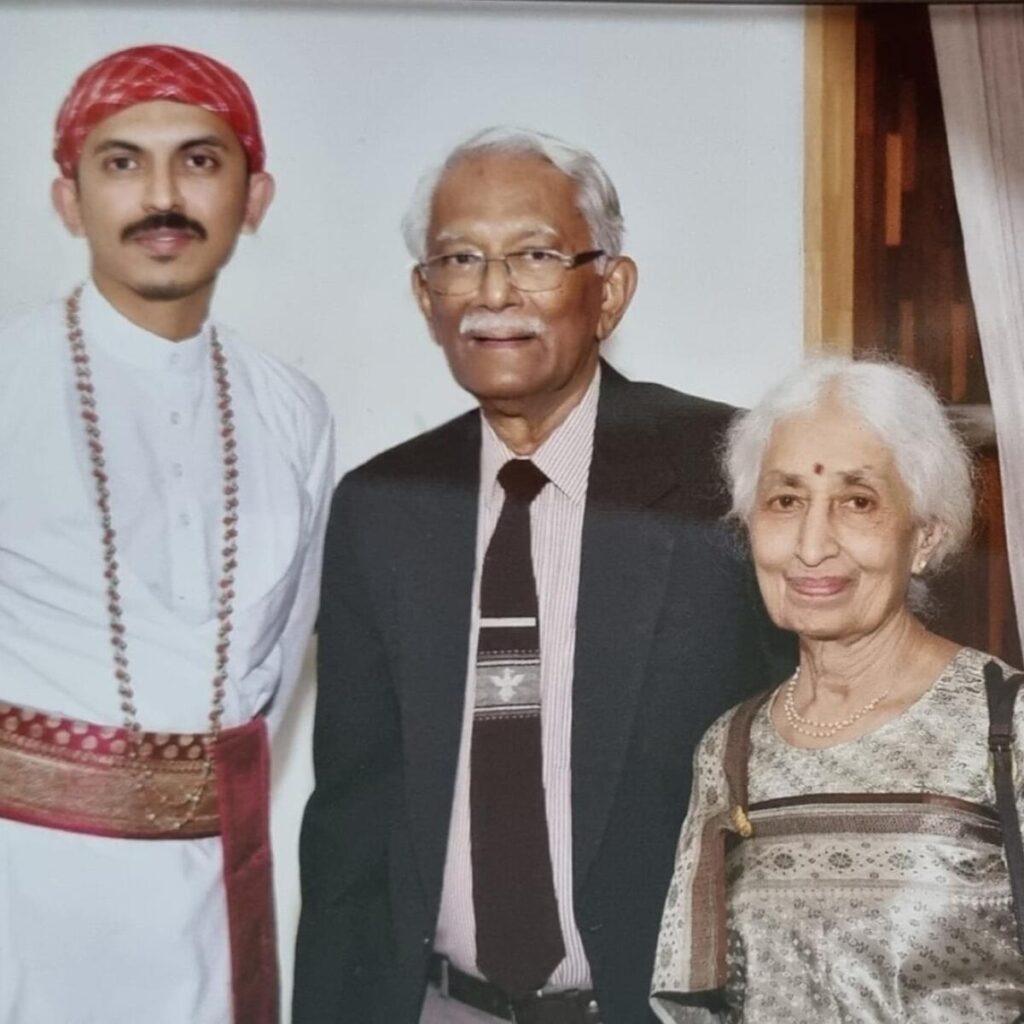
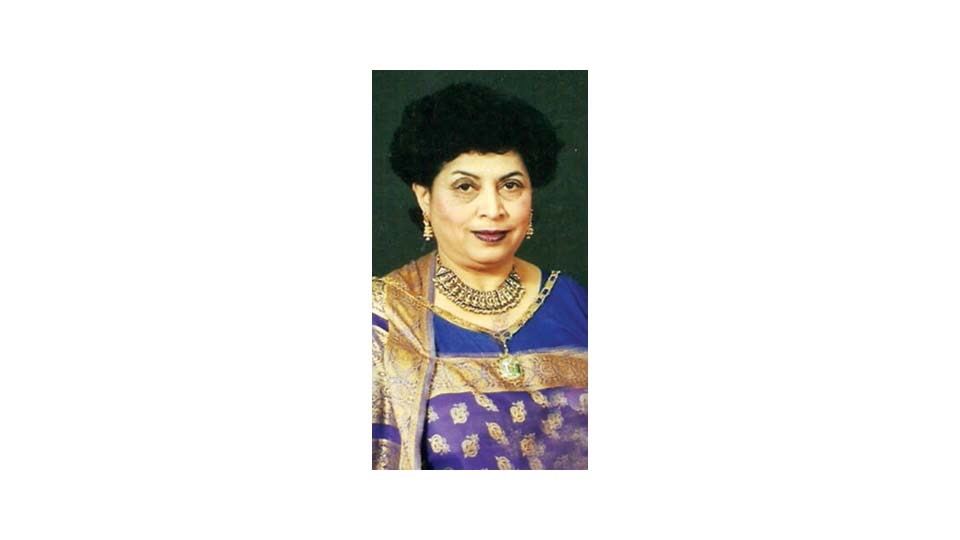
Keekira Naila Thammaiah (Kuttanda), wife of late Keekira A. Thammaiah (Thammi), who was the first Asian Mayor of Harrow, London, passed away this morning in London, UK.
She was 78.
She leaves behind her son Ponnu, daughter-in-law Sunali and grandsons Adit and Alok.
Funeral service will be held at London, according to family sources.
source: http://www.starofmysore.com / Star of Mysore / Home> Obiturary / December 10th, 2022

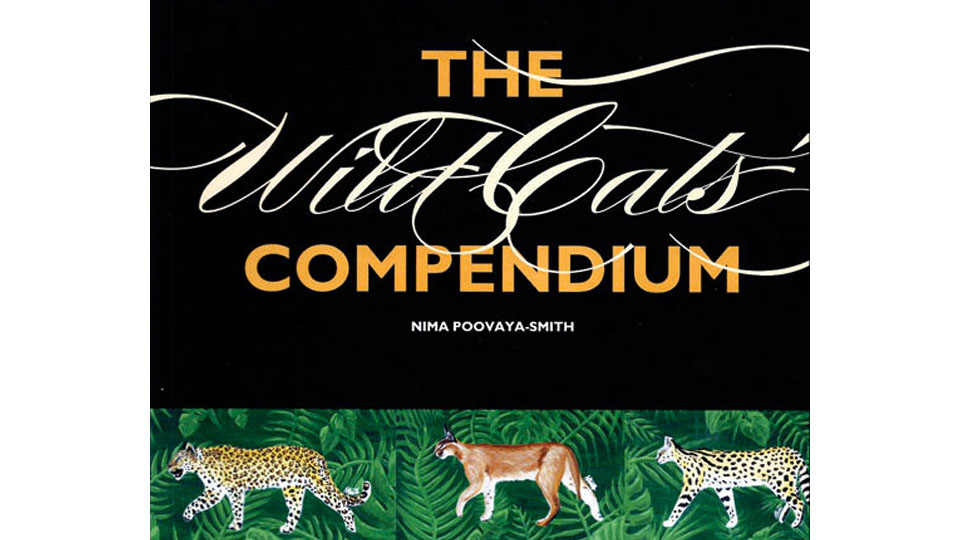
Title : The Wild Cat’s Compendium / Author : Dr. Nima Poovaya Smith /Year : 2022 /Pages : 51 /Price : Rs. 449
(Kindle version)
Publisher: Caracal Publications, United Kingdom
Dr. Nima Poovaya-Smith (parental home Ammanichanda) has just launched a delightful book titled The Wild Cat’s Compendium, which is a collection of 45 brilliantly crafted verses on 45 species of wild cats as well as few of the domestic ones.
Composing poems is an art and Nima excels in succinctly portraying the feline species in all its glory. In a few apt words, the 45 poems read as fluidly as the graceful strides of the cats.
(Read the sample poem.)

Cats of All Tribes
Cats of all tribes major, middling, minor, inlaid menace and glamour, damascened suits of shadow armour.
Your coats boast such stylish motifs. Spots, dots, rosettes, stripes, flecks, spirals.
Draw breath, there is more, of this feline allure. Marbled, banded, clouded, streaked, stippled, brindled.
Your fur a lush canvas for lavish mark-making. Each unique striation etched with precision. Nature’s artful illusion.
The guile of the design, woven into the dapple of sun and shade, dissolving into air without hint or sign.
Seeing you without knowing we do, even when face-to-face. Our deepest, murkiest selves in plain view to that occult feline gaze.

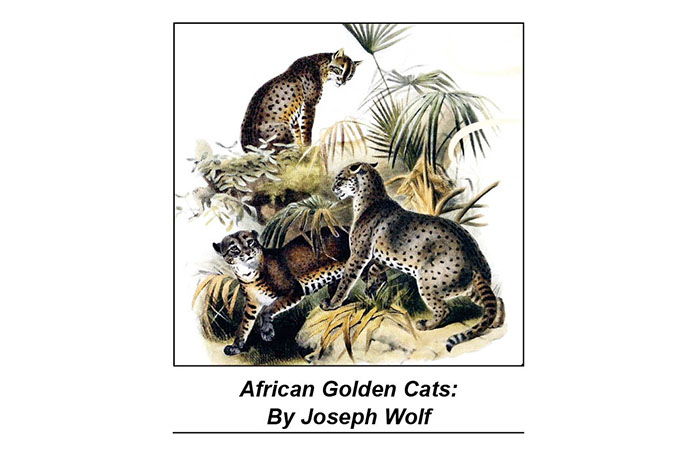
African Golden Cats: By Joseph Wolf
What is remarkable about this compendium is the in-depth research that has gone into the lives, habitat, behaviour, and appearance of each variety of cat. Nima has been working on this book for quite a few years and has packed a great deal of information wonderfully crafted using her treasure trove of highly refined vocabulary. In addition, Nima has woven the grave threats these feline species face in the wild and that their primary detractors belong to the human species. In one of the poems, she has given a consciously chilling recipe for preparing tiger bone wine. Hopefully those who indulge in such shameful practices will realise and shun their superstition-ridden beliefs.
In the Introduction to the book, Nima mentions about her (and mine) maternal grandparents’ home (in Palangala village, Kodagu), where tigers and other wild cats roamed close to human dwellings. During our childhood days we have heard several tiger tales from our shikar-loving uncles. Over the years, those childhood memories have expanded in Nima’s mind to bring out this wonderful collection of poems.
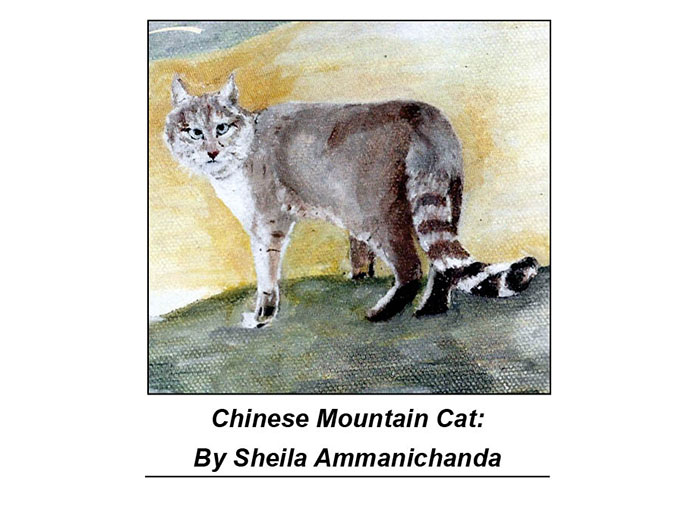
As a bonus, each poem is richly illustrated with paintings by several well-known artists. One of the artists is Nima’s brother Sunil’s wife Sheila, an alumna of CAVA, Mysuru.
Nima earned her Ph.D in English literature from Mysore University under the guidance of Prof. U.R. Ananthamurthy who used to mention that Nima was one of his best students. She went on a scholarship to University of Leeds to pursue her post-doctoral studies. She has been a curator of several museums in the UK. She was awarded the Order of the British Empire (OBE) in 2016 for her contribution in the field of arts and museums. She was appointed as Deputy Lieutenant of West Yorkshire in 2020, which entails interacting with the British royal family.

Chinese Mountain Cat: By Sheila Ammanichanda
Currently Nima is a Senior Visiting Research Fellow, School of Fine Art, History of Art and Cultural Studies, University of Leeds.
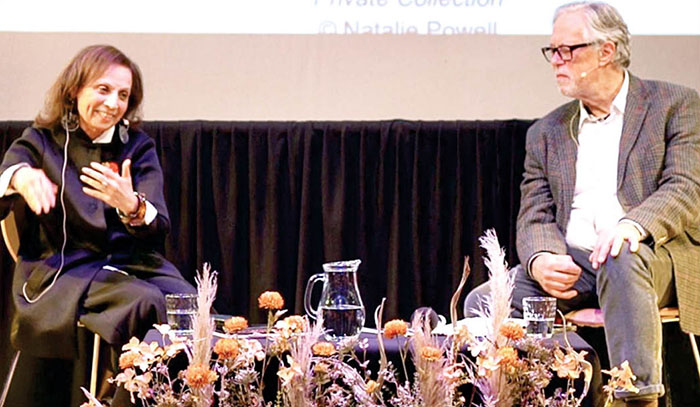
Wild Cats’ Compendium was launched at the Ilkley Literature Festival in October 2022. In the accompanying photograph, Nima is in conversation with David Lascelles, 8th Earl of Harewood (and second cousin of King Charles III), during the book launch.
Wild Cat’s Compendium is available on Amazon. However, currently only kindle version of the book is marketed in India: The Wild Cats’ Compendium: Cats of All Tribes eBook: Poovaya-Smith, Nima: Amazon.in: Kindle Store
Reading Wild Cat’s Compendium is an enriching experience. Every time you re-read a poem you learn something more. I rate this book as a Collectors’ Item.
source: http://www.starofmysore.com / Star of Mysore / Home> Feature Articles / by C.P. Belliappa / December 12th, 2022
Doha:
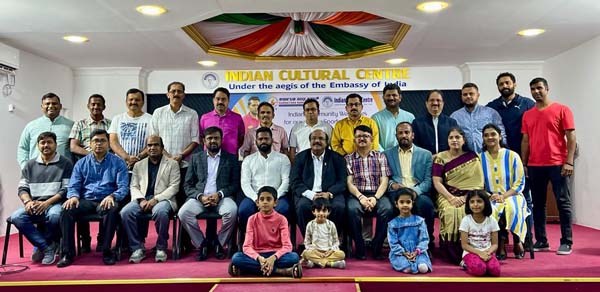
Karnataka Sangha Qatar in cooperation with Indian cultural Center hosted Indian Community.
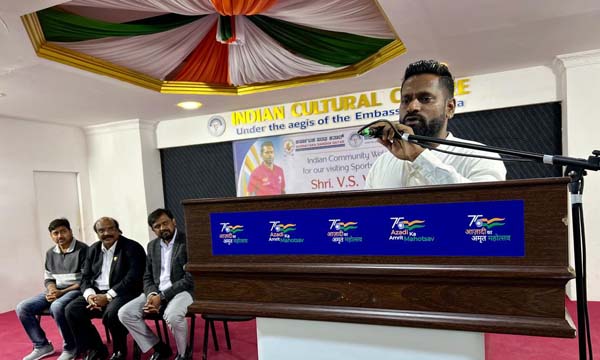
Welcome reception to V S Vinay, ex Indian Hockey team player and current Hockey Karnataka Sr team coach and felicitated on December 6 at Ashok Hall Auditorium of Indian Cultural Centre.
Dignitaries present during this event was president of Indian Cultural Center P N Baburajan, vice president of Indian Cultural Center Subramanaya Hebbgelu.
The platform to this felicitation was created by Indian Cultural Centre to Honour the dignitaries visiting State of Qatar during the FIFA 2022 event.
Mahesh Gowda president – Karnataka Sangha Qatar welcomed the gathering and thanked V S Vinay for giving time for the reception and expressed confidence that under his mentorship many players will get trained and join Indian Hockey team and play for the country, also mentioned it is a proud moment that V S Vinay hails from Coorg district of Karnataka and which is know for producing world class players and won many medals for India.


Mahesh Gowda also thanked Indian cultural organisations for their invite and all Associated Organisations for felicitating the guest.
P N Baburajan in his address briefed the dignitary about Indian Cultural Center and how ICC is involved in the FIFA celebrations.
V S Vinaya thanked Karnataka Sangha and Indian Cultural Centre for felicitating him and people for there time to meet him, also motivated the parents to put their children in any sports and also briefed how their children get all the training facilities from the federation if they are really doing well in the sport.
The programme emcee was done by KSQ member Nithi Ramesh.
source: http://www.daijiworld.com / Daijiworld.com / Home> Middle East / by Media Release / December 10th, 2022

By Daniel Schoenherr
Special microbial mat systems in Alpena, Michigan, are helping scientists search for extraterrestrial life.
“It’s so different, and feels otherworldly,” said Stephanie Gandulla, a diver with the National Oceanic and Atmospheric Administration’s Thunder Bay Marine Sanctuary. She has sampled the mats near the sinkholes on the lake’s bottom.
You may have seen a microbial mat before — the green algae on wet rocks at the beach is an example.
Algae’s green color comes from chlorophyll — a substance that uses sunlight to turn carbon dioxide into energy. Carbon dioxide and oxygen support most of life on Earth.
But under special conditions, like those at three sinkholes just 2½ miles east of Alpena, primitive forms of microbes called cyanobacteria can survive without either of them.
These are white, not green, and they get energy from chemicals in the water.
“They are everywhere, but they are incredibly hard to find,” said Bopaiah Biddanda, a biologist with Grand Valley State University’s Annis Water Research Institute, who has been studying them for 20 years.
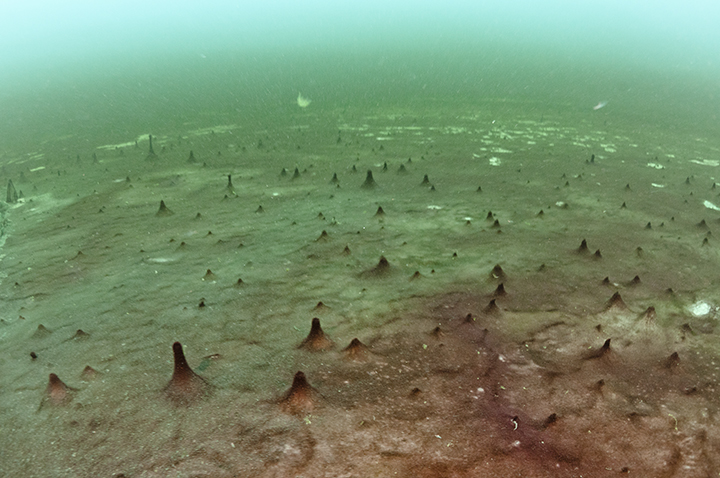
Such mats are normally found in ocean waters over 32,000 feet deep, but they can be found only 80 feet below the surface of what is known as Lake Huron’s Middle Island Sinkhole.
The sinkhole’s biologically extreme environment can help simulate sample collection in extraterrestrial worlds where life is based on similar chemicals. A new study by Biddanda models scenarios where robots could analyze material beneath the water of other planets. It’s based on the work in Lake Huron.
The study focuses on two methods: suction devices for soft mats and coring devices for hard mats.
Click on the photo below to watch a video about these mats:
The sinkholes near Alpena provide sulfuric, oxygenless groundwater that creates the conditions needed for the mats to grow. Filaments of cyanobacteria drift together, creating a wispy white-purple flow.
“It almost looks like a mirage,” Gandulla said.
It could be a long time before the experience from sinkholes in Lake Huron will be used to explore the potential of life on planets elsewhere, but Biddanda’s exploration is yielding other finds now.
Recently, for example, his team found an explanation for the mats’ mysterious ability to change colors overnight.
The purple and white cyanobacteria travel upwards to capture energy from the top of the mat, according to the study. During the day, microbes with color capture the small amount of sunlight reaching the seafloor with chlorophyll.
As the sun sets, the white microbes move to the surface of the mat to absorb chemicals in the sulfuric water for their energy. This continuous, vertical shift in microbes causes patches of the mat to change between purple and white in a daily cycle.
The microbial mats thrive off a special soup of chemicals in the groundwater, but changes in land use could disrupt it in the future.
The Thunder Bay sanctuary is constantly combating such threats to coastal ecosystems such as the one near Alpena.
“Development might choke off the water supply,” Biddanda said.
The marine sanctuary offers educational programs and tours to K-12 students and operates a welcome center year-round.
“We work together to protect it as a community,” Gandulla said.

The characteristics of Middle Island Sinkhole’s cyanobacteria could hold the key to much more than planetary exploration. They could lead to advances in other scientific fields, such as evolutionary biology and medicine.
“We have a library of pharmaceutical value here,” Biddanda said “This could help us down the road.”
And, he noted that they look cool: “There is something fascinating and mesmerizing about these colorful mats.”
We’re a project of the Knight Center for Environmental Journalism at Michigan State University.
source: http://www.greatlakesecho.org / Great Lakes Echo / by Daniel Schoenherr / November 22nd, 2022

As the son of an Indian naval officer, Bidanda Bopaya was born in Pune, has lived all over the Indian coastline, and was sent to a boarding school in Ooty at a young age. His wife, Louella, daughter of an Indian air force officer, is a psychologist in private practice.
The Bidandas moved to Pittsburgh in 1987 after graduate work at Penn State and have raised two children in the Burgh. Their daughter, Maya is pursuing a PhD in finance & economics after an early career on Wall Street, and their son Rahul is an engineering graduate from Pitt. The Bidandas live in Fox Chapel.
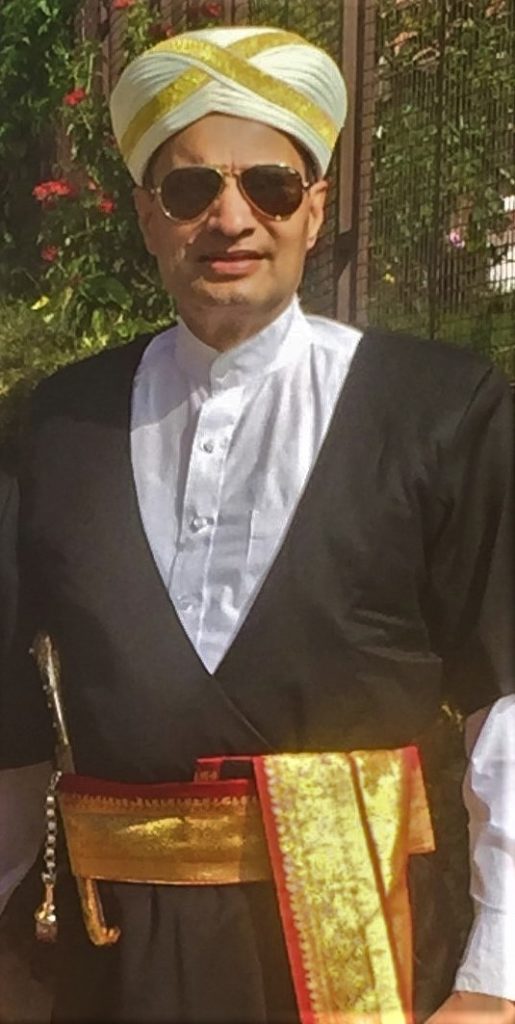
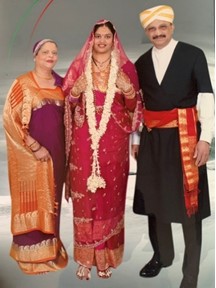
Bopaya, a professor of engineering at the University of Pittsburgh and President of the Institute of Industrial & Systems Engineers, has authored/edited 13 books in the subjects of his specialization. Here is Bopaya in his contemporary dress and also in the traditional Kodava attire.

Editor’s note:
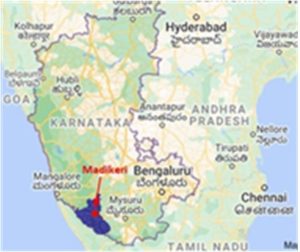
My early childhood was in Madikeri (earlier name Mercara) in Kodagu District, earlier known as Coorg (population: over 500,000 people) in Karnataka State. Madikeri is the headquarters for Kodagu and the home of the Kodavas, a small, accomplished, and colorful community in the Indian social tapestry. Kodavas are ~20% of the population of Kodagu District, and have contributed disproportionately to India’s armed forces, sports teams, and other professions including as India’s first female ambassador, India’s first PhD in sports medicine, the founder of the National Institute of Sports in Patiala, and of course, India’s first Commander-In-Chief (Gen. Kodendera Subbayya Thimmayya), and India‘s first Field Marshal Kodendera Madappa Cariappa.

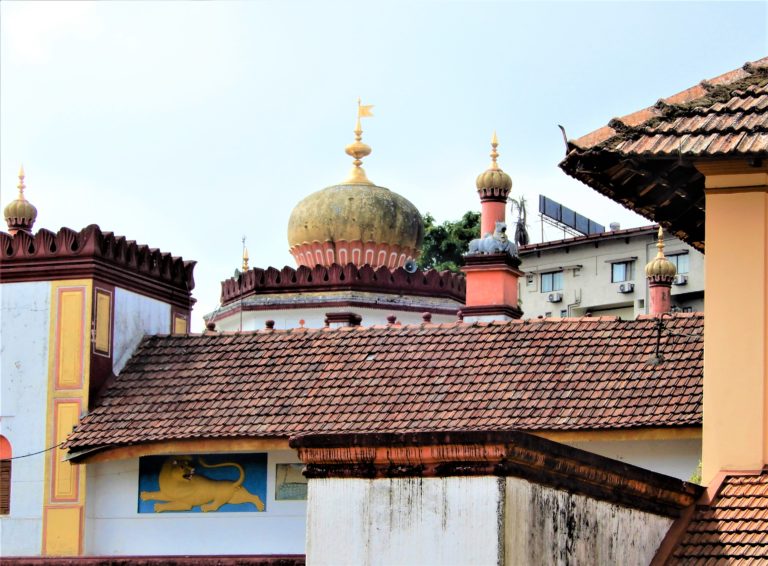
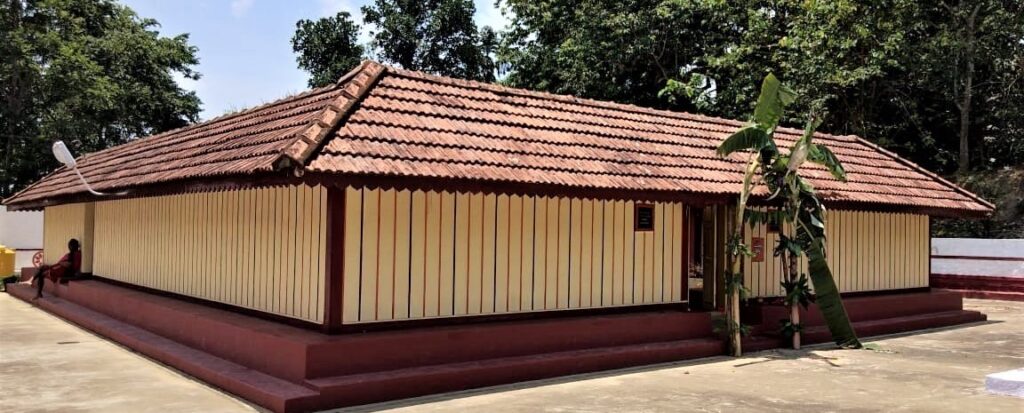
After sixty years, I chanced to drive through Madikeri. I had a vague memory of Omkareshwara Devasthana, a Shiva Temple there. Since it was the only temple I knew in my childhood, it made no impact then. When the driver showed me the temple from a mile away from the hills, I told him it looks like a mosque. His reply: was saar, iduve devasthana. (No sir, this IS the temple.) Stunned at the unique architecture for a Hindu temple with a typical Islamic dome including the four minarets, I stood in silence in front of the temple absorbing the ambience.
Then during the Patrika fundraising, I saw one Bidanda Bopaya as one of the on-line contributors. From the name, I recognized he is a Kodava (known earlier as Coorgis). I contacted him with my Madikeri roots, and one thing led to another in our exchanges, which finally culminated with Mr. Bopaya writing this article for the Patrika. – Kollengode S Venkataraman
The Omkareshwara Temple is a picturesque and unique place of worship in Madikeri, the heart of a salubrious and verdant hill station in Karnataka. Our family spent summers in Kodagu, and the place remained a well-kept secret because of the absence of a railhead. Now, it is a weekend getaway to Bangalore IT techies arriving in hordes.
Steep hills studded with vibrant homes surround the temple. Legend has it that the Raja of Kodagu, Lingarajendra II, built the temple repenting for some terrible act he committed. He was advised to build a Shiva temple that would awe people, as long as the sun and the moon are around! He commissioned the temple, consecrating it in 1820, with a Shivalinga brought from Kashi enshrined at the temple’s sanctum.

Omkareshwara Devasthana is the only known example of a Shiva temple for that matter, any Hindu temple built like a mosque with four turrets (or minarets) at each corner and a dome at the center. The rationale for this one-of-a-kind architectural style (Islamic with a Gothic touch) for a Hindu temple is not precisely known even though the temple is only 200 years old, given the frosty relations between the Kodavas and Muslims, thanks to Tipu Sultan (1750-1799), who repeatedly invaded and unsuccessfully tried to take control of the region. Search the web under Tipu Sultan and Kodavas to get multiple perspectives of this complicated relationship.
Given today’s strife-ridden global situation among all religions, it is inspiring that one Hindu temple integrated multiple styles of architecture into its place of worship two centuries ago. As children, we played hide-and-seek with our extended family around the temple.
The Rajaâ’s tomb located nearby, built in 1809, also has an Islamic architecture. My great-great-grandfather Bidanda Bopu was the Commander-in-Chief of the Kodagu Rajaâ’s army and is buried next to the Raja. Growing up, our family often celebrated festivals and visited the tomb to pay respects to our ancestors.
The Kodavas are proud people and maintain unusual traditions. Kodagu is often called the land of generals, beautiful belles, coffee, cardamom, pepper and honey, all because of its hilly terrain and suitable weather, honey, large number of military leaders, and charming and gracious women! Some interesting features of Kodavas
1)Are Kodavas Hindus? While Kodavas are governed by the Hindu laws, they are technically not Hindus, with the absence of a caste system; Kodavas are ancestor- and nature-worshippers. Most festivals are centered around agrarian and martial themes and traditions. However, many Kodavas have now adopted a Hindu lifestyle and traditions.
KODAVA FESTIVALS: Kodavas are rooted to their land as farmers and agriculturists. No wonder, all Kodava festivals are around farming.
2) Kailpodhu: After the paddy fields are transplanted in early September, Kodavas worship their weapons and tools, after cleaning and decorating them. This is followed by festivities (shooting competitions, athletic prowess, while feasting on spicy food and copious alcoholic beverages). Kodavas have the right to bear firearms and weapons without license.
3) Kaveri Sankramana: The river Kaveri originates in Kodagu District in a small natural spring in Bhagamandala, close to Madikeri. In mid-October, at a specified time, the sacred River Kaveri ” yes, for Kodavas in particular, and for all Kannadigas, Kaveri is sacred ” renews with new divine springs gushing towards a larger body of water. This is the birthplace of the river. People take dips in this holy water. Goddess Kaveri is then worshipped in Kodava homes with youngsters touching the feet of elders for blessings. Kaveri is perhaps the most common name for girls among Kodavas. This is the only meatless festival among Kodavas!

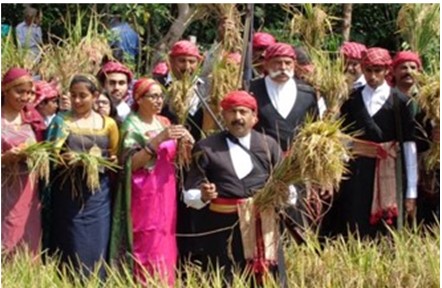
4)Puttari (meaning New Rice), is the traditional harvest festival, celebrated in early December when people gather in their traditional family home (ainamane) nicely decorated with farm motifs. Like Onam, Pongal, Lohri, Baishakhi, Bihu, and of course, Thanksgiving here, special culinary items are prepared. An important part of this festival is the matriarch of the family leading others into the fields for a symbolic first harvesting of rice paddies.
In addition to these, individual villages have temples that celebrate colorful festivals, including walks thru hot beds of coals. The best way to experience these is to be with Kodavas in their home during the season.

5)Is there a Kodava cuisine? Yes, of course. Kodava cuisine is replete with unique and fiery dishes including Pandhi Kari (pork curry cooked in a special vinegar), Baimble-Kari (bamboo shoot curry), mango paji (mango chutney), kuru kari (kidney beans, green beans, in a coconut gravy), akki rotti (rice chapattis) and the list goes on!!
6) Kodava music, dance and dress are unique and are on display at weddings and festivals. Kodava women elegantly drape themselves in a unique style in standard 6-yard saris. Men wear black wraparounds (kupya), colorful sashes (chalé), and daggers (peeche kathi).
7)Interesting fact: No priests at Kodava weddings. Family elders lead all the religious rites, with a frenzy of Kodava dancing, pandhi curry, libations, and ceremonies steeped in family traditions.

Websites offer a ton of information on tourism-related questions on Kodagu — places of interest, cuisines, lodging, what to do, how to reach, the best time to visit. One website is: www.coorgtourisminfo.com
source: http://www.pittsburghpatrika.com / The Pittsburgh Patrika / Home / by Bidanda Bopaya, Fox Chapel, PA / October 2022 issue

Madikeri:
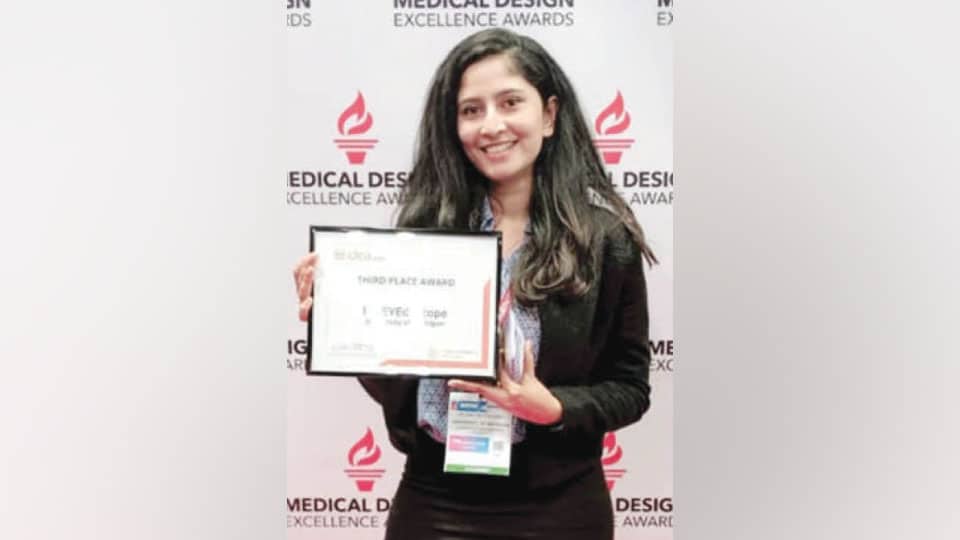
Palandira Vichal Muthanna has won the Medical Design Excellence Award-2019 with her team. The team stood third in national-level competition “BMEidea-2019” where teams across the United States with new innovative medical technologies participated.
The award ceremony was held at Jacob K. Javits Convention Centre, New York, on June 11. During her research at the University of Michigan, Vichal and her team developed a new device called ‘KalEYEdoscope’ to track the progression of a condition called ‘Age-related Macular Degeneration’
Macular Degeneration is the leading cause of blindness in the world and currently there is no device in the market to help track its progression on a regular basis. The award was in recognition of their work in the development of this innovative, simple and novel medical device and in support to further develop the same.
Palandira Vichal is an M.Tech in Bio-Medical Signal Processing and Instrumentation from BMS Engineering College in Bengaluru. Earlier, she had invented a device to monitor the vitals of both mother and child during labour. The device invented by Vichal not only monitored the vital parameters of both mother and child, but also raised an alarm in case of any fluctuations so that the doctors and medical staff can rush to the patient’s rescue.
Vichal completed her early education in St. Joseph’s Girls High School, Madikeri and higher secondary education at Vidyaniketan PU College, Gonikoppal. She did her engineering from Vidyavardhaka College of Engineering in Mysuru and M. Tech from BMS College of Engineering in 2015.
Vichal is the daughter of Palandira Jaya Muthanna and Mithuna Dechamma (daughter of Mukkatira Doremani Ponnappa) of Murnad in Kodagu district and grand-daughter of Karnataka Rajyotsava Awardee late Palandira Devaiah.
In her academics, Vichal was the co-ordinator for the Indian Society for Technical Education (ISTE) for 4 years from 2009-2013. She was the Branch Association (IMPULSE) Co-ordinator for two years in Vidyavardhaka from 2011-2013. She won the Gandhian Young Technological Innovation Award -2006 from Biotechnology Industry Research Assistance Council (BIRAC) – Society for Research and Initiatives for Sustainable Technologies and Institutions (SRISTI) for her project ‘Device for Intrapartum MaternoFetal Care.’
source: http://www.starofmysore.com / Star of Mysore / Home> News / June 21st, 2019

Muscat:
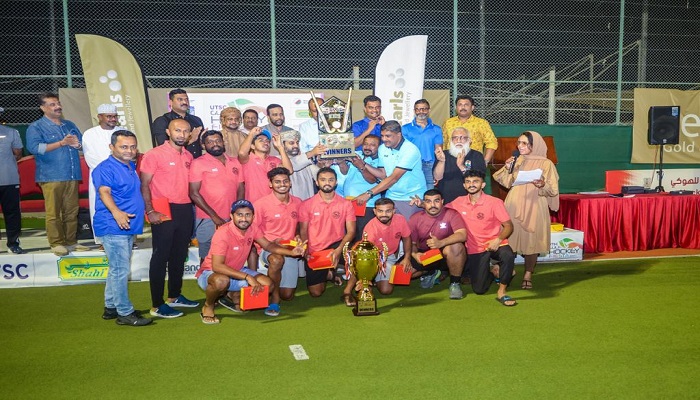
Hoks B Coorg from India emerged champions of the UTSC Gulf hockey fiesta-2022 that concluded at the Sultan Qaboos Sports Complex recently.
The two-day fiesta witnessed close and exciting matches between 12 teams with six outfits coming from the region and India.
Besides the main tournament, the event also hosted an inter-school tournament featuring Indian schools.
There was a women’s tournament too with the national women’s team making their competitive debut. The national women’s team played against the visiting Dubai side.
Hoks B Coorg, comprising few internationals, stayed unbeaten in the tournament to be crowned deserving winners.
The inaugural ceremony had Amit Narang, Indian Ambassador to Oman as the chief guest along with Marwan Juma al Juma, the president of the Oman Hockey Association (OHA). Narang lauded the efforts of the UTSC in promoting the national game of India and also offered India’s full support to the Sultanate of Oman as they prepare to host the inaugural edition of FIH Hockey 5s World Cup in January 2024.
On the sidelines of the fiesta, there was a cooking contest and the event attracted lot of families.
source: http://www.timesofoman.com / Times of Oman / Home> Sports / by Times News Service / November 01st, 2022

The first book of poetry by acclaimed curator, writer and speaker Dr Nima Poovaya-Smith celebrates her profound curiosity about wild cats.
Dr Nima Poovaya-Smith OBE is a prominent figure in the cultural, academic and public sectors, well known for her work on transcultural and post-colonial South Asian museum collections in Bradford and multidisciplinary arts projects across the region and beyond. Less well known is her affinity with cats of all persuasions, wild or domestic.
The Wild Cats Compendium, Poovaya-Smith’s first solo collection of illustrated poetry, will be launched at Ilkley Literature Festival on 13 October 2022.
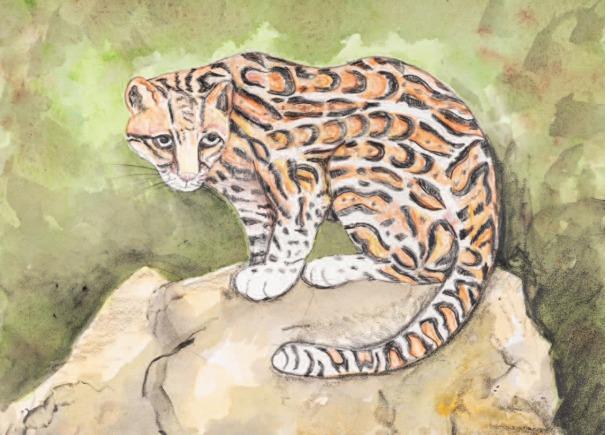
The Compendium is first and foremost a love letter to all felines large and small. Legends and fables of the cat world, as well as their often bleak, everyday lives is explored by Poovaya-Smith, in this collection of 45 poems. There is the reed or jungle cat who may have once dined with the Crown Prince of an Egyptian Pharoah and ended up interred with him; an ocelot gifted to Salvador Dali who tried unsuccessfully to run away and the smallest feline in Southern Africa – the black-footed cat – which eats almost a fifth of its body weight night after night.
Environmentalist Benjamin Lascelles, who has written the End piece comments that Compendium “captures the essence of the many species brilliantly and highlights the many threats they face. The geographic, conservation and threat references are meticulously researched and powerfully conveyed.”
Nima Poovaya-Smith says: “I have always taken a deep interest in cats. Wild or domestic, they are some of nature’s most charismatic creatures. I am enthralled by the facts and fables that surround them. I am certainly not the first, nor will I be the last, to find these animals so captivating. Across the world, we have had a special relationship with the feline species for thousands of years. They have been celebrated in literature and art as well as music and dance. I found particular delight in gleaning more information about lesser-known small cats. Each one is characterful enough to hold its own with the bigger, more iconic cats. The more I learned, the more enigmatic and fascinating they became. I hope that the emotions I experienced exploring the feline world – joy and a deep sense of loss – will resonate with all readers.”
Writer, historian, journalist and author of Victoria and Abdul, Shrabani Basu in her Foreword to The Wild Cats Compendium states: “Nima Poovaya-Smith takes us into the myth and magic of the cat world. Through her beautiful poems, we get a glimpse into their lives as pampered pets or solitary creatures. She questions, probes, and enlightens us, not just about the tiger or the lion, but also about some of the lesser-known species of the cat family. A cat, they say, has nine lives. Poovaya-Smith’s forty-five poems give them many more.”
The different species of cat in Compendium are each accompanied by images – twenty-eight of which are new works by seven different artists. There are also some earlier works by contemporary artists and six historic Illustrations from the 19th century.
source: http://www.ilkleygazette.com / ILKLEY GAZETTE / Home> Local News> UK News / by Claire Lomax / September 09th, 2022
Saxophonist Rudresh Mahanthappa’s Hero Trio will make their NYC Debut this August to celebrate Charlie Parker’s Birthday at Smoke Jazz.

Located at the junction of 106th and Broadway (aka Duke Ellington Boulevard), Smoke Jazz Club is one of New York City’s premier live music venues. Renowned for offering top-notch programming of accessible, timeless jazz featuring legendary performers, modern masters, and rising stars, Smoke stands apart with its candlelit dining room, stellar acoustics, and classic American cuisine.
Rudresh Mahanthappa’s Hero Trio also includes bassist Harish Raghavan and drummer Rudy Royston. Their performance will set on Thursday and Sunday at 7 and 9 p.m., and on Friday and Saturday at 7, 9 and 10:30 p.m.
Hero Trio earned high praise for its eclectic 2020 self-titled debut and the 2022 follow-up Animal Crossing. Animal Crossing is a digital-only EP featuring four new songs, each an unlikely addition to the canon of jazz standards which is also the titular theme from the wildly popular video game.
At Smoke, Mahanthappa will explore Parker’s compositions, classic standards, and modern covers with the Raghavan and Royston. “The idea behind Hero Trio was to turn the idea of playing a set of standards on its ear and freshen up the idea,” the saxophonist explains.
Rudresh Mahanthappa is widely known as one of the premier voices in jazz of the 21st century as well known for his exellent alto saxphone performances. He has been recognized by multiple jazz magazines including DownBeat Magazine, Jazz Journalists’ Association,and JazzTimes Magazine. He has also received the Guggenheim Fellowship and the Doris Duke Performing Artist Award, and is currently the Anthony H. P. Lee ’79 Director of Jazz at Princeton University.
For information visit https://www.smokejazz.com/calendar/.
source: http://www.nysmusic.com / NYS Music / Home> Blues-Jazz> NYC Metro> Upcoming Shows / by Savanna Tong / August 07th, 2022