Category Archives: Records, All

Illegal trekking, ‘hidden spot’ tourism raise alarm in Karnataka’s Western Ghats

Locals fear that the sudden influx of tourists in ecologically fragile areas could cause irreversible damage to forests, water sources, and wildlife habitats.
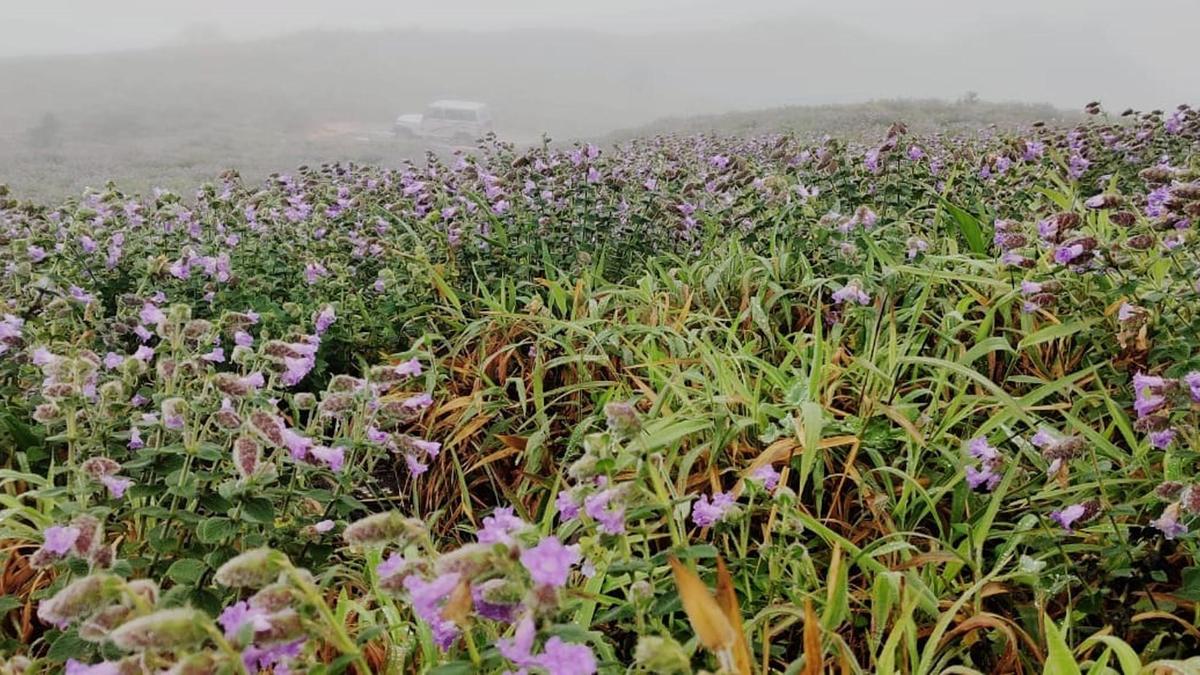
Social media posts are promoting commercial mass trekking in sensitive areas around Nelji, Perur, and the neighbouring regions. | Photo Credit: File photo

Residents and environmentalists across the Western Ghats, particularly in Kodagu and Chikkamagaluru districts, have raised concerns over the growing trend of private groups and tour operators promoting hidden and remote natural spots for commercial trekking and adventure activities.

Locals fear that the sudden influx of tourists in ecologically fragile areas could cause irreversible damage to forests, water sources, and wildlife habitats.

Residents allege that several travel agents and private groups, particularly from Bengaluru and Mysuru, are identifying lesser-known hills, waterfalls, and other natural locations and promoting them on social media. Treks are subsequently being organised to these spots without permission from the Forest Department.

The increased footfall has resulted in tourists leaving behind plastic waste and other garbage, they alleged.

In Kodagu, the Forest Department recently intensified action against unauthorised commercial trekking in sensitive forest areas and warned travel agents and tour operators against promoting illegal trekking routes.

The warning followed the circulation of social media videos showing trekking activities to mountains, waterfalls, and areas where Strobilanthes kunthiana, popularly known as Neelakurinji, an endemic shrub seen in the Western Ghats, is in bloom at Perur village near Napoklu. The department said that social media posts are being used to promote commercial mass trekking in sensitive areas around Nelji, Perur, and the neighbouring regions.

“Over the past few days, we have been seeing several illegal tour operators arranging treks and taking tourists to hidden spots in the hills without permission. The main concern is that several lesser-known places inside and around forest areas are now being exposed to tourists for commercial purposes,” Thimmaiah K.B., resident of Nelji, told The Hindu.

He said that the area has several small waterfalls and other natural spots that are increasingly being accessed by tourists. Many of these locations are located in or close to sensitive forest areas and are not equipped to handle large numbers of visitors.

“With the Neelakurunji in bloom, more people are coming here. If the visitors are allowed to enter these places without restrictions, they could damage the plants and other vegetation. Such activities can also disturb wildlife and increase the possibility of human-wildlife conflict. We are worried that continued unregulated tourism will severely affect the fragile ecosystem,” he said.

Another resident, Biddappa of Marandoda in Madikeri taluk, said his village was facing a similar problem at a place locally known as Baliyatre, where a small waterfall is located on a hill.

He said that Baliyatre was never intended to be a tourist destination and, more importantly, the water source is vital for the villagers. “The water from this area is an important drinking water source for the people of Marandoda. It is a place that needs to be protected and not converted into a tourist spot,” Mr. Biddappa told The Hindu.

“People are promoting the location on social media, making reels, bringing tourists and organising treks for commercial purposes. Visitors have already started leaving garbage and polluting the area, putting our drinking-water source and the surrounding forest at risk,” he added.

Chikkamagaluru sees similar trend

A similar trend has emerged in Chikkamagaluru, where environmentalists have urged the district administration and the Forest Department to prohibit private groups from conducting adventure and sports activities in forest areas without permission.

Recently, private groups organised off-road activities in parts of Kalasa and Koppa. Following objections from local groups, the Forest Department intervened and stopped the activity in Kalasa. However, environmentalists said similar activities continued in the Koppa region.

Activist Nagaraj Koove said that environmentalists had studied the impact of such activities on the fragile Malnad ecosystem. “The impact was huge and such activities could cause serious damage. In the name of sports activities or exploring the Malnad region, private organisations are conducting such events with profit as the primary objective. They offer participants a sense of adventure and thrill, but the environmental cost is borne by the forests and local communities,” he told The Hindu.

“Forest areas are not playgrounds for private commercial events. Such activities, particularly those involving vehicles and large groups, should be stopped unless they are properly regulated and permitted by the authorities,” he added.

The risks were highlighted recently when a group of tourists allegedly drove a vehicle to the edge of a nearly 3,000-ft.-deep gorge at the Rani Jhari viewpoint in Mudigere taluk. The visitors were reportedly at the spot to shoot videos/reels for social media. Kalasa Range forest officials seized the vehicle and registered a case against the group.

Meanwhile, Forest Minister Ramalinga Reddy, who was in Kodagu on August 28 for a departmental meeting, said that he had received complaints from residents regarding unauthorised trekking and tourist activities in forest areas and had instructed officials to take action against those conducting trekking activities illegally in forest areas.

“Forest areas cannot be opened up for commercial activities merely because some locations become popular on social media. If such activities are allowed unchecked, they can disturb wildlife and affect the ecological balance. Officials have been directed to identify such activities and take action against tour operators and private groups violating the rules,” he added.

(With inputs from Sathish G.T.)

source: http://www.thehindu.com / The Hindu / Home> News> India> Karnataka / by Darshan Devaiah B.P / September 01st, 2026
Brothers with Kodagu roots make their mark in American Ice Hockey

Mysuru :

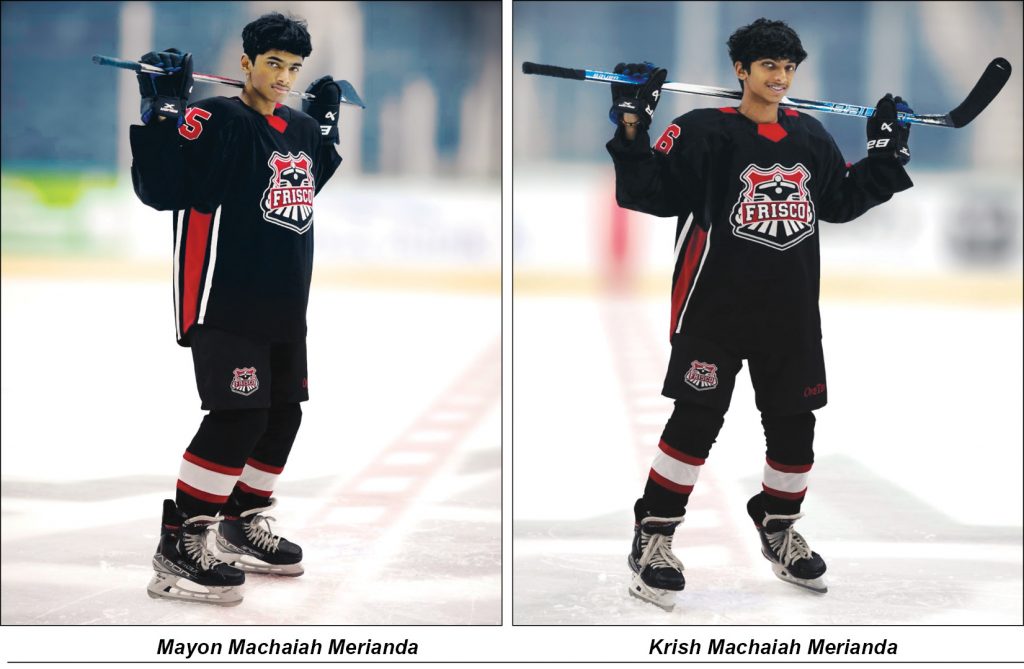
Two brothers with family roots in Kodagu and Mysuru have made their mark in American Ice Hockey after earning selection to competitive teams of the Frisco Hockey Association, Texas, USA.


While 15-year-old Mayon Machaiah Merianda has been selected to the Frisco Varsity Team, his 13-year-old younger brother Krish Machaiah Merianda has secured a place in the Frisco Varsity Junior Team for the Summer 2026 season.


Mayon, a Grade 10 student at Independence High School, Frisco, earned promotion to the Varsity squad following his performances in previous seasons. Krish, who recently completed Grade 8 at Nelson Middle School, secured his place in the Junior Varsity team after consistent performances at the developmental level.


The brothers belong to the Meriyanda family of Kodagu, with their ancestral roots tracing back to the historic Meriyanda Ainmane. They are the sons of Srikanth Thimmayya, Founder and Chief Executive Officer of SHIRO Technologies and Dr. Gangamma Chenenda, a Physician based in Dallas, Texas.


Their late grandfather Merianda K. Thimmayya, was an advocate, who had settled in Mysuru after moving from Kodagu several decades ago while their grandmother Sharada Thimmayya, continues to reside in Mysuru. Despite growing up in the United States, Mayon and Krish maintain close ties with Karnataka through regular visits to Mysuru and Kodagu.

Their success stands as an inspiring example of how young people with roots in Kodagu and Mysuru are making their presence felt in diverse fields and sporting arenas across the world.

source: http://www.starofmysore.com / Star of Mysore / Home> News / June 03rd, 2026

Kodagu’s Sevikae Uralu on anthropological display

Mysuru: 

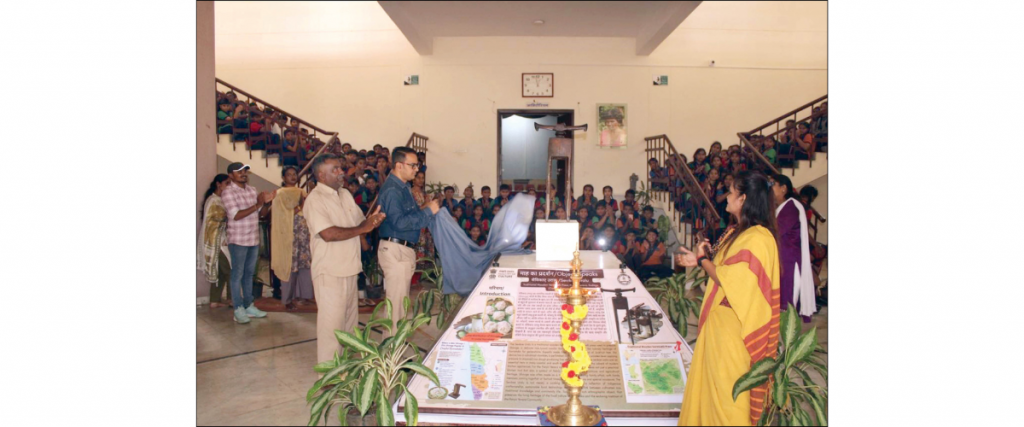
The August edition of the ‘Object Speaks’ series exhibition was inaugurated at the Zonal  Anthropological Museum of the Anthropological Survey of India (AnSI), Southern Regional Centre, Mysuru, by the students and teachers of STG Public School, Mandya.

Dr. Mithun Sikdar, Head of Office, Anthropological Survey of India, Southern Regional Centre, Mysuru, encouraged the students to appreciate India’s rich cultural diversity through museum collections and indigenous traditions.

The highlight of this month’s exhibition is the ‘Sevikae Uralu’, a traditional wooden hand-operated vermicelli press used by the Panjiri Yerava community of Kodagu District.

Crafted from durable jackfruit wood, the ethnographic object reflects the ingenuity of indigenous technology and the community’s close association with food, family and tradition.

More than a kitchen implement, the ‘Sevikae Uralu’ symbolises collective labour, sustainable craftsmanship and the preservation of cultural identity across generations.

The exhibition traces the journey of Karnataka’s traditional handmade rice vermicelli (shavige or ottu shavige), prepared using the ‘Sevikae Uralu’.

It explains how steamed rice dough is transformed into delicate strands of vermicelli and highlights the historical significance of this culinary tradition, which has been cherished across coastal and southern Karnataka for centuries.

The display also explores the oral traditions of the Panjiri Yerava community, where the ‘Sevikae Uralu’ occupies a significant place in ancestral stories, agricultural life and community memory.

Through informative panels and engaging narratives, visitors can learn about the cultural heritage of the Panjiri Yeravas, their traditional lifestyle, indigenous knowledge systems and the enduring legacy of Karnataka’s food culture.

The exhibition illustrates how a simple household object can tell stories of history, identity, innovation and living heritage.

Curated by Dr. Banita Behera, the exhibition will remain open at the Zonal Anthropological Museum till Aug.31. Students, researchers and the general public can visit the exhibition and explore the story behind one of Kodagu’s traditional culinary implements.

source: http://www.starofmysore.com / Star of Mysore / Home> News / by Star of Mysore / August 08th, 2026

‘Rethinking language biases would enable us to look more holistically at agroecological practices’

Molecular biologist Sujata Goel on the importance of “weeds”, modern approaches in science communication & India’s organic farming policies.

Nearly 30 years ago, molecular biologists Sujata Goel and her partner Anurag left Delhi to build a life closer to nature in Karnataka’s Kodagu district. Over the years, they began working closely with local farmers to understand how agroecological plantations could be developed at scale, combining their expertise in academic biology with generations of local ecological knowledge to co-create natural solutions for coffee and spice plantations. Communication techniques that closed language and knowledge gaps were essential in this confluence of modern scientific understanding with centuries-old local wisdom.

The couple has been actively researching natural alternatives to chemical pesticides, starting with a makeshift laboratory on a wooden table on their 25-acre ecologically sustaining plantation to test how certain plant species that are considered “weeds” have properties to turn away pests and provide other benefits to cultivated plants. Since then, Sujata has taken their research to public platforms and official channels to advocate for bans on use of agri chemicals in Coorg’s coffee and spice plantations. Coorg is home to Talakaveri, the source of River Kaveri — the lifeline of multiple South Indian states. The chemicals sold to and used by planters, seep into the soil and contaminate this vital waterbody.

Today, Sujata works with a small team of farmers, naturalists and conservationists to bring awareness about the lethal impacts of weedicides that has gradually crept into the agricultural practices in and around plantations in this area. 

She has also taken these ideas to the international stage through the Organic Farming Association of India, serving as its president and helping organise a global symposium in 2017. In the conversation with Down To Earth, she discusses the methods and importance of such dialogue, the evolving approaches of communicating science with local communities and what she has learnt about organic farming in India as a practitioner. 

Preetha Banerjee: How has science communication changed over the years and what channels and techniques do you use to raise awareness among local farmers? What has been the impact of the Internet?

Sujata Goel: Most people across villages including farmers use the internet comprehensively. Several village Panchayats, Planters and Farmers have created Whatsapp groups to exchange and share information regarding everything related to cultivation, from weather forecasts to agricultural practices, government schemes and subsidies available, and other related matters. We are using such platforms in collaborations with scientists to spread awareness about the carcinogenic and lethal effects of many of the agrichemicals which are rampantly being used in the fields now. It is important to remember that these lands constitute a catchment area being the primary recipients of the South-west monsoons, providing water for much of peninsular India. Spraying pesticides and weedicides around paddy fields have contaminated wetlands, which is extremely dangerous since these wetlands are the life source of all flowing water. These wetlands are also precious because they recharge ground water and must be protected from such thoughtless destruction at all costs.  

PB: Over three decades of working with farmers, how have you seen science communication evolve?

SG: Whatsapp groups and Instagram seem to be the most accessible to farmers. Since multiple language use is now possible, these are popular, especially in rural areas. Several workshops are also held remotely, and farmers are able to attend them from their own places of residence and work. This helps cut costs of holding such study programs and enables organisations such as Organic Farming Association of India (OFAI) to invite scientists to such platforms without disrupting their work schedules.

PB: Modern agricultural science promotes a negative association with “weeds”. Is there another way to look at weeds? What have you learnt from traditional wisdom and your own research?

SG: Words like “pest” and “weed” have evolved through western agricultural practices. They tend to designate some species desirable and others not. Many native plants which we call weeds were consumed as food not long ago and continue to do so. Many species which we eliminate under the garb of “weeds” play an essential role not only in the overall ecosystem, but also in producing our own food. They not only create habitats for local biodiversity but also offer pollinators necessary grounds for foraging and survival. Rethinking our language biases would enable us to look more holistically at the philosophy behind our practices.

This brings us to the issue of weedicides, which have slowly infiltrated Kodagu’s coffee plantations in the past ten years. We now notice deformities and dead bodies of animals in the once-lively streams that are the arteries of this landscape. The poisoning of freshwater species is just an indicator of the impact these chemicals have on human health.

This year, in February 2026, the multinational company, Bayers, announced that it will pay $7.25 billion to settle thousands of US lawsuits alleging that its Roundup weedkiller has caused a vast number of individual cases of cancer. That these family of carcinogenic agri-chemicals were lethal to all life forms was substantiated by rigorous scientific research decades ago and has been available in the public domain, and yet their marketing continues unabated. Are these the substances which international companies promote and enforce on the planet and escape all forms of control? Who becomes accountable for such acts of deliberate genocide?

PB: Why is it important to think about biodiversity as an entire ecosystem rather than as individual species? What does this mean for agricultural productivity?

SG: Sustenance of the ecology of a farm depends upon the richness of its biological diversity. Plants and insects, fungi and soil microorganisms have all co-evolved for millions of years. Good farming practices aim to understand the importance of biodiversity and try to mimic nature by providing niches for diverse plants, animals, insects, bacteria and fungi. The ‘ecosystem services’ provided by this biodiversity are invaluable, not just for farmers, but for all of life surrounding us. These range from encouraging populations of pollinators, soil recharge and nutrient cycling, disease regulation, water harnessing, and carbon sequestration among others.

On organic farms such as ours that have no trace of chemicals around, parasitic and predatory insects colonise native plant species and play significant roles in maintaining disease-free crops. Integration of fallow areas, leaving riparian stretches rich with local weeds, and generous mulching has allowed a rich buildup of biodiversity in the fields. As a result, we now have excellent populations of spiders, wasps, dragonflies, frogs, lizards, snakes and a wide range of birds, all of which contribute towards building up of a diverse and healthy agri-ecosystem.

Birds are amazing for their ability feed on insects and caterpillars; spiders are indiscriminate trappers of a whole range of insects. Wasps lay their eggs on larvae, which hatch and being carnivorous, start feeding on the grubs which would otherwise damage the crops. Bats, frogs, skinks, lizards, shrews, mantids, are insect feeders and form an intricate link in the food web of the forest ecosystem.

Beneficial microorganisms contribute to a rise in detritus activity of the soil, increased nitrogen fixation, and increase in nutrient cycles. Areas where grasslands are encouraged become sponges for harnessing rainwater to replenish water tables and aquifers. It is these who are the true regenerators of our soils and agri-ecosystems.

PB: How has India’s approach to organic farming changed over the past three decades?

SG: Across our agricultural landscapes, farmers are beginning to feel the “bite” of 60 years of aftermath of the green revolution. Widespread losses due to climate extremes being experienced in different parts of the world now are adding to the need to desperately regenerate degraded lands. This is possible only through farming practices which totally exclude use of agri-chemicals, and at the same time, enabling viable practices to revive our soils.

There is no half measure. The governing bodies of our country must make up their minds that when they announce policies and projects to support organic farming, whether that is their true intent and how such projects can be implemented in light of subsidies and other supportive mechanisms offered for purchases of the very agri-chemicals which are responsible for the damage. Through field-based education and changes in policies to ensure that farmers are economically protected, it is possible to scale up on organic practices to feed our populations. This has been amply demonstrated by the truly progressive farmers across the world.

source: http://www.downtoearth.org.in / Down To Earth / Home> Environment / by Preetha Banerjee / August 22nd, 2026

Tamara Leisure Experiences Shines With Five FHRAI Awards Across Hotels, Talent and Wellness

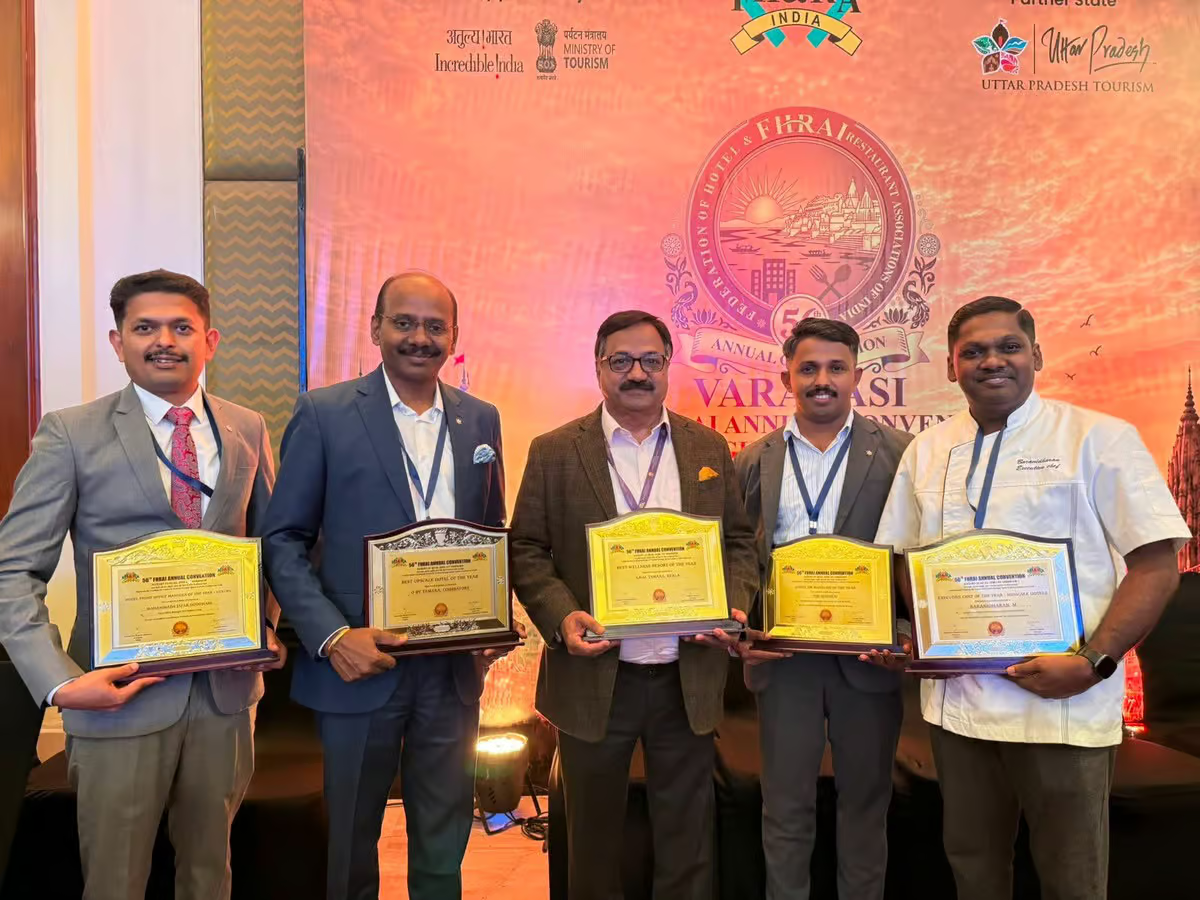
Tamara Leisure Experiences (TLE) has written another chapter in its success story by winning five key awards at the FHRAI 56th Annual Convention. The awards are a testimony of TLE’s focus on leadership, innovation in food and beverage, engagement of employees, performance of properties and social wellness. The awards appreciate TLE for providing experiences with a ‘people’ and a ‘purpose’ touch and incorporating ‘place’ through real time experiences offered during their stays.

The awards reflect the diverse strengths of TLE’s hospitality portfolio. At The Tamara Coorg, Mohd Jafar was honoured as Hotel Front Office Manager of the Year – Luxury Hotels (Male), recognising his contribution to delivering exceptional guest service. Chef Baranidharan M from O by Tamara Coimbatore received the title of Executive Chef of the Year – Midscale Hotels (Male) for his culinary leadership and innovation. Jijo Mathew from O by Tamara Thiruvananthapuram was recognised as Human Resources Manager of the Year – Upscale Hotels (Male), highlighting the group’s strong focus on talent development and workplace excellence.

Further strengthening TLE’s achievement, O by Tamara Coimbatore was awarded Best Upscale Hotel of the Year, while Amal Tamara received the award for Best Wellness Resort. The recognition celebrates Amal Tamara’s unique approach to holistic Ayurvedic wellness and its efforts to provide transformative wellbeing experiences. Together, these accolades underline TLE’s continued pursuit of excellence across its properties and its dedication to redefining contemporary hospitality.

Speaking on the recognition, Samir M.C., CEO, Tamara Leisure Experiences, said, “These recognitions are particularly meaningful because they reflect the different elements that come together to define Tamara – our people, our destinations and the experiences we create. We have always believed that responsible and memorable hospitality is built through authentic engagement with our guests, our teams and the places in which we operate. To see this philosophy recognised across both individual and property categories is a strong affirmation of the work our teams do every day.”

The FHRAI 56th Annual Convention, hosted from August 21 to 23, 2026, at Taj Ganges, welcomed over 1,000 delegates from India and international markets, including policymakers, hospitality leaders and key stakeholders from across the  tourism and hospitality sector. The event provided a significant platform for discussions, partnerships and industry collaboration, focusing on the changing priorities and future direction of Indian hospitality.

The recognition highlights TLE’s core belief that hospitality should extend beyond delivering memorable guest stays and create a positive impact on people, communities and the destinations where its properties operate. This commitment is reflected through its strong focus on local employment, with nearly half of its workforce recruited from surrounding communities. By generating employment opportunities and supporting local livelihoods, TLE ensures its properties remain deeply connected with regional traditions, cultural identity and the natural landscapes that define each destination.

With modern travellers increasingly searching for authentic experiences, cultural connections and meaningful journeys, TLE continues to develop hospitality concepts that celebrate a strong sense of place. From the nature-inspired luxury of The Tamara Coorg and stylish urban experiences at O by Tamara to the personalised Ayurvedic wellness offerings at Amal Tamara, each property reflects a unique interpretation of responsible hospitality. Through its philosophy of Responsible and Memorable Hospitality, TLE focuses on preserving local heritage, strengthening communities and creating experiences that deliver lasting value for guests and the destinations they visit.

source: http://www.travelandtourworld.com / Travel andTour World (TTW) Home> Hotel News / by Benny Mehera / August 25th, 2026

Thekkada Bhavani from Kodagu wins silver medal in cross-country skiing in New Zealand

While the main event spans 42 km, the 21 km race offered Bhavani a strategic platform to venture into long-distance racing and ski-marathon formats.

Madikeri :

In a notable achievement for Indian winter sports, Thekkada Bhavani from Kodagu has secured a silver medal at the Merino Muster cross-country skiing event held at Snow Farm in New Zealand.

Competing in the Women’s 30s age category for the 21 km race on August 22, Bhavani completed the course in 1:34:38, making her the first Indian woman to both participate in and win a medal at an official Worldloppet Skiing Federation event.

The Merino Muster stands as one of New Zealand’s premier long-distance cross-country skiing competitions and serves as a key leg on the international Worldloppet circuit.

While the main event spans 42 km, the 21 km race offered Bhavani a strategic platform to venture into long-distance racing and ski-marathon formats.

Bhavani’s remarkable finish in New Zealand is another addition to her recent international successes.

During the 2025-26 winter season, Bhavani earned distinction as the first Indian woman to win an International Skiing and Snowboard Federation (FIS) medal.

She also holds the honour of being the first Indian cross-country skier to qualify and race in the FIS Cross-Country Ski World Cup, expanding her competitive range from sprint and distance races into long-distance endurance circuits.

Bhavani is currently undergoing an extended international training program at Snow Farm. Her preparation and international exposure have been made possible through financial and logistical backing from the Reliance Foundation and the Government of Karnataka, which contributed Rs 10 lakh through its Department of Youth Empowerment and Sports to support her training.

Reflecting on her achievement, Bhavani noted that competing in her first Worldloppet race served as an important test of her endurance training.

She expressed that earning a category win in the 21 km event provides substantial confidence as she prepares for the upcoming international season.

source: http://www.newindianexpress.com / The New Indian Express / Home / by Express News Service / August 25th, 2026

New team of Pommale Kodava Okkuta

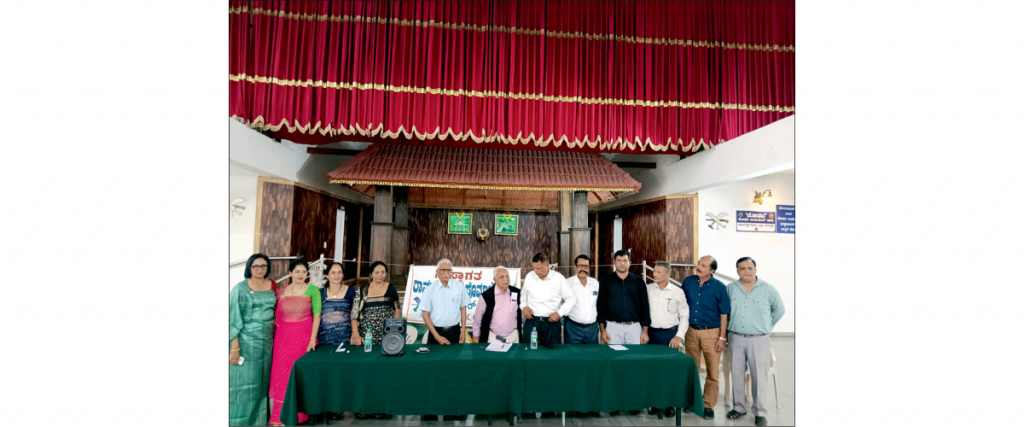
A group photo of the new office-bearers of Pommale Kodava Okkuta, Ramakrishnanagar, who were elected at the Annual General Body (AGM) meeting held at Kodava Samaja, Mysuru, recently.

Seen are (from left) Kanjithanda Ashika Kushalappa – Vice-President; Cheruvalanda Shalini Palangappa – Special Invitee; Chimmanamada Veena Shashikumar – Committee Member; Chenanda Lalitha, Mukkatira Subbaiah – President; Mookachanda Mohan Kumar – chief guest; Kattera A. Changappa – Secretary; Kannambira Palangappa – Special Invitee; Bollarappanda Ajay Madaiah – Treasurer; Kalkanda Girish Nachappa, Machimanda Poonacha and Mookachanda Naveen Nanjappa – Committee members

source: http://www.starofmysore.com / Star of Mysore / Home> Photo News / August 25th, 2026

Shilpa Nanjappa bags UstadBismillah Khan Yuva Puraskar

Mysuru:

 Acclaimed Bharatanatyam artiste from Kodagu, Mukkatira Shilpa Nanjappa, has been selected for the prestigious Ustad Bismillah Khan Yuva Puraskar for 2024 by the Sangeet Natak Akademi (SNA) under the category ‘Overall Contribution and Scholarship in the Performing Arts.’

The award is India’s highest honour for performing artistes under the age of 40. Shilpa is the first person from Kodagu and the first Kodavathi to receive the coveted recognition.

Candidates are nominated by eminent artistes and previous SNA awardees and are evaluated on the strength of their body of work and contributions to the performing arts.

In the ‘Overall Contribution and Scholarship’ category, artistes are expected to demonstrate not only excellence in performance but also significant contributions through research, teaching, curation and allied activities.

In Shilpa’s case, the award recognises more than a decade of work in documenting, preserving and promoting Kodava culture and heritage through academic research, alongside a distinguished performing career spanning nearly three decades.

She was awarded the prestigious two-year Fellowship for Cultural Resources and Training (CCRT) for 2019-2021. Her topic was ‘Adaptation of Kodava language/literary compositions into the classical format and Bharatanatyam’.

Shilpa Nanjappa is the daughter of Allaranda Uthappa and Kaveriamma couple. She is married to Mukkatira Pavan Nanjappa. 

Stamp of approval for Kodava culture 

Born in Bengaluru and at present settled in Kodagu after her marriage, Shilpa Nanjappa is also an ‘A’ grade artiste of Doordarshan. Speaking to Star of Mysore, Shilpa said that being nominated itself was a significant honour because nominations come from senior members of the fraternity.

“When members of the dance community hold me in such high regard, that recognition alone feels significant. For the first time in my life, an award is not about me; it is about the work, the community and a stamp of approval for Kodava culture and heritage,” she said.

“I have dedicated more than a decade to propagating and preserving this tradition. I hope this recognition helps the Kodava language reach places it has never reached before. This award is a huge acknowledgement for micro-culture representation in larger cultural spaces and is integral to the survival of micro-cultures,” she said.

source: http://www.starofmysore.com / Star of Mysore / Home> News / June 16th, 2026

Congress MLA A S Ponnanna appointed CM Shivakumar’s political secretary

In the previous government, Ponnanna was then chief minister Siddaramaiah’s legal adviser.

A S Ponnanna / Credit: DH File Photo 

Bengaluru:

Virajpet MLA A S Ponnanna, whom the Congress had picked as its nominee for deputy speaker in the Assembly, was appointed Wednesday as Chief Minister DK Shivakumar’s political secretary with a Cabinet rank.

Ponnanna, a first-time MLA, was sulking after being chosen for the deputy speaker’s position instead of a ministerial position. In the previous government, Ponnanna was then chief minister Siddaramaiah’s legal adviser.

Now, the Congress may propose former minister Mankal Vaidya for the deputy speaker’s position. Vaidya, who belongs to the Mogaveera (fishermen), was dropped from the list of Cabinet inductees at the last minute, replaced by SS Mallikarjun.

Meanwhile, senior Congress lawmaker RV Deshpande has been re-appointed as chairperson of the Karnataka Administrative Reforms Commission with a Cabinet rank. This makes him the only Brahmin holding a Cabinet-rank position.

On Wednesday evening, Shivakumar held a meeting with his deputy G Parameshwara, Karnataka Congress president BK Hariprasad, ministers KJ George, MB Patil, KH Muniyappa, UT Khader, Krishna Byre Gowda, Priyank Kharge, Dr Yathindra Siddaramaiah, former speaker KR Ramesh Kumar and former Legislative Council chairperson VR Sudarshan to discuss strategy for the upcoming legislature session.

According to sources, Shivakumar said in the meeting that he would helm the government’s defence over the Oppostion’s attack on the Bidadi township project.

Shivakumar also urged lawmakers to back Planning Minister B Nagendra, whose induction will be questioned by the Opposition BJP and JD(S) for the Bellary MLA faces corruption allegations.

source: http://www.deccanherald.com / Deccan Herald / Home> India> Karnataka / by Bharath Joshi / August 12th, 2026

Diya Bheemaiah Wins Girls’ Doubles Title

Second seeded pair Diya Bheemaiah and Baruni Parshwal won the Girls’ Doubles title at the Kotak Junior International Badminton Tournament in Hyderabad, defeating third seeds Lakshmi Devineni and Ananya Manikandan in a closely contested final.

Diya and Baruni won the match 21-18, 14-21, 22-20. After taking the opening game, they lost the second as Devineni and Manikandan levelled the contest. The deciding game went down to the wire, with Diya and Baruni eventually prevailing 22-20 to secure the title.

The victory marks another achievement for Diya on the junior badminton circuit as she continues her competitive journey. She currently is training at the prestigious National Centre of Excellence (NCoE) in Guwahati, Assam, under the tutelage of former All England champion and coach Ivan Sozonov.

Diya is the daughter of Boppanda P Bheemaiah and Kusuma K K (Thamane Kambiranda).

source: http://www.clnnews.in / CoffeeLandNews /Home> Sports / by CLN Newsdesk / August 24th, 2026