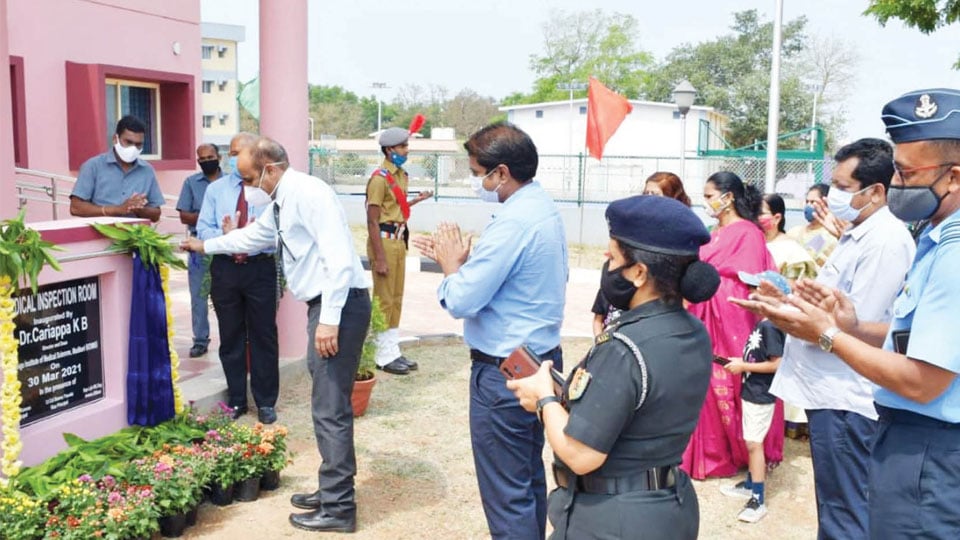
Dr. K.B. Cariappa, Director and Dean, Kodagu Institute of Medical Sciences, Madikeri, inaugurated Mother Teresa Medical Centre, school’s medical inspection room at Sainik School in Kodagu on Mar.30 in the presence of Dr. K. Mohan, District Health Officer, Kodagu and Dr. Rupesh, Resident Medical Officer.
Speaking on the occasion, the chief guest lauded the Sainik School set up and encouraged the cadets to imbibe leadership qualities to join Indian armed forces and strive to transform this vision into reality.
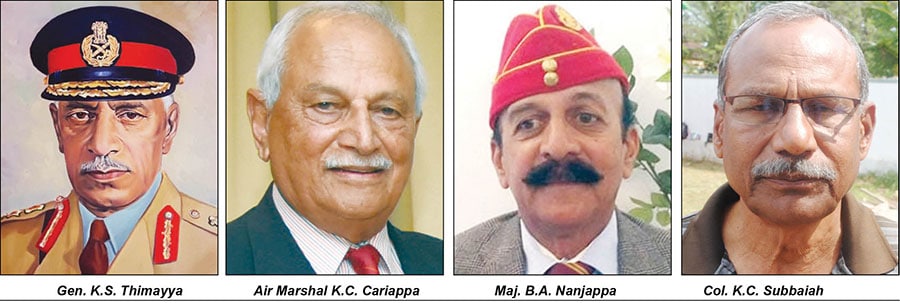
He also recalled the legendary military leaders like Field Marshal K.M. Cariappa and Gen. K.S. Thimayya and their military achievements.
The school medical inspection room with the presence of nursing assistants caters in ensuring health of the cadets. Detailed medical history charts are maintained for individual cadets and an accurate periodical record of height, weight and chest measurements is also maintained.
CBSE’s latest initiative mandates Health and Physical Education (HPE) subject to all cadets. The school medical inspection room is a repository of cadets’ medical history and a learning centre too. It helps cadets to learn and maintain hygiene, educate the importance of nutritious food and significance of physical exercises.
Dr. K. Mohan, District Health Officer (DHO), Kodagu, inaugurated Reverse Osmosis (RO) Plant at the school campus.
Col. G. Kannan, Principal, Priya Kannan, the first lady of the school, Lt. Col. Seema Tripathi, Vice-Principal, Sqn. Ldr. R.K. Dey, Administrative Officer, Sangeeta Dey, Dr. H. Mahesh, School Medical Officer and S. Suryanarayana, Senior Master, staff and cadets were present on the occasion. All safety measures including wearing mask and social distancing were followed during the event.
Cdt. M.G. Apoorv was the master of ceremony. Cdt. R. Shashank and Cdt Harsharaj spoke on Mother Teresa’s contribution to humanity and Reverse Osmosis (RO) respectively.
source: http://www.starofmysore.com / Star of Mysore / Home> News / April 11th, 2021
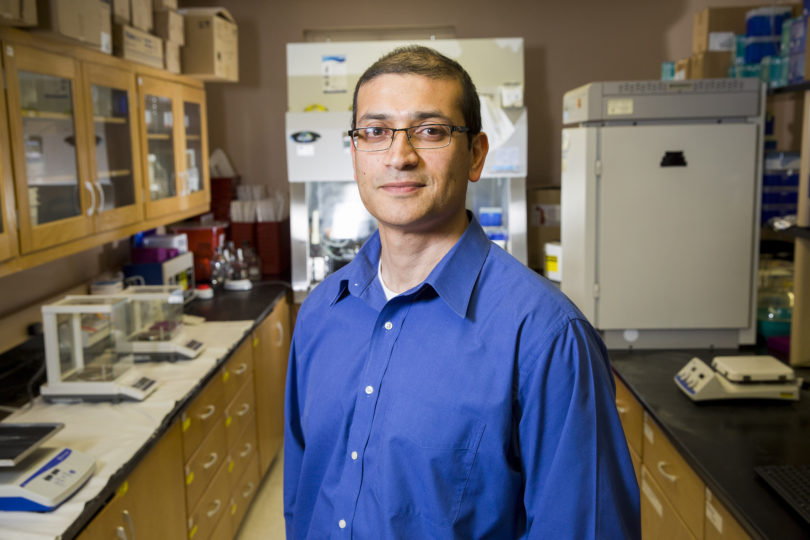
Lohitash Karumbaiah, assistant professor in UGA’s College of Agricultural and Environmental Sciences, led the team that designed and created Brain Glue.
Hydrogel mimics the composition and mechanics of the brain.
Researchers at the University of Georgia’s Regenerative Bioscience Center have developed Brain Glue, a substance that could one day serve as a treatment for traumatic brain injuries, or TBIs.
The Brain Glue is a hydrogel matrix with a gelatin-like consistency that acts as a scaffolding for transplanted stem cells, which are capable of repairing damaged tissue. With the unique ability to take the shape of the void left in the brain after a severe trauma, the Brain Glue will enable a more natural healing environment for stem cells to colonize and regenerate.
Lohitash Karumbaiah, assistant professor in UGA’s College of Agricultural and Environmental Sciences, led the team that designed and created Brain Glue. The main difference between Brain Glue and other synthetic hydrogels, according to the team, is the variety of possibilities to trap neural stem cells, improve integration and reduce the likelihood of rejection.
“It’s very common with these invasive injuries that surgeons will actually remove the part of the dead brain leaving behind a cavity or hole,” said Karumbaiah. “The question is, then, can you replace that with something like our Brain Glue, loaded up with compounds native to the brain together with a mix of protective agents that can be incorporated for the best therapeutic outcome.
“The cool thing about this chemistry is that you can take our Brain Glue liquid formulation and then very briefly expose it to long-wave UV light and form a hydrogel in any shape you like,” he said.
Every day, 153 people in the U.S. die from injuries that include TBI, according to the Centers for Disease Control and Prevention. Those who survive a TBI may live with impaired thinking, memory, movement or sensation. TBIs can also lead to personality and emotional changes.
The new approach is described in the journal ACS Biomaterials Science and Engineering and a recently awarded abstract from the International Brain Injury Association.
For more than two years now, Karumbaiah has been awarded seed-funding for his collaborative TBI work with Maysam Ghovanloo, associate professor of electrical and computer engineering at the Georgia Institute of Technology. The TBI research was initially funded by the Center for Regenerative Engineering & Medicine, known as REM, a collaborative initiative launched in 2011 between the University of Georgia, Emory University and the Georgia Institute of Technology.
The REM collaboration is an extension of Karumbaiah’s work to further study neuroplasticity: the brain’s ability to self-renew, adapt and compensate for injury and disease. His future studies will focus on how neural networks form and change in response to traumatic insults, and he will investigate the therapeutic use of electrical stimulation to help return loss of function in any given region of the brain.
“Multiple methods are needed in these kinds of studies,” said Karumbaiah. “The Brain Glue is where we make the scaffold, and the neuro-network function is really this other arm — learning how neurons fire and wire together and what this really means in terms of function.”
Steven Stice, director of the Regenerative Bioscience Center, is working with Karumbaiah on a licensed technology for commercialization of the new Brain Glue, which was recently named best abstract at a meeting of the International Brain Injury Association.
Karumbaiah’s work recently attracted a four-year, $1.5 million research grant from the National Institutes of Health.
“Lohitash sets an example for other junior faculty to emulate,” said Stice, GRA Eminent Scholar and D.W. Brooks Professor in CAES. “To be recognized internationally at such an early stage takes great skill and dedication.”
The Regenerative Bioscience Center at the University of Georgia links researchers and resources collaborating in a wide range of disciplines to develop new cures for devastating diseases that affect animals and people. With its potential restorative powers, regenerative medicine could offer new ways of treating diseases for which there are currently no treatments-including heart disease, Parkinson’s, Alzheimer’s and stroke. For more information, see www.rbc.uga.edu.
source: http://www.news.uga.edu / UGA Today / Home> Health & Wellness> Science & Technology / by Charlene Betourney / December 19th, 2017
Madikeri MLA Appachu Ranjan expressed his dissatisfaction over work on the newly constructed Government Ayurveda and Homeopathy Integrated Hospital, built at a cost of Rs 60 lakh, at B G S Circle in the new taluk centre, Kushalnagar.
He inaugurated the building during a programme organised by Kodagu Zilla Panchayat and the department of Ayush on Monday.
Inspecting the work on the building, Appachu Ranjan vented his ire against the contractor and said that the hospital was not constructed as per the proposed plan.
“The wheelchair ramp meant for specially-abled people and for patients, at the entrance of the hospital, is built unscientifically. The staircase, toilet and bathroom fittings are of poor quality,” the MLA noted and took ZP assistant engineer Fayaz and contractors Mahesh, Prakash and Manjunath to task.
The ramp and the staircases should be set right immediately, he added.
“There is no use of having old fashioned structures. The hospital should have modern facilities,” the MLA said and directed the engineer and contractors to incorporate the necessary changes in the building.
Zilla Panchayat member K P Chandrakala said that the building work was done in a hurry and is not according to the plan. She too pointed out that the ramp and the staircase are unscientific and urged those concerned to demolish the existing ramp and the staircase and build new ones.
The ZP member also demanded action against the engineer and the contractors.
Speaking to the reporters, Appachu Ranjan said that the new hospital building is constructed at a cost of Rs 60 lakh. But, the work is not carried out properly.
The official and the contractors have been taken to task. Directions have been issued in this regard. The hospital is built to cater to the needs of the people in the surrounding villages, he said.
Stating that the second wave of Covid-19 has crept in, he asked the people to be more cautious. Everyone should follow the norms such as wearing masks and following social distancing.
Somwarpet Taluk Panchayat president Pushpa Rajesh, vice president Abhimanyu Kumar, ZP member K R Manjula, Town Panchayat president B Jayavardhan and vice president Surayya Banu were present, among others.
source: http://www.deccanherald.com / Deccan Herald / Home> State> Mangaluru / by DHNS, Kushalnagar / April 05th, 2021
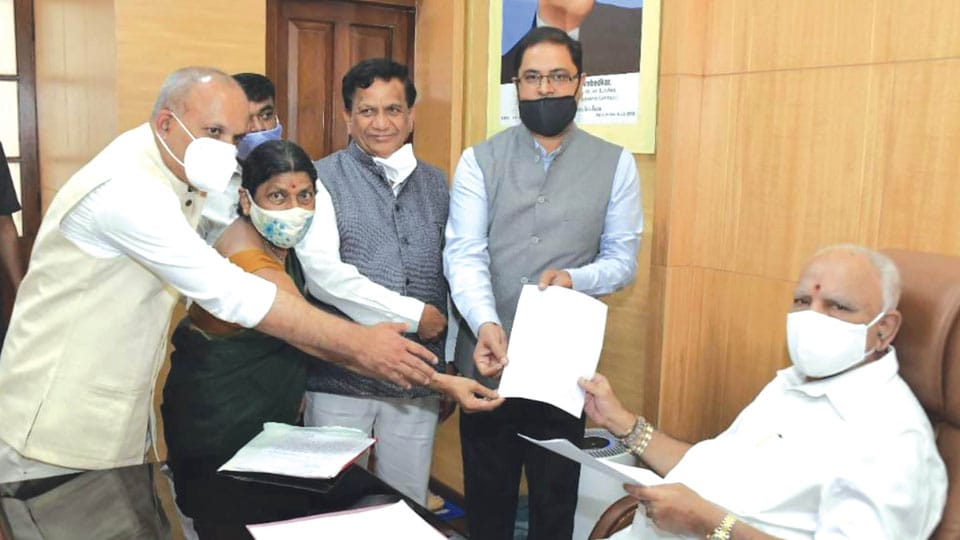
A delegation of Kodagu Institute of Medical Sciences Board Members recently met Chief Minister B.S. Yediyurappa and demanded the setting up of a super-speciality hospital in Madikeri.
Residents have been forced to travel more than a hundred kilometres, either to Mangaluru, Mysuru or Bengaluru, to avail benefits of advanced medicine, even in case of an emergency and most of the patients die before they reach their destination hospitals.
The delegation told the CM that a super-speciality hospital would help provide emergency treatment with the latest facility for the accident victims. The delegation was led by Virajpet MLA K.G. Bopaiah and comprised Board Members of Kodagu Institute of Medical Sciences M.A. Niranjan, Dr. B.C. Naveen and Dr. Jayalakshmi Patkar.
The delegation told the CM that whenever a major accident takes place in Kodagu, there are no facilities to provide emergency treatment and also accidents have increased over the years due to narrow roads. If a Trauma Centre is set up, it will help treat critically injured patients, the delegation told Yediyurappa.
There are no cardiac treatment facilities and heart patients have to depend on visiting doctors from other districts like Mysuru and Mangaluru for treatment.
Giving a patient ear, the CM told the delegation that he would discuss with officials and take measures to provide basic required facilities to Kodagu Institute of Medical Sciences.
source: http://www.starofmysore.com / Star of Mysore / Home> News / March 28th, 2021
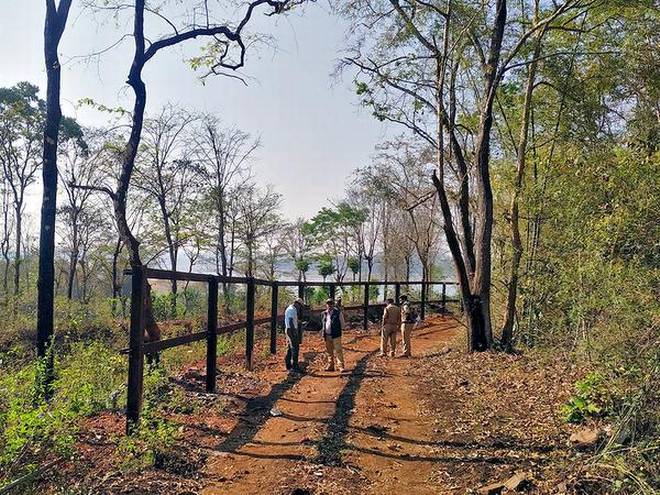
The Forest Department has installed railway barricades to stop entry of elephants in Alur range.
Across 4.5 km in Alur range, these will restrict elephant movement
The Forest Department has put up railway barricades for about 4.5 km in Alur range of Hassan district to avoid the movement of elephants. The 2.1 m tall barricades, made of used railway tracks, have been installed between Nagavara Elephant Camp and Bharatur in Alur taluk. This is the area wherein elephants from Kattepura forest in Kodagu district move towards Alur range crossing the backwater of Hemavati Reservoir located at Gorur.
People of Hassan have been dealing with the elephant menace for decades. As many as 70 lost their lives in the conflict in the district since 1991. Similarly, 63 elephants have died so far. Besides solar fencing and elephant-proof trenches (EPT), the department has taken up the installation of railway barricades as a solution to avoid conflicts.
K.N. Basavaraj, Deputy Conservator of Forests, on Friday, took a team of journalists to Nagavara Elephant Camp to show them the barricades. “We keep learning how to avoid conflicts. Now, the installation of railway barricades is considered to be the effective system to minimise the conflicts,” he said. Chandrashekhar, a contractor from Mysuru, has bagged the contract to put up barricades for 4.5 kms at a cost of ₹4.65 crore. He procured 750 tonnes of the used tracks from the Ministry of Railways at an open auction. “The barricades are 2.1 m above ground level. They have been erected with the support of concrete 1.5 m below the ground. Two horizontal barricades are such that neither a cub nor adult elephant could cross them. We have learnt from the past experiences where elephants died while attempting to cross the barricades,” the officer said.
The purpose is to avoid the entry of elephants from Kodagu to Hassan. In 2014, the department captured 24 elephants and relocated them, resulting in a decrease in man-animal conflict for a brief period. “However, the number of elephants increased gradually, as many crossed the Hemavati backwaters. Now, we are plugging the hole so that elephants’ entry from Kodagu is restricted,” the officer said.
The department plans to extend the barricade for 40 km covering the boundary points. In Kodagu, the elephants that raid coffee estates could be driven back to forest areas easily, while in Hassan it was not possible. The herds keep moving from one estate to another damaging the crop, the officer said.
Opposition from farmers
Farmers of Nagavara and surrounding villages in Alur taluk have opposed the railway barricades alleging that these would force the elephants to camp in their estates for a long period.
Rangaswamy, a resident of Nagavara, said, “No doubt the barricades restrict elephants coming from Kodagu. What about those elephants already in the boundaries? Now, they cannot go back to Kodagu because of the barricades and continue to remain in the estates located close to the barricades.”
Mr. Basavaraj, DCF, reacting to the allegations, said the barricades had been put up just now. The officers would analyse the elephants’ movement and take appropriate action whenever necessary. “We have plans to extend the barricades for 40 km. As of now, we have a system to open the barricades at key points to let the elephants go back to their places,” he said.
He further clarified, “The path that we are blocking is not considered to be the natural path of the elephants. Only in the recent years, they have begun to tread this path.”
source: http://www.thehindu.com / The Hindu / Home> News> States> Karnataka / by Sathish G.T. / Hassan – March 27th, 2021
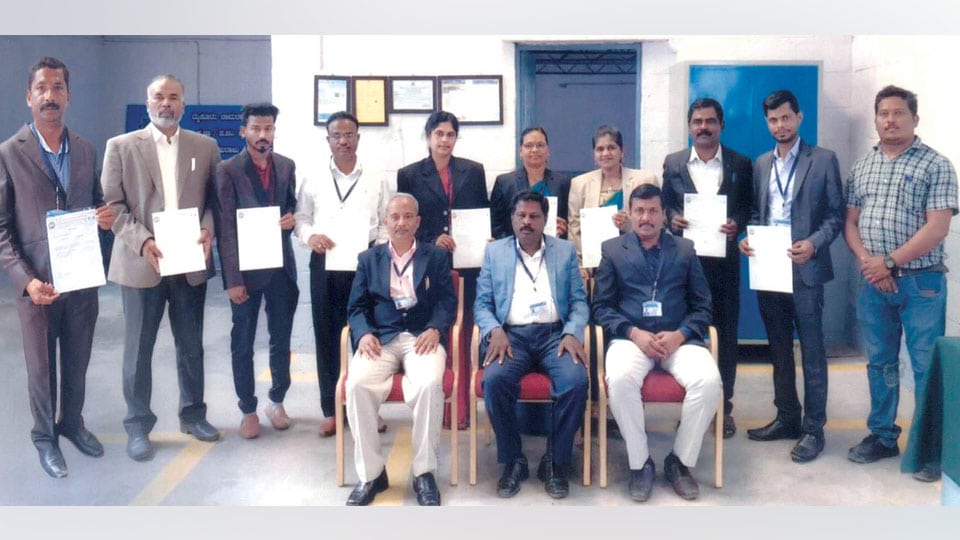
The following newly elected Directors of the Mysuru, Chamarajanagar and Kodagu District SC/ST Industrialists and Goods/ Equipment Supplies and Marketing Co-operative Society Ltd., Mysuru, have been appointed as the Convenors and Co-Convenors of the respective districts, according to a press release from the Society President Vijayashankar:
Chamarajanagar: Convenor – D. Eshwar; Co-Convenors – C.S. Akshay and M.S. Chandrashekar; Kodagu: Convenor – Y.T. Paramesh; Co-Convenors – M. Honnaiah and M. Chandra; Mysuru City: Convenor – P. Nanjundaswamy; Co-Convenors – M. Chandrashekar and Theinmozhi; Mysuru Rural: Convenor – Shivanna; Co-Convenors – Dr. P. Shobharani and B. Kalavathi.
source: http://www.starofmysore.com / Star of Mysore / Home> News / March 21st, 2021
The young boy, who has been diagnosed with profound hearing loss since birth, was gifted with hearing aids with the efforts from Swastha Centre for Special Education and Rehabilitation, Suntikoppa.
Madikeri :
The silent world opened up with sounds to the six-year-old Dhruva, who heard for the first time on the World Hearing Day on Wednesday.
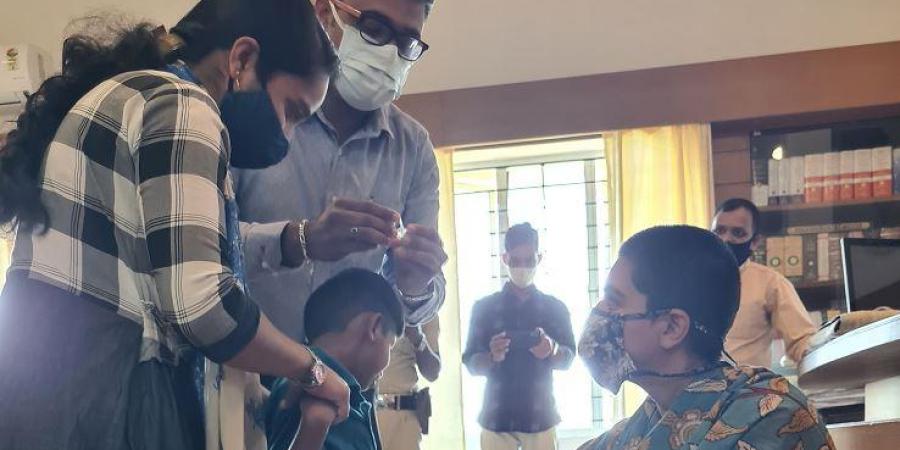
The young boy, who has been diagnosed with profound hearing loss since birth, was gifted with hearing aids with the efforts from Swastha Centre for Special Education and Rehabilitation, Suntikoppa. The hearing aids were handed over to Dhruva by Kodagu DC Charulata Somal.
Son of Srijith and Rekha from Madapura in Kodagu, Dhurva was diagnosed with hearing loss at the age of three. While his parents looked forward to equipping their child with hearing aids, the equipment was out of reach for the parents. However, the Community Based Rehabilitation programme conducted by Swastha Institution introduced Dhruva’s parents to Aarthi Somaiah, the director of Swasta and the journey from here has been a sweet one.
Swastha Institution, a unit of Coorg Foundation, has over 100 specially-abled students. The centre provides vocational training to all the students even as many are placed across reputed private companies in the district. After the institution learnt about Dhruva, many donors were contacted.
SLN Group Vishwanath and his wife and Komal of Kanbail Estate, came forward to join hands with Swastha to help Dhruva who has now been equipped with Rs 62,500 worth of hearing aids. Dr Achaiah conducted the hearing test for Dhruva and the hearing aids were placed on Dhruva by DC on Wednesday.
“Dhurva has been born with severe to profound hearing loss and hearing aids play a major intervention. Once he starts responding to the hearing aids, he will be given speech therapy,” explained Dr Achaiah.
Director Aarti said that early intervention is required to identify differently-abled. “The centre has strategized the early intervention programme across the district and this enables identification, assessment and service delivery to differently-abled children aged six and below. The mainstreaming will be taken up by training the mothers of differently-abled at Anganawadis, which will be chosen as intervention centers.”
source: http://www.newindianexpress.com / The New Indian Express / Home> Good News / by Prajna G R / Express News Service / March 03rd, 2021
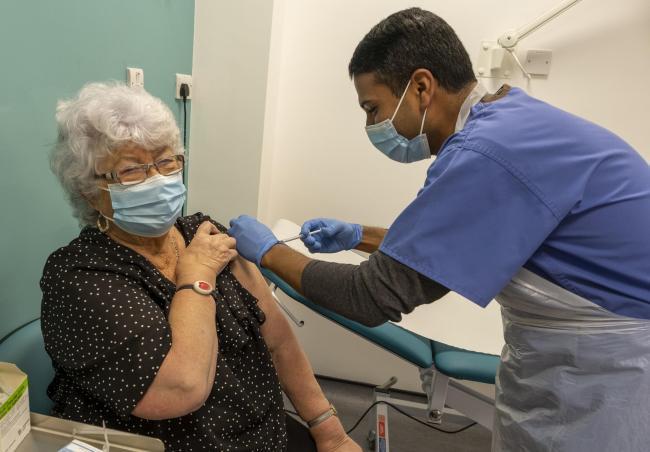
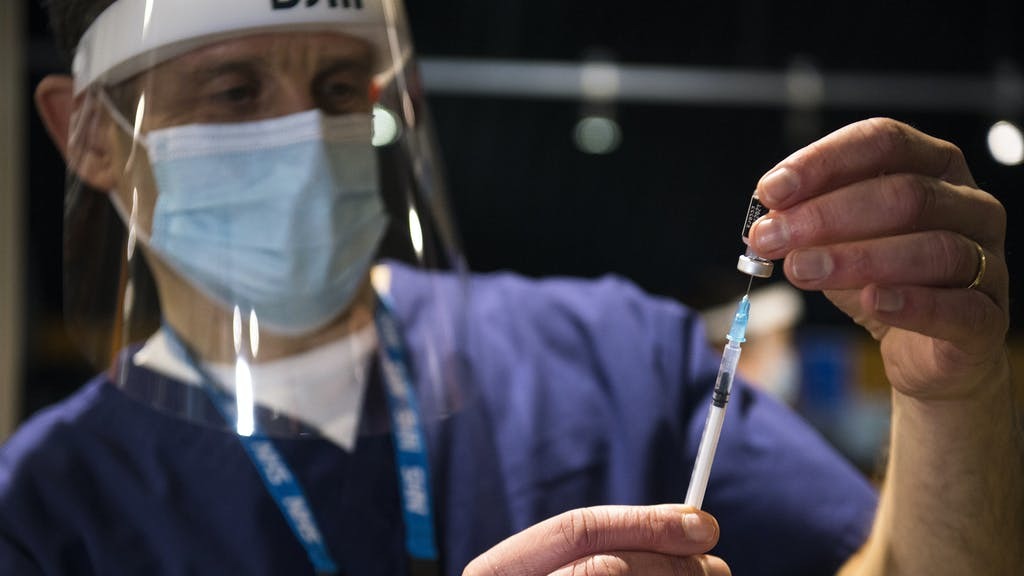
Dr Arun Mandepanda Thimmiah, a GP at the Abbey Road Surgery in Barrow, gives advice on health issues in his weekly column. This week, he addresses concerns people may have over whether their invite to receive a Covid-19 vaccine jab is genuine.
Unfortunately some people are using the Covid-19 vaccination programme in order to commit fraud.
The types of scams vary – some are trying to extract money, others are collecting personal information – so it’s really important to make sure you’re speaking to the right people.
In the UK, coronavirus vaccines are only made available via the National Health Services of England, Northern Ireland, Wales and Scotland.
You can be contacted by the NHS, your employer, a GP surgery or a pharmacy local to you to receive your vaccine.
Remember, the vaccine is free of charge.
At no point will you be asked to pay.
n The NHS will never ask you for your bank account or card details.
n The NHS will never ask you for your PIN or banking password.
n The NHS will never arrive unannounced at your home to administer the vaccine.
n The NHS will never ask you to prove your identity by sending copies of personal documents such as your passport, driving licence, bills or pay slips.
n Occasionally your local vaccine centre may ring you from a list provided by your GP surgery if you are in the group being invited to receive the vaccine at the end of the session in order to avoid wastage of vaccines.
If you have any doubts as to the caller’s authenticity, ask which organisation they are calling from, then hang up the phone and dial the official number for that organisation.
You will not miss out on your vaccine by doing so.
Please be aware that fraudsters do ‘spoof’ numbers – the number you see on your screen may not be the number that is calling you – and NHS call handlers will NOT ask you to check the number that appears on your screen; this is a common way for fraudsters to appear as legitimate callers.
source: http://www.nwemail.co.uk / The Mail / Home> News / by Dan Taylor, Senior Reporter / February 20th, 2021
Last Sunday, 31st January 2021, I went to Madikeri on a bore-breaking trip with my wife and two friends. It was a two-and-a-half-hour journey by car via Kushalnagar. The road being good travelling was comfortable.
Kushalnagar is the Gateway to Kodagu, with River Cauvery flowing quietly as a boundary between Mysuru and Kodagu districts. The two districts were connected with a bridge. It was a surprise for me to find the town growing enormously. It has become a huge tourist hub. There is Harangi Dam and a Garden a few kilometres away and in the city outskirts you have the famous and very popular Nisargadhama — riverside forest safari and boating with huge shopping arcades spread over a very large area on Madikeri road.
Another tourist attraction is the Buddhist Golden Temple on the other side of the river at Bylakuppe, a Tibetan Colony. There is a Sainik School, Engineering College and many more. It is going to be a boom city of Kodagu beforelong.
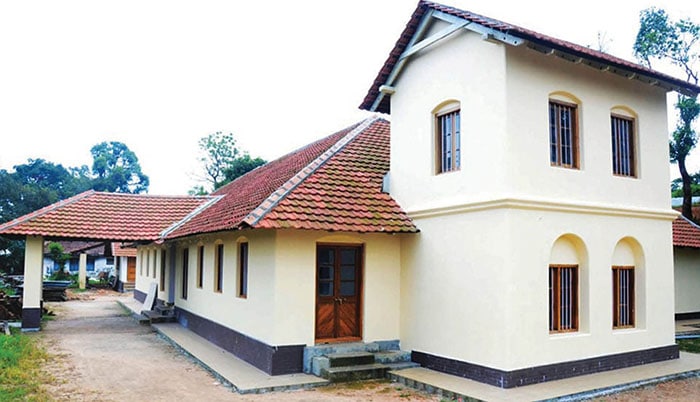
We reached Madikeri rather late at 3.30 pm keeping our schedule to just three places — Gen. K.S. Thimayya Museum, Medical College and Kodava Heritage Centre. Our President Ram Nath Kovind would inaugurate the Museum tomorrow (6.2.2021) and it was as it should be. Our President, under the Constitution, is the Commander-in-Chief of our Armed Forces.
Our first visit was to the Gen. Thimayya Museum and those in charge of arranging the artefacts, photographs, videos, audios etc., have indeed taken much time, trouble and care. Special compliments and commendation should go for this great effort to Air Marshal Kodandera C. Nanda Cariappa (retd.), Maj. Biddanda A. Nanda Nanjappa (retd.) and Col. (retd.) Kandrathanda C. Subbaiah. All residents of Kodagu.
As we were sauntering around the place, with a few Army personnel and local labourers working to get the Museum ready to receive the President, there came the most talkative man I have ever met in my life, Maj. Nanda Nanjappa. Indeed a live-wire man bursting at the seams with a zeal and enthusiasm for the work on his hand — getting the Museum ready in all aspects for the big day. I listened to him about how the Museum happened and the herculean efforts he and his friends-in-arms have made to get the place ready for the VVIP arrival.
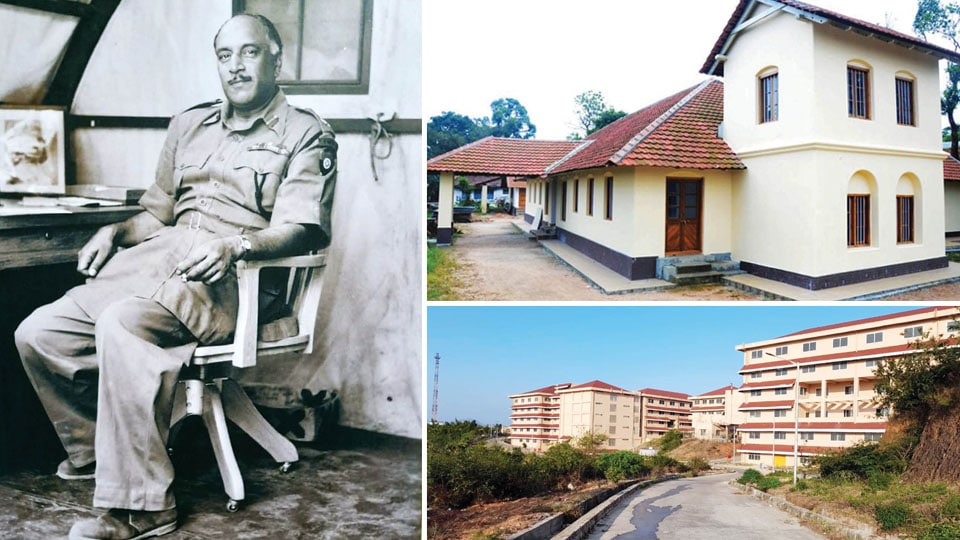
I am familiar with this house called “Sunnyside” where Gen. K.S. Thimayya’s mother lived. She was a very famous lady known for her riches and celebrity status. The house is on the main road, as you enter Mercara from Mysuru, on a slope. I remember, as a student in Madikeri in the 1950s, going for evening walk with fellow students and friends on this road and occasionally talk about the lady of the house with awe. There was a fountain visible from the gate with an angel perched on top. The house being at the bottom of the slope was not visible to the road.
According to my information this house was sold by Gen. Thimayya’s wife to the Government of Karnataka in the year 1972 and the RTO Office took over this house, with about 2.5 acres of land, for its use. Wonder it took over 50 years to reclaim the house for the Museum under the Kannada and Culture Department of the State Government. Thanks to the efforts of Field Marshal Cariappa – General Thimayya Forum comprising about 22 members to get the State Government to vacate the RTO and set up this Museum. However, the theme, concept and the vision of the Museum came mainly from two Army and one Air Force Veterans who are also members of the Forum — Air Marshal K.C. Nanda Cariappa, Col. K.C. Subbaiah and Maj. B.A. Nanjappa — that I mentioned earlier. A good job well done. Sure, the Supreme Commander of Indian Armed Forces, Ram Nath Kovind, will have many good words to say about the Museum and give a big Shabash for the Forum.
I do not want to be presumptuous but I guess there is a need for a small library with books on Gen. K.S. Thimayya and other top brass in the Army, which is also a reading room for reference-seekers and book-worms.
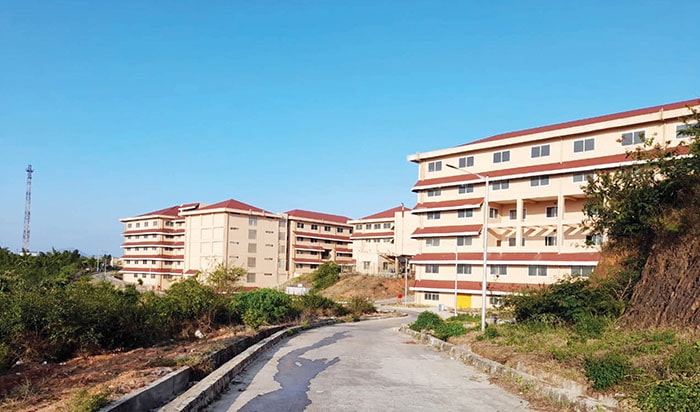
Our next visit was to the Medical College, about five kilometres from downtown or 11 kilometres via Abbey Falls. It is located atop a hill in a village known as Karnageri. A number of high-rise buildings, washed in light pink, are visible from a distance as we manoeuvred the never-ending, serpentine, well-laid out concrete road. The construction of the road itself must have cost a fortune. A clear case of penny wise, pound foolish.
Access to city for students and staff must be a very time-consuming and tiring exercise. Specially during monsoon. In Kodagu, specially Madikeri, climate is of two kinds — monsoon and winter veiled in mist. Summer is, no doubt, severe but short.
I left the place wondering if the Government officials or the politicians could not find another place, plain land in Virajpet, Gonikoppal or Kushalnagar considering the importance of the logistics and environment for locating such an important institution. Let it be.
My next visit was to my mad obsession, the Kodava Heritage Centre at Vidyanagar in Madikeri. About this Centre I have written enough and more and our reporters of Star of Mysore and Mysooru Mithra too have published many pictorial reports. All in vain.
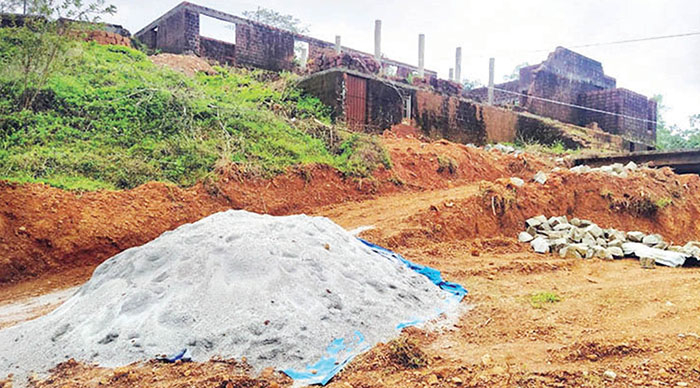
The idea of a Kodava Heritage Centre may be well-meaning and also much-needed for a Vanishing Tribe, Kodavas. But, the way it was held to ransom in the past 15 years is tragic and an insult to “Kodavame”. As I saw it, I do not think it will be completed at all and seems to be in danger of being abandoned as unviable. Is it jinxed? If it is so, so be it. What cannot be cured must be endured till the end comes. There is no medicine for fate !
That way the fruition of Gen. Thimayya Museum is a miracle. Unless such miracles happen, this Heritage Centre will not come to fruition.
Pictorial journey of Madikeri By K.B. Ganapathy
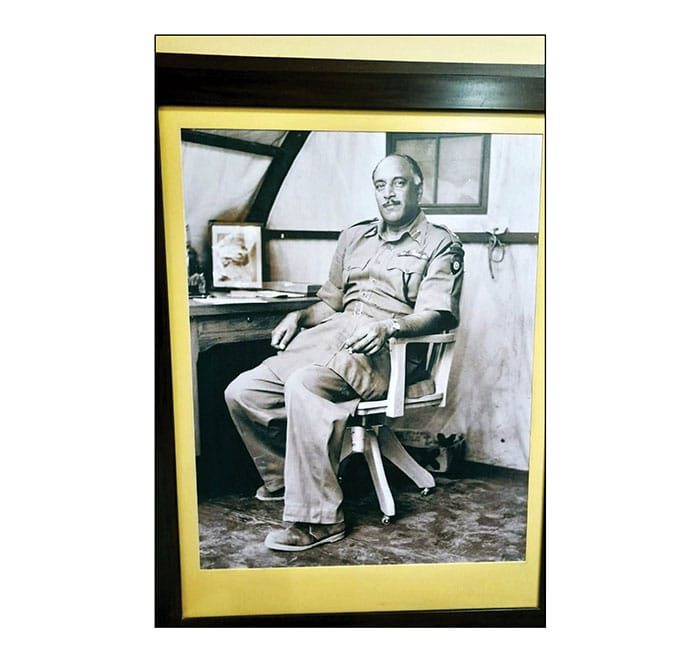
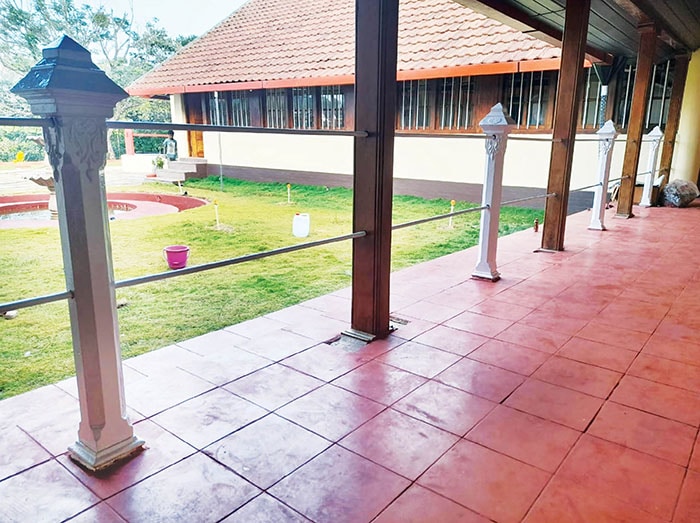
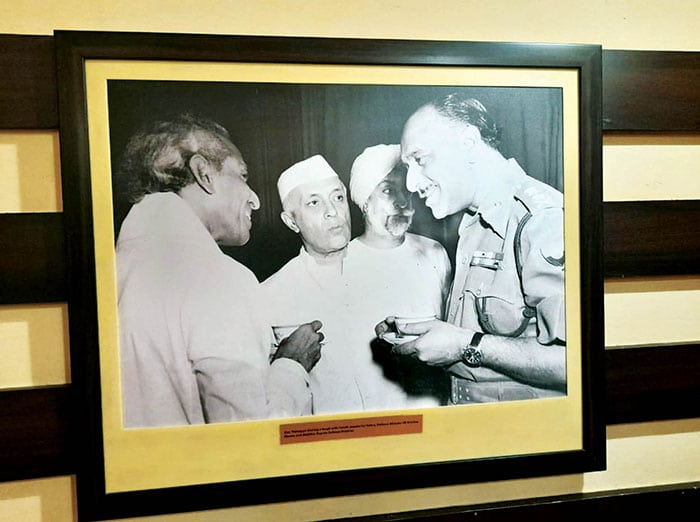
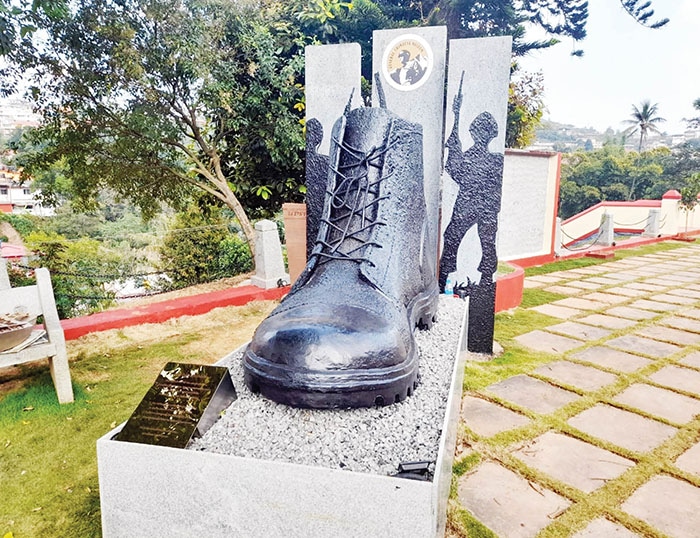
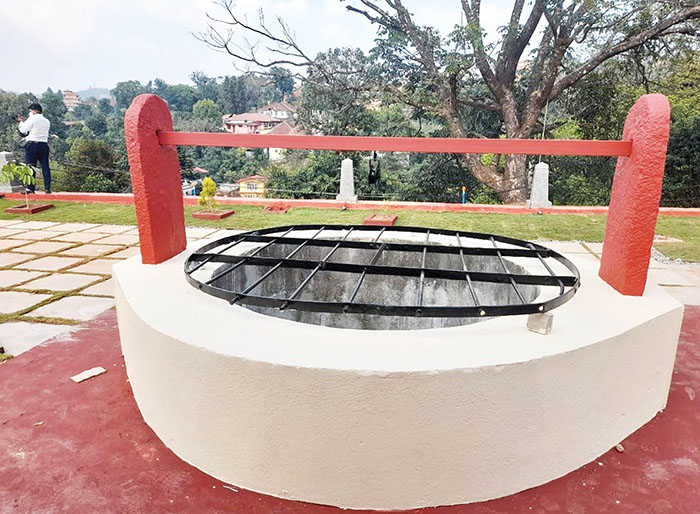
A photo of Gen. K.S. ThimayyaSunnyside: Gen. K.S. Thimayya Museum building with a portico.The RTO had ruined the building without maintenance and it was restored. The picture shows the cast-iron ornate dwarf pillars on an open veranda which were fully buried in a protective wall by the RTO. Only when the wall was demolished, these pillars emerged.Gen. K.S. Thimayya with the VIPs — Jawaharlal Nehru and V.K. Krishna Menon.A cement sculpture in the open yard of the Museum.… and the well as old as the building.Medical College at Karnageri village in Madikeri.A view of Kodava Heritage Centre in Vidyanagar, Madikeri, from the main road.
e-mail: voice@starofmysore.com
source: http://www.starofmysore.com / Star of Mysore / Home> Abracadabra> Columns / by K.B. Ganapathy / February 05th, 2021
Motorbikes have become part of life in India where roads of different types and make pass through different terrains. A mechanic here, who loves motorbikes, has utilised the time he got due to coronavirus break, to invent a self-start for motorbikes without requiring any motor. Venkatesh from Kushalnagar here is the inventor of this device.
People now-a-days are not willing to kick-start their vehicles. Many bikes marketed in the recent past have self-start facilities. But those made a few years back do not have this facility, and repeated kicking is unavoidable. There are people who are attached to their old bikes and hence do not want to sell them. Venkatesh’s invention will help them.
Venkatesh’s alternate generating system kit (AGS) works by using winding copper wires. For this self-start, no machine or motor is needed. This is made by just using copper wire and magnet. It can be fitted to bikes without damaging any part. The price of the kit may be between Rs 12,000 to Rs 15,000. Venkatesh has uploaded video of its working in YouTube and several have already booked for the kits.
His other invention, fixing of double engines, has also become a hit.
source: http://www.daijiworld.com / Daijiworld.com / Home> Top Stories / by Daijiworld Media Network – Madikeri (SP) / January 21st, 2021
WELCOME. If you like what you see "SUBSCRIBE via EMAIL" to receive FREE regular UPDATES.
Read More »