Italy’s biggest coffee roaster Lavazza, has announced the launch of Il Mattino Vivace its first pure filter coffee blend to be sourced and processed in India for the domestic market.
Coffee is being sourced from Chikmagalur and Coorg in Karnataka and processed in Lavazza’a manufacturing facility at Sri City in Andhra Pradesh.
The facility at Sri City in Tada began its commercial operations a few weeks ago, Fresh and Honest Cafe Ltd Managing Director Silvio Zaccareo said.
Fresh and Honest Cafe Ltd is a 100 percent subsidiary of Lavazza.
Zaccareo declined to reveal the size of investment made at the factory or the number of employees working in it.
II Mattino Vivace meaning ‘lively morning’ is made from Arabica and Robusta beans roasted for the “at home” segment.
“Lavazza is known the world over for its expertise in art of blending for over four generations. II Mattino Vivace is a result of combining that expertise and our understanding of the unique consumer preferences in Indian market”, he said.
To a query, he said the coffee powder would be available in retail outlets across the country. “We are planning to complete first stage distribution by end of this month”.
Zaccareo said the company inaugurated Coffee Training Centre last year which was the first largest centre outside Italy.
The centre trains professionals, carries out research and explores new forms of taste. “We have trained more than 1,000 people,” he said.
source: http://www.retailnews.asia / RetailNews.asia / Home / by Retail Asia / July 14th, 2023
Indian Badminton Doubles Players, Ashwini Ponnappa and Tanisha Crasto have achieved their career-best rankings in BWF Rankings. In the recent update by the BWF, the duo successfully climbed up one place to reach 60th rank. This is the highest they have achieved in their entire career.
The pair recently won the Nantes International Challenge title by defeating the prolific duo of Hung En-Tzu and Lin Yu-Pei of Chinese Taipei. The event took place at the Salle Metropolitana de la Trocardaiare, Paris. Ashwini is a Commonwealth gold medallist and a world-class player with many titles under her belt.
Meanwhile, Tanisha has astoundingly proven herself. She paved her way through the domestic circuit and has shown his talent alongside experienced players. Both of them have performed exceptionally well in the recent past and are willing to stick with the winning ways.
Ashwini attained the highest-ever ranking of 10 in women’s double alongside Jwala Gutta in 2015. While Tanisha had the highest rank of 115 with Shruti Mishra. This duo has come a long way to achieve this feat in the BWF Rankings update. They display the depth in the Indian Badminton pool and the nurturing of this depth.
Other Indian Players to Gain in Recent BWF Rankings
Apart from these two, Simran Singhi and Ritika Thaker moved up to 64th rank. Swetaparna Panda and Rutaparna Panda advanced to 66, while the Palak-Unnati pair moved to the 90th position. All of these Ranks were achieved in the Women’s Doubles category.
In the Men’s Single category, Kiran George moved up three places to achieve the 53rd position. While in the Men’s Doubles category, P.S.Ravikrishna and S.Sankar climbed up four places to grab the 70th ranking. The pair of Achutaditya-Venkata Harsha also made meager progress by moving to 80th place in the rankings.
These are some major updates from the BWF Rankings update in July 2023 and the players would be motivated to further progress in the same manner.
source: http://www.sportskeeda.com / SportsKeeda / Home> Badminton / by SportzConnect / edited by Yash Singh / July 05th, 2023
The recent census of elephants in Kodagu forests has indicated that there are 1,103 jumbos in the jungles. The census was taken up for three days last month. The number of elephants has increased in Kodagu though the region is in the middle of human-wildlife conflict.
Conservator of forests (Kodagu circle) BNN Murthy and DCF (Madikeri division) AT Poovaiah said that the census was taken up after a gap of six years. The elephant census, which was conducted in Karnataka, Kerala, Tamil Nadu , was conducted in 23 ranges of four divisions in the district namely Madikeri, Virajpet, Madikeri wildlife division, and Nagarahole Tiger Reserve. About 800 personnel were involved in the census.
The elephant census was conducted in three phases. On the first day, the number of elephants was directly recorded through a block count. On the second day, indirect enumeration was done and on the third day, enumeration was done using the lake and dams by observing the number of elephants coming to drink water.
For enumeration operations, the enumerators roamed forest areas on foot and recorded the marks of elephants seen in the forest as per the prescribed document. The number of male, female and baby elephants in a herd of elephants was determined, officials noted.
There were 200 teams of three people each. Arms were provided to each team as a precautionary measure, the officials stated.
The forest officials said that there are a large number of elephants dwelling in the plantations also and if this number is detected, the number of elephants will increase substantially.
source: http://www.timesofindia.indiatimes.com / The Times of India / Home> News> City News> Mysuru News / by G. Rajendra / TNN / June 07th, 2023
The All India Tennis Association (AITA) on Tuesday unveiled a 12-member squad for the continental quadrennial games. Doubles specialist Rohan Bopanna will once again represent India in the tennis competition at the Asian Games. On September 23, the Asian Games will get underway in Hangzhou.
The potential singles players for the team are Sasikumar Mukund and Sumit Nagal, who both competed in doubles at the 2018 Asian Games alongside Ramkumar Ramanathan. Bopanna, 43, and Ramkumar are most likely to team up. The other two members of the group, Yuki Bhambri and Saketh Myneni , are already paired on the ATP Tour.
Ankita Raina, who won bronze in singles at the 2018 Asian Games, will serve as the team’s captain. Karman Kaur Thandi, Rututaj Bhosle, Sahaja Yamlapalli, Vaidehi Chaudhari, and Prarthane Thombare are the other active members.
The nucleus of the Indian delegation in both the men’s and women’s divisions is essentially unchanged, with Ramanathan, Nagal, and Bopanna also being part of the Jakarta Games team. Ankita, Karman, Ruturaj, and Prarthana are among the four female players that participated in the Jakarta tournament five years ago. Sahaja and Vaidehi are the two new players.
source: http://www.sportscafe.in / Sports Cafe / Home> Tennis> National> News / by Sports Cafe Desk / June 21st, 2023
India’s coffee growth is being affected by unpredictable weather patterns, including insufficient rainfall, temperature fluctuations, drought, and heavy flooding.
While Baba Budan, the Sufi monk, planted the smuggled seven coffee beans in the bountiful hills of Chikmagalur, little did he know that India, one day, would be the 6th largest coffee producer, with Karnataka contributing 71 per cent of coffee production to the world. Though the coffee culture has evolved through the years, and there has been a significant boom globally for coffee, the threat for your morning cup is real and is right there knocking on the doors–climate change!
Unpredictable weather patterns are affecting most parts of the world, including India. The country grows a lot of Robusta and Arabica, and both these varieties suffer prolonged periods of inadequate rainfall, temperature rise, drought and heavy flooding.
The Case With Arabica And Robusta Samia Subhani, a fourth-generation coffee planter and the founder of “The Kaimara Belt Coffee,” sounded distressed. Her family has been into coffee growing and trading for over 150 years, and their estate in the Baba Budangiri hills grows Arabica, the most demanding variety. Subhani’s estate has 50-80 farmers working on the plantation daily, all dependent entirely on coffee farming. But with the ongoing effects of climate change, coffee is going through a difficult phase putting all their lives at risk.
Arabica is the most demanding variety of coffee when it comes to cultivation. Photo Credit: Shutterstock
“Climate change causes leaf shedding, reduced coffee plant productivity, and increased vulnerability to pests. Extreme cold delays plant flowering and lowers berry quality. Heavy rains at irregular times cause cherries to burst and drop prematurely. Continuous heavy rains before harvest prevent drying, leading to crop spoilage,” Subhani explained.
But like they say, every solution has a problem. Subhani mentioned that we must dig deeper into our pockets and follow some mitigation measures to maintain the yield and deliver quality coffee to patrons. “So, we provide artificial rains during droughts, maintain proper irrigation in the system, avoid using harmful pesticides to control soil erosion and use only soil-friendly organic fertilisers.”
While this is the situation in an Arabica coffee plantation at Chikmagalur, Coorg, popularly known as the “Scotland of India,” is known to grow more of Robusta.
“Climate change is certain to impact coffee yields due to temperature changes. Coorg is experiencing water scarcity, affecting coffee production. Coffee plants require water, nutrients, rainfall, and sunshine for healthy growth and harvest. Fluctuations in yield have increased, with lower yields in recent years. Delayed monsoons in Coorg will further reduce usable berry production,” said Shruti Shibulal, CEO and Director of Tamara Leisure Experiences.
Though these climatic impacts are less friendly to coffee crops, Shibulal believes they have the advantage of scientific studies to inform how we can prepare for this impending change. Collaboration and knowledge sharing between those with high knowledge of the crop and those with research-driven and technological expertise is vital to assess, test and implement viable solutions.
Robusta is grown extensively in Coorg. Photo Credit: Shutterstock
“The Tamara Coorg is a 100 per cent organic plantation. Therefore, our irrigation is entirely dependent on rainfall. Rainwater harvesting tanks here facilitate the annual reuse of 90 lakh litres of rainwater. These reserves do marginally help us contend with unpredictable weather patterns. However, the coffee trees depend on rain and sunshine in balanced intervals to yield the greatest number of healthy berries,” she added.
According to Shibulal, instead of using measures like industrial fans or increased labour to speed up the drying process of coffee berries, they focus on protecting and nourishing their coffee trees using organic fertilisers and natural supplements. They also prioritise sustainable practices like reusing rainwater for irrigation and actively monitoring soil health. She further emphasised the importance of maintaining a tree canopy structure, which creates a favourable micro-climate for coffee plants and supports biodiversity.
“I would turn my support to local and regional producers or individual plantations (whenever possible). Smaller establishments will face greater challenges during times such as these. As consumers, we must lend our loyalty to those actively pursuing practices that combat climate change in the long run,” Shibulal concluded.
Climate Change Affecting Coffee Planters All Over Tapaswini Purnesh, a fifth generation coffee planter and Director–Marketing & Promotions of Classic Coffee, mentioned that other coffee planters, including the Harley Estate at Sakleshpur in Karnataka, are also battling climate change.
“The worst scenario is the last 4 to 5 years, where we have been experiencing heavy rains during harvest season, i.e., November to February, which normally is a complete dry spell. India is unique to the sun drying of coffee. However, due to unseasonal rains during harvest, plantations are now installing mechanical dryers to avoid quality deterioration,” Purnesh said.
She also stated that coffee production is highly labour-dependent. In the long run, finding labour may become increasingly challenging, an evident trend. As the cost of implementing adaptive measures rises and the arduousness of growing quality coffee amidst climatic pressures is considered, customers must acknowledge that good coffee comes with a price tag. “The coffee growers will be motivated to enhance and refine their coffee cultivation practices if they receive adequate remuneration from the price realisation.”
Meanwhile, the latest estimates warn that climate change may mean that as much as half of the land used for coffee production worldwide may no longer be suitable for it by the middle of the century if global warming continues at this rate. So, as all these coffee planters suggest, every citizen must be more responsible towards our environment, travel responsibly, and follow more sustainable practices to save our environment and the most loved, coffee.
source: http://www.outlookindia.com / Outlook Traveller / Home> Explore> Story / by Deepa Shri Rajan / June 25th, 2023
Indian squash players performed creditably in international, and home events.
There can be little doubt that in the last quarter of a century Indian sport has made a mark on the international stage. In various disciplines Indian sportsmen and women have won medals at World and Olympic meets and particularly in disciplines like weightlifting, boxing, wrestling, shooting, athletics and badminton Indians have earned a lot of respect worldwide.
But if there is one sport in which Indians have been making a comparatively quiet buzz it is squash. Not only have they performed creditably in international events but the country has also staged several international meets.
The most recent one was the just concluded Squash World Cup in Chennai, where eight countries participated. It was for the second time the city was hosting the event, the previous one being in 2011. Favourites Egypt won the event defeating Malaysia in the final. India made it to the semifinals before going down to Malaysia.
Zena Wooldridge, the president of the World Squash Federation (WSF) spoke highly of both the excellent infrastructure in the country and the potential of Indian squash to rise even higher. “India is such a massive attraction to any country and as such the Indian market is something that is irresistible in more ways than one’’ said Wooldridge who was in Chennai for the mega event.
Squash has come close to being an Olympic sport more than once before narrowly missing out to other disciplines but Wooldridge has not lost hope. She is confident of it being included in the 2028 Olympics, “Squash has not done anything wrong to not get the go ahead. I think we had some of the best bids and presentations.’’
In fact in keeping with the times the sport has made an important change in the points system and this was seen for the first time during the Chennai event. It featured a novel seven point best of five games format instead of the traditional eleven points posing a unique challenge for the players. In other words this abbreviated version was termed as the sport’s T-20 format but the players had no problem in adapting to it.
Think of Indian squash and the names that spring to mind immediately are Joshna Chinappa and Dipika Pallikal. The two young women along with the leading men’s player Saurav Goshal have done the most to put Indian squash on the international map. All of them have been ranked at various times in the top ten in the WSF rankings on the way, notching up victories over the leading players in the game.
All three, as well as several upcoming players, readily acknowledge that their game improved by leaps and bounds because of the Indian Squash Academy (ISA) a world class facility in Chennai that is the brainchild of N. Ramachandran former president of the Indian Olympic Association and former president of the WSF. There was a time when Mumbai was the hub of Indian squash but things changed when the ISA was set up at the turn of the new millennium.
The Squash Rackets Federation of India (SRFI) secretary-general Cyrus Poncha is firmly of the view that Chennai is now the place for squash players, “It goes without saying that Chennai is the squash hub in India and the reason for that is the presence of the ISA in the city. The training and the tournaments we conduct and the coaches we have at the ISA ensures high standard performances by our players.’’
Ghoshal for one has trained both in England and India. “When I am in India it is in Chennai that I undergo training. The facilities at the ISA are on par with any other academy abroad,’’ he says.
A factor in the growing popularity of squash according to Poncha is that it is an indoor and all weather sport. “We have been seeing a steady growth in the number of players taking to the sport. We have a programme wherein we go to schools and bring interested students to the squash academy. We take in kids as young as ten years and train them,’’ he says.
A far-sighted approach in making the sport popular has also helped. Initially matches in the Asian and World championships were held at the ISA. But the authorities realised that for squash to become popular it had to be taken to the masses.
In keeping with this for the last few years national and international events have been held at the Express Avenue Mall in the heart of the city. The huge crowd present during the recent Squash World Cup was testimony to the sport’s growing popularity.
Even those who had come in for shopping or window-shopping had a glance at what was going on at the court in the main foyer. But there were hundreds who had come specifically to watch the proceedings. From the various floors the spectators enjoyed the fare even as they clapped and cheered for the Indian players while holding aloft the national flag.
There is little doubt that Joshna and Dipika by their exploits on the squash court have inspired a younger generation to take to the sport. Joshna was part of the Indian team that took part in the world meet while Dipika who is married to Indian cricketer Dinesh Karthik has twins to care off and plays the game only sporadically. Incidentally Goshal is Dipika’s brother-in-law having married her sister.
Considering squash’s status at one stage, it has been a great journey for both Joshna, now 36 and Dipika, five years younger. The ISA took stock of their talent and moulded them. They were school children when squash crept into their activity zone.
The visionary zeal of N. Ramachandran, an industrialist and an ardent squash lover ensured the establishment of the ISA that virtually shaped the careers of several young talents. It was during his tenure as the Secretary General of the SRFI that the ISA became a reality. Today it is an institution that has helped script several wonderful moments for Indian squash.
source: http://www.thecitizen.in / The Citizen / Home> Sport / by Partab Ramchand / June 21st, 2023
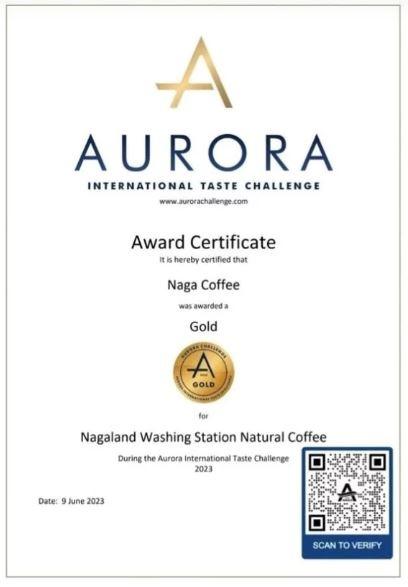
Naga Coffee was awarded Gold for Nagaland Washing Station Natural Coffee during the Aurora International Taste Challenge (AITC) 2023 held on 9 June in South Africa.
Local farmers from the state capital Kohima produced the coffee that entered the competition.
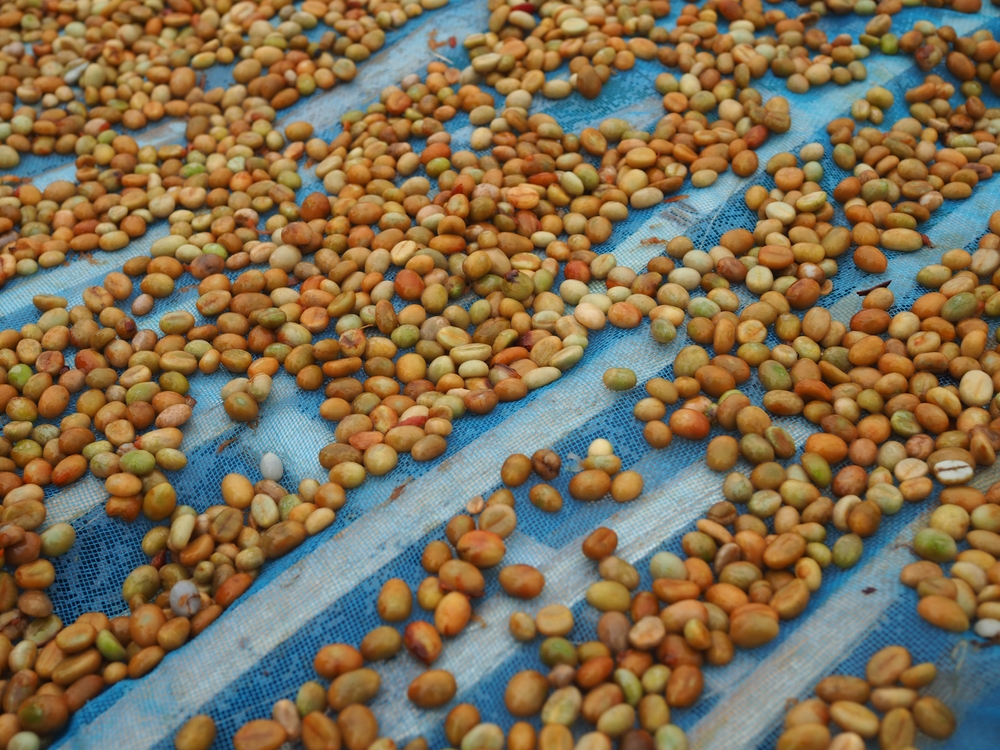
The Naga Coffee was experimented with a new drying process this year. Ripe coffee cherries were brought from a few local farmers and dried in a polyhouse during the winter season in Kohima.
The idea behind this is to promote homegrown Himalayan coffee with a natural citrus flavour and generate employment in the State.
__________
Naga Coffee was awarded Gold for Nagaland Washing Station Natural Coffee during the Aurora International Taste Challenge (AITC) 2023 held on 9 June in South Africa.
Local farmers from the state capital Kohima produced the coffee that entered the competition.
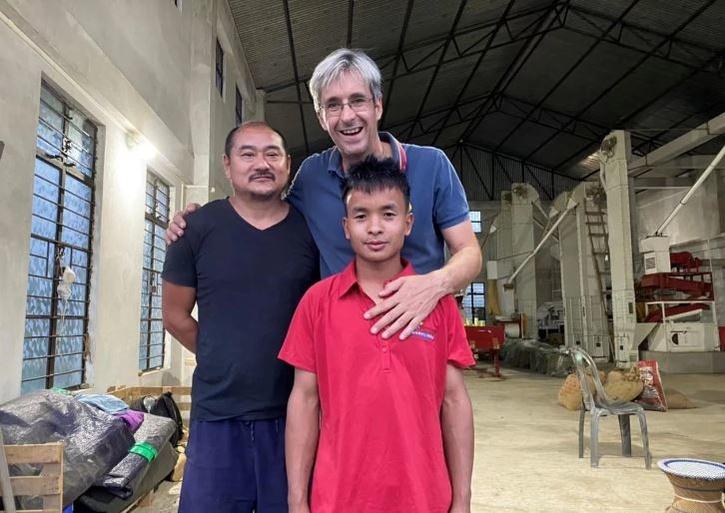
The Naga coffee team that processed the award-winning coffee consisted of Dr Pieter Vermeulen, co-founder, Kajiikho Ariicho and Ënga Antühü, the mill manager.
The Naga Coffee team/ nagalandtribune.in
Held in South Africa this year, the Aurora International Taste Challenge was established to recognise and award food and drink excellence internationally while helping consumers confidently purchase award-winning, expertly-rated products.
Unique process of coffee processing
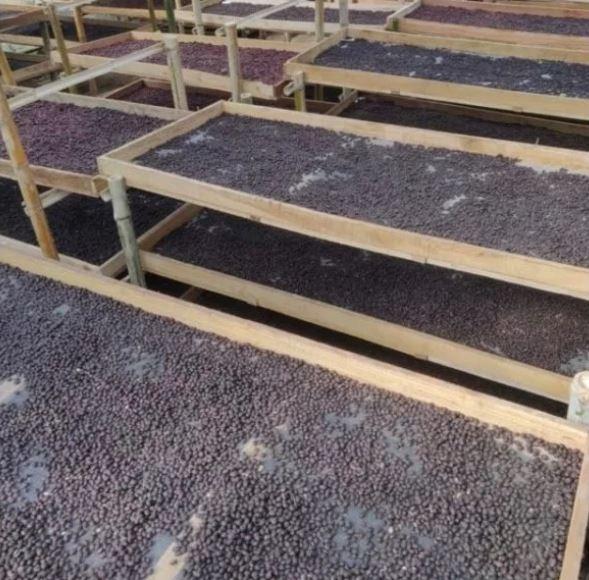
The Naga Coffee was experimented with a new drying process this year. Ripe coffee cherries were brought from a few local farmers and dried in a polyhouse during the winter season in Kohima.
Before the final processing of the coffee, it was sundried for three days in Dimapur. This double-drying process produced a wonderful sweetness.
Coffee beans being sundried/ nagalandtribune.in
This season, only 120 kg of this particular coffee was produced. But it was for the first time that Nagaland has produced a coffee that scored above 85 points on the Speciality Coffee Associations scale.
Coffee production in India
In the 2016-17 season, India had produced 5.5 million bags of coffee. Most of the country’s coffee is grown in the three southern states of Karnataka, Tamil Nadu, and Kerala, followed by Andhra Pradesh and Telangana. India processes coffee by the washed (or wet) method as well as the natural (or dry) method.
But more recently, there has been a growing demand for premium and speciality coffees as consumers become increasingly interested in unique flavour profiles and high-quality products. Further, customers show greater interest in coffees that offer additional health benefits, such as antioxidants or energy-boosting properties.
This is where Nagaland coffee comes in – grown in the forests in the mountainous areas of Nagaland.
Coffee in Nagaland
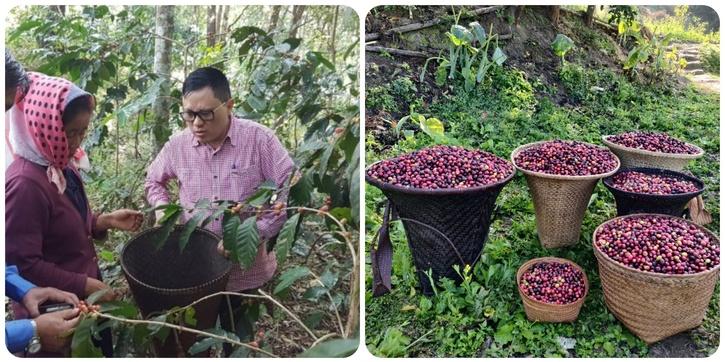
Various districts of Nagaland, like Zunheboto, Mon, Wokha, Khar and Boje, offer high-altitude speciality coffee grown in the natural forest shade.
Coffee grown in Nagaland/ Nagaland government
This is part of Naga Coffee – a public-private partnership – which was formalised in 2016 as a Memorandum of Understanding between the Department of Land Resources, Nagaland and Noble Cause, a South African Company by Peter Vermeulen.
The coffee seeds are procured from the Coffee Board of India and sent to small farmers to be planted. Later these coffees are roasted by the Naga Coffee team. The idea behind this is to promote homegrown Himalayan coffee with a natural citrus flavour and generate employment in the State.
source: http://www.indiatimes.in / India Times / Home> News> India / by Shristi B Dutta / June 13th, 2023
California-based CBTL says creative agency Volume will lead its digital strategy across India — an increasingly ‘important and emerging market’ for the coffee chain.
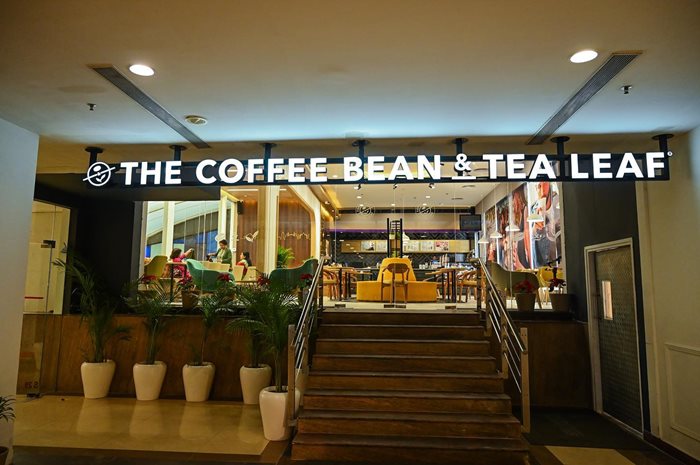
The Coffee Bean & Tea Leaf (CBTL) India has appointed Delhi-based media agency Volume as its new Creative and Digital Partner.
Volume, which was selected following a multi-agency pitch, will develop the coffee chain’s creative and digital strategy across the country, which CBTL India described as an ‘important and emerging market’.
California-based CBTL entered India in 2008 with a store at the Select CityWalk in Delhi and now operates approximately 30 Indian outlets.
“We are delighted to have Volume on board as our India Agency. India being an important and emerging market, it is a great opportunity to showcase consumers of The Coffee Bean & Tea Leaf experience,” said Ranjit Talwar, Commercial Director, CBTL India.
Rakesh Krishnotula, creative head of Volume, said the partnership presented ‘a unique opportunity’ to put ‘the CBTL experience across the Indian market’.
In May 2023, Indian media reported CBTL was seeking new franchise partners in India in a bid to expand its footprint and keep pace with an increasingly competitive pool of international branded coffee chains.
Fellow US coffee chain Starbucks, which opened its first store in India in 2012, operates 333 stores across 41 cities in India. Following its full-year results in April 2023, Tata Starbucks said it was ‘looking to rapidly expand its presence in the coming years’.
UK-based Costa Coffee also has ambitious growth plans within the Indian market, with franchise partner Devyani International seeking to scale the coffee chain’s 115-strong footprint over the next 12 months.
Tim Hortons, which entered India in August 2022, has reached 17 stores across the country and plans to reach 120 stores by 2026.
Additionally, coffee and food-to-go chain Pret A Manger is seeking to open 100 outlets across India within five years following its market entry in April 2023 with Reliance Brands Limited.
source: http://www.worldcoffeeportal.com / World Coffee Portal / Home> Industry News / June 14th, 2023
According to the researchers, with the discovery of the new species, the number of bent-winged bats in India has increased from 4 to 5.
OU scientist discovers new species of Bat (Photo: Twitter)
Hyderabad:
Eminent zoology scientist from Osmania University Dr Bhargavi Srinivasulu, along with her son, Aditya Srinivasulu, has discovered a new species of bat from Karnataka’s Coorg.
The mother-son duo have named their discovery, ‘Miniopetrus srinii Srini’s Bent-winged Bat’, discovered in a cave in Makuta of Kodagu district (Coorg).
The research papers were submitted on Saturday and the expert committee cleared the papers and conferred the rare honour.
“We collected the specimens of bats from a large subterranean cave in the dense jungles of Western Ghats in Makuta, we doubted that this could be a cryptic species of bat, which we had tentatively identified as the Small Bent-winged Bat,” said Dr Bhargavi.
Found in southern Europe, Africa, Madagascar, Asia, Australia, New Caledonia and Vanuatu, Bent-winged Bats are small-sized bats that live in large colonies of a few hundred individuals in caves.
According to the researchers, with the discovery of the new species, the number of bent-winged bats in India has increased from 4 to 5.
The specimens of bats were collected from a large subterranean cave in the dense jungles of the Western Ghats in Makuta. The Small Bent-winged Bat is reported from the Nicobar Islands, peninsular India, Nepal and Northeast India.
Talking about the multiple works they undertook in discovering the new bats, Dr Bhargavi said, “Our research on Andaman bats has revealed that the fauna on the islands are genetically different from those on mainland India. We conducted morphological, cranial, echolocation and genetic studies to determine the relationship between the Makuta specimens and others.”
A peer-reviewed scientific mega journal for animal taxonomists named Zootaxa has published the description of the new species that were named in honour of Prof C Srinivasulu, a bat biologist working at the varsity.
source: http://www.siasat.com / The Siasat Daily / Home> News> Hyderabad / by News Desk / May 29th, 2023
40 families to organise the mega event on Sept. 2 and 3
California:
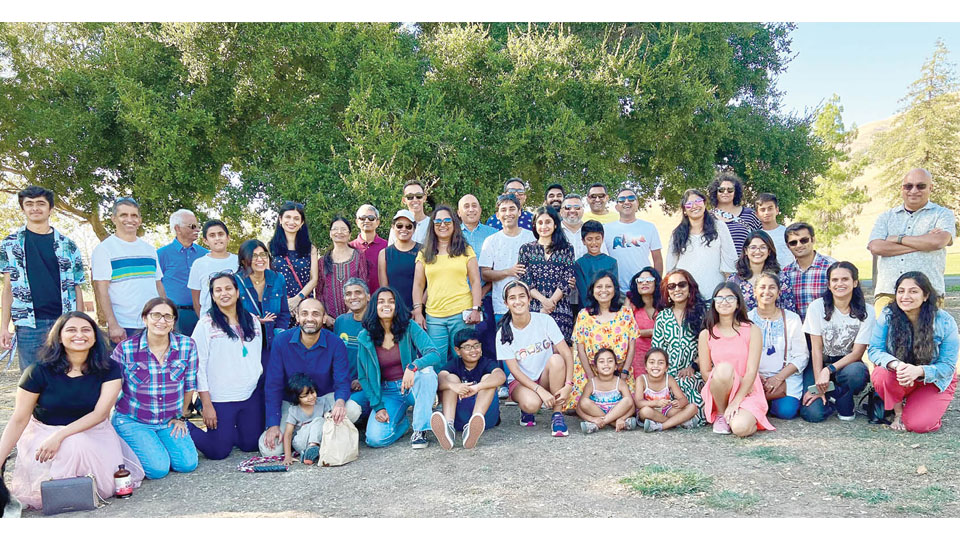
The Annual Kodava Convention in North America will be held on Sept. 2 and 3, 2023, this time in the San Francisco Bay Area, also known as Silicon Valley.
This convention, which has been going on for about 15 years, was postponed in 2020 due to the COVID-19 pandemic. A number of Kodava families across the country have already registered to participate in this convention, which is being jointly conducted by about 40 Kodava families.
It is an event for Kodava brethren from all across North America to meet, learn and celebrate the Kodava culture. With a strong history of more than 20 years, these conventions have been hosted in several major US cities in the past.
This year’s convention is called ‘namme-by-the-bay’ and will showcase the vibrant and colourful festivals of Kodagu. This will be a unique opportunity for the attendees to learn about Kodava art, food, culture and deities in a much greater depth.
Furthermore, this event also presents meet-and-greet opportunities and networking for jobs, family connections and matrimony. An informal pre-convention event will be held on Sept. 2 at Elliston Vineyards — a beautiful and historic location in Sunol Hills.
Several Kodava families across the country have already registered to attend this event, which is being organised by about 40 Kodava families from San Francisco Bay Area and Sacramento.
The convention is being conducted to save the Kodava traditions and develop unity among the Kodava people. For more information, write to bayareakodavas@gmail.com.
source: http://www.starofmysore.com / Star of Mysore / Home> News / May 22nd, 2023
WELCOME. If you like what you see "SUBSCRIBE via EMAIL" to receive FREE regular UPDATES.
Read More »


%20and%20Ramkumar%20Ramanathan%20during%20the%204th%20Tata%20Open%20Maharashtra.scorimg.webp)