Category Archives: World Opinion

Bronze Statue Of Sqn. Ldr. A.B. Devayya To Be Unveiled At Madikeri On Sept. 7

A befitting tribute to Indo-Pak War Hero on his 55th death anniversary 

Madikeri:

The statue of Squadron Leader Ajjamada Bopayya Devayya will be unveiled at Madikeri in Kodagu District on Sept. 7. 

The 6-feet-9-inch bronze statue installed at the Old Private Bus Stand Circle will be unveiled on the day Devayya was martyred. Incidentally, the Circle has also been named after him. 

Sqn. Ldr. A.B. Devayya is the only Indian Air Force (IAF) Officer to be posthumously awarded the Maha Vir Chakra (MVC). During the 1965 India-Pakistan War, Devayya (called ‘Wings of Fire’) was part of a strike mission (on the Pakistani airbase Sargodha).
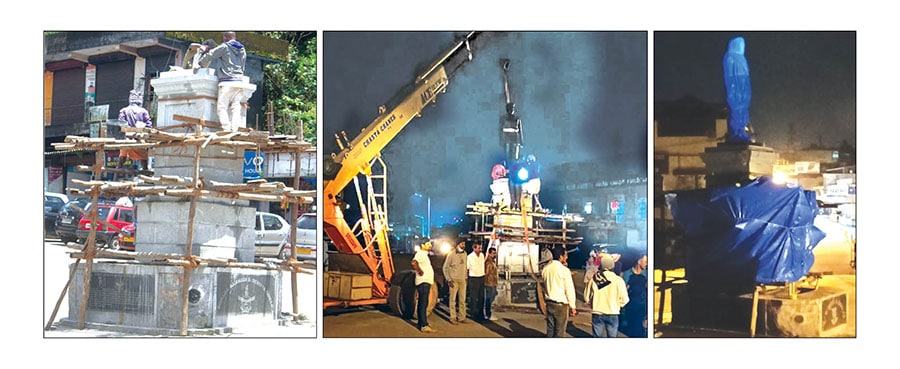
Works on installing the statue of Squadron Leader A.B. Devayya at Madikeri in Kodagu district is almost complete.

Works on installing the statue of Squadron Leader A.B. Devayya at Madikeri in Kodagu district is almost complete.

The work on the statue basement is almost complete and a giant crane was used to shift and mount the statue on the pedestal.

The bronze statue weighs 600 kg and Rs. 20 lakh has been spent on getting the statue carved at Kengeri near Bengaluru. 

The statue installation work was spearheaded by Ajjamada family members, Squadron Leader Ajjamada Devayya Memorial Trust, Field Marshal K.M. Cariappa and General Thimayya Forum, Kodava Makkada Koota. 

Wartime job

Sqn. Ldr. A.B. Devayya was born to Ajjamada Bopayya and Neelamma couple on Dec. 24, 1932 at Manchalli village near Kutta in South Kodagu. He joined the Indian Air Force as a pilot on Dec. 26, 1954. Devayya was married to Keethiyanda Sundari. 

When the Indo-Pak war broke out in 1965, Devayya was an instructor at the Air Force Flying College. He was posted to No.1 ‘Tigers’ Squadron’ and flew the Mystere fighter bomber. During the war, Devayya shot down a US-made PAF (Pakistan Air Force) F-104 Starfighter while flying an inferior Mystere of French make. The dogfight between the Mystere and the Starfighter was recorded by British author John Fricker in his book ‘Battle for Pakistan’ published in 1979. 

Action in the skies

John Fricker wrote, “On Sept. 7, 1965, Mystere pilot Squadron Leader A.B. Devayya showed commendable courage by staying in the fight, and despite being mortally wounded, he eventually scored several cannon strikes against the Starfighter, causing it to be abandoned. This was the first and only Starfighter to be lost through enemy action in the 1965 war.” 

Devayya was part of an air strike mission on the PAF base at Sargodha, with the objective being to neutralise its air assets. He engaged in a dogfight with the Starfighter flown by Pakistani Flight Lieutenant Amjad Hussain at an altitude of 7,000 ft. The PAF fighter was faster and more modern, but Hussain made the mistake of reducing his speed in an attempt to out-turn Devayya. 

Hussain failed to clear his tail during the dog-fight and suffered several cannon strikes. He was forced to eject since the Mystere had a limited range for action and did not have enough fuel reserves to return to India. 

Posthumous award

The Mystere aircraft was destroyed and it was assumed that Devayya died on Pakistani soil. The IAF was not aware of what had happened to Devayya, first recording him missing and later declaring him dead. It was revealed much later by Pakistan that Devayya’s body was found almost intact by villagers not very far from Sargodha and buried.

For this feat in the 1965 conflict, 23 years later, in 1988 he was posthumously awarded the Maha Vir Chakra (MVC). He is the only Air Force Officer to have been awarded the MVC posthumously so far.
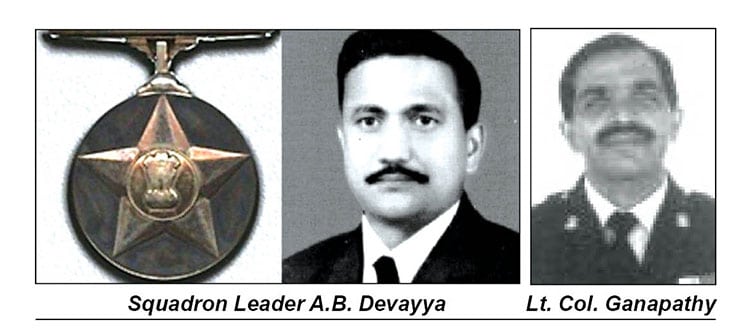
Two heroes from Kodagu receive ‘Maha Vir Chakra’

Two Defence personnel from Kodagu have so far received the honour of Maha Vir Chakra, next only to the supreme Defence award Param Vir Chakra. While Squadron Leader A.B. Devayya received the honour in 1988, the other officer is Major Puttichanda Somaiah Ganapathy (later promoted as Lieutenant Colonel) who is now leading a retired life in Bengaluru. 

Major Ganapathy was awarded Maha Vir Chakra for his combat role in 1987 Operation Pawan in Sri Lanka (launched by Indian Peace Keeping Force) against the LTTE. His unit, located at Annakottai, was surrounded and repeatedly attacked by militants on Oct. 16, 1987. His Company had occupied this location to provide a firm base for the 41 Infantry Brigade to launch an offensive. 

LTTE militants repeatedly attacked the position with very heavy fire, resulting in heavy casualties, and his unit required immediate replenishment of ammunition. Throughout the day, Major Ganapathy fought gallantly and kept the militants at bay. 

When all efforts to drop ammunition by helicopter failed due to heavy fire, Major Ganapathy kept fighting, moving from trench to trench till 6 am on Oct. 17, 1987 when he was finally supplied with ammunition by a patrol. He displayed extreme devotion and held his position against heavy odds.

source: http://www.starofmysore.com / Star of Mysore / Home> News / by Prasad Sampigekatte / August 31st, 2020
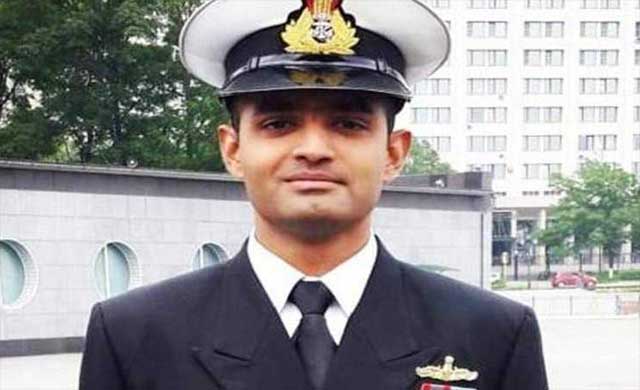
Madikeri: Lt Cdr Suraj Aiyappa to represent naval college in USA

Madikeri :

Lt Cdr Muckatira Suraj Aiyappa has been selected to represent India to undergo the prestigious staff course at the US warfare training college.

Suraj Aiyappa happens to be the son of Gonikoppal Arvathoklu Retd Lt Col M A Cariappa and Saraswathi Cariappa. He will be one of the representatives from 52 countries who will participate in the staff training course in the USA.

Aiyappa had attended the Rashtriya Indian Military College at Dehradun. He acquired a cadet captain degree from the Naval Academy. He was chosen as an officer of Indian Navy in the year 2010. He won the Chief of Naval Staff gold medal and best commanding officer of the navy in 2010. He has served as instructor at the Naval Academy.

At the programme held at Visakhapatnam in 2016, he had received the guard of honour presented by the President. His wife, Dr Yamuna, is a dental surgeon by profession.

source: http://www.daijiworld.com / Daijiworld.com / Home> Karnataka / by Daijiworld Media Network – Madikeri (SP) / August 27th, 2020

When a lion was brought to Kodagu

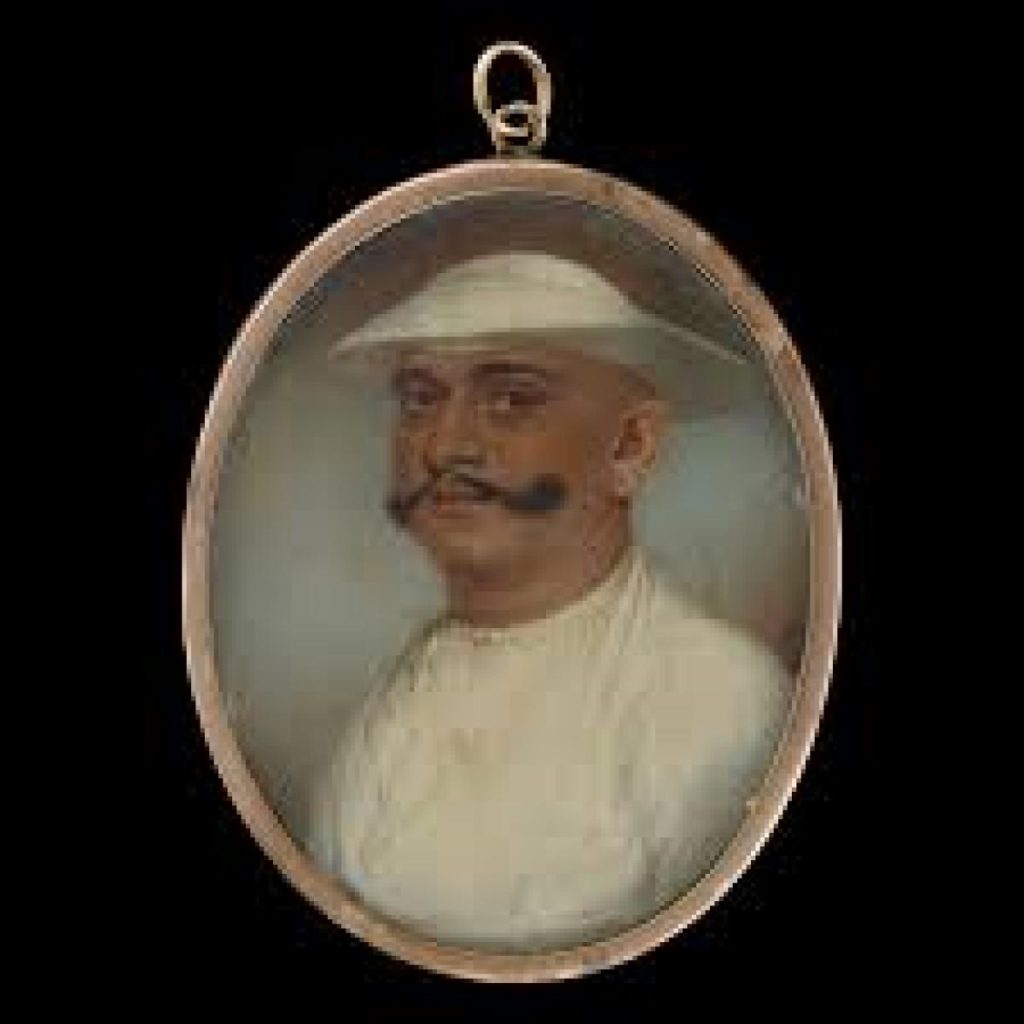
DoddaVeerarajendra Photo courtesy: C P Belliappa

By 1800, Dodda Veerarajendra had sat on the throne of Kodagu for more than ten years. He is well-remembered for making a daring escape from a prison in Periyapatna in 1788, where Tipu Sultan had incarcerated him, his wife, mother, his brothers: Lingarajendra and Appajiraja, along with other close members of the family. With the help of Kodava and Vokkaliga chieftains, he was successful in foiling Tipu Sultan’s schemes to rule Kodagu.

In this endeavour, he forged an alliance with the British East India Company in 1790, which was sealed with a lofty statement: ‘This treaty of friendship between the East India Company and the kingdom of Kodagu is signed with God, Sun and Moon as witness’.

The treaty soon came into play during the third Anglo-Mysore war when Dodda Veerarajendra gave strategic and logistic support to the British army. He also provided transport and provisions for the troops. Similar support was extended to the British during the fourth and the final Anglo-Mysore war which ended in 1799. Eventually, Dodda Veerarajendra was able to consolidate his position in Kodagu.

By 1805, the king had three daughters with his queens Nanjammaji and Mahadevammaji. But in his obsession for a male heir, the raja slipped into deep depression. He started having fits of rage. He increasingly became suspicious of people around him. He was surrounded by the ruthless Siddis, of African origin, as his anga-battas (bodyguards). One day, in paranoiac rage, he ordered the assassination of his brothers Lingarajendra and Appajiraja. While Appajiraja fell to the anga-battas, Lingarajendra barely escaped, and lived to succeed his brother.

Dodda Veerarajendra’s officials were highly concerned and feared for their lives. The court officials then figured that they should bring a hogalu-batta (professional flatterer) to lift the king’s spirits. The feisty hogalu-batta, brought from South Canara, praised the king sky-high with a song composed in his honour. Dodda Veerarajendra was much pleased when the hogalu-batta sang that the king was the valiant ‘Lion of Kodagu’ who vanquished the ‘Tiger of Mysore’. The hogalu-batta got a pouch that jingled with gold coins for his flattery.’

Since there were no lions in Kodagu, the king despatched a letter to Jonathan Duncan, the governor of Bombay Province, to help him get a lion. Duncan replied promptly and asked the king to send his men to transport a lion to Kodagu from a zoo in Bombay.

Dodda Veerarajendra deputed his trusted Jemedhar Monnaiah to head a posse of soldiers to Bombay to fetch the lion. It was an arduous task. The men loaded the cage with the lion on to a bullock cart and trudged along the west coast for a couple of months. Sometime in May, they reached Kodagu at the banks of River Cauvery near Bethari village. While they prepared to cross the river there was an unexpected pre-monsoon downpour. The lion, which had withstood the journey reasonably well, was in distress when it got drenched. Its condition deteriorated. The beast died a couple of days later. Jemedhar Monnaiah and his men were most disappointed and braced themselves for the worst reprisal from the king.

The body of the lion was brought to Madikeri. Jemedhar Monnaiah broke the news to the king. Surprisingly, the king received the bad news quite philosophically. He had the lion stuffed and displayed in his palace.

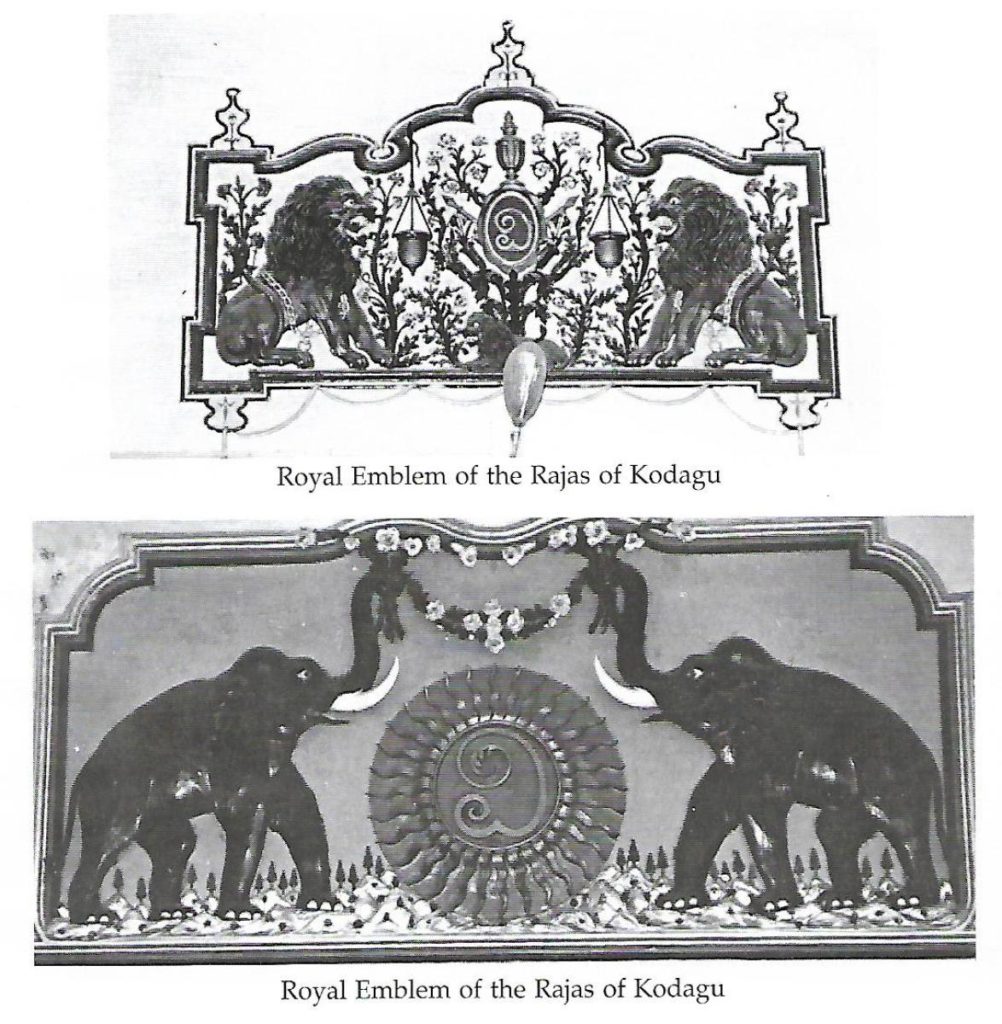
Emblem-of-DoddaVeerarajendra Photo courtesy: C P Belliappa

Subsequently, in 1806, the king even got his royal insignia redesigned by replacing the elephants with lions.

source: http://www.deccanherald.com / Deccan Herald / Home> Spectrum / by C P Belliappa / August 29th, 2020

Big bubble in the Big Apple: Rohan Bopanna on life in the new normal

Rohan Bopanna, India’s doubles specialist, provides a peek into the stringent regulations for the US Open, which will be played without spectators from August 31 in the renowned Flushing Meadows

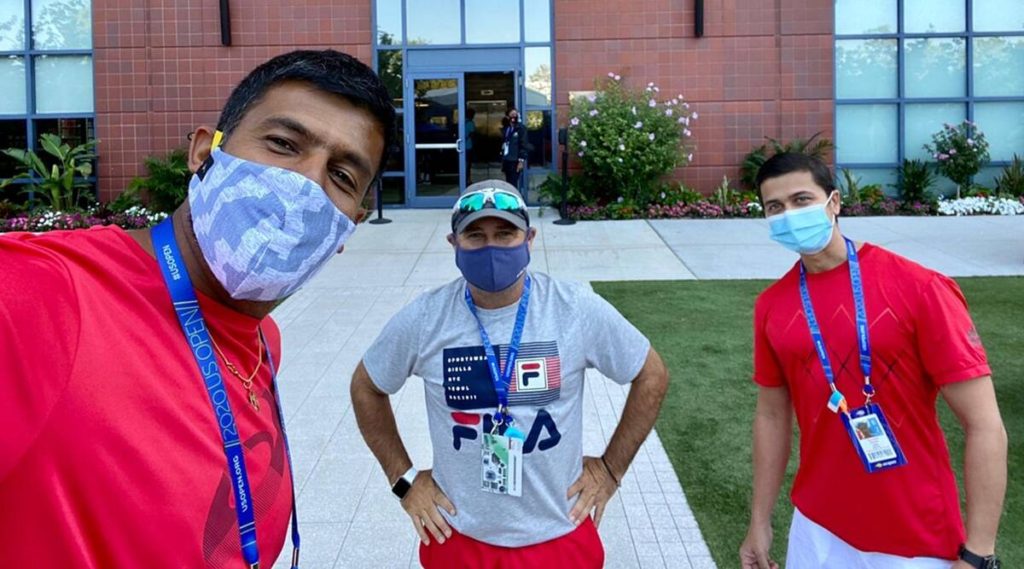
Rohan Bopanna with his coach Scott Davidoff and physio Gaurang Shukla in New York, where he will play at the ATP Masters this week. (Source: Rohan Bopanna/Instagram)

The layover in Frankfurt, from Bangalore en route New York was quite short. “About an hour,” estimates Rohan Bopanna. There wasn’t much time to spare after de-boarding and proceeding to the next gate. In queue though, he noticed a number of familiar faces, fellow tennis players lining up to board the same plane that was to take them to the US Open.

A veteran now on the tour, Bopanna is accustomed to bumping into colleagues at airports. He’s longed to see his ‘family’ on tour for five months. And now that he did, a new reality sunk in. “Dominic Thiem, Dennis Novak, Mate Pavic, Marc Polmans, Alexander Bublik, Radu Albot…” he starts listing. “Everybody was wearing a mask, so you have to give it a closer look to see if that’s the person you think it is. It’s a guessing game. But everyone just greeted each other with an elbow tap. It was good to see them.”

The last time Bopanna boarded a plane was back in March, when he waited for hours at Doha airport to catch a flight home. On that occasion, he wasn’t allowed to leave the airport for over 17 hours, one of the Qatar government directives against the Covid-19 pandemic .

Things have become a bit smoother since then, which is why the tennis tour could consider reopening. But the protocol has become much more stringent. Masks are now as important as a tennis racquet.

And when entering the bio-secure bubble in New York, things would be a lot different.

The USTA has decided to shift the Western and Southern Open – an ATP 1000 Masters and WTA Premier event usually held near Cincinnati – to the same venue as the US Open, and scheduled it just a week before the major. The idea is to provide a three-week window for the two events, and create a safety bubble where players are restricted to only the hotel and the venue – in some cases, players like Novak Djokovic and Serena Williams have been provided rented accommodation at predetermined locations.

But the difference in the US Open this year could be seen from as early as the drive to the hotel from the airport.

“We weren’t driving through skyscrapers like we normally would, but instead going through open space. We weren’t going to be staying in Manhattan, the hotel this time is in Long Island,” says world no. 37 Bopanna. “This is the first time I’ve been to New York but nowhere close to Manhattan. There is a shuttle every 15 minutes from the hotel and courts and back, but it’s an hour’s drive, even on a Sunday.

Covid-19 test

The US Open is scheduled to begin August 31 without spectators and players like Rafael Nadal, Roger Federer, Bianca Andreescu, and Ashleigh Barty. (Source: File)

Immediately after check-in, players were put through a Covid-19 test and instructed to remain in their rooms until the result of the first test came – no exceptions. Bopanna landed on a Saturday and was tested for the second time on Monday. There on, he will be tested every fourth day.

Though he tested negative, Bopanna’s not allowed to leave the hotel. “There are signboards everywhere, we aren’t even allowed in the hotel parking lot because that’s outside the bubble. Everywhere we go we have to have our mask and credentials on,” says the 40-year-old, who won the 2017 French Open mixed doubles title.

At Flushing Meadows, the venue, too, has been altered. Since the tournament will be played behind closed doors, fan parks have been converted into player lounges, and there are a number of activities set up around the grounds. “Mini golf, basketball, pool tables, arcade games… The whole place has a relaxed atmosphere now because you can walk anywhere,” he says.

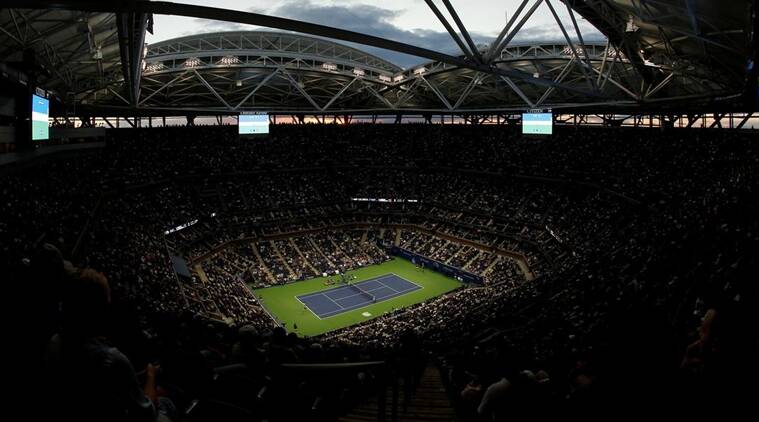
The regular changing rooms too have become a bit decongested because the top 32 seeds from the men’s and women’s draws have been allotted what would have been the hospitality suite inside the Arthur Ashe Stadium. As many as 67 of the 80 suites have been provided for the seeded players, complete with a massage table.

There are certain dos and don’ts, however. “You aren’t allowed to keep anything in the locker room when you’re not there. So only if you’re getting treatment with the physios, or taking a shower, you can keep stuff there. All other times you have to take everything with you,” Bopanna says.

The rules this time reflect the simple philosophy that you’ve come here for business – tennis – and that’s all you will do.

This is a grim reminder of the current times, the new normal inside the bubble that players have to make peace with.

In the absence of crowds, Bopanna’s only support will be from his coach Scott Davidoff and physio Gaurang Shukla. At the entrance of the Arthur Ashe Stadium – the world’s largest tennis arena – is a quote by Ashe himself. “Start where you are. Use what you have. Do what you can.”

source: http://www.indianexpress.com / The Indian Express / Home> Sports> Tennis / by Shahid Judge / Mumbai / August 23rd, 2020

Fair trade diaries: Arshiya Bose of Black Baza Coffee walks us through the basics of her coffee farming movement

Have you explored Black Baza Coffee's lineup, yet?
Have you explored Black Baza Coffee’s lineup, yet?

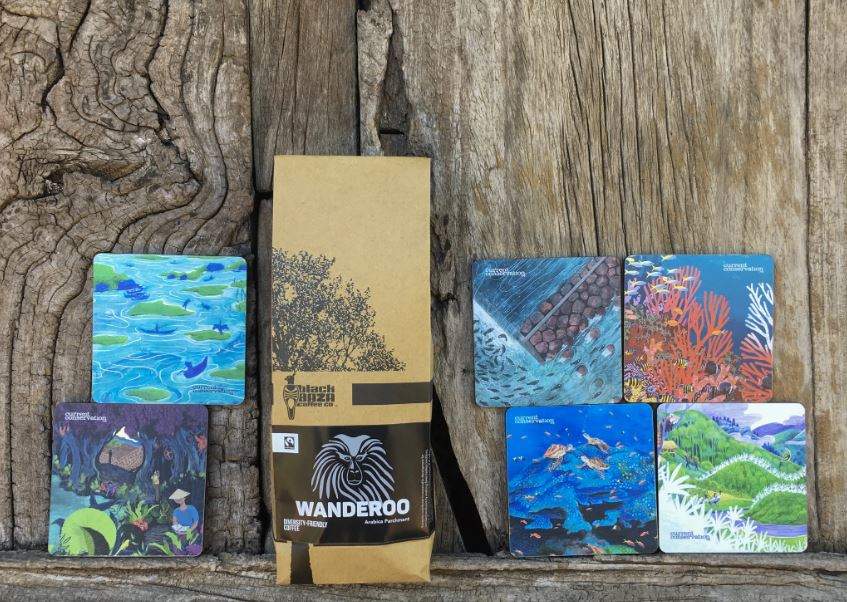
Very few coffee lovers actually research how ethical their go-to fair trade coffee brand really is, but Black Baza Coffee ‘s biodiversity-friendly, fair-trade coffee production is going the whole mile when it comes to ethically responsible community-building. The Bengaluru-based label is committed to the idea of ‘creating a local, participatory and meaningful movement for coffee.’ During her PhD in coffee and sustainability, Arshiya Bose, the founder of the label explored some functional biodiversity-friendly coffee farming practises which helped her get a better perspective on responsible production.

The rich and balanced Wanderoo

“Through my research I met several smallholder coffee producers, and the brand is committed to the idea of helping them grow. Black Baza Coffee is not just about eco-friendly practises but we focus on biodiversity conservation. We take a look at how various wildlife and plants make use of the coffee farms and how they can be conserved on these farms, which also includes changing the way we farm. So we go beyond organic, from looking and understanding habitats to sticking to our all-natural agenda,” Arshiya tells us. Not to mention Black Baza’s line-up is amazingly diverse, featuring coffees with layered flavour profiles, be it fermented Robusta with spicy flavour notes or washed Arabica with a balanced acidity.

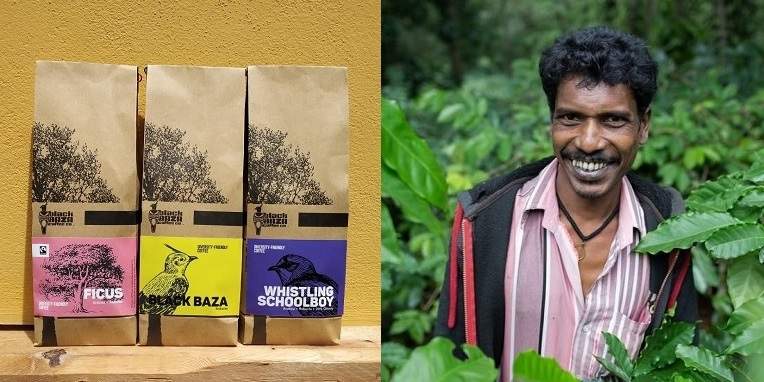
"Our Ficus coffee is named after this tree, our focus for conservation efforts in our farms," the label writes on its Instagram page
“Our Ficus coffee is named after this tree, our focus for conservation efforts in our farms,” the label writes on its Instagram page

In fact, you can even follow Black Baza’s Instagram page for their excellent fieldwork stories. We caught up with Arshiya to explore her vision further.

Black Baza Coffee has a focus on nurturing smallholders producers…

Yes, we do not work with coffee estates so we typically look at those coffee growing communities which are marginalised and vulnerable, particularly at a time like this and we work closely with them. We work with those who need our input and support the most and we are actually one of the few certified fair trade coffee brands in the country. We work with around 650 producers, we help set up coffee collectives and cooperatives. We source our coffee from The Biligirirangana Hills in Karnataka, Nilgiris, Coorg etc.

Tell us about your clientele. Do most of them share the label’s philosophy?

Yes, we have a really loyal base of customers who actively want to support communities which have suffered from the shutdown and the pandemic in general. We already had a steady base, but it has definitely grown since the pandemic started.

BlackBaza04kf20AUG2020

How has the label’s objective evolved in the four years since you started?

We are not a typical coffee brand, we function like a social enterprise, and we have definitely grown. We started out with four producers and we now work with 650, we have been able to reach so many communities who needed our support. We have also been able to source so many distinct varieties of coffees with varied flavour profiles, that’s been really interesting.

Tell us about how you’ve named each variant, like the ‘Otter,’ or the ‘Ficus’?

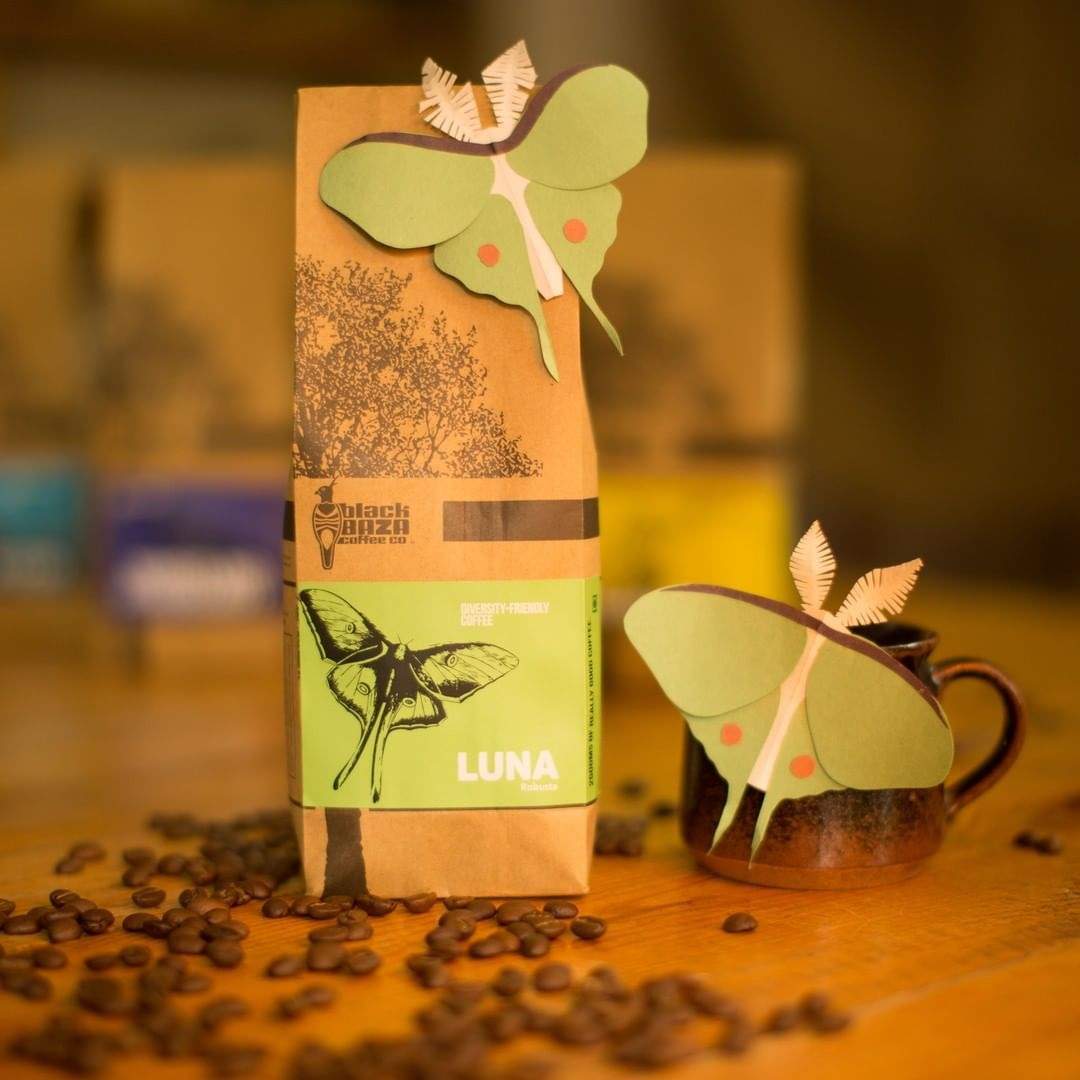
These coffees have been named depending on where they are grown, and represent the idea of conserving particular species of fauna which inhabit the region. The Luna coffee, for instance, is named after this interesting species of moth found in Indo-western ghats, we actively make observations of the luna moth on coffee farms, which tells us about their habitat or the vegetation around them. The names are also symbols of what we’re trying to achieve, it speaks to people about the kind of biodiversity which exists in our forests and why conserving them is so crucial.

source: http://www.indulgexpress.com / The New Indian Express – Indulge Express / by U. Roy / August 14th, 2020

‘Mixed feelings’ as Bopanna flies to USA to return to Tour

The doubles world No. 37 is the only Indian who will play the ATP 1000 Cincinnati Open, which marks the return of the men’s ATP Tour after a five-month break.

Rohan Bopanna will fly around 8,000 miles from India to the US before covering half of that distance next month to go from the US to Europe, touching down on three countries in a span of a month-and-a-half during a pandemic. All this to play just four tournaments.

It’s an unusual itinerary, for professional tennis players normally club together a bunch of tournaments in one continent in a season. But in the current scenario, Bopanna, India’s highest-ranked tennis pro, will partner Canadian rising star Denis Shapovalov to play the ATP Cincinnati Open (from August 22) and the US Open (August 31) in New York, the Rome Masters (September 14) and the French Open (September 27) in Paris before returning home.

The doubles world No. 37 is the only Indian who will play the ATP 1000 Cincinnati Open, which marks the return of the men’s ATP Tour after a five-month break while also acting as a curtain-raiser to the hard-court Grand Slam at the same venue.

“Mixed feelings about being back (on the Tour),” Bopanna said over phone before taking his flight from Bengaluru to New York early Saturday morning. “I have a daughter who is now going to be 15 months old, so it was special spending time with her and being with her at home.

“I love competing and am really happy to be back. Having said that, the tournaments will feel different with no people watching. There are so many restrictions with the US Open in terms of the (halved) doubles draw and no singles qualifying. So, yes, it’s a Grand Slam, but it’s kind of a closed Grand Slam. So I’m not really sure what to expect,” he added.

For a long time, the 40-year-old also wasn’t sure if he would make the journey to New York, with different travel and quarantine restrictions in place. But once India started limited flights to USA and the participating players at the US Open were promised a waiver of the quarantine period, Bopanna decided to give it a shot despite the reservations.

“Initially nobody was sure because we don’t have any firsthand information about how things are planned there. We are only reading and receiving information. But once they put in place the protocols and logistics of how everything was going to be carried out, it made it a little easier to make the decision to travel. The main thing was the flights had to open up in India,” he said.

Bopanna took a Covid-19 test on Wednesday – which returned negative – before his flight. He will be tested again once he checks into the designated hotel in Queens and enters the bio bubble before a range of regulations and restrictions kick in. “I’m going with an open mind. Once we get there I think we’ll have a better idea of how things are. But there will be no access to Manhattan or any restaurants or anything else. It’s just tennis courts and back. So I’ll kind of be in another lockdown, only this time in New York!” Bopanna said.

The US Open might be on but it will lack in flavor. A number of top-100 players, including the men’s and women’s singles defending champions, have pulled out while both the tournaments in New York will be played behind closed doors.

“Not at all surprised that some players have decided not to go,” the 2017 French Open mixed doubles champion said. “It’s a purely personal decision; I don’t think anybody can be held for that. Everyone has different thoughts on the situation. But that’s the beauty of our sport—you can make your own call.”

Bopanna was the first tennis pro to resume training in India, hitting the courts in Bengaluru in June before recurrences of the lockdown in the state disrupted his continuity. He feels his preparation after a long break has been adequate but is going to take it one game at a time.

“Physically I’m feeling great. I’ve been doing a lot of Iyengar Yoga, which has enhanced my physical strength. I’ve been practising in my academy for the past three weeks, both on clay and hard courts. So in terms of hitting the ball, I feel fine. Clearly, no one will be match-sharp. We just have to take things, literally and absolutely, one match at a time. There’s no point thinking too far ahead,” he said.

There sure isn’t. Tournaments continue to get cancelled and there is no certainty about how the Tour will shape up after the French Open ends in October. Bopanna thus wants to treat this two-month phase like the start of a fresh season wherein players play a tournament or two before heading straight into the year’s first Grand Slam, the Australian Open.

“It’s the same scenario here. It’s very difficult to say how it’s going to be and there’s no point pre-guessing it. All I know for a fact now is that once I leave, I won’t be coming back immediately. I’ll play all the four tournaments, return to India and get quarantined,” he said.

source: http://www.hindustantimes.com / Hindustan Times / Home> Tennis / by Rutvick Mehta, Mumbai / August 16th, 2020

Inspiring a generation: Gandhi’s Kodagu visit

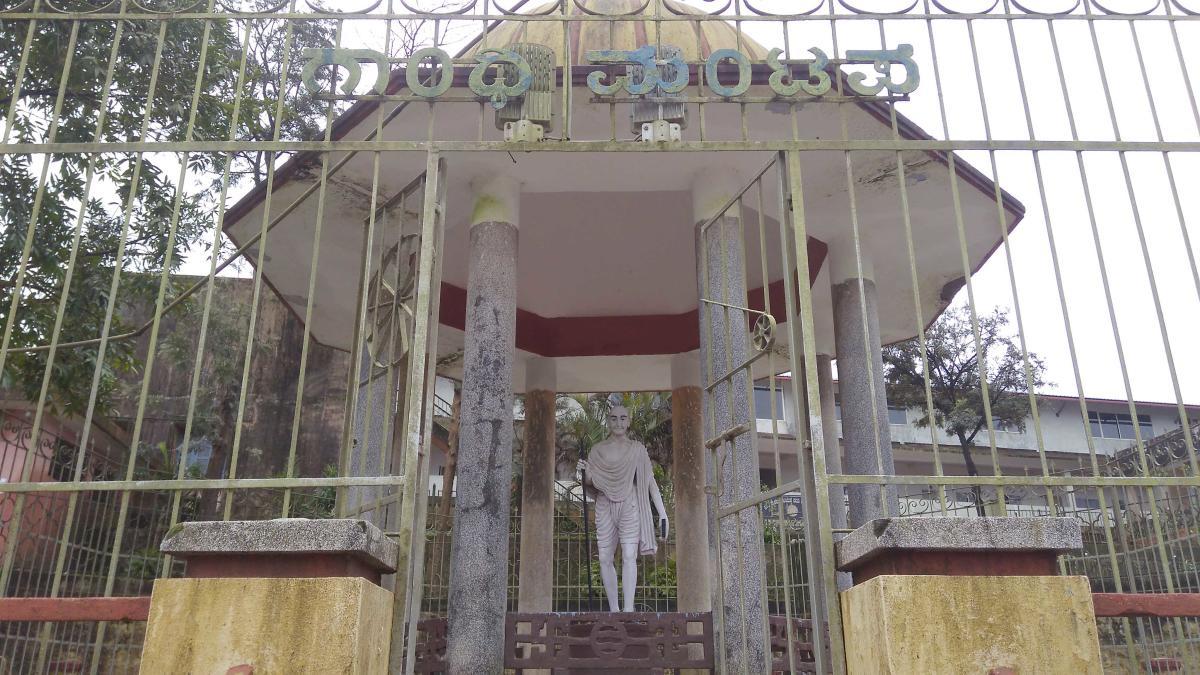
Gandhi Mantapa in Madikeri was built to commemorate Mahatma Gandhi’s visit to Kodagu in 1934. DH file photo

It was a cold February morning in 1934, when a young Seethamma, around 10 years old, woke up with excitement. After all, it was an important day and all she wanted was to catch a glimpse of Mahatma Gandhi, who happened to be in Kodagu.

Gandhi was set to address a gathering at Kakotuparambu grounds in Virajpet that day and Seethamma had to cover several miles on foot to reach the venue.

Her parents and cousins were already waiting outside and they all set out towards the venue immediately, only stopping to wash their faces in a small stream on the way. When they reached the ground, a large crowd had gathered and they saw the Mahatma from a distance.

“Gandhiji was sitting on the stage with his legs crossed to one side,” Seethamma would often tell her children and grandchildren, recalling that historic day. Just a glimpse of the great man was her most treasured memory.

A middle-aged Seethamma

The Mahatma, who was touring Tamil Nadu to mobilise funds for the upliftment of ‘Harijans’, was invited to Kodagu by Pandyanda I Belliappa and other freedom fighters of the district, which was then a Chief Commissioner’s Province.

On arriving at Kodagu, the Mahatma and his entourage first visited a Harijan colony in Gonicoppa, following which he addressed a meeting mostly attended by women. Though on a short visit, Gandhi also addressed gatherings at Ponnampet, Somwarpet and Madikeri among other places. He appealed to the people to donate generously to help the victims of an earthquake that had hit Bihar in January that year and also requested them to contribute to the Harijan Welfare Fund.

He asked the women to donate their gold jewellery and ornaments for the cause, while stating that, “The amount is not important to me because it is a token of tangible sympathy to the suffering. Thus, even a copper coin is valuable.”

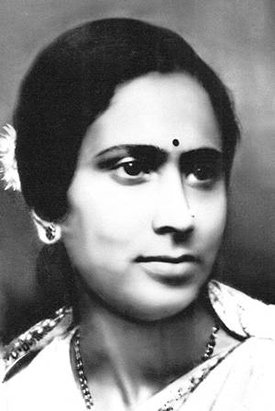
Moved by the appeal, writer Kodagina Gowramma, who was around 22 years at the time, famously donated all her gold ornaments to the Harijan Welfare Fund.

Kodagina Gowramma. Courtesy: Wikipedia

Seethamma and Gowramma, and several others like them knowingly or unknowingly became part of the national movement – which was as much about uniting the very diverse people of India as it was about fighting a foreign rule.

Such was Gandhi’s charisma that he inspired people, young and old; women and men; poor and rich. This made the freedom movement a mass movement.

source: http://www.deccanherald.com / Deccan Herald / Home> Spectrum > Spectrum Statescan / by Dhanyata M Poovaiah / August 15th, 2020

The Tamara Coorg ranked No.1 Romantic Hotel in India

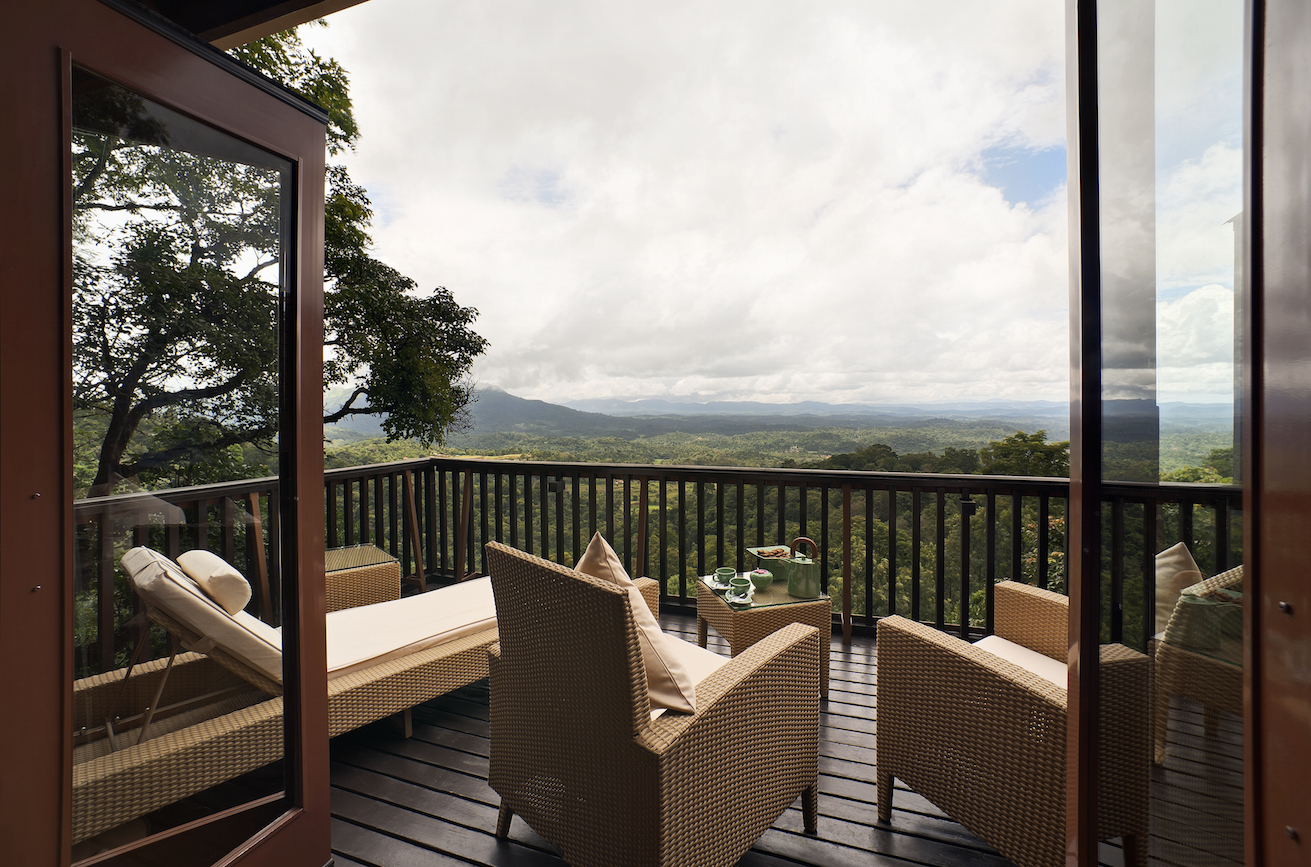
TamaraCoorgKF08aug2020

The Tamara Coorg has once again been ranked #1 on Tripadvisor Travelers’ Choice Awards List of Top 10 Romantic Hotels in India for the year 2020.

Tripadvisor is the world’s largest travel platform and the Travelers’ Choice Awards is considered one amongst the most prestigious in the travel industry as it is rated by the travelers themselves. This coveted award program celebrates travelers’ favorite hotels, restaurants and airlines around the world, honoring unique businesses every year. The Tamara Coorg has also been ranked #16 on the list of Top 25 luxury hotels in India while The Tamara Kodai launched in 2018 has also made it to the list and has been ranked #20 amongst the Top 25 luxury hotels in India.

The Tamara Coorg is a luxury experience nestled in the heart of the hills, where you can rediscover the joy of being in nature; where your quest for serenity ends. The Tamara Coorg spans 180 acres where you will experience nature and luxury at its best as you wake up to the breathtaking view and the calming silence of the hills, disturbed only by the chirping birds and the rustle of leaves. The unique nature based experiences at The Tamara Coorg includes Forest Therapy, Trekking, Plantation Tours, Blossom to Brew, Bird Watching amongst others.

The exquisite cottages at The Tamara Coorg are designed to provide guests with a rustic, luxurious space to unwind, and enjoy an unmatched view of the hills in the distance, while suspended in nature. Relaxation gets even better at the award-winning spa and wellness centre, The Elevation Spa. It offers signature spa treatments, while the fitness centre includes a steam & sauna, a state-of-the-art fitness center, and a Yoga Temple

Ms. Shruti Shibulal, CEO and Director, Tamara Leisure Experiences Pvt. Ltd, said “We are very proud that The Tamara Coorg has been voted #1 in the Best Romantic Hotels in India category for the year 2020. To have the public recognize us for our commitment to providing unforgettable experiences is very meaningful. This recognition is dedicated to our team who are our biggest asset and who have worked passionately to ensure our guests receive warm, personalized and memorable service”.

Travelers’ Choice Best of the Best and Travelers’ Choice winners are calculated based on the millions of reviews and opinions collected in 2019 from travelers and diners around the world on Tripadvisor. The awards take into account the quality and quantity of traveler reviews and ratings specific to each award category. The hallmark of winners continues to be remarkable service and quality experiences for travelers and diners.

Winners are calculated based on the quality and quantity of the millions of reviews, opinions and ratings collected on Tripadvisor in 2019, prior to the pandemic. With over 8.7 million businesses listed on Tripadvisor, these awards are a testament to the service and quality that winners consistently provide to their guests.

source: http://www.voyagersworld.in / Voyager’s World / Home> Hospitality / by Voyager’s World Bureau / August 07th, 2020

Trouble brewing: India losing Italian coffee market to Uganda

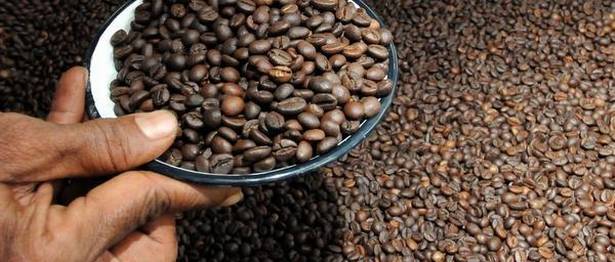
CoffeeBeansKF05aug2020

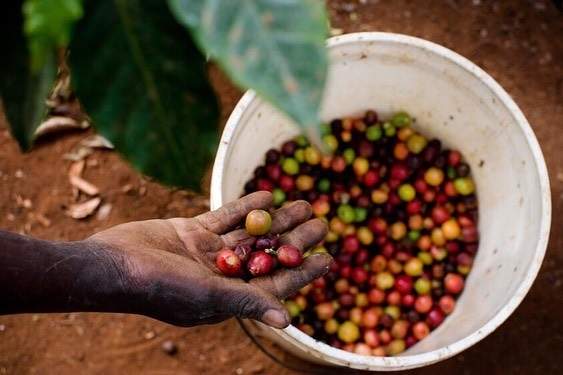
There’s more trouble brewing for Indian coffee exporters, who are not just facing a slump in overall demand due to the Covid-19 pandemic, but also staring at a loss of share in Italy, their largest export market, to exporters from Uganda.

Indian coffees are facing stiff competition from low-cost producer Uganda in the Italian market, which they have been dominating for over past three decades now. Italy accounts for about a fifth of India’s coffee exports.

Indian coffees in Italy are largely sold in the premium segment, such as in cafes and coffee bars. Brazil, the largest coffee producer, dominates the Italian market with half the market share, followed by India, which has a share of around 20 per cent, and other major producers such as Vietnam and Uganda.

“The Ugandans are trying to get as much as possible in the Italian market in the current scenario and that’s a big worry for us,” said Ramesh Rajah, President of the Coffee Exporters Association.

The Ugandan robustas, which are comparable to the Indian variety in terms or quality, are priced cheaper by at least $200 per tonne or about 20 per cent, which is attracting buyers’ interest in Italy, he said.

“During normal circumstances, consumers want quality and are willing to pay more. As the Italian economy is facing a tough times due to the pandemic, consumers are starting to look for better-value coffee. They now see Uganda, which is 20 per cent cheaper than India, as a good value proposition. Vietnam is even cheaper but because of taste and other factors, it is mainly sold commercial packaged coffee segment and not in the premium segment of Italy. The premium segment got more affected during the pandemic than the commercial coffees and is hitting us the most,” Rajah said.

Shipments drop 27%
Coffee shipments to Italy in the first half of calendar 2020 have dropped 27 per cent at 36,547 tonnes, compared to 50,513 tonnes in the same period last year. The arabica shipment to Italy was 14 per cent lower at 4,774 tonnes (5,577 tonnes), while robusta exports took a major beating as shipments were lower by 27 per cent at 31,134 tonnes (42,658 tonnes). During the same period, total coffee exports from India were down 16 per cent in volume terms and value at 1.78 lakh tonnes (2.11 l t) and $404 million ($482 m) respectively.

“For the unwashed robustas, India is facing competition from lower-priced origins like Uganda. Although the Indian quality is sought after, importers do consider more price-efficient coffees. This is more evident under the current Covid-19 circumstances, where more competitively priced coffees are likely to find favour with buyers,” said Anil Ravindran, Partner at RV Commodities, an exporter in Bengaluru.

In fact, the Ugandans are trying to regain their market share in Italy from the India exporters, to whom they had lost market share about three decades earlier. “We took the market 30 years ago, and they are trying to come back now,” Rajah said.

Logistical challenges
Indian exporters had displaced the Ugandans in Italy as the land-locked African producer had faced logistical challenges in shipping out its coffees then. “We never tried to undercut others when we gained the market in Italy. Our selling proposition was reasonable price and reliable supplies throughout the year and our coffees are better prepared and have less imperfections. We gave better products and started getting premiums. As the customers started getting used to our coffees, the premiums started going up,” Rajah said.

So, it is these premiums that are proving to be a challenge for the exporters in retaining their markets. Though the quantum of premium has come down, the Indian robustas still attract a higher price over the London terminal (LIFFE). At present, the Indian robusta cherry is attracting a premium of $500-$600 per tonne over the LIFFE, while a buyer in Italy can get Ugandan coffee at $250-300 above the terminal price. “We are seen as unreliable now as our premiums are too high. Losing the market to Ugandans will have a long-term impact,” Rajah said.

Further, Indian exporters are finding it difficult to match Ugandan prices as that would mean having to source cheap and reduce the prices, which would hurt the growers’ realisations at the back-end. This, when growers are already reeling under the impact of multi-year low prices.

Rajah said the Government should step in and immediately support the exporters to defend their markets, either by increasing the incentive under the Merchandise Exports from India Scheme (MEIS) to 5 per cent, or implementing the Remission of Duties and Taxes on Exported Products (RoDTEP) scheme at the earliest, while ensuring credit facility at reduced interest rates.

source: http://www.thehindubusinessline.com / Business Line / Home> Agri-Business / by Vishwanath Kulkarni / July 09th, 2020

India to see good coffee output this year: planters

Rainfall to be the deciding factor

If rains do not play spoilsport, India’s coffee production this year will be in the range of 3,20,000 tonnes to 340,000 tonnes, according to planters.

This is far better than the last two flood-hit years, when production was way below 3,00,000 tonnes.

As of now, coffee plantations have received only 30% of the rain, including the blossom showers in March and the showers in the following months. Rainfall during August and September will be the deciding factor as excessive rains can lead to floods, landslides, wet-footing (coffee plants standing in water and decaying) and berry-shedding.

“This year’s crop is expected to be much better than last two years,” said Bose Mandanna, a major planter in Kodagu and a former Coffee Board member.

“We have received some rain at the time of spike formation and flowering. Another 50-60% of well-distributed rains are needed for best berry development, spring cultivation and recharging of water tables. If all goes well we will have a bigger crop this year.’’

Ramesh Rajah, President, Coffee Exporters Association said, “The next two to three months will decide the future. We can’t afford to face another year of huge losses.’’

Due to excessive rains, flooding and water logging, the country’s coffee production was below the annual average of 300,000 tonnes in 2018 and 2019. In the current crop year, the planters expect a 40% increase in coffee production, with Robusta at 2,40,000 tonnes and Arabica at around 100,000 tonnes. The Coffee Board’s crop estimate will come out in September/post-monsoon.

Meanwhile, the labour shortage has become even more acute as a large population of workers returned home in the wake of the pandemic.

“We need to have more workers returning by harvest time in December. Labour situation has always been bad and Covid-19 has made it worse. Due to shortage of labour a lot of our operations are on hold,’’ said KPA chairman Shirish Vijayendra.

Harvesting of Arabica will commence in December, while Robusta harvest will be spread across January and February.

source: http://www.thehindu.com / The Hindu / Home> Business / by Mini Tejaswi / August 01st, 2020