Category Archives: World Opinion

Behind Araku Valley coffee’s GI Tag

ArakuCoffeeKF12apr2019

It might have been around for a century, but Araku’s Arabica coffee didn’t get the tag that easily
Araku Valley, the highlands of the Eastern Ghats mountain range overlooking the Bay of Bengal, is brewing one of the best coffees in the world and its aroma just got headier with the Geographical Indication (GI) tag it was recently awarded.

Located 2,985 feet above sea level, coffee plantations here are spread across hilly terrain growing under the shade of towering silver oaks. What makes this coffee unique is that it is organic and cultivated by Adivasi farmers in 10 mandals of the region. The peculiar mix of climate in Araku — hot days and cool nights — coupled with naturally iron-rich soil lends the Araku coffee body, intensity and a rich aroma. No wonder it has fans across France, Sweden, Dubai and Switzerland as well.

Interestingly, the Girijan Cooperative Corporation (GCC), which has been promoting Araku coffee for three years now, had applied for the GI tag at the Chennai-GI registry in 2016. However, its claims at that time were dismissed by the Coffee Board of India, an organisation managed by the Ministry of Commerce and Industry.
____________________

Coffee Statistics

– In India, coffee is cultivated on approximately 4.54 lakh hectares
– There are nearly 3.66 lakh coffee farmers (according to government
figures, 98 % are small farmers)
– In 2018-19 Coffee production in India is estimated to be 3,19,500
tonnes (according to Coffee Board).
– There has been a rise of 13.26 % in the first two months of this
year, totalling to to 48,330 tonnes

_____________________

Things changed, however, when the Coffee Board itself applied this year; the Chennai-based GI registry awarded the GI tag to Araku, along with four others (Coorg Arabica coffee from Karnataka, Wayanad Robusta coffee from Kerala, Chikmagalur Arabica from Karnataka and Bababudangiris Arabica coffee also from Karnataka).

“The GI tag will help Indian coffee varieties be specifically identified with their unique flavour and also increase their popularity. The adivasis of Araku will now get a better price for their produce,” says T Baburao Naidu, GCC vice-chairman and managing director. The GCC is expanding its footprint across the State and the country by setting up outlets selling Araku coffee.

Coffee cultivation in the Araku region began around the early 1900s. But it came into the limelight only a few years ago after a couple of players like GCC and Naandi Foundation (an organisation working in the social sector) entered the fray to help the adivasis grow quality beans and market their produce on the global platform.

_______________

What it means

A GI is a name or sign used on products which belong to a specific geographical location or origin and is a certification that the product possesses certain qualities that are unique to that locality.

_______________

Manoj Kumar, CEO of Naandi Foundation, says, “When I started working in the area as part of Naandi Foundation 20 years ago, people told us this is was a ‘non-traditional’ coffee region! We have come a long way since then, with a strong cooperative of 10,000 adivasi farmers and a central processing unit. We opened a flagship store in Paris, and won the Gold Medal for the best coffee pod at the Prix Epicures OR 2018 Award. The GI tag is a safety net and a recognition that this region’s coffee has a unique identity.”

A loyal Araku coffee fan, Vidya Raghu, says, “It is different. There is an exhilarating aroma, golden-brown froth and a lingering, slightly sharp after-taste that envelopes your senses. I haven’t experienced this kind of refreshing flavour with any other coffee I’ve had.”

source: http://www.thehindu.com / The Hindu / Home> Life & Style>Food / by Nivedita Ganguly / April 11th, 2019
Coffee trade goes live on blockchain platform

The initiative was announced by Suresh Prabhu, Union minister for commerce and industry, in Delhi in September, 2018. Mint

– The project was announced by Suresh Prabhu, minister for commerce
and industry, in Delhi last September

– The blockchain platform will allow a coffee producer to directly
transact with multiple buyers.

The Coffee Board on Thursday launched the pilot of the country’s first blockchain-based marketplace app for trading in Indian coffee, aimed at getting growers better returns by removing myriad middlemen.

Known as the Coffee Blockchain initiative, the pilot was activated simultaneously by Jose Dauster Sette, executive director of the International Coffee Organisation from Nairobi and Anup Wadhawan, India’s commerce secretary from New Delhi.

The project was announced by Suresh Prabhu, minister for commerce and industry, in Delhi last September. So, why did it take six months for the project to go live?

“There were more than 20 stakeholders from three different countries. We had to get all of them on board, and then test the platform. We believe this is perhaps only the third attempt at a coffee blockchain after France and Ethiopia,” said Srivatsa Krishna, chief executive officer and secretary of the Coffee Board, a government organisation tasked with promoting Indian coffee.

The blockchain platform will allow a coffee producer to directly transact with multiple buyers.

In India, coffee is cultivated in about 454,000 hectares by 366,000 coffee farmers — 98% of them small farmers — whose returns are meagre. Krishna said the aim of using blockchain is to “premium-ise” coffee, add “bean-to-cup traceability” and cut the role of middlemen.

The blockchain-based solution was developed in coordination with Eka Software Solutions. Manav Garg, the company’s CEO and founder, said the idea of using blockchain is to “record the first smart contract on a blockchain with the 20-odd stakeholders, and establish trust in the marketplace”.

“With this activation, we are confident that the Coffee Board of India will help the Indian coffee trade make more inroads into the premium market internationally and make India one of the top three coffee producers in the world,” Garg added.

Krishna said the Coffee Board is also “testing” blockchain-based solutions from a couple of other vendors but added that “the one from Eka Software was the most suitable at this moment”.

Blockchain is no longer a technology that is just about powering cryptocurrencies like bitcoin and ether. A distributed digital ledger technology (DLT), it is also being used by manufacturing companies to improve their supply chains; by healthcare and electricity companies; and by the financial sector to make transactions more transparent.

source: http://www.livemint.com / Live Mint / Home> Explore / by Leslie D’Monte / March 29th, 2019

Five coffee varieties get GI tag

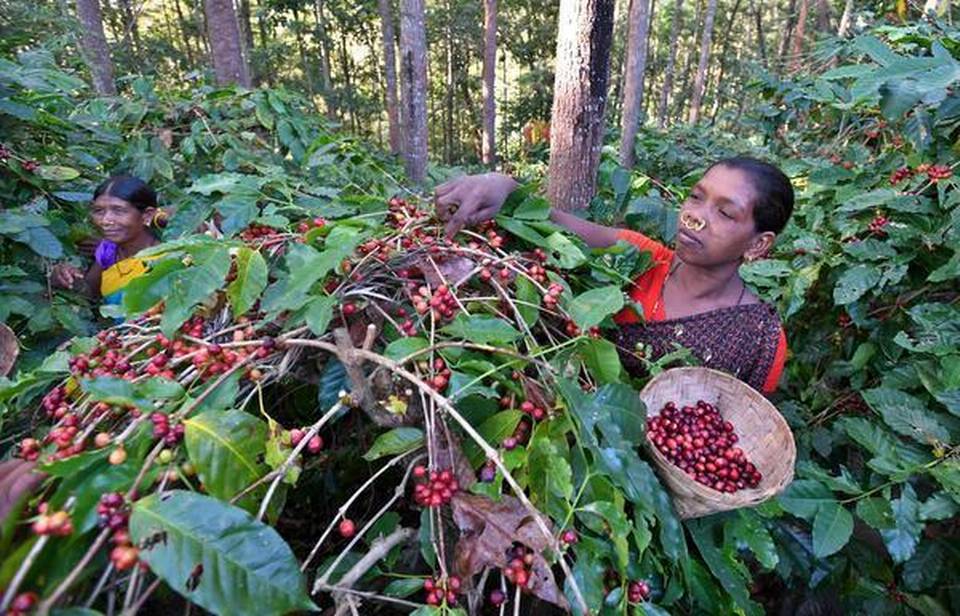
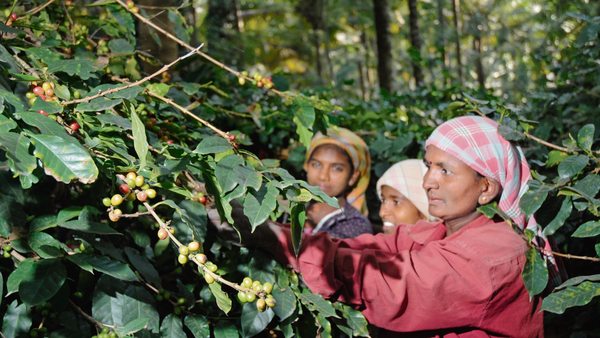
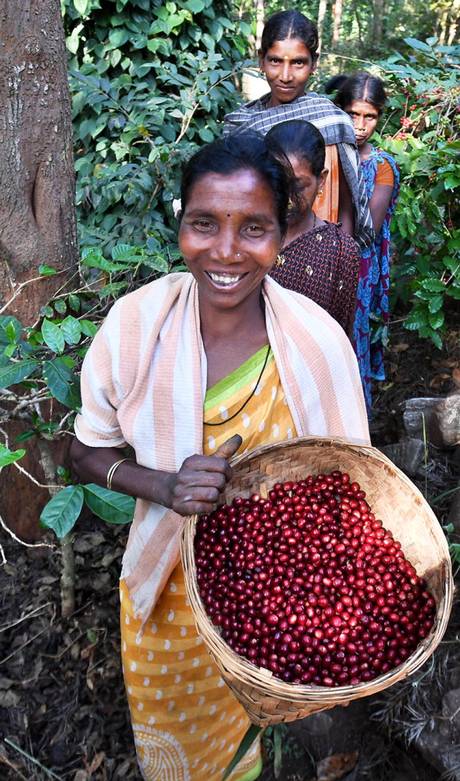
Global praise: Tribal women harvesting organic coffee on a plantation near Girliguda in Araku, Visakhapatnam.The Araku Valley coffee which is processed and marketed with the help of the tribal farmers cooperative society recently won the gold medal for the best coffee pod in the Prix Epicures OR 2018 Award in Paris.   | Photo Credit: K.R. Deepak
Global praise: Tribal women harvesting organic coffee on a plantation near Girliguda in Araku, Visakhapatnam.The Araku Valley coffee which is processed and marketed with the help of the tribal farmers cooperative society recently won the gold medal for the best coffee pod in the Prix Epicures OR 2018 Award in Paris. | Photo Credit: K.R. Deepak

The government on Friday said it has awarded Geographical Indication (GI) tag to five varieties of Indian coffee including Coorg Arabica.

The move is expected to help the growers get maximum price for their premium produce.

The Department for Promotion of Industry and Internal Trade, under the Ministry of Commerce and Industry, has recently awarded this tag to — Coorg Arabica coffee from Karnataka, Wayanad Robusta coffee from Kerala, Chikmaglur Arabica from Karnataka, Araku Valley Arabica from Andhra Pradesh, and Bababudangiris Arabica coffee from Karnataka.

The Araku coffee is produced by the tribals, who follow an organic approach in which they emphasise management practices involving substantial use of organic manures, green manuring and organic pest management practices, the ministry said in a statement.

Similarly, it said, Bababudangiris Arabica coffee is selectively hand-picked and processed by natural fermentation.

In India, coffee is cultivated in about 4.54 lakh hectare by 3.66 lakh coffee farmers of which 98 per cent are small farmers.

Coffee cultivation is mainly done in the southern states of India including Karnataka, which accounts for 54 per cent of the total production. It is followed by Kerala (19 per cent), Tamil Nadu (eight per cent).

It is also grown in non-traditional areas such as Andhra Pradesh and Odisha (17.2 per cent) and North East states (1.8 per cent).

India is the only country in the world where the entire coffee cultivation is grown under shade, hand-picked and sun dried, it said adding the country produces some of the best coffee in the world, grown by tribal farmers in the Western and Eastern Ghats, which are the two major bio-diversity hotspots in the world. Indian coffee is highly valued in the world market and sold as premium coffee in Europe.

“The recognition and protection that comes with GI certification will allow the coffee producers of India to invest in maintaining the specific qualities of the coffee grown in that particular region. It will also enhance the visibility of Indian coffee in the world and allow growers to get maximum price for their premium coffee,” it added.

A Geographical Indication (GI) is primarily an agricultural, natural or a manufactured product (handicrafts and industrial goods) originating from a definite geographical territory.

Typically, such a name conveys an assurance of quality and distinctiveness, which is essentially attributable to the place of its origin.

Darjeeling Tea, Tirupathi Laddu, Kangra Paintings, Nagpur Orange and Kashmir Pashmina are among the registered GIs in India.

Experts said that award of GI tag gives protection to the producer of those genuine products, which commands premium pricing in the markets both domestic and international.

“Once the GI protection is granted, no other producer can misuse the name to market similar products. It also provides comfort to customers about the authenticity of that product,” National Intellectual Property Organisation (NIPO) President T.C. James said.

Such products also get premium pricing in the markets, he added.

source: http://www.thehindu.com / The Hindu / Home> Business> Industry / by PTI / New Delhi – March 29th, 2019

Indian delegation promotes coffees in Canada

Delegation visits Classic Gourmet Coffee, Vaughan

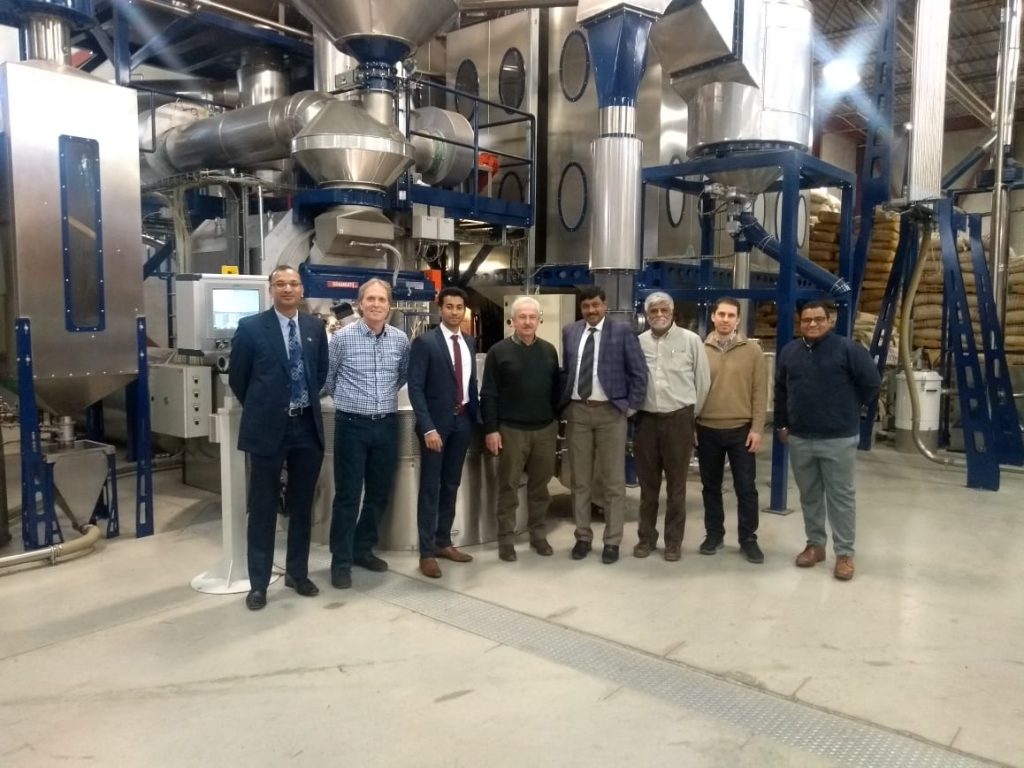
The Coffee Board of India, Ministry of Commerce & lndustry, Govt. of India in association with The Consulate General of India, Toronto organized a special program to promote coffees of India and to facilitate Indian coffee trade. The Indian Delegation comprised of executives from the Coffee Board of India, key exporters, coffee roasters and a coffee planter.

Coffee occupies a place of pride among plantation crops grown in India. India ranks seventh in global coffee production with an annual average profusion of around 320,000 tons contributing to approx. 3.5% of global production and stands at the fifth position in terms of exports contributing to 5% of the global coffee trade. Indian Robustas are perceived to be the best in the world and high-elevation shade-grown Indian Arabicas are sought after as premium eco-friendly coffees. Canada is one of the major importers and consumers of coffee, and imports around 350,000 tons of coffee annually. However, India’s share in this high-value coffee import market in Canada is quite negligible.

The composite delegation led by Mr. Srivatsa Krishna, lAS, CEO & Secretary, Coffee Board of India met with Canadian regulatory officials and Canadian business community on March 11, 2019 at the Indian Consulate in Toronto. The Consul general of India, Mr. Dinesh Bhatia and CEO of Coffee Board of India, Mr. Srivatsa Krishna opened the program by addressing delegates and guests.

The program included an in depth presentation on ‘coffees of India’ followed by a coffee cupping session and exclusive one-to-one interactions with top coffee manufacturers and key stakeholders from the coffee industry of India. On the following day, March 12, delegates Dr. Mandappa I.M (Coffee Quality Specialist, Coffee Board), Shri. N.N. Narendra (Director of Finance, Coffee Board), Mr. V.E Ovian (Director, Indcaffe), Mr. Kaashif Asghar (Managing Partner, The Aldur Group) and key Indian traders met up with Indo Canadian Chamber of Commerce, South Indian Business Community and prominent Canadian coffee business giants in order to create inroads for Indian coffees with the prime objective to benefit all stakeholders including Indian coffee traders, roasters and farmers. -CINEWS

source: http://www.canindia.com / Can India / Home> Community / by CanIndia News Online Edition / March 22nd, 2019

Bopanna’s Master Blend: Tennis & Coffee

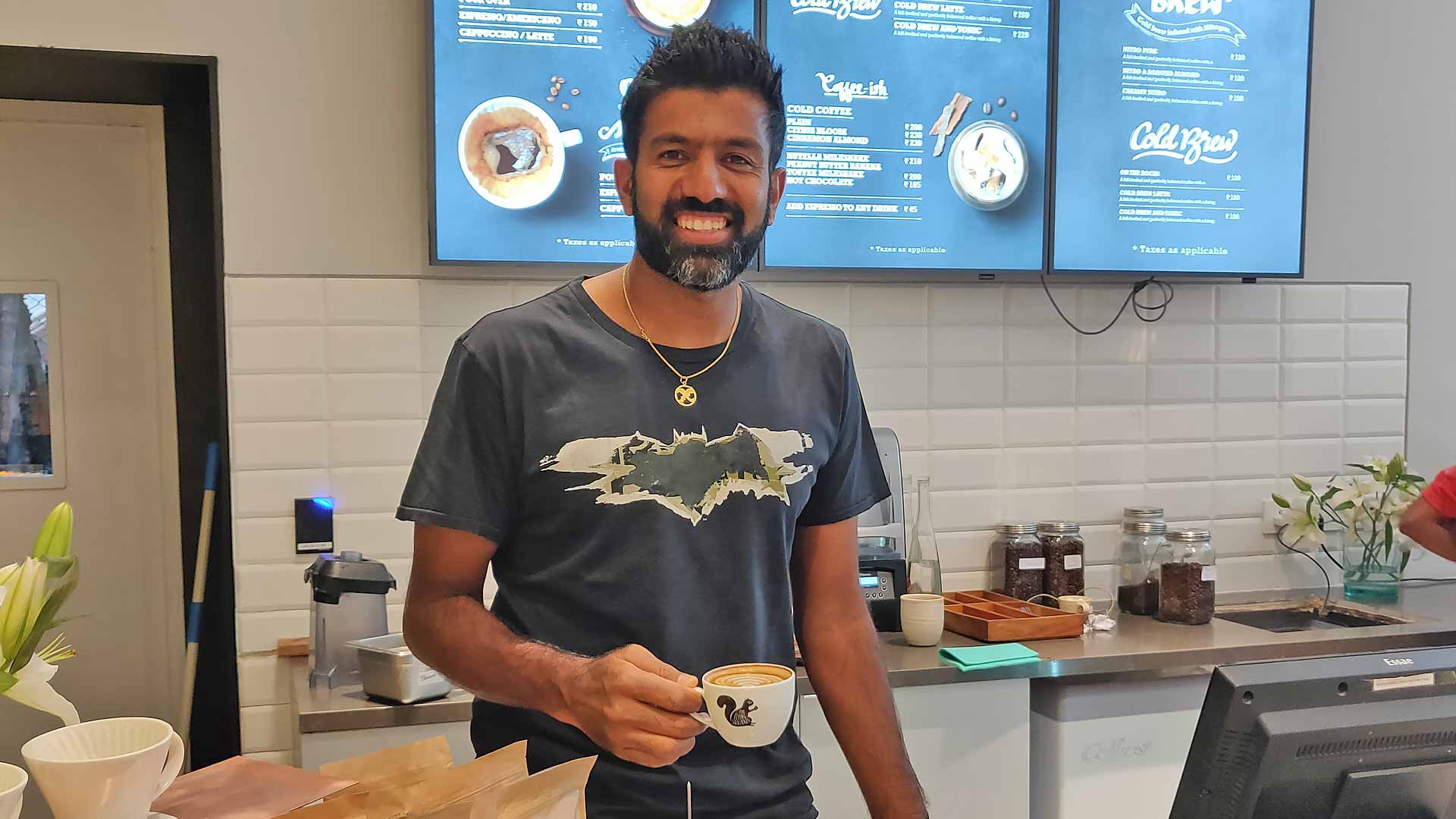
 © Rohan Bopanna Rohan Bopanna has his own blend of The Flying Squirrel Coffee called 'Rohan Bopanna's Master Blend

© Rohan Bopanna
Rohan Bopanna has his own blend of The Flying Squirrel Coffee called ‘Rohan Bopanna’s Master Blend

Learn about Bopanna’s off-court success

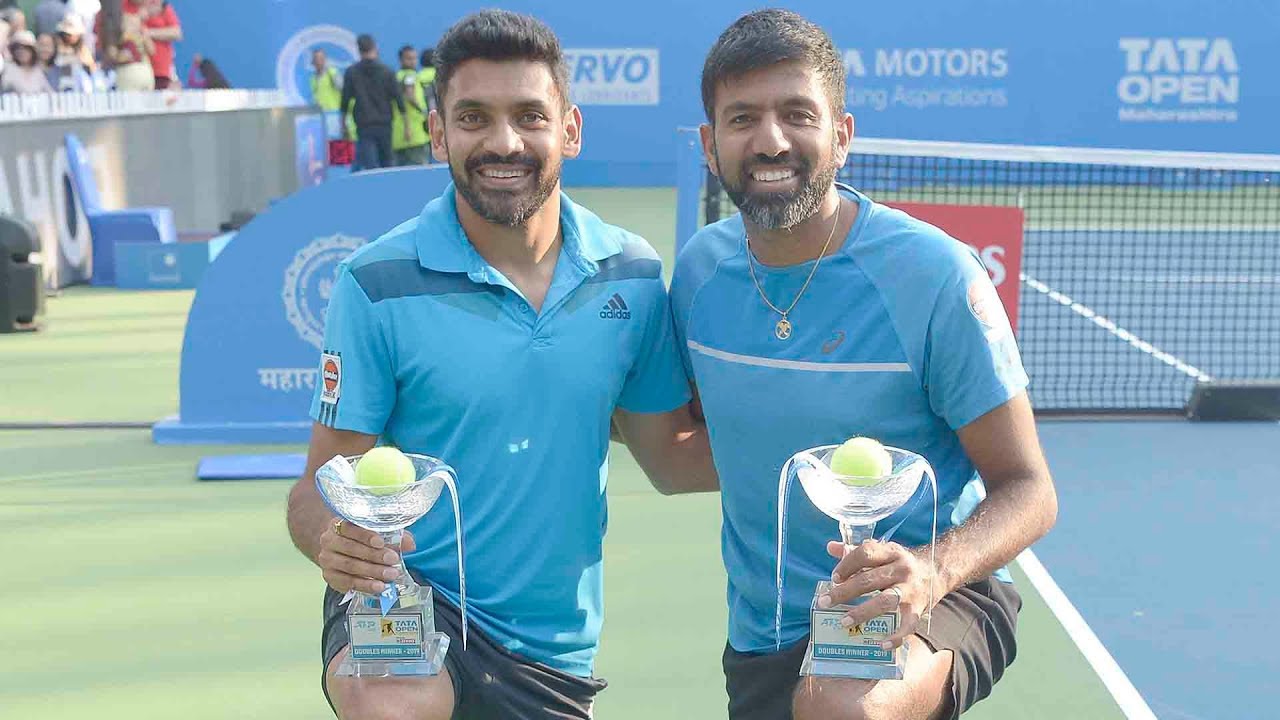
Rohan Bopanna has served plenty of aces in his career. But the Indian doubles star also serves something else on the ATP Tour: coffee expertise.

“When I go to the tournaments, everybody comes to me and says, “Rohan, this is bad coffee!’ Bopanna said, cracking a laugh. “I say, ‘I’m sorry but I can’t do anything with it’!”

Bopanna is more than just a coffee connoisseur. The 39-year-old, currently No. 36 in the ATP Doubles Rankings, has his own line of The Flying Squirrel coffee: Rohan Bopanna’s Master Blend.

“To be honest, the coffee came first, before my tennis. That’s something which has been part of the family. We grow coffee, hence the coffee love came,” Bopanna said. “I’ve been through the whole process of how it works, how the plants grow. Now I’m learning so much more about getting the right blend, roasting the coffee and everything from the past three years. But the growing part I’ve always known how to grow the coffee and all of that goes back to my childhood.”

Bopanna’s family estate, home of their coffee plantation, is in Coorg, a district in the state of Karnataka, in southwest India. When the former No. 3 doubles player in the world was growing up, his father had not started a coffee company — they simply sold beans to those who were interested in buying. But nevertheless, it’s been a part of his life as long as he can remember.

“Me being the only son, I feel there is an opportunity for me to go back whenever I’m done [with tennis] to take care of that plantation,” Bopanna said. “This [venture] was something added on, something different and yes, of course, I would love to still be very much part of it. One of the reasons I started now is that with tennis, obviously [my life] as a player is going to end one day. There’s something more to look for and coffee’s been a pure love from the beginning, so why not continue with it?”

Not only does Bopanna get to share his work with other players on the ATP Tour, but by travelling the world, he gets to try different blends every week. The 18-time tour-level titlist does bring his own beans and filter on the road with him, though.

“Tennis takes us to some beautiful cities, where automatically I get to taste all the greatest coffees,” Bopanna said. “Australia has some great coffee places. Even last week I was in Phoenix, Arizona. I was in the old town of Scottsdale and that had exceptional coffee places at the different cafes.

“Tennis has given me an opportunity to taste different coffees and hopefully take that experience to improve Indian coffee more.”

BopannaCoffee02KF22mar2019

While it is as catchy as hot shots you see on the court, one may wonder where the name of the company — ‘The Flying Squirrel’ — came from.

“The family friend who I tied up with, at the estate, we have flying squirrels there,” Bopanna said. “When I started my blend, I thought the best way was to tie [my line] up with his [brand] since they already have the roasters and everything… to start everything from scratch would have been tough, hence the name ‘The Flying Squirrel’.”

While Bopanna takes his coffee seriously, he’s certainly not done on the court yet. At this week’s Miami Open presented by Itau, Bopanna is competing alongside #NextGenATP Canadian Denis Shapovalov. The Indian also played with Shapovalov at the BNP Paribas Open in Indian Wells.

“The idea is to obviously try and do well in these big tournaments, big Masters series events. That’s the key,” Bopanna said. “I’m at a stage that when I play these tournaments, I’m looking to obviously do well and try to win the tournament. You’ve been on the [ATP] Tour for such a long time. You know every player out there, you know what to expect and you’re going there to try to win the tournament.”

As Bopanna continues to try to make his mark on the court, he’s trying to win over his colleagues’ taste buds, too.

“Indian coffee I feel has really grown in a big way in India and I feel we can really bring it out to the world to try to experience it. I feel the best way for me is to try to use my tennis platform to give a lot of my homegrown coffee to all the tennis players who love coffee,” Bopanna said. “I’ve gotten great feedback from all these players who have tried it and enjoyed it so far. It’s something very, very different, and I enjoy doing it.”

source: http://www.atptour,com / ATP Tour / Home> News / by Andrew Eichenholz / March 22nd, 2019

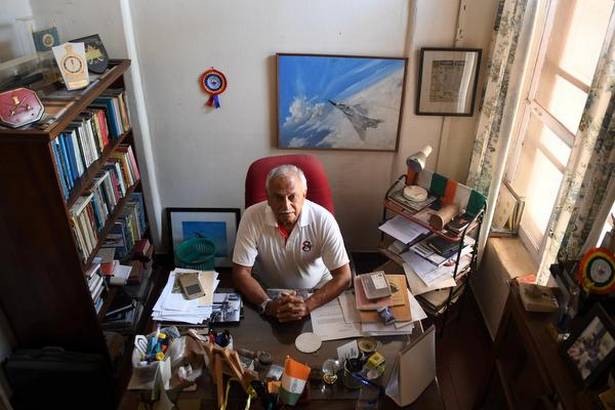
Air Marshal K.C. Cariappa recounts his days as a prisoner of war in Pakistan

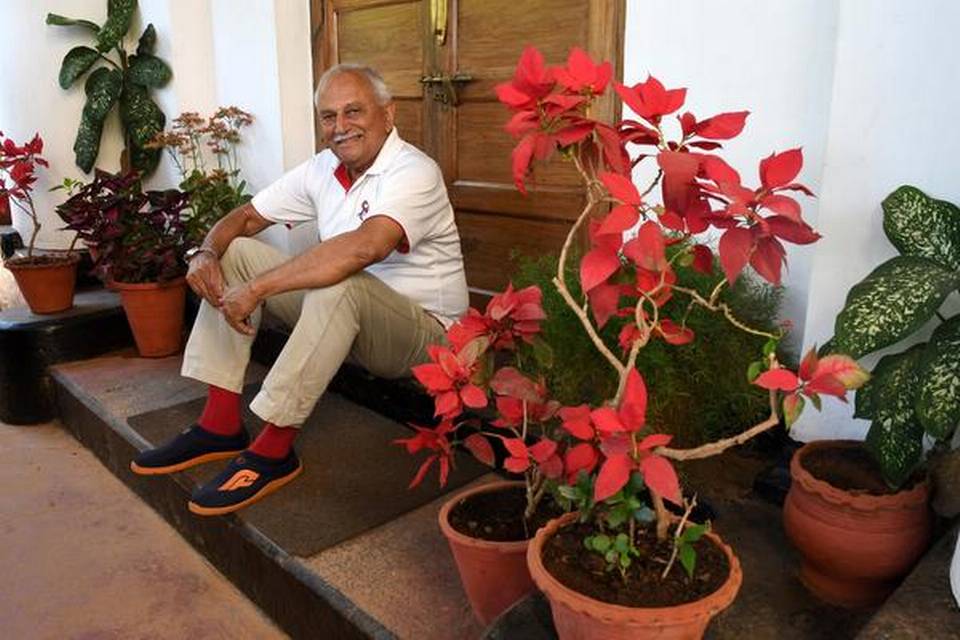
Retired Air Marshal K C Nanda Cariappa in Kodagu at Madikeri on 10 March 2019.   | Photo Credit: SUDHAKARA JAIN
Retired Air Marshal K C Nanda Cariappa in Kodagu at Madikeri on 10 March 2019. | Photo Credit: SUDHAKARA JAIN

Much before Abhinandan, there was Cariappa, taken PoW by Pakistan.

The fighter aircraft blew up in a ball of flame and crashed. The pilot ejected safely, but when he landed with his parachute, he was immediately surrounded by Pakistani troops. It was September 22, 1965, and the officer was 27-year-old Flight Lieutenant K.C. Cariappa.

“I wasn’t sure whether I was in India or Pakistan. When our artillery opened up, one of the Pakistani soldiers said that your guns are firing at us. That’s when I realised that I had been taken as a prisoner of war (PoW),” recounts Air Marshal Cariappa (retd) in a telephonic interview from his home in Madikeri in Karnataka. He landed in Punjab’s Khem Karan sector, 5 km from the International Border, which had been occupied by the Pakistani Army.

The pilot spent the next few weeks being moved from one hospital to another because of a spinal injury and a damaged arm from shelling. As news of him being the son of then General K.M. Cariappa (who had retired as the Chief of the Army Staff and would be later conferred the rank of Field Marshal) spread, he was visited by Pakistan’s Army Chief General Muhammad Musa and one of Pakistan President General Ayub Khan’s son, who gave him a P.G. Wodehouse book and cigarettes.

Retired Air Marshal K C Nanda Cariappa in Kodagu at Madikeri on 10 March 2019.   | Photo Credit: SUDHAKARA JAIN
Retired Air Marshal K C Nanda Cariappa in Kodagu at Madikeri on 10 March 2019. | Photo Credit: SUDHAKARA JAIN

Ayub Khan, who had served under Cariappa Senior in the North West Frontier Province, offered to return the young captive. But that offer was politely rejected by General Cariappa, who said that all Indian PoWs were his sons. The young officer was shifted to the main prison camp at Fort Dargai, where all the other Indian PoWs were detained. As a captive, life was far from comfortable.

“Food was terrible. We had pooris and a mug of tea for breakfast, and rice, two chapattis, lacey bhindi (lady’s finger) and a soupy preparation of turnip for lunch, which was repeated for dinner.”

The officers were given a pair of hawaai slippers, a dungaree and a blanket which were far from enough to keep warm. But, in the company of six other Indian Air Force officers at the prison camp life became somewhat cheerful.

“(Sqdn Ldr) Piloo Kakkar would read out chapters from Mahabharata and Ramayana and Sikky (Sqdn Ldr B P Sikand) had us in splits of laughter recalling his youth.”

A particularly memorable occasion was the New Year’s eve.

“We used to get a terrible fruit called mittha, which was a kind of a grapefruit but far from sweet. We asked for an earthen pot, put this fruit and our chapatis into the pot and added some methylated spirit stolen from the nursing orderly who would come to dress up our wounds. We then wrapped up the pot with a blanket and place it near a fire to prepare our brew, snake juice. For dessert, we had Marie biscuits and chocolates that we melted so we had almost the original Oreo sandwich!”

The 81-year-old says that while there was no ill-treatment or third-degree torture during his captivity, there was always “the fear of the unknown” haunting the prisoners.

Talking about Wg Cdr Abhinandan Varthaman’s capture by the Pakistani military, he says that “the rules of the game have changed due to social media”, but there is a need to adhere to a “code of conduct”. “While there were horrible videos of his bloodied face circulating, these were also an acknowledgment of the fact that he was in Pakistani custody.” His were “kinder and benign years”.

source: http://www.thehindu.com / The Hindu / Home> News> National / by Jagriti Chandra / New Delhi – March 11th, 2019

Down the royal memory lane

The Kodagu principality was ruled by the Haleri dynasty between 1600 and 1834.

During this time, a Havyaka family moved from Adamane in Shimoga to Palathadaka near Subrahmanya in Dakshina Kannada. Hence, they identify themselves as the Adamane Palathadaka (AP) family. Many AP family members were related to the officials who served under the Kodagu rulers.

A member of this generation, Dr A P Lalit Mohan, has their family tree.

The AP family claims their descent from Subbarasaya, who served as a karnika (treasurer) in Kodagu, as well as his brother Thimmarasaya. A number of Subbarasayas and Thimmarasayas can be found in the family tree.

Dr Mohan claims that two female members Mahadevamma, the wife of Dodda Vira Rajendra, and Gowramma, one of Chikka Vira Rajendra’s 13 queens, were born in the AP family.

Two missionaries, Hermann Friedrich Mögling in his Coorg Memoirs and Georg Richter in his Gazetteer Coorg narrated the story of the Rajas.

Linga Raja I died in 1780 while his three sons, Vira Raja, Appaji Raja and Linga Raja II, were still young. Hyder Ali became their guardian of the princes and took up the direct administration of Kodagu. He maintained that when they would come of age, the throne of Kodagu would be restored to them. In the meantime, he appointed Subbarasaya, from the AP family, as the amaldar of Kodagu.

In 1782, Kodagu rose in rebellion. The princes and their family members were moved to Gorur Fort in Hassan. After the death of Hyder Ali, his son, Tipu Sultan, succeeded as the ruler of Mysore. The Kodagu princely family was again moved to Periyapatna Fort. They were being held in confinement and were prevented from reaching their capital, Madikeri. Tipu marched through Kodagu in 1784. When Kodagu rebelled again, he returned.

Subbarasaya was succeeded as amaldar by his nephew Nagappayya. Nagappayya was charged with treason by Tipu Sultan and was condemned to death. He then fled to Wayanad and took asylum under Kote Raja in Kotangadi.

During 1788, two Kodagu leaders, Appaneravanda Achayya and Pattacheravanda Boluka, helped Vira Raja and his family escape. Most of the family members settled in Kurchi in Kodagu. From there, Vira Raja with Achayya, Boluka and his other men led a guerrilla war against Tipu Sultan.

Nostalgia

The Kote Raja sent bandits to Kurchi where they killed the family members, including Vira Raja’s first wife, looted the place and burnt it down. Despite this setback, by 1791, Vira Raja reclaimed Madikeri. In 1795, a new palace was built in Nalknad. Vira Raja had a daughter, Rajammaji, from his first marriage.

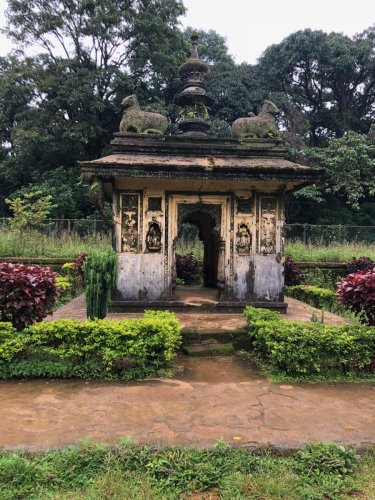
He desired to have a son. Hence, the following year, a mantapa (pavilion) was built in front of this palace where Vira Raja married Maha Devamma in a grand ceremony. Maha Devamma later came to be called as ‘Maha Deva Rani’. Vira Raja and Maha Deva Rani had four daughters: Devammaji, Muddammaji, Rajammaji and Mahadevammaji.

Remnant Kalyana Mantapa in front of Nalknad palace in Kodagu. Photo by author

Vira Raja had his will made before he died in 1809. Accordingly, Devammaji succeeded him to the throne. But two years later, her uncle Linga Raja forced her to abdicate the throne in his favour.

Linga Raja ruled from 1811 until his death in 1820. He got his four nieces married. Linga Raja’s son Chikka Vira Raja succeeded him. By 1826, Chikka Vira Raja got Muddammaji and her family members killed.

During the 1834 war between Kodagu and the British East India Company, Chikka Vira Raja surrendered to the British. After his exile, he went to London where he died in 1864. Karnika Thimmappayya, who was his brother-in-law, died in 1868.

source: http://www.deccanherald.com / Deccan Herald / Home> Spectrum> Spectrum Statesman / by Mookonda Kushalappa / March 10th, 2019

Smell the coffee and spirituality at Coorg

Jaggery coffee may not be your cup of tea but expect the brown brew to be presented as a welcome drink at a resort in the middle of a large coffee plantation, such as the Cottabetta bungalow in Pollibetta, Coorg, south Karnataka. Nearly 130 years old, this plantation resort was once the residence of British planters. Owned by the Tatas now, it consists of a Kerala-style house with the bedrooms around the inner courtyard, offering the old-world charm and comfort.

On the hillsides, a dense forest of short and stunted trees bearing this exotic berry, in the shadow of the taller trees on which pepper creepers climb high, abounds. The soil here is good for a host of other spices, too. That’s what the traders from the west came looking for, and then settled down to rule our country.

A tour of this particular plantation gives an insight into the process of producing coffee. According to a tour guide, Udhav, a coffee plant starts yielding berries after seven years, and then goes on doing it for over 75 years. Initially the berries are red, but turn brown once they go through several stages of drying, pulping, roasting and grinding before landing on our tables as the brew with a heady aroma. Robusta is the variety that grows here. It’s the favourite of the elephants, too. Most plantations are surrounded by an electric fence to protect them from pachyderms (animals like elephants, hippopotamus and rhinoceros) but, says Udhav, “sometimes they find out how to switch it off. Generally, it is the matriarch of the herd who knows how”!

DevaKF10mar2019

Monastery

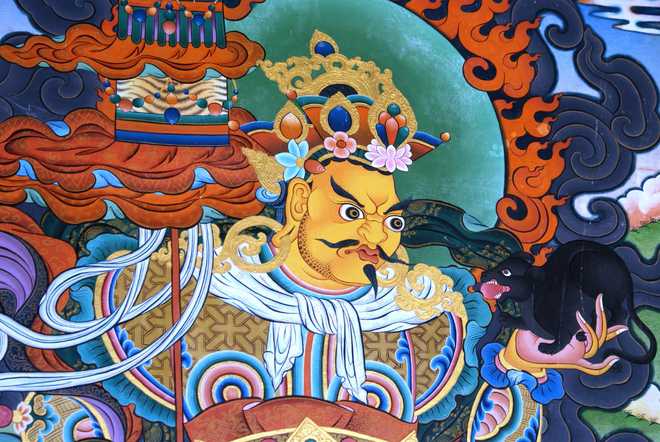
In another direction from Madikeri, about five kilometres off the Bangalore road, lies a Buddhist monastery, Namdroling. This seminary imparts education in the Nyingmapa tradition of Buddhism. Over 3,000 students from the primary to postgraduate level, from the Himalayan regions and abroad, “chant and study, work and practice” here. His Holiness Penor Rinpoche set up this monastery in 1963.

He “attained Mahaparinirvana” in 2009. The Dalai Lama consecrated it and christened it as Namdroling, though its full name is Thegchog Namdrol Shedrub Dargyeling (Land of increasing practice and teaching of the utmost yana that achieves spontaneous liberation). The centre is also known as the Golden Temple because of the three 40-feet high, gilded statues of the Buddhist icons. The entire complex has been elaborately decorated with the Tibetan-style paintings, murals and religious figures. Bylakuppe, a small town where this is located, is a far cry from Tibet in terms of climate and culture but it houses the second largest Tibetan settlement after Dharamsala.

Around 40km from Madikeri is Talakaveri, on the Brahmagiri hill, the source of the Kaveri river. A tank marks the source of the river, and a nearby temple is a popular place for pilgrimage. Not too far from Madikeri lies the Dubare elephant camp. It is located on the banks of Kaveri. Apart from watching big animals, one can do some still-river rafting close by. The best time to visit Coorg is soon after the rains when water cascades down the falls and mist rises up to shroud the mountains. Perhaps, that’s why it’s also known as the Scotland of India.

source: http://www.tribuneindia.com / The Tribune / Home> Spectrum> Travel / by Lalit Mohan / March 10th, 2019

When India’s First Army Chief Refused Pakistan’s Offer To Release His Son Captured As A PoW In 1965 War

The legend of Field Marshal KM Cariappa is well known as he was the first chief of the Indian Army after independence. But one anecdote from the life of the legend himself elevated him far above others who could rival his glory.

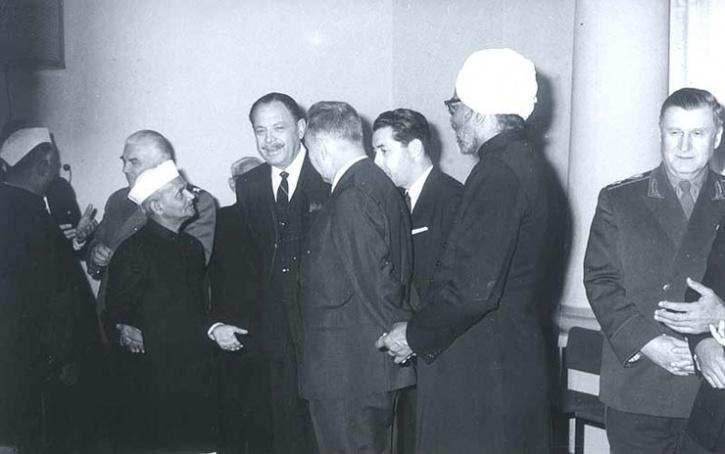
GENERAL AYUB KHAN AND FIELD MARSHAL KM CARIAAPPA, PIC COURTESY: AFP/WIKIPEDIA

Yes, the battle of 1965 where he refused the offer of Pakistan General Ayub Khan to release his son who was an IAF pilot and was captured and kept as Prisoner of War (PoW), the legend Field Marshal Cariappa not only refused General Ayub Khan’s offer but also asked to treat him at par with other PoWs.

Caught by Pak army when his plane was shot down
Sqn Ldr KC Cariappa was flying near the border and his plane was shot down. He had to eject and during the process of ejection and landing, the Sqn Ldr Cariappa ‘s spine was injured. Soon after the capture, like all other PoWs, the Sqn Ldr Cariappa told his name, rank and unit number. Like Wing Abhinandan, he also didn’t divulge any information.

News soon reached General Ayub Khan

REUTERS
REUTERS

Soon after his capture, the news reached General Ayub Khan that Pakistan army had captured son of India’s first army chief Field Marshal KM Cariappa, the General announced it on Radio Pakistan that his forces have captured Sq Ldr KC Cariappa, the son of legendary Indian Field Marshal.

When General offered Field Marshal to release his son
General Ayub Khan had served under Field Marshal Cariappa in the British Indian Army and always held him in high esteem. General Ayub Khan asked Pakistan High Commissioner in New Delhi to personally meet Field Marshall who in return politely refused General’s offer.

Field Marshal said other PoWs are also his sons

In his reply to the High Commissioner who had come on behalf of General Ayub Khan, Field Marshal Cariappa told him that he doesn’t want Pakistan to release his son but treat all PoWs well as all Indian soldiers are his sons.

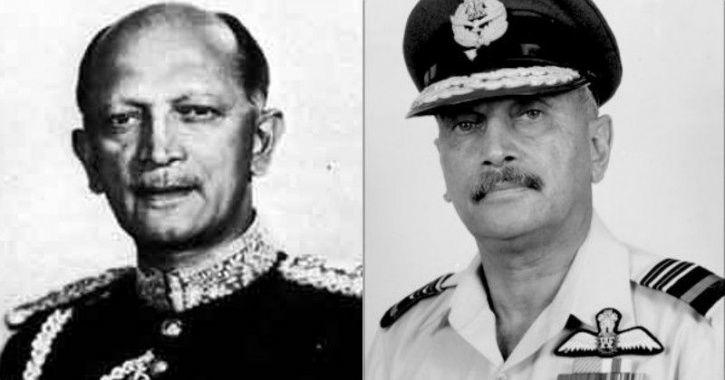
FIELD MARSHAL KM CARIAPPA AND HIS SON AIR MARSHAL KC CARIAPPA, PIC COURTESY: WIKIPEDIA/BHARAT RAKSHAK

Recently speaking to the media, Air Marshal KC “Nanda” Cariappa said “My dad was a man of high principles. For him, his son and all other soldiers were the same. Even though Ayub Khan was his junior and was close to him, he refused to get me released before the others. I was later released with all others”.

Air Marshal was quoted by the News18. Sq Ldr KC Cariappa was caught on last day of the war and when he came back, he commanded a helicopter unit of the IAF and retired as Air Marshal. He had also took part in 1971 war.

(With News18 inputs)

source: http://www.indiatimes.com / India Times / Home> News> India / by Maninder Dabas / March 06th, 2019

Urban Legend: O Captain! my Captain! ode to India’s war heroes

It’s not what you expect to see in the heart of the Western Ghats around the spot where the river Cauvery originates.

Mottana C. Ravi Kumar

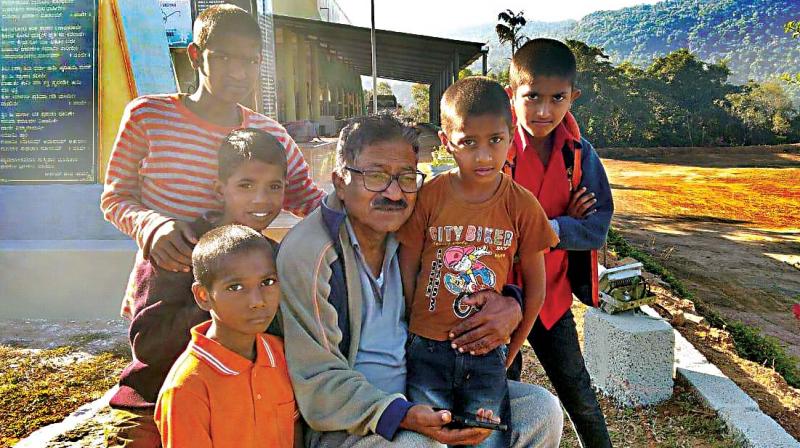
Nestled in the Western Ghats, where the river Cauvery originates, is a little-known memorial. On it are inscribed the names of 49 soldiers from a village nearby, who lost their lives in World Wars 1 and 2. It’s a heroic and elaborate effort by Mottana C. Ravi Kumar, an advocate and the son of an army man. Over the years, officers like Kargil war veteran Major Rakesh Sharma have visited the memorial, much to Kumar’s pride, writes Aksheev Thakur

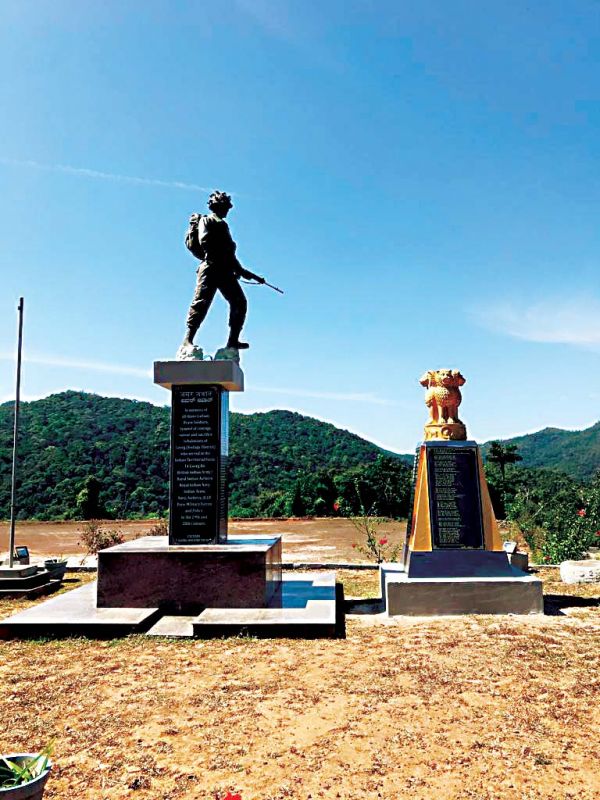
It’s not what you expect to see in the heart of the Western Ghats around the spot where the river Cauvery originates. But venture deep into the green canopy of the ghats and you come across a war memorial inscribed with the names of 49 soldiers from a village here, who lost their lives in World Wars I and II.

MemorialKF04mar2019

Cherangala village in Kodagu has an advocate, Mottana C Ravi Kumar, the son of an army man, to thank for the memorial that pays tribute to its patriotic sons killed in the two wars.

It’s an elaborate memorial, the statute having come from Mohali. It nearly got a T-55 tank too, but the bridge in the village was not strong enough to carry it, forcing that plan to be abandoned . Next to the statue stands an Ashok Stambh with each side inscribed with Kavi Pradeep’s famous “Aye Mere Watan Ke Logon” Iqbal’s “Sare Jahan se Accha,” Rabindranath Tagore’s “Where the Mind is Without Fear” and Bankim Chandra Chattopadhyay’s “Vande Mataram. “

The songs and the memorial are meant to inspire the young of the village , the advocate tells you. “Soldiers serve in inhospitable conditions and this is my little ode to them,” he says.

Distinguished officers of the the country’s armed forces like Field Marshal K M Cariappa’s son, Air Marshal (retd) KC Cariappa, Lt. Gen. (retd.), G S Nanda, and Kargil war veteran, Major Rakesh Sharma have visited the memorial over the years, much to the pride of the villagers, who continue to honour the memory of the men they sent off to war.

The army man that he was, Mr Ravi Kumar’s father wanted him to join the armed forces too, but he insisted on becoming a doctor. “Ultimately, I did not become either a doctor or a soldier, but an advocate and moved to Bengaluru to practice,” he smiles.

But he did flirt with the idea of joining the army, spending some time at the Dholpur Military School near Agra as a young man. “Father joined the army in 1941. When I joined the military school, the 1962 Indo-China war erupted. The principal often gave five and six-year-old children news of their fathers achieving martyrdom on the battlefield and I saw them crying. The scene was repeated in the 1965 war and this drew me emotionally close to the armed forces,” he recalls.

But the idea of the memorial in the village was born quite by chance. Being an advocate, he once filed a writ petition in court on the lack of road connectivity to his village and the resulting disadvantage this placed its families in when it came to getting brides for their sons as parents were reluctant to send their daughters away to such a remote spot in the ghats. “ Children had to travel five miles to go to school. So when I became an advocate I filed a writ petition in the high court and it was passed by Justice Gopal Gowda,” he adds .

During one of their meetings, Justice Gowda pointed out to him that he had not invited him to the village after the road was built to connect it to the rest of the state. “It was then that the idea of the war memorial came up as I could not have invited him for just the road,” he says. And he went on to build it at the spot where it still stands in memory of the village’s bravehearts.

A strong believer in the words of Swami Vivekananda that, “They only live who live for others, rest are more dead than alive, “ the advocate has fought several cases of defence personnel too over the years.

But he has not stopped there. Unlike many in Kodagu, who run homestays, Mr Ravi Kumar runs an orphanage as he feels someone has to take care of children with no one to turn to.

“There over 25 million orphans in India according to the United Nations and of them 10 lakh sleep on the streets of Kolkata, Mumbai and Delhi. We have not even done an independent census of orphans although countries like Pakistan and Sri Lanka have. But if we take the statistics of the UN into account, they form 2 per cent of the population and are not receiving any attention. The SCs, STs and OBCs have reservation, what about the orphans, who don’t know what their religion or caste is?” he asks pertinently.

Mr Ravi Kumar takes care of the children not only till they turn 18, but till they make their own way in life. “At least they can then go on to become soldiers in the Indian Army, if not officers,” he concludes.

source: http://www.deccanchronicle.com / Deccan Chronicle / Home> Lifestyle, viral and trending / by Aksheev Thakur, Deccan Chronicle / March 02nd, 2019