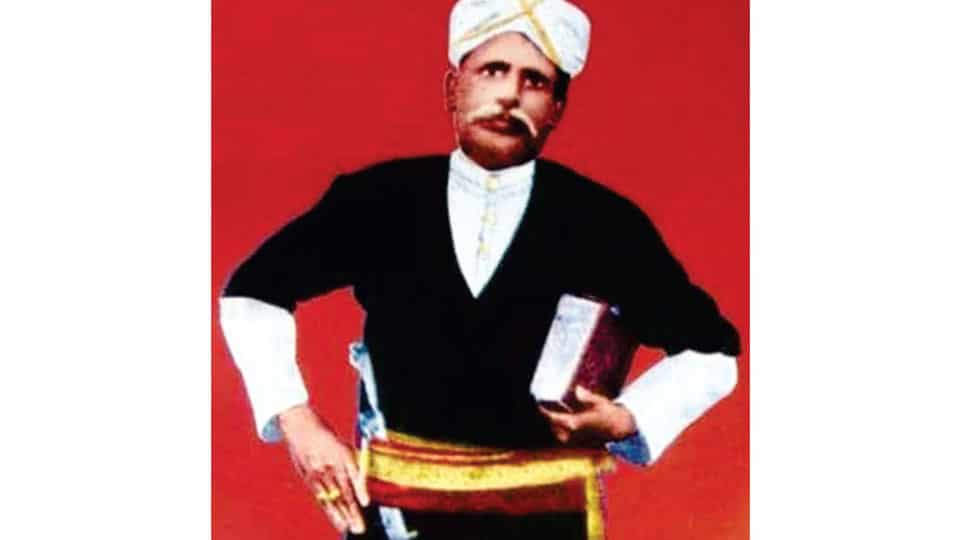
Maintaining that Haradasa Appacha Kavi was a great Kodava poet and Philosopher who followed ‘Dasa Parampare’, Rangayana Director Addanda C. Cariappa said that the Kodava community should press the Government for the establishment of Appacha Kavi Study Chair in University of Mysore.
He was speaking at Appacha Kavi birth anniversary celebrations organised by Mysuru Kodava Samaja at Field Marshal K.M. Cariappa Community Hall in Vijayanagar here recently.
Asserting that Appacha Kavi’s poems, plays and other writings were worth a study by the Kannada literary world, Cariappa argued that the Study Chair will largely help in carrying forward the rich legacy left behind by the great poet, to future generations. Kodava Samaja should exert pressure on the Government for the setting up of the chair, he added.
Continuing, Cariappa said no one should forget that Appacha Kavi was the first Indian playwright to adapt the mythological Yayathi story into a popular play. Appacha Kavi, who studied only till fourth standard, became a Sanskrit scholar and wrote exemplary plays. Through his memorable and magnificent writings, he came to be known as Kalidasa of Kodagu, he observed.
Stating that Appacha Kavi, who was born on Sept.21, 1868, was known as a Poet-Saint, he regretted that it is unfortunate that the Kannada literary world is yet to accept him and there are also no serious discussions on his plays, poems and other works. This may be because that most of his works are in Kodava language, he opined.
Celebrating the great poet’s birth anniversary as ‘Kodava Sahitya Day’ is just not enough and it should be celebrated in a more purposeful manner to attract the attention of the entire State, he added.
Artist Nellamakkada B. Kaverappa, who is also the Founder-President of city’s Bharani Art Gallery, spoke on the life and works of Appacha Kavi.
Mysuru Kodava Samaja President Mechanda Shashi Ponnappa welcomed. Kodava Samaja Cultural and Sports Club President Kuttimada D. Muthappa and others were present.
source: http://www.starofmysore.com / Star of Mysore / Home> News / September 26th, 2022
The Annual General Body Meeting (AGM) of Kodagu Sahakara Sangha for the year 2021-22 will be held at the Sangha premises in Jayalakshmipuram on Sept.25 at 10.30 am.
Sangha President A.C. Nanjamma will preside.
On the occasion, the children of Sangha members who have excelled in the 2021-22 examinations by scoring high marks will be felicitated.
A wildlife Biologist and Ecologist from Kodagu is in the team that brought eight Cheetahs (Acinonyx jubatus) from Namibia to Madhya Pradesh’s Kuno National Park which were released by Prime Minister Narendra Modi on Sept. 17.
C.M. Bipin of Kodagu is in the core management team of Dr. Yadvendradev Vikramsinh Jhala, Lead Scientist for Project Cheetah and Dean of Wildlife Institute of India.
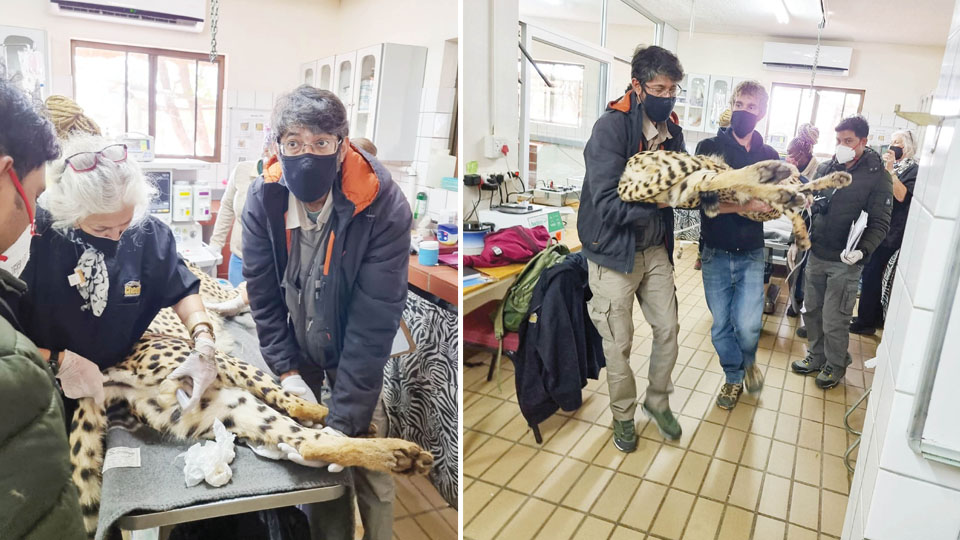
Bipin conducted extensive fieldwork and ground study before the extinct felines were reintroduced in India. Project Cheetah is the world’s first inter-continental large wild carnivore translocation project.
C.M. Bipin has been working on Project Cheetah since 2011 as a Project Associate at the Wildlife Institute of India, Dehradun, autonomous wildlife research and natural resource service institution under the Ministry of Environment Forest and Climate Change (MoEF&CC), Government of India. Bipin’s name figures prominently among the survey team for the project.
Hailing from Kanoor village near Ponnampet in South Kodagu, Chottekmada Bipin is an Industrial Engineering Management graduate who pursued his passion for wildlife and nature. He finished his schooling at St. Anne’s School, Virajpet and college at Sathya Sai Loka Seva Trust, Alike. His parents Monnappa and Tara Monnappa, retired teachers, are settled in Kanoor.
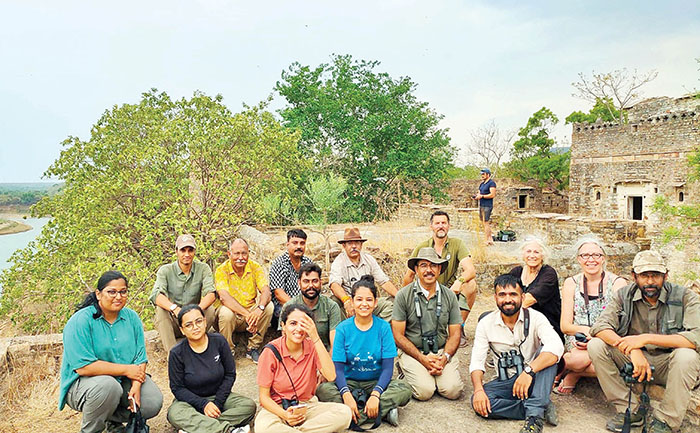
Bipin (extreme right) seen with Project Cheetah team members in Namibia where they underwent training.
Engineer to Ecologist
Speaking to Star of Mysore from the Kuno National Park where he is monitoring the Cheetahs, Bipin said that though he worked for an electronics company in Bengaluru soon after his engineering at the RV College, nature and wildlife was his passion.
“I was feeling suffocated, so I left and joined a conservation and ecology team at the Centre for Wildlife Studies, Bangalore, in 2004 working on monitoring tigers and prey populations in Karnataka. During this period, I felt the need of educating, better-equipping and training myself in wildlife science and nature conservation and I completed my M.Sc. in Wildlife Biology,” he said.
Bipin later joined National Centre for Biological Sciences in Bengaluru in 2008 for his Master’s and subsequently joined the Wildlife Institute of India, Dehradun in 2011 and has been involved in Project Cheetah.
“As part of the project, the landscape of five States — Rajasthan, Gujarat, Chhattisgarh, Uttar Pradesh and Madhya Pradesh — were studied. 10 places were identified as suitable for Cheetah reintroduction and among them, five were shortlisted with the Kuno National Park in Madhya Pradesh, Shahgarh landscape and Mukundara Hills Tiger Reserve in Rajasthan and Nauradehi Wildlife Sanctuary in Madhya Pradesh being identified as priority ones,” Bipin revealed.
Court case
When the project work was on, in May 2012, the Supreme Court stalled the plan to reintroduce Cheetahs into Kuno sanctuary fearing they may come into conflict with a project to reintroduce lions into the same sanctuary.
But in 2020, the SC lifted its stay, clearing the project after an affidavit filed by the National Tiger Conservation Authority (NTCA) to take the plunge — under the guidance from an expert committee headed by Dr. M.K. Ranjitsinh, the architect of Wildlife Protection Act — and go ahead with plans to bring the African cat to India.
“During the period of stay, I started work on the population recovery and habitat improvement of the critically endangered Great Indian Bustard, the grassland and open forests habitat of which the Cheetahs roamed in our country once and I re-joined the Cheetah Project after the Court clearance,” he said.
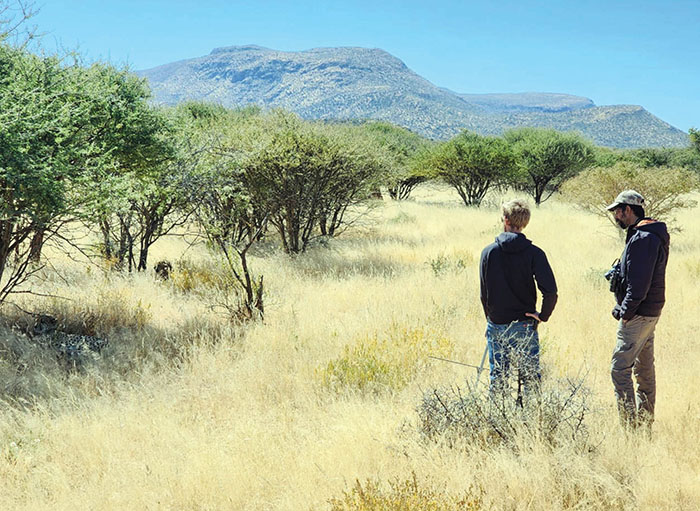
Picture shows the landscape of Namibia that is ideal for the Cheetah habitat being studied by Bipin and a colleague. Kuno National Park in Madhya Pradesh where the Cheetahs have been reintroduced has a similar landscape.
Training in Namibia
Bipin was sent to Namibia and South Africa with the team during June 2022 for a training in handling the Cheetah, habitat management, research, methods of conservation at different levels and how to avoid conflict with villagers living on the forest fringes.
“I gave technical inputs after ground studies along with my team and additionally wore many hats as and when needed including providing assistance required in administrative, financial, legal and policy matters. As the days for the release drew close, though rainy season in India is a difficult period to release Cheetahs in India due to inaccessibility to many forest areas and logistical constraints, it would have been wise to wait for the monsoon to end,” he explained.
September was the ideal month and the occasion was PM Modi’s birthday. The officers of Madhya Pradesh Forest Department, NTCA and MoEF&CC at various levels very efficiently coordinated and performed their roles meticulously in making the project a reality, Bipin added.
Adequate prey base
“The Kuno National Park, situated on the northern side of Vindhyachal mountains, can handle 35 Cheetahs and has an inviolate area of 748 sq.km. where the Cheetahs have a suitable area of up to 6,800 sq.km surrounding them. We had identified four more areas apart from Kuno National Park and the project Cheetah entails bringing 50 big cats from Africa in the next five years and in the long run establishing a viable cheetah metapopulation in the country,” he said.
The Kuno National Park has a good prey base for Cheetahs, comprising the four-horned antelope, chinkara, nilgai, wild pig, spotted deer and sambhar.
Cheetahs will help restore open forest and grassland ecosystems in India and its dwindling wildlife. This will help conserve biodiversity, consolidate and enhance the ecosystem, mitigate climate change and boost the local economy with various livelihood opportunities.
“Extensive hunting of Cheetahs and habitat loss led to their extinction. The ‘African Cheetah Introduction Project in India’ was first mooted in 2009 by Wildlife Trust of India and we have come a long way in finally bringing the fastest animal on earth to India,” Bipin added.
Elated over her son being in the core Project Cheetah team, Bipin’s mother Tara Monnappa told Star of Mysore that the family is proud of Bipin’s achievements. “I don’t have any words to express and he has been passionate about nature since childhood. I am glad he could pursue his passion with full vigour,” she said.
In fact, Bipin’s wife Amritha too is a sociologist and conservationist and works for The Nature Conservancy, a global environmental organisation, working in areas in Assam. Her specialisation is communities living in villages on the fringes of forests and their interactions with wildlife and nature.
Bipin’s elder brother C.M. Bishan is an Orthopaedician in Gonikoppa, Kodagu and an avid wildlife photographer.
source: http://www.starofmysore.com / Star of Mysore / Home> News> Top Stories / September 22nd, 2022
Actress Harshika Poonacha and Director Nagendra Prasad
‘Kannada not just a language but a feeling and a way of life’
Mysore/Mysuru:
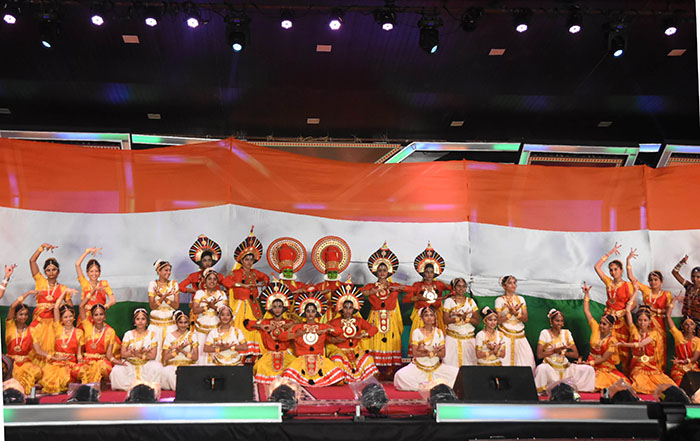
The usually busy Manasagangothri Road in the University of Mysore campus gets busier after 4 pm these days as hundreds of youths pour into the Open Air Theatre where Yuva Sambhrama is being held as a prelude for Yuva Dasara.
While youths on stage forget themselves while performing foot-tapping music, the crowd in front of the stage too are mesmerised by the performances. Over the last couple of days, the place is becoming a popular joint for youngsters to hang around after a gap of two years and they are leaving no opportunity in making its maximum use.
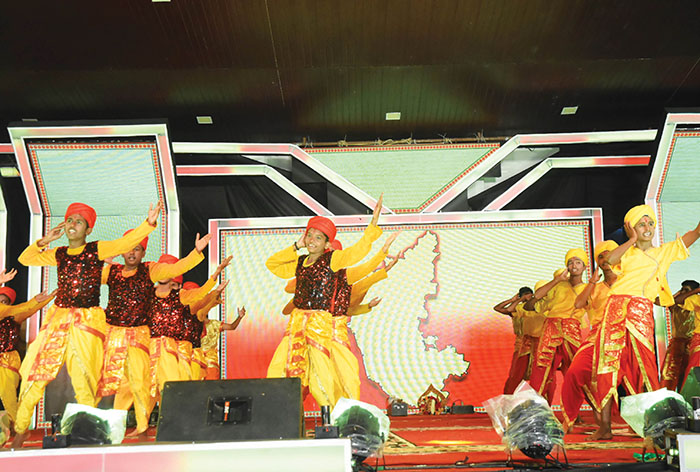
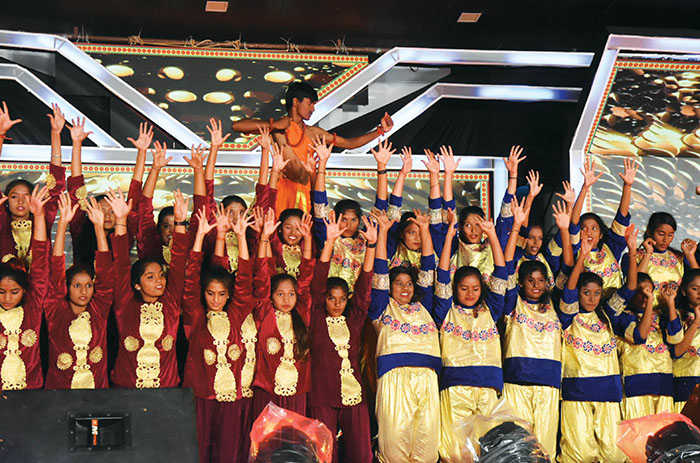
Last evening, there were many stellar performances from various educational institutions where the message of Kannada being a feeling or a way of life and not just a language was spread by the performers, holding the Kannada flag. The performance by the students of DPBS Government PU College, Periyapatna, extolling the Kannada language, attracted many and even the audience sang and danced.
Likewise, students of the JSS Academy of Higher Education and Research, dressed as peacocks, performed to Kannada tunes while the students of Maharaja’s PU College highlighted the contribution of Vijayanagar rulers, Madakari Nayaka and Onake Obavva who sacrificed so that the Kannada language and culture can thrive.
Students of Bettadapura Government Junior College, Maddur Government Women’s College also performed on Kannada themes and also highlighted how the farmers of Karnataka form a backbone of the State and country. Through their impressive performances, they conveyed the message of urgently saving the lives of farmers who are being driven to commit suicide by banks and money lenders.
Performers from JSS College Ooty Road and Hardwicke Independent PU College commemorated the sacrifices made by the country’s soldiers. While students of CFTRI School performed an adventurous song, students of Mathrumandali College and Cauvery Institute of Health Sciences brought the memories of Kittur Rani Chennamma, Dr. Vishnuvardhan and Dr. Puneeth Rajkumar.
Students from Badariprasadji PU College, Siddarthanagar, performed clips from Ramayana while students of Gundlupet Government First Grade College threw light on the practices followed in border areas. Performers from Holenarasipur Paduvalahippe Sri H.D. Deve Gowda First Grade College enacted Krishna Leela on stage.
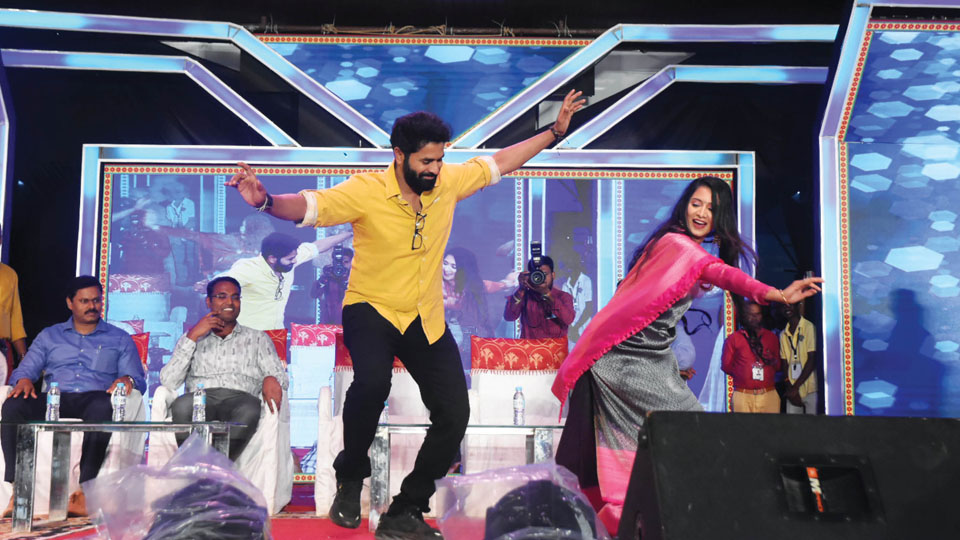
The main attraction of the evening was actress Harshika Poonacha who danced to Kodava Vaalaga. Actor-Director Nagendra Prasad accompanied her on stage(first picture on top). Another dancer was Dance Director Kulbhushan who performed for a Puneeth Rajkumar movie song.
source: http://www.starofmysore.com / Star of Mysore / Home> News / September 21st, 2022
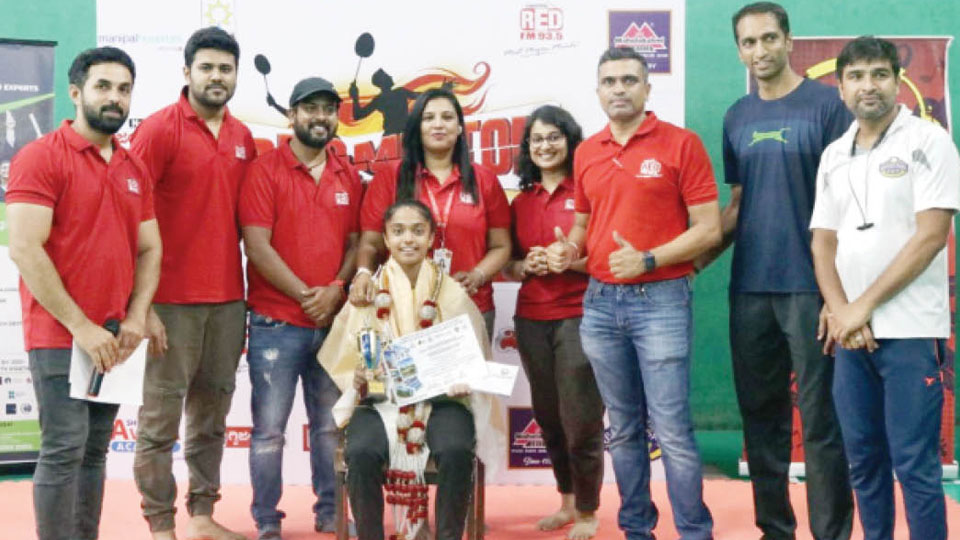
Diya Bheemaiah, 9th std. student of Pragathi Elite Public School, Bogadi, won 3rd place in Doubles in All India Ranking Badminton Tournament held at Goa.
She is Karnataka No. 1 in Singles, Doubles and Mixed Doubles U-15 category. ICSE School Games State-level U-17 winner, she is selected for ICSE Nationals.
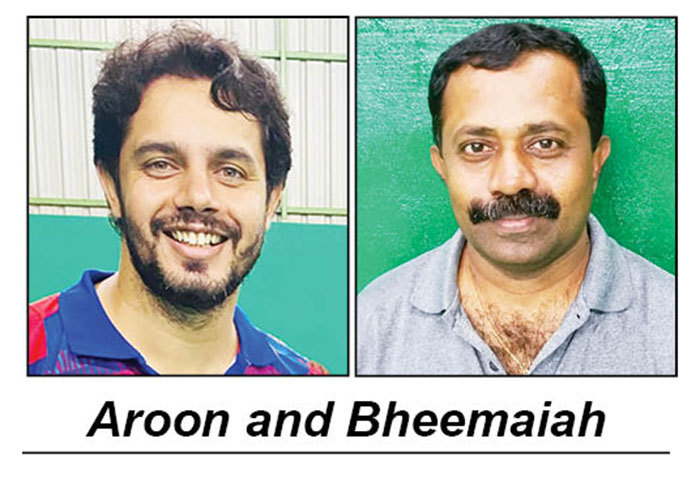
Coached by B.P. Bheemaiah and Aroon Pemmaiah, she was feted by Sports Park Management and 93.5 Red FM team recently.
She is seen with (from left) RJ Deepak, RJ Punith, RJ Sunil, RJ Rashmi, RJ Sahana, B.V. Raghav, S. Srikanth and M.R. Sudheendra.
Diya Bheemaiah, 9th std. student of Pragathi Elite Public School, Bogadi, won 3rd place in Doubles in All India Ranking Badminton Tournament held at Goa.
She is Karnataka No. 1 in Singles, Doubles and Mixed Doubles U-15 category. ICSE School Games State-level U-17 winner, she is selected for ICSE Nationals.
Coached by B.P. Bheemaiah and Aroon Pemmaiah, she was feted by Sports Park Management and 93.5 Red FM team recently.
She is seen with (from left) RJ Deepak, RJ Punith, RJ Sunil, RJ Rashmi, RJ Sahana, B.V. Raghav, S. Srikanth and M.R. Sudheendra.
source: http://www.starofmysore.com / Star of Mysore / Home> Sports / August 25th, 2022
The Kodavas are a small ethnic group mostly found in the coffee growing region of Kodagu and are known for their contributions to the Indian armed forces, sports and various other fields.
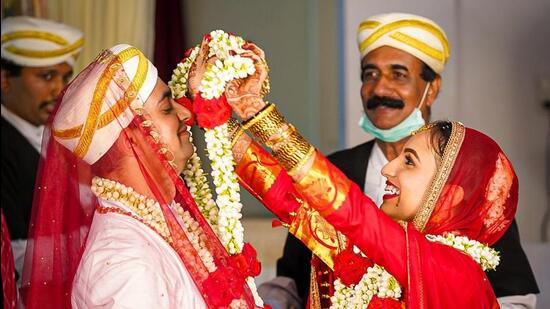
The Kodava Samaj in Kodagu district on Sunday banned the serving of liquor during the afternoon hours of any weddings as it goes against the ethnic group’s culture. (Representative Photo/HT)
The Kodava Samaj in Kodagu district on Sunday banned the serving of liquor during the afternoon hours of any weddings as it goes against the ethnic group’s culture.
“The resolution was taken today (Sunday) by the management body of the samaj and there will be restrictions for consuming liquor during Ganga puja of a marriage. After the puja, if they found consuming liquor the samaj would impose a fine of ₹25,000,” Kalimada Motaiah, the president of the Kodava Samaj, told HT on Sunday.
The statements come almost a year after it made headlines nationally after imposing restrictions on cutting of cake, opening of champagne, not allowing bridegrooms to sport beards and brides not to let their hair loose during the ceremony.
The statement adds to the increasing trend of restricting activities by so-called custodians of culture across several regions in the country in the name of “preserving and protecting” traditions.
The Kodavas are a small ethnic group mostly found in the coffee growing region of Kodagu and are known for their contributions to the Indian armed forces, sports and various other fields.
The community has a distinct culture from other parts of Karnataka or southern India.
Ponnampet is a small town in Kodagu district. Kodagu has several such Kodava samajas which often represent the people living in the specific region and is restricted to members of the community even though some of these venues are let out for weddings and events of other communities as well.
Though considered a progressive community, there have been increasing restrictions on various issues as many elders believe that their distinct identity is being compromised by the actions of youngsters and those who live outside which is not in tune with their heritage.
In 2020, the Balele Kodava samaja has decided not to allow inter caste marriages.
The Kodavas fear that marrying outside the community is leading to a rapid decline in their population, which is among the smallest ethnic groups in the country. There have been instances where Kodavas have objected to the wearing of traditional Kodava attire by those marrying outside the community.
In 2019, the Ammathi Kodava Samaja in the district has taken a decision to ban serving liquor during Ganga puja ceremony, held as part of Kodava weddings. And those breaking this rule will have to pay a fine of ₹25,000 to the Samaja.
“The decisions are being taken to preserve the original culture as youngsters in the community are attracted to western lifestyles. Young Kodava women, particularly girls, migrate to cities for education and employment and end up marrying a person from another caste. This attitude reduces the number of Kodavas who are struggling for survival,” Chaaammatiraaa Praveen Uthappa, president of the Akhila Kodava Samaja’s youth wing.
source: http://www.hindustantimes.com / Hindustan Times / Home> Cities> Bengaluru News / by Coovercolly Indresh, Kodagu / September 18th, 2022
Today is the birthday of two-time Olympian and Commonwealth Games gold medallist Ashwini Ponnappa. She was born on this day in 1989. Ashwini is the first Indian woman badminton player to win a medal in the doubles category of the World Badminton Championships with her doubles partner. Since childhood, she started taking interest in badminton.
Ashwini’s mother inspired her to play badminton at the age of two and a half and got admission in the academy. It is difficult for her to say when the passion for the game was born in Ashwini Ponnappa as she joined it at a very young age. The Indian badminton player has won many medals in the doubles category in her career. This includes two gold, two silver and one bronze medals in the Commonwealth Games. Apart from this, she has won four gold medals in the South Asian Games.
Ashwini Ponnappa and Jwala Gutta won the gold medal at the 2010 Commonwealth Games in Delhi. Born on September 18, 1989, in Bangalore, Ashwini Ponnappa recognized her talent and started making a career in badminton from an early age. Ashwini Ponnappa, a specialist in doubles badminton, had her first win at the national level in 2004 at the national championships in the sub-junior girls’ doubles category.
source: http://www.english.newstracklive.com / News Track / Home> Trending / by Laxman Chaurasiya / September 18th, 2022
Ganesh, the son of producer Bellamkonda Suresh, who makes his debut with the family entertainer, celebrates his birthday today .
Swathimuthyam
Swathimuthyam, the family entertainer starring Ganesh and Varsha Bollamma in lead roles is the underdog among all the Dasara releases on October 5. Directed by debutant Lakshman K Krishna, the film is bankrolled by Suryadevara Naga Vamsi under the leading banner Sithara Entertainments. Mahathi Swara Sagar scores the music for the film, whose teaser trailer was launched today, commemorating the birthday of the lead actor Ganesh.
In the special birthday glimpse, the soon-to-be married couple, played by Ganesh and Varsha Bollamma, is in the middle of an interesting conversation. While an innocent Ganesh attempts to say something to his fiancé, she questions him in return, if he has any problem. He brushes aside any such problems. After a series of incidents, the girl even tells him ‘I think I know why you have been single all your life.’ The chemistry between the lead pair warrants your attention.
The family entertainer has all the ingredients to make for an ideal festive release – romance, family drama and memorable music. This is the debut project for Ganesh, son of producer Bellamkonda Suresh and brother to Bellamkonda Sai Sreenivas. Naresh, Rao Ramesh, Subbaraju, Vennela Kishore, Harshavardhan, Pammi Sai, Sapthagiri, Goparaju Ramana, Siva Narayana, Pragathi, Surekha Vani, Sunaina, Divya Sripada are also part of the cast.
Nee Chaaredu Kalle and Dum Dum Dum are the two songs from the film that have already been launched. Suryaa cranks the camera for the film which is edited by Navin Nooli and has art direction by Avinash Kolla. PDV Prasad is the presenter. The banner’s other major release this year is Sir/Vaathi, actor Dhanush’s first straight Telugu film helmed by Venky Atluri. Samyuktha Menon is cast as the female lead in the same.
source: http://ottplay.com / OTTplay / Home> News / by Srivasthan Nadadhur / September 14th, 2022
Exclusive interview with writer Kaveri Ponnapa By Sujata Rajpal
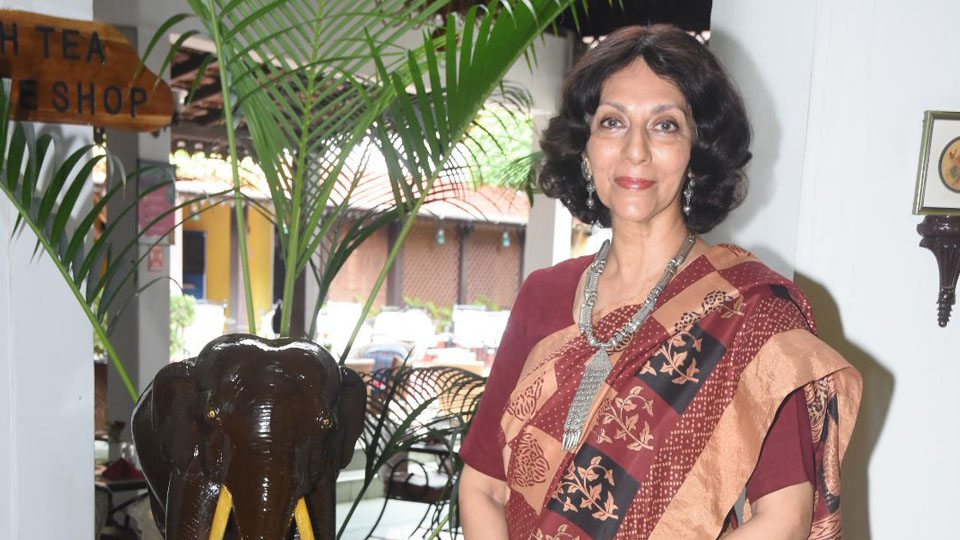
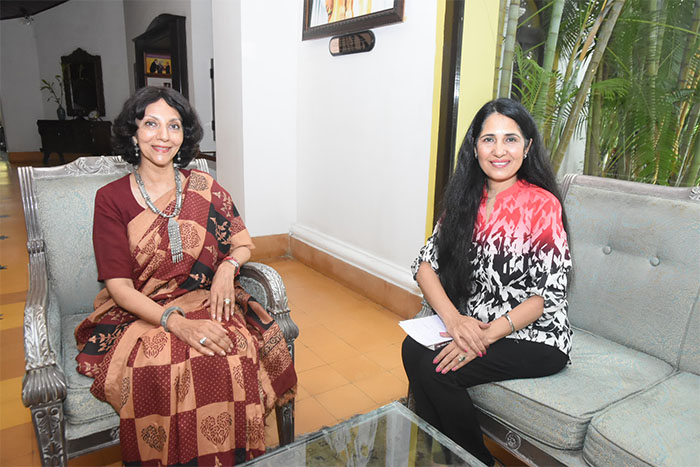
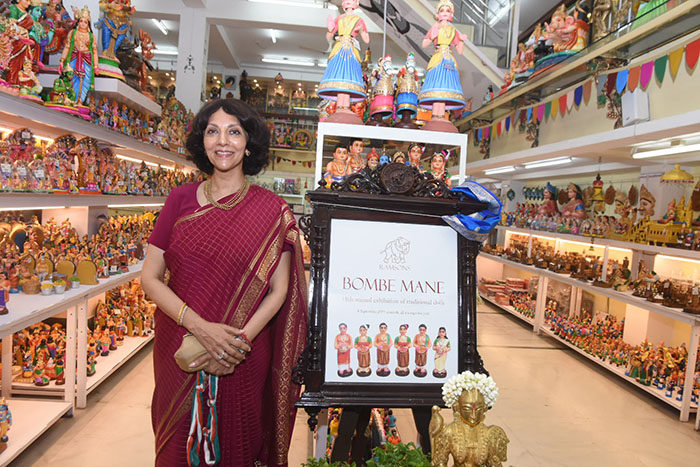
Kaveri Ponnapa, the author of The Vanishing Kodavas (published in 2013), is the first writer to bring out a scholarly researched work on the history of Kodavas and their fast vanishing culture and traditions. She is also an independent writer on food, art and culture. Kaveri Ponnapa was in Mysuru recently to unveil the special display section at Ramsons Bombe Mane. Sujata Rajpal spoke to her in an exclusive interview for Star of Mysore.—Ed
Star of Mysore (SOM): What inspired you to write ‘The Vanishing Kodavas’?
Kaveri Ponnapa (KP): I shifted to Bangalore twenty-five years ago. Since then, I have been frequently visiting Coorg where I have strong roots. It gave me an opportunity to observe various aspects of its culture which were hitherto unknown to me. It was engaging as well as engrossing to meet new people, visit ancestral homes, attend village festivals and participate in the rituals. I also observed that this culture that I am so proud of, is fast disappearing. It is especially true for the younger generations, who are not aware about Kodavas’ rich cultural heritage. With a background in Social Anthropology — my Master’s Dissertation at SOAS was on aspects of Kodava culture — I saw the importance of documenting various aspects of our culture before they disappeared completely. This is happening to small cultures across the world.
SOM: You took 15 years to write this book. What made you keep going for so long?
KP: This book required an enormous amount of field work, travelling, learning, unlearning, participating in festivals, observing rituals and much more. I had to make multiple trips to the villages to familiarise myself with the ethos fully. The research material had to be collated and presented in a coherent way as the study had to make sense to the readers. The book has about 340 photographs of people, places and the socio-cultural activities. They are intended to provide visual documentation of our culture.
I had estimated it would take me four-five years to finish the book, but it took fifteen years as I needed to be satisfied with my work. I had to do justice to the custodians of our culture who were feeding me the inputs. My community’s faith in me kept me going for a decade and a half. When the book was ready and I presented it to the elders of the villages, they were unanimous in their opinion about the impact the work would have especially on the younger generation.
It feels wonderful when people walk up to me and say kind words in appreciation of this cultural study. Young people in particular, tell me how much they have learnt about our culture, how proud they are to own the book and how it has helped them connect back to the land: it’s the best compliment for a writer.
I am currently working on the second edition of this book, but I am unable to say how much more time it would take; it is work in progress. It’s heartening that people who own a copy now want a book for their children and grandchildren. The first one is a collector’s copy, the next will probably be a less lavish, more affordable paperback.
I would love to get the book translated into Kodava language so that more people have access to this work, but it would be quite a challenge to find a translator who is passionate and committed.
SOM: What challenges did you face in writing this voluminous book?
KP: When I started work on this book, I didn’t know a single person in the villages. I had to approach complete strangers to get inputs. I am so grateful that every door that I knocked at opened. In Coorg, every few kms, there is a variation in speech, traditions, customs and rituals; collating that information itself was a challenge. Many festivals in Coorg are celebrated on the same day and it was not possible to attend all together, so I had to leave some for the following year. In many cases, permission had to be taken for taking photographs as photography was not permitted for some sacred ceremonies. I had to be extremely patient. Things took time, but ultimately everything flowed smoothly.
SOM: Do you have any tips for aspiring writers who would want to write about their communities?
KP: I would urge aspiring writers to begin from the grassroots. It’s important to go to the basics to learn about one’s culture. One must be a keen observer in the field. Prepare to be surprised, to learn and to unlearn. The study must have citations and an accurate bibliography of books that you have actually read and referred to, to lend credibility to the work. Academic research is only as good as the latest research. One should be prepared to incorporate the latest findings as today’s research may not be relevant tomorrow. Also, reading feeds writing, so read as much as you can.
Writer Kaveri Ponnapa with Sujata Rajpal.
SOM: How did you get interested in writing on food, specially?
KP: Cooking is my passion. Some of the finest prose in English literature is writings on food. I began to write articles on food much before my debut book was published. My writing on food and wine is published in leading magazines and newspapers in the country.
SOM: What are your impressions about Mysuru?
KP: I come to Mysuru as often as possible. Every time I visit this beautiful city, I am enamoured by its people, their simplicity, its architecture, the food and its heritage. The walking tours, the magnificent Devaraja Market, First Rajkumari Palace in Manasagangothri, the beautiful collection of paintings at Ramsons, the small pockets of culture here and there which connect you to your past — everything is spectacular about Mysuru. Mysuru is known for its handlooms. L. Kadaiah’s Silk House on Sayyaji Road is my favourite saree shop as it has lovely collection of handloom sarees. I always carry something with me from Guru Sweets. I love the city and its people who are so very gracious, courteous and generous. If I have even half a chance I would live here.
SOM: How did you get interested in Dasara dolls?
KP: I have been a lover of handicrafts and handlooms all my life; I have seen dolls of different regions. Rajasthan has Gangaur, a festival of dolls. It is by chance that I am here to inaugurate Bombe Mane. Two months ago, when I visited Mysuru, I happened to go to Ramsons painting gallery and met its owner R.G. Singh there. He asked me to visit again in September for Bombe Mane. I was not sure if it would be possible for me to come to Mysuru so soon, but things fell in place and I am here. Ramsons art gallery is doing a phenomenal job of reviving art through exhibitions and sale of handicrafts. Bombe Mane is a great platform to tell age old stories.
SOM: Have you watched Mysore Dasara festival?
KP: It was thirty years ago when I made a trip to Mysore to watch the famous Dasara festival. My aunt took me to a friend’s house whose balcony opened into the road from where the procession had to pass. From that balcony, I watched the entire procession. What a magnificent sight it was! The beautiful memories were made for life. That was the only time I watched the Mysore Dasara as now it is too crowded. The ideal would be to have vantage points to watch the procession. Despite the crowds, the involvement of public in festival celebrations is heart-warming.
SOM: How did you get interested in cooking?
KP: Cooking is my passion. I have been interested in cooking for a very long time. The seeds of this passion were sown by my grandmother who was a fabulous cook. Be it pickle, jam, traditional Coorg food, she was an expert in everything. At that time, I was not so much interested in cooking, but I was intrigued by its ingredients; I would ask grandma so many questions about cooking that she would have to chase me out so that she could cook in peace.
In recent years, I have trained chefs from ITC, Taj and have had successful food festivals. Cooking is fundamental to life, it is meditative and relaxing as one needs to observe keenly, be very attentive, and use all the senses. And, of course, there is no price to the joy of feeding people and seeing a satisfied smile after a meal. Kodava (Coorg) cuisine is my favourite cuisine. I can have that every day. The dishes are rooted in the land, exotic and seasonal.
SOM: Are Kodavas really vanishing and is there a way to prevent it?
KP: It doesn’t refer to the numbers as such, but the culture is eroding primarily because of tourism, migration, change in policies relating to land holdings etc. It depends completely on the younger generations if they can sustain the culture and follow traditions.
source: http://www.starofmysore.com / Star of Mysore / Home> Feature Articles / by Sujata Rajpal / September 12th, 2022
The Annual General Body Meeting (AGM) of Kodagu Sahakara Sangha for the year 2021-22 will be held at the Sangha premises in Jayalakshmipuram on Sept.25 at 10.30 am. Sangha President A.C. Nanjamma will preside.
On the occasion, the children of Sangha members who have excelled in the 2021-22 examinations by scoring high marks will be felicitated.
Puliyanda A. Devaiah Memorial Prize will be presented to a top-scorer in SSLC and II PUC; late Ittira Kariappa and late Parvathi Kariappa scholarship to SSLC (CBSE) topper; late Mallangada Lali Ganapathy Memorial Prize to BBM and BCA topper; late Munjandira Chimmi Uthaiah Memorial Prize to a 7th std. topper; late Dasanda C. Thammaiah Memorial Prize to BA topper; late Vallanda P. Muthanna Memorial Prize to MA, M.Com or M.Sc topper.
Sangha’s scholarship to meritorious students in BE, M.A English Literature, II PUC Kannada and English.
Eligible students may send a copy of their marks card along with application to the Sangha Secretary before Sept. 20, according to a press release from Sangha Executive Director Ponjanda Lovely Appaiah.
source: http://www.starofmysore.com / Star of Mysore / Home> In Briefs / September 11th, 2022
WELCOME. If you like what you see "SUBSCRIBE via EMAIL" to receive FREE regular UPDATES.
Read More »