Dubai :
Multitalented former president of Karnataka Sangha Sharjah, B K Ganesh Rai is being bestowed with the ‘Global Man Award 2015’ for his contributions to Kannada language, literature, art, folk and social service both globally and in India and is the only one chosen from the UAE for this award. The award will be presented to him during the 12th Vishwa Kannada Samskruthi Sammelana and 13th anniversary of Karnataka Sangha Sharjah celebrations to be held on November 19 and 20 at Al Boom Tourist Village, Sharjah, UAE.
Ganesh Rai is the name that flashes in the minds of every Kannadiga specially in the UAE when it comes to matters of creativity. Multitalented, one can call him “Sakala Kala Vallaban”, be it different forms of painting, from miniatures to wall size, various forms of sculptures, from paper pulp to plaster or parry’s, large stage settings, tableaux, palatial sets, photography, videography, brochures, digital banners, souvenirs, models… you name it and you will find the skills in this great man, Ganesh Rai. He will simply smile and says yes without any hesitation, as for him work is worship and so he does it with ease. He is a good speaker too, a recepient of “Karnataka State Best Teacher Award” in the year 1993.
Hailing from Madikeri, Coorg, Ganesh Rai was born to Thulasiamma and Krishnappa Rai who themselves sound ‘Krishna Tulasi’, close to the Lords. Madikeri has gifted to the world this unique personality called Ganesh Rai who always keep saying “Elladaru iru, yenthadaru iru, yendendhigu nee Kannada vaagiru. (Live wherever you want to, be whatever you want to be, but remain a Kannadiga forever).”
Professor of art, B K Ganesh Rai needs no introduction in this part of the world. He is a person who rises above boundaries of colour, caste, creed, religion and language. Be it a request for art, stage setting, designing, printing, executing brochures, logos, invitations, souvenirs, sculpture, decorating stage from any corner of people, any corner of UAE, at any point of time, you will find only one person who creates with a smile and executes in spite of his busy schedule. ‘Sirigannadam Gelge, Sirigannadam Baalge’ – he never forgets to say that when completing his speech in any of the respected podiums he addresses.
Ganesh Rai’s Work – Service without Boundaries
* Turnkey project management for almost all social organisations without linguistic barriers
* Conceptualization, designing, printing and distribution of invitations
* Creation of giant size banners, stage backdrops, stage settings, cut-outs, posters etc.
* Creative journalism writing to various web media flashing timely news around the world
* Publication of high profile visit reports of specially invited artistes and guests from India
* Master of ceremony (MC) par excellence with easy flow of language and literature
* Conceptualization of ‘Certificate of Honour’ for dignitaries, high profile guests, artistes etc.
* Concept, design and execution of various souvenirs to almost all the existing Associations in UAE
* Creating sculptures especially Ganesha idol every year, Narayan Guru idol and many more
* Paintings of deities, brush arts, pencil art, charcoal art and various naturalistic creations
* Assumed and discharged active role as president of Karnataka Sangha Sharjah in 2004
* Conducted first blood donation camp for Karnataka Sangha Sharjah in association with MOH
* Attends all blood donation camps organised by various associations and spreads awareness
by creating banners, role-ups and notices for blood donation camps and providing media news
* Compiled, created and released brochure of all Karnataka-based organisations’ blood donations. Brochure released by M K Lokesh, Ambassador of India
* Record of Indian blood donors presented to governments of India, UAE and Karnataka
* Helping the unfortunate deceased Indians in formalities of sending the mortal remains to India
* Enlightening and spreading the essence of Kannada as a soldier of Karnataka to Kannadigas
* Attained appreciations and accolades from almost all Karnataka based associations, and from Tamil, Malayalam and other Indian associations
* Won accolades from NMC Group where he is serving as creative art director
* Supported people of Bangladesh during the flood and natural disasters and helped those affected by the calamities.
Rai, a BCom graduate of Government College, Madikeri, a fine arts diploma holder of Chamarajendra Academy of Visual Art6s, an art master certificate holder from Kalanikethan School of Arts, Mysore and Mahalasa School of Arts, Mangaluru, is very well supported by his charming wife Manjula Rai, beautiful daughter Aishwarya Rai and handsome son Monish Rai.
Below are some of the creations for which he has been applauded:
Rai’s creations in India
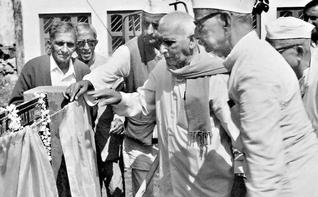
Sculpture / Statues: Created Pushpanjali, Elephants, Lion and Carving Designs in the year 1974 at Govt Junior College Madikeri – Courtesy P P Ayyanna, principal, and unveiled by Field Marshal K M Cariappa
Ganapathy Statues: From 1979 onwards he has created more than 350 statues (2ft – 12 ft) for Karnataka Electricity Board Madikeri 1979-1995, Archana Ganapathy Festival, Virajpet, Angala Parameshwari Temple, Virajpet, Sri Rama Mandir Dechoor Madikeri, Hindu Yuva Shakti New Extn, G T Circle, Madikeri.
Paper Pulp Statues: Created paper moulding statues 8ft-12ft of different styles at Madikeri Dasara Festival, Gonikoppal Dasara Festival, viz, Ganapathy, Natya Ganapathy, Durga Parameshwari, Lakshmi, Saraswaty, Cauvery, Subramanya, Veera Hanumaan, Soorya Bhagavan with Seven Horses, Shanmuka Tarakasura vadhe, Vishnu Bhagavan, Narada, Thumbura, Shiva Linga, Lions, Tigers, Swamy Ayyappa, Maha Kali and many more. Also at Kanchi Kamakshi Temple Gouli street Madikeri, Kote Mariyamma Temple new Extn. Madikeri, Dechoor Sri Rama Mandir Madikeri, Kote Ganapathy Temple Madikeri, Kundurumotte Chamundeshwari Temple Madikeri Uma Maheshwari Temple Gonikoppal, Sree Hanuman Garadi, Beltangadi, South Canara, Bhuvaneshwari Statue – Kannada Rajyotsava celebration – Virajpet etc.
Concrete Moulding Statues: Created 9 ft Cauvery Statue both front and back faced double dimension in front of Cauvery Kalakshetra Madikeri, St Michael Statue (9 ft) at St Michael’s Church Madikeri, St Mary Statue at Kedamalloor Church – Virajpet, Nandi Basava – Arameri Kalancheri Mata statues, Raghavendra Swamy Statue at Raghavendra Temple – Mantralaya, AP, Karu Mariyamma / Nandi / Shiva Linga statues at Karu Mariyamma Temple Madikeri, Swamy Vivekananda 12 ft statue at Cauvery Krupa Madikeri and Prabhavali at Ganapathy Temple Virajpet
Wax Statues: Created Ganapathy, Lakshmi, Sarswathy, Cauvery statues at Madikeri.
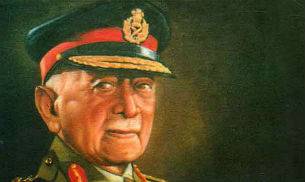
Oil Colour/Water Colour Paintings: Created Birth Place of Cauvery oil color canvas painting for Tamil Nadu Tourism Development Board, Chennai. Also created Field Marshal K M Cariappa lifesize oil colour painting, Gopala Krishna Gokale lifesize oil colour painting for Govt Junior College Auditorium Madikeri, Coorg landscape paintings in oil colour for Public Library Virajpet, Jayaprakash Narayan oil colour portrait for A B Vajpayee, former Prime Minister of India, Omkareshwara Temple by night oil colour painting for Lalitha Kala Academy Bengaluru and many painting collections in Delhi, USA, Australia, France, Dubai etc.
Besides, he has participated in a number of art exhibitions in several places right from 1977.
Souvenir Cover Page Design and Logos
Created souvenir pages for 54th Kannada Sahitya Sammelana, Madikeri, Madikeri Kodava Samaj Amruta Mahotsava (80 Years), Karnataka Police Centenary Celebration, St Anne’s Church 200 years Celebration, Kodagu Dist Honey & Wax Co-op Society Virajpet.
Created logos for Kodagu District Co-op Central Bank, Kodava Sahitya Academy, Kodagu Zilla Parishat, 54th Kannada Sahitya Sammelana, Taranga Virajpet, St Anne’s High School Virajpet, Many more commercial company
He was responsible for multi-coloured picture, offset printing at Shivakasi which was the first time a multi-coloured picture was published in Kodagu (1980)
Birth Place of River Cauvery – Released by Field Marshal K M Cariappa.
Tala Cauvery – Poster released by A Ramaswamy, former deputy commissioner, Kodagu
Tala Cauvery – Triveni Sangama, Theerta Kundike – Picture cards released by M K Poovaiah
Tala Cauvery – Raja Seat Madikeri, Abbi Falls Madikeri – Greetings cards released by R Gundu Rao, the then chief minister of Karnataka
Cauvery – Amar Chitra Katha (pictorial book) Kannada, English, Kodava language released by M C Nanaiah, the then law minister of Karnataka government.
Aishwaraiswara Kubera Lakshmi, Framing picture – Released by Shekar Shetty of Arab Udupi Group of Hotels UAE
Organisations Served
President –Kodagu Kala Parishat / Kodagu Art Masters Association
Secretary –Bharat Scouts and Guides Taluk Association
Secretary –Kodagu District Bunts Association
Founder Member – ‘Taranga’ Cultural Association Virajpet
Technical Advisor – Field Marshal K M Cariappa Statue Committee, Madikeri
Rai’s activities in United Arab Emirates from 1996 onwards
Served as creative art director at Mirrage Advertising, Winning Communivations, Modern Graphics and now currently serving as creative director in Gulf Public Relations Advertising – Signage Division, NMC Group
Public Service
President – Karnataka Sangaha Sharjah 2004 – 2006
Entertainment Secretary – Karnataka Sangha Dubai 2000-2002
Art Director – UAE Tulu Koota Dubai, Sangama Kalavidaru UAE
Organising Committee Member – UAE Bunts -2000-2001
Blood Donation Camp, 2006 – Karnataka Sangha Sharjah and Gulf Medical College Hospital, Ajman and Ministry of Health, Sharjah
Art works created in UAE: Digital banners created with the concept of Karnataka art and culture and Indian traditional art for Karnataka Sangha Dubai, UAE Tulu Koota, Karnataka Sangha Sharjah, UAE Bunts, Mogaveers UAE, Billawas Dubai & Northers Emirates, Billawas Dubai, Gulf Billawa Sangha, Daiji Rang Mandir, Symphony Music Institute – Ajman/Sharjah, Sangama Kalavidaru UAE, Nama Tuluveru UAE, Vishwakarma Seva Samiti UAE, Devaadiga Sangha UAE.
Logos created in UAE for Karnataka Sangah Sharjah, UAE Tulu Koota (decennial), UAE Bunts, Abu Dhabi Karnataka Sangha, Al Ain Kannada Sangha, Dhvani Pratistana UAE (silver jubilee), Mogaveers UAE, Sangama Kalavidaru UAE, Gulf Kannadiga Forum, Devadiga Sangha UAE, UAE Tamil Sangam, Mangalore Konkans (20 years), Daiijiword website, Kannadadhvani website
Stage settings and gateway creations in UAE with the concept of Karnataka art and culture and Indian traditional art for Karnataka Sangah Dubai – Vidhana Soudha, Bangalore setting in 2001, Mysore Palace setting in 2002 (Karnatakotsava – Vishnuvardhan Kannada cine star), UAE Tulu Koota – Tulunadu setting.
Tableaux, gateways and souvenirs designed
* UAE Bunts Souvenir Cover page design – 1999
* Karnataka Sangha Dubai Souvenir – “Gaana Vaibhava”2001 , “Chandana” 2010
* Karnataka Sangha Sharjah – “Saadhane” – 2006
* Abu Dhabi Karnataka Sangha “Rajata Rashmi” – 2006
* Mangalore Konkans Dubai 2003 – 2010
* Billawas Dubai & Northern Emirates “Suvarna Kedage”- 2007
* UAE Tulukoota – “Sangama” 2000
* St Mary’s Church Dubai – 2005
* St Francis Assisi Jebal Ali – 2007
* St Michael’s Church Sharjah
* SMC Malayalee Catholics
* Tamil Sangam Ras Al Khaimah
* SMC Fr Daniel’s Hon Souvenir
* Dhvani Pratistaana UAE – “Kannada Naadu Nudi Rakshane” Cover
* Karnataka Sangha Sharjah -” Suvarna Karnataka Picture Card”
Besides, he has written and conceptualised a book titled ‘Footprints – A fascinating journey’ to Padmashri Dr B R Shetty.
Awards
Honoured at Govt Junior College Madikeri 1974 at Field Marshal K M Cariappa unveiling ceremony of sculptured art work, Main Gate GJC Madikeri
Karnataka State Best Teacher Award – 1993 by Karnataka Teachers Benefit Fund Bangalore
Karnataka Rajyotsava District Award -1987 by R Gundu Rao, the then chief minister of Karnataka
Gold Medal -1987 at Lakshadeepotsava Dharmasthala by Dr Veerendra Heggade
State Level Honouring – 1993 – at Gokrananatheshwara Temple Mangaluru, by Sri Pejawar Swamiji
Dr Shivaram Karanth Shilpa Kala Rathna Award – 1983 at Karnataka Electricity Board – Madikeri, by K A Somanna, state commissioner, Bharat Scouts – Karnataka
Kala Praveena Award – 1984 Ganapathy Utsava Samiti Gandhi Nagara Virajpet by Sri Shanthamalla Swamiji, Arameri Mata
Kala Kirana Award – 1990 at Angala Parameshwari Temple Virajpet, by M K Poovaiah, president, town muncipal council, Virajpet
Honoured at 100 years Karnataka Police Celebration – 1984 by P S Ramanujam, DIG Mysore
Honoured at Lalitha Kala Academy, Bangalore -1991 by P R Thippeswamy, president, Lalitha Kala Academy Bangalore
Honoured at Madikeri Dasara – Navaratri festival by M C Nanaiah, the then law minister Karnataka
Honourred at Sarva Dharma Sammelana – Arameri Math, by Shiva Kumara Swamiji of Siddaganga Math,Tumakuru and Shantha Malla Swamiji Kalncheri Arameri Math
Honoured at Madikeri Dasara Utasav Temples by Kanchi Kaamkshi Temple, Kote Mariyamma Temple
Honoured by Kodagu Bunts Association 1993 at Rotary Hall Madikeri
Honoured at Vishwa Bunts Convention -1993 at Art Exhibition – Chitra Kala Parishat Bangalore by Dr Shivarama Karanth and Jeevaraj Alva, the then minister of Kannada and culture, Karnataka
Awards in UAE
Was honoured with ‘Mayura Award’ by Karnataka Sangha Sharjah in 2009
Received ‘Prathiba Puraskar Award’ at Vishwa Kannada Cultural Convention in 2009
Honoured at Nama Tuluveru ‘Tuluvere Parba 2012’
Honoured at Kuvempu Utsava 2012 at Abu Dhabi Karnataka Sangha
Honoured at UAE Bunts Satyanarayana Pooja by Dr. B.R. Shetty in 2015
Honoured at UAE Tulukoota Silver Jubilee Celebration in 2015
Honoured at Devadigas Dubai Celebration in 2015
Honoured at Ramakshatriya Sangha in 2015
Honoured by Shri. Veerendra Hegde at Abu Dhabi Karnataka Sanga Rajyotsava Celebration 2015
Other than the above there are innumerable events Ganesh Rai has contributed selflessly to in one or the other way which was noticed and appreciated by the concerned on various occasions.
In my view, Ganesh Rai should be considered as a great asset to the Kannadigas in the UAE and India as well, for his contribution so far. With his sheer enthusiasm and commitment towards Kannada and Tulu language, he is promoting community spirit from so many years in this part of the world. He deserves all accolades and appreciation from the government of Karnataka which should recognize his service towards Kannada/Tulu language, art, folk and literature packed with a unique blend of artistry, social awareness, commitment of service to humanity and honour him soon.
Wishing him more success in his future endeavor.
source: http://www.daijiworld.com / Daijiworld.com / Home> Top Stories / by Shodhan Prasad / Dubai – November 19th, 2015