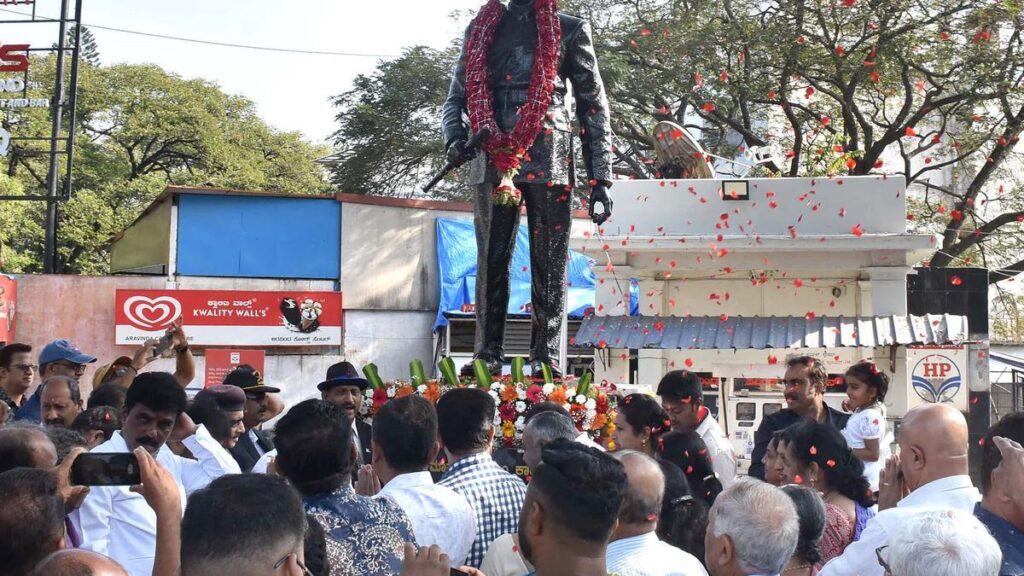
Floral offerings were made to the statue of Field Marshal K.M. Cariappa in Mysuru on Sunday, to mark his 125th birth anniversary. | Photo Credit: M.A. Sriram
The 125th birth anniversary of Field Marshal K.M. Cariappa was also celebrated in Mysuru and Kodagu, on Sunday.
In Mysuru, it was organised under the joint auspices of Kodava Samaja and other organisations and people from different walks of life and organisations paid tributes to Field Marshal Cariappa and made floral offerings to his statue off the JLB Road.
Chamaraja MLA K. Harish Gowda paid tributes to Field Marshal Cariappa and described Kodagu as the land of generals and soldiers who have served the country.
MLA T.S. Srivatsa said that the Cariappa used to visit army camps and institutions to inspire the youngsters and the soldiers even after retirement. Former Mayor Ravikumar urged the government to celebrate Field Marshal Cariappa’s birth anniversary at the State-level. Members of the Kodava Samaj and other organisations including Field Marshal K.M. Cariappa Fans Club, Kodava Samaj Sports and Cultural Club, and others were present.
In Madikeri, Air Marshal Nanda Cariappa (retd.), son of Field Marshal K.M. Cariappa led in paying tributes.
Nanda Cariappa rued that the new generation of youth was not swayed or inspired by the armed forces or their sacrifices to the nation but was influenced by film stars, cricketers and corrupt politicians.
The sacrifices and the contribution of the soldiers in safeguarding the nation, and their exploits should be made known to the youngsters in the present times, he added.
Col. B.G.V. Kumar (retd.), head of D. Chennamma Educational Institution, recalled the valour and contribution of Field Marshal Cariappa towards the cause of the nation. He recalled that Field Marshal Cariappa also contributed to the education of the economically weaker section of the society.
Ex-servicemen, NCC, police, students and staff of Kodagu Vidyalaya and others took part in the commemoration event and rendered patriotic songs to mark the occasion.
source: http://www.thehindu.com / The Hindu/ Home> News> India> Karnataka / by The Hindu Bureau / January 28th, 2024
Paadi Igguthappa Temple to bloom in 5 lakh flowers
Madikeri:
A vibrant Fruit and Flower Show is scheduled to take place at the renowned tourist destination Raja’s Seat in Madikeri from Jan. 26 to 28 as part of the Republic Day celebrations. The Kodagu Horticulture Department is actively engaged in necessary preparations.
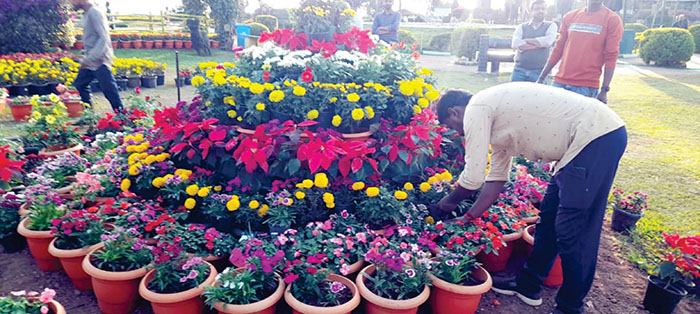
The Raja’s Seat garden will be adorned with a total of 20 varieties comprising 15,000 flowering plants, including chrysanthemum, salvia, orchids, daisies, marigold, zinnia, dianthus, vinca rosea, or Madagascar Periwinkle, Cockscomb, and dahlia, all meticulously grown in pots and trays.
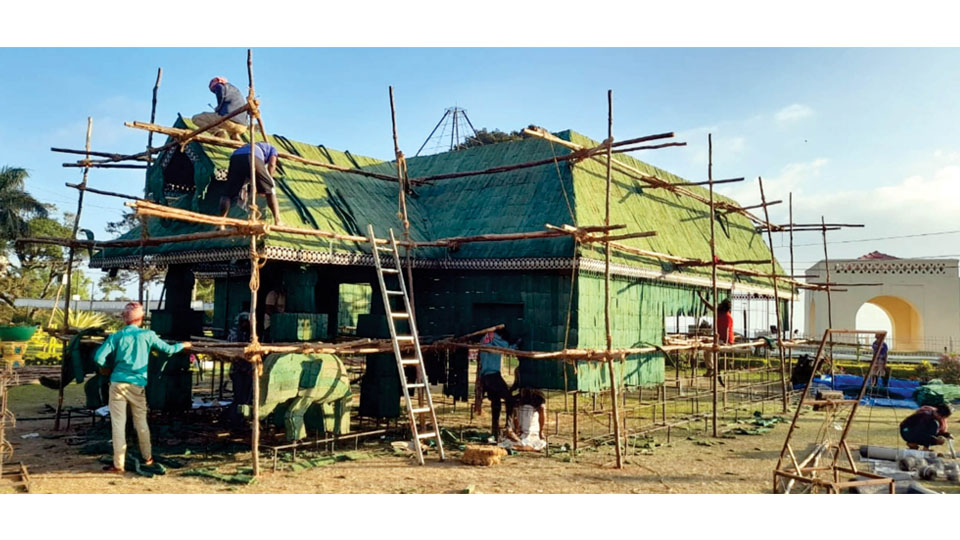
The main attraction of this year’s show will be Kodagu’s ancient temple Sri Paadi Igguthappa Temple, located at Kakkabbe. The 15-feet-tall floral replica with length and width of 48 feet and 28 feet respectively will be designed using roses, chrysanthemums and orchids. Over five lakh flowers will be used to create the model.
In celebration of Republic Day, the event will feature impressive models depicting soldiers, cannons, and various exhibits showcasing the prowess of the country’s Armed Forces. Additionally, butterfly wings, balloons, and mushroom models will captivate visitors. For children, there will be special attractions featuring popular cartoon characters like Chhota Bheem, Barbie Doll, Spider-Man, and Bat-Man crafted from an assortment of vibrant flowers.
A total of 13 diverse exhibits have been meticulously planned, utilising over 8 lakh flowers to bring these models to life. Within the garden premises, an array of decorative flower pots will be artistically arranged, forming a breathtaking display of fruits and flowers.
This year, Republic Day coincides with the fourth Saturday and Sunday public holidays, leading to an anticipated significant influx of both tourists and locals. The event promises to be a delightful experience for all who attend, with the vibrant floral displays and creative exhibits adding a touch of magic to the celebration.
In addition to the flower-adorned artefacts and creatively arranged photo frames, a designated selfie zone is under construction to enhance the visitor experience. Furthermore, the event will pay tribute to distinguished personalities from diverse fields through unique artworks crafted from fruits and vegetables, adding a distinctive touch to the exhibition.
Enthusiasts can also anticipate the inclusion of ornamental plants, including bonsai and ikebana flower arrangements, contributing to the overall visual appeal of the exhibition. With these diverse elements, the event promises to provide a captivating and visually enriching experience for all attendees.
source: http://www.starofmysore.com / Star of Mysore / Home> News /January 25th, 2024
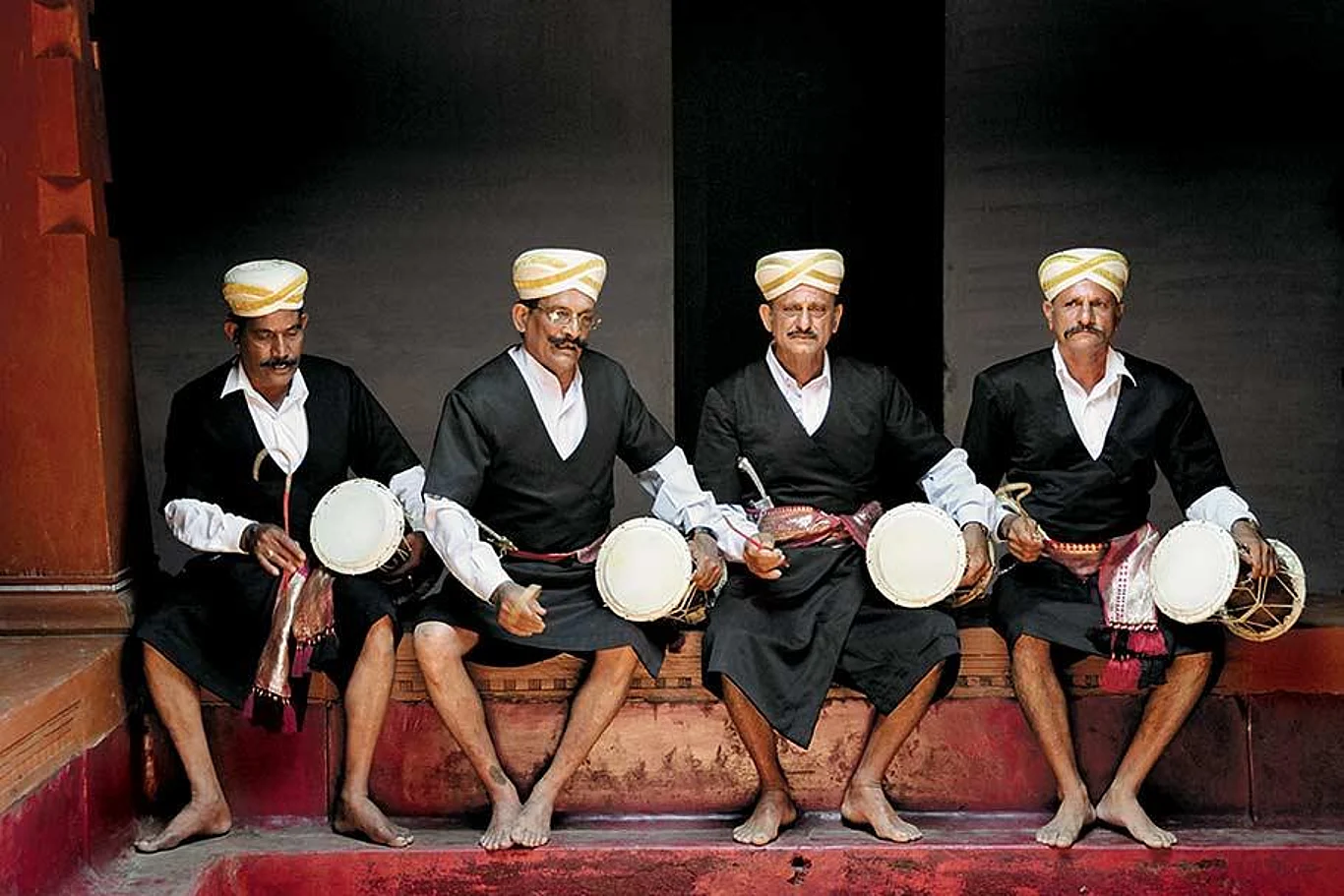
Kodagu’s rich oral tradition was used to hand down the history, culture and social practices of the people. From the book The Vanishing Kodavas (Eminence Designs, Rs 7,500). Text by Kaveri Ponnapa. Four dudipatkaras (bards) sing the history of the clans
A new book chronicles the cultural history of an enigmatic hill people.
The Kodavas, an agricultural and martial hill community known for their oral cultural traditions, are thought to have migrated to and established themselves in the Western Ghats region of Kodagu.
Despite numerous theories about their origins, none have been conclusively proven.
Organised into patrilineal descent groups, they engaged in agriculture and warfare. They were governed by local chieftains who pledged allegiance to various larger kingdoms during their early history.
Later, a dynasty of Lingayat kings, supported by a council of chieftains, assumed control. In her book “The Vanishing Kodavas”, Kaveri Ponnapa chronicles her observations on field excursions throughout Kodagu, meticulously recording village festivals across several cycles, actively engaging in and observing ancestor propitiations, as well as documenting the significant life events within the community.
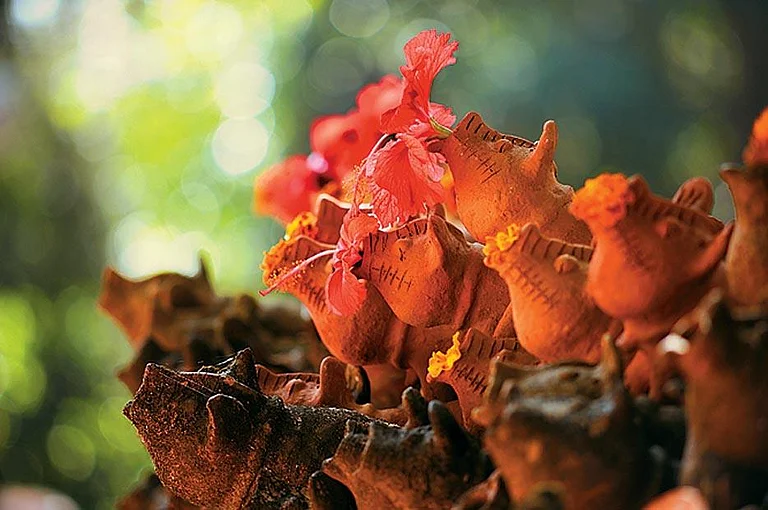
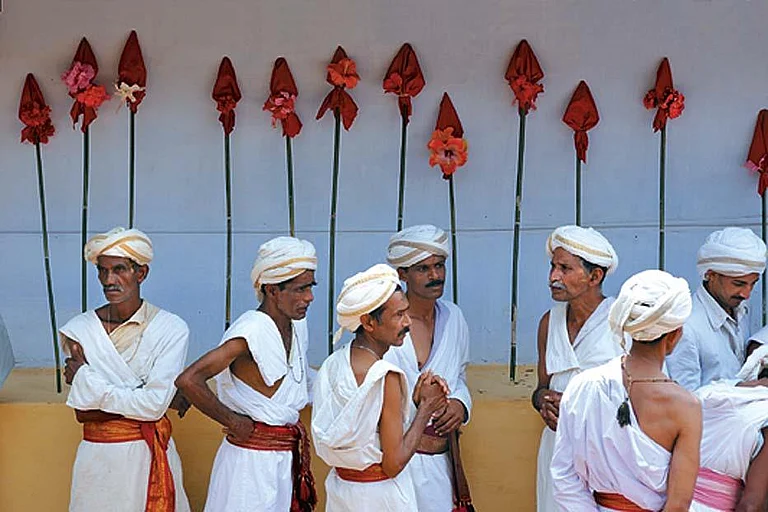
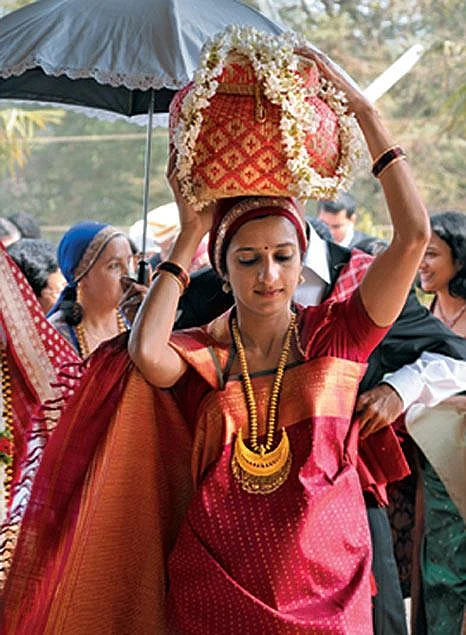
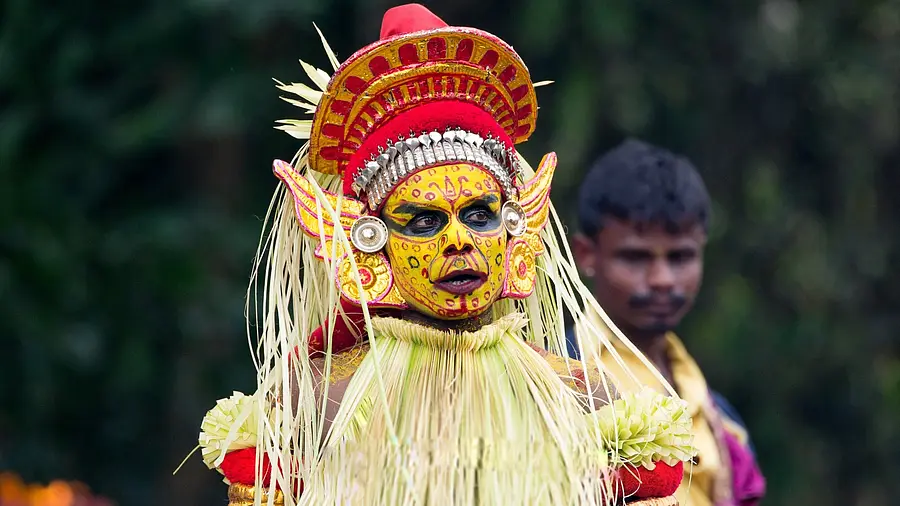
The Coorg valley is also referred to as the Scotland of India for it’s ethereal beautyIn the area of Coorg (Kodagu), terracotta tradition may be traced from the Megalithic period. A few terracotta figurines are known from the dolmen site of Moribetta (Cole 1868 and 1869)The person performing ‘bhuta kola’, a traditional dance wears special makeup, jewellery and costumes. He dances to very unique tunes of musicIn the olden days, a simple white length of cloth, tied around the head was worn as a headdress, or mande tuni as referred to in the Coorg dialect. On ceremonial occasions, this was replaced by a cream and gold mande tuniPariyakali harks back to the days when war was a constant reality in Kodava life and men were expected to display their fitness and prowess on many social occasionsAlong with the Saree, Coorgee women wear a piece of cloth on their head similar to the saree known as ‘the vastra’, and they adorn themselves with gold beaded jewellery to add to the beautiful attireThe ‘Kodava costume’ for men is called ‘Kupya’ which is a collar less half sleeve knee length jacket secured at waist with a maroon sash with gold embroidery called as ‘Chela’ and a knife is tucked into the ‘Chela’ that is referred to as ‘a peechekatti’ which represents their culturePuthari, Kodagu’s annual harvest celebration, is the most important festival across Kodagu, a landmark in the agricultural and social calendar
source: http://www.outlooktraveller.com / Outlook Traveller / Home> India / by OT Staff / January 20th, 2024
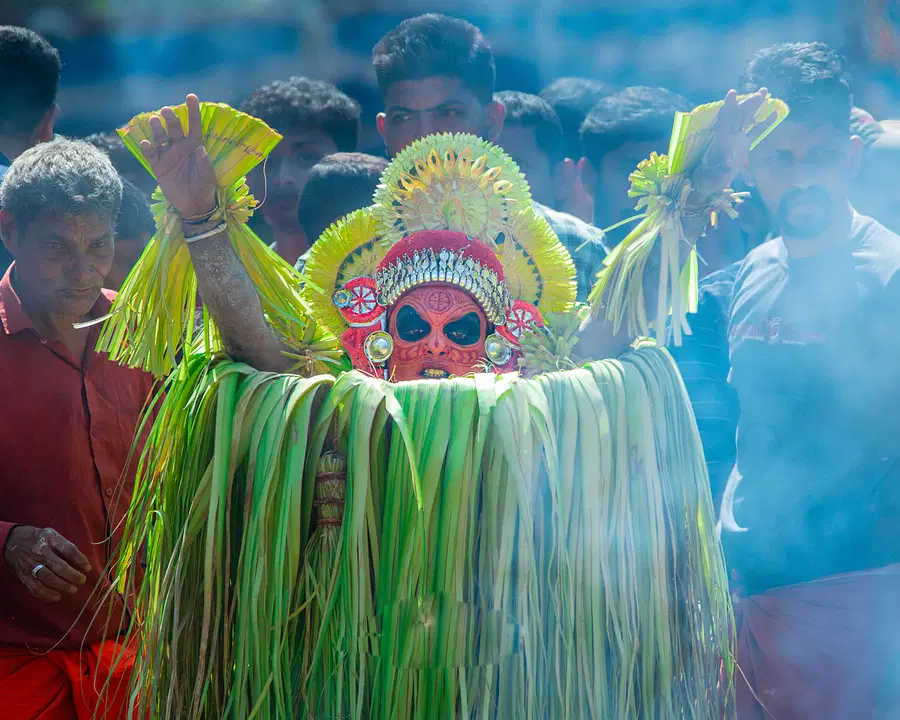
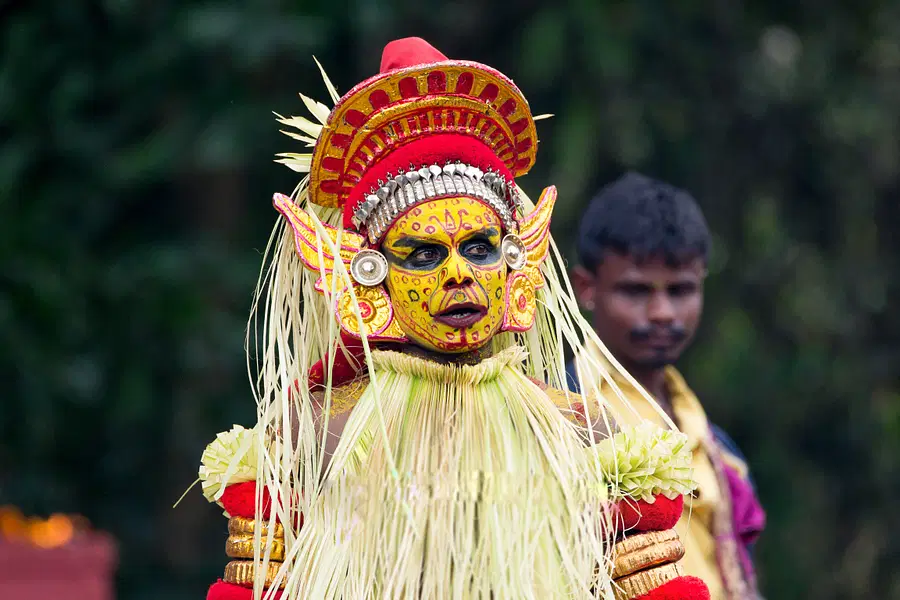
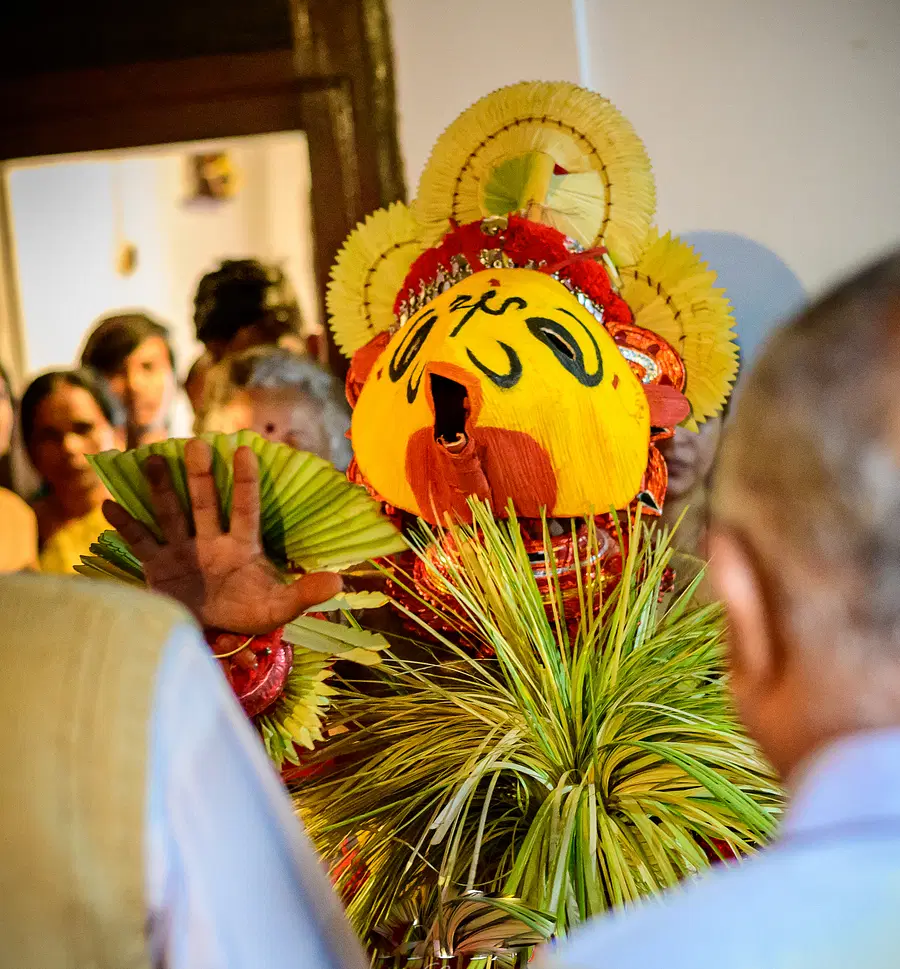
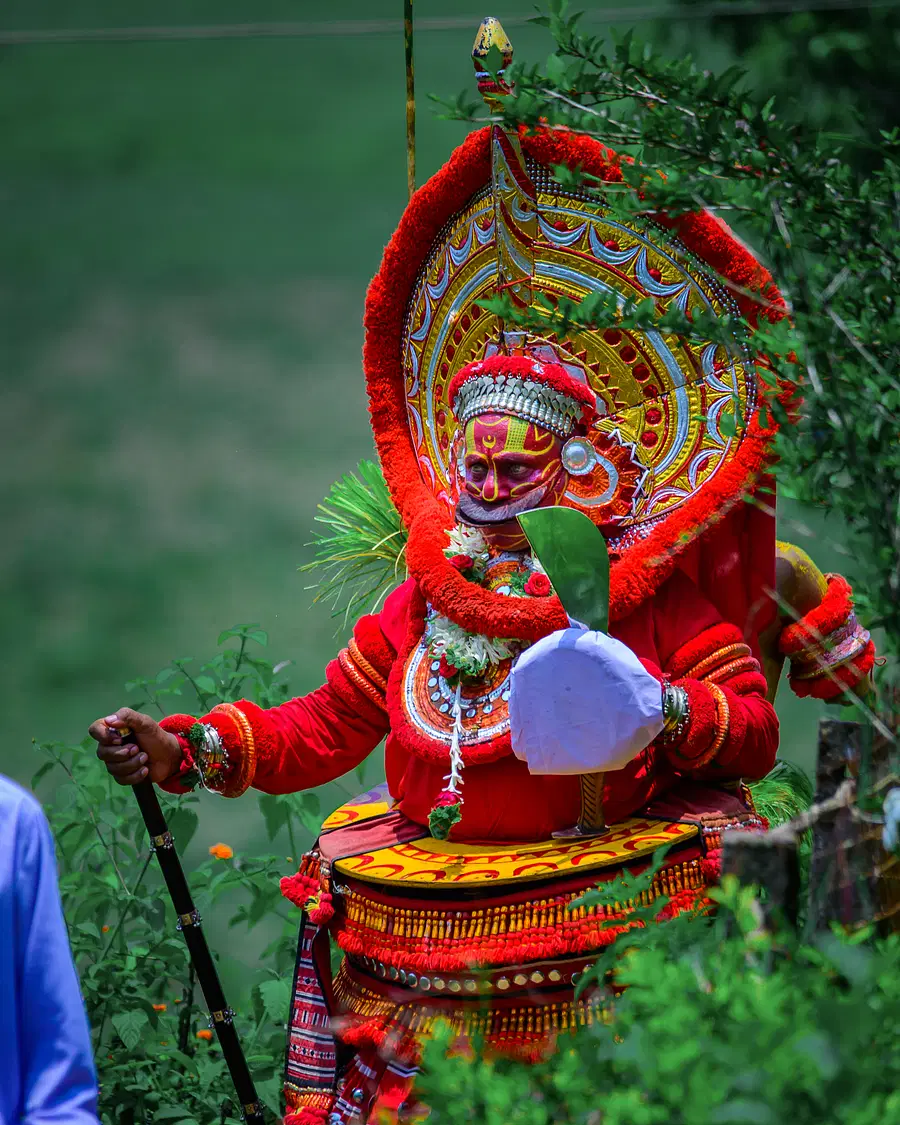
In Kodagu, this performance is called theray. The performer readies himself with a colourful costume, (often red) and intricately done facial makeup along with head and neck accessories. Sometimes he wears a mask during the act.
Kuliya theray in Kadiathur village. Credit: Aiyuda Prasad Ponnappa
In southwestern India, the belief in gods and spirits ritually possessing a ceremonial performer who behaves as an oracle is common. Spirit worship is prevalent in Tulunadu (Udupi, Dakshina Kannada and Kasaragod), Kodagu and North Malabar. A performer in face paint and colourful costume invokes a deity or spirit into themself and then prances around, reminiscent of a Yakshagana or Kathakali dance performance.
This sort of ritualistic dance ceremony is known as kola or nema in Karnataka (especially in Tulunadu) and as theyyam in Kerala. The Tulu-speaking people in the Mangaluru region also call the practice bhuta aradhana, meaning spirit worship.
In Kodagu, this performance is called theray. The performer readies himself with a colourful costume, (often red) and intricately done facial makeup along with head and neck accessories. Sometimes he wears a mask during the act. There are members of a few communities from Kerala now settled in Kodagu (such as the Maleya, Banna or Panika), who perform theray.
Usually, one person who sings accompanies the performer, and another holds a wooden fire torch. During the ritual movements, the performer holds a mirror to his face and sometimes sits on a stool.
When a Kodava, or a Kodava speaker, is possessed, speaks as an oracle, and does not wear the theray costume and mask, he is called a thiralekaara and the performance is called a thirale.
Chaundi theray in Heravanad. Credit: Aiyuda Prasad Ponnappa
Popular deities like Chaundi (Chamundi) and her brother Vishnu Murthy are invoked during these performances. Vishnu Murthy represents a form of Narasimha, the half-man and half-lion.
During a Chaundi theray, the performer wears a long grass skirt and is dragged through a heap of burning coal. It was believed that this performance had the power to save devotees from smallpox and other diseases. The costume is painstakingly crafted with coconut fronds, making the appearance of the performer both subtle and dramatic.
There are also the five companion gods such as Kala Bhairava, Karibala, the young mischievous boy Kuttichatha, the comical girl Nuchchute and Kuliya. Pashana Murthy is another spirit-deity worshipped in Kodagu. Sometimes, a deity named Thotha is invoked before other performances. These are gods associated with the Malabar region who have been adopted into the spiritual pantheon of Kodagu.
Distinct deities
Interestingly, there are at least two animal spirits peculiar to Kodagu. There is the ‘Yeth theray’, where a bovine spirit is called upon and the ‘Nari puda theray’ where a tiger’s spirit is invoked. These are similar to the Panjurli boar spirit-related rituals of Dakshina Kannada, which are also performed in parts of Kodagu.
The therays take place annually or once every few years. Very often, they are organised by a person who made a vow to do it in exchange for divine grace. Few clans (like Nadikerianda, Iychettira, Bollepanda, etc) arrange these events in their ainmanes (ancestral homes). Most villages conduct therays in their village yards.
Kaliat Ajjappa
Kuliya theray in Kadiathur village. Credit: Aiyuda Prasad Ponnappa
Another spirit invoked during the therays is that of Ajjappa, who is widely regarded as a local hero. His mention can be found in the Manual of Coorg (1870), where Reverend G Richter mentions ‘Kalyatanda Ponnappa, or simply Kaliat-Achchappa’ of Naalnaad. He is remembered in folk songs, and worshipped by the people of Coorg.
Ponnappa was much admired for his marksmanship and feared for his prowess in occult magic. His popularity grew and soon, he became the leader of Naalnaad. The legend goes that Karnayya, the head of the neighbouring region, was raising a secret army against the Haleri dynasty’s king at that time. Karnayya wanted Ponnappa to join forces with him. But Ponnappa refused and acknowledged the Haleri king as his overlord.
Alerted to Karnayya’s plans, the king assigned Ponnappa the task of countering him. Ponnappa was given the king’s weapons and an army of 500 men. He was able to counter Karnayya successfully.
But eventually, Karnayya tricked his way into drugging and cornering Ponnappa. The hero managed to fight off his enemies, despite being outnumbered. It is believed that Ponnappa invoked the ten spirits of the netherworld in the battle. However, he was mortally wounded by the arrows.
Despite his injuries, he limped and dragged himself to the nearby shrine. He remained there for some days where he later breathed his last. The place where he died is revered as a sacred spot even to this day.
The king pursued Karnayya relentlessly and finally defeated and killed him.
This period can be dated to the time of Vira Raja’s reign (circa 1600), when some of the Kodagu Nayakas, such as Karnayya, were subjugated and put to death. From that time onwards, the Haleri dynasty was firmly established in Kodagu.
Kaarana (ancestral spirit) theray of Mandaneravanda clan in Palur village. Photos by Aiyuda Prasad Ponnappa
It was after his death that Kalyatanda Ponnappa was called Kaliat Achchappa or Kaliat Ajjappa. In Kodagu, there are several shrines dedicated to this folk hero. One of the most famous among them is his samadhi (memorial) near the temple of Makki Makki Sarthavu. This spot is claimed to be the place where he passed away.
source: http://www.deccanherald.com / Deccan Herald / Home> India> Karnataka / by Mookonda Kushalappa / January 18th, 2024
Discover Coorg Mariott Resort & Spa, where natural beauty, cultural charm, and luxury combine for unforgettable weddings in India “Scotland.”
Coorg, often dubbed the “Scotland of India,” is an enchanting setting for weddings, combining natural splendor, cultural heritage, and a delightful climate. The Coorg Marriott Resort and Spa enhances this allure, providing exceptional experiences in a magnificent environment. Opting for a wedding in Coorg, especially at the Coorg Marriott Resort and Spa, guarantees a distinctive and unforgettable occasion, treasured by you and your guests forever.
Embraced by Nature:
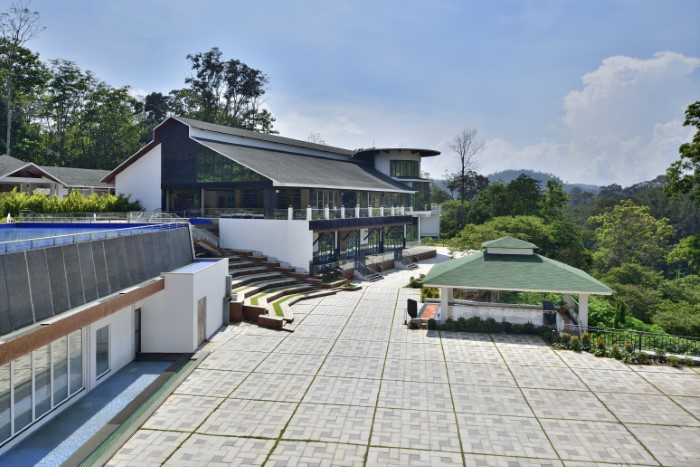
Set in the heart of the Western Ghats, Coorg Marriott Resort & Spa boasts stunning mountain vistas and offers a retreat from urban chaos. Imagine saying your vows with misty hills as your backdrop, creating an enchanting forest ambiance. This 5-star luxury resort in Madikeri, Coorg, offers unique cultural activities for guests, such as visiting coffee estates, traditional dance shows, outdoor dining, and nature trails.
Perfect Climate:
Coorg’s year-round agreeable weather makes it an ideal wedding location for global travelers. From cozy winter nuptials to lively monsoon festivities or peaceful summer ceremonies, Coorg caters to all seasonal preferences. The Coorg Marriott Resort & Spa, surrounded by misty mountains, lush greenery, and cascading waterfalls, invites guests to immerse in the region’s natural beauty.
Luxurious Accommodations:
As the first Marriott International resort in Coorg, the Coorg Marriott Resort and Spa brings Marriott Bonvoy benefits to the area. The resort features 108 elegantly appointed villas and cottages, with stunning views of green landscapes and plantations. Each room includes a private balcony for guests and global travelers to relax and enjoy before the big day. Brides and their friends can indulge in poolside fun or a soothing spa treatment at Quan Spa. Some cottages also boast a private pool for a secluded swim.
Versatile Venues:
The resort offers over 16,000 square feet of event space, including five exquisite venues and a large pre-function area, ideal for destination weddings or intimate family events. The hotel’s adaptable banquet spaces, like the Silver Oak Banquet Hall, are customizable and feature custom floral arrangements. The Kote Betta Terrace, an outdoor venue with an Amphitheatre, showcases Coorg’s breathtaking natural scenery.
Culinary Delights:
The resort’s dining experiences are a culinary exploration. A skilled team of chefs can craft a bespoke menu to delight your guests. From lavish traditional meals to international gastronomic experiences overlooking the valley, your wedding banquet will be a memorable feast.
Madiker Kitchen offers international and traditional Kodava cuisine in a contemporary all-day dining setting. Grills By The Valley allows dining under the stars with forest views, offering reimagined delicacies and expertly crafted drinks. Mercara Outpost is a vibrant space for work, socializing, and relaxation, serving light snacks, innovative cocktails, and a creative cocktail menu. Coco Lab is a modern coffee lounge with an immersive ambiance and skilled baristas, featuring high bar stools for coffee art viewing. The Deck, a swim-up pool bar, is ideal for enjoying sundowners with light bites and relaxed conversations.
Spa and Wellness:
The Quan Spa, with six therapy rooms, blends ancient Ayurvedic wisdom and modern wellness practices, providing a serene environment for relaxation and pre-wedding pampering.
Guest Amenities:
Spread over 37 acres of lush terrain, Coorg Marriott Resort and Spa offers 108 rooms, villas, and cottages, including one- and two-bedroom villas and a Presidential Mansion, catering to your wedding party’s needs.
Local Culture and Activities:
For those wanting to incorporate local Kodava culture and traditions into their wedding, the resort can seamlessly integrate these elements, offering a culturally rich experience for you and your guests and global travelers. Before the wedding, enjoy activities like Coffee & Spice plantation tours, trekking, bird watching, Wildlife Documentary Shows, Arcade Games, and more.
Coorg Marriott Resort and Spa is the perfect choice for a grand destination wedding or an intimate celebration, blending natural beauty, cultural richness, and tailored experiences.
source: http://www.travelandtourworld.com / Travel and Tour World / Home> Asia / January 16th, 2024
Loss of habitat and knowledge could adversely impact diets of tribal communities living in Western Ghats .
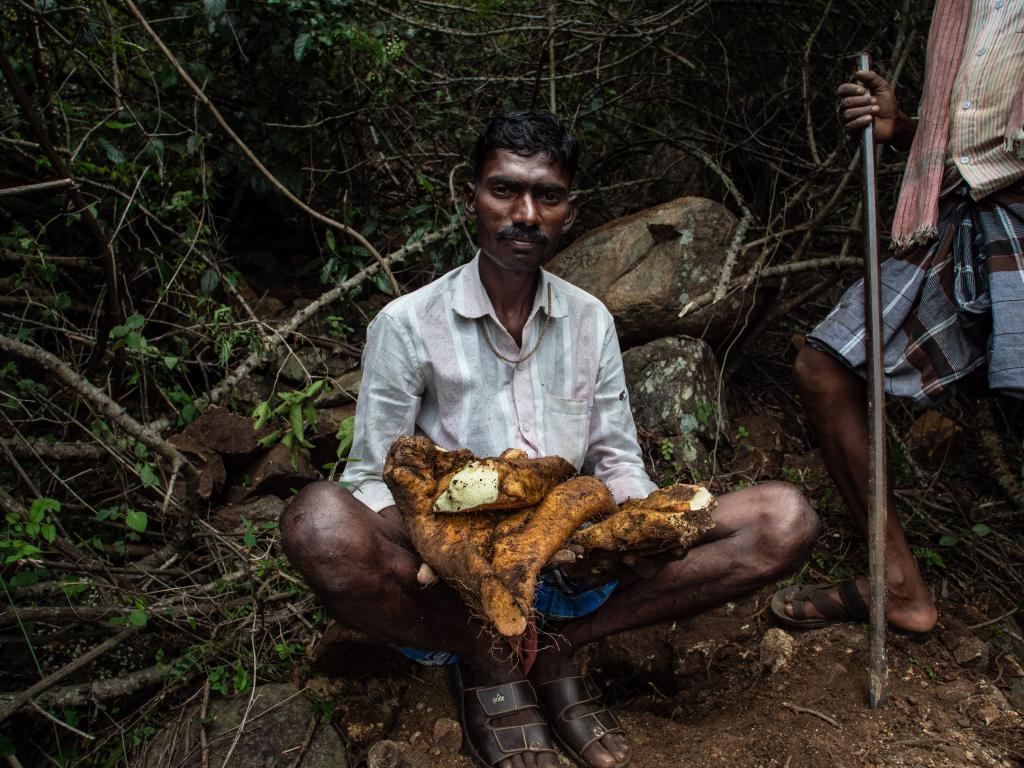
A tribal man foraging benne genasu or sweet potatoes. Photo: ATREE
During summers, members of the indigenous group Soliga form teams to collect honey. The honey bees make their hives in the cracks and crevices of rocky cliffs in the Western Ghats. Collection is not an easy task but the Soligas have centuries of experience and know exactly what to do. They hang from the cliff edges using ropes made from vines and bamboo to first smoke the bees away from the hive and then collect the combs in baskets. The work is done during the night, which makes it more difficult.
Indigenous groups Soligas and Yeravas have been living in the Cauvery Basin and the surrounding hills of peninsular India for thousands of years. A recent book has looked into the diets of these communities, giving fresh insights into the foods that these two tribes forage from the forests.
Honey is an important part of the diet for the Soliga people, who still forage large parts of their food from the biodiversity-rich Ghats. The Western Ghats are one of the world’s biodiversity hotspots, with over 5,000 flowering plants, 139 mammals, 508 birds and 179 amphibian species. Many of these are part of the diet of the tribal communities in the region.
Soligas, one of the oldest indigenous communities in the country, are the original inhabitants of Karnataka and live mostly in the Chamarajanagar and Mandya districts. The Yeravas, on the other hand, came to the state from Wayanad district in Kerala and settled in Kodagu district of the state.
The recently launched Forgotten Trails: Foraging Wild Edibles, authored by Malemleima Ningombi and Harisha RP, chronicled the foods that these two tribes forage from the forests. Such foods form around 25 per cent of the Soligas diet and around 30 percent of the Yerava diet, said Harisha RP, who is a conservation biologist at Ashoka Trust for Research in Ecology and the Environment or ATREE.
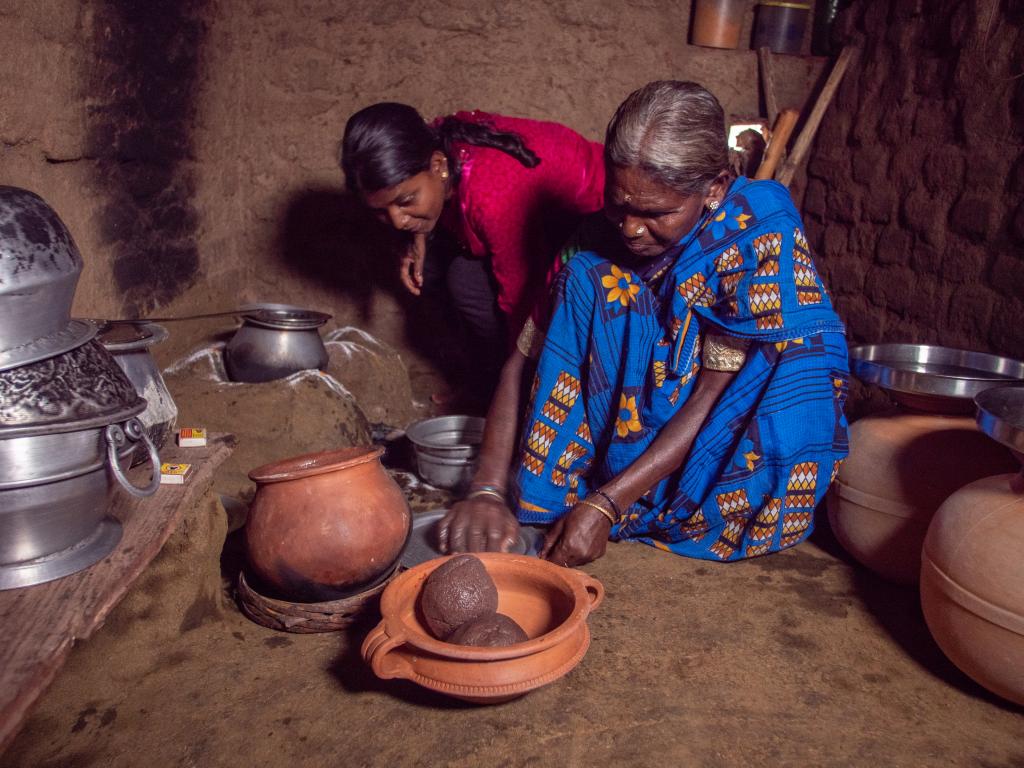
Women cook ragimudde (finger millet balls). Photo: ATREE
There is not much difference between the diets of these two communities other than that Yeravas use more tubers than Soligas. There are some 10-12 wild food plants that are unique to each community as they live in different landscapes, he added.
The Soligas and the Yeravas cook using the simplest of recipes — their sambar recipe is extremely similar — but the ingredients can change according to the season. The area witnesses four main seasons: Summer, monsoon, retreating monsoon and winter.
In the summers, they relish fruits like wood apples and mangoes and greens such as mushte soppu (Holostemma annulare), kaddi soppu (Jasminum sp) or anne soppu (Celosia argentea).
Mushrooms become part of the Yerava diet during monsoons, when they emerge overnight from barren land. Doddbidru or Indian thorny bamboo, shoots up during the rainy season too. The bamboo shoot sambar is consumed with much enthusiasm by the Soligas.
Cold and local multicoloured corn roasted over the fire used to be consumed often during retreating monsoons. However, this has become rare as communities have stopped cultivating the crop because it was frequently raided and destroyed by animals.
In winter, when warm foods are needed, the Yeravas, who work as labourers in coffee plantations, depend on the wild berries of various nightshade plants and edible ferns that grow along the streams.
The authors highlighted that the food that Soligas and Yeravas depend on for survival is now affected by changes in land use and shifting policies. Worse, traditional knowledge is steadily being lost as young people are migrating out. This knowledge is important for foraging for the right food.
For example, the Soligas have learned that bamboo shoots have to be uprooted and de-skinned with bare hands to ensure that they do not become poisonous. Similarly, the Yeravas know first, that all mushrooms are not edible and, second, that care has to be taken that they do not mature and get infested with insects. The skill of collecting the right ones at the right time is getting lost among the younger generation.
There have been efforts to ensure that the next generation understands the value of these plants. For instance, the Soliga community-run business ADAVI promotes the processing and value addition of some cultivated foods and nontimber forest products. The book has documented the wild plants in the area, along with recipes to prepare food from them. This, too, will help preserve and pass on traditional knowledge to the next generation.
The foraging trips help members of the tribe bond and help the next generation assimilate the skill. Foraging together, bonding, coexisting, laughing, arguing, taking risks, making do with what is found and sharing are what bring the community together, said the authors.
source: http://www.downtoearth.org.in / Down To Earth / Home> News> Food / by Vibha Varshney / January 14th, 2024
Postal covers on seashell artist Radha Mallappa from Mysuru and ‘Coffee Pudi’ Sakamma from Kodagu released
Mysore/Mysuru:
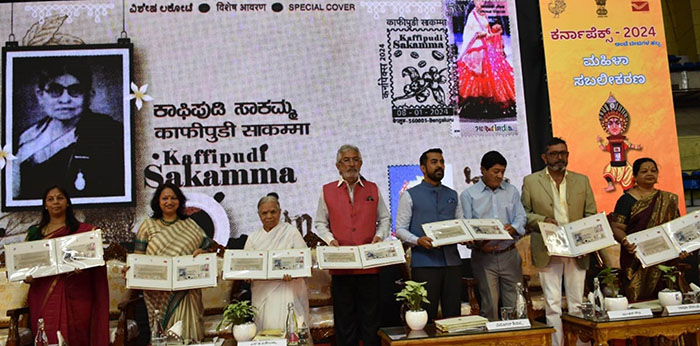
As part of its ongoing effort to redefine ‘connecting people’ in the online era, the Karnataka Postal Circle organised its annual State-level Philatelic Exhibition — 13th State-level Philatelic Exhibition, Karnapex 2024: Festival of Stamps between Jan. 5 and 8 — at Kanteerava Indoor Stadium in Bengaluru. The Festival was last held in 2019 in Mangaluru.
A total of 700 frames, with each containing multiple stamps and postal covers, were displayed and 17 stalls were put up. Postal covers on Dr. Puneeth Rajkumar, Sir M. Visvesvaraya setting up FKCCI, 100 years of Lalitha Mahal Palace, Mysuru and Mysore Sandal Soap were also released.
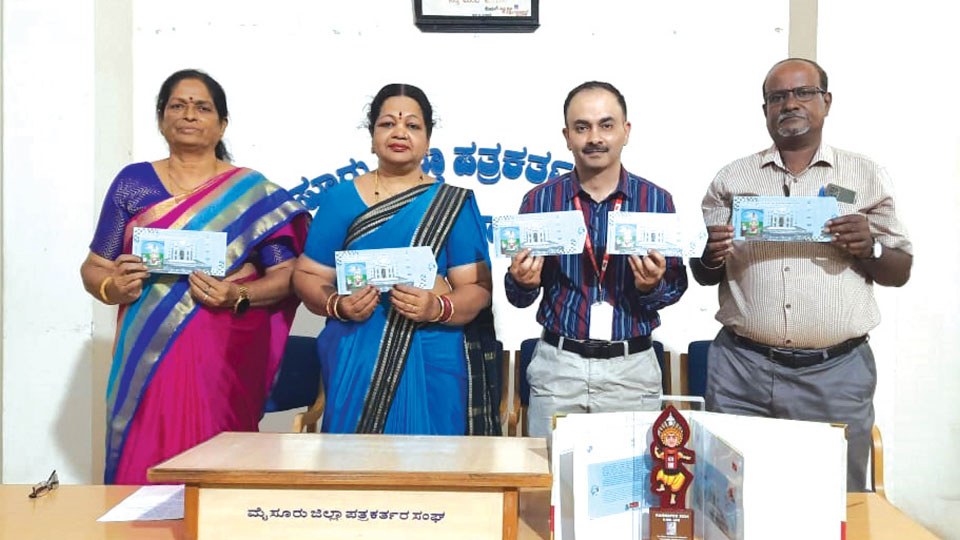
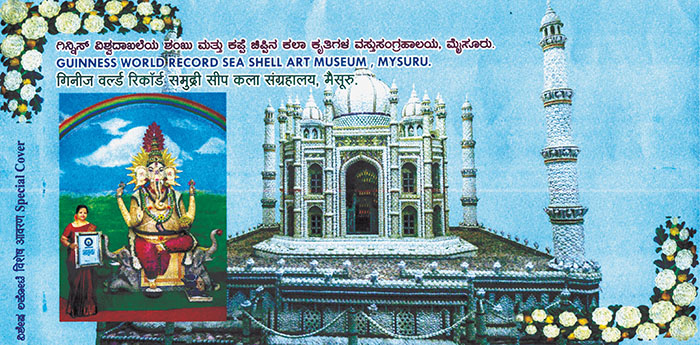
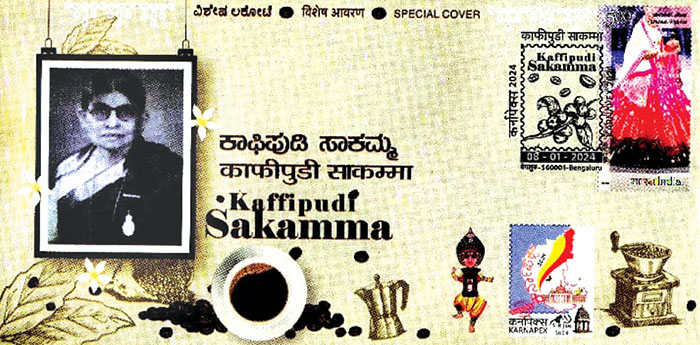
Notably, postal covers on ‘Kalashree’ a museum of artworks made of seashells and conches by Radha Mallappa, a resident of Hanumanthanagar in Mysuru and Karnataka’s first woman coffee entrepreneur Sakamma from Kodagu, known as ‘Coffee Pudi’ Sakamma were also released, as part of women empowerment.
Addressing reporters at Pathrakartara Bhavan on Tuesday, Mysuru Division Postal Deputy Superintendent Sunil Halepete said that Mysuru has already made a mark in the postal covers released by the Dept. in the past as postal covers of Lalitha Mahal Palace, Rashtrakavi K.V. Puttappa (Kuvempu), Mysuru Vilyadele and Field Marshal K.M. Cariappa.
This year, the Karnapex 2024 featured Radha Mallappa who has done sculptures made of seashells and conches. She has accomplished the magnificent recreation of Taj Mahal and she has been working on products of the sea since more than two decades and designed different items.
‘Coffee Pudi’ Sakamma
Beginning from the smallest flower to the giant-sized Taj Mahal, Shiva temple, church, each piece is unique and eye-catching. The 11ft x 18ft tall Ganesha idol bagged the Guinness World Records. Each artefact is better than the other one and there are over 300 models on display, he added.
Likewise, a postal cover on D. Sakamma, popular as ‘Coffee Pudi’ Sakamma, was also released. Sakamma’s name remains somewhat obscured in the records of Indian entrepreneurs. However, her venture, ‘Sakamma’s Coffee Works’ in Bangalore gained widespread recognition in the 1920s, playing a pivotal role in the early 20th century by introducing authentic cured and powdered coffee from Kodagu to the residents of the Princely State of Mysore. Widowed at the age of 18, Sakamma chose to channel her education into managing the coffee estate left by her husband, Savkar Doddamane Chikkabasappa Setty, a prosperous coffee planter from Somwarapet in Kodagu. Relocating to Bangalore, she established a coffee curing and powdering unit near Bull Temple Road in 1920. Swiftly, her distinctive coffee blend gained immense popularity across the city, making Sakamma Coffee Works an integral part of the lives of Bangaloreans.
The attractive postal covers feature Radha Mallappa and ‘Coffee Pudi’ Sakamma with imagery of their respective fields of achievements. A short description has been printed at the back of the postal cover.
Marimallappa’s PU College Educational Officer Mangala Muddumadappa, Radha Mallappa, Postal Department Sales Division Manager Sureshkumar were present at the press meet.
source: http://www.starofmysore.com / Star of Mysore / Home> News / January 11th, 2024
The plays will be staged in Kannada and English over three days. Laxmi, who has been performing solo acts for 25 years, has translated and adapted the works.
Laxmi Chandrashekar in ‘Kittalemane Kaveri’.
Abhinethri Festival by Kriyative Theatre Trust will present three plays by theatre artiste Laxmi Chandrashekar, this weekend.
The plays will be staged in Kannada and English over three days. Laxmi, who has been performing solo acts for 25 years, has translated and adapted the works.
On January 12, ‘Singarevva Mattu Aramane’ and its English version ‘Singarevva and the Palace’, a play based on Chandrashekhara Kambara’s namesake play, will be staged. “It is about a woman’s frustration and helplessness, being denied the right to motherhood, how she faces exploitation by all the men in her life and the way she asserts herself in the end,” says Laxmi. The play will be directed by Soumya Varma.
The second play, ‘Shakespearana Srimathi’/ ‘Shakespeare’s Wife’, written by Uday Itagi will be staged on January 13. It has been adapted from Robert Nay’s work based on Shakespeare’s sonnets. “I have taken inputs from feminist writer Germaine Greer’s work ‘Shakespeare’s Wife’, and from other sources to create this play. It depicts the Bard’s wife, Anne Hathaway, in a different light,” she explains. “This play looks at Anne as a committed and strong woman, and a loyal wife”, she elaborate . The play will be directed by Vishwaraj Patil.
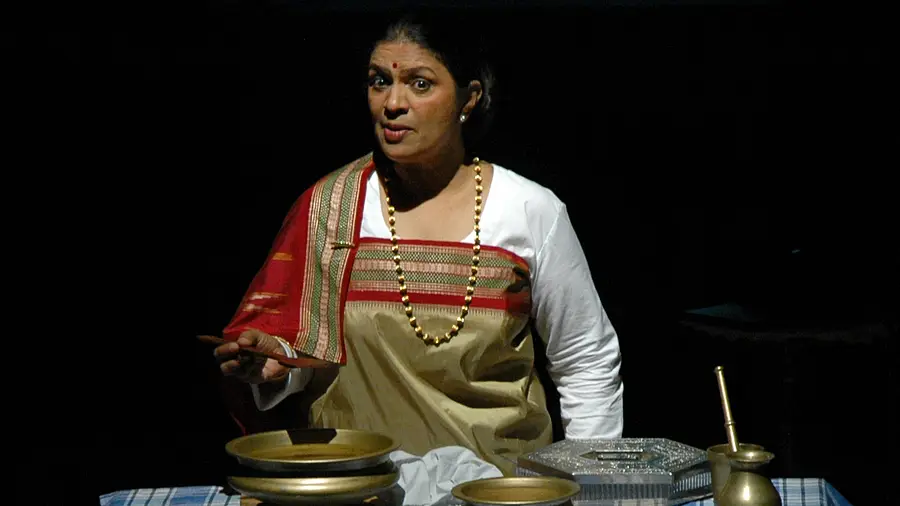
The final play provides insights into the Kodava community and has been directed by Soumya. ‘Kittalemane Kaveri’/‘Kaveri of Kittale Villa’, an adaptation of ‘Emily of Emerald Hill’, an English play written by Singaporean writer Stella Kon, will be staged on January 14. “I had lived in Singapore for a while, and I got rights from the writer to stage and adapt it accordingly. Set in the Kodava community now, the play captures their culture, food, customs, and costumes,” she tells Metrolife.
From January 12 to 14, Kannada plays will be staged at 3.30 pm and English plays at 7 pm, at B P Wadia Sabhangana, Indian Institute of World Culture, Basavanagudi. Tickets online.
source: http://www.deccanherald.com / Deccan Herald / Home> India> Karnataka> Bengaluru / by Tini Sara Anies, Team Metrolife / January 10th, 2024
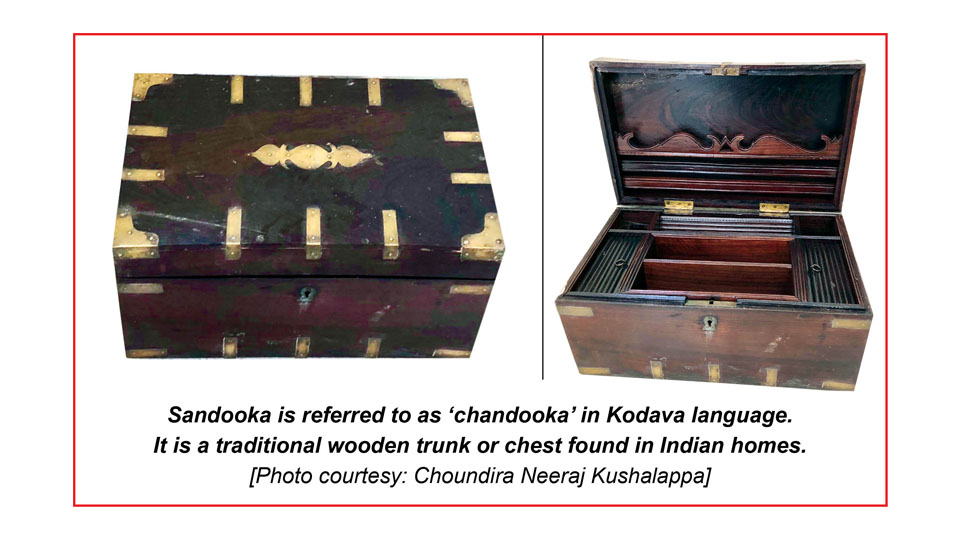
Sandooka Virtual Museum of Kodava Heritage and Culture, an informative and interactive platform for the community, the diaspora, researchers and knowledge-seekers, has been launched. One can access it on https://sandookamuseum.org/
The museum has been created with community participation and on the basis of research on existing knowledge of the history of Kodagu, traditions of the Kodava community and unique practices.
Presently, the museum boasts 54 stories categorised into nine themes:
Architecture, Arts and Crafts, Community Histories, Clothes and Jewellery, Cuisine, Customs and Rituals, Festivals, Landscape, Literature and Folklore. The website also includes a glossary of commonly used Kodava terms and a list of recommended books and website resources.
Within the museum’s pages, visitors can explore a brief history of Kodagu in sections like ‘Residences of the Royals’ and the glossary. An outline map in the glossary provides context, illustrating the taluks of Kodagu, its location within Karnataka and its place in India.
The brain behind this ambitious project is Rathi Vinay Jha (Codanda), the erstwhile Chair of the India Foundation for the Arts (IFA). A retired 1967 batch IAS Officer, she served as the Secretary in the Ministry of Tourism, Government of India. In early 2022, IFA issued a call for proposals from multidisciplinary teams to develop the virtual museum.
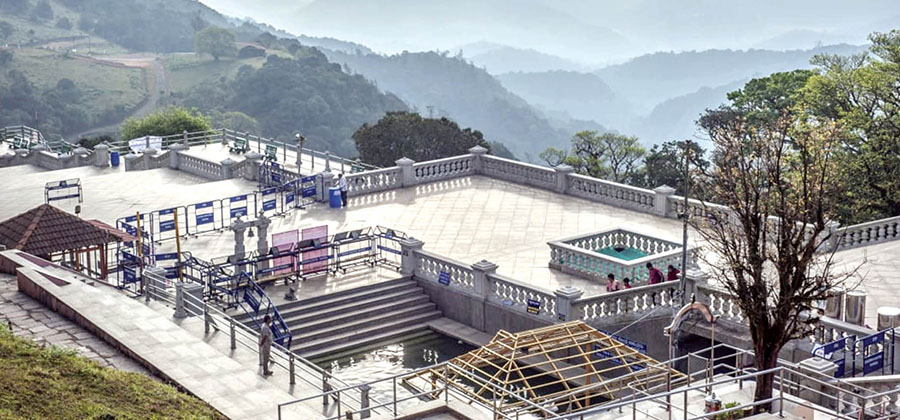
Talakaveri (Talacauvery) – the birthplace of River Kaveri. [Photo courtesy: Kunjiyanda Mahesh Appaiah (Max)]
Stringent scrutiny
Numerous teams from various parts of India submitted their proposals.
The selection process involved the scrutiny of an esteemed jury, including Paul Abraham (Founder of Sarmaya Arts Foundation), Nick Merriman (Director of Horniman Museums and Gardens, London), Sara Ahmed (Founder of Living Waters Museum), Venu Vasudevan, IAS (former Director General of the National Museum) and Hemanth Satyanarayana (CEO, Imaginate).
Following a meticulous evaluation of presentations and interviews, a team led by art museum curator Lina Vincent emerged as the chosen one for the project. The team comprised the dynamic designer duo Upasana Nattoji Roy and Saurav Roy from SWITCH. I was honoured to be invited to spearhead the Research and Coordination for Virtual Museum.
Our team came together in early 2022 and the ensuing two years have been both hectic and gratifying. Our efforts were complemented by a dedicated group handling media resources, including Aiyuda Prasad Ponnappa (videography), Clare Arni (photography), Kalpit Gaonkar (drone videography), Kunjiyanda Mahesh Appaiah aka Max Machu (videography), Chenanda Rohan Ponnaiah (videography), G.S. Bhavani (photography), Dr. Bishan Monnappa (photography) and others. Hasan Shahrukh spearheaded website development, with Samarth Gulati focusing on the front end and Gaurav Nagar on the back end. Additional support came from associates such as Nitya Devayya, Dhriti Belliappa, Nigel Gomes and Christina Dedhia.
The IFA team overseeing the project included former Executive Director Arundhati Ghosh, Executive Director Menaka Rodriguez, members Darshana Dave, Ritwika Misra and C. Suresh Kumar
IFA Advisory Board, consisting of Rathi Vinay Jha, Cheppudira P. Belliappa and Hemanth Satyanarayana, provided valuable guidance.
The editorial advisors, namely Dr. Boverianda Nanjamma Chinnappa, Cheppudira P. Belliappa, Dr. Kodira Monnappa Lokesh and Dr. C.C. Sowmya Dechamma, contributed expertise to the project.
Recaero India predominantly funded the initiative, while Anuraag, a Virajpet-based NGO, played a crucial role in supporting payments to artists, folk singers, dancers, craftsmen and facilitating media documentation.
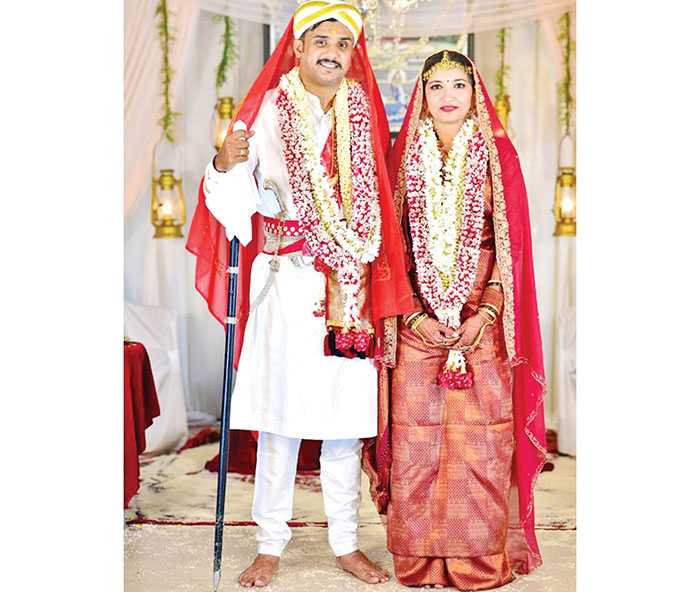
A bride & a groom in traditional attire. [Photo courtesy: Deepthi Puttichanda]
A comprehensive repository of information
The Sandooka Virtual Museum of Kodava Heritage and Culture stands as a comprehensive repository of information on Kodavas. In the Kodava language, a ‘sandooka’ is referred to as ‘chandooka’, akin to a traditional wooden trunk or chest found in Indian homes.
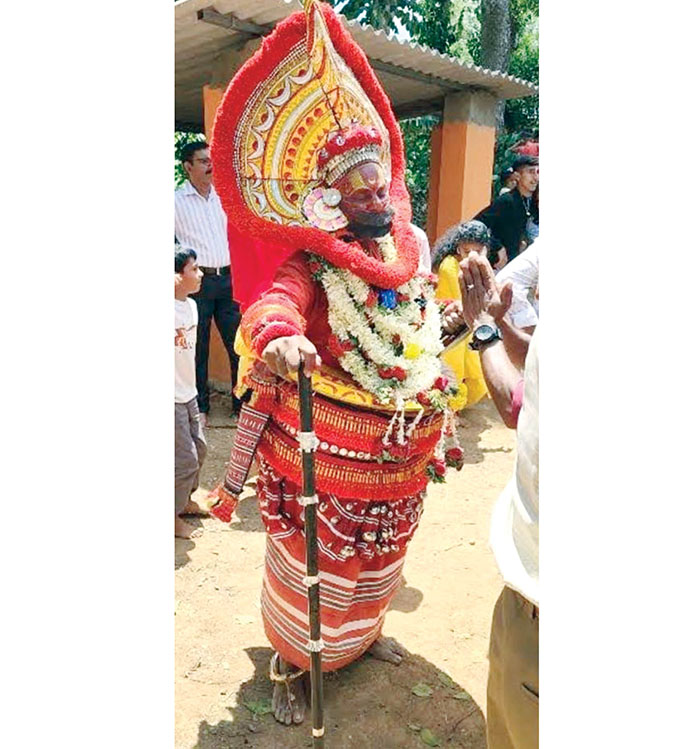
Our documentation efforts included capturing the ‘Kail Podh’ festival of weapons at the Baduvamanda ancestral house in Kavadi, festival sports at Puliyeri village green near Ammathi, the harvest festival ‘Puthari’ at the Padeyanda ancestral house, festival dances at Biddatanda Vaade and Kokeri Bhagwathy temple, and the annual ‘theray’ (a shaman ritual of Kodagu similar to ‘theyyam’ and ‘kola’) at the Nadikerianda ancestral house in Karada
While a substantial population of Kodavas still resides in Kodagu, tens of thousands have migrated to places like Mysuru and Bengaluru. Additionally, Kodava diaspora is seen outside Karnataka in various parts of India and extending to international locations such as Singapore, the Middle East, Europe, the United Kingdom, Africa, Australia and the Americas.
A picture of ‘theray’ ritual.
To maintain cultural connections, Kodavas have established regional Kootas or Associations, where members gather annually, often during festivals. Kodava Samajas in villages, towns and cities organise Kodava weddings and other social events.
However, the Kodava diaspora faces challenges in preserving their native language and culture. As generations pass, certain traditions risk fading away. Recognising this need for preservation, Sandooka Virtual Museum of Kodava Heritage and Culture acts as a bridge, documenting and safeguarding cultural heritage for future generations worldwide.
Cherishing our legacy
Kodavas are a small community with a vibrant heritage and unique traditions. Kodagu and the Kodavas have always raised the curiosity of not just our own people but of scholars and visitors across the world. Today, with access to technology we can send a message across to our diaspora and the world about our land and its culture. Sandooka Virtual Museum is a repository of such online information on Kodava heritage. Let us cherish our legacy and celebrate our achievements.— Rathi Vinay Jha (Codanda), erstwhile Chair of the India Foundation for the Arts (IFA)
source: http://www.starofmysore.com / Star of Mysore / Home> Feature Articles / by Mookonda Nitin Kushalappa / January 09th, 2024
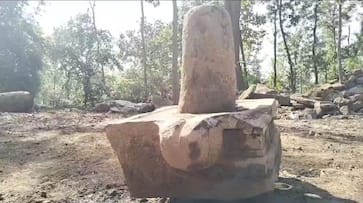
A massive ancient Shivalinga, possibly dating to the Pandava era, was found in Kunda village, Kodagu. Discovered beneath a tree in Darshan Nanjappa’s garden, it included sacred objects. Believed linked to the Eshwara Temple, experts suggest Pandava influence. Efforts to preserve it underway, awaiting verification by Archaeology Department for historical connections.
A remarkable discovery has been made in the quaint village of Kunda in the Ponnampet taluk of Kodagu district. A massive Shivalinga believed to date back to the Pandava era, has been unearthed, leaving the locals astounded by its presence in the tomb of Kilan Ganapati.
The unexpected finding unfolded following a revelation by Kalyatanda Ajjappa, who mentioned the presence of a Shivalinga buried within Darshan Nanjappa’s garden. After an initial search around a tree in the garden yielded nothing, a decision was made to excavate the area with the aid of heavy machinery. Much to everyone’s surprise, a colossal Shiv Linga was discovered deep within the base of the tree.
This significant finding, situated in the Gummattira family estate, boasting a history spanning nearly 800 years, has brought immense joy to the family. Senior priests and elders within the Gummattira lineage assert that the Shivlinga holds profound spiritual significance. The discovery also included several other objects such as a tirthanala, an elephant pillar, stone bricks, a Somasutra, and a panipeeth, all laid beneath the linga.
The proximity of this Shivlinga’s discovery to the renowned Eshwara Temple atop the revered Kunda hill has triggered numerous contemplations among the locals. Renowned sculptor Sivakumar suggested that the Shivalinga might have been installed during the time of the Pandavas’ sojourn in this area to venerate Lord Shiva.
Efforts have been taken to preserve the Shiva Linga, Panipeeth, and the assortment of objects discovered within the depths of the Darshan Nanjappa tree. However, it was noted that a portion of the Shivalinga had suffered damage in the past.
In historical records, Shivalingas were crafted using white and wild stones, consistent with the materials used in constructing this particular Shiv Linga. Notably, during Kodagu’s time as a separate state, it was ruled by Lingayat kings, leading to speculation that the unearthed temple could be associated with a Shiva lingam. To confirm these historical connections, verification by officials from the Archaeology Department is deemed necessary.
source: http://www.newsable.asianetnews.com / Asianet Newsable / Home> English News> Karnataka / by Vinaykumar Patil / January 07th, 2024
WELCOME. If you like what you see "SUBSCRIBE via EMAIL" to receive FREE regular UPDATES.
Read More »