Category Archives: Arts, Culture & Entertainment

Curious concoctions from Coorg

It is unconventional and a shift from the regular dosas and idli. South Indian food is much meatier than we ever think. Dakshin at Sheraton Hotel brings a quirky menu from the southern belt at its ‘Taste of Coorg Festival’. IKNOOR KAUR checks it out
FoodKF06aug2013

When you first think of Coorg food, images of pork curry, fishchutney, tamarind rice and bamboo shoot curry pop up. But visiting Dakshin at Sheraton for the ‘Taste of Coorg Festival’ was a different experience. Contrary to the conventional Coorg preparations, they have twisted the menu into an interesting blend.

For coconut admirers, Dakshin seems to be a paradise. And for someone like me, who abhors it, the restaurant has the surprising ability to revise the taste-buds. Served to you as a welcoming drink is a mix of ginger — ale and mint in shot glasses. This is followed by a menu that opens a door to the vast variety of dishes including the ones from the sub–regions of South. So, the place brings here South Indian flavour with its authenticity.

Served on traditional banana leaves, the food majored itself around pork and mutton. Kodava food has pork as an important component and their pork dishes owe their magic to the masalas used in their making.

Plated as starters, traditionally called Prarambham, was one of their unique preparations of pork called Chilkana Pandi where the pork was marinated in local spices, Coorg vinegar and was browned in onion and green chillies. Along with it was the Prawns Rave Fry with sermolina coated prawns which were lightly batter fried. The distinct flavour of pepper highlighted the pork while the tangy taste of the prawns made for a good appetizer. Both of these were served with four kinds of chutneys, coconut, tamarind, tomato and coriander.

Digging into sub–regions of Coorg, known for its exceptional flavours of the Western Ghats, the fine–dining experience brought out a rustic feel. The main course, known as the Saivam called for a nice variety of dishes including pork, mutton and chicken. Their main dish started with Koli Mangyepajji which was boneless chicken cooked in green chilli, raw mango paste and drum stick.

Pandi Curry was festival’s trademark dish with Coorgi boneless pork preparation, enhanced with Coorg vinegar and pepper, eye chilli and Coorg spices. This was accompanied with kadumbuttu (rice dumpling). The subtle flavour of coconut with enhanced tanginess made this chew an exceptional experience. Another dish part of the same course was the Dry Pepper Yerechye which was tender mutton marinated with spices and fried with onions, tomatoes and chillies.

Though Coorg is primarily famous for red preparations, a bit of green was experimented too. Part of their vegetarian menu was Kuroo Curry which was an amalgamation of red beans and vegetables simmered in local masala gravy, flavoured with ginger and green chillies.

As it is said, ‘either you have it with rice or a rice based roti’, Dakshin provided a range of items to choose from as acoompaniments. Some of them were akki ooti, kadumbuttu and paaputtu. They had a non-vegetarian version of this too called yerchi koolu which was mutton cooked with rice and served with mango paji and raita. Even though the menu consisted of limited dishes, it managed to whet the appetite for Coorg food. Dessert Mangai Rasayana was a nice blend of ripe mango puree in sweetened milk with shopped mango. The texture of the pudding reminded us of kheer.

Fondly referred to as the ‘Coffee Cup of India’, this is one epithet that Coorg proudly carries with itself. Living up to that, the meter coffee of the region has a taste in the blend that comes only with precision while mixing the coffee. The chefs at Dakshin boast of this ability and offered some to us as a post meal beverage. With keeping a definite distance during the mixing process, the chef managed to bring out a blend that one would only find in Coorg.

The chefs in the Dakshin kitchen have personally spent months in Coorg, understanding and learning the authentic preparation of the food. That is one of the main factors that provide the authenticity in the food.

source: http://www.dailypioneer.com / The Pioneer / Home> Vivacity / Friday – June 28th, 2013
Coorg plantation wins award for most romantic resort

Mumbai :

The Tamara resort in Coorg recently won the award for most romantic resort at a travel awards show hosted by a Hindi business channel. It is listed in the top 20 honeymoon destinations by Conde Nast Traveller India.

This is a luxury 56-key resort located in the hills of Coorg near Madikeri. It has been set up within an estate of 170 acres that produces coffee, cardamom, pepper and honey, and claims to be one of the few places in the world that is built inside a functional coffee plantation.

Its promoters say that it is set on a slight slope, and offers a breathtaking view of the Western Ghats and lush green forests along with two waterfalls flowing within the premises. Tourists either head out on guided treks and nature trails, or opt for a plantation tour with the coffee experience.

A bridge overlooking one of the waterfalls serves as a multi-cuisine restaurant. The resort is in the second phase of development that will have new luxury cottages and premium suites apart from sit-out decks at a height of 3,600 sq ft overlooking the hillside. An indoor private jacuzzi and spa is also on the anvil.

source: http://www.timesofindia.indiatimes.com / The Times of India / Home> Business> India Business / by Bella Jaisinghani, TNN / July 06th, 2013

Tryst with the goddess

Gustasp & Jeroo Irani encounter the Cauvery in the forests of Karnataka.

A deep trench, meant to keep elephants away from the lush coffee plantation, had the imprint of a large footprint. An elephant had just lumbered past. “He is in the vicinity,” whispered Ganesh, our naturalist-guide.
CoorgMapKF05aug2013

As we soldiered on through the Dubare Forest in Kodagu or Coorg, Karnataka, past stands of dead bamboo and soaring rosewood and sandalwood trees, the jungle resonated with an air of menace. “Shhh! He’s there, not too far away!” Ganesh said, as our hearts beat a harsh tattoo against our chests. We were in search of the legendary river Cauvery and it seemed like in the process we would be trampled by an elephant. We stood as still as the tall matti trees from whose sturdy trunks tribals draw water to drink. And then, to the huge relief of our group of four, we heard the lone tusker tramp away in the opposite direction.

Parting thickets of leaves and dry twigs that clawed at us, we trod up and down red paths to suddenly arrive at a clearing. An expanse of emerald-green waters, rippled below, tripping over smooth boulders… the Cauvery at last! The mythical maiden river had played truant even with Sage Agastya who fell in love with her. Legend says the sage asked a disciple to keep an eye on his beautiful wife Cauvery and put her in a vessel. The mischievous and self-willed lady was upset and started to flow away. When the young lad protested, she went underground. That is why, it is said, the river disappears from her source at TalaCauvery, high in the Western Ghats in Coorg, to re-emerge at Bhagamandala, a few kilometres away where a charming temple is dedicated to her.

In the land of her birth, the river is worshipped as a living goddess. Every Coorg or Kodava home is adorned with a photograph or oleograph of the Cauvery and a heavy brass lamp is lit every morning and evening to honour the ancestors. We, however, washed our faces in her life-giving waters and splashed it on one another, while Ganesh sang a song to Ma Cauvery, his voice riding over the sound of the rushing river.

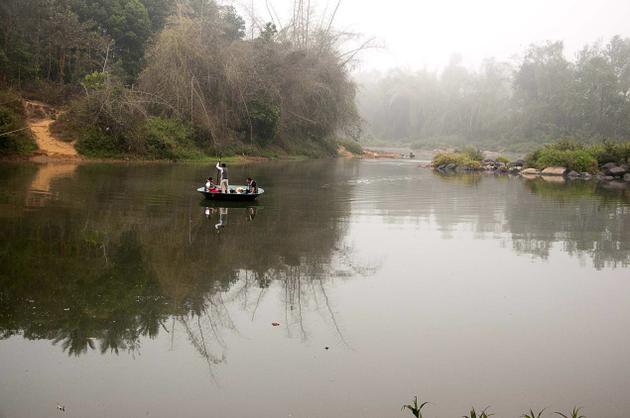
When we were there recently, the river was fairly shallow but coracles bearing locals drifted along its length to the various villages. We too twirled down the river in a coracle to the riverside village of Karadigodu, with trusty Ganesh, when the fragrance of freshly-baked local bread wafted over the slowly-awakening hamlet. Children were getting ready for school, cramming into an auto rickshaw that doubled as a school bus, while grandmothers packed tiffin boxes with lunch for their men-folk on their way to work in the coffee plantations. Mothers swung infants on ample hips and waved to older children heading for the nearest college, heaving backpacks on frail backs.

The village has an aura of sleepy prosperity. / Photo: Gustasp and Jeroo Irani / The Hindu

The village had an aura of sleepy prosperity. Neat little cottages were strung in rows, painted in vivid shades of pink, purple, mauve and green and, in some, TV sets played out the latest South India soaps. We stopped at a local stall (grandly called The Riverside Hotel) for some South Indian filter coffee, fresh sweet bread and smoke-flavoured onion bhajias that had just been whipped off a wood fire. And in front of the village flowed the mercurial Cauvery which, when it is in spate, can break its banks and flood the hamlet and the first row of houses! Yet when we took part in harvesting coffee berries in a plantation, we began to understand how the locals feel an almost mystical attachment to the river.

“Without the river and the land that it waters, we are nothing,” said one of the women coffee pluckers whose nimble technique of prying coffee berries off the bush, we tried hard to imitate. “Ma Cauvery is our goddess!” she exclaimed.

After coffee harvesting ends in February, pepper is culled and so it goes on till June when, with the rains, the Cauvery brims with revitalising waters again, the soil sprouts anew and the cycle of life is renewed.

We met the river goddess again in Kabini, a three-hour drive away, past fields of ripening corn, sugar cane and paddy. The forests of Nagarahole were a dark-green tangled smudge beyond the coiling river Kabini which, incidentally, is a tributary of the Cauvery!

As our boat put-putted down the Kabini that circles the south-eastern edge of the Nagarahole National Park, we saw a couple of wild elephants, long tusks grazing the ground, a marsh crocodile sunning itself on a bank, as still as a log of wood, an iridescent kingfisher that dived for his meal and emerged triumphant. All around us was a world as fresh as at the dawn of time and we thanked Ma Cauvery for her life-nurturing presence which even embraces the wilderness.

source: http://www.thehindu.com / The Hindu / Home> Features> Sunday Magazine / by Gustaspjeroo Irani / July 13th, 2013

Nishan to romance Keerthi

nishanKF05aug2013
Geethanjali :

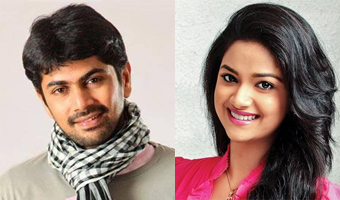
Actor Nishan will romance Keerthi in the upcoming film Geethanjali. The film is directed by Priyadarshan and has Mohanlal doing the role of Dr Sunny, a psychiatrist. Nishan will be the second lead after Mohanlal in the film.

The actor is elated that he has bagged a role in his favourite director Priyadarshan’s film and is looking forward for the shooting to begin.

source: http://wwwq.nowrunning.com / Home> Malayalam / Monday – July 15th, 2013

Kodagu Mahila Sangha conducts free health camp in city

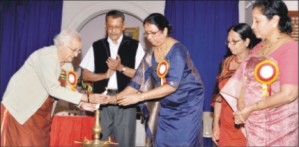
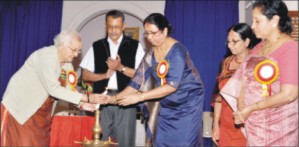
Sree Kaveri Kodagu Mahila Sangha’s Advisor Parwati Cariappa (extreme left) and Sangha President Sarasu Nanaiah are seen lighting the lamp at the inauguration of the free health camp in city yesterday as chief guest Dr. P.A. Kushalappa, Sangha Organising Secretary Gowri Mandanna and Hon. Secretary Lovely Appaiah look on.

Mysore :

A free health check-up camp was held under the aegis of Sree Kaveri Kodagu Mahila Sangha at the Kodagu Sahakara Sangha premises in Jayalakshmipuram yesterday.

The camp was inaugurated by dermatologist Dr. P.A. Kushalappa and Mahila Sangha’s Advisor Parwati Cariappa.

The health camp was held in memory of late Ursula Kariappa, wife of Karthamada Kariappa.

Sangha President B. Sarasu Nanaiah presided. Hon. Secretary P. Lovely Appaiah welcomed.

A large number of people availed of the opportunity at the camp in which Physician Dr. Latha Muthanna, Dr. Padmini Kaveriappa, dentist Dr. Manasa Sendil, Paediatrician Dr. Jyotsna Prasad, Dr. P. P. Aiyanna (Ayurveda), gynaecologist Dr. Kamalamma, orthopaedic surgeon Dr. Ajay Hegde and Dr. Rajesh of Vasan Eye Care participated.

Sangha Vice-President Bollamma Appanna and the guests presented mementos to the doctors who participated in the camp.

Treasurer Jyothi Kashi, Joint Secretaries Bollamma Kuttappa and Kavya Kuttappa, Organising Secretaries Gowri Mandanna and Sumi Gopal and other members were present on the occasion.

source: http://www.starofmysore.com / Star of Mysore / Home> General News / July 29th, 2013

Mangalore University to offer five new courses

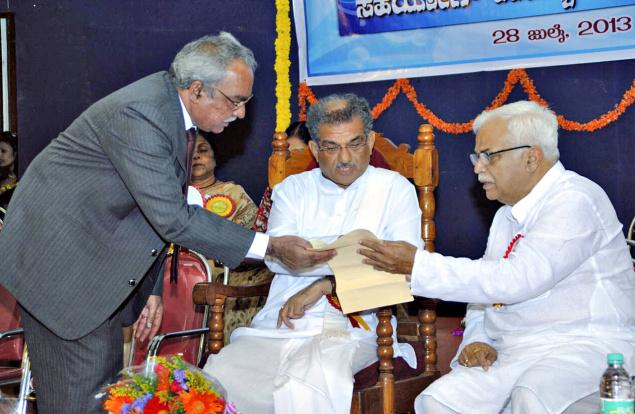
Vice-Chancellor T.C. Shivashankara Murthy, Dharmasthala Dharmadhikari D. Veerendra Heggade, and Higher Education Minister R.V. Deshpande at inauguration of a job fair at SDM Business Management College in Mangalore on Sunday. / Photo: H.S. Manjunath / The Hindu

Extend last date for admissions for the courses till August 15, says Minister for Higher Education and Tourism R.V. Deshpande

Minister for Higher Education and Tourism R.V. Deshpande said here on Sunday that the government has permitted Mangalore University to offer five new courses, including post-graduate, diploma and certificate, from the academic year 2013-14.

Addressing presspersons, the Minister said the university has been permitted to offer post-graduate courses in Bharatanatyam (Master of Arts) and Food Science and Nutrition (Master of Science), certificate courses in radioisotopes in biological science and visual arts, and diploma and post-graduate diploma courses in Kodava language and culture.

Field Marshal K.M. Cariappa College, a constituent college of the university at Madikeri, would offer the diploma and post-graduate diploma in Kodava language and culture. Any other colleges affiliated to the university can come forward to offer the two post-graduate courses. The certificate courses would be offered by the university.

Mr. Deshpande said that as the admissions for the current academic year at the university would close on July 31, he had directed the university to extend the last date for admissions for the five courses until August 15 as they were sanctioned recently.

According to P.S. Yadapadithaya, Registrar (administration) at the university, the University Science Instrumentation Centre (USIC) on the university campus would offer three-month certificate course in radioisotopes in biological science. N.G. Pavanje Chair in Fine Arts, an endowment chair, would offer a 16-week certificate course in visual arts. The diploma and post-graduate diploma in Kodava Language and Culture were of one-year duration each. The college would also offer a six month-certificate course in Kodava Language and Culture. The post-graduate courses were of two-year duration, but the university would not offer them in the current academic year.

Another official at the university said the university was yet to receive the formal approval letter to this effect from the government.

LOAN MELA

Mr. Deshpande said that 53 lakh students aged between 18 years and 25 years were out of higher education in the State and only 17 lakh were pursuing further studies. To increase the enrolment ratio of youth to higher education, the government would organise educational loan melas to provide financial support to youth to purse higher education. He did not make it clear when and how many such melas would be organised.

Earlier, he addressed a gathering at a job fair organised by the Department of Collegiate Education to graduates of government degree colleges of Dakshina Kannada, Udupi and Kodagu districts in the city.

source:http://www.thehindu.com / The Hindu / Home> News> Cities> Mangalore / by The Hindu, Special Correspondent / Mangalore – Julu 29th, 2013

Off the beaten track in Somwarpet

A nondescript town in the lap of the majestic Pushpagiri mountain, Kumarahally’s geography makes it the perfect place to look for some solitary adventures, writes B V Prakash

Not all those who wander are lost, said a great man once; it surely must be the love of adventure. During my latest visit to Coorg, I decided to give the usual sights a miss and filled with an urge to explore the unseen, I deviated towards Somwarpet to drive through the primitive villages spread across the mountain ranges of the majestic Pushpagiri.

The destination was the nondescript town of Kumarahally. Also called Kumarally (in short), this town has nothing to boast of as a tourist destination; it is just one of the many small towns with similar names such as Shantalli, Kundalli, Bidalli and Bachalli through which one has to pass. However, it serves as a good base from which you can foray into a couple of interesting and exciting locales.

Leaving Somwarpet by afternoon, I headed north-west, breezing past the lush coffee estates and the green fields shining bright in the afternoon sun. After about five kilometres, a deviation to the left led me to a rustic settlement. Named Abbi Matha, this settlement is a religious place where devotees come for worship. But for others, it is a popular picnic spot thanks to the presence of the Abbi Matha Falls. The two-tier cascade may not steal the show, but it is impressive in its austere simplicity — surely an interesting diversion to break the 20-km journey to Kumarally. A dilapidated mutt premises can be visited here. Getting back on the track, I continued my journey towards Kumarally; the remaining journey was covered in half an hour and before dusk, I had reached my destination. The homestay at Kumarally — there is only one — is the ideal place to spend the night before exploring the locales nearby.

The nearest and most sought after sight here is the enchanting waterfalls of Mallalli. If you take the kuchcha road that goes beside the homestay, within a little less than three kilometres, you reach the famed waterfalls. However, driving on the slippery muddy stretch into the valley is indeed a torture. Mornings are the ideal time to visit the falls which are a sight to behold during sunrise. So at dawn, while still dark, I headed for the falls. After driving two kilometres on the treacherous path, I chose to walk the remaining way which proved to be a pleasant experience thanks to the fresh air and the sweet call of the birds. As I reached the edge of the wide gorge, I was left dumbfounded by the sheer beauty of the white cascades rolling down gently. I had all the time in the world to admire its beauty and also walk down all the way to its base.

From the front, the two distinct falls, each with its own form, appeared even more charming. The river Kumaradhara, which flows from here, tumbles down over short drops at a couple of places before joining the Netravathi at Uppinangadi. Rejuvenated from the astounding beauty in front of me, the tough climb back hardly mattered. On the way, I remembered the suggestion of my host Ponnappa and traced a trail through the coffee estates to see an unknown little falls which he said was called the mini-Mallalli falls.

Back at the homestay, after relishing a typically Coorgi breakfast of Votti (rice chapathi) and a cup of refreshing coffee, I drove up to Heggademane, a sleepy town six kilometres away. These places are familiar to trekkers as the trek to Pushpagiri begins from here. But you don’t have to be one to enjoy the panoramic view of the tall rounded peak rising into the blue sky from a lush forest. The Shantamallikarjuna temple here is worth visiting. In recent times, it has undergone a thorough improvement. The 850-year-old Champaka tree in the backyard is something that must not be missed.

Another interesting spot nearby is a hilly tract called Pattepare, which has some strange heaps of stones. Placed in triangular cairns of pebbles with a small opening, these were used as hideouts by erstwhile soldiers in times of battles, according to Ponnappa. There are also caves with narrow entrances. Though the whole place looked bizarre, it did evoke a feeling of belonging to a bygone era. With the sight of the mountain peak, the charming falls, the temple and clusters of age old cairns, Kumarally had me captivated.

How to get there

Kumarally is 20 kilometres from Somwarpet which is well connected with other cities. Though buses go to Kumarally it is easy to visit the spots with own transport in a day. The only homestay here provides food and accommodation.

source: http://www.deccanherald.com / Deccan Herald / Home> Supplements> Spectrum / by B V Prakash, DHNS / July 30th, 2013

Kodagu Mahila Sangha conducts free health camp in city

Sree Kaveri Kodagu Mahila Sangha’s Advisor Parwati Cariappa (extreme left) and Sangha President Sarasu Nanaiah are seen lighting the lamp at the inauguration of the free health camp in city yesterday as chief guest Dr. P.A. Kushalappa, Sangha Organising Secretary Gowri Mandanna and Hon. Secretary Lovely Appaiah look on.

Mysore :

A free health check-up camp was held under the aegis of Sree Kaveri Kodagu Mahila Sangha at the Kodagu Sahakara Sangha premises in Jayalakshmipuram yesterday.

The camp was inaugurated by dermatologist Dr. P.A. Kushalappa and Mahila Sangha’s Advisor Parwati Cariappa.

The health camp was held in memory of late Ursula Kariappa, wife of Karthamada Kariappa.

Sangha President B. Sarasu Nanaiah presided. Hon. Secretary P. Lovely Appaiah welcomed.

A large number of people availed of the opportunity at the camp in which Physician Dr. Latha Muthanna, Dr. Padmini Kaveriappa, dentist Dr. Manasa Sendil, Paediatrician Dr. Jyotsna Prasad, Dr. P. P. Aiyanna (Ayurveda), gynaecologist Dr. Kamalamma, orthopaedic surgeon Dr. Ajay Hegde and Dr. Rajesh of Vasan Eye Care participated.

Sangha Vice-President Bollamma Appanna and the guests presented mementos to the doctors who participated in the camp.

Treasurer Jyothi Kashi, Joint Secretaries Bollamma Kuttappa and Kavya Kuttappa, Organising Secretaries Gowri Mandanna and Sumi Gopal and other members were present on the occasion.

source: http://www.starofmysore.com / Star of Mysore / Home> General News / July 29th, 2013

The house with a storybook view

Jade Hill cottage
Jade Hill cottage

Every home is born first in the imagination, in the longing for the culmination of a dream. Only in some homes, the dream-like quality never really leaves, long after the walls have sprung up and every roof tile, every brick, pillar and window has found its place. The first time you see the Jade Hill cottage in Coorg, it is easy to disbelieve your eyes. So is there a house, really, atop a steep hill, shinning in the evening wilderness like a jewel? Well, yes, there really is.

But before we trek towards the home, it is time for a flashback. As narrated by architect Kavya Thimmaiah Prasanna, “My dad (Rajyutsva award winning architect HC Thimmaiah) was orphaned at an early age. He and his three siblings spent their childhood between various relatives’ houses in Coorg, the one constant being their grandmother. Her death split up the family and dad moved to Delhi, then Mumbai and finally to Chennai for his first job. One of the first architects to come from Coorg, he finally moved to Bangalore where he set up his own practice and started his life. But always, there was a hankering for what he had lost. The childhood home among the coffee plantations that he enjoyed so fleetingly. So 40 years after he left Coorg, when he got the opportunity to build a hill home, it was the culmination of a life-long dream, something he had always yearned for, without even admitting to it.”

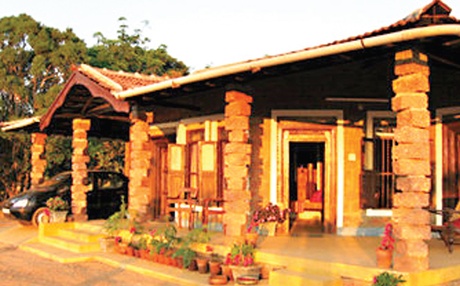
So that then is the history of Jade Hill, the house on top of the mountain that HC Thimmaiah built with his daughter. The cottage, when you reach it, spreads out languidly as if it were part of the hill rather than built on it. And that is because the Thimmaiahs used stone and laterite found in the region and kept the structure organic and simple with a wrap around verandah where the design quirk is the twisted brick pillars. The flooring throughout the house is red oxide though it isn’t just red but blue and yellow and green and embedded with decorative tiles.

Part of recreating nostalgia was to literally salvage it, so Thimmaiah sourced doors and windows and a lot of wood and even tiles from old traditional homes that were being demolished all across Coorg. Kavya says, “Yes, my parents decided to use only recycled materials in the construction. Scrap-yards were scoured and doors, windows and pillars bought in a decrepit state and refurbished lovingly. Hundred-year old tiles for the roof and burnt-orange, laterite walls completed the construction.” To keep the house as green as possible, the use of new wood was kept to the minimum and concrete built-ins were created to serve as beds while a few pieces of antique furniture lend a sense of history.

Even in the bathroom, a mosaic was created out of broken tiles that would have been thrown away otherwise. Building the house though was not easy. Recalls Kavya, “When my parents bought a piece of land in this remote, relatively unknown part of Coorg, most people thought that they were plain crazy. Who would want to live in a village so windy that it was called Galibeedu or ‘Windy Village’? A place with rainfall so high, that nothing grew on the slopes? Least of all, that Coorg staple, coffee. To a Kodava, any land that coffee can’t be grown on is pretty much useless. ‘If you must build a house there, don’t build on top of the hill,’’ they said and added, ‘Build it in the valley, where it is sheltered, and to hell with the view!’’ But my dad, the recalcitrant person that he is, said, “Top of the hill and nowhere else.’’ So top of the hill it was. A house built into the hillside, overlooking the valley, with a deck facing a storybook view and sunsets.”

Most visitors couldn’t locate the house at first. Says Kavya, “This house with the old doors and windows couldn’t be it, they thought. One visitor even went around the back, searching for the ‘new’ house till we had to tell him that this was it! Many years and monsoons later (there were dire warnings of monsoons so severe that they would blow the tiles off the roofs), the house stands as proudly as before. Resorts and home stays have sprung up in and around Galibeedu and this once forgotten place now commands one of the highest, real-estate values in Coorg. For us, the house on the hill has become a favourite family getaway. Sitting on the deck, watching the sun set over the green forests below, we can’t imagine the house being anywhere else.”

But more than just making an architectural statement, the house, says Kavya, represents the history of a man, “who left Coorg penniless, and returned proudly to re-claim a part of it. On his terms, beholden to no one.”

(Reema Moudgil is the author of Perfect Eight, editor of unboxedwriters.com and an RJ)

source: http://www.newindianexpress.com / The New Indian Express / Home> Education> Student / by Reema Moudgil – Chennai / July 22nd, 2013

Where myth, history and beauty meet

A blend of mythology, history and scenic locales, Madikeri is every traveller’s dream. Nothing like a weekend trip here to rejuvenate your tired soul, writes Swapna Dutta

It is a sluggish, cloudy morning. We are on our way to Madikeri, a place known for its calm, cool, peaceful and pollution free atmosphere. The very word Coorg spells wooded slopes and colourful scenery. Also, coffee and cardamom; black pepper and honey. The landscape is somewhat rugged but the misty mountain ranges that comprise ridge after ridge of lush, green forest reaching out to the bright blue sky is a sight to behold. The road is remarkably smooth and well-maintained and we are hardly aware that we have been climbing up steadily. It is easy to understand why Coorg was one of the places the British chose to settle down and continued to occupy it for over a hundred years; it was their ‘ Scotland of India’.

Madikeri, the charming capital of Coorg district, is located at an elevation of 1,525m above sea level. As we look around, breathing in the refreshing mountain air, we see the red-tiled bungalows that dot the hillside and a bustling market place at the heart of the city. There are acres and acres of tea and coffee plantations, orange groves, and undulating paths — all in all, a breathtaking view. The place also has a distinct old world charm about it.

Madikeri or Mercara, as it was called earlier, was founded in 1681 by Muddu Raja, a prince from the Haleri dynasty. It was originally called Muddurajakeri and was later shortened to Madikeri. Apart from being one of the most picturesque hill stations in South India, it is also the place from where the river Cauvery originates. It is generally believed that Coorg was ruled mainly by chieftains and local princes until the 17th Century. A number of inscriptions and copper plates found in different parts of the state denote that it was under different dynasties at different times; the Gangas, the Haleris, the Kadambas, the Cholas, the Kongalvas, the Changalvas, the Hoysalas and the Nayakatas being the most prominent ones among them.

The main sights of Madikeri town include the charming well-tended park in the heart of the city known as the Raja’s seat. It is said to be the place from where kings watched the setting sun along with their queens. The pavilion offers a gorgeous view of towering hills, green valleys full of paddy fields and forests and the road that looks like a curved ribbon lying way down below.

We next visit the Omkareshwara temple built by Lingarajendra Wodeyar II in 1820. The temple that has a beautiful tank in front is a mixture of Gothic and Islamic architecture. The Madikeri fort, an imposing structure that can be seen from almost the entire town, was originally built as a mud fort by Mudduraja along with a palace in the 17th Century. It was later rebuilt with granite by Tipu Sultan. When the British took over, they added a portico and a clock tower to the building. The fort building now houses a prison, a temple, a chapel, a museum and assorted government offices.

There are a number of tombs and memorials of historical importance in Madikeri. There is the Raja’s tomb which is a beautiful structure. The others comprise the tombs of Lingarajendra built in 1820 by his son, the tomb of a royal priest Rudrappa built in 1834 and the tombs of two brave soldiers who died fighting with Tipu Sultan.

The next day we make our way to the Talacauvery, located 44 km away from Madikeri on the slope of the Brahmagiri hills where the Cauvery originates. It is one of the important sacred places in Karnataka and is always full of pilgrims.

The place is marked by a tirtha kundike or a tank where the river emerges as a perennial spring and flows underground again, emerging a short distance away. From Talacauvery there are steps leading to the peak of the Brahmagiri from where one can get a panoramic view of the whole place.

How to get there

Madikeri does not have an airport; the nearest one is in Mangalore from where one can hire a taxi to get there. KSRTC runs a number of buses to and from Madikeri which are quite comfortable. Depending on where you live, hiring a taxi or going by car is also a good option as it is difficult to find local transport for sightseeing. From Bangal­ore it takes just under six hours to get there.

Stay is not a problem as there are a number of budget hotels, homestays, medium range and luxury hotels as well as resorts. But it is always advisable to book in advance as the place could well be full of tourists and pilgrims just when you plan to visit it.

source: http://www.deccanherald.com / Deccan Herald / Home> Supplements> Spectrum / by Swapna Dutta / July 16th, 2013