Actor Varsha Bollamma is looking forward to the release of her Wednesday’s release “Swathi Muthyam”.
Actor Varsha Bollamma is back in the reckoning with her upcoming film Swathi Muthyam. Also starring Ganesh Bellamkonda, the film showcases Varsha as Bhagyalakshmi, a teacher, who is a stickler to perfection. Varsha says it is the most relatable character in her career.
“I come from Coorg, a village in Karnataka. Usually, people from villages look naive, but their actions seem dominating. What if such people come across a small news, they gossip over it and blow it out of proportion. Likewise, my character of Bhagyalakshmi will be in control of things and act in a similar fashion. Besides my character, all other characters have got depth and freshness throughout,” says Varsha.
The concept of Swathi Muthyam is set against the background of sperm donation and infertility. But Varsha asserts that the film has no similarities with Vicky Donor. “Although the story revolves around sperm donation, the treatment is completely different. While Vicky Donor is all about convincing a woman, our film deals with a big family and their taboo. The presence of actors Goparaju Ramana and Naresh makes the film stand out among the recent hits,” she adds.
Ever since her debut in Chusi Chudangane, Varsha seems to have little inclination towards middle-class stories. “I am an over ambitious actor, who wants to strike a chord as a performer.
I feel Middle Class Melodies has brought me immense recognition as an actor and it’s only because of that film I have landed this project. I don’t have inhibitions to portray different roles, but I think people like to see me in traditional or girl-next-door roles. Given an opportunity, I want to play a negative role on the lines of Ritesh Deshmukh in Ek Villain,” reveals the actor.
Up next, Varsha is paired opposite Sandeep Kishan in Ooru Peru Bhairavakona. “It’s a supernatural thriller, which shows me in a new avatar. I am also in talks for a couple of projects, which will be finalised soon,” signs off Varsha.
source: http://www.newindianexpress.com / The New Indian Express / Home> Nation> Entertainment> Telugu / by Murali Krishna CH / Express News Service / October 04th, 2022
Team Lanke is all excited about the release of their film which is slated for September 10. Directed by Ram Prasad M D, the film will see Loose Maada Yogi back in screen after a long time.
The movie also sees Coorg lass Krishi Thapanda pair with Yogi for the first time. Krishi who had earlier acted in films like Akira and Kannadakkagi Ondannu Otti, is much excited about this film and says she’s looking forward to the feedback from fans.
Lanke has already created a lot of hype on social media and its teaser and trailer have fetched an amazing response.
Based on a real-life incident, Lanke is an out-and-out commercial flick and Ram Prasad is confident that it will find favour amongst viewers. With Kavya Shetty, Suchendra Prasad, Sharath Lohithashwa and Danny Kuttappa also amongst the cast, the film seems promising say fans. Lanke which has music by young composer Karthik Sharma, has been produced by Surekha Ram Prasad and Patel Srinivas under The Great Entertainment banner.
source: http://www.freepressjournal.in / The Free Press Journal / Home> Entertainment> Regional-film-news / by FPJ Web Desk / September 06th, 2021
The family entertainer, written and directed by Lakshman K Krishna, releases on October 5.
Varsha Bollamma
Swathimuthyam, the family entertainer that hits screens on October 5, is the second theatrical release for Varsha Bollamma after Stand Up Rahul. She is yet again placed in her comfort-zone in the film, a girl-next-door character Bhagyalakshmi, a government teacher, who falls in love with an innocent guy. She opened up about her experiences in a chat with the media earlier today.
Varsha admits that Bhagyalakshmi is a slightly dominating character in comparison to Ganesh’s part in the film. She says there’s an innocence to the latter while Bhagyalakshmi has the upper hand in the relationship. While the film interested her initially for the banner Sithara Entertainments, she fell in love with the story once director Lakshman K Krishna gave her a narration.
Being a teacher in the film didn’t require her to do any prep and the Coorg girl mentions that she enjoys being in the company of children who’re upto some frolic. “I totally enjoyed the experience. Though there may a strictness to Bhagyalakshmi, she’s a fun-loving girl at heart.”
The sperm-donation angle to the film may remind many of Vicky Donor but Varsha insists this is a different film and largely a family entertainer. “I am not allowed to talk much about it now but you’ll realise it when you watch it in theatres.” She tells that Swathimuthyam is a film that’s quite close to reality and every character has significance in the story.
The film will stand out for its treatment and she gives this stamp of assurance being a small-town girl herself. “Swathimuthyam is mostly set in a village where they make a mountain hill out of a mole. The families will relate to the the conflicts in the story and fall in love with it. This is an out-and-out entertainer with terrific performances by Naresh, Rao Ramesh and Goparaju Ramana.”
While Varsha was expecting to guide her co-star and debutant Ganesh during the shoot, she was surprised by his preparedness. “He understands the ways of the industry and didn’t at all behave like a newcomer.” She informs that Lakshman K Krishna is a good writer and exudes the same warmth and innocence that the story requires. Her next release is Ooru Peru Bhairavakona alongside Sundeep Kishan.
source: http://www.ottplay.com / OTT Play / Home> News / by Srivathsa Nadadhur / October 03rd, 2022
Gulshan Devaiah says he has navigated his way through the industry with sincerity, though times were testing and sometimes money–for projects he didn’t want to do–too tempting.
Gulshan Devaiah recently starred in the MX Player series Shiksha Mandal. (Photo: Gulshan Devaiah/Instagram)
In 2012, Gulshan Devaiah bagged the best debut Filmfare nomination for three diverse films Dum Maaro Dum, Shaitan and That Girl in Yellow Boots. His jubilation turned into a heartbreak when, despite the range of his performance on display, he went home without a trophy. Something fundamentally started shifting within the actor.
He realised that his love for his art should be without the expectation of a reward. That he shouldn’t look down upon others success. That he cannot fall prey to conspiracy theories in the industry about how things work– or don’t. That–despite his much loved and acclaim film with Vasan Bala six years later–Mard ko dard Nahi Hota.
In an interview with indianexpress.com to promote his latest MX Player show Shiksha Mandal, Gulshan Devaiah says he is a changed man today. He is not bitter, but grateful. He is grounded, but ambitious. And what still irks him the most, is the conversation about meritocracy in Bollywood.
Edited excerpts:
What about a project makes you think you can invest your time and energy in as an actor?
I am particular about choosing a project because it has to really, genuinely interest me. I don’t want to do projects just because they make me enough money to pay bills. Some say, ‘One for dill one for bill’. I am not criticising that, but I don’t ever want to be in that position where I am doing things just for the money. Characters and stories interest me. Sometimes it’s also about collaboration, like I wanted to work with Taapsee Pannu so one of the big reasons to do Blurr was that.
What caught your attention about Shiksha Mandal?
I liked that it was well researched about education scams. There has been no resolve to this, this stuff keeps happening, the nexus keeps going. It affects a lot of us. There is a misplaced anger about meritocracy in Bollywood. But meritocracy can’t exist in arts because you can’t measure an arts performance, can’t measure how beautiful somebody’s voice is. It is a subjective opinion.
In the case of an entrance exam scam, people work really hard, they burn the midnight oil, they prepare and then behold, there’s a scam. Then the deserving candidates are not picked because somebody else you know, cheated the system. So that way I found relevance in this story.
When it comes to misplaced anger about meritocracy in the industry, there is a section which gets easy access due to the backing that they have. Isn’t there a parallel with the ‘cheating the system’ argument of yours?
No, it is very misplaced. I’ll make it very simple. It’s a race, 10 people are running and in 100 meters you have to cross the line. You can measure who crossed the line first. But anything in arts–a performance, how beautiful a painting is, how good somebody’s poetry is– it is immeasurable. It’s always a perception. What is measurable is majority consensus or box office success. Which is a flawed standard of measure. Out of 10 people, we want all 10 to like us, to think that we are great.
If people have certain access to something, then it’s a privilege that exists. Of course, there are power structures and where there is this, there is politics. Power structure can be terribly beneficial also, but it can also have corruption all over. But to say only deserving people should… How can you decide who’s more deserving? There’s a flaw in the system. I would like to get opportunities and sometimes I get them and many times I don’t. But that’s how anything in the arts will work. Some people will be more fortunate than the others and there will be privileged. But you can’t make it about merit. I always have a problem with that.
Have you ever been at the receiving end of power play or politics because you don’t come from privilege?
In a few instances, I thought I may have been. I was of course upset. But I am not going to carry that poison in my vein and let it ruin my life.
You said you don’t do projects for money. But isn’t good money a temptation? Has there never been a point where you felt if I do this project, it can get me a bigger house, car?
Absolutely. I’m trying to buy a house and I’m short, so definitely the temptation is always there. The carrot is always juicy, but I have somehow managed to not bite it. This is also a business and I’m learning. I come from a background where I was doing business and was not very good at it. I’m still not very good at it but you have to learn how to manage your affairs, make money. I have set certain restrictions for myself. I don’t want to monetize my social media, I don’t want to do ads, I don’t want to do television, I don’t want to do voice acting.
Which means long formats are the only way I can run my thing. How do I make the best of it? This whole thing about market value is perception. One producer will think, ‘Why are paying Gulshan so much?’, the other producer I may be able to convince them to pay me a certain amount of money. It’s how you do business. It’s a game of perceptions. So here I am, accepting the game of perception trying to do my best in a sincere and authentic way.
Why have you put these restrictions on yourself?
It’s also fun to have restrictions. You can’t achieve anything new, fantastic and satisfying if it’s easy, right? The truth is I’m not interested in any of the other things. I never dreamt about being in ads or being on TV. I only dreamt of being in the movies and I would consider series format as movies too.
It’s been more than a decade for you in the industry. If you look back, what is your key takeaway about the industry and the way you’ve navigated your way?
I didn’t know anything. I knew how to act. I had to learn how to negotiate my way. I had to learn how to manage rejection. I had to learn how to hustle. I’m not really a hustler, but to some extent you have to when it’s absolutely required. And again, the whole thing about the game of perception, meritocracy and I was like everybody else, ‘How come they are getting all these opportunities? they are sh*t.’ But after a few years, my perception changed.
I’m not bitter. I’ve seen so many bitter people talk ill about everybody behind their backs in front of their faces and I figured that I don’t want to turn like this when I’m old. I didn’t want to be this bitter guy, because it didn’t make me feel nice about myself at all. It’s been a very satisfying journey. I’m very happy. I’ve achieved all of this because of good fortune and some wonderful people who have helped me and given me great opportunities. When I got these opportunities, I made good of them, I was ready for them. Could I have been successful? Yes, of course. Will I be more successful in the future? It’s very possible.
If at one point you felt how were others getting those opportunities despite not being good, when did the shift happen when you were at ease?
It started happening when I didn’t win the Filmfare award for best debut, I was nominated! Everybody has one film mentioned under the nomination, I had three (Dum Maaro Dum, Shaitan & That Girl in Yellow Boots). But I didn’t win. After that I was gutted, like what the hell is going on? Of course you hear all sorts of conspiracy theories. Friends, foes and everybody says, ‘Oh, it was fixed’ but it started to affect me.
I (realised) I can’t live like this. I don’t care if it was fixed or not, I care about how I am feeling about these things. It’s making me feel bad, I have to learn how to deal with it. It took me some time, maybe a few years, but because I was aware of it, was observant, I tried to fix it. I made sure this is not going to be poison in my veins because it will destroy me.
source: http://www.indianexpress.com / The Indian Express / Home> Entertainment> Bollywoood / by Justin Joseph Rao / Mumbai- September 29th, 2022
Although less glamorous than those made with pork, fish and prawn pickles, varieties made with vegetables require time, and silence, to attain their flavour.
Courtesy Kaveri Ponnapa
There’s been a change in my kitchen lately. Every now and then, I find myself surrounded by heaps of rock salt, spices, jars and baranis (glazed earthenware crock pots with lids), entering into a frenzy of activity, gripped by pickle mania. Not that I haven’t made pickles and enjoyed the process before.
But it tended to be all about what I call the “glamorous” pickles: pork, fish and prawn, which are ready to eat practically as soon as the spices and oil are mixed in. These are big, dramatic pickles, which can be served as a significant part of a meal, each one practically a dish by itself. They are very tasty, and friends always quickly claim bottles.
I loved to hear how one particular friend, taking a bottle of my fish pickle home for the first time, opened the lid, inhaled, and began eating pieces of pickled fish with her fingers, barely managing to save some for everyone else in her family.
Long haul
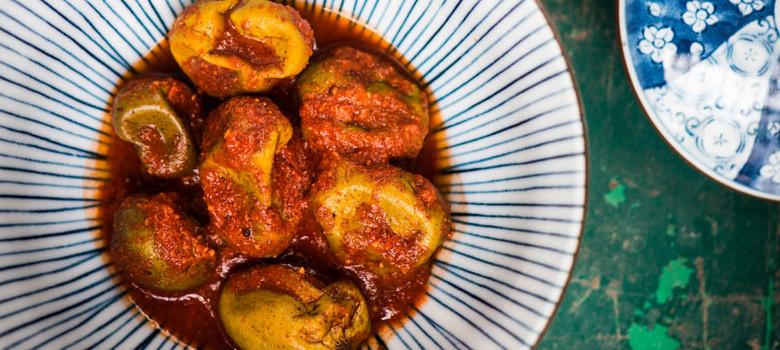
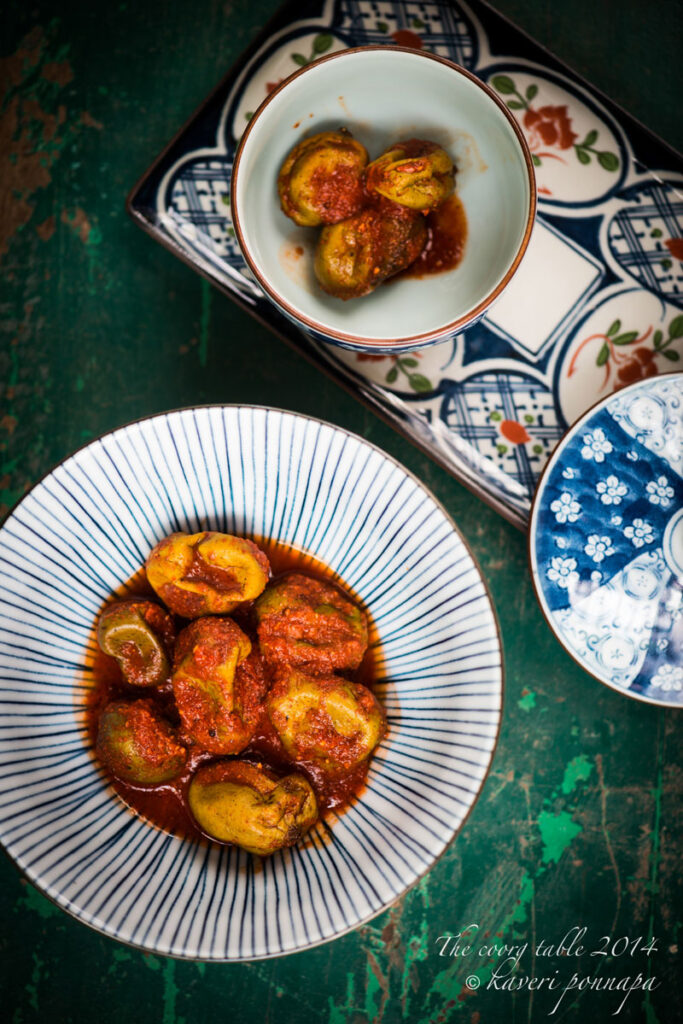
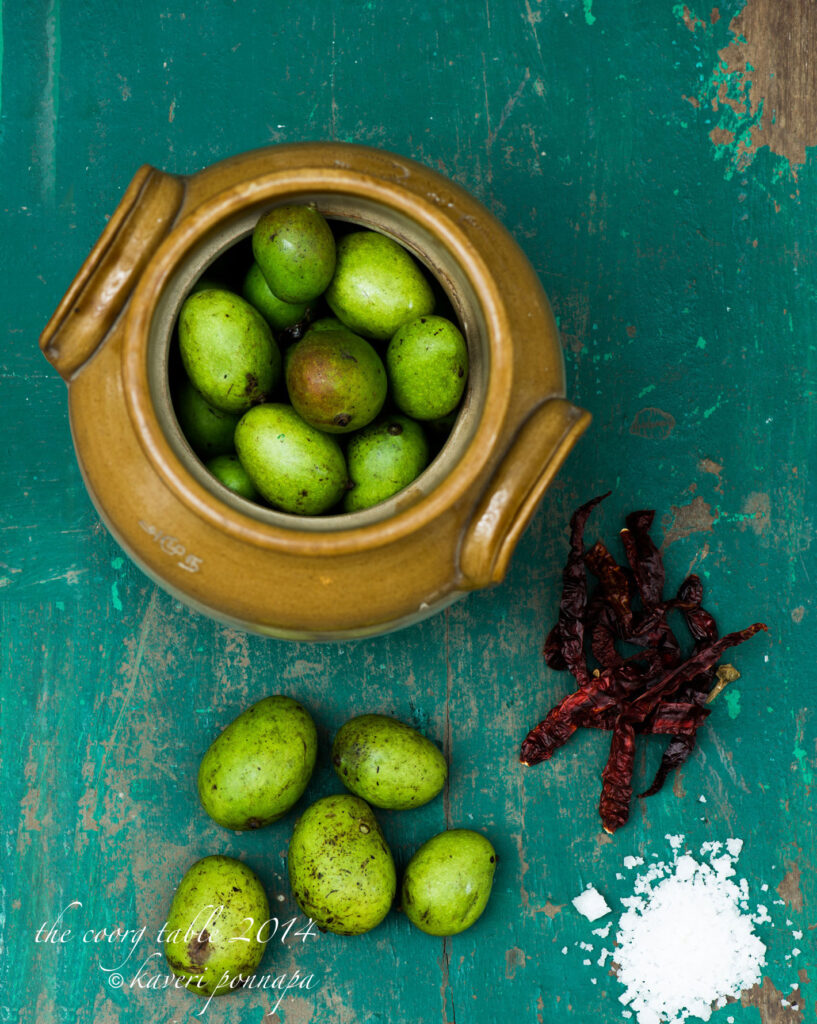
But there are the other traditional pickles from Coorg – briny, fresh-flavoured, sour, infused with sparingly used spices: wrinkled hog-plums; crunchy bamboo shoots with green peppercorns; local limes; wild mangoes; bitter oranges and much more. These pickles take their own time to mature, for the spices to take hold of the fruit, and invariably, they get better with age.
Much as I loved them – most times much more than all the meaty pickles – so long as someone gave me a bottle or two every year, it did not seem so important to make them. The truth of the matter is I did not have the patience for this kind of pickle. The kind that took days and weeks of your time, demanded attention, and did not yield instant results, and seemed altogether too complicated.
What’s happening in my kitchen right now is something quite different. Presented with bags full of various kinds of fruit from Coorg, I find myself looking at them through new eyes, and plenty of gratitude. I feel a great reluctance to waste the abundance of a season and gifts from friends. I find myself becoming miserly about wasting even a single fruit, sifting and sorting through piles again and again, knowing that every one of the them can serve a purpose.
So I decided to try my hand at salting, brining and preserving. A series of long-distance phone calls to friends who are expert pickle makers, and I found myself on my way down an unfamiliar road. A very unfamiliar one, as I soon discovered, because being experts, my friends forgot to tell me many things about how the ingredients would behave.
Making pickles with fruits and vegetables is an inexact process, a narrative or story that you make up as you go along; one that refuses to be bound by precise measurements, instructions or recipes. There were disasters – like the first time I placed wild mangoes carefully in brine and covered the jar with a lid, not realising that the fermentation process would send up gasses that needed to be released. After a couple of messy explosions and overflows, I figured that I needed to leave the jar partially open or, better still, tie the neck with a muslin cloth.
It also took a day or two to work out that the fruit needed to be weighted down to keep it submerged; otherwise, it floated up in the brine and displaced quantities of it, which dried into extremely pretty crystals on my black stone floors – but that’s neither here nor there.
All photos: Courtesy Kaveri Ponnapa
Very soon though, a beautiful rhythm set in: sorting, washing, sunning, wilting and brining fruit; watching and waiting for the right moment to add the spices, followed by more waiting, as the pickles matured. Peering at the bottles day after day for any signs of change – and there always was: a slight bubbling; a deepening of colour; a change in the texture of the fruit.
Salting was equally fascinating. I loved picking up fistfuls of rock salt crystals, and layering fruit and salt until the jar was full. Then the wait, as the salt slowly drew moisture from the fruit, turning it wrinkled and leathery, while the liquid levels rose and rose.
Company of silence
Pickle making requires patience and silence – in fact, the belief is that speaking while working, ruins the batch. If you begin to really immerse yourself in it, it is a deeply satisfying and contemplative activity. It sets you thinking about how important it once was to preserve food and flavours to tide you over the bleak monsoon months, to stretch out one season across another.
In a day and age of shop-bought wonders, where you can pick up jars and jars of every imaginable pickle, year round, off supermarket shelves, we’ve almost forgotten how exquisite the taste of a cherished, home-made creation can be, and the community it creates through exchanges and gifts from the kitchen.
Salt is the essence of a pickle, an ingredient that we have learnt to love since civilisation began, one we cannot do without: “There is no better food than salted vegetables”, says an ancient Egyptian papyrus, confirming how long we have loved this mineral. Just think of what a wicked little mango or a sharp slice of pickled lime can do for you: it can liven up the most ordinary meal, sharpen your appetite, excite your palate, send your mind spinning with emotion, and conjure up your native soil in one bite.
Even after the spices have melted into your food, flavouring it deliciously, you can wander around with a left over, tiny mango or slice of lime. When you suck on it, it reveals its true, salty heart and shouts out a flavour so intense that it makes your senses sing and your nerves tingle.
Nostalgia trip
Alone in your kitchen, with fruit, salt and spices, there is plenty of space for your mind to wander and often, it drifts back to the past. Not so long ago, preparations for a wedding always brought a promise of pickles. A friend, neighbour or relative would drop by, and pledge a certain number of bottles of a special pickle for which she was justly famous. A few weeks before the event, she would come by again, carrying precious bottles wrapped in newspaper.
There was always an air of ceremony about these exchanges; as aunts and grandmothers chatted over coffee and mid-morning treats the bottles were unwrapped, carefully counted, and stashed away with their companions, and meticulous mental notes made, to reciprocate at an appropriate date. I never really noticed, but it was always aunts, mothers-in-law and grandmothers who arrived with those bottles; and the same women packed those bottles for us when we left for college, or married and went to live elsewhere.
All the women you remember, who made the most wonderful pickles, were never very young. Suddenly, you realise that the supply of homemade pickles has diminished; and when you look around, that comforting buffer of generous, older women is very small. You are aware that without any warning, abruptly, you are the age that your aunts once were, when the gifts of bottles of pickles came to you in such plenty.
Is there such a thing as the right age at which to be making pickles? I don’t really know, but I love where I am and what I am doing right now.
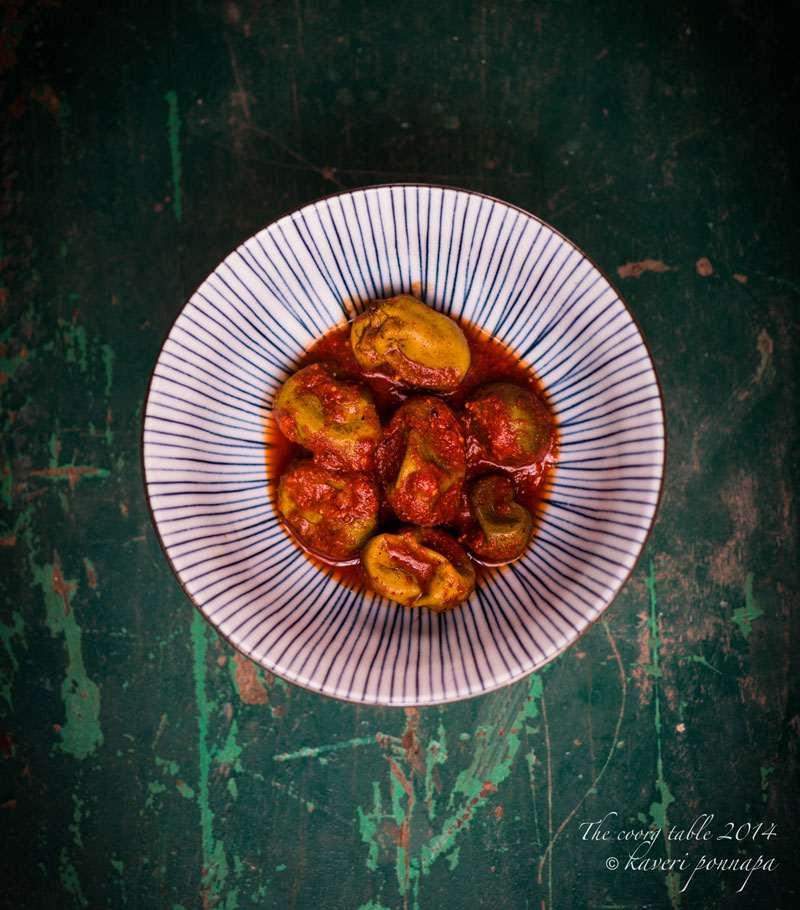
Kaad Mange Para: wild mangoes
This is not an exact recipe, as there are so many variables involved. But the general guidelines are accurate enough for you to experiment and make your own version of an absolutely delicious pickle, which will last you for a full year, if not longer. Take 70 to 80, small, unripened wild mangoes, and wash them in salted water.
Wipe and pat them dry, and place in a large stainless steel platter in the sun for two to three days, until they wilt, and begin to look slightly wrinkled. Roast about 500 gm non-iodised rock salt on a clean tava for a few minutes. Allow it to cool; gauge the amount of water you would need to cover water to cover the mangoes, and make a brine solution with the roasted salt. Allow the solution to cool overnight.
The next day, place the mangoes in a clean, dry jar, and pour the brine over it. You may need to place a weight, such as a ceramic saucer, or a small ceramic bowl to keep the mangoes immersed in brine. Tie the mouth of the jar with a clean muslin cloth. Set it aside for seven to eight days.
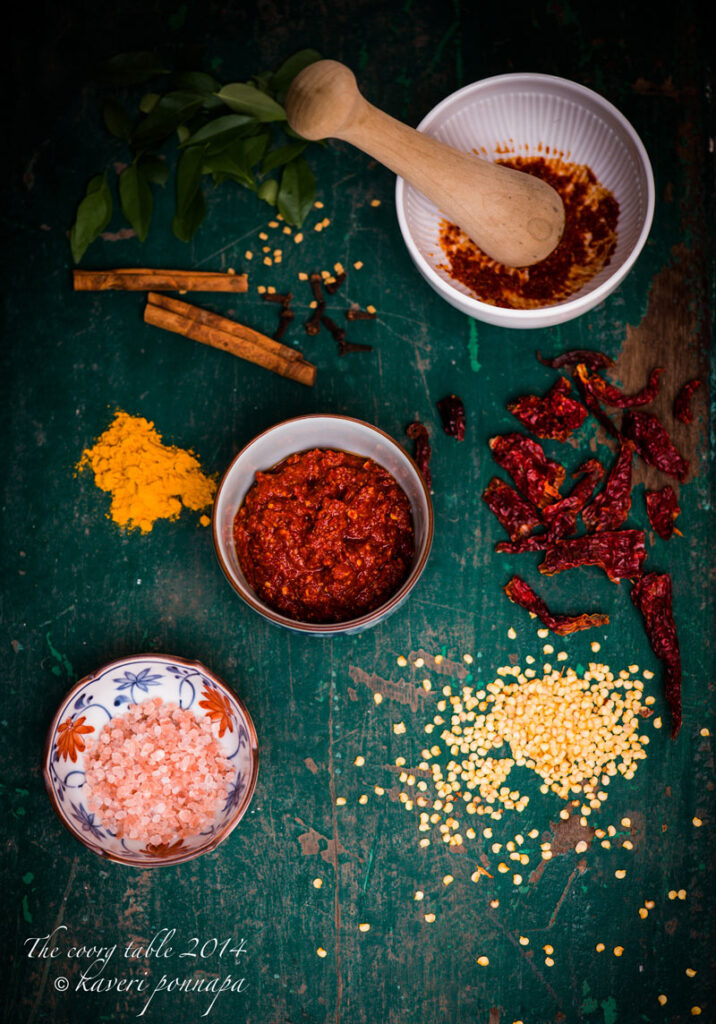
The mangoes will begin to get a wrinkled appearance. Take about 400 gm of baidige chillies, pound, break and de-seed them. Retain some of the seeds. In a small quantity of oil, fry the pounded chillies, cloves, cinnamon, fenugreek seeds, turmeric, according to taste. Dry roast a spoonful of sugar on a tava. Pour out just enough of the brine from the mangoes to grind all the roasted spices to a fine paste.
You can add some of the chilli seeds if you wish to have a spicier pickle. Mix the spice paste thoroughly with the mangoes and the remaining brine. Ensure that all the fruit is well covered with the spice paste and liquid. Store for about 20 days or longer, to allow it to mature and steep in the spices, before eating.
This article originally appeared on the writer’s blog, kaveriponnapa.com.
source: http://www.scroll.in / Scroll.in / Home> In a Jar / by Kaveri Ponnapa / August 05th, 2015
Meghalaya’s Shillong and Karnataka’s Coorg are similar, says Ratan Bhattacharjee
Coorg
One of the most popular poems by Wordsworth is ‘The Solitary Reaper’ about a highland girl reaping the harvest in a pasture in Scotland with a song on her lips. This is a familiar sight for a visitor to Shillong or Coorg.
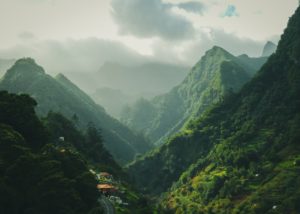
Shillong is the 330th most populous city in India with 143,229 people according to the 2011 census. It is said that the rolling hills around the town reminded the British of Scotland. So did Coorg down south in Karnataka. They found the mist-laden pastures of Shillong and Coorg to be the closest to the paradise they knew back home and began referring to these two hill stations as the Scotland of the East.
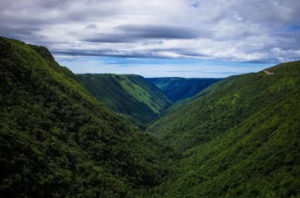
There are indeed many similarities between Shillong, Meghalaya’s capital, and Scotland. Shillong’s landscape is beautified with rolling, cloud-kissed hills bestowed with lush greenery. It is often difficult to tell Scotland from Shillong from photographs without any captions. One has to take a backseat in a car on the roads to Cherrapunji, Mawlynnong and the curvaceous Shillong Bypass and let the hair flutter in the breeze and draw in the hypnotic sub-Himalayan panorama. The glittering waterfalls along the roads and the lakes in and around Shillong – boating on Umiam or Ward’s Lake is otherworldly – have a stunning resemblance to those in Scotland. Then there are several places untouched by mass tourism where you can pitch a tent and connect with nature. Shillong and Scotland also have culture connect – the Scottish are as colourful as the Khasis and are proud of their heritage.
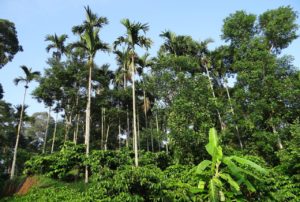
Located along the Western Ghats, Coorg is a coffee-producing hilly area well-known for its jaw-dropping scenery and opulence. This misty landscape nurtures a rich culture and a unique clan – the Kodavas who are specialised in martial arts and are widely known for their hospitality. Heavenly Coorg is ideal for lazing around or going on a challenging trek or indulging in an adventure at Abbey Falls or relishing the spicy curries and the heart-melting handmade truffles.
Shillong
Coorg is also called Scotland of India because of its hills – Karkala, Savandurga and Nodda – lording over the coffee plantations. They are lush green mountains of foggy rolling hills with miles of walking trails. The climate is as cool as in Shillong, albeit a shade warmer than in Scotland. Madikeri or Mercara, the headquarters of Coorg is a beautiful hill town. The Chiklihole Reservoir is a wonderful place far from the madding crowd. The Dubare Elephant Camp will please wildlife enthusiasts as much as the Harangi Dam or Honnamana Kere Lake. Kotebetta is the third highest peak in Coorg. Mallalli Falls is one of the best places reminding at every moment of the beauty of the Scottish Highlands or Elephanta and Seven Sisters Falls in Meghalaya.
Coorg is the coffee cup of India and there is no doubt that the people there have Celtic roots, as their traditions and rituals reflect. They celebrate many festivals such as Makar Sankranti, Ugadi and Easter. The locals celebrate Christmas by lighting candles in their homes. The traditional dress of the Coorgis is similar to the Scottish kilt. Their attires have interesting patterns and designs. The cuisine of Coorg, like Shillong’s, has something in common with Scottish dishes made from pork and beef.
Coorg is also home to some magnificent forts and palaces that date back to the medieval era. These structures are a testament to its rich history and culture. One of the most popular forts in Coorg is the Madikeri Fort. Mudduraja, the prominent Haleri king built this fort in the 17th century. It is made from granite and features several turrets and bastions. The British army rebuilt this imposing structure in the late 1800s, and it now serves as a hotel and museum. Other notable colonial bungalows include the Raj Bhavan (Governor’s House) and the Deva Raya Paana (Toddy Tapper’s House). The British built them between the 18th and 19th centuries.
Like Shillong, Coorg is known for its “perfect weather” in spite of the incessant rains. The temperature is mild and comfortable, and the weather is usually sunny with a few scattered showers. This makes Coorg a popular tourist destination like Shillong, especially during the summer months. Coorg and Shillong are also connected to Scotland through the celebration of music in its many forms. All are great hosts of music festivals.
That’s astounding nature, as many would say. Just like Shillong and Coorg that find so many points of commonality, other places in India find resemblances with foreign destinations too. Some of them to find appropriate mentions would be Andaman and Nicobar Islands and Phi Phi Islands, Thailand, Gulmarg, Jammu and Kashmir and Switzerland, Gurudongmar Lake, Sikkim and Jökulsárlón Lake, Iceland, Thar Desert, Rajasthan and Sahara Desert, Africa and Chitrakote Falls, Chhattisgarh and Niagara Falls. There are many more, as travel enthusiasts would enlist them. However, it resounds that scenic beauty in India is infinite beginning with Shillong, itself.
Just like the Scottish hold immense pride in their culture, land and its people, similarly, the Khasis of Shillong, and the Kodava’s of Coorg hold their culture and indigenous identities in high regard, worshipping their ancestors and preserving their folklores.
Julia London once said about Scotland: “There are few places in my life that I’ve found more ruggedly beautiful than the highlands of Scotland. The place is magical – it’s so far north, so remote that sometimes it feels like you’ve left this world and gone to another.” This holds true for Shillong and Coorg too.
(Ratan Bhattacharjee is a contributor at The Shillong Times)
source: http://www.theshillongtimes.com / The Shillong Times / Home> Sunday Pullout / by Ratan Bhattacharjee / September 25th, 2022
The Karaga Utsav of Madikeri Dasara will be inaugurated at 5 pm today at Pampinakere in the town.
The Karagas of Sri Kundurumotte Chowti Mariamma, Sri Dandina Mariamma, Sri Kanchi Kamakshiamma and Sri Kote Mariamma will be decorated with flowers and the Madikeri Dasara will be officially launched by offering pujas to the four Karagas.
The Karagas will be brought to Bannimantap, where special pujas will be performed and later, pujas will be performed at Sri Kodandarama Temple, Sri Chowdeshwari Temple and Pete Srirama Temple.
Madikeri MLA M.P. Appachu Ranjan, DC Dr. B.C. Satish, Madikeri CMC and Dasara Committee President Anitha Poovaiah, Working President K.S. Ramesh, General Secretary Rajesh Yallappa and others will be present.
source: http://www.starofmysore.com / Star of Mysore / Home> News / September 26th, 2022
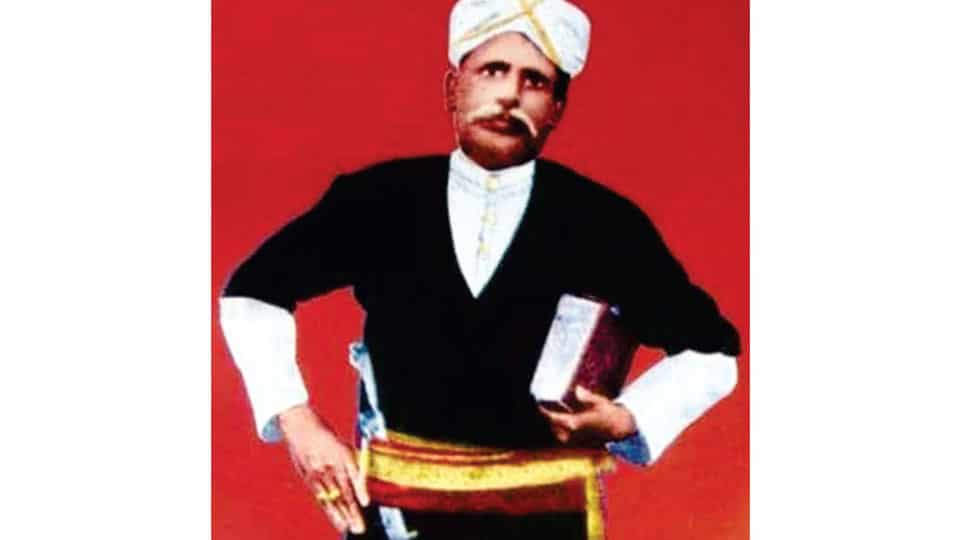
Maintaining that Haradasa Appacha Kavi was a great Kodava poet and Philosopher who followed ‘Dasa Parampare’, Rangayana Director Addanda C. Cariappa said that the Kodava community should press the Government for the establishment of Appacha Kavi Study Chair in University of Mysore.
He was speaking at Appacha Kavi birth anniversary celebrations organised by Mysuru Kodava Samaja at Field Marshal K.M. Cariappa Community Hall in Vijayanagar here recently.
Asserting that Appacha Kavi’s poems, plays and other writings were worth a study by the Kannada literary world, Cariappa argued that the Study Chair will largely help in carrying forward the rich legacy left behind by the great poet, to future generations. Kodava Samaja should exert pressure on the Government for the setting up of the chair, he added.
Continuing, Cariappa said no one should forget that Appacha Kavi was the first Indian playwright to adapt the mythological Yayathi story into a popular play. Appacha Kavi, who studied only till fourth standard, became a Sanskrit scholar and wrote exemplary plays. Through his memorable and magnificent writings, he came to be known as Kalidasa of Kodagu, he observed.
Stating that Appacha Kavi, who was born on Sept.21, 1868, was known as a Poet-Saint, he regretted that it is unfortunate that the Kannada literary world is yet to accept him and there are also no serious discussions on his plays, poems and other works. This may be because that most of his works are in Kodava language, he opined.
Celebrating the great poet’s birth anniversary as ‘Kodava Sahitya Day’ is just not enough and it should be celebrated in a more purposeful manner to attract the attention of the entire State, he added.
Artist Nellamakkada B. Kaverappa, who is also the Founder-President of city’s Bharani Art Gallery, spoke on the life and works of Appacha Kavi.
Mysuru Kodava Samaja President Mechanda Shashi Ponnappa welcomed. Kodava Samaja Cultural and Sports Club President Kuttimada D. Muthappa and others were present.
source: http://www.starofmysore.com / Star of Mysore / Home> News / September 26th, 2022
The Annual General Body Meeting (AGM) of Kodagu Sahakara Sangha for the year 2021-22 will be held at the Sangha premises in Jayalakshmipuram on Sept.25 at 10.30 am.
Sangha President A.C. Nanjamma will preside.
On the occasion, the children of Sangha members who have excelled in the 2021-22 examinations by scoring high marks will be felicitated.
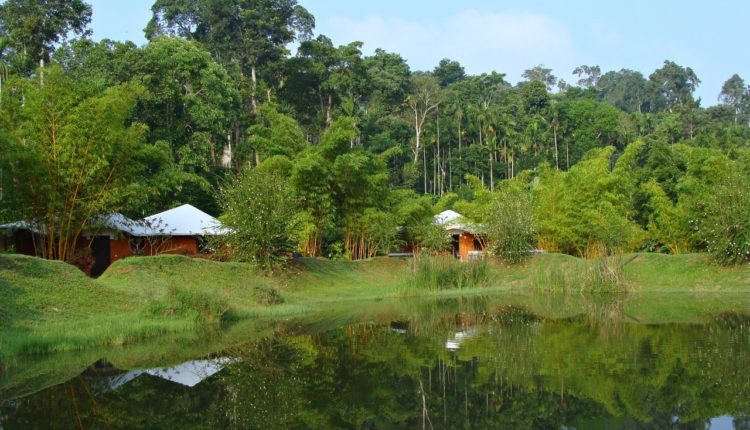
Imagine staying in a beautiful property near the tributary of a river in a picturesque location of a village. The thought itself is so tranquil, imagine the level of tranquility the stay would offer. Well, this imagination can turn into reality.
All you have to do is pack your bags and travel to Coorg. Yes, Firefly by the river is a lovely Coorg Homestay which lies right beside Harangi river and in the middle of a bamboo forest. Keep reading to know more.
Firefly By The River, A Coorg Homestay
Nina and Captain Prio Chaubey are a Bengaluru based couple who built this Coorg Homestay in the most scenic location.
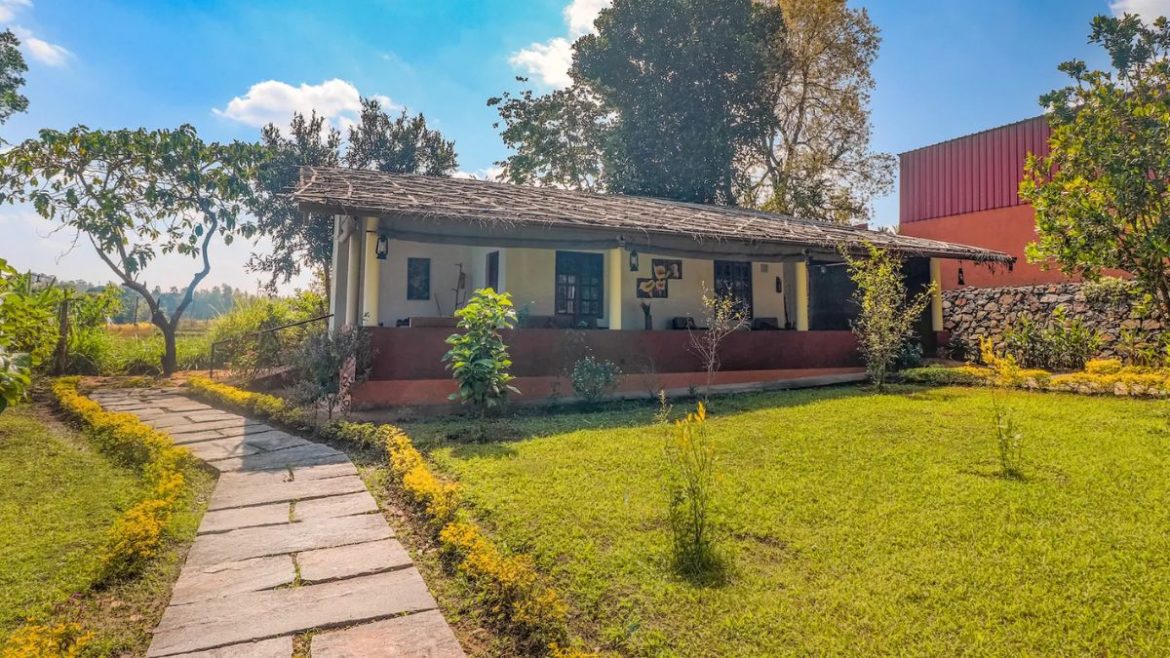
Firefly by the river offers an experience of waking up in a room which is surrounded by coconut, cinnamon, and betel palm trees, paddy fields, orchards, and coffee and pepper farms. It has 5 double rooms which are rustically designed with earthy colours to keep the soothing vibe intact. The lovely garden room has its own private entrance. The two superior and two deluxe rooms are designed as two separate cottages. The rooms have wooden closets, luxury mattresses and are super spacious. There is a hammock placed just beside the river for you to relax.
Satiate Your Taste Buds With Delicious Coorg Delicacies
Near the well is an elegantly designed common area right in the centre of this Coorg homestay where you can relish meals. You can sit back near the river listening to the sound of water as you enjoy delicious food.
The food is customised as per the taste palate of the guest keeping their preferences in mind. All the meals are prepared using local and fresh ingredients.
The property manager, Rithvik is a local from Coorg and serves meals which are experimented out of his Grandma’s recipes. The food is cooked by the locals using local spice mixes, who are hired for the same. Delicacies like Pandi Curry , Akki Roti, Coorg-style River Pomfret, Nool Puttu, Coorgi mutton pulao and their special south indian breakfast.
So make sure to consider this place in Coorg for you next close to nature stay !