Category Archives: Arts, Culture & Entertainment

Koothi — a self-sustaining village in Karnataka’s Kodagu

‘One for All, All for One’ is the motto driving Koothi, a settlement in Kodagu district, which has a lesson or two to teach in self-governance.

Madikeri : 

In the sylvan vistas of Kodagu stands a village, small, yet tall and proud. As one approaches Koothi, as this village is known, it becomes certain that this self-sustaining microcosm of fraternity, self-reliance and equality, has stood the test of time to create a system of self-governance, keeping its residents in a state of well-being and independence.

“The soul of India lives in its villages,” observed Mahatma Gandhi. Living this thought, Koothi’s vision for self-governance, while maintaining its democratic and just values, is a unique study into the concept of decentralisation.

About 53 km from district headquarters Madikeri, one is welcomed into Koothi by a vast ground that hosts a community hall and the grama samithi (village committee) building. As one proceeds further, neatly laid-out estates and houses form the heart of this settlement. The village, primarily composed of Vokkaligas and members of Scheduled Castes, symbolises cohesion and belonging. What one finds even more extraordinary is that Koothi abides by its own set of administrative rules and regulations, untouched by modern policies and laws. 

“Since ancient times, the grama samithi has been in existence to ensure development and well-being of the village. Any problem or dispute is resolved within the village and our unity is our strength,” explains Mohan MD, president of the Koothi Village Committee.

While Koothi does fall under Tolurushettalli Gram Panchayat, it nevertheless has its own village committee. The village has three sub-villages – Hosmane, Dinekere and Kerekoppa. Once every two years, four villagers are nominated from the sub-villages, who form the committee.

Further, the president and vice-president are elected by the nominated members and this non-political team ensures overall development, welfare and safety of the village. The committee meets at least once every month. “There are over 160 houses and over 600 residents in the village. At least one member from each household must attend the meeting. Anyone who fails to be present is fined,” Mohan adds.

(From left) Lakshmikantha, KT Joyappa and Mohan MD, in
Koothi village | Express

Further, the committee holds the important responsibility of maintaining cordial relations between all the villagers, and any dispute is first heard by it. “There are less than a handful of instances when villagers have approached the court or police. Most of the disputes, including property or family rifts, are resolved within the village,” mentions KT Joyappa, former president and a consultant of the committee.

Dispute redressal is very systematic. An application is first forwarded to the committee, which is addressed during the meeting. After the hearings from the parties involved, the dispute is resolved amicably.

“In case of a property rift, committee members visit the spot for an inspection. The committee possesses detailed land survey documents of the entire village. Further, witnesses are heard in favour of both parties. Following this, the issue is heard during the meeting and a judgment passed after consulting and taking into account the facts fulfilled by a majority of the villagers. It is not just the committee members’ decision, but a collective judgment of the village,” states Mohan.

Rarely, there have been instances when a few villagers have moved court against the committee’s decision. “But in all these cases, they have returned to abide by the decision of the committee. While court hearings take years, a dispute addressed by the village committee finds closure in about two meetings,” shares Lakshmikantha, secretary of Someshwara Yuvaka Sangha.

Meanwhile, all proceedings are recorded in a ledger, safely preserved in a secure locker at the committee office. “No matter what, the proceedings recorded in the ledger are not shared with anyone – not even the police,” says Mohan.

The village committee has a separate bank account to collect fines. “The massive committee office and the community hall were built using funds collected by the committee. For the hall which was built over two years ago, each household contributed Rs 17,000. We aim to become self-reliant in all ways and the unity amongst us helps achieve the same,” shares Mohan.

Thanks to its novel, yet time-honoured approach to self-governance, the Koothi Grama Samithi has won accolades from the government too. While villagers from the interior have to frequent the taluk offices for paperworks, officials visit the village as and when summoned by the committee. 

Koothi’s social milieu
There is an interesting regulation that forbids marriage between residents of the same village. “All of us in the village are like siblings. We have grown up together as blood relatives and hence, from the times of our ancestors, marriage between men and women from the same village is forbidden. Anyone violating this norm is fined,” confirms Lakshmikantha.

Any death in the village is mourned by one and all. The victim’s family is spared the duties and expenses, as every household donates a log of wood to set the pyre and all arrangements at the village graveyard are made by villagers.

source: http://www.newindianexpress.com / The New Indian Express / Home> States> Karnataka / by Prajna GR / Express News Service / October 17th, 2022

75 years of Independence: What independence means to stylist Prasad Bidapa and model Irene Augustin

Stylist Prasad Bidapa and model Irene Augustin talk about what Independence Day means to them and how they plan to celebrate it.

75 years of Independence

From the chance to indulge in a long weekend to celebrating national pride – each of us has a different meaning for Independence Day. Taking a cue from this, we talked to two celebrities in Bengaluru about what Independence Day means to them and how they plan to celebrate it.

For city-based Fashion choreographer and stylist Prasad Bidapa, Independence Day is an occasion to honour our freedom fighters. He said, “What is Independence Day without remembering all the great men and women who have fought for our independence?” He extended his gratitude towards freedom fighters, from Mahatma Gandhi and Rani Laxmibai to Subhash Chandra Bose and many other unsung heroes, whose contributions have guaranteed the liberty with which we walk as free citizens of this nation.

In a similar spirit, Bengaluru-based model Irene Augustin expressed her gratitude towards the freedom fighters who had sacrificed their lives to safeguard our liberty. When asked about her plans for the day, she said, “I’m gonna be celebrating Independence Day by hoisting the flag in the morning and going to work and following my passion because I can do that. Thanks for the freedom fighters and thanks to being independent.”

source: http://www.indulgexpress.com / The Indulge Express – The New Indian Express / Home> Culture / by Prattusa Mallick / August 15th, 2022

Mysuru Kodava Samaja Annual General Meeting On Sept. 18

The Annual General Body Meeting (AGM) of Kodava Samaja will be held on Sept.18 (Sunday) at 10.30 am at Gurumane Hall of Kodava Samaja, Vijayanagar 1st Stage  in city.

Samaja President Mechanda M. Shashi Ponnappa will preside,  according to a press release from Samaja Hon. Secretary Mukkatira B. Jeevan.

source: http://www.starofmysore.com / Star of Mysore / Home> In Briefs / August 18th, 2022

Annual Meeting And Get-Together Of Gokulam Kodava Sangha Held

Mysore/Mysuru:

The 16th Annual General Body Meeting (AGM) and get-together of Gokulam Kodava Sangha was held on Aug. 7 at Kodava Samaja (Ground Floor), Gen. K.S. Thimayya Road, Vijayanagar 1st Stage, Mysuru.

Sangha President Nayakanda U. Appaya presided. On the occasion, Sangha members’ children who have excelled in the field of education and achievers were felicitated.

Sangha Secretary Mynda-panda A. Thimmanna read the annual report while Treasurer Chendanda Navin Aiyappa presented the financial report.

On the occasion, Ammatanda K. Chinnappa was unanimously elected as the new President of Gokulam Kodava Sangha.

Annarkanda Prathima Thimmaiah compered and conducted games along with Pulianda Narien Uthaiah.

Committee Member Bollachanda Jhansi Subbaiah rendered the invocation. The get-together concluded with a cultural programme by Prathima and troupe which enthralled the gathering.

source: http://www.starofmysore.com / Star of Mysore /Home> News / August 18th, 2022

CM Releases Rs. 1 Crore For Madikeri Dasara

Gonikoppa Dasara gets Rs. 50 lakh

Bengaluru:

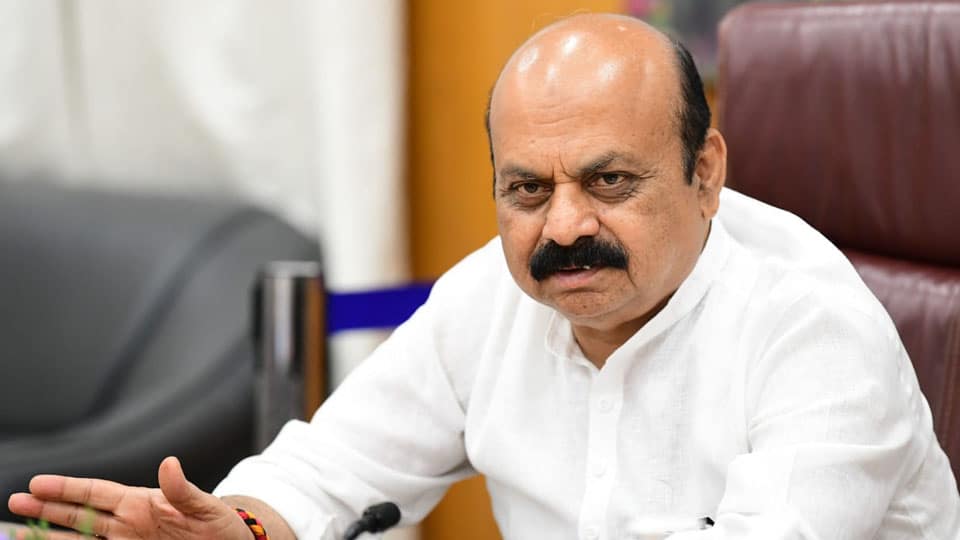
Chief Minister Basavaraj Bommai has released a grant of Rs. 1 crore towards the celebration of Madikeri Dasara.

MLA M.P. Appachu Ranjan had requested the Chief Minister to announce funds for Madikeri Dasara and the CM subsequently recommended the Finance Department to release the grants. The CM also released Rs. 50 lakh for Gonikoppa Dasara.

The Dasara Committee, which was facing a fund crunch as there was no significant contribution from people or corporates, is elated by the grants and is planning to celebrate the festival in a grand manner.

A delegation led by Virajpet MLA K.G. Bopaiah met the CM yesterday in Bengaluru and requested him to sanction funds which were agreed upon.

Gonikoppa Sri Cauvery Dasara Committee Honorary President and former ZP Member C.K. Bopanna, B.N. Prakash, Gonikoppa Sri Cauvery Dasara Committee President Ramakrishna and General Secretary Jimma Subbaiah were present.

source: http://www.starofmysore.com / Star of Mysore / Home> News / August 18th, 2022

Entries Invited For Kodava Samaja Scholarship And Felicitation

Kail-Poldh get-together on Sept. 11

Mysore/Mysuru:

The Annual Kail-Poldh Festival get-together will be held on Sept. 11 (Sunday) from 9 am to 5 pm at Kodava Samaja premises in Vijayanagar 1st Stage here.

The day-long programme comprises Ayudha Puja, Sports and Games, Lucky Dip, Honouring eminent Kodavas and distribution of Scholarship to meritorious children.  In all, 42 scholarships will be awarded to Kodava students who have studied in Mysuru and passed the respective exams.

Details of Scholarship:

Highest scorers in final exam of 7th Std., SSLC (English), SSLC (CBSE), SSLC (Economically Weaker Section), PUC, BA, B.Com., B.Sc. (Computer Science/Maths), BBM, MBA, Law, MA, M.Com., M.Sc., (PCM/CBZ); BE, BE (Mech), BE (Arch), BE (Computer Science), BDS, MBBS, B.Sc./M.Sc. (Ag.), Diploma in Commercial (Secretarial) Practice,
Best sports students in PUC; CBSE XI & XII and ICSE I & II; SSLC (CBSE)

Highest marks in Science; PG in Medicine, MD or MS;

Achievers in Sports at State-level, Graduation in Home Science or Hotel Management; Highest marks in SSLC for Kodava Police Family, Sportsperson in Kodava Police Family representing University of Mysore, must be Kodava Samaja Members.

Applications for the award of Scholarship and Honouring of eminent Kodava Members of Samaja for their achievements in various fields should be sent to  Hon. Secretary, Kodava Samaja, Mysuru, to reach before Sept. 2 by 5 pm along with Xerox copies of relevant marks card, certificates, family name and contact phone/mobile number.

source: http://www.starofmysore.com / Star of Mysore / Home> News / August 17th, 2022

Saving Kodava takkë

A new bilingual title of 21 poems deep-dives into the culture and literature of Coorg, hoping to become a tool to revive their language after UNESCO listed it as a Definitely Endangered Language.

Saving Kodava takkë
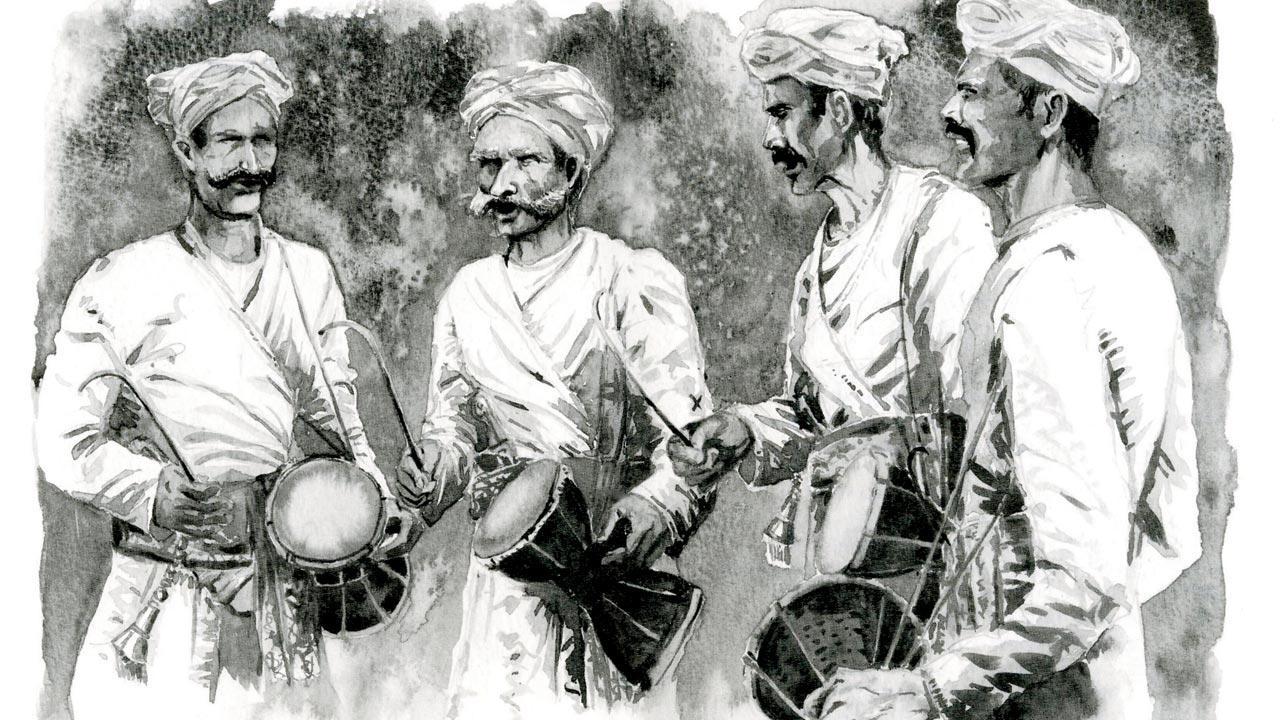
Duditaptkaras, bards of Kodagu, singing traditional songs of the land

“Come and see the ainmanes of old where our ancestors lived as one.”

This line is extracted from Ainmane, a poem in A Place Apart: Poems from Kodagu, by Bacharanianda P Appanna, is dedicated to one’s ancestral home and sums up the core of this seminal literary project. For the first time, poetry by this authority on Kodava takkë (language of the Kodavas) has been translated and transliterated into English by cultural researcher Kaveri Ponnnapa. Apart from home, family, culture and tradition, forest and prayer are the other subjects from everyday life that find their way here.  

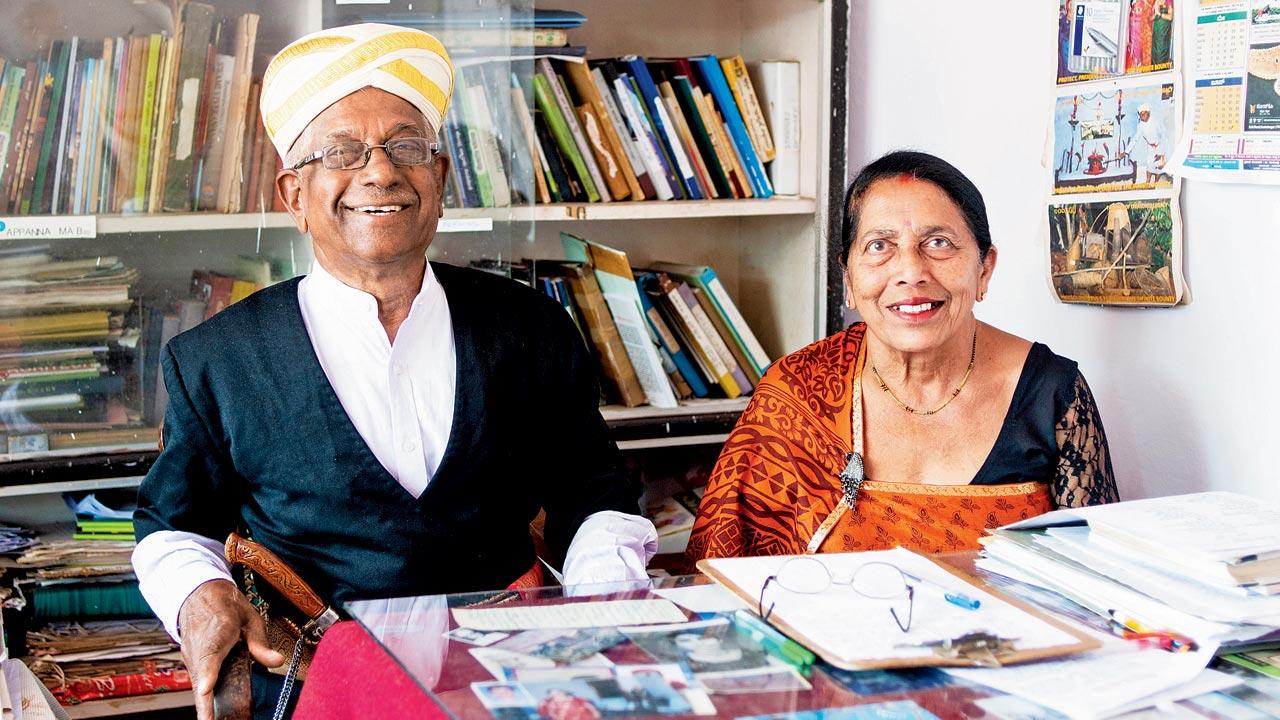
The language spoken by an estimated 1.25 lakh Kodavas, it was listed by UNESCO as a Definitely Endangered Language. With her studied knowledge, Ponnapa swung into action to resurrect the language of her community. She collaborated with Appanna and his wife Ranu, an educator and poet, and together they released this ode.
In the transliterations that appear in the third section of the book, Ponnapa uses the Roman script to relay Appanna’s poetry and creates an exhaustive glossary, thereby paving the way to familiarise it to the larger audience. This was after she realised that it was easy to read for Kodava speakers like her and those with limited or no knowledge of the Kannada script. The accompanying illustrations by Rupesh Nanaiah act as cultural markers of identity and though they are not directly illustrative, the essence of what it means to be Kodava reflects through this seamless symphony of poetry and art, making each poem read like a love letter about the land and its people.

Edited excerpts from an interview with Ponnapa.

What led to Kodava takkë being identified as one of UNESCO’s listed Definitely Endangered Languages of the world? 
There are multiple, complex reasons why our language finds itself in this position today, including the lack of good educational facilities and economic opportunities for Kodagu [Coorg], its people. The young continue to migrate out of the district. When this happens, there are far greater pressures for them to learn and use a dominant language such as English to secure their place in a new environment. Historically, the Kodava population has been extremely small. This kind of migration for an already small population implies that ultimately, we have an even smaller number of speakers.

The second contributing factor is that ours was an oral tradition. The historical method of oral transmission broke down to be replaced with formal education using the Kannada script, which was then also used to write Kodava takkë. It has limited the expansion of the language to those with access to a Kannada education. The diaspora in particular, who do not have the opportunity to learn Kannada, have no access to written works in their language which would enrich and expand their knowledge of Kodava takkë and encourage them to keep up with their mother tongue.

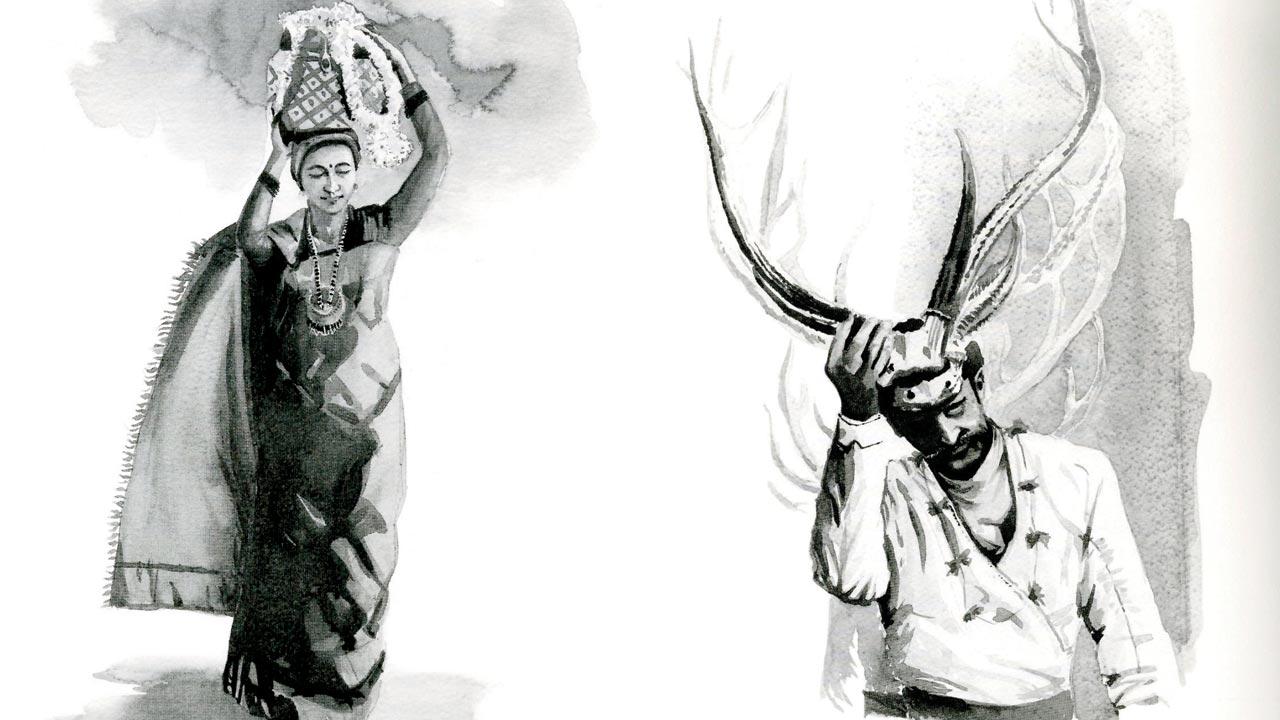
A woman carrying poliya, a basket of assorted food items which seals a new relationship between two clans at a marriage ceremony; (right) Stag horn dance of Kodagu. Hunting, a sacred activity, was once an integral part of life. These dances exist to this day. Pics courtesy/Kaveri Ponnapa

A woman carrying poliya, a basket of assorted food items which seals a new relationship between two clans at a marriage ceremony; (right) Stag horn dance of Kodagu. Hunting, a sacred activity, was once an integral part of life. These dances exist to this day. Pics courtesy/Kaveri Ponnapa

What did you discover while working on the project?
I was deeply struck by how the language ideally expressed our specific experiences as a people, and like so many aspects of our culture, was embedded in the landscape, which we hold sacred. Appanna was born and lived in Kodagu when it was still an independent state, when our cultural identity was more strongly defined. His understanding and knowledge of the Kodava language, culture and landscape makes him an invaluable repository of our heritage, a great deal of which has passed into history, but needs to be documented for our future.

Since we were dealing with poetry and song—the traditional ways in which all our cultural knowledge was transmitted across generations—it was fascinating to explore the rhythms of unfamiliar poetic expressions spun out of familiar words, which, in the simplest of ways, became capable of expressing a great deal of meaning and emotion.

Ross Perlin of the Endangered Languages Alliance, had observed: “It’s hard to maintain the full richness, depth and complexity of a culture without its languages.” This depth and richness was revealed while writing the book.

All of Bacharanianda P Appanna’s writing projects are collaborative efforts with his wife Ranu Appanna

All of Bacharanianda P Appanna’s writing projects are collaborative efforts with his wife Ranu Appanna

How did you overcome challenges of translations and transliterations?
The use of the Kannada script for Kodava takkë comes with a series of compromises and challenges, reflected in a loss of linguistic nuance, loss of vocabulary as well as distinct changes in pronunciation and speech for the Kodava language. 

While transcribing the words of the poems, many of them sounded different from the original. People habituated to viewing Kodava takkë through the lens of Kannada find it difficult to make a shift, and are content to stay with inaccurate renderings, until the nature of the language itself changes. It took repeated readings, clarifications, and consultations with the Appannas, as well as other native speakers and elders before setting anything down on paper.

Creating audio recordings—which will soon be accessible on my website—was another important way to access the linguistic sounds and rhythms that are lost when written in a script that cannot encompass many of its sounds.

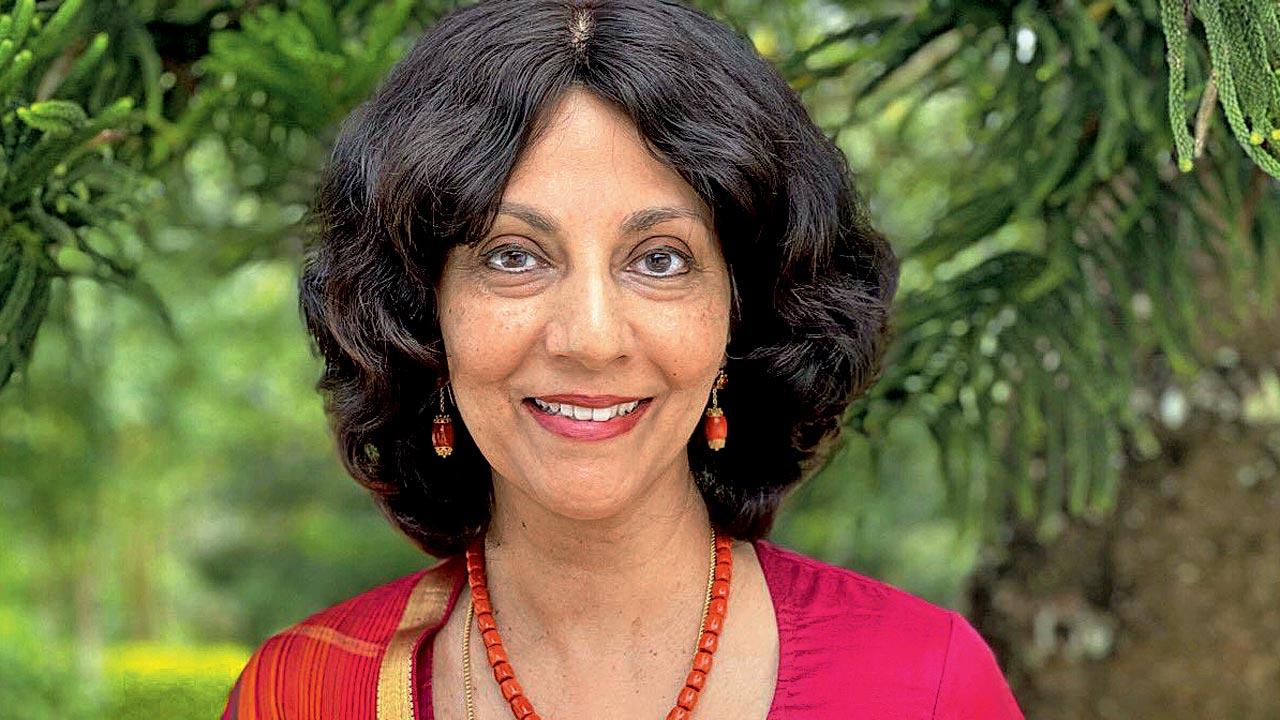
Kaveri Ponnapa
Kaveri Ponnapa

How can Kodava takkë stay alive?
One of the ways is to provide a more universally accessible script that is available to the greatest number of speakers. This is where Romanisation comes in. The idea of the transliteration came from my personal experience of being part of the diaspora, and despite being a fluent speaker, having no means to enter into the written works in my language to be able to expand my cultural and linguistic knowledge.

To order a copy : www.coorg.com

source: http://www.mid-day.com / mid-day / Home> Sunday Mid-Day News / by Fiona Fernandez, Mumbai / May 22nd, 2022

Food Friday | The best-kept secrets of Kodava cuisine

The iconic Pandicurry is the most emblematic and popular food people identify from Coorg. But the kadi (good food) and kudi (liquor) of the Kodava region in Karnataka are as wide and wild as they could get.

Food Friday | The best-kept secrets of Kodava cuisine
The Kodava Cuisine

“Pandicurry please!”

The allure of the tangy-spicy curry keeps calling me back to Coorg, every time. Of course, I am a lover of coffee too but if I were baring my heart to you, I would tell you that pork takes precedence every time I visit the Scotland of South India. No other style of pork has made such an impact, not even the sorpotel!

Let’s agree that the iconic Pandicurry is the most emblematic and popular food people identify from Coorg. But the kadi (good food) and kudi (liquor) of the Kodava region in Karnataka are as wide and wild as they could get. From wild mangoes and mushrooms to tender bamboo shoots, the food here is full of organic ingredients that establish its supremacy over other cuisines emerging from the state.

Food Friday  The bestkept secrets of Kodava cuisine
Wild Mushrooms

In this context, it’s important to mention that Coorg was in fact a state itself, landlocked and rich with biodiversity that attracted foreign attention almost immediately when the British came to India. Ruled as a kingdom established originally by the Nayakas, the state was self-sufficient and housed a clan-based community of warrior tribes. It was the hunted boar, that actually led to the pandi curry’s foundation.

For centuries Coorg was quite inaccessible, a landlocked region. It explains the heavy reliance on locally sourced ingredients. On a recent visit to the Evolve Back Coorg which sits pretty in a 300-acre coffee plantation and traces the traditions of the valley efficiently, I found peppercorn growing carelessly creeping around jackfruit, silver oak and mango trees among the robusta coffee the estate produces.

Food Friday  The bestkept secrets of Kodava cuisine
Robusta Coffee

For the uninitiated, Coorg is also the rice bowl of Karnataka, it grows in abundance here thanks to plenty of rains and rich soil composition. Upon finding The variety of rice items alone is quite humbling at The Granary, the main restaurant at Evolve Back so I had to turn to a specialist who could explain better. Sudhansu Sekhar Jena, the senior sous chef helps me out – “Kadambuttu, Thaliya Puttu, Paaputtu, Noolputtu, Koovale Puttu and various seasonal pickles are signature dishes of Coorg cuisine, just to name a few,” he explained.

While small dumplings of steamed broken rice make the KadambuttuNoolputtu is a fine lump of pressed rice noodles and what makes Paputtu stand out is the addition of coconut milk and a dash of shredded coconut which is steamed together with rice. With this newly acquired knowledge, I settled for lunch with paputtus and a delicious koli curry (chicken curry).

Food Friday  The bestkept secrets of Kodava cuisine

Sudhansu Sekhar Jena , Senior Sous Chef – F&B Production, Evolve Back Coorg, shares the recipe of Paputtu and also tells the detials of the dish.Paputtu is generally known as palputtu ( pal means milk and puttu is steamed rice cakes). It’s made of akki thari (coarse ground rice rava), grated coconut, salt and water. It’s steamed in a special kind of steamer called sekala and goes very well with non-veg curries.

Ingredients:

2 cups thari or coarse rice rava
1 – 1 1/2 cups fresh grated coconut
2 cups whole milk / light coconut milk
2 cups water
1 tsp cardamom powder
Salt to taste
Oil to grease

METHOD:


Wash the rice thari and soak for 1/2 an hour in the 2 cups of water. Add the milk, cardamom and salt and mix well. Squeeze the freshly grated coconut to extract a little milk and add it all to the mixture. Grease the plates with little oil. Pour the prepared mixture into the greased plates till two-thirds full to allow room for the thari to expand. Divide equally between plates and steam for 25-30 minutes or until done. The puttu should look firm, with no soggy bits in the centre. Cover the plates with a clean tea cloth and allow the puttu to cool a little before cutting them into pieces.

JENJI MASALA (Mud crab curry)

Ingredients Unit Quantity
Crab ( Jenji) Grams. 1000
Garlic Chop Grams. 50
Ginger Julienne Grams. 20
Mustard Seeds Grams. 10
Onion Slice Grams. 250
Ginger Paste Grams. 25
Garlic Paste Grams. 25
Tomato Slice Grams. 200
Green Chilly Slit Nos. 15
Coriander powder Grams. 75
Chilly Powder Grams. 60
Turmeric Powder Grams. 5
Salt Grams. To Taste
Oil Ml 200
Coconut Paste 1 whole
Curry Leaves Grams. 50
Red Chilli Whole No. 3-4

Procedure:


Clean & wash Crabs, add salt, and turmeric powder, and keep aside. In a vessel heat oil, add chopped garlic, mustard seeds, ginger julienne, slit green chilli, and curry leaves. Then add onion slice and fry till light brown, add sliced tomato and all Masala powder, salt and little water and sauté till oil comes up. Now add coconut paste & simmer gently, cooking till coconut paste is well cooked. Then add Crabs and salt, and bring to Cooked. When Crabs are tender, remove them from the fire, add temper and serve.

For tempering:

Heat a little oil and add mustard seed, curry leaves, and red chilli whole. when mustard seed crackles pour into the Crabs Masala. Serve hot.

Monsoon brings even more joy for the tribe that used to be reliant on hunting-gathering in forms of mud crabs and fresh fish from the opulent rivers running through the forests of Kodagu. Mahseer, rohu, tilapia, katla, giant gourami are some of the fish which can be caught in river Cauvery, India’s fourth largest and the lifeline to this side of the peninsula.

Anjali Ganapathy, a Chef who calls herself an armchair ethnographist, has been tracing and presenting Coorg cuisine at her estate home, after running a successful catering service in Bengaluru for years. I reach out to her for more information and trivia.

“Traditionally we were hunters”, Ganapathy affirms.

“Our farms and forests had no boundaries and weaponry such as firearms and machetes were a part of every household. They were used for protection as well as hunting to provide for the family,” she tells me. It was the norm.

Meat from wild boar, venison and wild fowl came from the forests according to Ganapathy and though fast disappearing, mud crabs, river and paddy-field fish can still be found in a Coorg home kitchen, she informs. Bush meat has been replaced by commercially available chicken, mutton and pork.

I wanted to taste the Kaad Maange curry (wild mango curry) but Sudhansu informed me that the season just got over. Ruefully I decide that it’s never too late to plan another visit to Coorg. So I head to the Sidapur Coffee & Culture Museum to sharpen my coffee knowledge instead, since it is housed within the property. Welcoming a group of excited guests, Jenny starts her session with a smile and a question – “How many of you know the difference between Arabica and Robusta?

Food Friday  The bestkept secrets of Kodava cuisine

Assisted by a very skilled Barista, we embark on an aromatic journey of coffee produced in the estate, presented in a variety of concoctions including the famous Moroccan Nous-Nous (half and half) edition and Vietnamese Cold Coffee (with condensed milk to sweeten it). The beauty of a great coffee is not the design you see, but the firmness of the froth that doesn’t allow a spoon to dip, Jenny informed us with a demonstration. After six shots of coffee, I am convinced that I shall never have instant coffee again.

I still don’t know what makes the curry of the pandicurry, so I head back to Peppercorn, the specialty restaurant by the lake at Evolve Back to sit down with the sous chef.

What follows is a deep dive into the organic ingredients that make Kodava cuisine a secret.

A unique souring ingredient, Kachampuli, (Coorg’s version of a Balsamic/black vinegar) is extracted from the ripe fruits of the Garcinia Gummi Gutta tree, commonly known as Brindle berry or Malabar tamarind. The fruits are usually placed in baskets over large vessels to allow the juice to gently drip down (over a few days) as the fruit gradually becomes pulp through natural fermentation. The extract is then reduced over a woodfire to make the vinegar like black smokey sour liquid.

“It is typically used towards the end of the cooking process in many Kodava dishes (including the Pandi curry) and accentuates the flavours of the meat and the colour of the dish,” shared Jena.

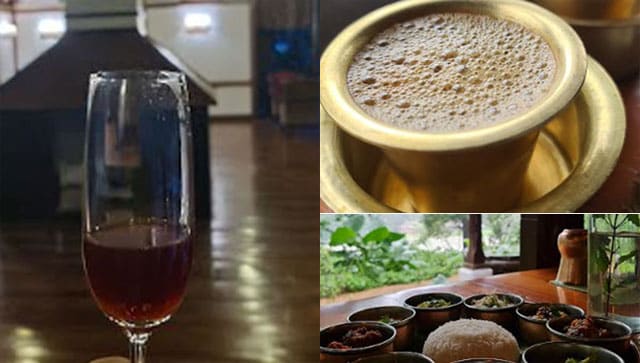
Enriched with this information, I wander into the reading room where the resort serves free coffee all day long. Looking over the rice fields being pattered with relentless rain, my mind wanders to the visual of an Ainmane, the Kodava-style clan house. I can almost smell the Baale Nuruk (a fritter made with rice flour and ripe bananas) in the kitchen in my virtual visit when my thoughts are interrupted by a gentleman dressed in khakis. I take him to be a naturalist at the resort. Sweetly he offers a glass of ‘Coffee Wine’, a dark amber-coloured liquid kept at the coffee counter. Intrigued, I take a sip and instantly, a wave of delight hits my throat. It smells of coffee and leaves the aftertaste of pepper, a unique combination indeed.

Food Friday  The bestkept secrets of Kodava cuisine
Coffee Wine

“Pigout has helped me achieve a deeper understanding of how the cuisine took shape, its evolution and a study of how to preserve and as well as prepare for what could possibly be the future holds for a micro cuisine, that is rooted in a wild landscape”, shared Ganapathy.

She has been running Pigout Coorg Kitchen from her family home (also an AirBnB) since the pandemic. “Your best bet at trying fresh ingredients with homegrown produce would be in someone’s home,” she chimes.

On my last day in Coorg, walking around the pool villa with a glass of Chukku Kaapi (also known as Bella Kaapi – coffee made with jaggery and ginger extract) I made a vow to come back to this wild land of delectable fares, soon enough.

source: http://www.firstpost.com / FirstPost. / Home> Arts & Culture / by Chandreyi B / August 12th, 2022

MN Srinivas views on religion and society among Coorgs

Mysore Narasimachar Srinivas was born in 1916 in Mysore. He belonged to a Brahmin Family and studied various areas like caste, society, religion and so on. He brought up various ideas related to sociology.

He published a book called ‘Religion and Society among the Coorgs of South India’. It put forward a new approach to study Hinduism. Srinivas took two aspects to distinct various sociological aspects. These distinctions are – field view and book view. He advocated field view which helps in observing and examining things more clearly.

According to him, we cannot isolate religious beliefs completely from our life. Religious factors always correlate with social norms and values. No religion is autonomous or eternal. He provides an approach for those who do not regard religion as pure and society as corrupt. They have blind faith in intangible things which are not practically accepted. For him, Hinduism is not solitary and inseparable. According to regional transformation, it goes on changing. This field view of his ideology gives a perfect picture of how religious practices and norms are making everybody more engaged with societal norms especially in the case of Coorgs.

His second distinction, i.e., the book view of Hinduism has many impediments. This view was accepted by almost every believer. This was based on our historical texts. But those texts are away from the real picture of religion and give false understanding. Those texts were based on idealism but in reality away from realism. Whereas the field view takes us closer to the actual practices prevalent in reality, like caste and joint family.

Study of local Coorgs

The book concentrates on the rituals and cultural structures among Coorgs. Kodagu also is known as Coorgs is a rural district situated in Karnataka. They are known as descendents of Arabs or Greeks and famous for coffee production. They worship nature and do not have any deity like Brahmins. They live in mountainous regions with specific language and customs.  M.N. Srinivas focused on festivals and customs that are performed by coorgs. He personally spent a lot of time among a Coorg joint family and provides an empirical view of coorgs and Indian society He argues that puranas are responsible for complete Sanskritization of culture and he gives the example of Coorgs. In this, he illustrates that educated Coorgs want to identify the village gods with Shiva and they also explain why gods start liking liquor and meat due to losing their caste when they were crossing Malabar. He states that how they want to preserve social structure using local customs.

His sociological perspective of religion is based on religion skepticism rather than faith. Even after the efforts of Srinivas more than 50 years ago, the religious sociology as a discipline has not been established in India as it has been in the West. His sociology of religion is based on examining the norms, practices and faith structure according to societal needs. The critical analysis of religion through his lens is based on kinship, economics and politics factors. After independence when he established his theories on Coorgs, it hardly received any opposition. But there is also one more reality that his empirical study about Hinduism is not used further by many sociologists in India. It is very irrational for many philosophers to judge the values of any religion objectively. But for the betterment of society, implementation of every reform based on meaningful assessment is necessary.

Undoubtedly, Hinduism is an ancient philosophy prevailing for thousands of years. Thinkers like Srinivas do not condemn its theological aspects. His appraisal was totally based on practical and logical standards. He wants it to be a religion of tolerance but not a religion of hierarchy. Certain practices like untouchability, caste system, women oppressions, etc. must be denounced for the growth and advancement of society. Using religion as an excuse to continue such practices deserve criticism.

Reference:

https://www.telegraphindia.com/opinion/religion-and-society-in-hinduism-the-principle-of-hierarchy-clashes-with-that-of-tolerance/cid/1017191

source: http://www.sociologygroup.com / Sociology Group / by Kiran

Write spirit

This journalist-turned-author talks about his new book Round and About with PT Bopanna, and his journey as an author.

Bengaluru :

Taking a leap of faith and moving to Mumbai 40 years ago, without a job or a plan worked out for PT Bopanna, veteran journalist and author of books such as Dateline Coorg and Are Kodavas (Coorgis) Hindus?. Growing up, Bopanna had no idea that he would become a journalist, and moved to Mumbai from Kodagu in search of better prospects. “I never thought I’d become a journalist, I never had a flair for writing. But when I was in college, I realised that journalists had the power to change the world, that’s what made me want to become a journalist,” he says.

forward to today, Bopanna’s newest book, Round and About with PT Bopanna, is a compilation of lighthearted articles written by the author. What’s special about this book is that Bopanna is able to tap a lighter, more humorous vein in this book, which he hasn’t been able to do in his other projects. The title of the book was inspired by the daily column, ‘Round and About,’ by Behram “Busybee” Contractor, a humour journalist. When Bopanna understood that journalism was his calling, he enrolled in a journalism course at Bhavan’s College in Mumbai. “Even though I wasn’t great at writing when I was younger, I always enjoyed reading the newspaper and books.

I was intrigued by ideas such as Marxism and rationalism,” says Bopanna. Since he also saw the rise of the Dravida Munnetra Kazhagam (DMK), he was also influenced by Periyar EV Ramaswamy Niacker’s ideas, who started the DMK. When Bopanna went back to Kodagu, he started working as a part-time correspondent for a newspaper, he was past the age of 30, which points to the fact that one is never too old to follow their passion. Bopanna was working at another newspaper when he started reading the astrological columns.

“I didn’t believe in astrology, but it did pique my interest. Once, the astrology section said that if I were to start a website, it would do well. After I read that, I compiled some of the information I was putting in my columns, and started my website coorgtourism. info.com in 2005, and after that, there was no looking back,” says Bopanna. However, the traffic on his website wasn’t as much as Bopanna wanted it to be. So he thought, “Why don’t I download all this material and bring it out in the form of a printed book?” This is how Bopanna’s career as an author started, with the release of his first book, Discover Coorg.

Writer C P Belliappa came up with the title of the book, and also wrote the foreword. Most of Bopanna’s books are about Kodagu, his home, and he writes about the rich cultural and political history of the region. “My book, Are Kodavas Hindus? was inspired by sociologist M N Srinivas’ work, who went to Oxford for his PhD and wrote his thesis on religion and society in Coorg,” Bopanna says of his journey as an author. Hence, what started as a dream to change the world, was fulfilled by an astrological prediction. Bopanna says a journalist’s profession can be a quite disappointing, however, the key is to ‘wait for the good tidings to come.’

source: http://www.newindianexpress.com / The New Indian Express / Home> Cities> Bengaluru / by Fia Majumdar, Express News Service / August 10th, 2022