Category Archives: Business & Economy

The Sour Truth

Kachampuli01KF22jul2019

It is monsoon season in Kodagu and though rains are less this year, people in remote villages of Kodagu, who have grown Garcinia gummi-gutta tree in their estates or have access to the tree grown in the wild, are busy in preparing Kachampuli, the dark, tart vinegar. Kachampuli preparation has been passed on from generations and is indispensable in Coorg cuisine. Every Coorg kitchen has a couple of bottles, or more, of Kachampuli tucked away at the corners or stored in the attic. This Weekend Star Supplement introduces readers to this enigmatic liquid and explains the process of obtaining it from yellow fruits hanging on top of tall trees.

Kachampuli: The Quintessential Coorg Condiment

A full-fledged processing unit at Ponnampet Forestry College

by B.C. Thimmaiah

Souring agents are an integral and inseparable part of our culinary traditions. Depending on the State and community, souring agents vary. Apart from lip-puckering tamarind and lime juice that is quite ubiquitous in most Indian dishes, there are a host of other souring agents that enhance the flavour of dishes like Kodava Pandi Curry (pork curry) where Kachampuli makes it the ‘Dish with a Zing’.

The concentrated juice is obtained from Garcinia gummi-gutta, the same fruit that is used in dried form in parts of Kerala, where it is known as punampuli or kodampuli/kudampuli. It is a relative of kokum, which is used in Mangalorean, Konkan and Maharashtrian cuisines. In Kodava language, the fruit is known as ‘Panpuli’ and its boiled extract is ‘Kachampuli’.

The fruit is like a large Amla but with prominent sections. In its fresh form, it is known to possess medicinal properties and is the basis for many weight-loss products. The English name is Brindle Berry. Before it is stored, the Panpuli is taken apart in slivers, dried and then smoked. It’s here that the green fruit turns into matt black. Later, dry pieces are soaked in warm water and torn apart before being added to the curry.
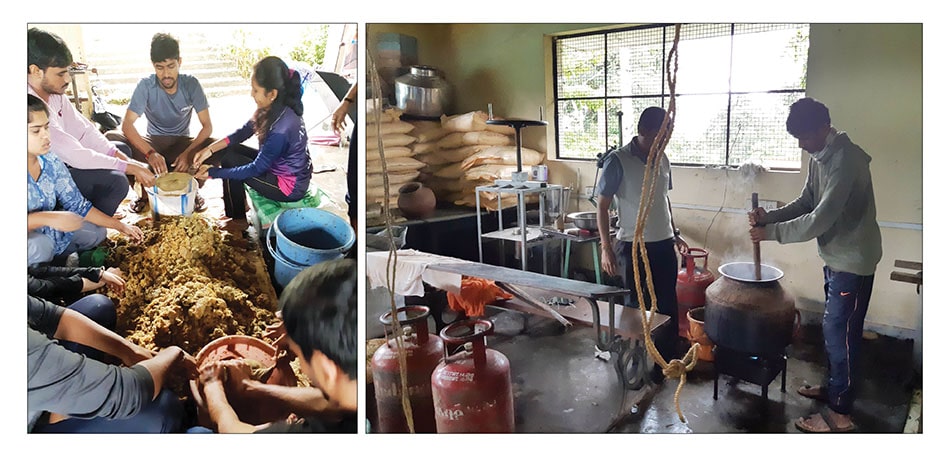
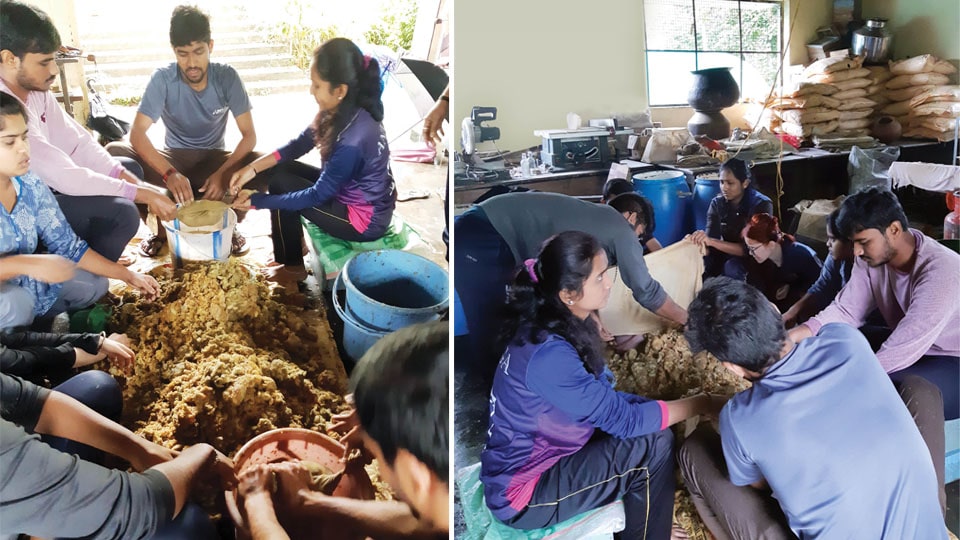
Students of Forestry College, Ponnampet, extract the seeds from the fruit. Once the succulent aril is separated from the seeds, the extracted juice is boiled and stirred constantly to procure the thick Kachampuli.

Juice preparation process

In Kodagu, the fruit is left out in baskets until the pulp breaks down. A large vat is kept below to collect the juice and the pulp is removed. The juice at first is pale and golden. It is then boiled in large clay pots until it turns dark burgundy in colour. This slow heating turns it into a syrupy vinegar. The final result is a dark and thick liquid and this liquid extract is known as Kachampuli.

Interestingly, Kachampuli improves with age. The older brews are preferred over the newer ones for cooking. The new bottles are usually stored in attics in Kodagu and are left there to mature and attain that perfect texture, taste and colour. Kachampuli is usually used in the final stages of cooking, mainly in meat and fish dishes, most famously in Pandi Curry and fish curry.

Kachampuli03KF22jul2019

An expensive commodity

While Kachampuli was abundantly available in the open market earlier, now it is a scarce and an expensive commodity even in Kodagu, its hometown, thanks to the present generation that is unwilling to take the trouble of preparing it as it is a long-drawn and pain-staking process. Adulteration of Kachampuli to make a quick buck too has become rampant.
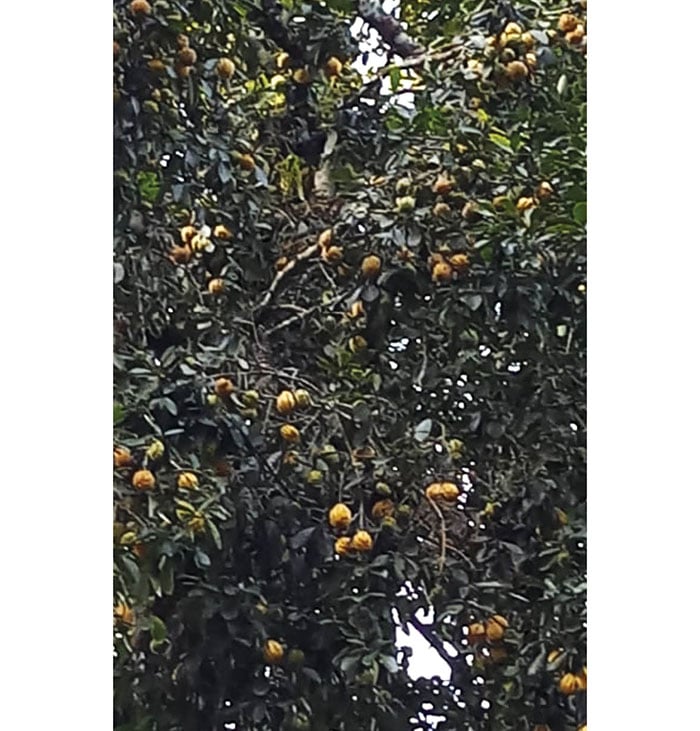
A fully grown Panpuli or Garcinia gummigutta tree in Kodagu with its yellow fruits

Realising Prime Minister Narendra Modi’s ‘Make in India’ initiative

Considering the rarity of the fruit and its many uses, College of Forestry at Ponnampet in South Kodagu has started a full-fledged unit that procures the Garcinia gummi-gutta fruit from farmers, processes it, prepares Kachampuli and then markets it. This initiative has not only ensured that the tradition continues but also eased the scarcity of the unique product in the market.

The initiative at the College was started by former Dean of the College Dr. B.C. Uthaiah and continued on a major scale by the present Dean Dr. C. G. Kushalappa, who has conducted extensive research in Devarakadus, the Sacred Forests of Kodagu and the wild and edible fruits of Kodagu, and Dr. B.N. Satish, Assistant Professor, Department of Forest Products and Utilisation.

Hands-on Training

The College is following the traditional methods of using forest produce available in Kodagu. “Our College offers Hands-on Training (HoT) programme to add value to non-timber forest produce where wild and edible fruits of Kodagu like Garcinia gummi-gutta, gooseberry, kokum and Karada (karmunji in Kodava language) fruit are made into products including pickles, jams and jellies, candies, squash, toffees and, of course, Kachampuli. This apart, we do produce hair care products from soap nuts and agarbathi. These exotic products are marketed under Sayhadri Brand,” says Dr. Kushalappa.

“This initiative is completely agriculture-and-farmer-oriented and we want to tell our farmers that their products have value and market. We provide plantation material or saplings, standardise production, maintain quality and focus on effective waste disposal. We have procured Government of India-manufactured machines from Coimbatore and we have a larger plan to set up Small Scale Industry production units at Ponnampet,” he explains.

Efforts to retain youths from migration

Basically it is to retain the youths in Kodagu who are migrating to cities in search of job opportunities. “We want to tell them that they can lead a comfortable life by adopting innovative farming and cultivate such unique fruits in a large scale as Kodagu is a natural zone under Western Ghats for such fruits. Our intention is to make them self-reliant. It is our way of nation-building aligning with the theme of Prime Minister Narendra Modi’s Make in India initiative,” he rues.

“It is an entire world out there when it comes to wild berries and there is a huge market. For example, Garcinia gummi-gutta extract by multi-national companies is sold in the US and Europe as bio-slim products. We are trying to tie up with institutes like Central Food Technological Research Institute (CFTRI) for product development,” Dr. Kushalappa explains.

Kachampuli05KF22jul2019


Grafted trees for high yield

Apart from producing the actual and authentic Kachampuli, the College supplies Garcinia gummi-gutta saplings for large-scale cultivation. “It is a huge tree and no coffee plant can grow under it. Our grafted tree does not grow that tall and growers can take up integrated coffee and Garcinia gummi-gutta cultivation. Our saplings are short and gives a high yield,” he reveals.

On the Kachampuli product marketed by the Forestry College, Dr. Satish says that the product is made in a traditional way with the use of modern techniques. “It is free from any sort of adulteration and we have not used any preservatives. There is a great demand for the product from both residents of Kodagu and the natives who live outside the district,” he says.

One tree, many fruits, multiple uses

The Garcinia gummi-gutta is a small or medium-sized tree and the bark of the tree is grey, smooth and contains abundance of bright-yellow gamboges (a gum resin produced by various trees, used as a yellow pigment and in medicine as a purgative). The tree starts bearing fruits when it is eight-years-old and it continues to bear fruits till it reaches 40 to 45 years. The fruits are two to three inches in diameter and are yellow when ripe with six to eight grooves. One tree can yield 100 to 125 kgs of fruit.

Kachampuli06KF22jul2019

Around 25 kgs of Garcinia gummi-gutta fruit is required to prepare one litre of Kachampuli with an investment of Rs. 300 to Rs. 350 per litre. Once the product is ready, it can be sold up to Rs. 1,500 per litre.

There will be six to eight seeds surrounded by a succulent aril (an extra seed covering, typically coloured and hairy or fleshy). Usually, the Garcinia gummi-gutta flowering takes place from February to May every year and from June to August it is fruiting season and that’s the time when people of Kodagu get on to prepare the famed Kachampuli.

Uses of Garcinia gummi-gutta fruits

The Garcinia gummi-gutta fruits are edible, but too acid to be eaten raw. They are valued for their dried rind which is used in Travancore-Cochin and Malabar as a condiment for flavouring curries in place of tamarind or lime. In Sri Lanka, the fruits are picked under-ripe, the thick pericarp cut into sections, dried in sunlight and preserved for future use. The dried material is used along with salt in the curing fish. The edible oil extracted from the seed resembling kokum butter is used extensively in preparation of the local dishes.

Apart from using the fruit and its extracts for food purposes, the raw and processed rind of the fruit is extensively used as a condiment, coagulant and for polishing gold and silver articles. The Garcinia gummi-gutta seed is an edible source of fat and interestingly the tree does not have any pest or disease and is a characteristic trait of the tree family. The fruit is also used in Indian traditional medicine for edema, delayed menstruation, constipation and other intestinal disorders.

source: http://www.starofmysore.com / Star of Mysore / Home> Feature Articles / July 14th, 2019

Manipal Arogya Card facility for Kodavas

People of Kodagu can avail Manipal Arogya Card to get concession in treatment at KMC hospitals, said KMC Hospital marketing department deputy manager Rakesh.

Addressing reporters, he said that the card can be used at KMC hospitals at Dr B R Ambedkar Circle and Attavara in Mangaluru, Kasturba Hospital in Manipal, Dr T M A Pai Hospital in Udupi and Dr T M A Pai Rotary Hospital in Karkala. Manipal Hospital in Goa and Manipal College of Dental Sciences in Mangaluru are also covered under the scheme to avail treatments at concessional rates.

Cards of one year and two years duration are available. The membership fee for Manipal Arogya Card for individuals is Rs 250 for one year and Rs 400 for two years. The fee for the family card for one year is Rs 500 and for two years is Rs 700.

To get the facility, one can contact KMC hospital representatives in Madikeri. Phone: 97314 74598, 98802 62038 or 94807 88634.

KMC hospital representatives A A Pratish, Padmanabha and Ponnappa were present in the press meet.

source: http://www.deccanherald.com / Deccan Herald / Home> State> Mangaluru / by Adithya K A / DH News Service, Madikeri / July 10th, 2019

Coffee industry sees increasing demand globally

According to industry reports, coffee shops and cafés market in India is projected to grow at a CAGR of over 11 per cent during the period 2016-2021.

A cup of coffee is all it takes to get one's day started
A cup of coffee is all it takes to get one’s day started

While the essence of coffee is lost amongst major players in the industry, a group of coffee lovers are taking their adulation for the beverage to a larger audience, nudging them to wake up and smell what real coffee is.

In this quest, they are also bringing forth the significant role India plays as a major player in the production of good coffee.

According to industry reports, coffee shops and cafés market in India is projected to grow at a CAGR of over 11 per cent during the period 2016-2021.

This high growth is primarily on account of the growing coffee culture among the young population, especially the millennials, rising disposable income among other factors.

“This coupled with the implementation of various government plans to develop smart cities, etc., is projected to drive growth in Indian market for coffee shops / cafés over next many years,” shares Aharnish Mishra, co-founder of Bizibean, which got involved in the B-to-B R&G (Roast and Ground) coffee segment from 2004. They were naturally inclined to foray into the retail segment.

“This was a natural extension to our roasting business. We thought the market is ready for a brand that epitomises gourmet coffee and offers its patron speciality coffee both in bean form as well as RTD form,” he says.

While there has been a growth in the coffee market, it is still in its infancy as compared to the global market.

“People are only just beginning to learn the basics and are willing to experiment with different coffees and brewing equipments,” says Krittivas Dalmia, Co-Founder, Kaffa Cerrado, adding, “There is a very small percentage of the market willing to experiment. So there’s a long way to go before we can become a mature coffee market.”

Desi cuppa

The Indian fresh R&G coffee market for domestic consumption is a very small one and is geographically concentrated in the southern part of the country.

Mishra believes that there is no mainstream coffee variety and due to the cost factor, cheaper Robusta blended with a little Arabicas and Chicory is the de facto coffee blend consumed at home.

“The Indian coffees that are internationally popular but find little takers in the domestic market are Monsoon Malabar AA, Mysore Nugget Extra Bold, Plantation AA and Robust Kapi Royale,” he adds.

However, according to Dalmia, there are a lot of plantations that have started selling under their own branding or as a single plantation. “These are all unique because of the different practices and procedures they follow in processing and harvesting the coffee. The beauty of the third wave is that it’s all unique,” says Dalmia.

Brewing hot in India

“Traditionally this role of educating and growing the market is taken up by the bigger players like CCD/ Starbucks in conjunction with the government bodies like Coffee Board of India,” says Mishra, adding, “Sadly, in India this hasn’t happened with the result that the smaller and newer player have to expend energy and resources to nurture the market.

“At BiziBean, we assume the role of missionaries and spread the story of the coffee bean by bean! We have taken the kiosk format route with value pricing strategy to make the experience of having or buying coffee a very pleasurable one.

“All our counter staff is well versed with the intricacies of coffee and performs the role of guides to our patrons.”

On the other hand, Dalmia works with the farmers in bringing out their story and flavour in the way they roast. “The more we’re able to educate our consumers on that, the more they’re willing to try.

So it’s a lot of work in educating the consumer by everyone in the coffee chain right from the farmer to the roaster to the barista and coffee shop,” he states.

The competition is usually in terms of cafes or instant coffee space. There isn’t much completion when we talk about home coffee, feels Ajai Thandi, Co-founder of Sleepy Owl.

“Rooted in the spirit of Make in India, their vision was to rethink the in-home coffee experience while wanting their patrons to have the best quality coffee as conveniently as possible and consume it its best; using the best quality coffee sourced directly from Indian farmers.

source: http://www.newindianexpress.com / The New Indian Express / Home> Lifestyle> Food / by Express News Service / July 08th, 2019

Ban Lifted; River Rafting Resumes In Kodagu

RiverRaftingKF09jul2019

Madikeri:

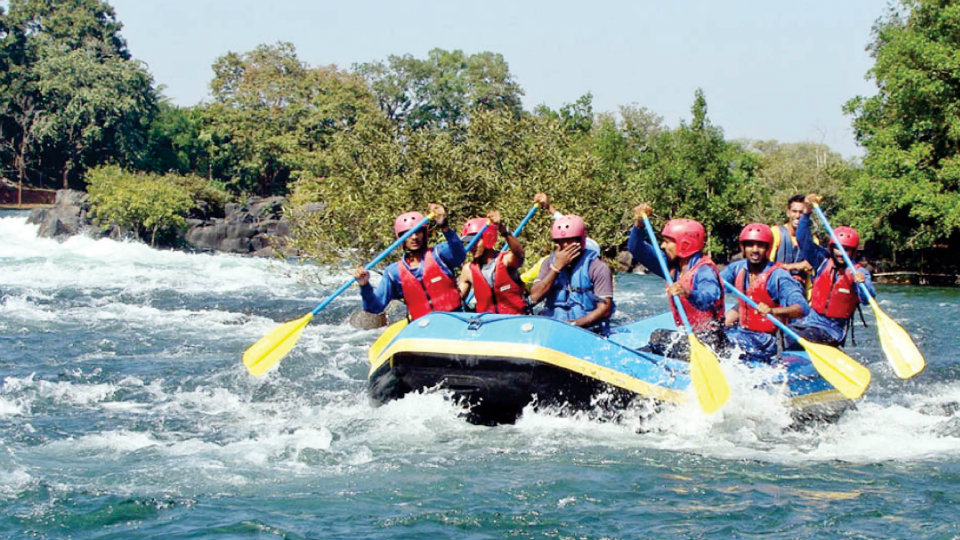
A year after Kodagu District Administration banned White Water River Rafting activity on River Cauvery in Dubare and other rivers, the activity has resumed in full swing. Yesterday, around 10 water rafts were made operational at Dubare following the lifting of the ban by Deputy Commissioner Annies Kanmani Joy.

The rafting activity was officially flagged off by Somwarpet Dy.SP P.K. Muralidhar at a stretch of Cauvery water in Periyapatna. Administration sources told Star of Mysore that the ban was lifted on the instructions from Tourism Minister S.R. Mahesh, who is also the Kodagu District Minister.

While lifting the ban, the DC has put stringent terms and conditions, including strict permissions for the activity. Organisers must ensure safety of tourists during the activity and Departments including Forest and Tourism have been asked to take necessary measures for re-starting river rafting. Rafting charges will not exceed Rs.600 per group, and a total of 48 rafts will be allowed in Dubare area, the DC said in her order.

Each owner has been asked to get a No Objection Certificate (NoC) from a local Panchayat, Fire and Emergency Services Department, Public Works, Ports and Inland Water Transport Department, certificate for raft instructor and also mandatory registration in the Labour Department.

According to the current guidelines, water rafting must start only at one point in Dubare (earlier rafting was being held at multiple points). Only five people have been permitted to operate rafts and each of them can own only two boats. Officials from the Kodagu District Administration will be monitoring the water rafting activities.

Before the ban, water rafting was an all-year programme in Kodagu.

Last July, the then Kodagu Deputy Commissioner P.I. Sreevidya had banned river rafting activity and white water rafting across the district for one month and subsequently extended the rafting ban.

In her order, the DC had stated that there were many adventure organisations and home stays running river rafting activities without permission.

The DC had issued the orders in the wake of several complaints from the tourists and villagers that adventure activity organisers have no expertise in river rafting and some of them are organising such events just to make money. Mandatory safety measures are not being followed by the organisers and lives are at stake, the tourists had complained.

Last February, a tourist from Hyderabad had got into an argument with an organiser of river rafting in Dubare and was killed in the ensuing altercation. It had come to the notice of the District Administration that many organisers of the adventure sport submitted fake documents to the DC and there was a no match between the permission letters and the submitted letter.

source: http://www.starofmysore.com / Star of Mysore / Home> News / July 08th, 2019

Dr. C.V. Sneha Takes Charge As Kodagu Additional DC

Dr. C.V. Sneha took charge as the Additional DC of Kodagu District yesterday.

She was the Chief Administrative Officer at the Directorate of Medical Education, Additional Commissioner (Administration) in Excise Department, Deputy Secretary at Mandya Zilla Panchayat, Land Acquisition Officer in Tumakuru District and Assistant Commissioner in Ramanagaram district.

source: http://www.starofmysore.com / Star of Mysore / Home> In Briefs / July 07th, 2019

Experts say forest officials must develop safety instincts

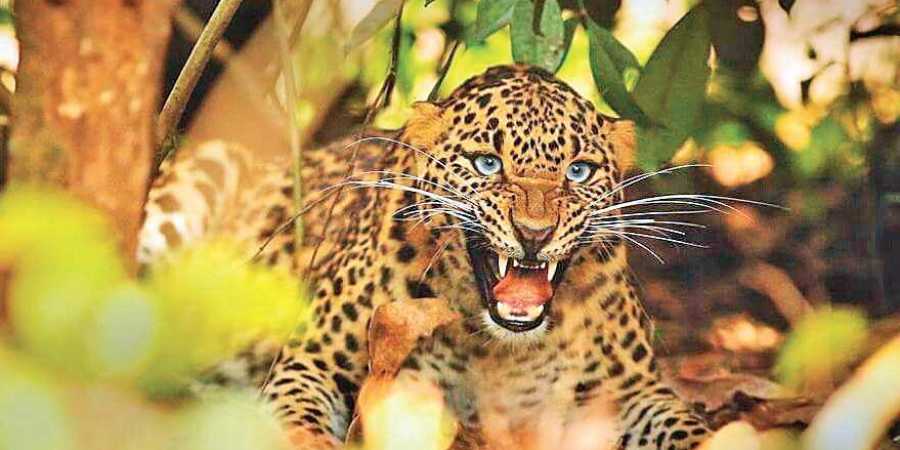
A day after a Bandipur ranger was attacked by a tiger, wildlife experts have asked foresters working in tiger reserves and national parks to exercise caution.

TigerKF05jul2019

Hubballi :

A day after a Bandipur ranger was attacked by a tiger, wildlife experts have asked foresters working in tiger reserves and national parks to exercise caution. They suggest that field-level officers develop the instinct to sense danger when in the wild, so that animal-human conflicts can be checked.

Four cases of animals attacking forest officials have been reported from various reserves of Karnataka in the last one year, and two people have died in different incidents. While IFS officer Manikantan heading Nagarhole Tiger Reserve was trampled to death by an elephant, a temporary forest watcher from Cauvery Wildlife Sanctuary met with the same fate.

After a tiger attacked Range Forest Officer Raghavendra in Bandipur, experts are asking why the officer ventured into the tiger area, that too unarmed. “The officer should have been aware of surprises the wild can throw up. Before being deputed at Bandipur, Raghavendra had worked in BRT Tiger Reserve. It was wrong of him to venture out to check the presence of a tiger without precautions. Field officers must be made aware of negative aspects of forest protection and use this knowledge to avoid dangerous situations,” a wildlife expert told TNIE.

K M Chinnappa, a senior wildlife conservationist, revealed that from his observation, most wild attacks occur when animals are chased. “The unfortunate death of a forester near river Cauvery happened when a team was driving away elephants. When foresters are transferred to different forests, they must be trained to cope with the different conditions they are likely to encounter, for some could be very dangerous,” he said.

“We have been asking the government to appoint local guards, who would know the terrain and dangers involved,” he added.

A retired forester admitted that there is no specific training given to field officers to deal with surprise wild attacks. “Sloth bears and elephants (tuskers) are most unpredictable in the wild. It is important that a forest team is made aware of possible dangers to expect, and be in a position to take precautionary measures,” he said.

source: http://www.newindianexpress.com / The New Indian Express / Home> Cities> Bengaluru / by Amit S. Upadhaye / Express News Service / July 03rd, 2019

Kodagu is safe, tourists need not panic: stakeholders

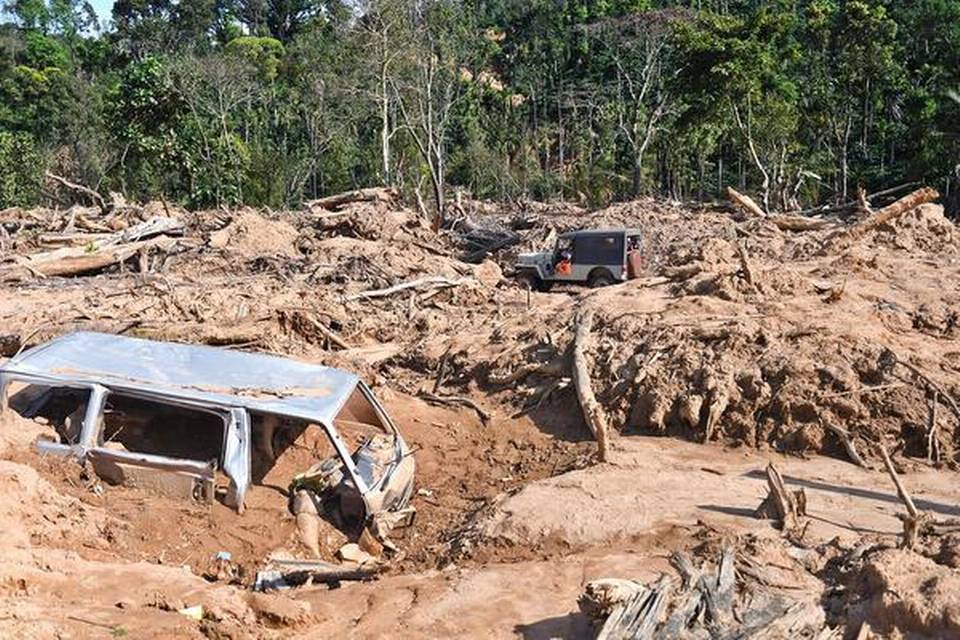
A scene from last year’s huge landslides in Kodagu.   | Photo Credit: File photo
A scene from last year’s huge landslides in Kodagu. | Photo Credit: File photo

Kodagu is safe and tourists can visit their favourite destination without any fear – is the message that the hospitality sector in the land of coffee is circulating in various platforms, including social media, after some tourists gave up the idea of holidaying in Kodagu following reports on travel advisory issued ahead of the monsoon.

The directive from a village panchayat for halting homestay bookings was restricted to one particular area and not to entire Kodagu. Yet, misinformation led to cancellation of bookings in other places, according to the stakeholders.

The directive from the PDO of Makkandur Gram Panchayat perturbed the stakeholders of tourism, which, after a gap of many months, is returning to normalcy. Tourism had taken a beating after the devastating floods and landslides last year.

Out of 13 “highly vulnerable” locations identified on the possibility of landslides during the monsoon, seven come under the limits of Makkandur GP. Therefore, as a precautionary measure, the owners of the homestays coming in the GP limits were asked not to take reservations for the next three months. The order applied only to homestays in Makkandur.

“But what was being projected is that the entire Kodagu is unsafe and therefore tourists must stay away from visiting the hill station. This misinformation affected the tourism industry as the occupancy rate in hotels and resorts decreased suddenly with unease among visitors,” said B.R. Nagendra Prasad, President, Kodagu Hotels, Resorts and Restaurants’ Association. The PDO’s order was misinterpreted. The directive is limited to the GP limits but it was being generalised and created a feeling that it is risky to visit Kodagu now, he told The Hindu.

Tourists cancel bookings
Mr. Prasad, who met Deputy Commissioner Annies Kanmani Joy along with other members of the association on Monday over problems plaguing the tourism sector, said many tourists cancelled their bookings and returned to their destinations apparently over the fear being spread over their safety in Kodagu.

“The occupancy in hotels and resorts which was around 80 per cent during weekdays and 100 per cent during the weekends since the second week of April went down suddenly. If negative propaganda about Kodagu continues, tourism will be badly affected,” he observed.

Mr. Prasad said “it took us many months to restore confidence in tourists and bring them back.If such negative campaigns continue, it will hit Kodagu’s economy.”

source: http://www.thehindu.com / The Hindu / Home> News> States> Karnataka / by Shankar Bennur / Mysuru – June 04th, 2019

Kannur International Airport seeks to connect Mysuru and Kodagu with Flybus

The new Kannur International Airport which was opened in December 2018, serves passengers from Kannur, Kasaragod, Wayanad, Kozhikode in Kerala and Kodagu and Mysuru in Karnataka.

The Kannur International Airport authorities in Mattanur, Kerala has written to Karnataka State Road Transport Corporation(KSRTC) to provide its ‘Flybus’ services to the Kannur Airport from Mysuru, Kodagu districts in Karnataka.

The new Kannur International Airport which was opened in December 2018, serves passengers from Kannur, Kasaragod, Wayanad, Kozhikode in Kerala and Kodagu and Mysuru in Karnataka. The airport is set to a boon for the tourism industry in south-west Karnataka. Tourism in the area is likely to get a boost as top destinations like Mysuru and Kodagu (Coorg) are within easy reach from Kannur.

The airport which is up on 1,900 acres and is just 58 km from Virajpet, about 90 km from Madikeri and 158 km from Mysuru. Earlier the flyers from Mysuru and Kodagu were using Kempegowda International Airport in Bengaluru. The regular flyers especially those going to Gulf countries from Mysuru and Kodagu are now heading to Kannur Airport and fly to destinations like Abu Dhabi, Kuwait, Dammam, Doha, Bahrain, Riyadh, Sharjah and Muscat.

To get the flyers from these districts in Karnataka the Kannur airport authorities have written a letter to KSRTC recently. Confirming this development, BT Prabhakar Reddy, Divisional Controller, Bengaluru Central Division, KSRTC, told Indianexpress.com, “ We have received a request from the Kannur airport authorities to have Flybus service to the airport from Mysuru and Kodagu districts. The KSRTC is doing a survey in this route to see how it works out.”

source: http://www.indianexpress.com / The Indian Express / Home> Cities / by Darshan Devaiah BP / Bengaluru, Kannur (Kerala) / June 03rd, 2019

Check safety parameters before construction, residents told

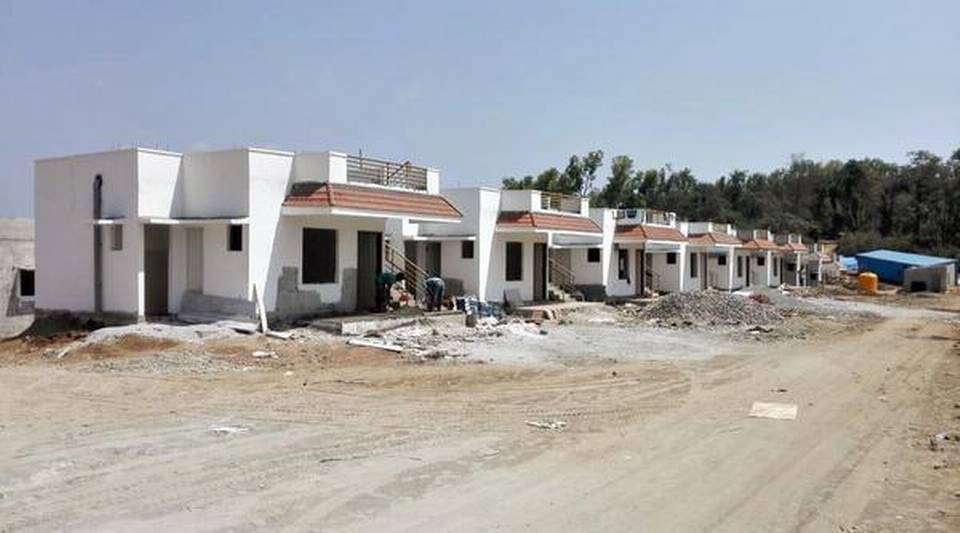
A file photo of the houses being constructed in Kodagu as part of the rehabilitation efforts. Some families are keen to build houses at their place of choice or the original site.   | Photo Credit: SpecialArrangement
A file photo of the houses being constructed in Kodagu as part of the rehabilitation efforts. Some families are keen to build houses at their place of choice or the original site. | Photo Credit: SpecialArrangement

Kodagu administration holds interaction with families that are not keen to move into houses being built by government.

Residents, whose houses were destroyed in last year’s landslips in Kodagu and are keen to reconstruct on the original site or a place of their choice, have been advised to ascertain if the place is safe for reconstruction.

The Kodagu district administration on Thursday held an interactive meeting with 54 such families who were not keen to move into the houses constructed by the government as part of its rehabilitation efforts.

The families were keen to build the houses at their place of choice or the original site. The government is chipping in with ₹9.85 lakh per house which is also the cost of each unit constructed by the government.

Additional Deputy Commissioner P. Shivaraj said many families had lost their houses during the calamity last year, all of whom were being rehabilitated. “But there are 54 families who wanted to build the houses on their own for which ₹2 lakh per family had been released in the first phase.”

He said the construction should be as per the specifications of the government and the beneficiaries should first ascertain if the site was suitable for construction. The balance amount would be released in a phase-wise manner based on the progress of work.

Assistant Commissioner T. Javare Gowda said the house should be at least 5.75 squares and the plot should be in the name of the beneficiary. He said the construction should follow the specified quality norms and clearance from the respective gram panchayats would be procured within a week.

However, the residents seeking to construct their own houses categorically stated that it would not be possible to complete the construction within the next four months as sought by the officials. With the onset of monsoon just a week away construction work was bound to be affected and hence the residents sought additional time for completing the construction.

source: http://www.thehindu.com / The Hindu / Home> News> States> Karnataka / by Special Corrrespondent / Mysuru – May 31st, 2019

Hundreds submit pleas at Parihara Adalat

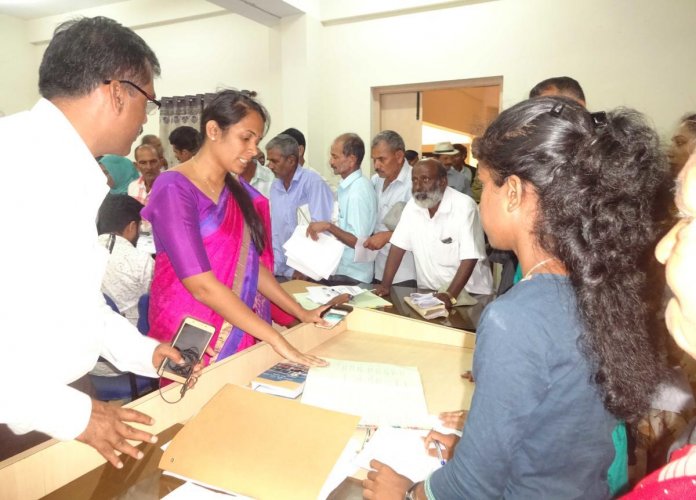
Kodagu Deputy Commissioner Annies Kanmani Joy checks the applications received during the Parihara Adalat in Madikeri on Monday.

Hundreds of people affected by the natural calamity in Kodagu last year took part in the Parihara Adalat and submitted their pleas to the district administration on Monday.

The Parihara Adalat was organised by the district administration to respond to the grievances of natural calamity victims.

The adalat will be held for three days on the second floor of the assistant commissioner’s office auditorium in the district administration complex in Madikeri.

On Monday, hundreds of people enrolled their names.

Deputy Commissioner Annies Kanmani Joy said that the district administration has dispensed 90% compensation to those who have lost their livestock, crops and homes. If anyone is left out, they will be provided with the compensation through the adalat.

The details of compensation have been put up on the website http://parihara.karnataka.gov.in

If the compensation amount has not reached the beneficiaries, such people may furnish their grievances to the district administration during the adalat to be held till May 29.

Many fields and plantations were filled with silt as a result of the natural calamity. A large number of crops were also damaged. Owners of the fields can also claim compensation during the Parihara Adalat.

The compensation amount provided by the government will be credited to the bank accounts of the beneficiaries. The owners of the houses which were completely damaged were added in the first list and the names of those whose houses are found in vulnerable areas were added in the second list, the DC said and added that the rent allowance for the victims who lost their houses, from November 2018 has been directly credited to the bank accounts of the victims.

Assistant Commissioner T Jawaregowda and Tahsildar Natesh were present.

source: http://www.deccanherald.com / Deccan Herald / Home> State> Mangaluru / by Adithya K A / DH News Service, Madikeri / May 27th, 2019