Formal inauguration done; tourists to be allowed only in January 2023
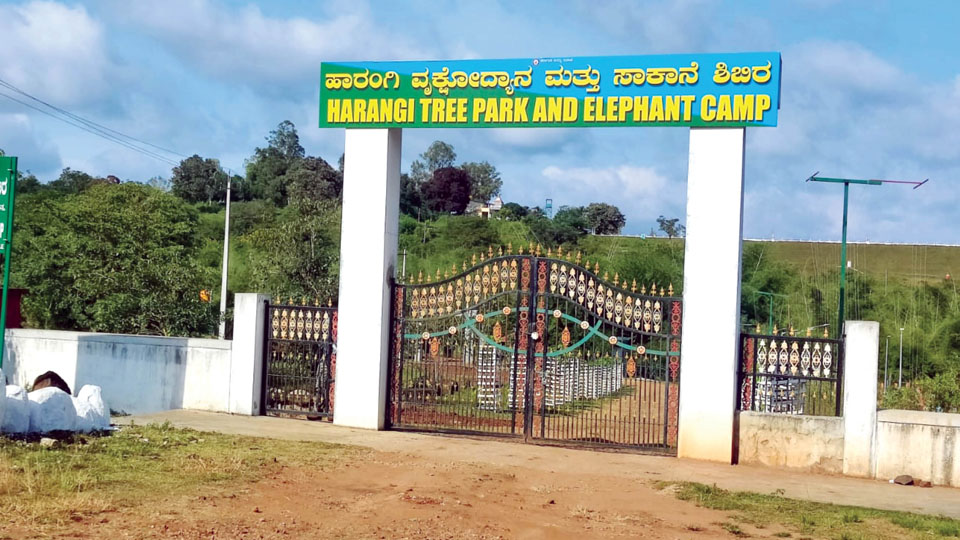
The third Elephant Camp in Kodagu at Harangi, which is the ninth elephant camp in Karnataka was inaugurated last Saturday. Along with the Harangi Elephant Camp, a Tree Park was also inaugurated.
The State Government had released Rs. 80 lakh for the project that will ease the burden of the existing elephant camps. Already, Kodagu has two elephant camps, one at Dubare and another at Mathigodu near Anechowkur Gate that borders Mysuru. There are eight elephant camps in Karnataka including the two in Kodagu and the Harangi Camp will be the ninth in the State.
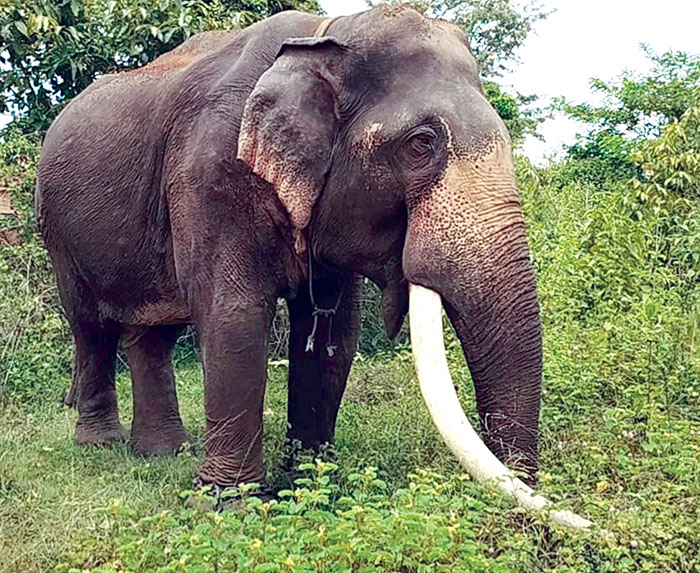
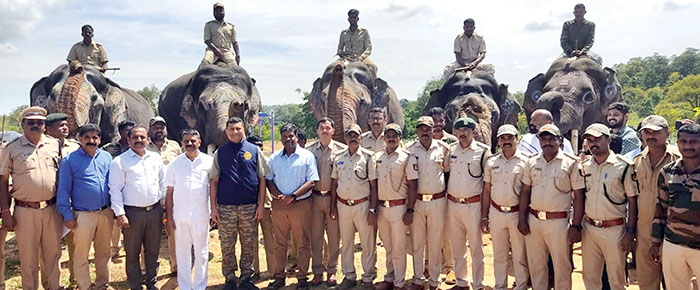
Madikeri MLA M.P. Appachu Ranjan inaugurated the two new tourist attractions. From the Dubare Elephant Camp, six elephants have been shifted to Harangi Elephant Camp. They are Rama (68), Ekadanta (52), Maruti (21), Subramani (35), Vikrama (58) and Vijaya (48).
The eight jumbo camps house more than 100 tamed elephants that are used to rescue wild animals and for logging purposes at Government timber depots. These elephants have been shifted to Harangi in the first phase and more elephants will be moved gradually and this move will ease the pressure on Dubare Camp that has over 31 elephants (the highest in Karnataka).
As per an order by the Karnataka High Court, elephant camps cannot be congested and not more than 15 elephants can be housed in one camp. At present, six elephants have found a new home and more will be moved as and when the funds are released.
Hundreds of tourists who had come to Kodagu on account of Dasara holidays came to the newly-inaugurated Camp and were mesmerised by the beauty of the place located in the backwaters of Harangi Reservoir.
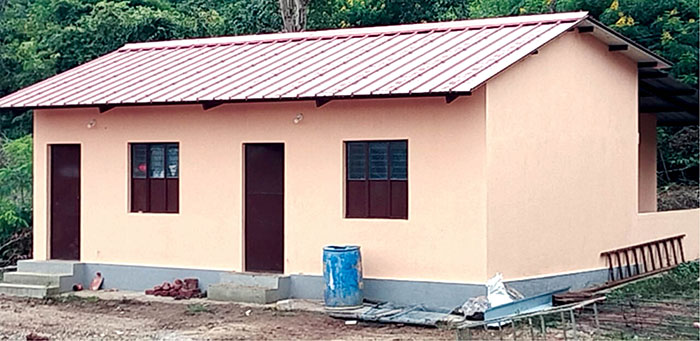
The Tree Park and the Elephant Camp have been set up in a 40-acre land and of that, 10 acres have been reserved for the elephant camp. Staff quarters have been constructed for Mahouts, Kavadis and their families along with a kitchen and a store room. Facilities of boating in the backwaters have been made and basic facilities like drinking water and toilets have been provided for the tourists.
As a precaution, the electrical wiring has been done underground to prevent any accidents either to the elephants or the lush green forests. Final touches are being given to the underground electrification project and works are on to provide drainage facilities. Though the formal inauguration of the Harangi Elephant Camp has been done, tourists will be allowed only from January 2023, said Forest Department officials.
The land on which the Elephant Camp and the Tree Park have been established is located at Athur Reserve Forest. The place, located near the Harangi Dam backwaters, is ideal to set up the elephant camp. The Athur Range Forest extends up to 2,000 acres and it is an ideal elephant habitat with plenty of water and green swathes.
The funds for the camp have been released from Compensatory Afforestation Fund Management and Planning Authority (CAMPA). Apart from setting up a new elephant camp, there are plans to initiate other related development programmes including developing the camp as a tourist centre and at the same time provide shelter to the elephants.
source: http://www.starofmysore.com / Star of Mysore / Home> Feature Articles /October 10th, 2022
Satara, Jul 6 (PTI) Three nature conservationists from Satara in Maharashtra claimed to have “rediscovered” a “nearly extinct” damselfly species ‘Lestes patricia’ after almost 100 years.
A colony of this sub-species, christened ‘Lestes patricia taamrpatti’, was discovered by Dr Shriram Bhakare, Sunil Bhoite and Pratima Pawar-Bhoite from Umrodi Dam area, situated at the foothills of the northern Western Ghats in the district.
According to the researchers, a single male specimen of Lestes patricia, endemic to the Western Ghats, was first discovered in 1922 from Kodagu (Coorg) district in Karnataka and the only specimen currently available is at Natural History Museum, London.
“The discovered colony of new species closely match the specimen of the single known male of Lestes patricia fromthe London-based museum. However, there are stable differences between the newly found species and description of Lestes patricia,” said Bhoite.
“While comparing the body structure and features of the newly found species with an existing specimen of Lestes patricia from the London-based museum, stable differences were found. That is why the sub-species from the damselfly family has been named Lestes patricia taamrpatti,” he added.
Dr Bhakare, an ophthalmologist from Satara, said the reason behind adding the word ‘taamrpatti’ was because thepecies has a coppery red-brown uniform band bordered by black.
“The likelihood the newly discovered population is, in fact, a distinct species cannot be ruled out, but cannot be confirmed until further, fresh specimens of Lestes Patricia are made available from the locality in Kodagu.
“Since the stable features observed in the newly discovered population preclude it from being indisputably placed under Lestes patricia, yet given the lack of comparative material, it is not possible to place it as a new species with certainty,” he added.
So the newly discovered population from Maharashtra is tentatively placed as a subspecies of Lestes patricia, Bhakare informed.
He said a research paper on discovery of the nearly extinct species was published in Bionotes Journal recently.
The researchers said 10 specimens, comprising six males and four females, have been collected for examination. Of the 10, two male and two female specimens have been deposited with Bombay Natural History Society (BNHS), while the rest will be kept at other depositories in the country for further research.
PTI COR SPKBNM BNM
source: http://www.theweek.in / The Week / Home> Wire Updates> National / by PTI / July 06th, 2020
Traveling to Coorg? Get your hands on these 5 items.
Coorg garners a lot of love and attention for its picturesque landscapes, coffee plantations, steep hills, lush forests, and countless streams.A favorite travel destination of many around the world, the “Scotland of India” has so much to offer that you just can’t get enough of.So if you’re visiting “Kashmir of the South”, here are five souvenirs you must get home.
Coffee cup of India
Coffee
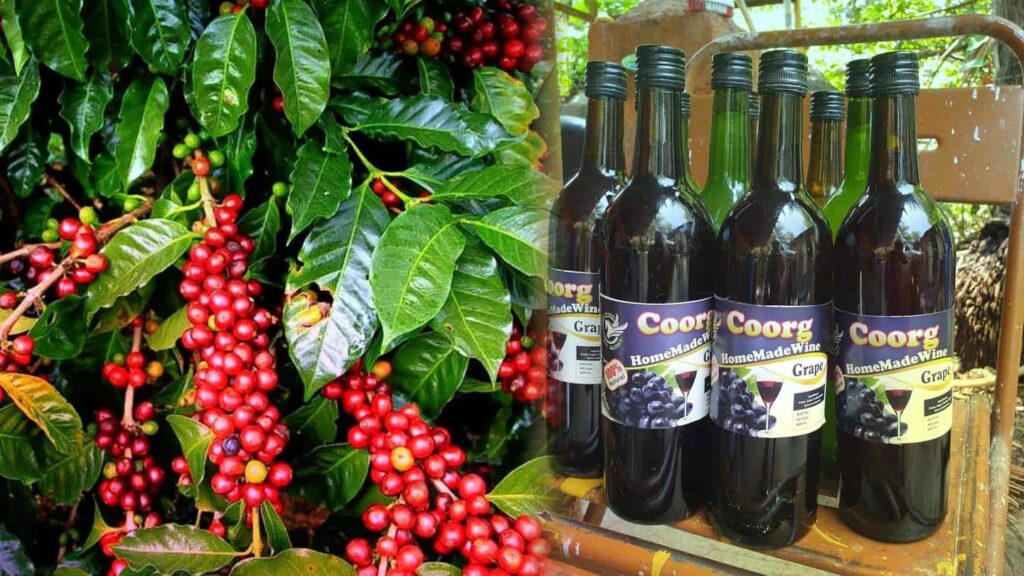
As mentioned above, Coorg is famous for its coffee plantations. In fact, it’s known as the “Coffee cup of India”.The coffee here is aromatic, full-bodied, and tastes mild, so you must grab some for home. Additionally, Coorg also produces the world’s costliest coffee called civet coffee (kopi luwak) and is a major exporter of coffee beans including Arabica and Robusta.
Flavorful
Homemade wines
Homemade wines in Coorg are popular, utterly delicious, and won’t burn a hole in your pocket.These hearty concoctions feature not only grapes but also have the goodness of ingredients including ginger, apricot, pineapple, litchi, gooseberry, passion fruits, etc.Some even include saffron and dry fruits.You can score wines in flavors including pomegranate, cheeku, coffee, etc on your way back home.
Choco goodness
Homemade chocolates
Chocolates are among the most sought-after souvenirs that tourists buy in Coorg.These chocolates are homemade and feature 100% organic ingredients sourced from the plantations at this gorgeous hill station.They are available in a variety and are known to be irresistibly tempting.Although you can find them at all local stores, Choci Coorg is a place you must bookmark for chocolaty shopping.
The ‘sweet’ side of Coorg
Honey
Coorg was once the leading exporter of honey and its quality is absolutely second to none.The honey produced is cent percent organic, so you can easily buy some bottles and take home.However, before you purchase, make sure they feature an AGMARK as it ensures its quality.This will also help you steer clear of honey that’s adulterated and sold at exorbitant prices.
Information
What is AGMARK?
AGMARK is a certification for all agricultural products which ensures that they are of the highest quality, conform to hygiene standards, and are fit to use. The mark is given to fruits, vegetables, pulses, cereals, honey, oils, ghee, spices, wheat, butter, flour, oilseeds, etc.
As spicy as it gets
Spices
Coorg’s agricultural scene is quite impressive as it’s blessed with a bounty of nature.The hill station offers an eclectic array of spices that you can use for cooking and get reminded of your #CoorgDiaries one bite at a time.So when you visit this idyllic destination, do shop for cardamom, black pepper, basil, cumin, oregano, rosemary, clove, thyme, mint, sage, etc.
Information
What else can you buy in Coorg?
Coorg is also famous for oranges, dry fruits, herbal oils, silk sarees, handmade soaps, flavored teas, wooden and coconut artifacts, traditional jewelry, etc.
Each of these items is easily available across the hill station and makes for the perfect souvenir that you can take home.
source: http://www.newsbytesapp.com / News Bytes / Home> News> Lifestyle News / by Anujj Trehaan / September 14th, 2022
Coffee Board of India has decided to launch four premium coffees under the ‘India Coffee’ brand as well as two affordable coffees under the ‘Coffees of India’ brand on Amazon. | Photo Credit: MURALI KUMAR K
As international price volatility challenges prevail, the Coffee Board is strengthening the domestic appeal for pure coffee across the country
Coffee Board of India, a body that represents coffee growers and coffee industry in the country, has decided to expand its reach by launching four premium coffees under the ‘India Coffee’ brand as well as two affordable coffees under the ‘Coffees of India’ brand on Amazon, said K.G. Jagadeesha, IAS, CEO & Secretary, Coffee Board on Monday.
“Now, we are expanding our reach by launching four premium coffees such as Coorg Arabica Coffee (GI), Chikmagalur Arabica Coffee (GI), 100% Arabica coffee and a blend of Arabica and Robusta under ‘India Coffee’ brand,’‘ he said.
The launch would also include affordable coffees such as 100% Arabica and a blend of Arabica and Robusta under the ‘Coffees of India’ brand, he said.
“Coffee Board’s collaboration with Amazon is expected to boost domestic coffee consumption. Our coffees are sourced from the best coffee estates to suit the taste of millions of coffee connoisseurs across the country,” Dr. Jagadeesha added.
As international price volatility challenges prevail, the Coffee Board was in the process of strengthening the domestic appeal for pure coffee across the country, Coffee Board CEO further stated.
Sourced from Karnataka
Coffee consumption in the country is on the rise. Through this association, a premium range of coffees will be available on Amazon.in, that are sourced from the coffee-producing regions of the country in Karnataka, as per Amazon.
“This is in line with our endeavour to offer flavours of Indian coffee at value offers to our customers,’‘ said Nishant Raman, Director – IN Consumables, Amazon India, in a statement.
The country’s coffee exports stood at a rise of 90% in April-June 2022 over the same period in FY 2013-14. As the seventh largest coffee producer in the world, India exports 70% of its coffee overseas. Acclaimed as a region known for the origin of high-quality coffee, India has created a niche for itself with seven GI-registered coffees that are offered globally, according to Coffee Board.
source: http://www.thehindu.com / The Hindu / Home> News> India> Karnataka / by Special Correspondent / Bengaluru – September 12th, 2022
The fragrance of coffee itself dissolves every stress in your mind. Drinking coffee is like giving your soul that much needed hug. Coffee is more than just a beverage to all the coffee lovers for sure. It’s their escape sometimes and sometimes just a companion. Just like libraries are heaven for book lovers, Coffee estates are the same for coffee lovers. If you too are someone who loves coffee and want to grab a brew at a coffee estate, here are the five best ones in India.
1. Kerehaklu Eco Retreat, Chikmagalur
Kerehaklu Eco Retreat is nestled in the lush greenery of Chikmagalur’s coffee plantation. The old water body that lies within the confines of the coffee farms bears the name Kerehaklu. This resort with rustic setting also promises the most spectacular panoramic views of the Kudremukh Mountain Range. With coffee plantations spread across 275 acres, the air here is filled with the divine aroma of coffee.
2. Palace Estate, Coorg
The Palace Estate is nestled in the lap of the highest mountain peak in Coorg, “Thadiyandamol ” peak of the Western Ghats. The Palace Estate is a 50-acre traditional farm that grows fruits like oranges, bananas, avocados, and cardamom as well as coffee, cardamom, and pepper. The homestay offers luxurious wooden rooms with all needed facilities and a small library. You can take a tour of several different coffee plantations from the homestay.
3. Rainforest Retreat at Mojo Plantation, Coorg
If you are someone who loves nature and coffee both alike, then Rainforest Retreat at Mojo Plantation is just for you. The delicious meals are made using biogas from their gobar-gas plant, and the cottages here were created using environmentally responsible construction techniques. Do not miss having a warm cup of coffee here while overlooking the plantations.
4. Tranquil Resort, Wayanad
The Tranquil Resort is tucked away peacefully among a 126-year-old coffee and spice estate. This stay offers pure serenity amidst the divine aroma of coffee. You can choose from the type of stays as per your preference from cottage to treehouses. You can go on a tour of this 400 acre spread plantation and enjoy your freshly brewed coffee. You can choose from 10 of their bio-diverse walking trails.
5. Grassroots, Kerala
The land of spices and coffee offers you a glamping experience like no other. What is more beautiful than sipping on some hot coffee as you overlook lush green coffee plantations. Grassroots resort in Kerala offer you to stay amidst the coffee plantation in spacious luxury tents and feel pure serenity. The sound of the river flowing, the bird chirping, lush greenery and the fragnance of coffee is surely going to give you the best experience to all your senses.
A capacity building programme for Kodagu coffee growers was organised by the Federation of Indian Export organisation in Madikeri.
A capacity building programme for Kodagu coffee growers was organised by the Federation of Indian Export organisation in Madikeri.
The initiative was hosted under the flagship of the ministry of commerce with support from the state agriculture department.
Experienced coffee growers of the district attended the event.
The need for the promotion of international coffee trade was highlighted during the programme. The facilitators sensitised the entrepreneurs, farmers and exporters on the potential of exporting coffee and spices from the district.
The various trade opportunities in the international market, the role of various agencies, the role of free trade agreements and various other schemes under the Directorate General of Foreign Trade were explained to the growers in detail.
A total of 75 participants comprising farmers, farmer produce organisations and entrepreneurs took part in the session.
Lokesh HD, ITS, Jt. DGFT Bengaluru was the chief guest of the event. Babu Reddy DR, DD of Coffee Board spoke on coffee exports and GI Coffee. The role of banking, industrial policy, Indian trade portal and schemes under spices board were highlighted during the session.
Shabhana M Sheikh, JD of district agriculture department was also present .
source: http://www.timesofindia.indiatimes.com / The Times of India / Home> News> City News> Mysuru News / by TNN / September 08th, 2022
In today’s Finshots we talk about the main issues coffee farmers face in this country
The Story
Coffee!
Each day, over 1 billion people gulp down 2.5 billion cups of this steaming hot beverage. What was called the Devil’s Drink in the 1600s has now become a staple concoction across the world. And there’s one country that produces and exports most of this coffee — Brazil. In fact, it produces a staggering 40% of the world’s coffee and they are the undisputed leader.
But all’s not well with Brazil. The world’s biggest producer has been going through a bit of a rough patch. It has been hit by freakish weather — cold snaps and frost, combined with a lack of rain. Which in turn has led to a fairly lacklustre crop this year.
Now India is seeing a silver lining here. It thinks this could be an opportunity to export more of its own stuff. After all, the Coffee Board expects India to deliver a higher coffee output this year. And maybe Brazil’s loss could be India’s gain?
Well, not so fast. India really hasn’t been doing well on the export front of late. In fact, from FY12 to FY21, coffee exports have fallenby 3% annually. And that’s because Indian coffee farmers are dealing with their own problems.
For starters, there’s climate change.
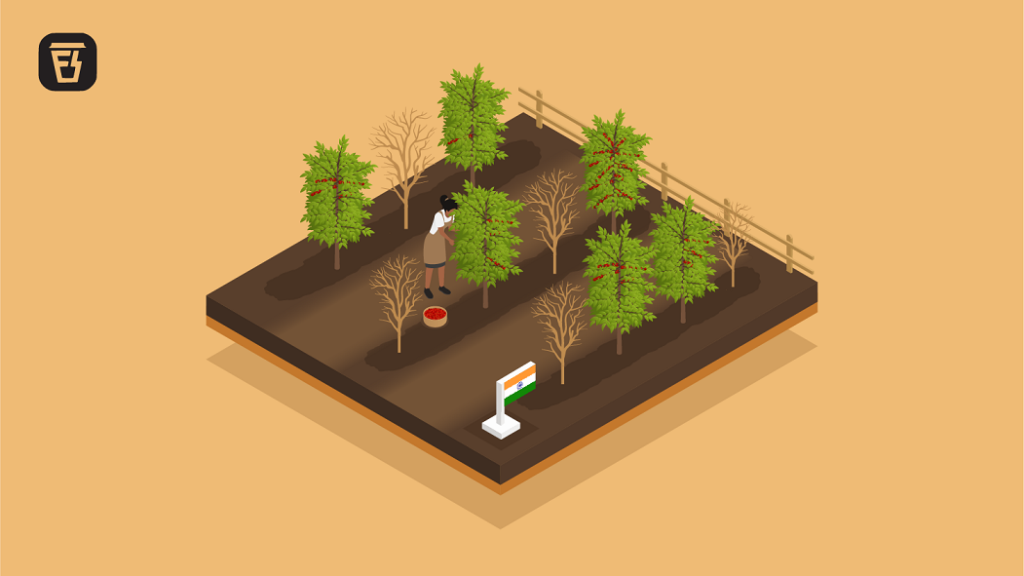
You see, nearly 80% of India’s coffee production comes from the two southern states of Karnataka and Kerala. But the past few years have been a damp squib. The rains have been erratic. Some years, the monsoon came early and other times it came with vengeance. When the rains came early, the coffee fruit ripened too soon and the output was no good. When it poured heavily, flooding and landslides wiped out the crops. Farmers simply couldn’t catch a break. And with crops destroyed, yields have dropped from 500 kg to 250 kg per acre for the arabica variant of coffee bean.
Then there’s the bit about prices.
In 2019, coffee prices in real terms (i.e after adjusting for inflation) were a whopping 45% below their 2011 level. In some sense, if you were a coffee farmer, you’d have to cut costs and raise output to maintain the same standard of living. In fact, in most cases, there were no improvements. Farmers lost money hand over fist. This was further exacerbated by the excess supply of coffee beans coming in from Brazil and Vietnam. Prices took a real beating.
But the costs weren’t following the same trends. It was becoming increasingly expensive to plant and harvest coffee. For instance, according to the Karnataka Planters Association, the cost per acre of producing the arabica coffee bean variant has soared from ₹50,000 to ₹85,000 per acre. This is just in the past 3 years. Fertilizer prices have shot up. Labour costs have also ballooned. And consequently, the coffee-growing business just isn’t that financially viable anymore. Many small farmers have sold their plantations. Or even begun cultivating other crops instead.
And finally, there’s the policy-related matter.
Even though coffee is a very important crop for India, it doesn’t come under the purview of the Ministry of Agriculture. That’s right! It’s actually a part of the Ministry of Commerce. And that classification creates its own issues. For instance, coffee growers may not get the same subsidies and benefits that are extended to India’s farmers. And that’s not us saying that. Even a senior liaison officer of the Coffee Board, Yercaud and Kolli Hills, said, “Currently, we do not provide any subsidy to farmers.” And unlike many other crops, there isn’t a minimum support price (MSP) scheme pan India that can help alleviate the stress.
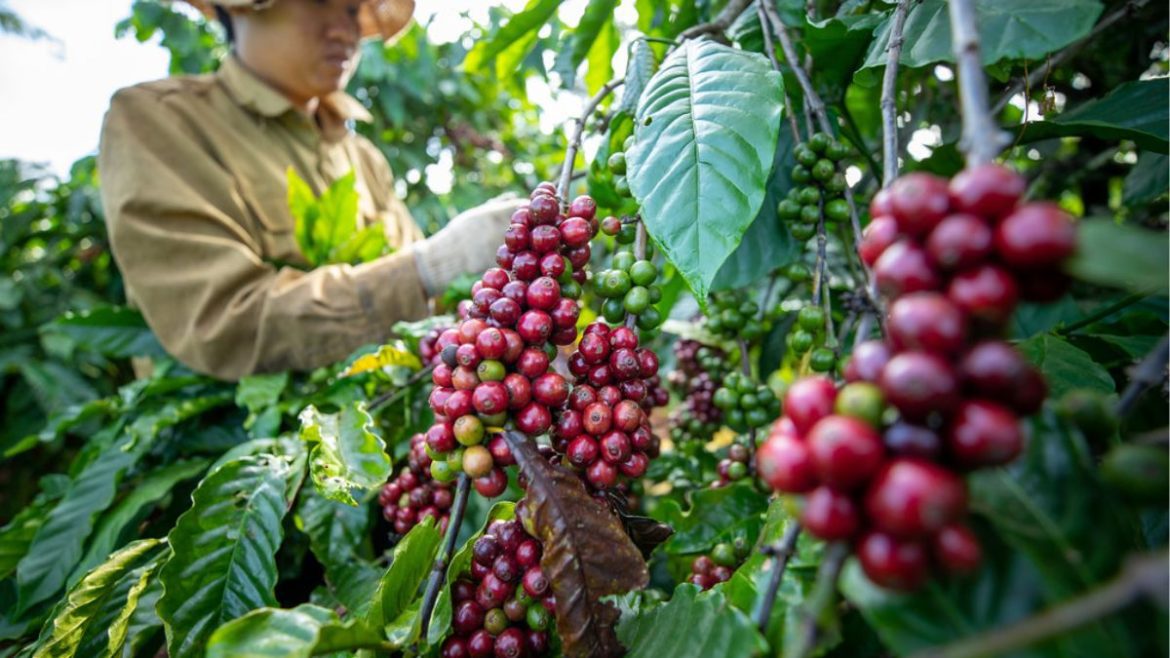
Now even if we were to ignore all these problems, India still wouldn’t be able to ramp up coffee production quickly. Simply because growing coffee is not an overnight affair. It takes 3–5 years for coffee trees to mature and yield bright red coffee cherries.
And what’s the government doing about all this?
Well, they are attempting to amend the decades-old Coffee Act of 1942 and replace it with the Coffee (Promotion and Development Bill) of 2022. While it’s too soon to spell out the specifics of the new Act, hopefully, it’ll have measures that’ll bring some respite to India’s struggling coffee farmers.
But wait…there still exists a long-term issue that no one’s paying attention to.
See, coffee is quite a sensitive crop. It needs the perfect temperature to bring out the best aroma and taste in the beans. Even if things get a little hotter, that can have an adverse impact on the quality of the beans. And temperatures in the coffee-growing regions of southern India are expected to rise by around 2 degrees Celsius by the mid-2030s. How are we going to combat this? No one knows yet.
So yeah, it doesn’t seem like India’s coffee farmers are going to be able to sit back on their porch with a cup of joe and relish the tough times in Brazil.
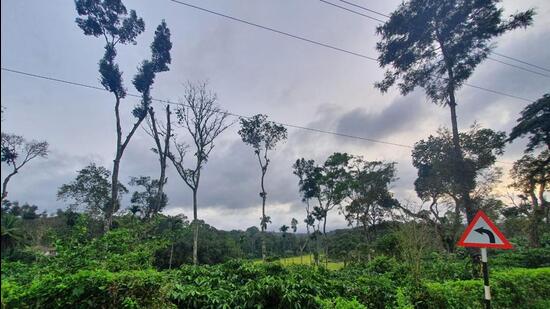
Heavy and unseasonal rains since July have led to most of the coffee dropping off the plants, which planters estimate has led to a 30-35% decline in production in the state.
Since 2018, problems for Karnataka coffee growers have only compounded, making it harder to survive on a product whose prices have seen violent fluctuations as it is connected to global markets while internally few factors have changed to help their cause.
Heavy and unseasonal rains since July have led to most of the coffee dropping off the plants, which planters estimate has led to a 30-35% decline in production in the state.
Ground reality
Coffee growers have multiple challenges such as increasing labour costs due to dire shortage, crop damage, landslides, human-animal conflict, unseasonal rainfall, price fluctuations and the recent proposal on eco-sensitive zones in the western ghats among others.
“The rains have been very heavy and prolonged downpour this time and especially high in the Western Ghats region has led to wet-foot conditions and dropping of coffee. The coffee, which is supposed to be harvested by December, is largely damaged and we estimate a 30% loss in crop,” said Bose Mandanna, a coffee planter and former member of the coffee board.
Hassan, Chikmagalur and Kodagu are the biggest growing coffee regions in the country, accounting for 241,650 tonne production out of total 342,000 tonne produced in India.
With at least 70-80% of the total produce exported globally, coffee was among the biggest foreign exchange earning sectors. However, the importance of this sector has declined over the years, especially the booming information technology and related industries which overshadow plantation revenues now.
“Coffee is a commodity where prices are determined at a global level. But having a strong domestic market is an insulation whenever there is a price variation. So, we don’t want to increase domestic consumption because our coffee is regarded as very high quality and has good demand in the international market. But if there is a bumper production in Brazil and Vietnam, the prices will collapse. At that time, the farmers should not feel that they have suffered a huge loss. That time having a strong domestic market is very important and the coffee board is balancing both,” said KG Jagadeesha, CEO & secretary of the Coffee Board of India.
Nature’s fury
In 2018, 39 villages near Madikeri and Somwarpet experienced several landslides as the downpour wreaked havoc in several parts of Karnataka, especially Kodagu, that resulted in permanent plantation land loss to over 8,000 people, according to Nanda Belliappa, a coffee planter in Huttihole Post, Madapur village near Madikeri.
Several planters have since gone to court seeking relief for permanent land loss due to landslides which they claim was “not an act of god but certainly was a manmade disaster”.
“The incessant heavy rainfall and the huge amount of water released from the reservoirs causing fluctuations resulted in hydrostatic pressure due to which landslides occurred at various places, more particularly in the 39 villages. The river water had entered the plantation zones that were quite far away from the river bed,” according to a petition filed in (Karnataka High court) in 2020.
Located near Harangi Dam, this belt saw the most amount of devastation, in which over 100 people in the state lost their lives.
Belliappa lost nine acres permanently and received ₹35,000 per acre compensation, which was capped at a maximum of 2 ha (1 ha=2.47 acres) or around ₹1.75 lakh as per the National Disaster Relief Fund (NDRF) norms.
“Around 8,000 planters have been displaced. Totally if you see around 900 ha are lost. We are demanding that we be given the same compensation when the government acquires land for roads or other developmental works. On that basis, if we have lost land, the government has to compensate on that level which is normally three or four times the guidance value,” Belliappa said.
Jagadeesha said: “NDRF norms are the same for all farmers as it does not differentiate between coffee or arecanut or anyone else. The compensation is paid at ₹36,000 per hectare for crop loss. For land loss it is a bit more. But the compensation which is paid to a paddy or agricultural farmer or ragi or jowar or coffee is the same. The demand by coffee growers is that plantation crops are different. Even in the (coffee) act, a small coffee grower is classified as 10 hectares whereas it is only 2 hectares. So, they are asking if compensation can be done up to 10 ha.”
He said post the 2018 landslides, a committee under the Karnataka chief secretary did send recommendations to the union government at least three times but are yet to hear back from the Centre.
“The committee unanimously recommended that the compensation be increased from ₹36,000 to ₹72,000 and the 2ha limit be increased to 10 ha. That recommendation has gone, but we have not heard anything. We have written three to four times from the coffee board. We are in favour of giving more compensation to coffee growers because the investment is more,” he said.
Proposed new coffee act
The union government has proposed to replace the 80-year-old Coffee Act with the Coffee (Promotion and Development Bill) 2022 that is expected to come up in the next session of Parliament. “These are very old laws and the idea is only to simplify them, make it easier to do business, ensure that the small people in the different areas like coffee growing, tea growing do not have to suffer from high levels of compliance burden,” Piyush Goyal, the minister for commerce and industry, had said, PTI reported in July.
Among the changes proposed in the new act is the shifting of coffee from the commerce and industries department to agriculture, which, it believes, would give the planters all the benefits from significantly large agricultural schemes.
But, how does this impact coffee growers?
Planters, who spoke to HT, said there was definitely more money and funds in the agriculture department, but fear that coffee would not be treated as a priority when compared to other crops such as paddy, wheat and others. They also said coffee requires officials with expertise in the subject.
“The situation today is that even after cultivating coffee under shade for about 170 years, we are still not globally recognised as shade-grown coffee. These are the things that the coffee board needs to do. The moment the shade is more, our yield productivity will come down to the tune of one-third of what Brazilians do. They have open field cultivation. Coffee boards need to promote, they should certify and see to it that sustainable activity which is practised in the coffee industry gets recognised globally,” said Vishwanath KK, an executive member of the Codagu Planters Association.
Vishwanath said the Indian council of agricultural research must do the research and the commerce ministry should focus on trading, promotion and other commercial activities. “The coffee board served its purpose. The last 20 years there is a clear disconnect between the farmers and the board and the research. Now, there has to be an opportunity for the commodity to take it to the next level,” he said.
Jagadeesha said the proposed coffee act is scheduled to come up in the next session of Parliament, but added that the proposal to change from commerce and industry department to agriculture will make no difference on the ground.
“One of the reasons is since the agricultural department has a bigger budget, the farmers may benefit from this. That too is only an expectation,” he said. However, he said this proposal has not moved on paper and since coffee was export heavy, it will remain with the commerce and industries ministry.
source: http://www.hindustantimes.com / Hindustan Times / Home> Cities> Bengaluru News / by Sharan Poovanna, Bengaluru / August 22nd, 2022
It is said that we can achieve anything if we have determination and nothing can hinder our growth. You don’t have to go somewhere, you don’t have to study a degree to achieve such an achievement. No need for money. Even so, the women of Makkandur village of Kodagu district have shown that success story can be done! Not only that. The CEO of Kodagu Zilla Panchayat has also made a fuss. This is the story of rural women who never dreamed of promotion (Kodagu Success Story) who suddenly became famous!
Holy Women Shakti Sangh
Yes, the women who were home, doing their house work, garden work had formed the Holy Women Shakti Sangh a few years ago. Leelavati, who was a member of the same association, was selected as the agricultural sakhi of Makkandur Sanjeevini Union.
In-workshop training
Under the Mahatma Gandhi National Employment Guarantee Scheme, a training workshop was given to the selected G.P. Sanjeevini Unions in Watekadu Ilakha Planta Kshetra Social Forest Zone of Hoddur G.P. in collaboration with Horticulture and Forestry Department. Makkandur Sanjeevini Union’s Krishi Sakhi Leelavati also participated in the workshop. Practically got information about making nursery.
Nursery Planning
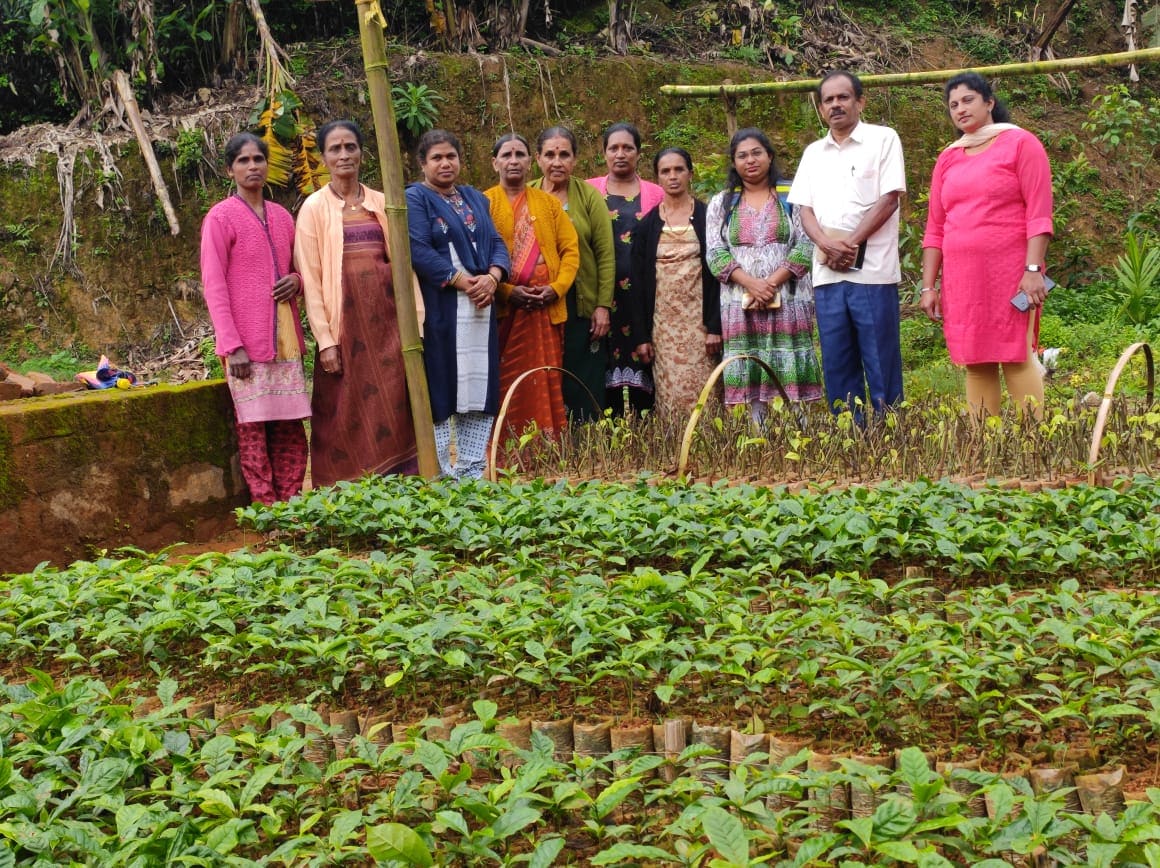
Later, a group of nature producers was formed by Makkandur Gram Panchayat. A total of 12 members, including 8 members from Pavitra Stri Shakti Sangha and 4 members from other Sangha, proceeded to the nursery work.
Appreciation for women’s achievements
Thus the central government’s NRML scheme to promote women’s empowerment and economic empowerment is progressing successfully in Kodagu. G.P.M.CEO Bhamwar Singh Meena, who personally visited the place, expressed his appreciation for the women’s achievements. He promised to provide all kinds of cooperation and stood in support of the development of the first nursery in the district.
Lilavati of Pavitra Streeshakti Sangh contact number: 9483242533
Variety Plant Nursery Nut, 3 types of coffee, kachampuli, lemon, butter fruit and black pepper plants have been planted in the nursery. There are already about 15 thousand plants and in the near future there is a plan to make a nursery for cardamom and various fruit plants.
A good plant
In addition, Leelavati’s half acre land was taken on lease through a group of producers and a nursery was made in that place. Plant nutrition is done by mixing good quality soil, sand, organic manure, sowing seeds of good variety, planting vines, providing water, spraying medicine.
70 thousand spent so far
In the beginning, the women paid for the facilities of the nursery at their own expense, and recently an installment of money has come. 70 thousand has been spent so far including salary.
Everyone has cooperated in this work of women and they are eager to develop the nursery further. Soon Makkandur Gram Panchayat is ready to sell plants at a discount price. The women in the group will also be paid by the government.
The road to self-reliance
All the members are actively involved in the work activities and contribute to the achievement of the association. The Sanjeevini Union was started in order to show the path of self-reliance to the women of the village, and the women of Makkandur village have benefited from it.
Necessary loan facility is also available from the association. Rural women have shown that if you put your mind to it, you can achieve anything. This is the first nursery in Kodagu district and recognized at the state level as well. Apart from benefiting from the central government scheme, she is also a role model for other women.
Report: Stanley. D. give
source: http://www.irishivideo.com / I V News / Home> Latest News & Updates>Technology / by Stanley D / August 25th, 2022
In today’s situation where there are many people who think that I can get rich by acquiring property and money, this goldsmith has some love for the environment. Therefore, there is a great desire to earn money by trading gold and silver and to preserve the environment for the next generation. Trader Rajendra Singh has been continuously planting and nurturing plants for the past many years without any publicity. Rajendra Singh is originally from Rajasthan, residing in Siddapur, Virajapete taluk of Kodagu district. He settled in Kodagu 20 years ago.
Rajendrasingh, who was concerned about the environment from a young age, has a great love and concern for the environment. The reason for that is that Rajendra Singh, who was born and brought up in the desert of Rajasthan, felt that if there were no trees, he would face such difficulties.
Planting and nurturing work
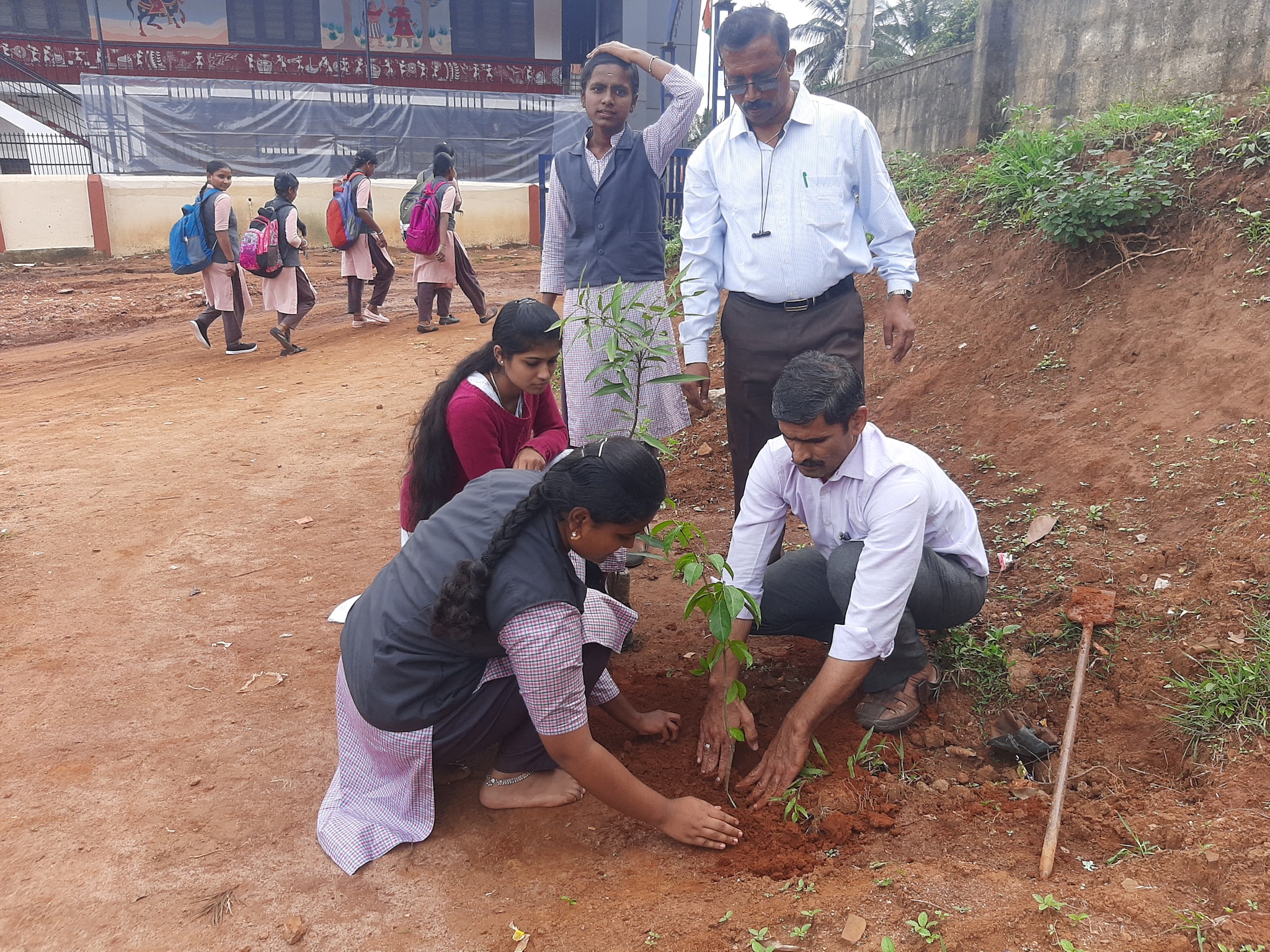
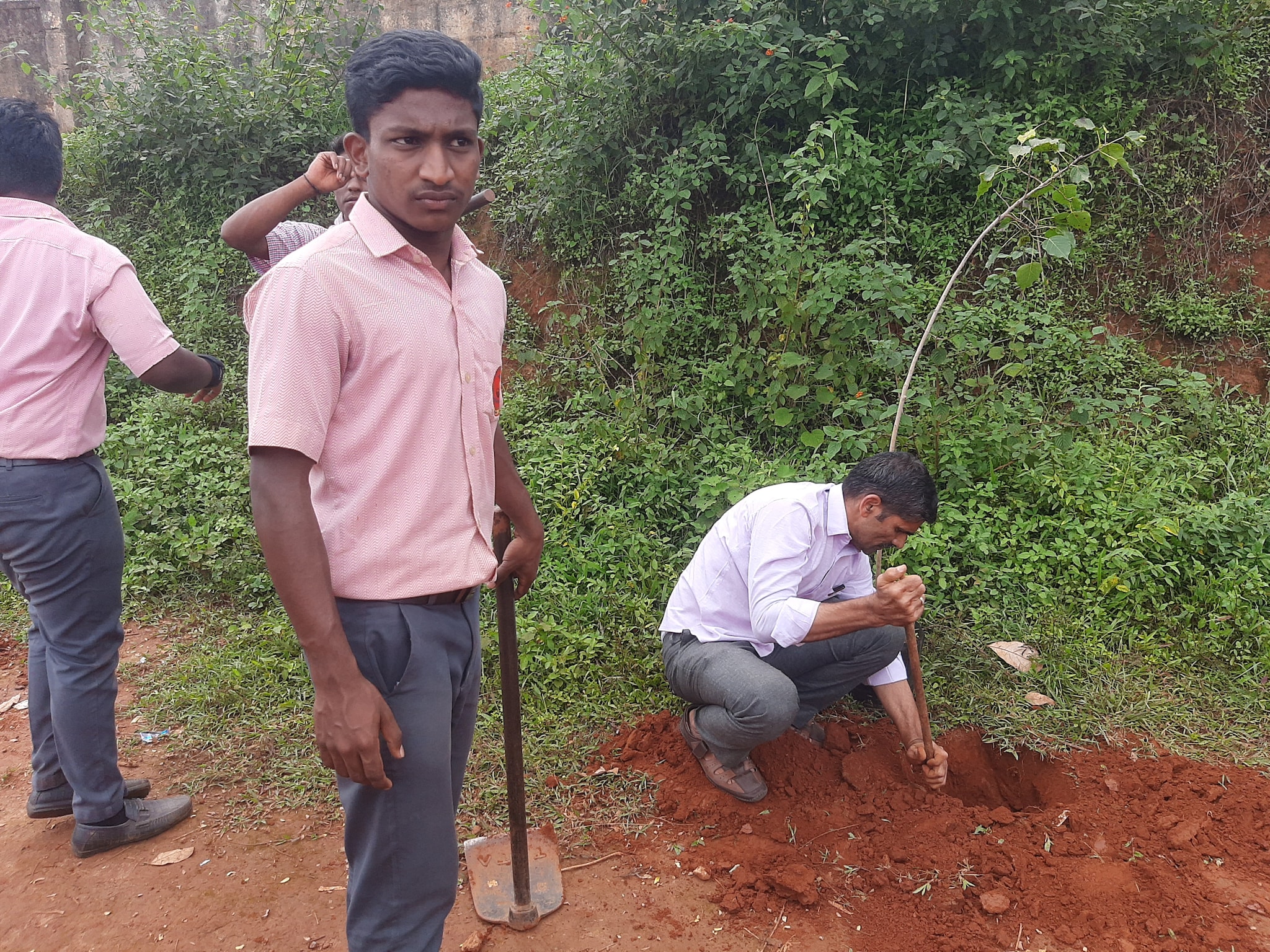
Thus, even after coming to Kodagu, his concern for the environment did not diminish. They are constantly doing the work of planting and nurturing plants in school college premises, bank police station and government office premises.
Planting
What does Rajendra Singh say?
Especially in 2014, thousands of trees were cut down while the high tension line was being laid in Kodagu to Kerala. As a result, there was a lot of ups and downs in Kodagu without rain as before. Such a situation was created that if it came, it would pour down immediately, otherwise it would not rain at all. Rajendra Singh says that he was very bored by this and started planting a lot of plants.
Rajendra Singh who planted 1.80 lakh saplings
So far, approximately 1.80 lakh saplings have been planted and nurtured in school and college premises of various taluks of Kodagu, government offices, schools and colleges of Priyapatnam, Mysore taluk and Hunsur taluk. Besides, they are planting plants on roadsides and in forest areas.
Students are aware of the environment
They are watering the plants they have planted themselves during summer. Realizing that the work of planting and growing plants is not possible on his own due to the environmental degradation, Rajendrasingh is making students aware of the need to plant and grow plants before going to schools and colleges.
Planting
A businessman is also very concerned about the environment
Besides, they are working to encourage students to plant and grow plants by conducting various competitions and giving prizes. On the whole, the locals are appreciating his concern to save the environment even though he is a gold and silver trader.
Rainfall has decreased in Kodagu region since last one week. Two weeks ago there were scattered landslides along with rain in Kodagu environment.
source: http://www.irshivideos.com / IV News / Home> Latest News & Updates / August 01st, 2022
WELCOME. If you like what you see "SUBSCRIBE via EMAIL" to receive FREE regular UPDATES.
Read More »